10 Inventors Who Died Broke Despite Changing the World & 10 Who Cashed In
Patents Don't Pay the Rent
The gap between inventing something and profiting from it turns out to be enormous, and history is full of people on both sides of the divide. Some lost their patents in court to companies with better lawyers and deeper reserves. Others signed away rights early, or built something the world wasn't ready to buy for another thirty years. A few simply had terrible timing, which is its own kind of tragedy when the thing you built ends up in every house on the block. Here's 10 who changed the world and got nothing and 10 who cashed in on their contributions.
 Unknown authorUnknown author on Wikimedia
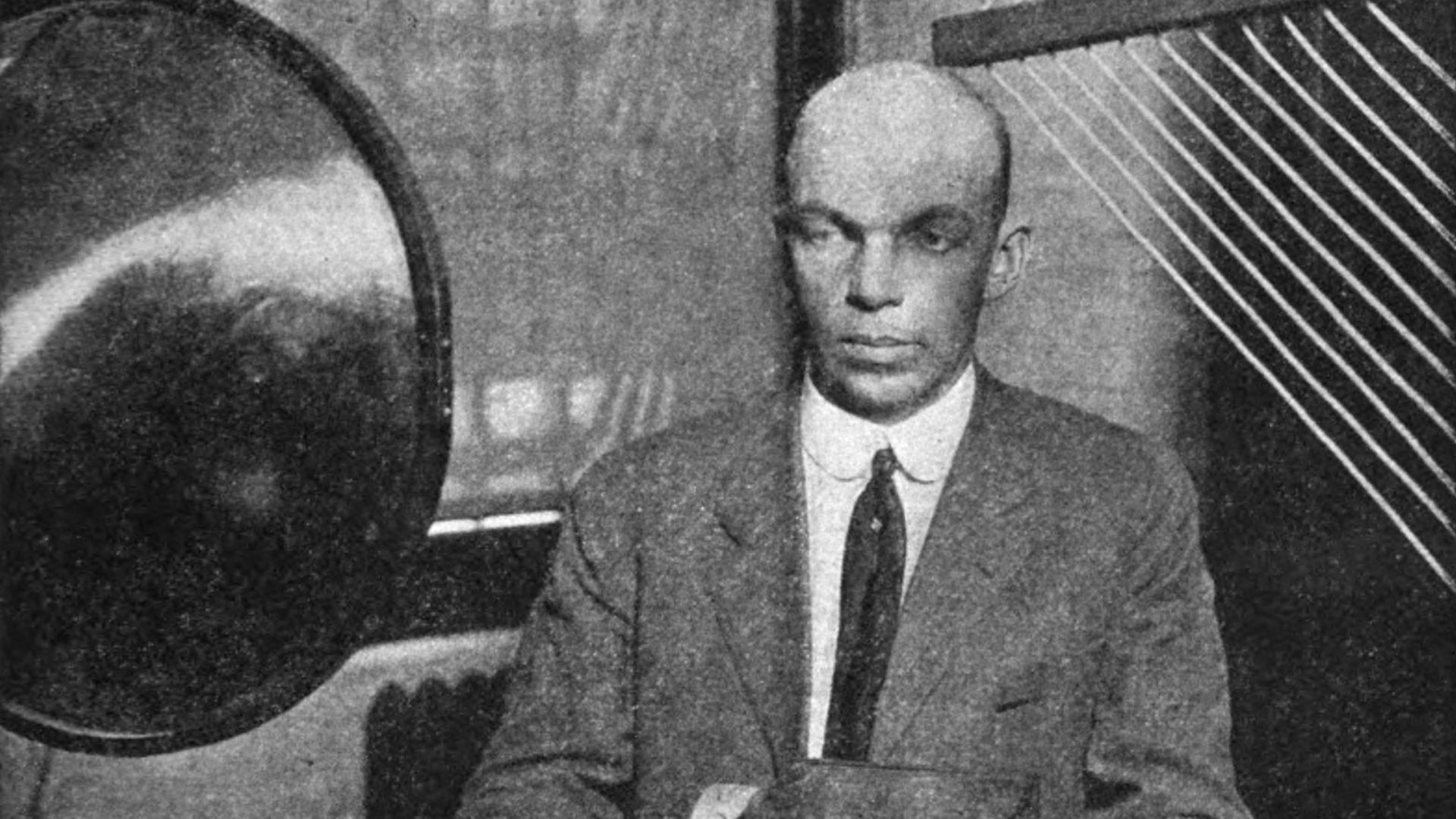
1. Nikola Tesla
Tesla held around 300 patents and spent his final years in a New York hotel, living on a small stipend and the goodwill of people who took pity on him. He'd torn up a royalty agreement with Westinghouse decades earlier, a decision worth an unimaginable fortune had he kept it. He died in 1943 owing the hotel money.
 Unknown authorUnknown author on Wikimedia
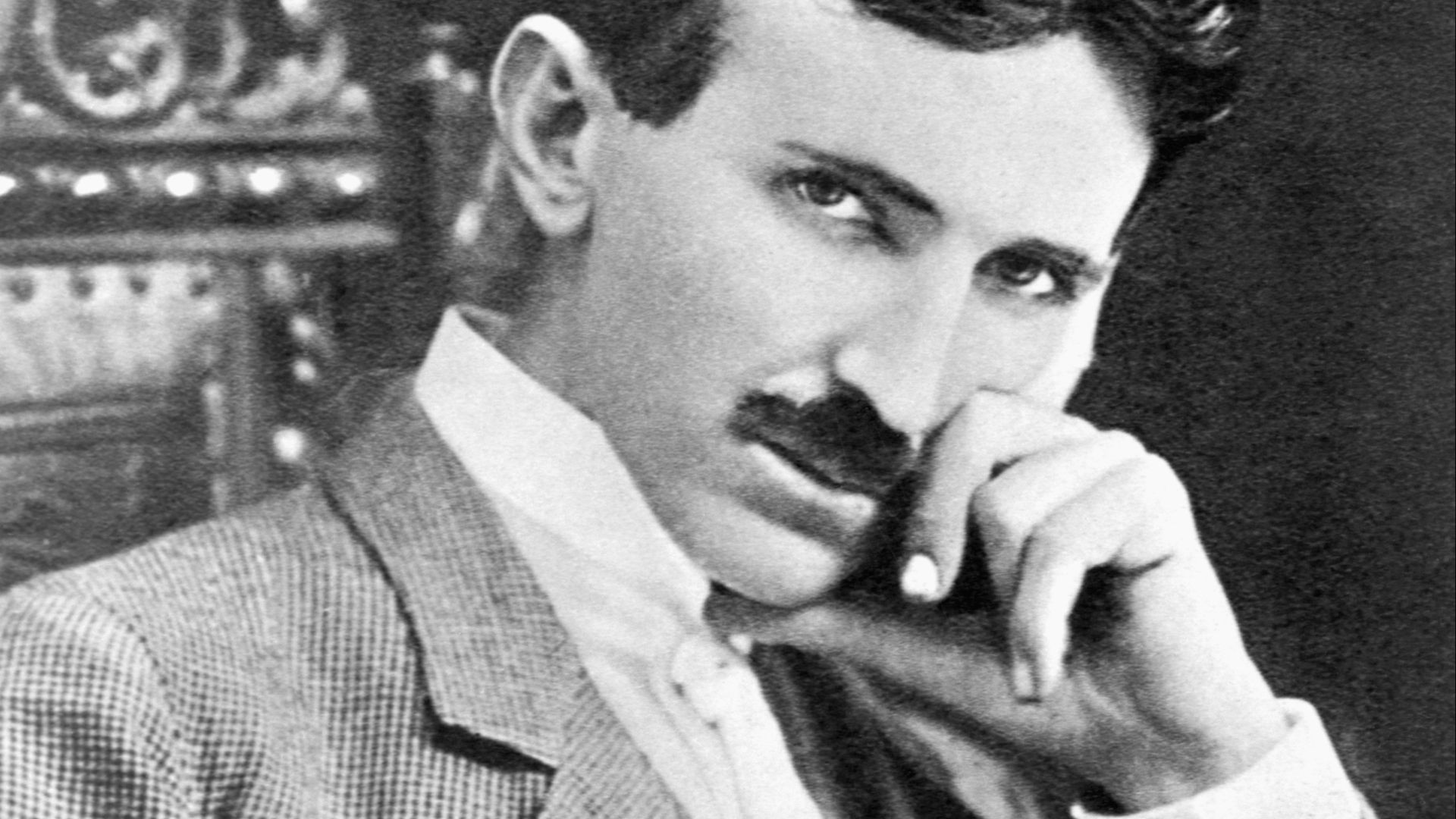
2. Charles Goodyear
Goodyear figured out vulcanization in 1839, then spent the rest of his life suing infringers and winning cases that never covered what they cost to bring to court. He served time in debtors' prison more than once. When he died in 1860, his family inherited around $200,000 in debt.
 Mathew Benjamin Brady on Wikimedia
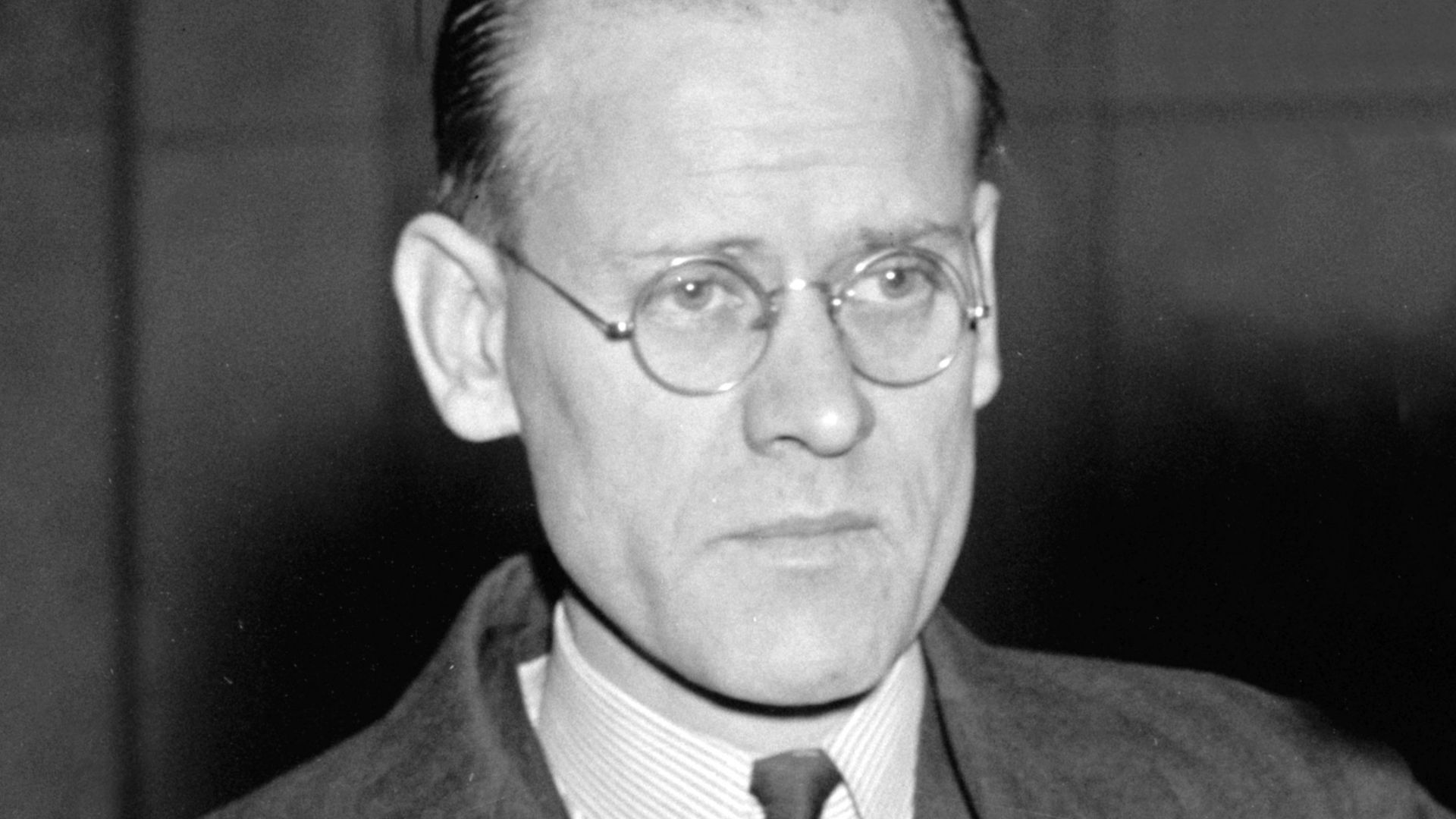
3. Philo Farnsworth
Farnsworth transmitted the first electronic television image in 1927, at 21, in a San Francisco lab. RCA fought him in court for years, and by the time his patents held up, most of their commercial life had already burned away. He later watched the moon landing on a device he'd effectively invented and earned almost nothing from.
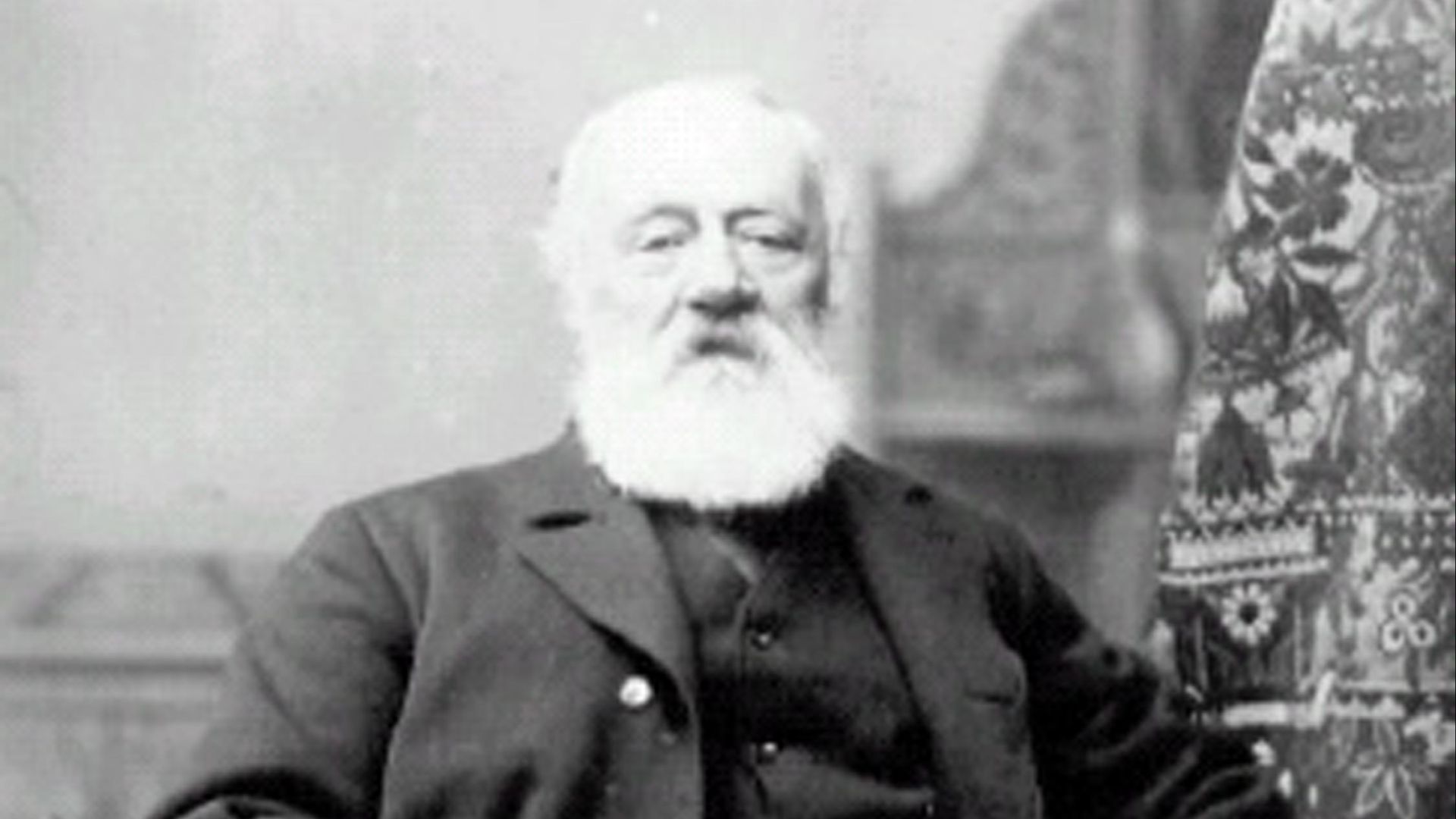
4. Antonio Meucci
Meucci demonstrated a working voice-transmitting device in the 1850s and couldn't afford a full patent, filing a cheaper caveat instead. Bell's patent arrived in 1876 while Meucci was living on public assistance in Staten Island. The U.S. House passed a resolution recognizing his work in 2002, more than a century too late.
 Unknown authorUnknown author on Wikimedia
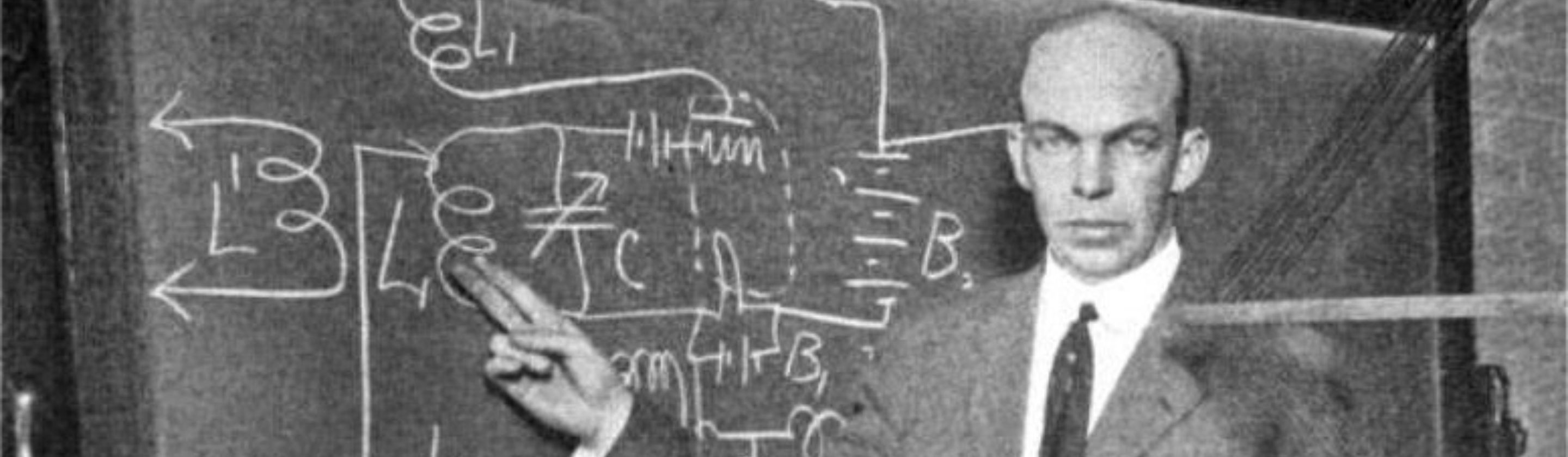
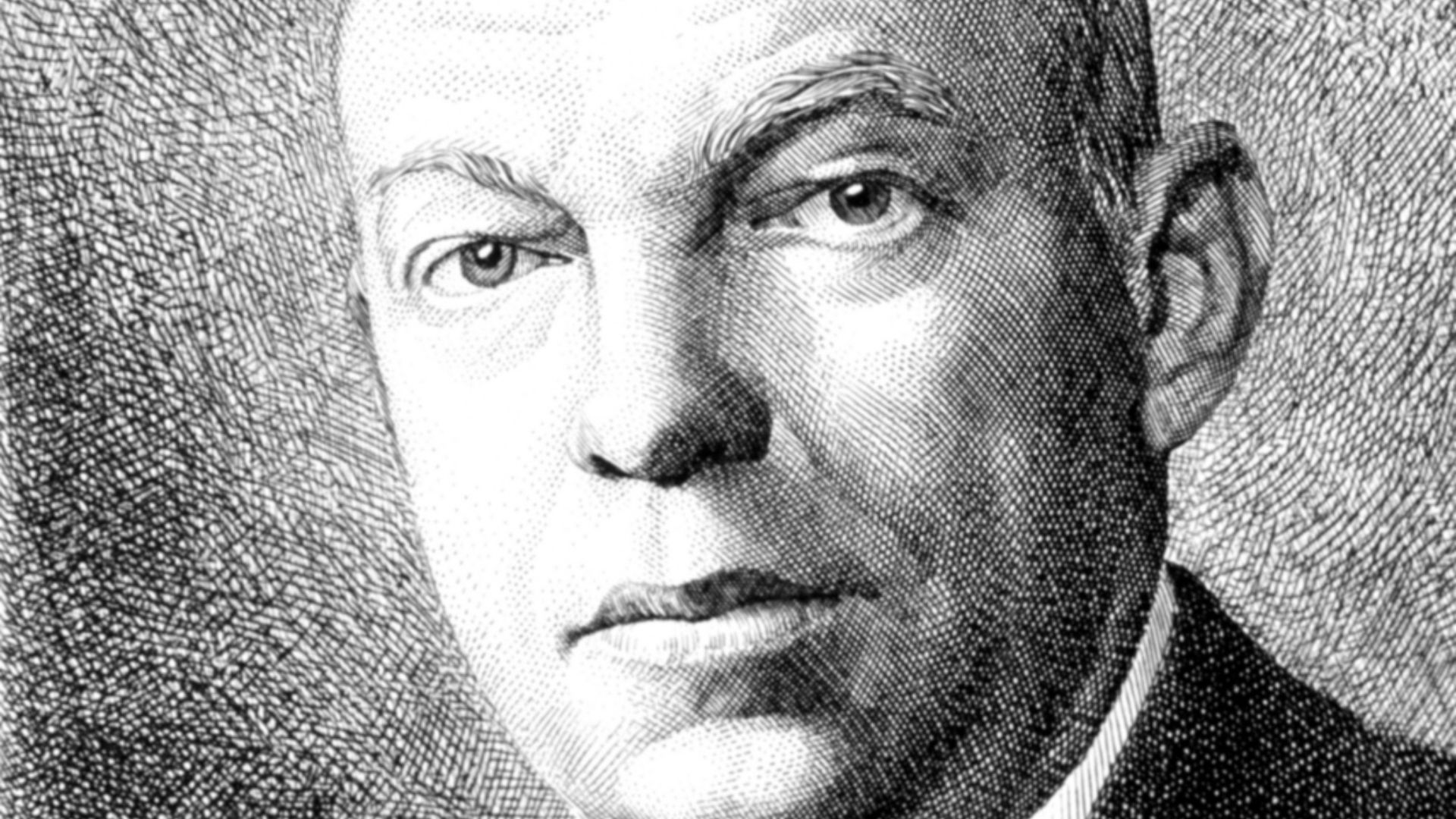
5. Edwin Armstrong
Armstrong invented FM radio and spent the last decade of his life in litigation with RCA over it, burning through his money on legal fees while the case dragged on with no resolution in sight. He died in 1954 with the matter still unsettled. His widow pursued the suits afterward and won them.
 Unknown authorUnknown author on Wikimedia
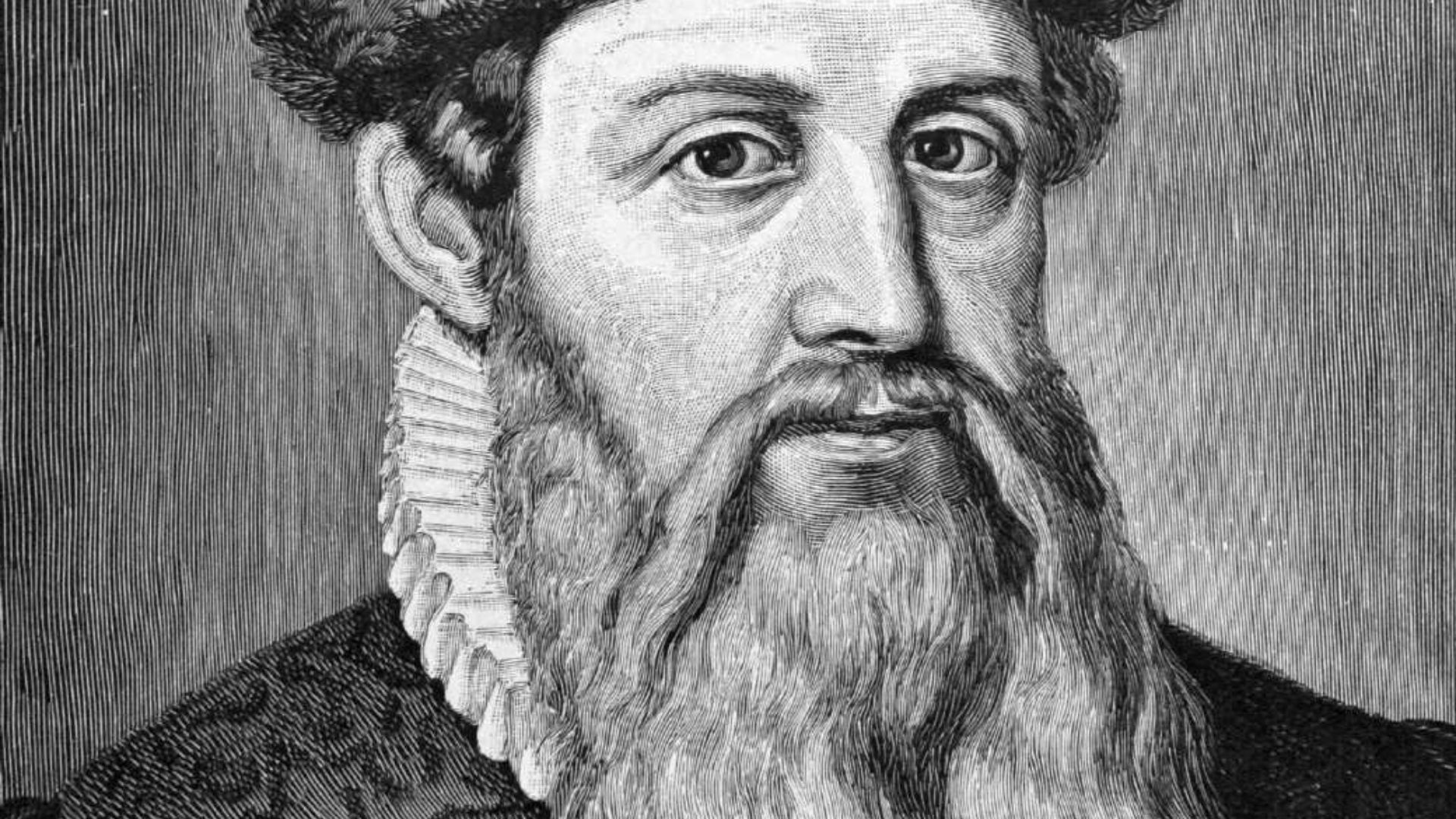
6. Johannes Gutenberg
Gutenberg borrowed heavily from Johann Fust to build the printing press, then lost a lawsuit that handed Fust the workshop and everything in it. His former partner printed the Bibles and collected the profit. Gutenberg spent his final years on a small pension from an archbishop.
7. John Fitch
Fitch ran a working steamboat service on the Delaware River in 1790, seventeen years before Fulton's famous run up the Hudson. Nobody wanted to ride it. The roads were fine, the fares were steep, and he died in Kentucky in 1798, broke and largely forgotten.
 Unknown authorUnknown author on Wikimedia
8. Rudolf Diesel
Diesel's engine worked and licensed well, but his personal finances collapsed under bad investments and mounting debt. In September 1913 he boarded a ferry to England and went overboard during the night. What remained of his estate was worth almost nothing.
 Unknown photographer on Wikimedia
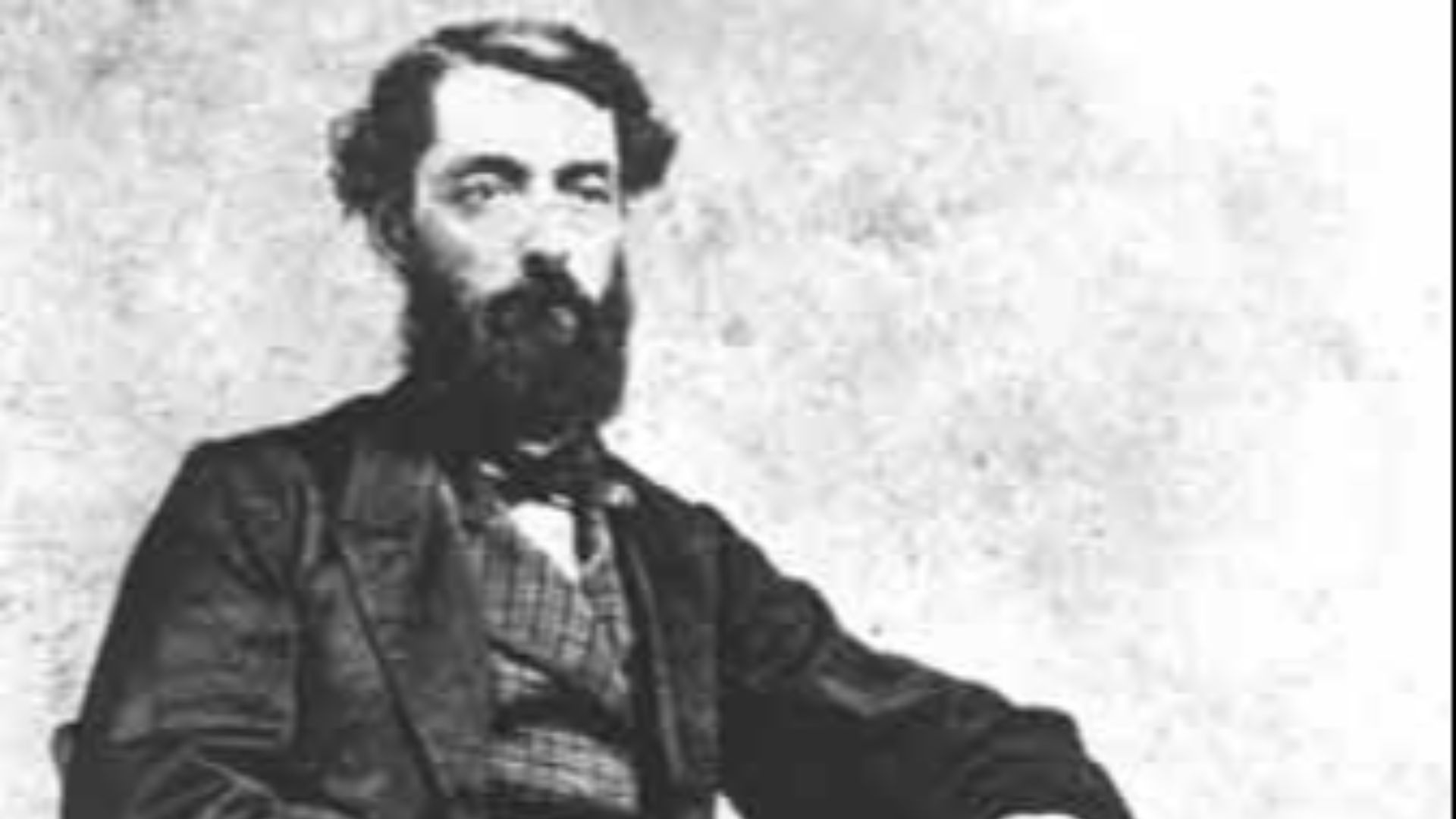
9. Edwin Drake
Drake drilled the first commercially successful oil well in Titusville, Pennsylvania in 1859 and never patented the drilling method that made it work. He then lost most of what he'd made speculating on oil stocks. Pennsylvania granted him a modest state pension in 1873, and that's what he lived on until the end.
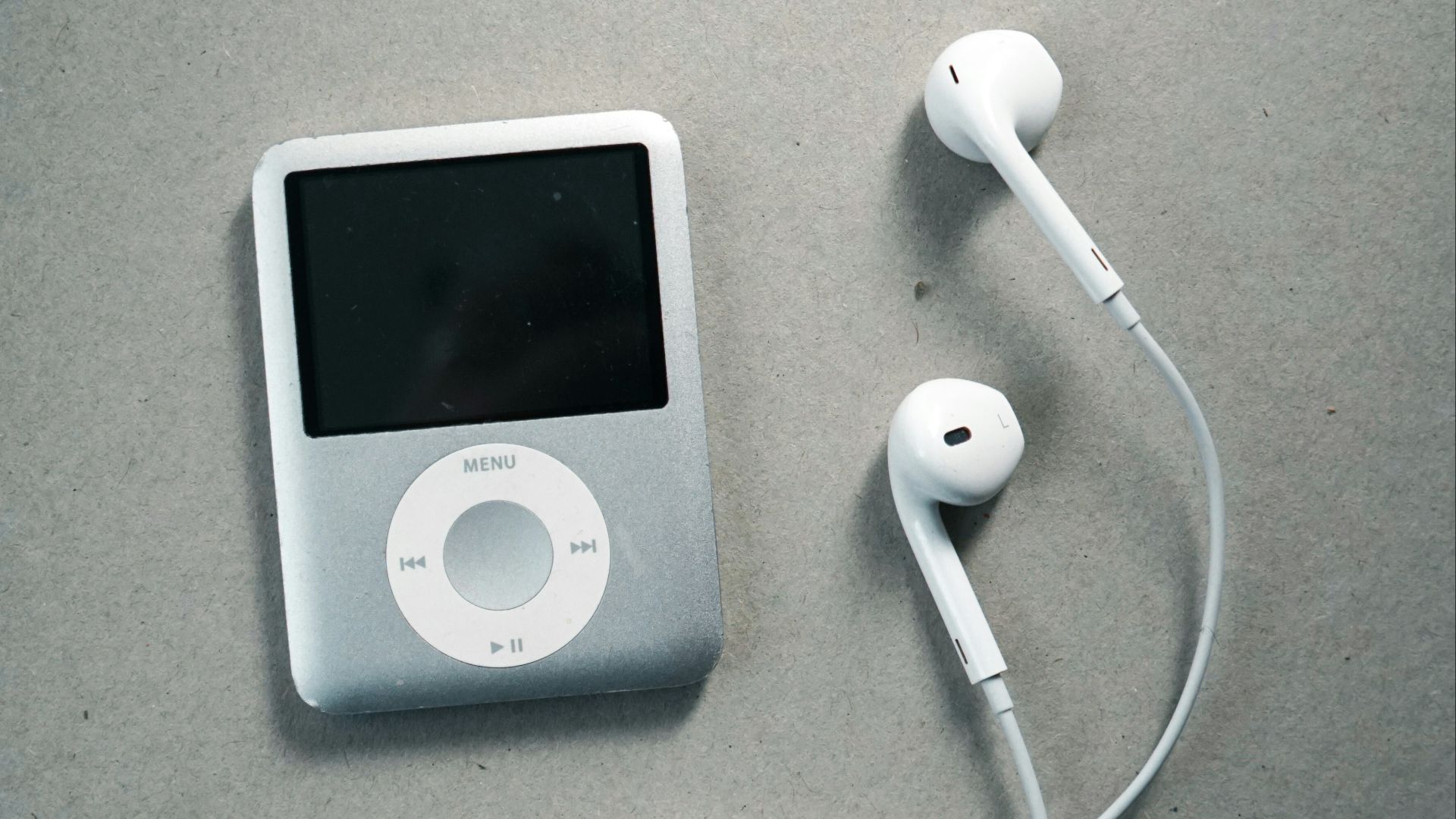
10. Kane Kramer
Kramer patented a digital audio player in 1979, screen and navigation buttons included, roughly two decades ahead of the iPod. He couldn't raise the money to renew the patent internationally in 1988, so it lapsed into the public domain. Apple later called him as a witness in a patent dispute, by which point he was selling furniture for a living.
Now, here's 10 who made their fortunes off their inventions.
1. Thomas Edison
Edison treated invention as a business from the beginning, building an industrial research lab at Menlo Park designed to produce patentable output on a schedule. He filed over a thousand patents and built companies around them instead of licensing them out. General Electric traces directly back to his holdings.
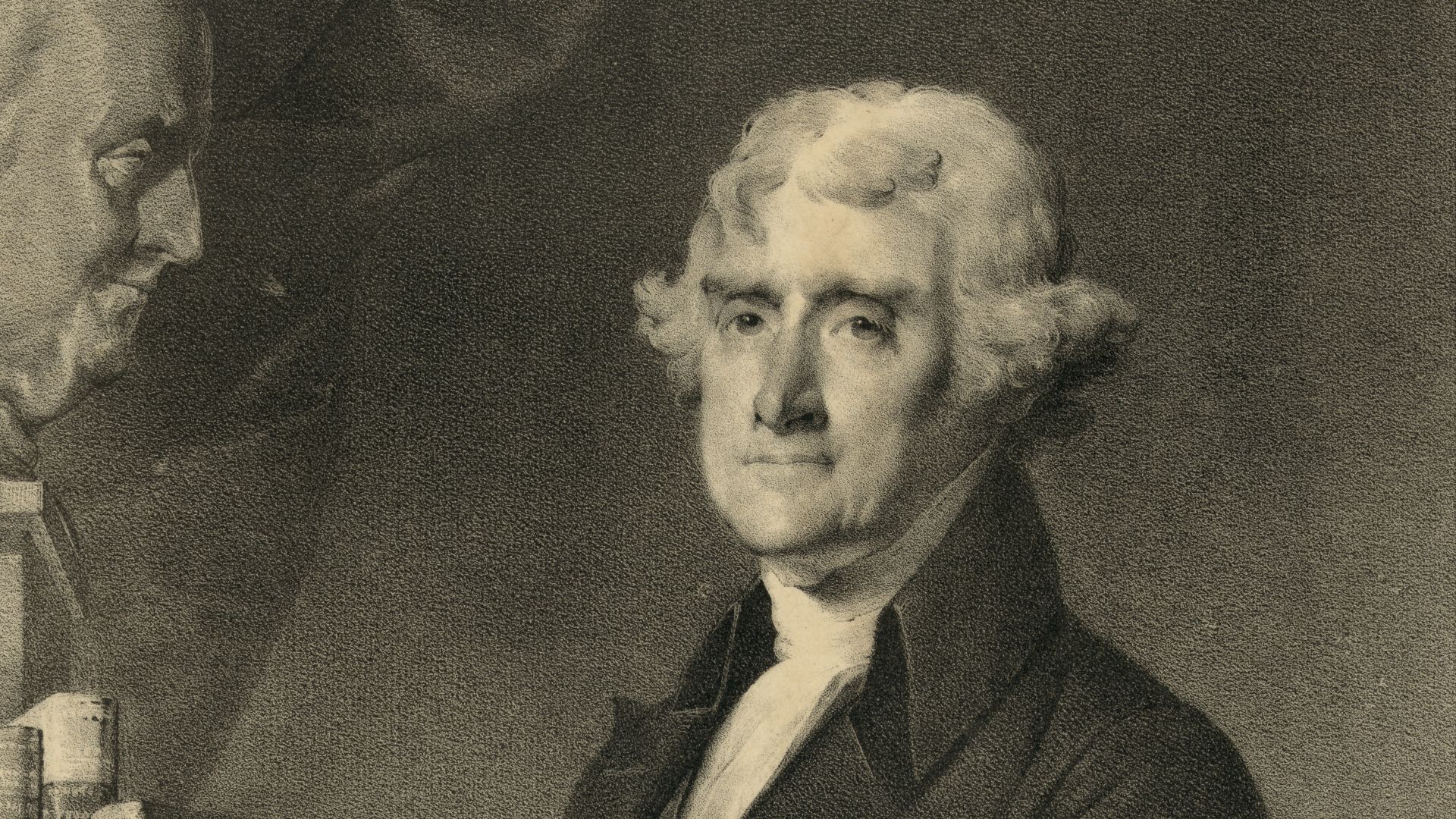 Library of Congress on Unsplash
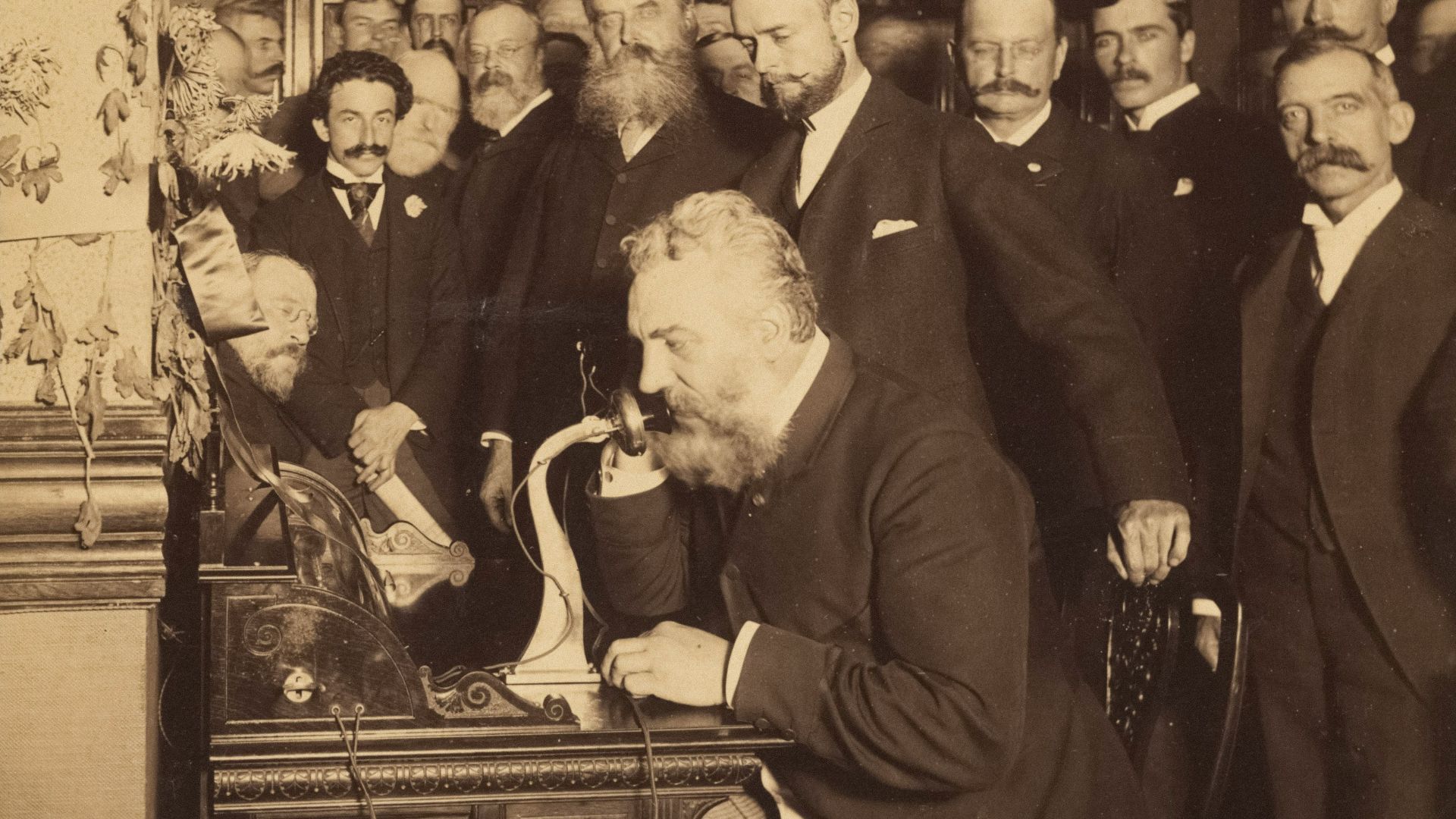
2. Alexander Graham Bell
Bell defended his telephone patent in roughly 600 lawsuits and never lost one, which is a record almost no inventor can match. The Bell Telephone Company made him wealthy inside a decade. He spent his later years funding aviation experiments with money his phone had earned for him.
3. Chester Carlson
Carlson invented xerography in 1938 and spent years getting turned down by companies who saw no market for a machine that copied paper. Haloid, later renamed Xerox, finally took the license. The royalties made him one of the wealthiest inventors of the century, and he gave away a substantial share before he died.
 Department of Defense (USMC) Photo 50883 on Wikimedia
4. King Camp Gillette
Gillette's real innovation was the business model more than the blade itself, selling razors cheap and the disposable cartridges forever. The patent covered the design. The company covered everything else, and by the 1920s he was among the wealthiest manufacturers in America.
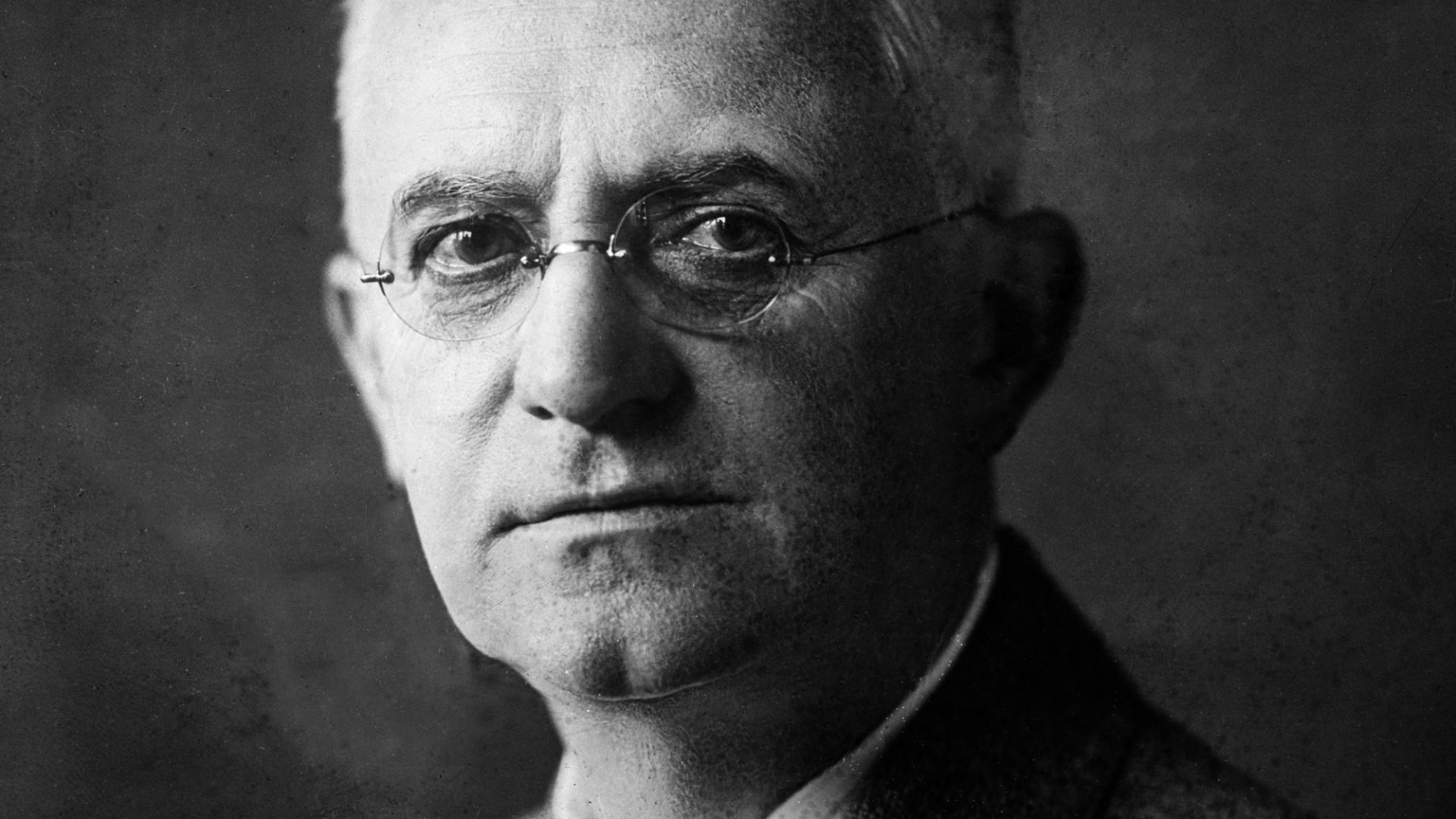
5. George Eastman
Eastman made photography something ordinary people could do, then made sure Kodak sold them the film to keep doing it. Controlling manufacturing rather than licensing to competitors is what kept the money in house. His fortune funded a music school, a dental institute, and a large piece of MIT.
 The original uploader was Megapixie at English Wikipedia. on Wikimedia
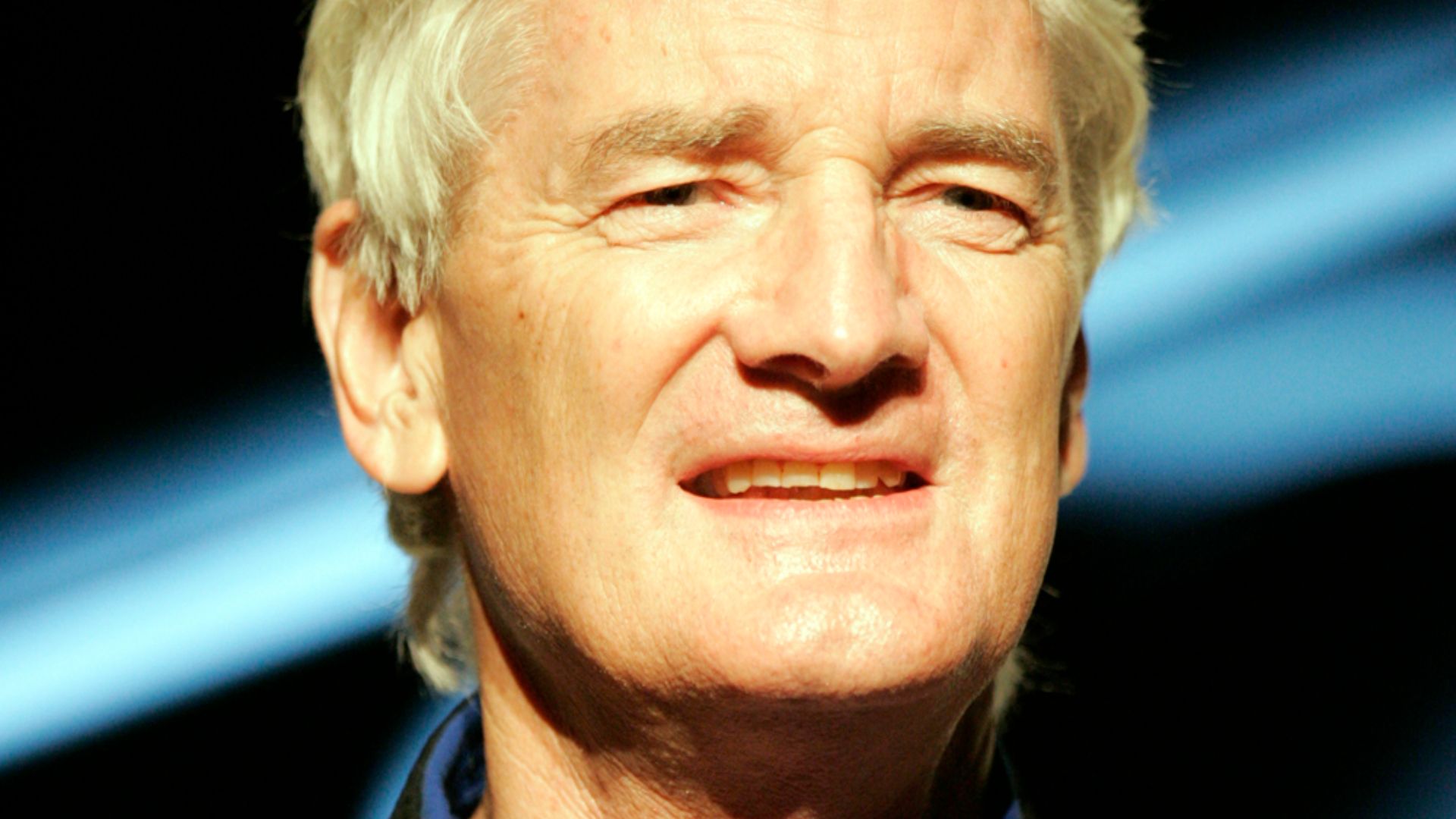
6. James Dyson
Dyson built 5,127 prototypes of his bagless vacuum and couldn't interest a single British manufacturer, so he launched it himself in 1993. Maintaining ownership instead of licensing turned out to the right decision, making him a billionaire.
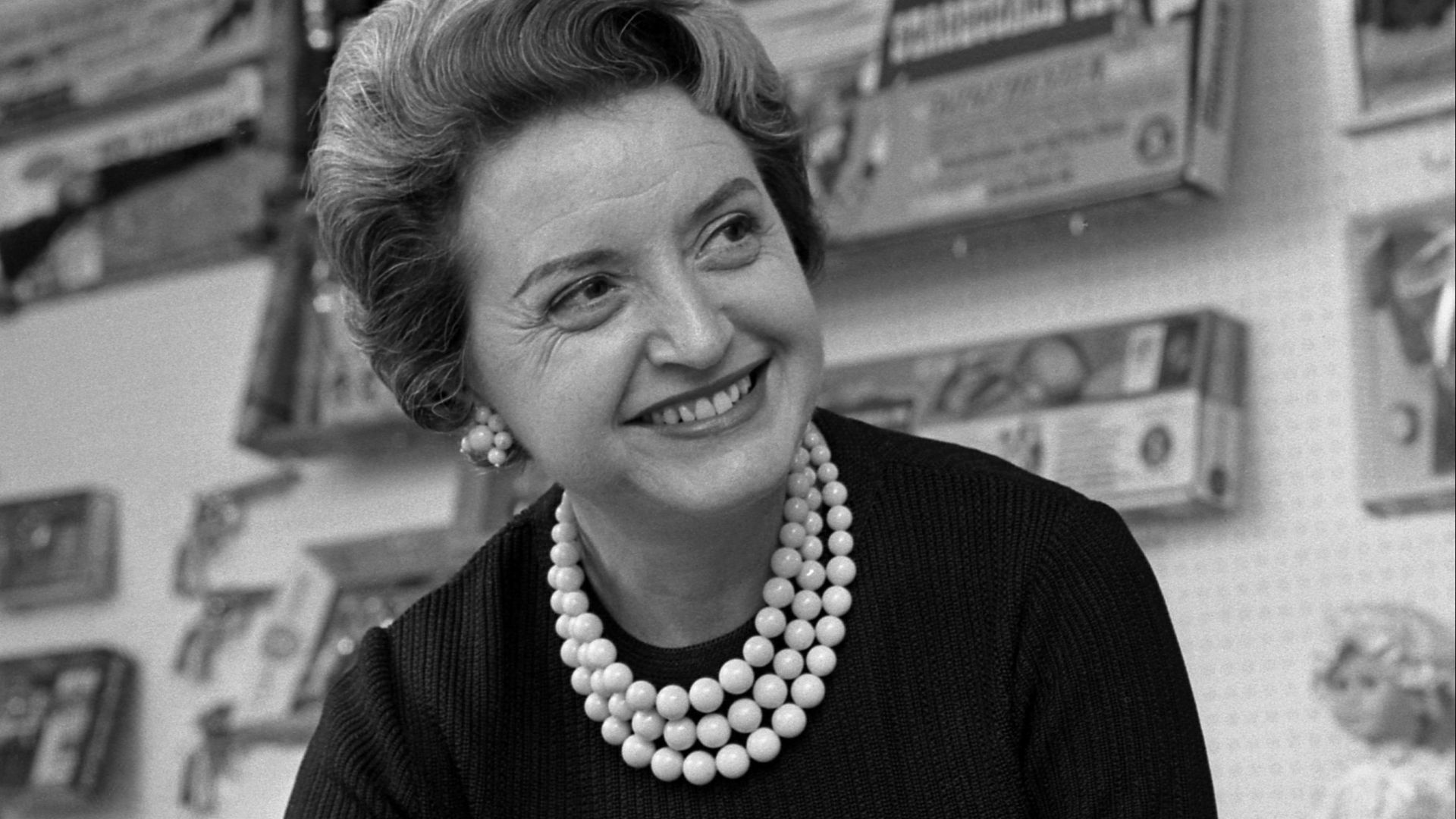
7. Ruth Handler
Handler pitched Barbie to a Mattel board convinced that a doll shaped like an adult woman would never sell to American parents. She was a co-founder, which meant she didn't need their permission. Barbie became one of the best-selling toys ever made and made her enormously rich.
8. Jerome Lemelson
Lemelson filed patents on machine vision and bar code technology, then built a licensing operation around enforcing them against hundreds of companies. Critics called it opportunistic, and courts eventually pushed back on some of it. He still cleared well over a billion dollars.

9. Bette Nesmith Graham
Graham was a Dallas secretary who mixed white tempera paint in her kitchen blender to cover typing errors, then sold it out of her house under the name Liquid Paper. She spent twenty years turning it into a real company. Gillette bought her out in 1979 for $47.5 million.
10. Gary Michelson
Michelson was a practicing orthopedic surgeon who patented spinal surgery devices on the side. Medtronic paid $1.35 billion in 2005 to settle a dispute and take the portfolio outright. He's spent much of it on medical research and animal welfare in the years since.
KEEP ON READING