

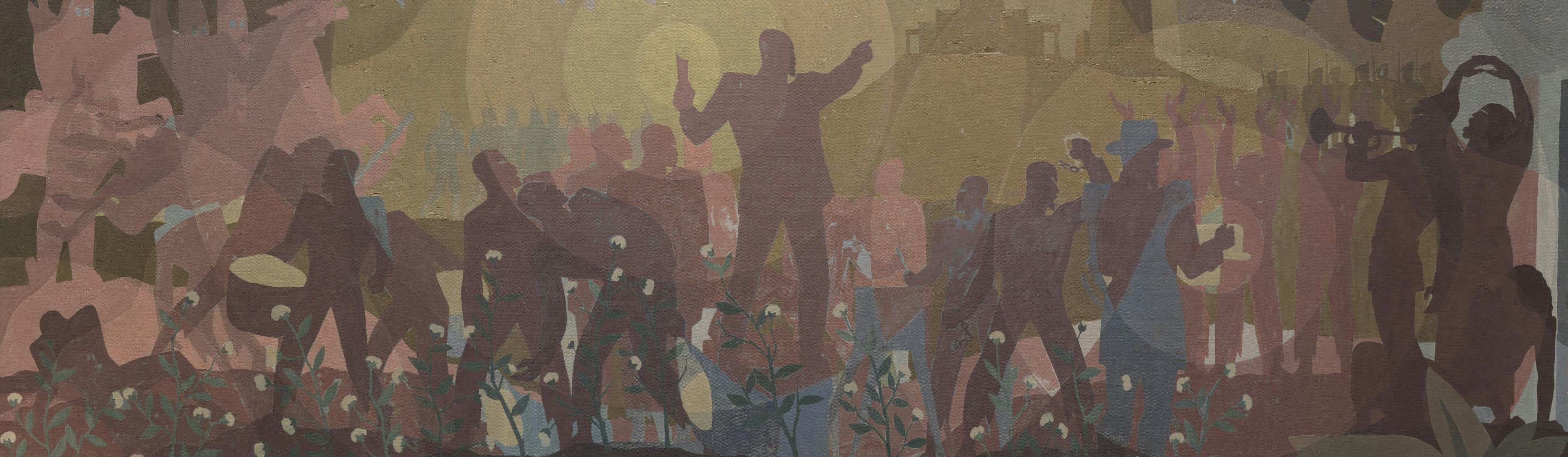
When Cultures Meet: Moments That Left a Lasting Impact
Throughout history, encounters between different cultures have shaped how societies evolve, adapt, and understand one another. Some of these moments were cooperative, others complex, but many left lasting impressions on both sides involved. When you look closely, you’ll notice that these exchanges often led to shared knowledge, blended traditions, and new ways of thinking. Exploring them helps you better understand how interconnected the world has always been. Here are 20 cross-cultural encounters that changed both sides forever.
1. The Silk Road Trade Networks
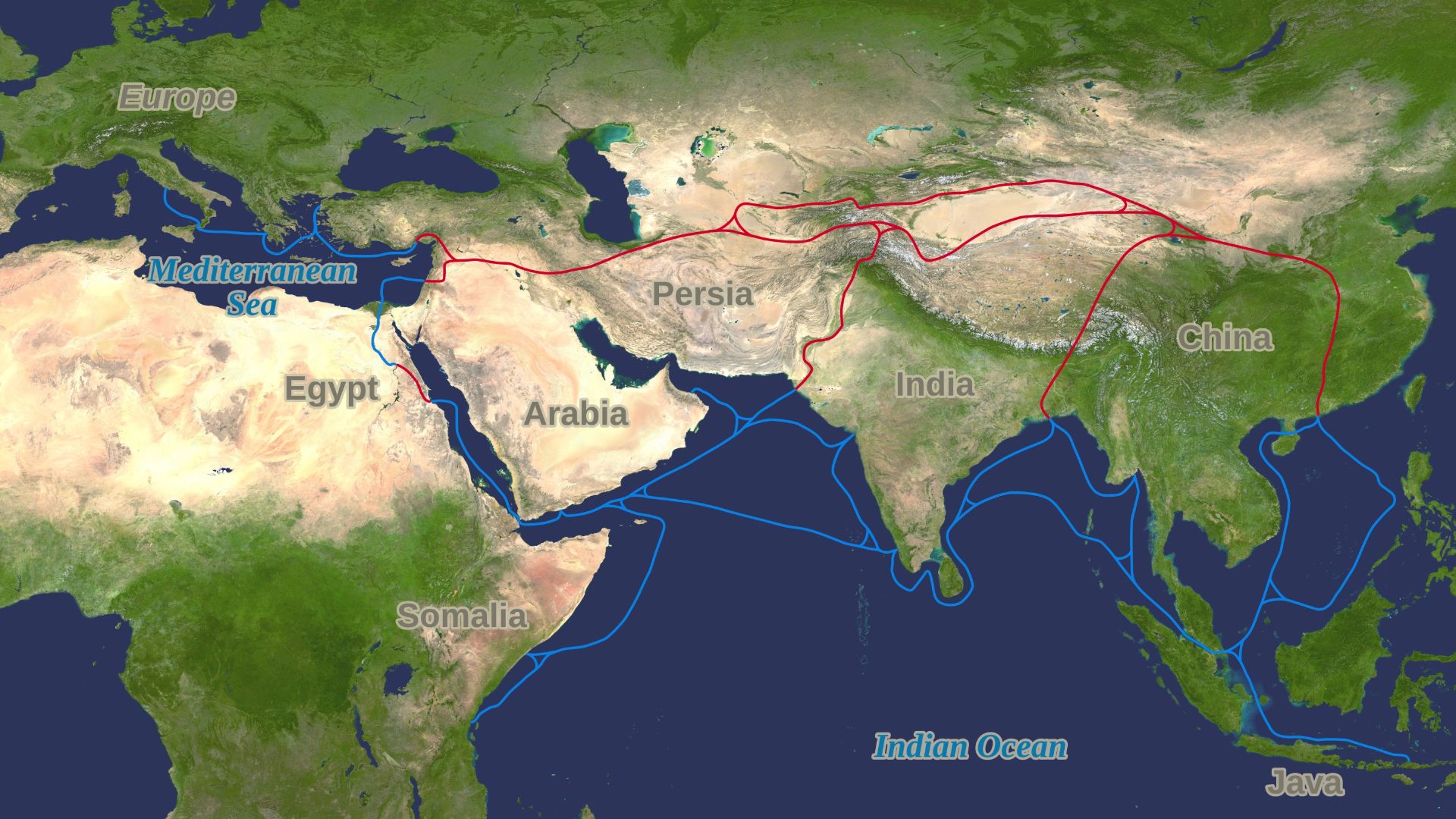
The Silk Road connected East Asia, the Middle East, and Europe for centuries. Traders didn’t just exchange goods like silk and spices; they also shared ideas, technologies, and religions.
2. The Columbian Exchange
Following Christopher Columbus’s voyages, the Americas and Europe began exchanging plants, animals, and knowledge. Crops like potatoes and maize transformed European diets, while horses reshaped life in the Americas. This exchange had lasting global effects on agriculture and population growth. It also introduced challenges, including disease transmission.
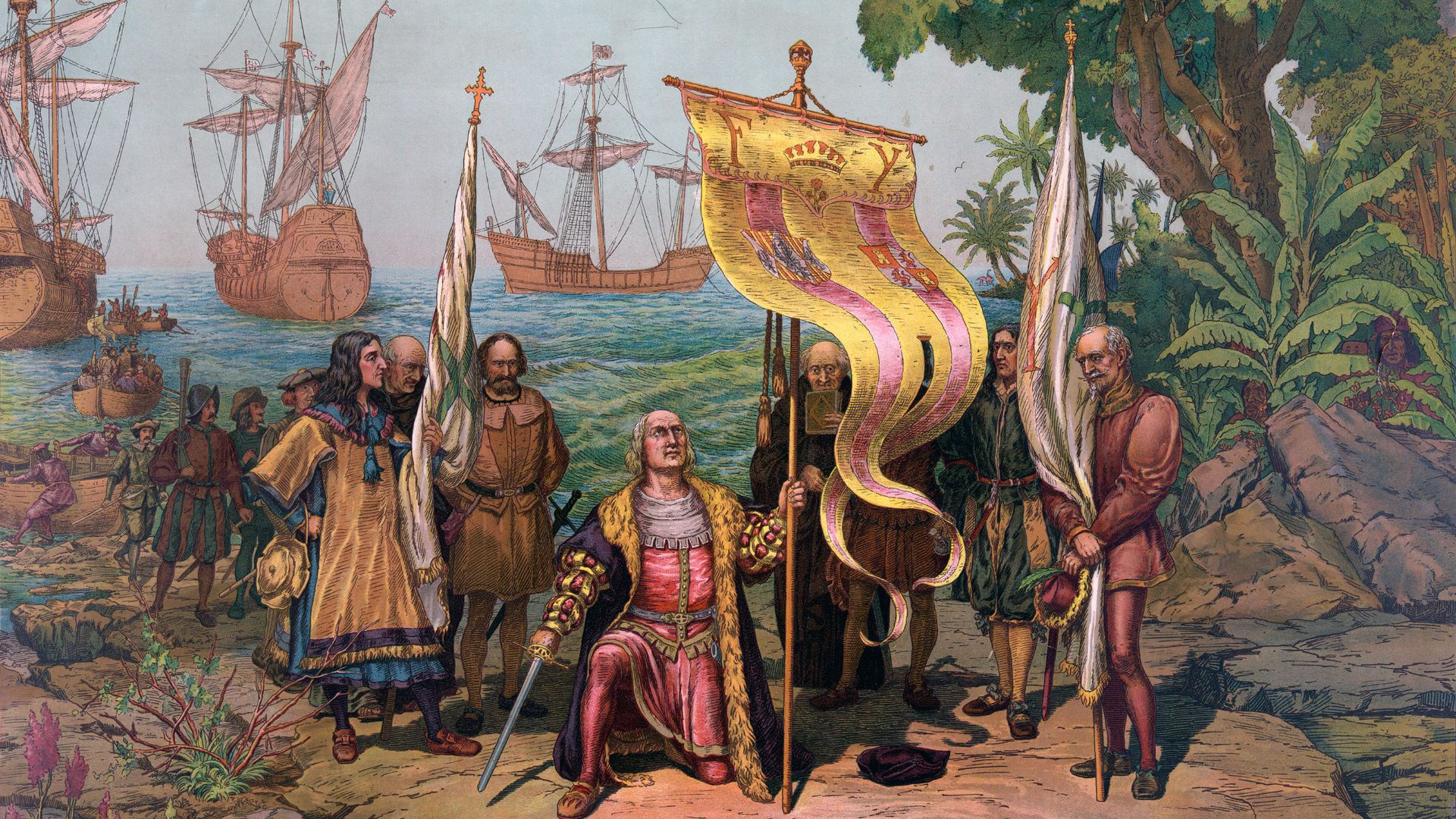 L. Prang & Co., Boston on Wikimedia
3. The Spread of Buddhism to East Asia
Buddhism traveled from India to China, Korea, and Japan over several centuries. As it spread, it adapted to local customs and philosophies such as Confucianism and Taoism. In return, these regions influenced how Buddhism was practiced and understood.
The result was a diverse range of traditions rooted in shared origins.
 Jose Luis Sanchez Pereyra on Unsplash
4. The Islamic Golden Age Knowledge Exchange
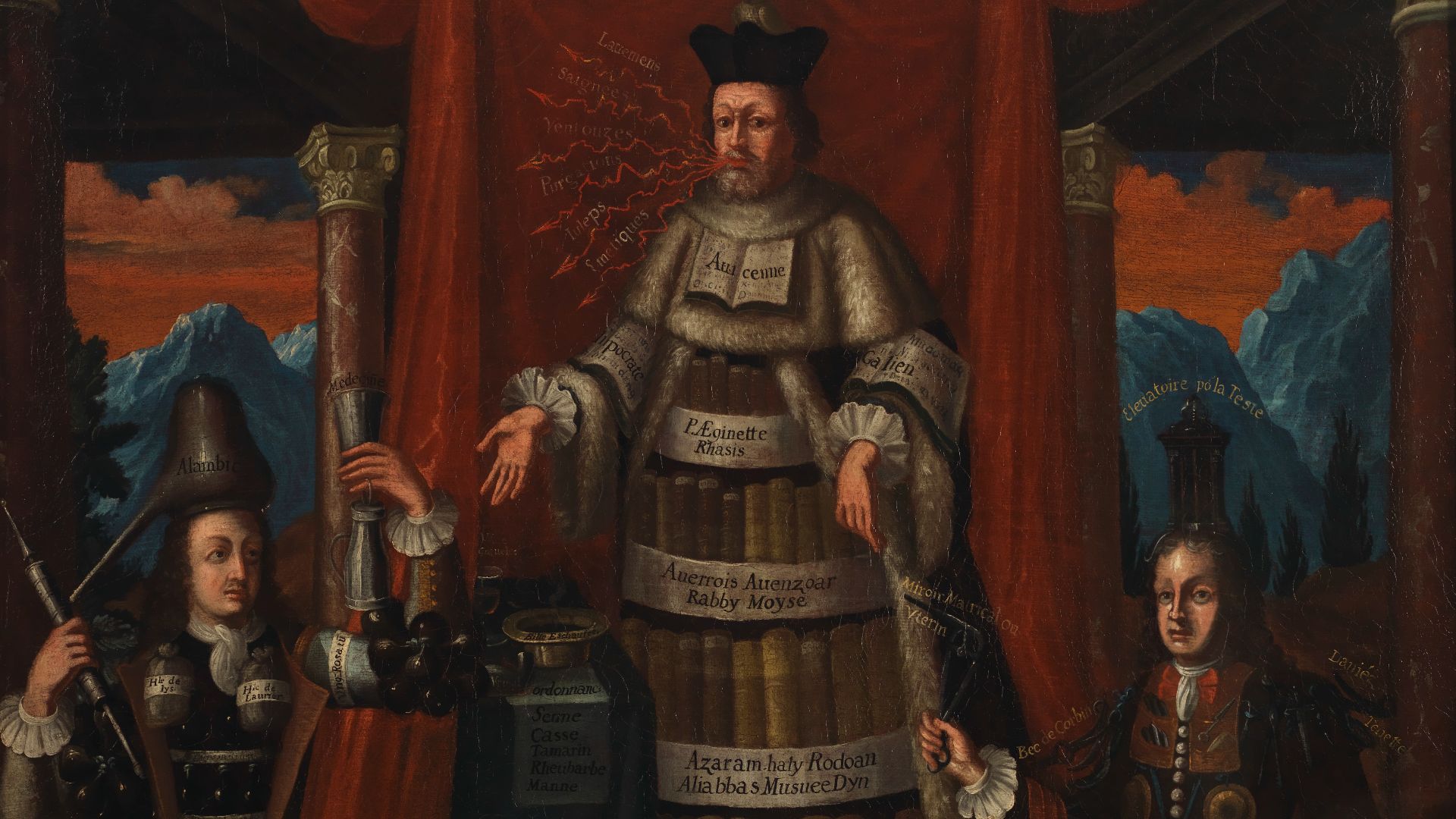
Between the 8th and 14th centuries, scholars in the Islamic world translated and expanded upon Greek, Persian, and Indian texts. Innovations in mathematics, medicine, and astronomy later influenced Europe. This exchange helped preserve knowledge that might have been lost. It also created a foundation for future scientific progress.
 After Nicolas de Larmessin on Wikimedia
5. Marco Polo’s Travels to Asia
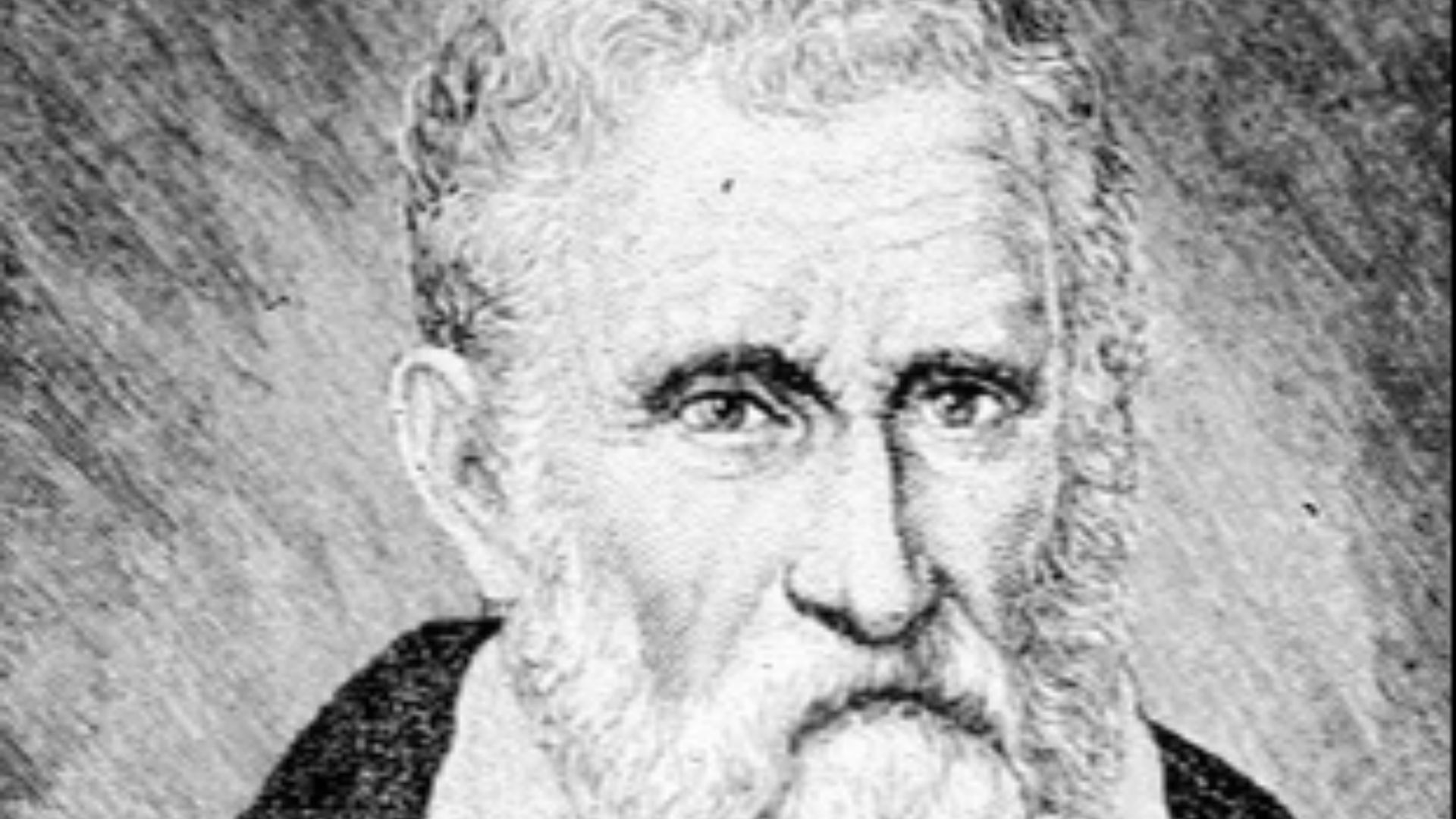
Marco Polo’s journeys to China introduced Europeans to new customs, technologies, and trade opportunities. His accounts described paper money, large cities, and complex governance systems.
6. The Introduction of Paper to the West
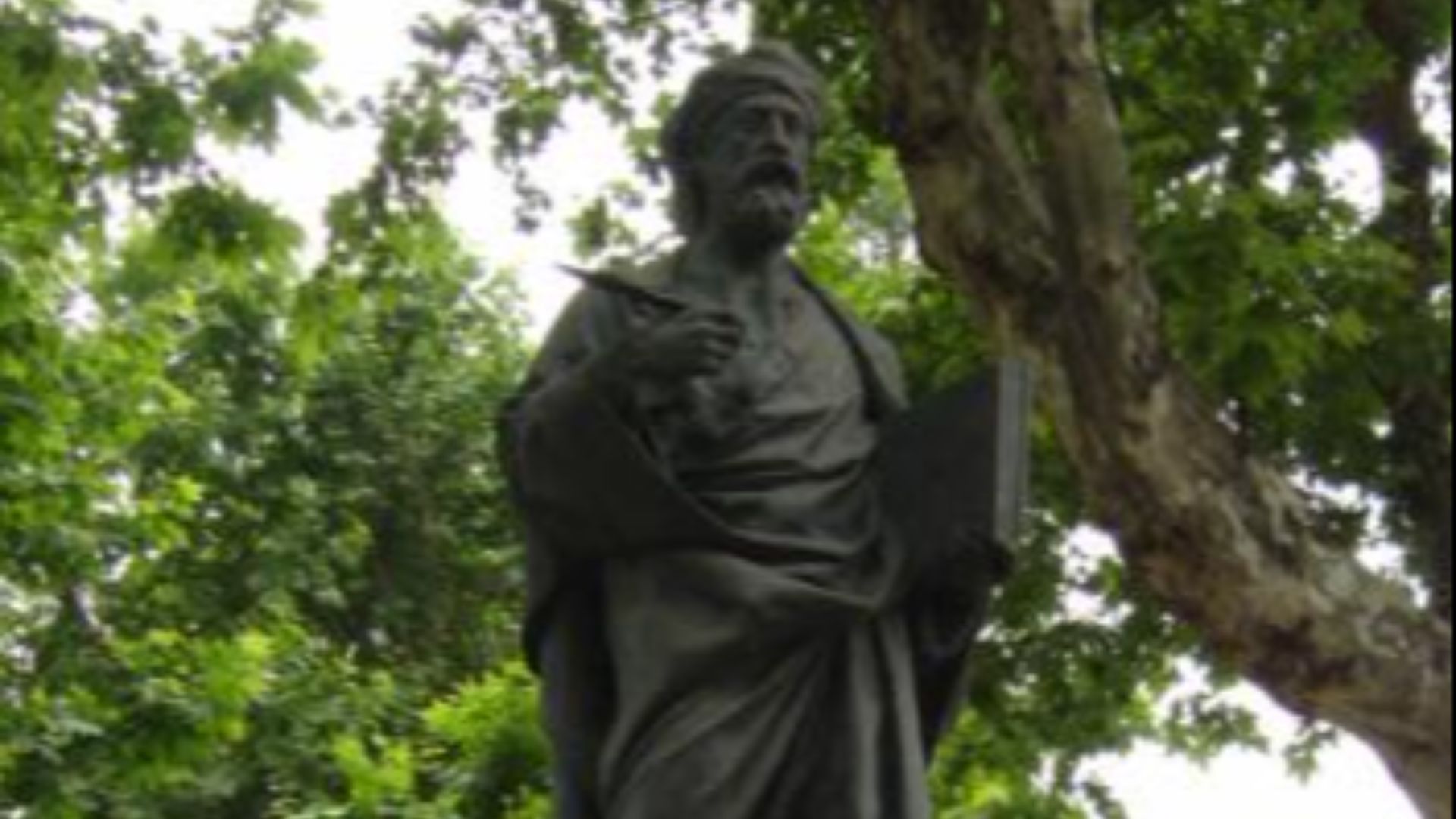
Papermaking began in China and spread westward through the Islamic world into Europe. By the Middle Ages, paper had become more accessible than parchment. This shift supported literacy, record-keeping, and eventually the printing revolution. Both regions benefited from the technology’s expansion.

7. The Translation Movement in Medieval Spain
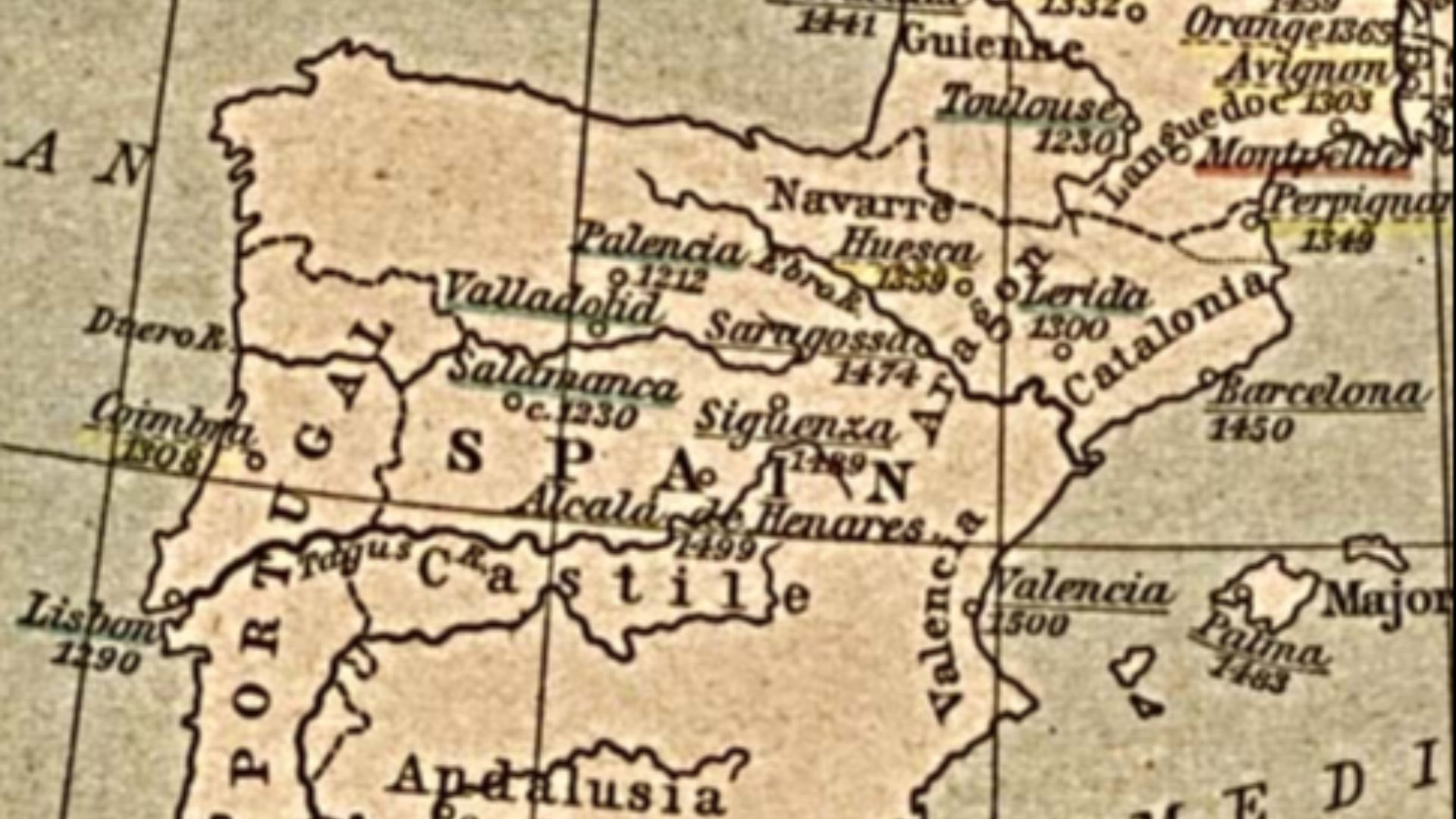
In cities like Toledo, scholars translated Arabic texts into Latin during the Middle Ages. These works included philosophy, science, and medicine from various cultures. European scholars gained access to knowledge that had been preserved and expanded in the Islamic world.
8. The Japanese Adaptation of Chinese Culture
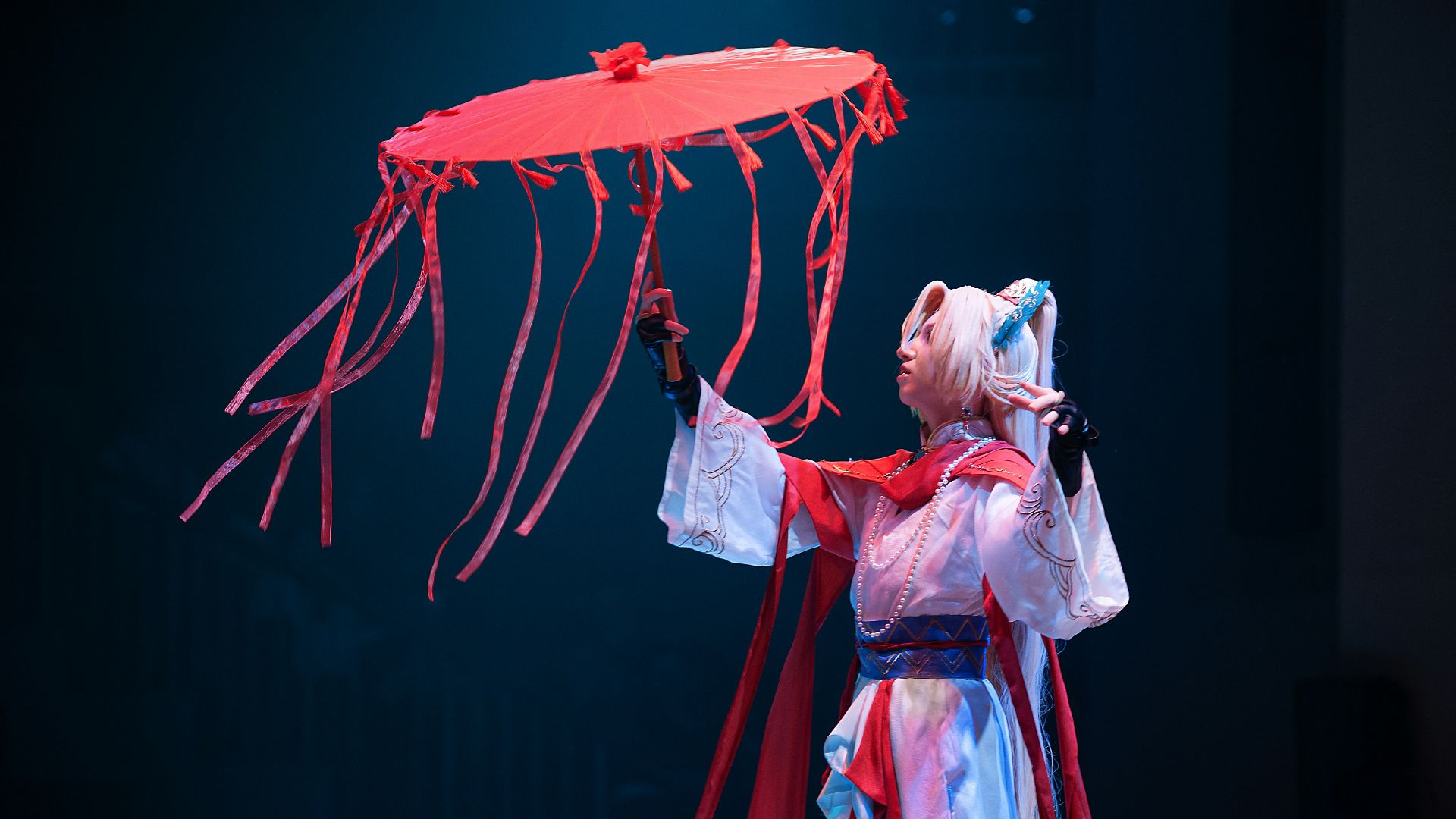
Japan adopted many elements from Chinese civilization, including writing systems, architecture, and governance models. Over time, these influences were adapted to fit local traditions. This process created a unique cultural identity while maintaining shared roots.
Both cultures were shaped through this exchange.
9. The Age of Exploration Encounters
European explorers interacted with Indigenous populations across the Americas, Africa, and Asia. These encounters led to trade, cultural exchange, and sometimes conflict. Indigenous knowledge influenced navigation, agriculture, and survival techniques.

10. The Spread of Coffee Culture
Coffee originated in Ethiopia and spread through the Middle East before reaching Europe. Coffeehouses became centers for conversation, business, and intellectual exchange. As the drink gained popularity, it shaped social habits across continents. Each culture added its own traditions to how coffee was enjoyed.

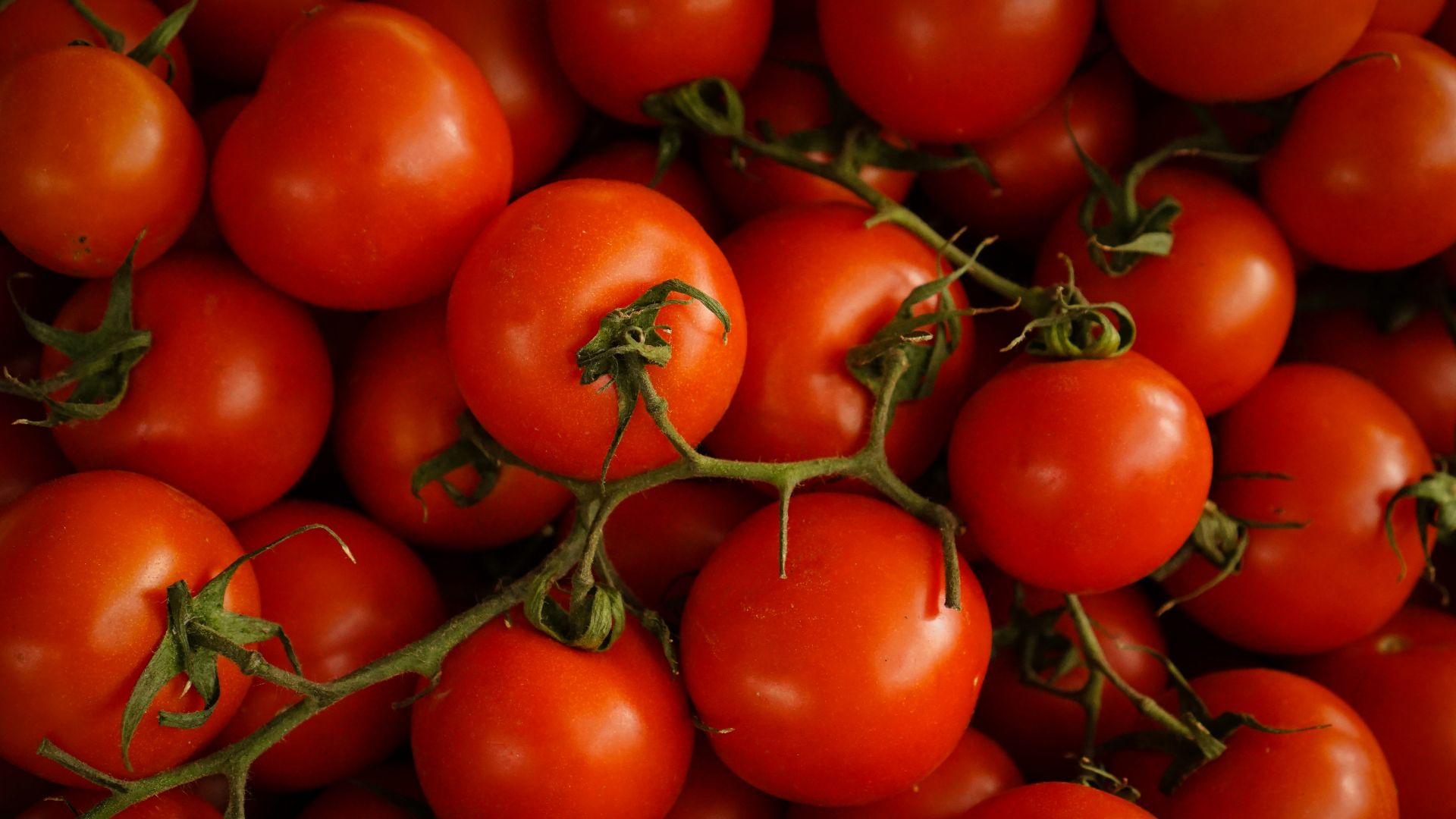
11. The Introduction of Tomatoes to Europe
Tomatoes, native to the Americas, were brought to Europe in the 16th century. Initially met with skepticism, they eventually became a staple in cuisines like Italian cooking. This shift shows how unfamiliar foods can become essential over time. Both regions influenced global culinary habits.
12. The British Influence in India
During British colonial rule, cultural exchange occurred alongside political control. English education systems and legal structures were introduced in India. At the same time, Indian culture influenced British cuisine, language, and society. This complex relationship shaped both nations in lasting ways.
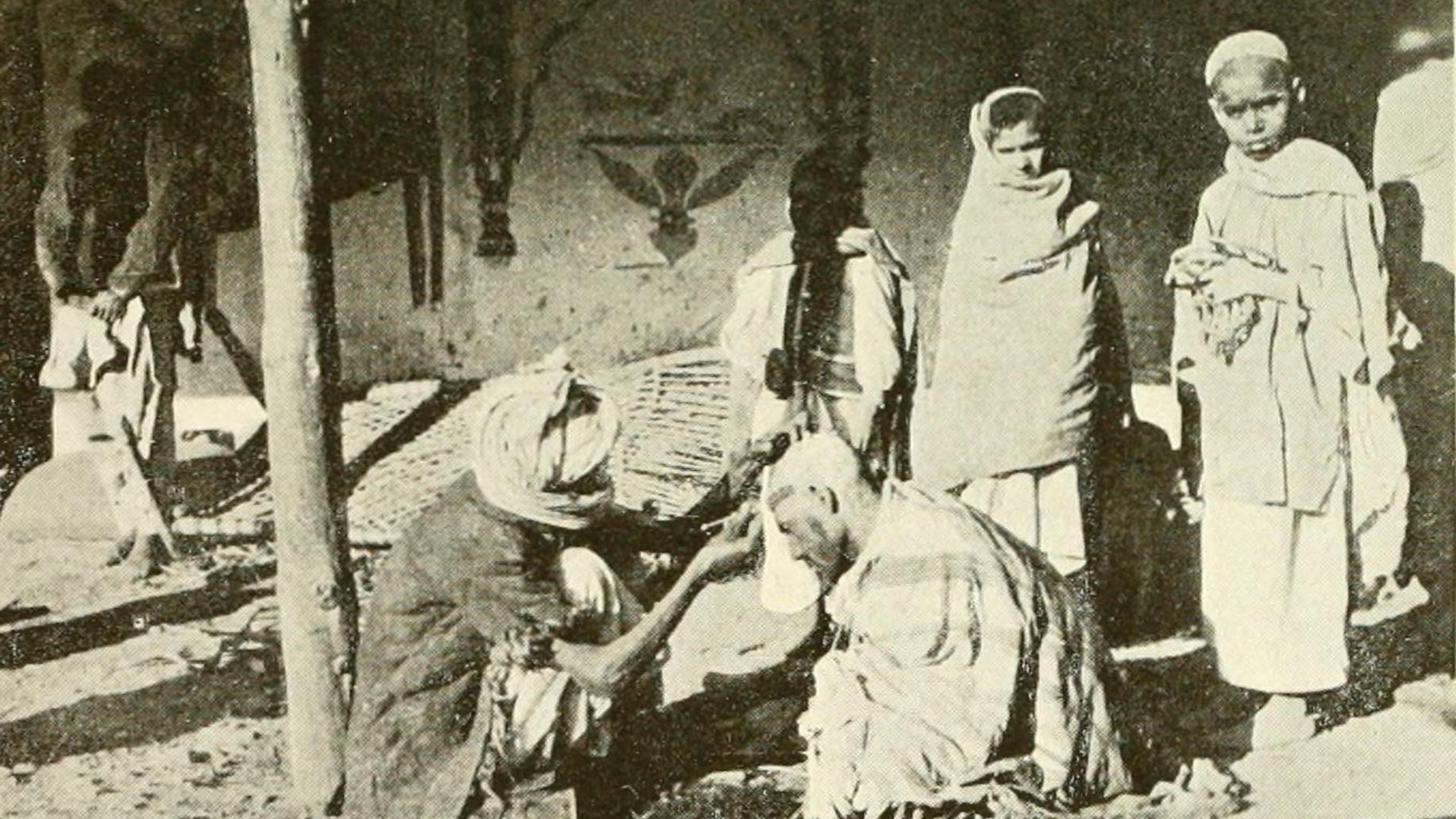 Internet Archive Book Images on Wikimedia
13. The Harlem Renaissance and Global Influence
The Harlem Renaissance in the early 20th century celebrated African American culture through art, music, and literature. Its influence extended internationally, inspiring movements in Europe and beyond.
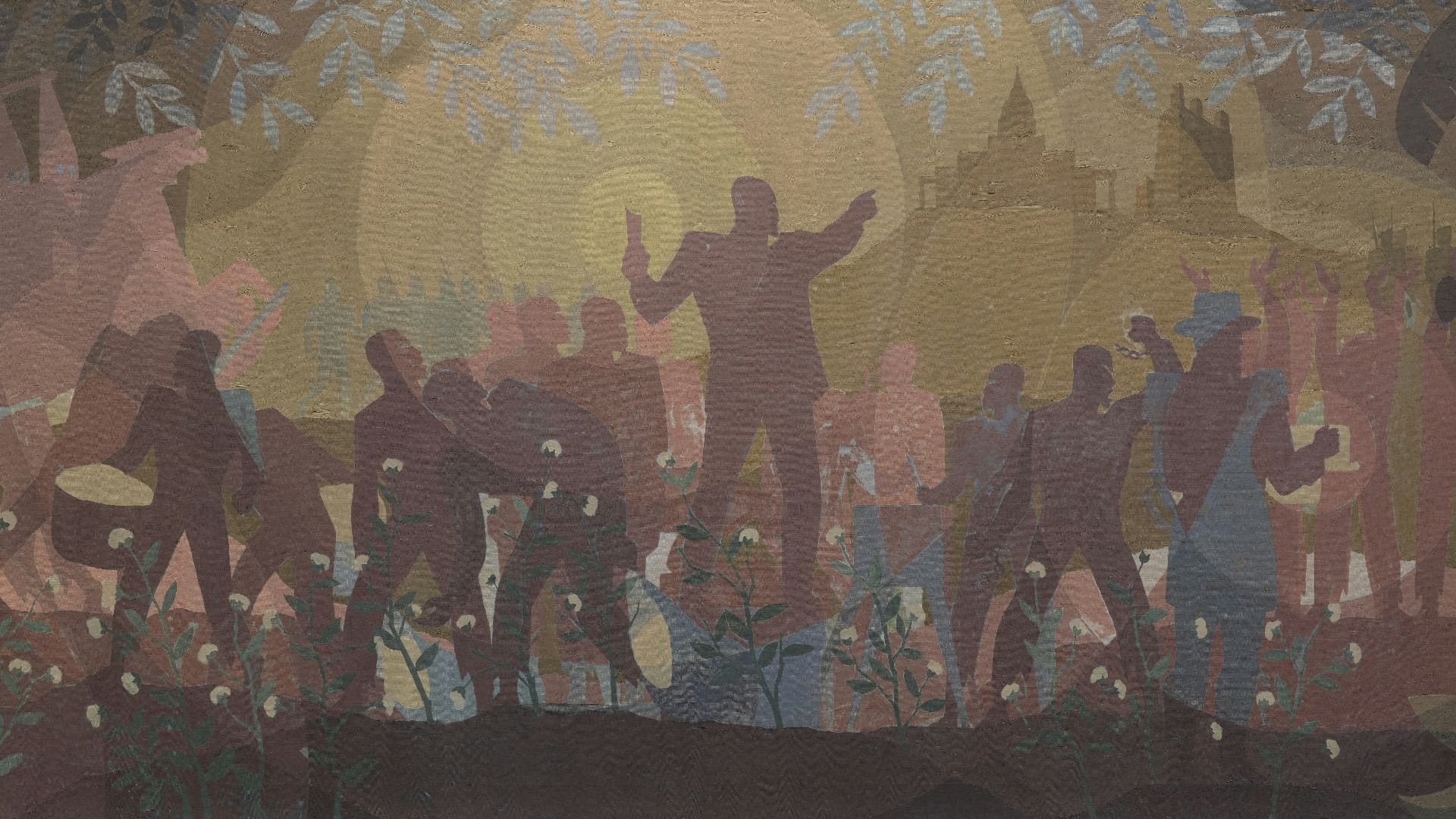 The New York Public Library on Unsplash
14. The Spread of Yoga Worldwide
Yoga originated in ancient India as a spiritual and physical practice.
In the 20th century, it spread globally and was adapted in different ways. While many people focus on physical fitness, others explore its philosophical roots.

15. The Influence of Japanese Art on Europe
In the 19th century, Japanese prints influenced European artists during a movement known as Japonisme. Artists like Vincent van Gogh drew inspiration from Japanese composition and style.
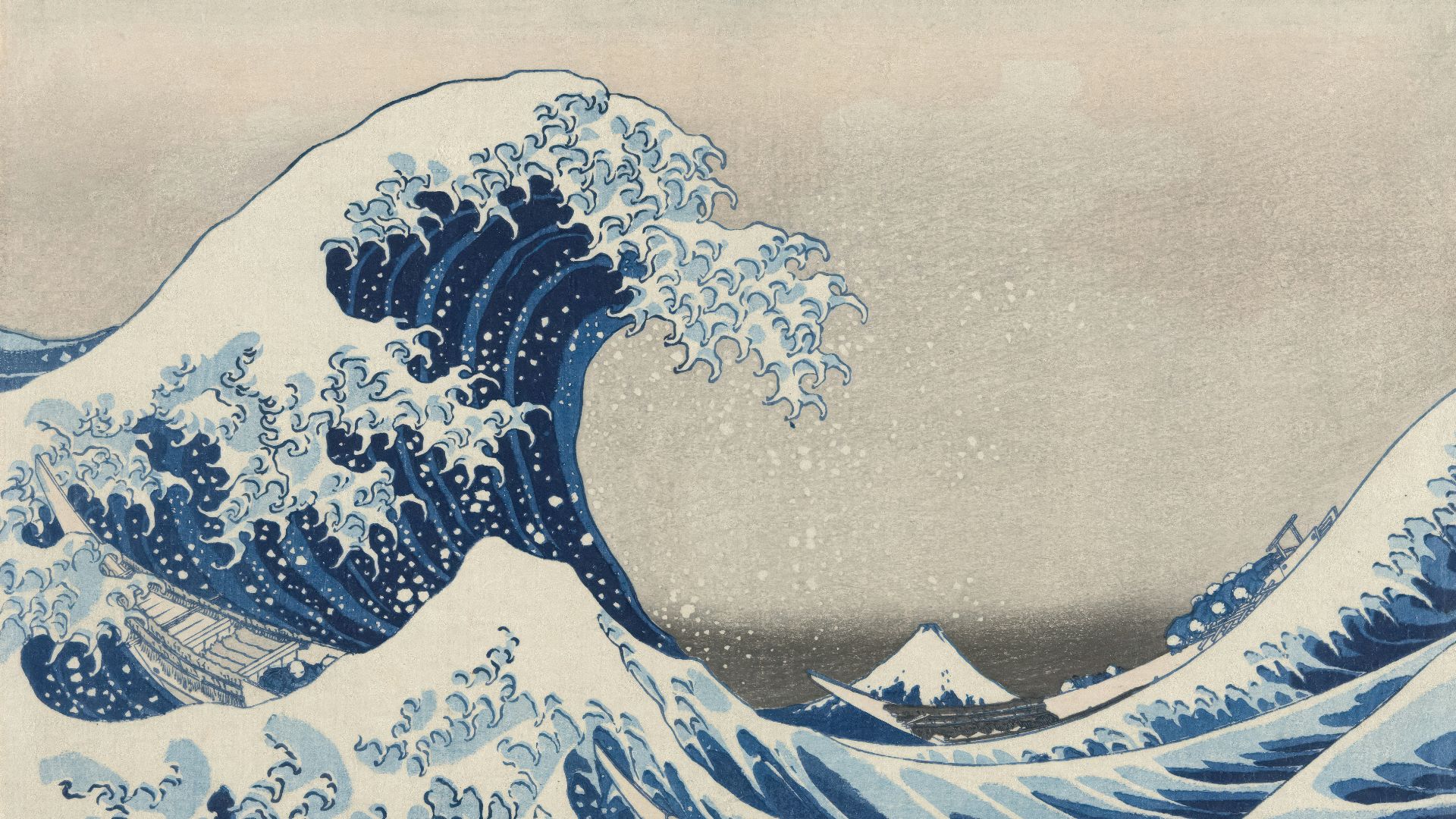 Art Institute of Chicago on Unsplash
16. The Adoption of Western Education in Japan
During the Meiji Restoration, Japan adopted Western education systems and technologies. This shift helped modernize the country while maintaining cultural identity.
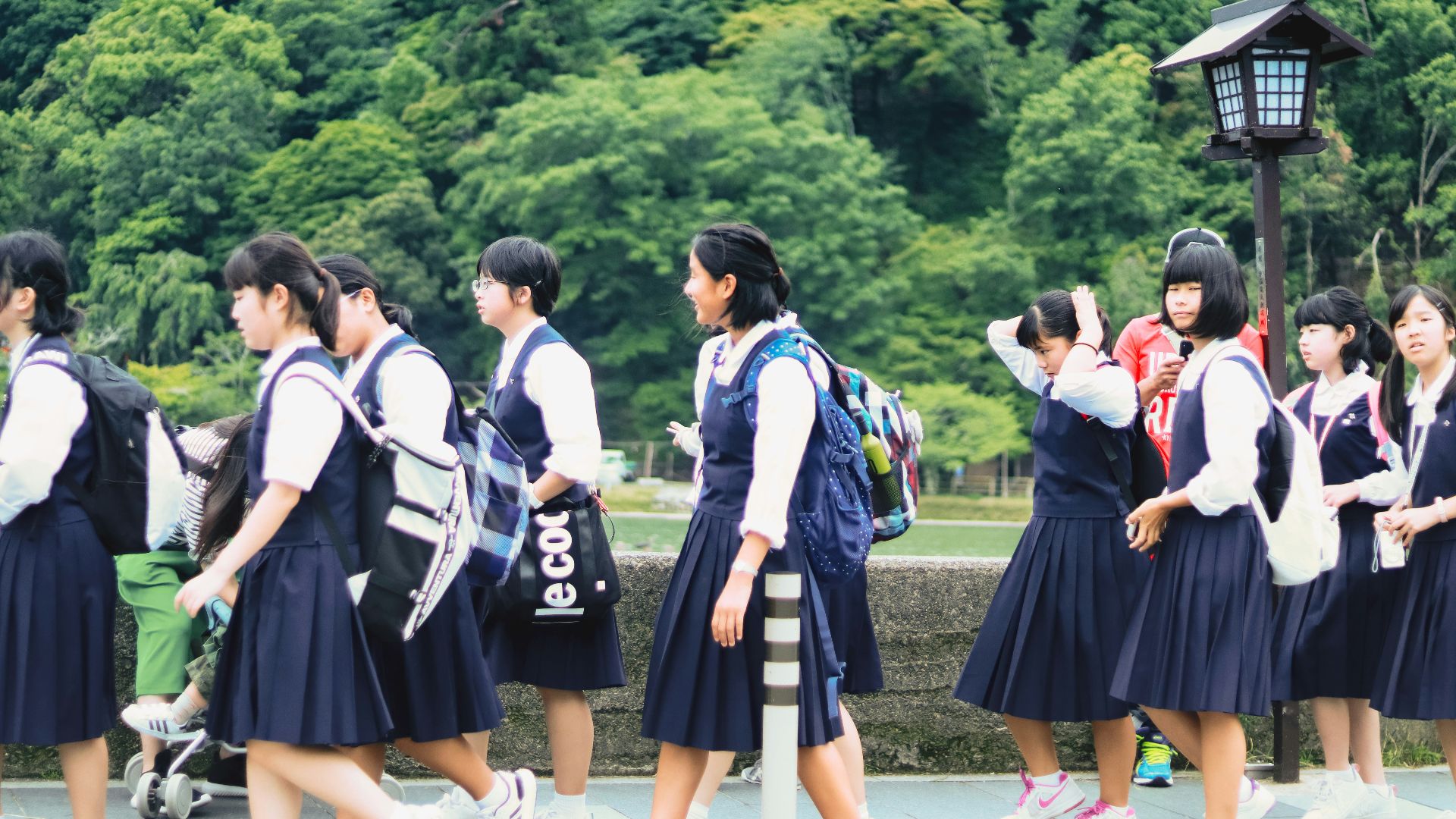
17. The Global Popularity of Pizza
Pizza originated in Italy and became widely popular in the United States before spreading globally. Each region adapted the dish to local tastes and ingredients. Today, pizza reflects a blend of cultural influences. Its evolution shows how food connects people across borders.

18. The Influence of African Rhythms on Global Music
African musical traditions have shaped genres like jazz, blues, and rock. These styles spread worldwide and influenced countless artists.
 Sitraka Mamy Tantely Andriamialijaona on Unsplash
19. The Korean Wave (Hallyu)
South Korean entertainment, including music and television, has gained global popularity in recent decades. K-pop and Korean dramas have introduced new cultural elements to international audiences.

20. The Globalization of Technology Culture
Technology has enabled cultures to interact more quickly and frequently than ever before. Social media, communication tools, and digital platforms connect people across continents.
KEEP ON READING

The Brutal Realities Of Gladiator Life Beyond the Arena
David Cruz asenjo on PexelsWhen most people think of gladiators,…
By Rob Shapiro Mar 31, 2026
The Volcano Winter That Nearly Toppled Europe
Collin Ross on UnsplashMost people, if asked to name a…
By Cameron Dick Mar 31, 2026
From School Plays To Starting A Cult: 20 Of The…
The Books That Made Us. Many people will tell you…
By Farva Ivkovic Jan 31, 2025
20 Facts About Jane Grey, The Forgotten Queen Of England
A Quick, Messy, and Tragic Reign. Lady Jane Grey never…
By Maria Cruz Jan 31, 2025
20 Priceless Historical Art Pieces Rescued By The Monuments Men
Protecting Human History. While the soldiers on the front lines…
By Sara Springsteen Mar 31, 2026
Almost Every Ancient Statue Has a Missing Nose, And It's…
Gary Todd from Xinzheng, China on WikimediaWalk through the classical…
By Elizabeth Graham Mar 31, 2026