

Power, Legacy, and Lasting Influence
Throughout history, certain rulers have shaped their nations in ways that extended far beyond their lifetimes. Whether through military success, political reform, cultural advancement, or sheer force of personality, these leaders left behind legacies that defined entire eras. While not all were universally admired, each played a critical role in elevating their state’s influence or identity. These 20 figures stand out not just for ruling, but for transforming their nations into something enduring and widely remembered.
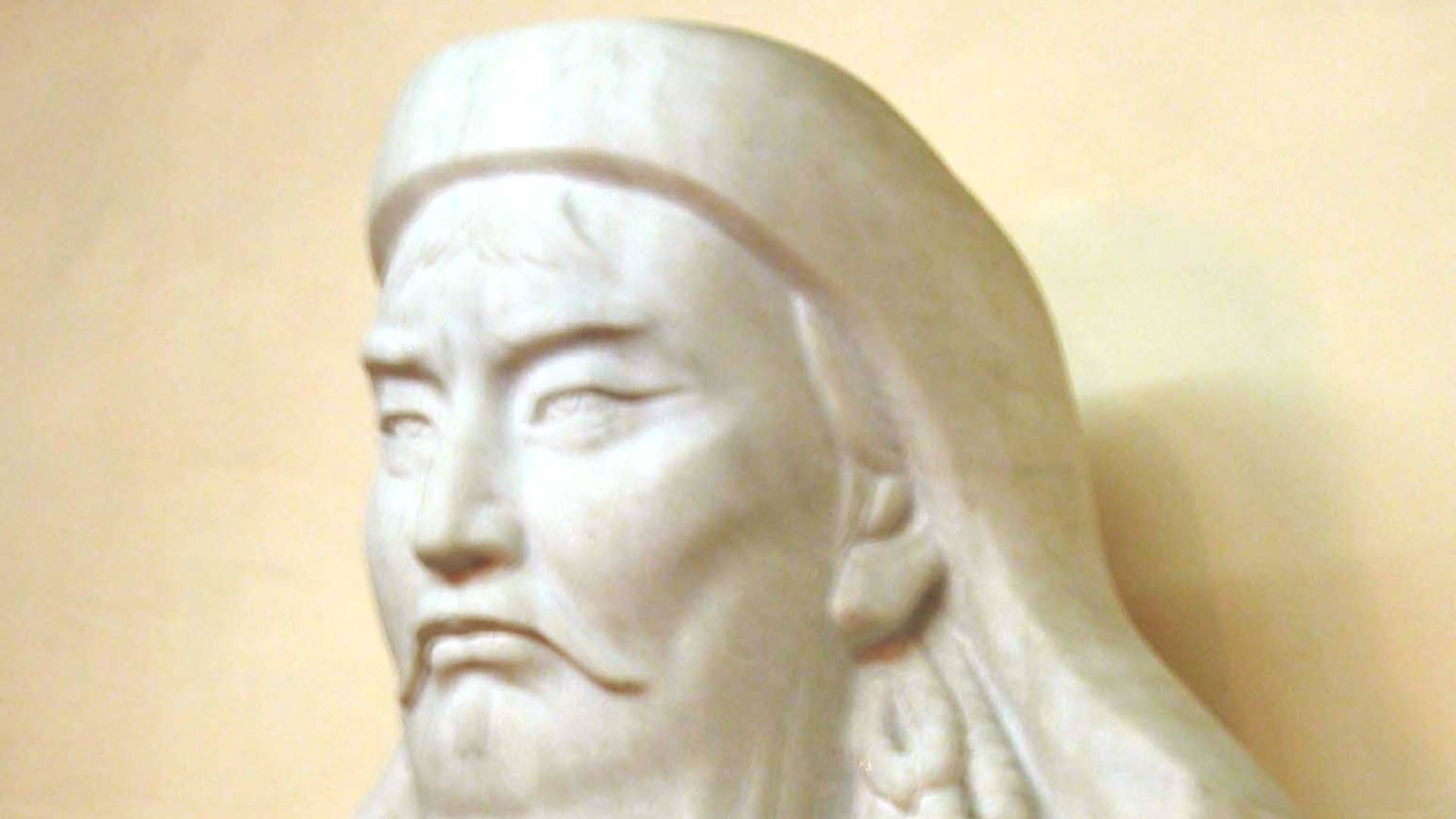 Jim Garamone, American Forces Press Service on Wikimedia
1. Augustus Caesar
Augustus transformed Rome from a fractured republic into a stable empire. He established administrative systems that lasted for centuries and ushered in the Pax Romana. His leadership brought internal peace and economic growth after years of civil war. Rome’s identity as an empire largely began under his rule.
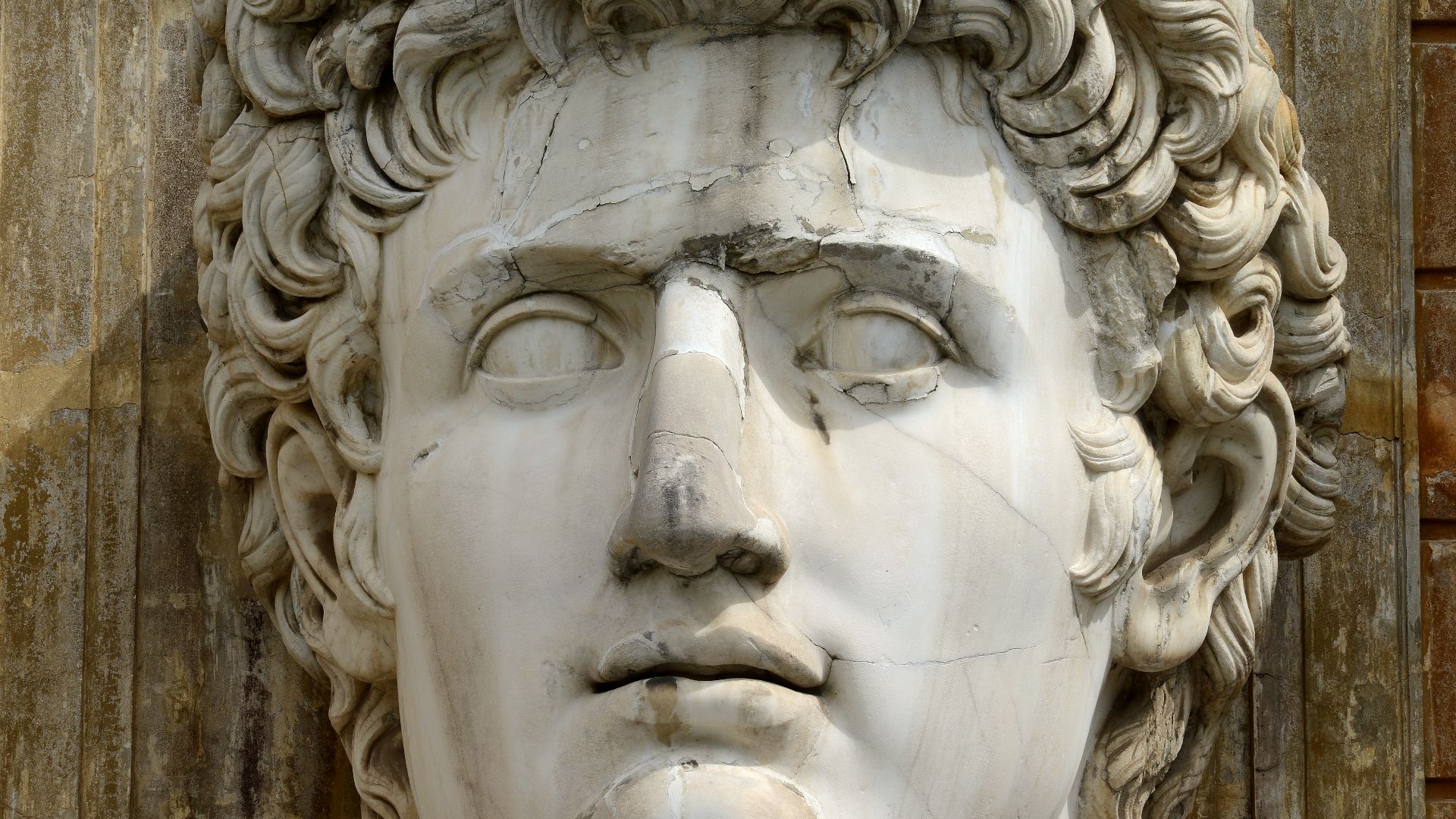
2. Qin Shi Huang
As the first emperor of a unified China, Qin Shi Huang centralized power and standardized systems across the realm. He introduced uniform writing, currency, and measurements, which strengthened cohesion. Massive infrastructure projects, including early Great Wall sections, marked his reign. His policies laid the groundwork for imperial China.
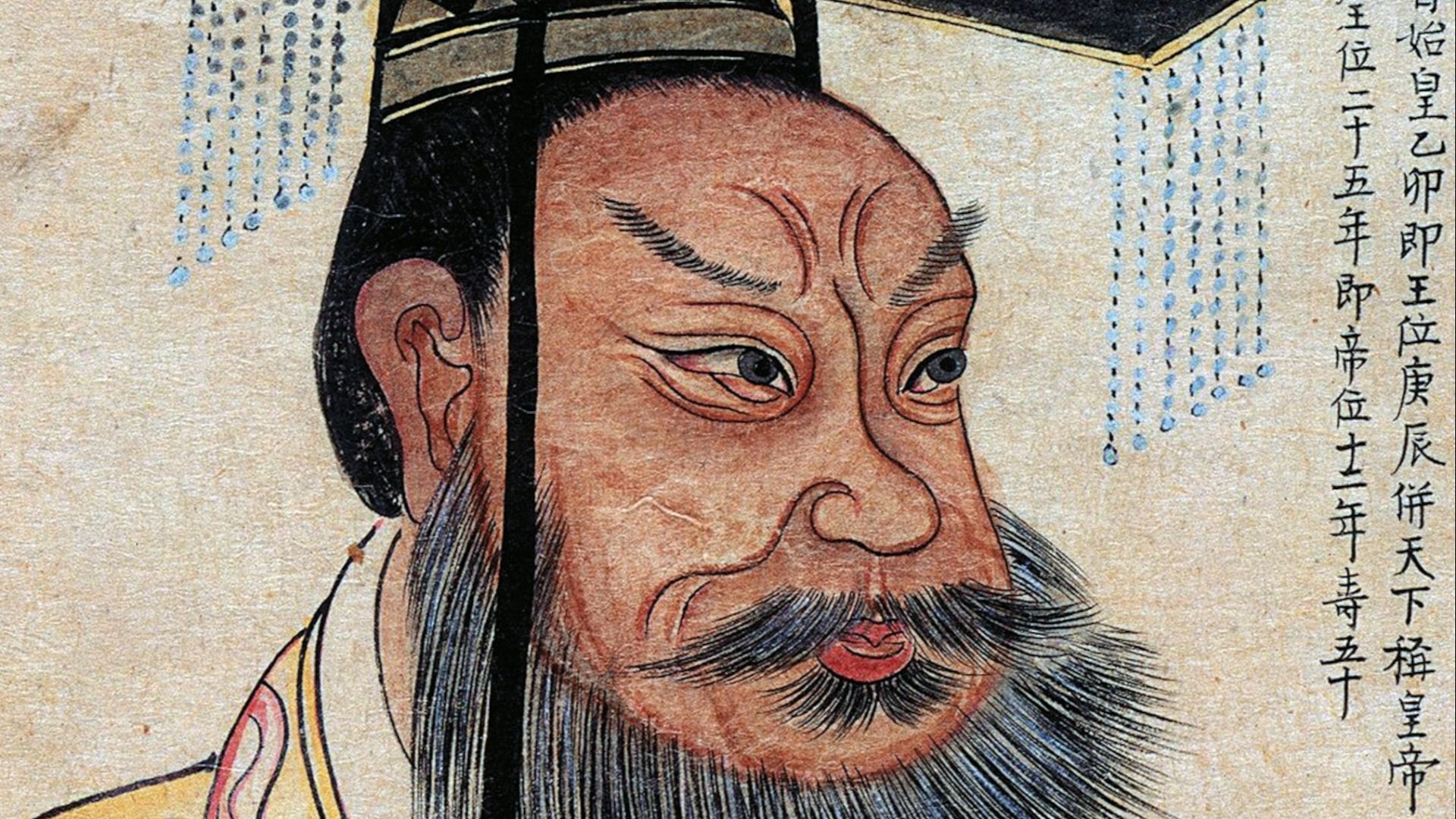 Unknown authorUnknown author on Wikimedia
3. Alexander the Great
Alexander expanded his kingdom into one of the largest empires of the ancient world. His conquests spread Greek culture across vast territories in a process known as Hellenization. Despite his short reign, his influence reshaped regions from Egypt to India. His legacy endured through the kingdoms that followed.
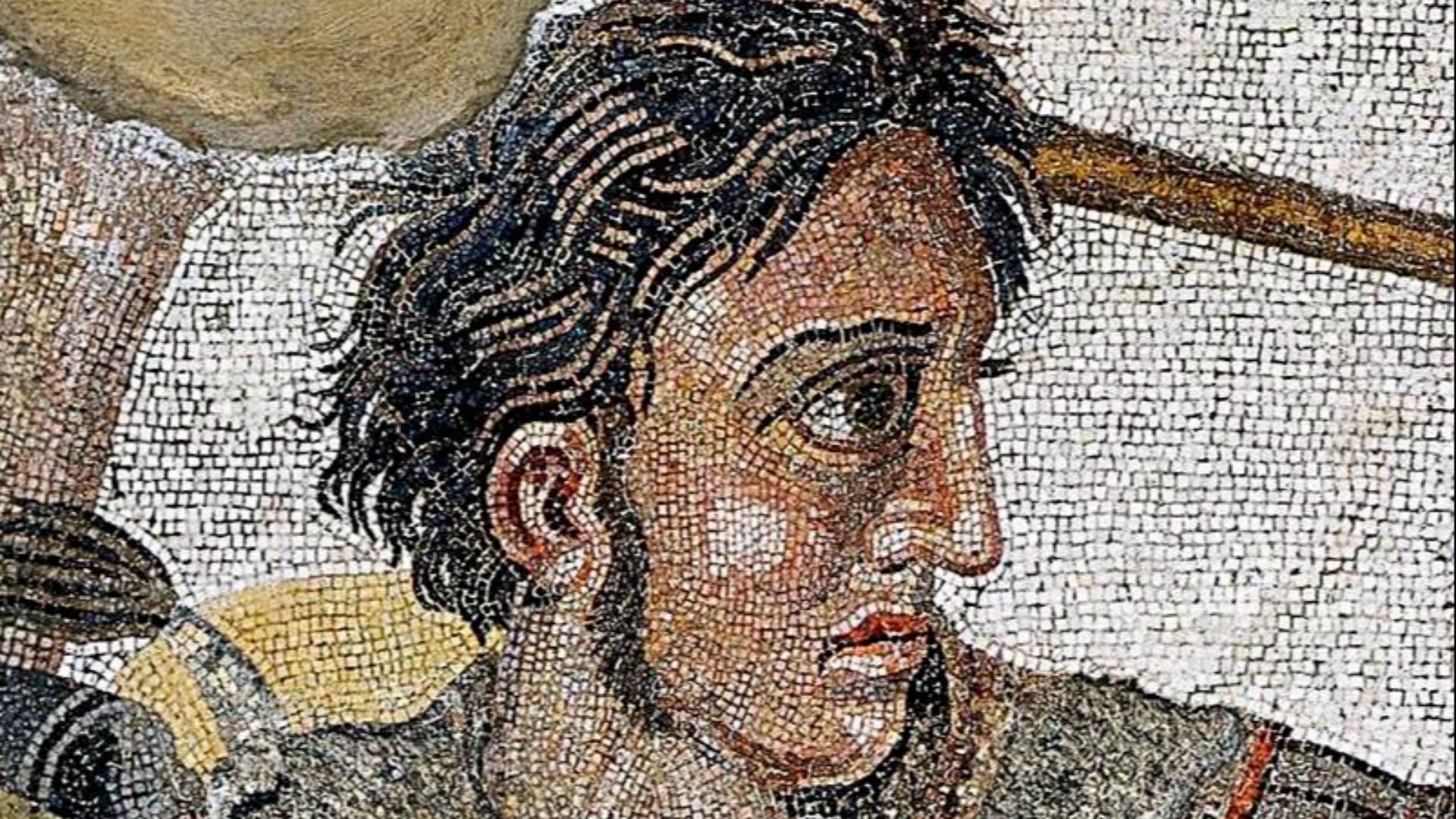 Unknown authorUnknown author on Wikimedia
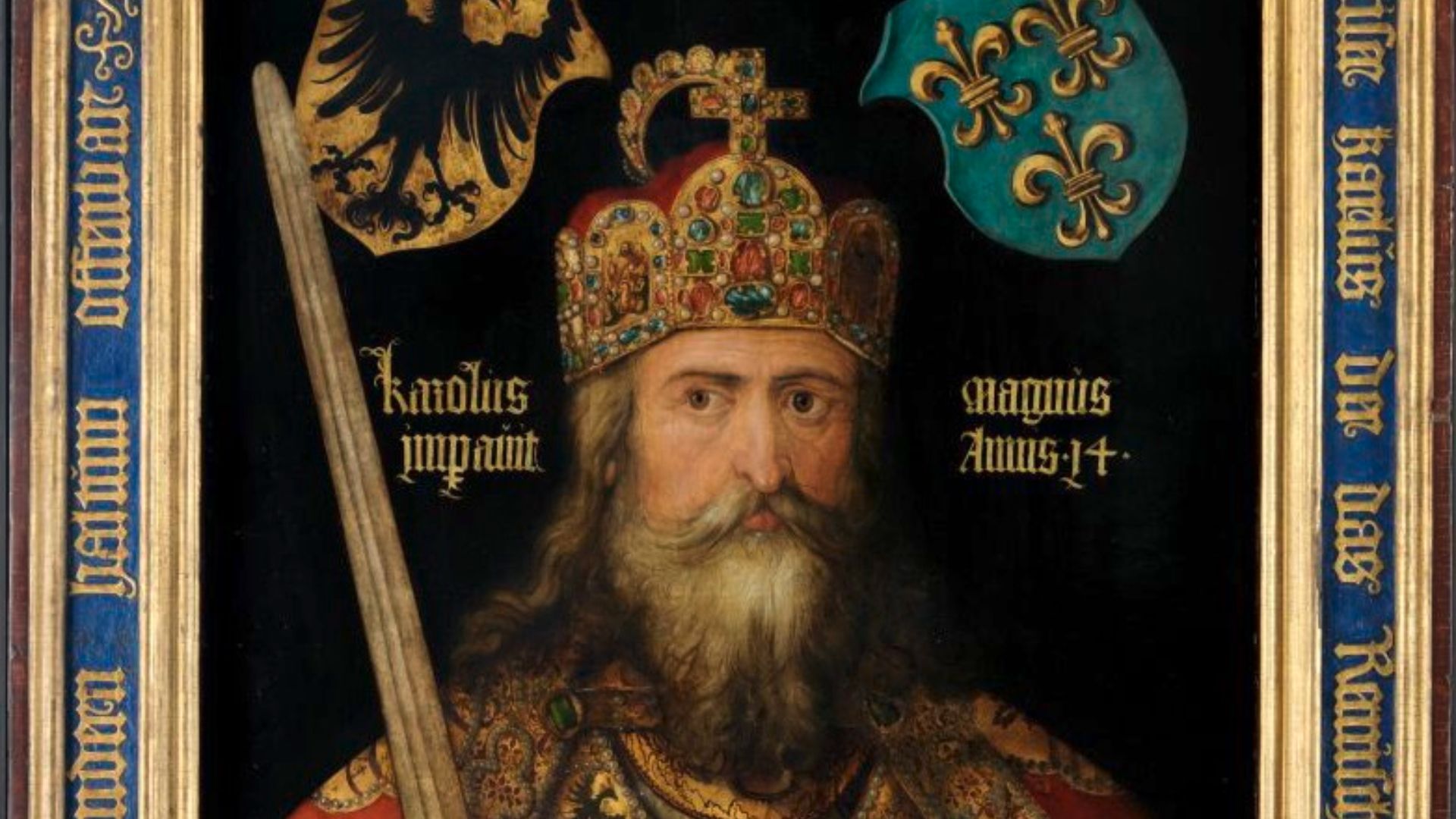
4. Charlemagne
Charlemagne united much of Western Europe under a single rule during the early Middle Ages. He promoted education, legal reform, and religious unity across his empire. His coronation as Holy Roman Emperor symbolized a revival of imperial authority in Europe. His reign helped shape the continent’s political identity.
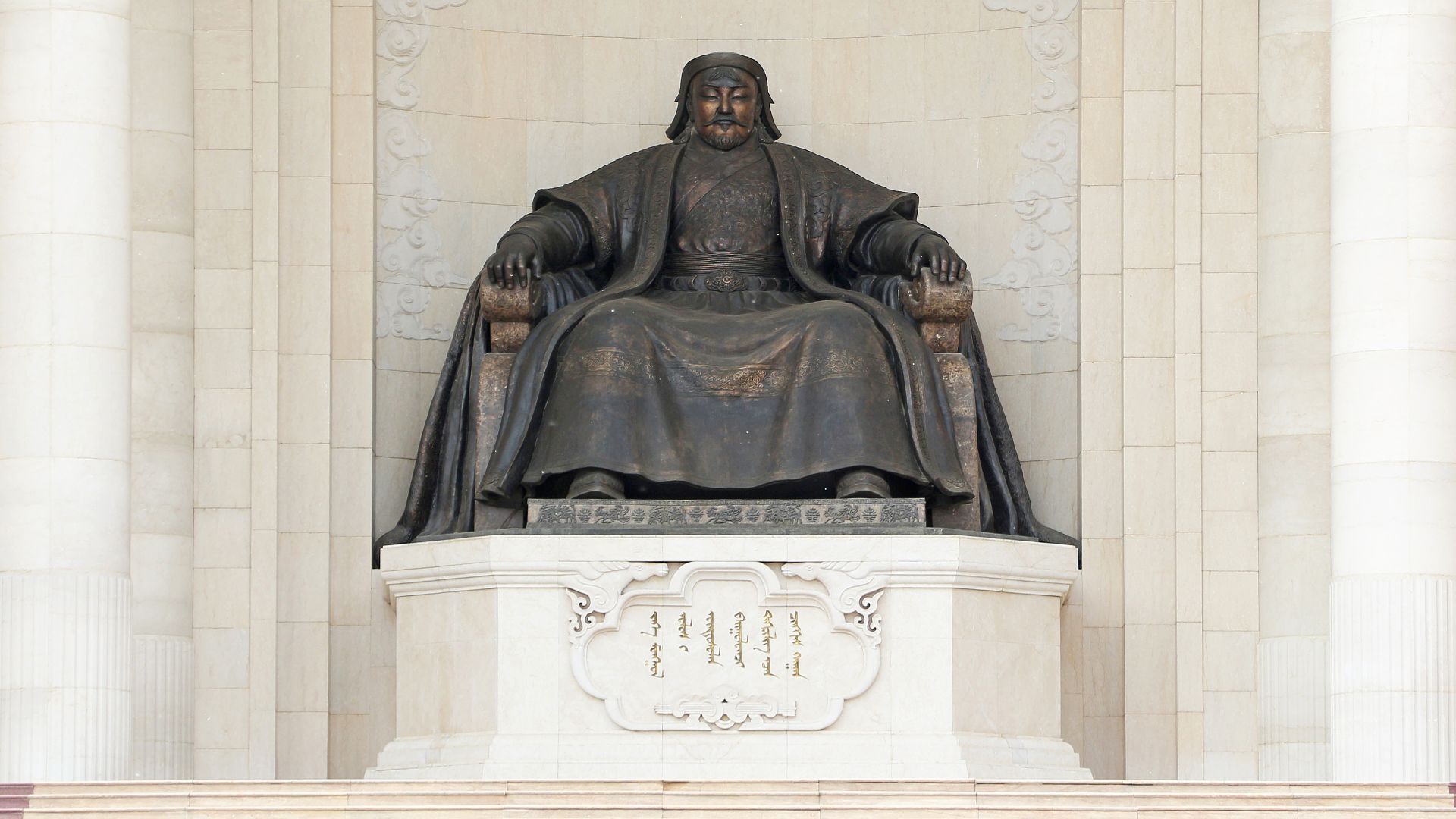
5. Genghis Khan
Genghis Khan built the largest contiguous land empire in history. He reformed military organization and governance, creating a highly effective system of control. Trade flourished across his empire through protected routes like the Silk Road. His leadership transformed the Mongols into a dominant global force.
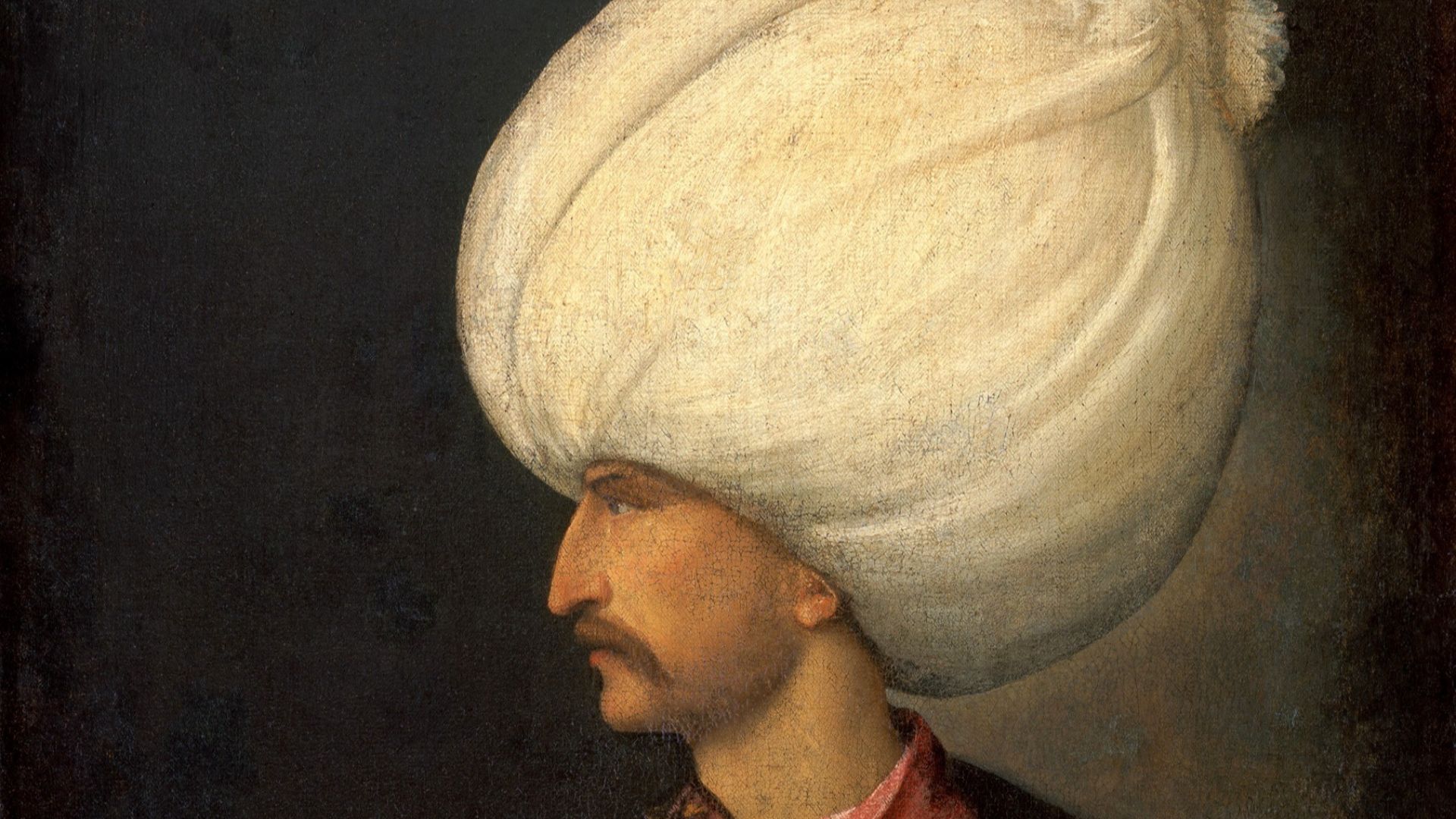
6. Suleiman the Magnificent
Suleiman led the Ottoman Empire during its peak of political and cultural power. He expanded territory while also reforming laws and strengthening governance. His patronage of the arts contributed to a flourishing cultural era. Under his rule, the empire became a major world power.
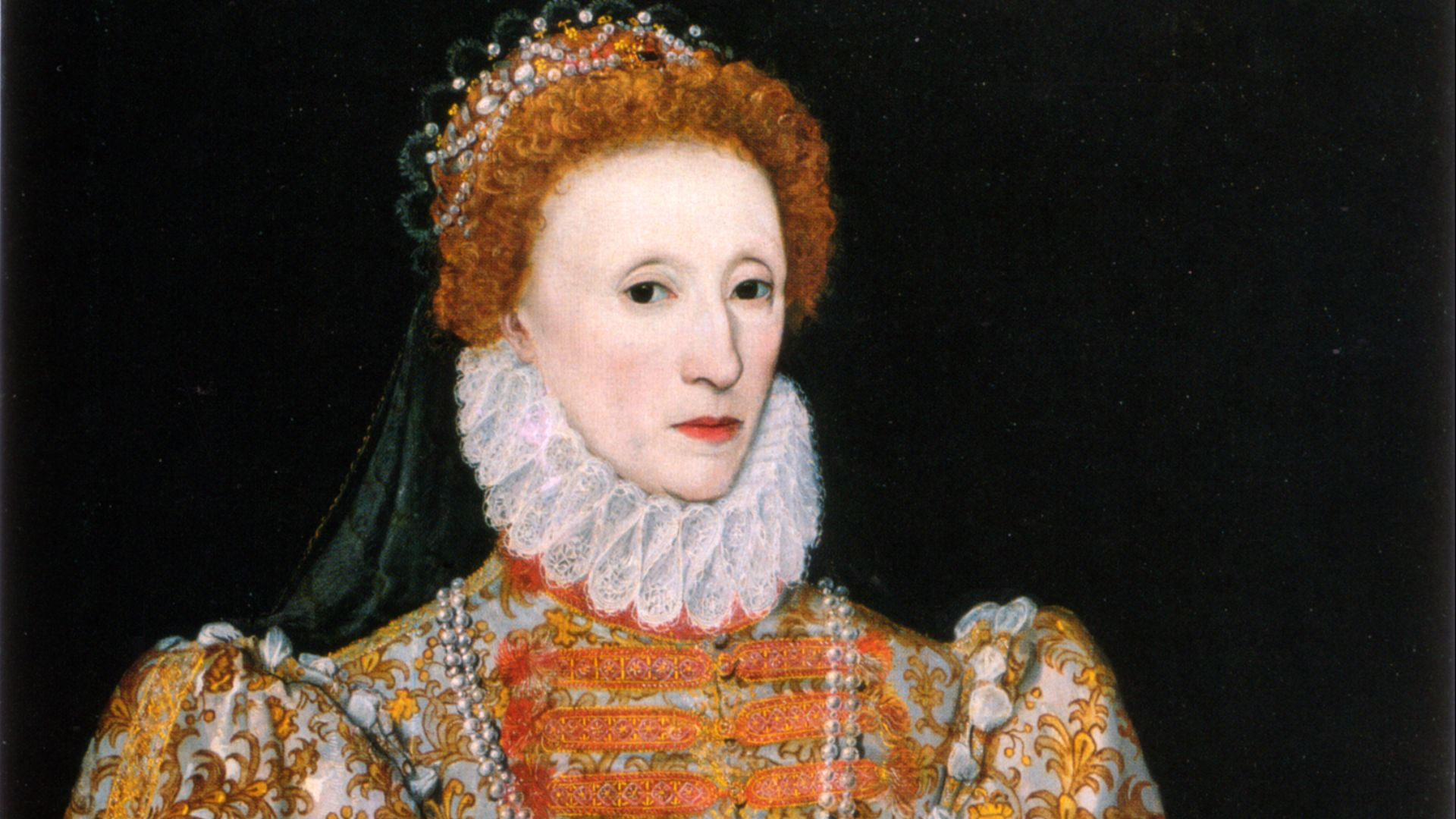
7. Queen Elizabeth I
Elizabeth I stabilized England during a period of religious and political tension. Her reign saw the defeat of the Spanish Armada and the rise of English naval power. She supported exploration and cultural growth, including the works of Shakespeare. England’s identity as a strong nation was solidified during her rule.
 Unidentified painter on Wikimedia
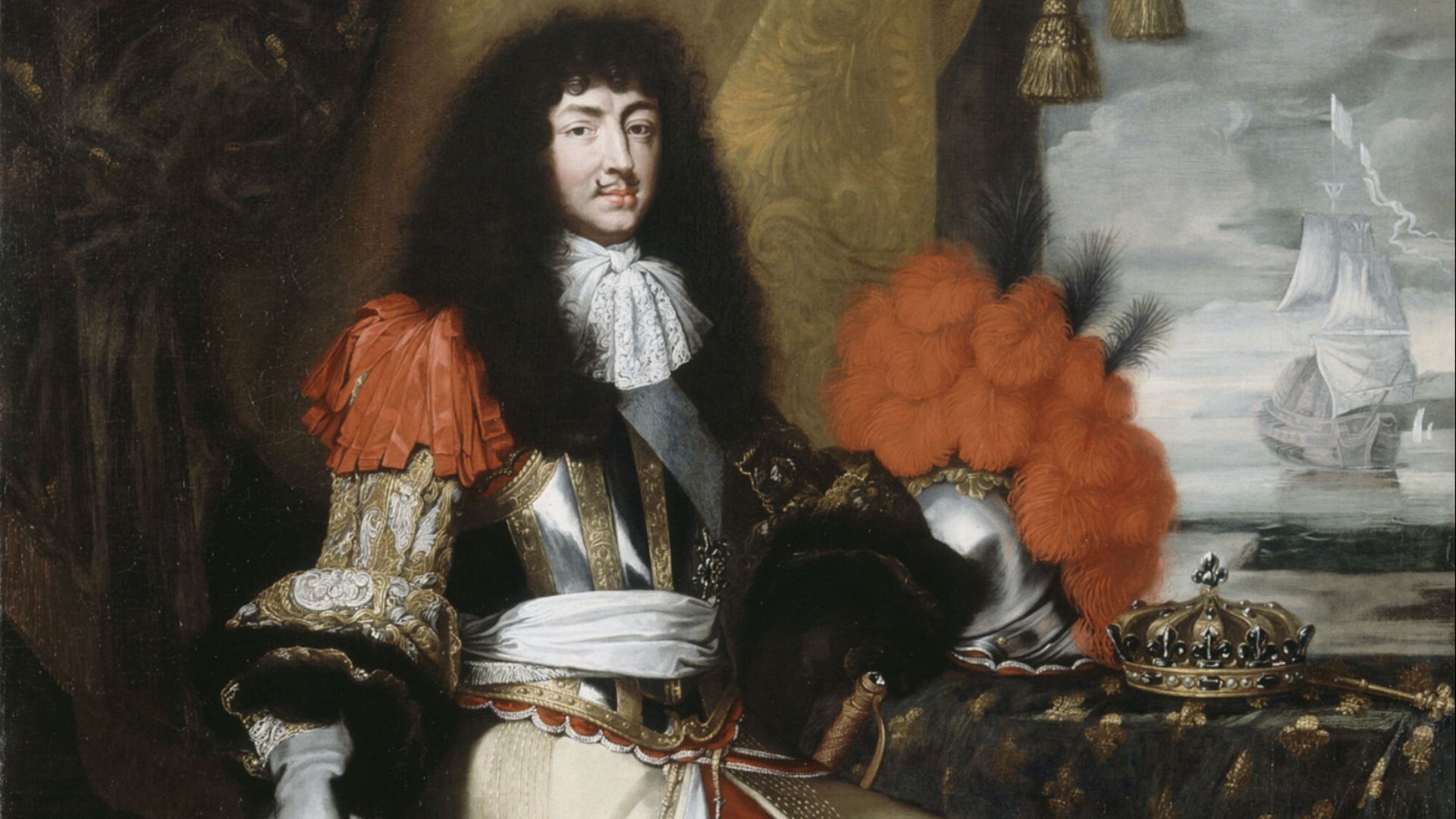
8. Louis XIV
Known as the Sun King, Louis XIV centralized authority in France and strengthened the monarchy. His court at Versailles became a symbol of absolute power and cultural influence. He expanded France’s borders and influence across Europe. His reign defined French dominance in the 17th century.
9. Peter the Great
Peter modernized Russia by introducing Western technology and administrative reforms. He reorganized the military and expanded Russia’s access to the sea. His founding of St. Petersburg symbolized a shift toward European integration. Russia emerged as a major power under his leadership.
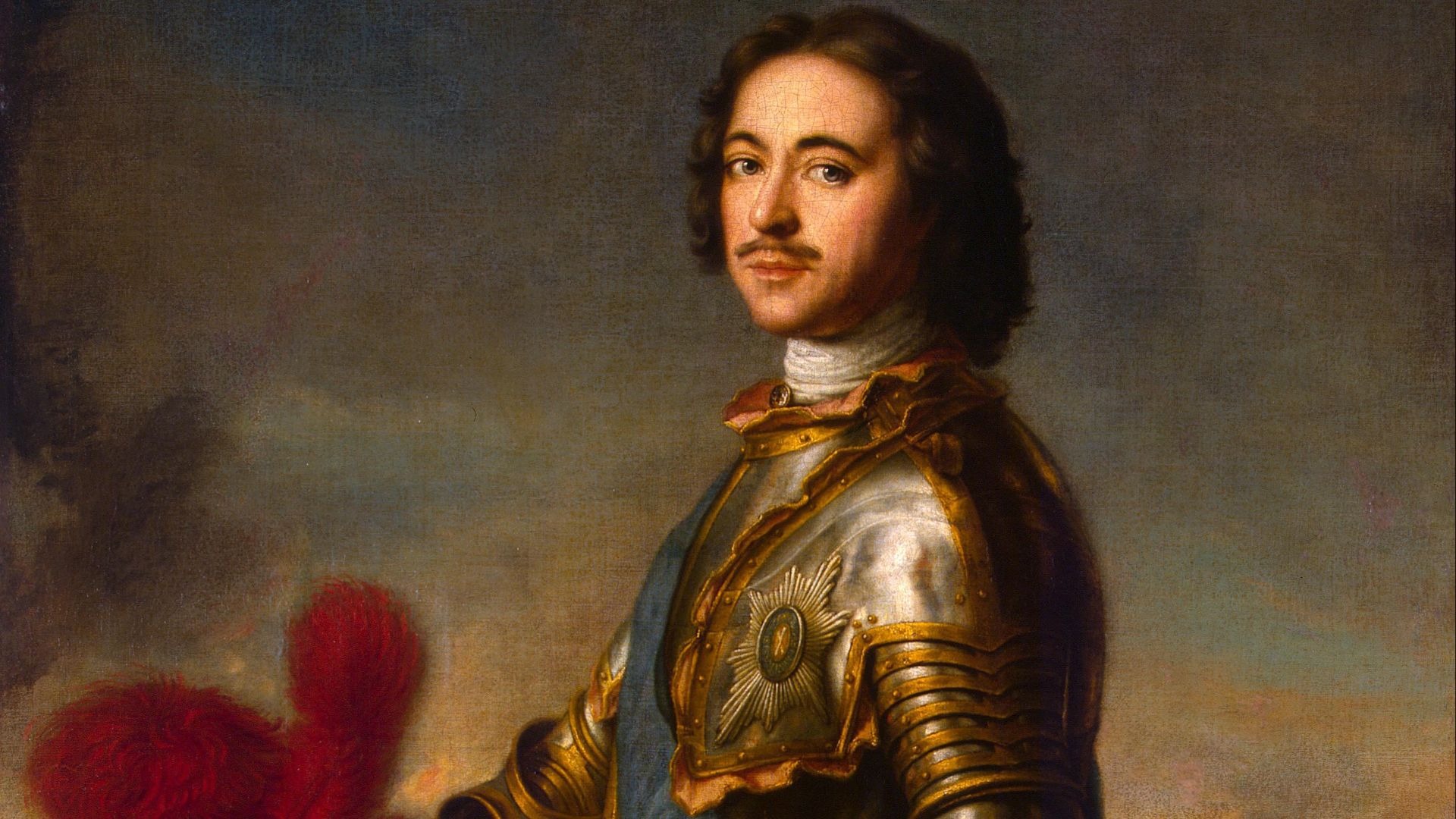 Attributed to Jean-Marc Nattier on Wikimedia
10. Catherine the Great
Catherine expanded Russian territory and continued modernization efforts. She supported education, arts, and legal reforms influenced by Enlightenment ideas. Her reign strengthened Russia’s political and cultural standing in Europe. She is remembered as one of the country’s most effective rulers.
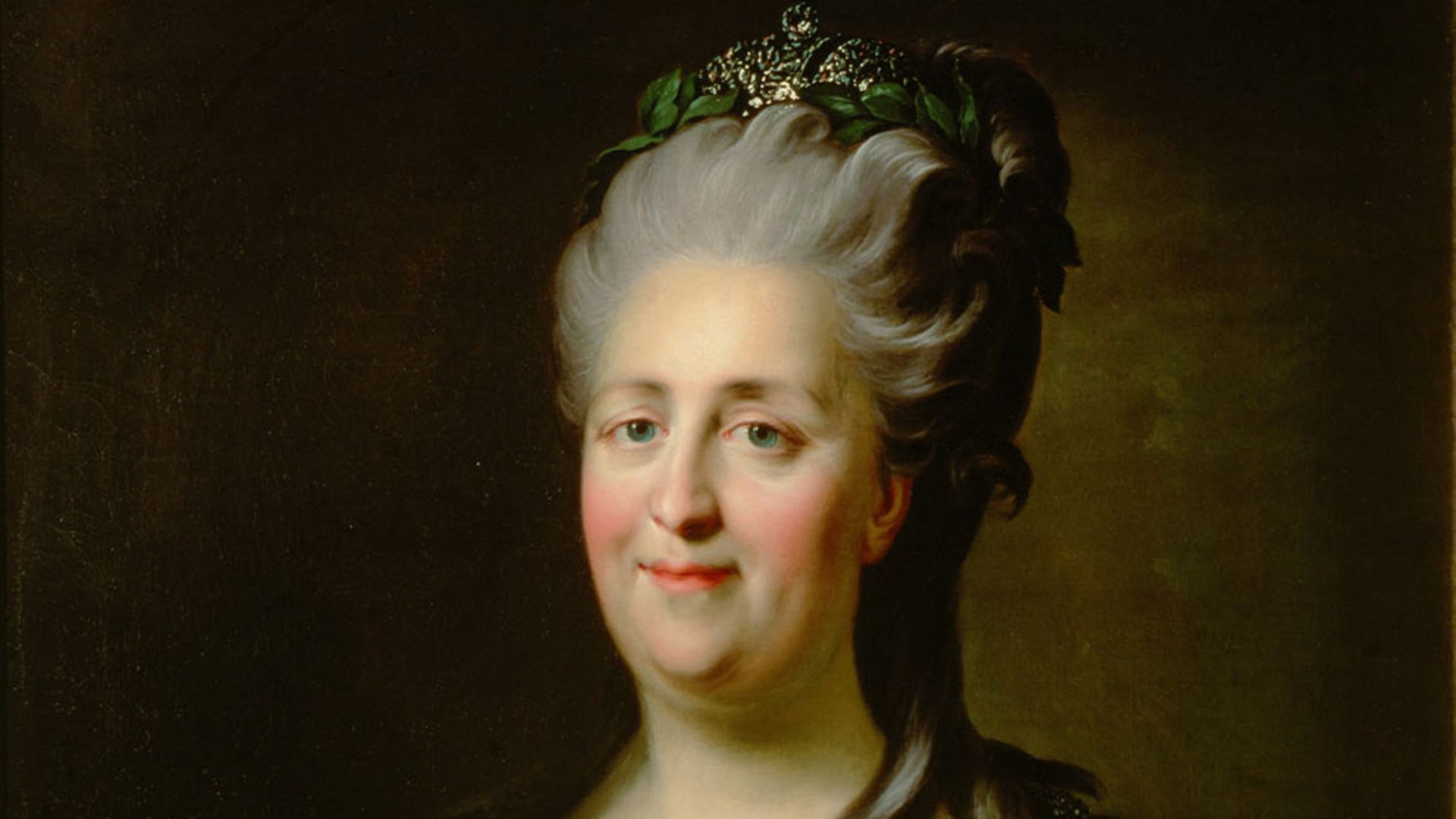 After Alexander Roslin on Wikimedia
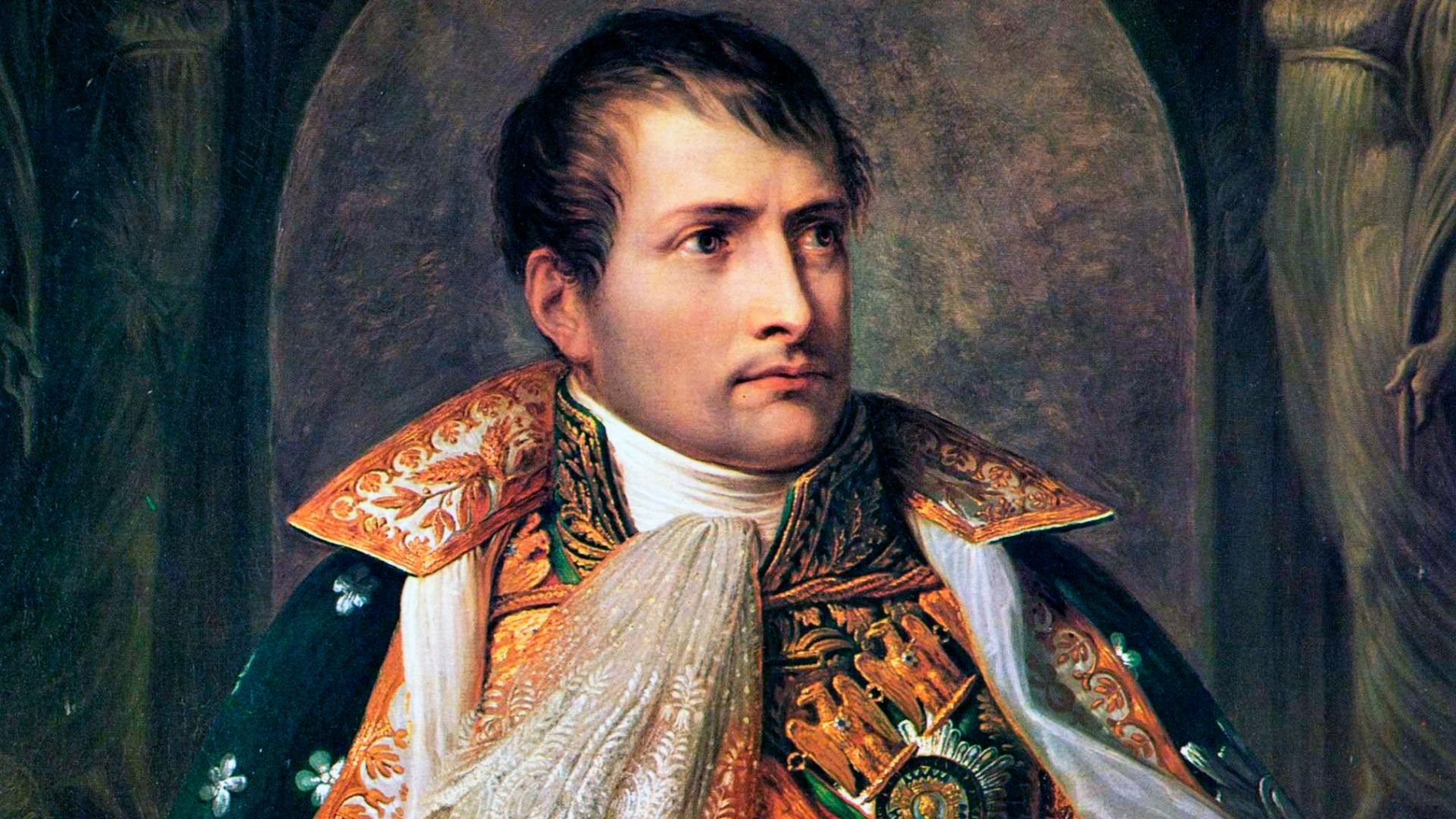
11. Napoleon Bonaparte
Napoleon reshaped France through legal and administrative reforms, including the Napoleonic Code. His military campaigns expanded French influence across Europe.
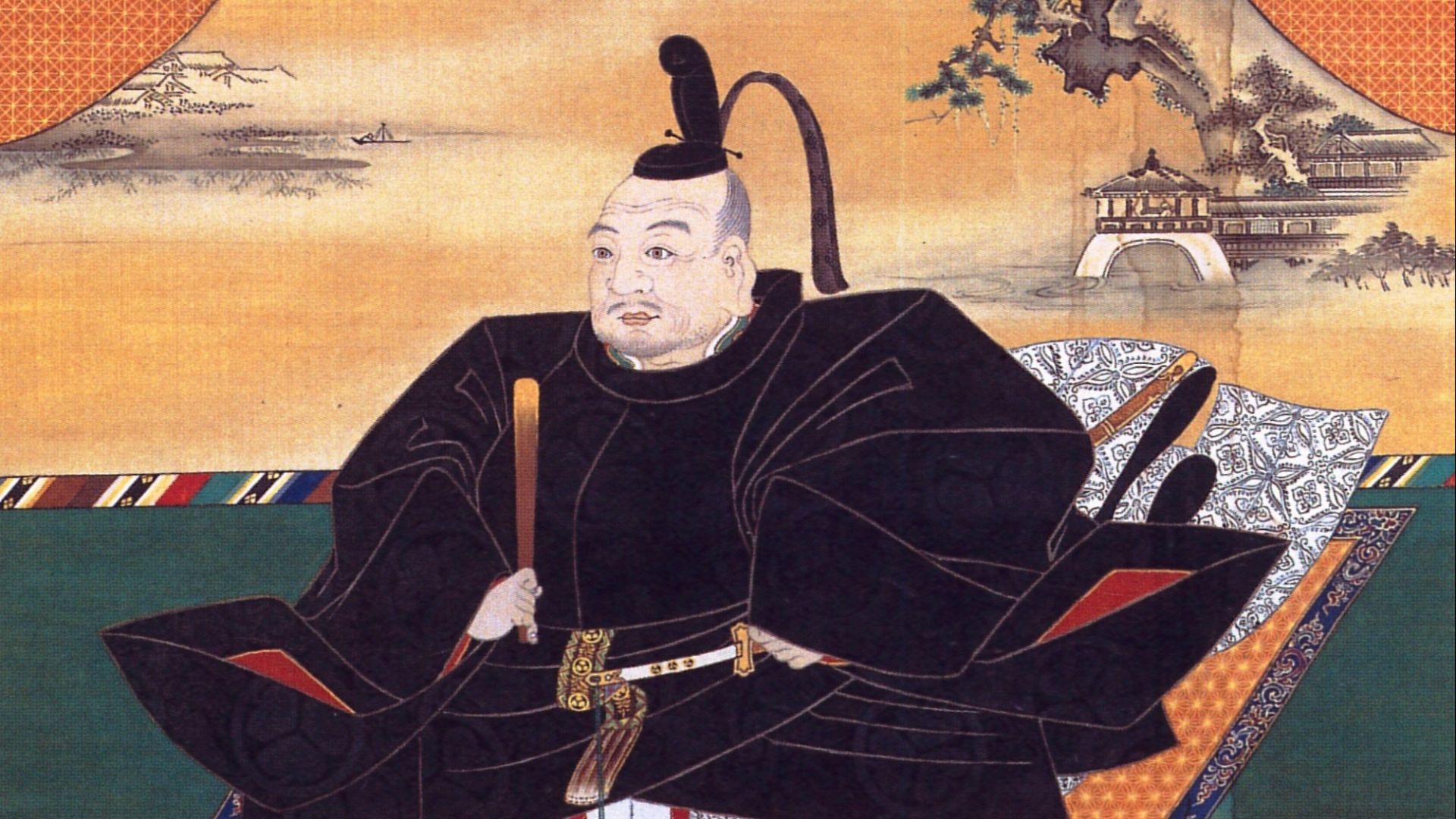
12. Tokugawa Ieyasu
Ieyasu established the Tokugawa shogunate, bringing long-term stability to Japan. His rule ended centuries of conflict and unified the country under centralized control. The resulting Edo period saw economic growth and cultural development. His leadership created a lasting political structure.
13. Akbar the Great
Akbar expanded and consolidated the Mughal Empire in India. He promoted religious tolerance and administrative efficiency. His policies encouraged cultural integration and economic stability. Under his rule, the empire reached new levels of strength and unity.
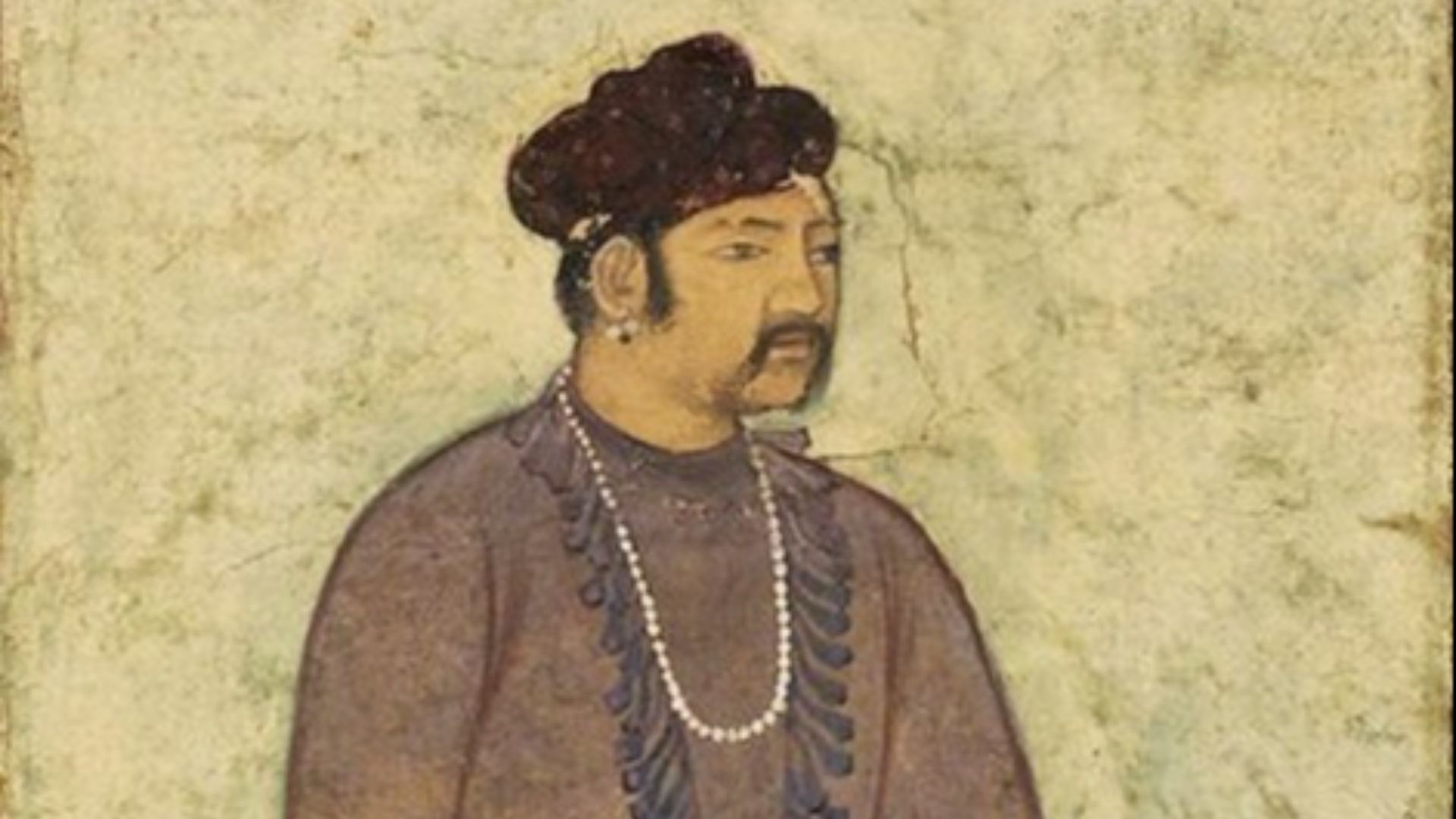 Manohar. Worked in late 16th century. on Wikimedia
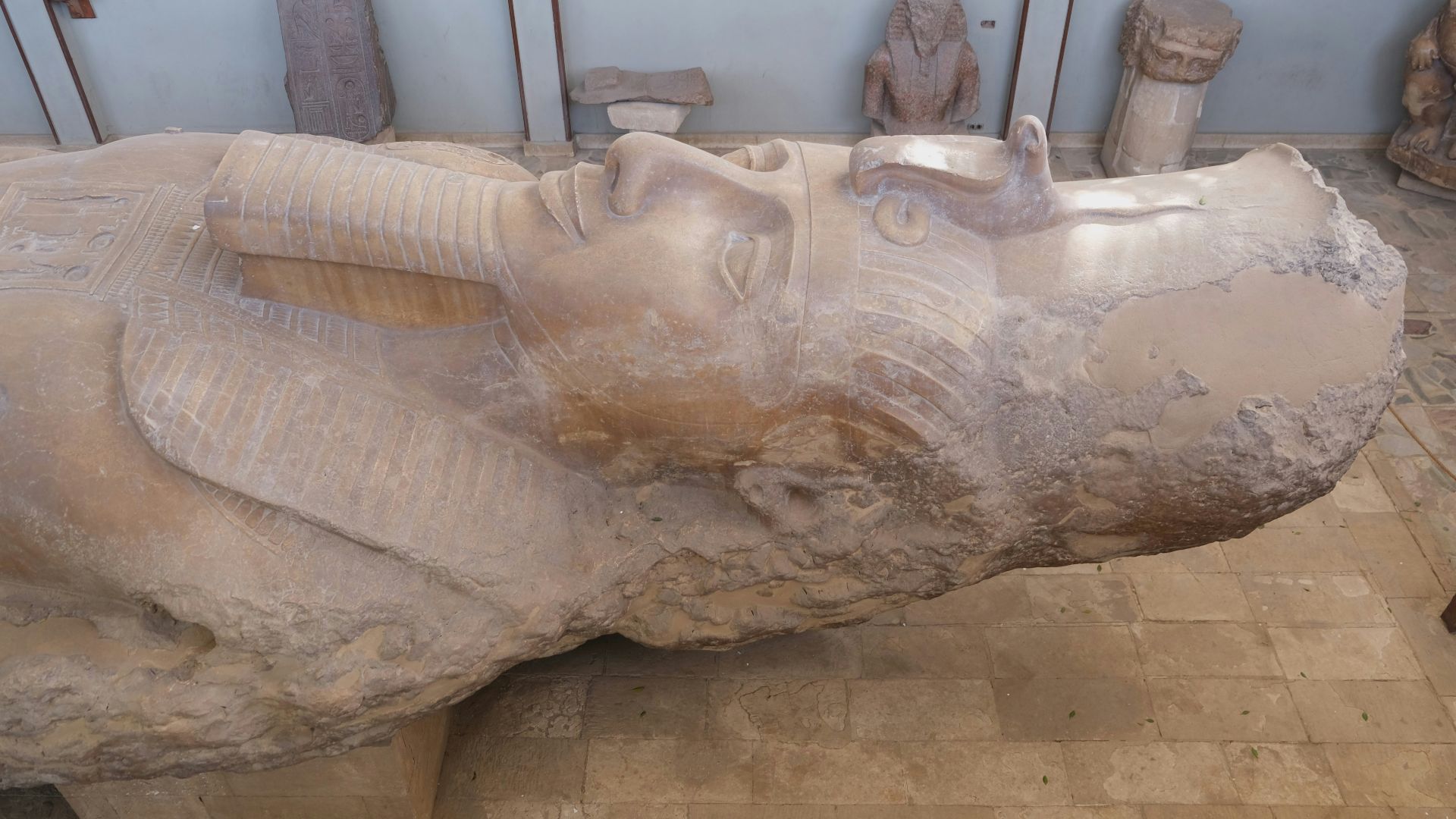
14. Ramses II
Ramses II is one of ancient Egypt’s most famous pharaohs. He led military campaigns and secured Egypt’s borders through treaties and diplomacy. His extensive building projects reinforced Egypt’s cultural legacy. His long reign contributed to a period of stability and prosperity.
15. Frederick the Great
Frederick transformed Prussia into a major European power through military success and reform. He modernized administration and supported intellectual life. His leadership strengthened both the state and its influence. Prussia’s rise is closely tied to his reign.
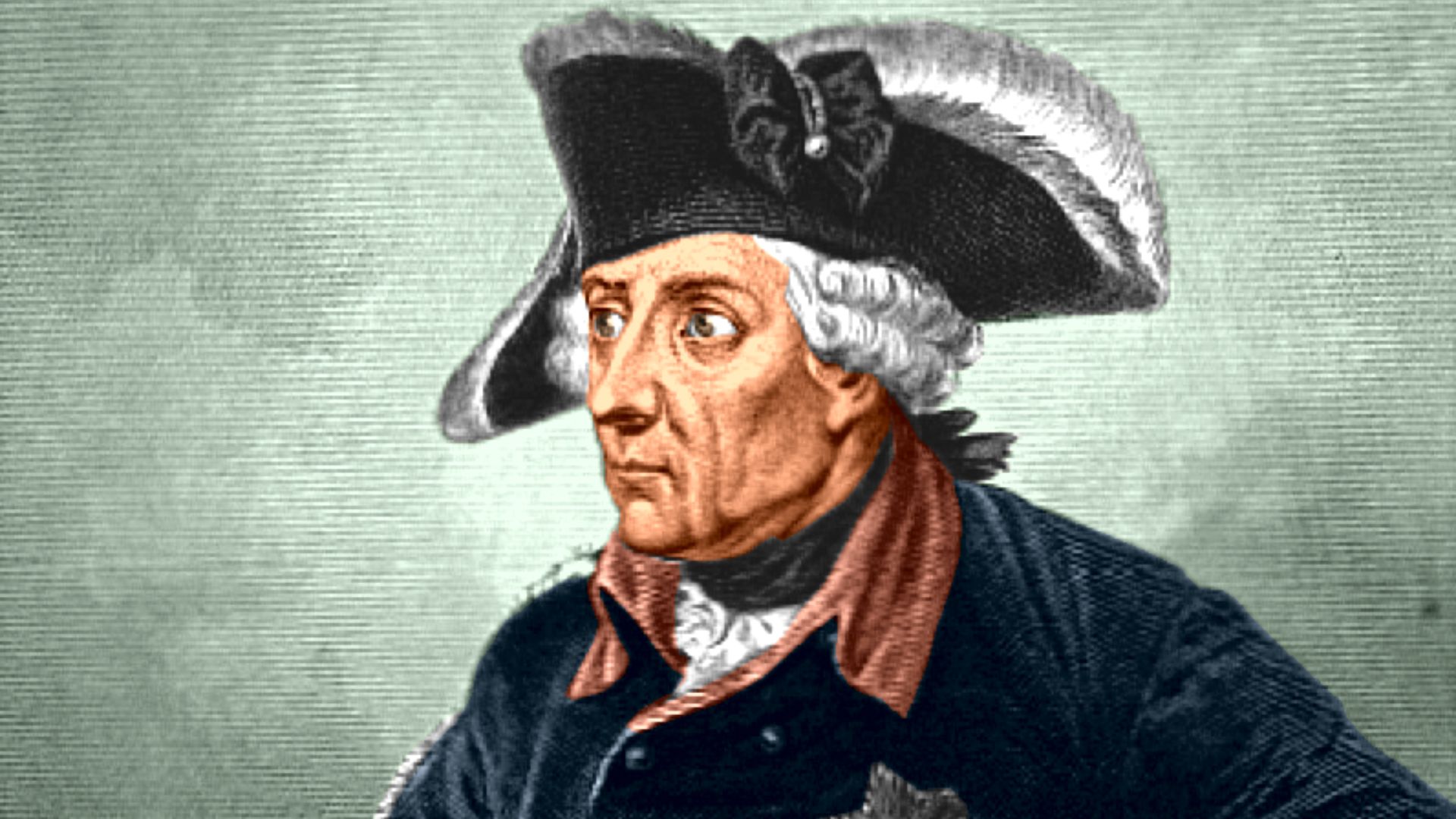 Unknown authorUnknown author on Wikimedia
16. Meiji Emperor
The Meiji Emperor oversaw Japan’s rapid modernization during the Meiji Restoration. Traditional systems were replaced with industrial and political reforms.
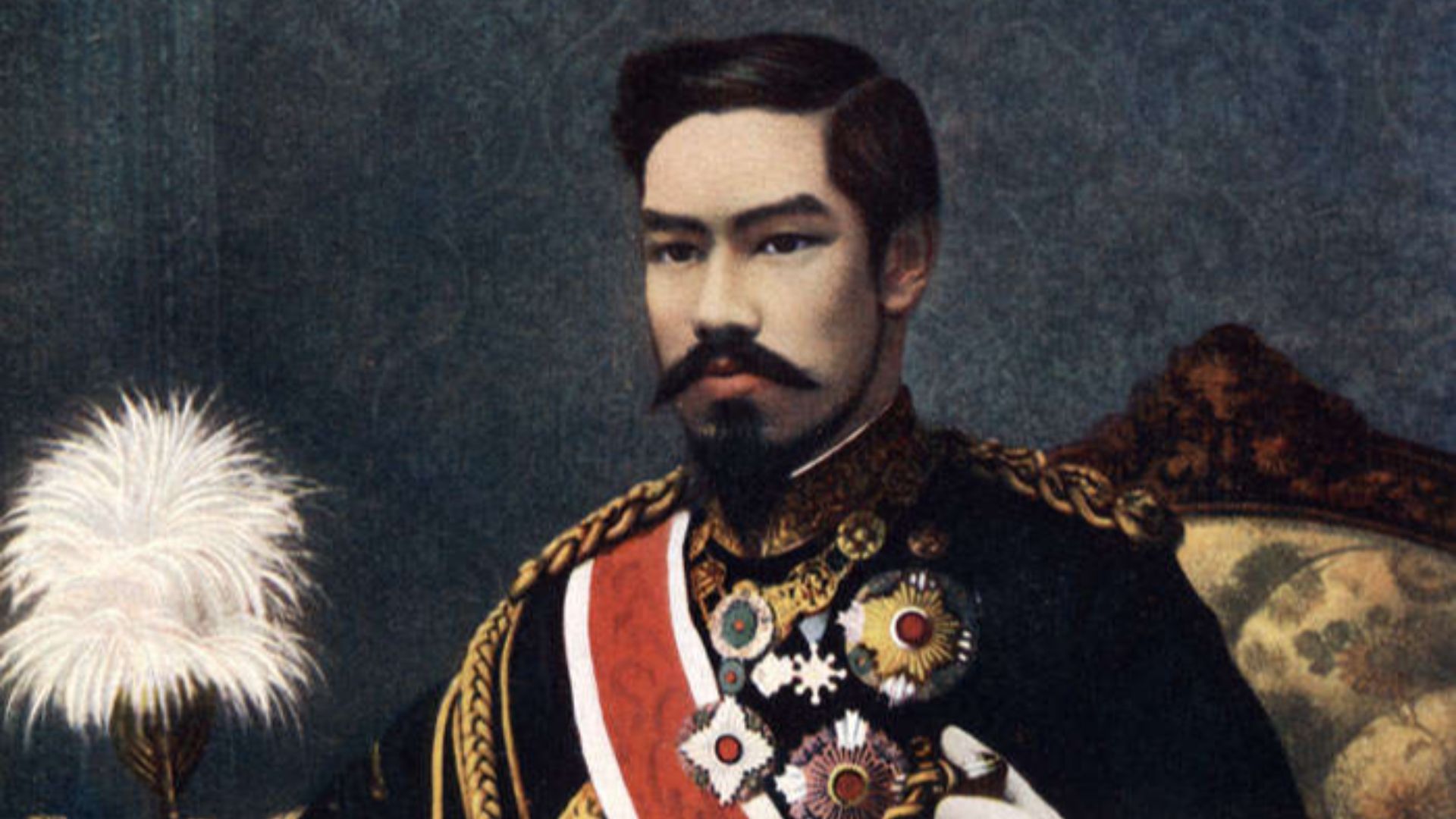 Unknown authorUnknown author on Wikimedia
17. Saladin
Saladin united Muslim forces and recaptured Jerusalem during the Crusades. He is remembered for both military skill and diplomatic leadership. His governance emphasized unity and stability.
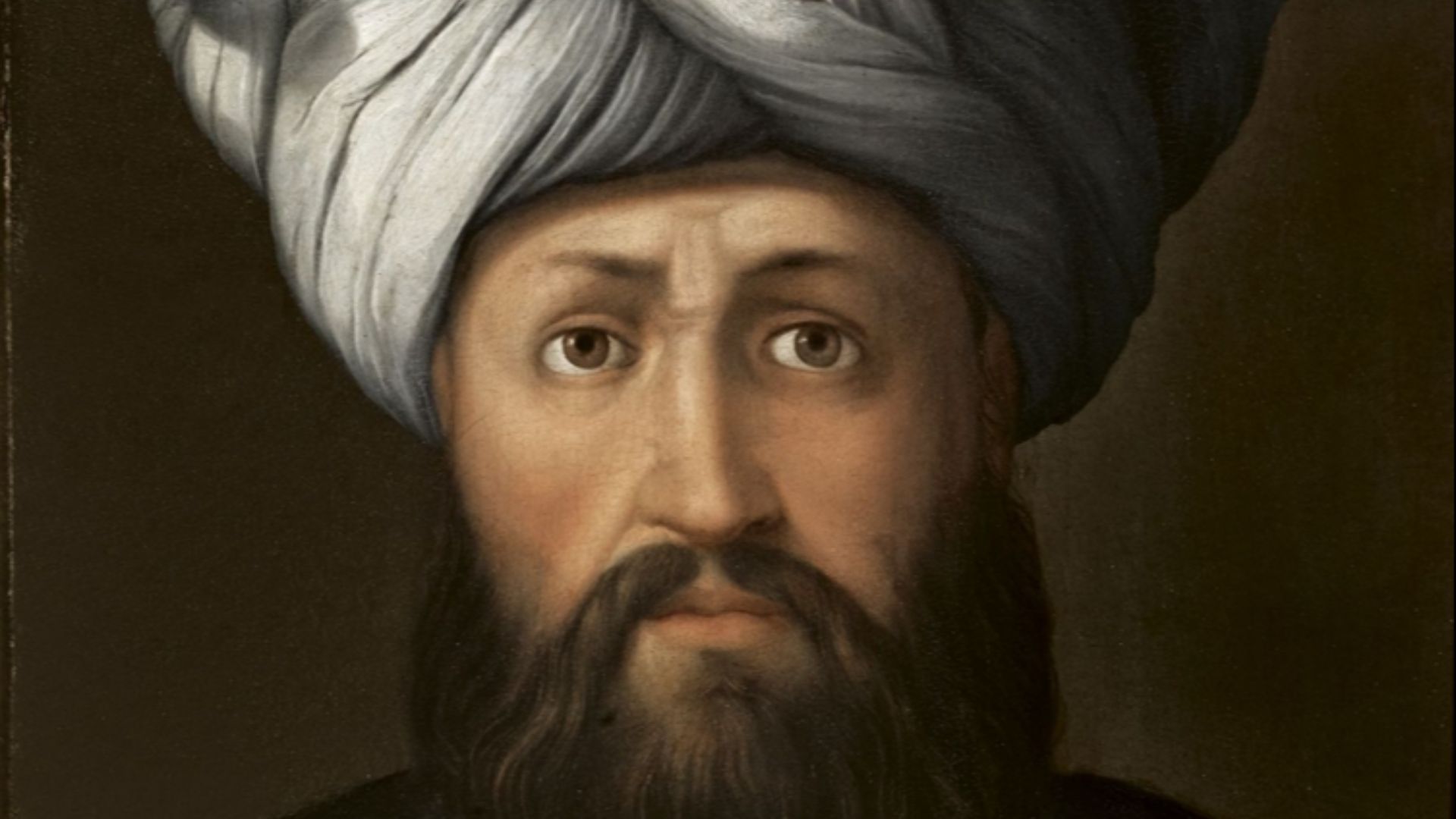 Cristofano dell'Altissimo on Wikimedia
18. Emperor Ashoka
Ashoka expanded the Maurya Empire before turning toward peaceful governance. After embracing Buddhism, he promoted nonviolence and social welfare.
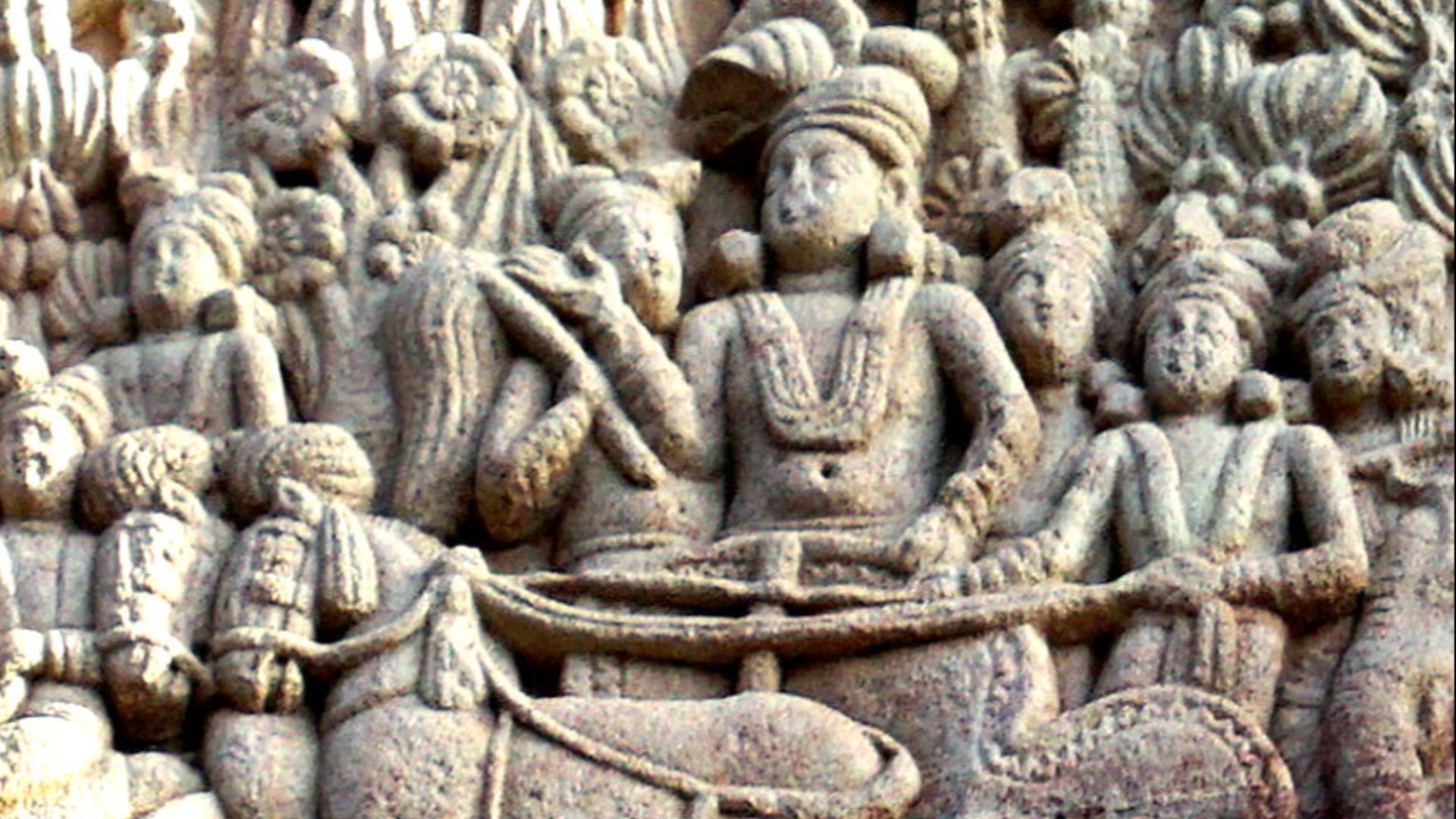 Photo Dharma from Sadao, Thailand on Wikimedia
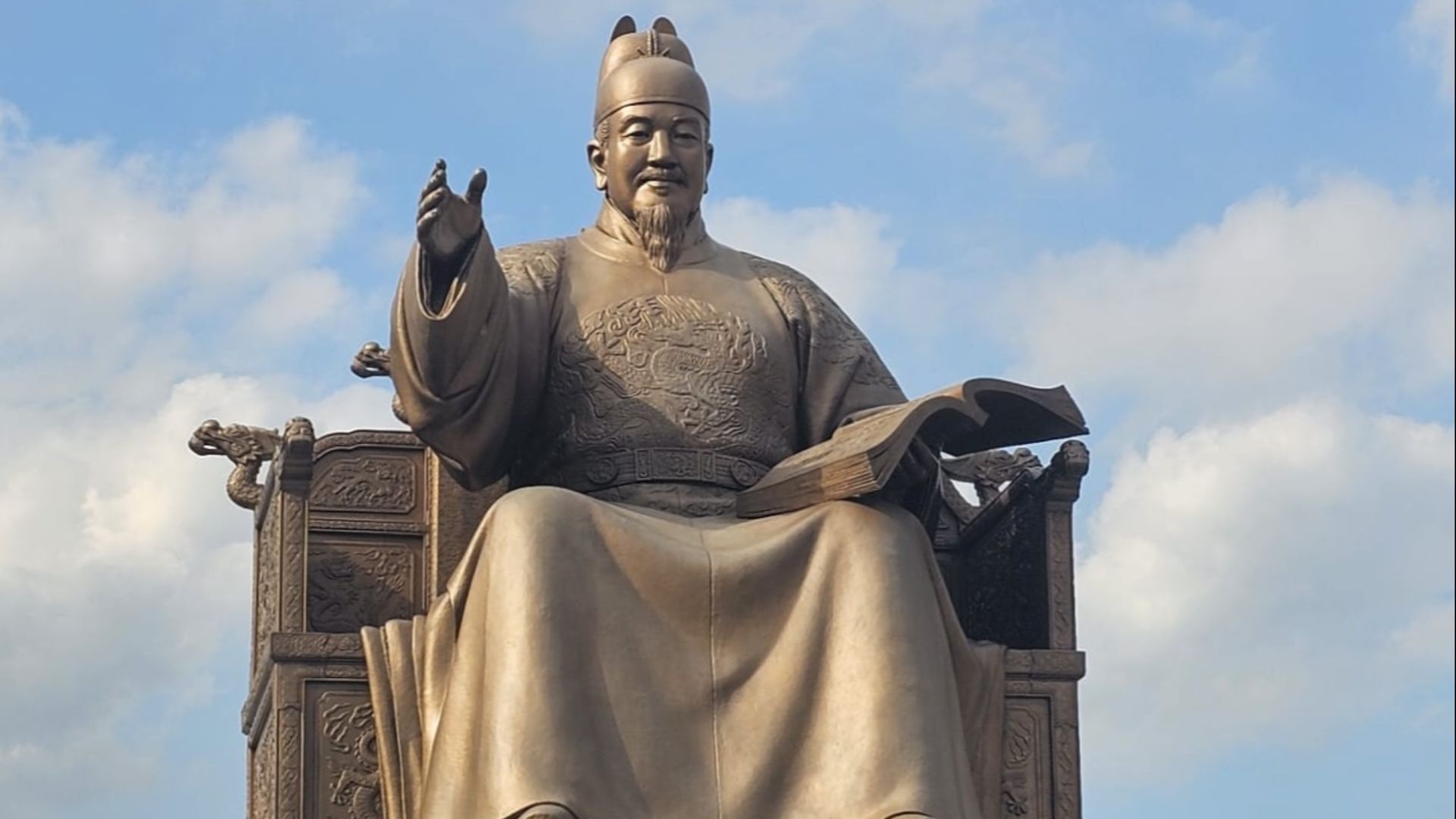
19. King Sejong the Great
Sejong advanced science, technology, and culture in Korea. He created Hangul, a writing system that improved literacy among common people.
20. Alfred the Great
Alfred defended Anglo-Saxon England against Viking invasions. He reformed military organization and promoted education and legal systems. His efforts helped preserve and strengthen English identity. He is remembered as a foundational figure in England’s history.
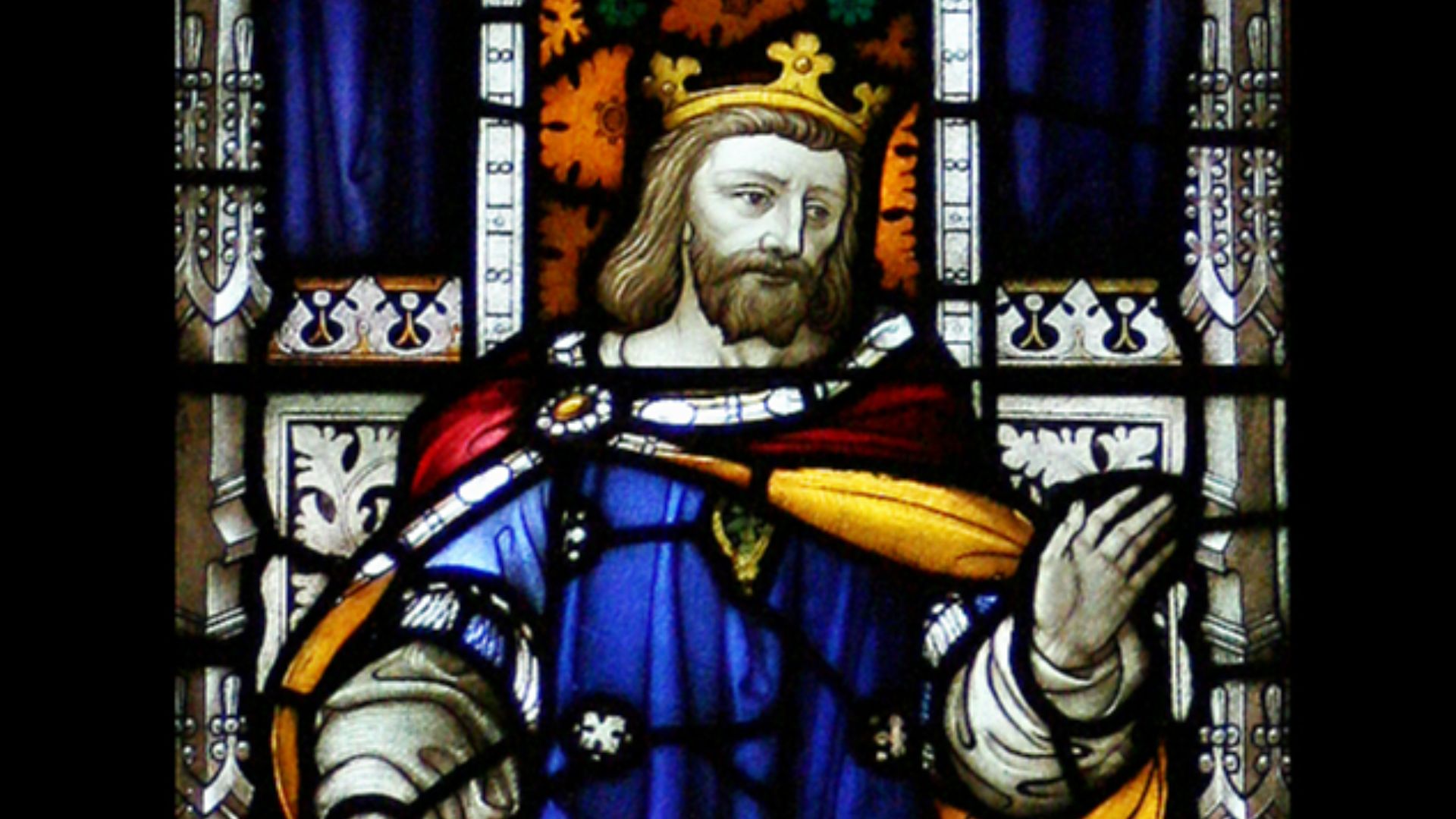 Window: Clayton & Bell 1903; Photo: Wojciech Dittwald on Wikimedia
KEEP ON READING

20 Rulers Who Turned Their Nations Into Legends
Power, Legacy, and Lasting Influence. Throughout history, certain rulers have…
By Rob Shapiro Apr 24, 2026
10 Famous Figures Who Hid Their Illness & 10 Who…
Pain Has A Public Life. Fame has a way of…
By Cameron Dick Apr 24, 2026
The African King Who Became The Richest Man In History
Cresques Abraham on WikimediaWhen thinking about the wealthiest people to…
By Sara Springsteen Apr 23, 2026
Why Monumental Architecture Usually Comes With a Brutal Human Cost
2H Media on UnsplashMonumental architecture is very good at making…
By Emilie Richardson-Dupuis Apr 23, 2026
The Dark Side of Royal Menageries
Unknown authorUnknown author on WikimediaToday, when we think about exotic…
By Elizabeth Graham Apr 23, 2026
20 Prehistoric Burial Sites That Reveal What Early Humans Believed…
Nobody Left Behind. Long before cities, temples, or written religion,…
By Elizabeth Graham Apr 23, 2026