

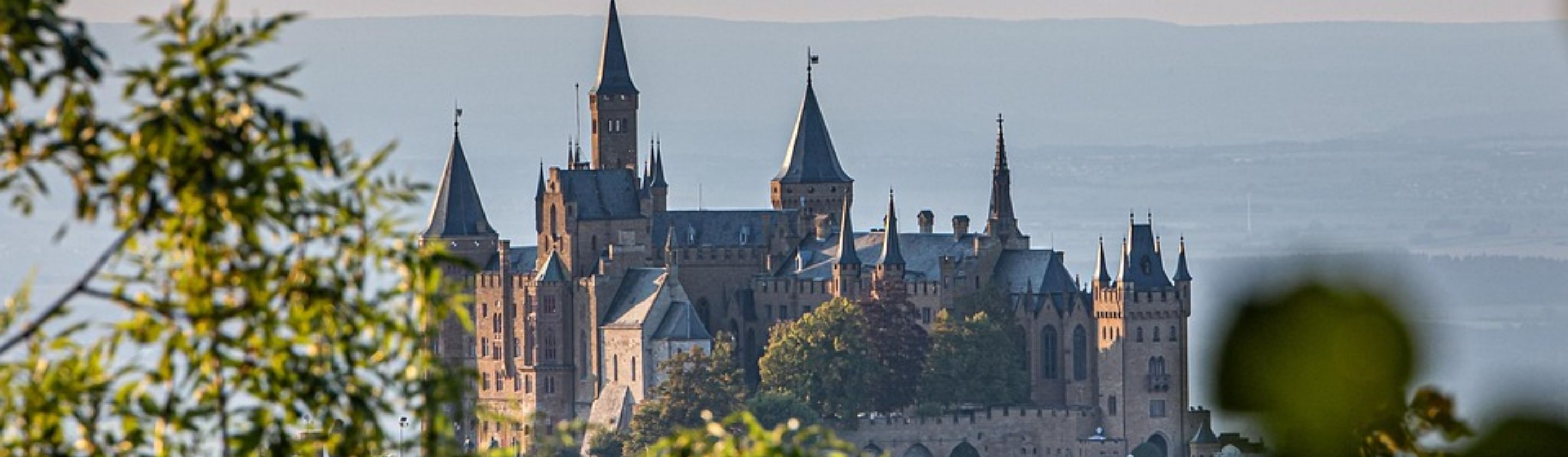
When you picture a medieval castle, it’s easy to focus on its size or appearance, but every detail served a defensive purpose. From the 11th to the 15th centuries, castles were central to warfare, and most conflicts were decided through sieges rather than open battles. Their design evolved to counter increasingly advanced siege tactics and weapons. This constant adaptation meant castles rarely stayed the same for long. Each generation of builders improved on earlier designs to address new threats.
If you were defending a castle, your goal wasn’t just to fight off attackers—it was to outlast them. Strong construction, clever layouts, and layered defenses all worked together to slow enemies down. These features forced attackers into long, costly sieges that could stretch for months. Time often became the defenders’ greatest advantage during these encounters. In many cases, survival depended just as much on planning as it did on strength.
Layered Defenses That Slowed Every Advance
One of the most important principles in castle design was “defense in depth.” Instead of relying on a single wall, castles often had multiple layers of protection that attackers had to overcome one at a time. This made any advance slower and far more dangerous. Even if one barrier was breached, defenders could fall back and continue resisting. This approach ensured that a single failure didn’t mean total defeat. It created a system where attackers had to succeed repeatedly to gain ground.
The outer curtain wall formed the first major obstacle. These thick stone walls were designed to resist siege engines like trebuchets and prevent easy scaling. Towers placed along the walls allowed defenders to attack from multiple angles, eliminating blind spots. This overlapping coverage made it difficult for attackers to approach without being exposed.
Beyond the walls, moats added another critical layer of protection. These deep ditches, sometimes filled with water, made it harder to bring siege towers or ladders close to the walls. They also prevented tunneling, a common siege tactic used to collapse walls. By combining walls, towers, and moats, castles created a system that forced attackers to slow down at every step.
Defensive Features That Turned Entrances Into Traps
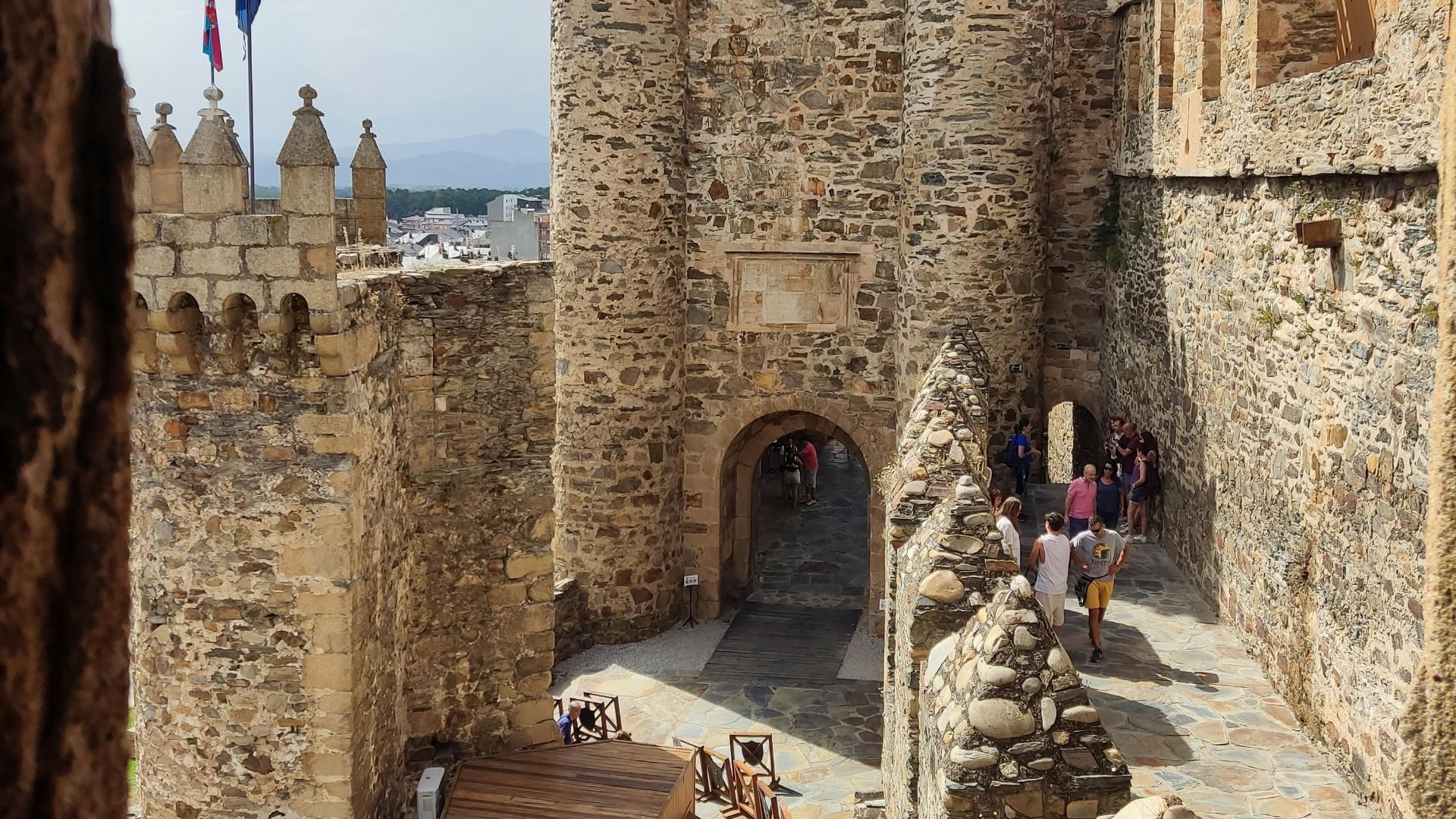
While castle walls were formidable, the entrance was always the most vulnerable point. To counter this, gatehouses became some of the most heavily fortified parts of any castle. They often included multiple layers of defense, such as reinforced doors and portcullises that could be dropped quickly. These features ensured that even if attackers reached the entrance, they weren’t safe.
Inside the gate passage, attackers faced a series of deadly obstacles. Narrow corridors forced them into tight formations, making it difficult to maneuver or retreat. Above them, defenders could use murder holes or similar openings to drop projectiles directly onto intruders. This created a controlled environment where defenders had a clear advantage.
Other features added even more protection to key areas. Machicolations, for example, allowed defenders to target enemies at the base of the walls without exposing themselves. Arrow slits provided narrow openings for archers to fire while staying protected. Together, these elements turned the castle’s weakest point into one of its strongest defenses. These innovations reflected a deep understanding of battlefield tactics. Over time, they became standard features in many fortified structures.
Strategic Design That Maximized Advantage
The location of a castle was just as important as its construction. Many were built on high ground, such as hills or cliffs, to give defenders a natural advantage. This made it harder for attackers to approach and provided a better vantage point for spotting threats. Even when natural terrain wasn’t available, artificial mounds were sometimes created to achieve the same effect.
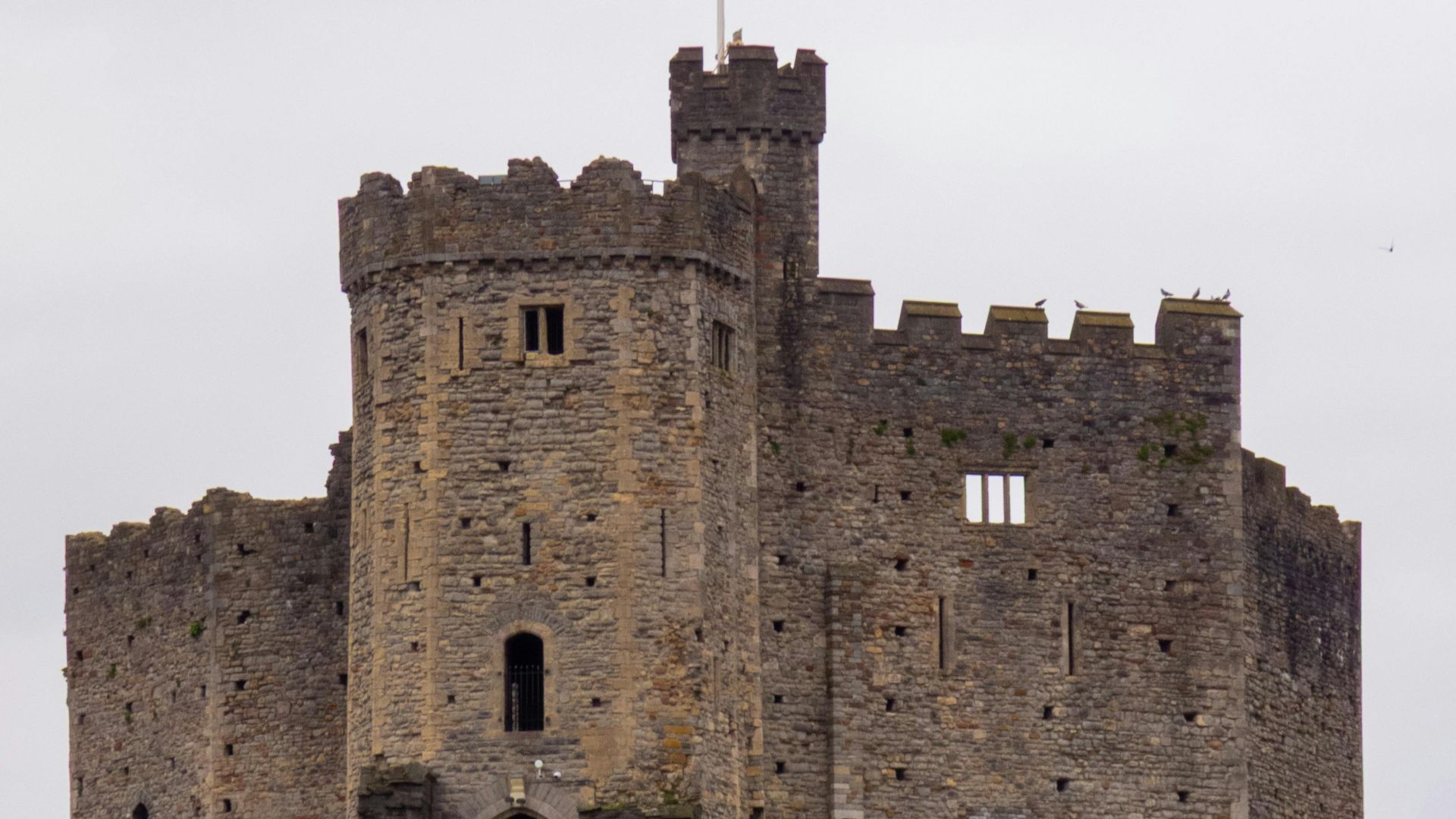
At the center of the castle stood the keep, which served as the final line of defense. This heavily fortified tower housed important supplies and provided a last refuge if outer defenses failed. Its thick walls and elevated position made it extremely difficult to capture. Even in dire situations, defenders could hold out here for extended periods.
Castles were also designed to support long-term survival during a siege. Storage areas for food, access to water sources, and organized living spaces were all essential. A well-prepared garrison could endure a siege long enough for reinforcements to arrive. This focus on endurance often made the difference between victory and defeat. Wells or cisterns were especially important for maintaining a steady water supply. Without them, even the strongest castle could eventually fall.
Castles weren’t just impressive structures—they were carefully engineered systems built to withstand prolonged attacks. Every wall, tower, and defensive feature had a purpose, working together to delay, weaken, and outlast the enemy. By combining strong construction with strategic planning, castles became some of the most effective fortifications of their time.
KEEP ON READING

20 Powerful Ancient Egyptian Gods That Were Worshipped
Unique Religious Figures in Ancient Egypt. While most people are…
By Cathy Liu Nov 27, 2024
The 10 Scariest Dinosaurs From The Mesozoic Era & The…
The Largest Creatures To Roam The Earth. It can be…
By Cathy Liu Nov 28, 2024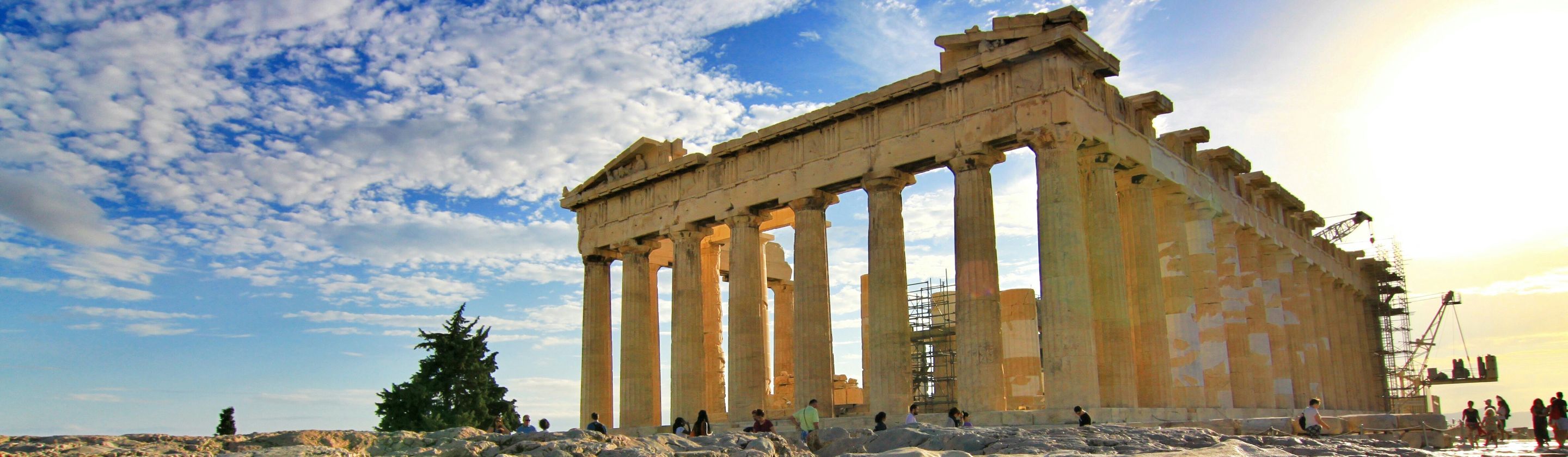
The 20 Most Stunning Ancient Greek Landmarks
Ancient Greek Sites To Witness With Your Own Eyes. For…
By Cathy Liu Dec 2, 2024
10 Historical Villains Who Weren't THAT Bad
Sometimes people end up getting a worse reputation than they…
By Robbie Woods Dec 3, 2024
One Tiny Mistake Exposed A $3 Billion Heist
While still in college, Jimmy Zhong discovered a loophole that…
By Robbie Woods Dec 3, 2024
30 Lost Treasures That Vanished From History
Buried treasure, missing artefacts, legends of ancient gold in them…
By Robbie Woods Dec 3, 2024