

Tomb Robbers Went In Looking for Gold, And Accidentally Preserved Some of the Most Important History We Have
Tomb Robbers Went In Looking for Gold, And Accidentally Preserved Some of the Most Important History We Have
 Dmitrii Zhodzishskii on Unsplash
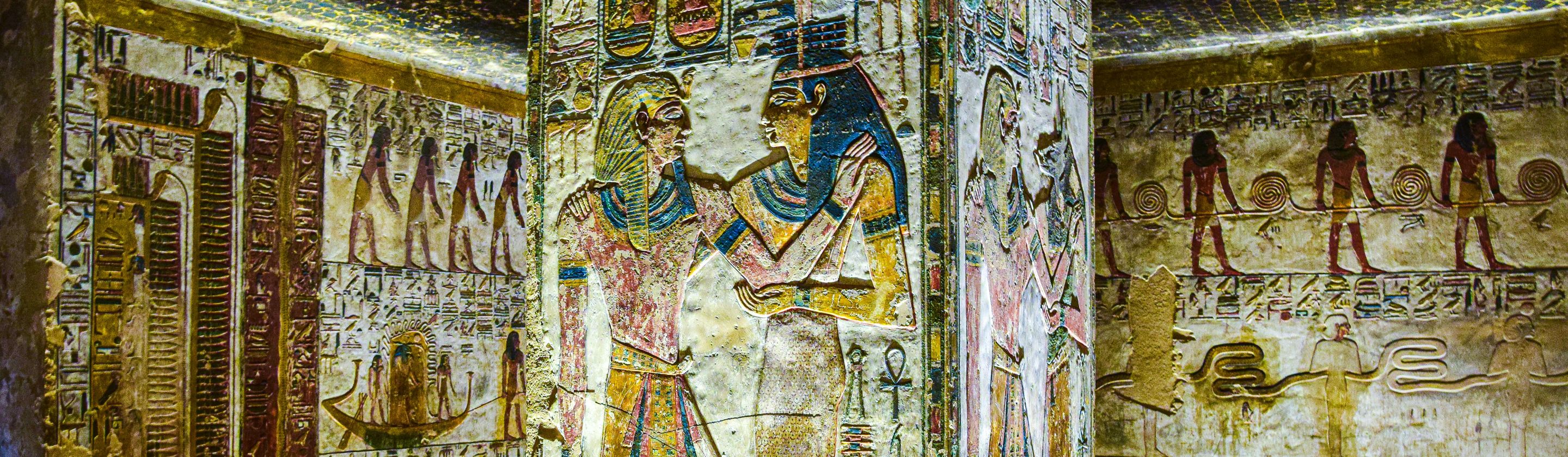
When we think about tomb robbers, we’re usually thinking of the damage they cause. Broken seals, ripped wrappings, scattered bones, smashed containers, and anything “worth something” long gone. Looting has wiped out a huge amount of archaeological context over the centuries. That said, it doesn’t mean we can’t collect information from these ransacked locations. Some of the evidence we have today was only discovered because thieves exposed it, moved it, photographed it, or set off an investigation that never would’ve happened otherwise.
Obviously, we would’ve preferred that robbers leave these sites alone. We could understand so much more if we had more to work with. But, like most of history, these situations are messy. Sometimes, a failed theft, a police seizure, or an old official document preserves just enough to give historians something solid to work with.
It’s Been Going On Forever
ab
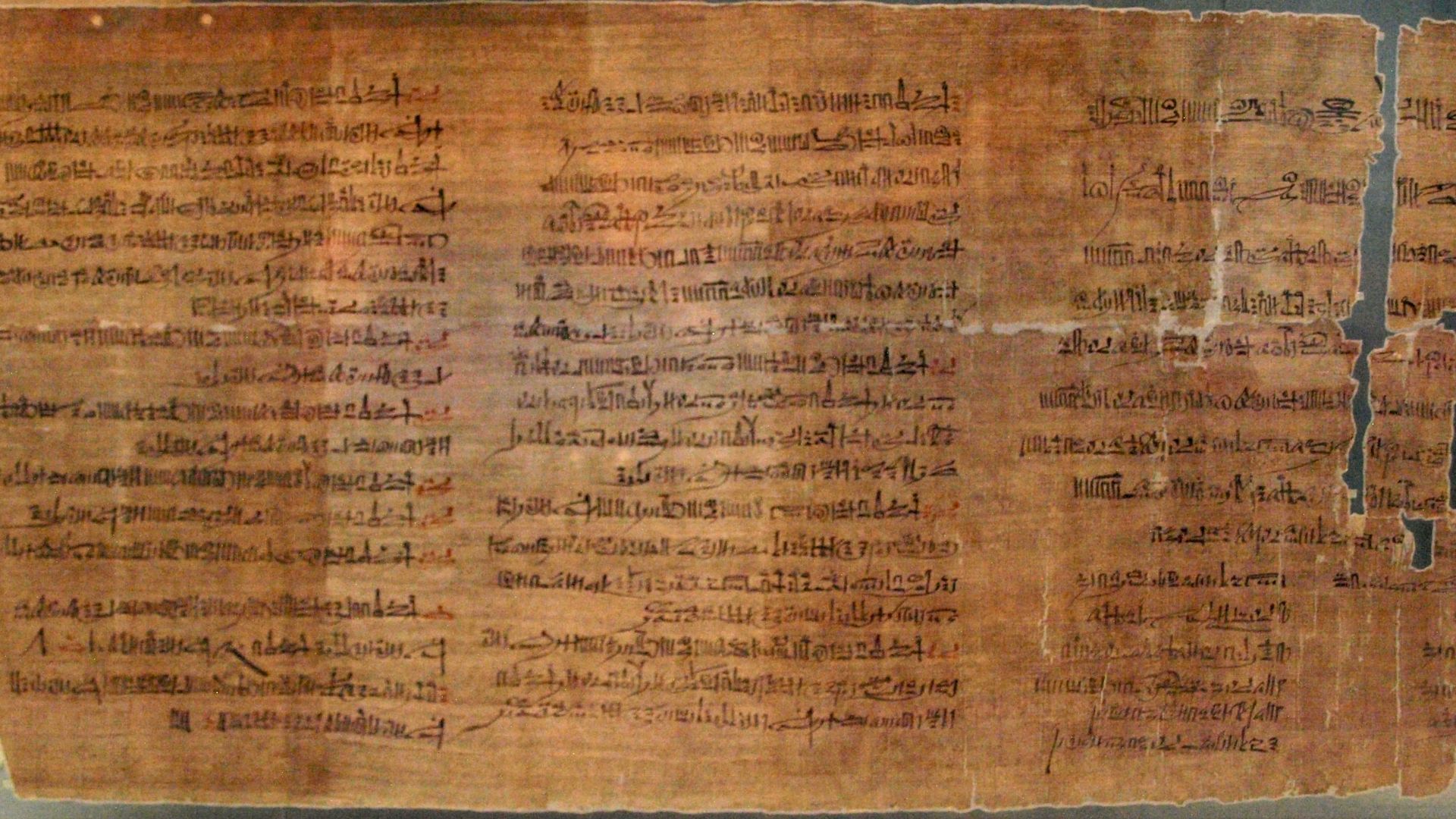
We don’t have to guess whether tomb robbery was a problem in ancient Egypt, because the Egyptians wrote about it themselves. The Abbott Papyrus records an investigation during the reign of Ramesses IX after reports that tombs on the west bank at Thebes had been violated. We might not have what they stole, but the investigations survived, still providing scholars with a decent amount to go off of.
What makes the Abbott Papyrus so useful is how specific it is. The British Museum says the investigation found all royal tombs intact except one, the tomb of King Sobekemzaf II, while non-royal tombs had also been robbed. The document also names officials tied up in the robbery, telling us today that more than anything else, this was an administrative headache.
That’s the first big irony in this story. A crime that should have erased evidence instead helped preserve one of the clearest written records we have of how ancient Egyptians handled tomb security and violations. The papyrus doesn’t save the robbed burials themselves, of course, but it does preserve the fact of the robberies, the official response, and the political drama around them. For historians, that is still a remarkable amount to have.
When Thieves Leave Evidence Behind
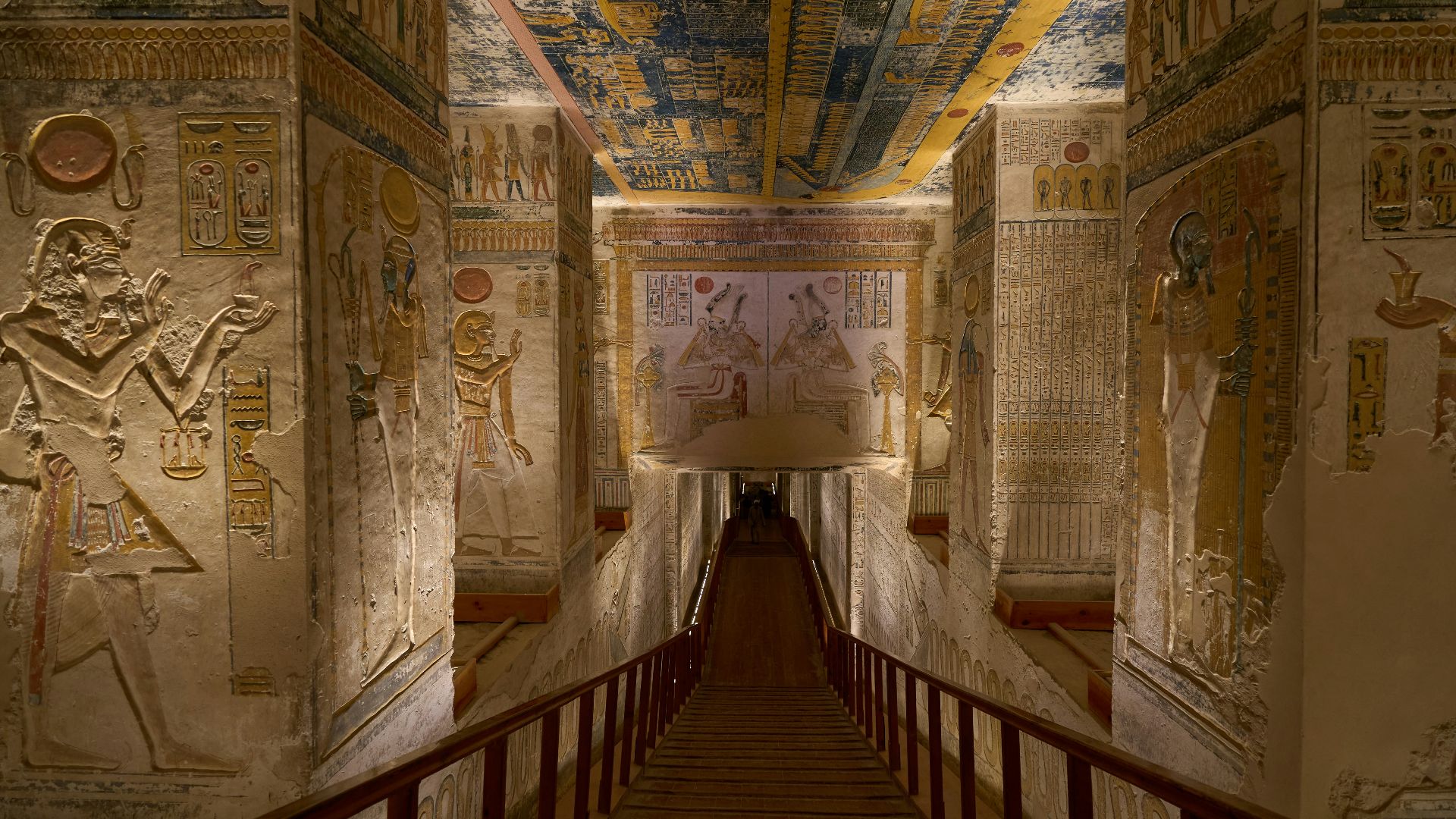
Tutankhamun’s tomb is the best-known example of this backward kind of preservation. National Geographic says the tomb was robbed twice during antiquity, noting the thieves likely took half of his royal jewelry. So, even the “most intact tomb” in Egypt still wasn’t untouched; it just happened to survive better than most.
According to the Griffith Institute, Howard Carter, a British Egyptologist, came across the tomb in November 1922. He and his team were clearing workmen’s huts near the tomb of Ramesses VI, when he came across a sunken staircase. Further investigation proved fruitful, with Carter and his team eventually uncovering a doorway decorated with the seal of Anubis. Inside the tomb, Carter and his team discovered furniture, chariots, statues, caskets, and other treasures belonging to the last Pharaoh of the 18th Egyptian dynasty.
This discovery gave scholars a more complete look at royal funerary equipment, storage, ritual objects, craftsmanship, and the packed, improvised reality of a New Kingdom burial assembled in haste. While the lesson here isn’t that robbery helped to make this discovery, but that what they left behind was enough for us to learn from.
The Umbria Discovery
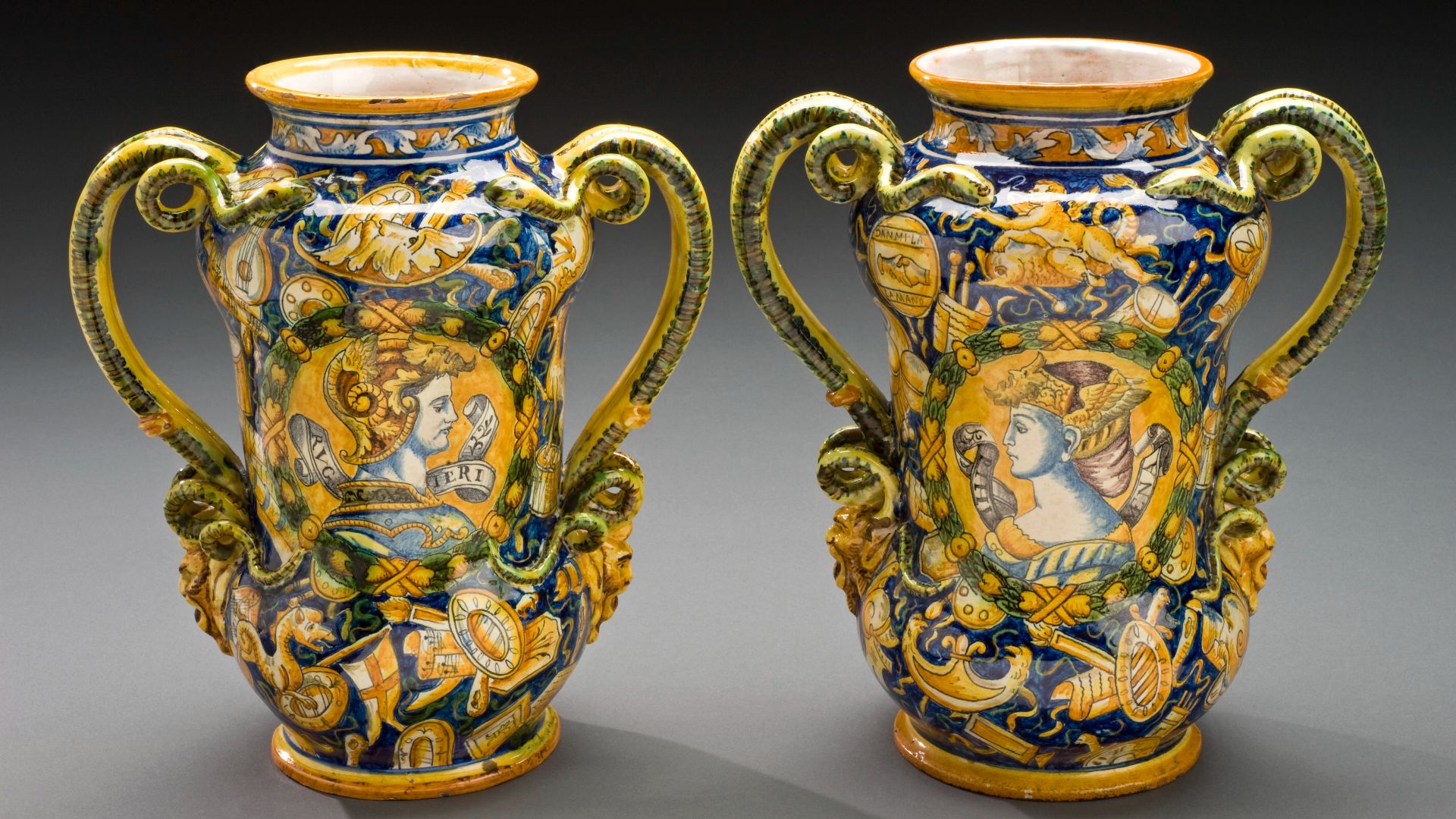
A modern example of this pattern turned up in Umbria in 2024. The Associated Press reported that Italian authorities recovered Etruscan funerary artifacts worth about €8 million after an illegal excavation near Città della Pieve. Investigators followed a trail that included photographs circulating on the black market, as well as drone surveillance and phone taps. The people digging there seem to have wanted a payday, but what they also did, clumsily, was expose a burial complex that might otherwise have stayed hidden.
The discoveries included two sarcophagi, one still containing a skeleton, along with urns, perfume jars, and a bone comb. The Guardian reports said that the remains were those of a woman aged between 40 and 45, linking the hypogeum to an influential Etruscan family dating from 300 BCE to 100 BCE.
This particular case also matters because Etruscan history depends so heavily on material evidence. The Metropolitan Museum of Art notes that no surviving Etruscan histories or literature remain. What provides us with any insight into the area’s everyday life live on everyday, religious, and funerary objects. The thieves might’ve gotten away with some treasures, but scholars get so much more in terms of historical recordings with all the “boring stuff.”
The Broader Lessons
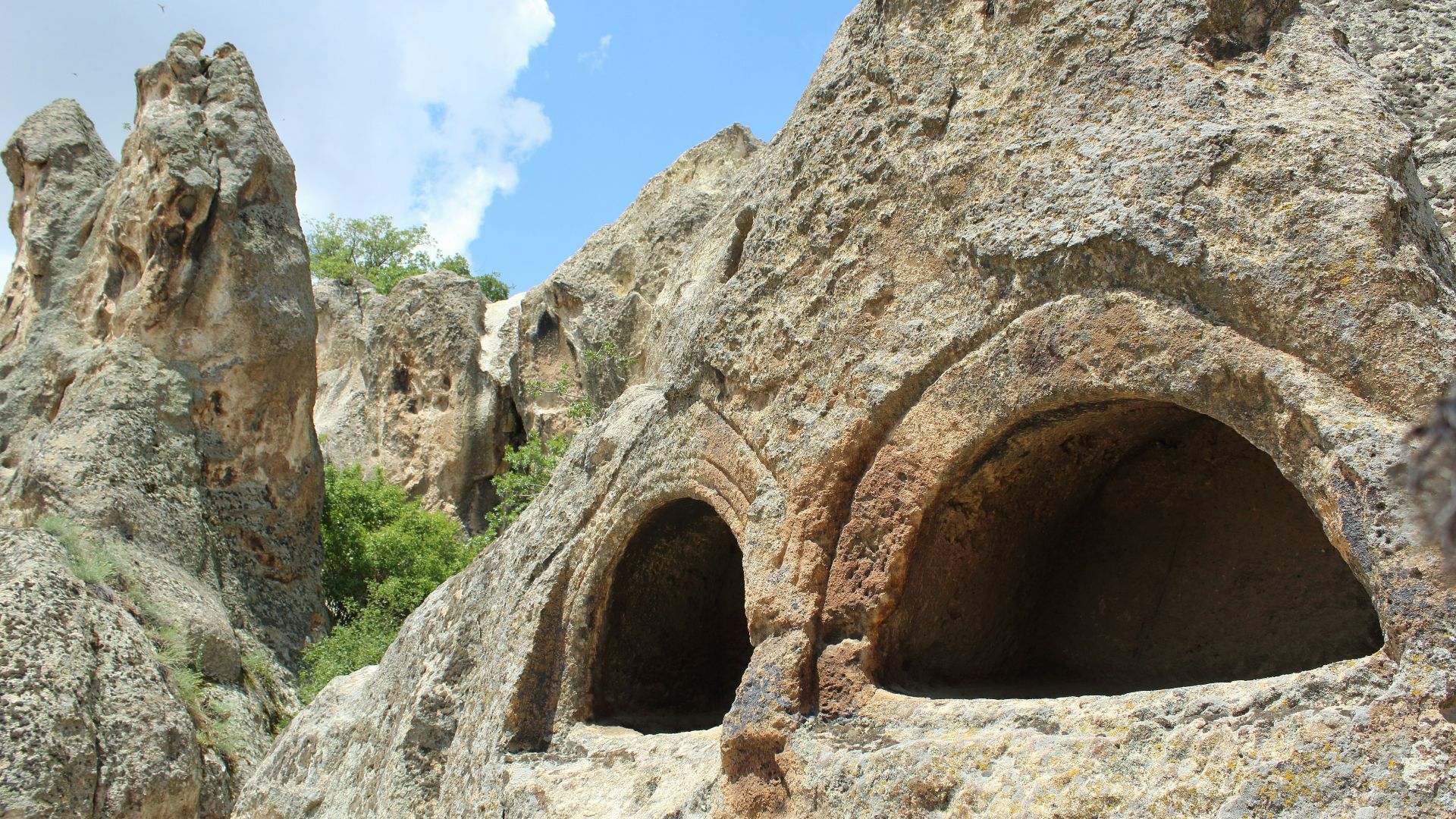
These few patterns aren’t exceptions to the rule. Archaeology Magazine reported from Henan that experts estimate tens of thousands of ancient tombs in China have been broken into, and a Cambridge study found that looting and damage at archaeological sites in Egypt rose sharply from 2009 and intensified again after 2011. In both cases, scholars can sometimes recover useful information after a raid. The larger story, though, is still one of heavy and permanent loss.
That’s really the safest way to understand the irony here. Looters sometimes expose a site, leave a document trail, or push artifacts into police custody where researchers can study them later. National Geographic’s reporting on the illicit antiquities trade makes clear that seized objects can become legible again to scholars, but only after they have already been stripped of much of the context that once explained them.
So the point isn’t that tomb robbers preserved history. They didn’t. The point is that historians and archaeologists sometimes have to build knowledge out of damage, interruption, and scraps nobody meant to leave behind. Human greed has destroyed a lot of the ancient world, but now and then, against its own aims, it has also shoved a piece of that world back into the light.
KEEP ON READING
The story of Ching Shih, the Woman Who Became the…
Unknown author on WikimediaFew figures in history are as feared…
By Emilie Richardson-Dupuis Dec 29, 2025
Einstein's Violin Just Sold At An Auction—And It Earned More…
A Visionary's Violin. Wanda von Debschitz-Kunowski on WikimediaWhen you hear…
By Ashley Bast Nov 3, 2025
This Infamous Ancient Greek Burned Down An Ancient Wonder Just…
History remembers kings and conquerors, but sometimes, it also remembers…
By David Davidovic Nov 12, 2025
The Mysterious "Sea People" Who Collapsed Civilization
3,200 years ago, Bronze Age civilization in the Mediterranean suddenly…
By Robbie Woods Mar 18, 2025
20 Historical Figures Whose Private Letters Destroyed Their Reputations
Private Affairs Becoming Public Evidence. Private letters have a way…
By Annie Byrd Jun 23, 2026
20 Soldiers Who Defied Expectations
Changing the Rules of the Battlefield. You’ve probably heard plenty…
By Annie Byrd Feb 10, 2026