

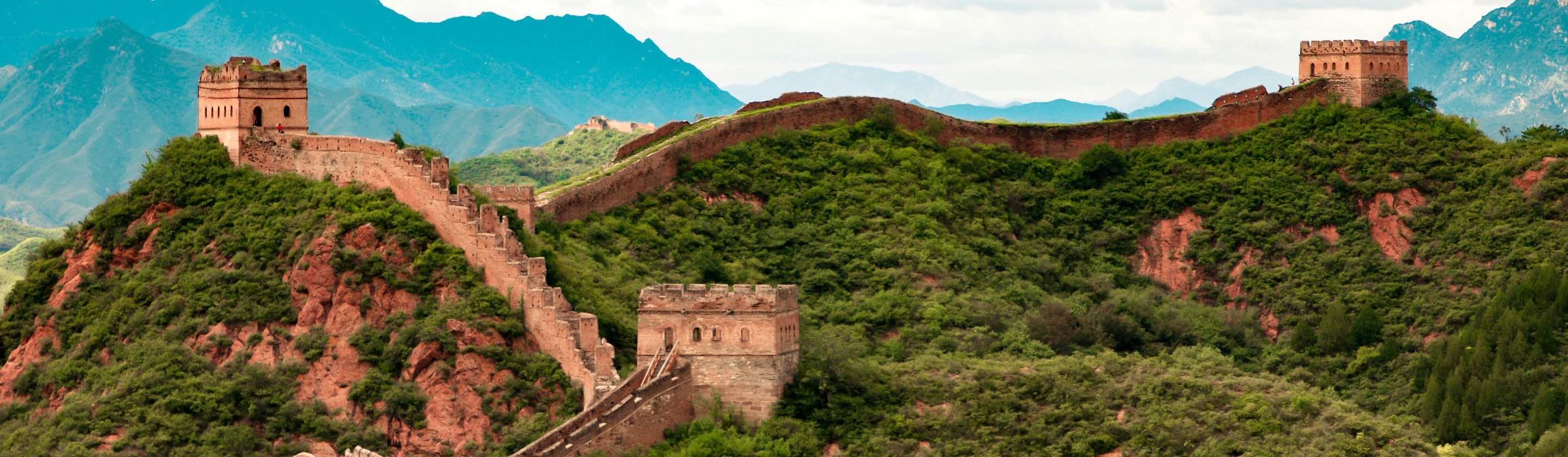
Why Monumental Architecture Usually Comes With a Brutal Human Cost
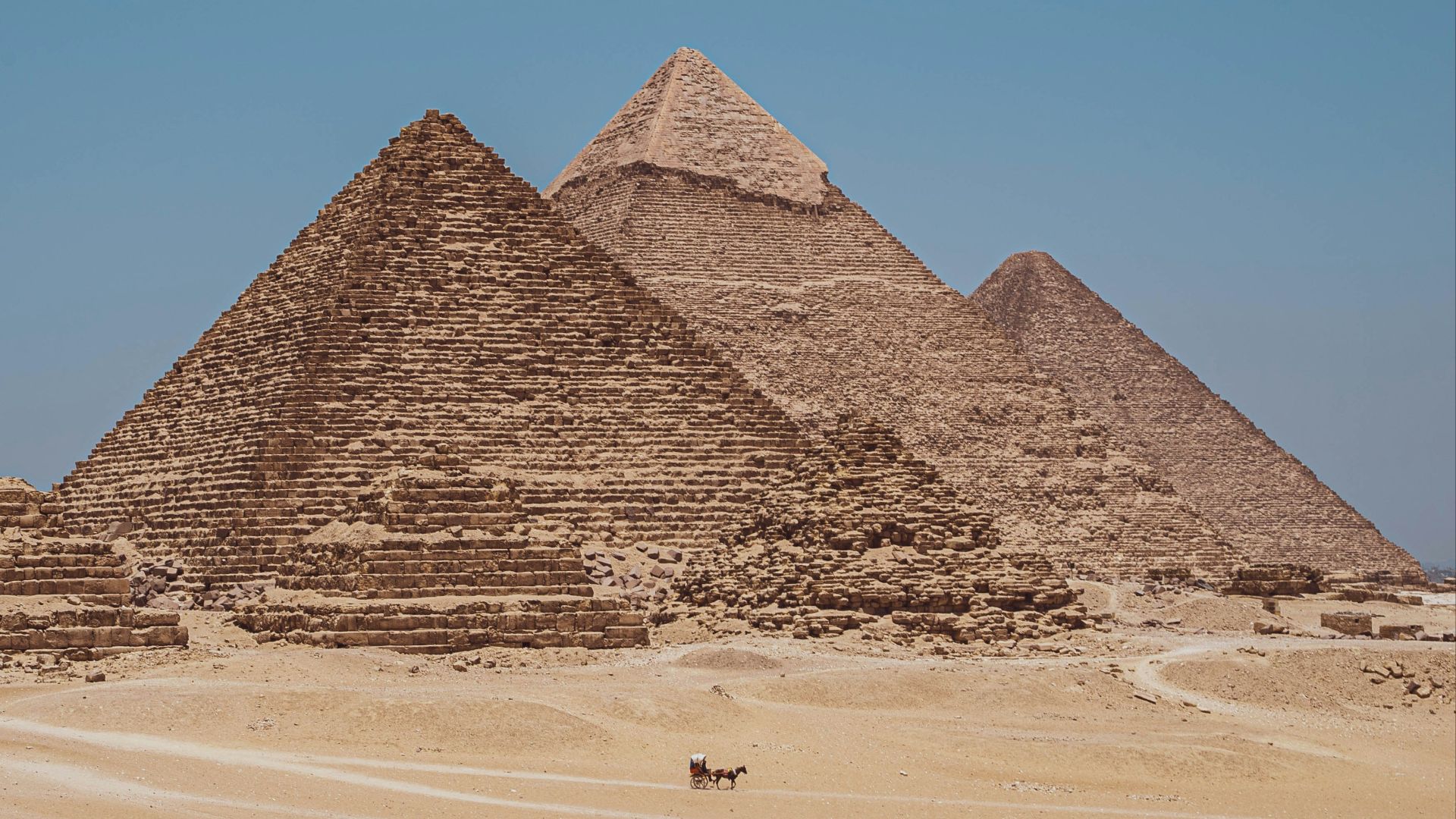
Monumental architecture is very good at making power look permanent. A massive temple, palace, fortress, tomb, or triumphal arch can persuade you that the people who commissioned it must have been grand, organized, and almost superhuman in their ambition. That is part of the point, of course, because these buildings were often designed to overwhelm the eye before they ever invited reflection.
The trouble begins when you ask what it actually took to raise something on that scale. Behind the polished stone and perfect symmetry, there's usually a story about forced labor, punishing taxation, dangerous conditions, or generations of workers treated as expendable. It is hard to build something meant to defy time without asking ordinary people to pay for it in ways they didn't choose.
Big Buildings Usually Start as Political Performance
Monumental architecture is rarely just about shelter, beauty, or civic pride. More often, it begins as a ruler’s desire to make authority visible in physical form. If a king, emperor, dictator, or priestly elite wants to tell the world that their power is sacred, unstoppable, or historically important, putting giant stones together is very persuasive.
That political motive changes everything about the building process. Once the project becomes a symbol of glory, cost stops being measured in humane terms and starts being judged against prestige. Leaders don't ask whether the burden is reasonable—they ask whether the structure will outlast rivals, embarrass enemies, and make future generations look up in obedient admiration.
You can see this pattern across civilizations with very different styles and beliefs. Egyptian pyramids, imperial Roman forums, Mughal mausoleums, Soviet showpiece projects, and enormous modern state buildings all reveal the same instinct to convert power into mass and height.
There's also a psychological advantage in making construction itself feel inevitable. A ruler can present the project as destiny, religion, patriotism, or national greatness, which makes resistance sound petty or disloyal. Once the building is framed as a civilizational achievement, the suffering required to complete it starts getting treated as acceptable.
Labor Becomes Cheap When Human Lives Are Politically Small
The brutal human cost usually appears most clearly in the labor system. Monumental architecture demands enormous numbers of workers, long timelines, difficult logistics, and a leadership class willing to squeeze output from bodies. In societies with slavery, serfdom, corvée labor, military coercion, or colonial domination, that workforce was often available in horrifying abundance.
Even when workers weren't legally enslaved, they were often trapped by debt, taxation, or limited options. A state could demand labor as a civic duty, a landlord could force obligations through hierarchy, or an empire could simply decide that subject populations existed to move stone and die quietly. The difference between technically free and truly free gets very thin once saying no isn't a realistic option.
The physical conditions made the equation even crueler. Quarrying, hauling, lifting, carving, scaffolding, tunneling, and transporting massive materials without modern safety protections meant injury was built into the process. If the workers were poor enough, foreign enough, or powerless enough, their pain became just another construction cost rather than a scandal requiring reform.
That's why records so often celebrate the patron and not the people who made the patron look immortal. Names of rulers survive in inscriptions, while the laborers disappear into estimated numbers, anonymous graves, and vague references. Monumental architecture loves the singular genius at the top, because it's much less flattering to admit that an entire human pyramid of exhaustion was needed beneath the visible one.
Beauty Can Outlast the Evidence of Suffering
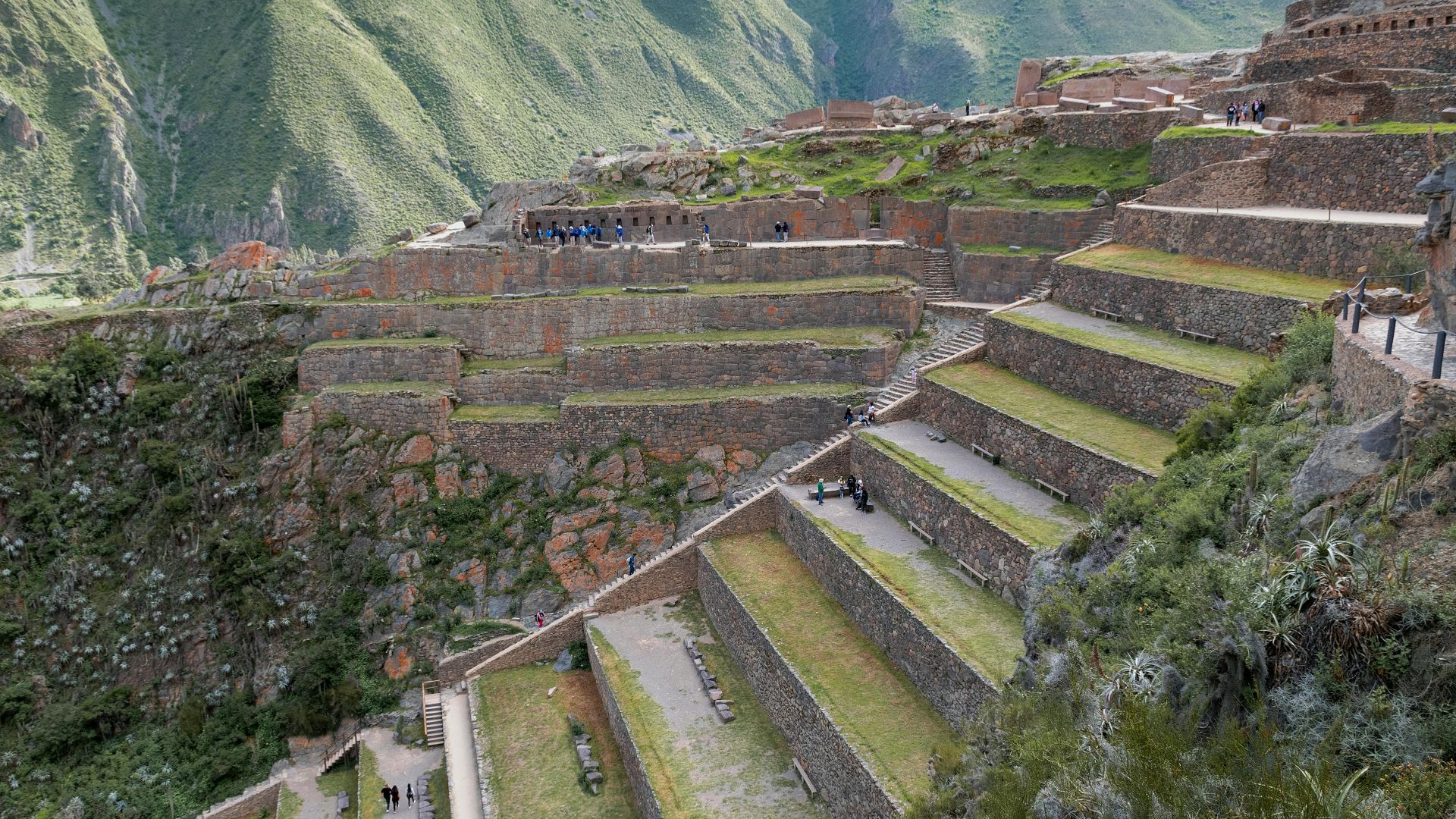
One reason this pattern keeps repeating itself is that the finished structure is very good at cleaning up the moral mess behind it. Once the monument stands complete, visitors experience order, grace, balance, and permanence rather than hearing the noise of construction or seeing the workers’ bodies fail. Architecture has a special ability to convert violence into atmosphere, which is why people can still speak reverently about it.
Time helps with that softening process, too. The further you get from the construction period, the easier it becomes to talk about style, engineering, symbolism, and artistic achievement while leaving out the uglier material underneath. A site becomes heritage, tourism, or national identity, and the suffering involved starts to feel like a regrettable historical footnote rather than a central fact. That's convenient for everyone except the people who actually paid the price.
There's also a temptation to confuse magnificence with justification. If a building is breathtaking enough, people begin speaking as though the outcome itself partly redeems the methods. You can hear it in the tone people use when they say a monument was “worth it” because it gave the world beauty, as though the dead or broken laborers would surely be comforted by strong masonry and good proportions.
None of this means monumental architecture isn't extraordinary, moving, or artistically awesome. It just means that admiration shouldn't come with selective amnesia. If you're going to stand in awe before an enormous monument, it's probably worth asking who hauled the materials, who financed the glory, who was forced to participate, and who never got to enjoy the final view.
That question matters just as much now as it did in the ancient world. Modern megaprojects still rely on exploited migrant labor, dangerous working conditions, political vanity, and the idea that spectacular results excuse brutal means.
Monumental architecture comes with a human cost because monuments are so often built to prove that power can command more than obedience— but bodies, time, and suffering, too.
KEEP ON READING
The Brutal Realities Of Gladiator Life Beyond the Arena
David Cruz asenjo on PexelsWhen most people think of gladiators,…
By Rob Shapiro Mar 31, 2026
The Volcano Winter That Nearly Toppled Europe
Collin Ross on UnsplashMost people, if asked to name a…
By Cameron Dick Mar 31, 2026
From School Plays To Starting A Cult: 20 Of The…
The Books That Made Us. Many people will tell you…
By Farva Ivkovic Jan 31, 2025
20 Facts About Jane Grey, The Forgotten Queen Of England
A Quick, Messy, and Tragic Reign. Lady Jane Grey never…
By Maria Cruz Jan 31, 2025
20 Priceless Historical Art Pieces Rescued By The Monuments Men
Protecting Human History. While the soldiers on the front lines…
By Sara Springsteen Mar 31, 2026
Almost Every Ancient Statue Has a Missing Nose, And It's…
Gary Todd from Xinzheng, China on WikimediaWalk through the classical…
By Elizabeth Graham Mar 31, 2026