

Nobody Left Behind
Long before cities, temples, or written religion, people were already setting bodies apart in caves, pits, homes, and cemeteries that clearly mattered to them. The dead were laid down with ochre, antlers, beads, or other objects that took time and effort to place there. Archaeologists still fight over what some of it meant; even so, these 20 burial sites make one thing hard to shake: early humans kept acting like death called for care, memory, and something more than disposal.
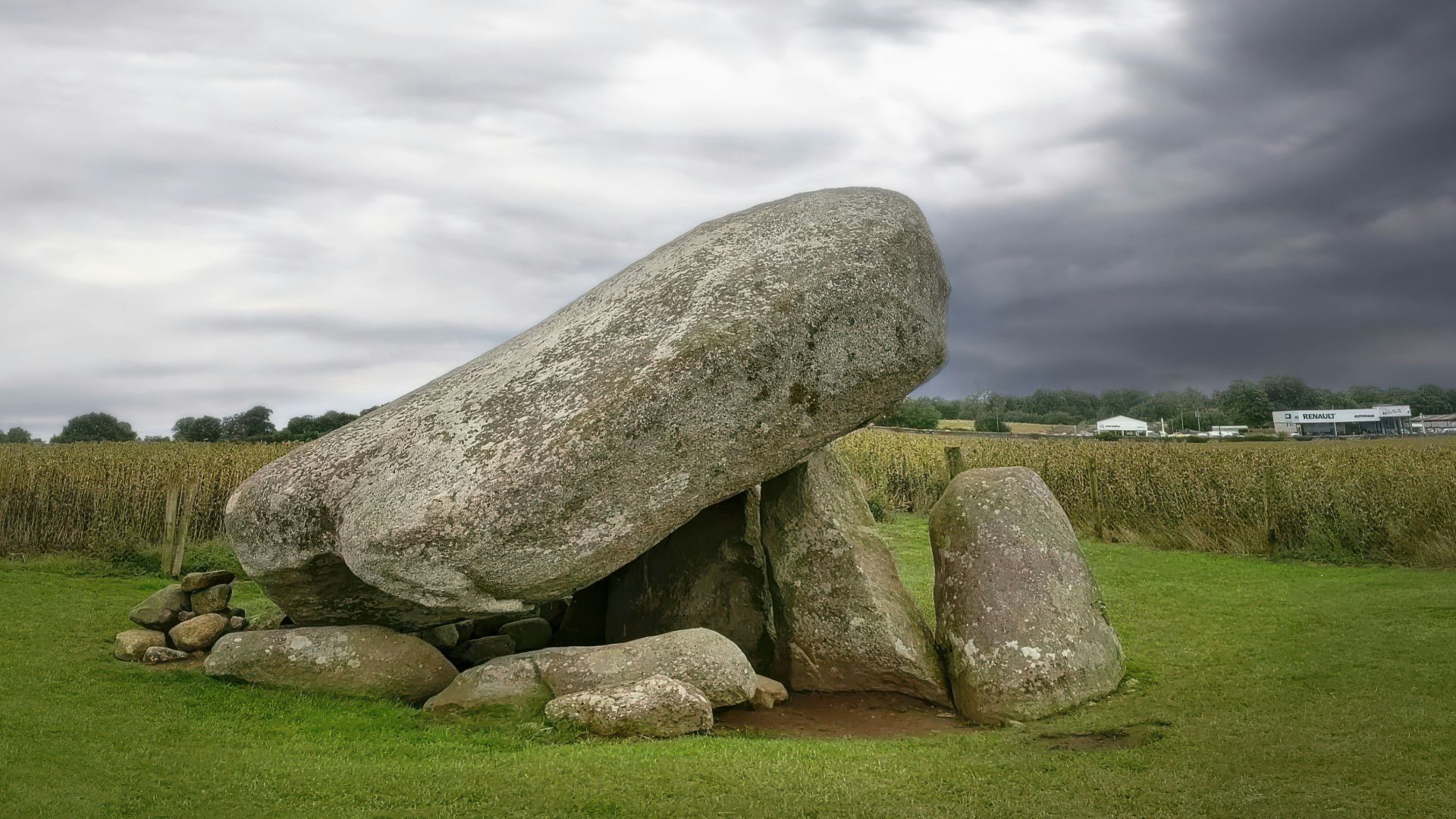
1. Shanidar Cave, Iraq
In the Zagros Mountains of Iraqi Kurdistan, Shanidar gave us some of the most famous Neanderthal remains ever found. The old flower-burial claim is still debated because rodent activity may explain some of the pollen, yet the broader case for careful treatment of the dead at Shanidar still holds up.
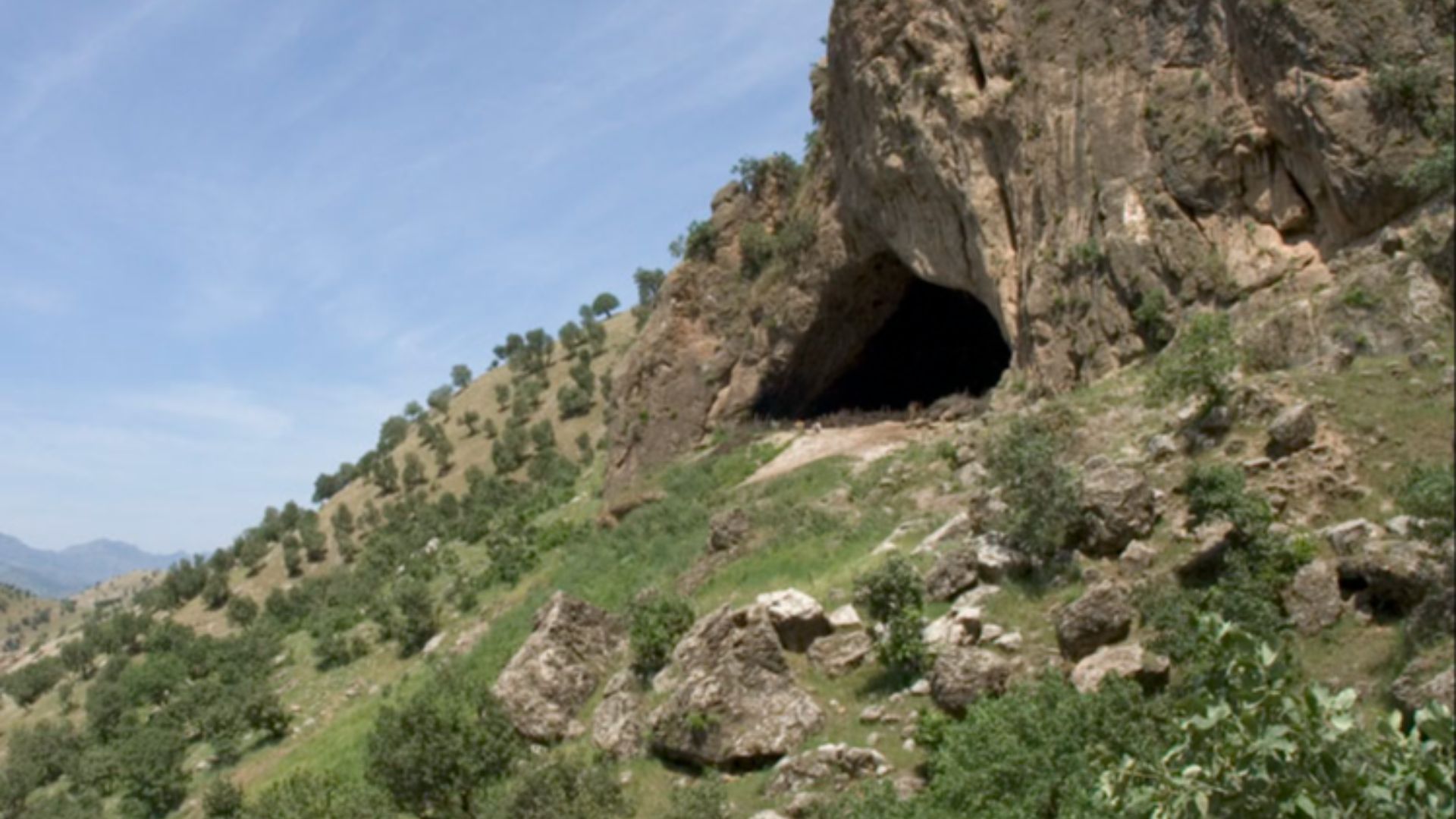 JosephV at English Wikipedia on Wikimedia
2. Sima de los Huesos, Spain
At Atapuerca in northern Spain, this deep shaft held an enormous concentration of ancient human remains dating to roughly 430,000 years ago. Nobody can prove exactly what happened there, though the location and the famous hand axe found with the bones keep the site right in the middle of debates about very early mortuary behavior.
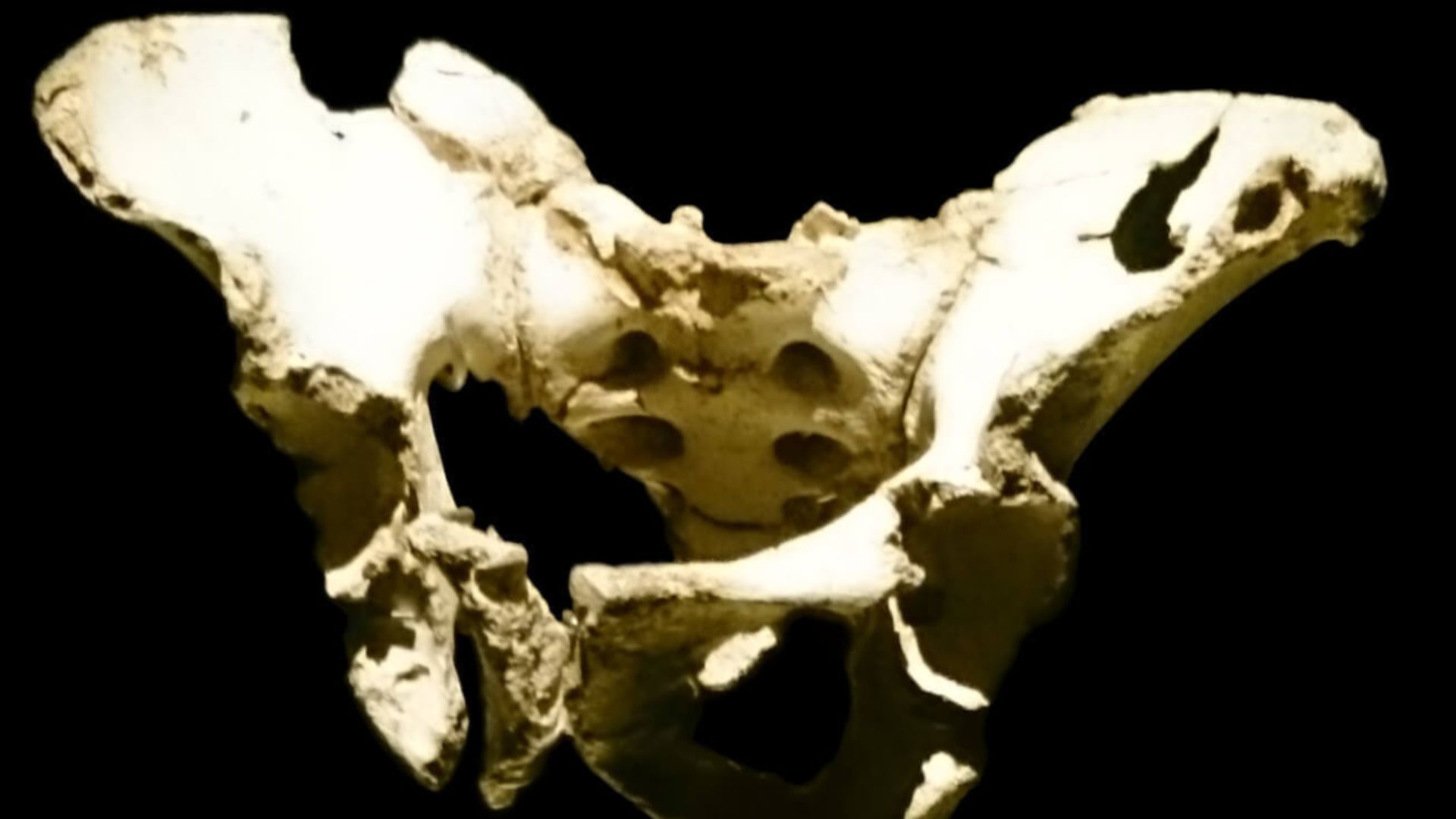
3. Rising Star Cave, South Africa
Rising Star is where Homo Naledi was found deep inside a cave system northwest of Johannesburg, and it’s still one of the hottest arguments in paleoanthropology. Some researchers see possible burial behavior there, while others think that claim runs ahead of the evidence, so the safest wording is that it’s a serious, contested candidate and not a settled ritual burial site.
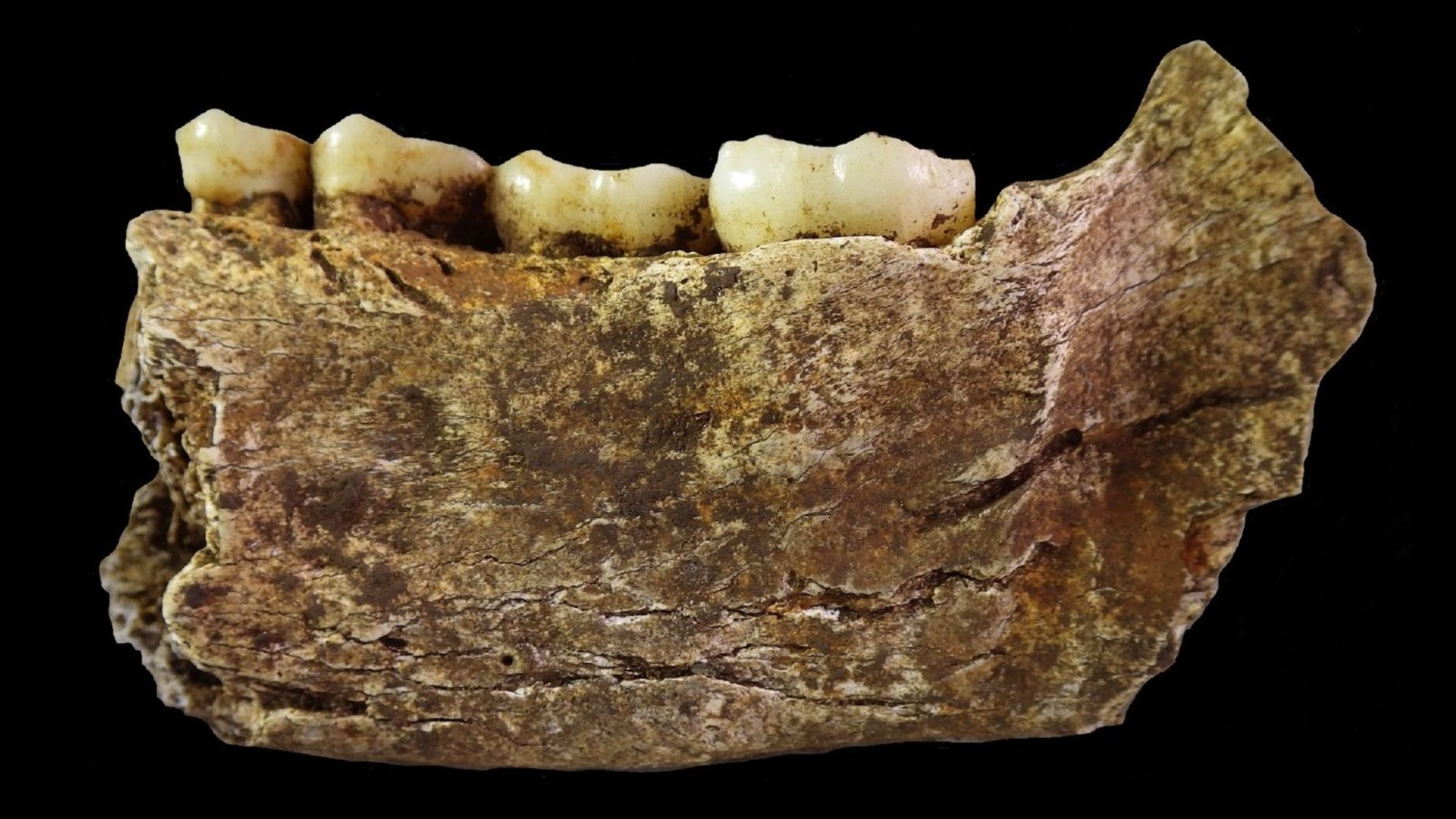 Patrick Randolph-Quinney on Wikimedia
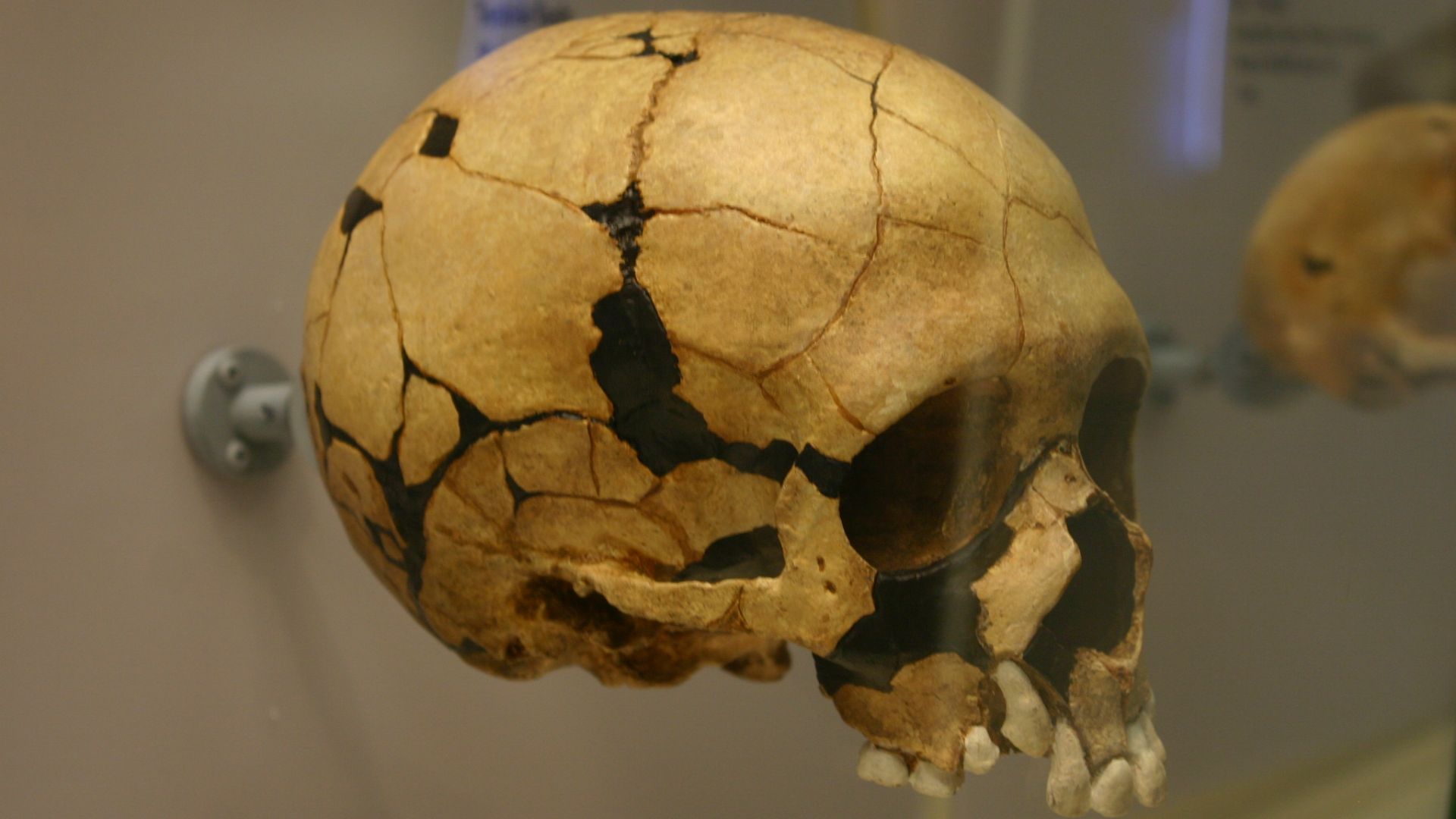
4. Teshik-Tash, Uzbekistan
This site in the Baisun-Tau mountains is known for the remains of a Neanderthal child, probably around eight or nine years old, found with ibex horns nearby. Scholars have spent decades arguing over how those horns were arranged, but the burial still matters because it keeps raising the same human question about whether children were marked out for special care in death.
 Ryan Somma from Occoquan, USA on Wikimedia
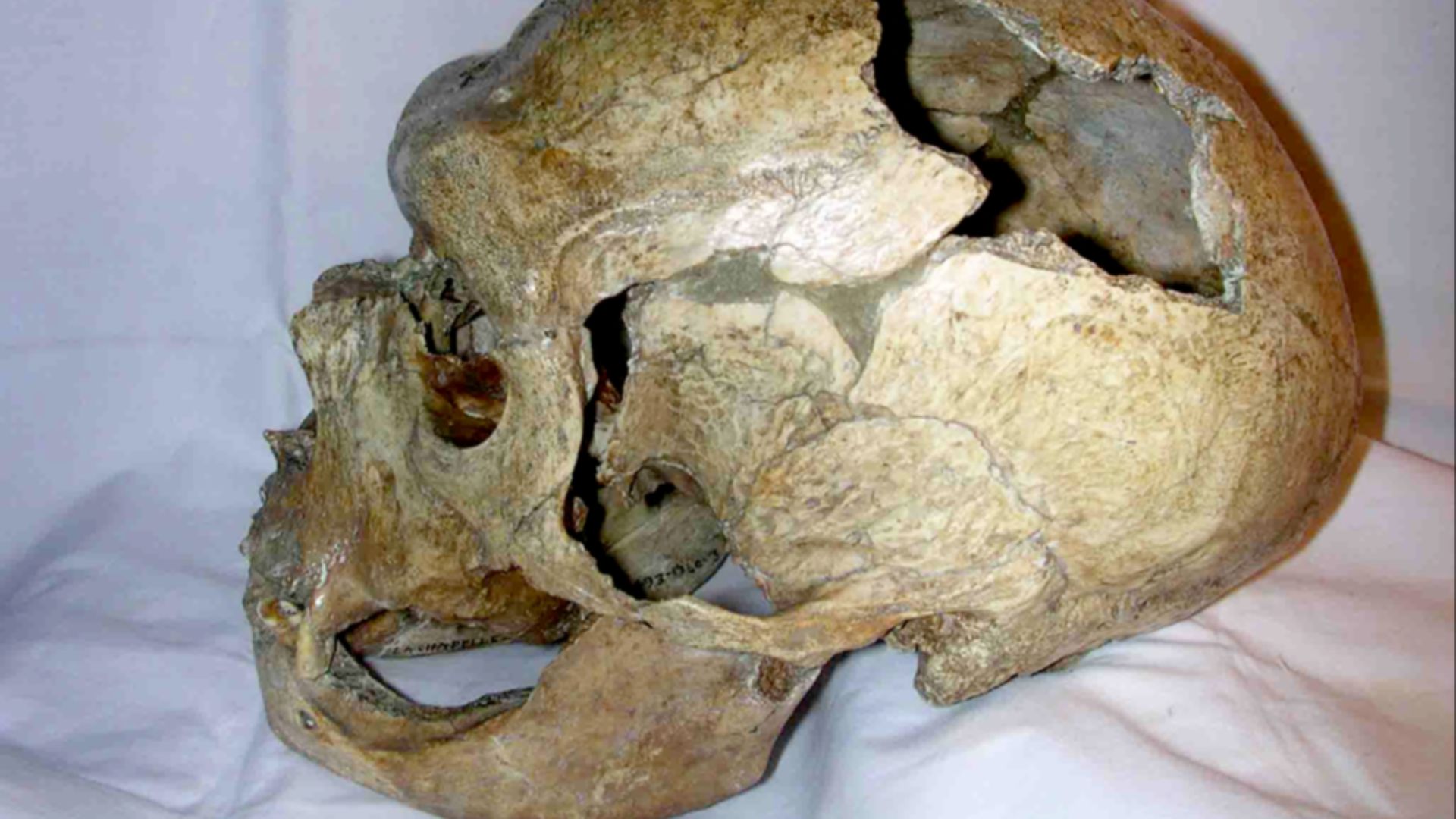
5. La Chapelle-aux-Saints, France
This burial from southwestern France helped shape the case that Neanderthals buried their dead. The individual was an older man with major physical wear, and that makes the site hit a little harder, because you can feel the outline of a group that didn’t stop caring when life got difficult.
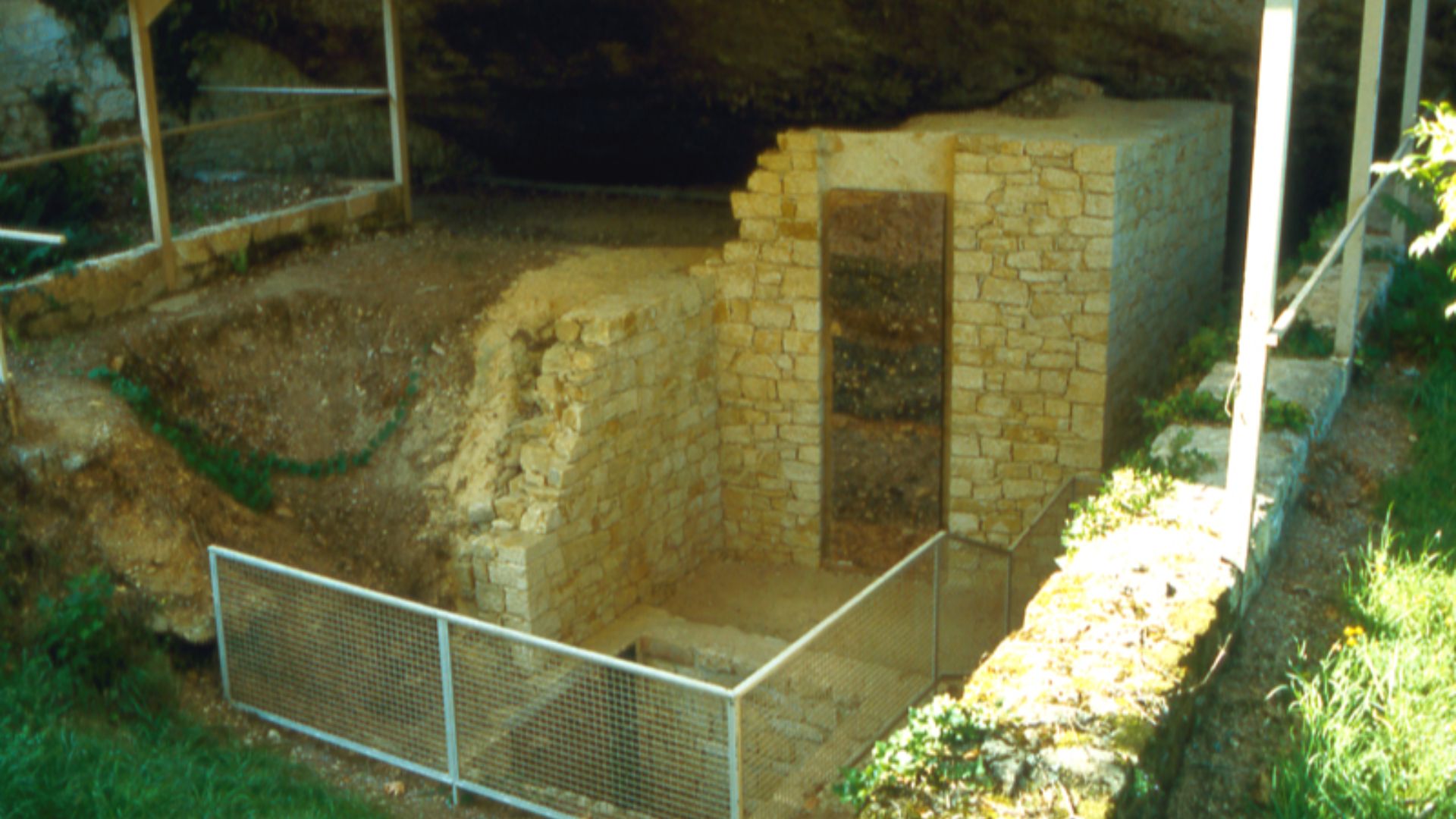
6. Le Moustier, France
Le Moustier, in the Dordogne region, produced one of the best-known Neanderthal skeletons in Europe. It isn’t a flashy grave, and that’s part of why it matters, because it adds weight to the pattern of bodies being placed rather than abandoned.
 No machine-readable author provided. 120 assumed (based on copyright claims). on Wikimedia
7. Qafzeh Cave, Modern-Day Israel
Near Nazareth, Qafzeh preserves some of the earliest known Homo sapiens burials, dated to roughly 100,000 years ago. Red ochre and deer antlers found with some of the remains make this one of the clearest cases for symbolic burial among early modern humans.
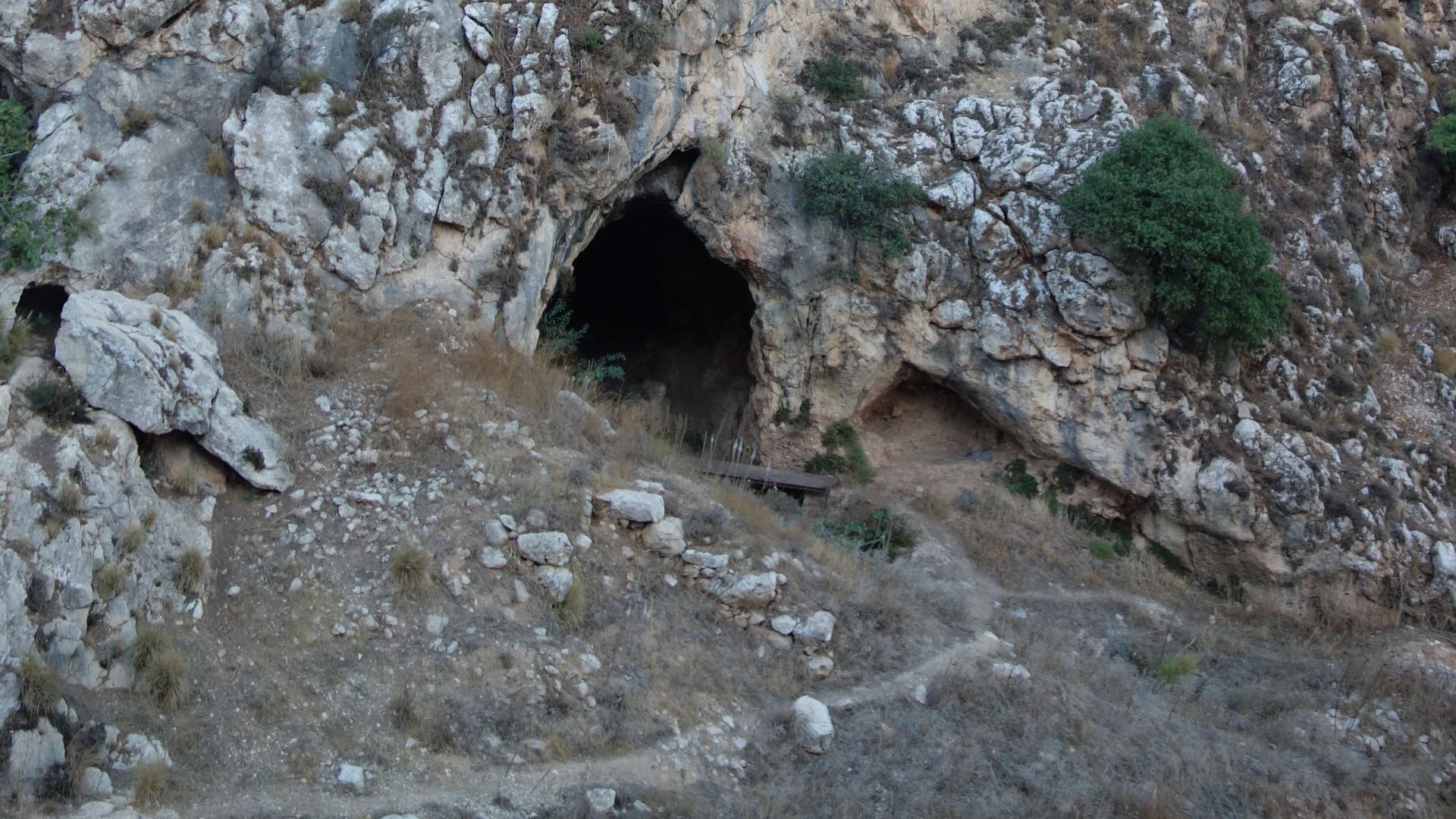
8. Skhul Cave, Modern-Day Israel
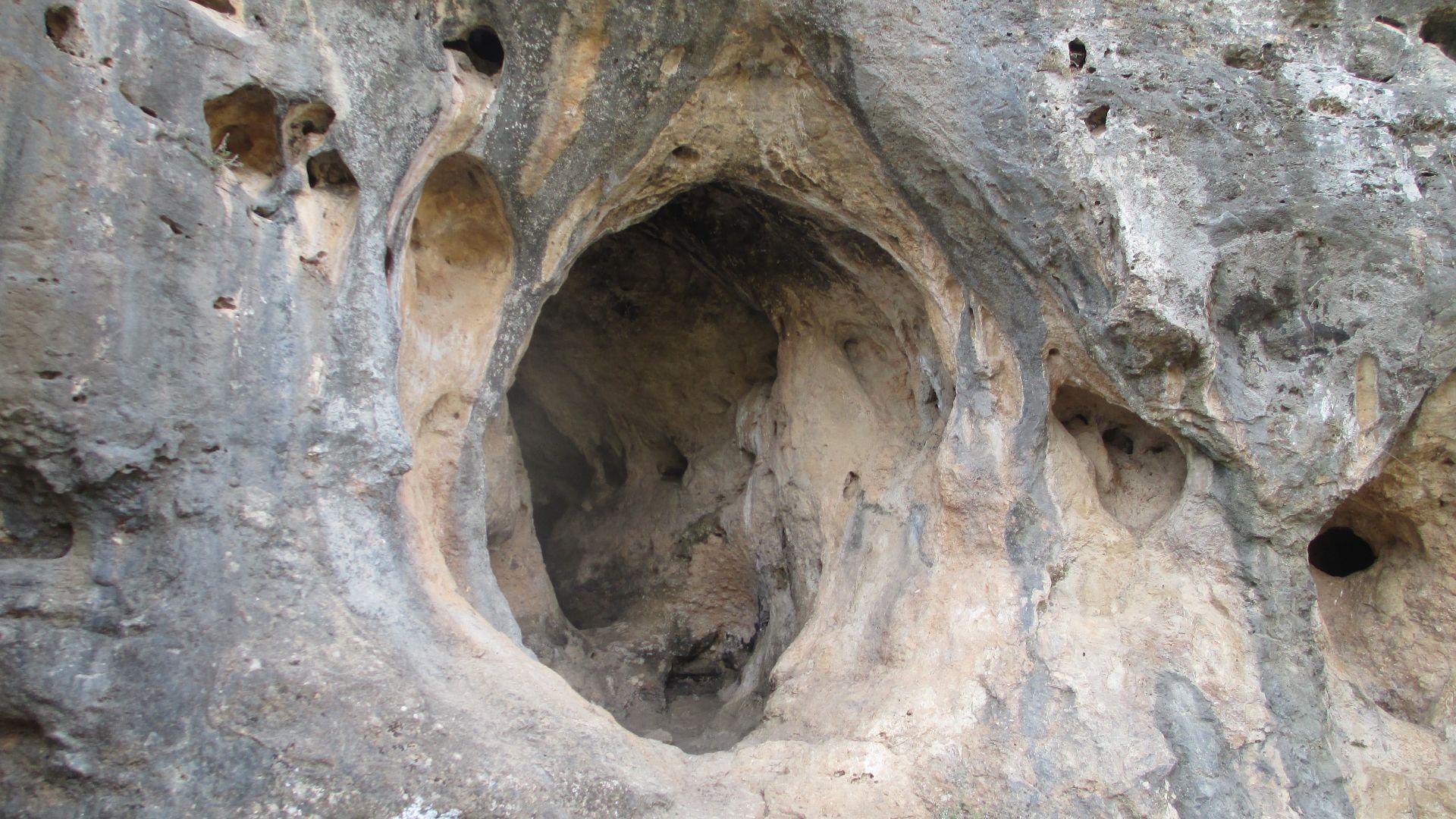
On Mount Carmel, Skhul holds another key set of early Homo sapiens burials from the same broad window of time as Qafzeh. Taken together, the two sites make it much easier to see burial as an emerging human practice and not some one-off local habit.
 Avi1111 dr. avishai teicher on Wikimedia
9. Paviland Cave, Wales
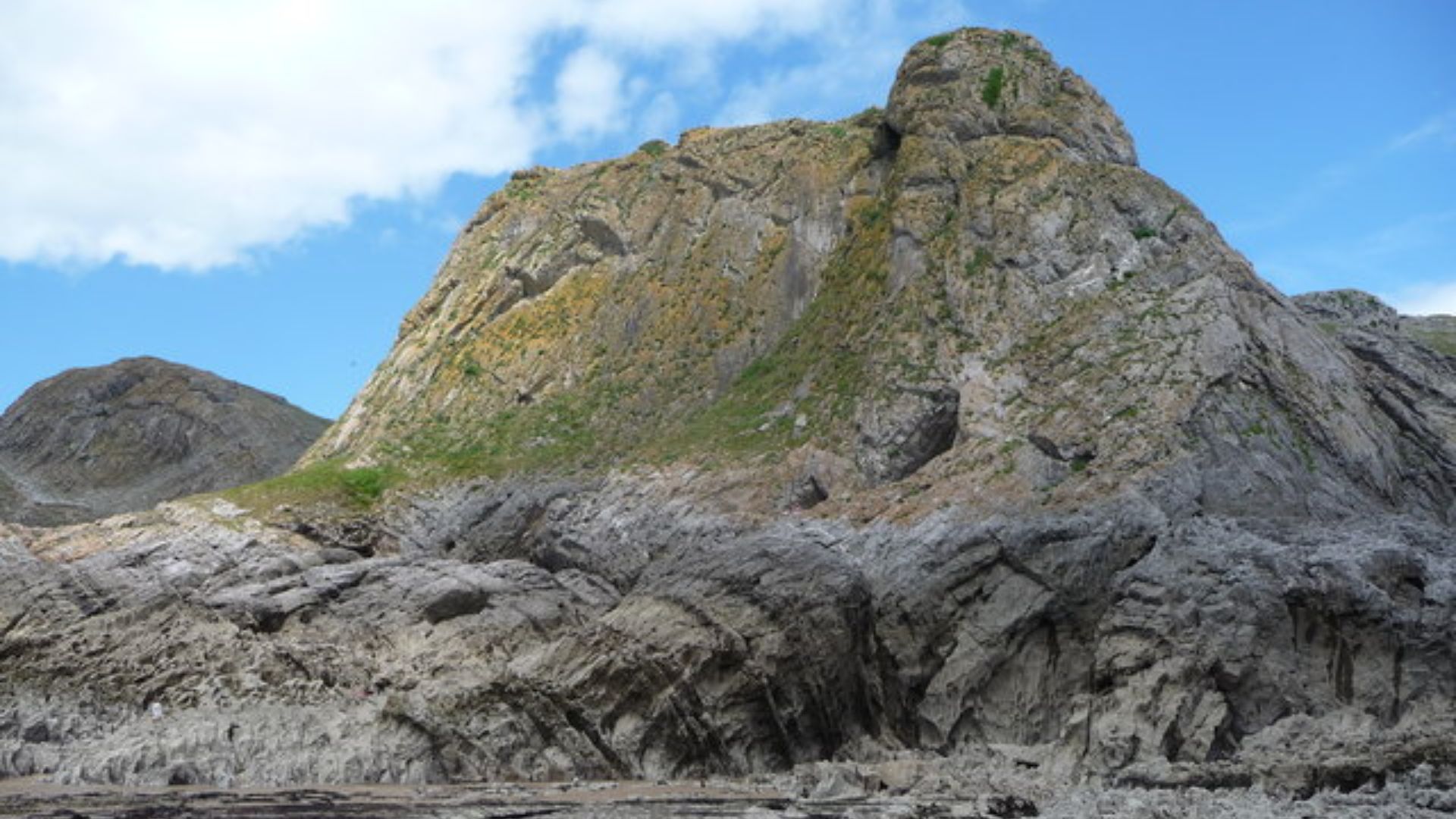
The Red Lady of Paviland, found on the Gower Peninsula, turned out to be a young man buried around 33,000 years ago. Red ochre, ivory rods, and shell ornaments were placed with him, and the whole burial still feels startlingly dressed, as though the dead body was being presented, not just put away.
10. Sungir, Russia
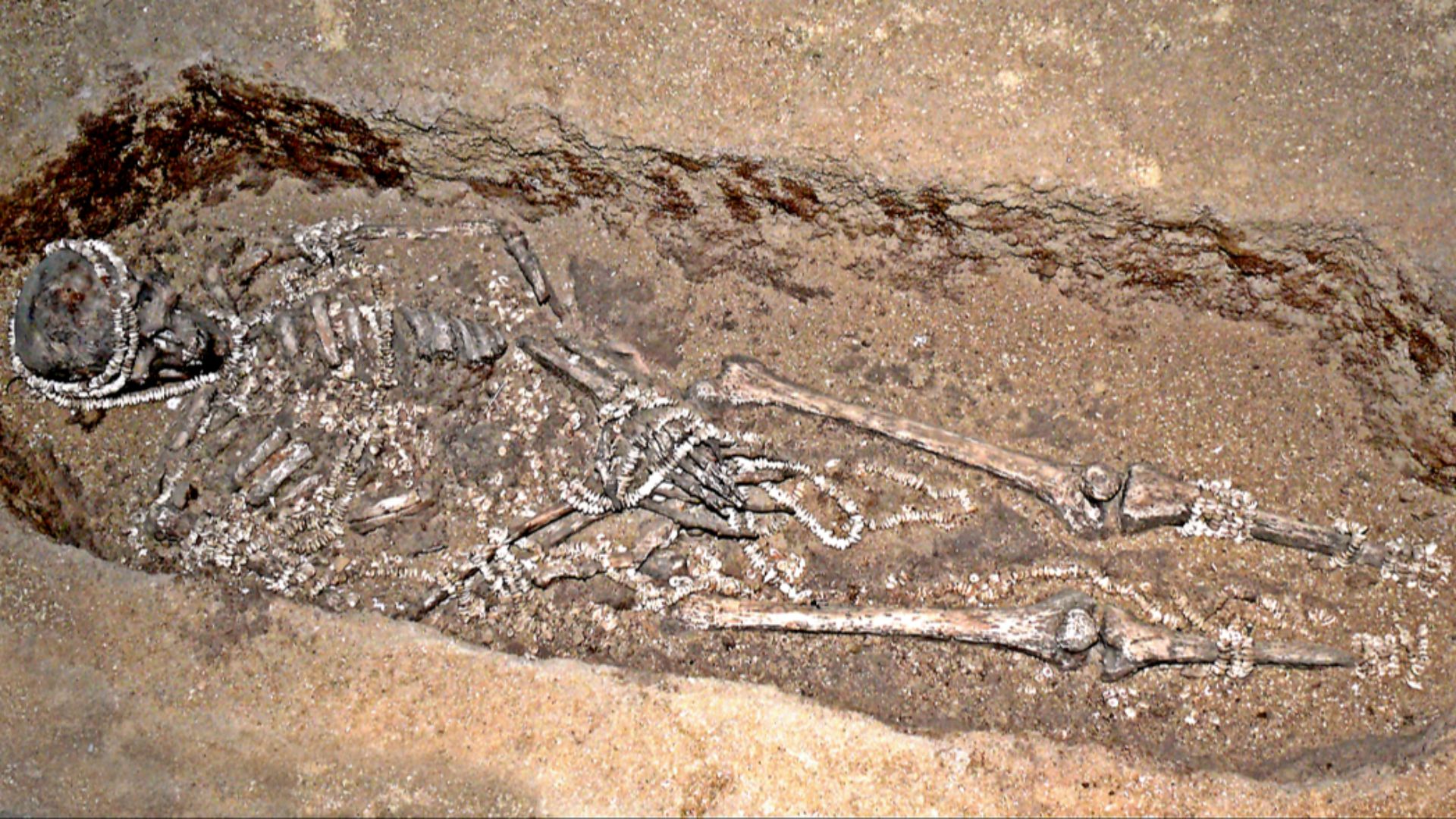
At Sungir, just outside Vladimir and east of Moscow, one adult burial contained thousands of ivory beads and other ornaments that would have taken a huge amount of labor to make. That kind of effort says a lot all by itself, because people don’t pour that much work into the dead unless the burial is meant to say something lasting.
 José-Manuel Benito Álvarez on Wikimedia
11. The Sungir Children, Russia
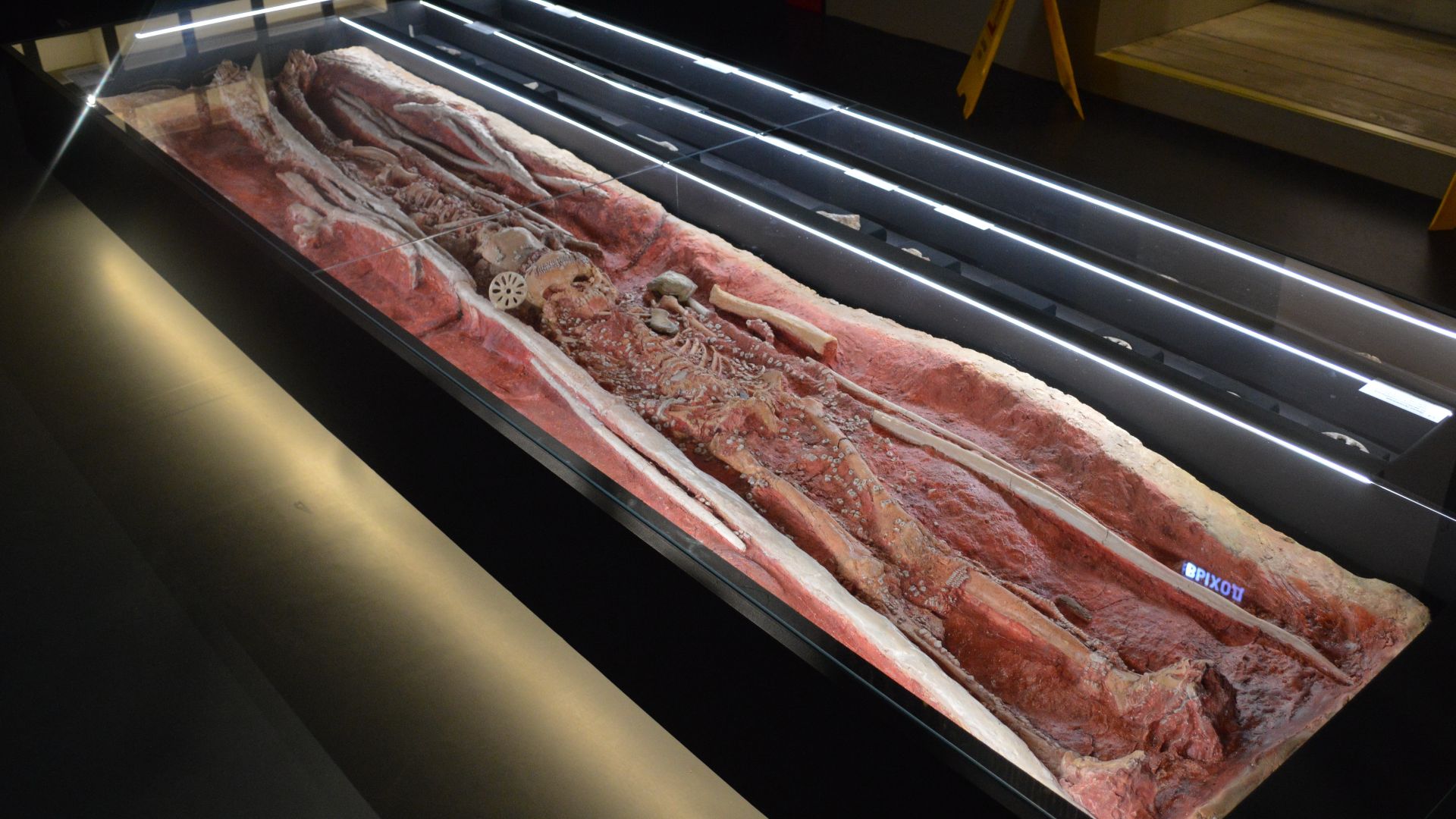
The two children buried at Sungir are the part people remember, and for good reason. They were laid to rest with lavish grave goods, including beads and spears, which suggests that status, identity, or sacred meaning could attach to a person long before adulthood.
12. Dolní Věstonice, Czech Republic
This Upper Paleolithic site in Moravia is famous for art, settlement remains, and a triple burial arranged with real care. The three bodies weren’t simply tossed together, and that careful composition leaves archaeologists still thinking through kinship, grief, and ritual at the end of the Ice Age.
13. Grimaldi Caves, Italy
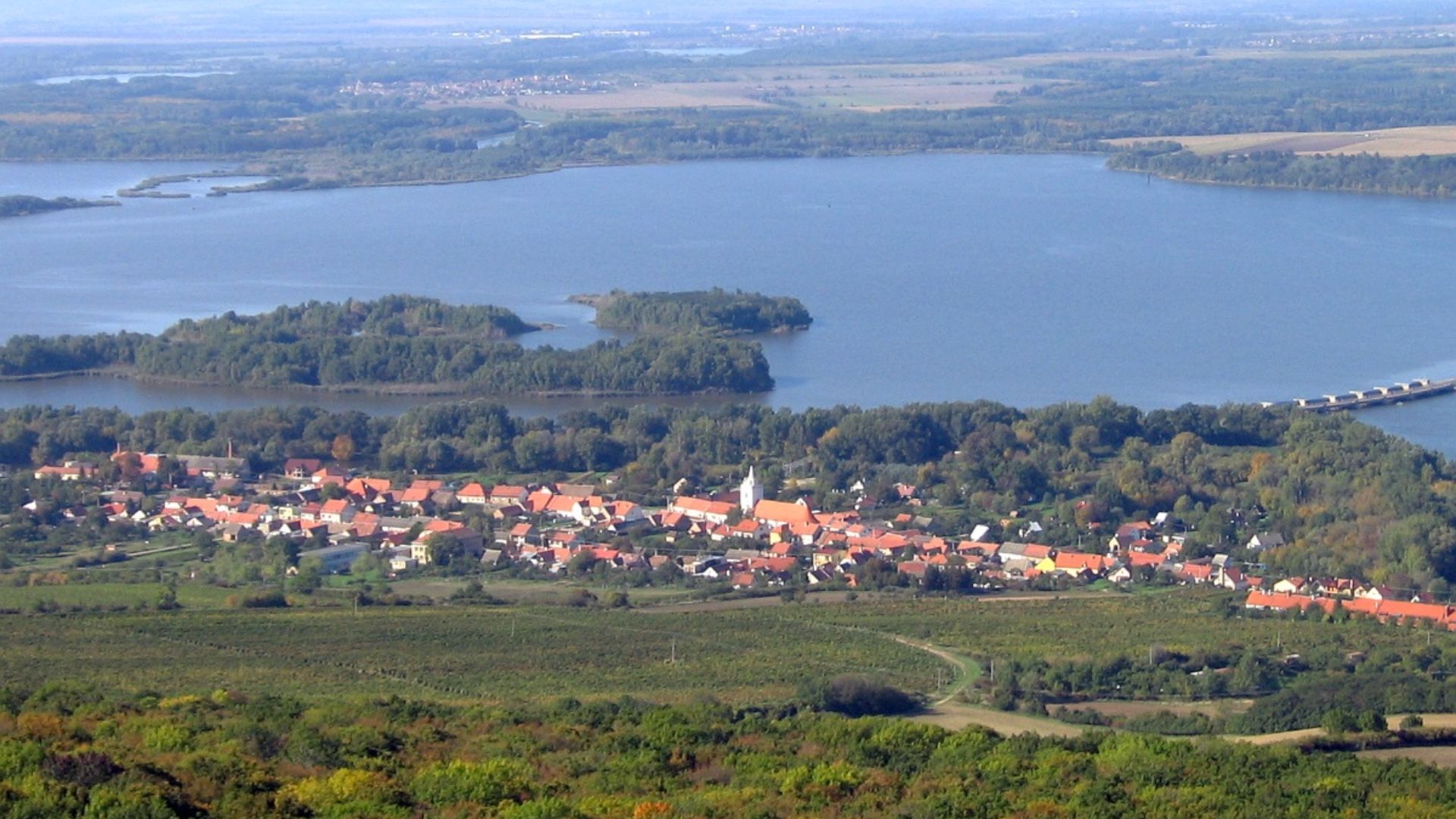
Near the French border on the Ligurian coast, the Grimaldi caves produced several Upper Paleolithic burials with ornaments and ochre. Even with older interpretations trimmed back, the broader picture is still clear enough: burial had become a repeated social practice, not an occasional exception.
14. Natufian Burials, The Levant
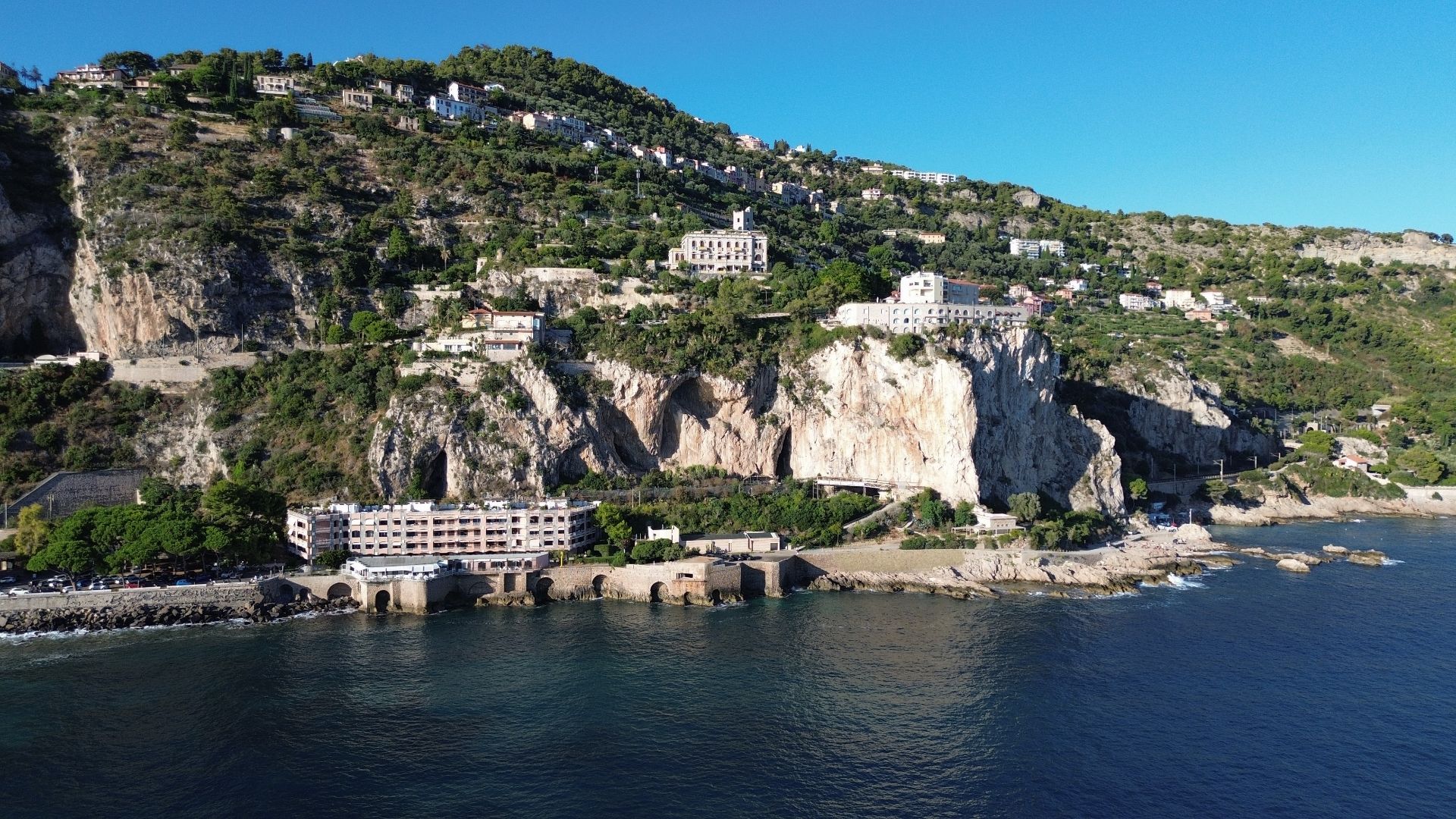
Natufian communities in the Levant, roughly 15,000 to 11,500 years ago, buried their dead in ways that look more settled and communal than many earlier examples. That matters because burial starts to feel tied not just to mourning, but to place, ancestry, and the idea of a community rooted in one landscape.
15. Jericho Skulls, The Levant
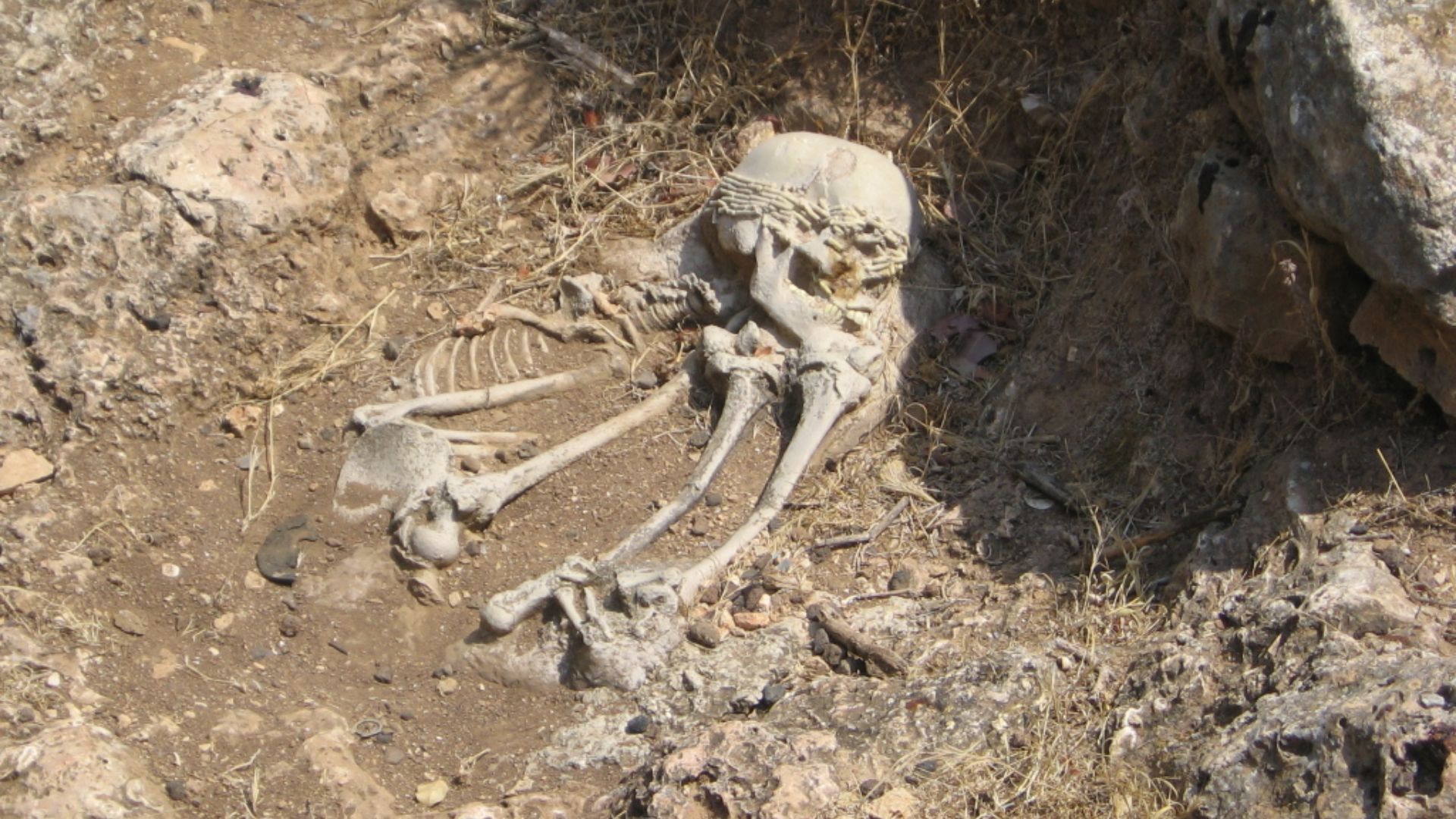
At Jericho, some skulls were later removed, plastered over, and given shell eyes, which is one of the creepiest and most moving things in early burial archaeology. The dead weren’t gone in any simple sense here, because people kept working on their remains and bringing them back to life.
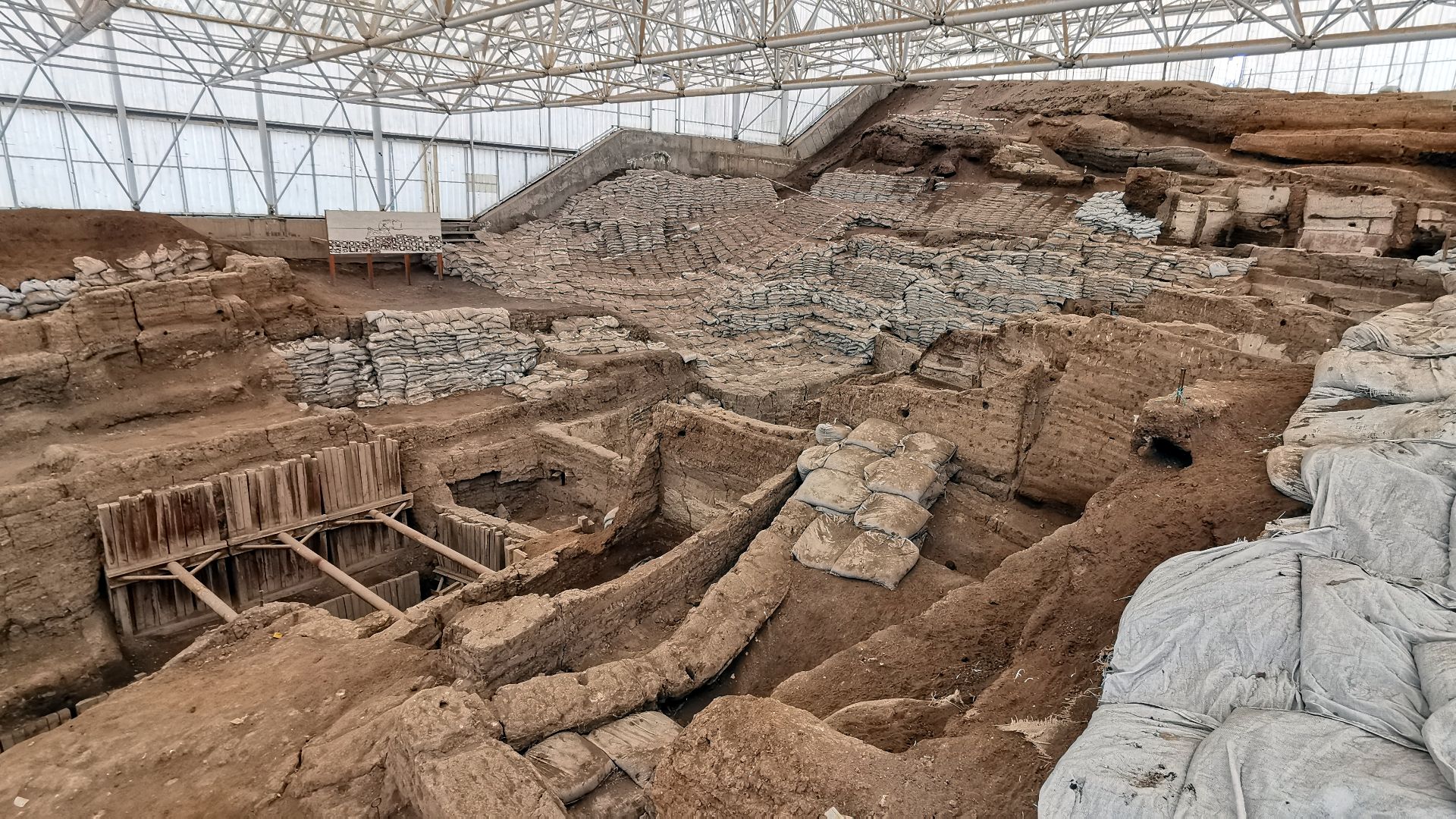
16. Çatalhöyük, Turkey
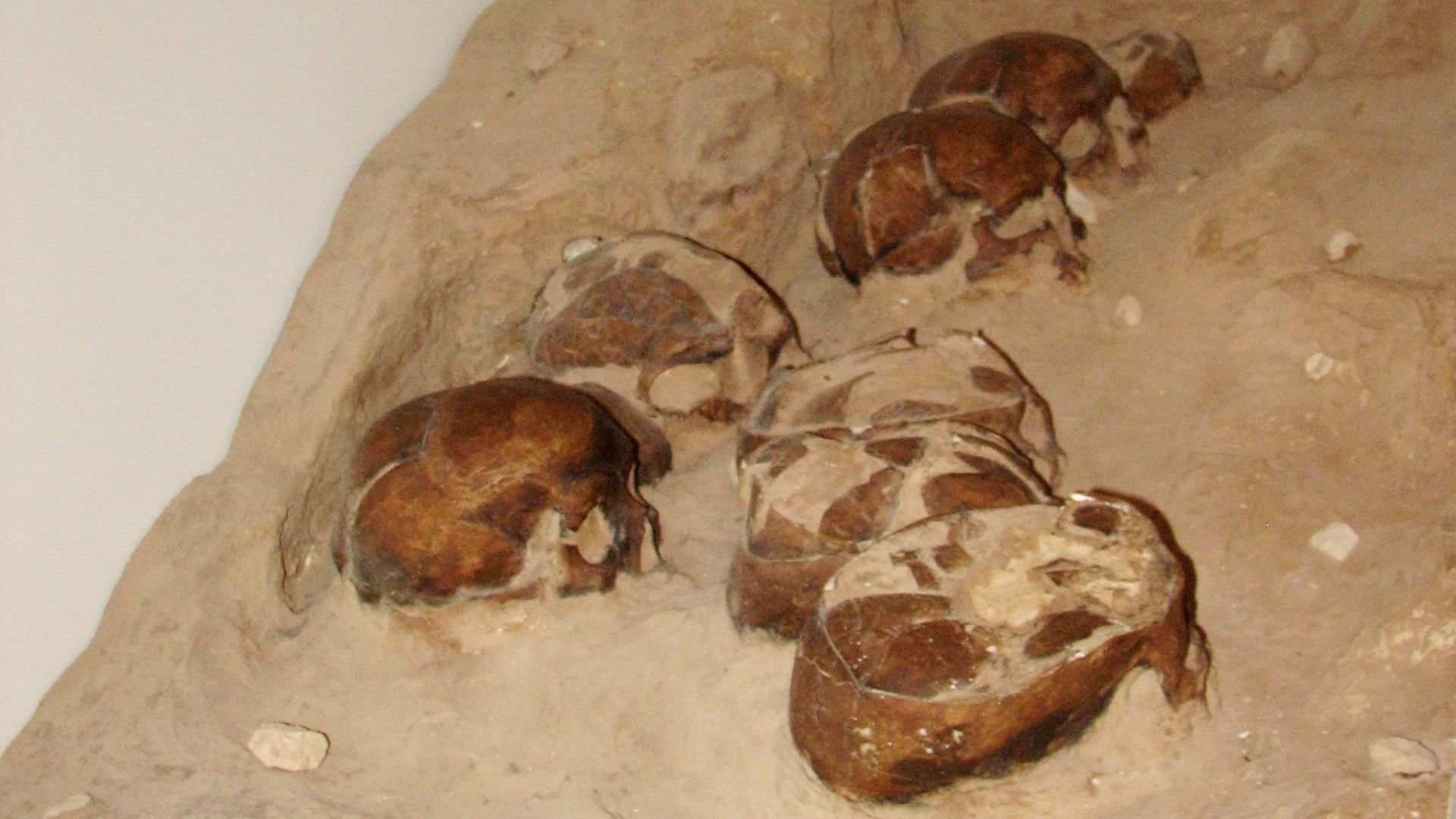
At Çatalhöyük in central Anatolia, many burials were placed beneath house floors and platforms, right inside the home. That leaves you with a pretty intimate picture of people sleeping, eating, and raising families over the dead of their own community.
17. Taforalt, Morocco
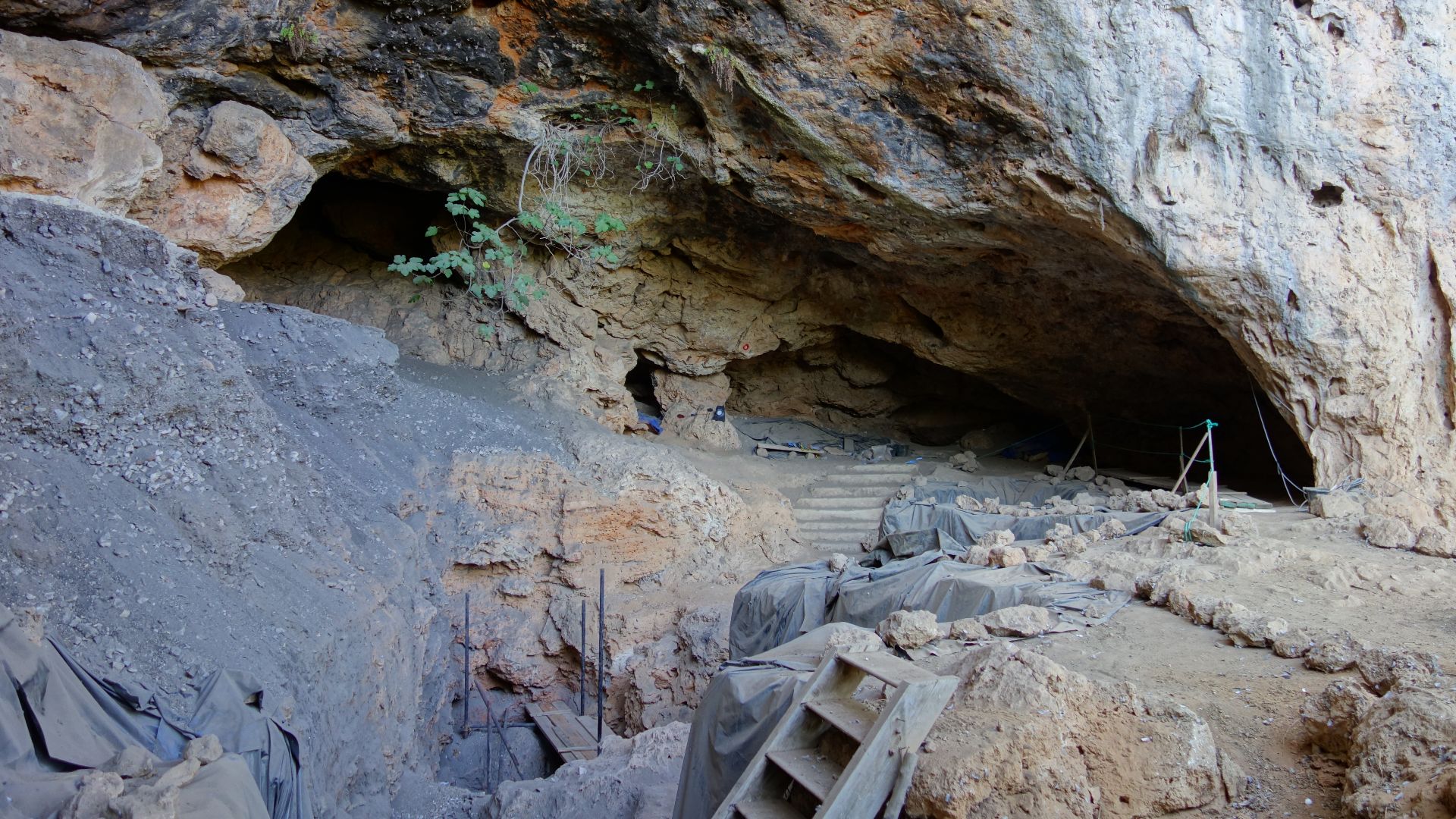
Taforalt, also called Grotte des Pigeons, sits in northeastern Morocco and is often described as the oldest known cemetery in North Africa. Its Late Stone Age burials significantly widened the map, because formal burial wasn’t just happening in Europe or the Levant.
18. Krapina, Croatia
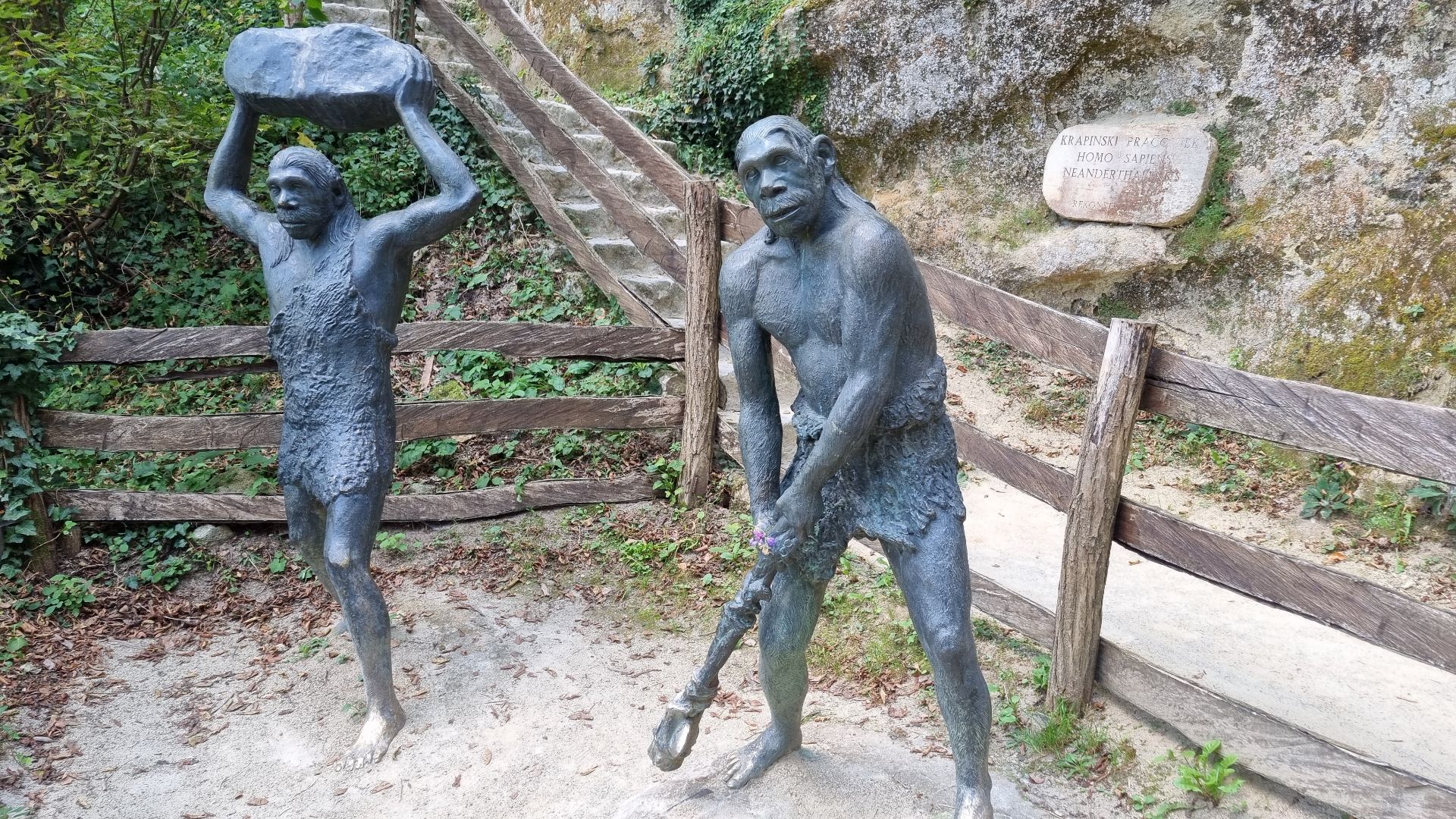
Krapina, north of Zagreb, is one of the largest Neanderthal fossil sites ever discovered. Some of the bone modifications there have fed long debates about how bodies were treated after death, and even with the uncertainty, the site keeps reminding people that death practices may have included stages we can only partly reconstruct now.
19. Kebara Cave, Modern-Day Israel
Kebara, also on Mount Carmel, yielded one of the best-known Neanderthal skeletons from the Levant. It’s usually safer to treat it as part of the larger record, suggesting careful body treatment, than to pin one exact symbolic meaning on it, which is less flashy, sure, but also a lot more responsible.
20. Regourdou, France
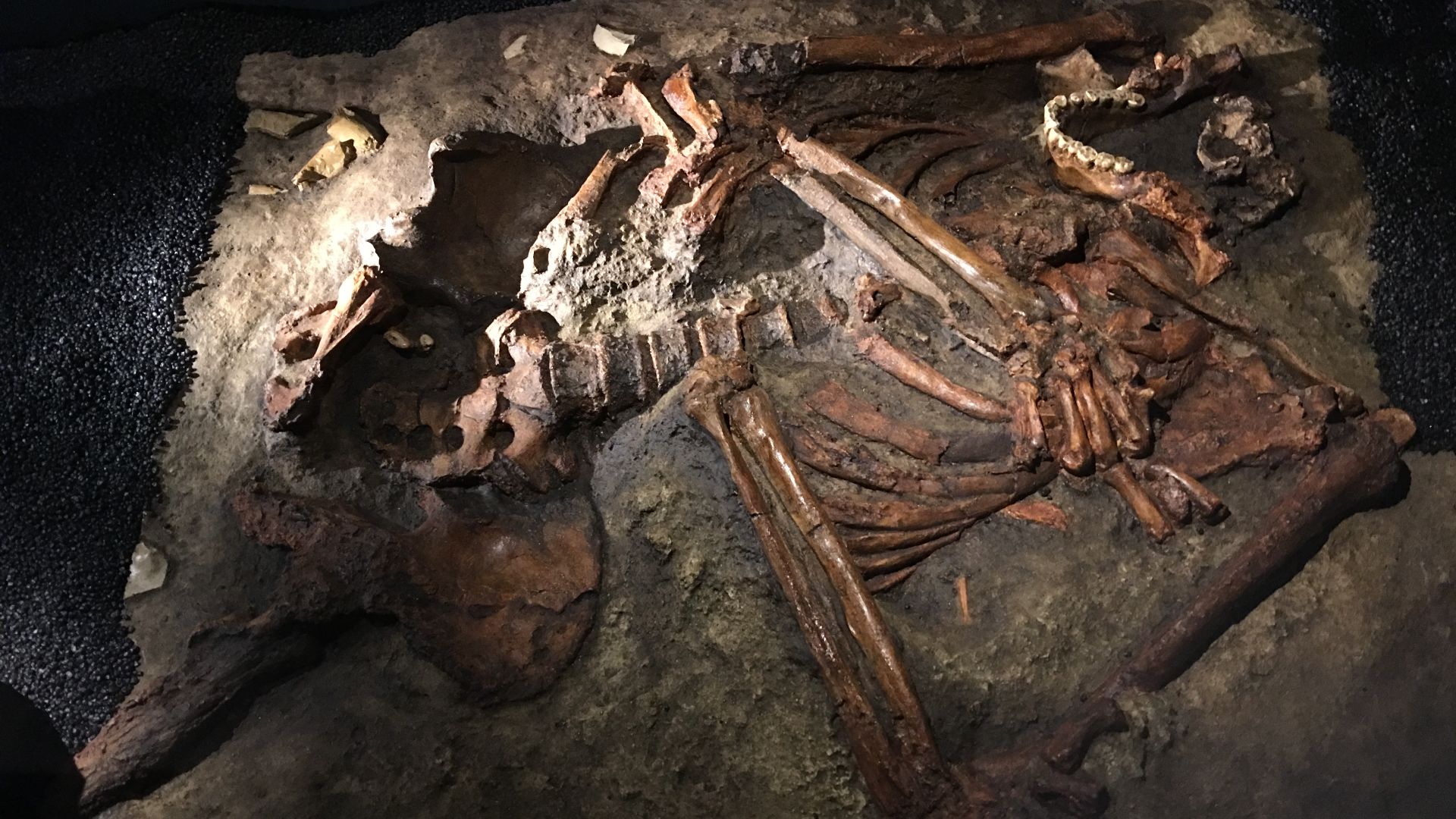
Regourdou in the Dordogne has long been cited as a Neanderthal burial site, and the associated bear remains helped spark the old bear cult theory. That interpretation is controversial now, though the site still shows how often burial evidence, animal remains, and spiritual speculation end up tangled together in Middle Paleolithic archaeology.
KEEP ON READING

The African King Who Became The Richest Man In History
Cresques Abraham on WikimediaWhen thinking about the wealthiest people to…
By Sara Springsteen Apr 23, 2026
Why Monumental Architecture Usually Comes With a Brutal Human Cost
2H Media on UnsplashMonumental architecture is very good at making…
By Emilie Richardson-Dupuis Apr 23, 2026
The Dark Side of Royal Menageries
Unknown authorUnknown author on WikimediaToday, when we think about exotic…
By Elizabeth Graham Apr 23, 2026
20 Prehistoric Burial Sites That Reveal What Early Humans Believed…
Nobody Left Behind. Long before cities, temples, or written religion,…
By Elizabeth Graham Apr 23, 2026
Gregor MacGregor’s Fake Country
en:Samuel William Reynolds (1773–1835), after Simon Jacques Rochard (1788–1872) on…
By Cameron Dick Apr 23, 2026
The Strait Panic That Already Happened Once
Navy of the Army of the Guardians of the Islamic…
By Cameron Dick Apr 23, 2026