


10 Famous Figures Who Hid Their Illness & 10 Who Turned It Into Myth
Pain Has A Public Life
Fame has a way of turning illness into a problem of image. Some public figures hide what they are going through because they want privacy, control, dignity, or just one part of life that does not belong to the crowd. Others let illness become part of the story, either by shaping it themselves or by becoming larger in the public imagination because of it. The line between secrecy and myth can be thin, especially when talent, power, and suffering all sit in the same room. Here are 10 famous figures who hid their illness and 10 whose illness became part of the legend around them.
 Matthew Yohe (talk) on Wikimedia
1. John F. Kennedy
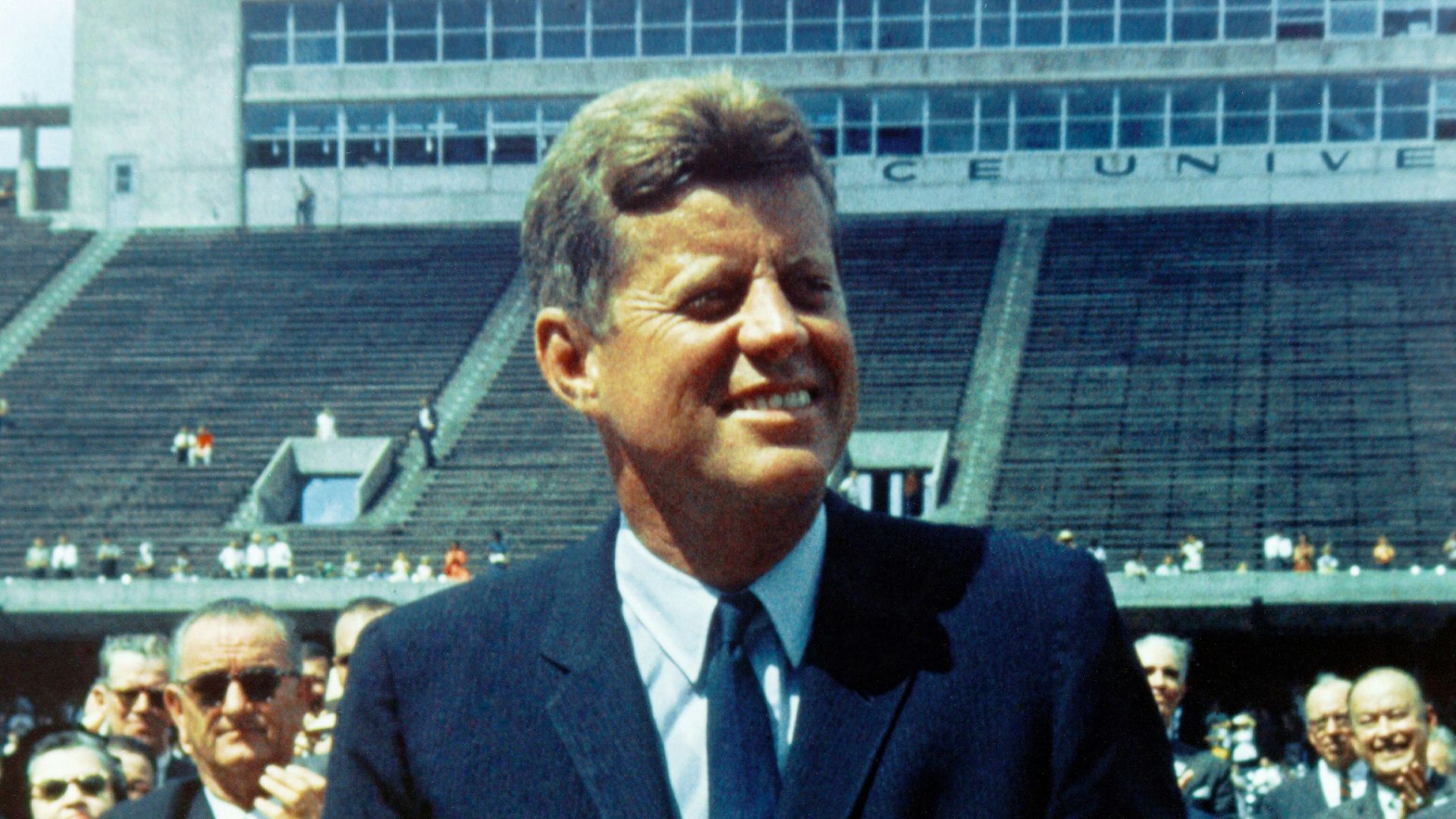
John F. Kennedy projected youth, ease, and clean-cut American energy, but his health was far more complicated than that image allowed. He dealt with chronic back pain, digestive trouble, and Addison’s disease, yet the public version of Kennedy had to look vigorous at all times. In politics, weakness was something opponents could use, so his body became part of the campaign strategy.
2. Franklin D. Roosevelt
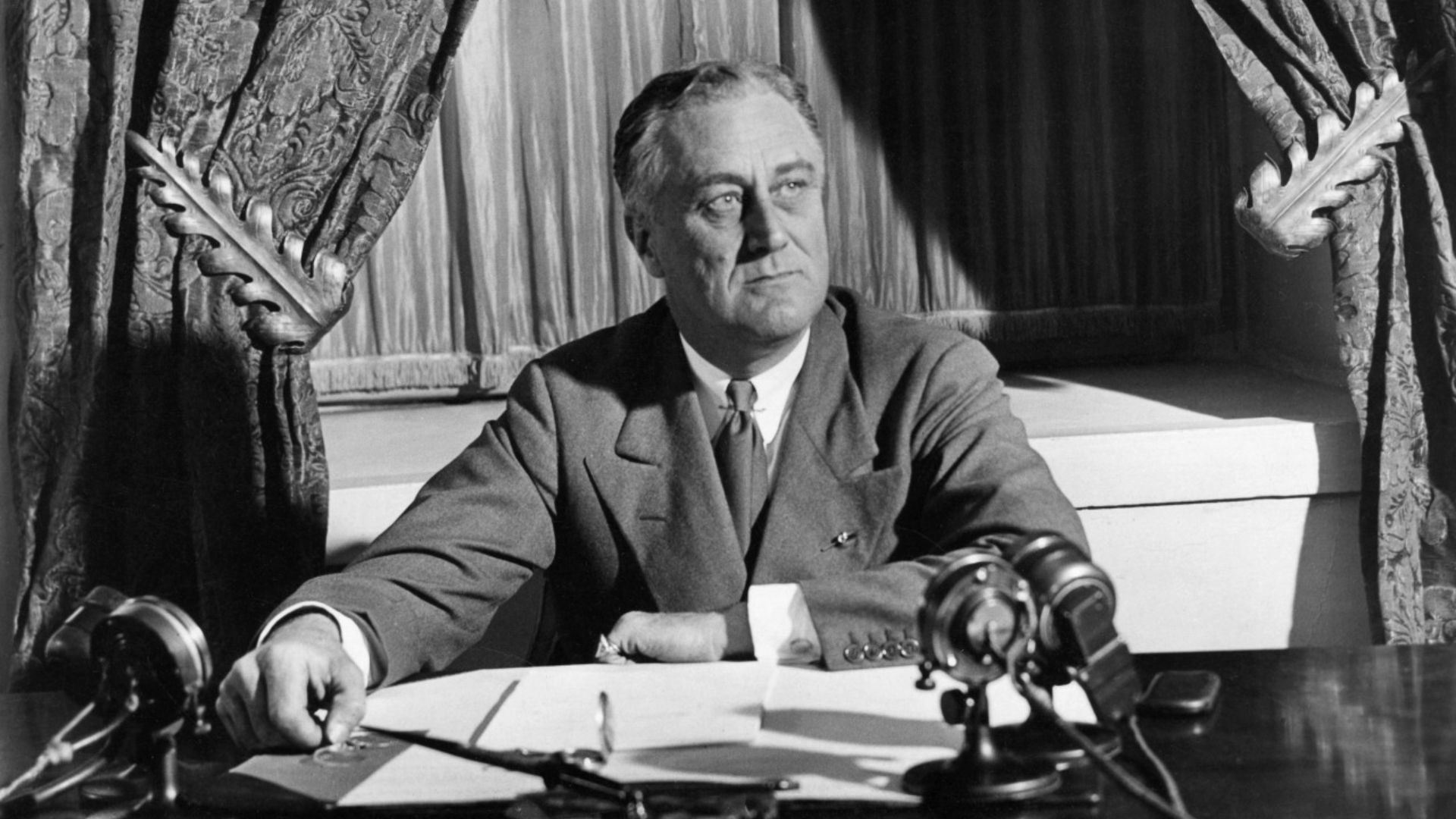
Franklin D. Roosevelt did not fully hide that he had been paralyzed by polio, but he carefully managed how much of it the public saw. He avoided being photographed in his wheelchair and worked hard to appear standing, supported, or in motion. The point was not denial so much as control over a visual language that could define him before he spoke.
 Unknown or not provided on Wikimedia
3. Chadwick Boseman
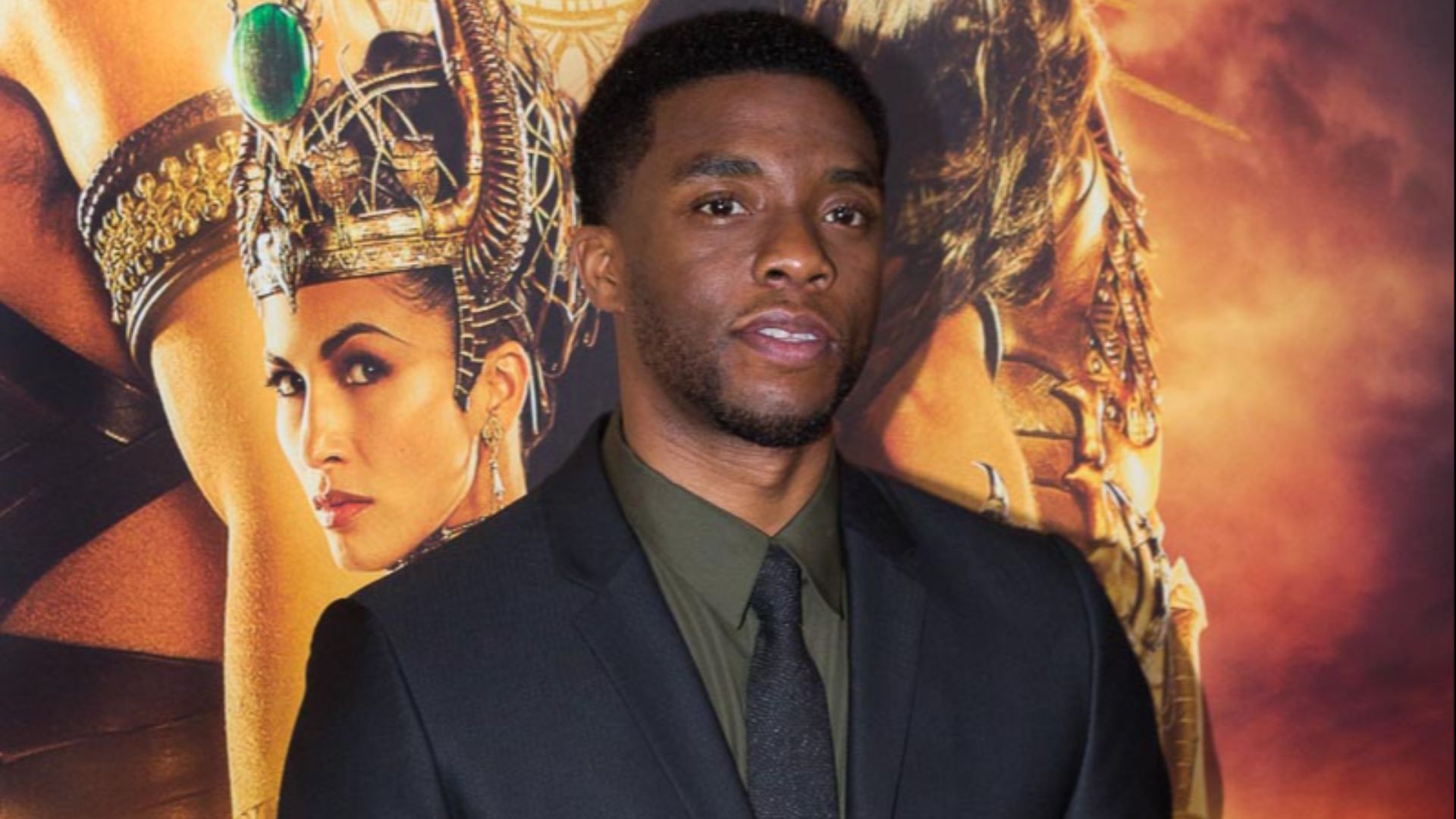
Chadwick Boseman kept his colon cancer diagnosis private while continuing to work through major film roles. The public saw discipline, grace, and quiet intensity without knowing the physical toll behind it. After his death, that privacy made his final performances feel even more astonishing, but it was his choice to keep the illness out of the spotlight.
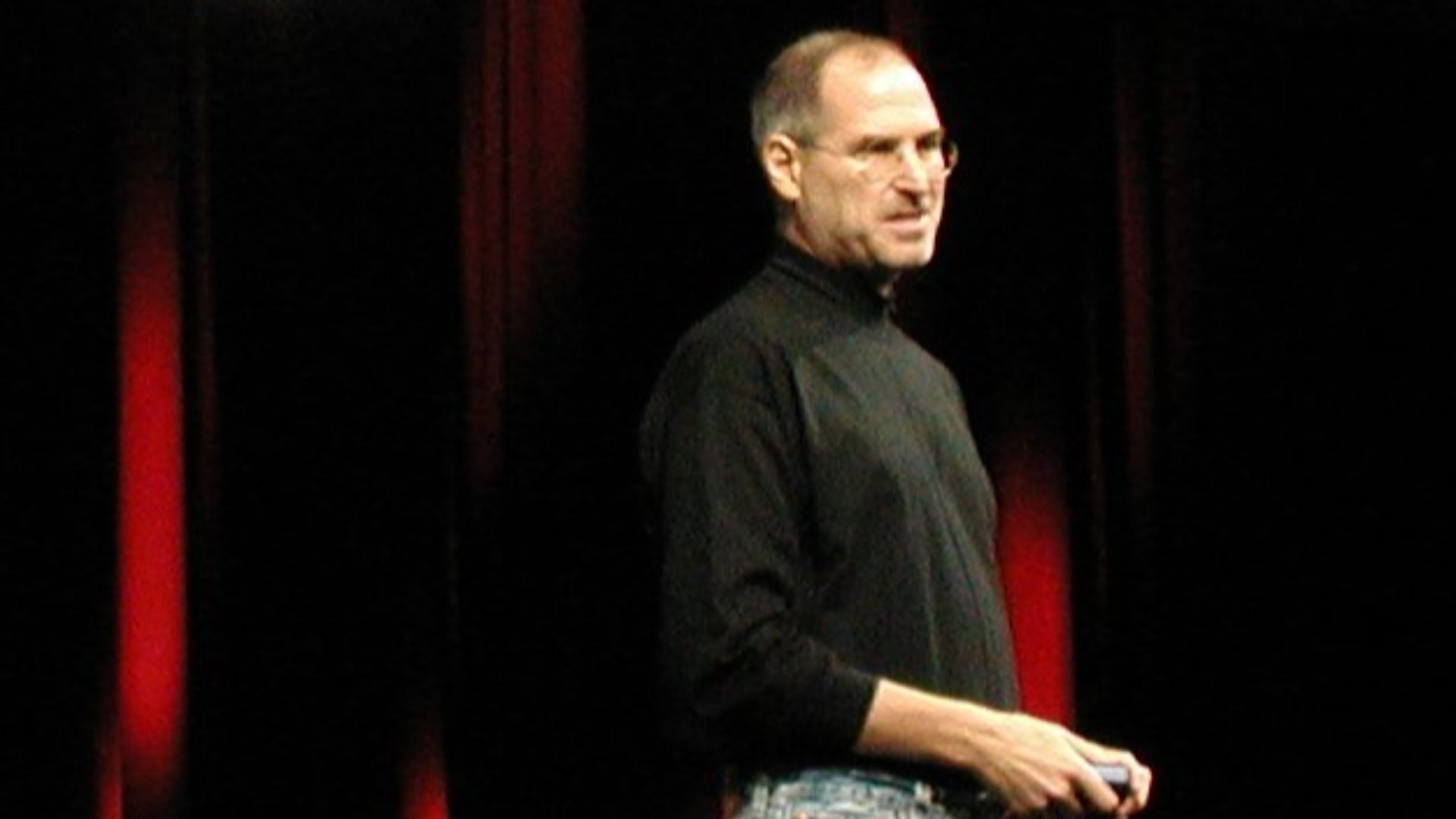
4. Steve Jobs
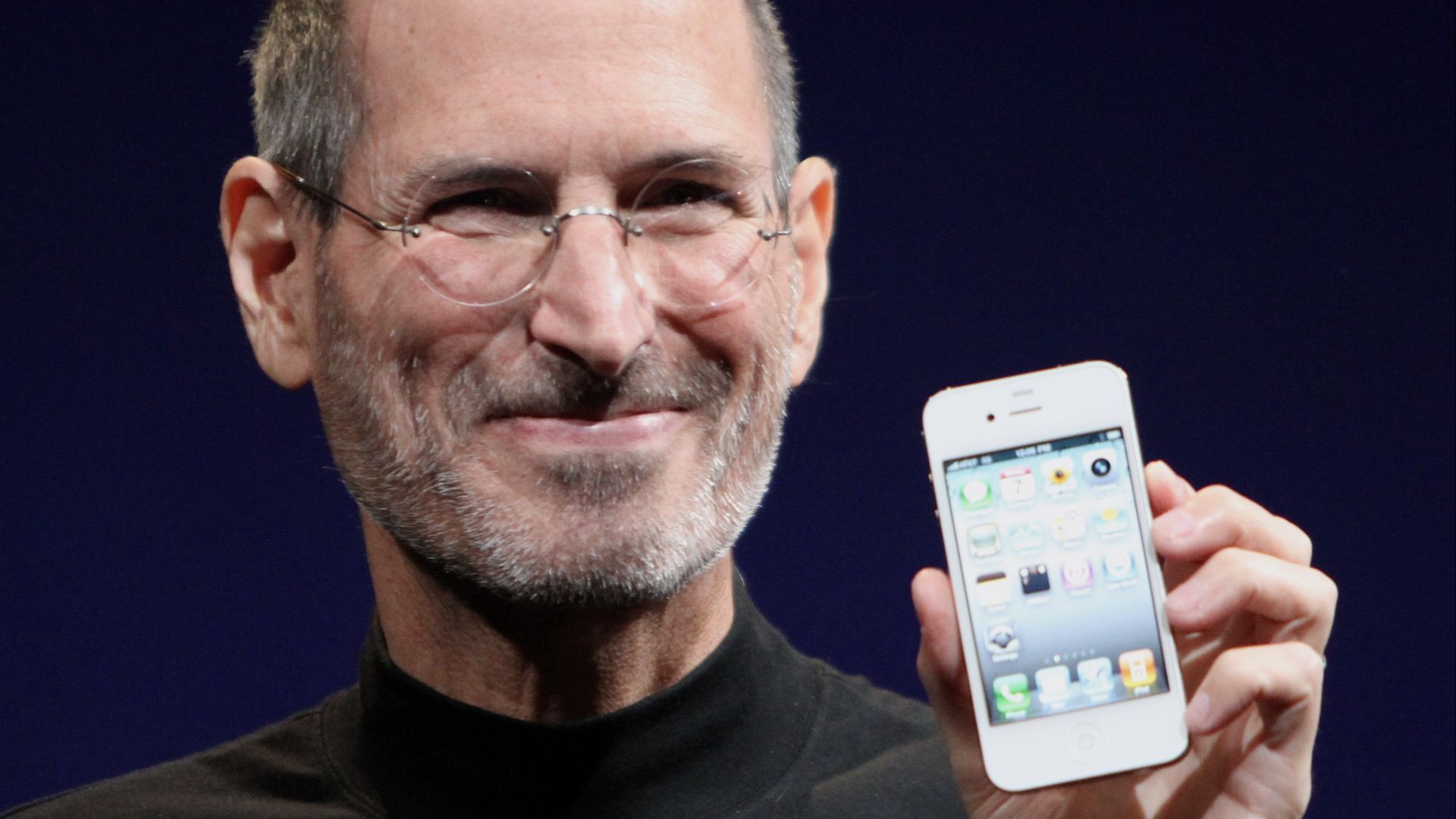
Steve Jobs was intensely private about his pancreatic neuroendocrine tumor, especially in the early stages. As questions about his weight and health grew, Apple and Jobs released limited information, and the mystery became tied to the company’s image as much as his own. His illness was personal, but his public role made it impossible to keep entirely separate.
5. David Bowie
David Bowie kept his cancer largely private while making his final album and videos. By the time the public understood what had been happening, the work already felt like a farewell written in plain sight. He did not explain the illness as it unfolded, but he controlled the frame with remarkable precision.

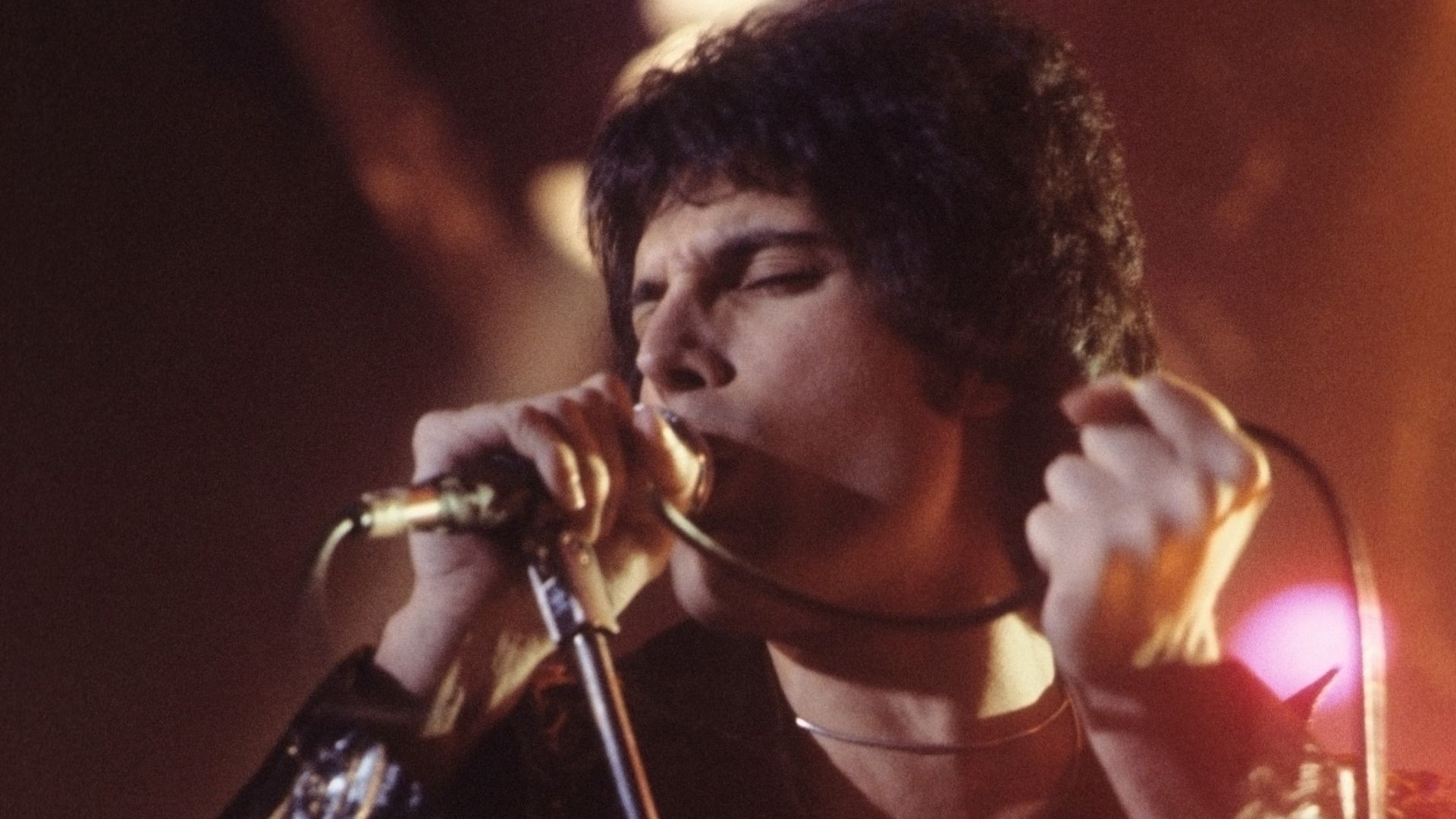
6. Freddie Mercury
Freddie Mercury’s AIDS diagnosis was kept private for years, even as rumors and tabloid attention grew crueler. He confirmed it publicly only shortly before his death. His silence was shaped by stigma, fear, and the brutal media climate around the disease at the time.
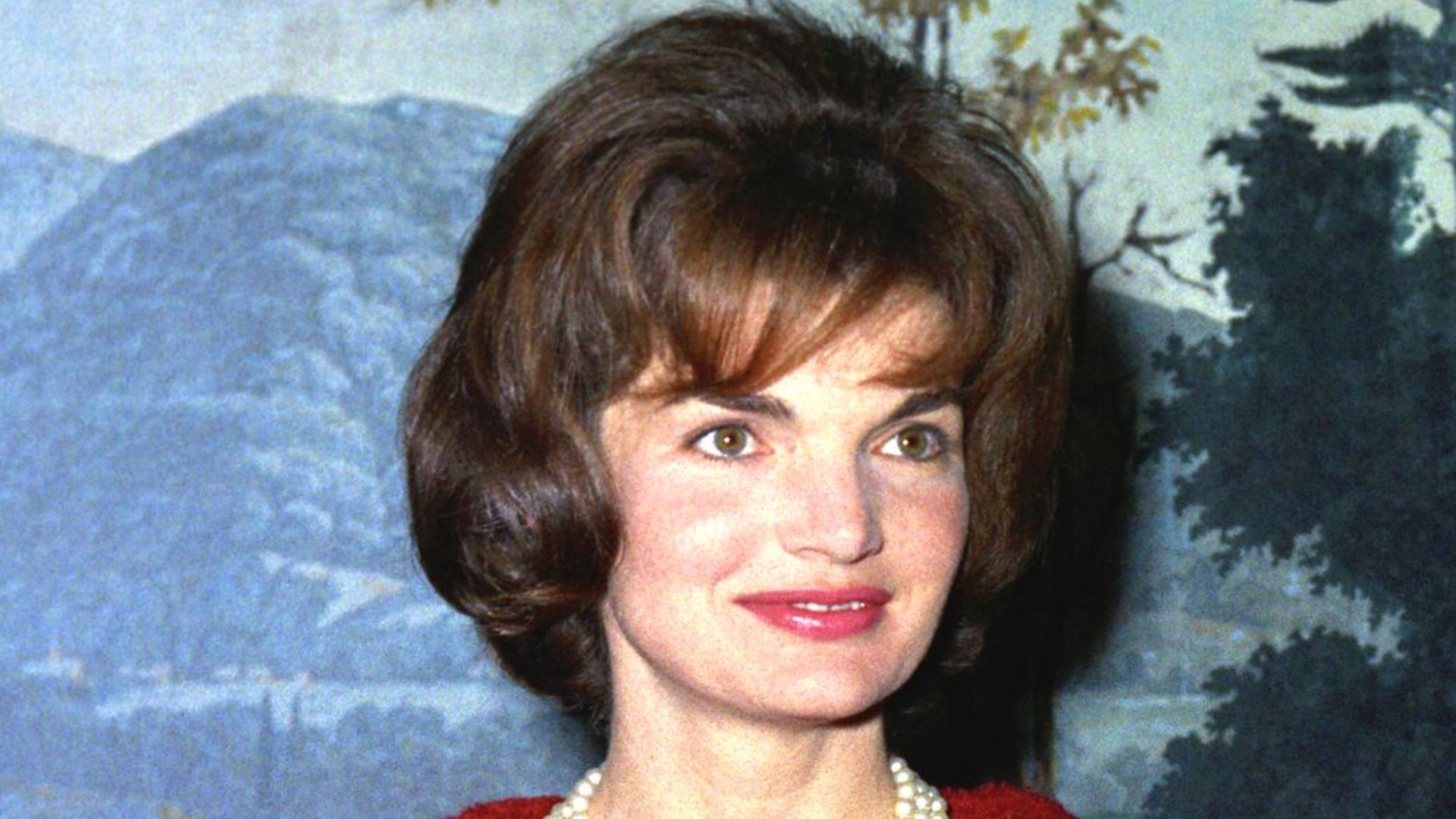
7. Jackie Kennedy
Jackie Kennedy’s cancer was not turned into a public drama while she was alive. She guarded her privacy closely, as she had done through much of her life, and the details became widely known only near the end. Her silence fit the way she handled fame in general: visible when necessary, sealed off when possible.
 Robert LeRoy Knudsen on Wikimedia
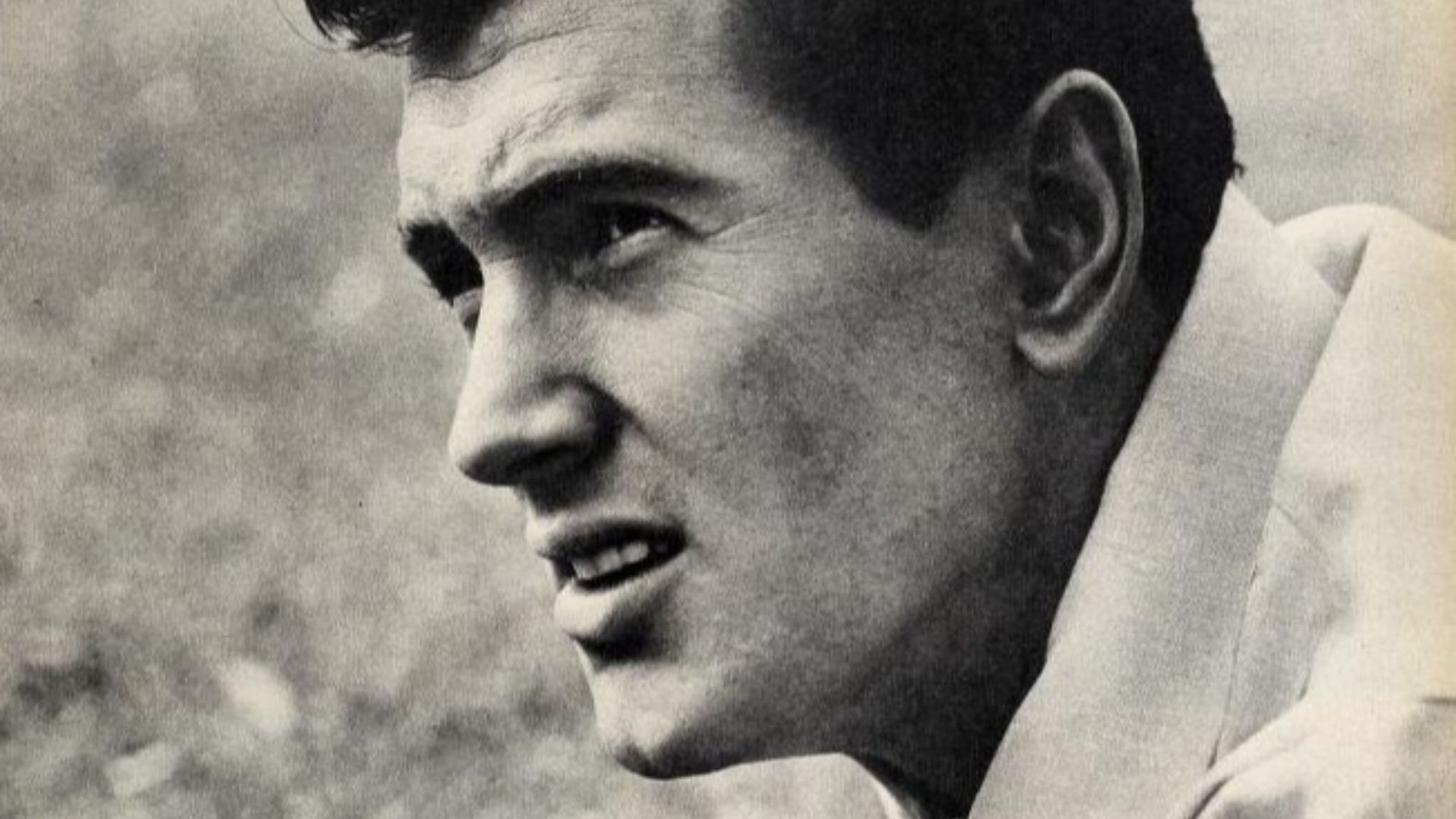
8. Rock Hudson
Rock Hudson’s AIDS diagnosis was hidden at first, partly because of the stigma surrounding both the illness and his private life. When the news became public, it changed how many Americans understood the AIDS crisis. Before that moment, the secrecy reflected how dangerous public knowledge could feel.
 Photographer not credited on Wikimedia
9. Alan Rickman
Alan Rickman kept his pancreatic cancer diagnosis largely private. To most people, he remained the sharp, controlled actor they knew from stage and screen until the news of his death arrived. The privacy felt consistent with his public manner: elegant, guarded, and never eager to explain himself.
10. Prince
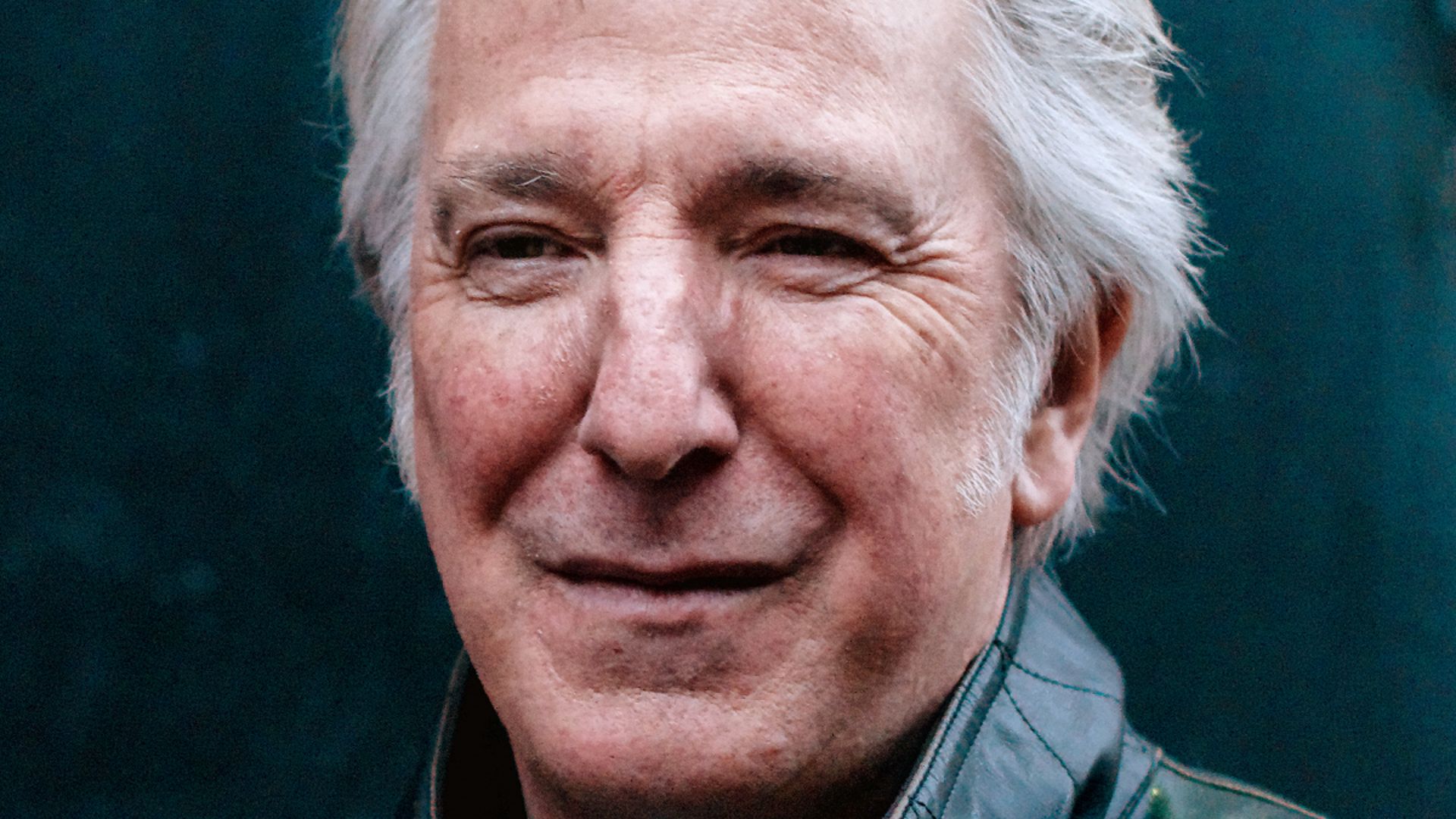
Prince lived with significant pain, especially from years of performing, but the extent of his health struggles was not widely understood while he was alive. His privacy was almost architectural, built into every part of his public life. Fans saw the precision, the heels, the splits, and the stamina, but not the cost underneath.
Illness can also move the other way. Sometimes it becomes part of the public story, not hidden away but folded into the way a figure is remembered. Here are ten who turned their illness into part of their public persona.
1. Frida Kahlo
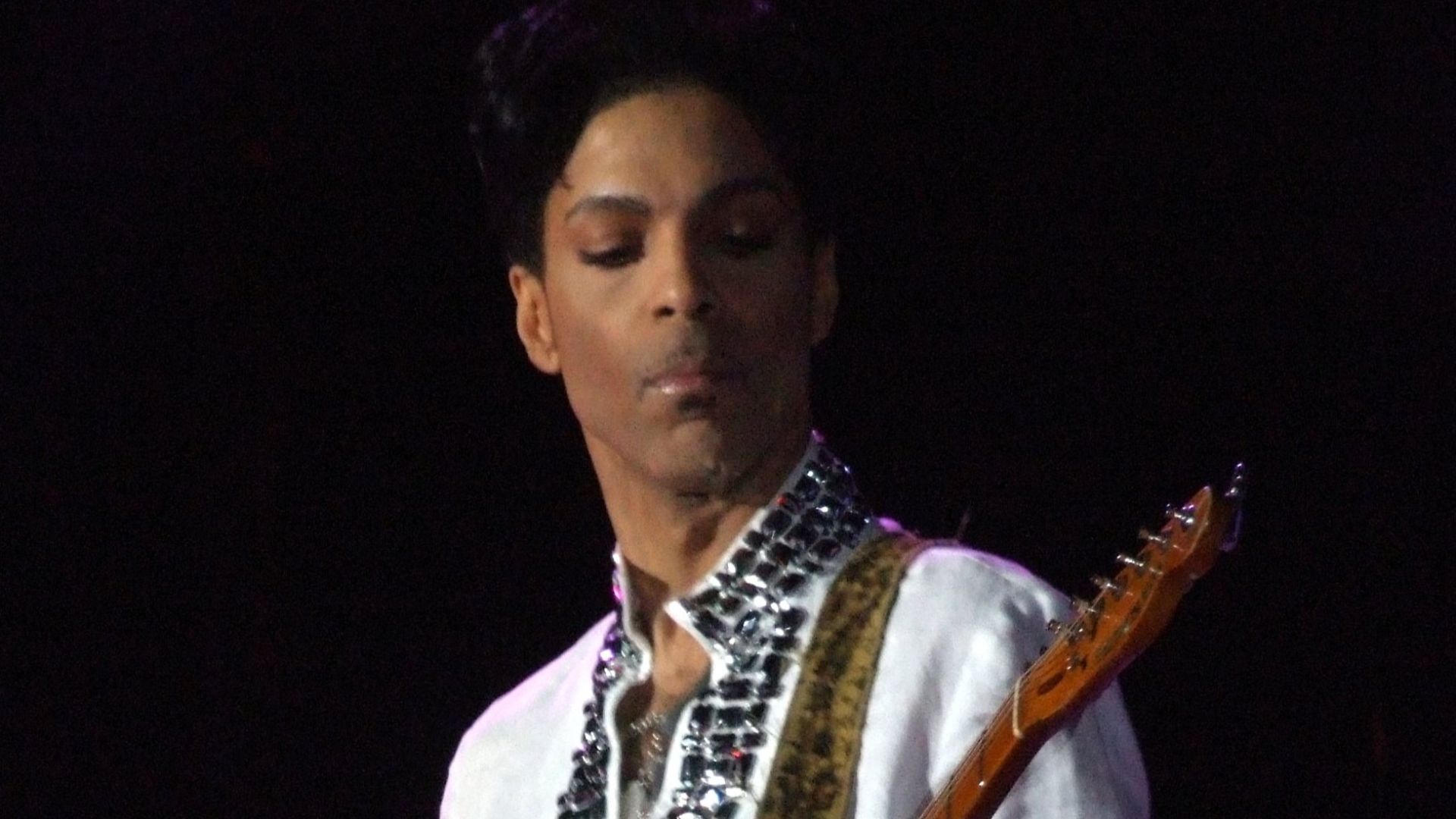
Frida Kahlo’s pain became inseparable from her art. After childhood polio and a devastating bus accident, she painted the body as broken, decorated, exposed, and still stubbornly alive. Her illness did not shrink the myth around her; it helped shape it into something vivid and impossible to tidy up.
2. Vincent Van Gogh
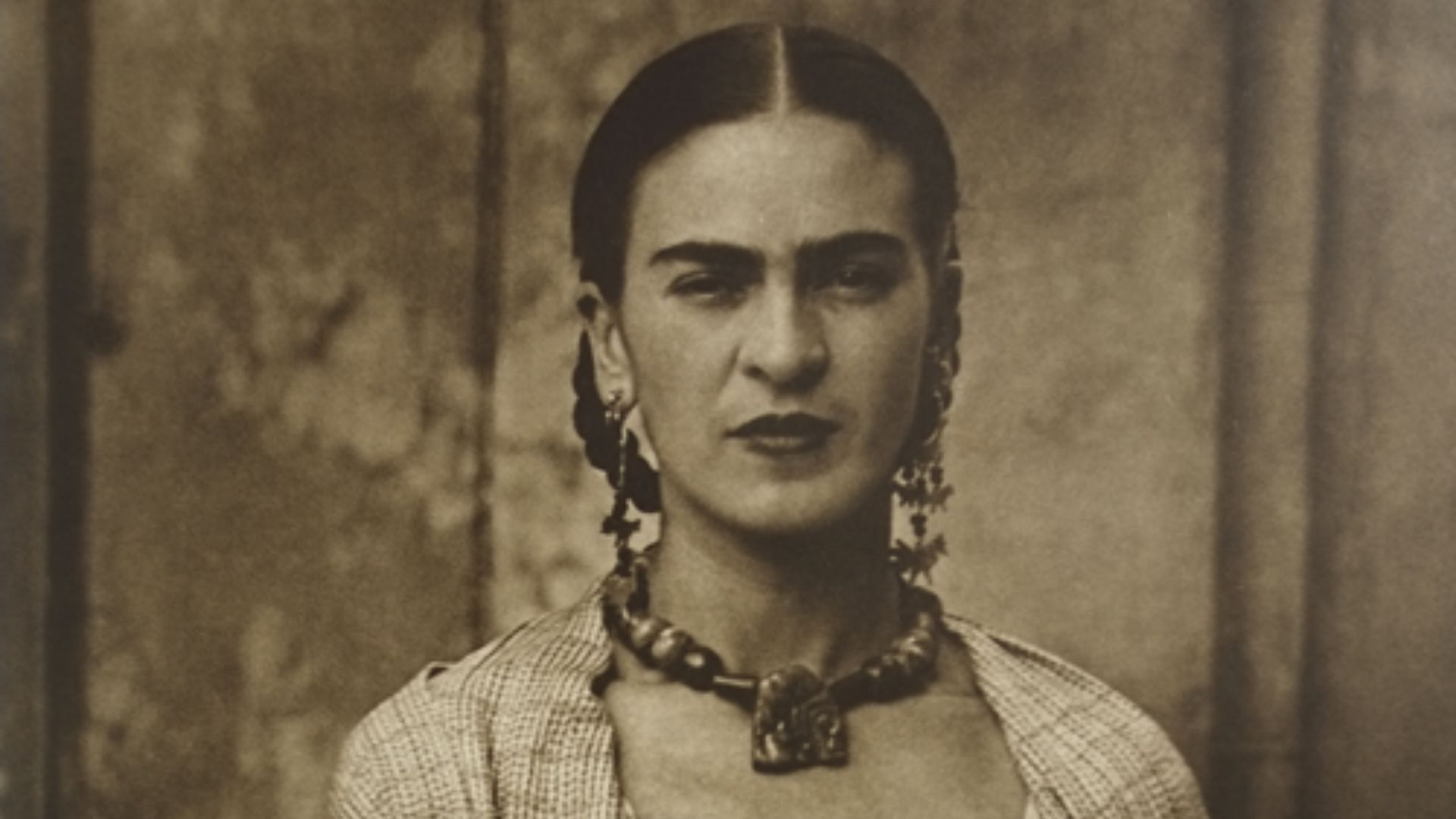
Vincent van Gogh’s mental health struggles have become one of the most repeated parts of his story. The danger is that people sometimes make the illness sound like the source of the genius, which flattens both the art and the person. Still, the myth persists because the paintings feel so alive with pressure, color, and need.
3. Ludwig Van Beethoven
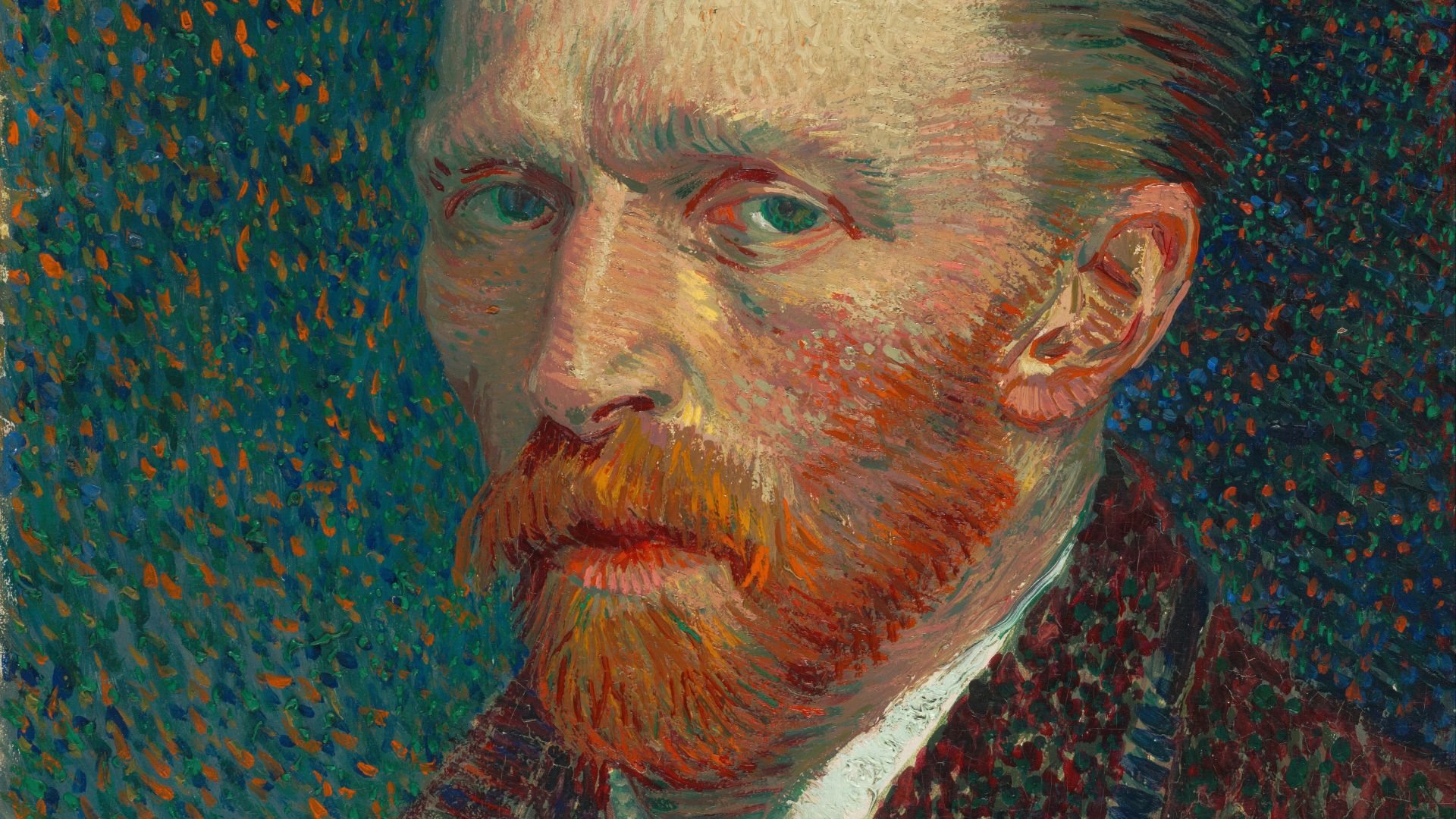
Beethoven’s deafness became central to the legend of his greatness. The image is almost too powerful: a composer losing the very sense most closely tied to his work, yet continuing to create music that shook the world. His illness became not just biographical detail, but proof of force.
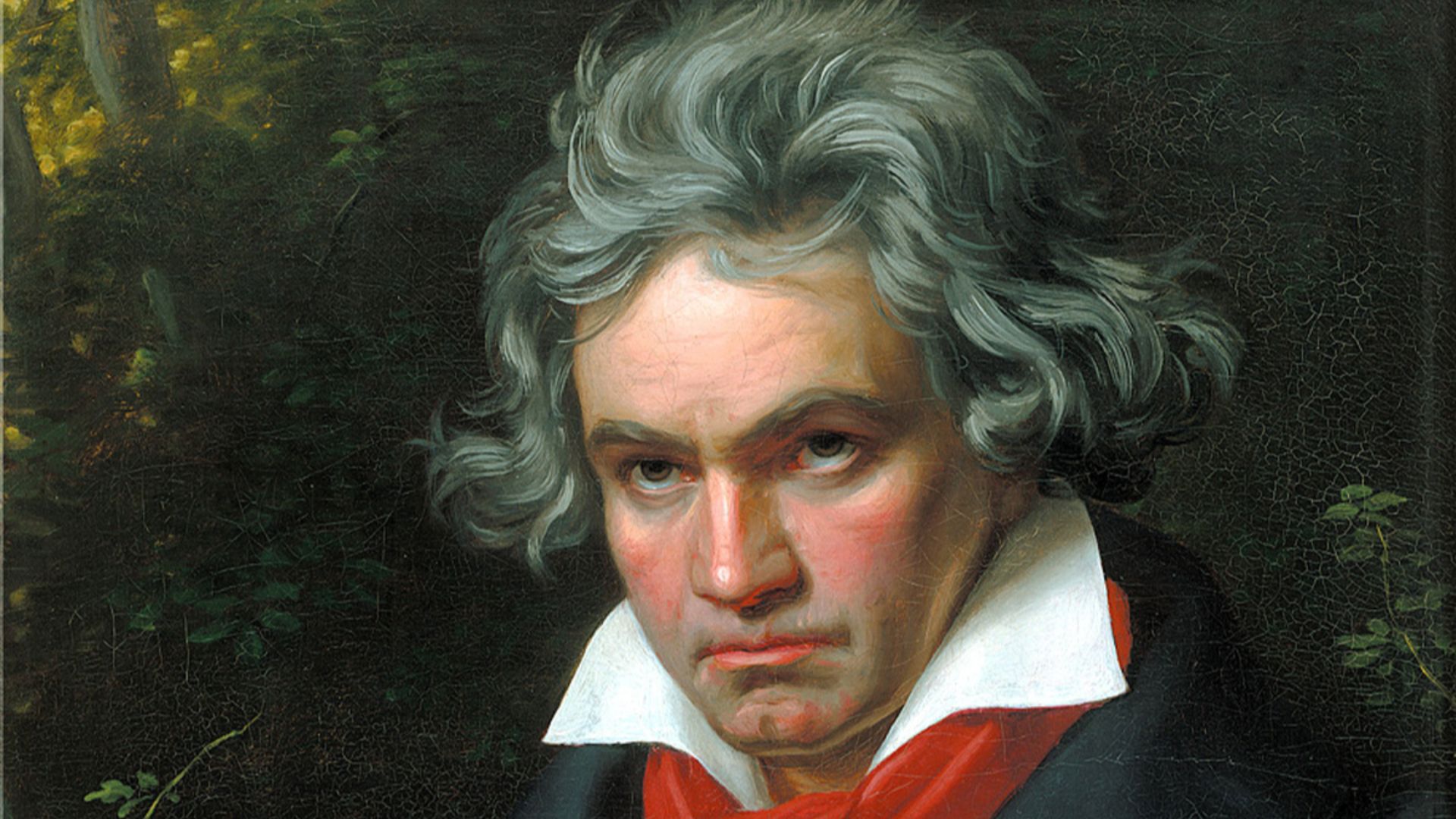 Joseph Karl Stieler on Wikimedia
4. Stephen Hawking
Stephen Hawking’s motor neuron disease shaped how the public saw him, though it never explained the whole of him. His wheelchair, voice synthesizer, and long survival became part of a global image of intellect refusing the limits placed on the body. The myth worked because the mind at the center was genuinely formidable.
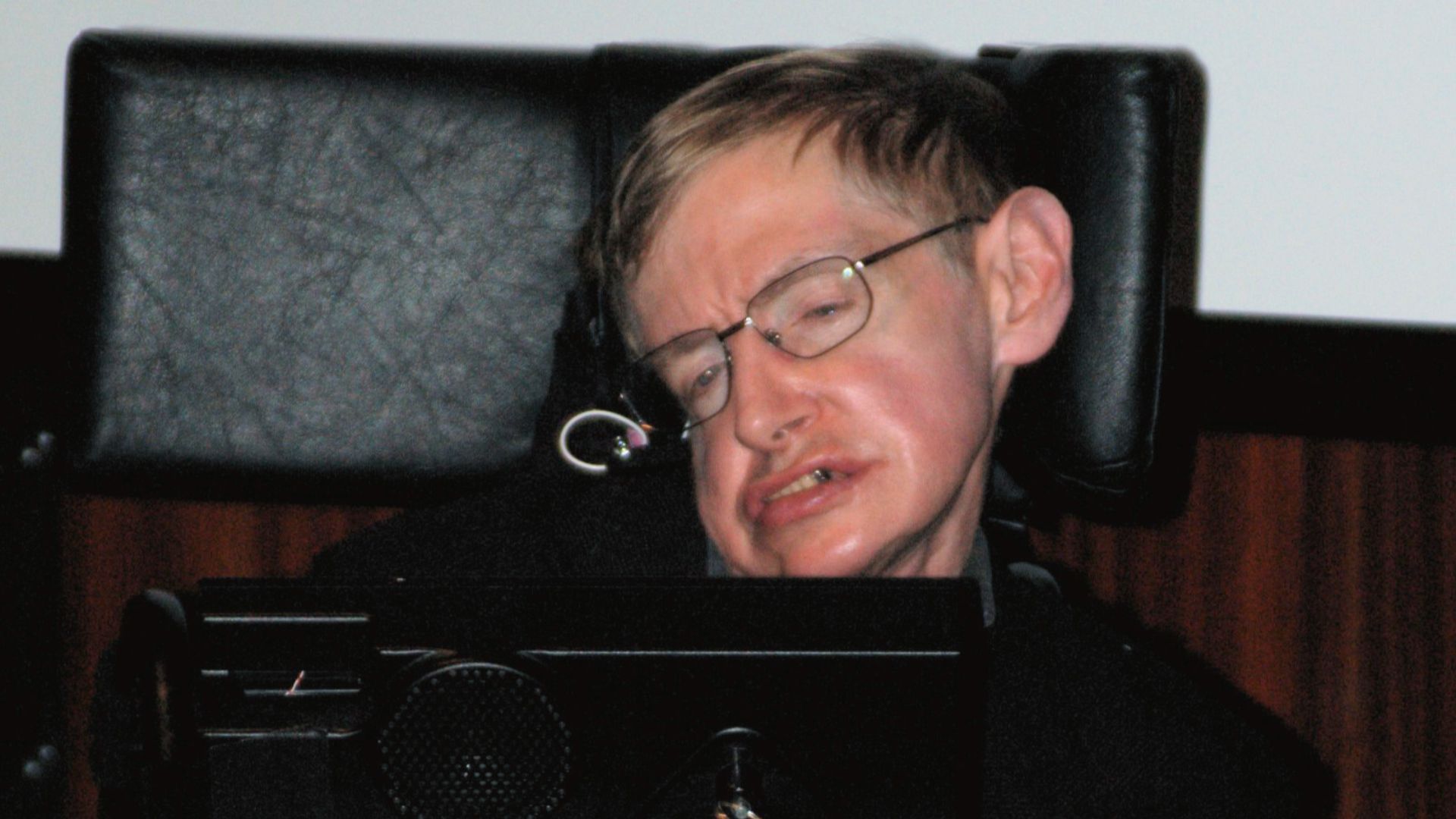
5. Lou Gehrig
Lou Gehrig’s illness became so closely tied to him that ALS is still widely known as Lou Gehrig’s disease. His farewell speech gave the story a public grace that has lasted for generations. He became a symbol not because he denied the illness, but because he faced it with plain, heartbreaking composure.
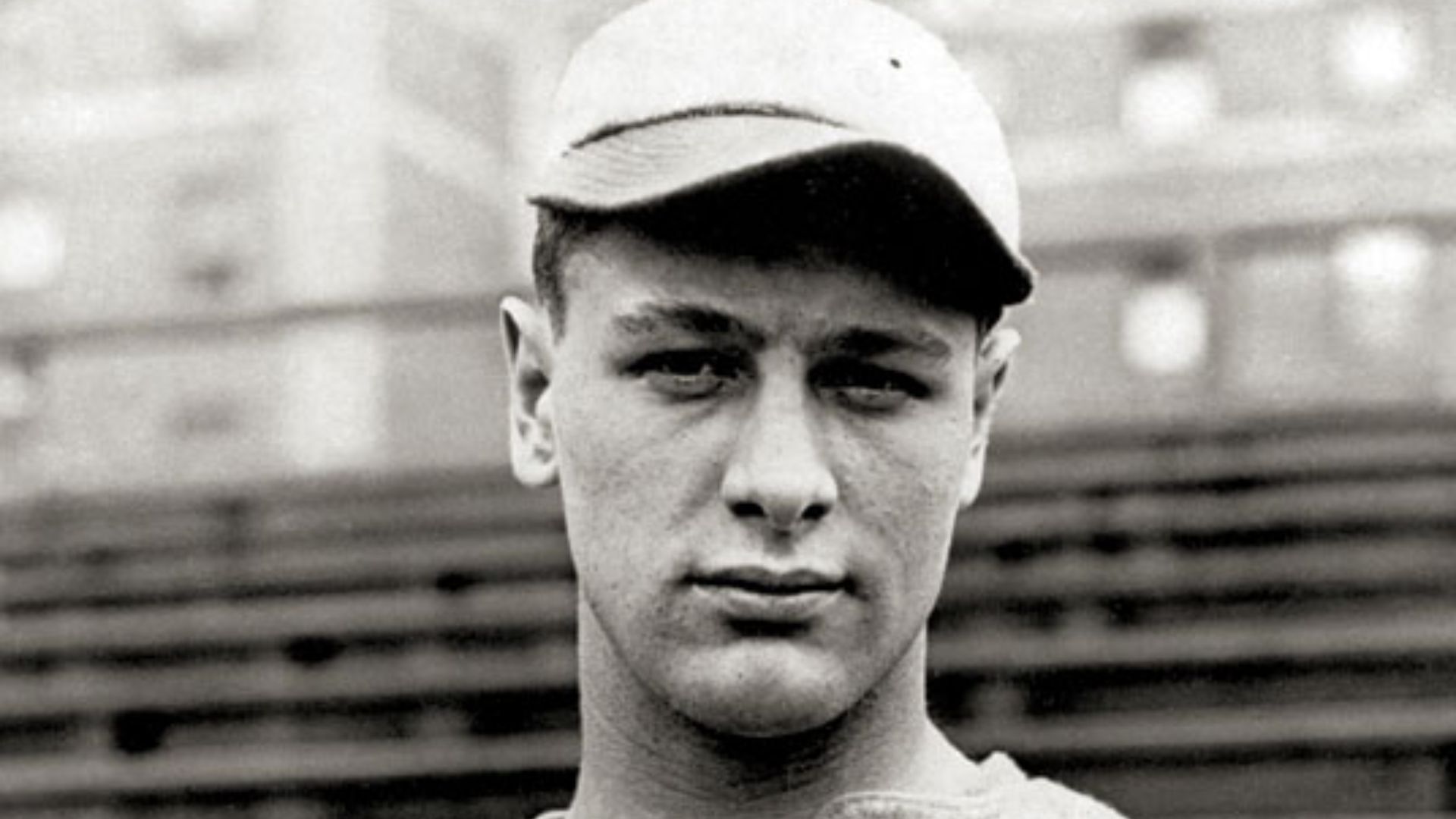 University Archives—Columbiana Library, Columbia University. on Wikimedia
6. Muhammad Ali
Muhammad Ali’s Parkinson’s disease became part of his later public life. The tremor, the slowed speech, and the softened movement stood in sharp contrast to the dazzling speed people remembered from the ring. That contrast deepened the myth, turning Ali from champion into something closer to witness.
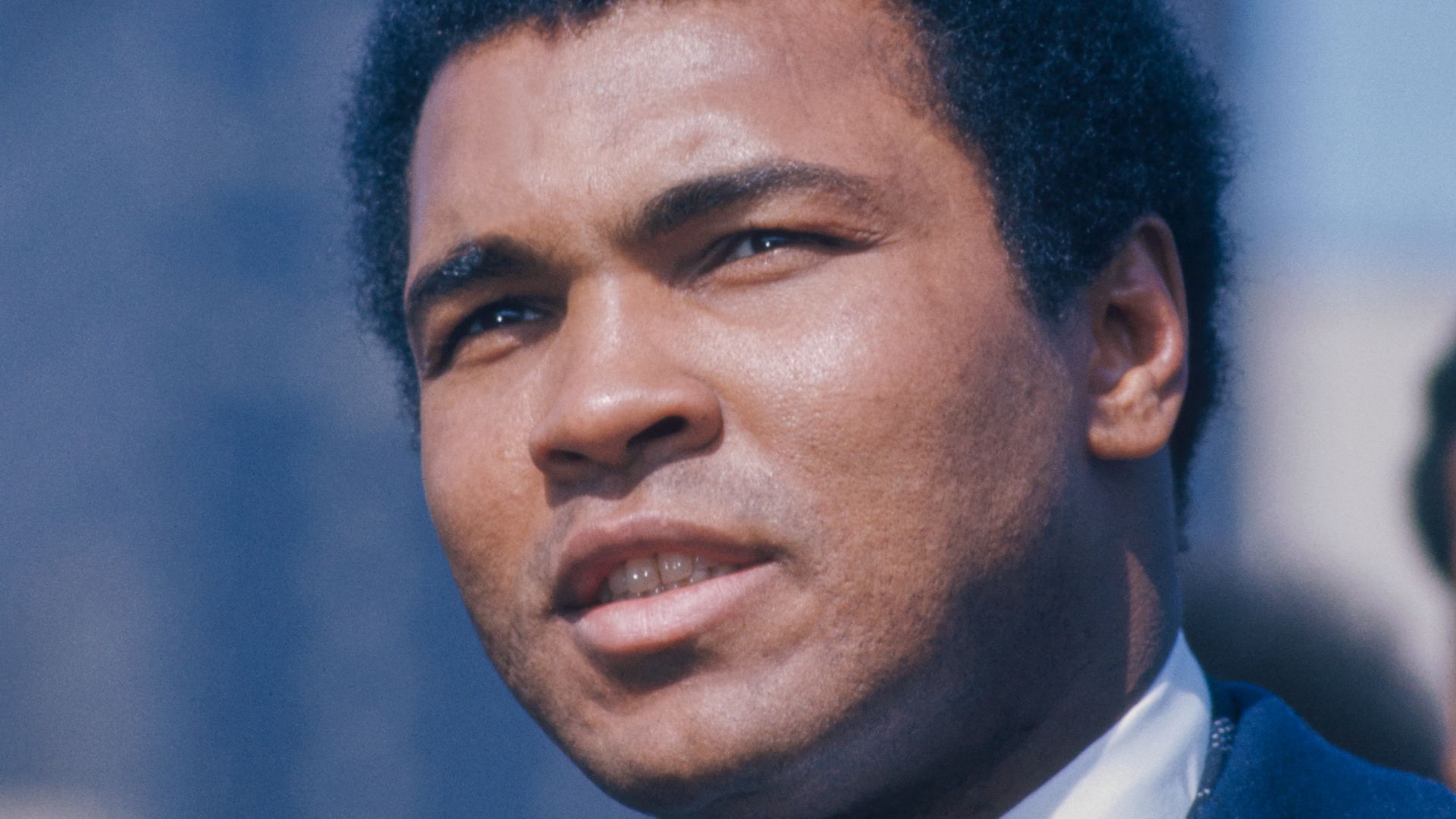
7. Selena Gomez
Selena Gomez has spoken publicly about lupus, a kidney transplant, and mental health struggles. Her openness has made illness part of her public identity, but not the whole of it. For younger fans especially, she helped make vulnerability feel less like a confession and more like ordinary truth.
 Lunchbox LP, Culver City, California on Wikimedia
8. Michael J. Fox
Michael J. Fox turned his Parkinson’s diagnosis into advocacy without brushing off the difficulty of it. He became publicly linked to the disease through research, fundraising, and a steady willingness to be seen as he was. That honesty changed his image from beloved actor to a figure of persistence.
 Paul Hudson (original)
Supernino (derivative work) on Wikimedia
Paul Hudson (original)
Supernino (derivative work) on Wikimedia
9. Lady Gaga
Lady Gaga has spoken about chronic pain and fibromyalgia, especially as it affected touring and performance. For an artist known for spectacle and control, showing physical limits complicated the image in a useful way. The myth became less about invincibility and more about continuing while the body argues back.
 SMP Entertainment on Wikimedia
10. Kurt Cobain
Kurt Cobain’s chronic stomach pain, addiction, and mental distress became tangled in the mythology around him after his death. Fans and critics have often treated his suffering as part of the music’s rawness, sometimes too neatly. The truth was messier than the legend, but the legend has never let go of the pain.

KEEP ON READING

From Heroes To Zeroes 20 Historical Figures Whose Heroism Was…
History is full of legends, but not every hero lived…
By Noone Feb 25, 2026
The Clueless Crush: How I Accidentally Invited a Hacker Into…
Fluorescent Lights and First Impressions. My name is Tessa, I'm…
By Ali Hassan Nov 4, 2025
This Infamous Ancient Greek Burned Down An Ancient Wonder Just…
History remembers kings and conquerors, but sometimes, it also remembers…
By David Davidovic Nov 12, 2025
Einstein's Violin Just Sold At An Auction—And It Earned More…
A Visionary's Violin. Wanda von Debschitz-Kunowski on WikimediaWhen you hear…
By Ashley Bast Nov 3, 2025
The Mysterious "Sea People" Who Collapsed Civilization
3,200 years ago, Bronze Age civilization in the Mediterranean suddenly…
By Robbie Woods Mar 18, 2025
20 People in History Who Faked Their Own Deaths
Disappearing Wasn’t Always the End of the Story. Ever wanted…
By Christy Chan Jun 15, 2026