

10 Artists Who Captured History in Real Time & 10 Who Reframed It Centuries Later
10 Artists Who Captured History in Real Time & 10 Who Reframed It Centuries Later
Two Ways Artists Preserve the Past
Art doesn’t just reflect history—it shapes how we understand it. Some artists lived through pivotal events and documented them as they unfolded, offering a direct window into their time. Others came much later, revisiting earlier periods and interpreting them through a new lens, often adding context or emotion that wasn’t captured before. Both approaches are valuable, and together they show how history is continuously recorded and reimagined. Here are 10 artists who captured history in real time and 10 who reframed it centuries later.
 Argentina. Revista Vea y Lea on Wikimedia
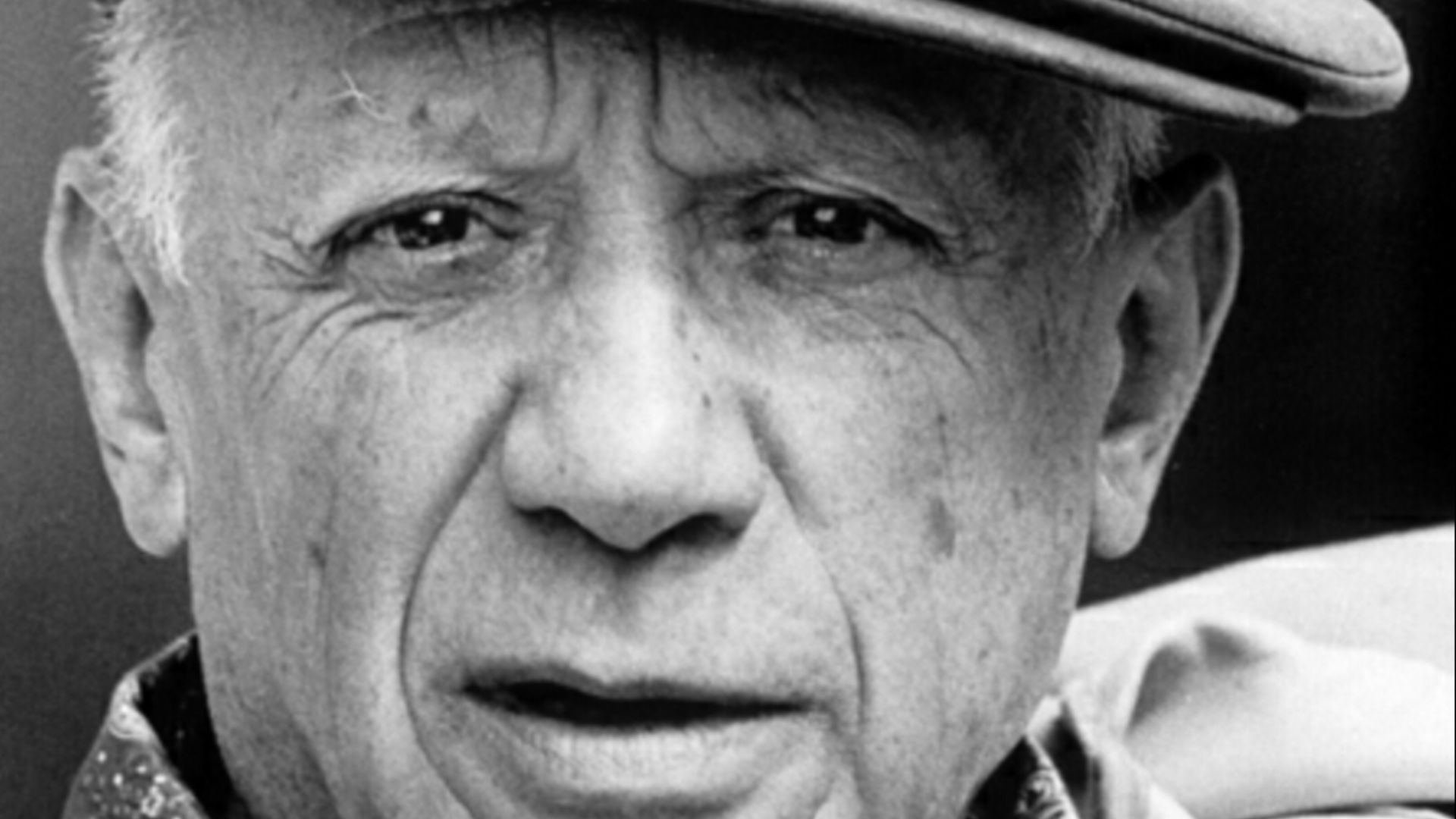
1. Francisco Goya
Goya documented the brutality of war in early 19th-century Spain. His series The Disasters of War reflects firsthand experiences of the Peninsular War. These works avoid glorification and instead show the human cost of conflict. His perspective remains one of the most honest visual records of that period.
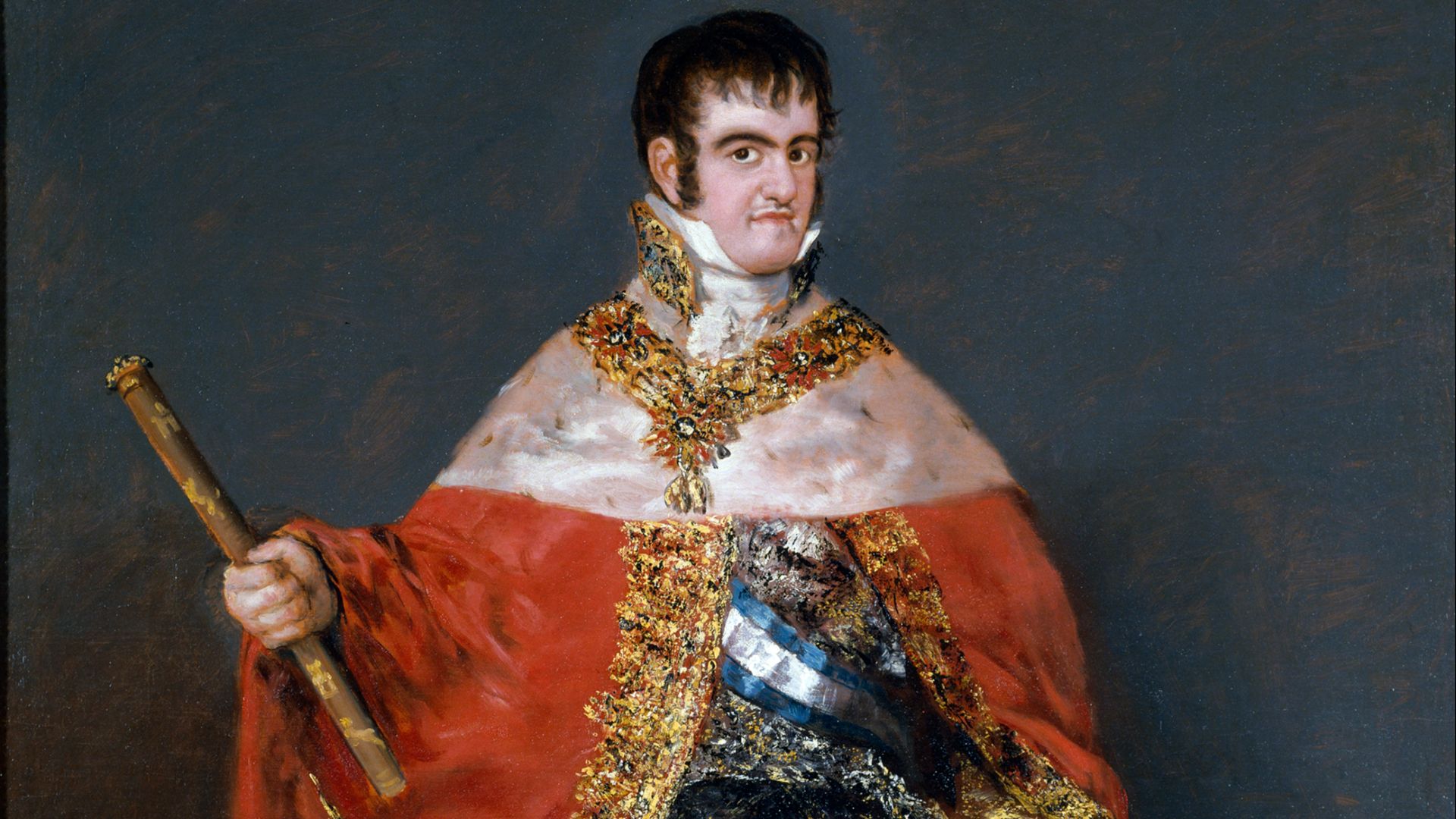
2. Winslow Homer
Homer captured scenes from the American Civil War while working as an illustrator. His sketches and paintings reflected daily life for soldiers rather than dramatic battlefield moments. This grounded approach gave viewers a realistic sense of wartime conditions. His work later transitioned into painting, but those early pieces remain historically significant.
 Unidentified photographer on Wikimedia
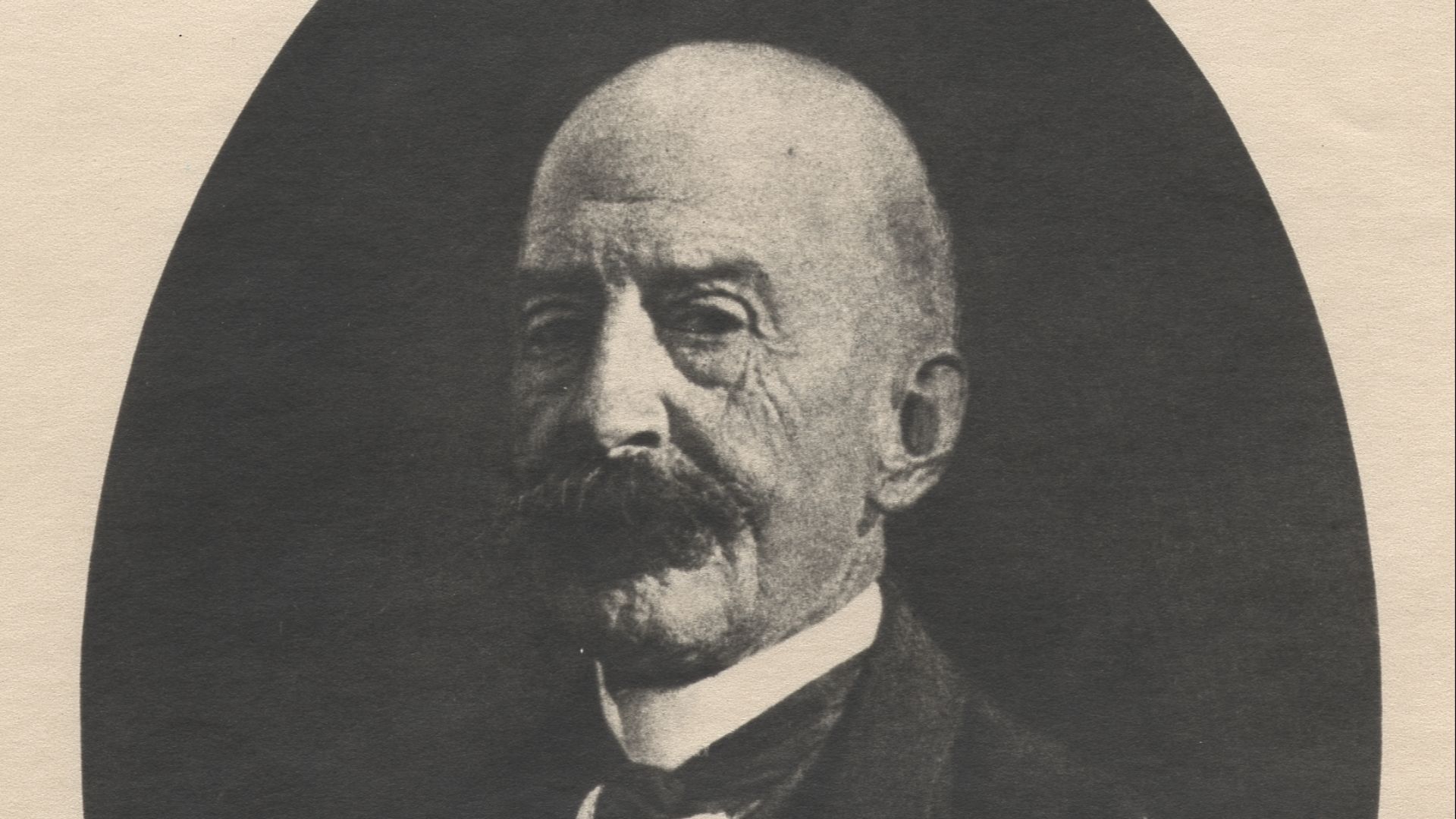
3. Édouard Manet
Manet’s painting The Execution of Emperor Maximilian documented a real political event in 1867. Although he wasn’t present at the execution, he worked from contemporary reports and images. His work challenged official narratives and brought attention to international politics. It also showed how modern art could engage with current events.
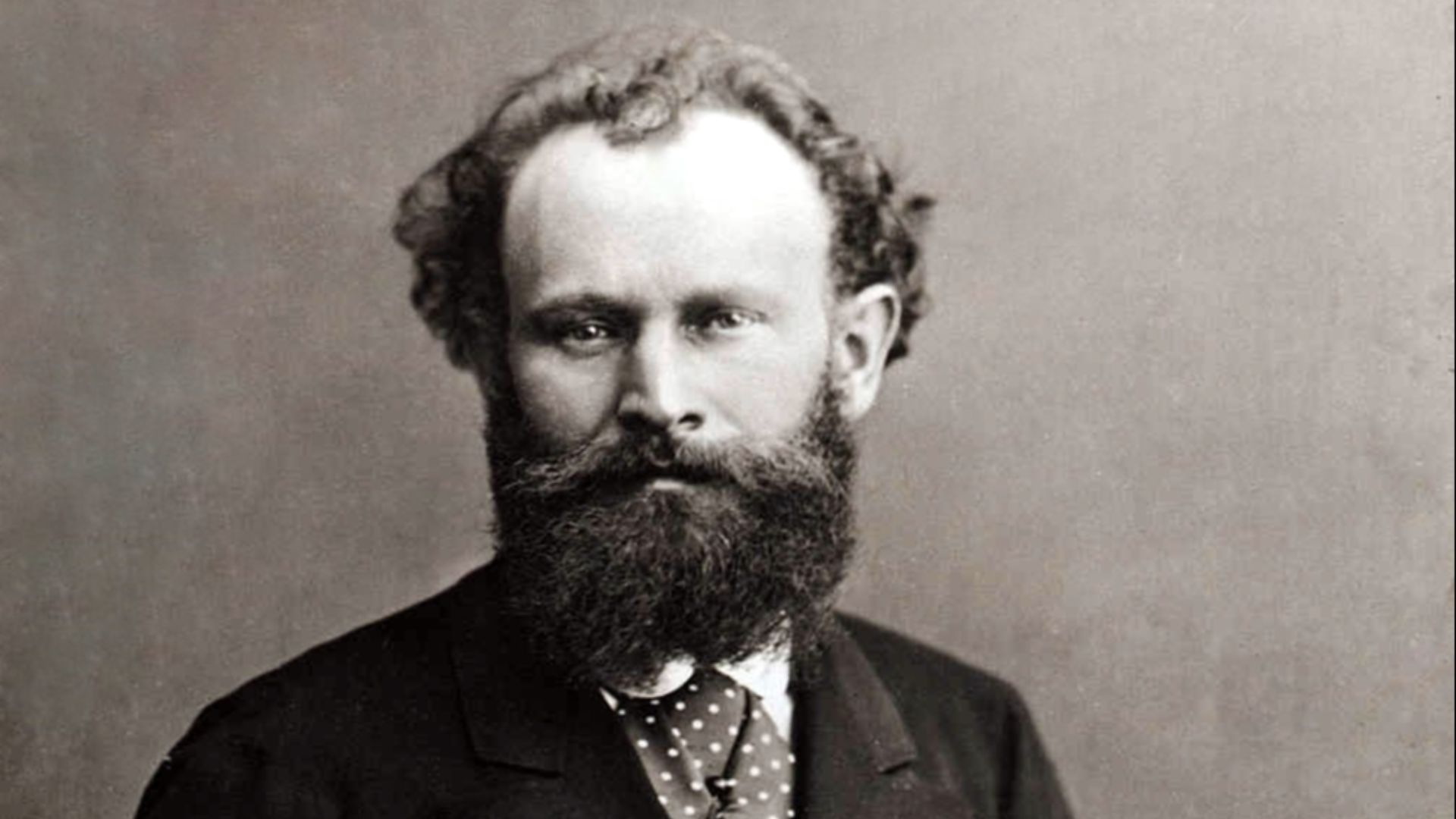
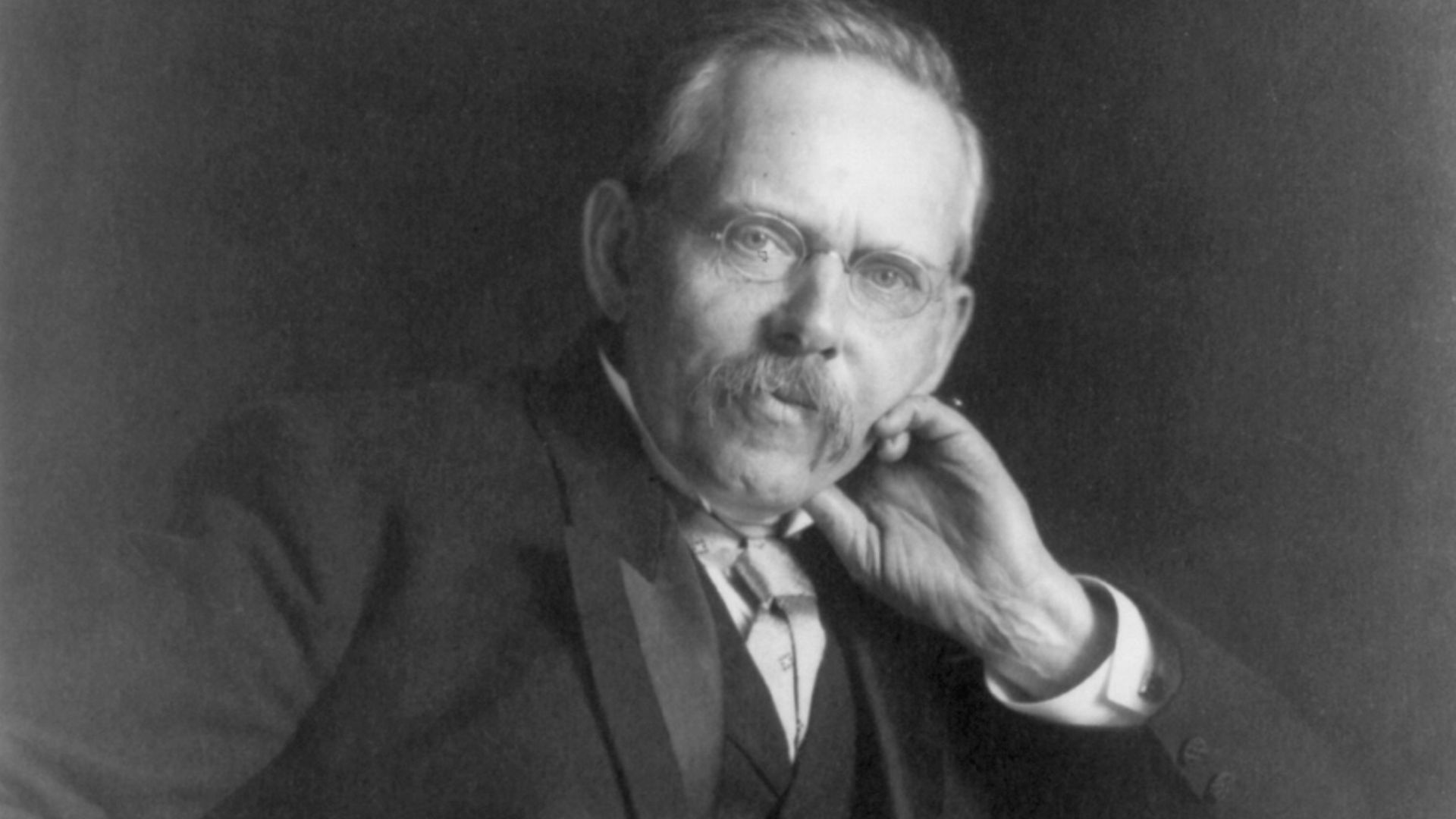
4. Jacob Riis
Riis used photography to document living conditions in New York City’s tenements in the late 1800s. His book How the Other Half Lives combined images with social commentary. These photographs played a role in prompting housing reforms. His work remains a key example of early documentary photography.
 Frances Benjamin Johnston on Wikimedia
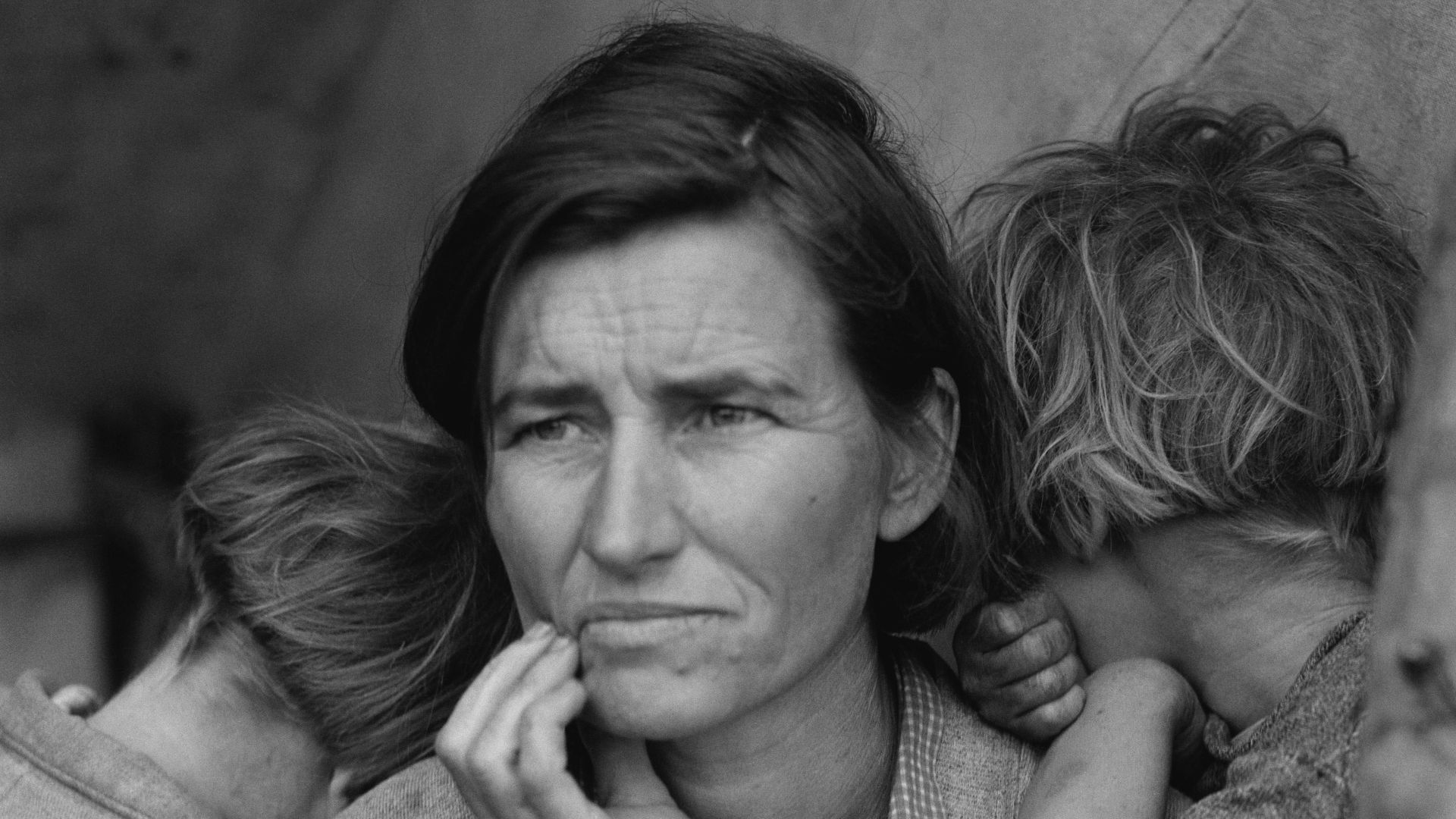
5. Dorothea Lange
Lange’s photographs during the Great Depression captured the struggles of everyday Americans. Her image, Migrant Mother, became an enduring symbol of economic hardship. She worked for the Farm Security Administration, documenting real conditions across the country. Her images helped bring attention to those in need.
6. Pablo Picasso
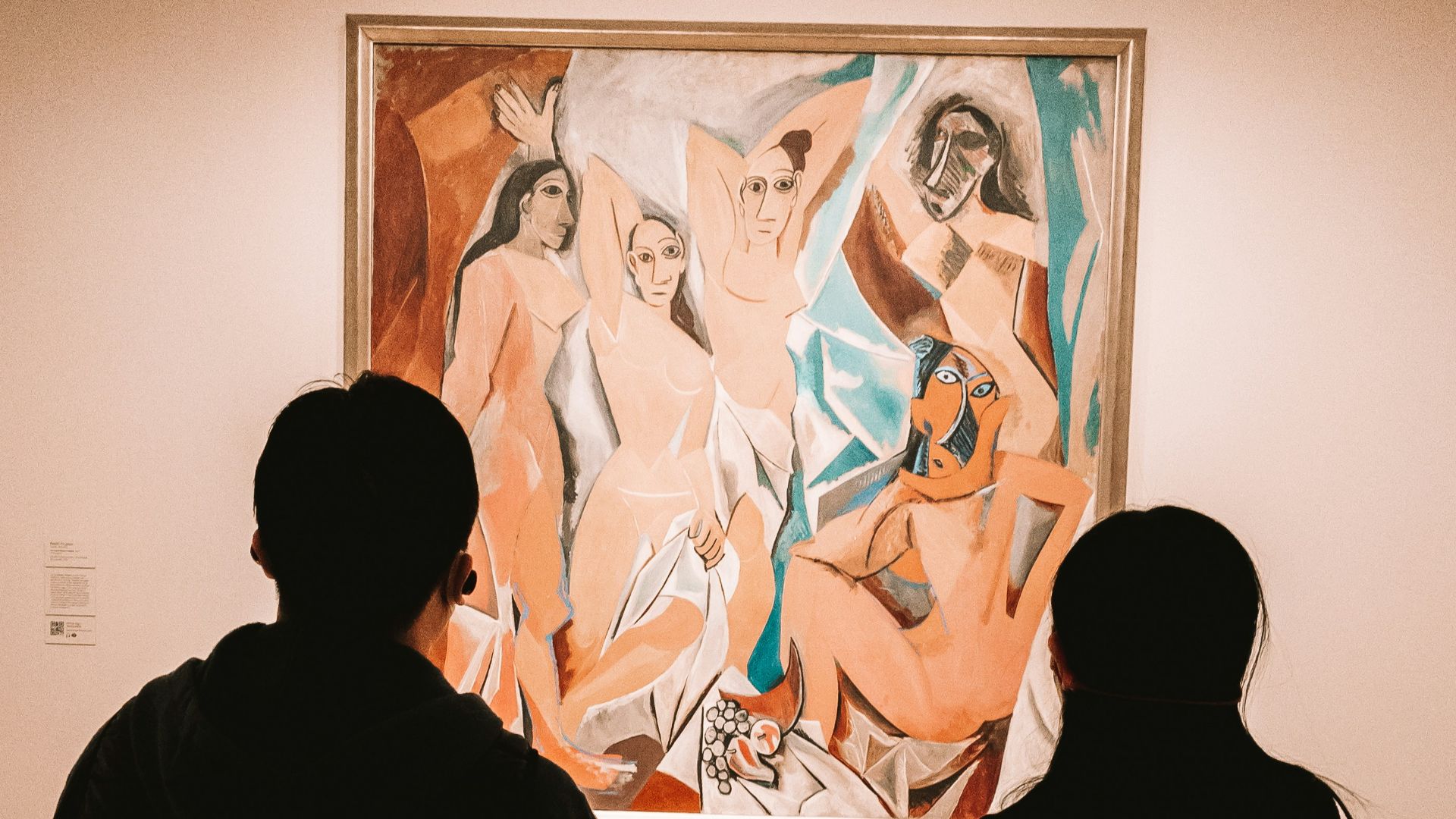
Picasso’s Guernica responded directly to the bombing of the Spanish town in 1937. Though stylized, the painting reflects the horror of the event as it was understood at the time. It quickly became an anti-war statement recognized worldwide. The work demonstrates how modern art can respond immediately to current events.
7. Lee Miller
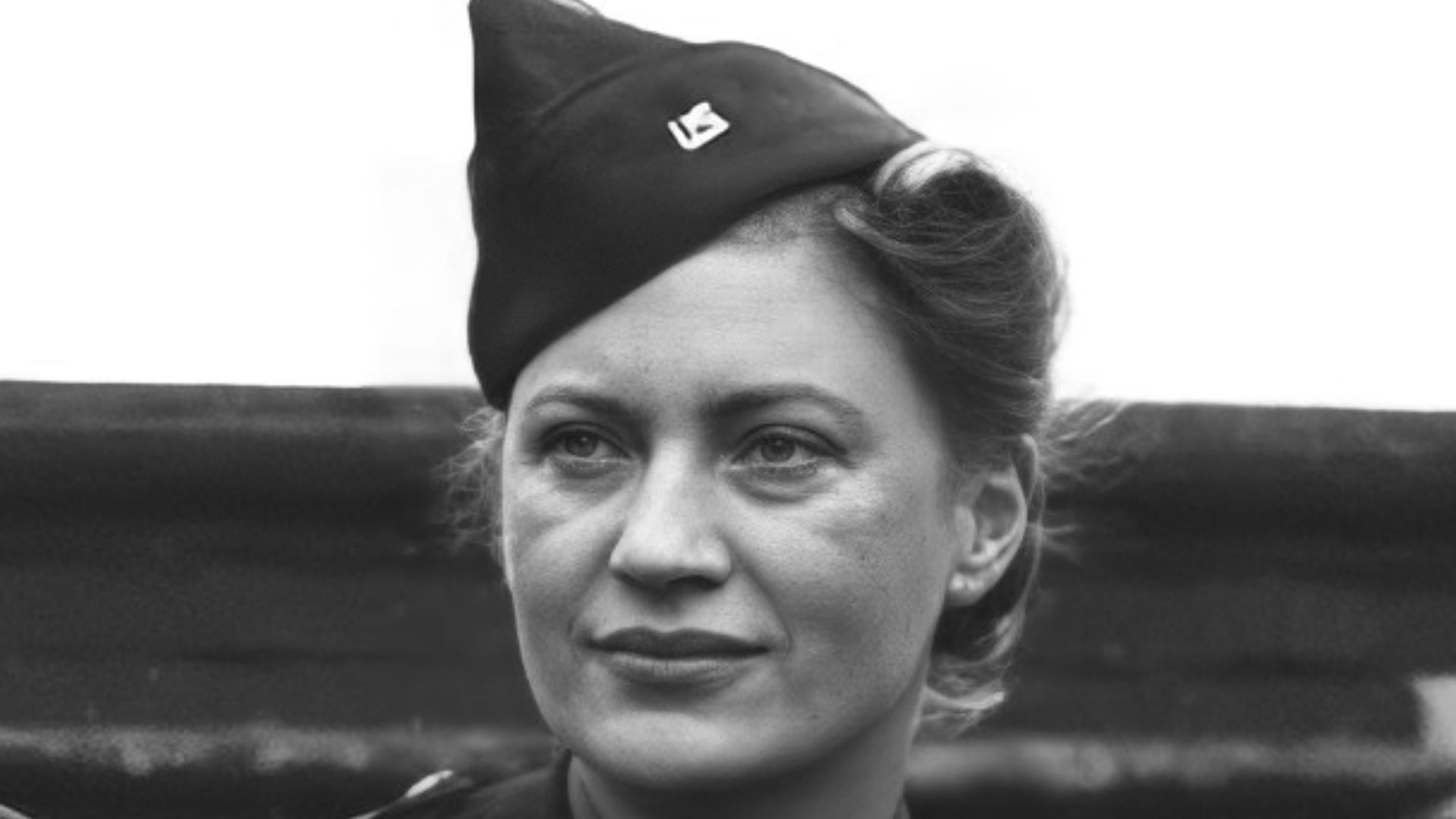
Miller photographed World War II as a correspondent, including the liberation of concentration camps. Her images provided stark evidence of the realities of war. She was one of the few female war photographers working on the front lines. Her work remains an important historical record.
 U.S. Army Official Photograph on Wikimedia
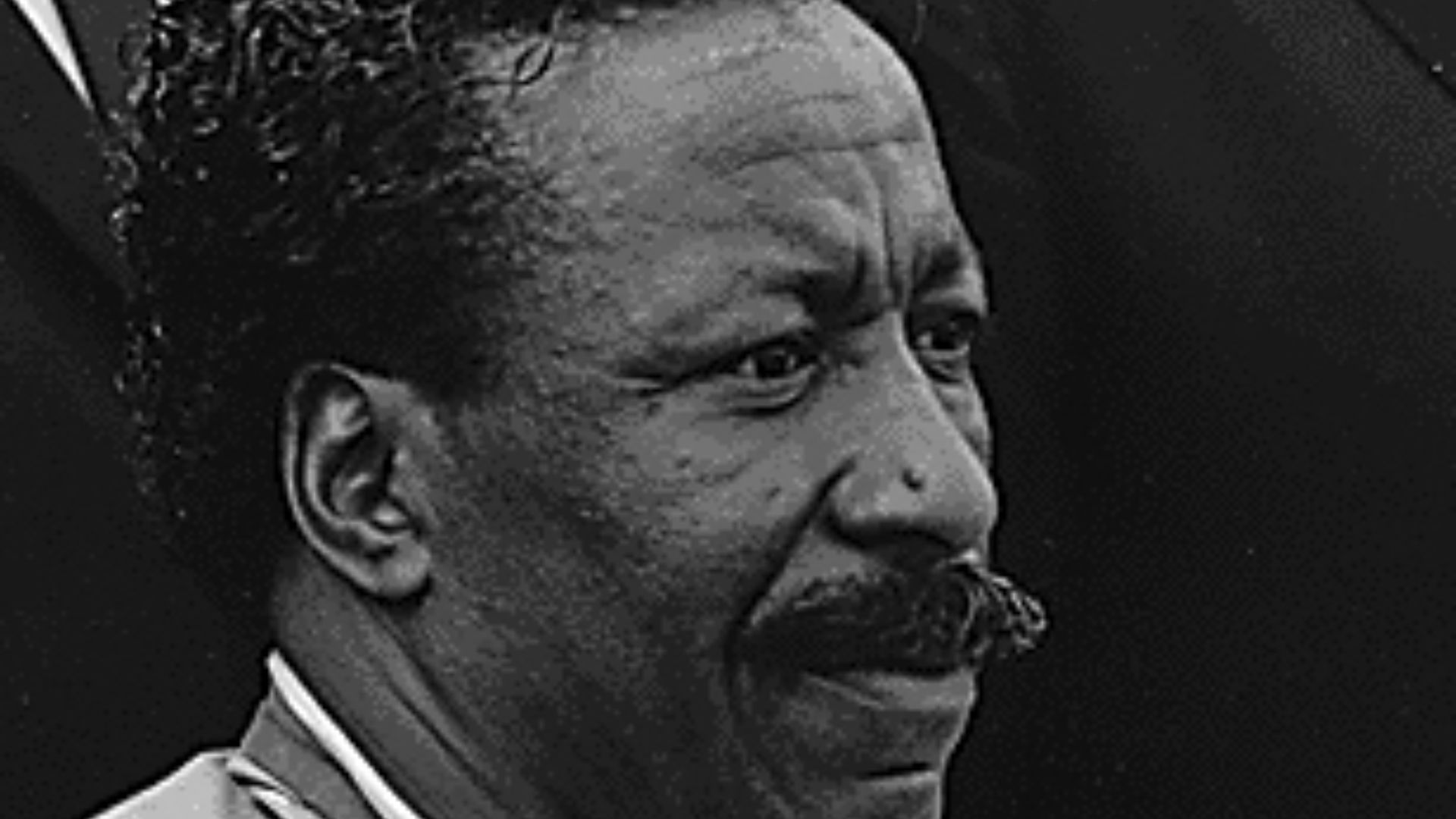
8. Gordon Parks
Parks documented civil rights issues and everyday Black life in America during the mid-20th century. His photography for Life magazine brought attention to inequality. He combined artistic skill with a strong sense of social responsibility. His work helped shape public understanding of the era.
9. Henri Cartier-Bresson
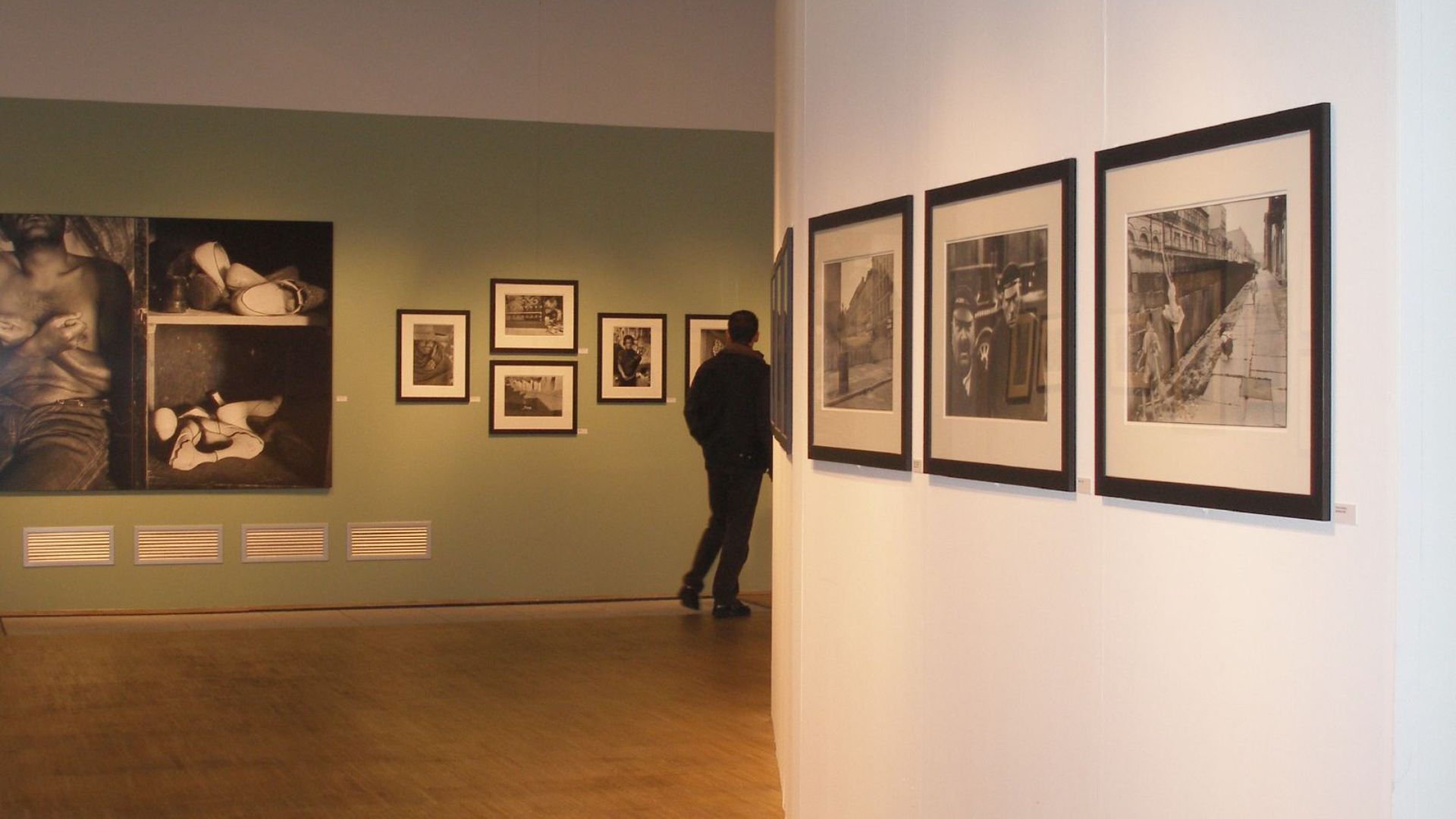
Cartier-Bresson captured decisive moments across major global events, including World War II and its aftermath. His candid photography style emphasized timing and authenticity. He documented both political figures and ordinary people. His work helped define modern photojournalism.
10. Robert Capa
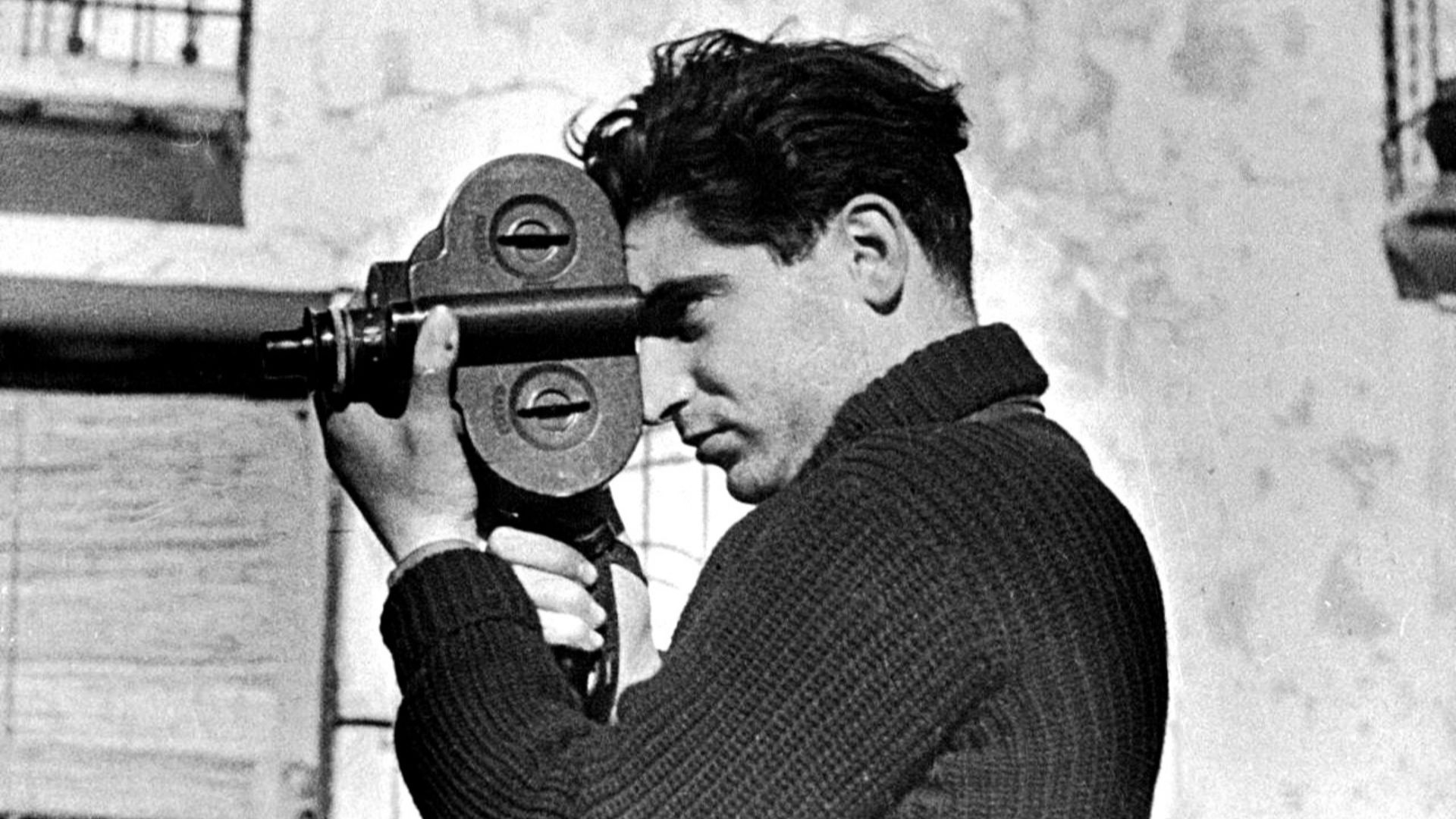
Capa photographed major conflicts, including the Spanish Civil War and World War II. His images placed viewers close to the action, offering an immediate sense of events. He believed in being physically near the subject to capture the truth. His work set a standard for war photography.
1. Jacques-Louis David
David painted scenes from ancient history, including The Oath of the Horatii. Though created in the 18th century, it reflects ideals drawn from Roman history. His work emphasized themes like duty and sacrifice. These interpretations helped shape how audiences viewed classical antiquity.
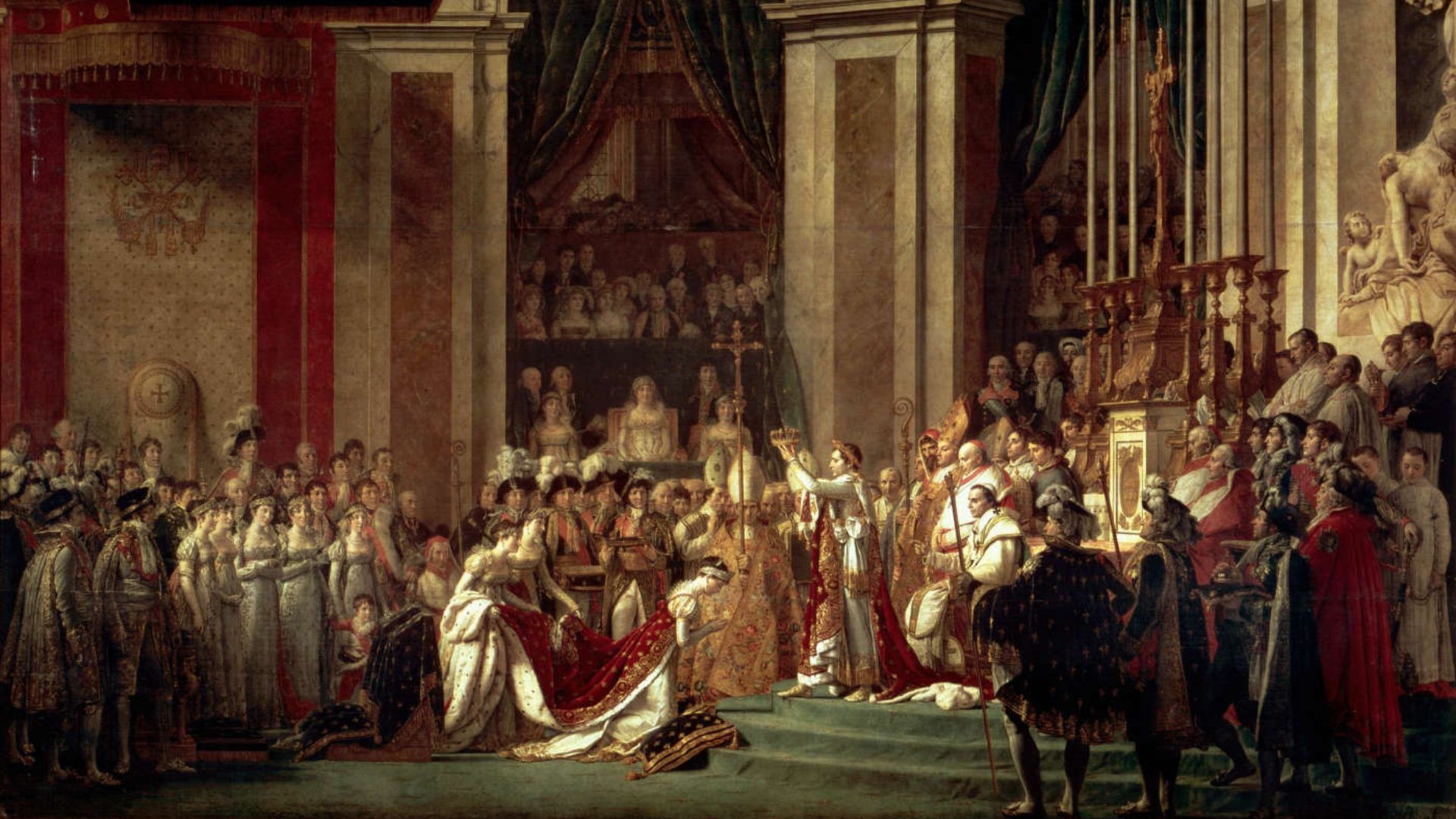 Jacques-Louis David / Georges Rouget on Wikimedia
2. Jean-Léon Gérôme
Gérôme recreated scenes from ancient Rome, Greece, and the Middle East with detailed realism. His paintings often reflected 19th-century interpretations rather than historical accuracy. He relied on research and imagination to construct these scenes. His work influenced how people visualized earlier civilizations.
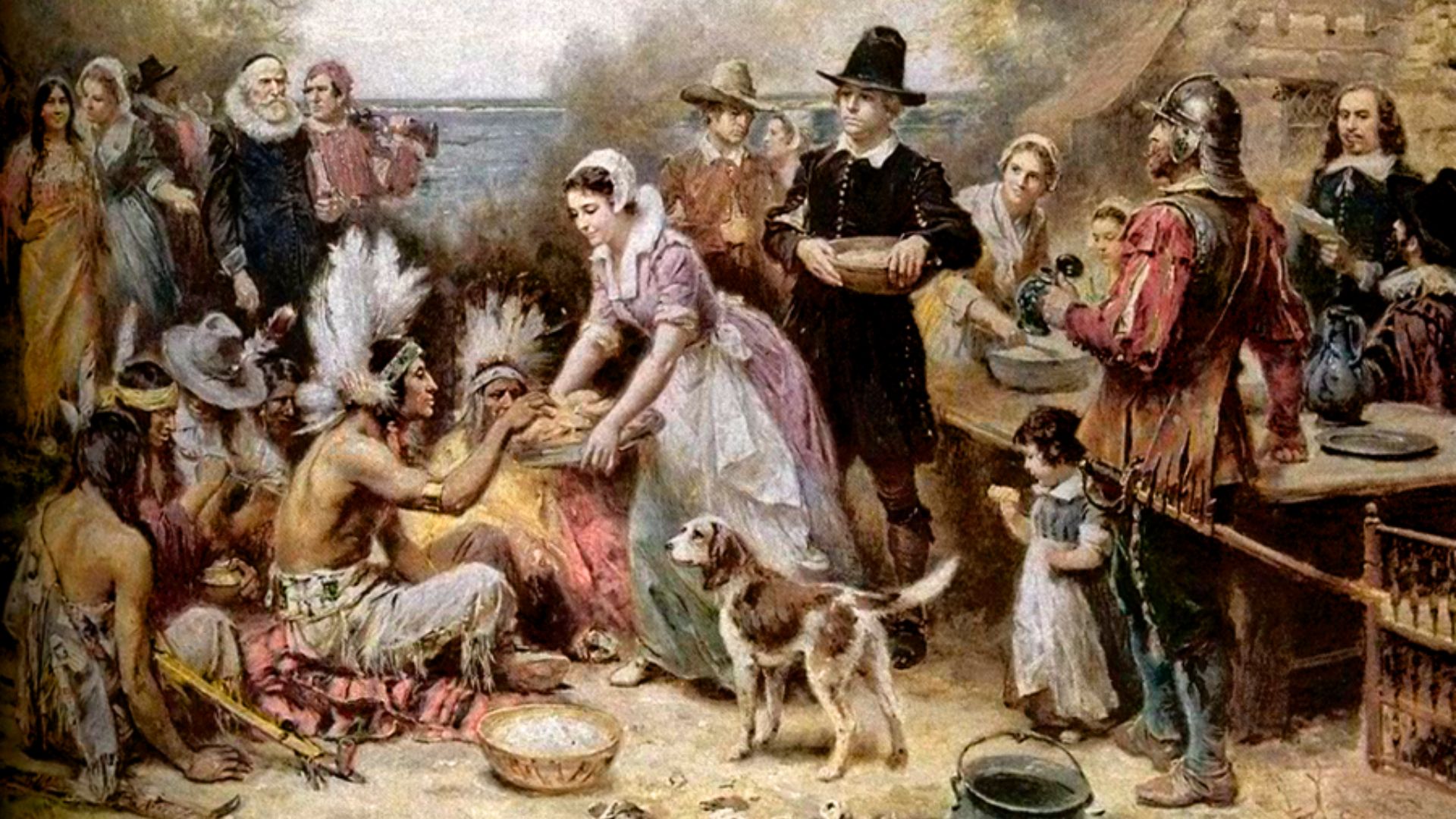 Jean Leon Gerome Ferris on Wikimedia
3. Lawrence Alma-Tadema
Alma-Tadema focused on everyday life in ancient Rome and Egypt. His paintings were based on archaeological findings available at the time. He presented historical settings with careful attention to detail.
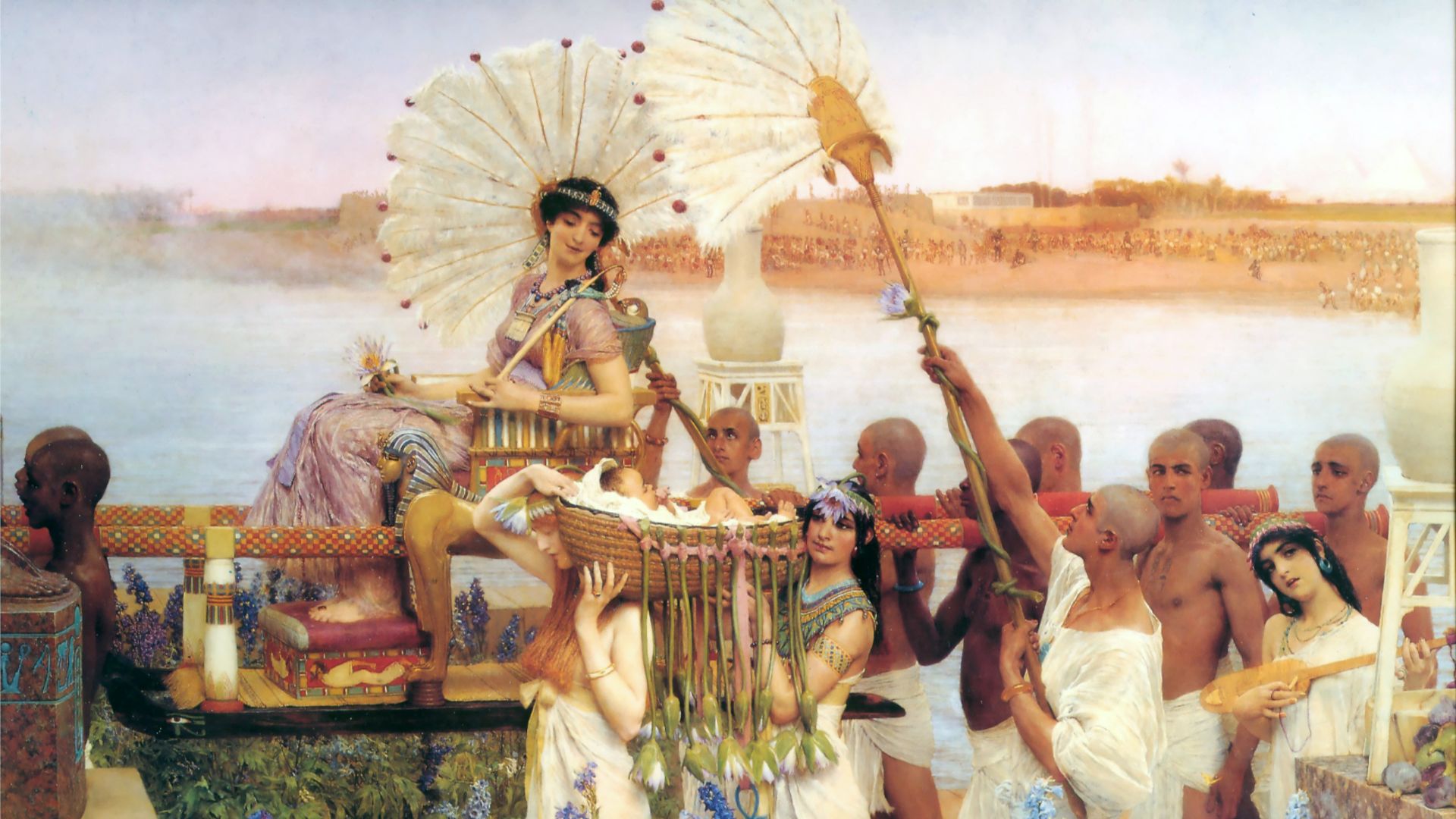 Lawrence Alma-Tadema on Wikimedia
4. John William Waterhouse
Waterhouse revisited classical myths and historical themes through a 19th-century perspective. His paintings often emphasized emotional and narrative elements. While not strictly historical records, they shaped popular understanding of ancient stories. His work remains widely recognized for its style and subject matter.
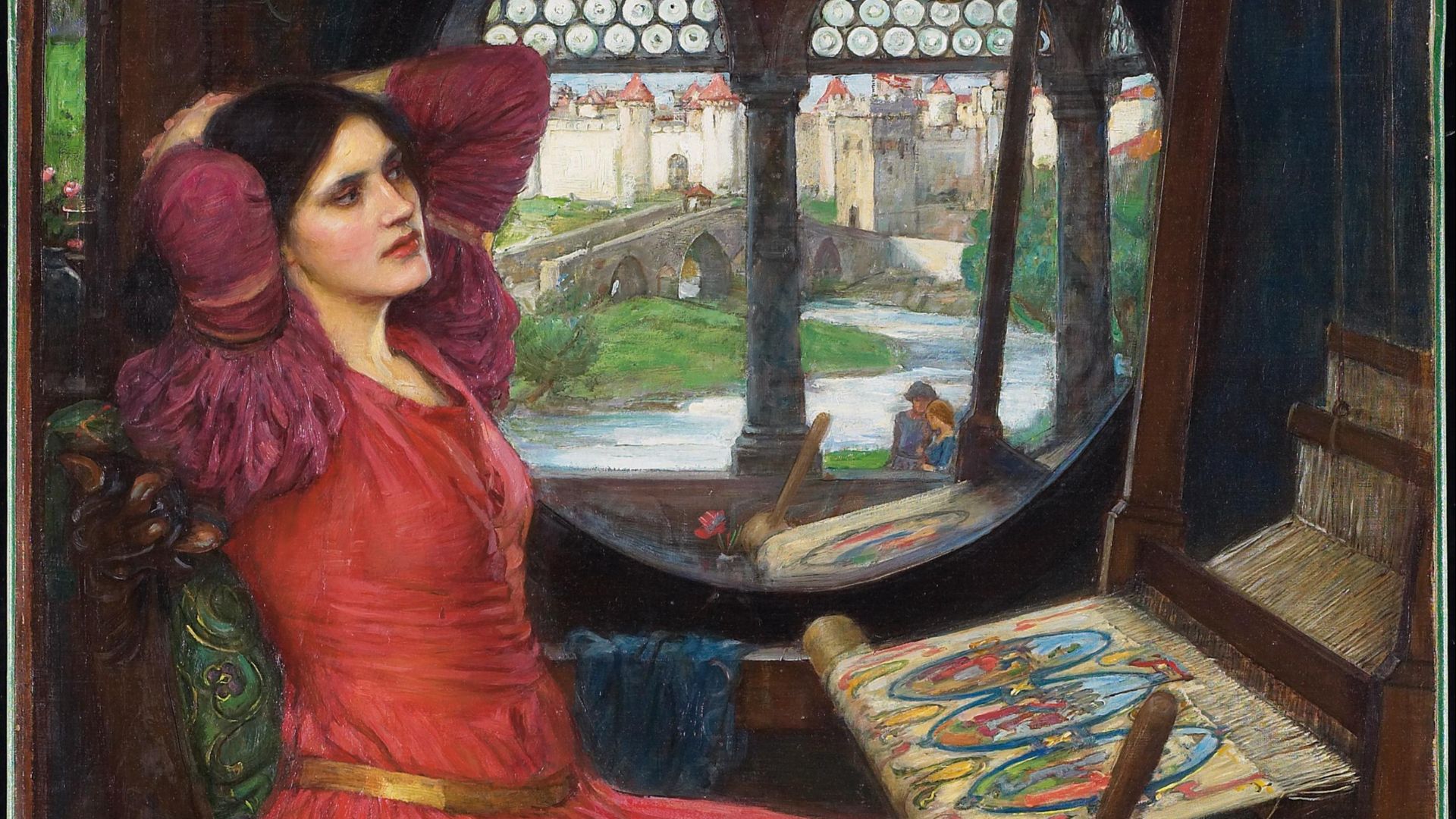 John William Waterhouse on Wikimedia
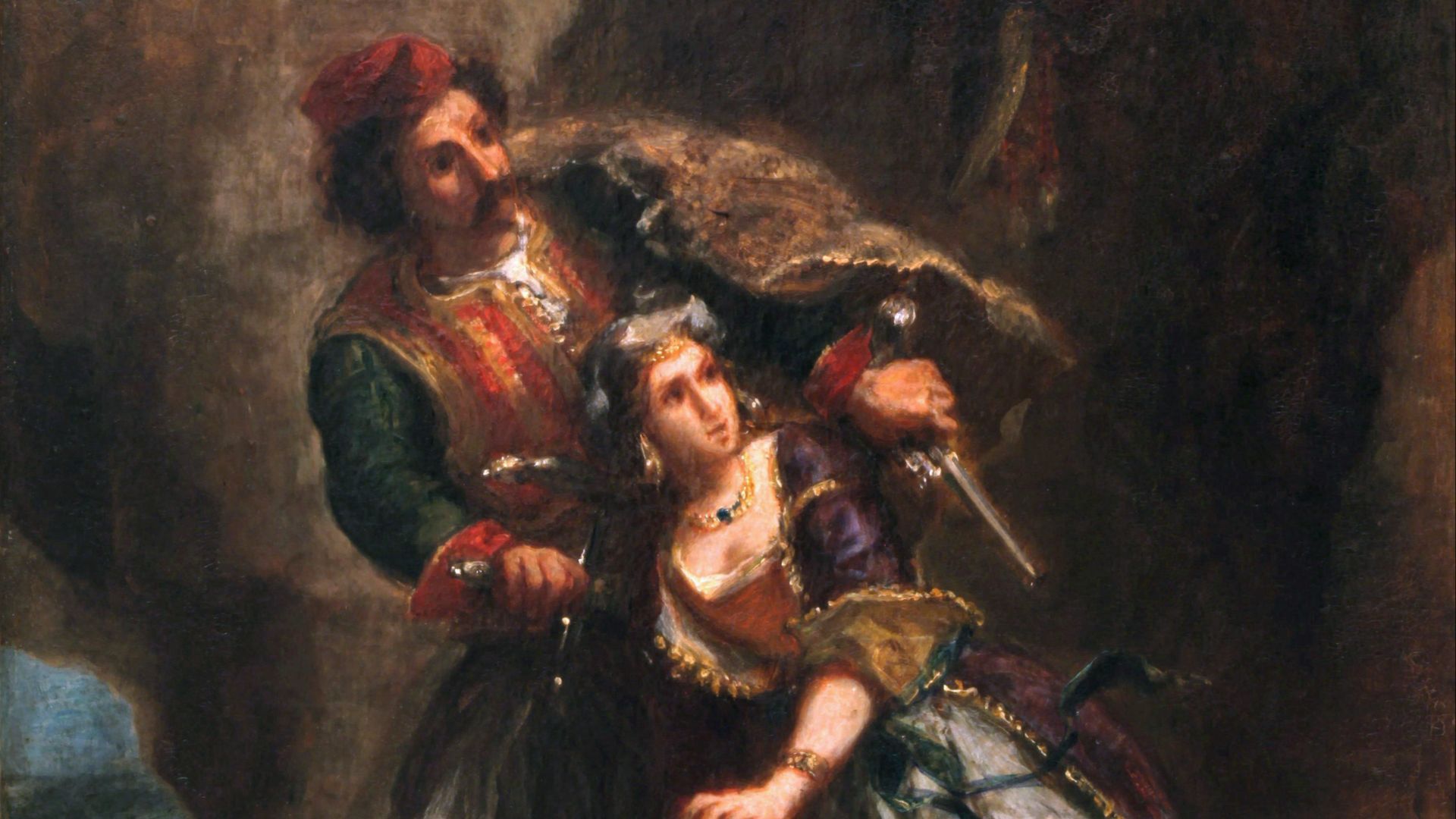
5. Eugène Delacroix
Delacroix painted historical and literary scenes, including events from earlier periods. His work often emphasized movement and emotion over strict accuracy.
6. Frederic Leighton
Leighton created works inspired by classical antiquity and mythology. His paintings reflected Victorian interpretations of ancient cultures. He focused on form, composition, and idealized figures.
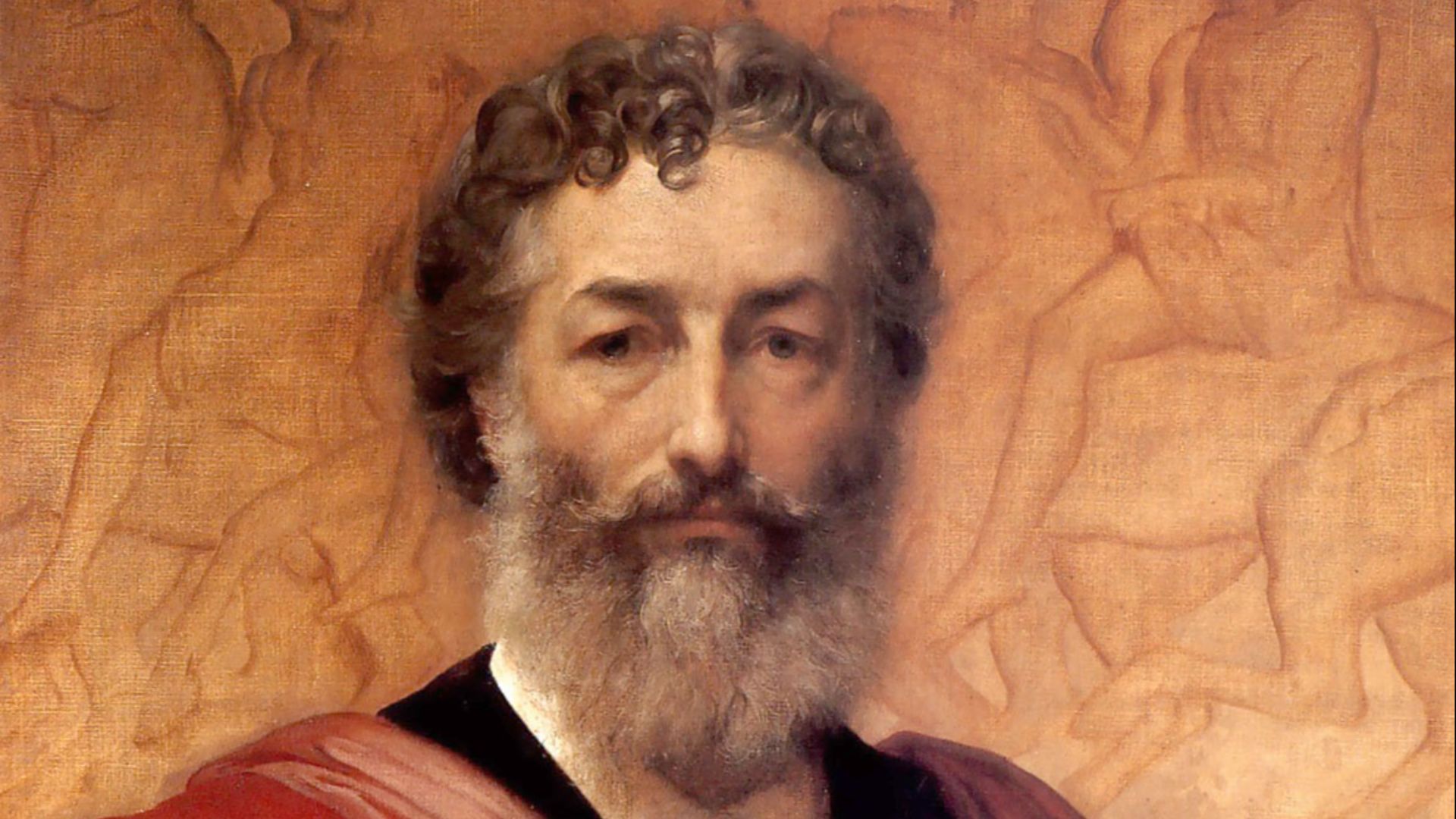 Frederic Leighton on Wikimedia
7. Edward Burne-Jones
Burne-Jones drew from medieval and classical sources in his art. His work often reimagined earlier periods through a Pre-Raphaelite lens. He emphasized beauty, symbolism, and narrative.
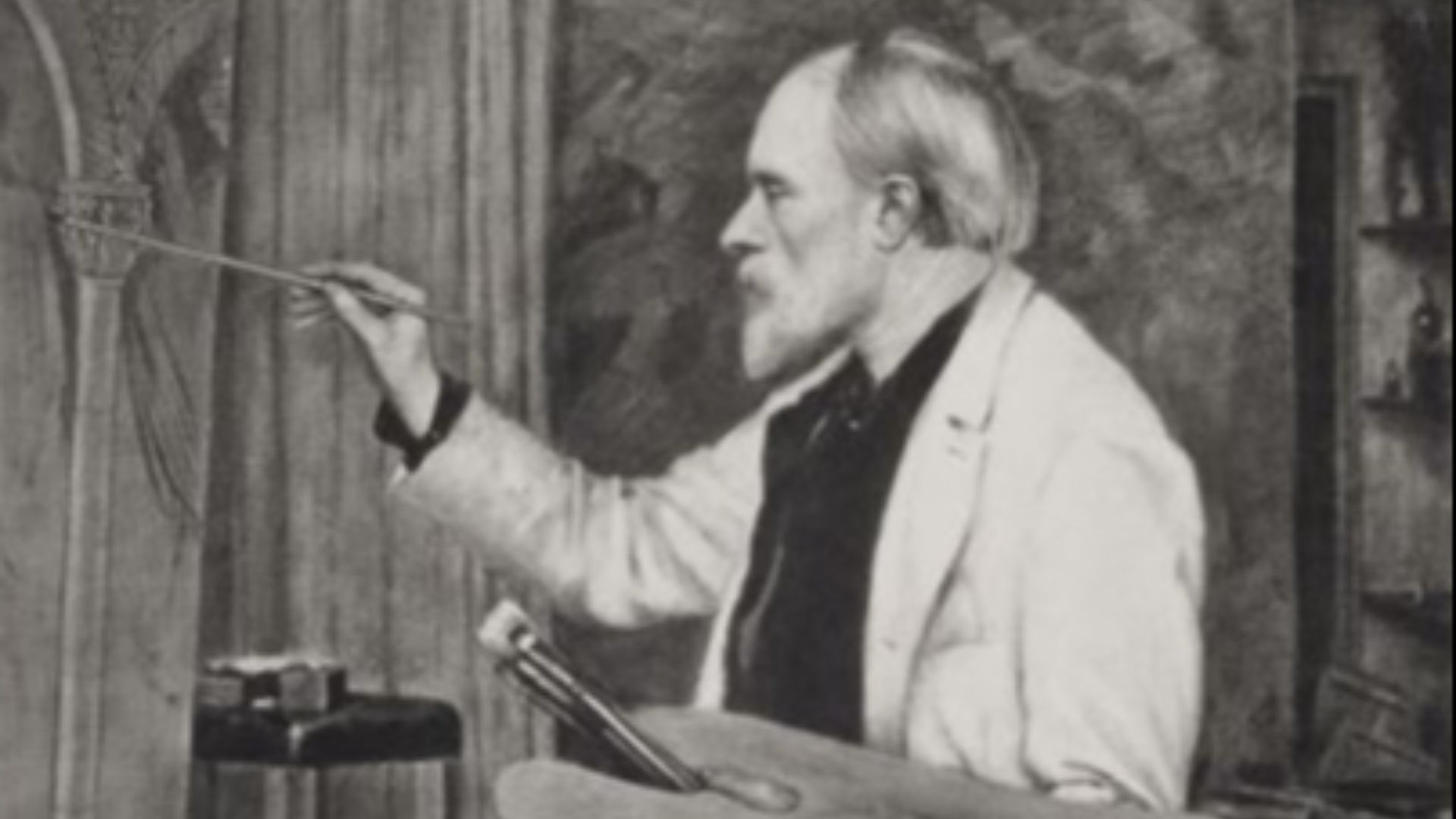 Frederick Hollyer (photo), Philip Burne-Jones (painting) on Wikimedia
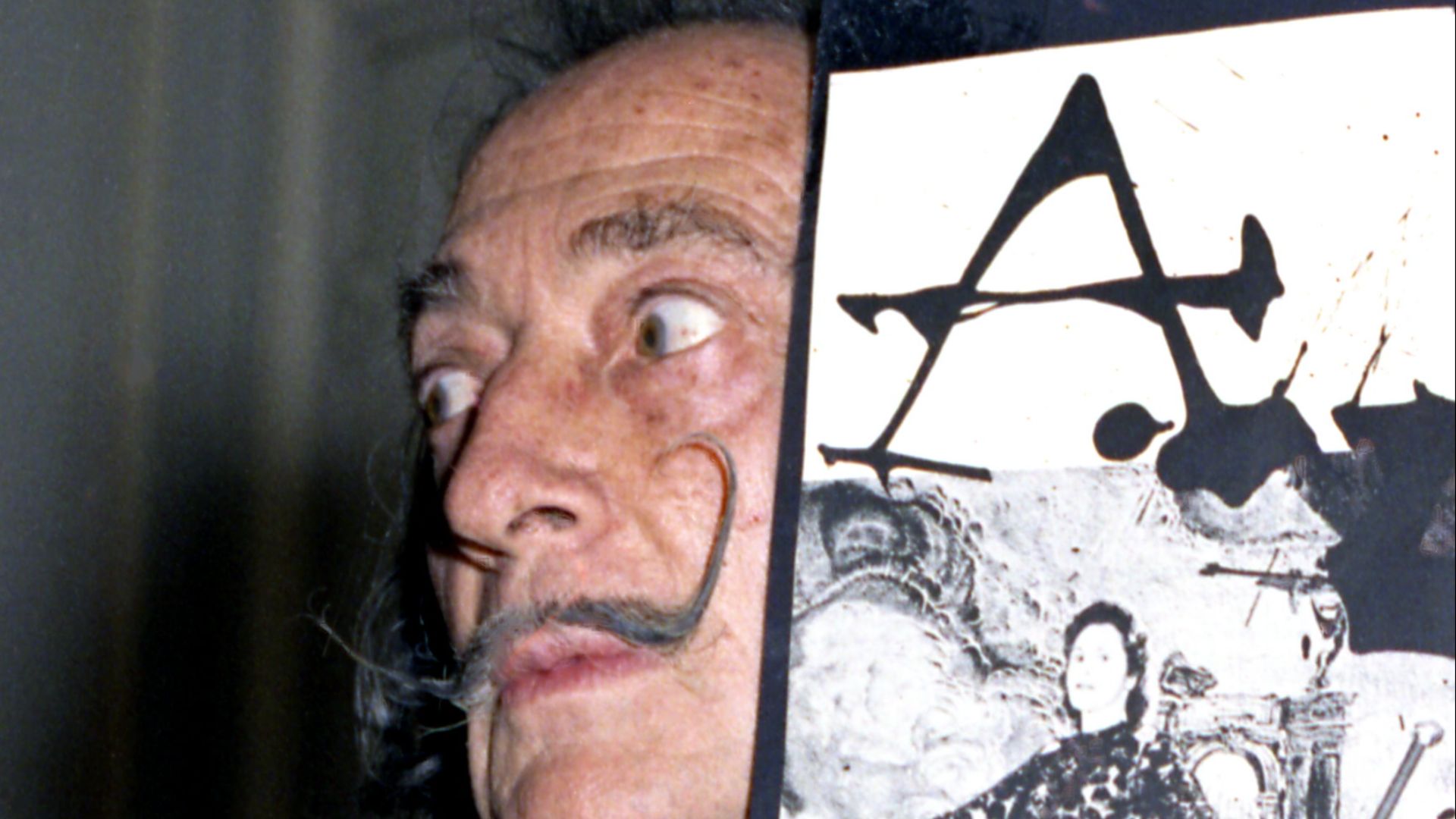
8. Salvador Dalí
Dalí reinterpreted historical and religious imagery through surrealism. His works often blended past themes with modern techniques. Rather than documenting history, he reshaped it into symbolic forms.
9. Anselm Kiefer
Kiefer explored German history, particularly events from the 20th century, long after they occurred. His work reflects on memory, identity, and cultural legacy.
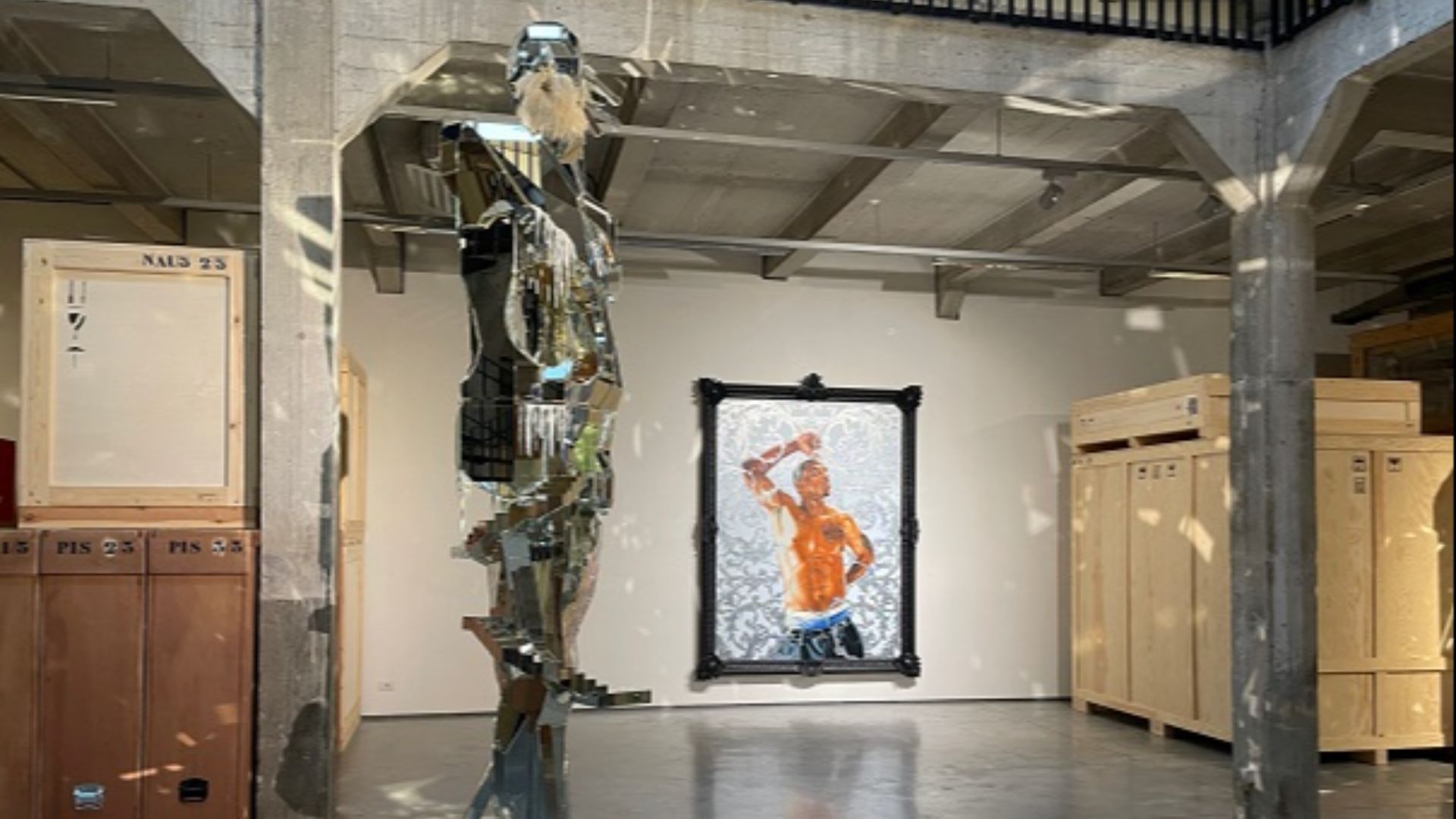
10. Kehinde Wiley
Wiley reimagines classical portrait styles using contemporary subjects. His work references European art traditions while updating their context.
KEEP ON READING
The Strait Panic That Already Happened Once
Navy of the Army of the Guardians of the Islamic…
By Cameron Dick Apr 23, 2026
How Castles Were Designed To Withstand Siege Warfare
Nuria Duran on PexelsWhen you picture a medieval castle, it’s…
By Rob Shapiro Apr 23, 2026
20 Historical Figures Who Ruled From the Flat of their…
Power From the Sickroom. History likes its rulers upright, armored,…
By Cameron Dick Apr 23, 2026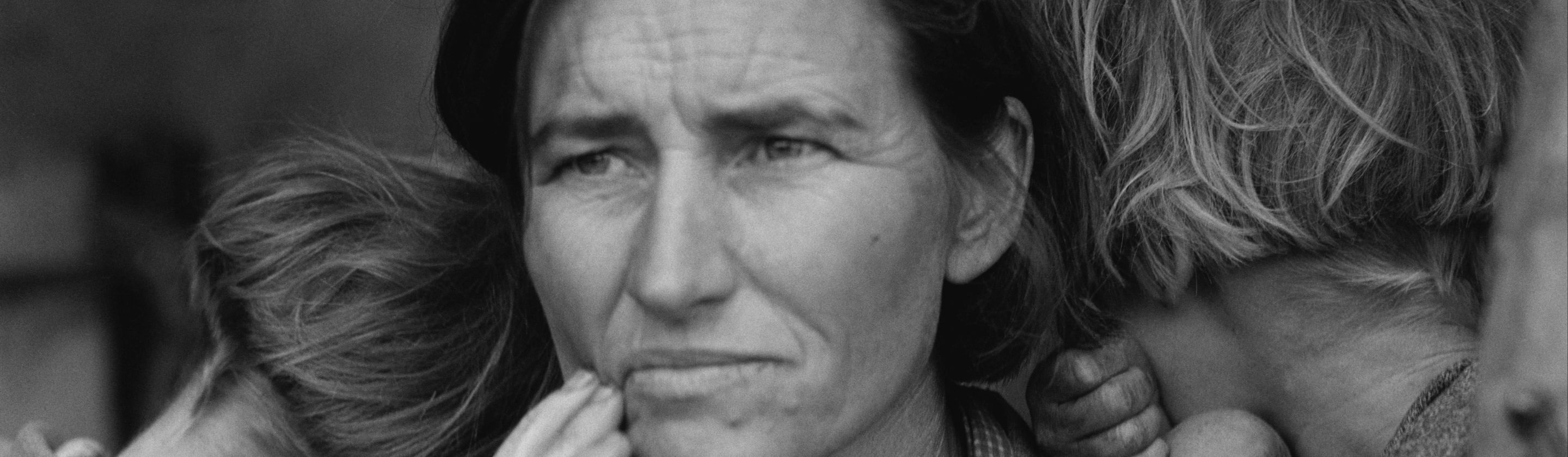
10 Artists Who Captured History in Real Time & 10…
Two Ways Artists Preserve the Past. Art doesn’t just reflect…
By Rob Shapiro Apr 23, 2026
20 Scientific Frauds That Set Research Back for Years
Ruining The Fun for Everyone. One fake result can do…
By Elizabeth Graham Apr 22, 2026
20 Recent Discoveries About Prehistoric Creatures
The Real Colors of Dinosaurs Revealed. You might think we’ve…
By Sara Springsteen Apr 22, 2026