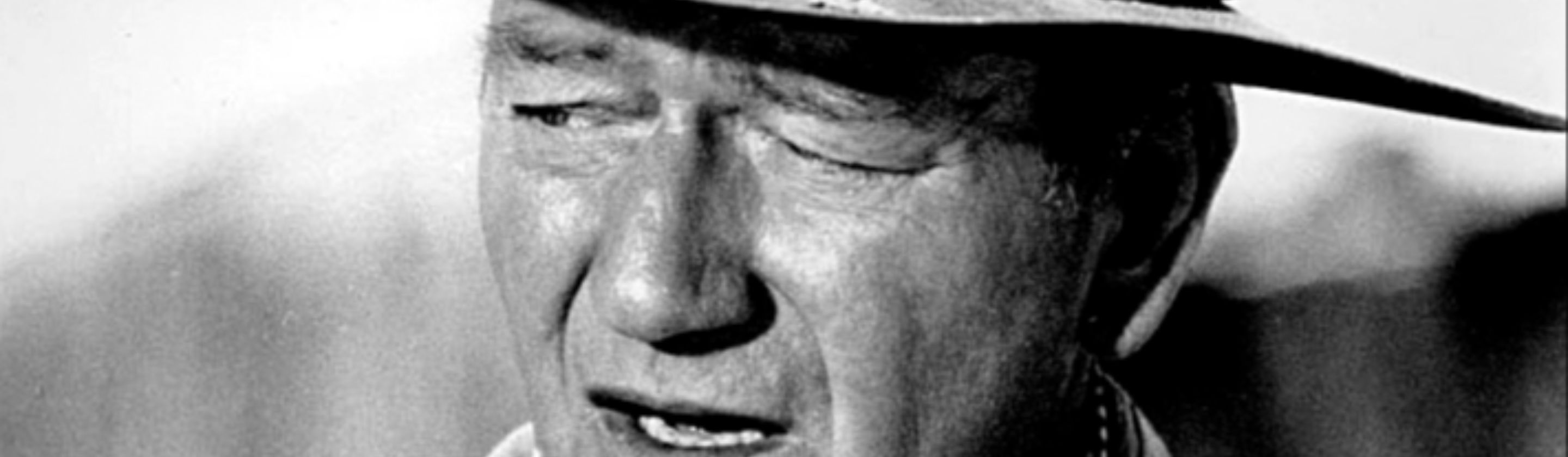
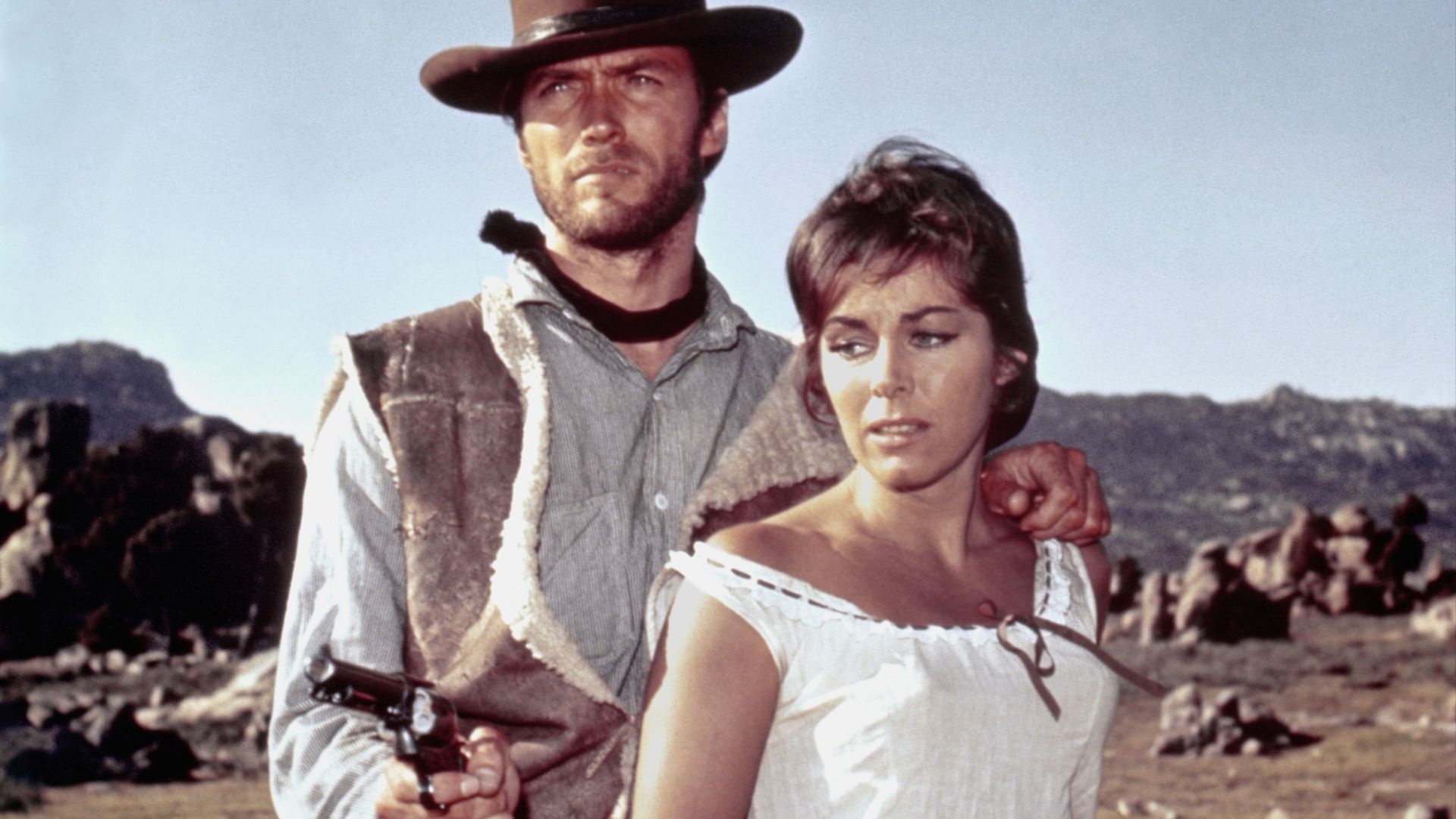
The Wild West has been polished into one of America’s favorite legends. Everyone has the same image instantly come to mind: the dusty streets, swinging saloon doors, quick-draw gunfighters, stagecoach robberies, lonely sheriffs, and outlaws who apparently had nothing better to do than wait dramatically at high noon. It's exciting, simple, and very useful if you're making a movie.
The real American West was more complicated, and frankly, a little less committed to constant shootouts. It was violent in some places, organized in others, and often defined by work, migration, land disputes, racial conflict, business, and survival. Some towns were genuinely dangerous, but many people spent far more time farming, herding cattle, building railroads, keeping stores open, or trying not to go broke. The West was wild, but not always in the way Hollywood promised.
The Myth Was Bigger Than the Daily Reality
The image of the Wild West grew partly because people loved a good story. Dime novels, traveling shows, newspapers, and later films turned frontier life into fast entertainment. A quiet day of repairing fences didn't compete well with a gunfight, so the gunfight won the spotlight. Over time, the West became less a place and more a national mood.
Cowboys are a perfect example of this exaggeration. Popular culture often presents them as glamorous loners riding toward adventure, but the job itself involved long hours, low pay, harsh weather, and plenty of repetitive labor. The Library of Congress notes that the cowboy myth is one of many shaping views of the late 19th-century West. That doesn't make cowboys boring; it just means they probably deserved better food and more sleep.
The same thing happened with famous lawmen and outlaws. Real figures like Wyatt Earp, Doc Holliday, Billy the Kid, and Jesse James became tangled in storytelling almost immediately. Newspapers and later writers shaped them into neater categories of heroes and villains than history can comfortably support.
Violence Was Real, but It Wasn’t Everywhere All the Time
It would be wrong to pretend the West was peaceful. Some cattle towns, mining camps, and boomtowns had high homicide rates, especially when young men, alcohol, weapons, money, and weak institutions came together in one place. Historical crime research has found that homicide rates in studied Western cattle towns were far higher than the low or moderate rates common in many other places.
While some places absolutely earned their rough reputation, the West was not one endless gunfight. Many settlements developed courts, sheriffs, marshals, town councils, churches, newspapers, schools, and business associations. People wanted order because order helped property, trade, families, and basic life functions. Even in rough towns, most residents weren't constantly drawing pistols; they were trying to sell goods, raise children, collect debts, or avoid trouble.
Gunfights also tended to be less formal than the movie version. The classic two-men-facing-off-in-the-street scene wasn't the main pattern of violence. Arguments, ambushes, drunken disputes, feuds, domestic violence, vigilante action, and conflicts over land or labor were often more realistic sources of danger. If the West was wild, it was usually messy wild, not neatly choreographed wild.
The Real Wildness Came From Change, Conflict, & Uncertainty
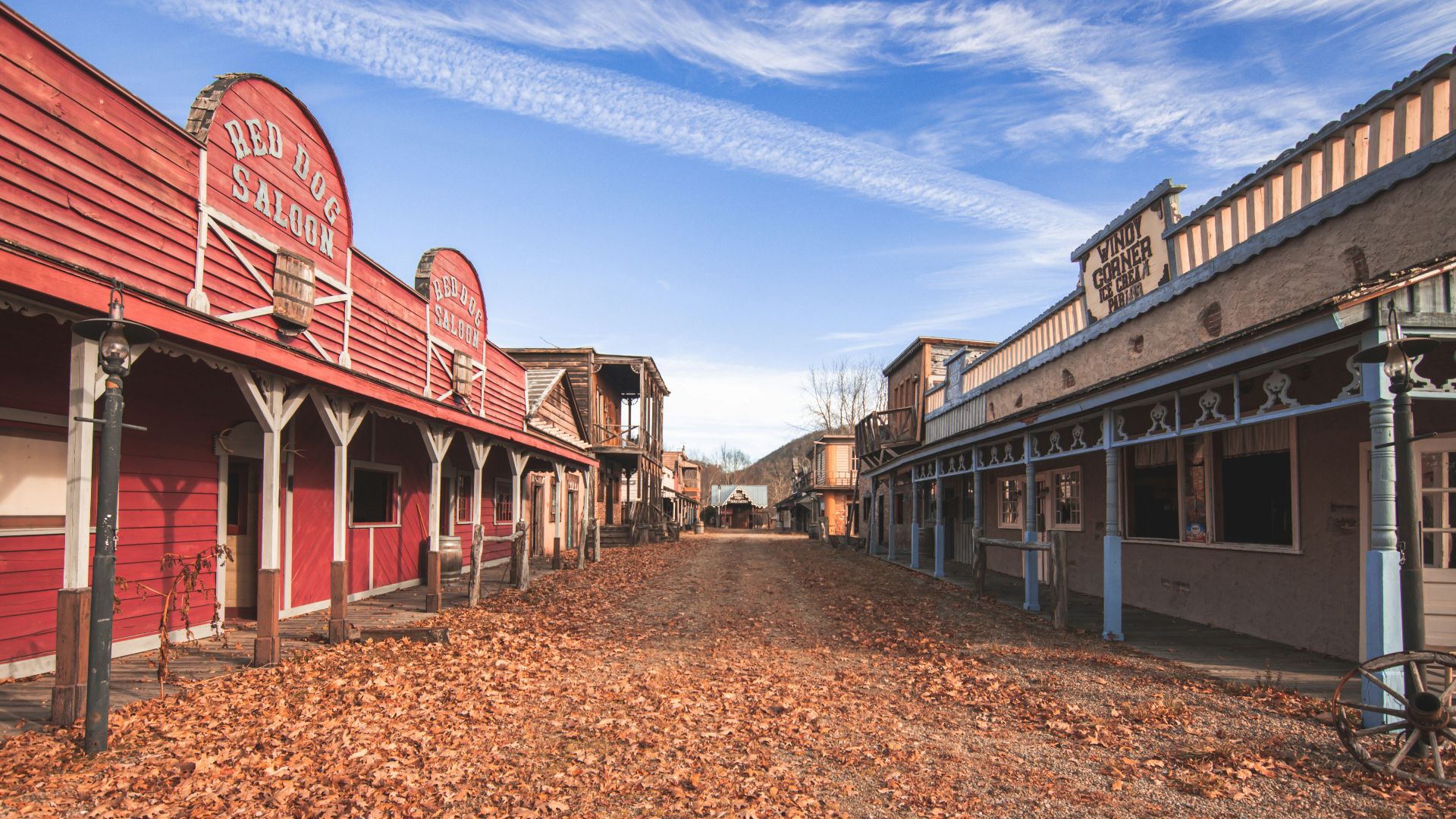
The West was wild partly because it was changing so fast. Railroads, mining rushes, cattle drives, homesteading, and military expansion brought people into places where legal systems, property claims, and community norms were still developing. That speed created opportunity, but it also created confusion and conflict. You could reinvent yourself, but so could the person trying to cheat you.
Native Americans experienced this “frontier” very differently from settlers, speculators, and railroad companies. Westward expansion involved broken treaties, forced removal, military campaigns, massacres, reservation policies, and the destruction of buffalo herds. The romantic version of the West often leaves that out because it makes the story harder to celebrate. Any honest answer to the “wild” question has to include the violence of conquest, not just saloon trouble.
The West was also more diverse than the old movie version suggests. Mexican, Black, Native, Chinese, European immigrant, and mixed-race communities helped shape the region’s labor, culture, food, ranching, mining, and towns. The popular cowboy image often erased many of those people, even though Black and Mexican cowboys were essential to cattle work. The real West wasn't just a row of white men in hats making intense eye contact.
So, was the Wild West really so wild? Yes, in certain places, at certain times, and often for reasons deeper than the famous myths suggest. It was wild because the law could be uneven, violence could be severe, and life could change quickly. But it was also ordinary, commercial, domestic, bureaucratic, exhausting, and full of people who mostly wanted food, money, safety, and a decent place to sleep.
KEEP ON READING