When A Few Minutes Rewrote Everything
Most turning points in history look inevitable in hindsight, like nobody could have chosen differently. In reality, a lot of them came down to one person making a call in a matter of minutes, without much time to weigh it properly. Some of these decisions were made under fire, literally, and some were made quietly at a console or a dinner table. A few minutes of hesitation, or a few minutes of nerve, was often the only difference between the history we got and the one we didn't. Here's 20 decisions made in a handful of minutes that changed everything after.
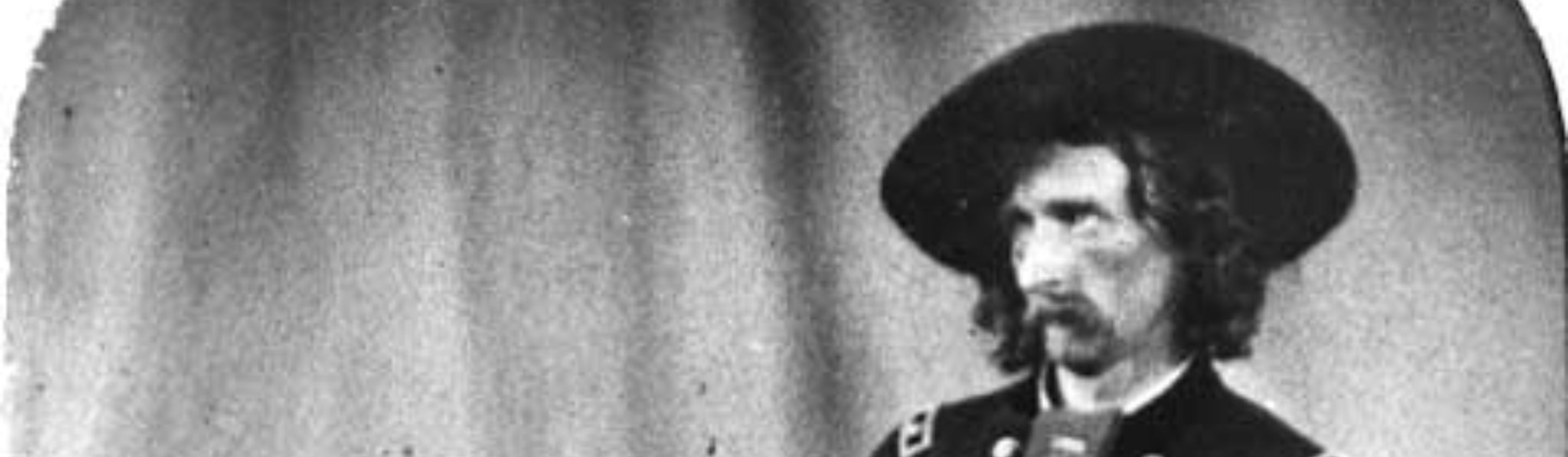
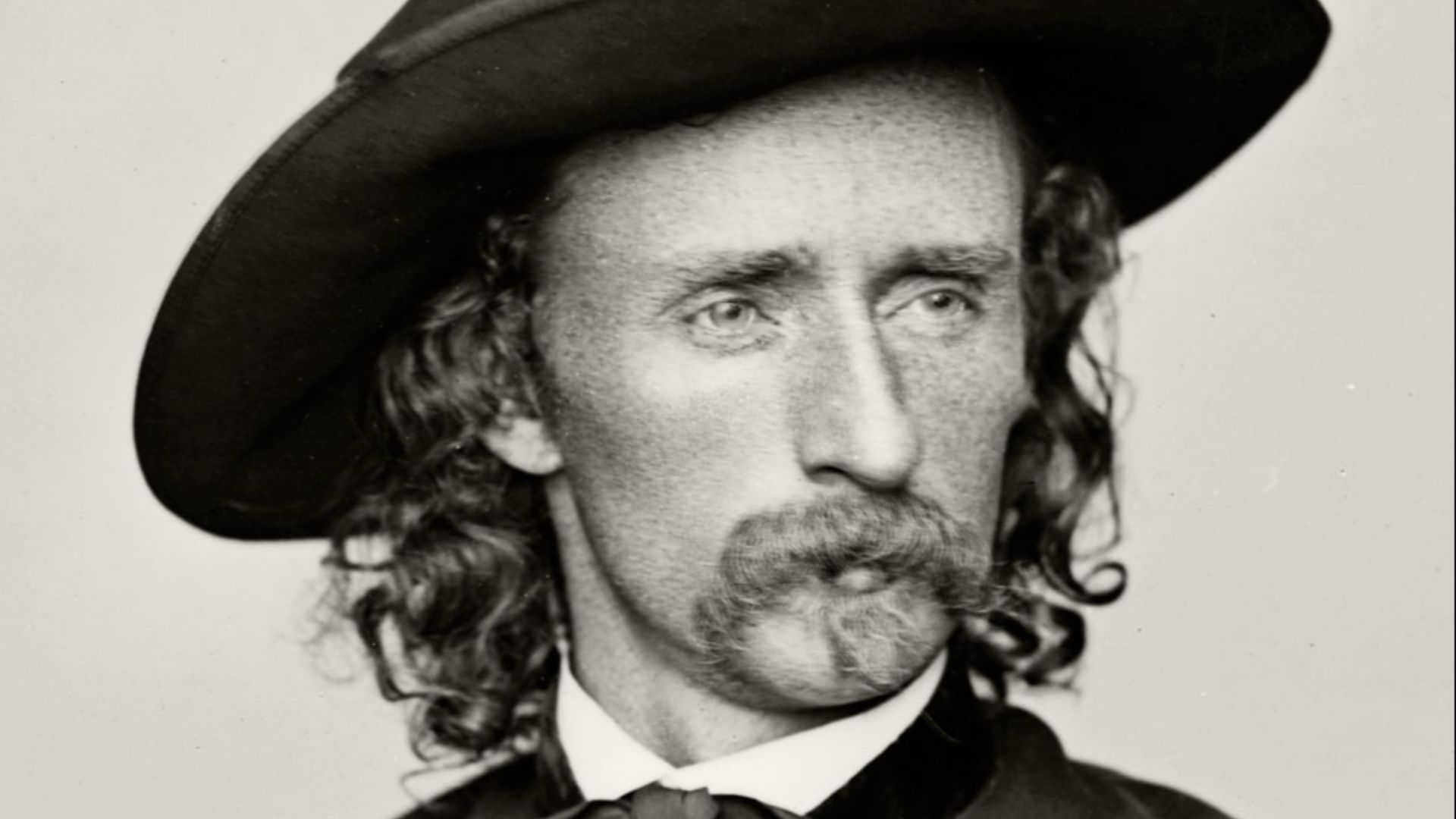 Custerportrait.jpg: UnknownUnknown derivative work: TheCuriousGnome (talk) on Wikimedia
1. Gavrilo Princip's Shot In Sarajevo
On June 28, 1914, Archduke Franz Ferdinand's motorcade took a wrong turn in Sarajevo and stopped right in front of Gavrilo Princip, who'd already failed once that day. He had seconds to react and fired two shots at close range. That shot set off the alliances that became World War I.
 Unknown authorUnknown author on Wikimedia
2. The Wright Brothers' Coin Toss
On December 17, 1903, Wilbur and Orville Wright flipped a coin to decide who would pilot their first flight attempt at Kitty Hawk. Wilbur won but stalled the aircraft, so Orville made the historic 12-second flight instead. A coin flip decided whose name got remembered as the first man to fly.
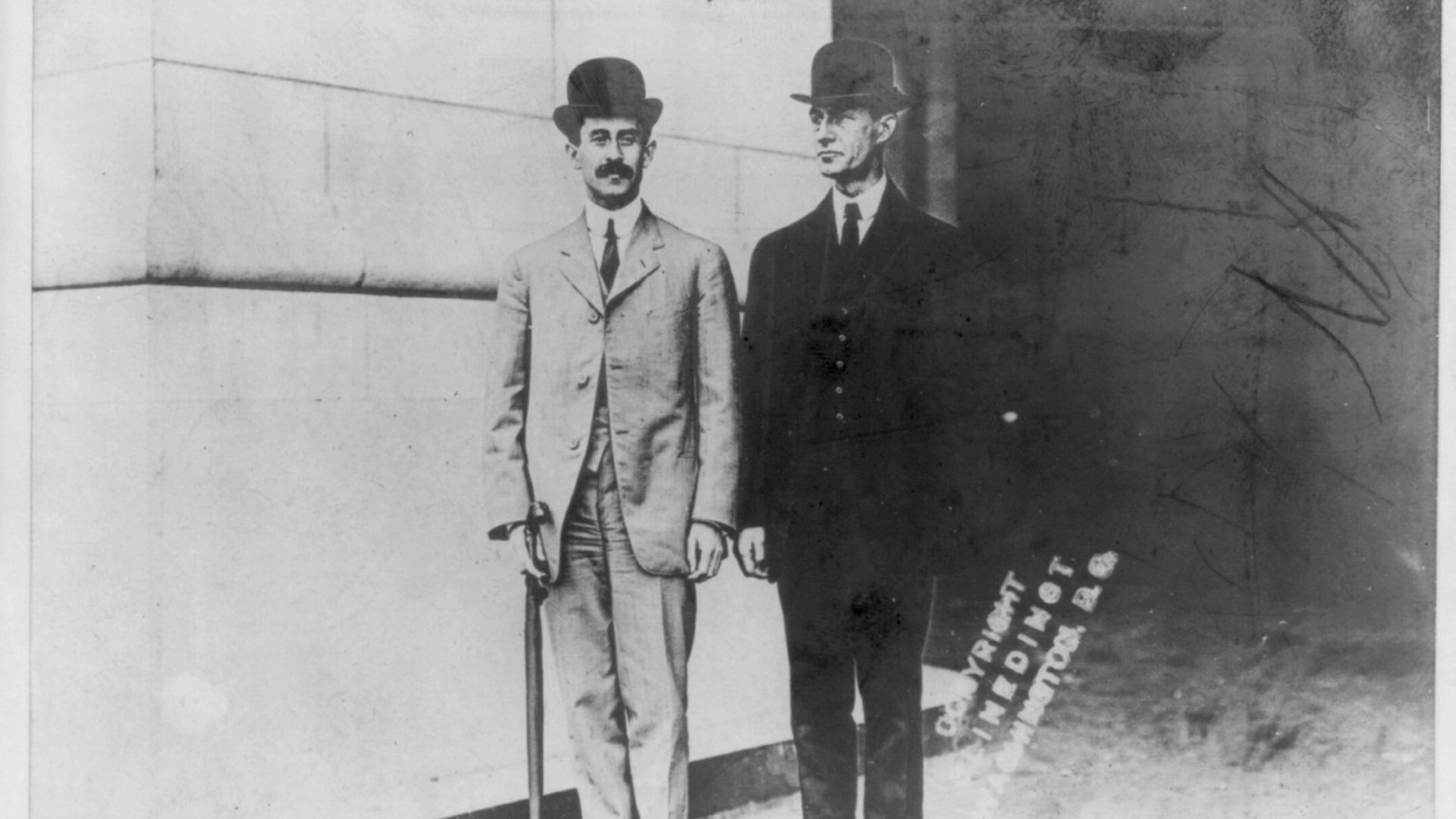 Miscellaneous Items in High Demand, PPOC, Library of Congress on Wikimedia
3. Rosa Parks Staying In Her Seat
On December 1, 1955, a Montgomery bus driver told Rosa Parks to give up her seat to a white passenger, and she decided in seconds to stay put. She later said she was tired of giving in, not tired physically. Her arrest that afternoon sparked the Montgomery Bus Boycott.
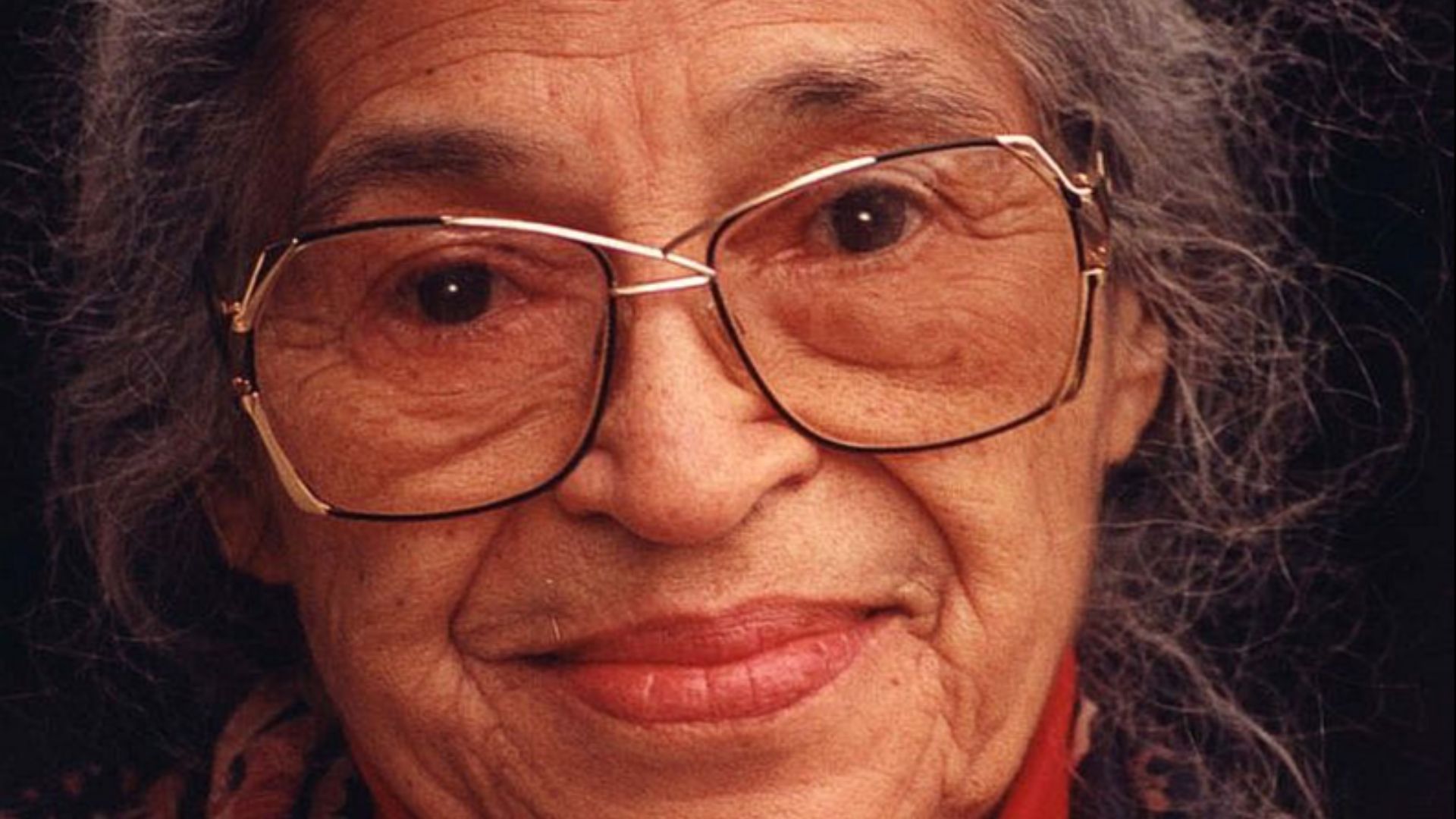 John Mathew Smith & www.celebrity-photos.com from Laurel Maryland, USA on Wikimedia
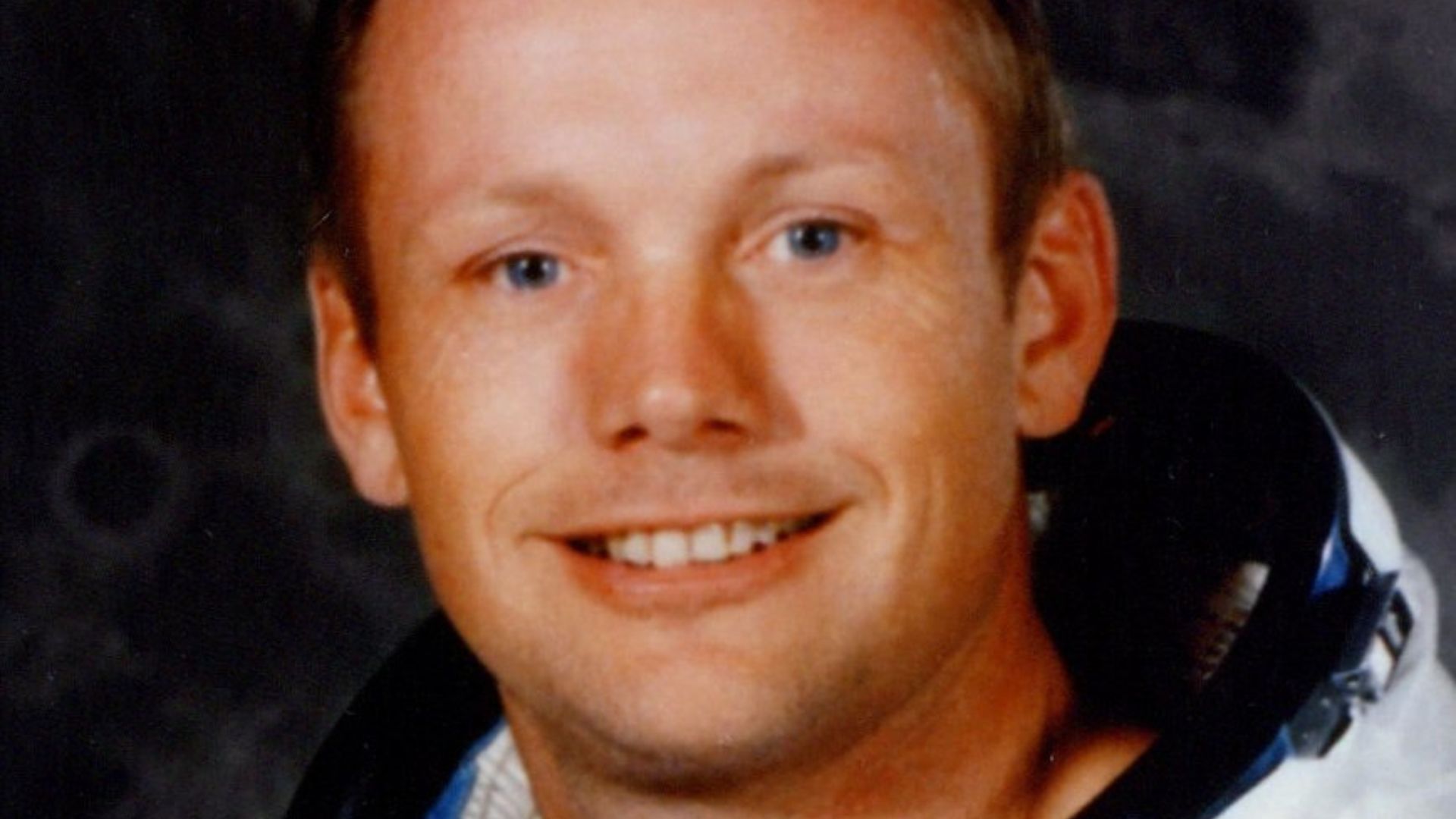
4. Neil Armstrong's Manual Moon Landing
As Apollo 11's lunar module descended on July 20, 1969, Armstrong saw the autopilot steering toward a boulder-strewn crater. With alarms sounding and fuel low, he took manual control and found clear ground with seconds of fuel left. That call is the difference between landing on schedule and a mission scrubbed at the last second.
5. Vasili Arkhipov's Veto
During the Cuban Missile Crisis on October 27, 1962, a Soviet submarine under depth charge attack, cut off from communication, had officers who believed war had started. Two of three senior officers wanted to fire a nuclear torpedo, but the launch required unanimous agreement, and Arkhipov refused. His single no is widely credited with helping avert a nuclear exchange.
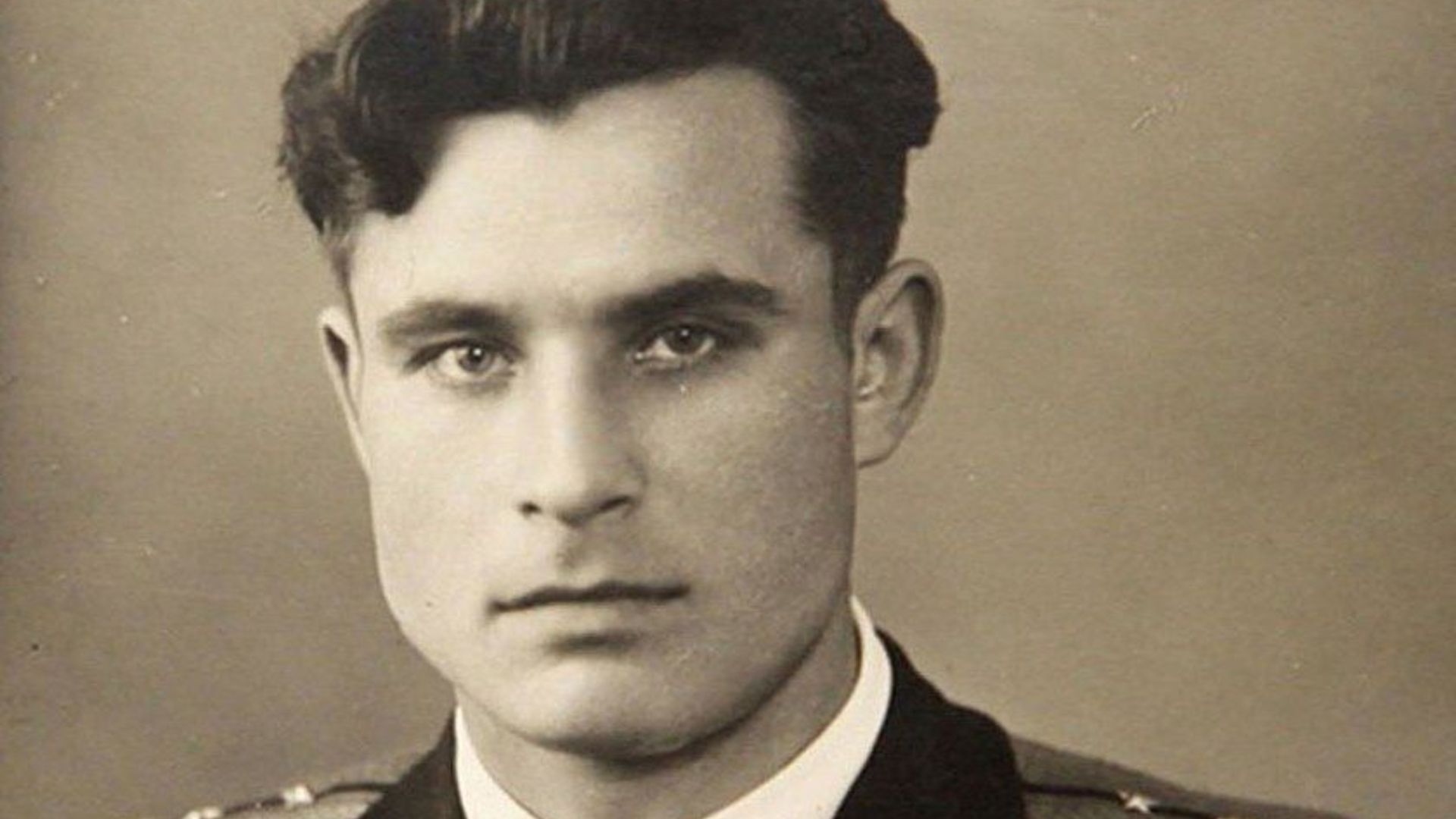 Image courtesy by Olga Arkhipova on Wikimedia
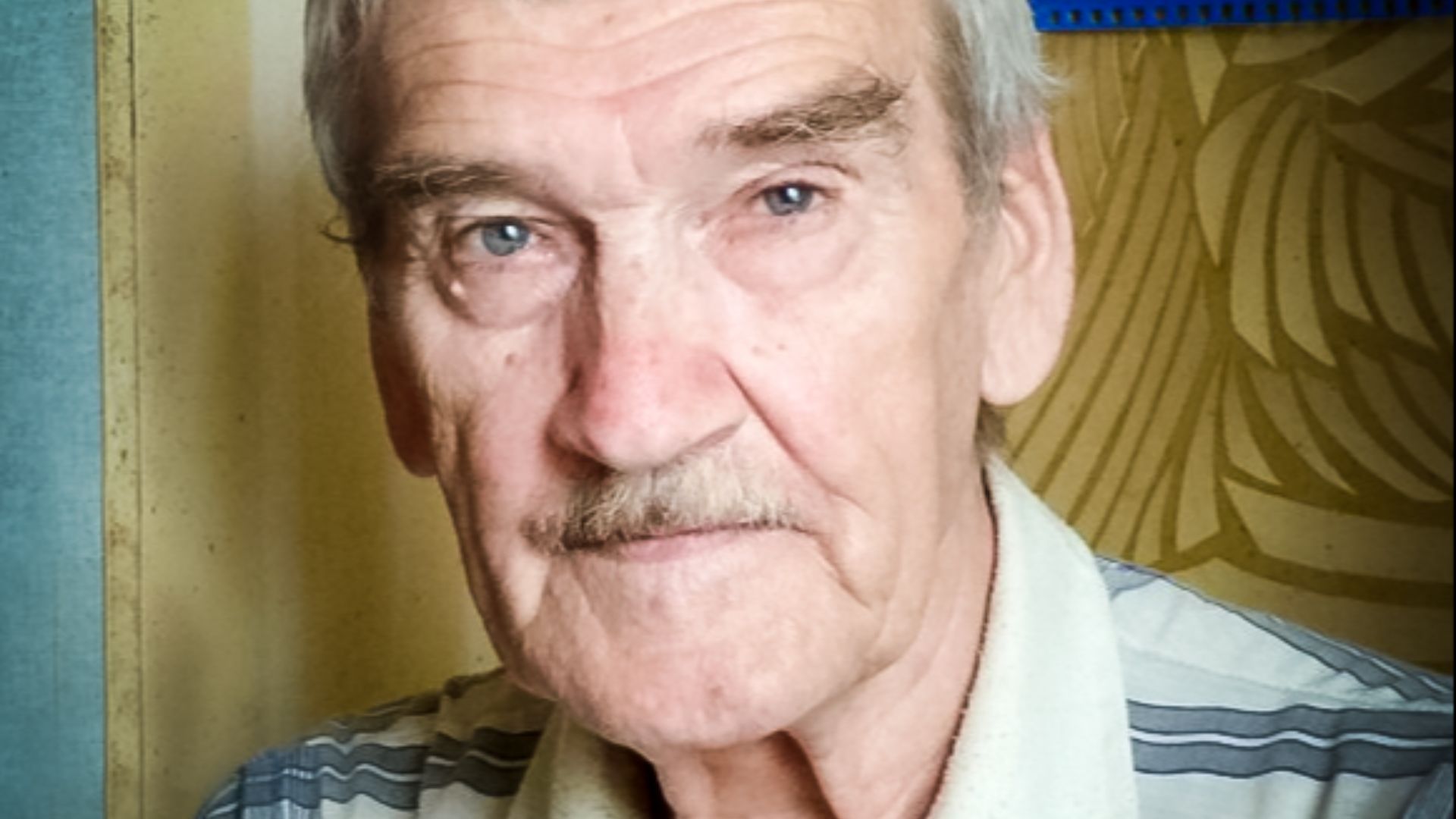
6. Stanislav Petrov's False-Alarm Call
On September 26, 1983, Soviet early-warning systems reported five incoming U.S. nuclear missiles, and Lieutenant Colonel Stanislav Petrov had only minutes to decide whether to report it up the chain. He judged it was a false alarm from a satellite error, and he was right. Reporting it as real could have triggered a retaliatory launch before anyone double-checked.
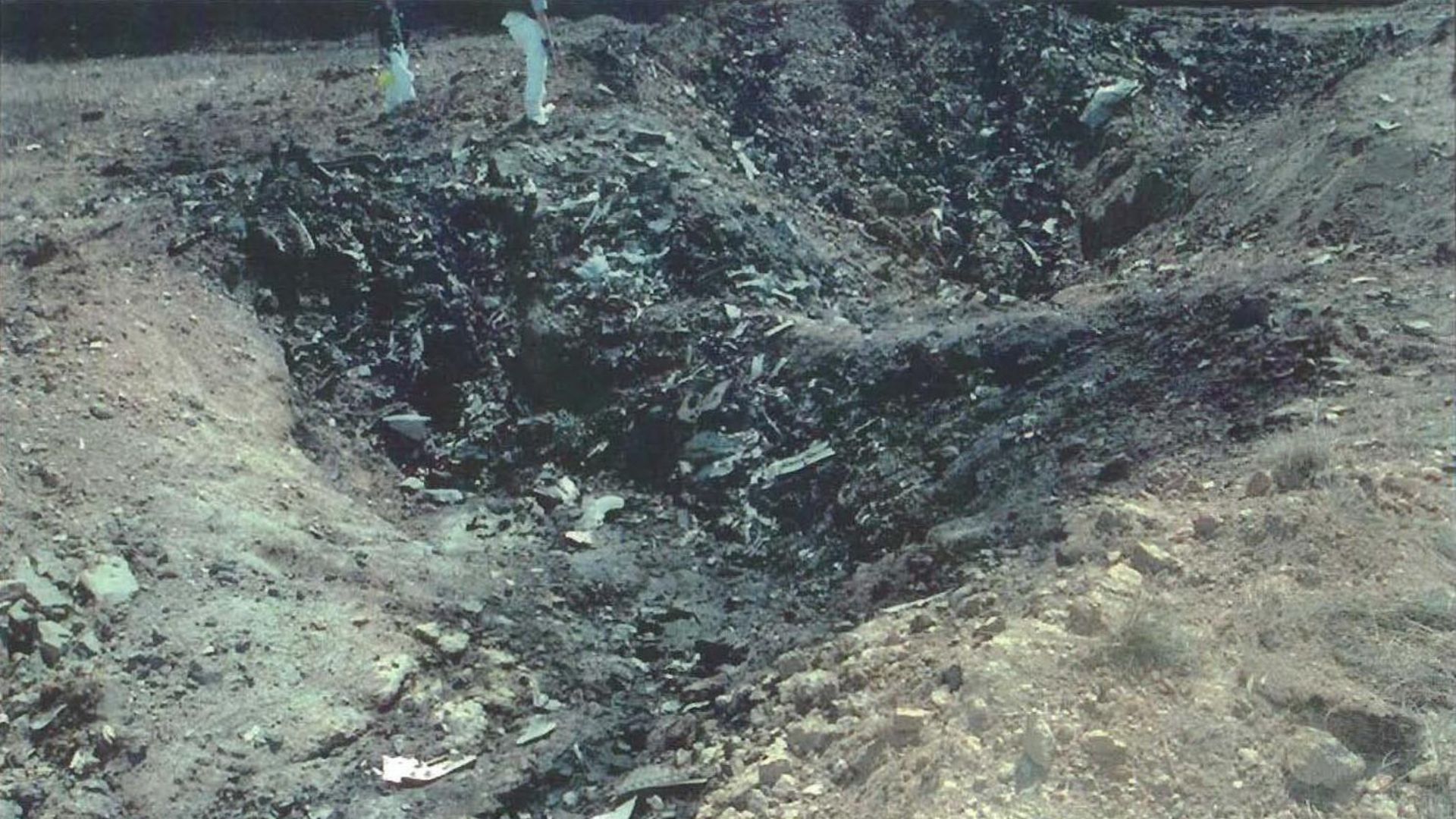
7. United Flight 93 Passengers' Vote
After learning by phone that other hijacked planes had already hit buildings on 9/11, passengers aboard United Flight 93 had only minutes to decide what to do. A group voted to storm the cockpit rather than wait, and the plane crashed into a Pennsylvania field short of its target. Their quick vote likely saved the building the hijackers were aiming for.
8. Eisenhower's D-Day Go Call
Eisenhower had to decide whether to launch D-Day after a brief break in the weather on June 5, 1944. After a short talk with his commanders, he said simply, "OK, we'll go," committing over 150,000 troops the next morning. A short window and a short conversation set the whole operation in motion.
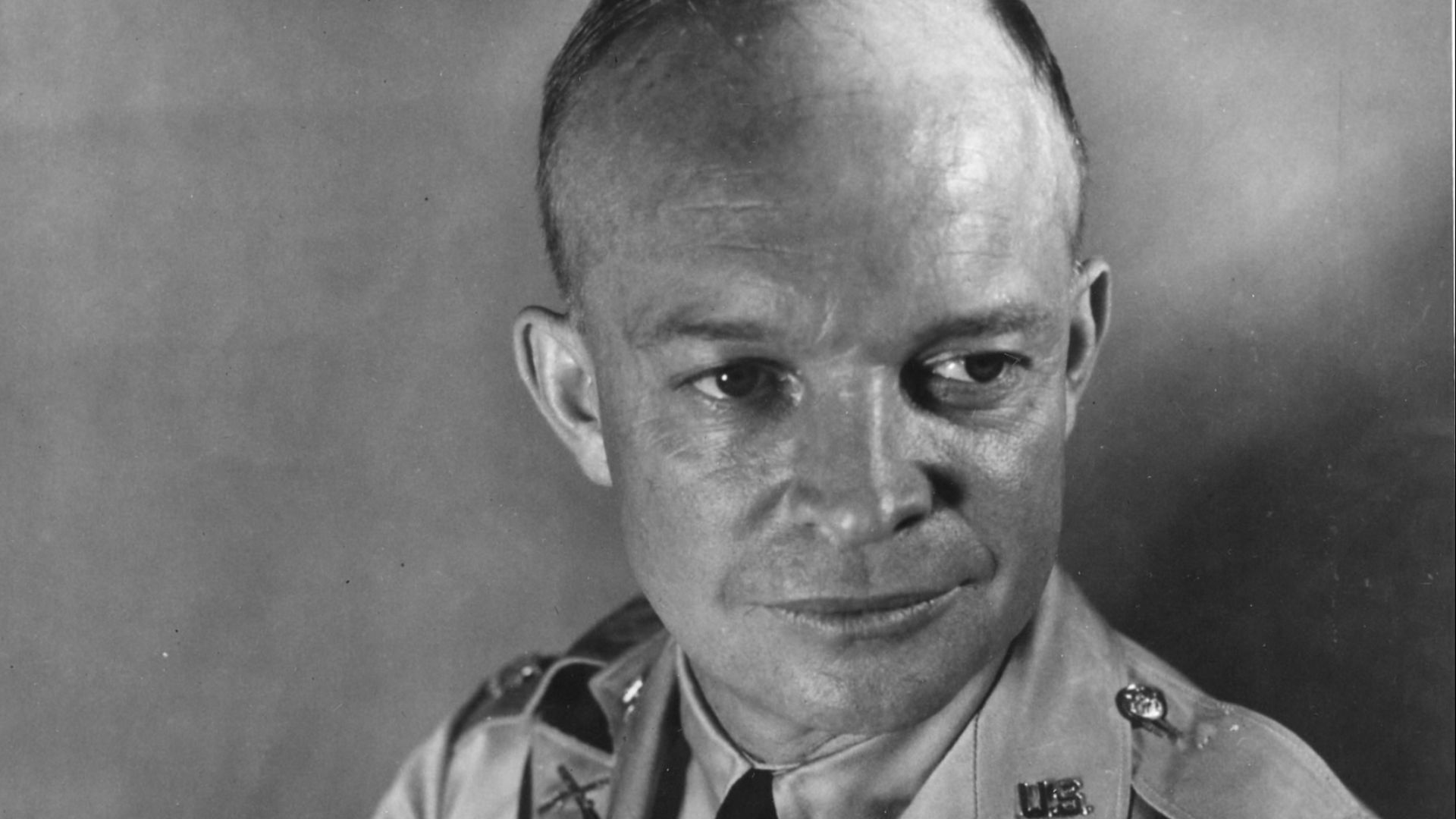 US Army / Dwight D. Eisenhower Presidential Library and Museum on Wikimedia
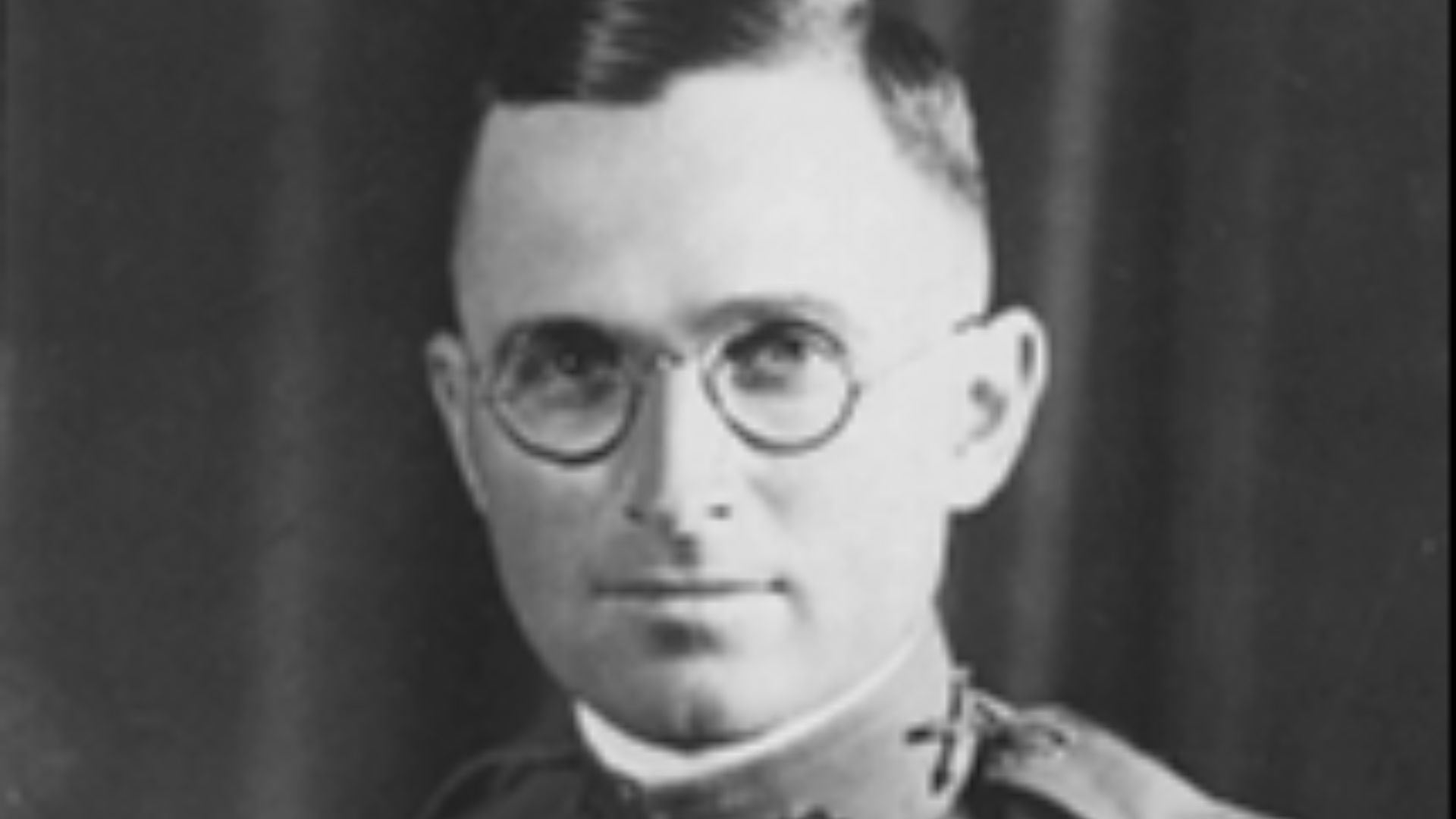
9. Truman's Recognition Of Israel
When Israel declared independence on May 14, 1948, Truman recognized it just eleven minutes later, faster than his own State Department wanted. Secretary of State George Marshall had argued against it up to the announcement. Truman's fast call made the U.S. the first country to recognize Israel.
10. Custer's Decision To Split His Forces
On June 25, 1876, Lieutenant Colonel George Custer decided to split his Seventh Cavalry into three groups and attack an encampment along the Little Bighorn River without waiting for reinforcements. He made the call fast, believing speed mattered more than numbers. It led to his own detachment's destruction and one of the most studied blunders in American military history.
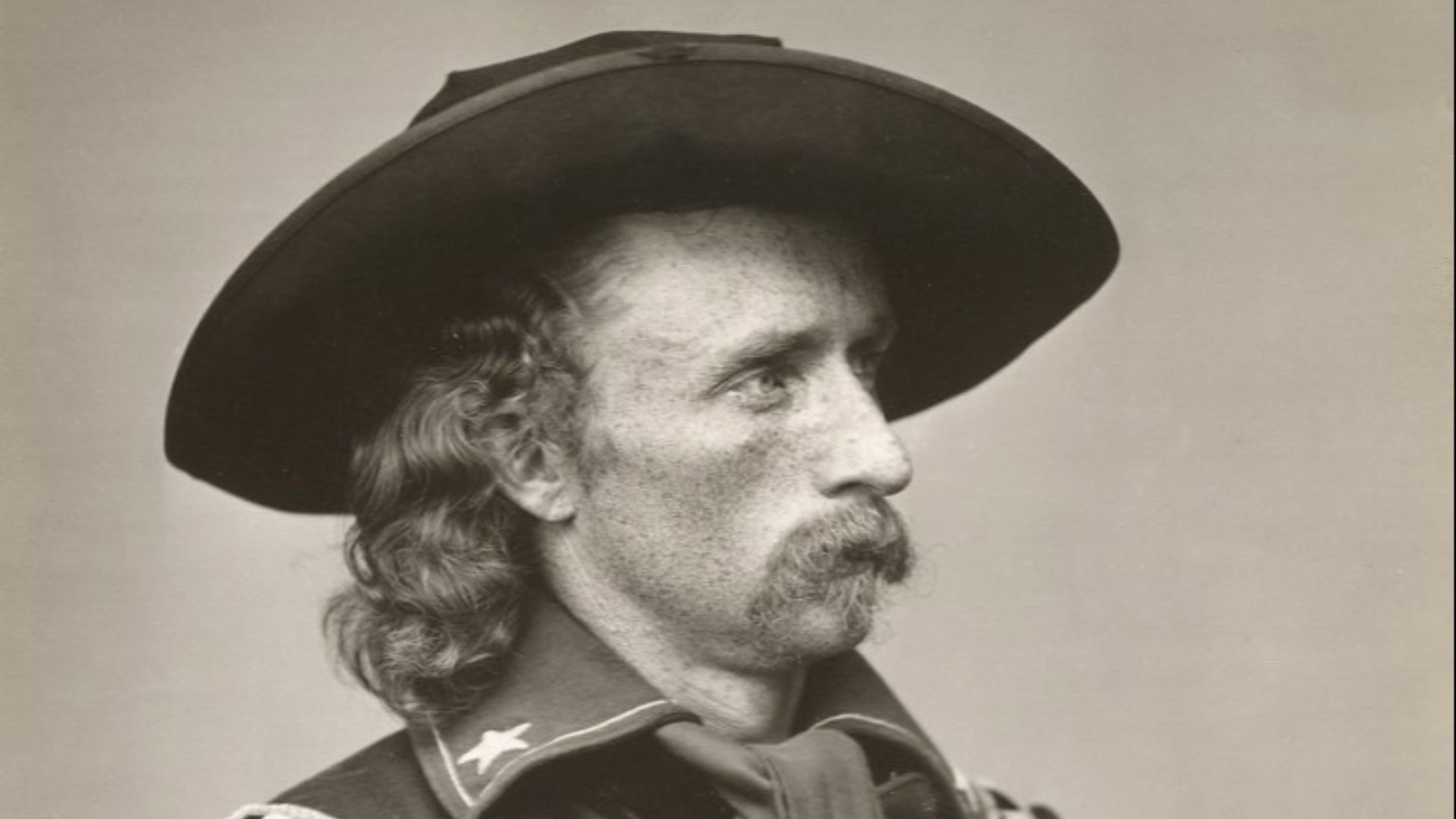 George L. Andrews on Wikimedia
11. Chamberlain's Bayonet Charge At Little Round Top
On July 2, 1863, Colonel Joshua Chamberlain's regiment held the far end of the Union line at Gettysburg and had nearly run out of ammunition. With no bullets left, Chamberlain quickly ordered a bayonet charge downhill instead of a retreat. The surprise charge broke the assault and held a position historians consider critical to the Union victory.
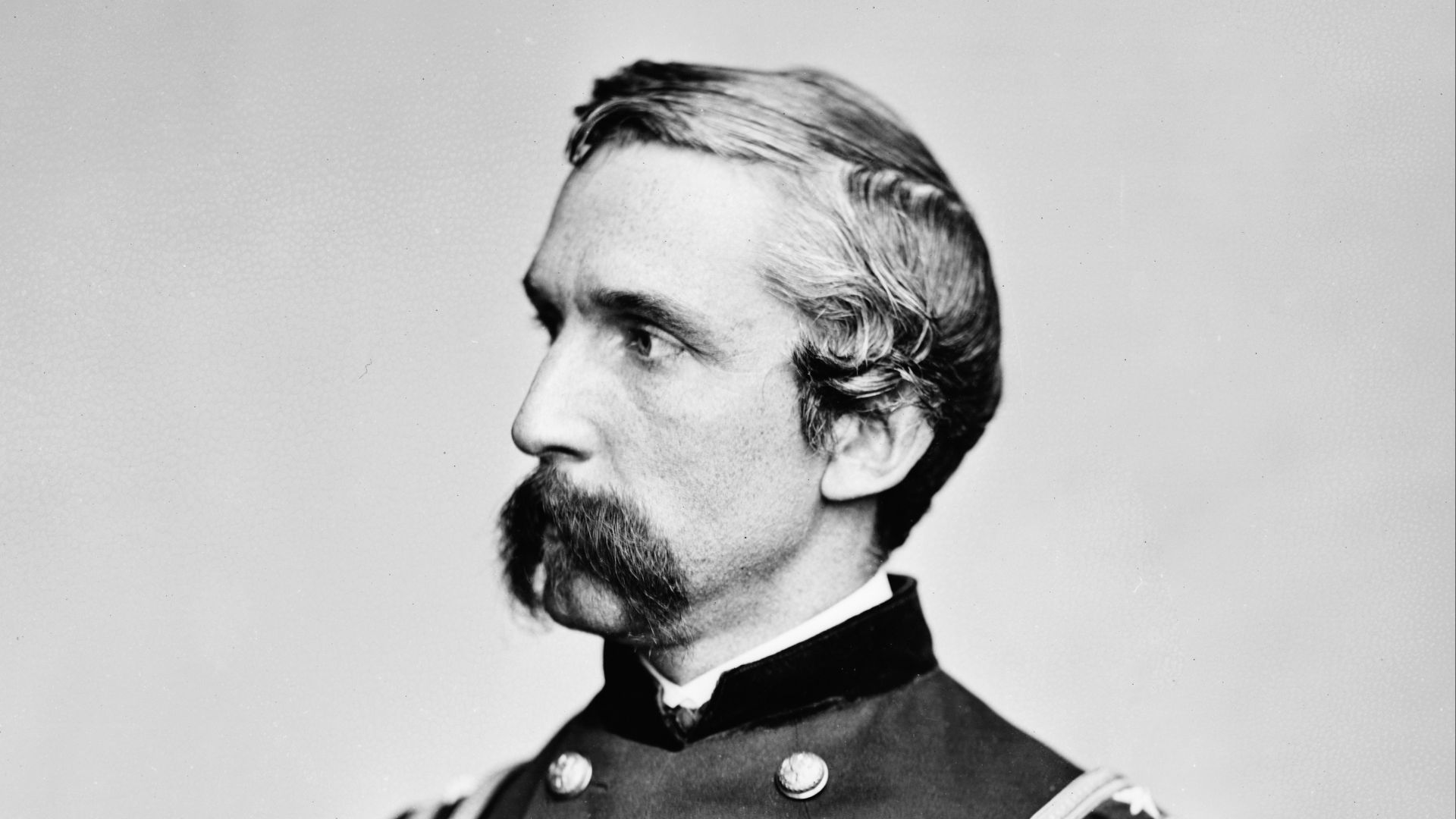 Mathew Benjamin Brady on Wikimedia
12. Nagumo's Rearming Order At Midway
During the Battle of Midway on June 4, 1942, Admiral Chuichi Nagumo had to decide fast whether to rearm his aircraft for a second strike on Midway Island or keep them ready to hit newly spotted American carriers. He chose to rearm, leaving carriers loaded with exposed bombs on deck when American dive bombers attacked minutes later. The resulting losses turned Midway into a decisive American win.
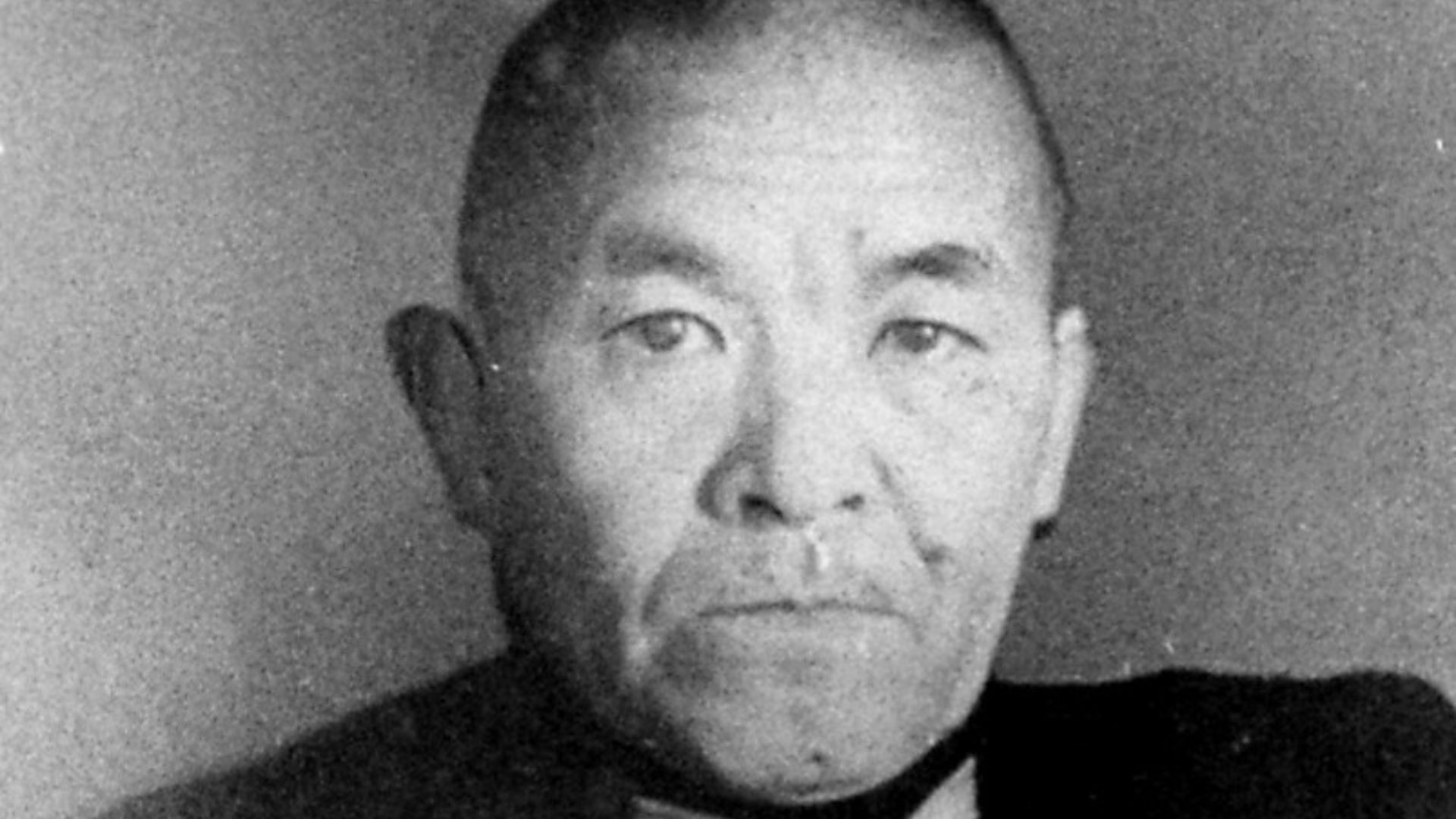 Imperial Japanese Navy on Wikimedia
13. King Harold's Decision To Fight At Hastings
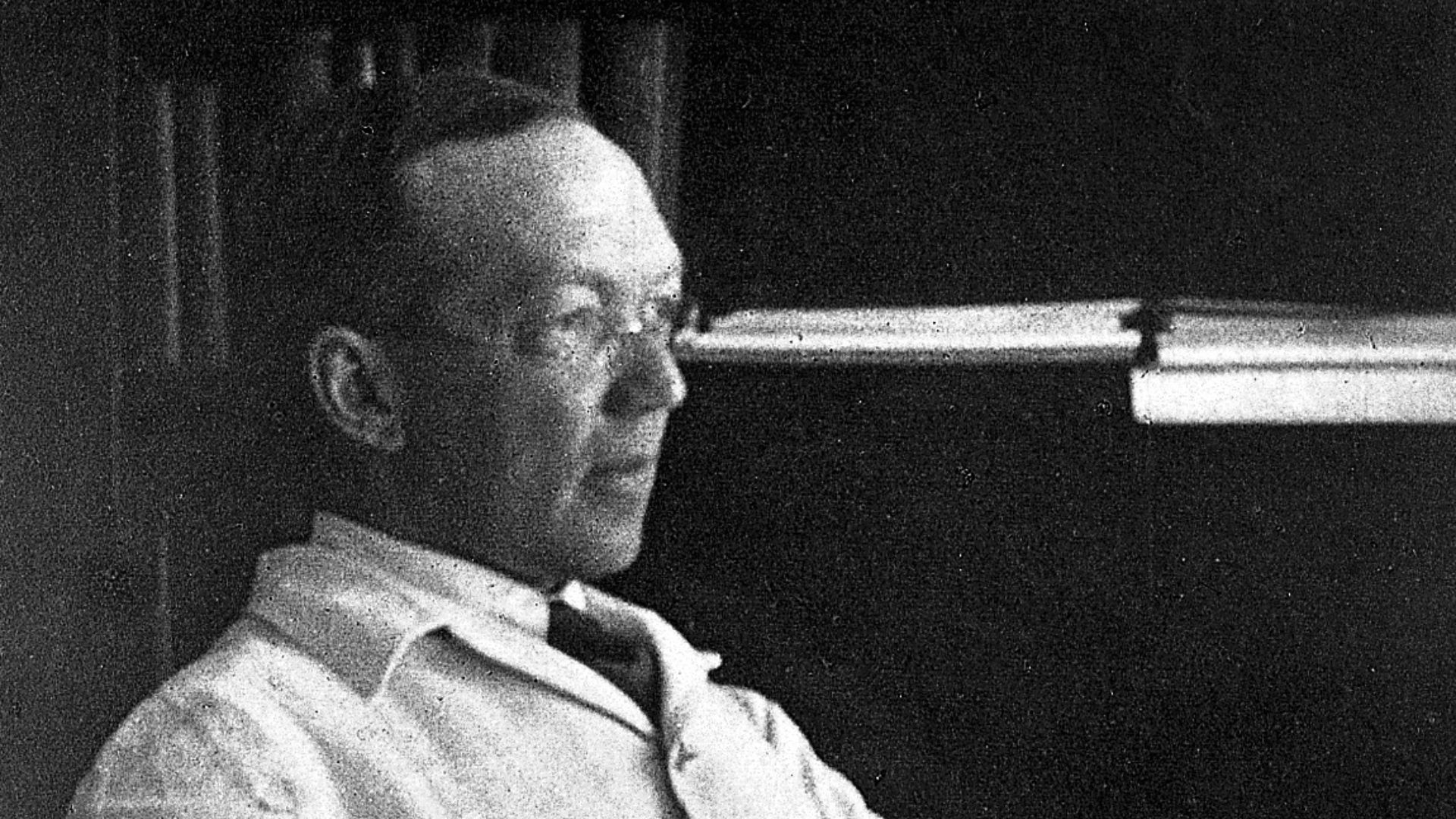
After a grueling march south from victory at Stamford Bridge, King Harold II chose to engage William of Normandy's forces at Hastings on October 14, 1066, rather than rest his troops. He wanted to stop William's advance before it spread. Harold was killed and his army defeated, opening the door to the Norman conquest.
14. Julius Caesar Crossing The Rubicon
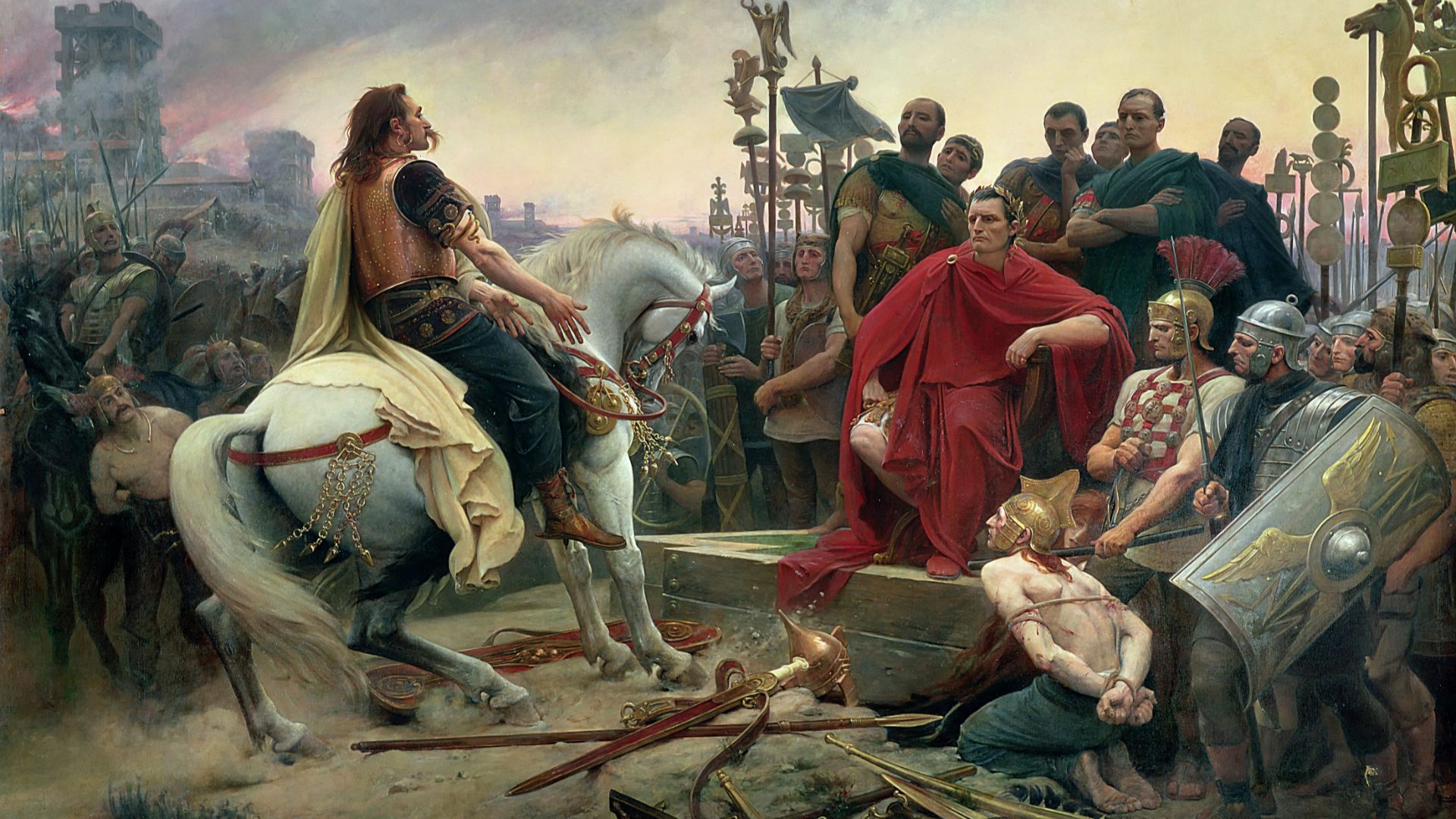
In 49 BC, Julius Caesar stood at the Rubicon, the line beyond which a general couldn't legally bring an army into Roman Italy, and decided to cross anyway. Ancient sources describe brief hesitation, then the reported line "the die is cast" as his legions crossed. That crossing triggered the civil war that ended the Roman Republic.
15. Napoleon's Delayed Attack At Waterloo
On the morning of June 18, 1815, Napoleon delayed his attack at Waterloo by several hours because overnight rain had left the ground too muddy for his artillery. That delay gave Prussian reinforcements under Blücher time to arrive and reinforce Wellington's line. Historians still debate how much it mattered, but it's one of the most argued-over calls in military history.
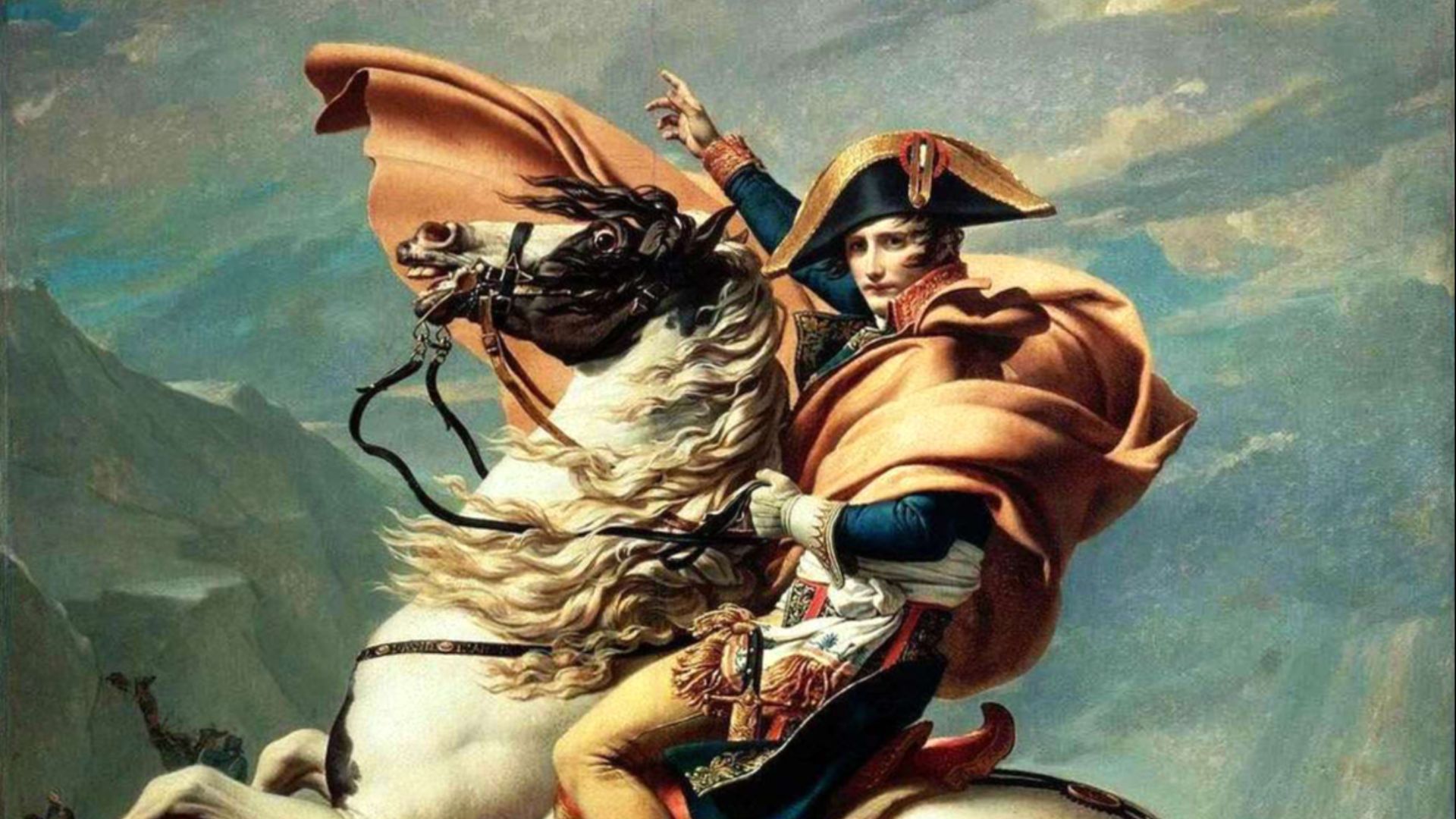 Jacques-Louis David on Wikimedia
16. First Officer Murdoch's Turn On The Titanic
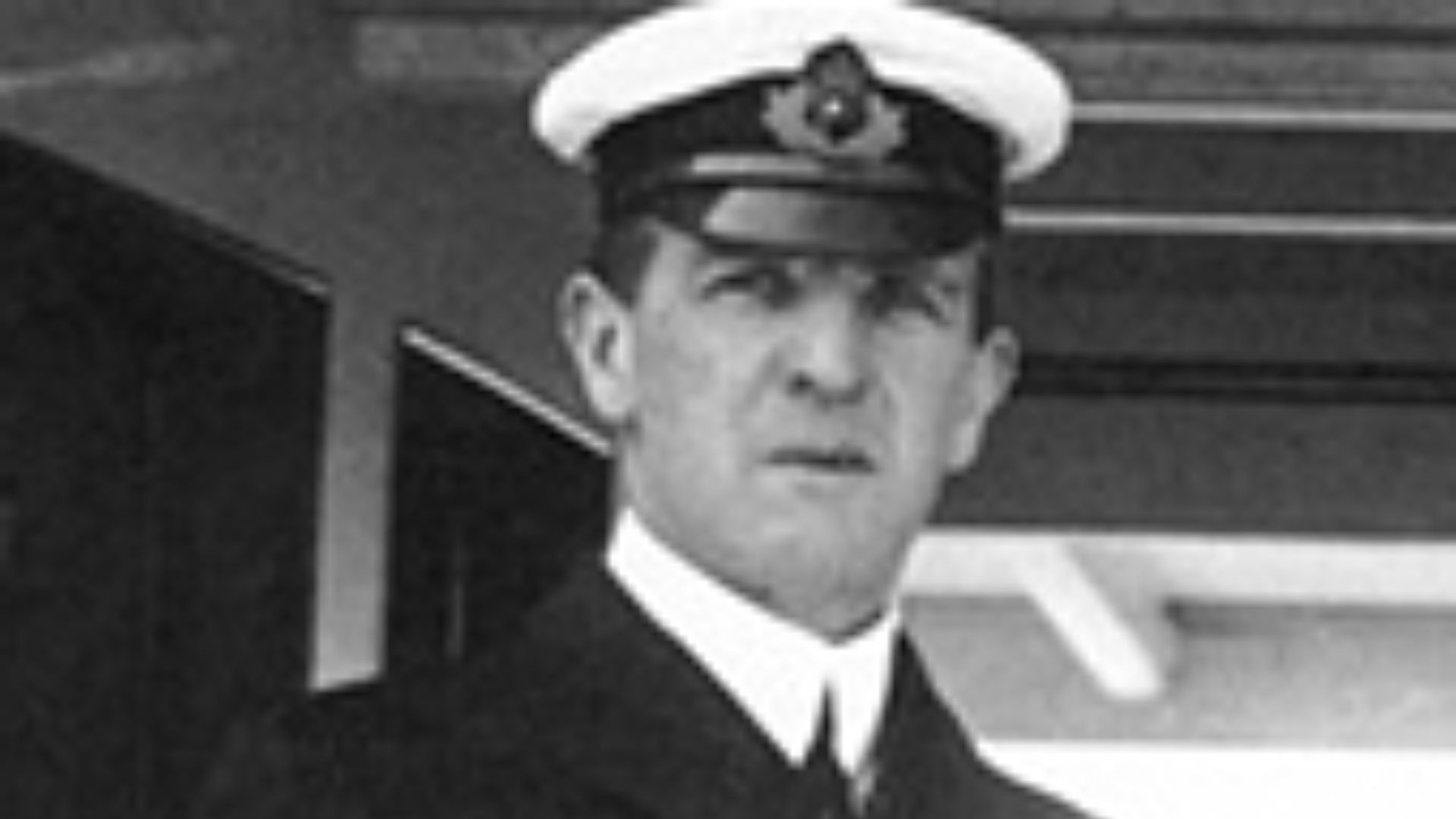
When a lookout spotted an iceberg ahead of the Titanic on April 14, 1912, First Officer William Murdoch had less than a minute to react. He ordered the ship turned hard and the engines reversed, avoiding a head-on hit but exposing the side to a glancing blow that flooded several compartments. A direct hit might have caused less damage, making his split-second call one of history's biggest what-ifs.
17. Captain Sullenberger's Hudson River Landing
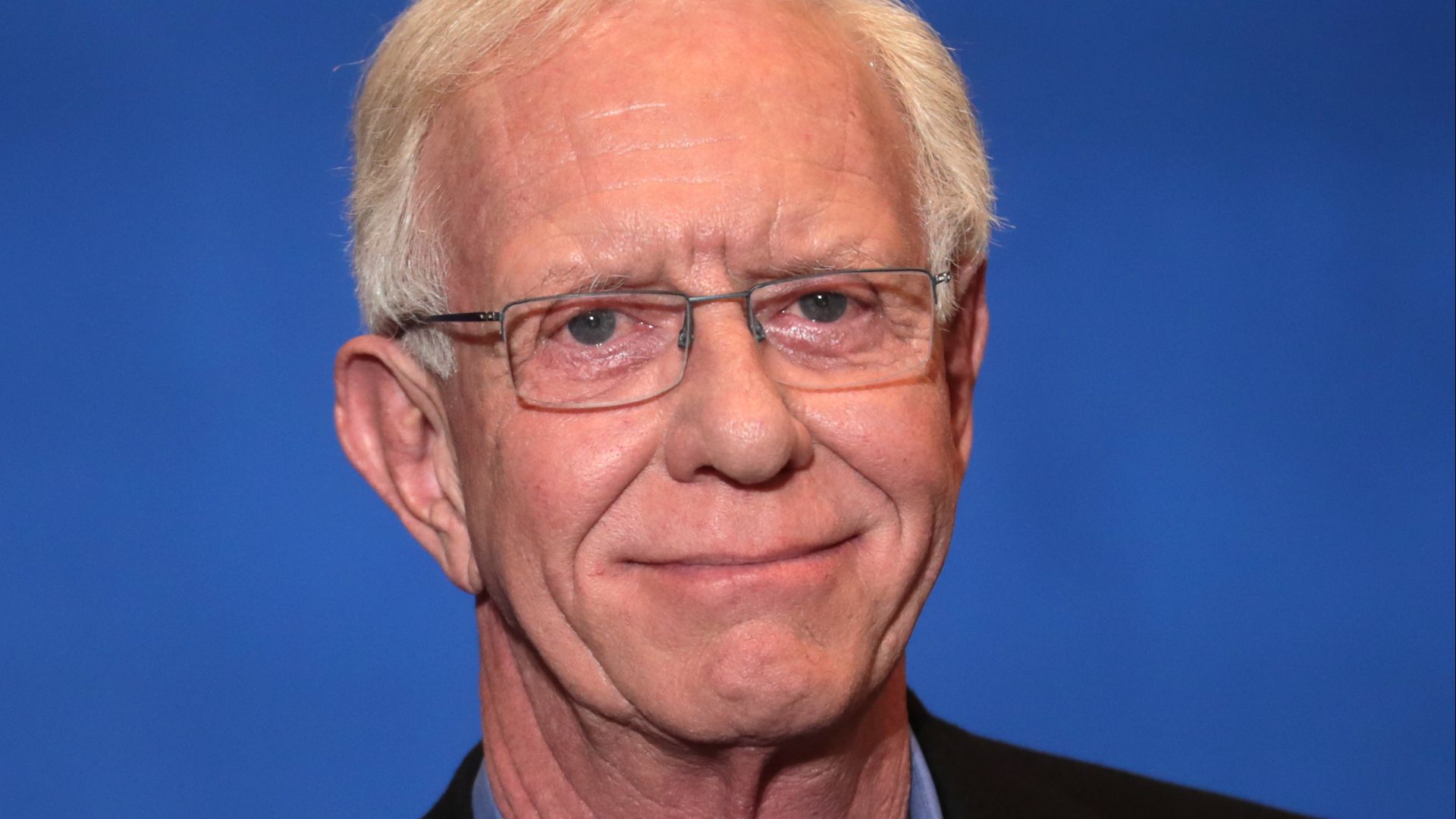
On January 15, 2009, US Airways Flight 1549 lost both engines after hitting a flock of geese, and Captain Chesley Sullenberger had roughly three minutes to decide what to do. Rather than try for a nearby airport, he landed on the Hudson River, saving all 155 people aboard. The landing became a case study in fast, calm decision-making.
18. General McAuliffe's "Nuts!" Reply At Bastogne
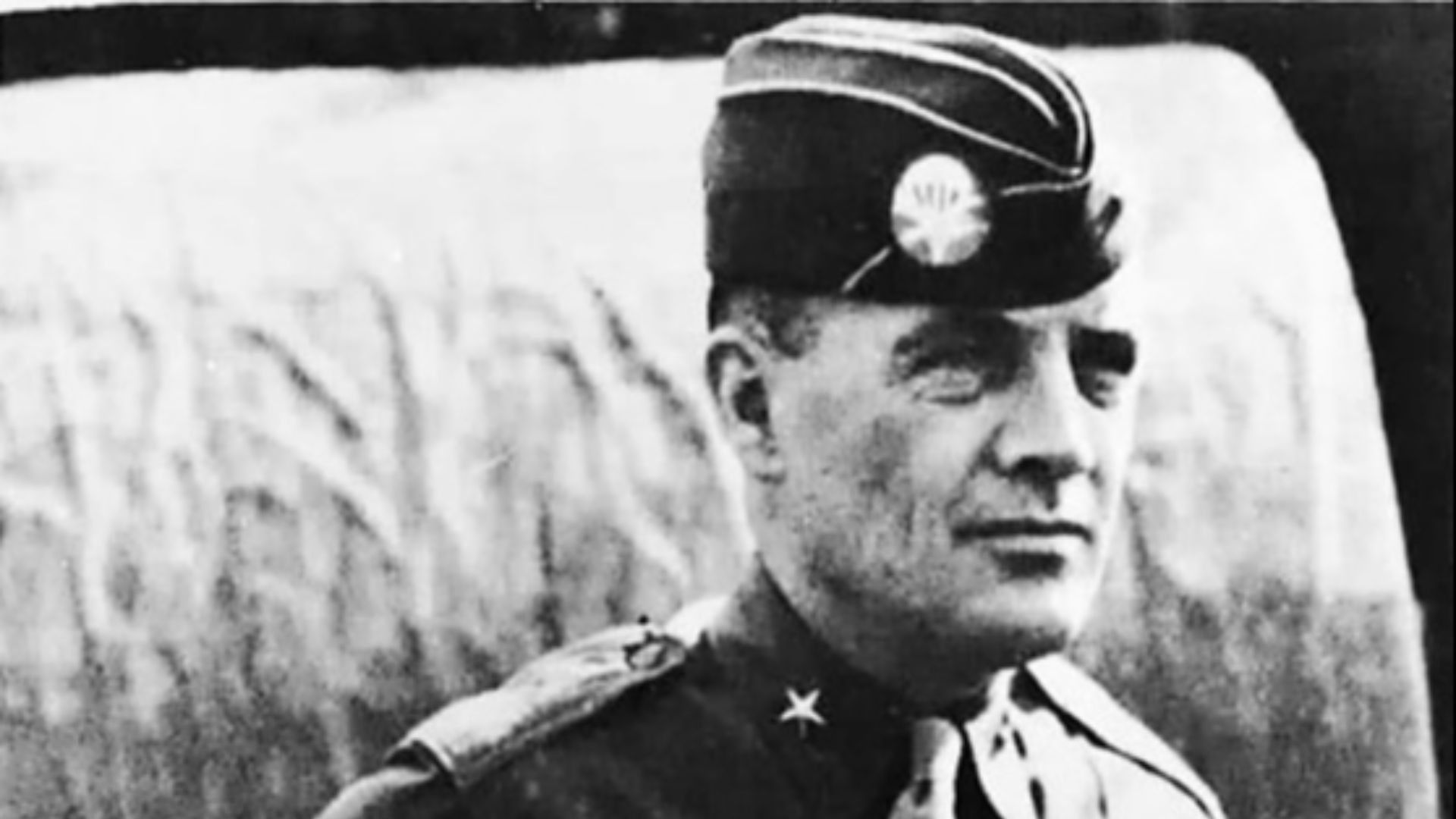
Surrounded during the Battle of the Bulge in December 1944, Brigadier General Anthony McAuliffe got a surrender demand and had to respond fast to keep his troops' morale intact. His one-word reply, "Nuts!", went back to the confused German officers and spread fast among his own men. The town held out until relief arrived, and the reply became a symbol of American resolve.
19. Churchill's Decision To Launch The Dunkirk Evacuation
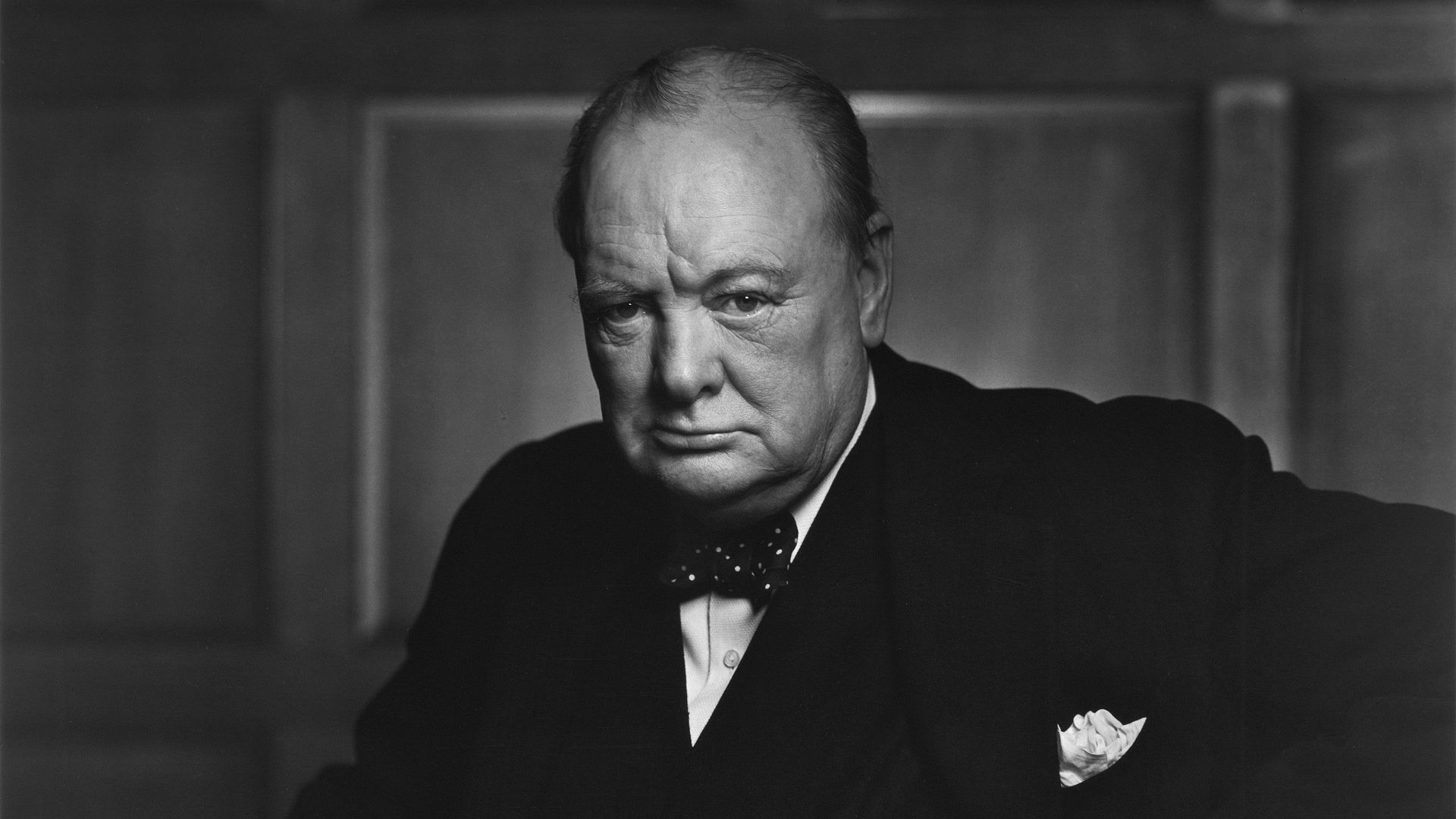
As German forces pushed British and French troops toward the Channel in late May 1940, Churchill's government had to decide fast whether to attempt a mass evacuation from Dunkirk. Operation Dynamo came together within days, and a fleet including hundreds of small civilian boats rescued over 300,000 soldiers who otherwise faced capture or death. That quick decision preserved the core of Britain's army.
20. Gene Kranz And Apollo 13's Power-Down Decision
After an oxygen tank exploded aboard Apollo 13 on April 13, 1970, Flight Director Gene Kranz and his team had only a short window to decide how to keep the crew alive with dwindling power. They made the fast call to power down the command module and shift the crew into the lunar module as a lifeboat, a maneuver it was never designed for. That call is widely credited with getting all three astronauts home safely.

KEEP ON READING