
Practical Staples for Difficult Times
During the Great Depression, American families had to make limited food budgets stretch through uncertain weeks, so pantries were usually stocked with inexpensive ingredients that lasted well and worked in several dishes. Home gardens, canning, bartering, government relief programs, and careful use of leftovers also helped families remain fed despite widespread unemployment and falling wages. These 20 dependable staples offer a realistic look at the foods found in many pantries during the Great Depression.
 The New York Public Library on Unsplash
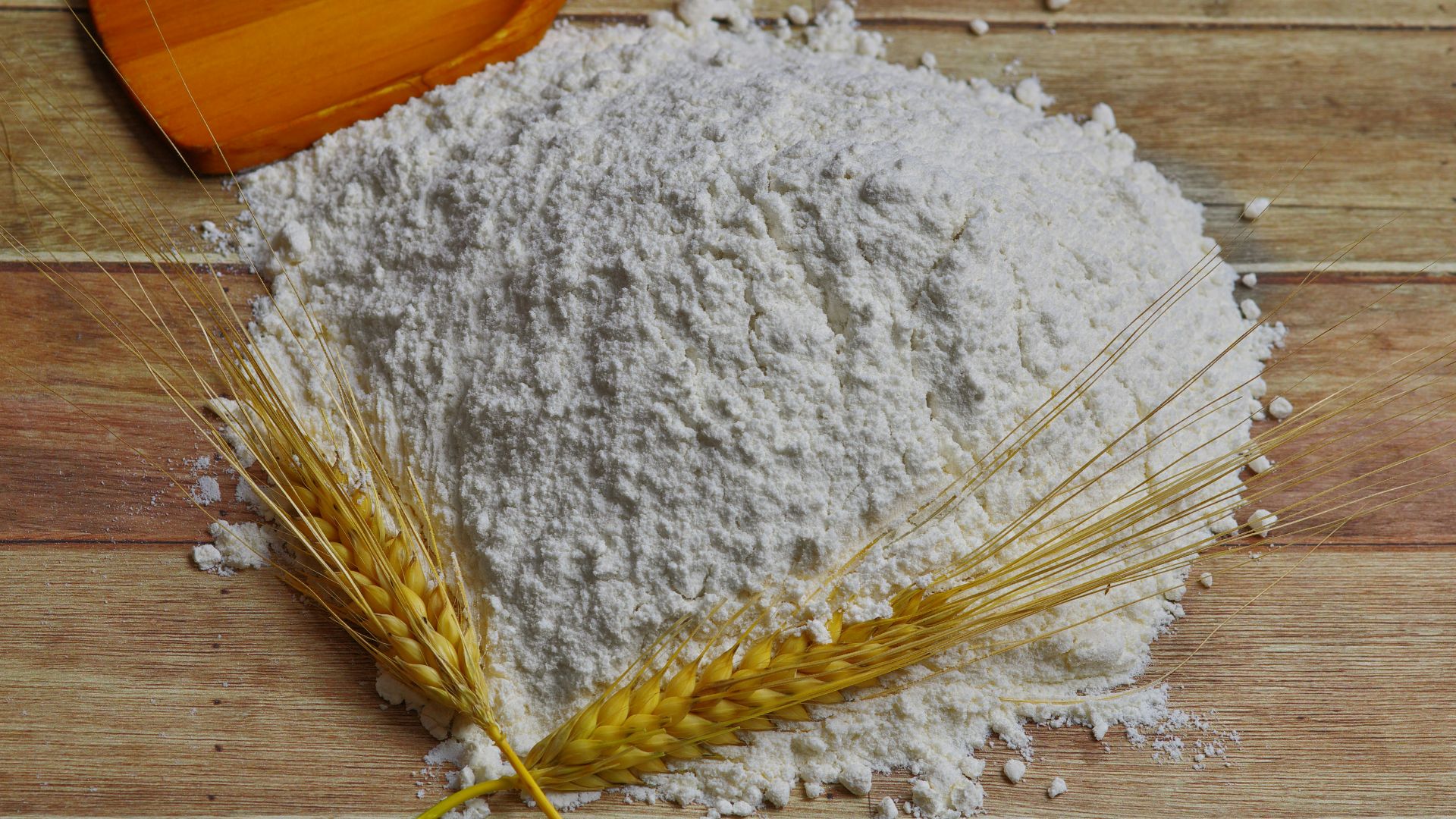
1. All-Purpose Flour
Flour remained one of the most useful pantry ingredients because families could turn it into bread, biscuits, dumplings, pie crusts, and simple desserts. Home baking often cost less than buying prepared foods, particularly in households feeding several children.
2. Cornmeal
Cornmeal was especially common in rural and Southern households, where it could be prepared as cornbread, mush, hoecakes, or cornmeal dumplings. It stored well as long as it stayed dry and protected from pests. Families appreciated that a modest amount could help make a meal feel more substantial without requiring expensive additions.
 Unknown authorUnknown author or not provided on Wikimedia
3. Dried Beans
Dried beans provided affordable protein and could be stored for long periods without refrigeration. Navy beans, pinto beans, lima beans, and other varieties appeared in soups, stews, casseroles, and one-pot meals. A pot of beans could feed a large household, while leftovers were easily reheated or combined with bread and vegetables.

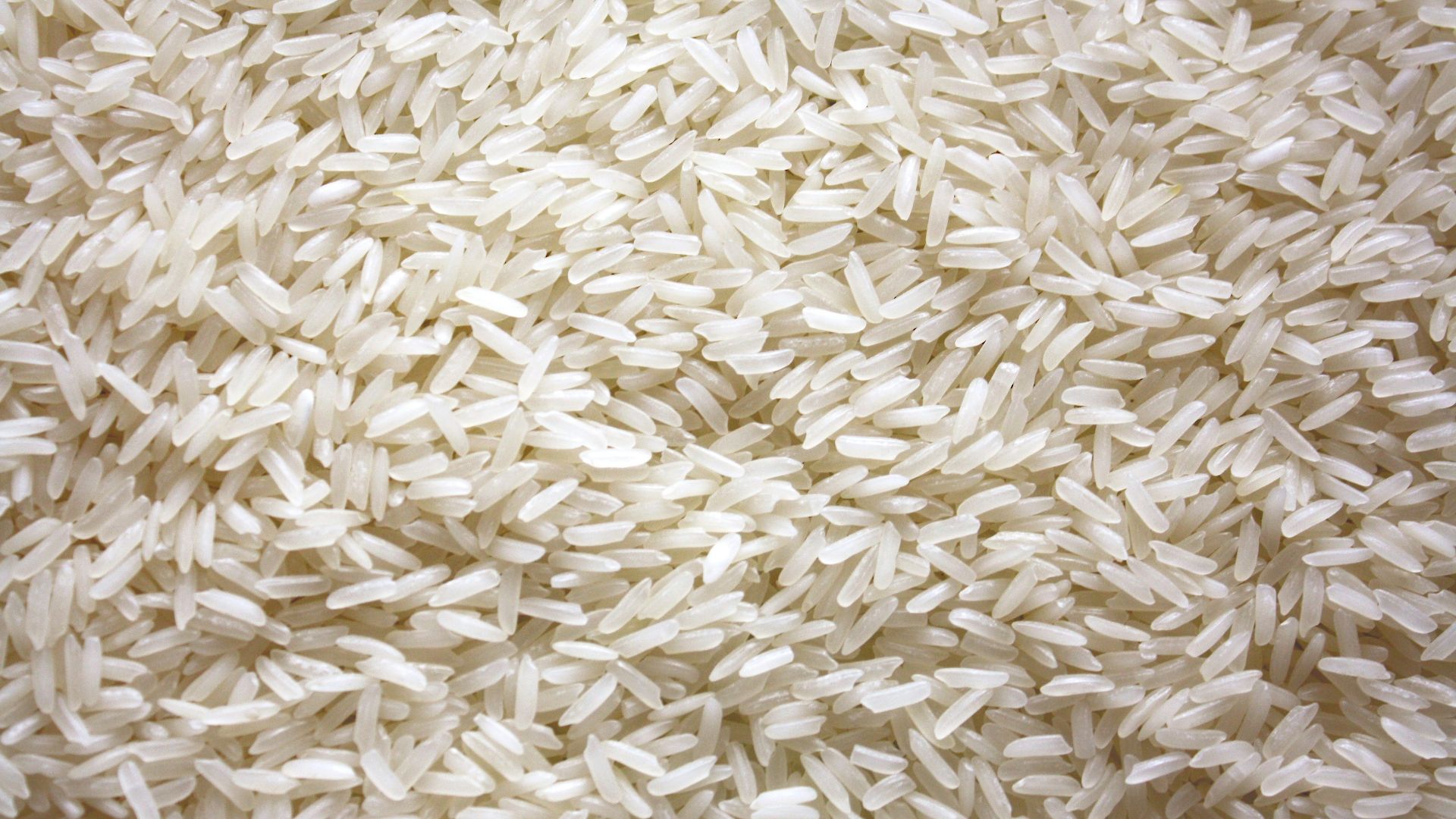
4. Rice
Rice gave budget-conscious cooks another reliable way to stretch soups, meat dishes, and vegetables. It was inexpensive, easy to store, and suitable for both savory meals and desserts such as rice pudding. In areas where rice was readily available, families often served it with beans, gravy, canned tomatoes, or whatever else remained in the kitchen.
5. Rolled Oats
Oats were valued primarily as an economical breakfast food that could keep people satisfied through a long morning. Cooks also added them to breads, cookies, meatloaf, and other recipes when they needed to extend more costly ingredients.
 National Archives Photo on Wikimedia
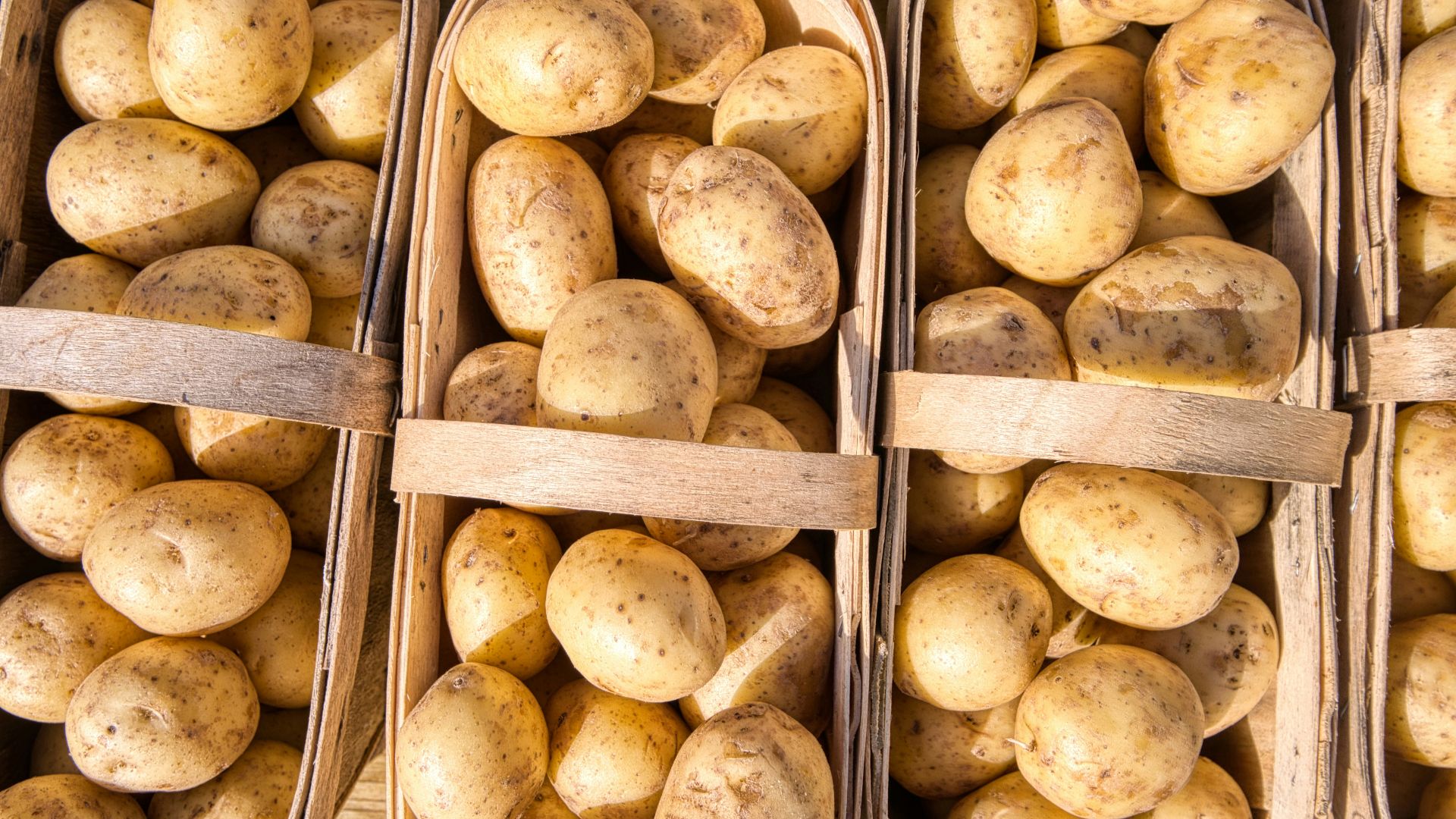
6. Potatoes
Potatoes were generally stored in a cool cellar, cupboard, or pantry area and used in nearly every type of meal. Families boiled, fried, baked, mashed, or added them to soups and stews, depending on the fuel and ingredients available. Their versatility made it easier to serve different dishes even when the household was repeatedly using the same staple.
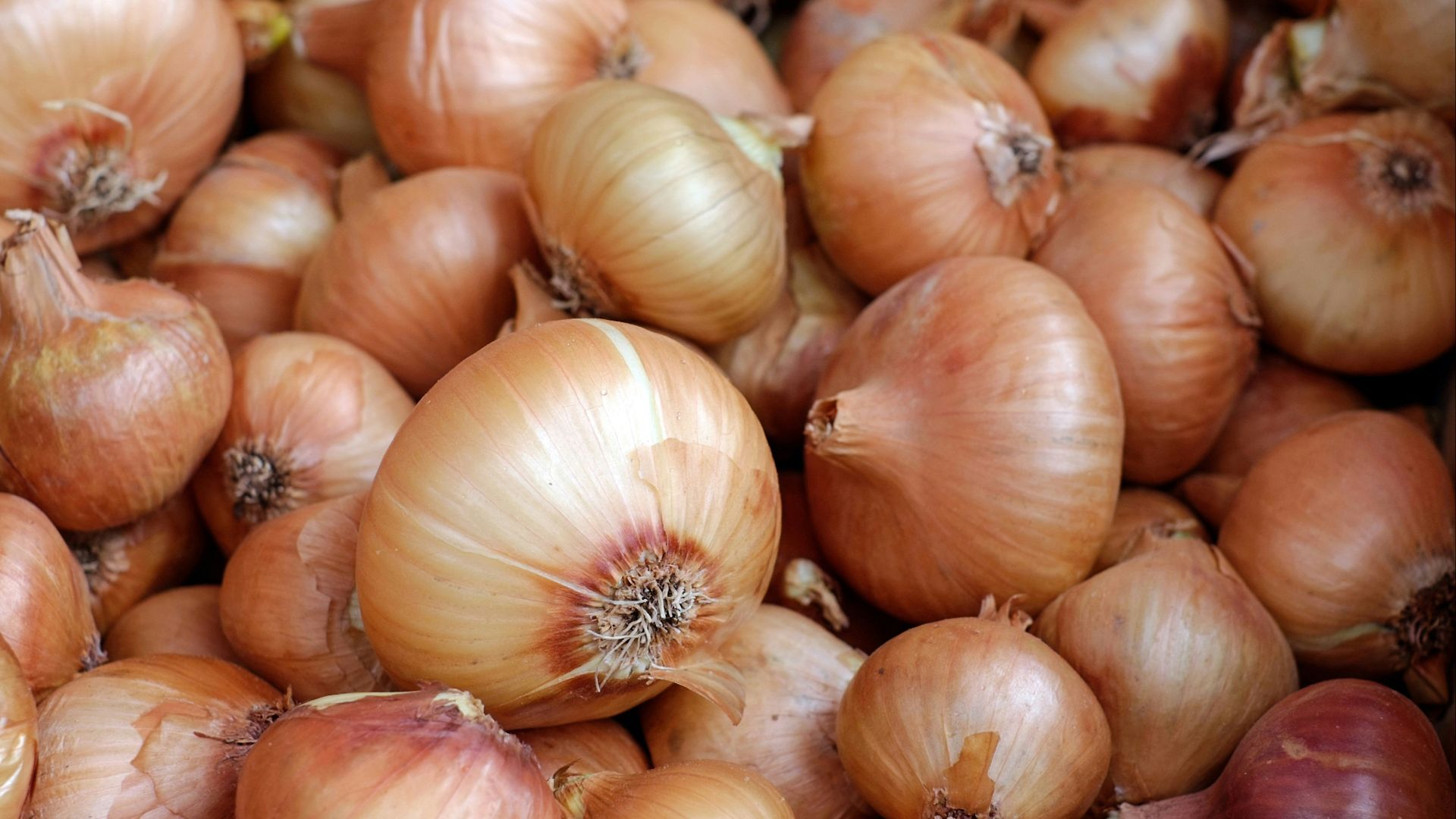
7. Onions
Onions offered plenty of flavor at a relatively low cost, which mattered when meals contained little meat or seasoning. Stored properly in a cool, dry place, they could last for weeks and improve beans, potatoes, soups, gravies, and fried dishes. You didn’t need much onion to make a plain supper taste more satisfying.
8. Cabbage
Cabbage was inexpensive, filling, and capable of remaining usable longer than many delicate vegetables. It could be boiled, fried, added to soup, made into slaw, or preserved as sauerkraut.
 Karolina Kołodziejczak on Unsplash
9. Canned Tomatoes
Canned tomatoes brought acidity, color, and flavor to meals throughout the year, particularly after fresh garden produce disappeared. Many households preserved their own tomatoes during the summer, while commercially canned versions were also widely available.
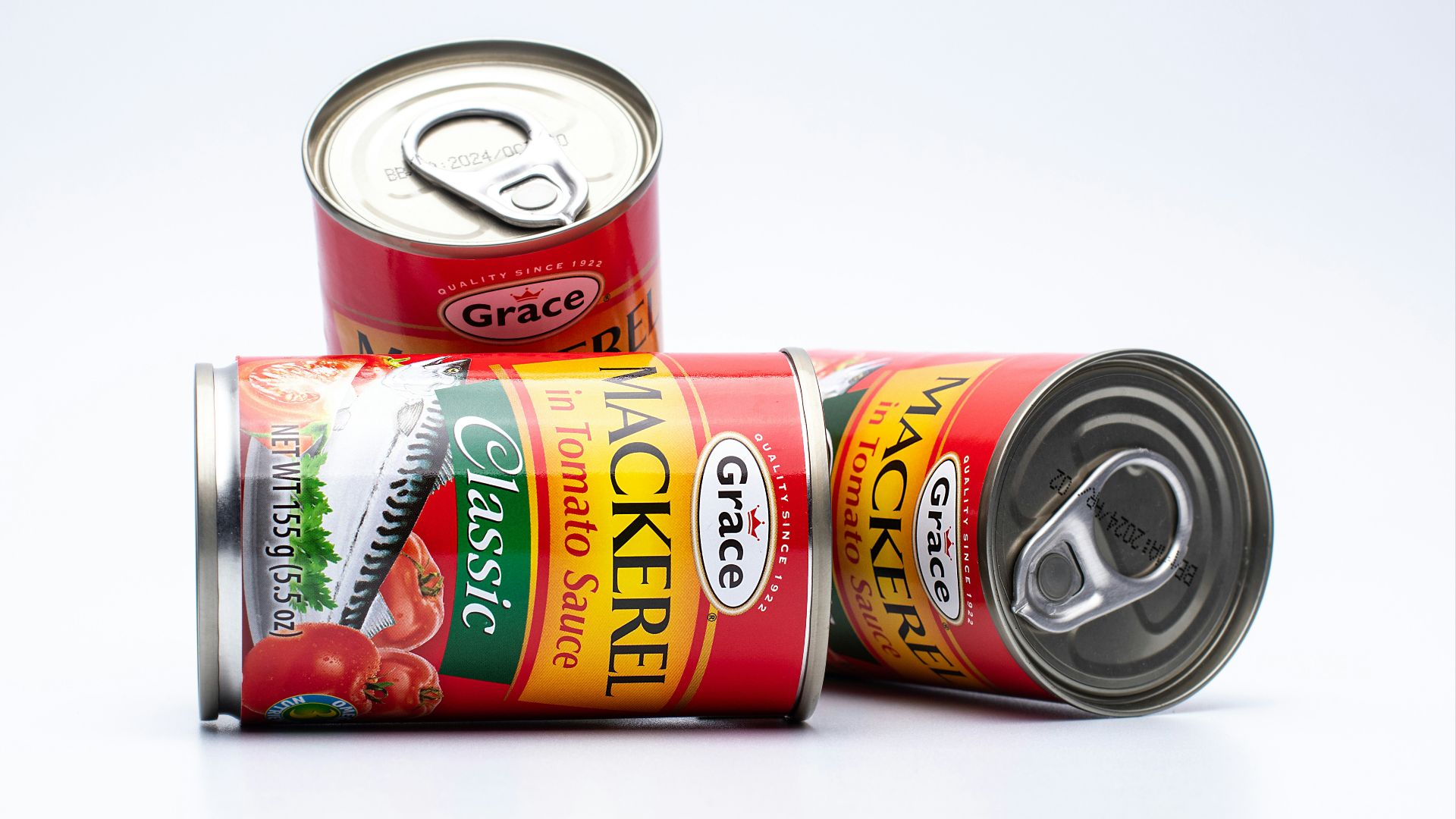
10. Evaporated Milk
Evaporated milk was useful because unopened cans kept far longer than fresh milk and didn’t require refrigeration. Families used it in coffee, sauces, soups, baked goods, and desserts, sometimes diluting it with water before serving. Its durability made it especially practical in homes without reliable iceboxes or regular access to dairy products.
11. Lard
Lard was a standard cooking fat in many American kitchens, particularly where families raised pigs or purchased it inexpensively. Cooks used it for frying, baking biscuits, making pie crusts, and adding richness to beans or vegetables.
12. Sugar
Sugar wasn’t always used generously, but families tried to keep some available for baking, preserving fruit, sweetening drinks, and improving basic cereals. Careful cooks measured it closely rather than treating it as an unlimited ingredient.

13. Molasses
Molasses served as both a sweetener and a source of strong flavor in many modest kitchens. It could be spread on bread, poured over biscuits, stirred into oatmeal, or used in gingerbread and baked beans. Since it was generally cheaper than refined sweeteners in some regions, households often relied on it when sugar supplies were limited.

14. Salt
Salt was essential for seasoning foods that might otherwise taste remarkably plain, especially beans, grains, and boiled vegetables. It was also important for traditional preservation methods, including curing meat, making pickles, and preparing sauerkraut.

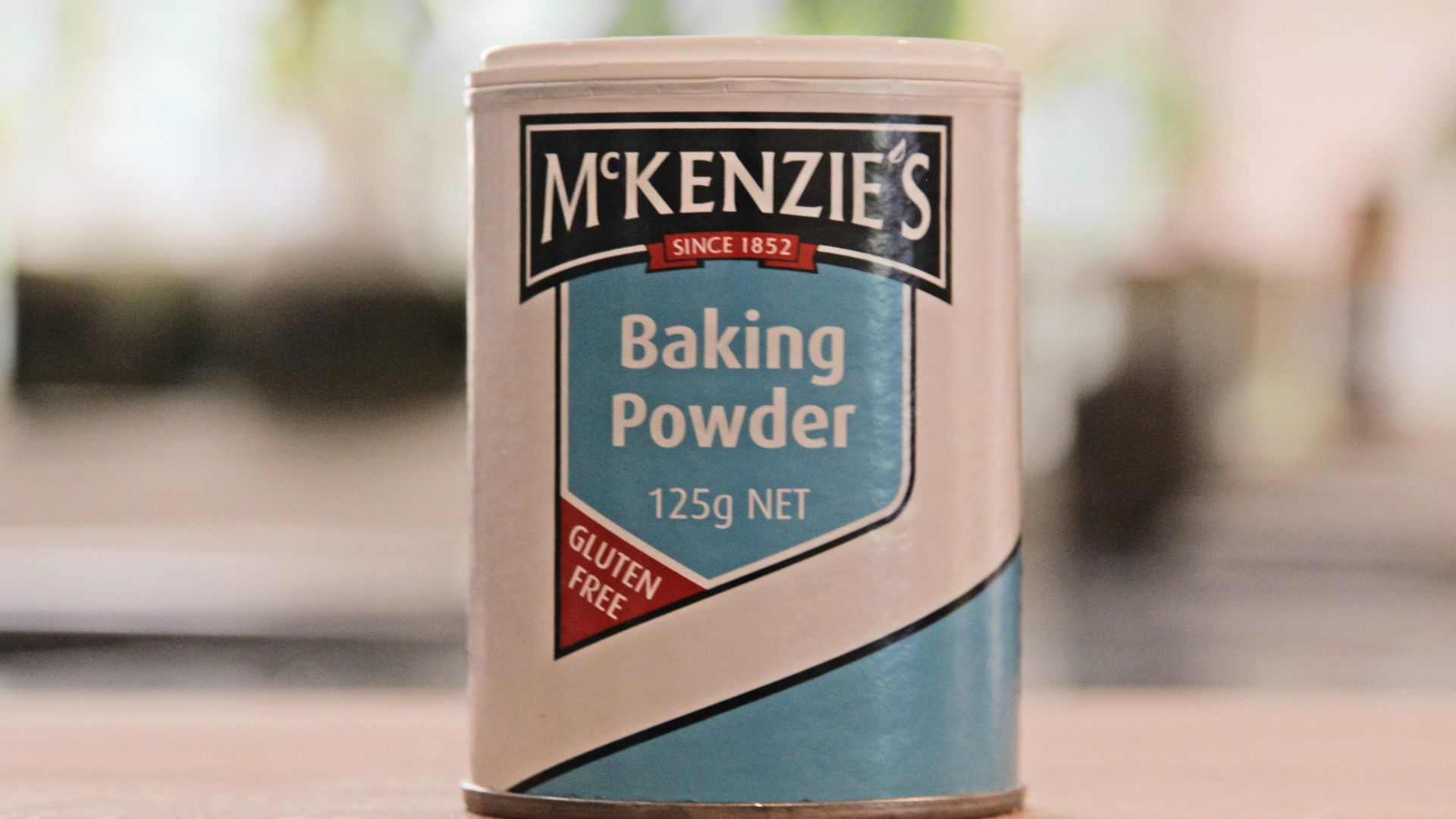
15. Baking Soda and Baking Powder
Leavening agents allowed home cooks to prepare biscuits, quick breads, pancakes, and simple cakes without depending on yeast. Baking soda also had household cleaning uses, making it a practical product beyond the kitchen.
 Addilyn Ragsdill @clockworklemon.com on Unsplash
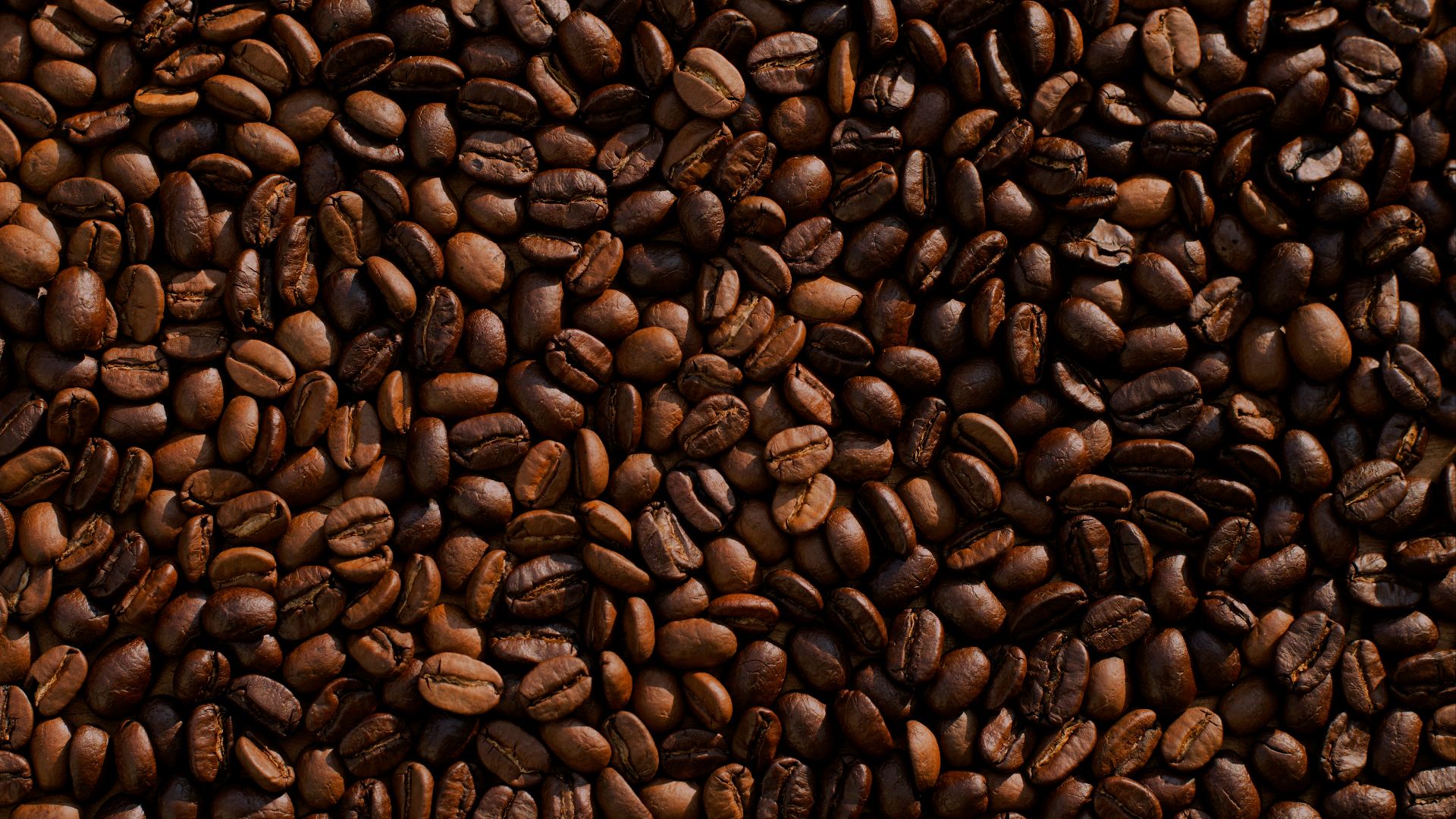
16. Coffee or Coffee Substitutes
Coffee remained an important daily comfort, although struggling families sometimes brewed it weakly or reused grounds. Chicory, roasted grains, and other substitutes were occasionally blended with coffee or served in its place to reduce expenses.
17. Peanut Butter
Peanut butter offered shelf-stable protein without the price, refrigeration, or preparation required for fresh meat. It could be spread on bread, crackers, or biscuits and packed easily into school or work lunches.

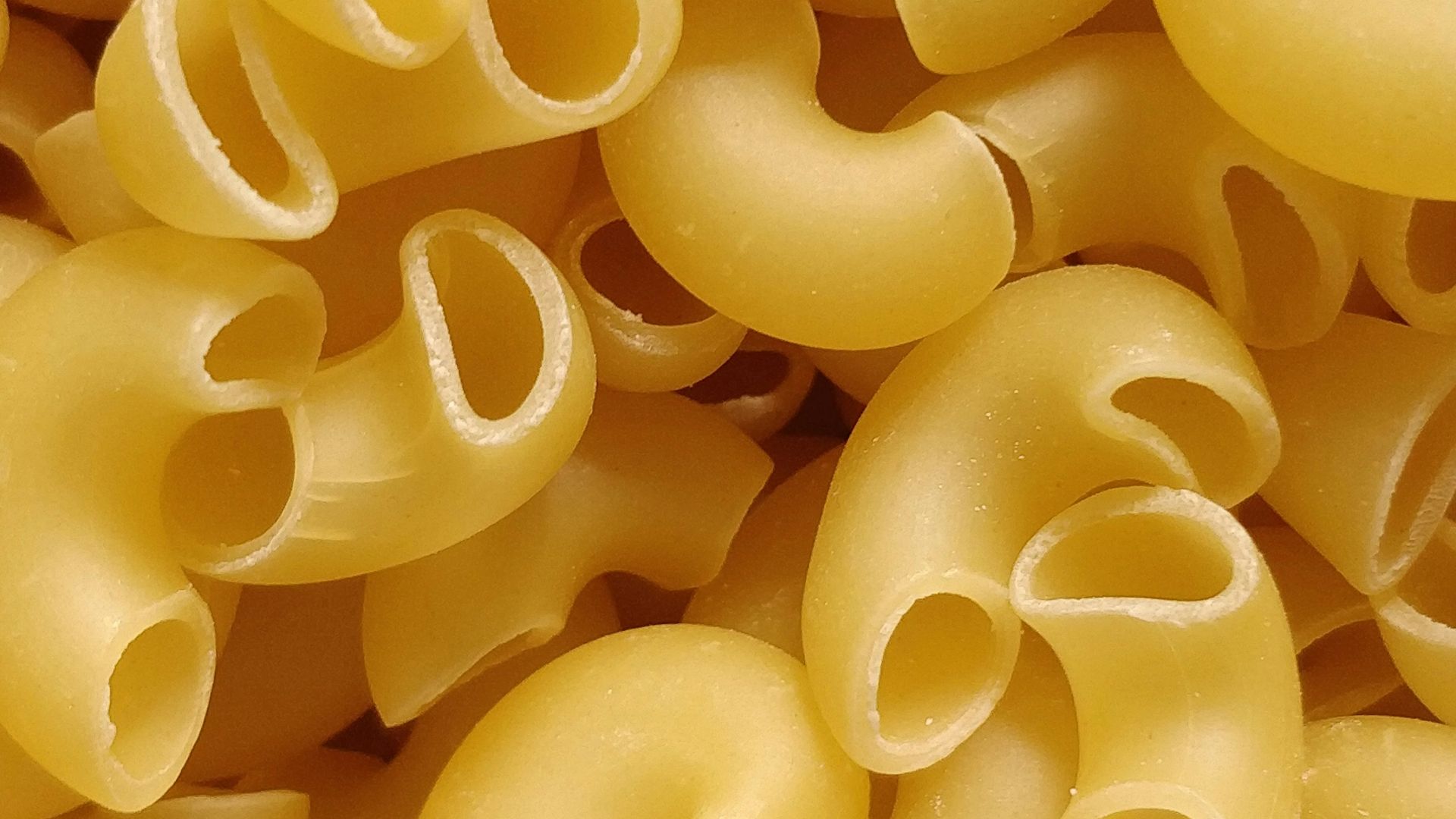
18. Dried Macaroni
Dried macaroni was affordable, easy to store, and simple to combine with tomatoes, cheese, milk, or leftover meat. Long before boxed macaroni and cheese became popular in the late 1930s, households purchased plain dried pasta for economical meals.
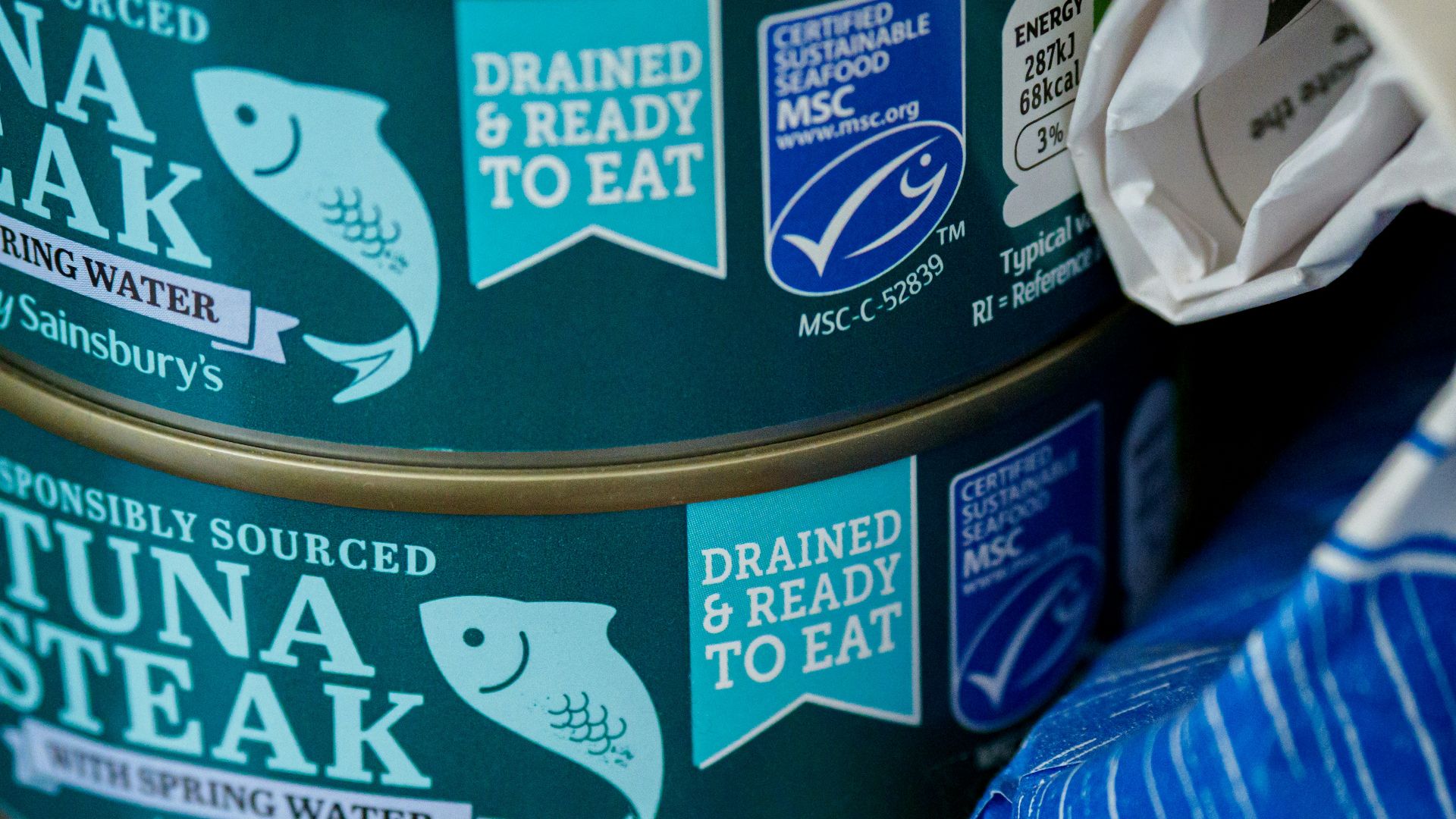
19. Canned Fish
Canned salmon, sardines, and tuna gave households access to protein that lasted much longer than fresh fish. Families mixed canned fish into patties, loaves, sandwiches, casseroles, or creamy sauces served over bread.
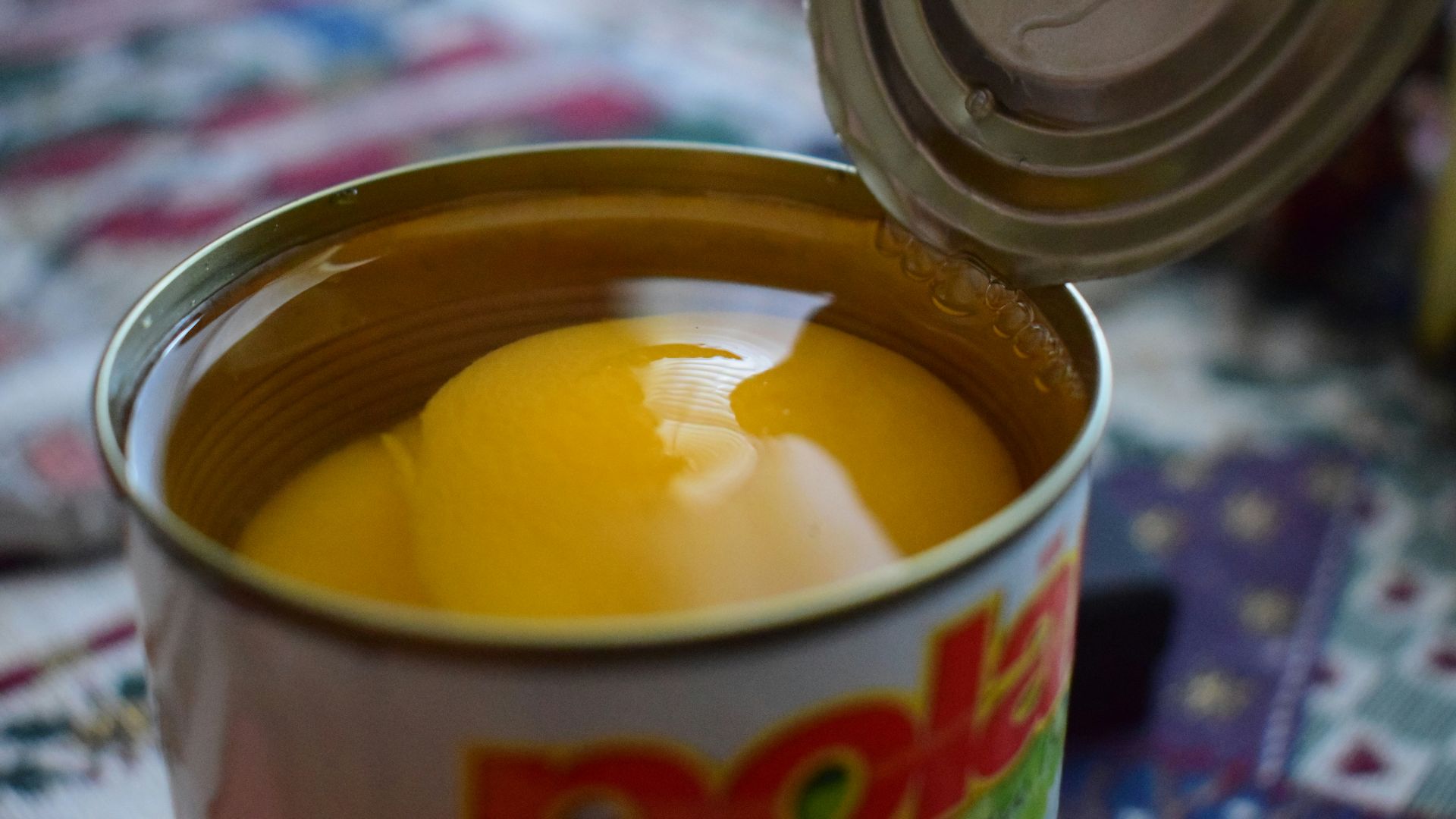
20. Home-Canned Fruit and Preserves
Home-canned peaches, apples, berries, jams, and preserves allowed families to save seasonal produce instead of letting it spoil. These foods brightened winter breakfasts and provided ingredients for cobblers, pies, sauces, and simple desserts.
KEEP ON READING