Resourceful Eating in Difficult Times
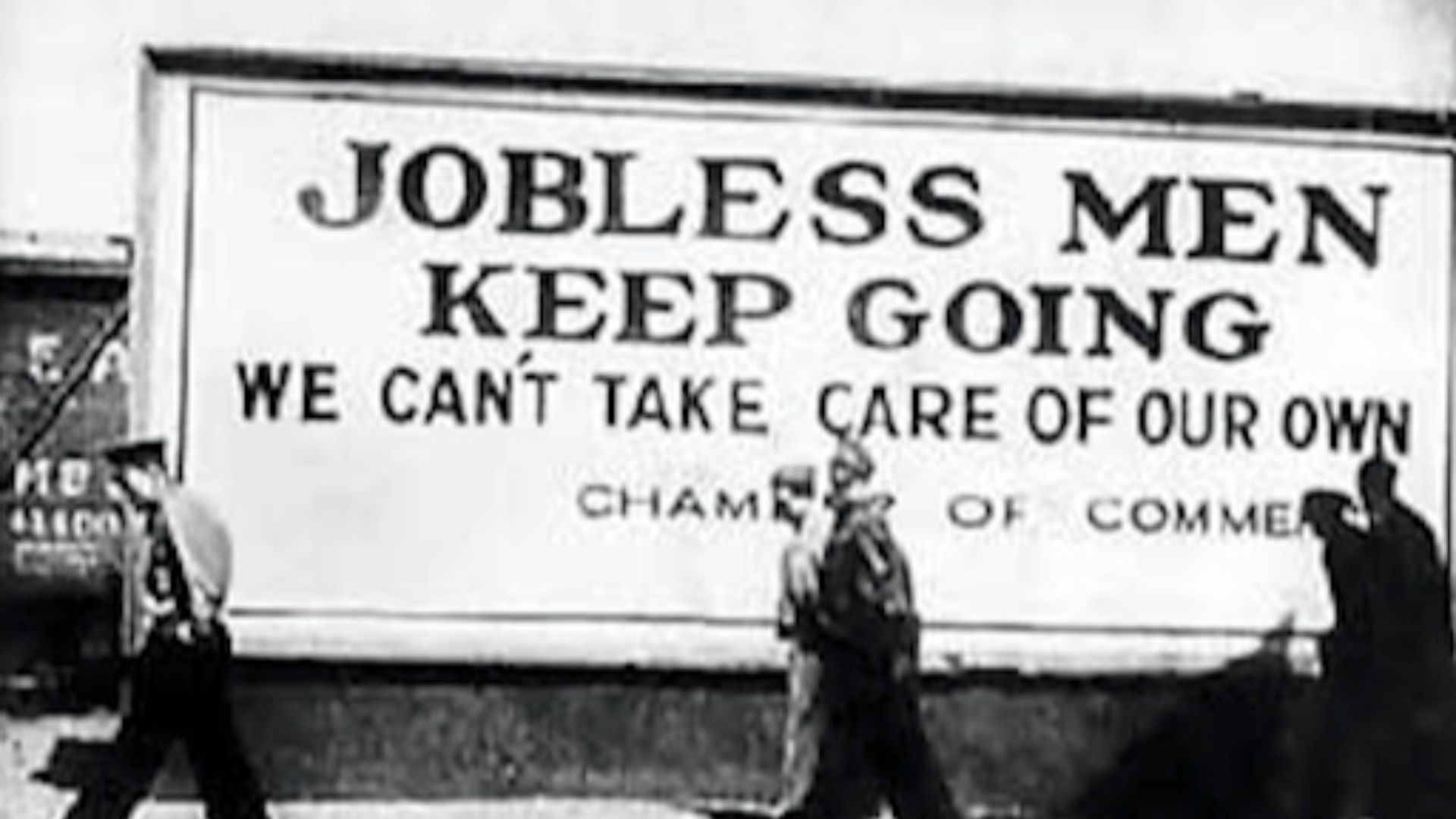
The Great Depression affected families differently depending on their location, income, community, and access to farms or relief programs, but financial hardship forced millions of people to rethink how they prepared meals. Home cooks stretched inexpensive staples, reused leftovers, substituted missing ingredients, and gathered food from gardens or the surrounding landscape whenever possible. Some dishes existed long before the 1930s, yet their affordability made them especially practical during this period. These examples reveal 20 creative ways people ate during the Great Depression.
1. They Made Hoover Stew
Hoover stew combined inexpensive ingredients such as macaroni, canned tomatoes, corn, beans, and sliced hot dogs. The name criticized President Herbert Hoover, who became closely associated with the country’s economic suffering.
2. They Poured Gravy Over Bread
Bread covered with simple gravy provided a filling meal without requiring an expensive piece of meat. Cooks often prepared the gravy from flour, fat, milk, water, or whatever drippings remained after another dish. Although the ingredients were modest, the combination added moisture and flavor to stale or homemade bread.
3. They Stretched Meat With Fillers
Meat was costly for struggling households, so cooks mixed smaller portions with breadcrumbs, oats, rice, crackers, or vegetables. Meatloaf, patties, and casseroles allowed one serving of meat to feed several people. Seasonings, onions, and gravy helped the extended dish feel like a complete family meal.

4. They Turned Leftovers Into New Dishes
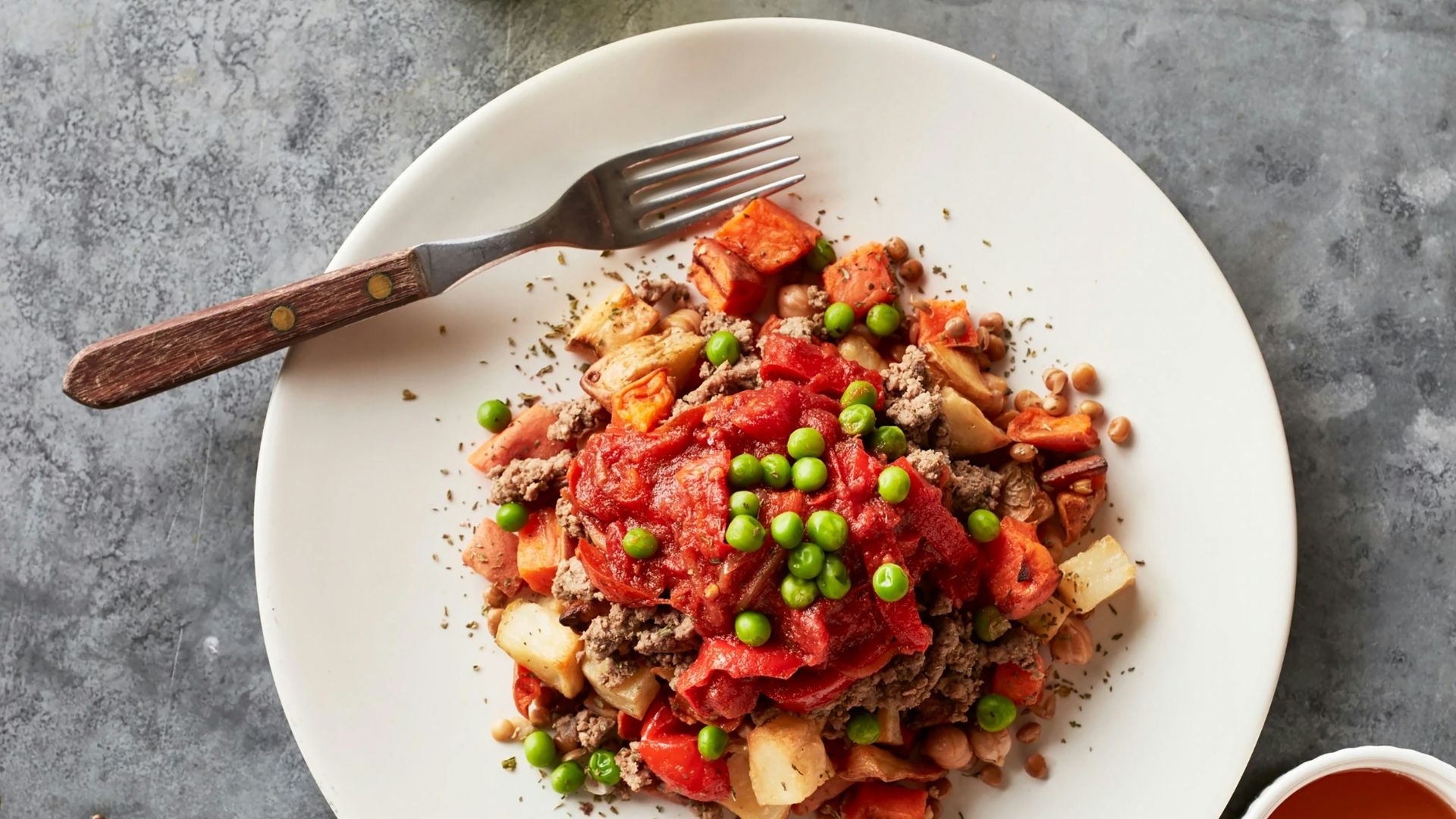
Food waste wasn’t practical when grocery money was limited, which meant yesterday’s meal often returned in a different form. Leftover meat and vegetables could be added to hash, soup, croquettes, casseroles, or savory pies.
5. They Prepared Cornmeal Mush
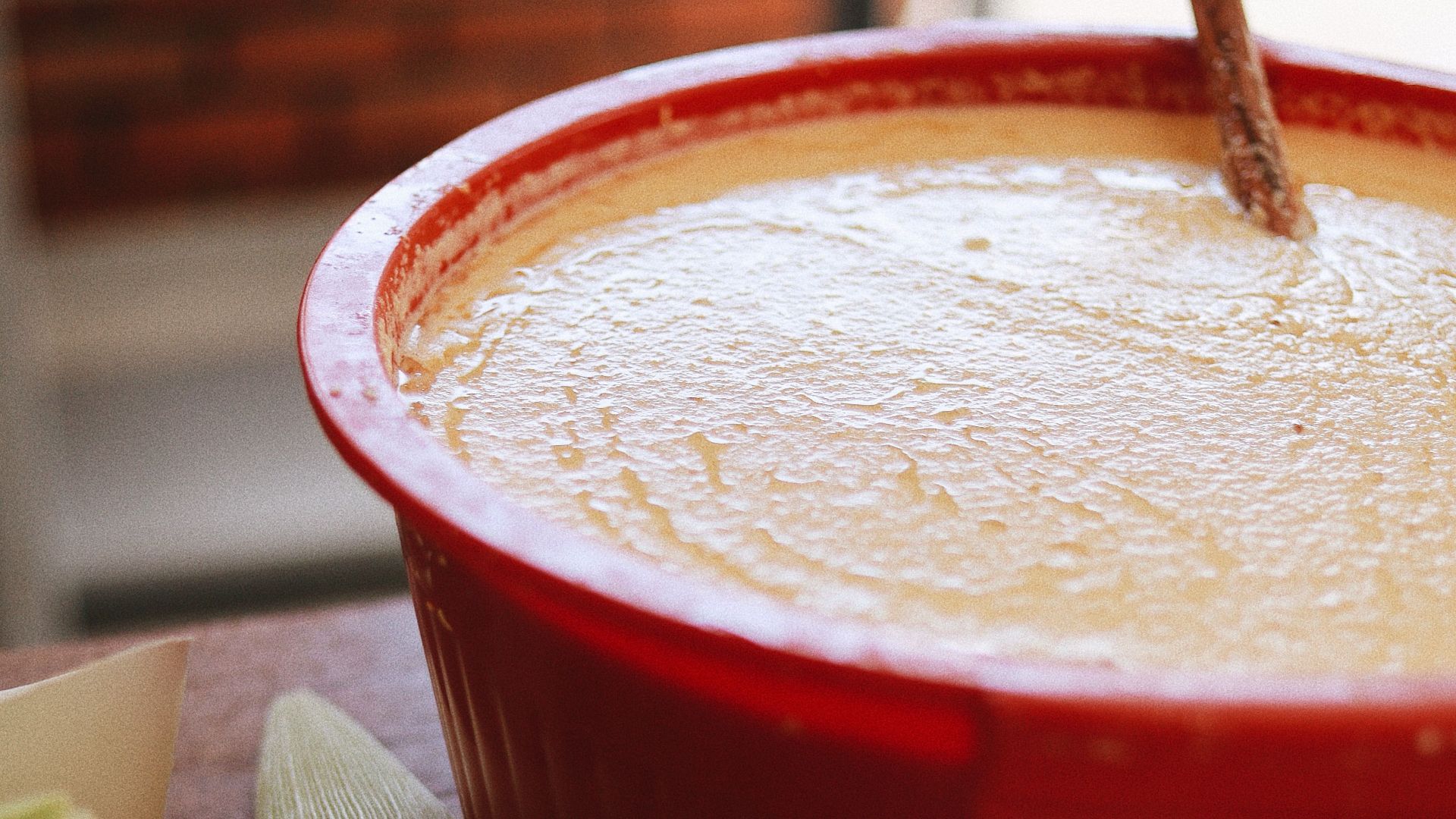
Cornmeal was inexpensive, widely available, and easy to transform into several satisfying dishes. Families simmered it with water or milk to create a warm porridge that could be served plain or lightly sweetened. Once chilled, the firm leftovers were sliced and fried for another meal the following day.
6. They Served Beans as the Main Course
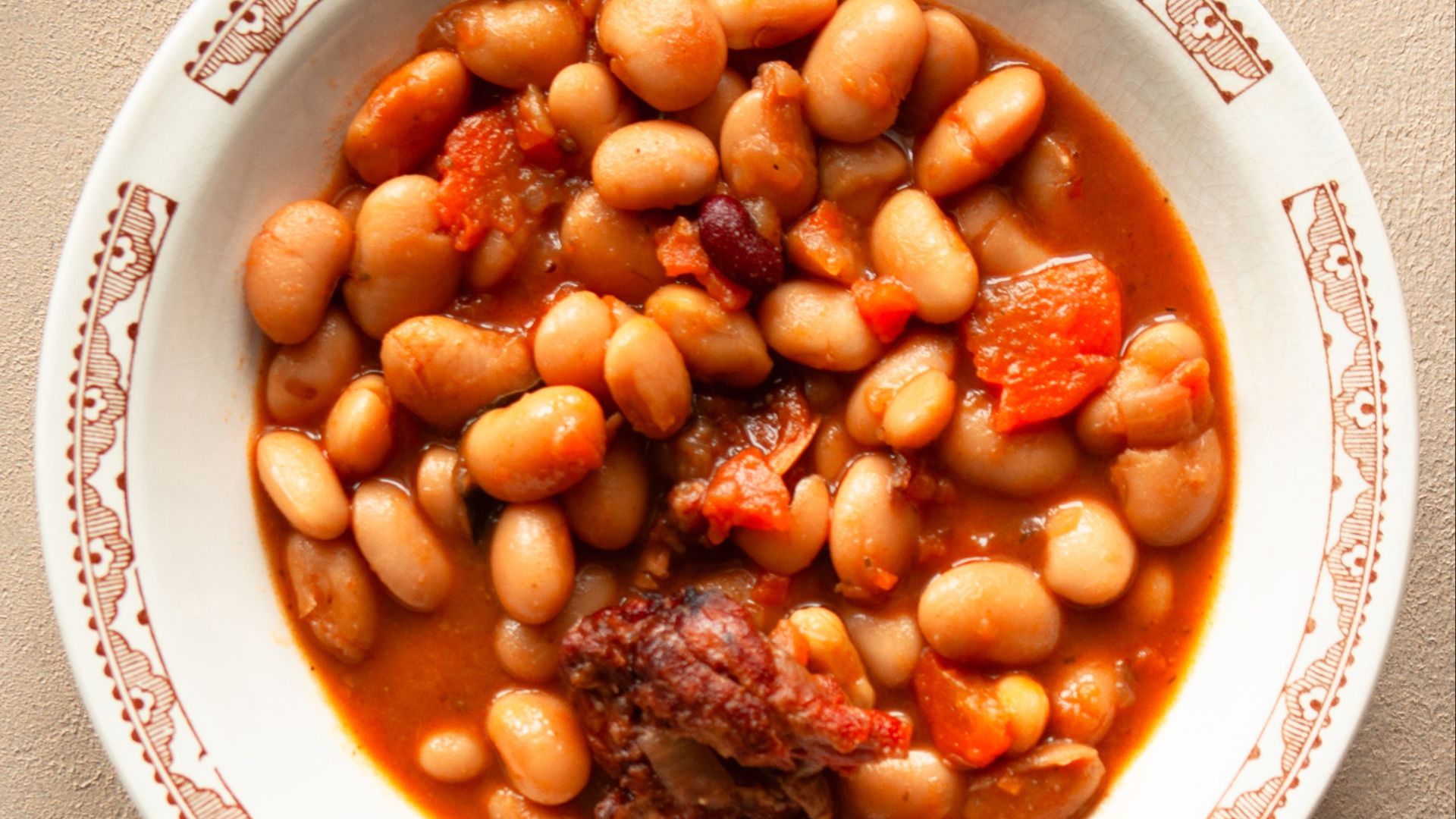
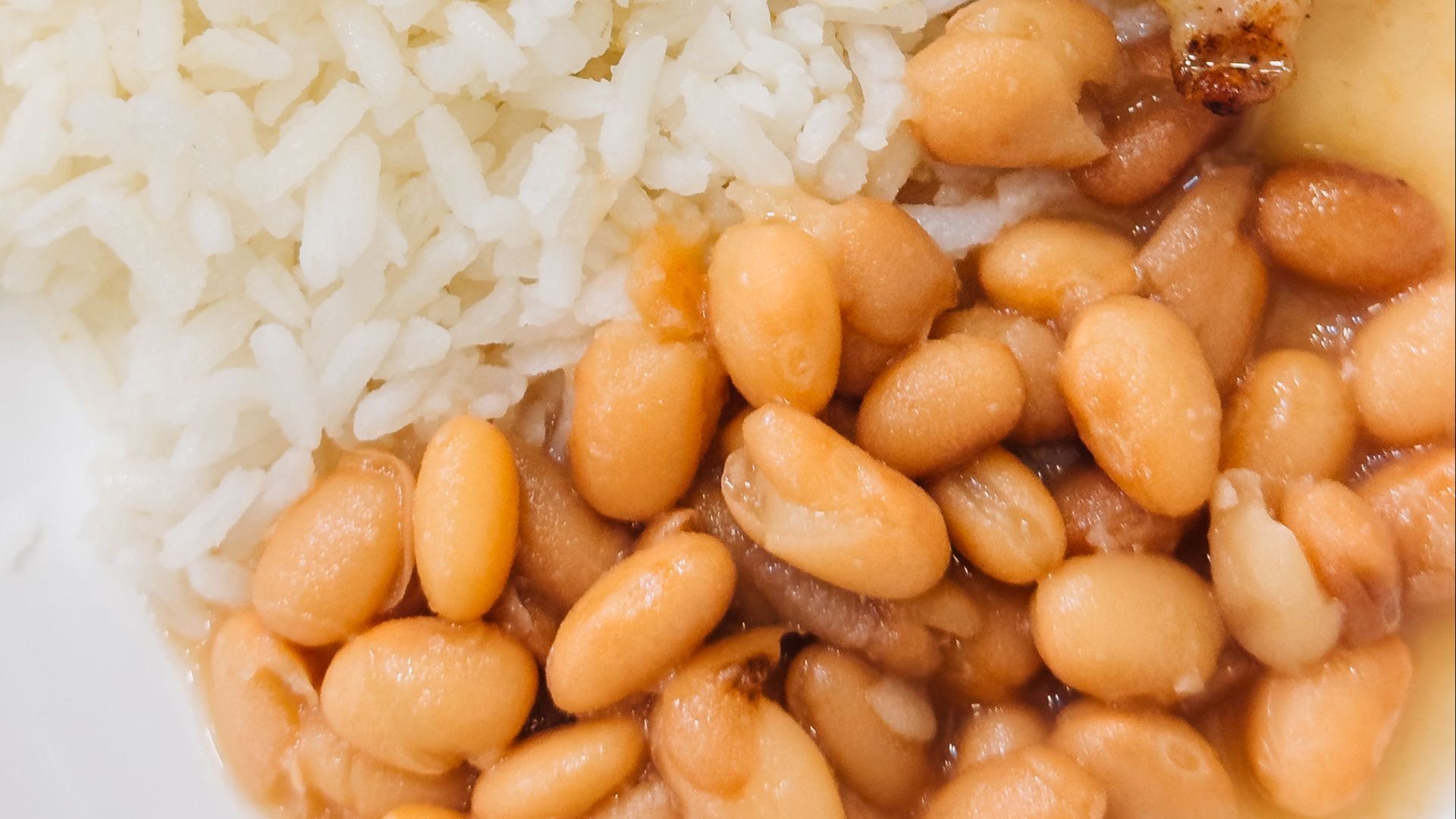
Dried beans supplied an affordable source of protein and could be stored for long periods without refrigeration. Home cooks simmered them with onions, tomatoes, seasonings, or a small piece of pork for added flavor. A large pot could provide multiple meals, especially when served with bread or cornbread.
7. They Created Eggless Cakes
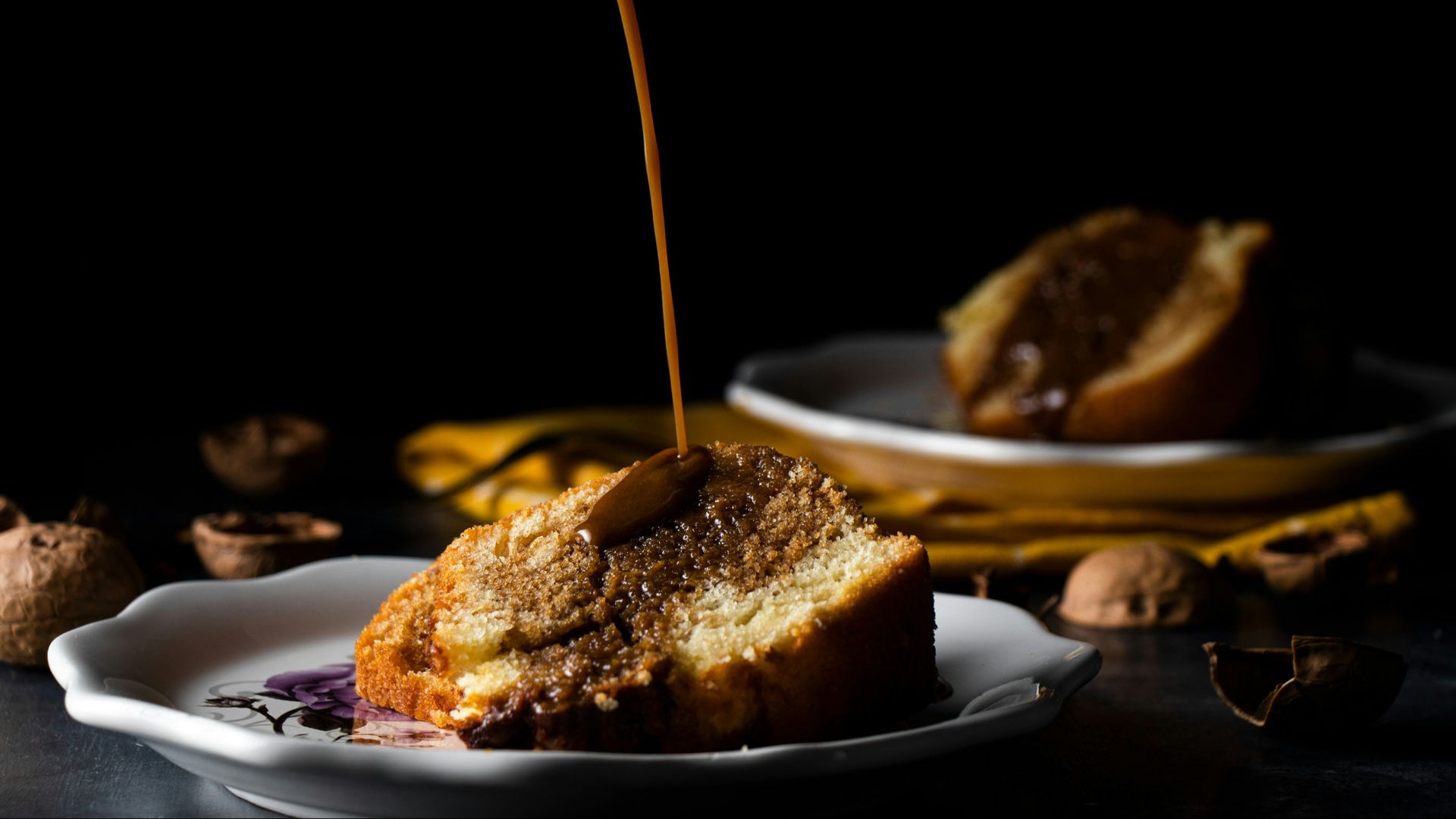
Butter, milk, and eggs weren’t always affordable, but families still found ways to prepare occasional desserts. Recipes now commonly called Depression cake or wacky cake used pantry ingredients such as flour, sugar, cocoa, oil, vinegar, and baking soda. The chemical reaction between vinegar and baking soda helped the cake rise without eggs.

8. They Used Potatoes in Candy
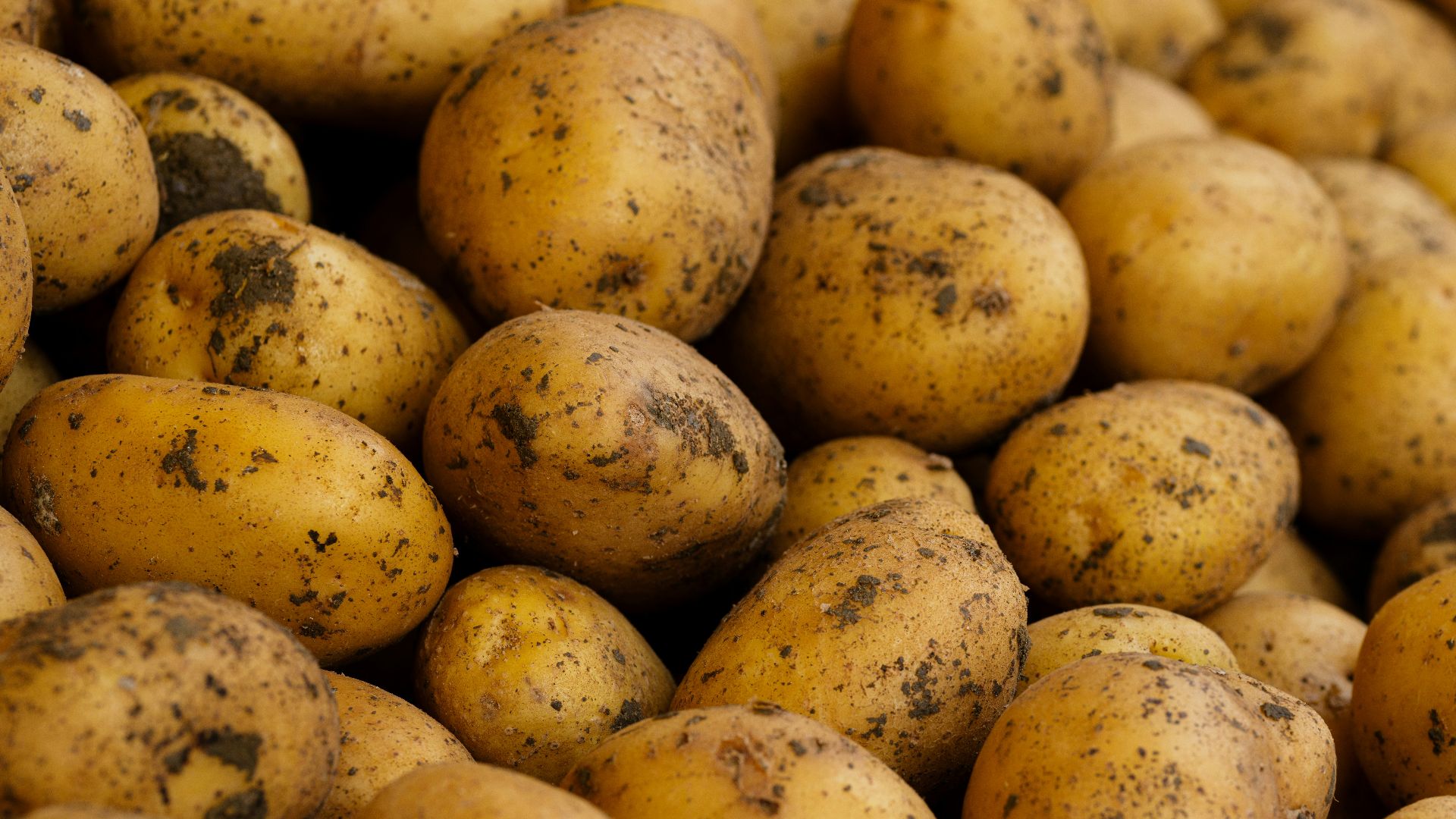
Potatoes weren’t limited to soups, hashes, and side dishes because inventive cooks also used them in homemade sweets. Mashed potatoes could be combined with powdered sugar to form a soft dough, which was sometimes spread with peanut butter and rolled.
9. They Made Soup From Almost Anything
Soup allowed households to combine small quantities of ingredients into a meal that could serve several people. Potatoes, beans, cabbage, tomatoes, noodles, bones, and leftover vegetables all found their way into the pot. Additional water or broth increased the number of portions, while bread made each bowl more substantial.

10. They Ate Dandelion Greens
Some families gathered edible wild plants to supplement what they could afford or grow. Dandelion leaves could be washed and added to salads, boiled like other greens, or cooked with a little fat. Foraging required reliable local knowledge because not every wild plant was safe to eat.
 Christine Siracusa on Unsplash
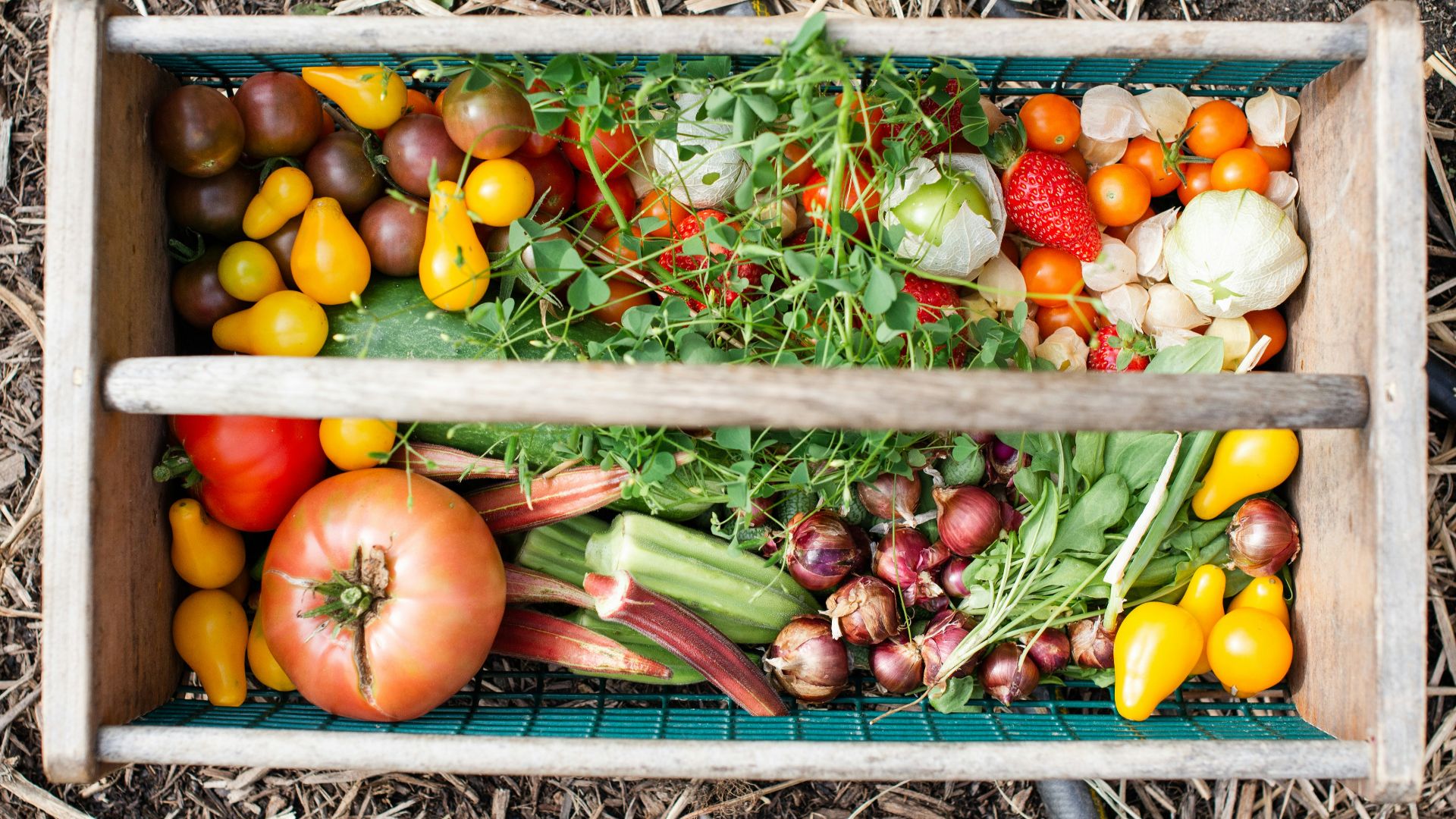
11. They Relied on Home Gardens
Families with access to suitable land planted vegetables to reduce their dependence on purchased food. Beans, tomatoes, potatoes, cabbage, carrots, and squash could provide useful harvests without requiring elaborate equipment.
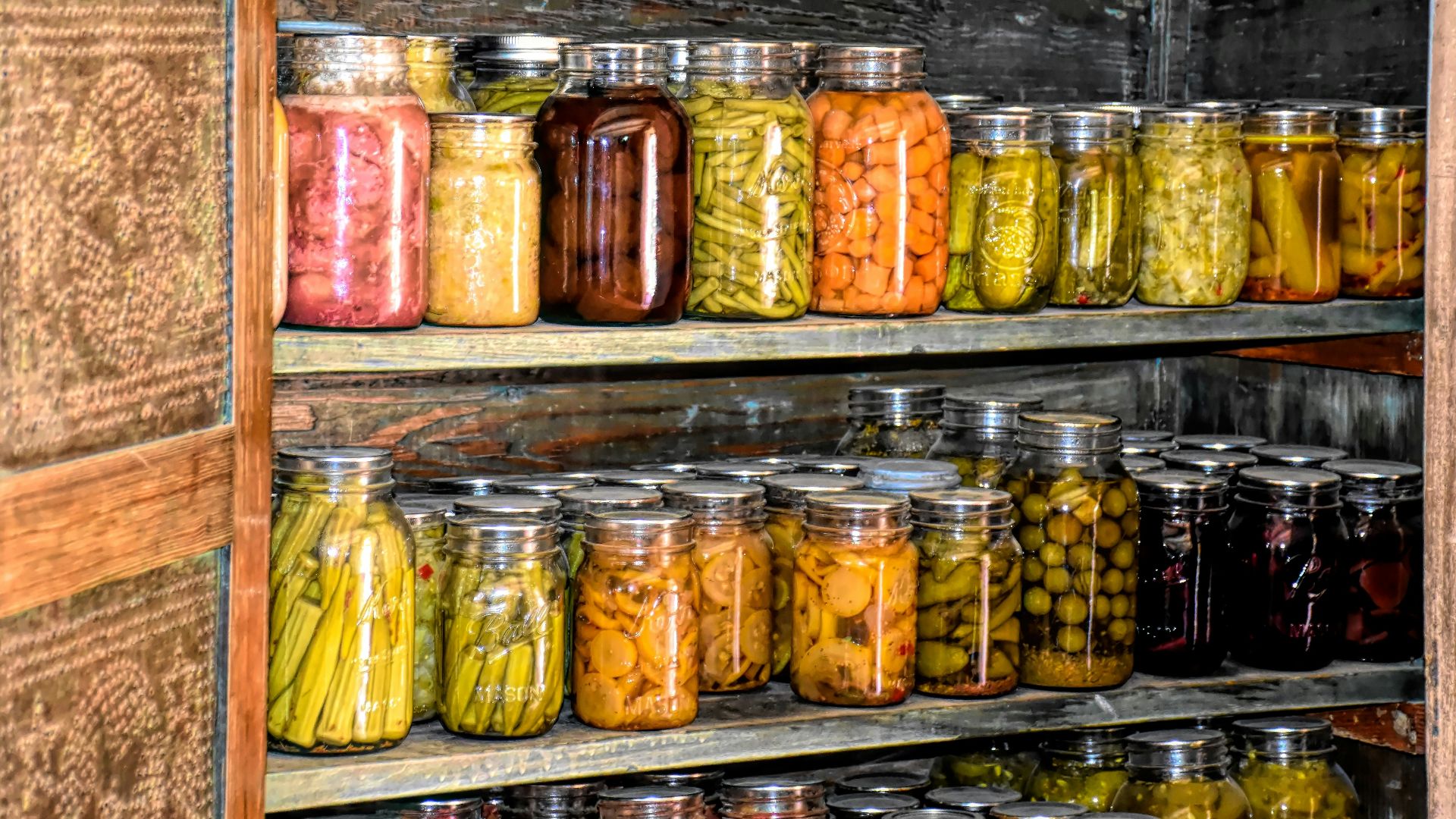
12. They Preserved Seasonal Produce
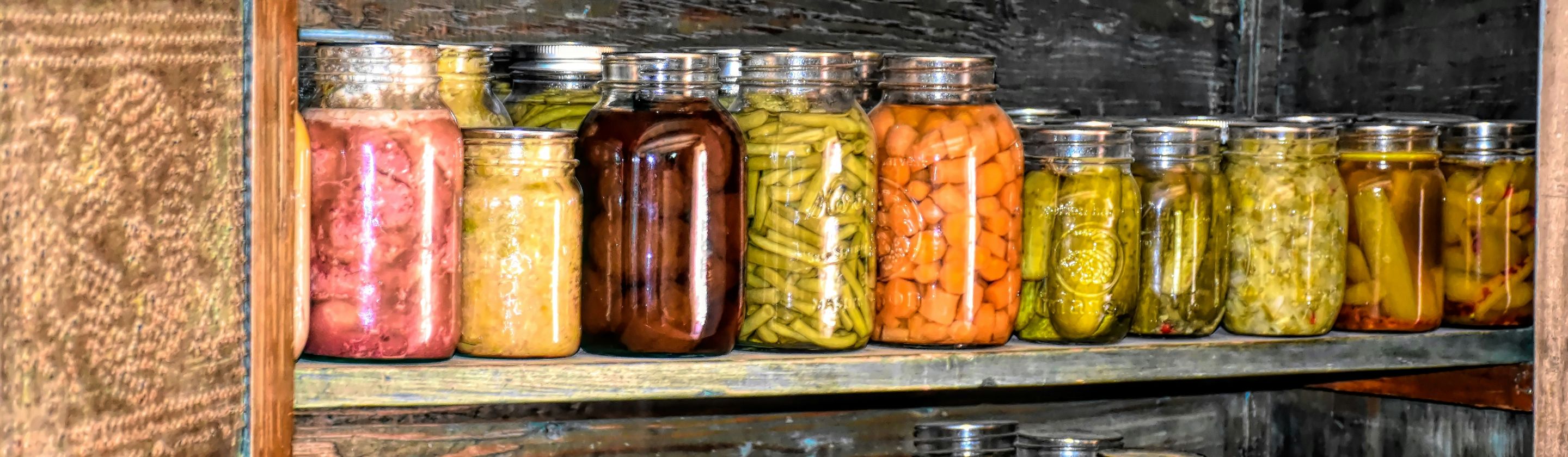
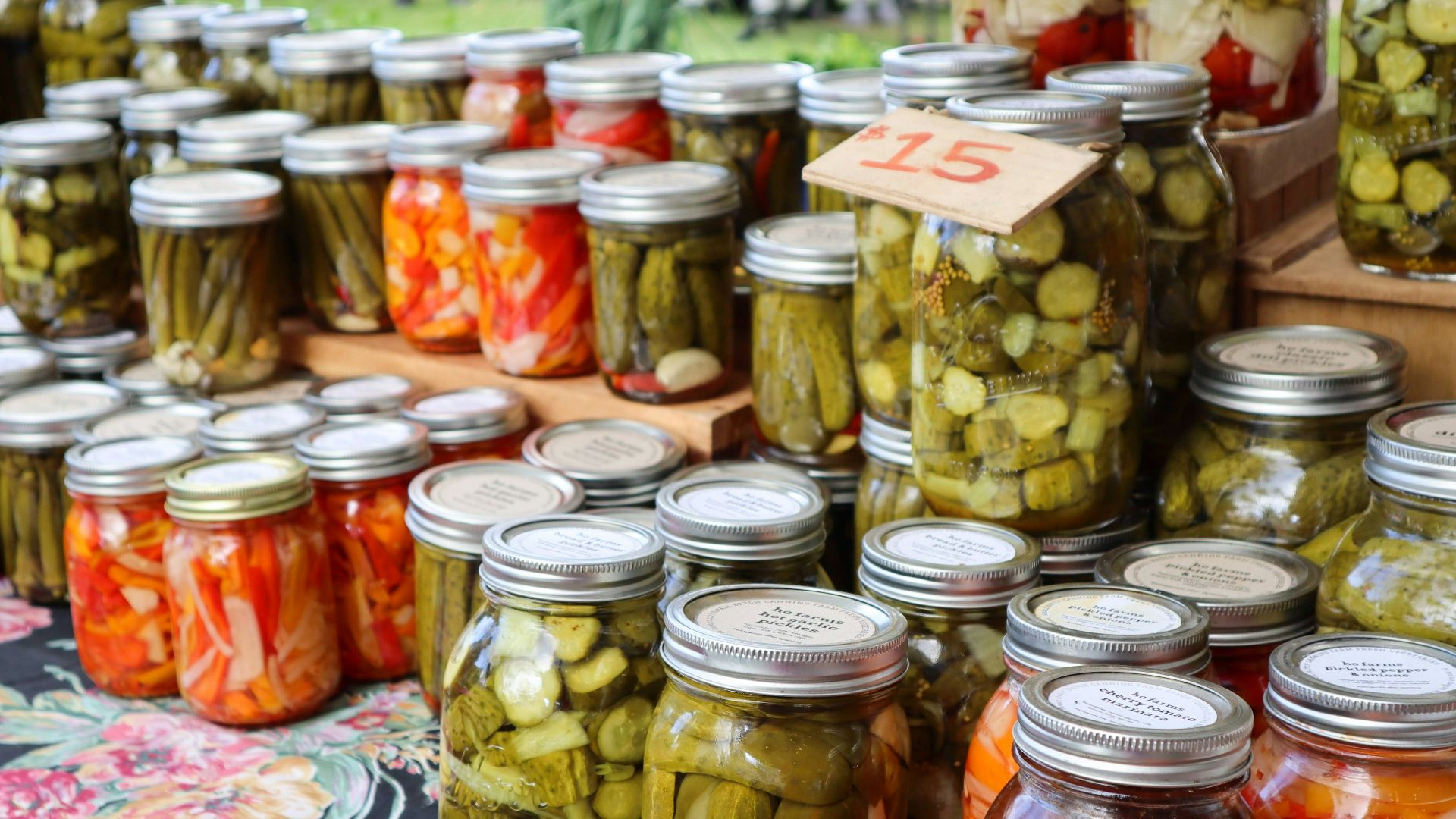
Canning, pickling, drying, and making preserves helped households avoid wasting food during productive seasons. Fruits and vegetables stored in jars could support families after gardens stopped producing or fresh items became too expensive.
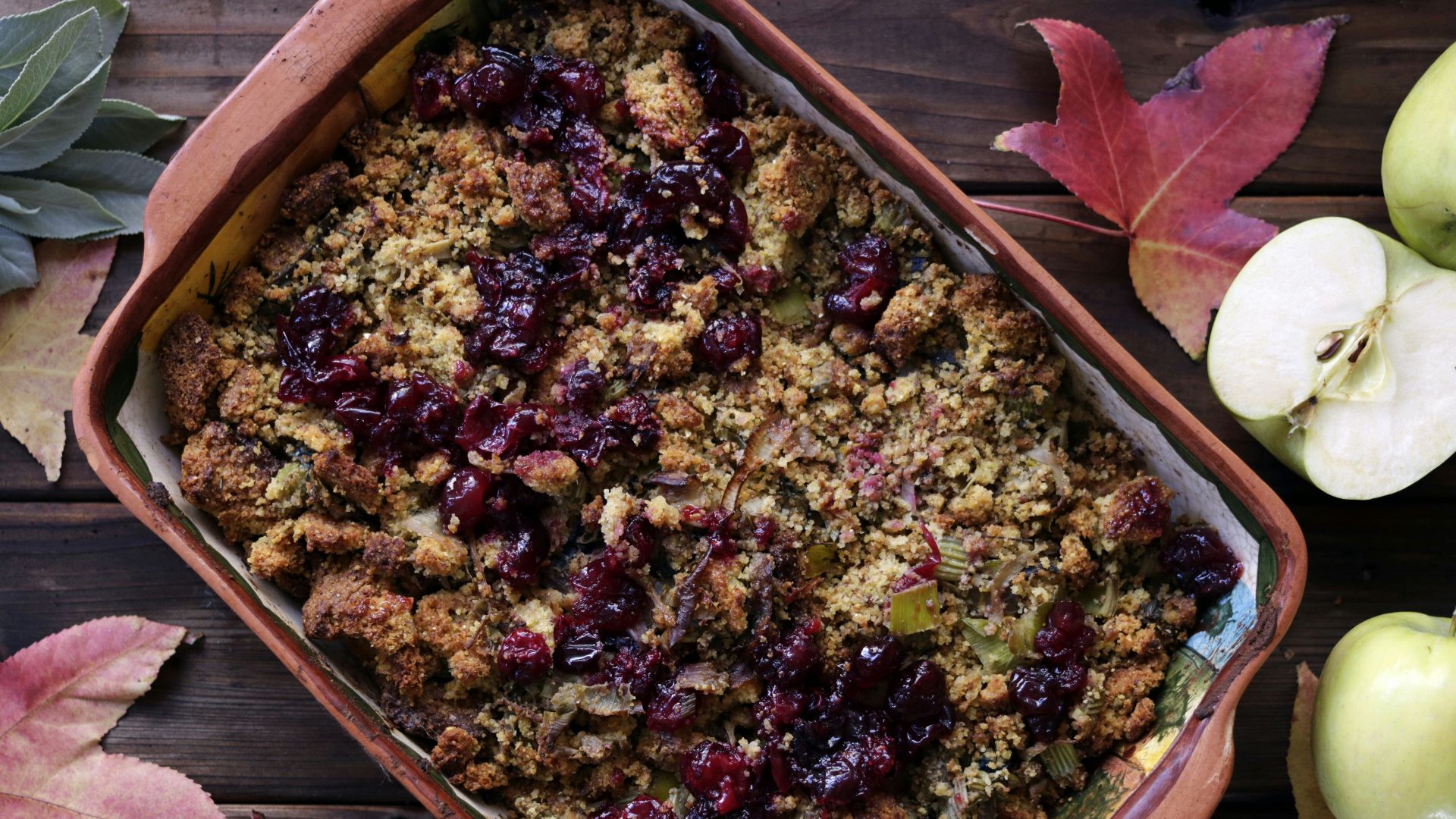
13. They Fried Stale Bread
Bread that had become dry didn’t automatically belong in the trash. It could be fried in fat, soaked in milk or egg when available, toasted, or incorporated into puddings and stuffings.
14. They Combined Hot Dogs With Potatoes
Hot dogs offered a relatively inexpensive way to add meat and seasoning to a larger dish. Families sliced them into skillets containing potatoes, onions, cabbage, or other affordable vegetables.

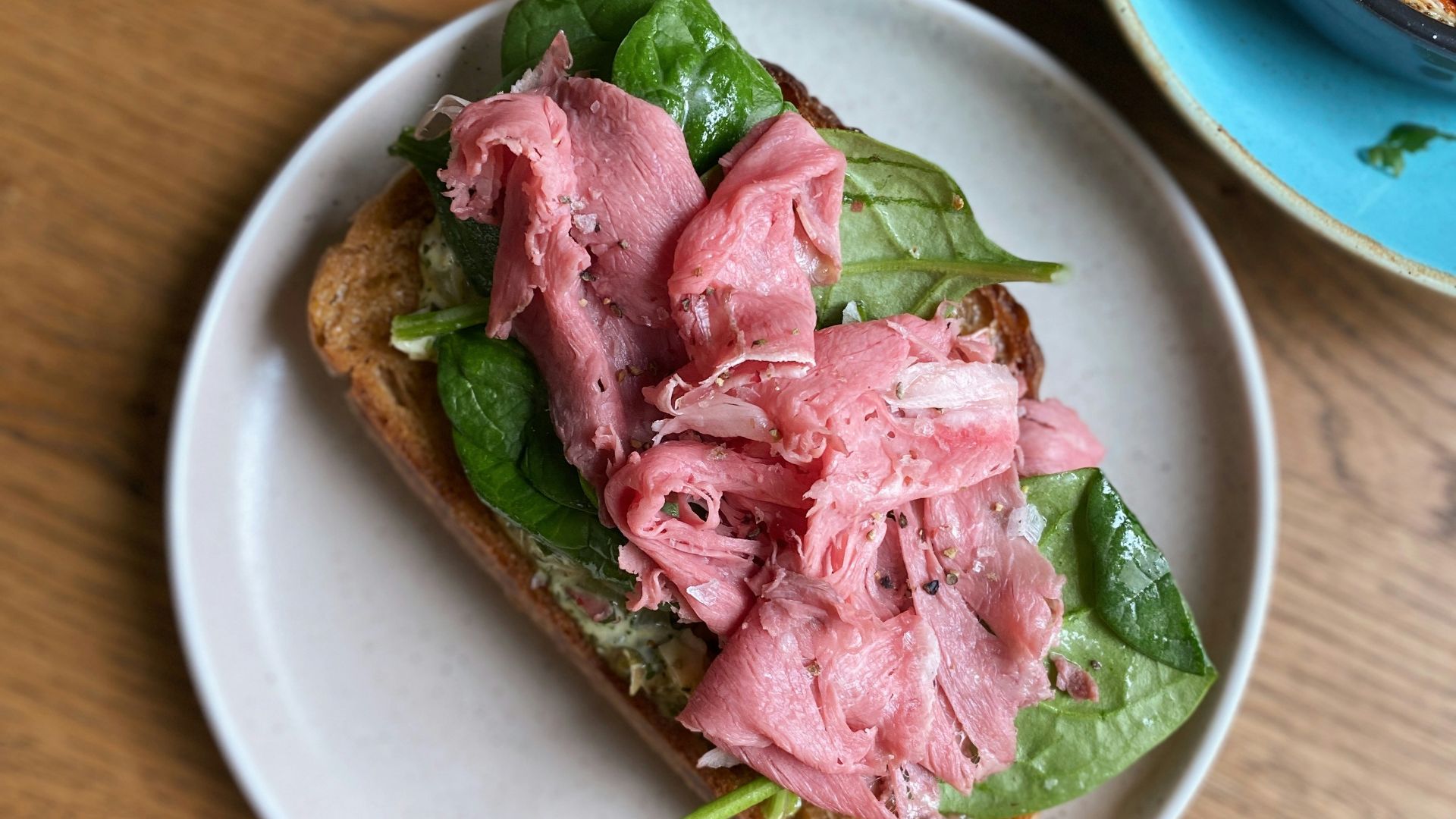
15. They Prepared Chipped Beef on Toast
Creamed chipped beef on toast used thin pieces of preserved beef in a basic white sauce. Serving the mixture over toast made a small amount of meat more filling and easier to divide.
16. They Made Mock Foods
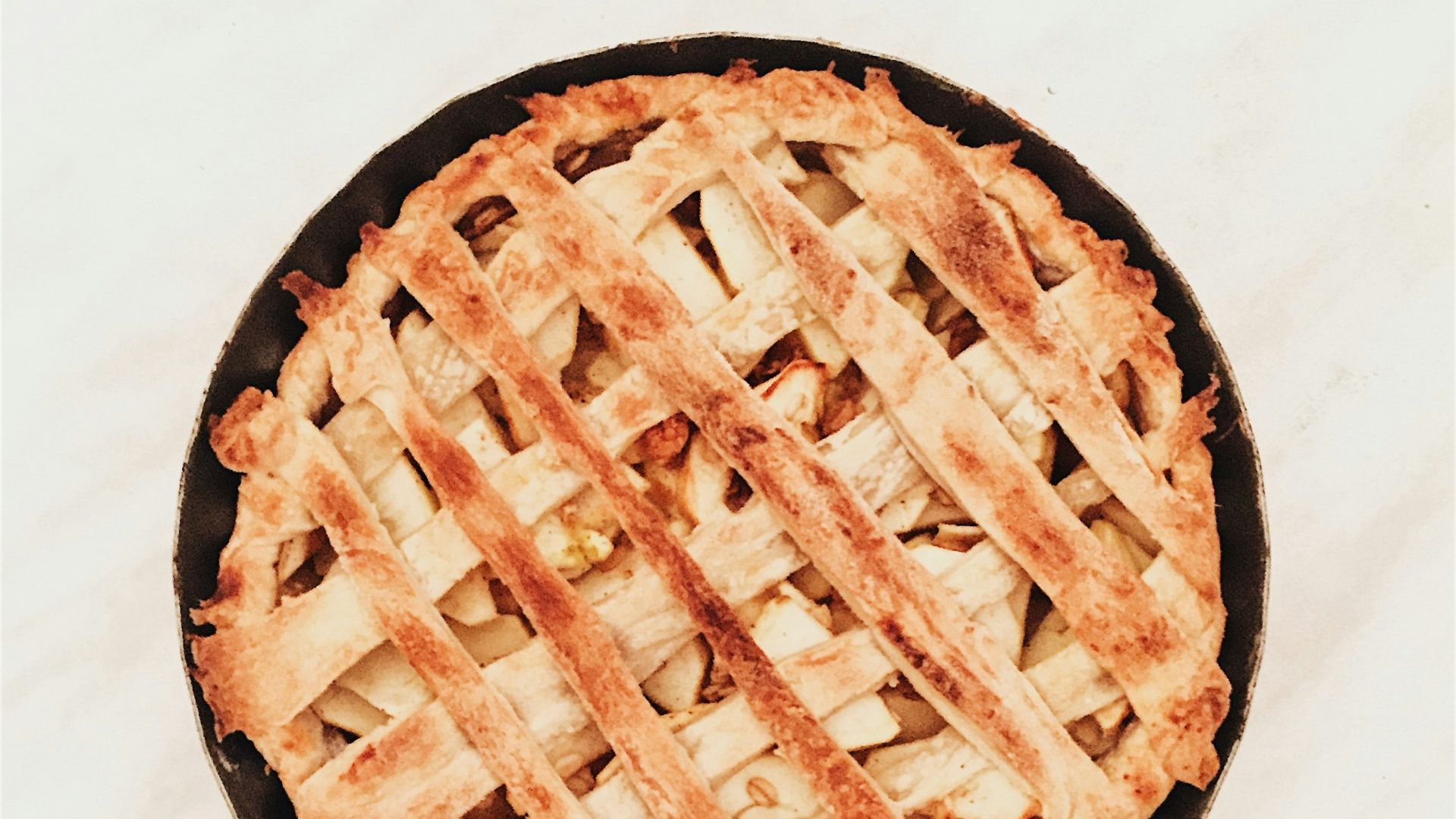
Recipes sometimes used the word “mock” for dishes that imitated more expensive foods with cheaper ingredients. Mock apple pie, for example, could use crackers, sugar, spices, and tart flavoring rather than fresh apples.
17. They Served Cabbage Frequently
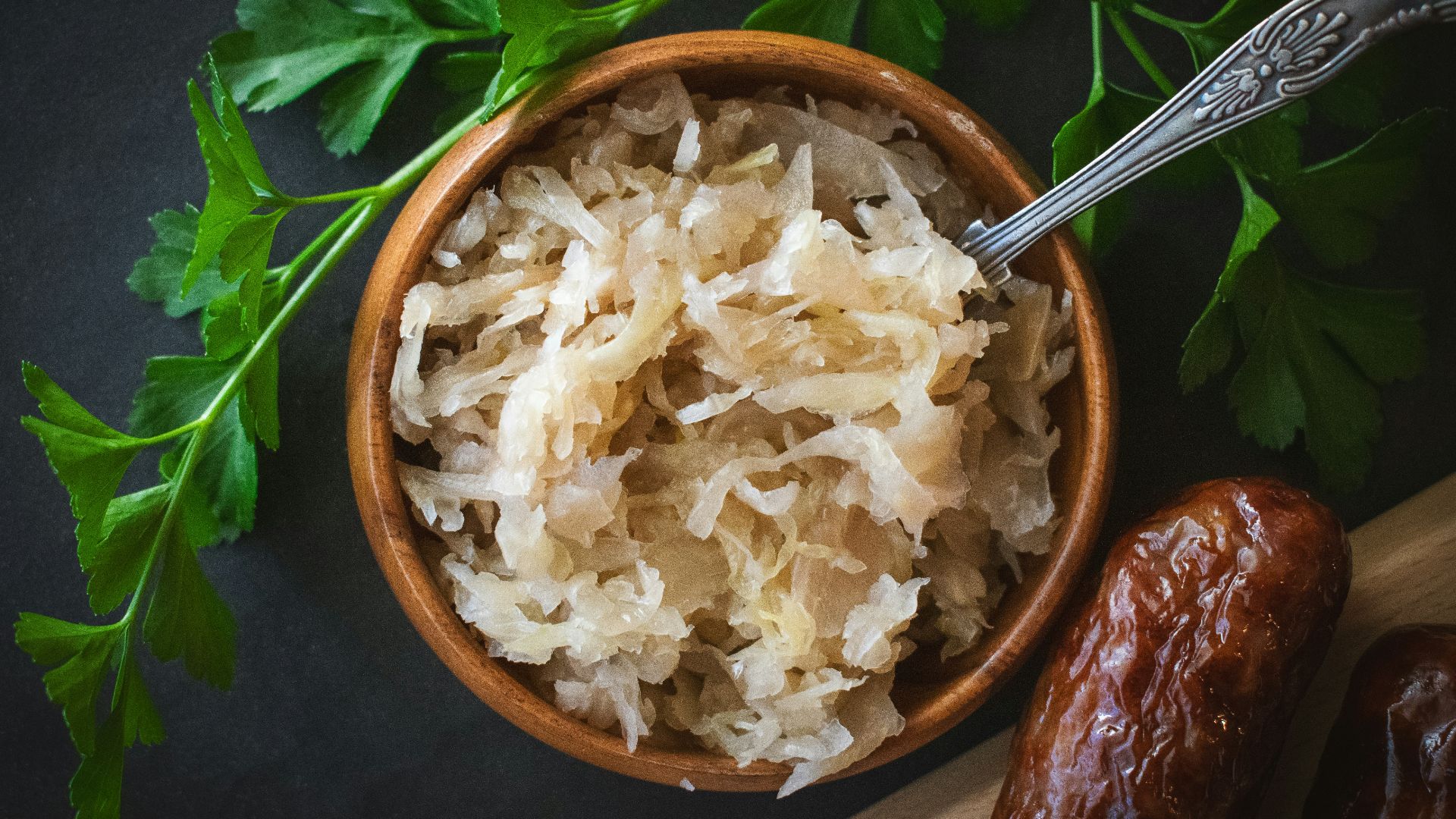
Cabbage was valued because it was inexpensive, versatile, and capable of lasting longer than many delicate vegetables. It could be boiled, fried, added to soup, mixed with potatoes, or preserved as sauerkraut.
18. They Used Molasses as a Sweetener
Refined sugar could be difficult to fit into a restricted grocery budget, so some households relied on molasses when it was accessible. The thick syrup sweetened breads, cookies, oatmeal, beans, and simple desserts while adding a strong, distinctive flavor.

19. They Shared Food Through Community Programs
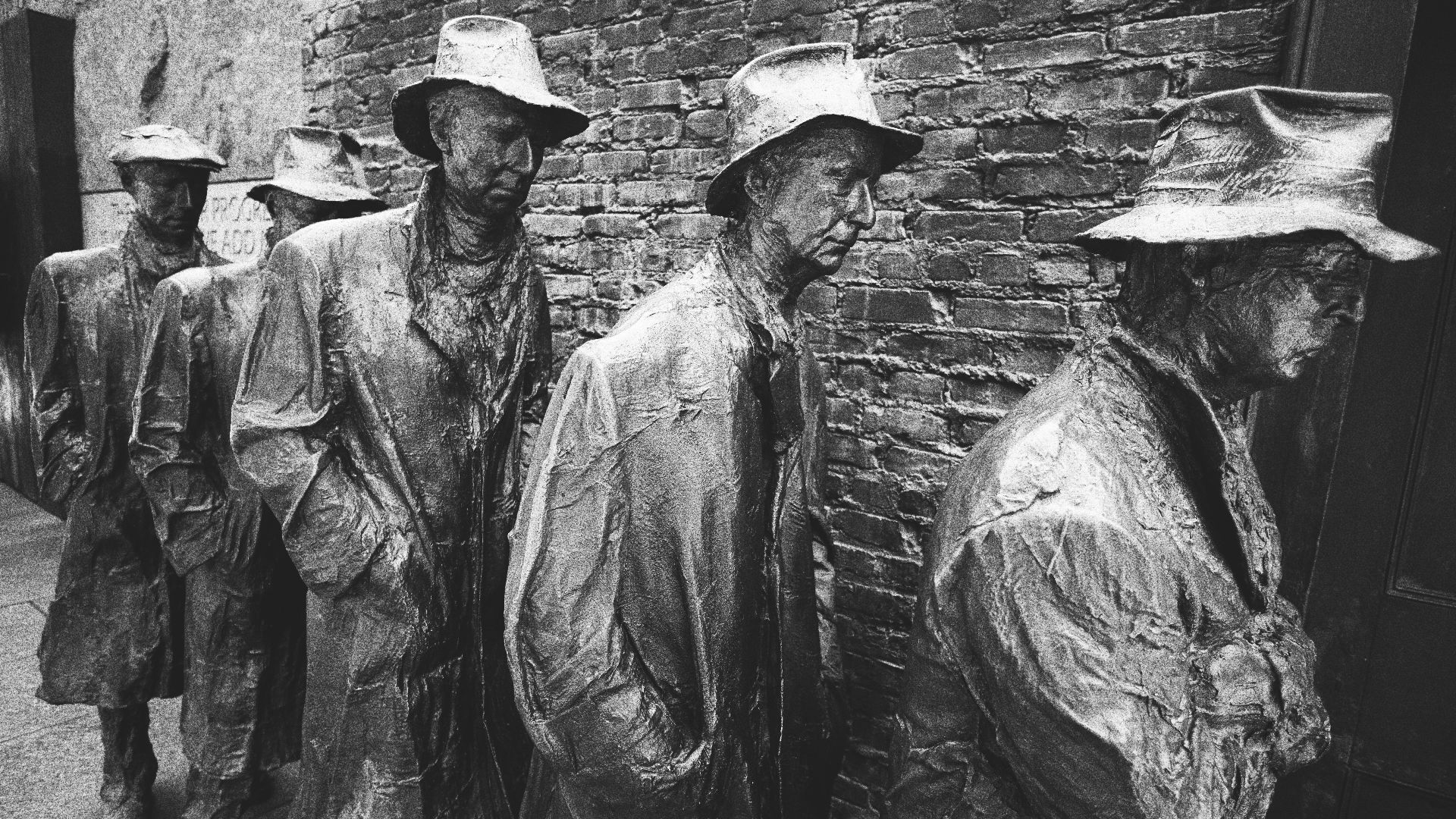
Not every struggling family could meet its needs through household creativity alone. Breadlines, soup kitchens, churches, charities, schools, and government relief programs distributed meals or basic groceries to people experiencing hunger.
20. They Traded Food and Labor
Cash shortages encouraged some neighbors and relatives to exchange goods or practical assistance directly. A person might trade eggs, garden produce, preserved food, repair work, or harvesting help for something another household could provide.
KEEP ON READING