Labor Disputes That Escalated Beyond the Picket Line
Strikes have played a major role in securing better pay, shorter hours, safer workplaces, and stronger labor protections, but some disputes became far more dangerous than anyone standing on a picket line might have expected. During the most turbulent periods of American labor history, workers sometimes faced armed guards, police, militias, federal troops, or hostile groups, while some strikers also responded with force. The result was a series of confrontations in which industrial disagreements gave way to shootings, riots, bombings, and deadly battles. These 20 worker strikes became some of the most violent labor conflicts in American history.
 Glasshouse Images on Wikimedia
1. The Great Railroad Strike Of 1877
Railroad workers in West Virginia walked off the job after the Baltimore and Ohio Railroad announced another wage reduction in July 1877. Pittsburgh experienced especially severe violence, with dozens killed and railroad property destroyed by fire.
 The Oregon State University Collections and Archives on Unsplash
2. The Haymarket Affair Of 1886
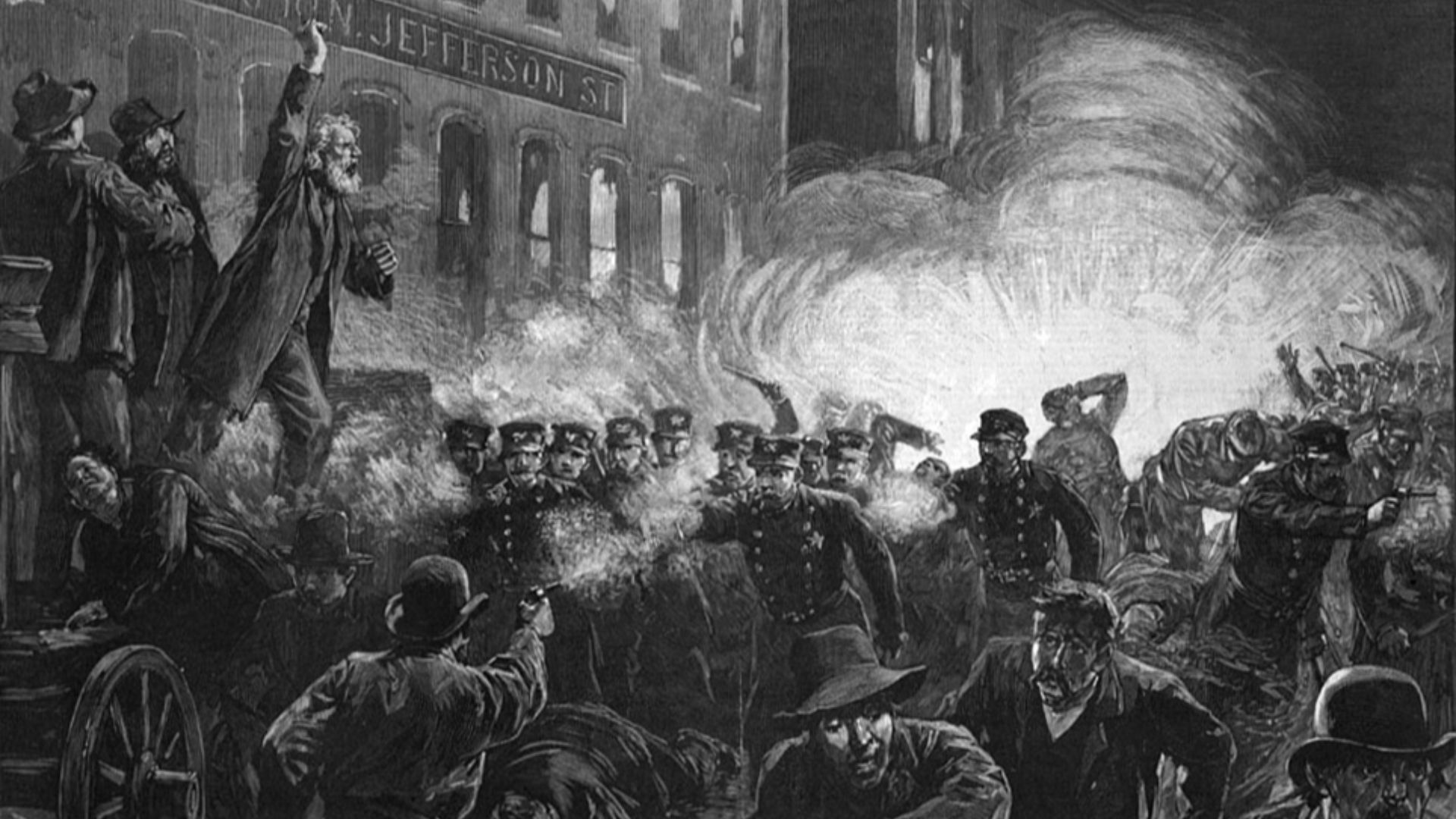
Chicago's struggle for an eight-hour workday became deadly after police fired on workers near the McCormick Reaper Works on May 3, killing several people. Someone then threw a bomb toward police, after which gunfire erupted and killed police officers and civilians.
 Thure de Thulstrup on Wikimedia
3. The Bay View Massacre Of 1886
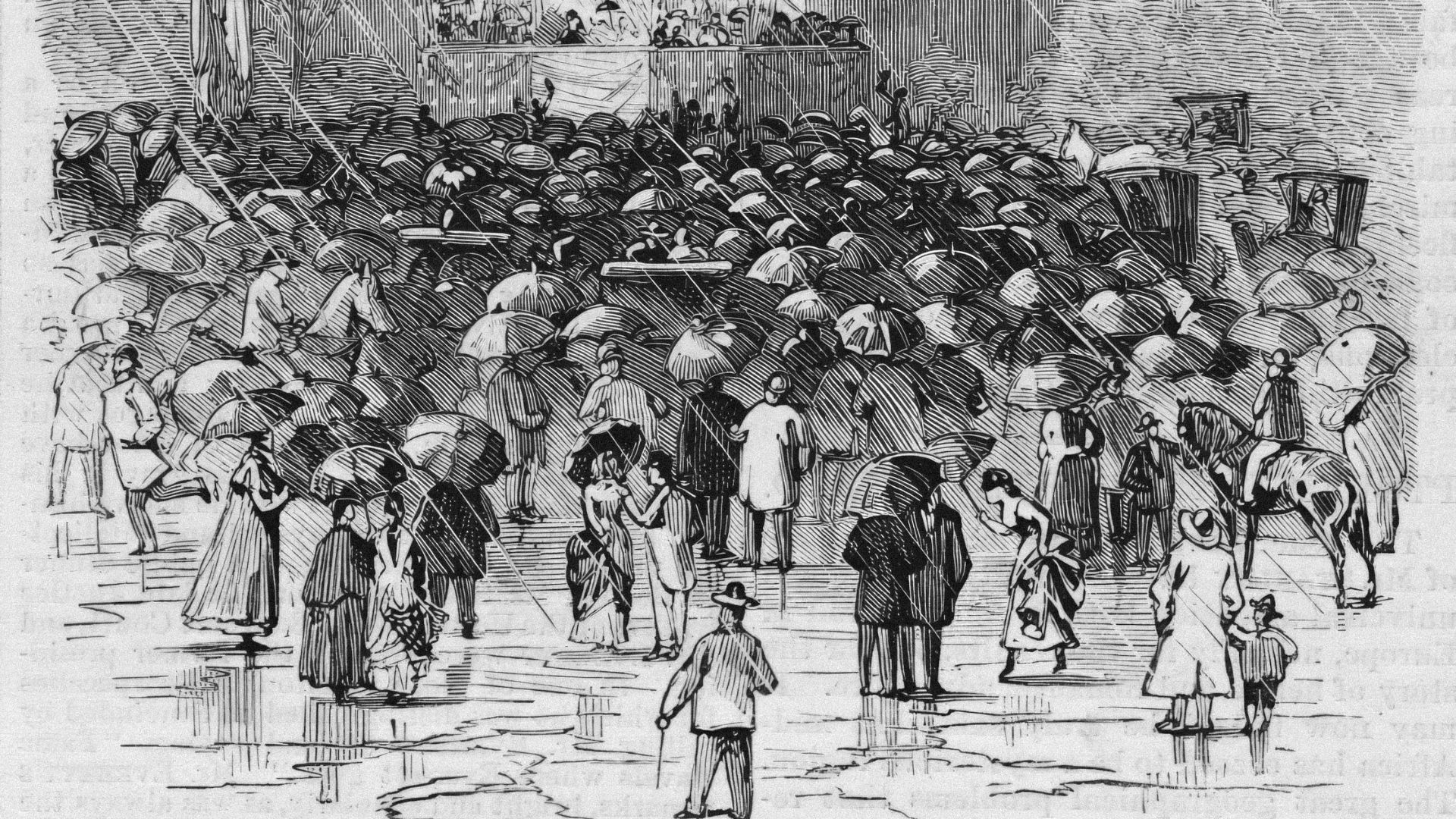
Thousands of Milwaukee-area workers joined the nationwide campaign for an eight-hour working day in May 1886. Troops opened fire as the demonstrators approached, killing several people and bringing the local strike movement to a violent halt.
4. The Thibodaux Massacre Of 1887
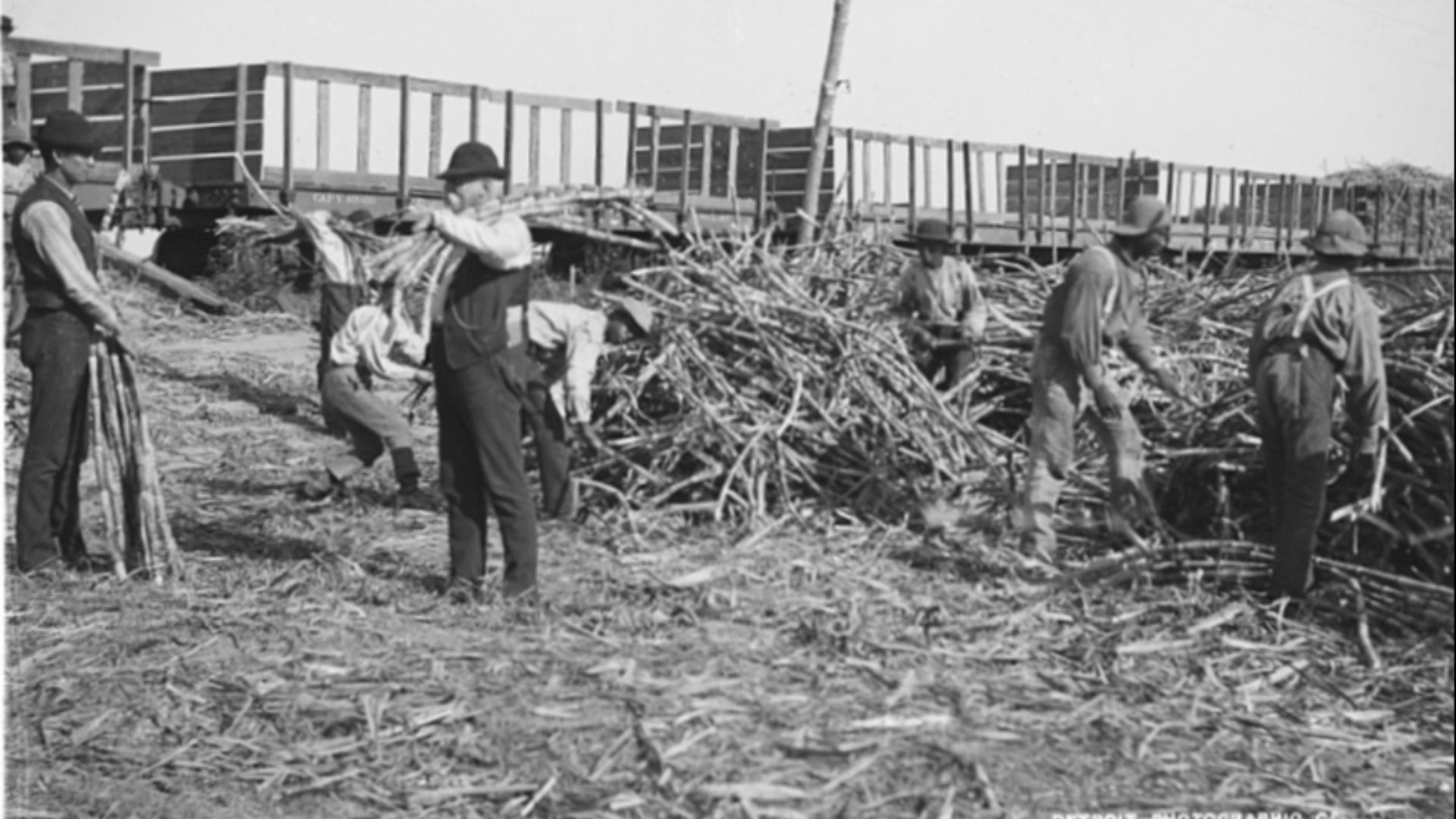
Louisiana sugar workers, many of them Black laborers, went on strike in 1887 seeking better wages and improved working conditions. The resulting massacre killed an uncertain number of people, with historical estimates varying considerably because authorities didn't produce a reliable official count.
 William Henry Jackson on Wikimedia
5. The Homestead Strike Of 1892
A bitter dispute at Carnegie Steel's Homestead plant in Pennsylvania escalated after management locked out unionized steelworkers. A prolonged gun battle left people dead on both sides before the Pinkertons surrendered, and state militia eventually occupied Homestead.
 Virginia Commonwealth University Libraries on Unsplash
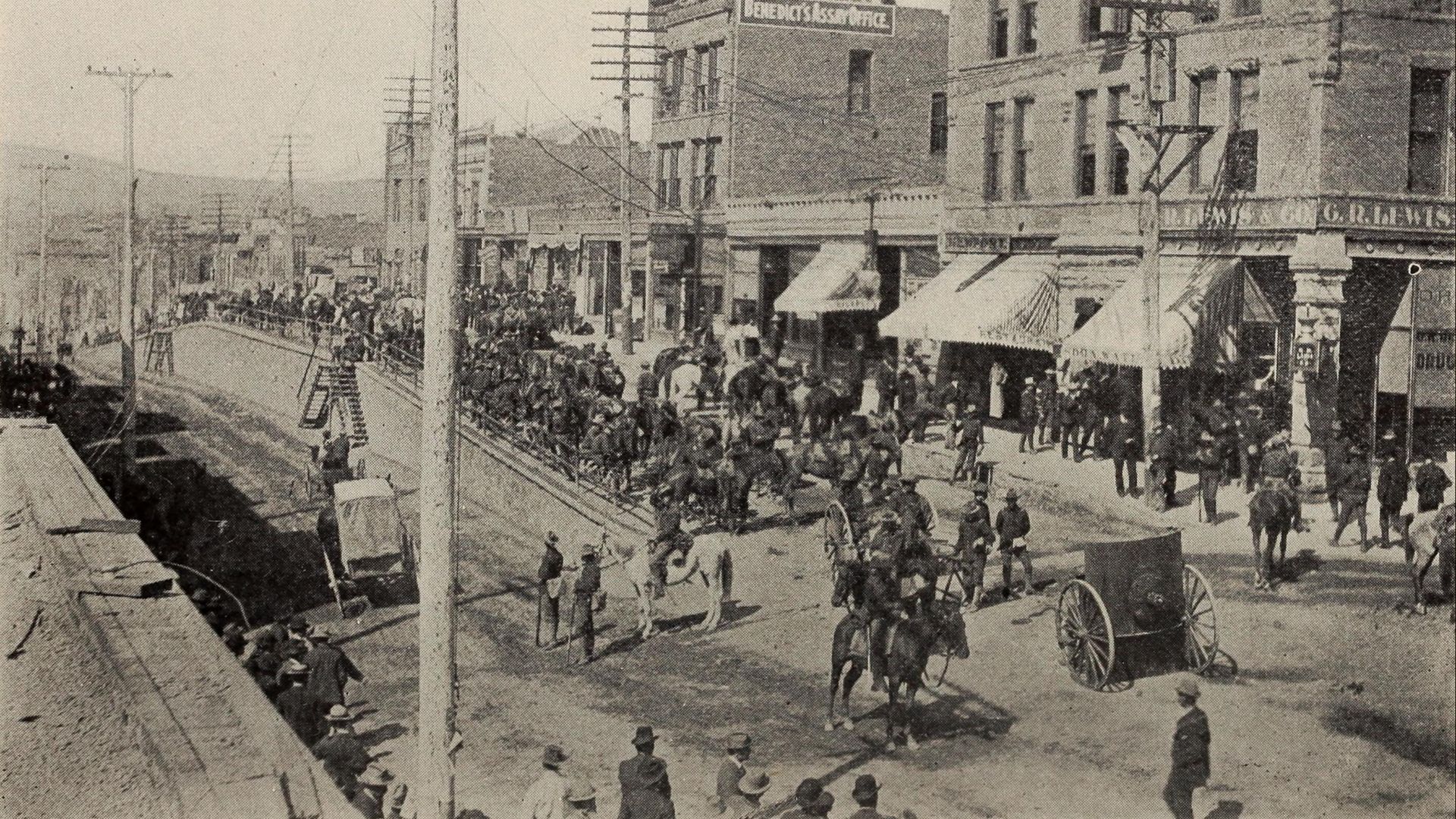
6. The Cripple Creek Strike Of 1894
Colorado gold miners struck after mine owners sought to increase working hours without a corresponding increase in daily pay. Armed miners fortified positions as the confrontation intensified, while mine owners brought in deputies and sought state assistance. Although a major battle was ultimately avoided through negotiation, armed clashes and violence made the dispute unusually tense for its period.
 Rastall, Benjamin McKie. University of Wisconsin. on Wikimedia
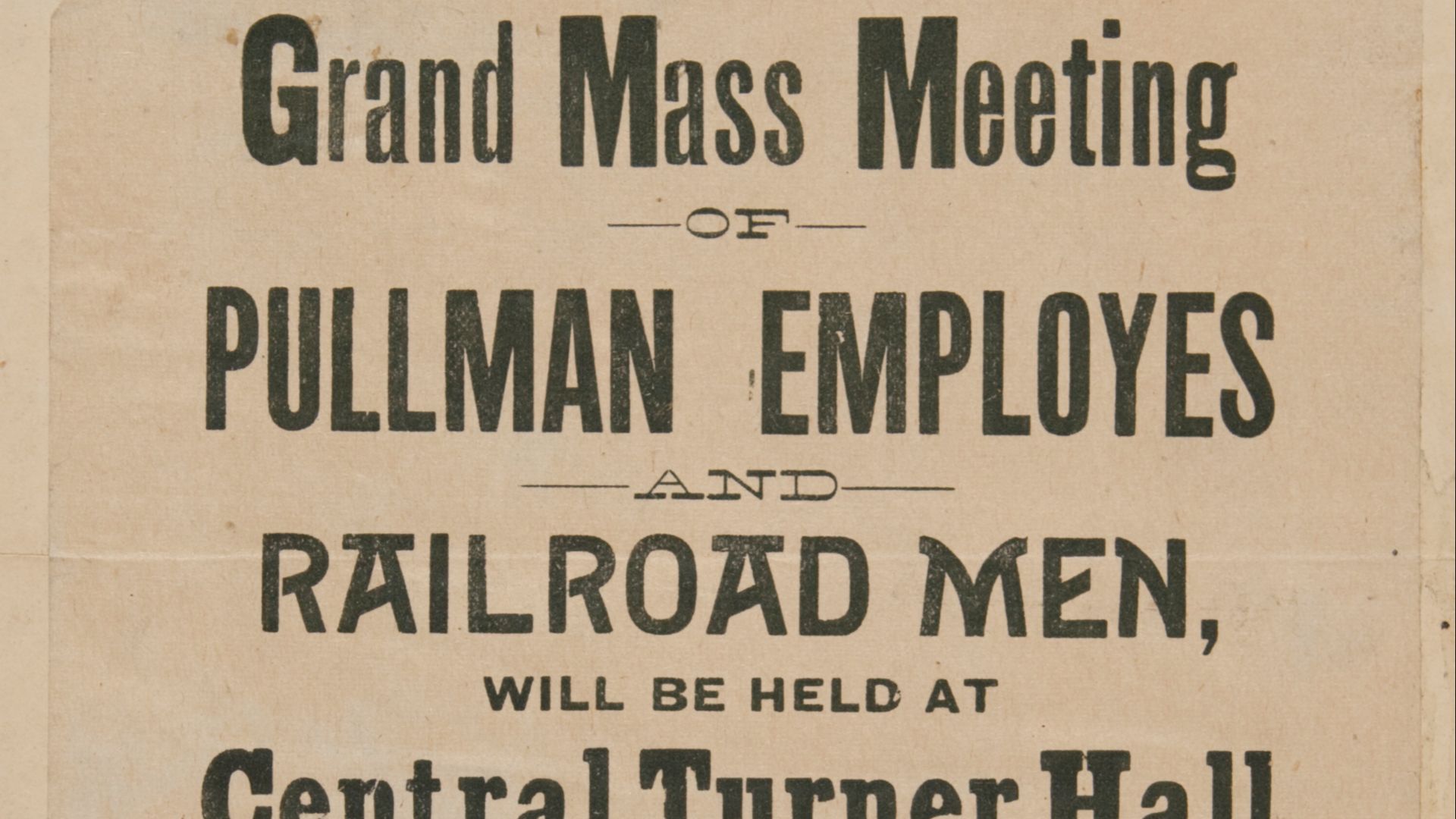
7. The Pullman Strike Of 1894
Pullman Palace Car Company employees struck after wage cuts were imposed while company-town rents remained high. Federal troops were eventually sent into the Chicago area, where clashes and unrest left dozens dead and helped break the strike.
 American Rail Union on Wikimedia
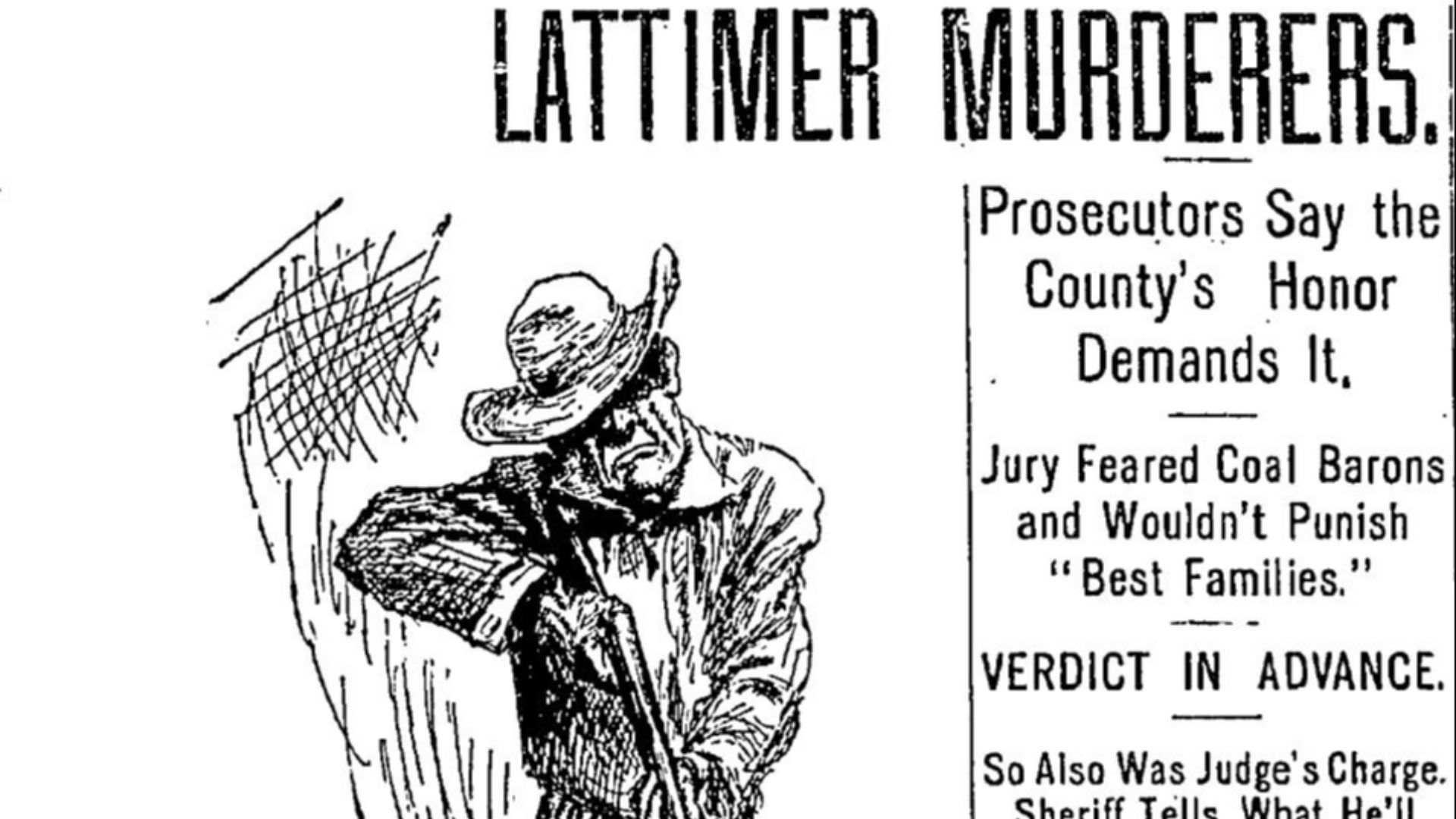
8. The Lattimer Massacre Of 1897
Coal miners in Pennsylvania joined a broader strike for improved wages and working conditions during the summer of 1897. On September 10, a group of largely immigrant miners marched toward Lattimer, where armed sheriff's deputies confronted them. Deputies opened fire, killing 19 miners and wounding many others, including men who were reportedly shot while fleeing.
 Unknown authorUnknown author on Wikimedia
9. The Colorado Labor Wars Of 1903–1904
Western Federation of Miners members launched strikes across Colorado as disagreements over working hours, union recognition, and mining conditions deepened. Both union supporters and their opponents became involved in violence during an exceptionally bitter confrontation.
10. The McKees Rocks Strike Of 1909
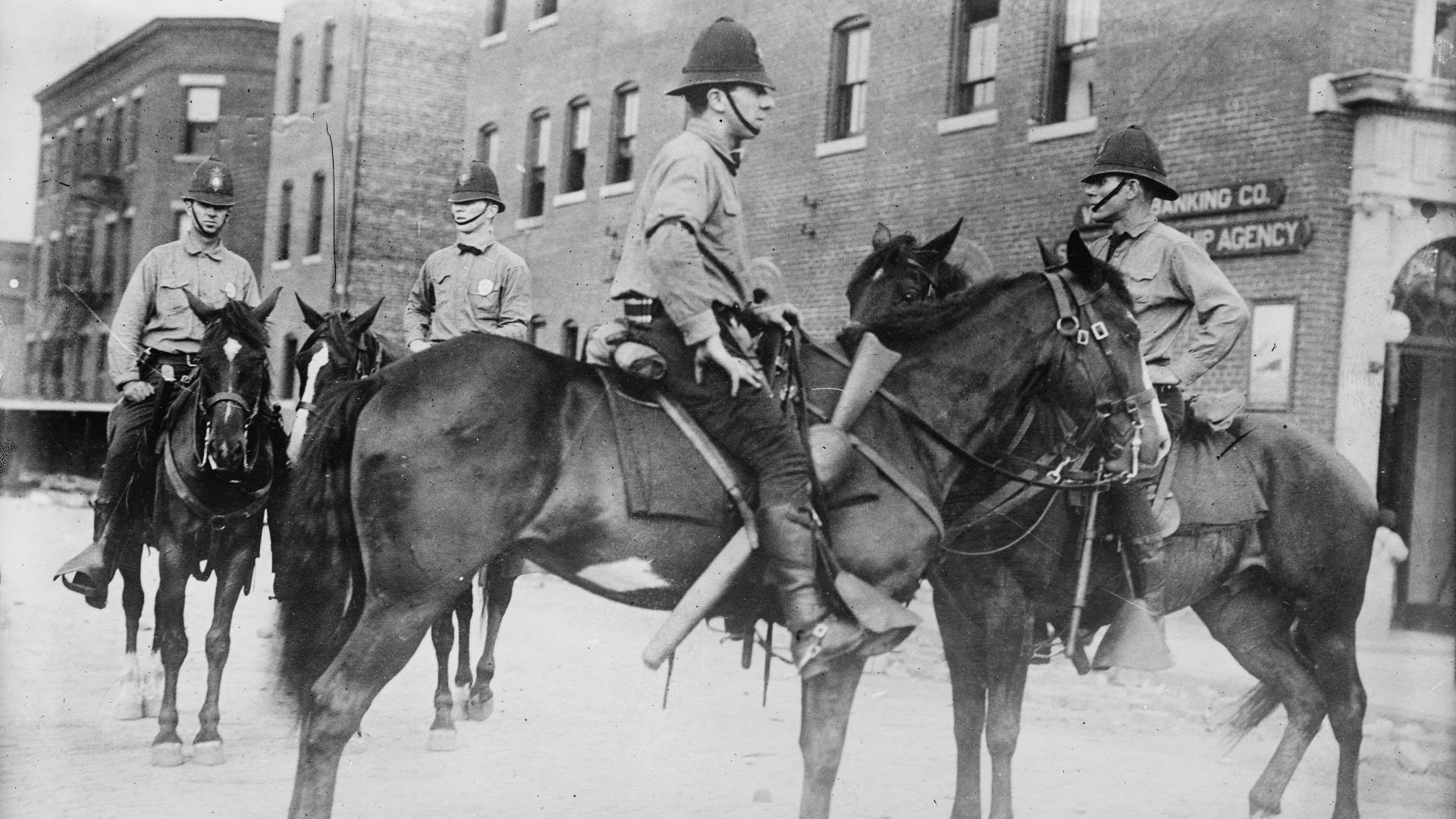
Workers at the Pressed Steel Car Company near Pittsburgh walked out over pay practices, dangerous conditions, and treatment by management. Gunfire broke out during clashes involving strikers, state police, and company forces, leaving several people dead before a settlement was eventually reached.
 Bain News Service, publisher on Wikimedia
11. The Paint Creek-Cabin Creek Strike Of 1912–1913
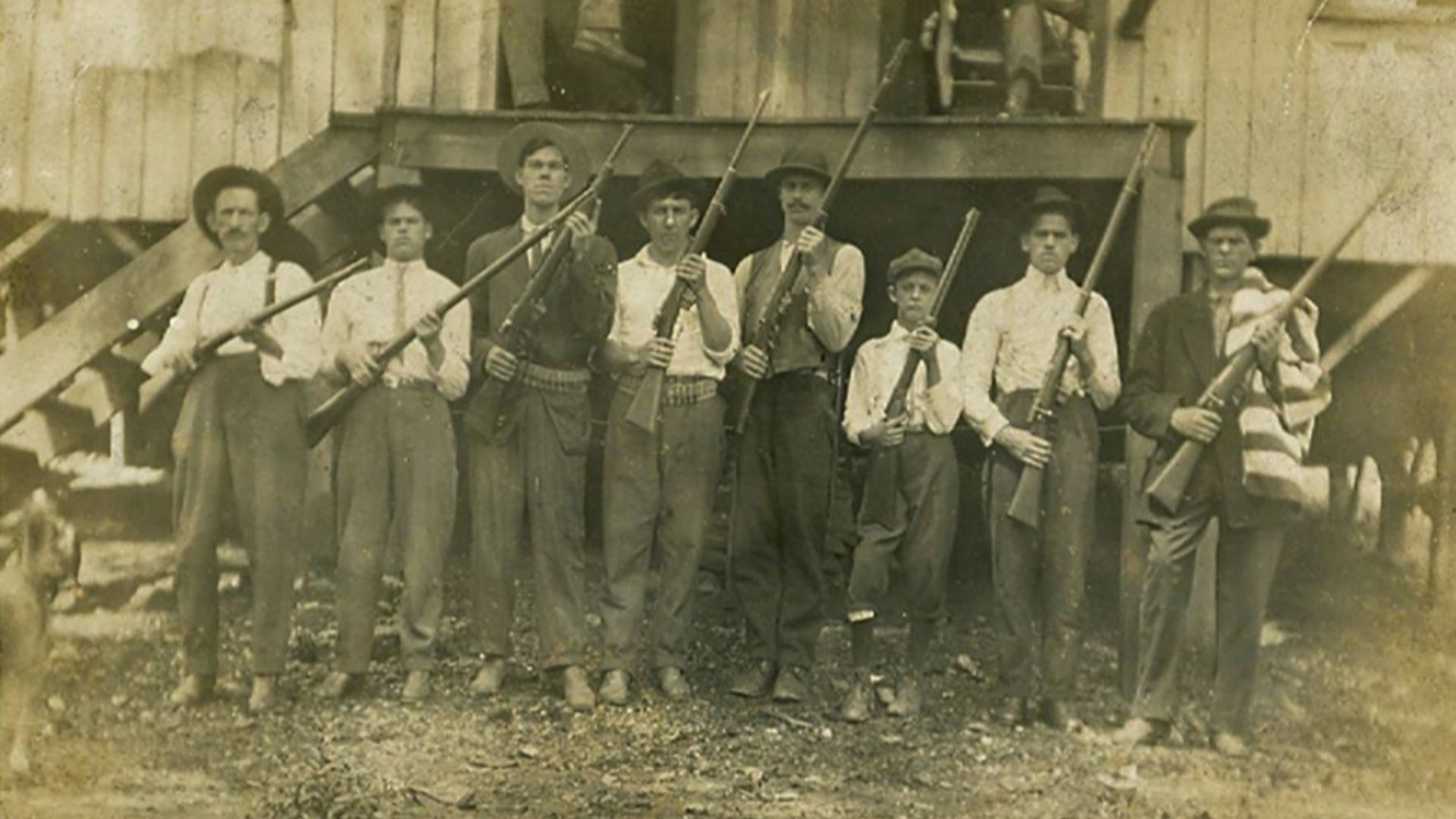
West Virginia coal miners struck in 1912 amid disputes about wages, unionization, and the power exercised by mine operators. One notorious attack involved an armored train firing into a miners' tent colony at Holly Grove.
 Unknown authorUnknown author on Wikimedia
12. The Wheatland Hop Riot Of 1913
Seasonal agricultural workers at a large California hop ranch protested poor sanitation, overcrowding, low earnings, and difficult working conditions. Gunfire followed, leaving four people dead and bringing national attention to conditions faced by migratory farmworkers.
13. The Ludlow Massacre Of 1914
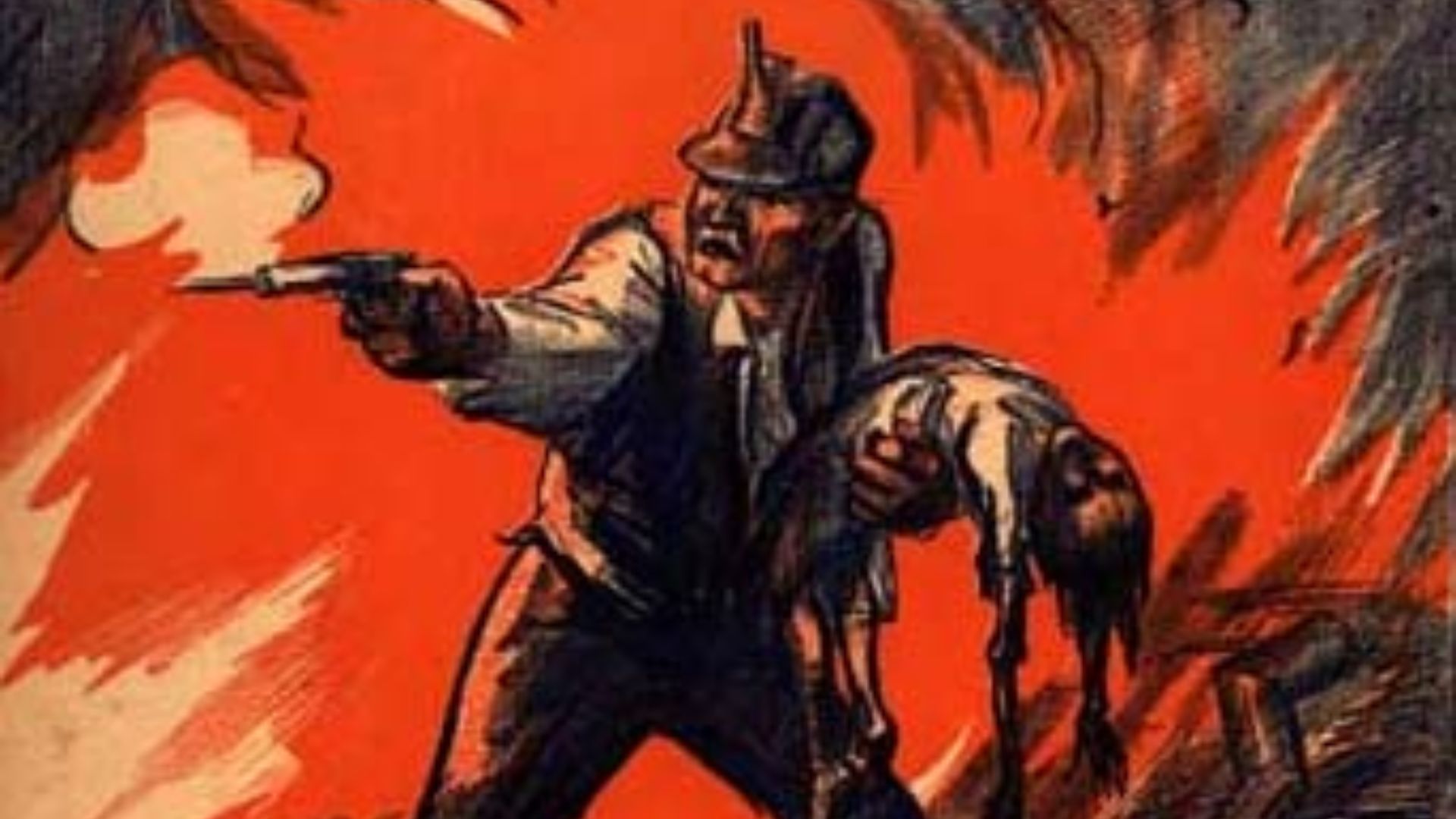
Colorado coal miners and their families lived in tent colonies after striking and being evicted from company-owned housing. On April 20, 1914, fighting erupted between the Colorado National Guard, company-aligned forces, and armed strikers at Ludlow. The colony burned, and the dead included miners, women, and children, prompting outrage across the United States.
14. The Everett Massacre Of 1916
Industrial Workers of the World members traveled by boat to Everett, Washington, to support striking shingle workers and defend their ability to hold public meetings. A shootout followed in which at least five IWW members and two deputies were killed, while many others were wounded.
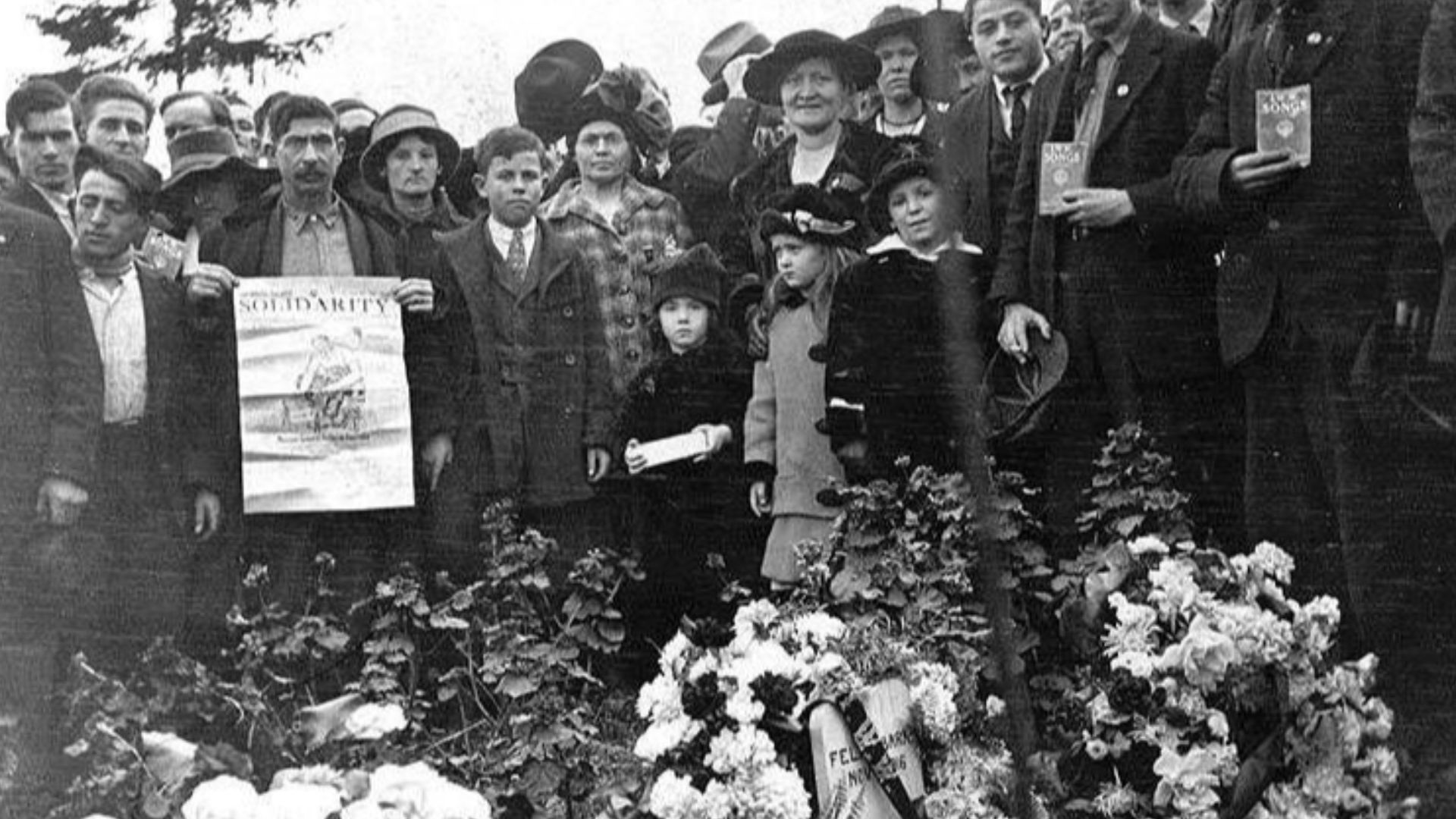 Special Collections, University of Washington, Social Issues Files Dc/i. neg. #11504.) on Wikimedia
15. The Steel Strike Of 1919
Hundreds of thousands of steelworkers participated in a nationwide strike demanding union recognition, improved wages, and shorter working hours. Violence occurred in several steel communities, and troops were deployed in some locations before the increasingly weakened strike collapsed.
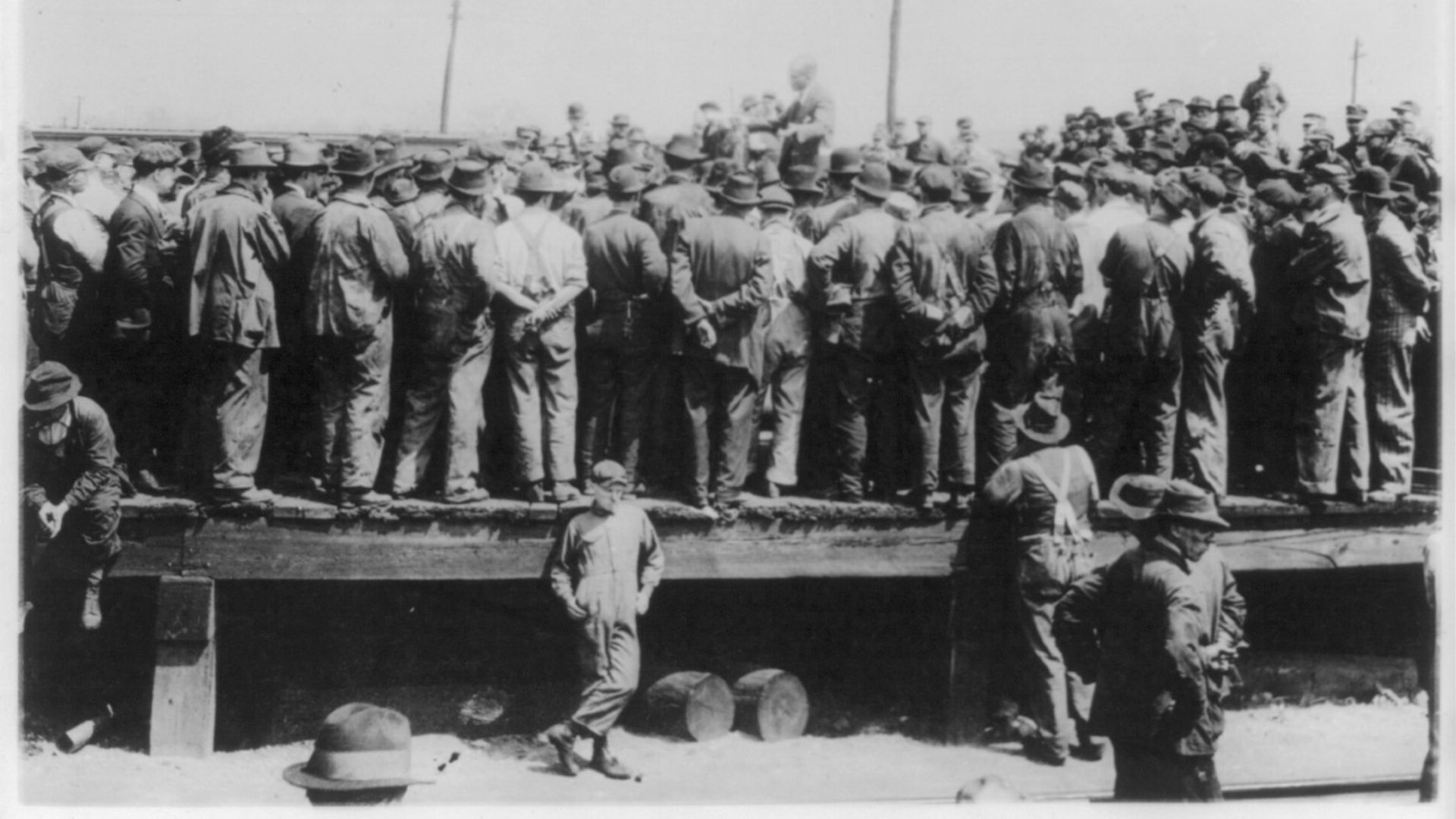 National Photo Company Collection on Wikimedia
16. The Matewan Conflict Of 1920
Coal miners around Matewan, West Virginia, organized during a strike against powerful mining companies that strongly resisted unionization. A gun battle involving the agents, local officials, and armed townspeople left 10 people dead and intensified the West Virginia Mine Wars.
17. The Battle Of Blair Mountain Of 1921
Thousands of armed West Virginia miners marched toward Logan County following years of union conflict and violence in the coalfields. Federal troops eventually intervened, prompting miners to surrender and ending the largest armed labor uprising in American history.
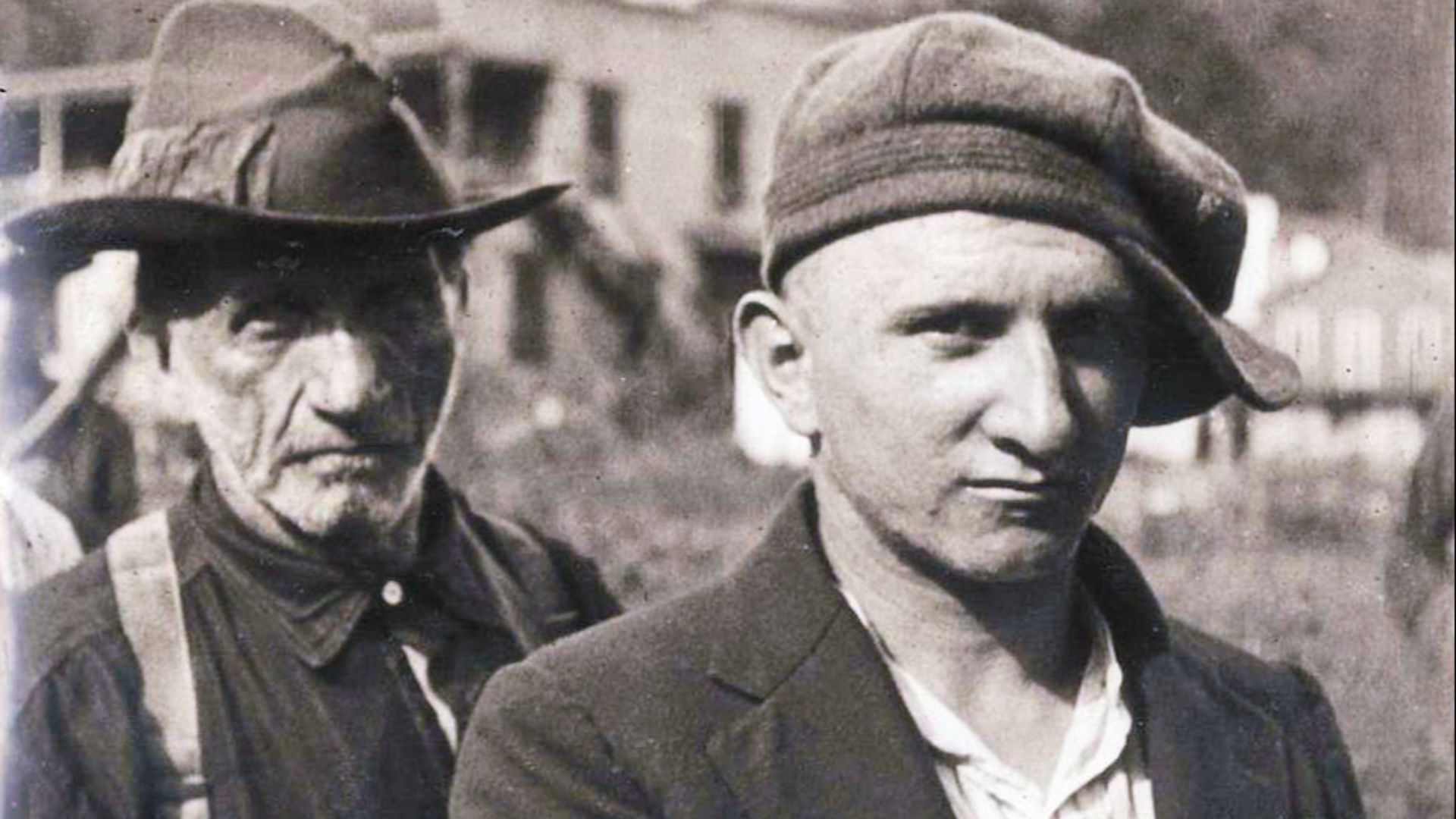
18. The Herrin Massacre Of 1922
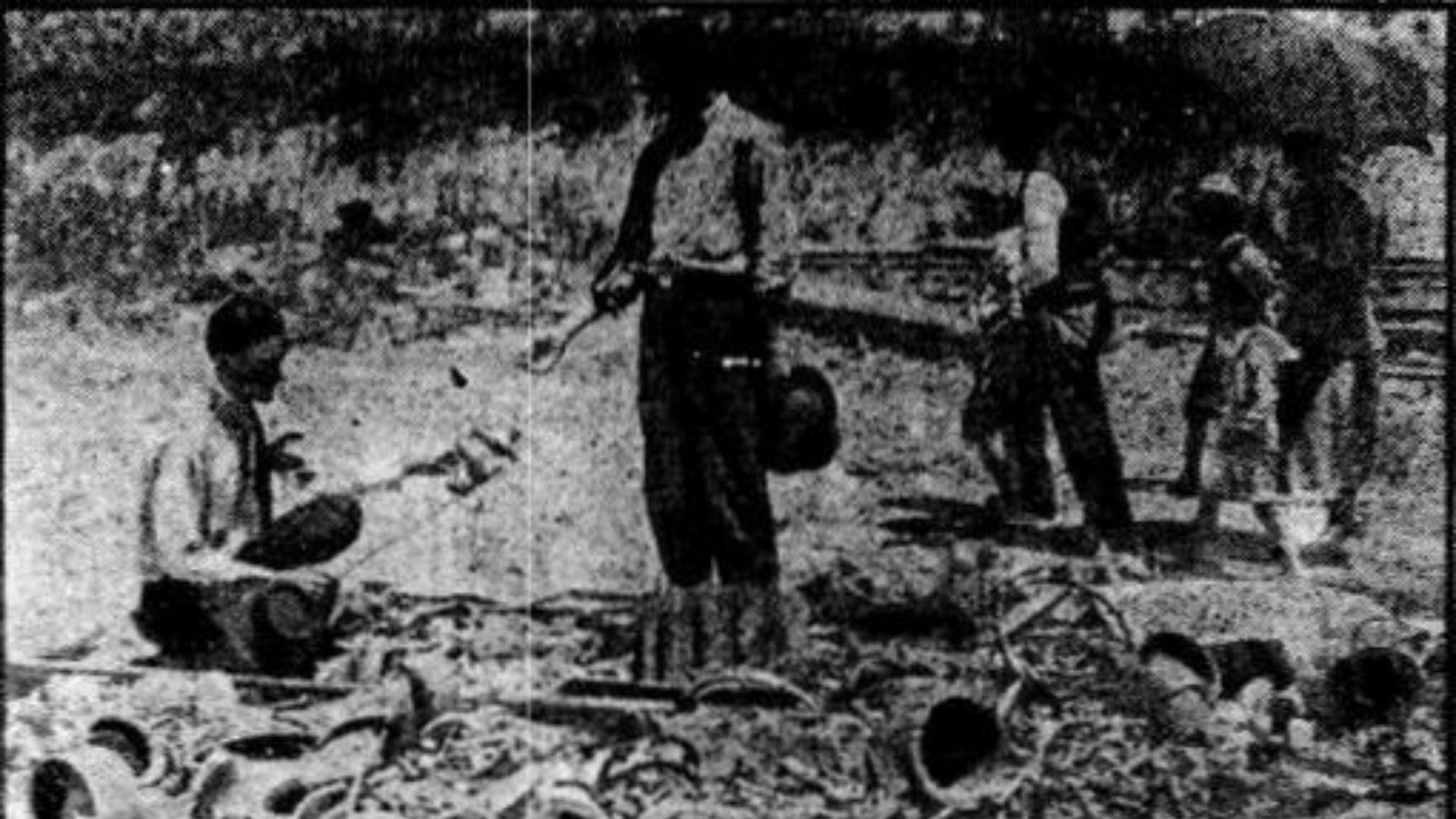
A coal mine near Herrin, Illinois, continued operating with replacement workers during a nationwide miners' strike, creating intense local hostility. More than 20 people were killed during the episode, most of them strikebreakers and guards associated with the mine.
 Unknown photographer, marked copyright u-u on Wikimedia
19. The Minneapolis Teamsters Strike Of 1934
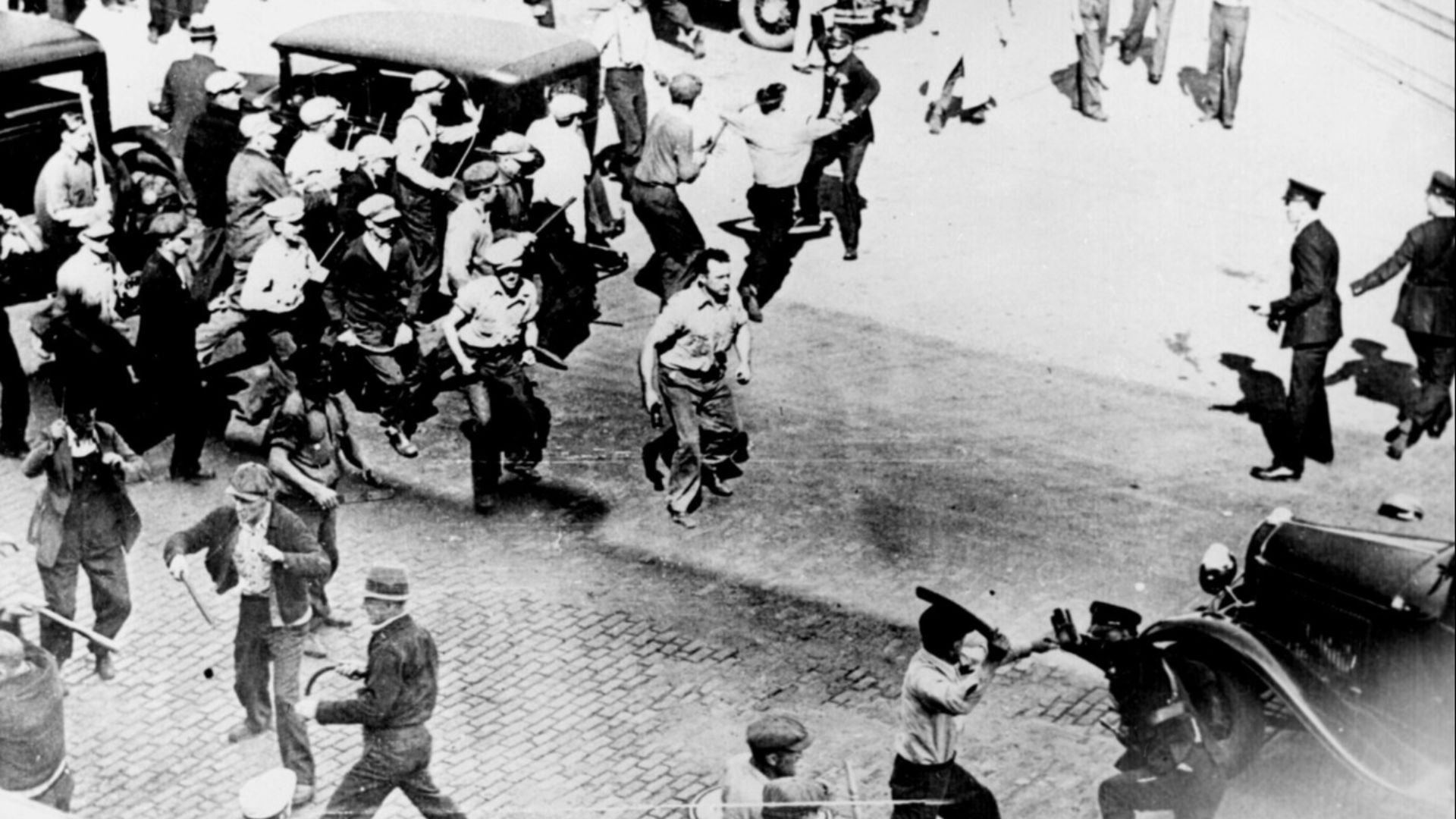
Minneapolis truck drivers launched a major organizing drive in 1934, seeking union recognition and improved employment conditions. Several people were killed, including strikers shot by police during the confrontation remembered as Bloody Friday.
 Photographer not credited on Wikimedia
20. The Memorial Day Massacre Of 1937
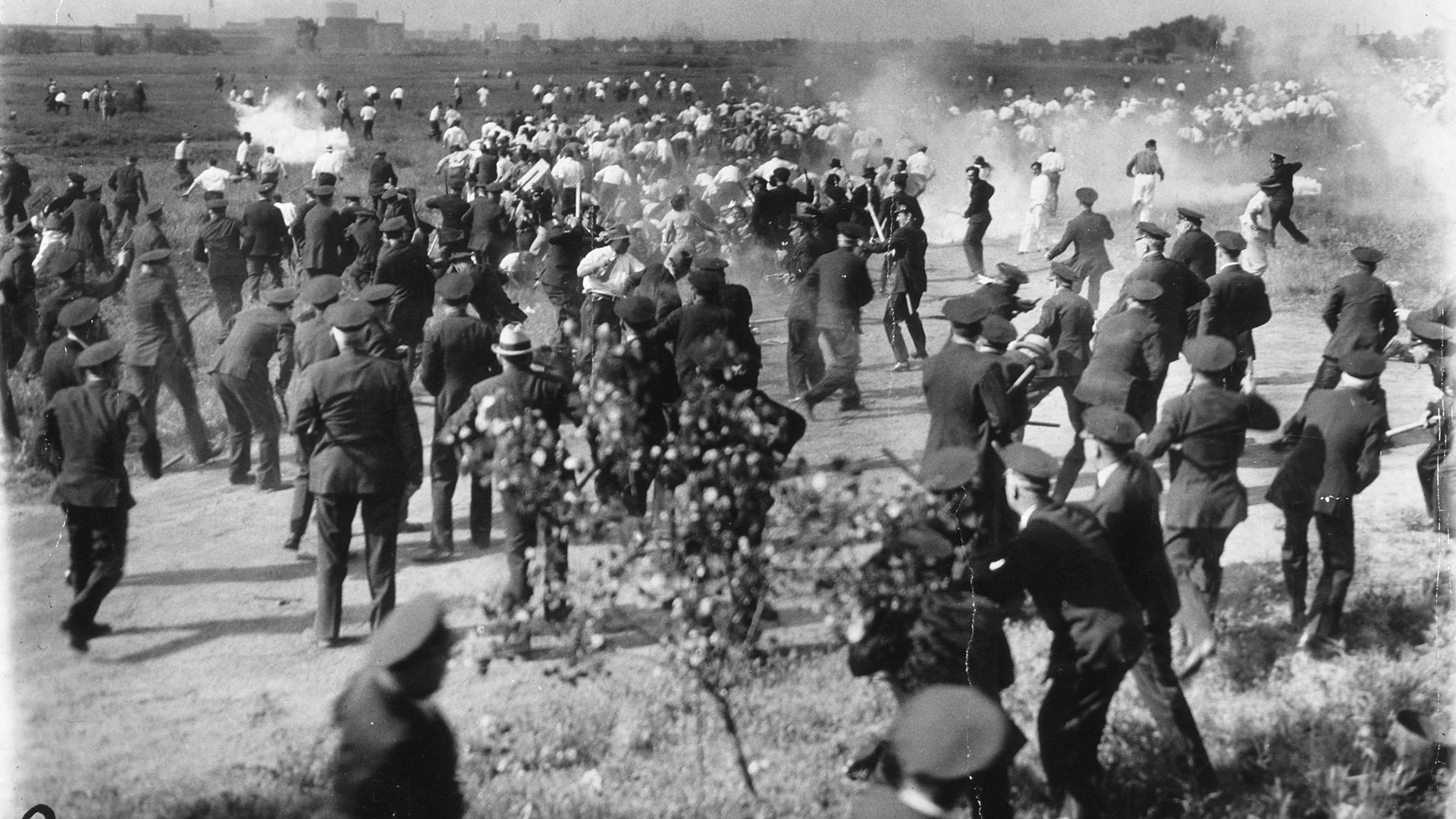
Workers supporting the Little Steel Strike gathered near Republic Steel's South Chicago plant on May 30, 1937. Ten demonstrators ultimately died, and later investigations drew intense scrutiny to police actions during the incident.
KEEP ON READING