 Unknown authorUnknown author on Wikimedia
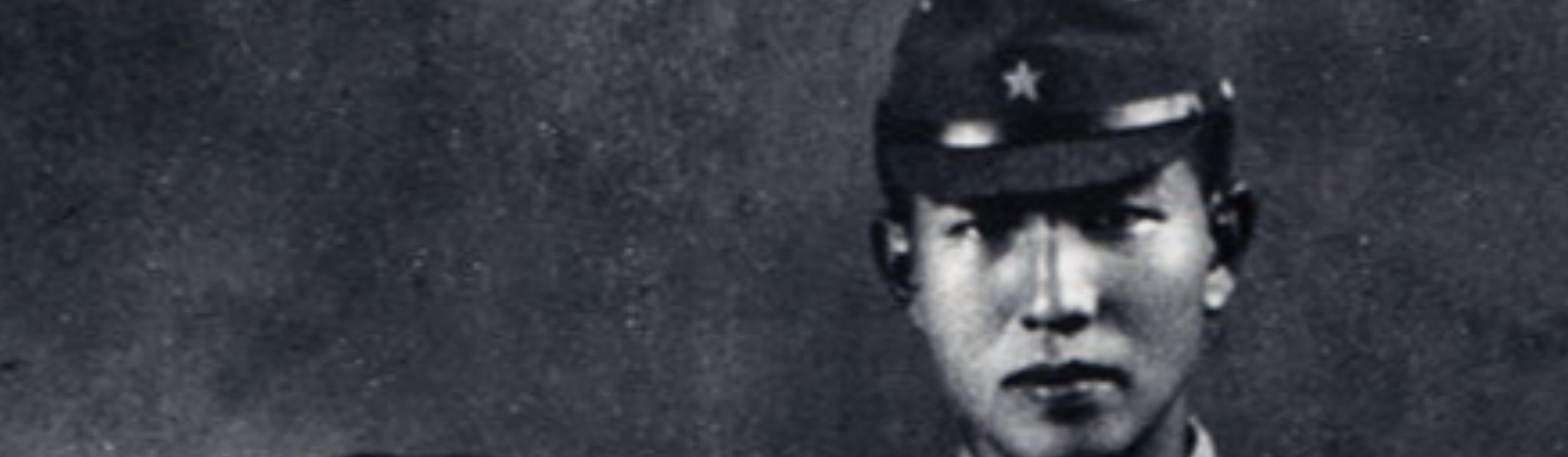
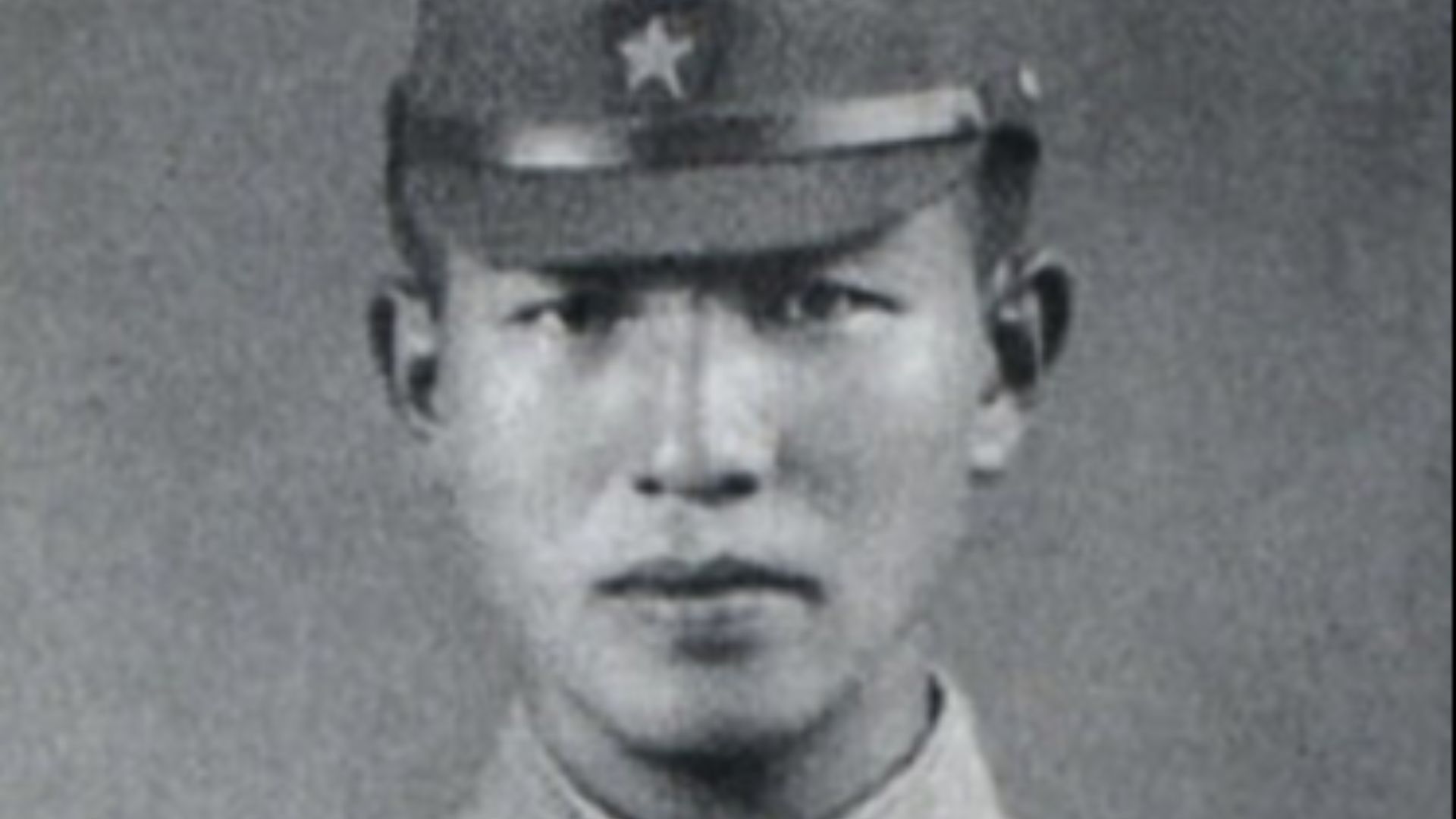
In March 1974, a gaunt man in a tattered military uniform walked out of the jungle on a small Philippine island carrying a rifle, several hundred rounds of ammunition, and a sword he had somehow kept polished for three decades. He was 52 years old and had spent the previous 29 years fighting a war that had ended before most of the people on the island were even born. Reporters who met him that week struggled to explain how anyone could stay that committed to an order for so long.
His name was Hiroo Onoda, and his story is not really about stubbornness or confusion. It is about what happens when an order gets taken literally enough, for long enough, that reality itself becomes negotiable, which is a harder thing to imagine than most of us would like to admit.
The Order He Was Never Allowed To Disobey
Onoda arrived on Lubang Island in December 1944 as a 22-year-old intelligence officer trained in guerrilla tactics. His superiors gave him instructions that sounded almost absolute even by wartime standards. He was told to keep fighting no matter what happened around him, and he was explicitly forbidden from surrendering or taking his own life under any circumstance, orders he would end up honoring long after the men who gave them had likely forgotten they said it.
He was not alone at first. Three other soldiers, Yuichi Akatsu, Shoichi Shimada, and Kinshichi Kozuka, stayed with him in the mountains, raiding rice supplies and skirmishing with local police and farmers they assumed were enemy collaborators. Filipino news accounts later alleged that Onoda's group killed as many as 30 islanders over the following decades, a toll he never fully addressed in his own writing.
The group shrank one member at a time. Akatsu eventually walked away and surrendered on his own. Shimada was killed by a search party in 1954. Kozuka died in a shootout with local police in 1972, leaving Onoda completely alone for the final two years of his holdout.
Every Leaflet Looked Like A Trick
The first hint that the war might be over reached Onoda in October 1945, when he and his men found a leaflet left behind by islanders announcing Japan's surrender. They studied it closely and decided it had to be Allied propaganda, reasoning that real soldiers would not have kept shooting at them if the fighting had stopped.
More attempts followed over the years, including newspapers, photographs, and even letters from Onoda's own family dropped by search planes in 1952. Each one got the same treatment. Onoda had been trained to expect exactly this kind of psychological pressure from an enemy trying to draw him out, so every piece of evidence became further proof that staying hidden was the correct choice.
The irony is that Onoda was never actually cut off from the outside world. Information reached him constantly. What never reached him was anything his training had not already prepared him to distrust, which meant three decades of real history simply bounced off a belief system built to survive exactly that kind of contact, the same way we tend to dismiss anything that contradicts something we have already decided is true.
The Only Way Out Was Another Order
In February 1974, a young Japanese traveler named Norio Suzuki tracked Onoda down specifically hoping to find him, having heard the legend and figured a lone Japanese soldier might still be out there. The two men talked for days, and Onoda eventually explained the actual condition that would end his war. Only a direct order from his original commanding officer would do.
Japanese officials tracked down that officer, Yoshimi Taniguchi, who had left the military entirely and was working as a bookseller. Taniguchi flew to Lubang and, on March 9, 1974, formally relieved Onoda of duty in person. Only then did Onoda accept that the war had actually ended decades earlier.
Two days later, still in uniform, Onoda handed over his sword to Philippine President Ferdinand Marcos, who pardoned him for everything that had happened on the island. He returned to Japan a celebrated hero, welcomed home with the kind of reception usually reserved for astronauts, even as the families on Lubang who had lost relatives to his private war were left with no such resolution of their own.
KEEP ON READING