20 Shipwreck Survivors With Incredible Stories
Odds That Should Not Have Worked Out
Most disaster movies end right where the real stories start. The moment a ship goes down is only the opening scene for what the people aboard then had to live through: weeks adrift, mutinies, cannibalism, some genuinely absurd luck. Maritime history keeps circling back to the same handful of names, because their odds of getting home were somewhere between slim and nonexistent. Here's 20 shipwreck survivors whose stories still sound made up, even though every one is true.
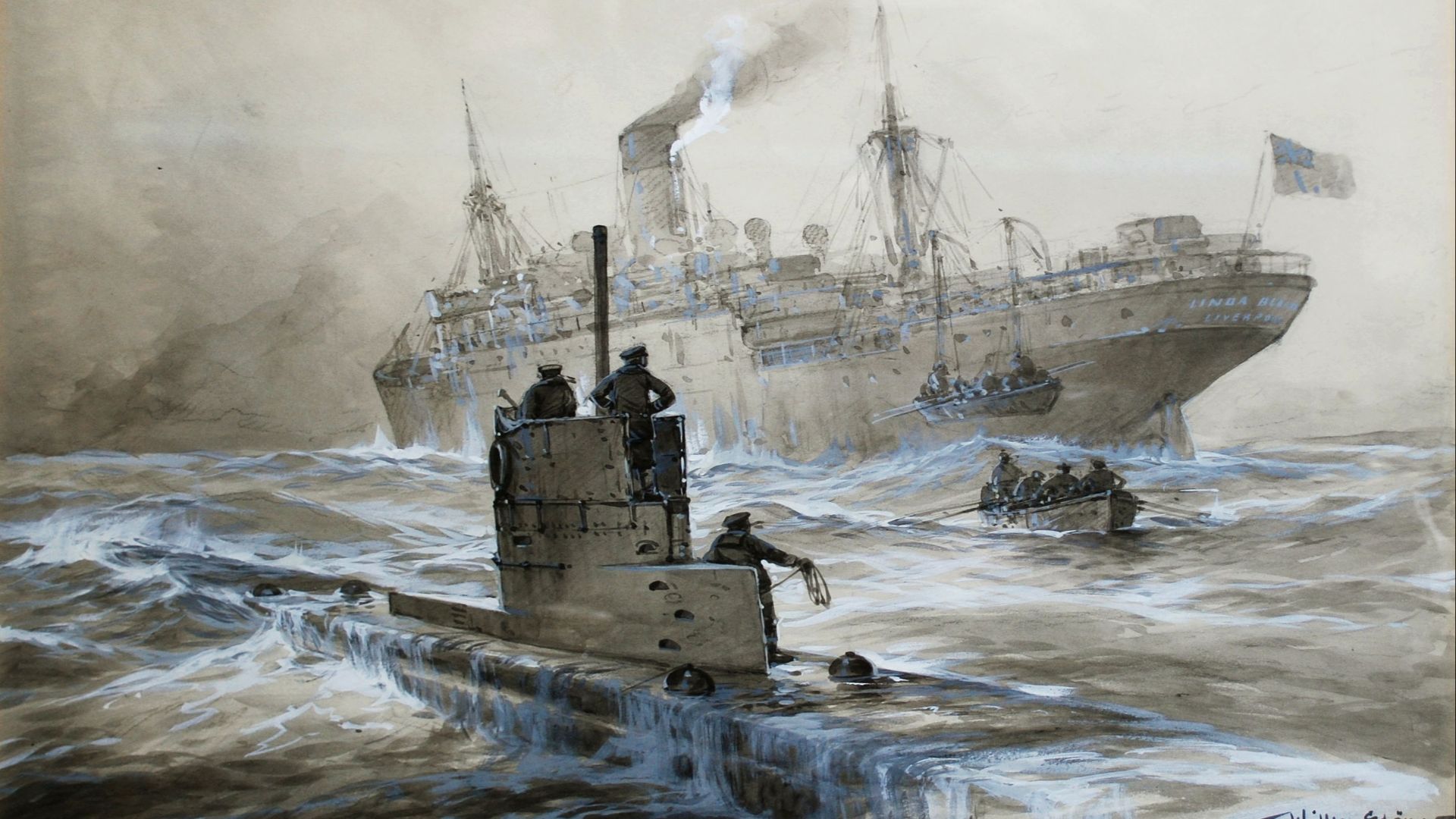
1. Poon Lim, The Steward Who Beat The Ocean's Own Record
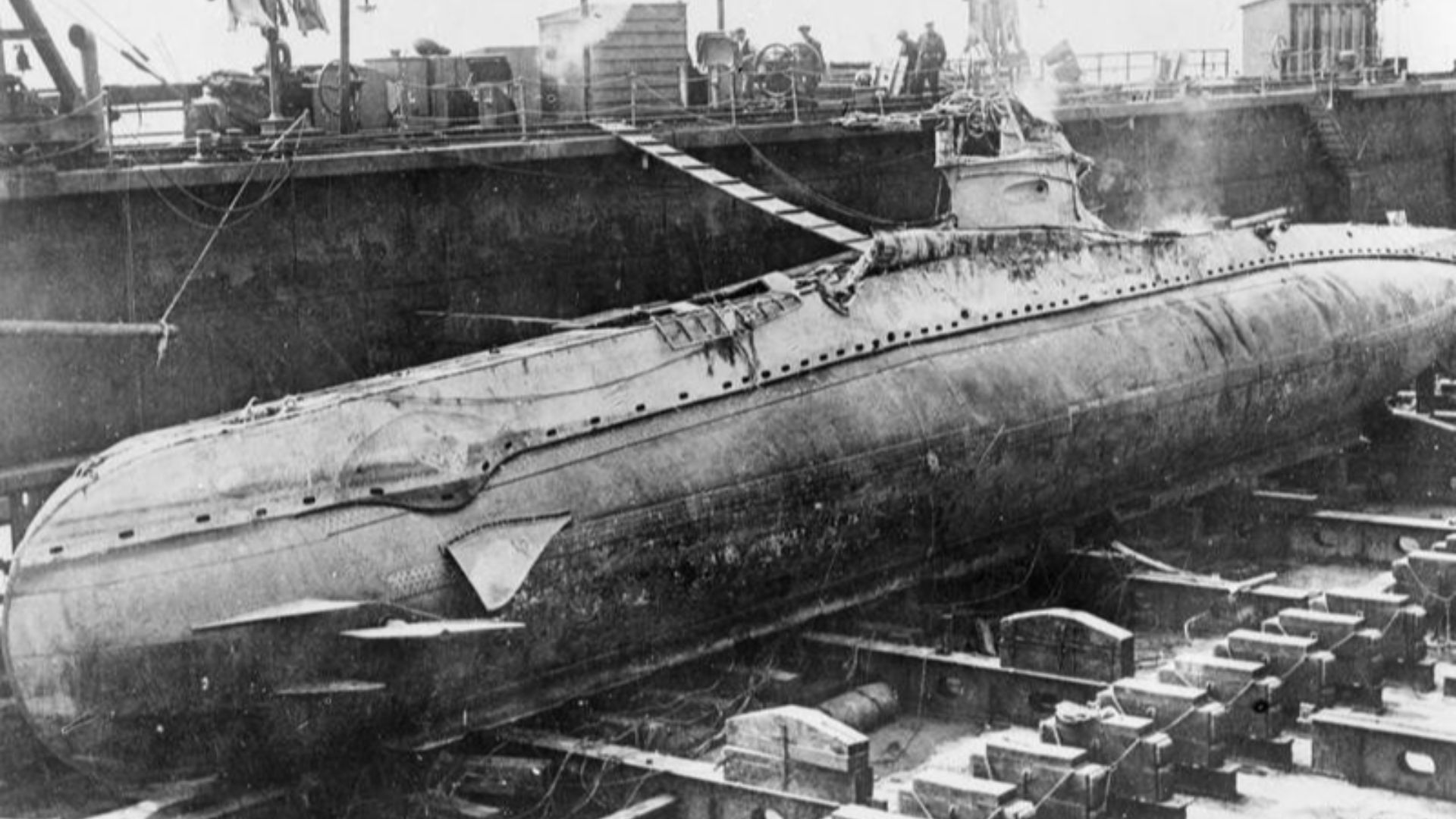
When a German U-boat sank the SS Ben Lomond in 1942, Poon Lim was the only one of 53 crew members to survive. He spent 133 days on an eight-foot raft, rationing biscuits and once wrestling a small shark aboard to drink its blood. His record for surviving alone at sea still stands.
 Unknown authorUnknown author on Wikimedia
2. Violet Jessop, The Stewardess Three Ships Couldn't Sink
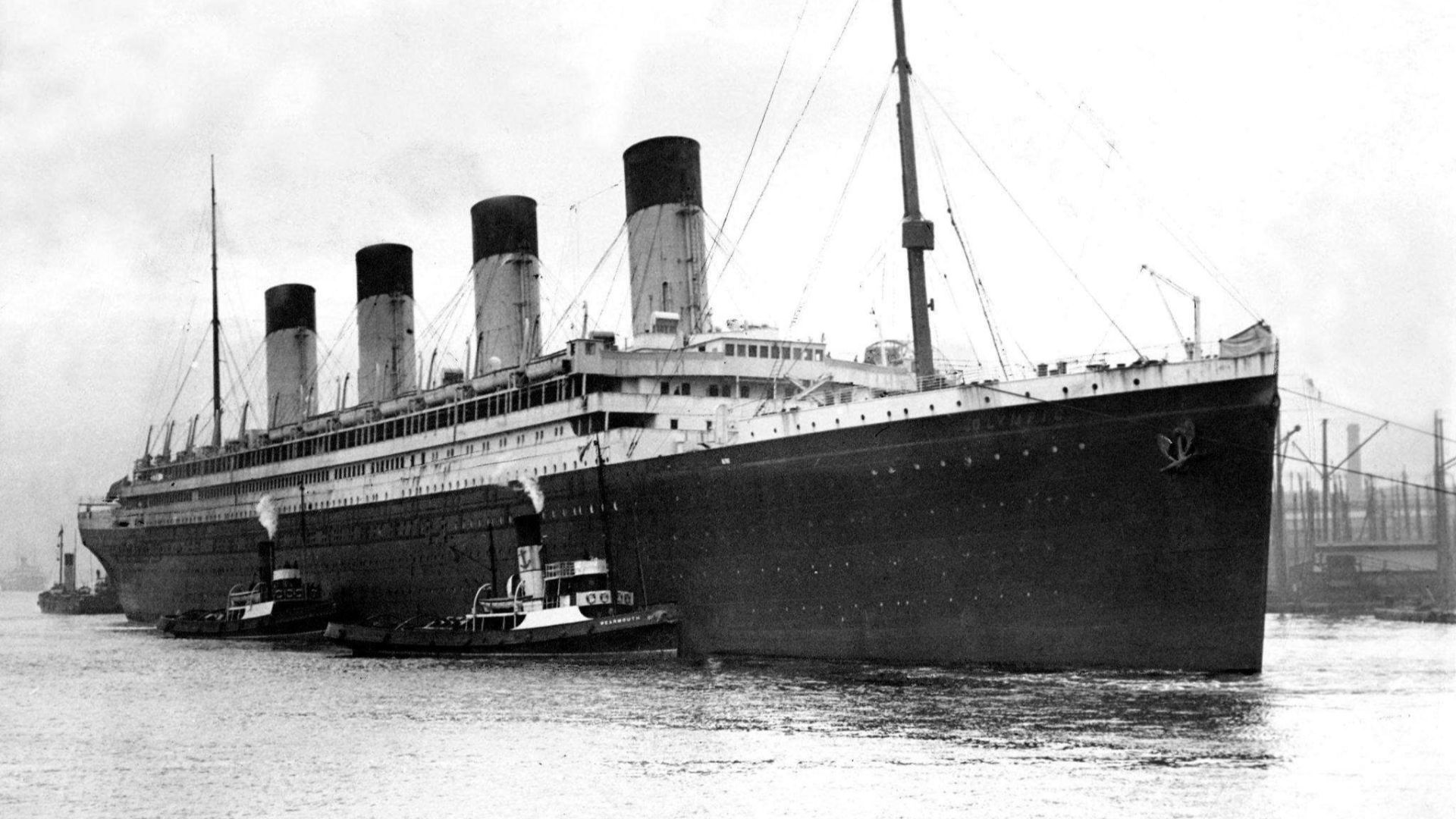
Violet Jessop was aboard the Olympic in 1911 when it collided with a warship, aboard the Titanic in 1912 when it struck an iceberg, and aboard the Britannic in 1916 when a mine sank it in under an hour. She jumped from the sinking Britannic, narrowly missing its propellers, and kept working at sea for decades after.
 Unknown authorUnknown author on Wikimedia
3. Charles Joughin, The Baker Who Outdrank The Atlantic
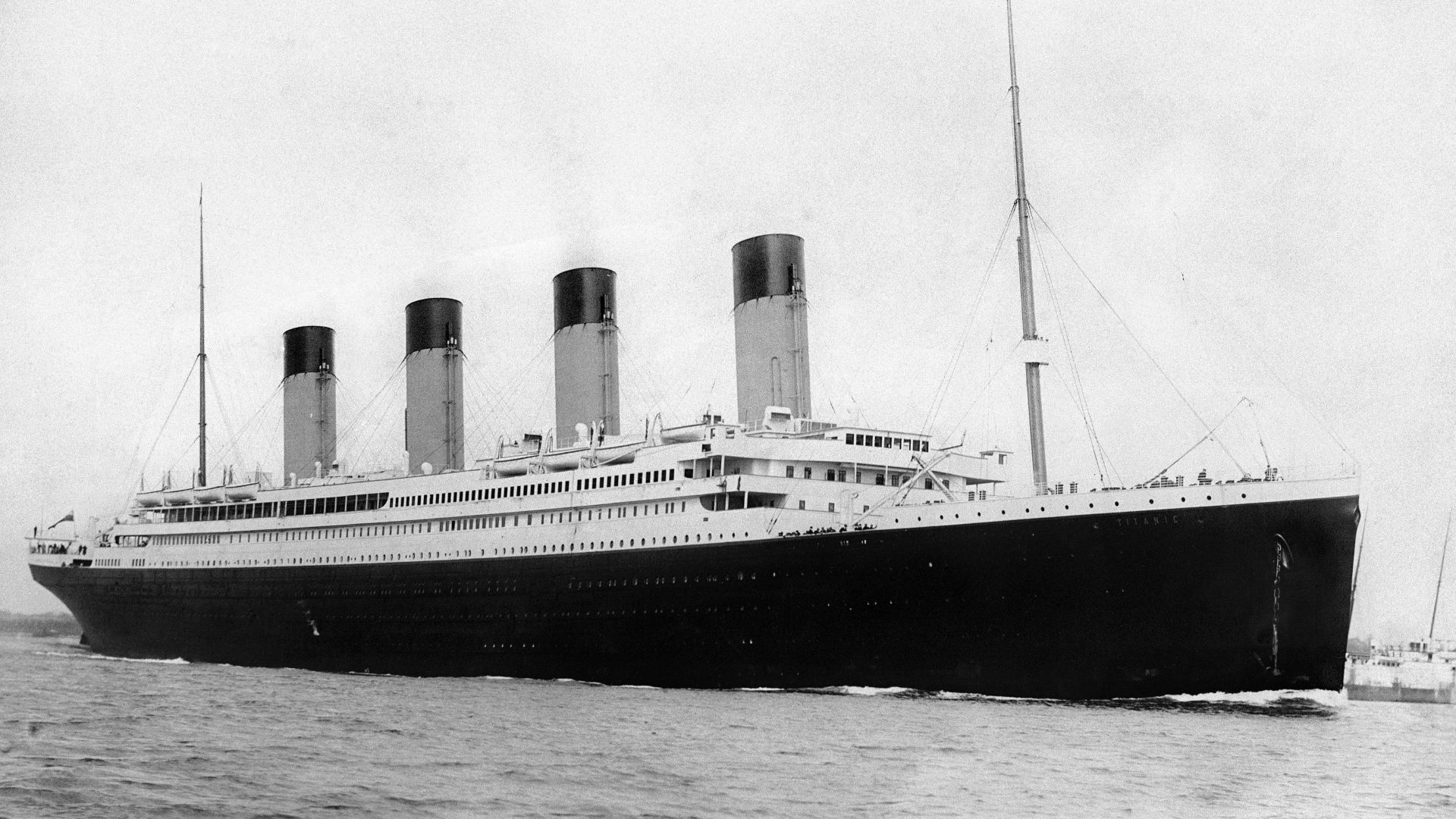
As chief baker aboard the Titanic, Charles Joughin spent its final hour tossing deck chairs overboard while working through a bottle of whiskey. When the stern went under, he rode it down and treaded water for two hours in a sea just below freezing. Most people in that water died within fifteen minutes; Joughin climbed onto a lifeboat barely scratched.
 Francis Godolphin Osbourne Stuart on Wikimedia
4. Molly Brown, The Woman Who Wouldn't Sit Still
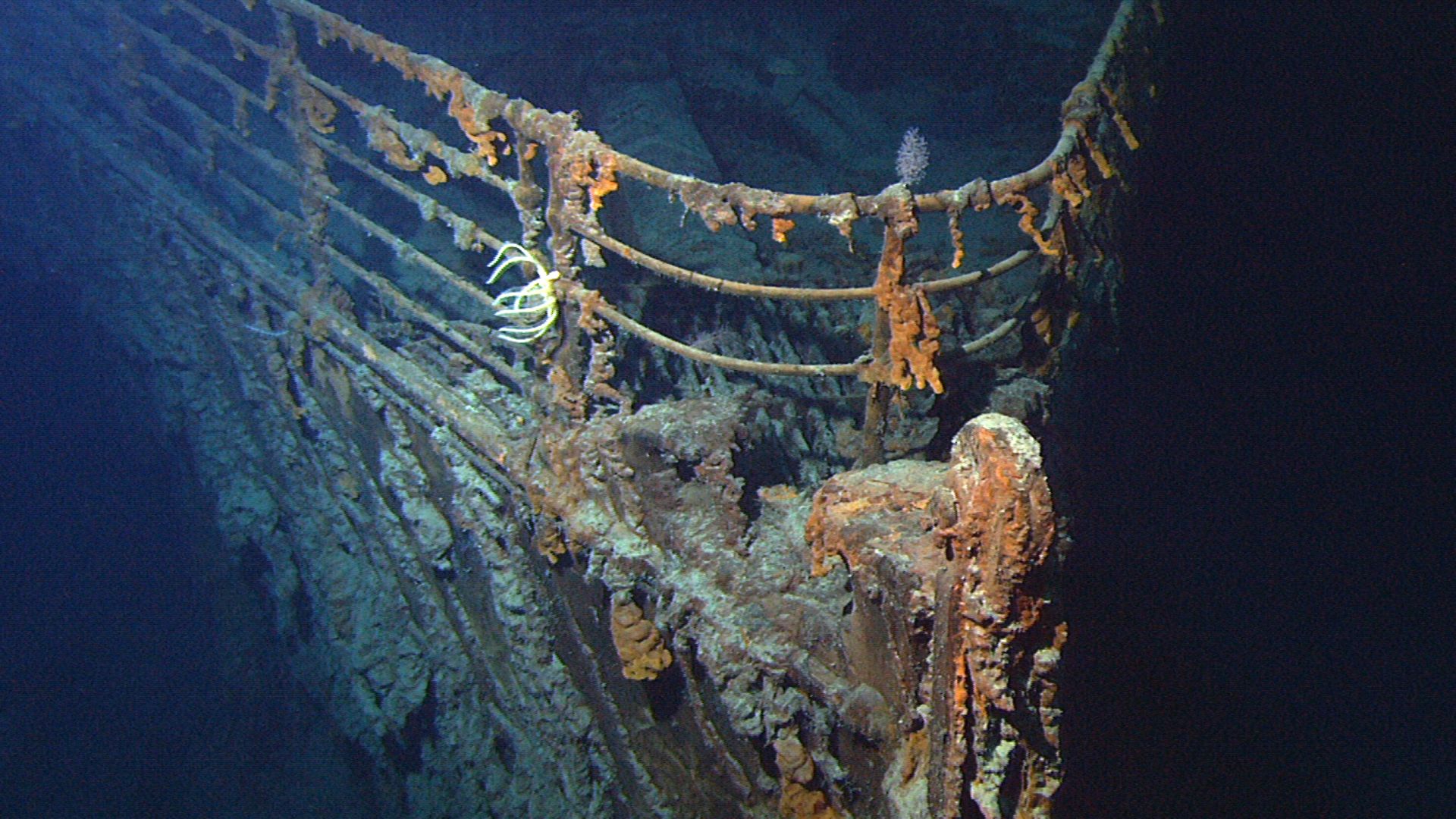
Margaret Brown boarded a lifeboat as the Titanic sank and argued with the crewman steering it, insisting they go back for people in the water. He refused, so she reportedly grabbed an oar and threatened to throw him overboard herself. Newspapers dubbed her "unsinkable," a nickname that outlived the better story.
 Courtesy of NOAA/Institute for Exploration/University of Rhode Island (NOAA/IFE/URI). on Wikimedia
5. Owen Chase, The First Mate Who Watched A Whale Sink His Ship
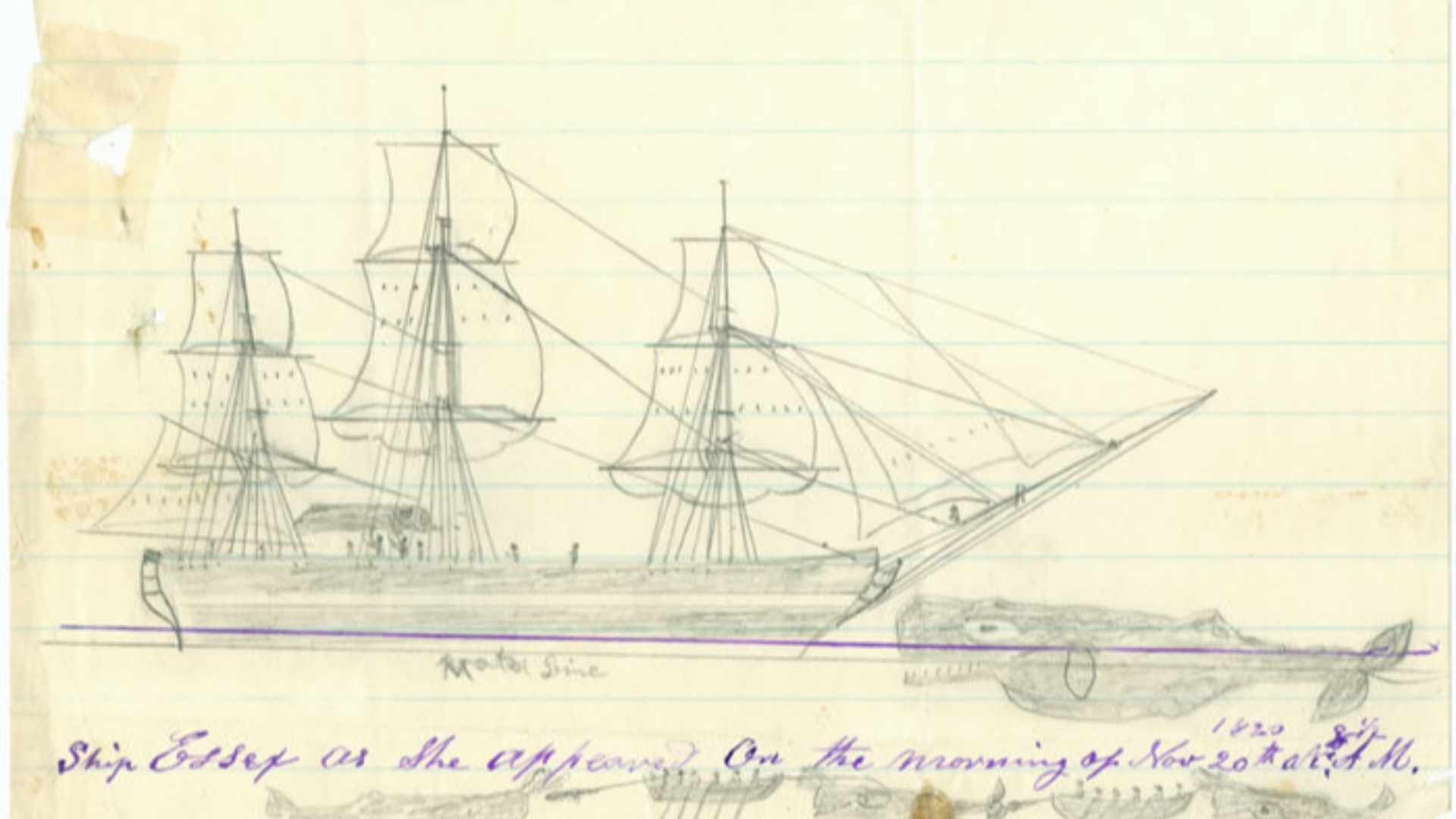
In 1820, an 85-foot sperm whale rammed the whaleship Essex twice and sank it, a scene so strange it later inspired Moby-Dick. Owen Chase and the crew drifted in open boats for nearly three months, and only eight of the original twenty-one men lived to be rescued.
6. Thomas Nickerson, The Cabin Boy Whose Story Sat Lost For A Century
Thomas Nickerson was steering the Essex, just fourteen, when the whale struck. He survived and wrote his own account decades later, but the manuscript disappeared and wasn't published until 1984, over a century after his death, filling gaps the famous version had left out.
 commons.wikimedia.org on Google
7. George Pollard Jr., Nantucket's Unluckiest Captain
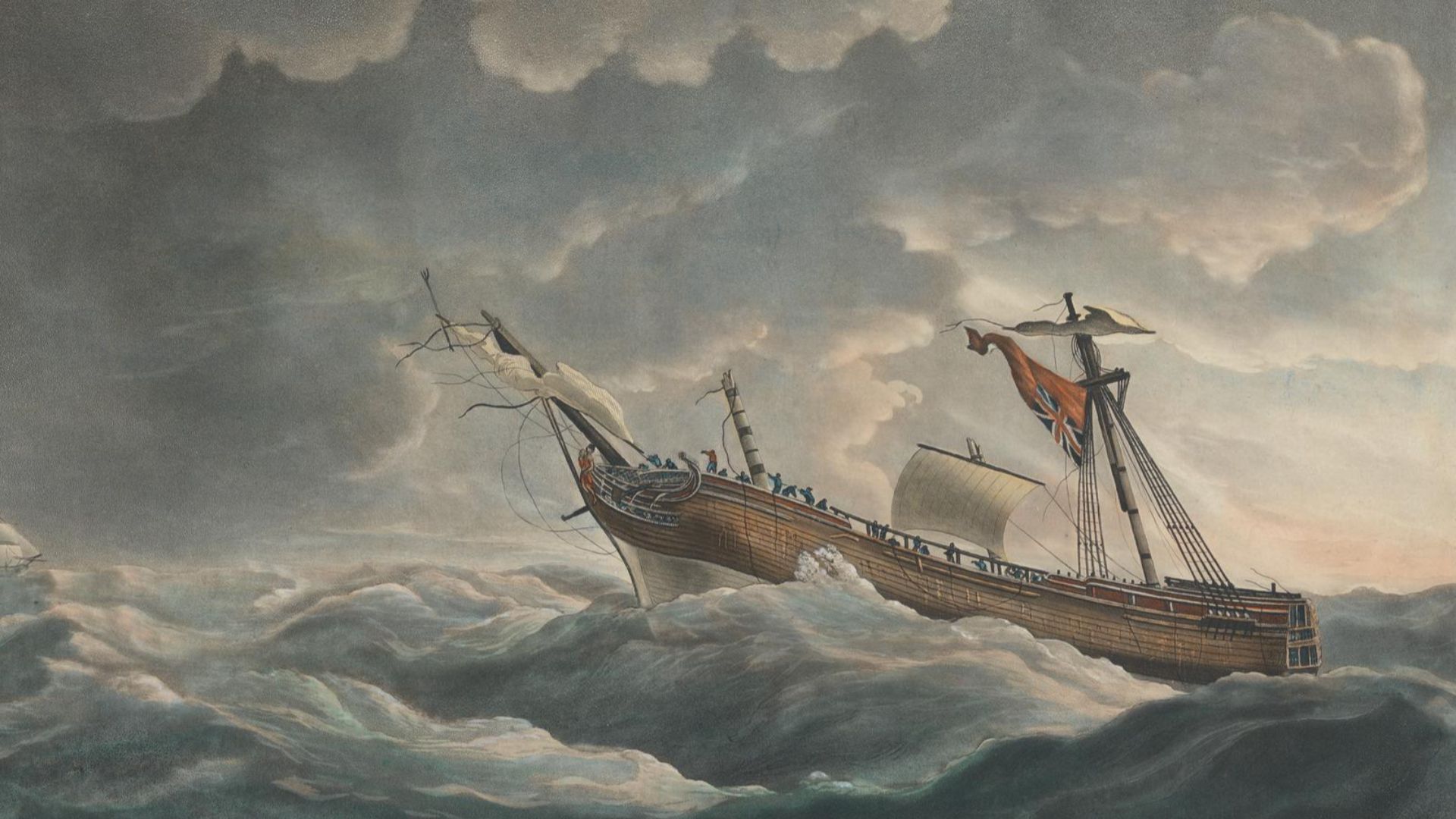
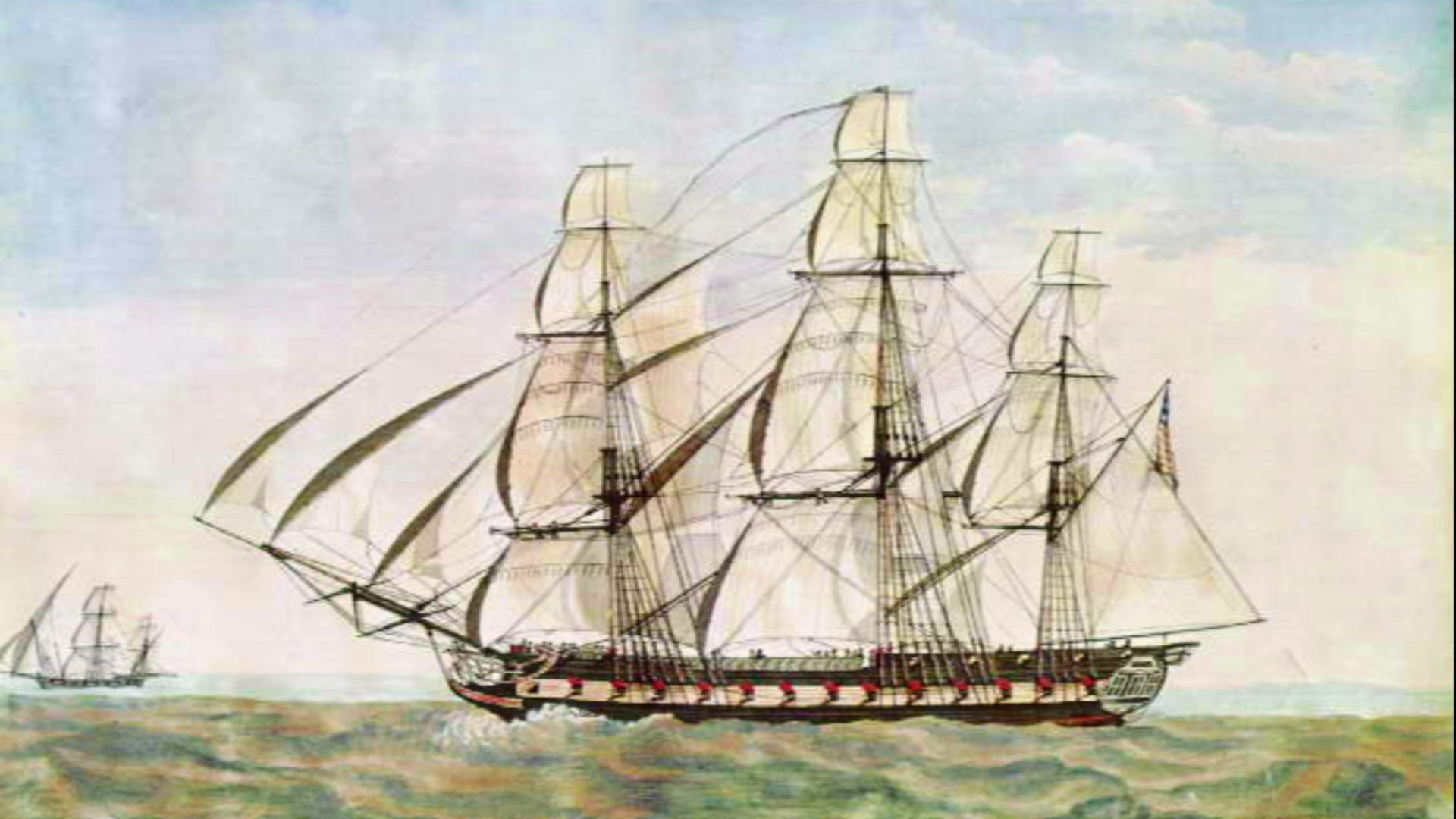
Pollard commanded the Essex when the whale sank it, and later admitted to drawing lots with his crew to decide who'd be sacrificed for food, a fate that fell to his cousin. He got command of another whaler within a year, and in 1823 it wrecked too. No owner trusted him again, so Pollard lived out his life as Nantucket's night watchman.
 commons.wikimedia.org on Google
8. Ernest Shackleton, The Captain Who Refused To Lose A Man
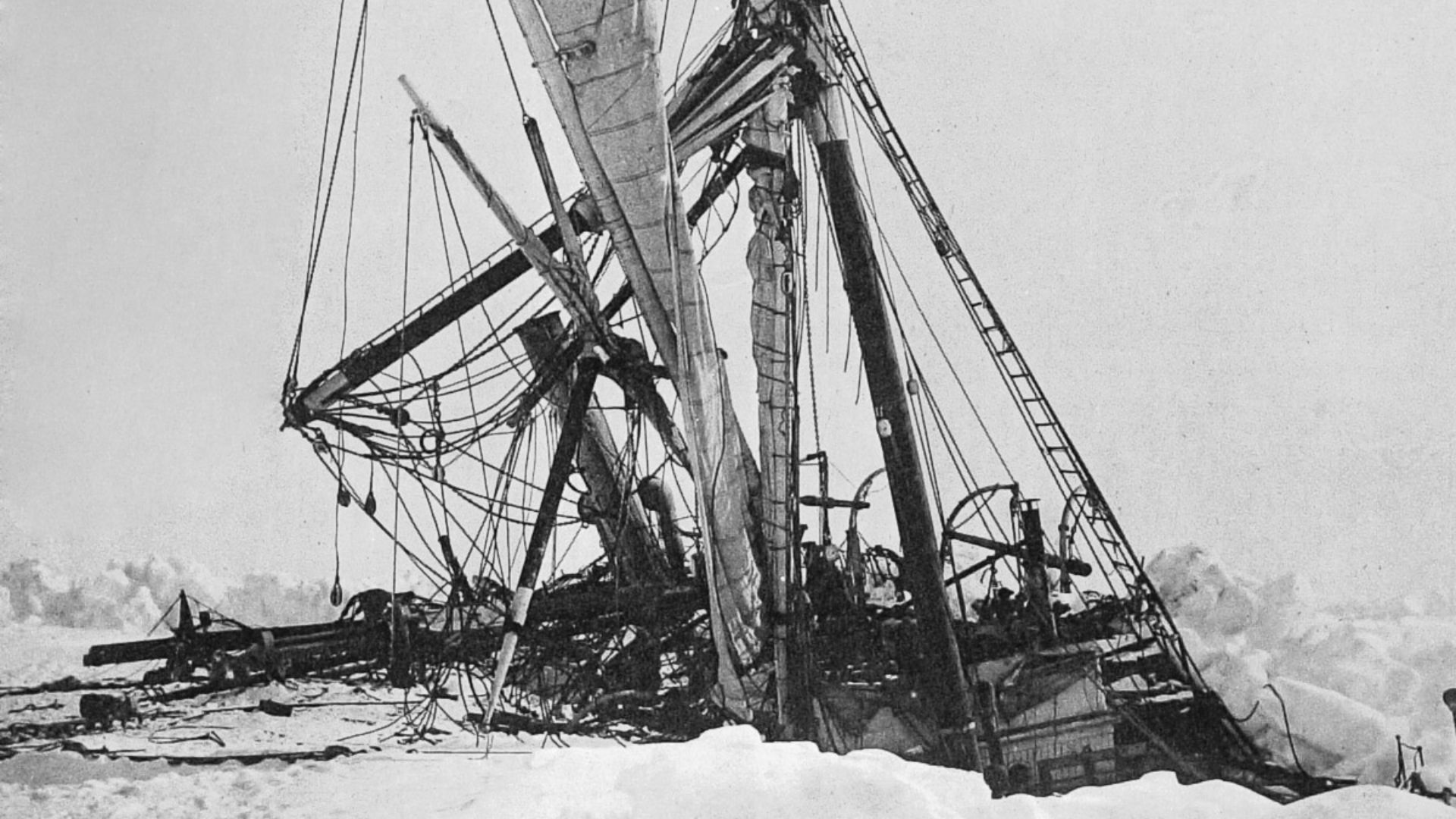
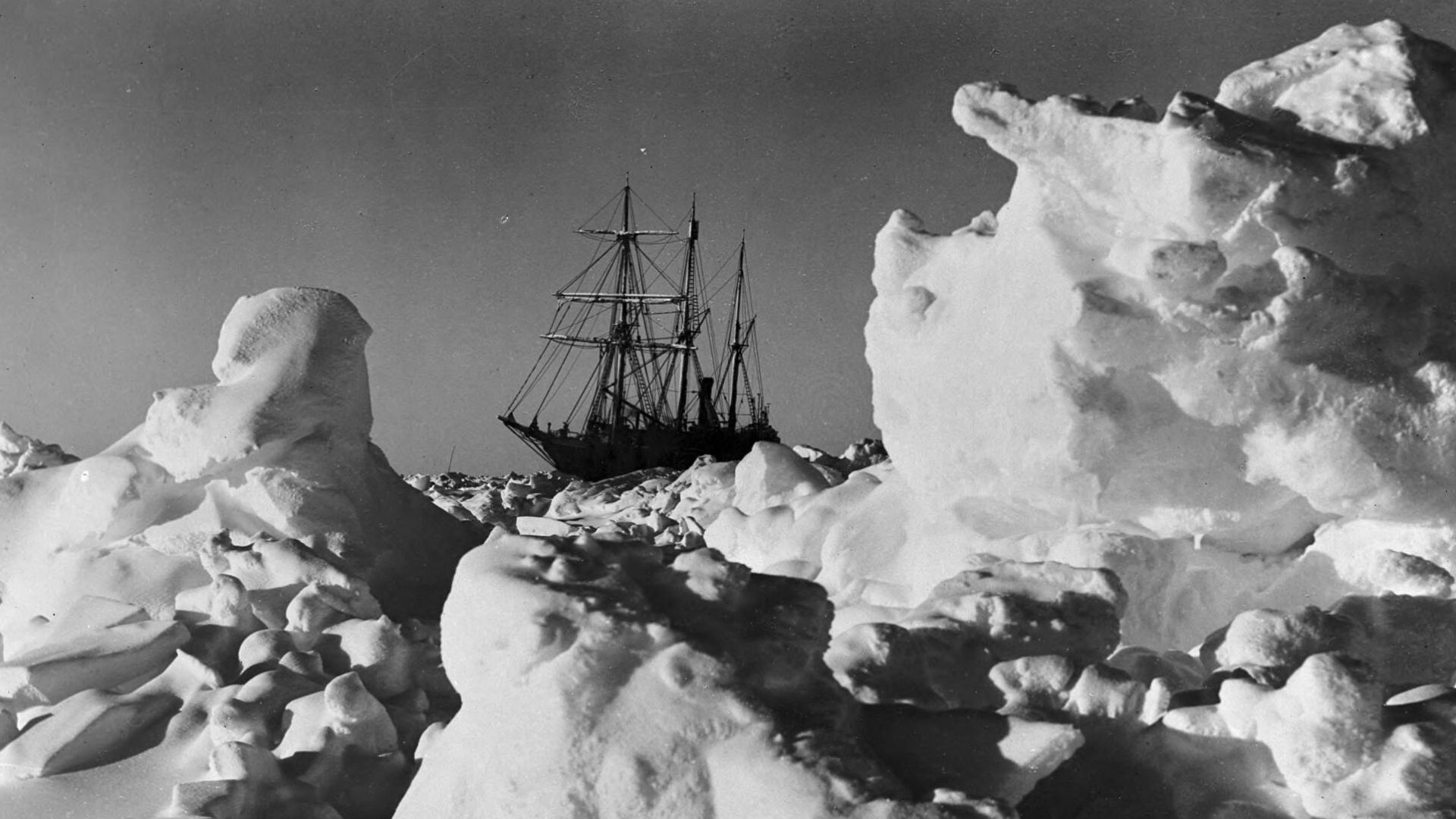
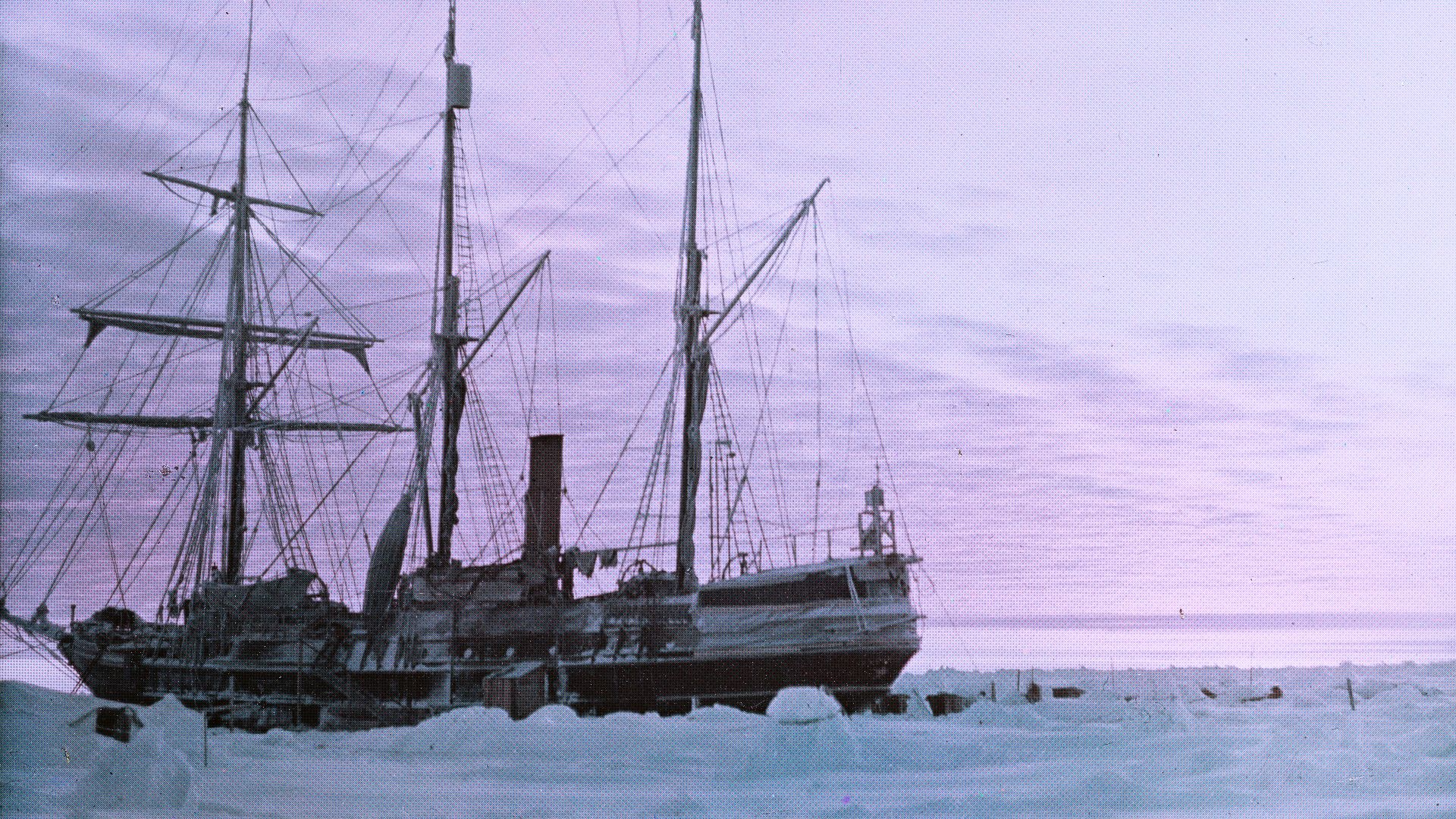
When pack ice crushed the Endurance in 1915, Ernest Shackleton's crossing of Antarctica turned into a fight to get everyone home. His crew camped on drifting ice for months, then rowed to a barren island while Shackleton sailed off for help. All 28 men survived, a feat historians still marvel at.
 Royal Geographical Society on Wikimedia
9. Frank Worsley, The Navigator Who Found A Speck In The Ocean
To get help for the stranded Endurance crew, Frank Worsley navigated a 22-foot lifeboat across 800 nautical miles of ocean using little more than a sextant and brief glimpses of sun. He was aiming for South Georgia Island, and hit it almost exactly.
 commons.wikimedia.org on Google
10. Tom Crean, The Man Who Walked Across South Georgia
Tom Crean made the final overland leg alongside Shackleton and Worsley, hiking 36 hours straight through unmapped mountains without ropes or proper gear. He'd already survived a solo 35-mile trek across Antarctic ice on an earlier expedition, just to save a dying crewmate.
11. Wiebbe Hayes, The Soldier Who Fought Off A Massacre
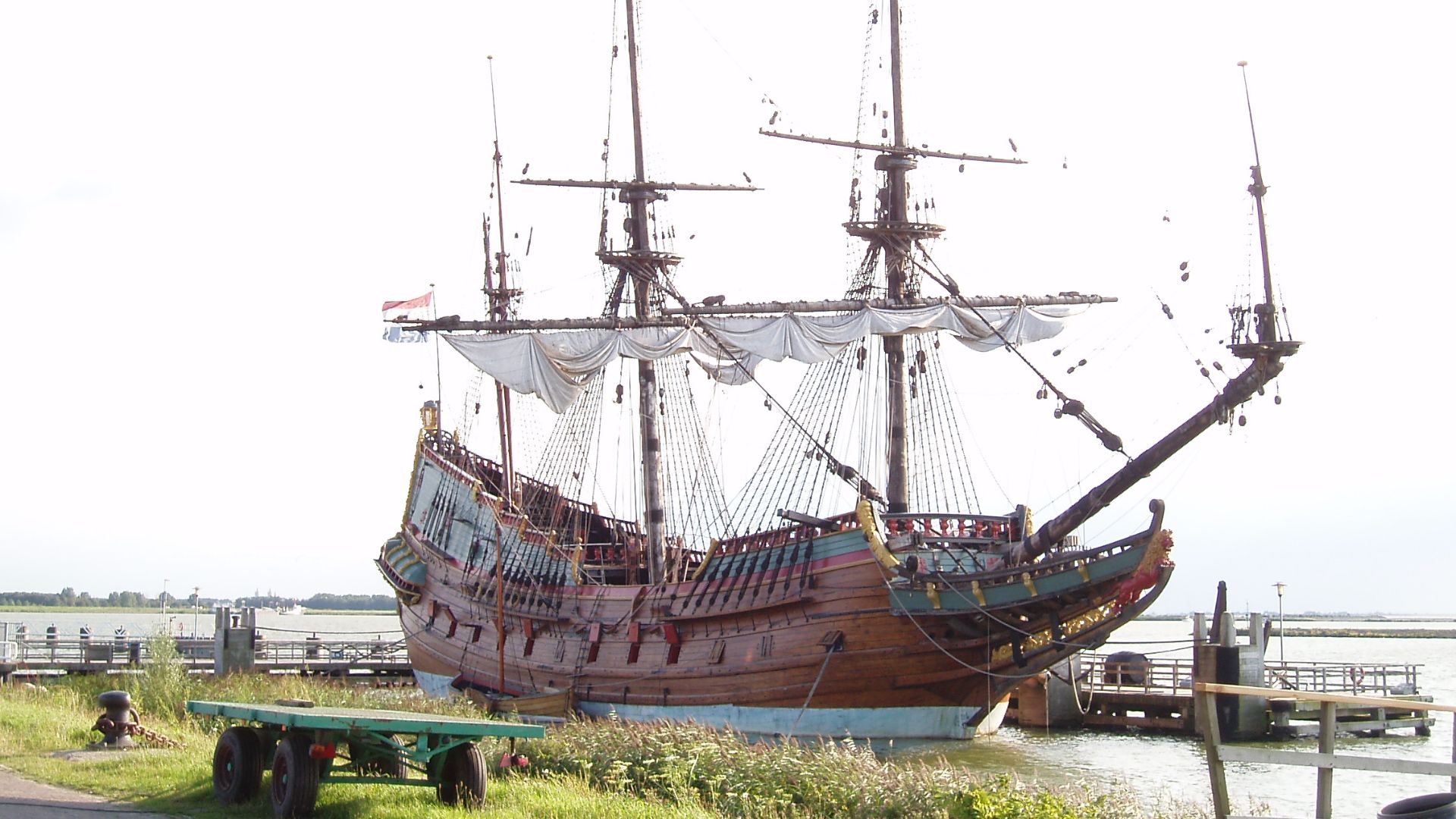
After the Dutch ship Batavia wrecked off Western Australia in 1629, a mutineer began murdering survivors stranded on nearby islands. Wiebbe Hayes, marooned on a separate island, organized the others, built a stone fort, and beat back two armed attacks before capturing the killer himself. That fort still stands, the oldest European structure in Australia.
12. John Byron, The Grandfather Poets Don't Usually Get
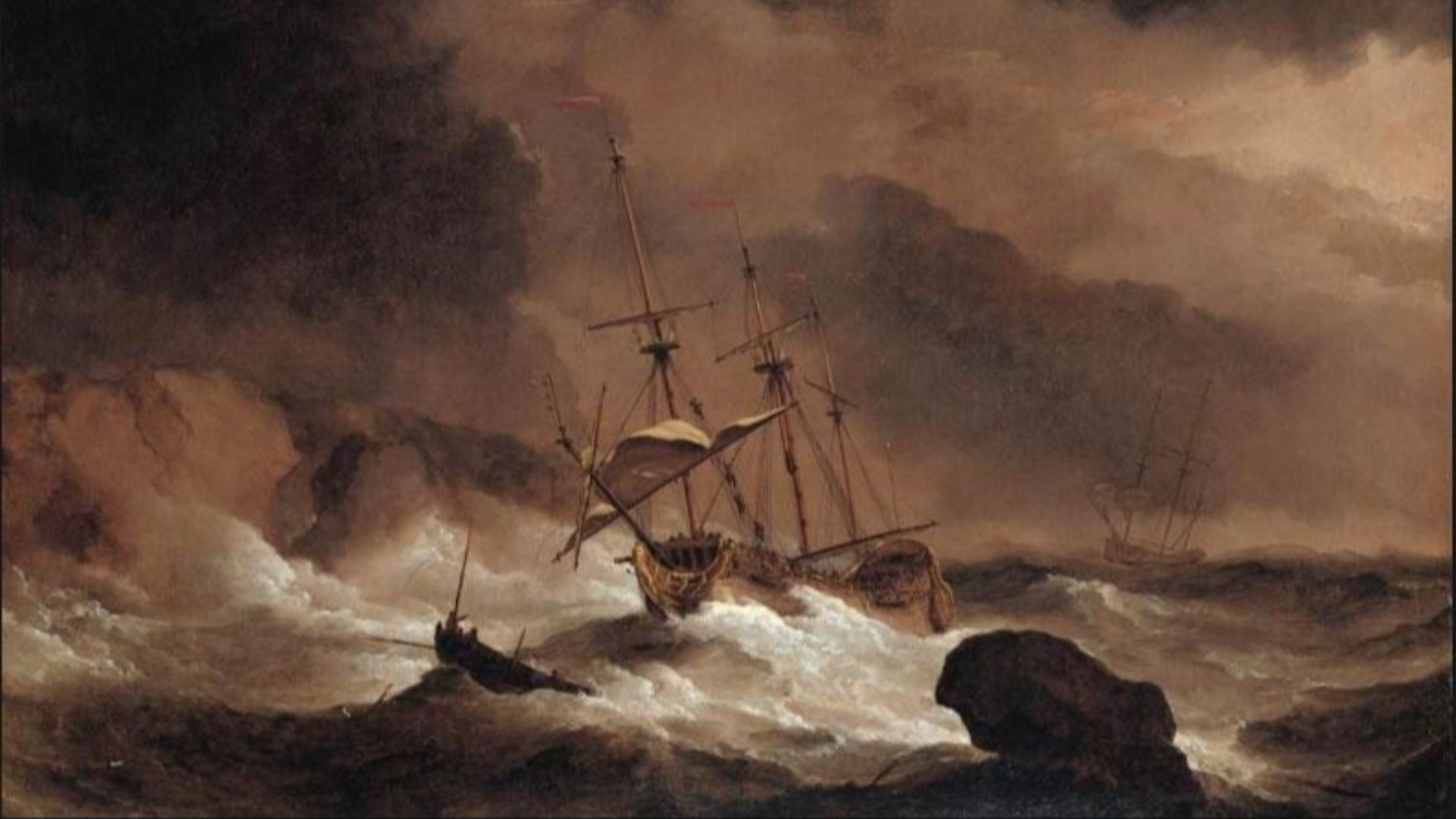
HMS Wager wrecked off Chile in 1741, and its crew split into rival factions, one of which mutinied outright. Midshipman John Byron stuck with the loyalists, endured months of starvation, and reached a Spanish settlement by canoe. He later became an admiral, and his grandson, the poet Lord Byron, grew up hearing these stories.
 Willem van de Velde the Younger on Wikimedia
13. Alexandre Corréard And Henri Savigny, The Raft That Became A Painting
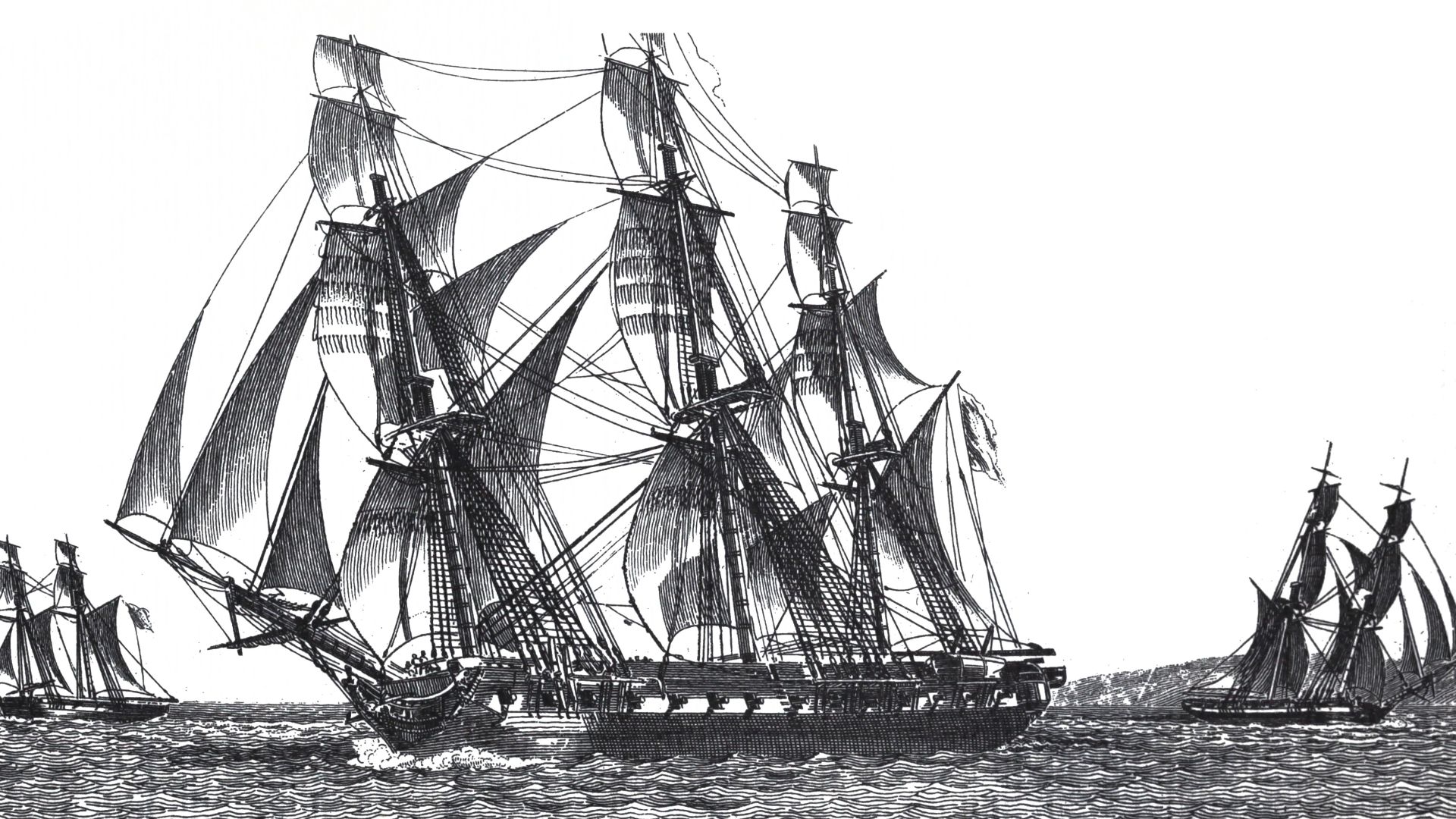
When the French frigate Méduse ran aground off Mauritania in 1816, officers loaded into lifeboats and cut loose a hastily built raft carrying 147 people. By the time rescue arrived thirteen days later, mutiny and starvation had reduced that number to fifteen. Two survivors published an account that inspired Géricault's painting "The Raft of the Medusa."
 Jean-Jérôme Baugean on Wikimedia
14. The Soldiers Of HMS Birkenhead, The Wreck That Wrote The Rule
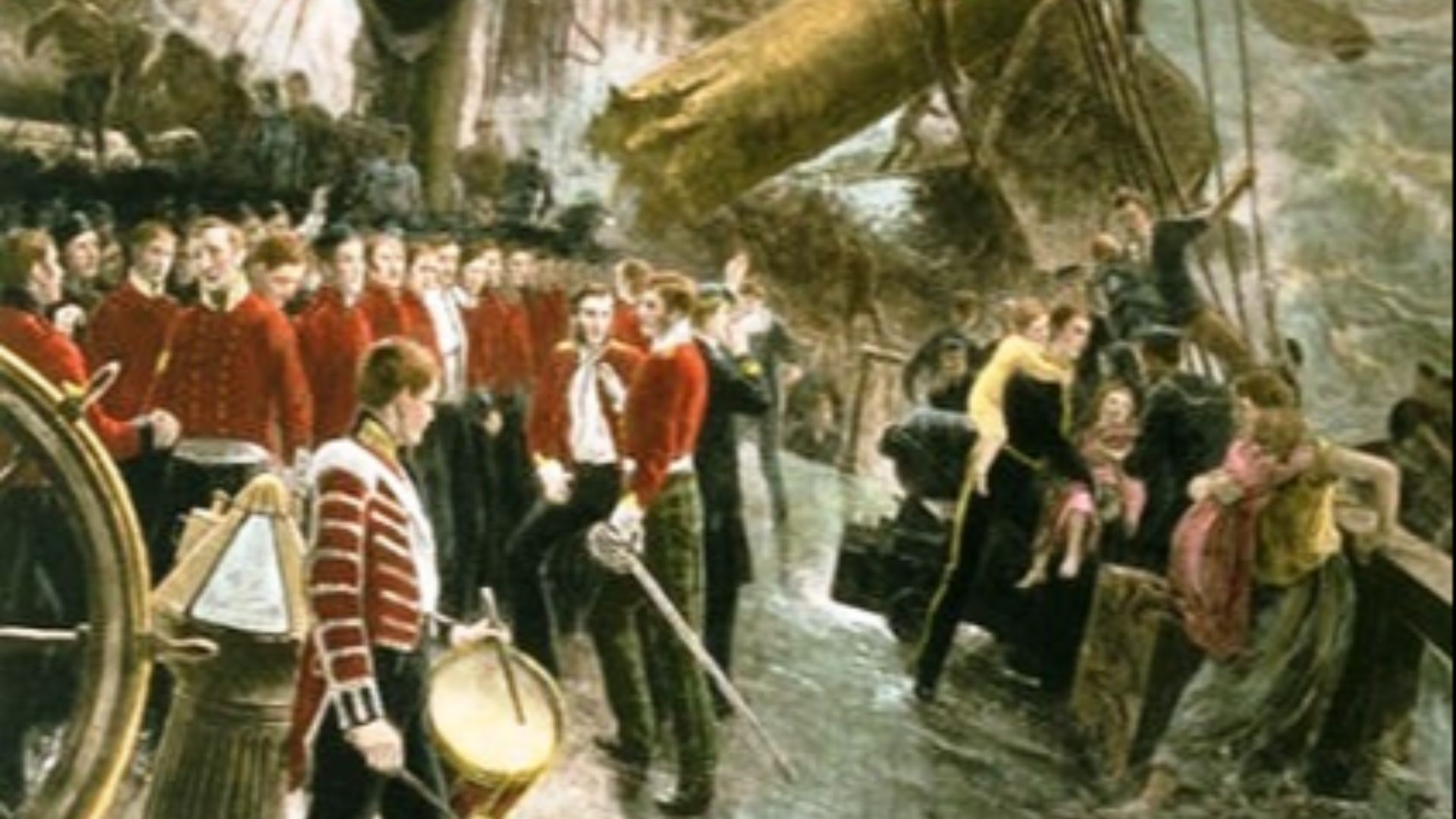
HMS Birkenhead struck a hidden reef off South Africa in 1852 while carrying troops and a small number of military families. As the ship broke apart, the soldiers stood in formation instead of rushing the boats, letting the women and children go first. Every woman and child survived, and "women and children first" traces back to that night.
15. The Man Who Rode A Dead Mule To Shore
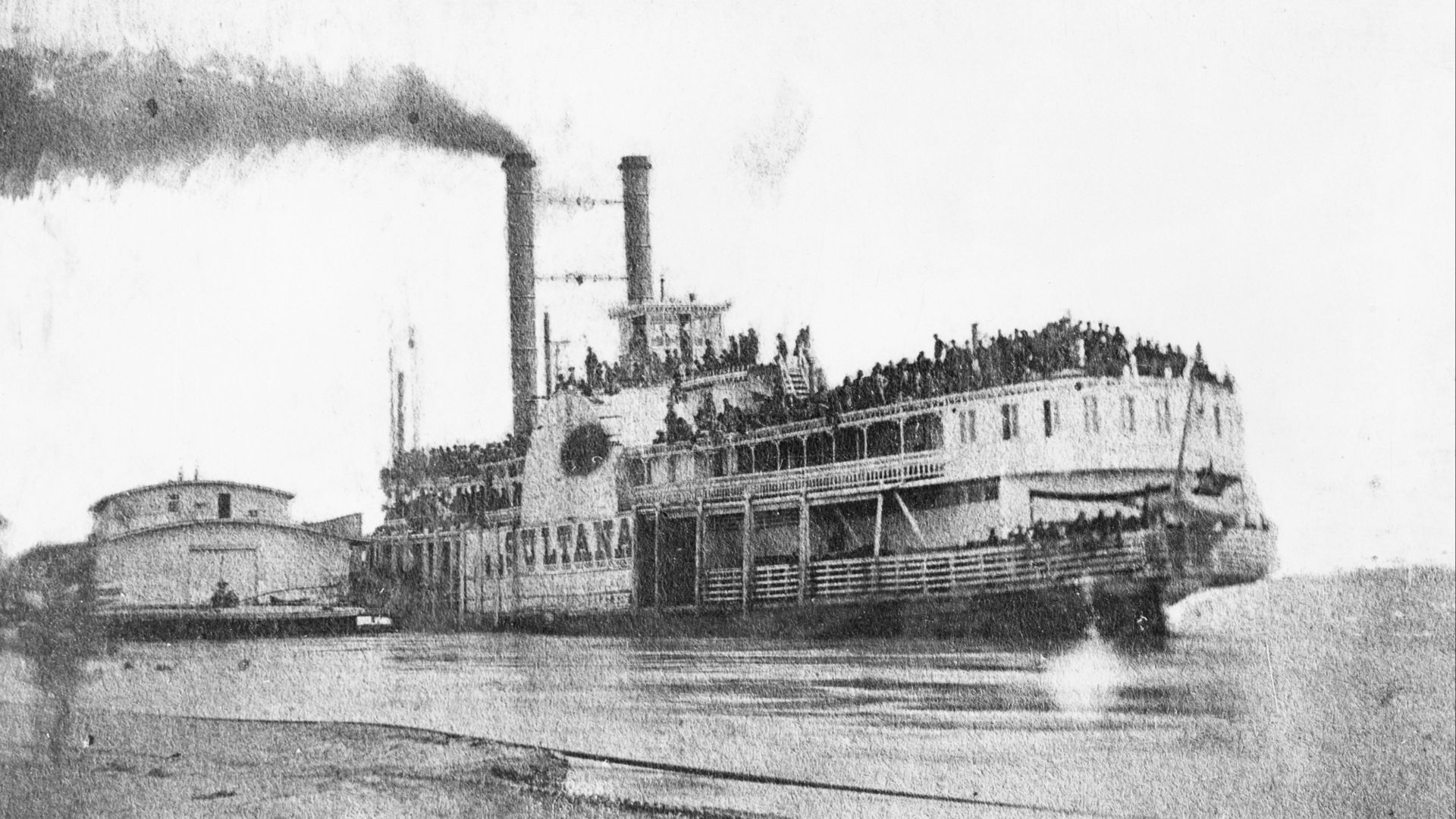
When the steamboat Sultana's overworked boilers exploded on the Mississippi in 1865, it became the deadliest maritime disaster in American history, killing more people than the Titanic later would. One survivor, a paroled Union soldier, made it nearly ten miles downriver clinging to a dead mule blown overboard in the blast.
 Template:Thomas W. Bankes on Wikimedia
16. Linda Morgan, The Girl Who Switched Ships In Her Sleep
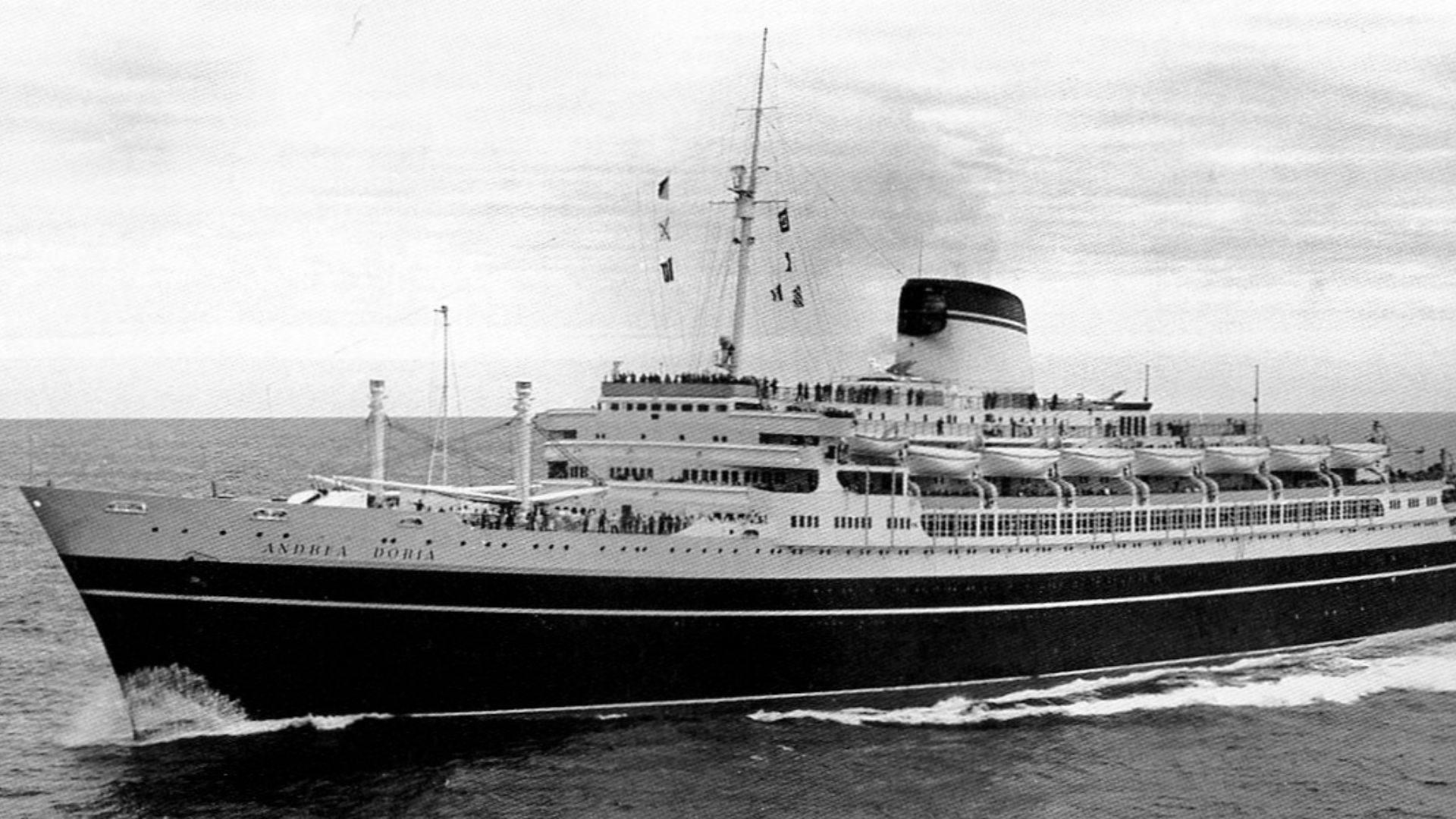
When the Stockholm collided with the Andrea Doria off Nantucket in 1956, fourteen-year-old Linda Morgan was asleep in her cabin, directly in the other ship's path. The impact somehow lifted her, bed and all, onto the crumpled bow of the Stockholm, where a crewman found her calling for her mother. Reporters dubbed her the "Miracle Girl."
 Unknown photographer on Wikimedia
17. Loel Dean Cox, The Sailor Who Fought Off Sharks For Days
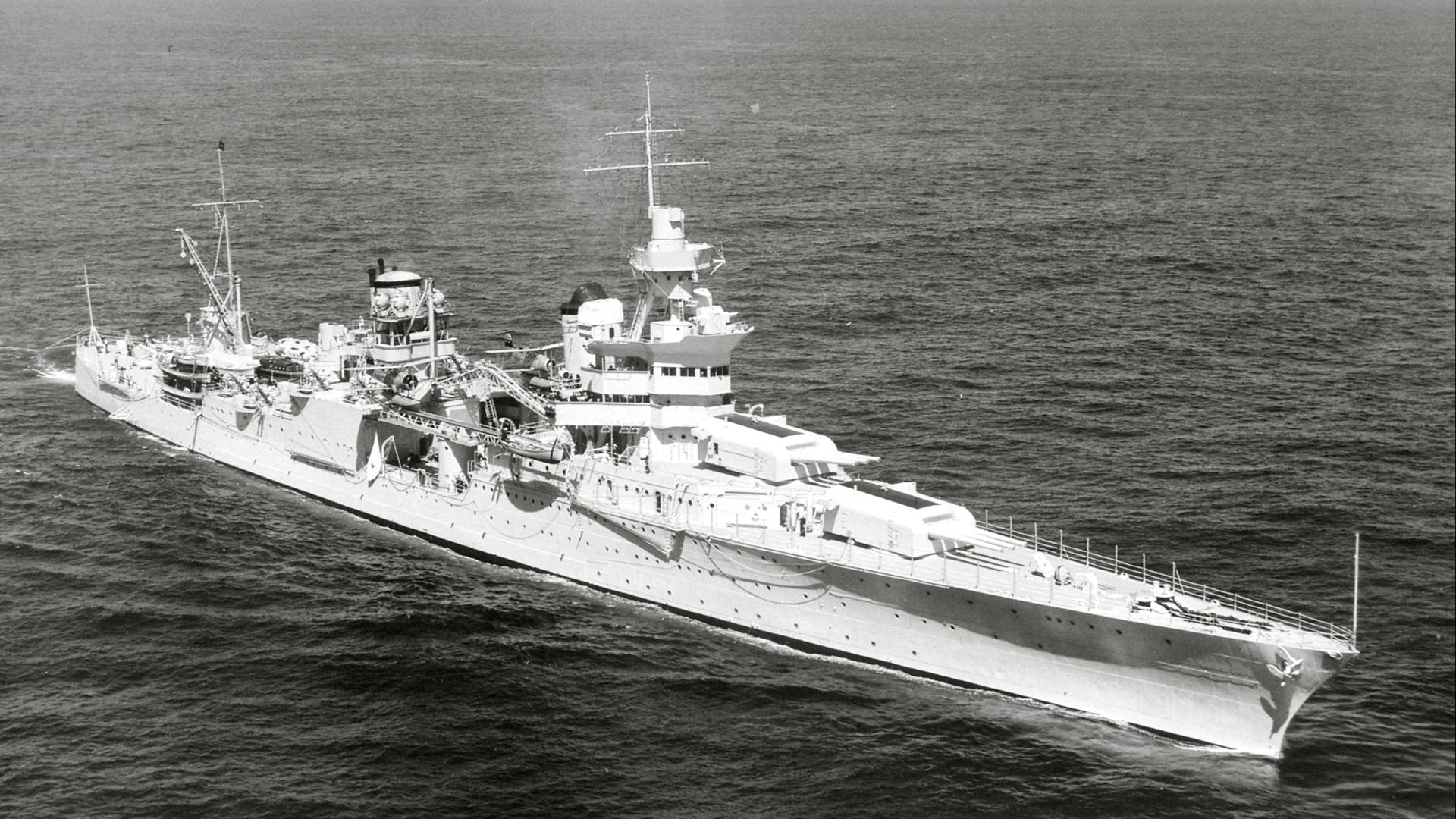
After the USS Indianapolis was torpedoed in 1945, roughly 900 men went into the Pacific, and rescue didn't arrive for nearly five days. Loel Dean Cox later described watching sharks pull men under one after another while survivors kicked and beat the water. Only 316 made it out alive.
 Unknown authorUnknown author on Wikimedia
18. The Passengers Of The Empress Of Ireland, Gone In Fourteen Minutes
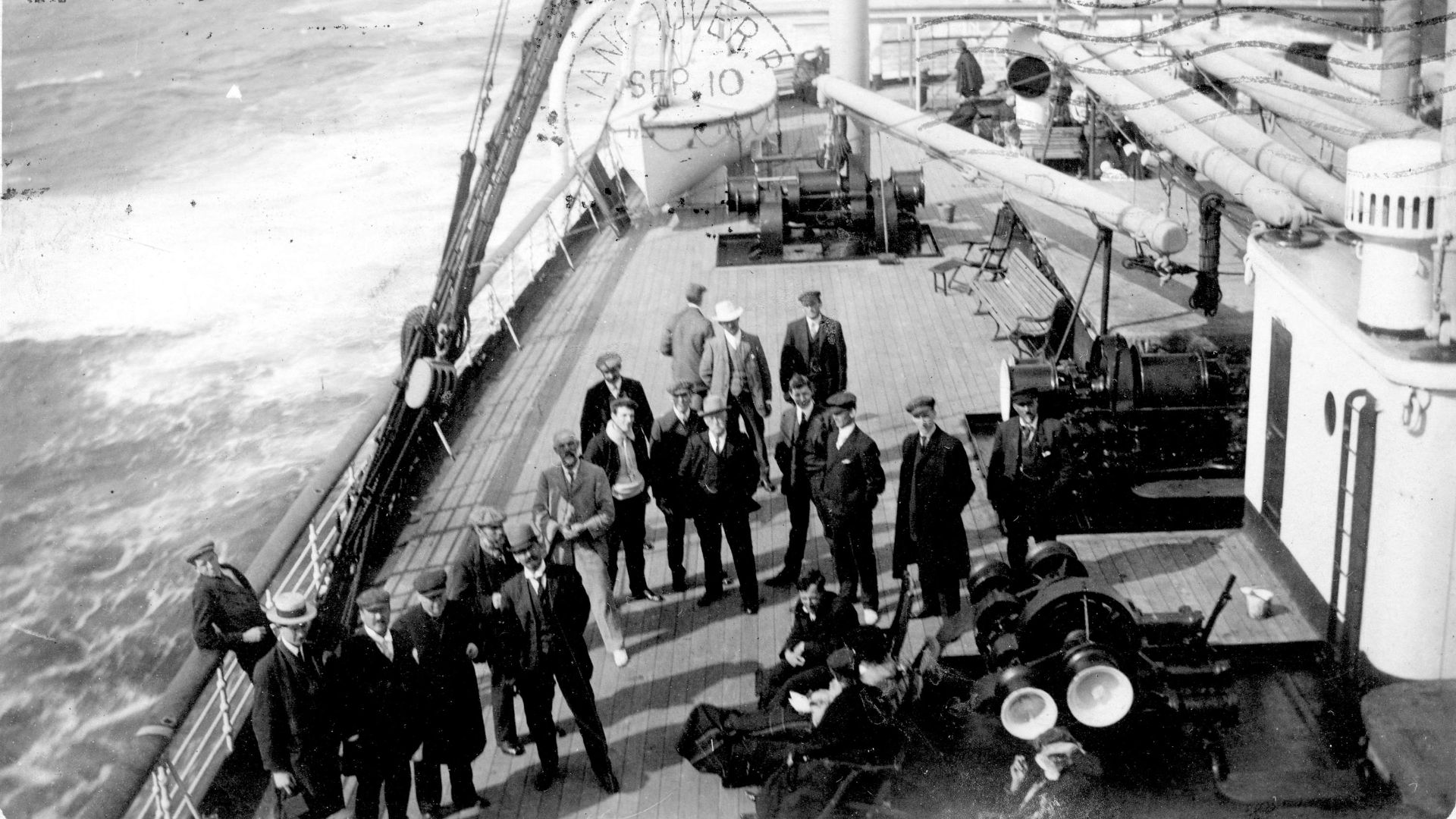
The Empress of Ireland collided with a Norwegian collier in fog on the St. Lawrence River in 1914 and sank in about fourteen minutes, faster than the Titanic had two years before. Only 465 of 1,477 people aboard survived, and just four of 138 children made it out.
 unknown. from the collection of Matthews, James Skitt, Major (1878-1970) on Wikimedia
19. The Survivors Of The SS Central America, A Steamship Full Of Gold
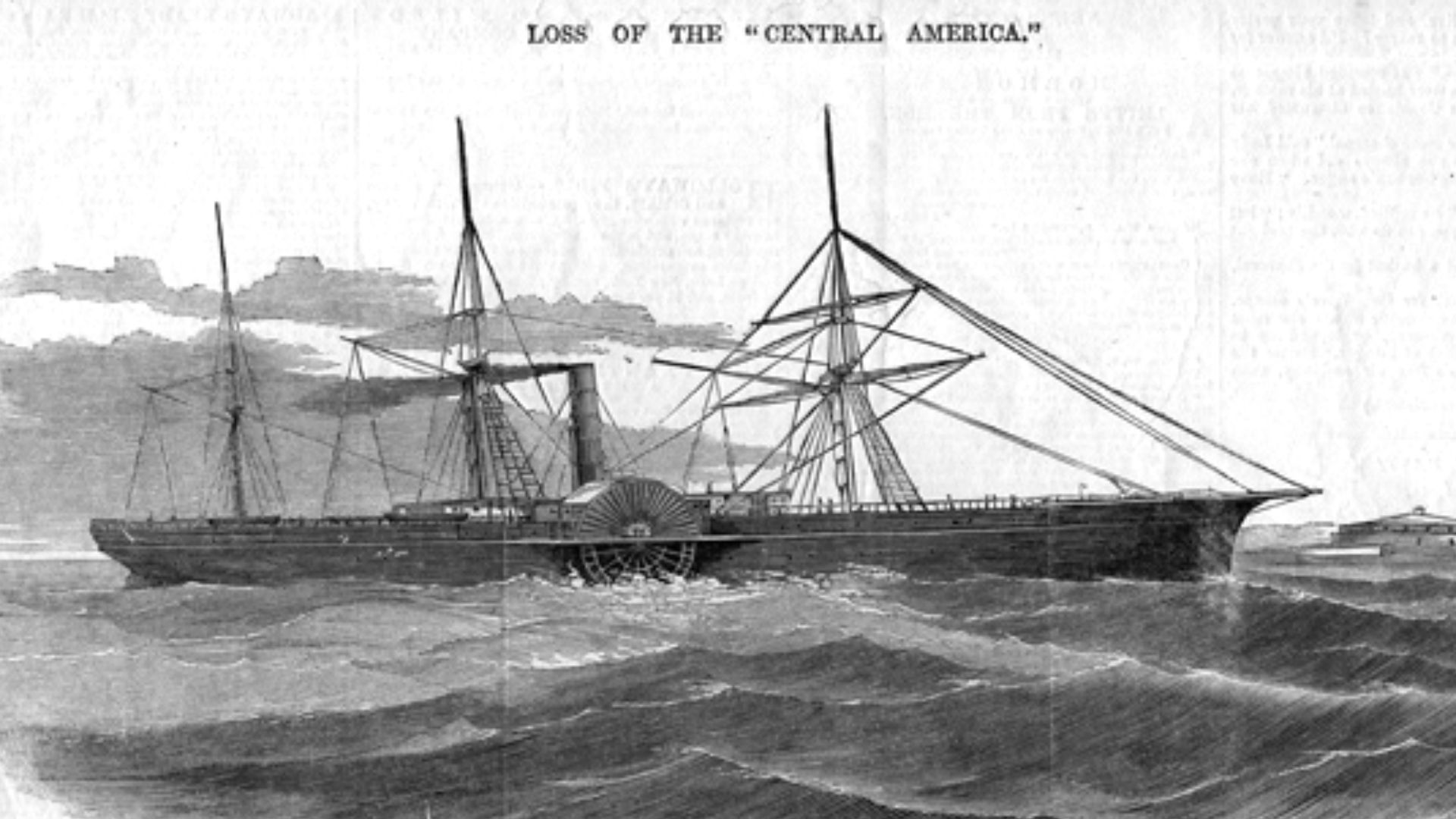
The SS Central America was hauling gold rush fortunes up the Atlantic coast in 1857 when a hurricane caught it off the Carolinas and tore it apart. Passengers bailed water for two straight days before it went down, and a passing ship pulled about fifty more from the wreckage. Only 153 of 578 aboard made it home.
 Frank Leslie's Illustrated Newspaper on Wikimedia
20. The Survivors Of The MS Estonia, The Last Great Peacetime Wreck
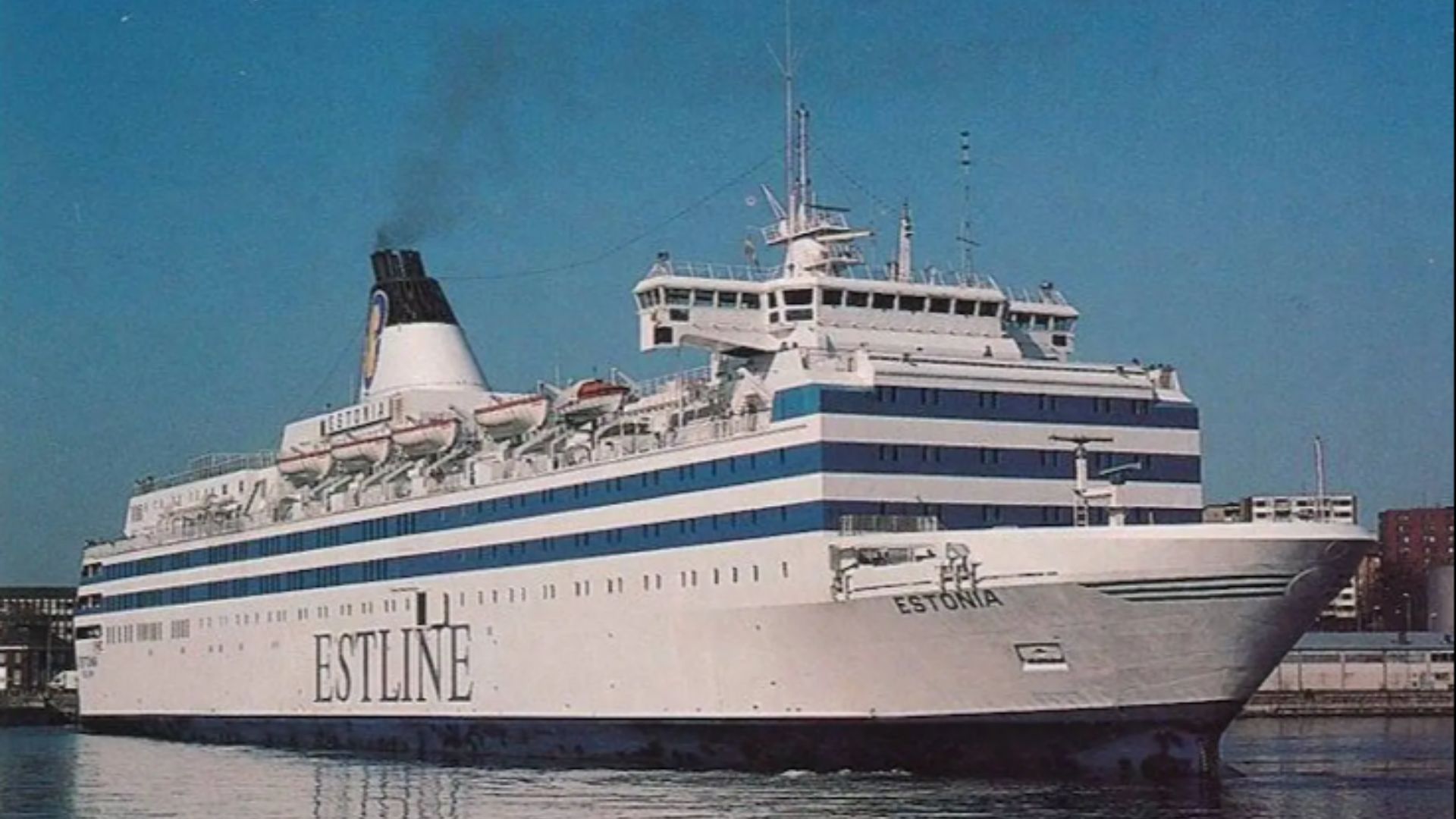
The car ferry MS Estonia capsized in the Baltic Sea in 1994 after its bow door failed in a storm, going under in under an hour. Only 137 of 989 people aboard made it out, mostly by scrambling onto the hull, and no child under twelve survived the freezing water.
KEEP ON READING