20 Pieces Of "Future Technology" That Already Existed In The 1800s
The Victorians Got There First
We tend to imagine the nineteenth century as candlelight and horses, with everything modern arriving sometime after the Wright brothers. The actual record is far weirder. People in top hats were sending images over wires and driving electric cars. Somebody built a machine that read punched cards and spat out census results. Plenty of it worked badly or arrived before anyone knew what to do with it, and a fair amount got forgotten for fifty years before somebody tried again. Here's 20 pieces of supposedly modern technology that were already up and running before 1900.
 Unknown authorUnknown author on Wikimedia
1. The Fax Machine
Alexander Bain patented a machine for sending images over telegraph wires in 1843, decades before the telephone existed. By 1865 a commercial fax service was running between Paris and Lyon using Giovanni Caselli's pantelegraph. Business people were transmitting signatures and handwriting across France while the American Civil War was still on.
2. Electric Cars That Could Actually Move
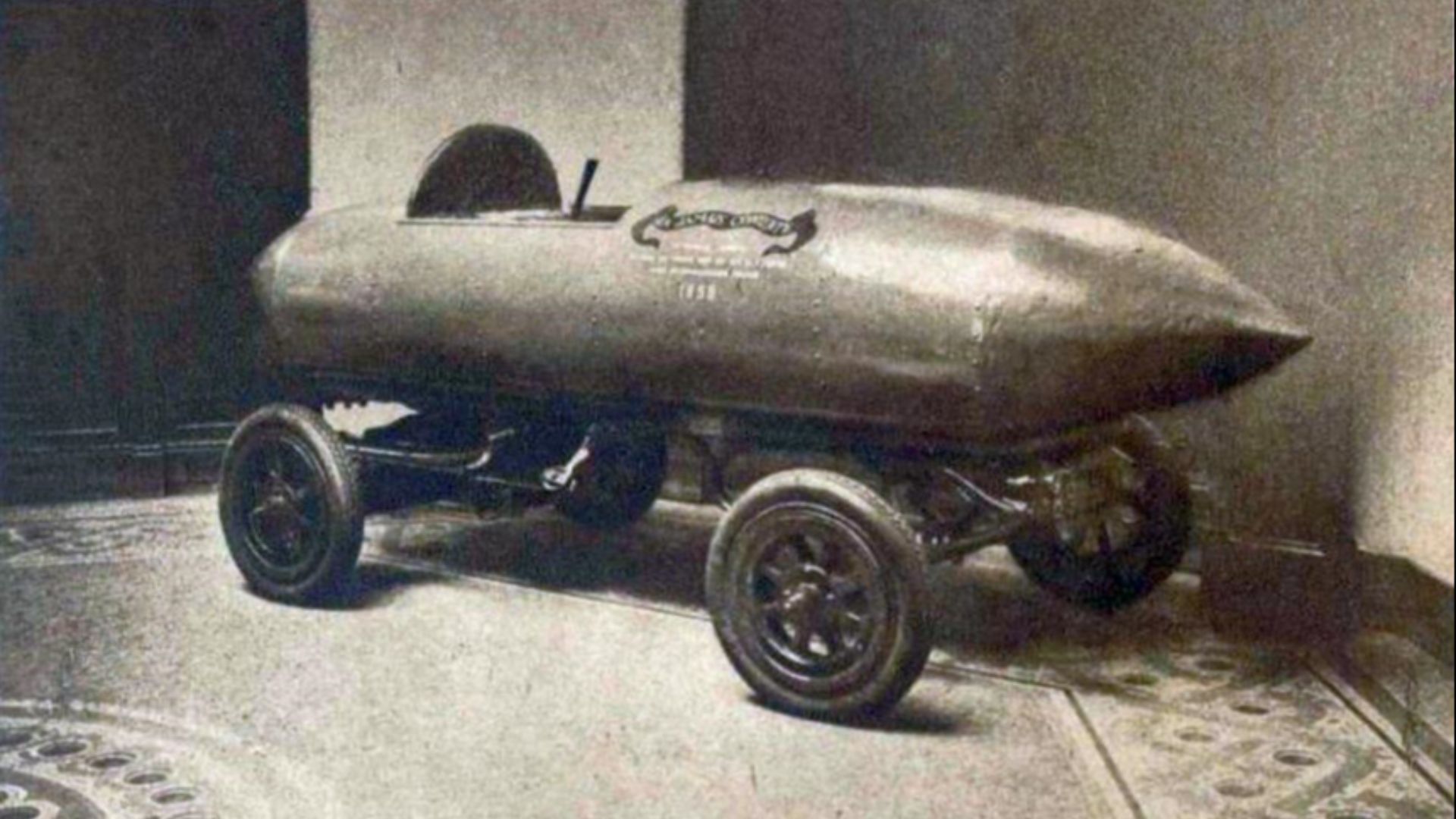
In 1899 a Belgian driver took a torpedo-shaped electric car called La Jamais Contente past 100 kilometers per hour, the first vehicle of any kind to do it. Electric taxis were working the streets of New York and London in the same decade. Gasoline eventually won on range, since a battery could only take you so far before the whole thing needed a garage.
 Le Petit Parisien on Wikimedia
3. Vending Machines
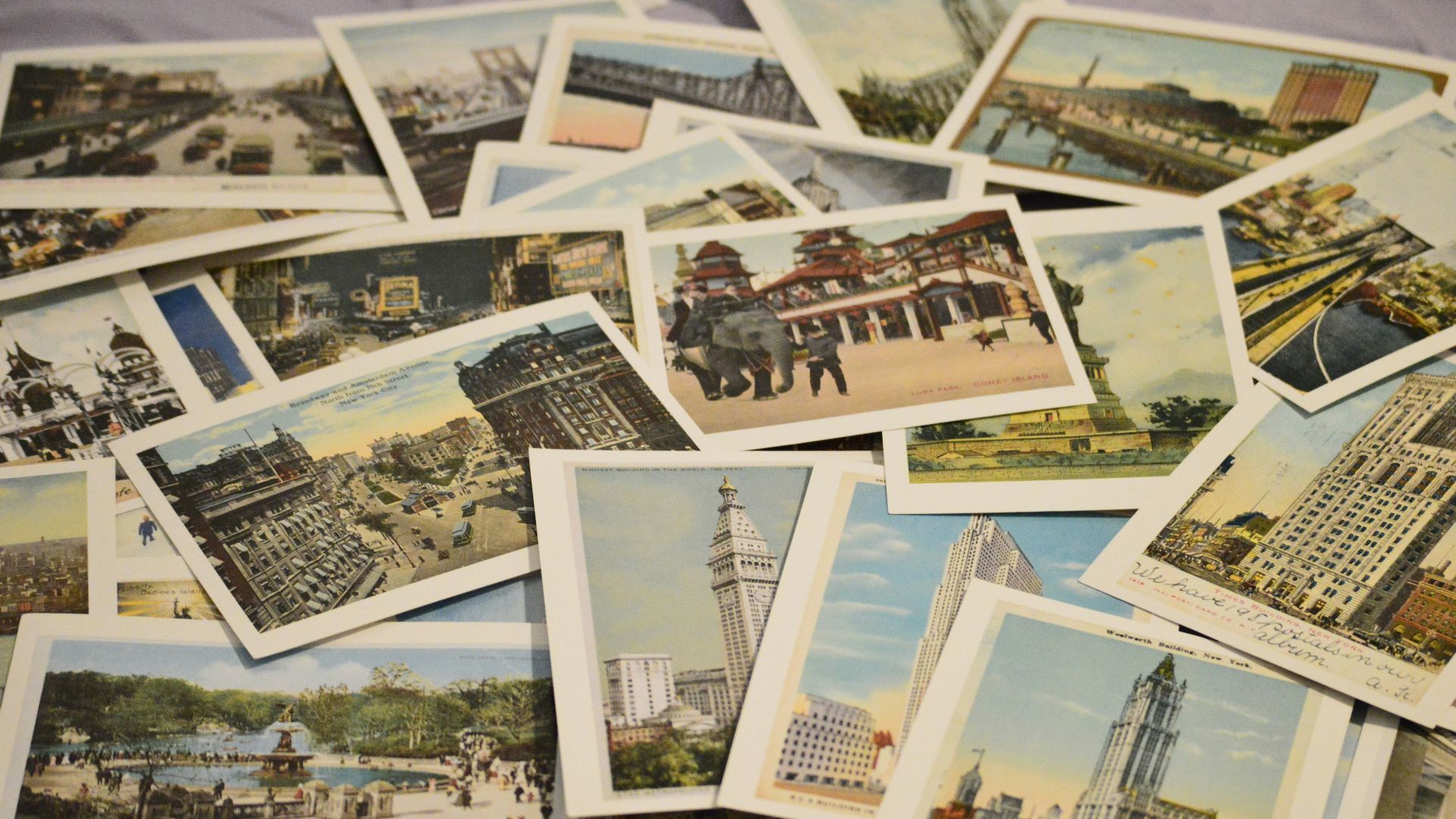
Percival Everitt installed coin-operated postcard machines around London in 1883, and the idea spread fast enough that a company formed to manage them. Within a few years you could buy stamps or chocolate from a box mounted on a wall. The machines jammed constantly, which appears to be a permanent feature of the technology. Everitt's patents also covered a machine that dispensed handkerchiefs.
4. A Programmable Computer
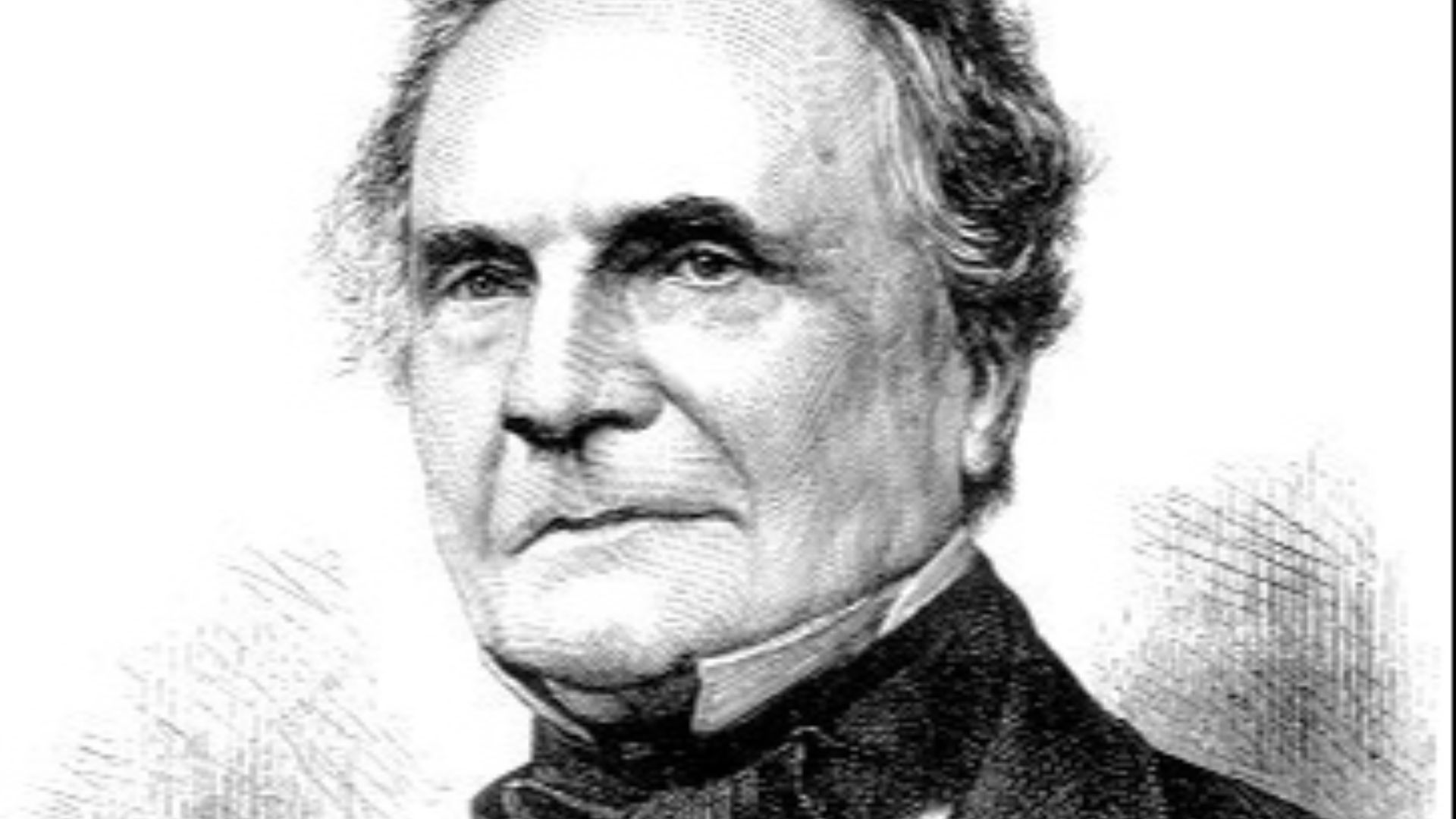
Charles Babbage designed the Analytical Engine in the 1830s with a mill for processing and a store for memory. Instructions went in on punched cards. The machine was never finished, though the design was sound enough that later builds worked.
 Thomas Dewell Scott on Wikimedia
5. Automated Data Processing
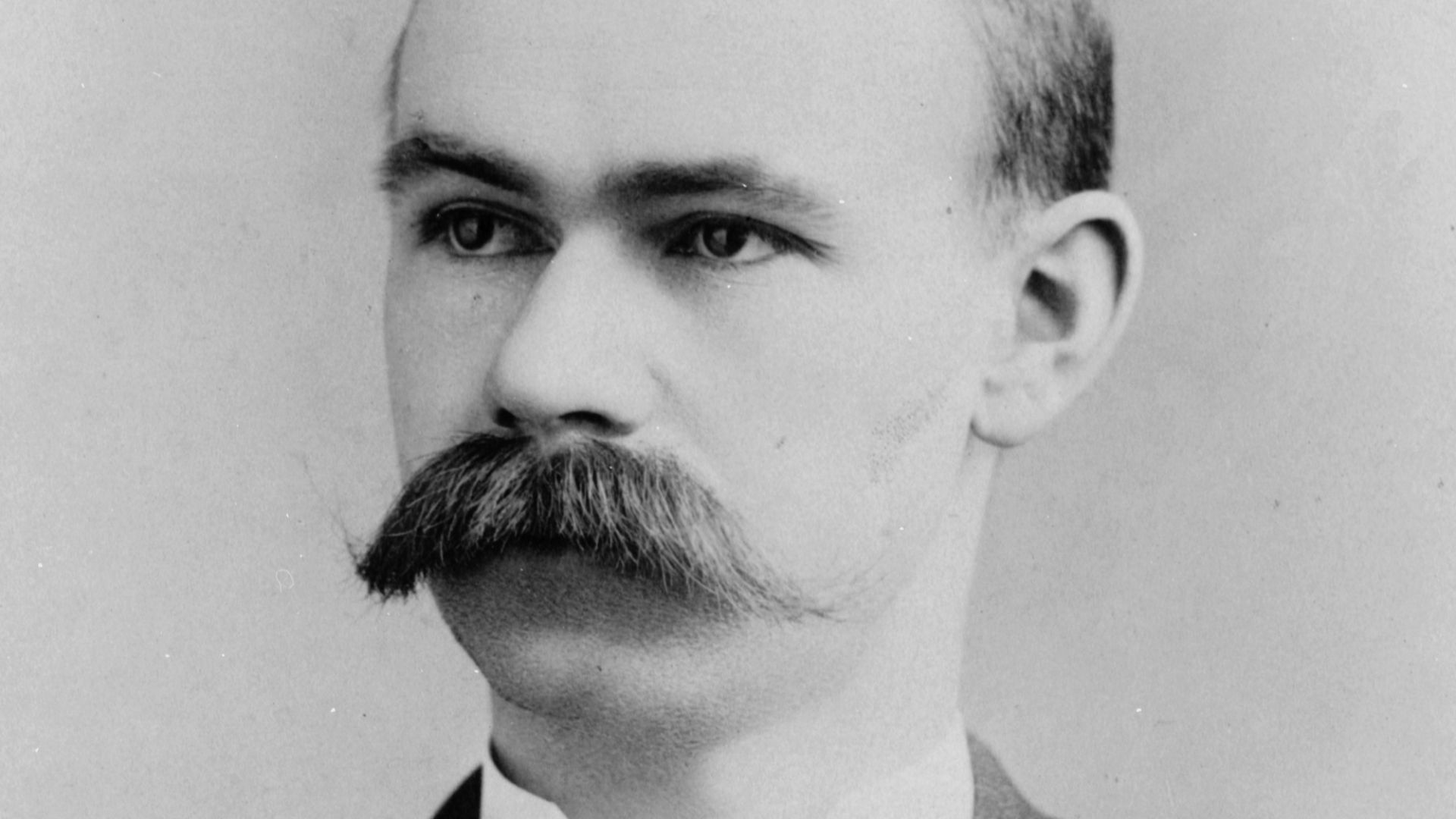
Herman Hollerith's punched card tabulators handled the 1890 United States census, cutting a job that had taken eight years down to about one. The cards stored personal data in holes punched into stiff paper. His company later merged into the firm that became IBM, so the line from that census to modern computing is fairly direct.
 Charles Milton Bell on Wikimedia
6. Solar Power
Augustin Mouchot demonstrated a solar engine at the 1878 Paris Exposition that concentrated sunlight to run a printing press. Charles Fritts built the first selenium solar cell in New York five years later, converting light directly into electricity. Cheap coal made both look like curiosities, and Mouchot's government funding dried up once French coal imports got easier.
 File Upload Bot (Magnus Manske) on Wikimedia
7. The Remote Control
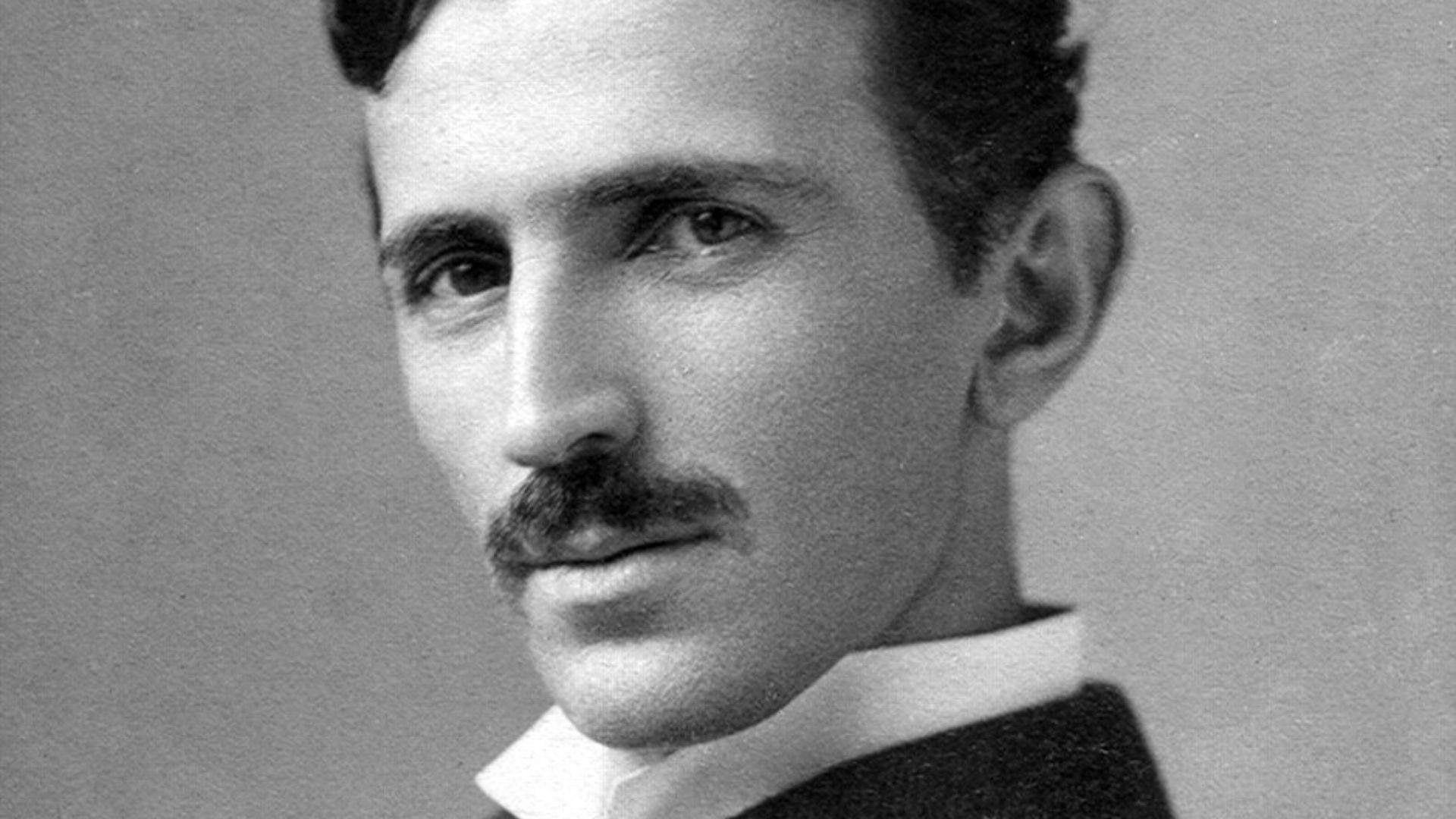
Nikola Tesla steered a small boat around a tank at Madison Square Garden in 1898 using radio signals from a control box. The crowd assumed a trained monkey was hidden inside. Tesla had patented the underlying system and tried to sell it to the Navy, which passed on it.
8. Recorded Voicemail
Valdemar Poulsen's telegraphone, patented in 1898, recorded sound as magnetic patterns on steel wire. He pitched it as a way to capture telephone messages when nobody was home. Magnetic recording then sat mostly unused for decades before tape made the whole idea ordinary.
 Unknown authorUnknown author on Wikimedia
9. Wireless Communication
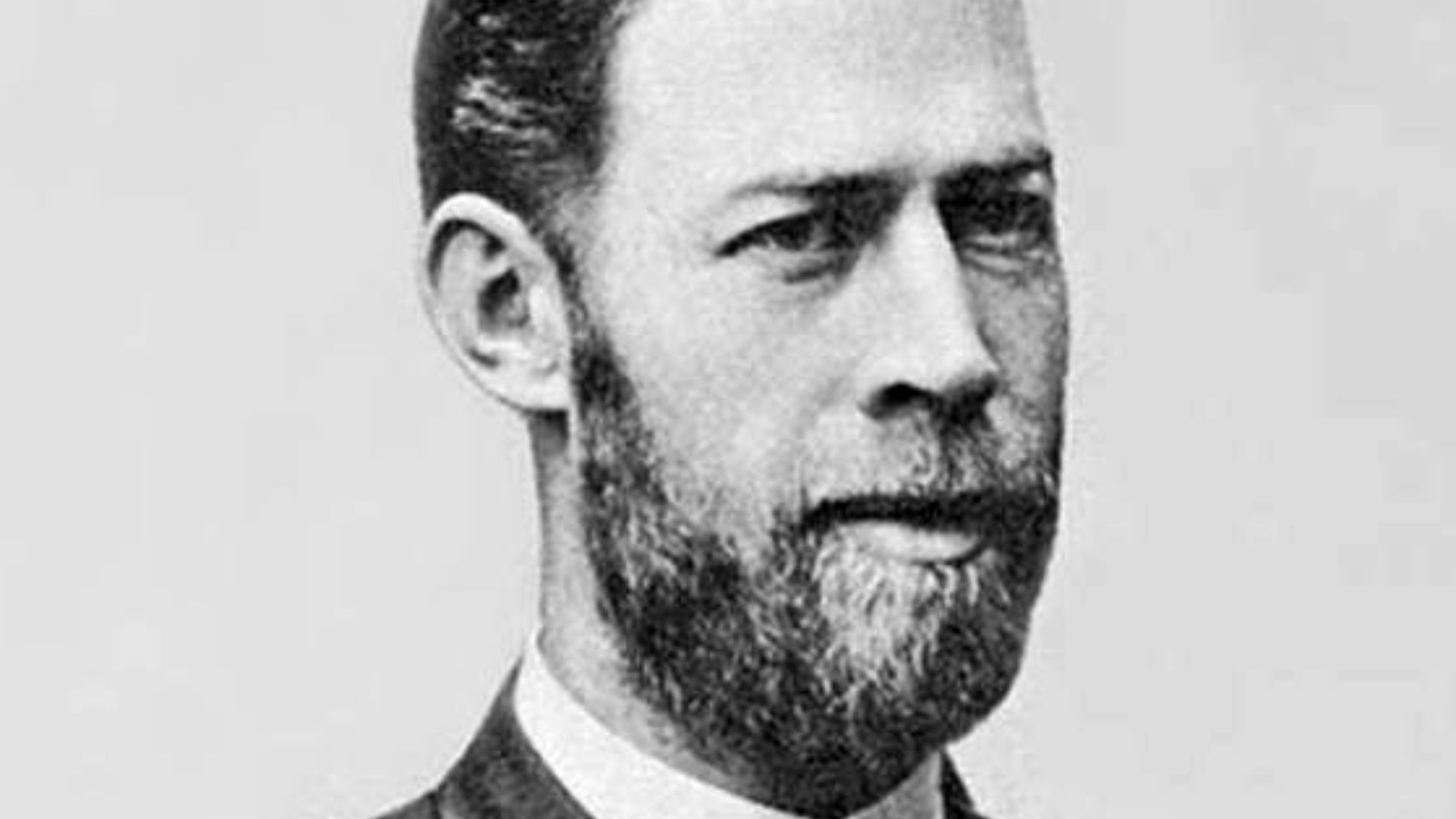
Heinrich Hertz proved radio waves were real in 1887, and Guglielmo Marconi had them carrying messages across water within ten years. By 1899 a signal crossed the English Channel. Ships carried wireless sets before most homes had electric lights, which is how the Titanic managed to call for help.
10. Medical Imaging
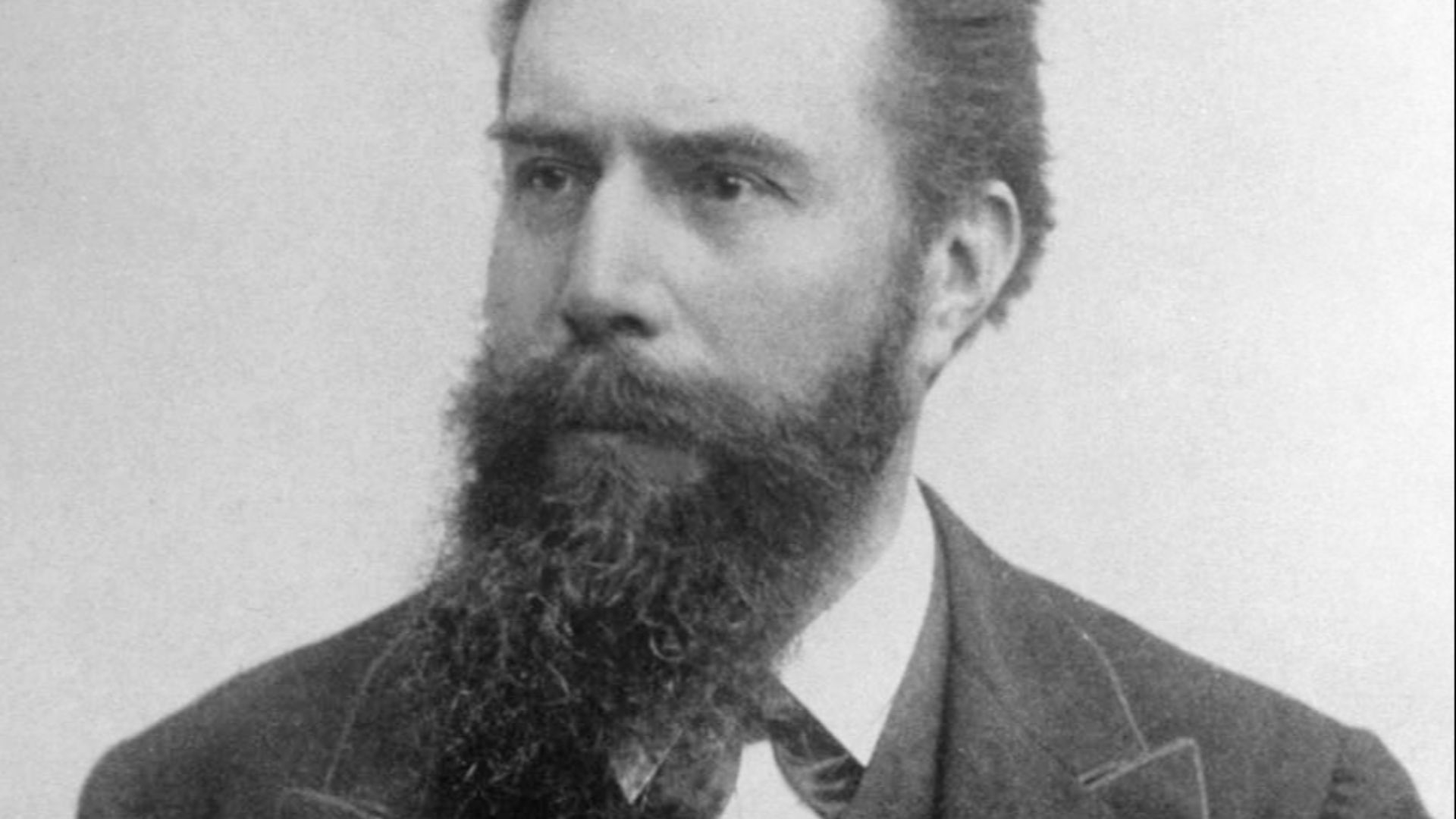
Wilhelm Röntgen discovered X-rays in November 1895 and photographed the bones in his wife's hand within weeks. Hospitals in Europe and America were using the technique within months, which is a speed of adoption that would embarrass a modern health system. Nobody understood radiation exposure yet, and a lot of early operators paid for it.
11. Biometric Identification
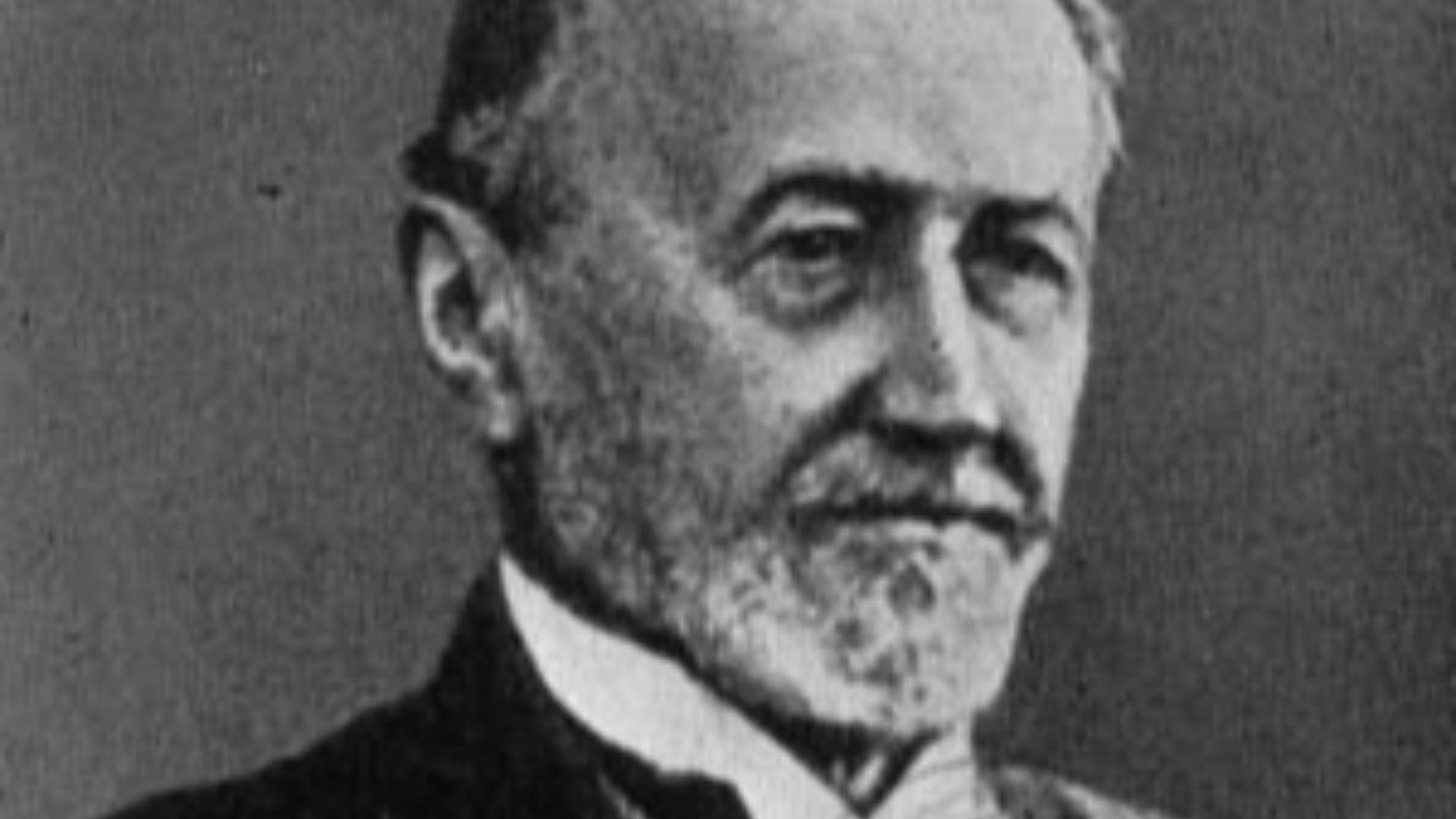
Juan Vucetich used a bloody fingerprint to convict a murderer in Argentina in 1892, the first case solved that way. Edward Henry built a classification system in India around the same time that police forces still recognize today. The idea that a body could serve as a password is older than the lightbulb in most houses.
 Виктор Шмаков Original uploader was Shmakov at ru.wikipedia on Wikimedia
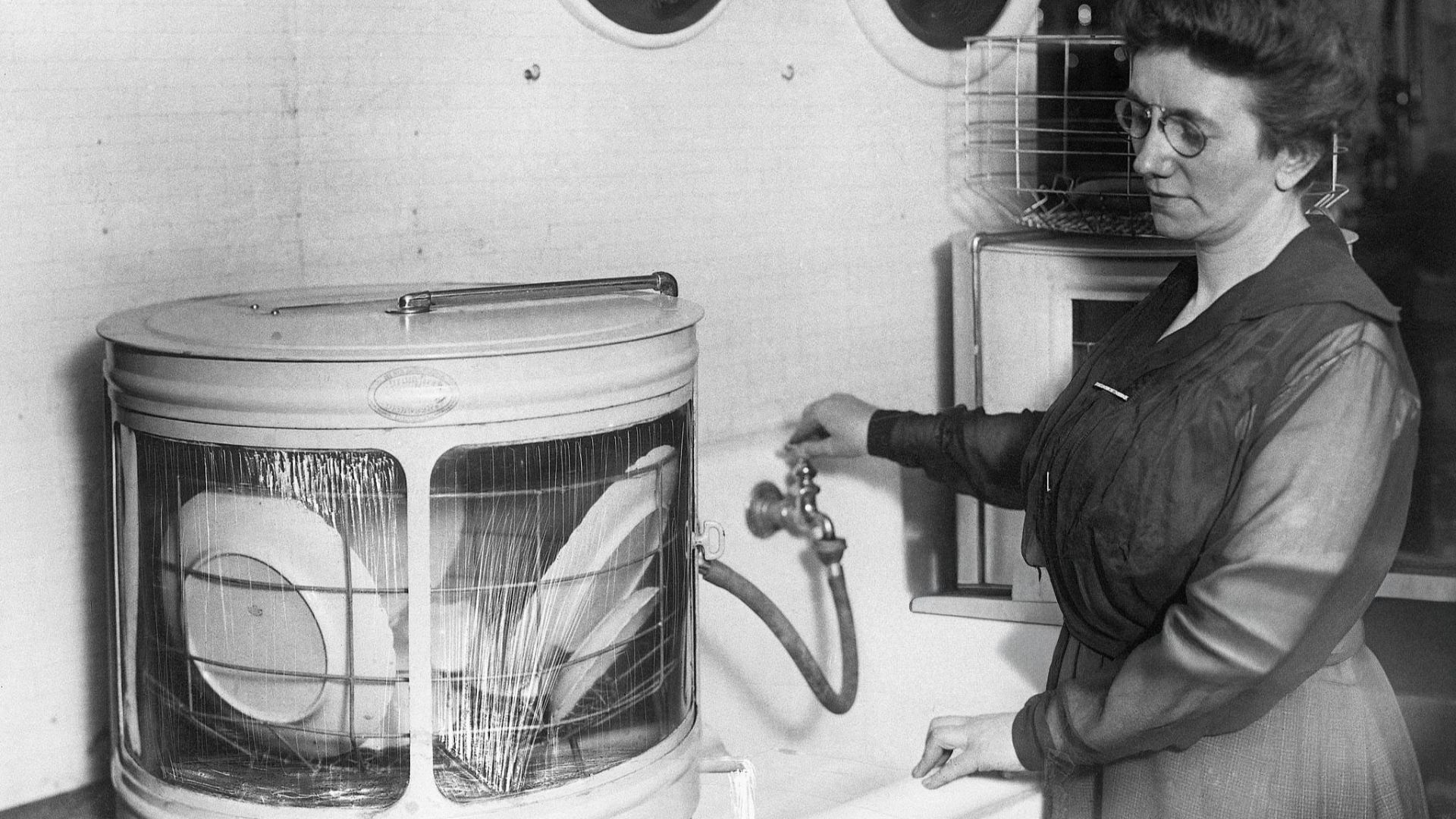
12. The Dishwasher
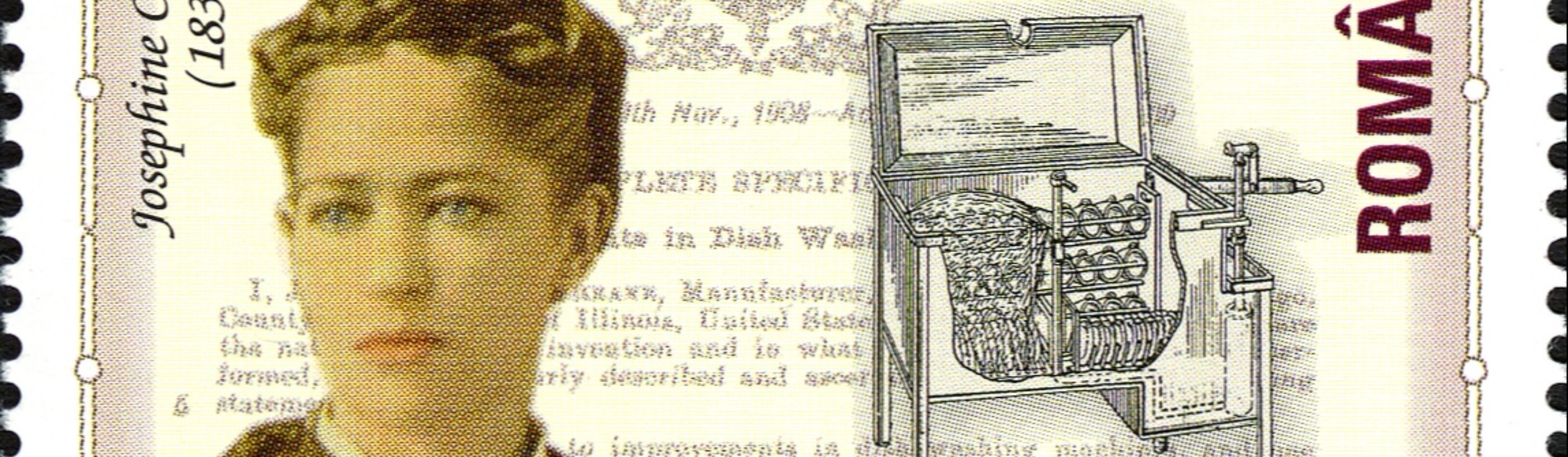
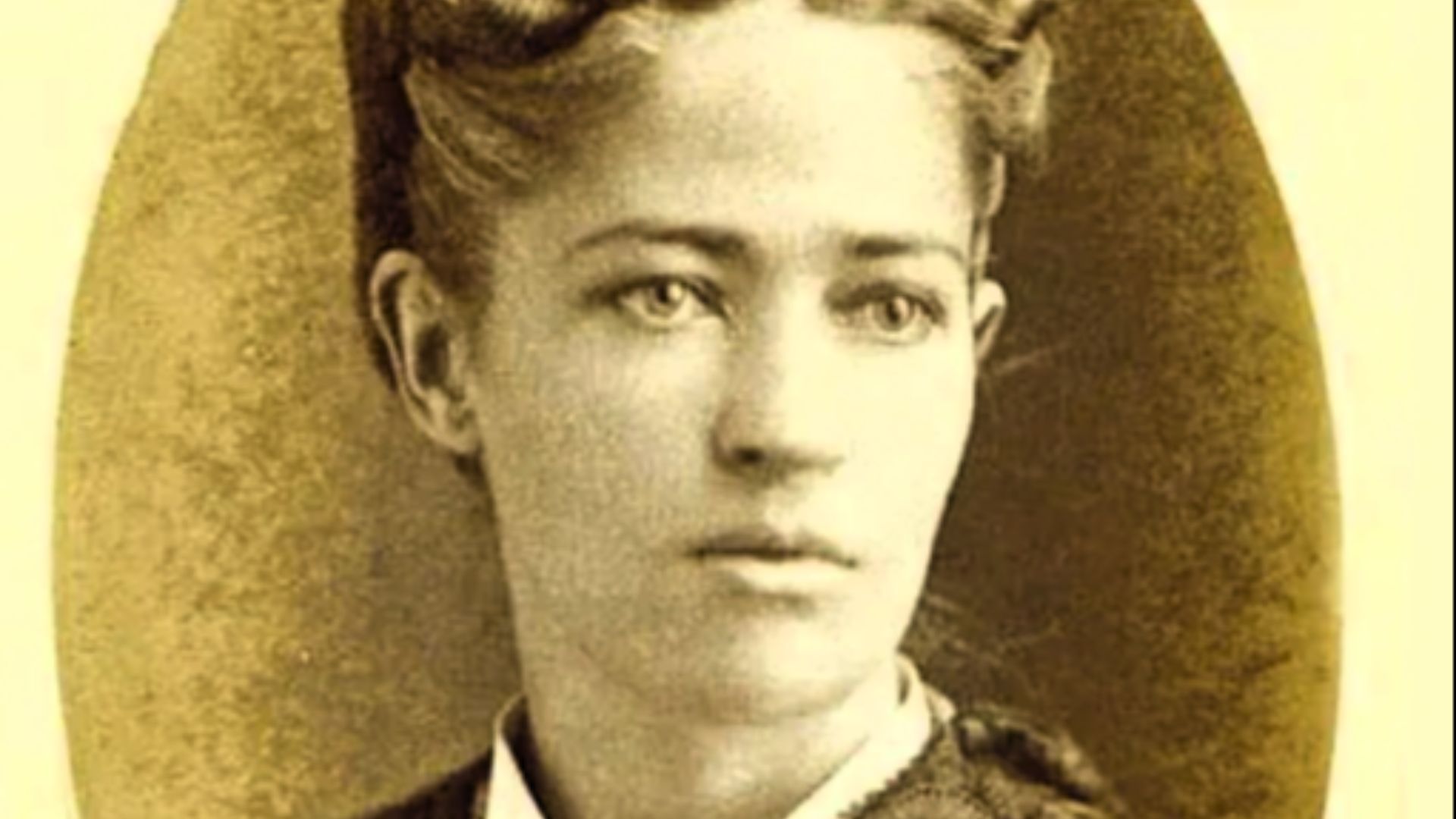
Josephine Cochrane patented a machine in 1886 that held dishes in wire racks while pressurized hot water did the scrubbing. She built it after her servants kept chipping the family china, and she did the engineering herself in a shed behind the house. Hotels and restaurants bought them long before anyone put one in a kitchen at home.
 Unknown authorUnknown author on Wikimedia
13. The Escalator
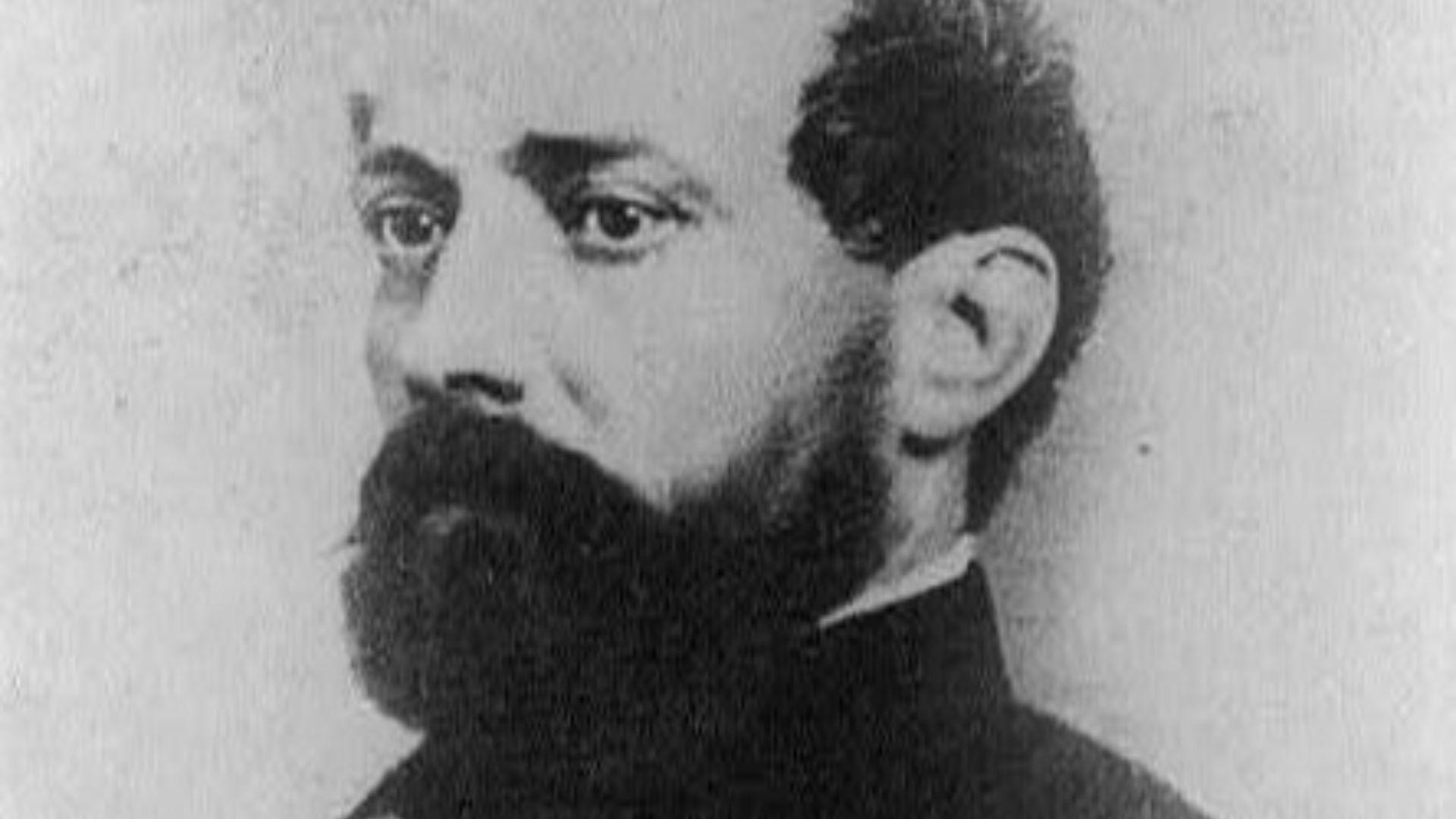
Jesse Reno installed an inclined moving walkway at Coney Island in 1896, and it ran as an amusement ride rather than transportation. Two weeks of operation carried something like 75,000 riders, none of whom were trying to get anywhere. Department stores worked out the practical version shortly after.
 Civil War Photograph Collection (Library of Congress) on Wikimedia
14. Traffic Lights
London put a gas-lit signal outside the Houses of Parliament in 1868, worked by a constable pulling a lever. It managed horse traffic for about a month before the gas leaked and it exploded, injuring the officer on duty. The concept sat untouched for forty years until cars forced the issue.
15. Contact Lenses
Adolf Fick fitted glass scleral lenses to rabbits and then to human volunteers in 1888. They covered the whole visible eye and could be worn for a few hours before the pain won. Blown glass on an eyeball was always going to be a hard sell. The optics, though, were correct.
 Anton Klamroth, gestorben 11. Feb. 1929 on Wikimedia
16. Plastic
Alexander Parkes showed off Parkesine at the 1862 London International Exhibition, a moldable material made from treated cellulose. Celluloid followed in 1869 and replaced ivory in billiard balls, which had become an expensive problem for elephants. Those billiard balls had a habit of catching fire on impact, which made for memorable evenings in the pool hall.
 Unknown authorUnknown author on Wikimedia
17. Synthetic Fabric
Hilaire de Chardonnet patented an artificial silk made from cellulose in 1884 and had a factory producing it by 1891. The early version burned so readily that it earned a nickname involving the word mother-in-law. Later reformulations fixed the problem and became rayon.
 Agence de presse Meurisse on Wikimedia
18. Air Conditioning
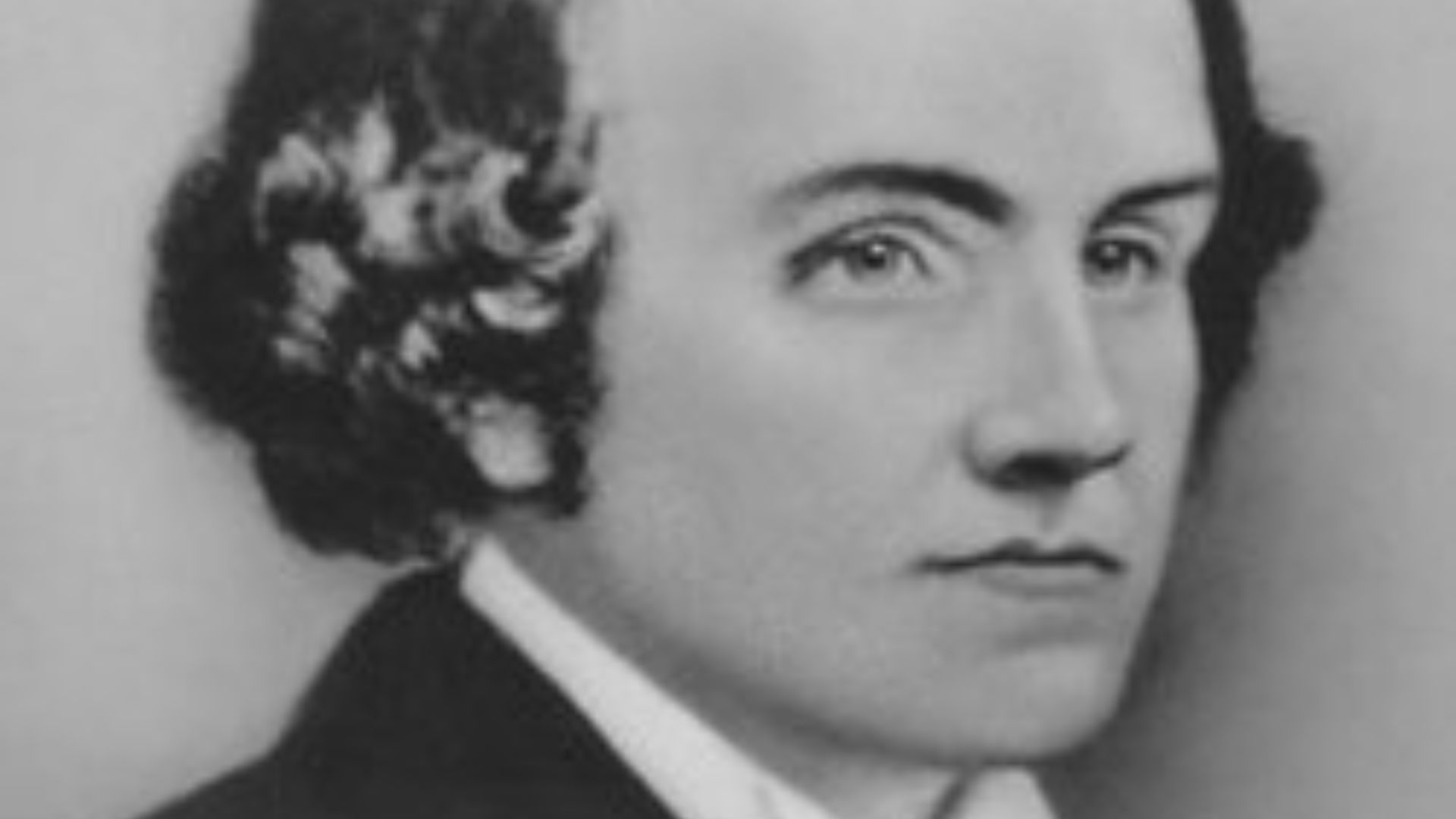
John Gorrie, a doctor in Florida, built a machine in 1851 that made ice and cooled hospital rooms to treat fever patients. He argued that cooled air would save lives in the tropics and was largely mocked for it. The ice industry lobbied hard against him, and he died broke.
19. Movies
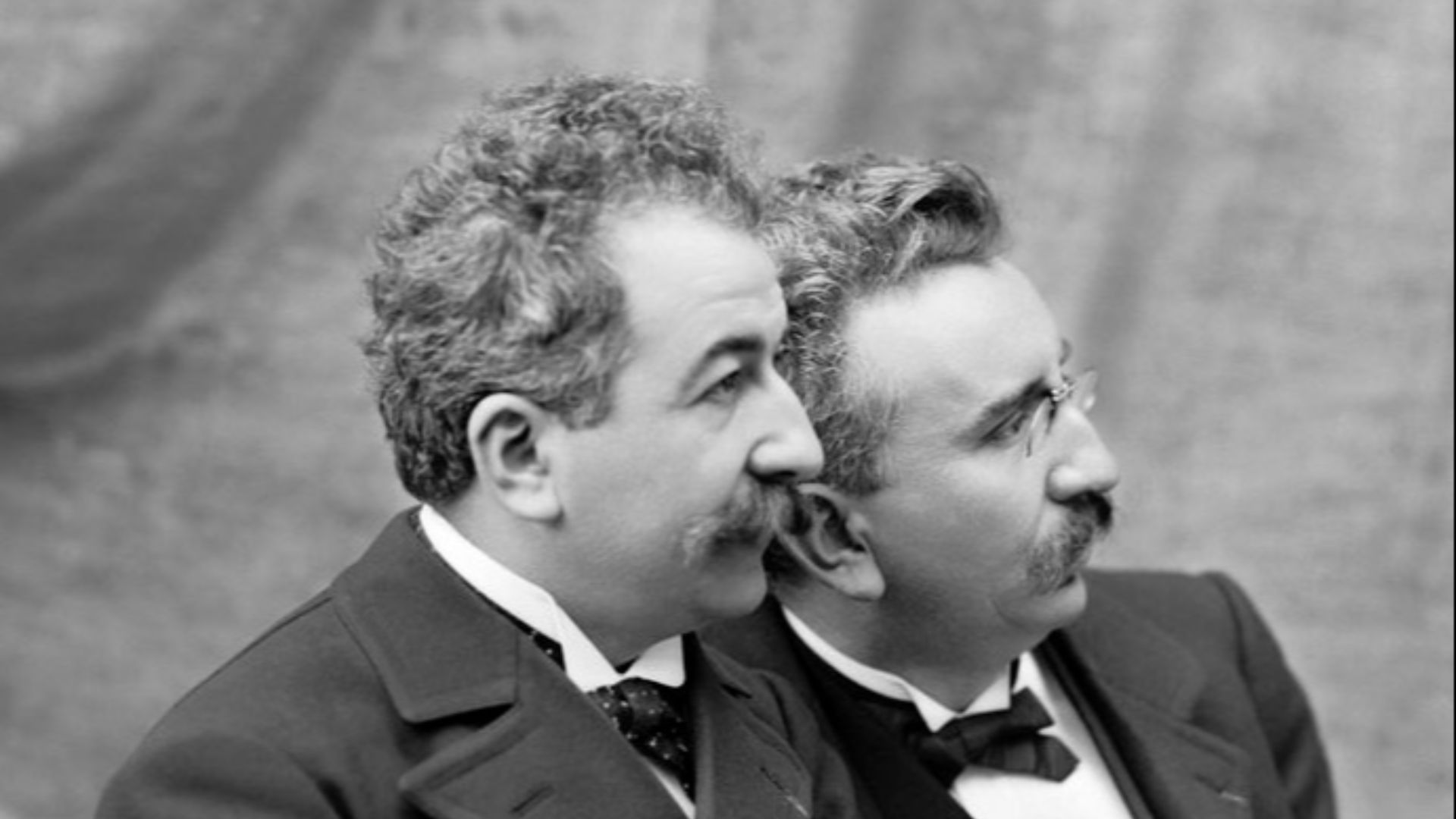
The Lumière brothers projected films to a paying audience in Paris in December 1895, and Edison had been showing them in peep-show cabinets before that. Early programs ran under a minute and showed workers leaving a factory. People bought tickets anyway, and within a decade the whole industry existed.
 Unknown authorUnknown author on Wikimedia
20. The Metal Detector
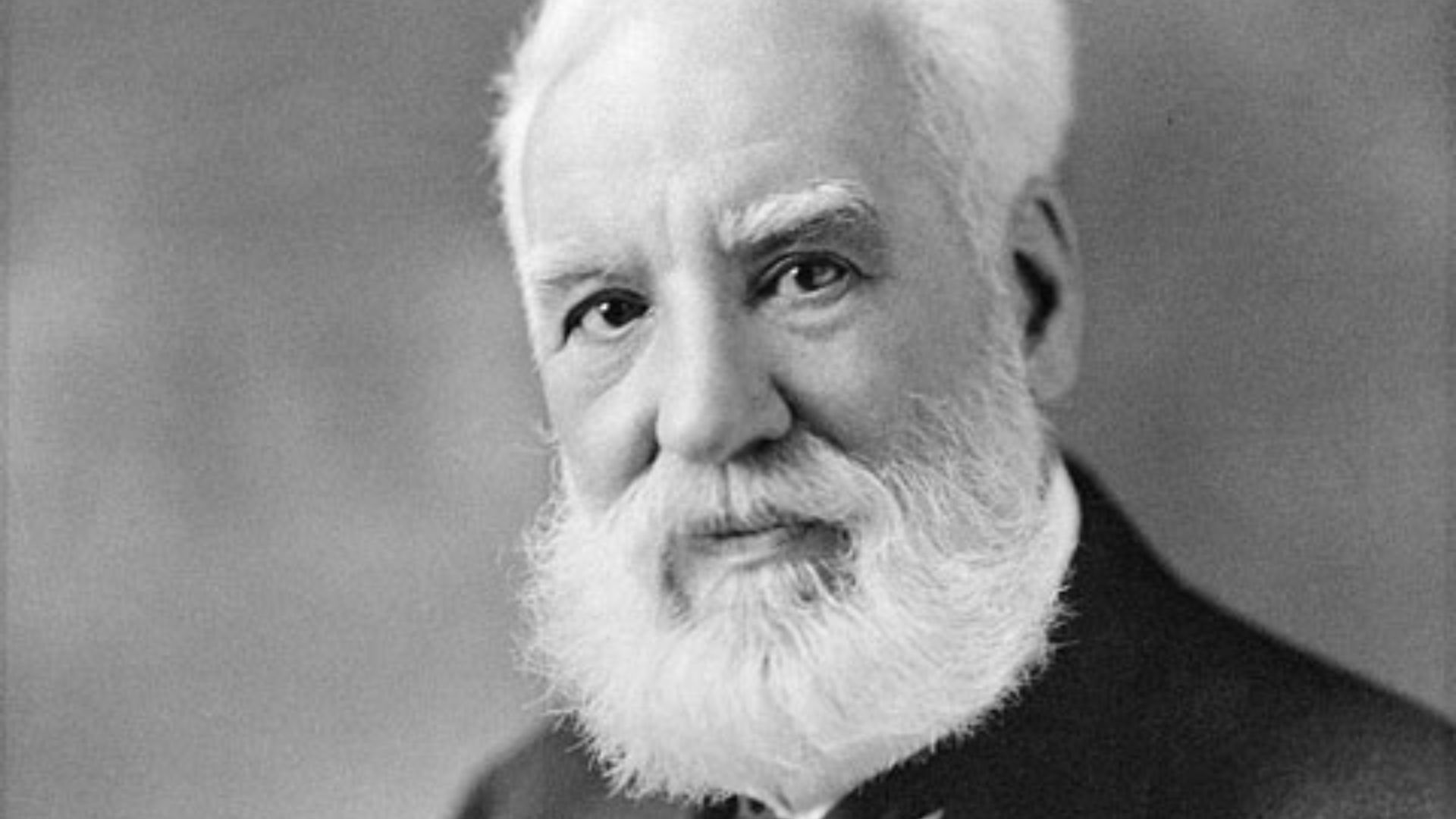
Alexander Graham Bell rigged an induction balance device in 1881 to find the bullet lodged in President Garfield after he was shot. The machine worked, though the metal coils in the bed frame threw off the reading and the bullet stayed put. Bell refined the design afterward, and mine detectors used the same principle for decades.
KEEP ON READING