10 Ways Medieval Peasants Had It Better Than We Do Today & 10 Ways They Definitely Didn't
10 Ways Medieval Peasants Had It Better Than We Do Today & 10 Ways They Definitely Didn't
The Grass Was Greener, Sometimes
The medieval peasant has a sad reputation. We picture mud and plague, plus a short miserable life spent bowing to a nobleman watching them from atop a horse. Plenty of that holds up, but the full picture is less cut and dry. Some parts of their daily life would look appealing to anyone who has answered a work email on a Saturday evening, while other parts would send a modern person running for the nearest hospital. Here are 10 things they had figured out better than we do, and 10 things that were definitely worse.
1. A Calendar Full Of Days Off
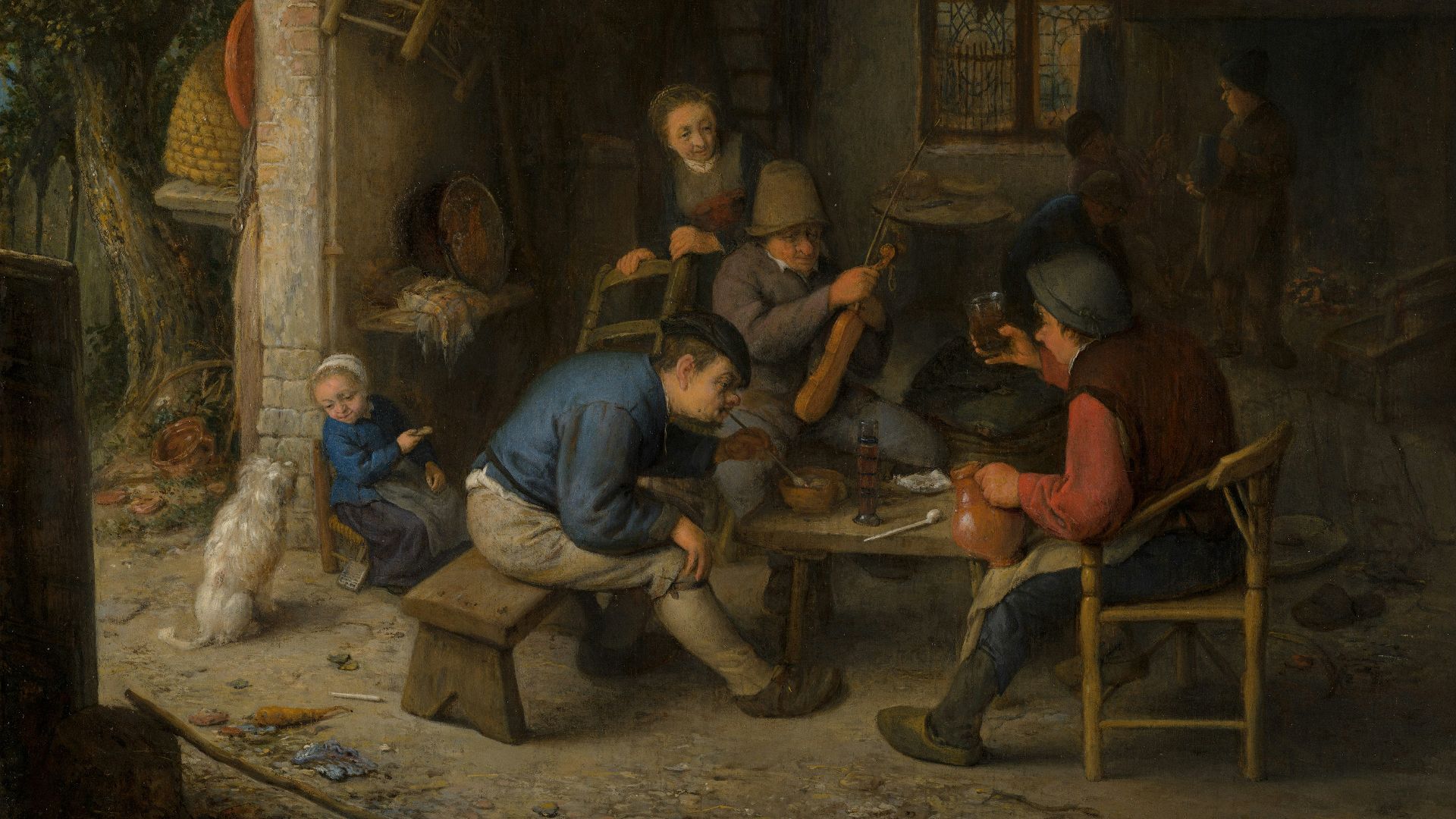
The church calendar was packed with feast days, and most of them meant no fieldwork. Economist Juliet Schor has argued that English peasants in some periods worked closer to 150 days a year than the 250 most of us log now. The number is debated among historians, but nobody disputes that the holidays were frequent and unpaid time off wasn't a negotiation.
2. Work That Followed The Seasons
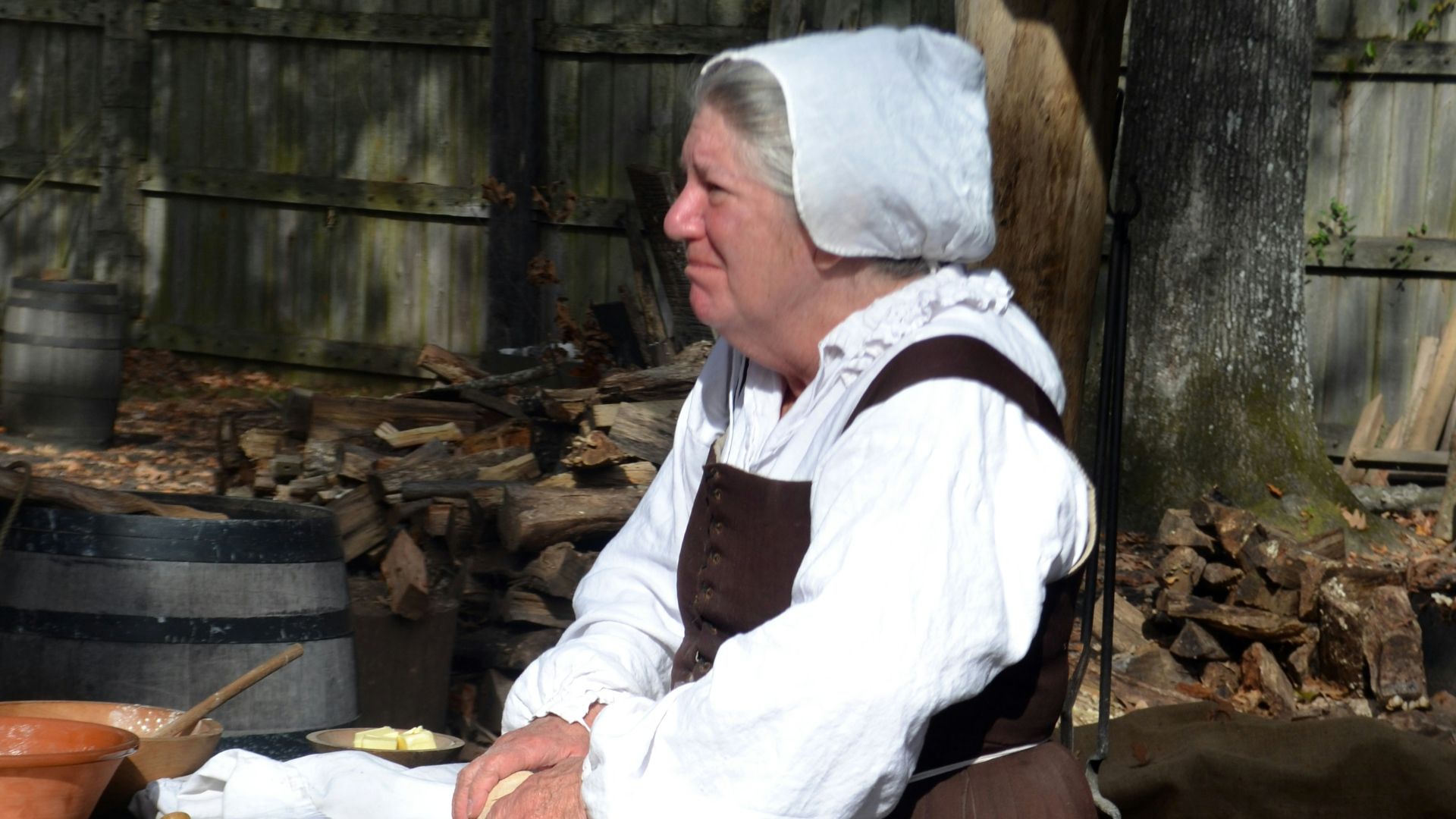
Harvest was punishing, and everyone knew it was coming. Winter, by contrast, slowed life almost to a standstill, with repairs and indoor work filling the short days. The year had a rhythm and a shape to it. Modern life barely changes with the seasons.
3. No Commute
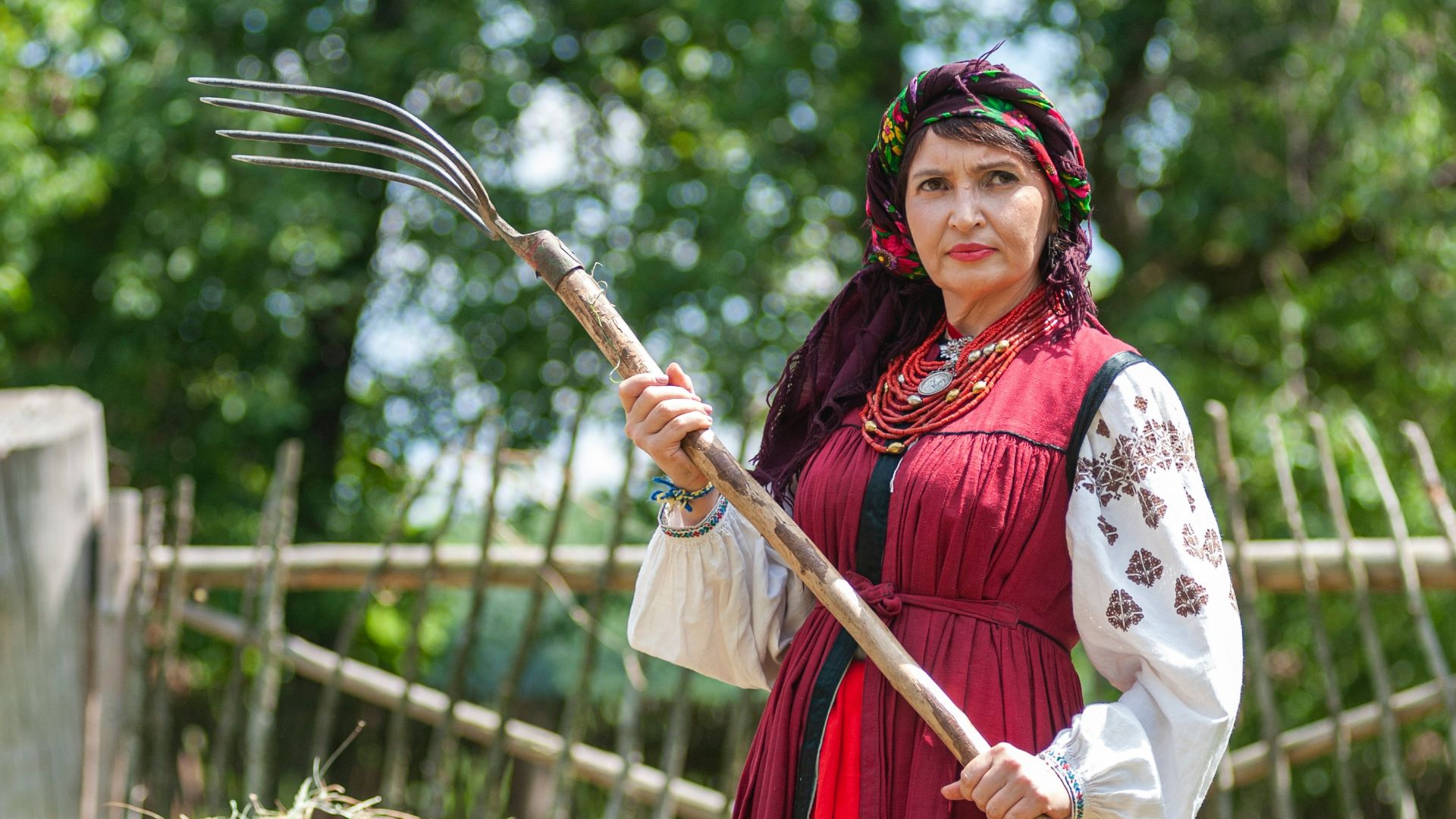
You walked to the field. That was the entire journey, and it took a few minutes past houses belonging to people you'd known your whole life. Nobody spent two hours a day sitting in a car to reach a place they didn't want to be, and nobody moved house to shorten a drive.
4. Real Rights To Common Land
Before enclosure swept most of it away, villagers could graze animals on shared pasture and glean leftover grain from harvested fields. Firewood came from the same arrangement. These weren't favors from the lord but customary rights defended in manor courts.
5. Everyone Knew Who You Were
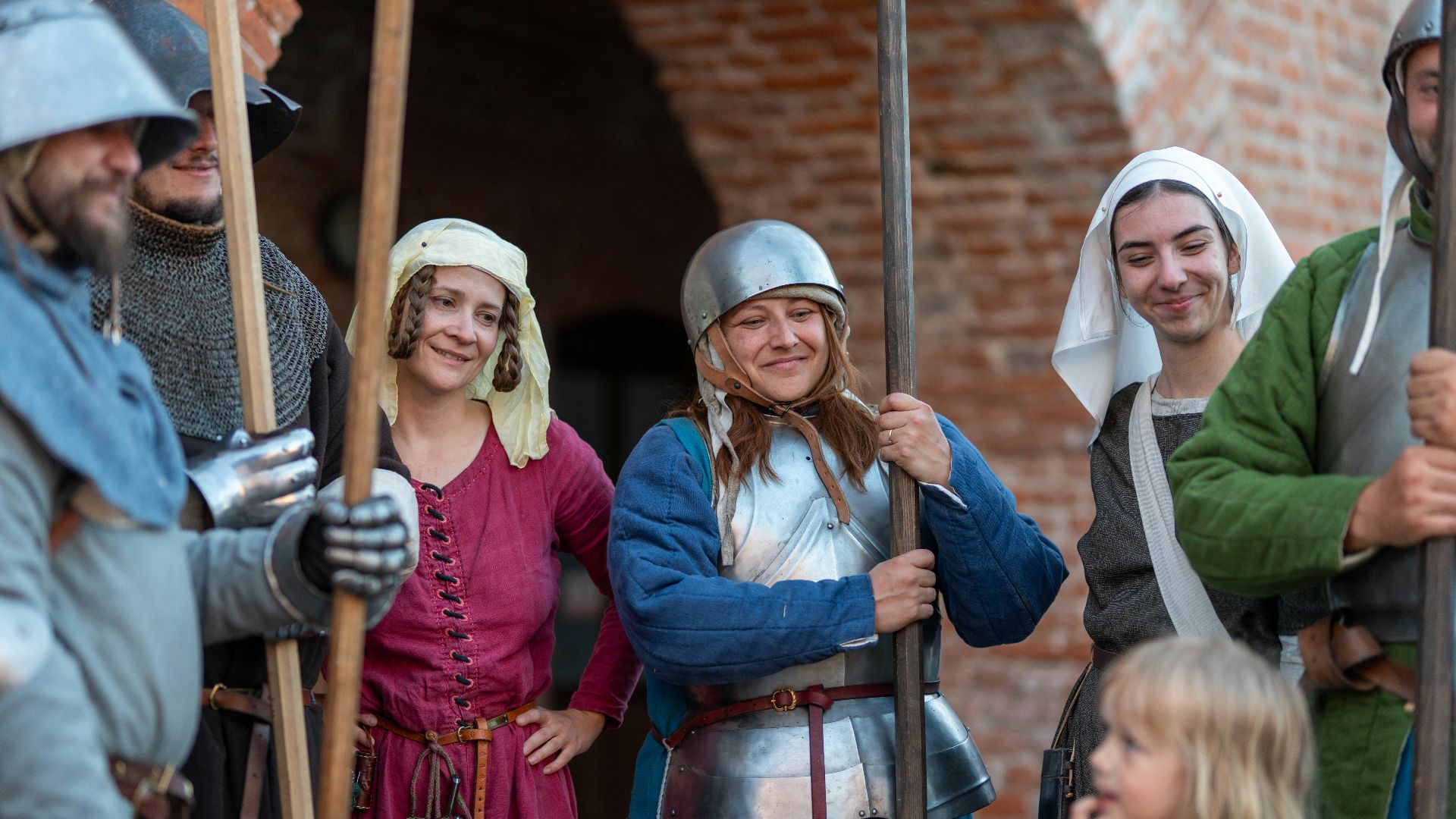
Village life meant constant surveillance, which carried its own set of problems. It also meant that a widow with no income wasn't abandoned, and a sick neighbor got looked in on during their recovery. Modern loneliness would have been an unrecognizable concept in a village of two hundred people.
6. Beer For Breakfast
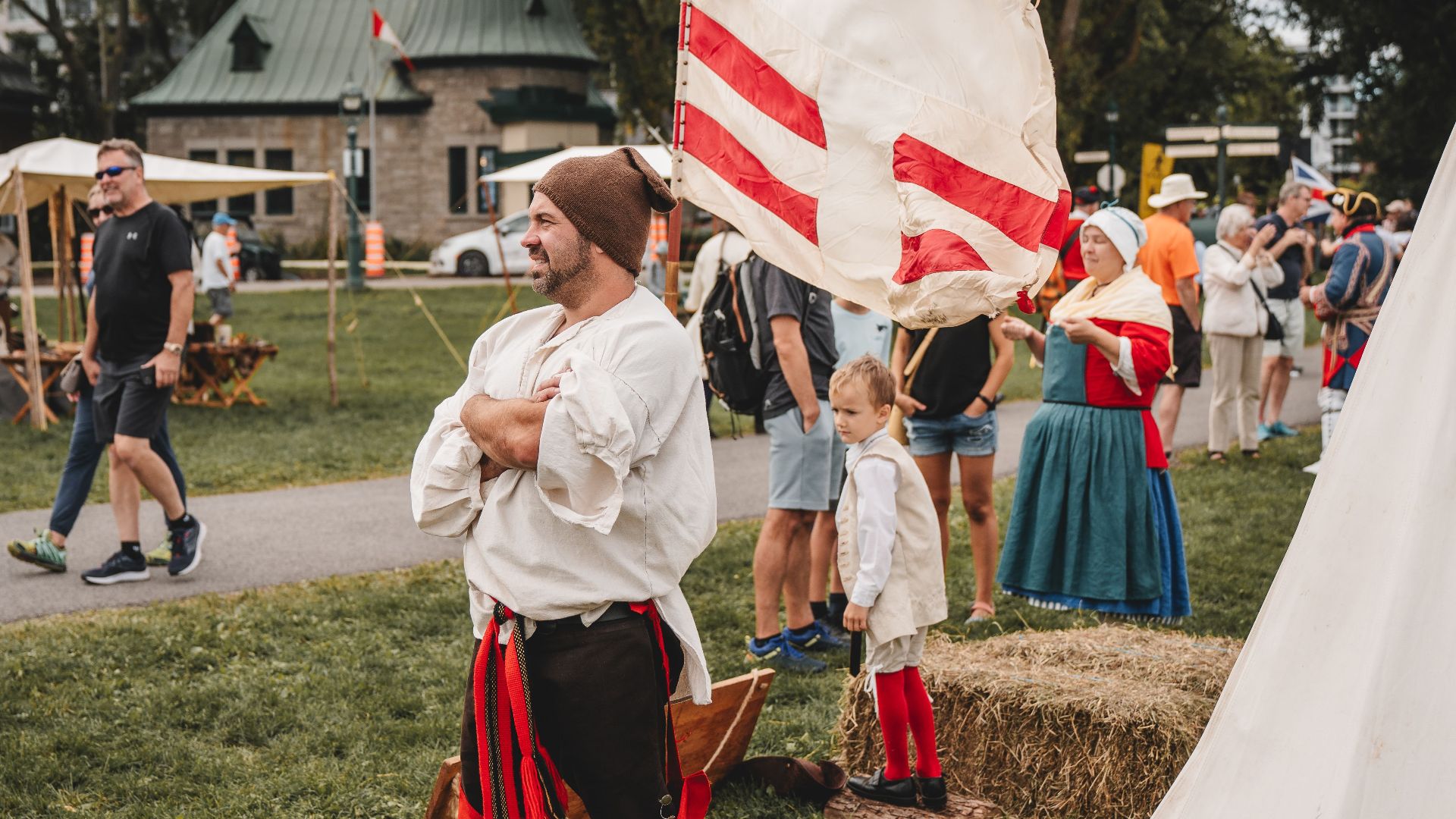
Weak ale was a daily staple, brewed at home by women who often sold the surplus. It was safer than questionable water and carried real calories. Children drank it too, in weaker batches. Nobody had to justify a cup at ten in the morning.
7. Food That Came From Half A Mile Away
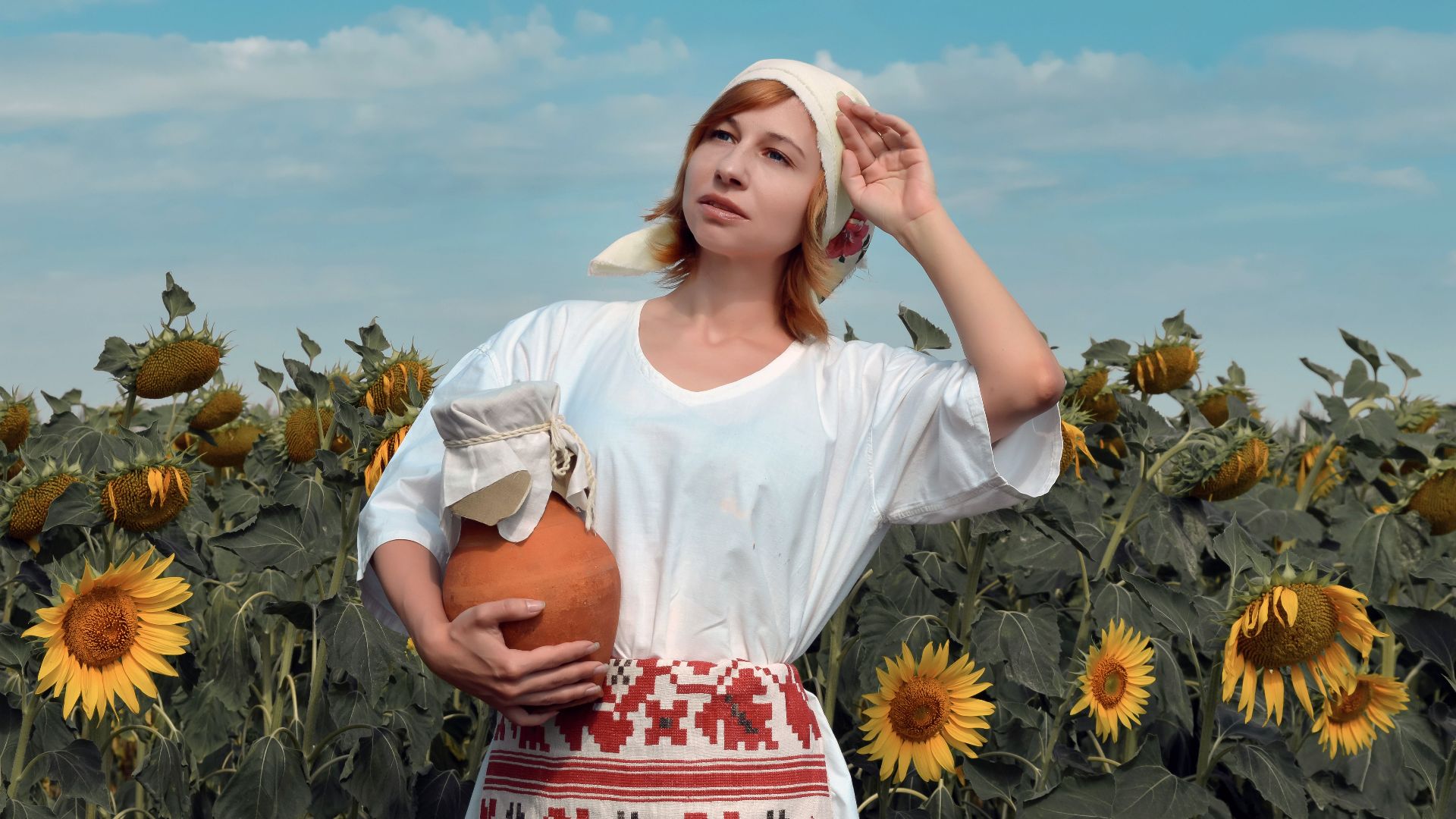
Bread and pottage made up most meals, with whatever the garden produced thrown in. The diet was monotonous and often short on calories, but it was unprocessed by default. Nothing in it had traveled four thousand miles or passed through a factory.
8. Daylight Set The Schedule
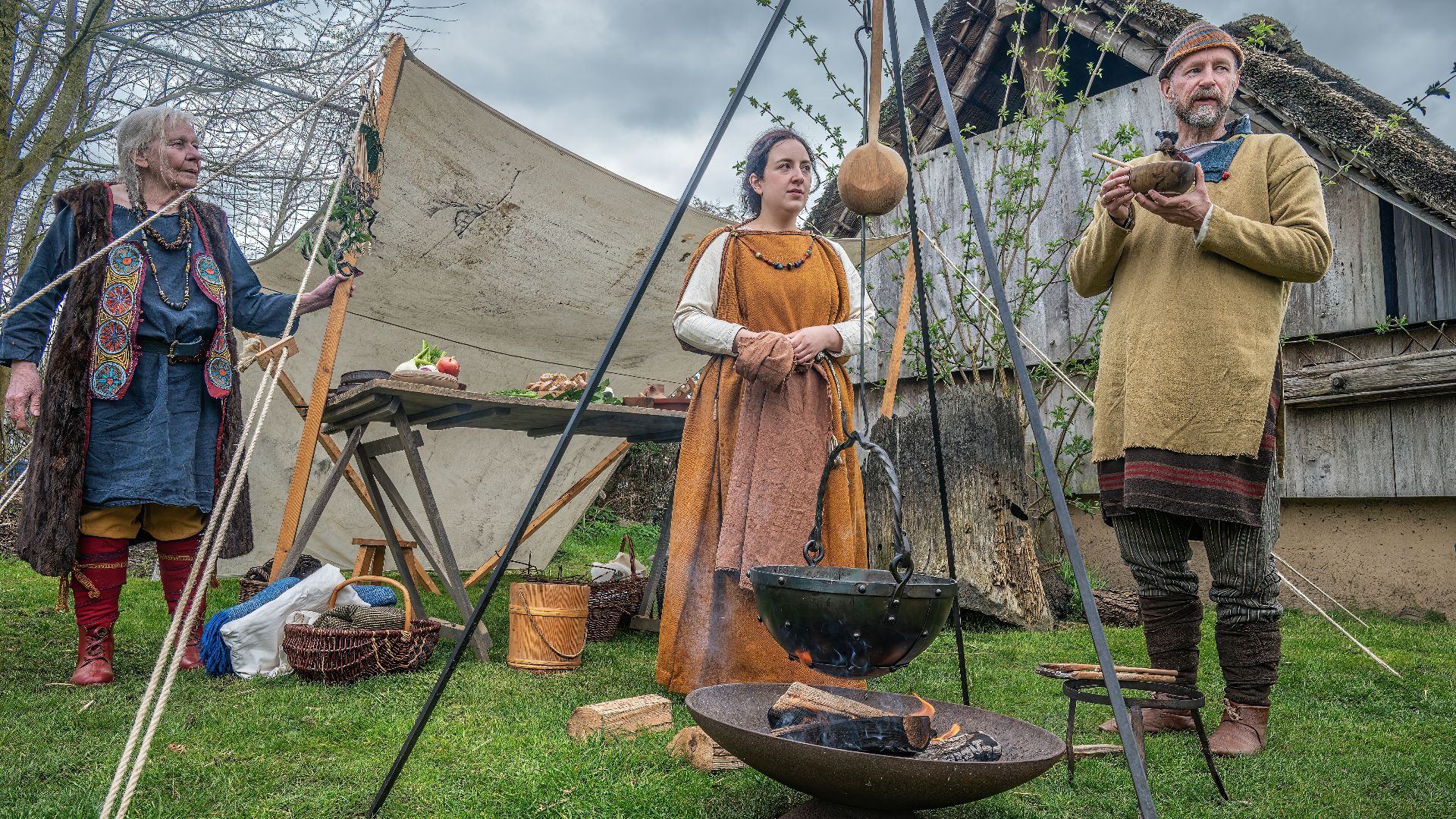
Candles were expensive, so most work stopped when the sun did. Historian Roger Ekirch has documented that people often slept in two segments, waking in the middle of the night for an hour of quiet before returning to bed. Nobody was scrolling through a phone at one in the morning by choice.
9. Visible Results
You could stand at the edge of a field you'd plowed and see what you'd done all day. The work was brutal, but it was never abstract. Plenty of modern jobs end the week with nothing you can point at and no clear sense of whether anything moved.
10. Fewer Decisions To Make
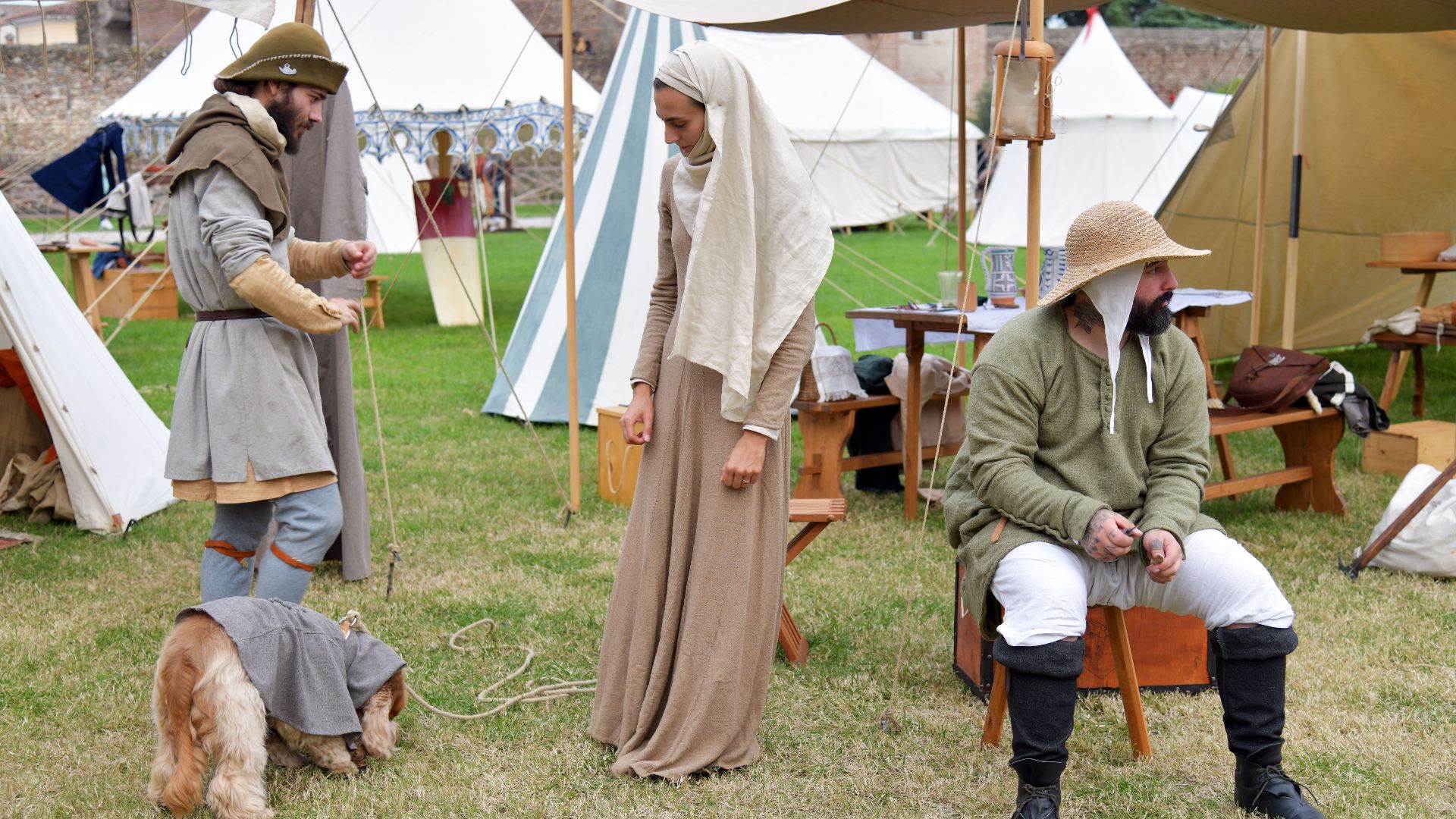
Options were few, which meant nobody agonized over a career pivot or spent an evening comparing rental listings in cities they'd never visited. The absence of options removed a whole category of anxiety that modern life had to invent new words for.
Now, here's 10 ways they definitely didn't have it better.
1. Children Died Constantly
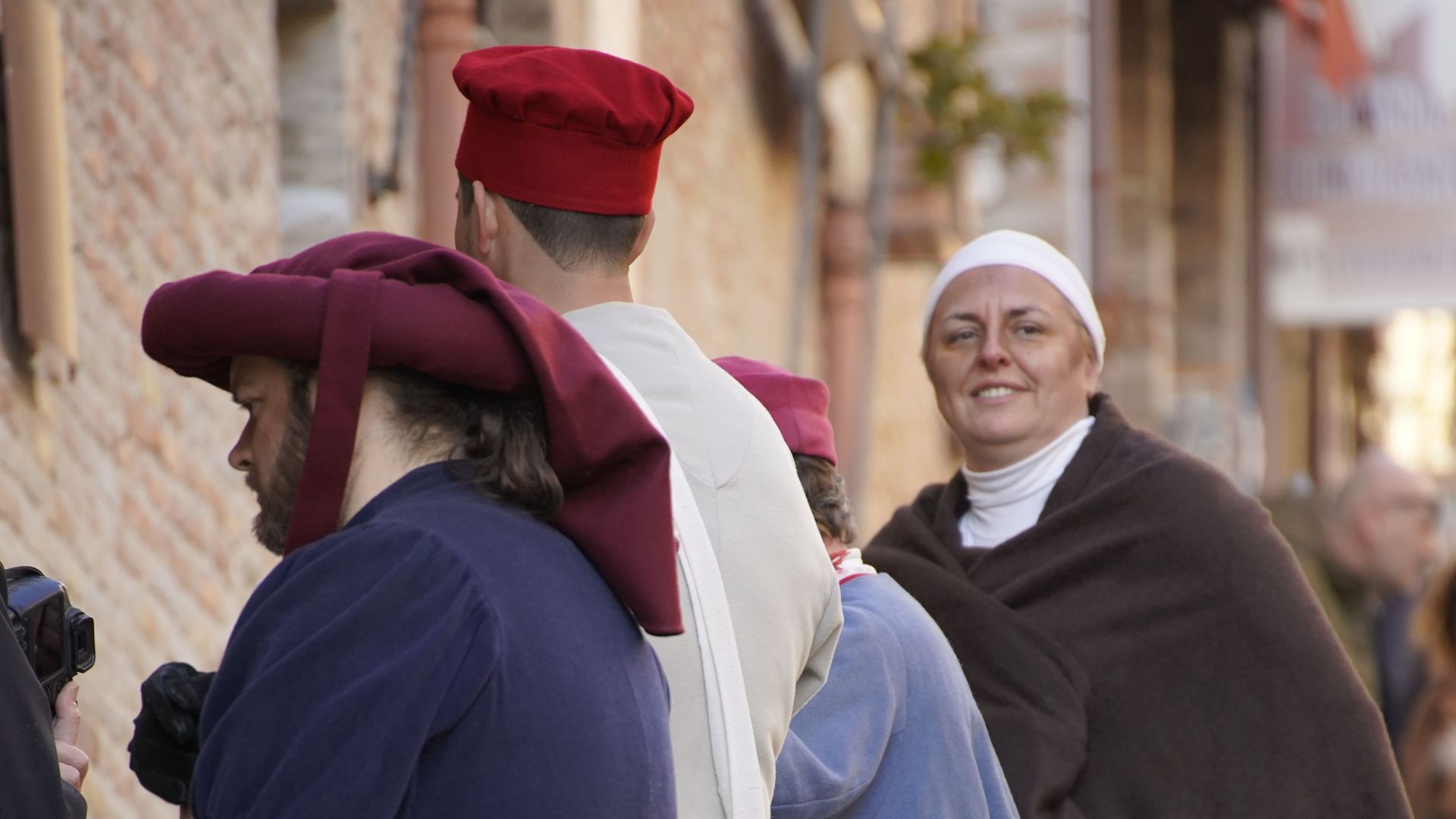
Something like a quarter to a third of children didn't reach their fifth birthday, depending on the region and the decade. Parents expected to bury some of their kids and often named later children after dead ones. Life expectancy numbers look brutal mostly because of this. Adults who made it through childhood often reached their sixties in reasonable health.
 Salvatore Elefante on Unsplash
2. The Plague Actually Came
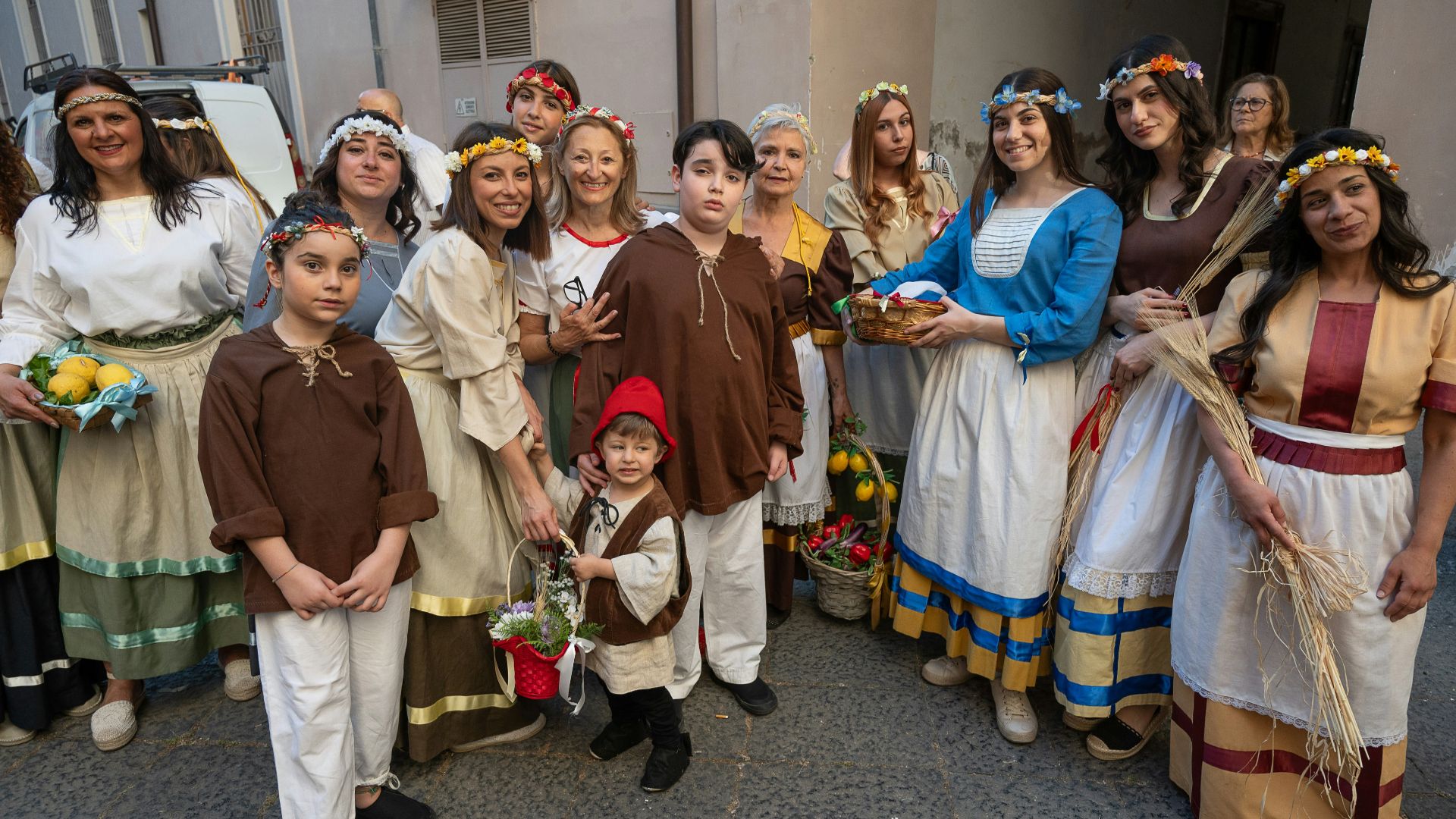
The Black Death arrived in Europe in 1347 and killed somewhere between a third and half the population within four years. Whole villages emptied and were never resettled. There was no explanation available and no treatment worth the name. It came back repeatedly for the next three hundred years.
3. Famine Was A Regular Visitor
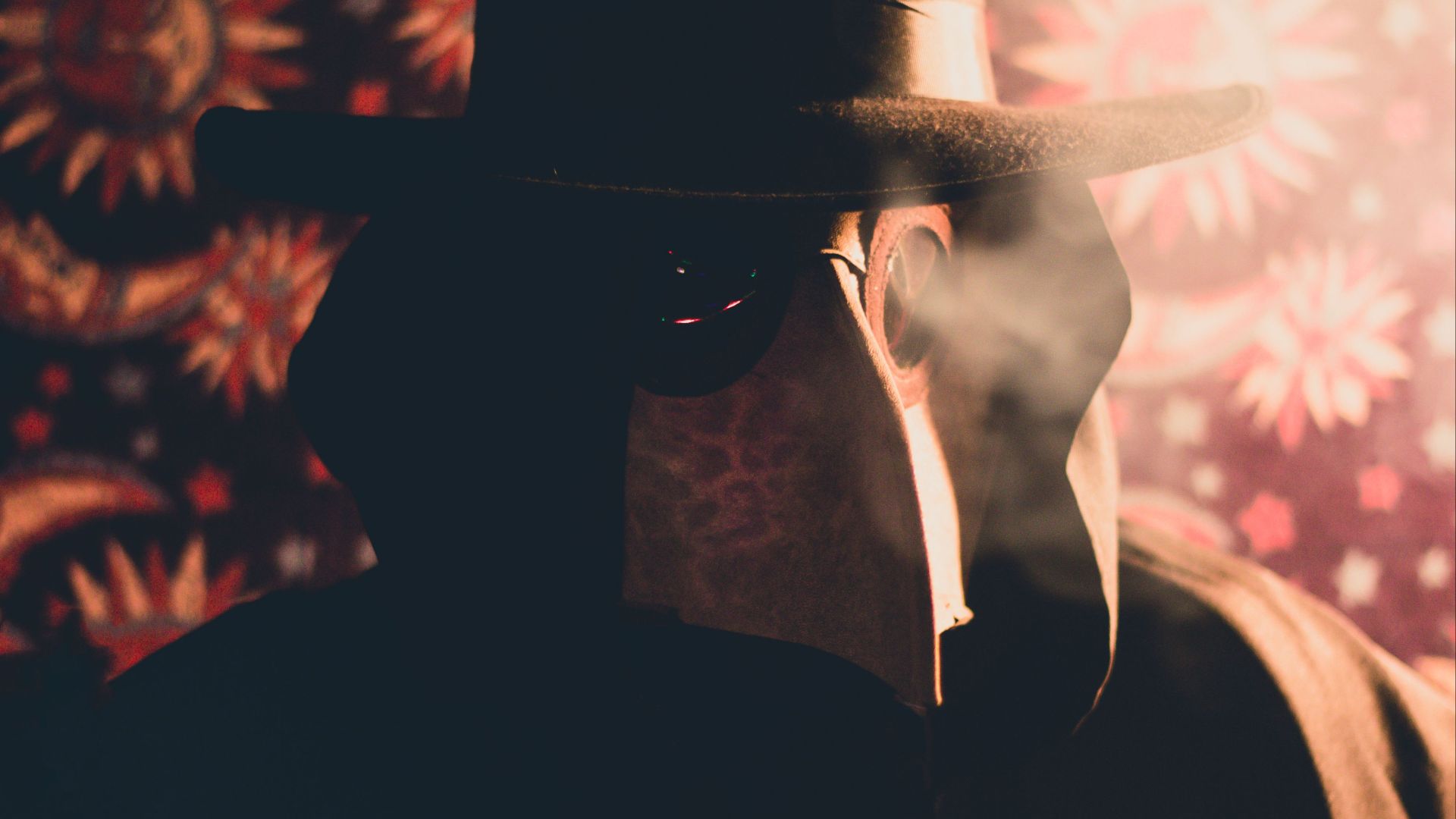
The Great Famine of 1315–1317 followed years of relentless rain and wiped out harvests across northern Europe. Millions died, and survivors ate seed grain they needed for spring. A single bad summer could do this, and there was no supply chain to smooth it over.
4. You Legally Belonged To Someone
Serfs couldn't leave the manor or marry off a daughter without the lord's permission and a fee. In some places they couldn't even mill their own grain. Fines came due at death and at marriage. Leaving without permission made you a fugitive, and the manor court would come looking. Calling any of this employment would be generous.
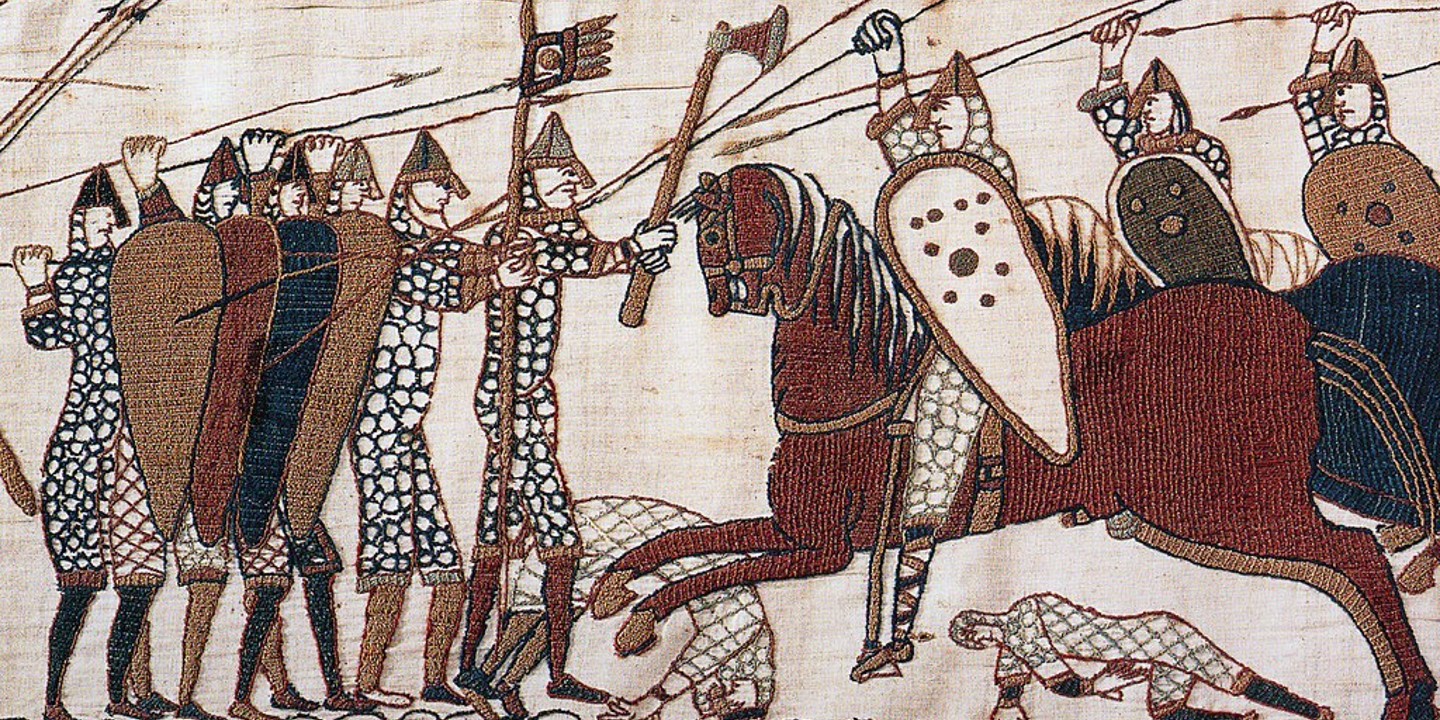
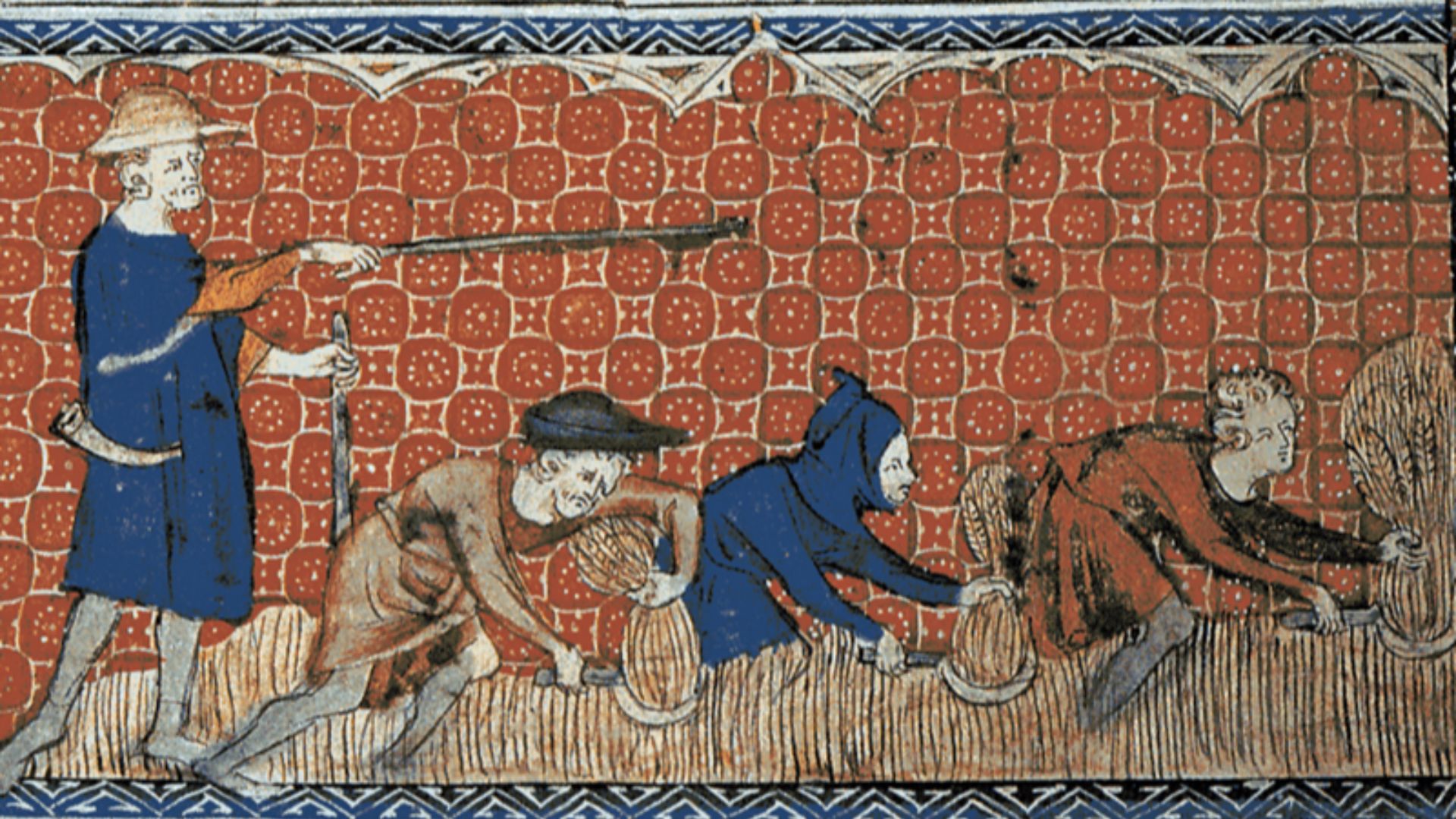 anonymous (Queen Mary Master) on Wikimedia
5. Medicine Was Mostly Guessing
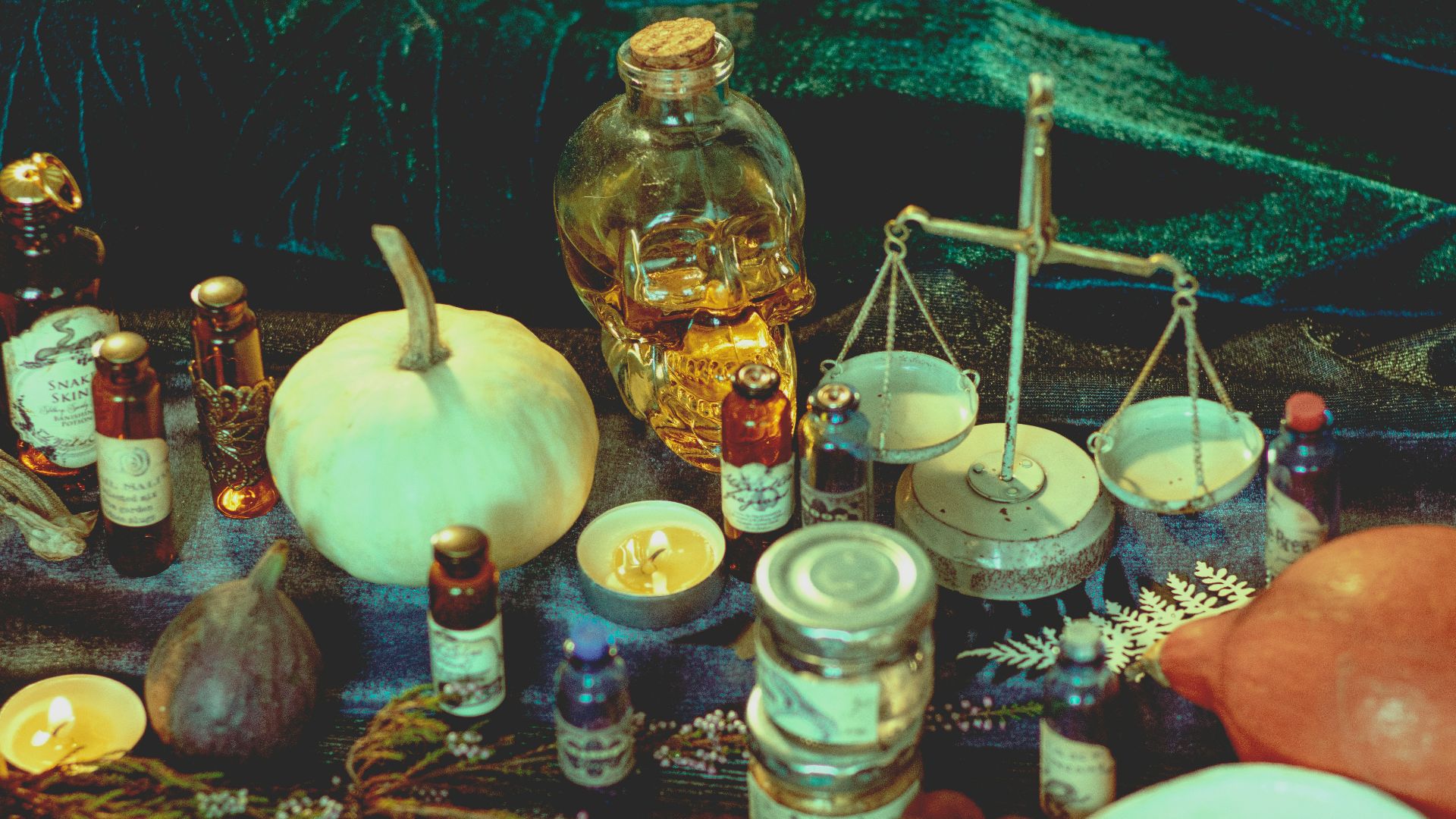
Bloodletting and herbal poultices made up the standard toolkit, with prayer doing the rest. Surgery happened without anesthesia and usually without much understanding of infection. A wound that a modern clinic would clean in ten minutes could kill you slowly over three weeks, and everyone around you would watch it happen.
6. Childbirth Was Dangerous Work
Women gave birth at home with midwives and no surgical options when something went wrong. Estimates for maternal death vary by region, but the risk compounded with every pregnancy. Most women had many. Losing a mother in childbirth was common enough that most villages could name several, and stepmothers show up constantly in the records.
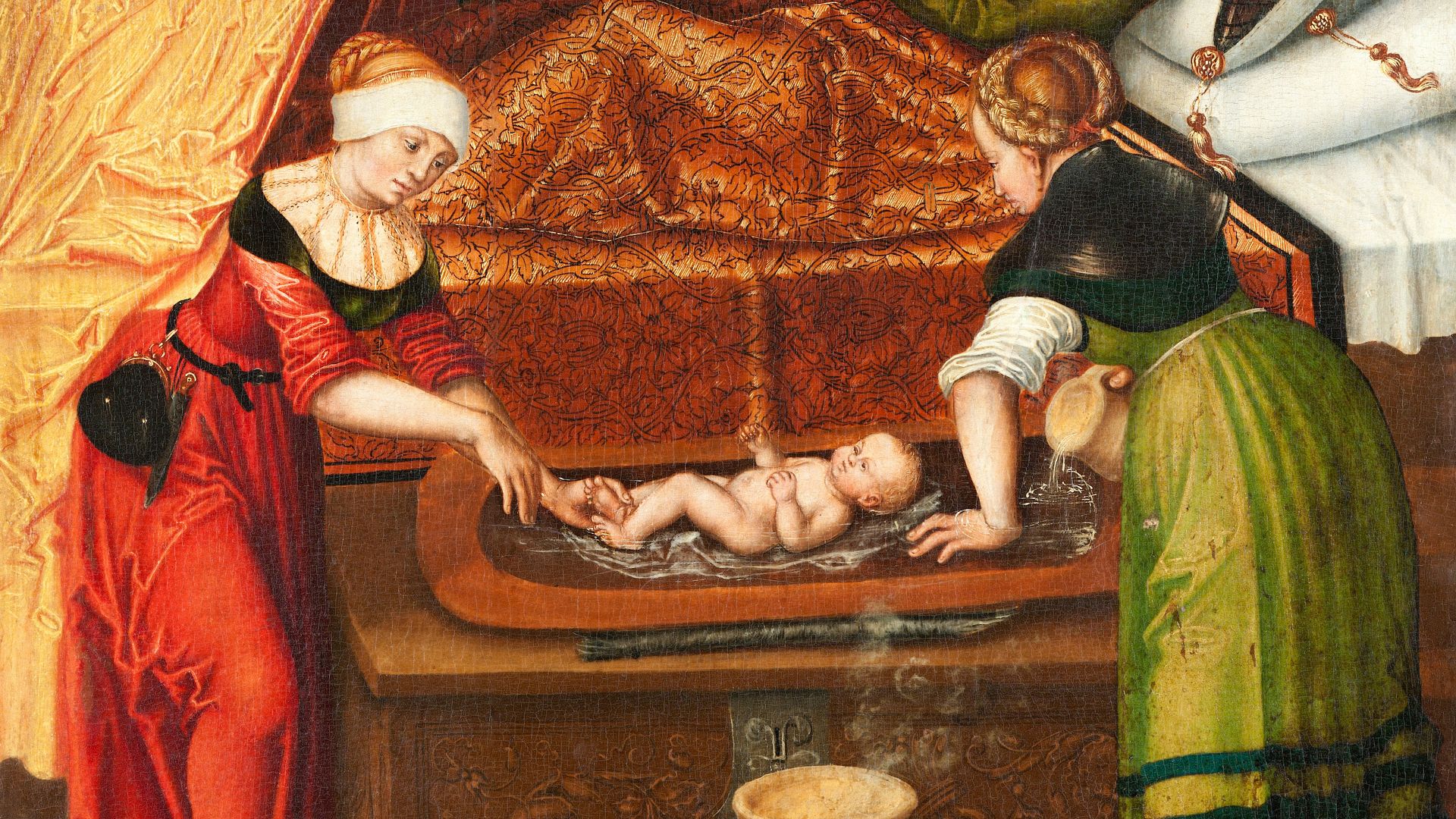 National Historical Museum of Sweden (NHM) on Unsplash
7. Houses Filled With Smoke
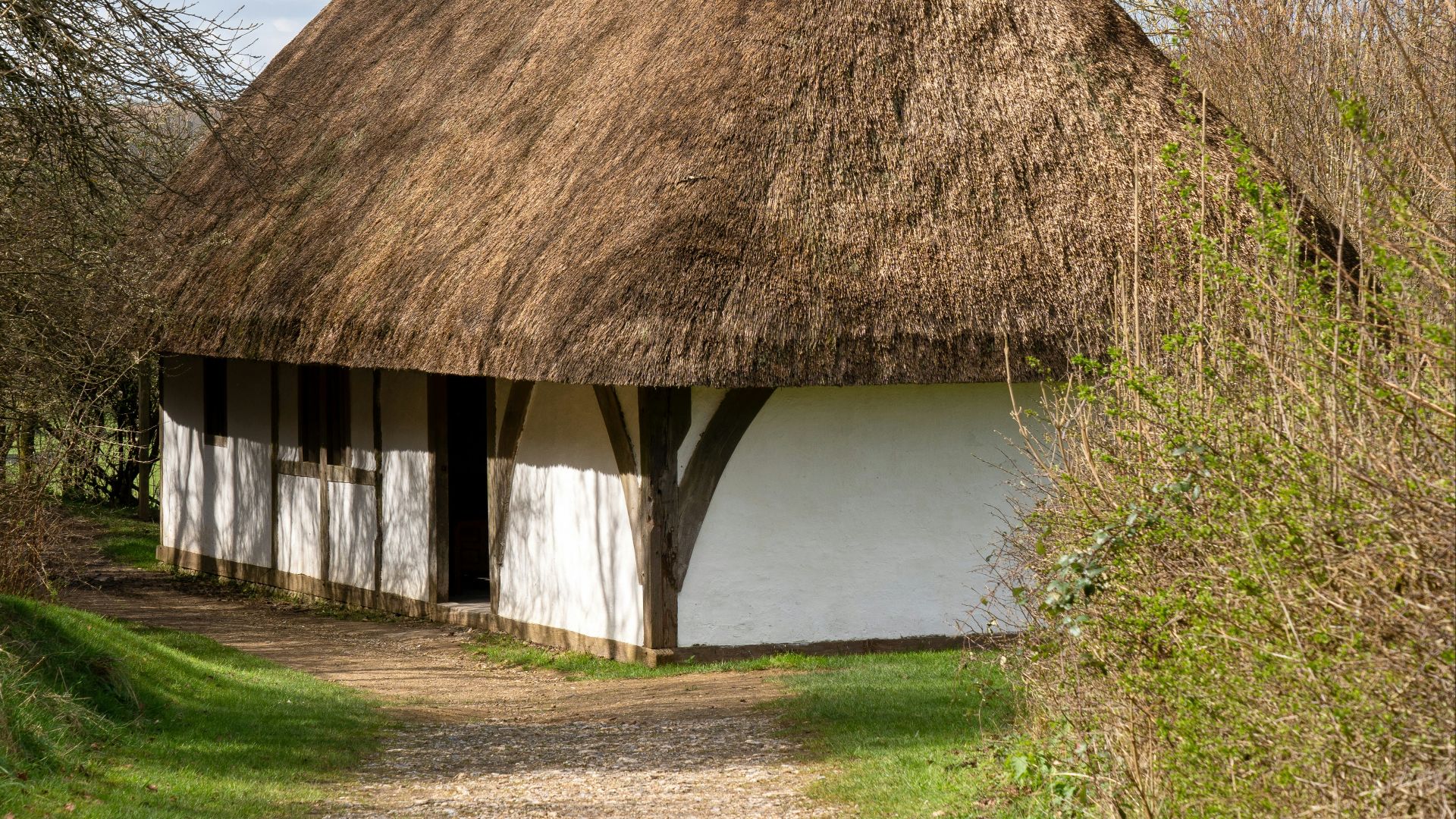
Many peasant homes had a central hearth and a hole in the roof rather than a chimney. Breathing that air every winter did real damage to lungs and eyes. Add a dirt floor and livestock sharing the building through the cold months, and the picture gets worse.
8. Winter Meant The Same Meal For Months
Once the stores were set in autumn, you ate what you had until spring. That meant grain and salted meat if you were lucky, with almost nothing fresh. Nutritional deficiencies showed up reliably every year in the same season, and everyone knew roughly when the stores would start running thin.
9. Armies Came Through
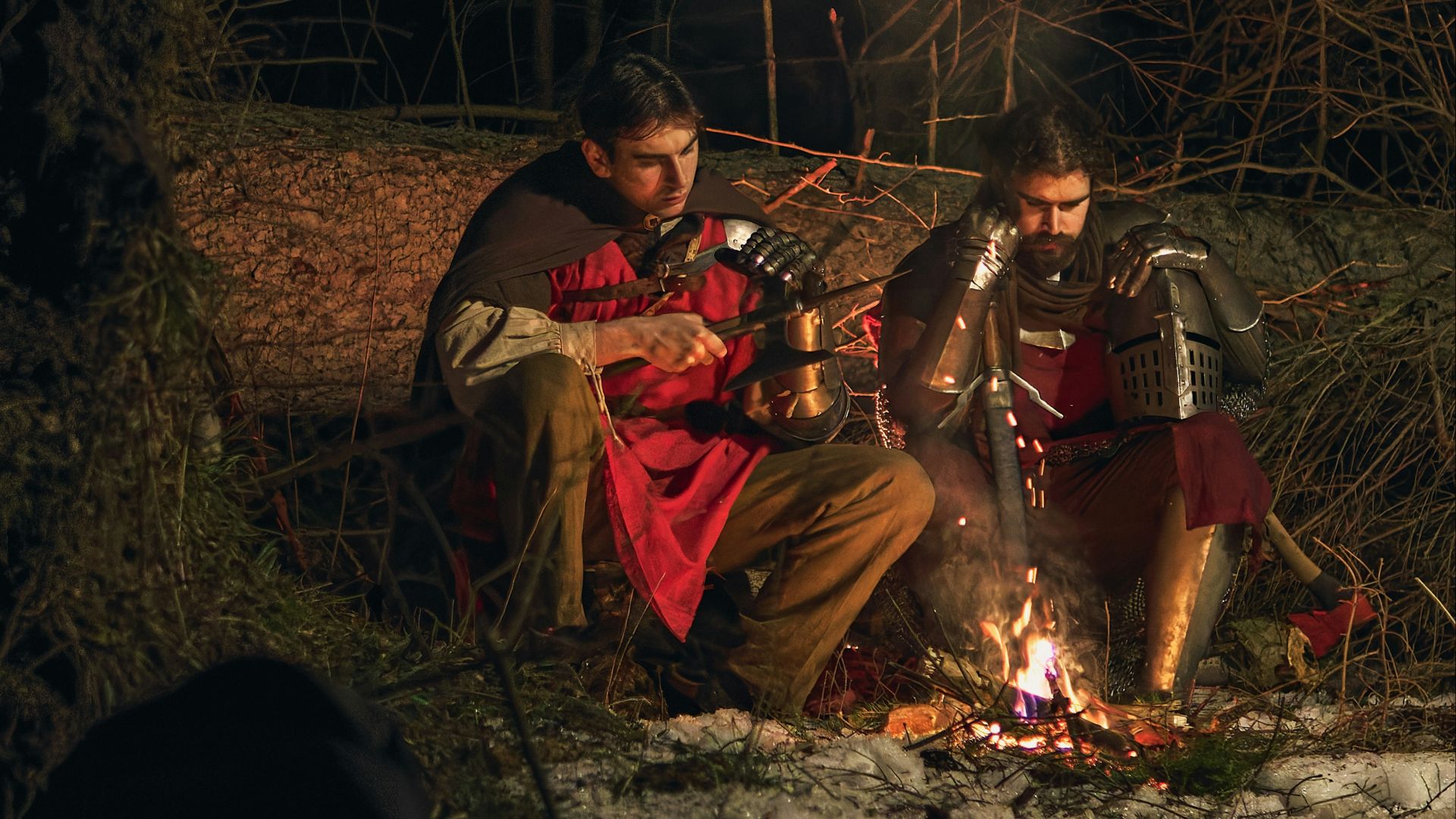
Peasants weren't soldiers, but they lived where wars happened. Raiding forces burned crops and stole livestock on purpose, since starving a region was a legitimate military strategy. A village could lose an entire year's work in an afternoon. There was nobody to appeal to and nothing to claim afterward.
10. Lice And Fleas For Life
Parasites were a permanent condition rather than an occasional problem. Bathing happened, though not with anything that would have killed what was living in the bedding. Clothing was wool and rarely washed, which suited the fleas fine. Living with that much steady low-grade discomfort is hard to picture from a house with hot water in it.
 The Cleveland Museum of Art on Unsplash