


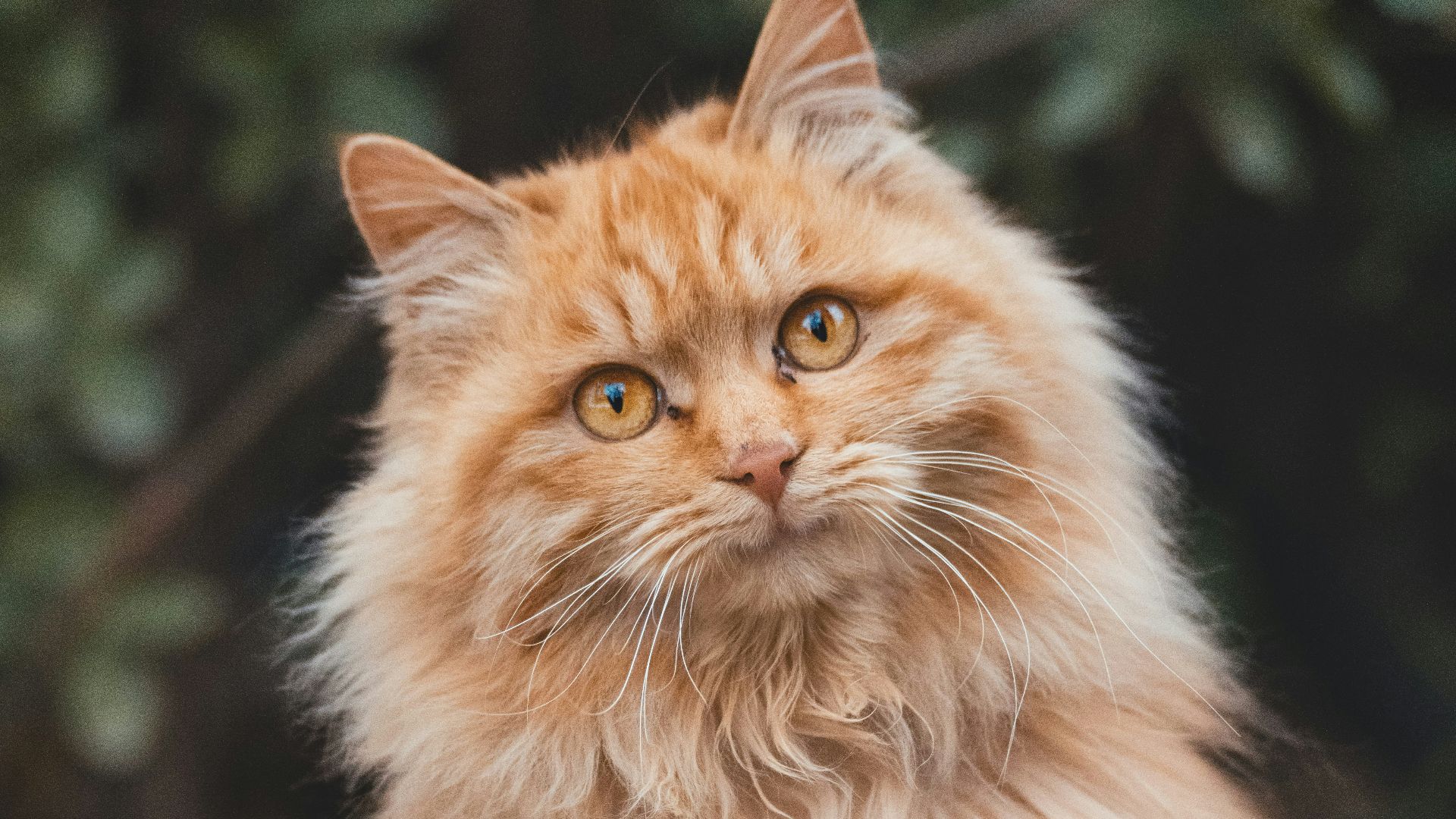
Public-health teams in 1950s Borneo focused on malaria control, and DDT spraying seemed like a simple way to lower mosquito numbers. The chemical reduced the spread of disease inside treated homes, yet it also altered the local ecosystem in surprising ways. Creatures that had lived unnoticed in the background of village life suddenly declined, and the change affected animals that played an important role in controlling pests.
Villagers soon faced an unexpected challenge that required more than mosquito control to manage. That unexpected chain of events would later be remembered under the unusual name Operation Cat Drop.
How A Malaria Program Set The Chain In Motion
During the 1950s, the World Health Organization led malaria-control programs across Borneo. Workers sprayed DDT inside homes to reduce mosquito populations, and the insecticide did lower malaria transmission. However, the challenge emerged when the chemical did more than kill mosquitoes. It also harmed many insects that played important roles in village ecosystems. Lizards fed on those contaminated insects, and because DDT builds up inside living organisms, the lizards carried higher and higher levels of the chemical.
Cats commonly hunted the lizards. When they ate enough contaminated prey, they suffered poisoning and died in noticeable numbers. Villagers quickly felt the loss of the cats, because cats had helped control rats around homes and food storage areas. As the cats disappeared, rats became more common, damaging supplies and increasing the chance of disease outbreaks. A strategy designed to solve a health crisis accidentally created another one that required urgent attention.
Restoring Cats To Control The Growing Rat Problem
Once rats started spreading through affected villages, health officials understood that replacing the lost cats was important. Reports from the period show that cats were brought back into the communities to restore balance. The goal was simple: strengthen rat control by rebuilding the natural predator population. The effort supported village life and reduced the risk that rats would spread disease or damage crops.
Cats were brought back into affected villages through basic transport methods used at the time, allowing communities to rebuild their natural pest control. The return of these animals restored an important balance, and the event later gained the informal name Operation Cat Drop. The story spread widely as a lesson in how one change in an ecosystem can reshape many others.
The Lasting Lessons About Ecosystems And Public Health

The situation in Borneo revealed how tightly connected village life was to the surrounding ecosystem. Once the balance shifted, problems appeared in places no one expected, and the response required more than replacing a single species. The experience encouraged health workers to study how local animals, food sources, and human activity interact before choosing any control method. It also reinforced the value of tracking environmental changes while a program was underway.
Operation Cat Drop remains a reference point because it shows how a health campaign can influence an entire community when the wider environment is not fully understood.
KEEP ON READING

The story of Ching Shih, the Woman Who Became the…
Unknown author on WikimediaFew figures in history are as feared…
By Emilie Richardson-Dupuis Dec 29, 2025
Einstein's Violin Just Sold At An Auction—And It Earned More…
A Visionary's Violin. Wanda von Debschitz-Kunowski on WikimediaWhen you hear…
By Ashley Bast Nov 3, 2025
This Infamous Ancient Greek Burned Down An Ancient Wonder Just…
History remembers kings and conquerors, but sometimes, it also remembers…
By David Davidovic Nov 12, 2025
The Mysterious "Sea People" Who Collapsed Civilization
3,200 years ago, Bronze Age civilization in the Mediterranean suddenly…
By Robbie Woods Mar 18, 2025
20 Greatest Ancient Athletes In History
Ancient Olympics. Long before modern stadiums and multimillion-dollar endorsements, athletes…
By Sara Springsteen May 1, 2026
20 Soldiers Who Defied Expectations
Changing the Rules of the Battlefield. You’ve probably heard plenty…
By Annie Byrd Feb 10, 2026