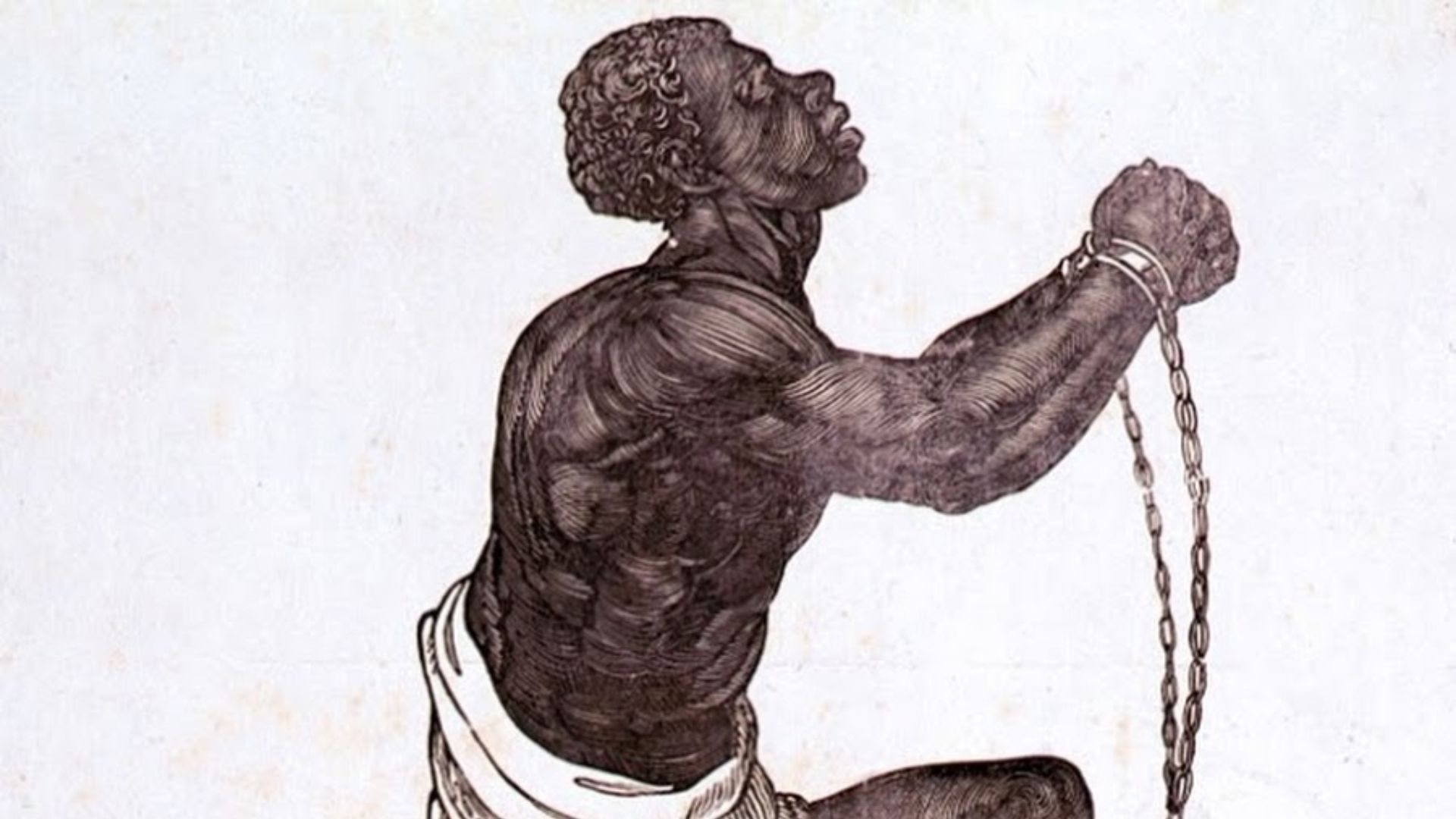
 Josiah Wedgwood (1730-1795) and either William Hackwood or Henry Webber;
The history we learned in school often painted enslavement as a system people endured passively, waiting for abolition to arrive through legislation and war. This sanitized version skips over centuries of resistance, rebellion, and outright warfare waged by enslaved people who refused to accept their condition. These weren't small acts of defiance. These were coordinated military campaigns, sophisticated plots involving hundreds of people, and rebellions that terrified slaveholding societies enough to reshape their laws and military strategies.
The rebellions that made it into the historical record represent a fraction of the actual resistance that occurred. Most plots were discovered and crushed before they could begin, their leaders executed and their stories suppressed. The ones that succeeded, even briefly, did so against overwhelming odds: armed militias, professional armies, laws that made teaching enslaved people to read a criminal offense, and surveillance systems designed specifically to prevent organized resistance. That any rebellions succeeded at all speaks to the extraordinary courage and strategic thinking of people fighting with almost nothing against people who had everything.
The Stono Rebellion and Colonial Panic
On September 9, 1739, about twenty enslaved Africans near the Stono River in South Carolina broke into a store, killed the shopkeepers, and seized weapons and ammunition. Led by a man named Jemmy, they marched south toward Spanish Florida, which had promised freedom to enslaved people who escaped British colonies. They beat drums to attract others to their cause, and their numbers grew to nearly one hundred as they burned plantations and killed more than twenty white colonists along the way.
The rebellion lasted only a day before the colonial militia caught up with them, but the battle that followed was significant enough that colonists referred to it as a war rather than a revolt. The militia killed approximately forty of the rebels, though some escaped and remained at large for months or even years afterward. The Stono Rebellion sent shockwaves through the colonial south, leading to the Negro Act of 1740, which restricted the movement of enslaved people, banned them from assembling in groups, learning to read, or earning money. South Carolina also temporarily stopped importing enslaved Africans, fearing that fresh arrivals from Africa were more likely to rebel than people born into enslavement.
What made Stono particularly terrifying to slaveholders was its timing and organization. The rebels chose Sunday, when many white colonists would be at church. They targeted the road to Spanish Florida specifically, showing geographic knowledge and strategic planning. They weren't simply lashing out in rage; they were attempting an organized escape to freedom, and they nearly pulled it off. The severity of the legal crackdown that followed revealed just how much the rebellion had shaken the foundation of colonial slave society.
Haiti and the Only Successful Slave Revolution
The Haitian Revolution began in August 1791 when enslaved people in the French colony of Saint-Domingue launched a coordinated uprising that would eventually become the only successful slave rebellion in history to establish an independent nation. Led initially by Dutty Boukman and later by Toussaint Louverture and Jean-Jacques Dessalines, the revolution lasted thirteen years and defeated the armies of France, Spain, and Britain in succession.
The scale of the uprising was unprecedented. Saint-Domingue was the wealthiest colony in the Caribbean, producing nearly half the world's sugar and coffee through the labor of nearly 500,000 enslaved people who outnumbered white colonists ten to one. When the rebellion began, enslaved people burned over 1,000 plantations in the first few weeks and killed approximately 4,000 white colonists. The violence was extreme on both sides, with French forces later attempting to restore slavery through campaigns of mass murder and torture. Napoleon Bonaparte sent his brother-in-law with 40,000 troops to reclaim the colony in 1802, and most of them died from yellow fever and military defeats.
Haiti declared independence on January 1, 1804, and the shockwaves reverberated across the slaveholding world. The United States refused to recognize Haiti's independence until 1862, fearful that acknowledging a successful slave rebellion would inspire similar uprisings. France demanded reparations from Haiti for the loss of the colony, a debt that Haiti paid until 1947 and that many historians argue deliberately impoverished the nation for generations. The Haitian Revolution proved that enslaved people could defeat European armies and govern themselves, and slaveholding societies spent the next sixty years trying to ensure it never happened again.
Nat Turner and the South's Reckoning
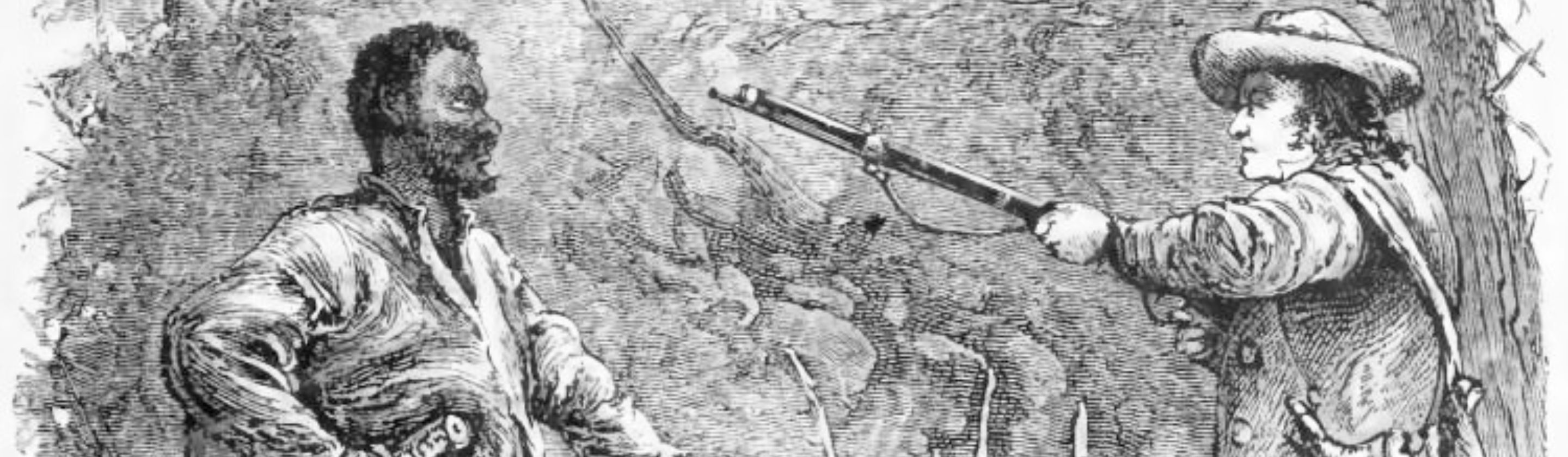
On August 21, 1831, Nat Turner led approximately seventy enslaved people in a rebellion through Southampton County, Virginia, that killed between fifty-five and sixty-five white people over two days. Turner was a preacher who experienced religious visions he interpreted as divine instructions to lead his people out of bondage. The rebellion began at the Travis farm, where Turner and his initial group of six men killed the entire household, then moved from plantation to plantation, gathering recruits and weapons.
The rebellion was suppressed within forty-eight hours by local militias and federal troops, but Turner evaded capture for more than two months, hiding in the woods near where the rebellion began. During his time in hiding, white mobs killed an estimated 200 Black people in retaliation, most of whom had nothing to do with the rebellion. When Turner was finally captured in October 1831, he showed no remorse during his trial. His lawyer published "The Confessions of Nat Turner" based on jailhouse interviews, which remains one of the few first-person accounts of a slave rebellion leader's motivations and planning.
Virginia's response to the Turner rebellion was swift and comprehensive. The state legislature debated abolishing slavery entirely in 1831 and 1832, coming surprisingly close to passing gradual emancipation before ultimately rejecting it and instead tightening restrictions on enslaved and free Black people. Virginia made it illegal to teach enslaved people to read or write, banned Black preachers, and required free Black people to leave the state or risk being re-enslaved. Other Southern states passed similar laws, creating the repressive legal framework that would define slavery's final three decades. Turner's rebellion had proven that slavery couldn't be maintained without an extensive apparatus of control, and the South chose control over freedom, violence over justice, right up until the system collapsed entirely in 1865.
KEEP ON READING