 Unknown authorUnknown author on Wikimedia
Dogs have been showing up in human history the way glitter shows up in your house: everywhere, permanently, and usually without anyone remembering how it started. They’ve hauled nets, guarded homes, warmed feet, and generally made people’s lives easier while asking for very little beyond a snack and a decent scratch behind the ears. Sadly, not every breed made it into the modern era, and a surprising number slipped away quietly.
When people say a breed is “extinct,” it doesn’t always mean the canine equivalent of a dinosaur. Sometimes it means a once-distinct working type stopped being bred on purpose, or it got absorbed into other breeds until the original identity blurred beyond recognition. Either way, these dogs tell you a lot about the jobs, laws, and cultural shifts that shaped the world you live in now. Consider this a light-hearted history walk, with a few missing pawprints along the trail.
Don’t Quit Your Day Job
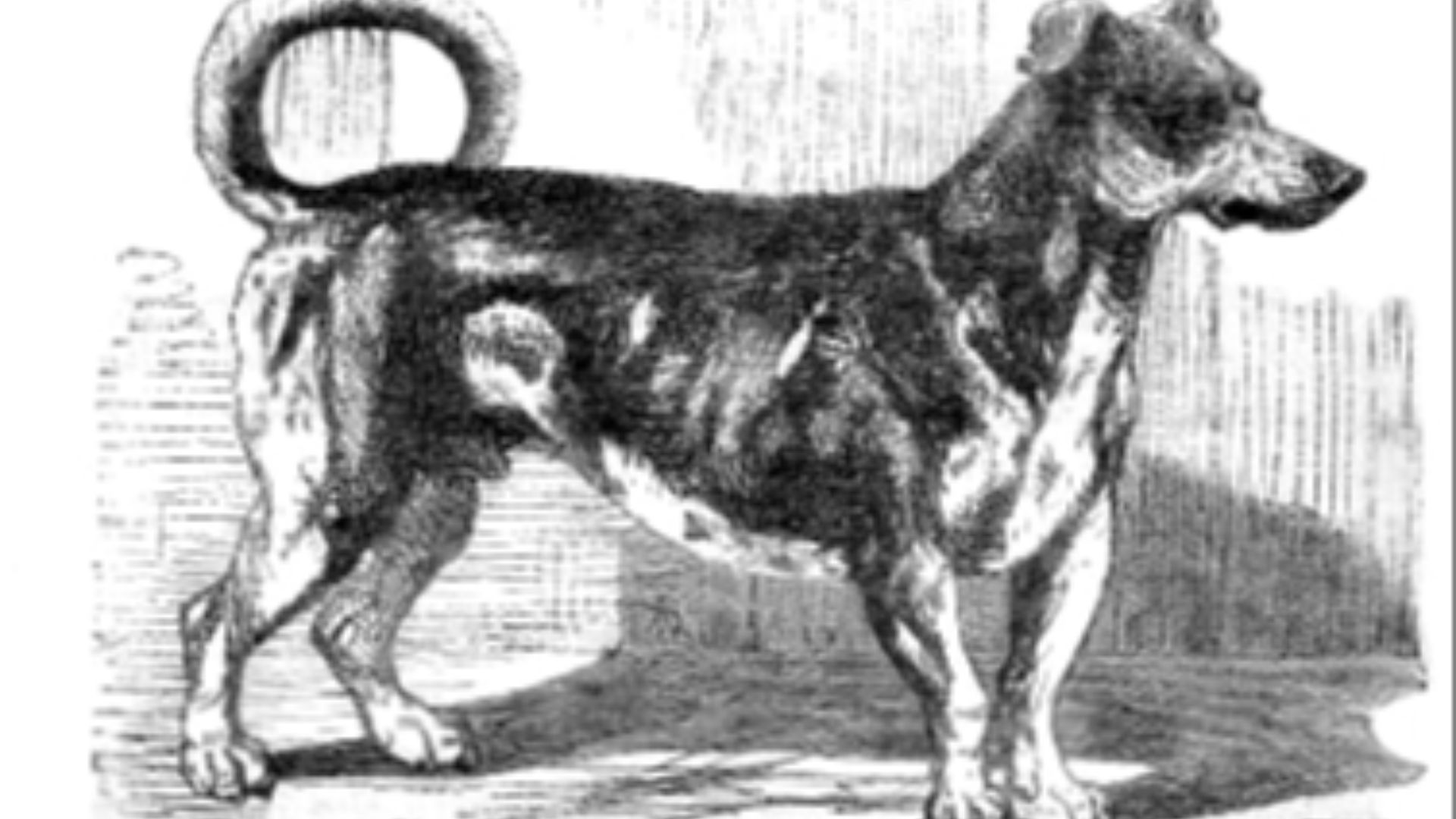
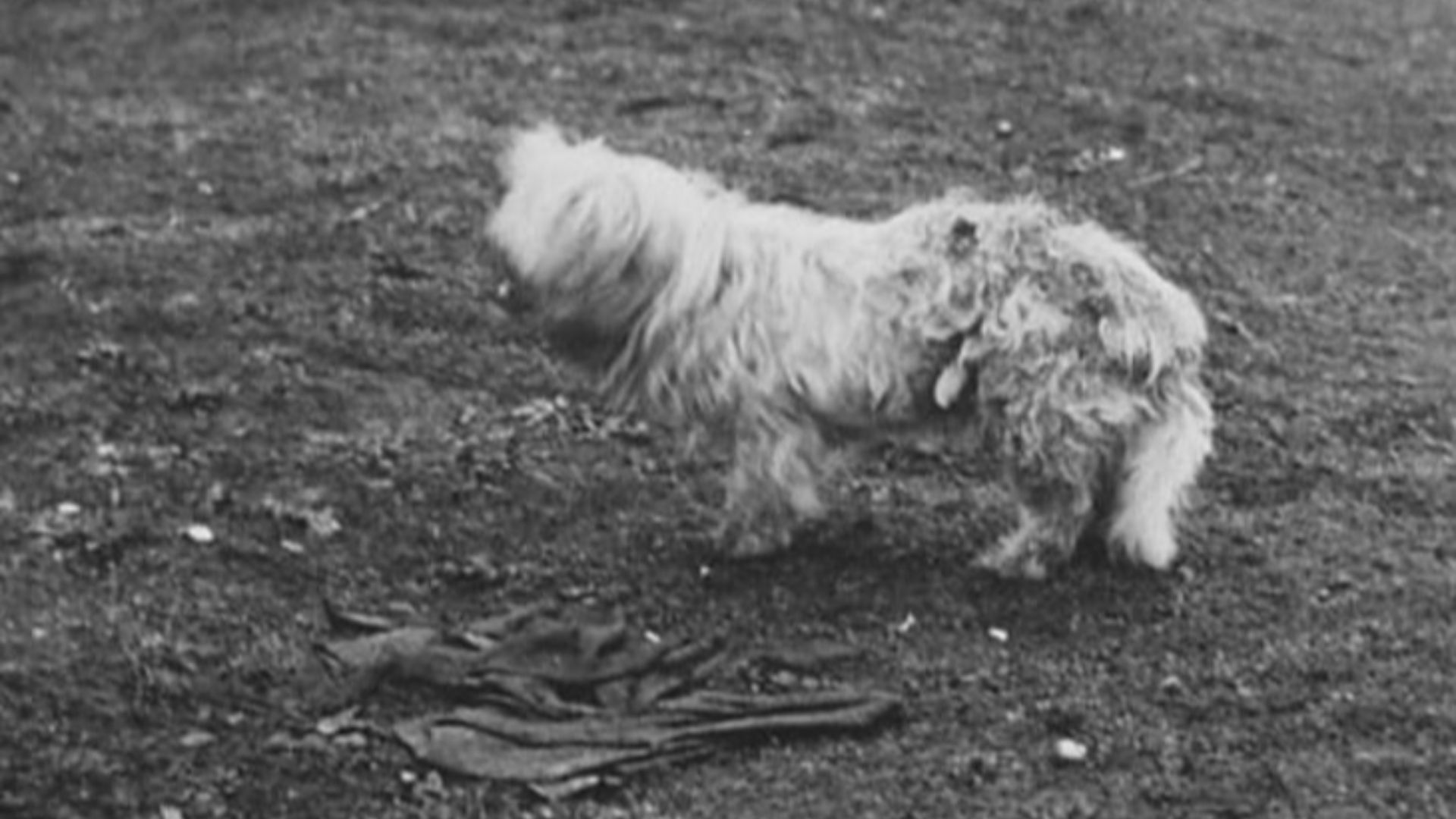
Picture a grand kitchen before electricity, when roasting meat required patience, fire, and a truly odd piece of equipment: a dog wheel. The turnspit dog, a mix of terrier and corgi, was bred for the unglamorous task of running inside a wheel to rotate a spit so food would cook evenly. One preserved specimen, “Whiskey,” is held by Abergavenny Museum, and the People’s Collection Wales notes that the type died out as kitchen mechanization took over. When technology replaced the job, the dogs faded with it.
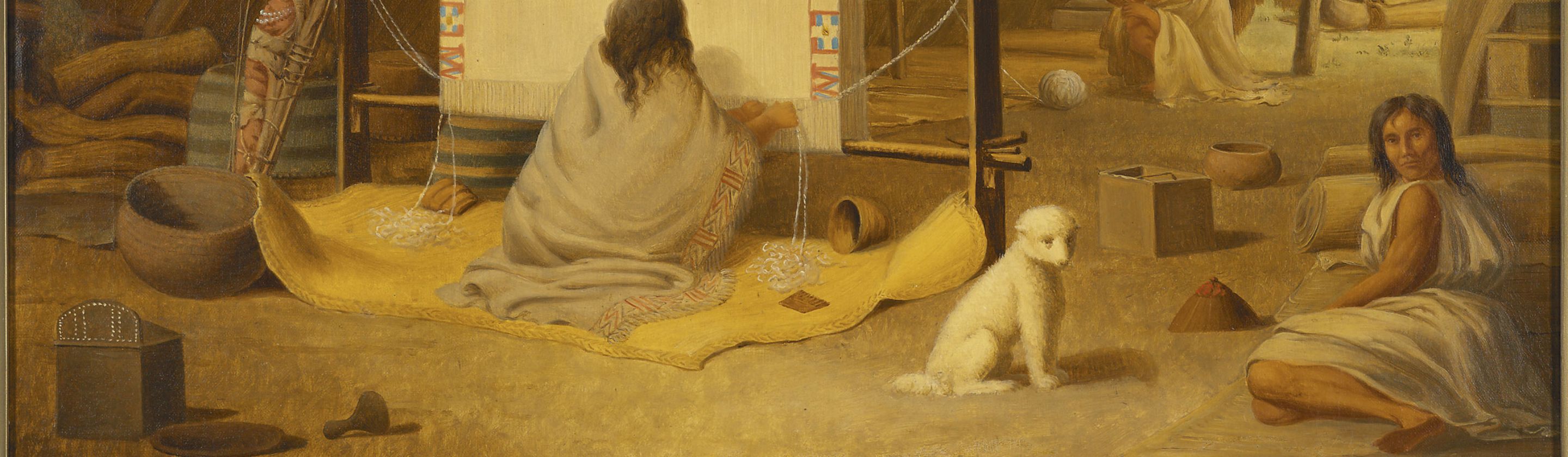
On the other side of the world, the Coast Salish woolly dog’s role helped produce textiles. Smithsonian research describes Coast Salish communities in what’s now Washington State and British Columbia breeding and caring for woolly dogs for thousands of years, shearing them “like sheep,” and using their thick undercoats to craft blankets and other woven items for ceremonial and spiritual purposes. The Smithsonian also documents the pelt of a woolly dog named Mutton, who died in 1859, and notes that the tradition declined by the mid-19th century, with the dogs disappearing around the turn of the 20th century. You can think of the Coast Salish looking very similar to a mix between a Jack Russel and a Pomeranian.
What ties these two very different dogs together is the uncomfortable truth that “useful” often decides who gets preserved. When a breed is tightly linked to a single task—turning meat, producing fiber, pulling a particular style of cart—any change in tools or trade can erase the reason people kept breeding it. That doesn’t make the dogs lesser; it’s that human innovation can be a blessing and a bulldozer at the same time, and dogs have had to adapt to both.
The Disappearing Act
Some extinct dogs didn’t vanish so much as melt into the background of the breeds you already know and adore. The St. John’s dog (often called the St. John’s water dog) developed in Newfoundland from working dogs brought by European fishermen, according to the American Kennel Club.
The AKC describes these dogs as fisheries helpers that hauled nets and lines, retrieved items from the water, and became known for skill and enthusiasm in wet conditions. It also explains that the St. John’s dog became a popular export to England and was incorporated into dog lines that helped shape modern British retrievers. So even if you can’t meet one today, you’ve almost certainly met its influence.
Then there’s the Tweed Water Spaniel, a now-extinct dog tied directly to the origin story of one of America’s favorite family companions. The Golden Retriever Club of America points to Lord Tweedmouth’s studbooks, which record that he bred a yellow retriever named “Nous” to a Tweed Water Spaniel, producing four pups from whom modern Golden Retrievers descend. The Tweed Water Spaniel didn’t make it into the modern kennel club lineup, but it left its stamp where it counts: in living dogs sprinting after tennis balls today.
Changing The Rules
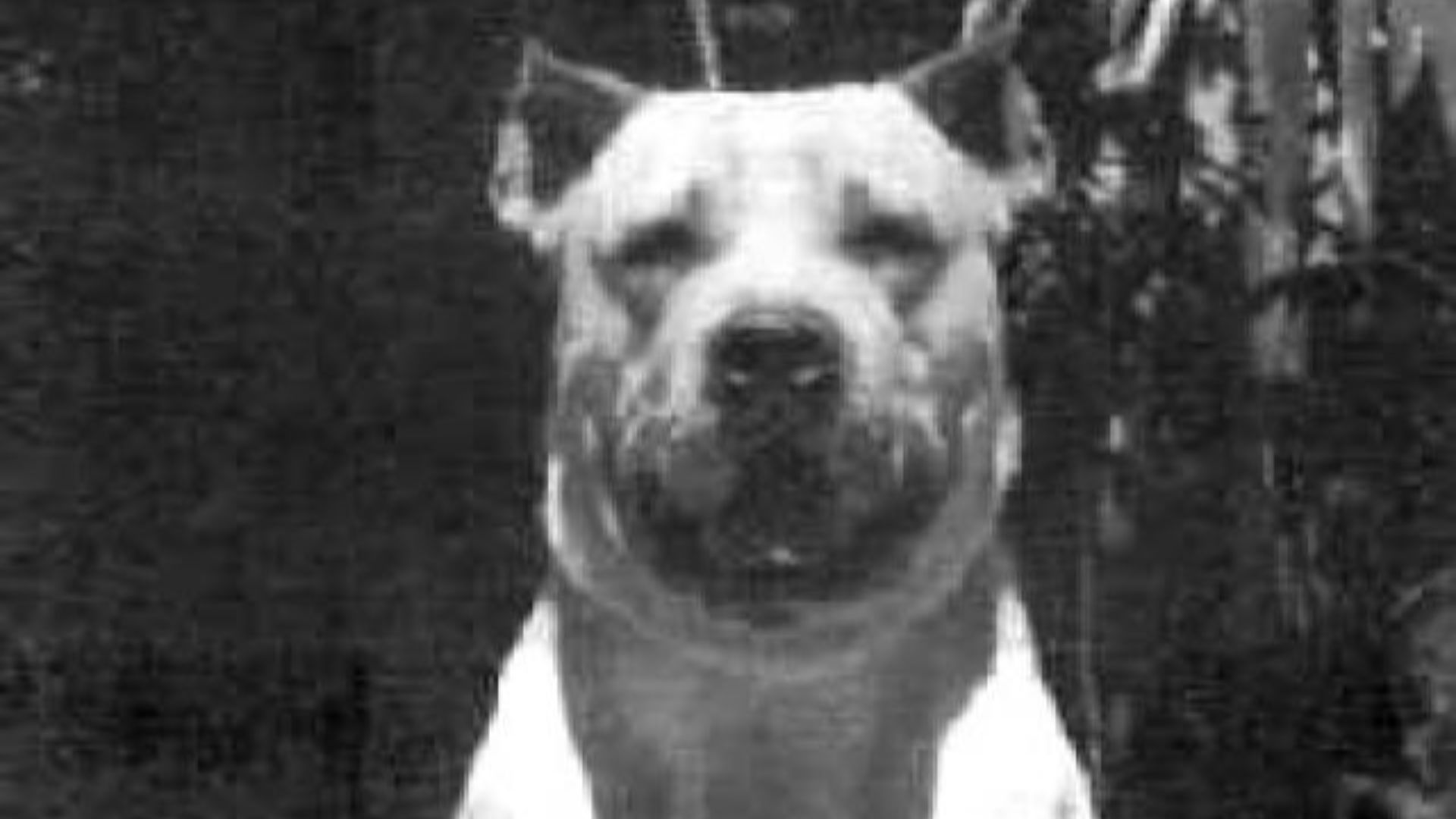
Not all disappearances were driven by technology or tidy breeding decisions; sometimes the story gets darker. The Cordoba fighting dog, or the Viejo Perro de Pelea Cordobés, sits in that uncomfortable corner of history where people engineered aggression for entertainment and violence. The AKC’s Dogo Argentino history explains that this Cordoban fighting dog was already “teetering on the brink of extinction” when Dr. Antonio Nores Martinez used it as the foundation for creating the Dogo Argentino in the 1920s. Once breeders redirected their efforts into the new hunting dog project—and as societies increasingly rejected organized animal fighting—the original breed had little reason to persist.
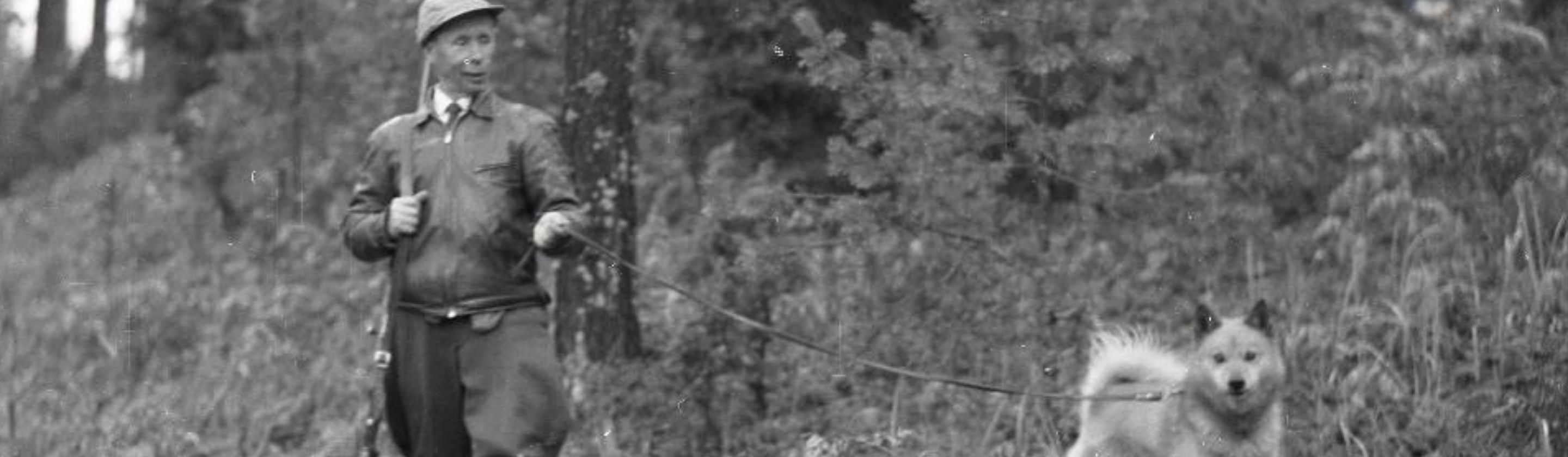
Far north in Canada, the Hare Indian dog shows another pathway to extinction: cultural change plus practical replacement. In a 1937 article in The Canadian Field-Naturalist, anthropologist Diamond Jenness describes the Hare Indian dog as used “solely in the chase” around Great Bear Lake and the Mackenzie region, noting it was too small for heavy hauling. The same piece reports that the breed was thought to have disappeared soon after the middle of the 19th century, with firearms changing hunting practices and reducing the need for a specialized snow-running coursing dog. Jenness also records detailed observations from earlier naturalists, emphasizing how closely this dog’s value was tied to a particular style of life on the land. When that life was disrupted, the dog’s niche collapsed.
The Tahltan bear dog adds one more twist: even when a breed is memorable, it can be fragile if the community that maintains it is pressured or dispersed. Jenness notes reports from 1915 onward describing a small dog used for hunting black bears in northwestern British Columbia, locally called the “Tahltan Bear Dog,” and links it to earlier descriptions of the Hare Indian dog. The Canadian Kennel Club’s retrospective on the Tahltan bear dog similarly frames it as an extinct Canadian breed remembered through historical accounts and club heritage writing. Taken together, the record suggests that rapid shifts—new tools, new economies, disease, displacement, and the interruption of Indigenous lifeways—can erase a dog line quickly, even when it was once perfectly adapted to its world.
KEEP ON READING