

Why These Places Are Fossil Goldmines
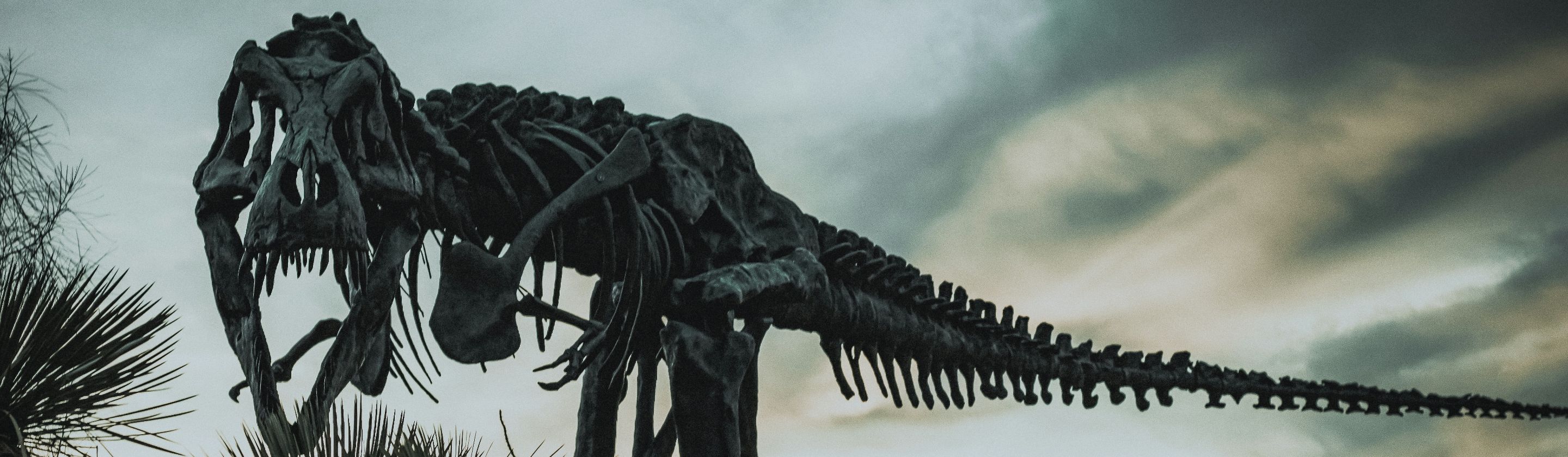
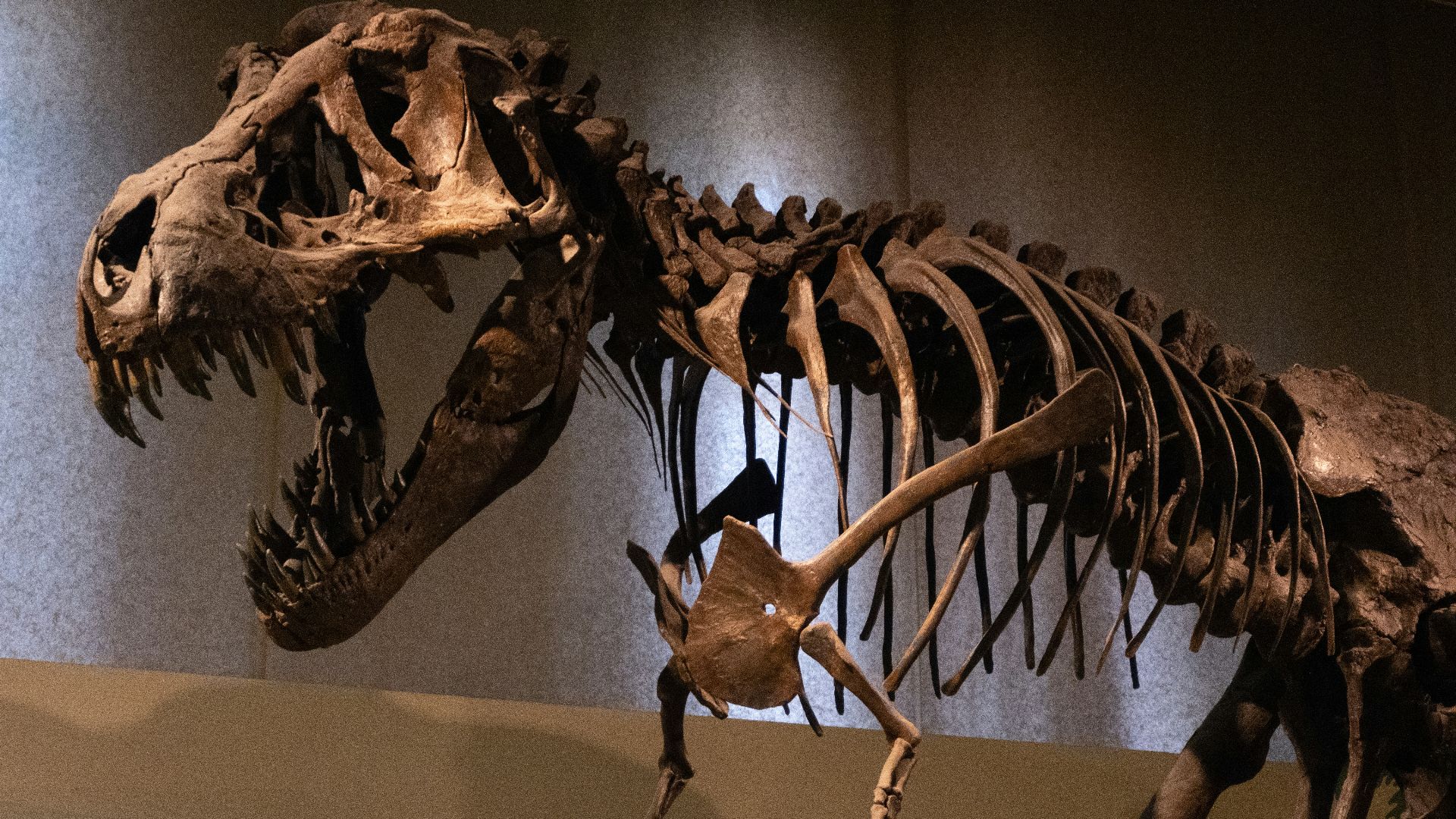
If you’ve ever wondered where paleontologists keep finding dinosaur bones year after year, the answer is simple: some landscapes are unusually good at preserving the past. In certain deserts, badlands, cliffs, and quarries, ancient rivers and floods buried skeletons fast, and later erosion helpfully brought them back to the surface. The places below are famous because they’ve produced huge numbers of dinosaur fossils, including bonebeds, partial skeletons, and sometimes remarkably complete remains.
1. Dinosaur Provincial Park, Canada
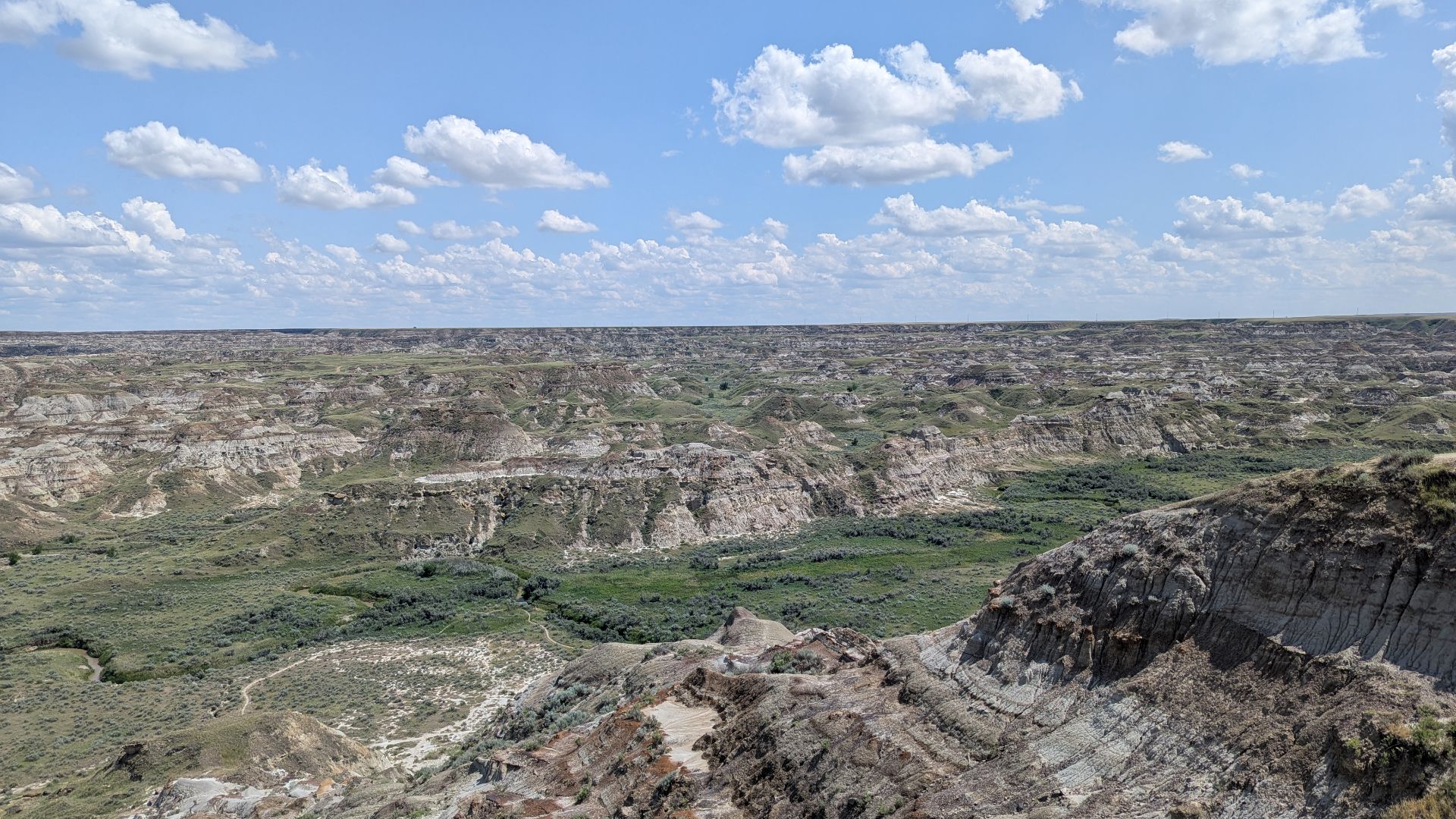
In Alberta’s badlands, Dinosaur Provincial Park has produced some of the most important dinosaur fossil discoveries on Earth, including dozens of species from roughly 75 million years ago. The dry, crumbly cliffs expose bone-bearing layers, so fossils can turn up in places that look empty at first glance, but it's in fact full of incredible scientific research.
2. Drumheller Badlands, Canada
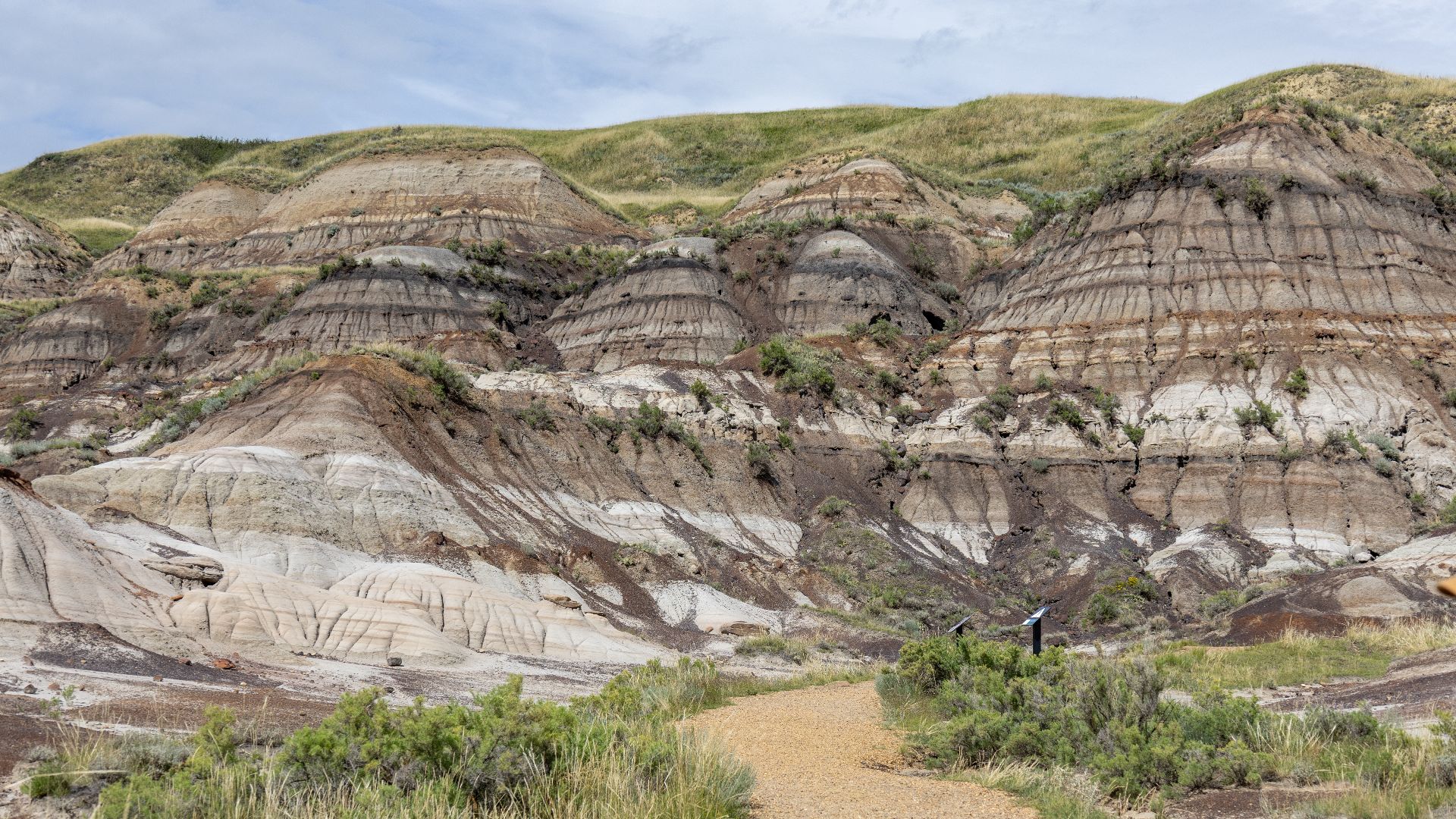
The Drumheller area is famous for fossil-rich rock layers, as well as for hosting the Royal Tyrrell Museum near exposures of the Late Cretaceous Horseshoe Canyon Formation. The badlands terrain erodes in a way that can reveal bones, teeth, and plant fossils over time.
3. Carnegie Quarry, USA
At Dinosaur National Monument, the Carnegie Quarry Exhibit Hall preserves a dramatic wall with about 1,500 dinosaur bones still in place in the rock. The site is tied to the Morrison Formation, a name you’ll hear constantly in North American dinosaur science.
4. Cleveland-Lloyd Quarry, USA
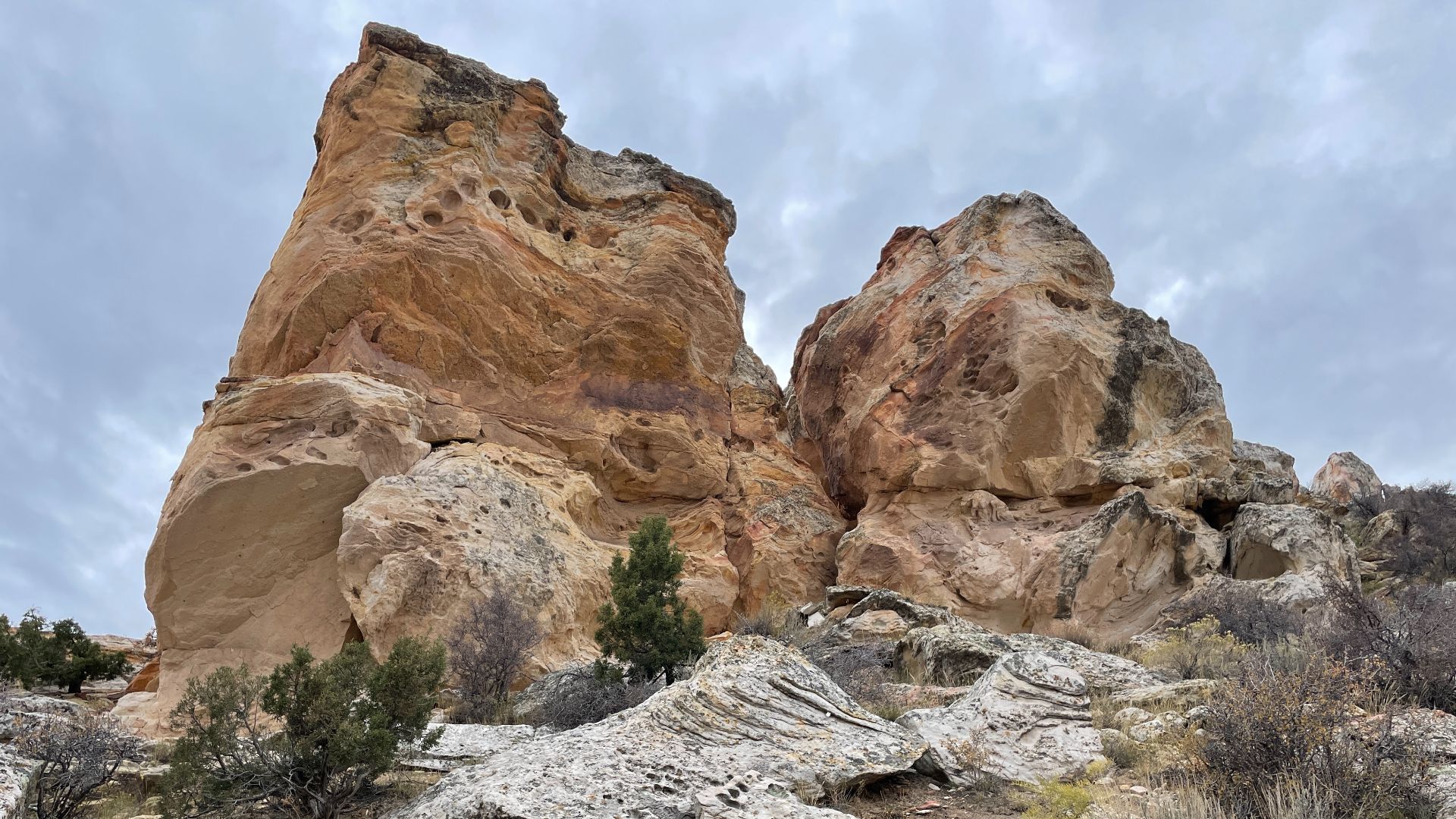
This Utah quarry is often described as having the densest concentration of Jurassic dinosaur bones ever found, with well over 12,000 bones excavated. The fossils come from a bonebed that scientists still debate, since so many remains accumulated in one spot.
5. Como Bluff, USA
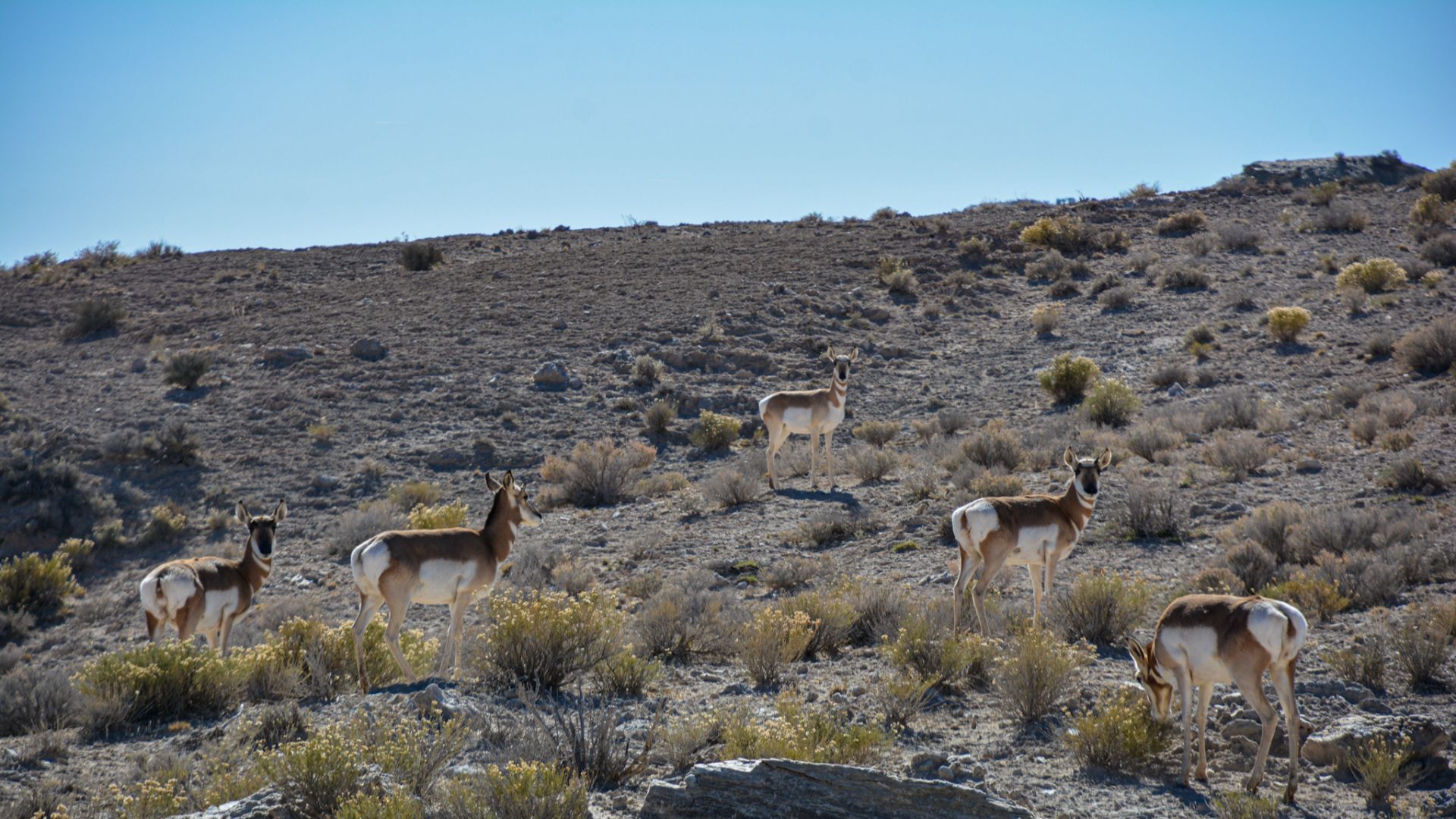
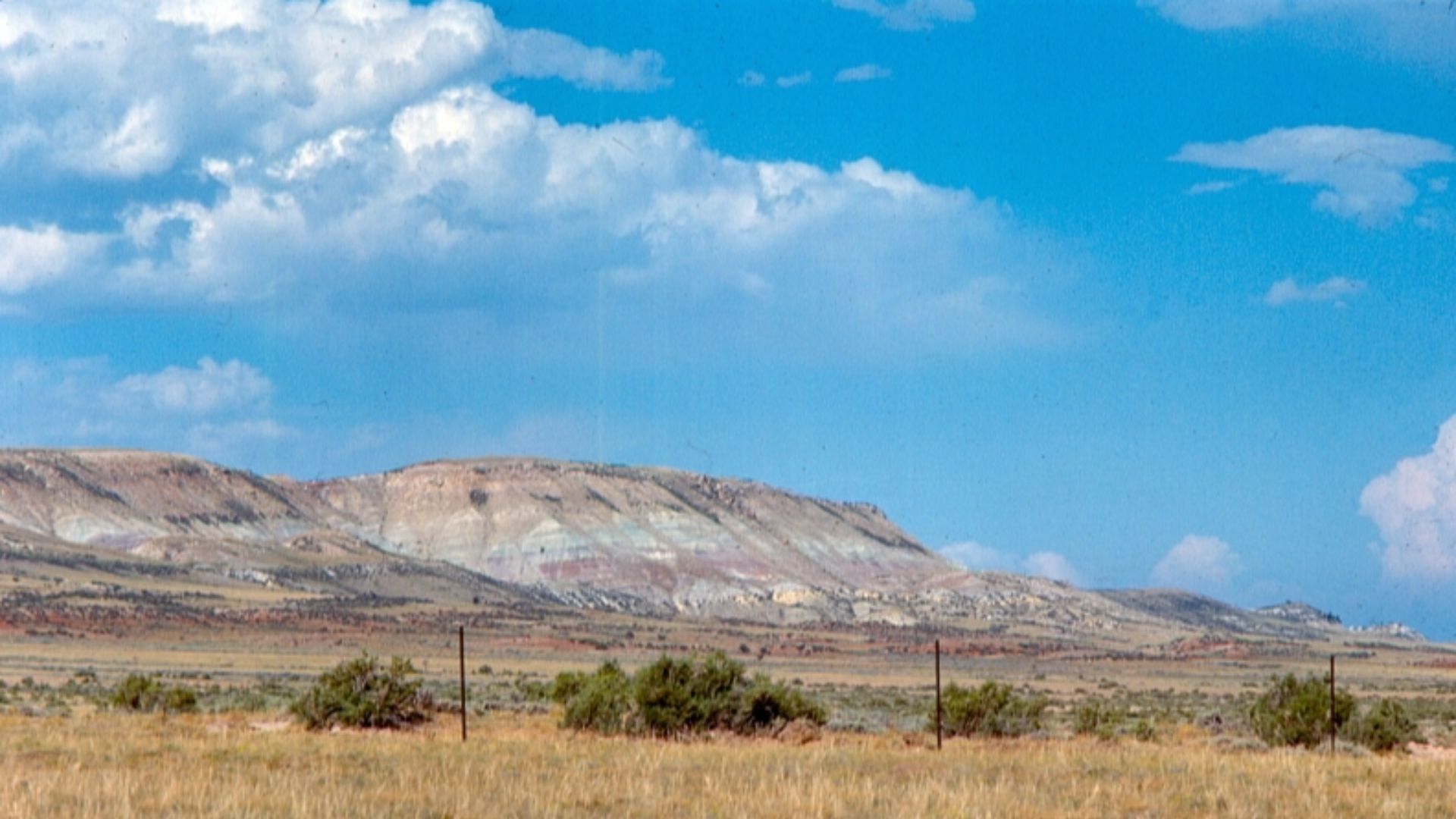
Como Bluff in Wyoming helped kick off the famous “bone rush” era of dinosaur collecting, and it’s still known for well-preserved dinosaur bones. The ridge exposes layers that yielded major discoveries during the Bone Wars, a 15-year-long stint in the 19th century when paleontologists took up some pretty intense fossil hunting.
 Anky-man at English Wikipedia (Original text: Ankyman) on Wikimedia
6. Hell Creek, USA
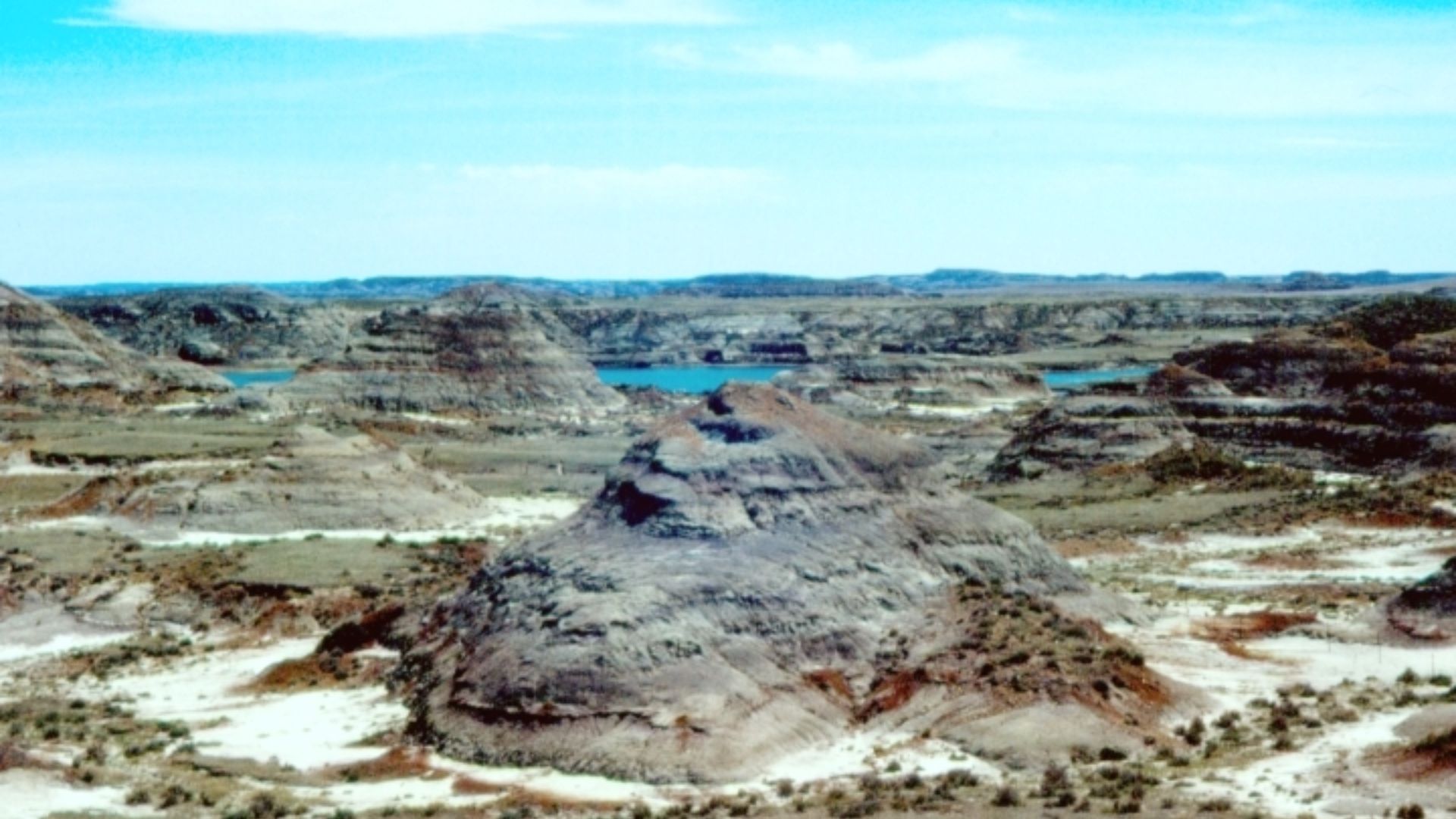
For more than a century, researchers have searched the Hell Creek Formation, which preserves some of the last non-avian dinosaurs before the mass extinction. Field surveys in parts of Hell Creek have produced tens of thousands of vertebrate specimens from many sites, showing just how fossil-rich these rocks can be.
 Anky-man 16:28, 16 April 2007 (UTC) on Wikimedia
7. Ghost Ranch, USA
Ghost Ranch in New Mexico is known for the Coelophysis Quarry, where several hundred skeletons have been found in a single assemblage. Scientific work has described the deposit as yielding an unusually large number of individuals of one dinosaur species, an incredibly rare discovery.
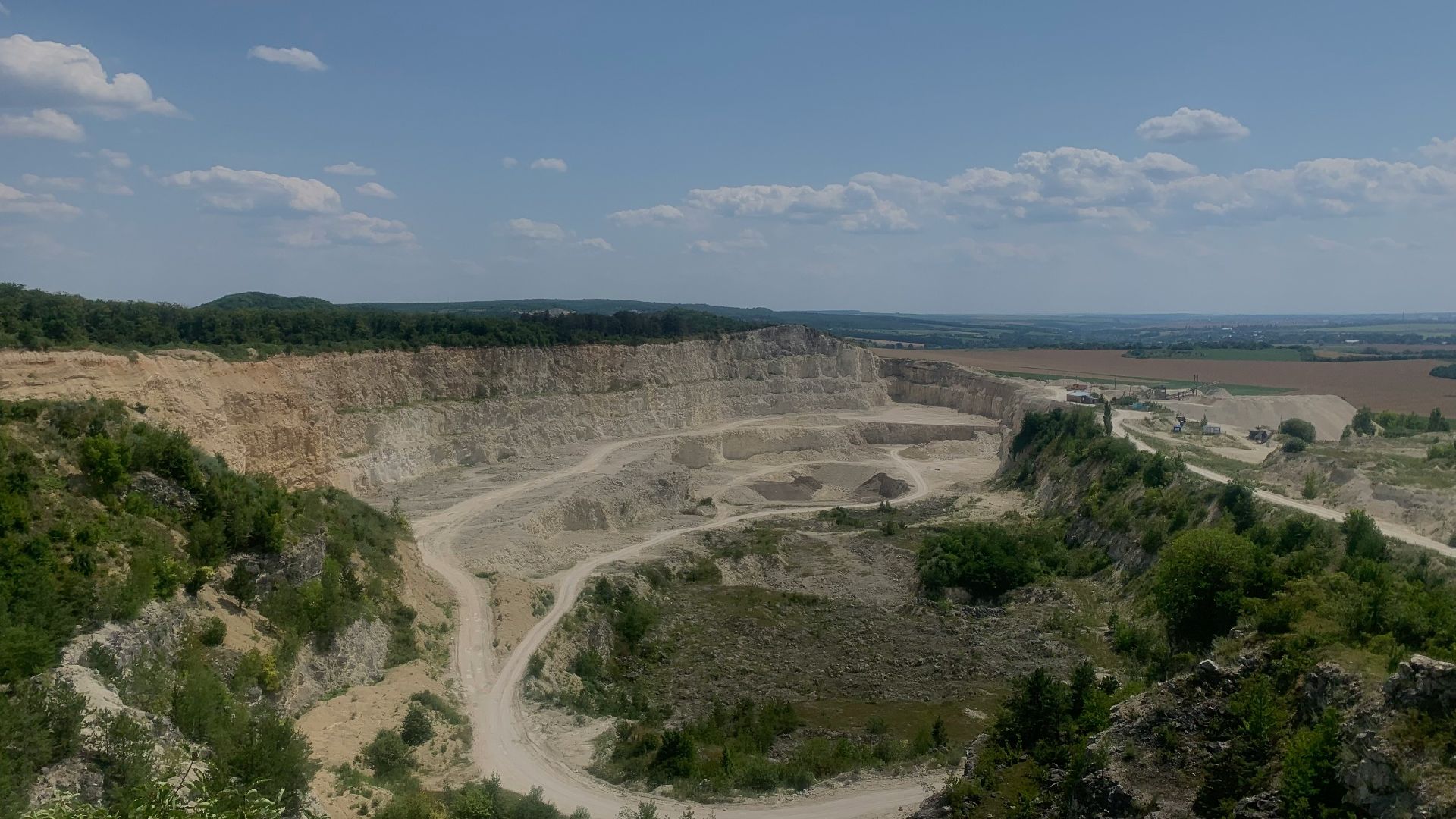
8. Zhucheng Bonebeds, China
Zhucheng in Shandong is often called a “dinosaur city” because of the scale of its fossil discoveries, including major bonebed finds and large skeletons displayed locally. Local museum and geopark materials highlight record-setting specimens, reflecting how extensive excavation has been in the region.
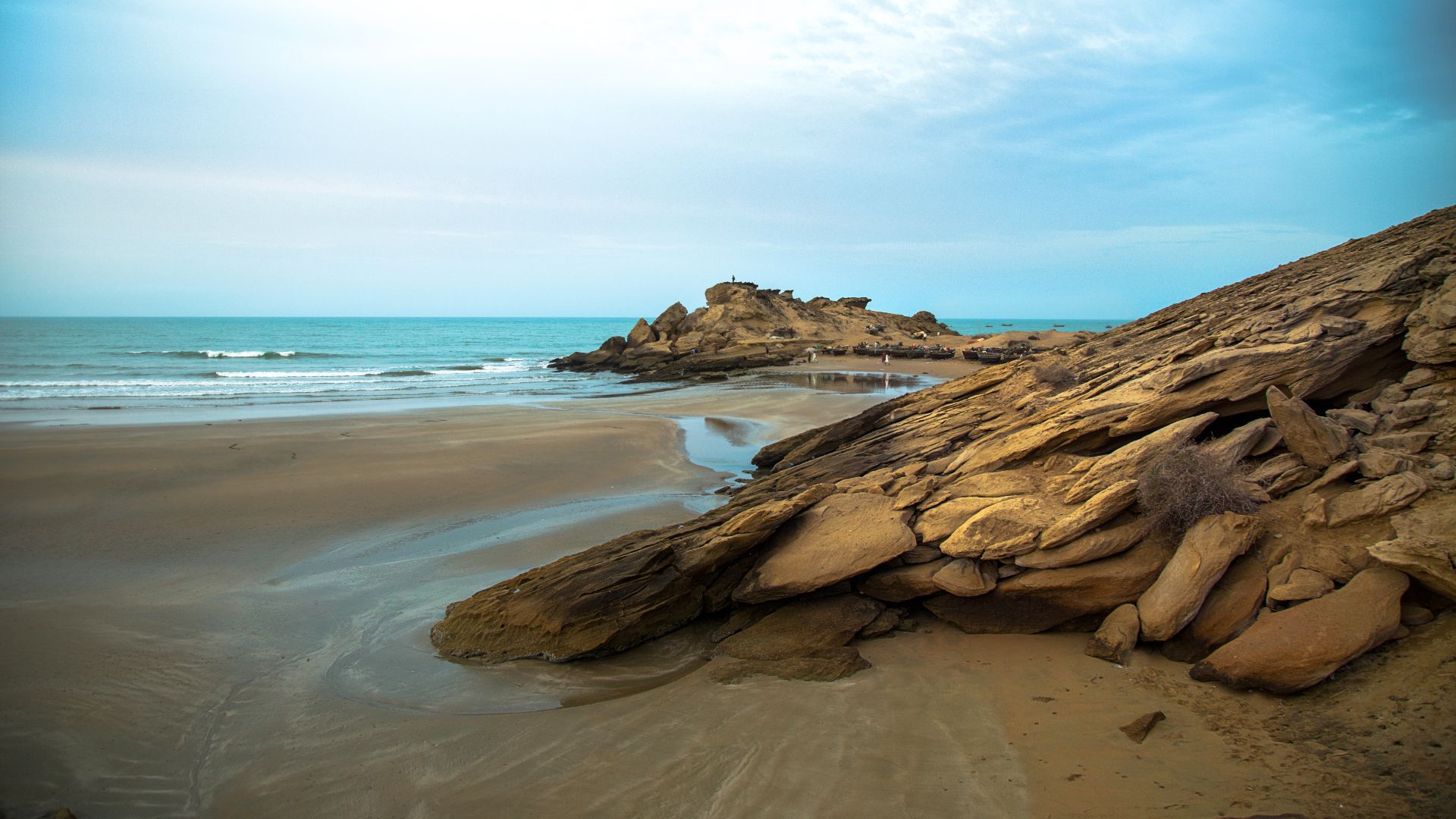
9. Jehol Biota, China
Northeastern China’s Jehol fossil deposits are famous because they preserve dinosaurs and early birds with remarkable detail, including feather impressions in many cases. The Yixian and related formations have produced abundant, exceptionally preserved fossils that changed how people understand dinosaur appearance and evolution.
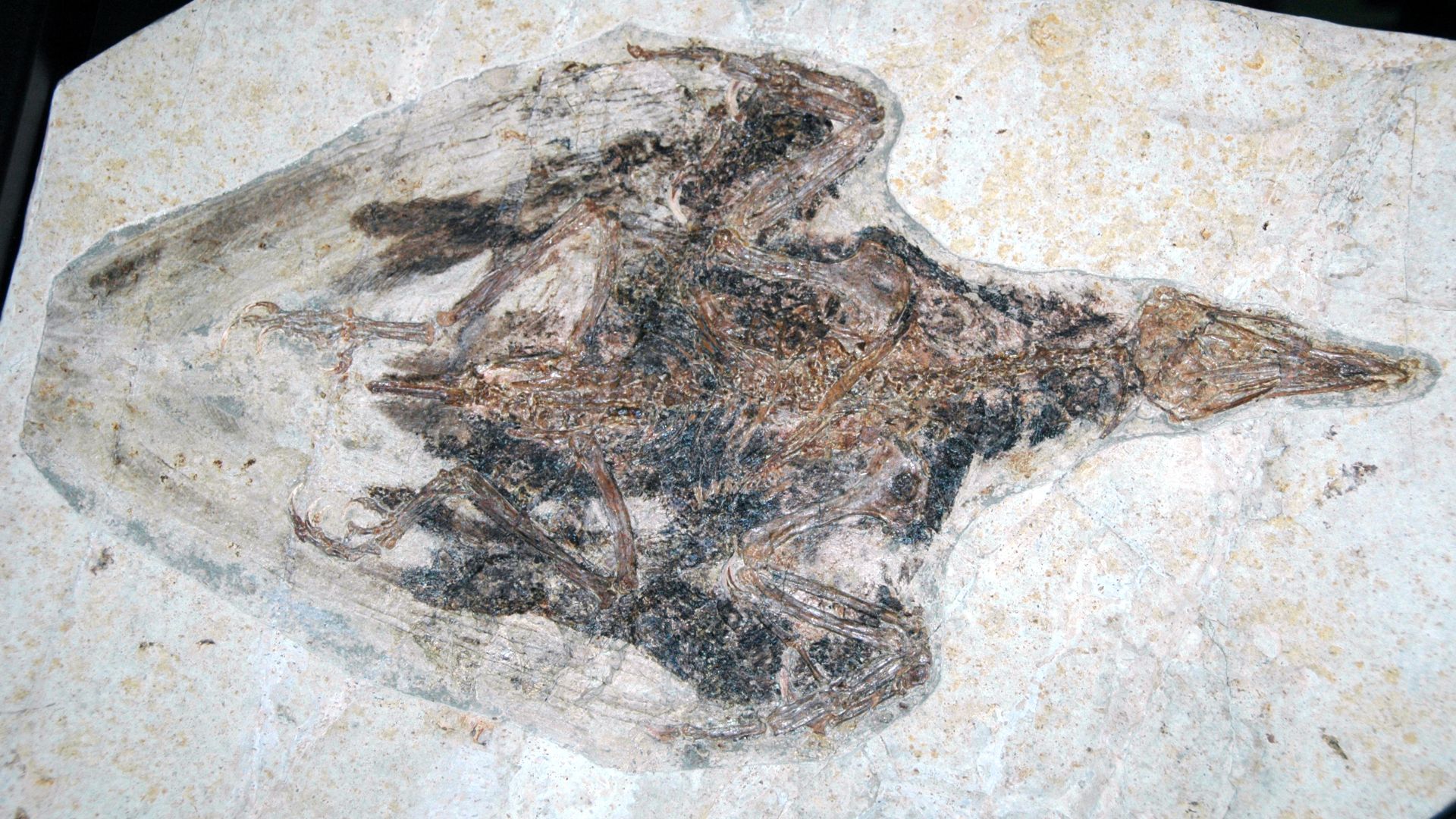 James St. John, Ohio State University, Newark on Wikimedia
10. Dashanpu Site, China
The Dashanpu Middle Jurassic Dinosaur Fossils Site in Sichuan is recognized for its important Jurassic dinosaur remains and long-running research value. The locality is tied to major museum work in Zigong, where discoveries helped build a world-famous dinosaur display tradition.
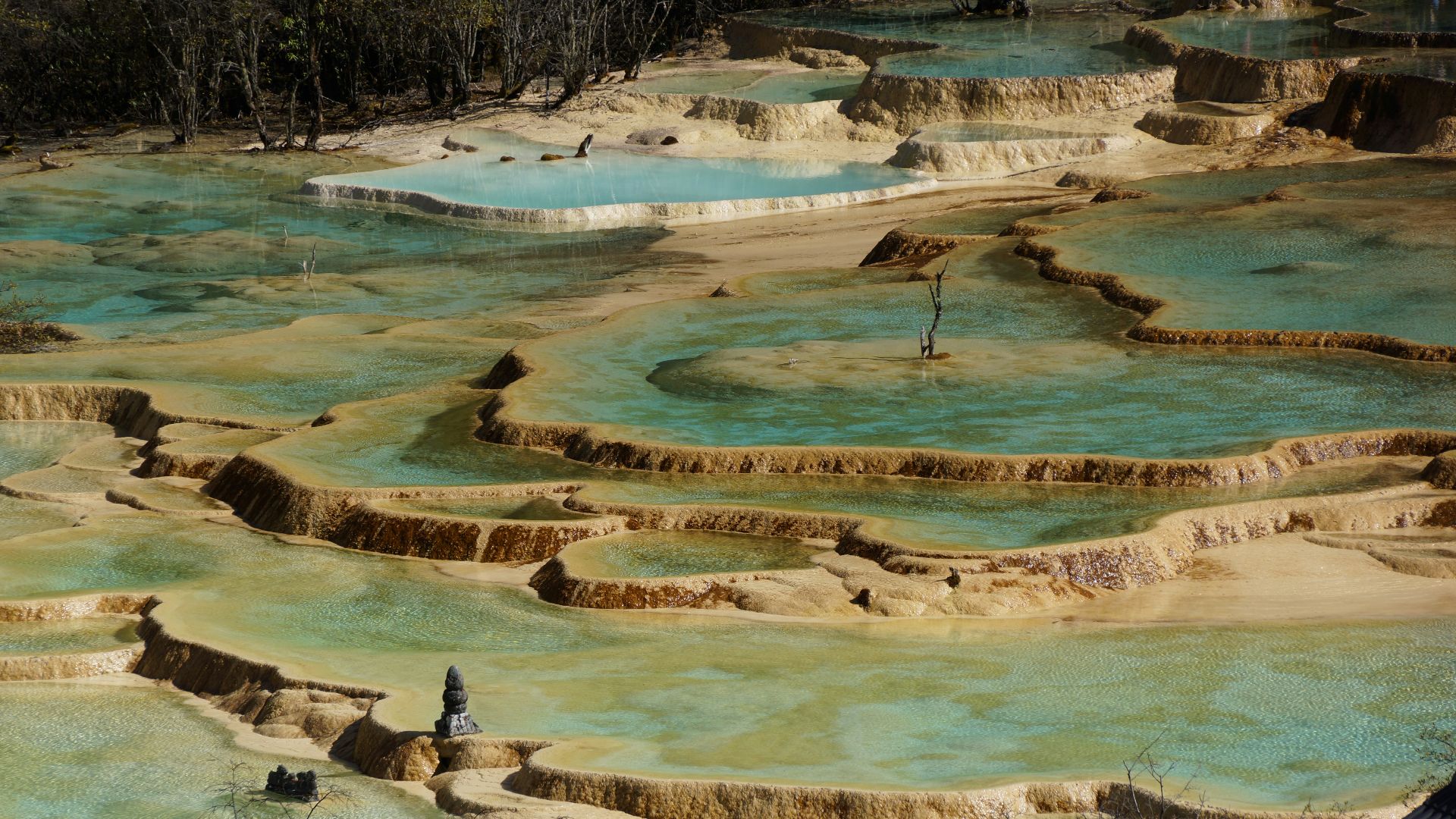
11. Lufeng Basin, China
The Lufeng Basin in Yunnan is widely known for dinosaur fossils, including numerous excavated specimens and a dedicated quarry display for visitors. Reports on the region describe dozens of complete fossils already recovered, with more still hiding underground today.
12. Mongolian Gobi, Mongolia
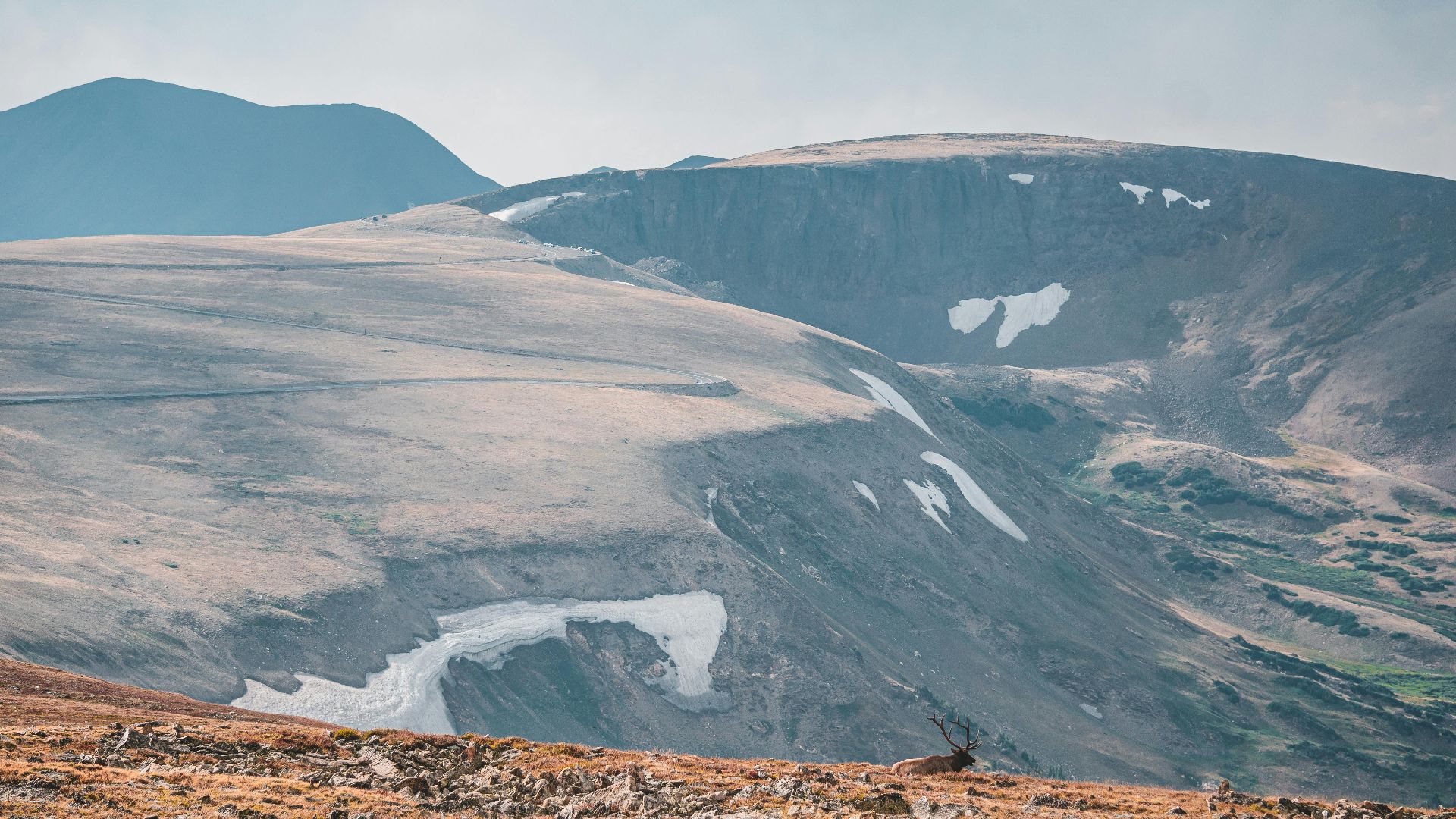
UNESCO’s tentative listing for the Mongolian Gobi Cretaceous sites calls the region the largest dinosaur fossil reservoir in the world. That reputation comes from repeated discoveries across multiple formations, including famous dinosaur bones and eggs. Because the desert landscape exposes rock so clearly, field teams can spot fossil-bearing layers with less vegetation in the way.
13. Flaming Cliffs, Mongolia
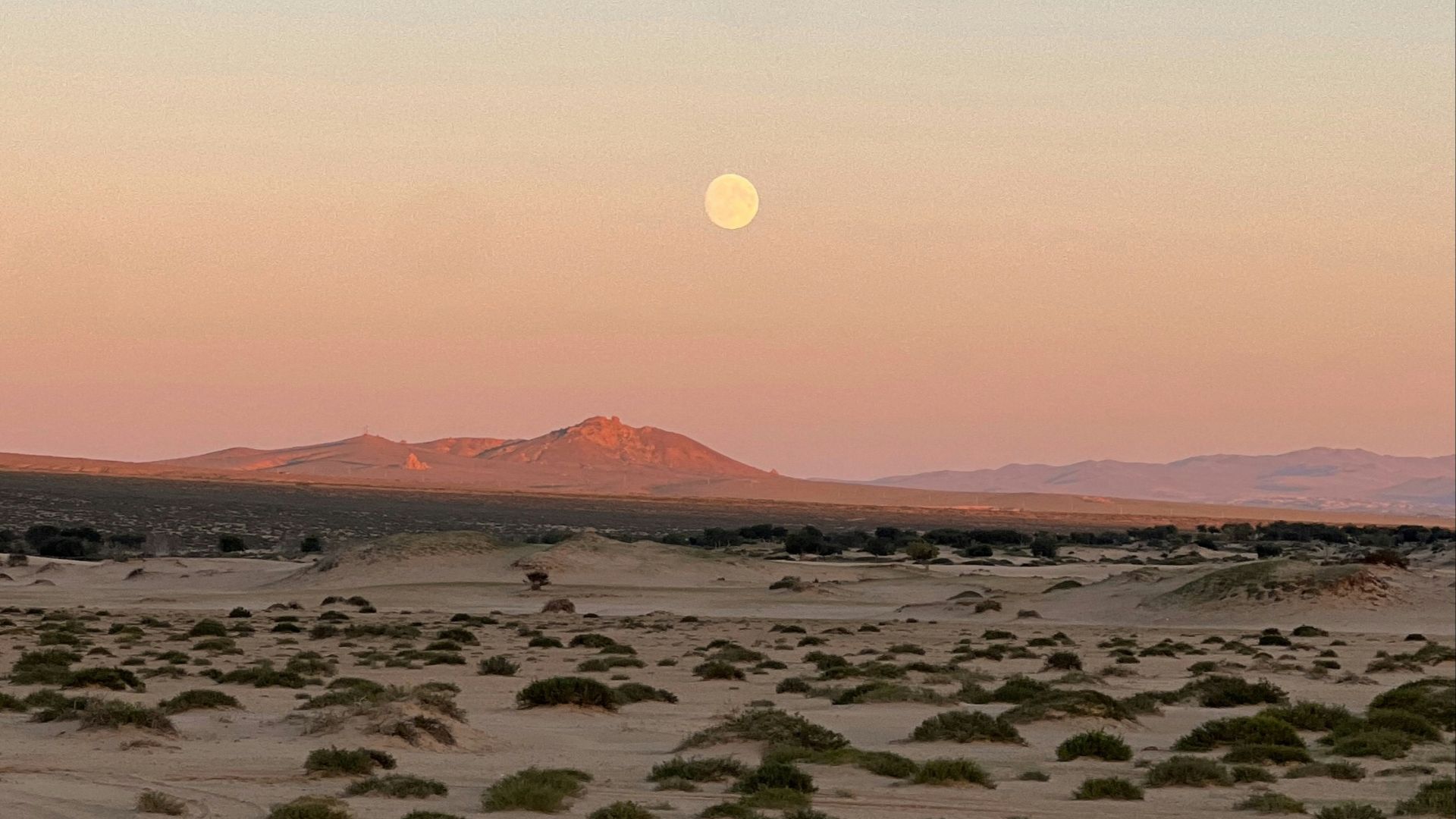
The Flaming Cliffs area, also known as Bayn Dzak, is historically important for discoveries made during major early 20th-century expeditions. It’s strongly linked to the Djadochta Formation, a highly fossiliferous unit that produced dinosaurs and other animals, plus some of the earliest celebrated dinosaur egg finds.
14. Nemegt Basin, Mongolia
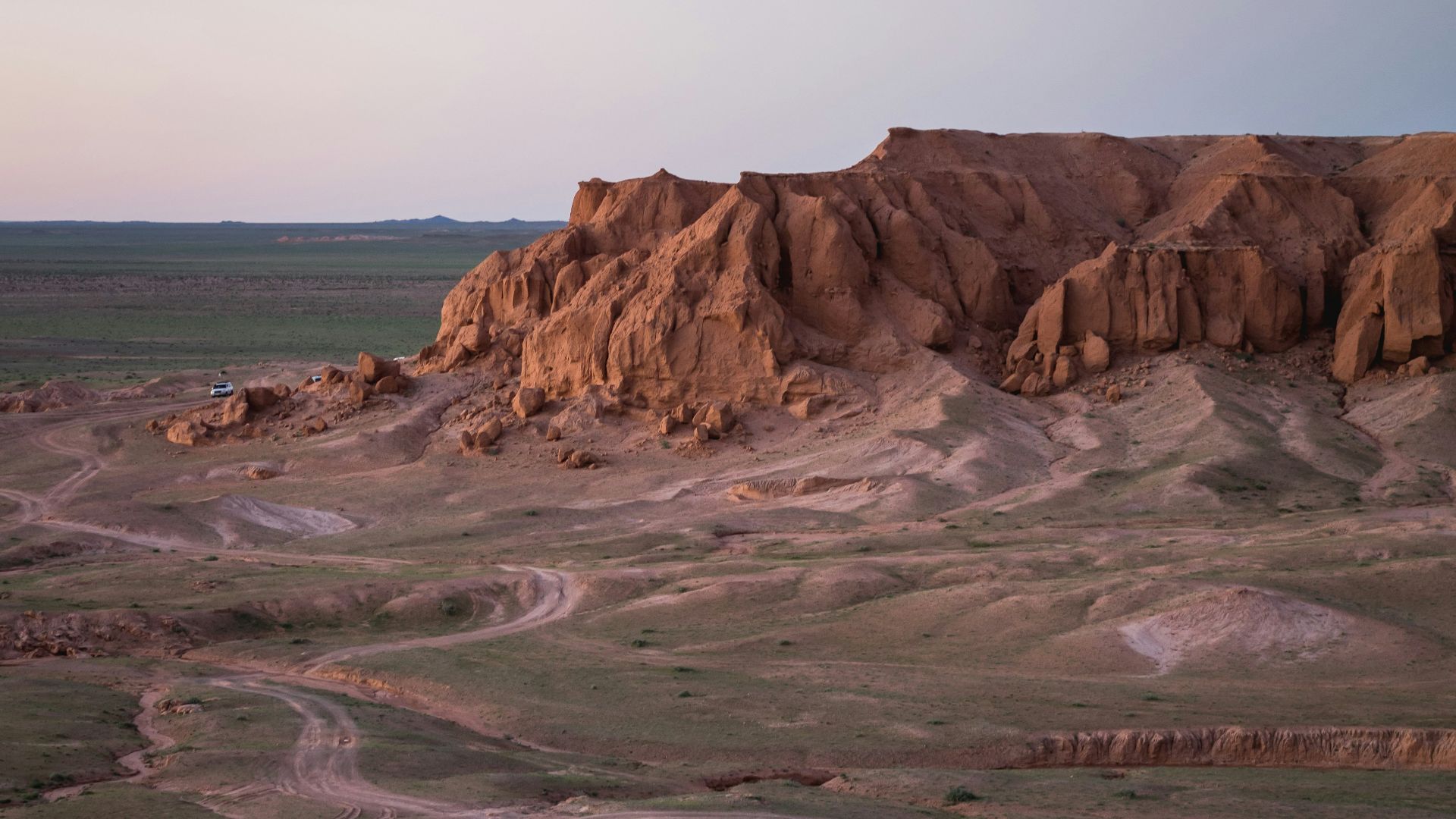
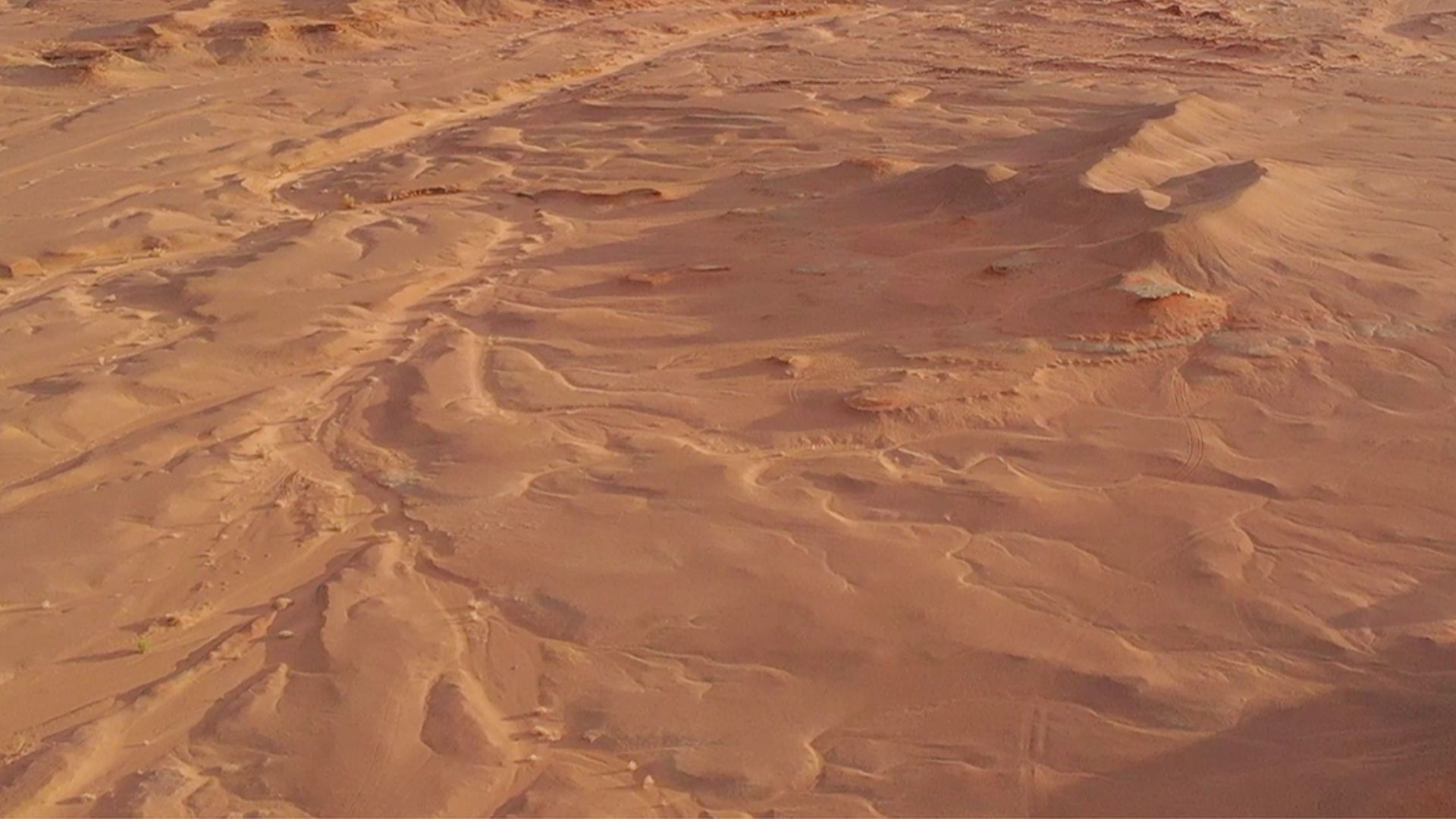
The Nemegt area is known for Late Cretaceous deposits that include a diverse dinosaur fauna, along with other ancient animals preserved in river and floodplain sediments. It stands out because it has produced many significant fossils over time, including specimens of the Tarbosaurus bataar, the Deinocheirus mirificus, and the Therizinosaurus.
 Gregory F. Funston, Philip J. Currie, Chinzorig Tsogtbaatar & Tsogtbaatar Khishigjav on Wikimedia
15. Lourinhã Coast, Portugal
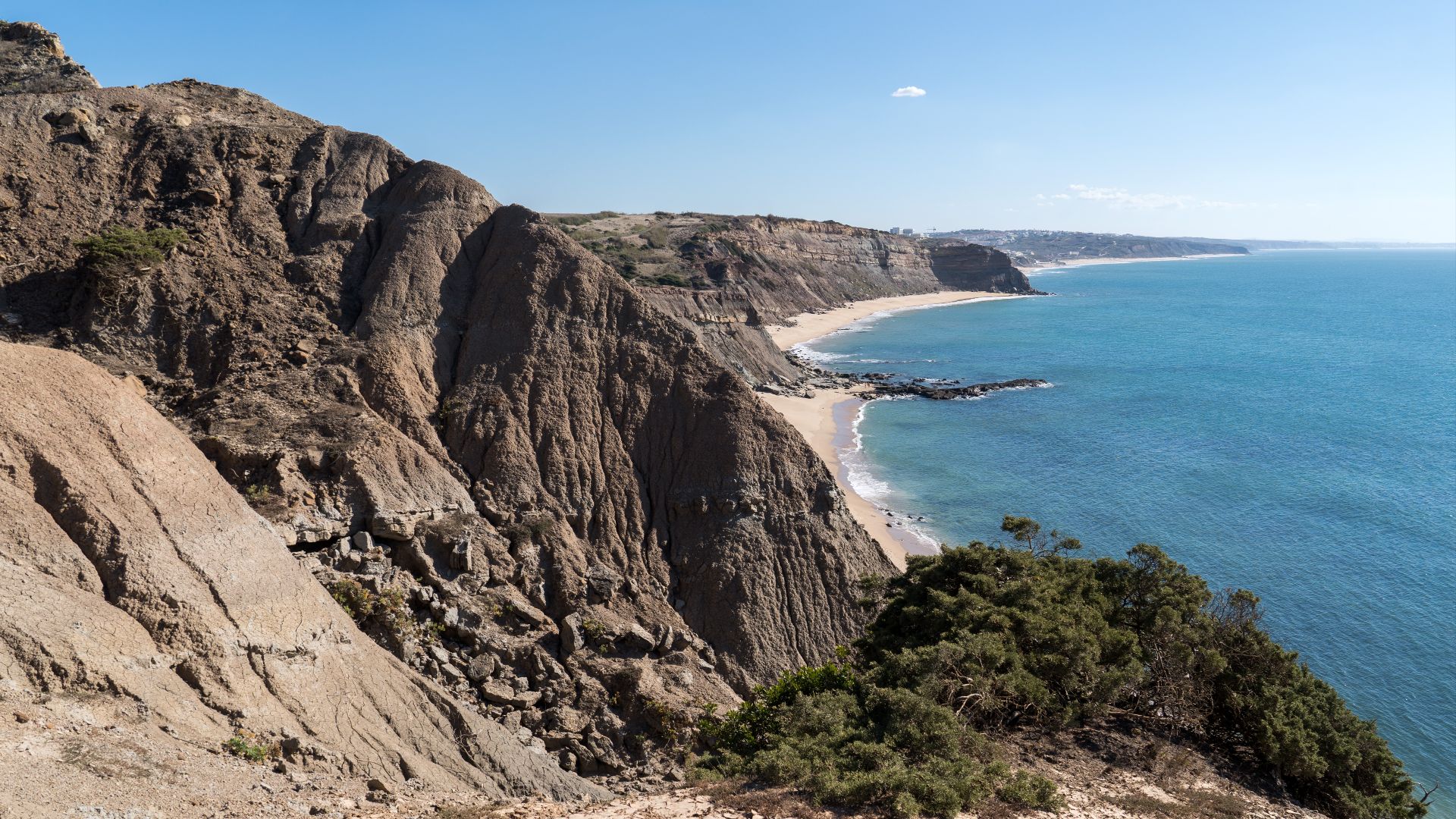
Western Portugal’s Lourinhã Formation is widely described as fossil-rich, and it has yielded dinosaur bones as well as eggs and tracks. The coastal cliffs and beaches expose rock layers that researchers can study as erosion reveals new material. It’s one of Europe’s best-known regions for repeatedly producing dinosaur finds, especially from the Late Jurassic.
16. Isle of Wight, UK
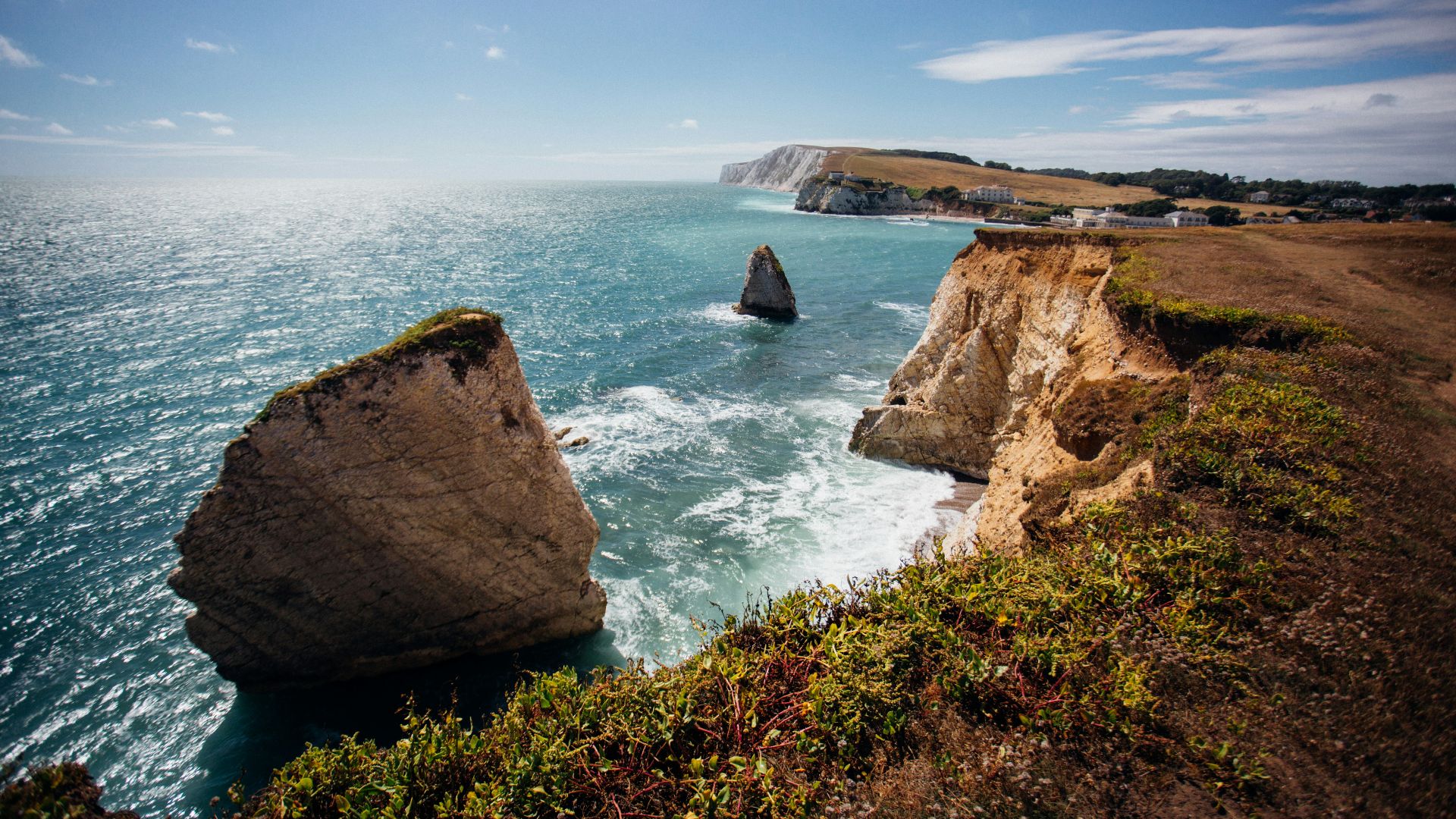
The Isle of Wight is described by the Natural History Museum as one of the UK’s richest dinosaur fossil sites, with discoveries stretching back to the early 1800s. Many important fossils come from the Wessex Formation, and researchers keep identifying new material as cliffs erode.
17. Bernissart Mine, Belgium
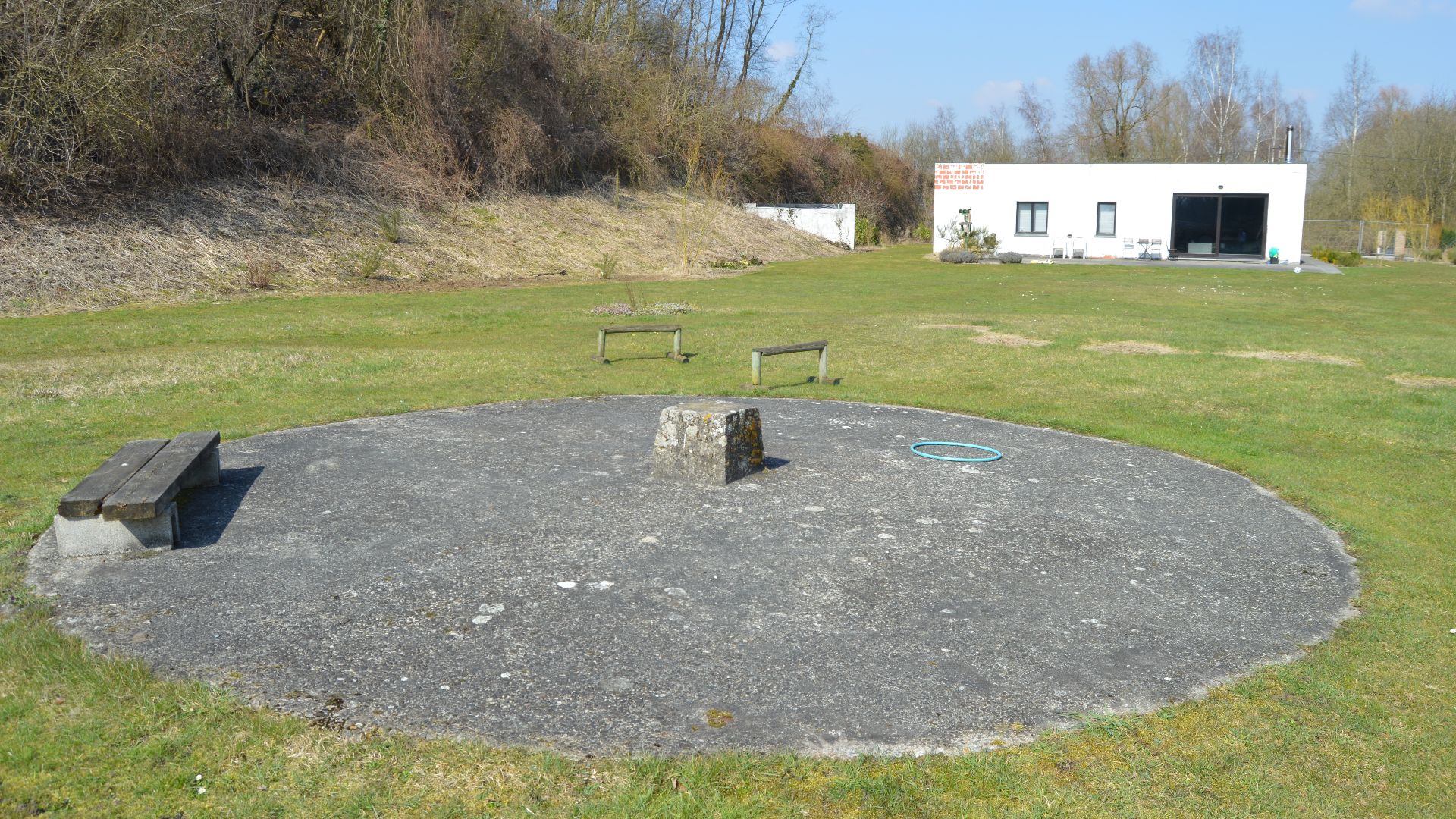
In the late 1800s, a coal mine in Bernissart yielded around thirty relatively complete iguanodon skeletons, a discovery that stunned the scientific world. These fossils, often described as rhino-like reptiles, are often considered one of the best-preserved collections in the world.
 Utilisateur:Bel Adone on Wikimedia
18. Tendaguru Beds, Tanzania
Tendaguru is one of Africa’s most famous dinosaur fossil areas, tied to major early expeditions and massive fossil collections. Tanzanian sources describe enormous quantities of dinosaur fossils taken for study, reflecting how large and productive the deposits were. Even now, the name “Tendaguru” signals a globally important fossil region rather than a small, isolated find.
19. Kem Kem, Morocco
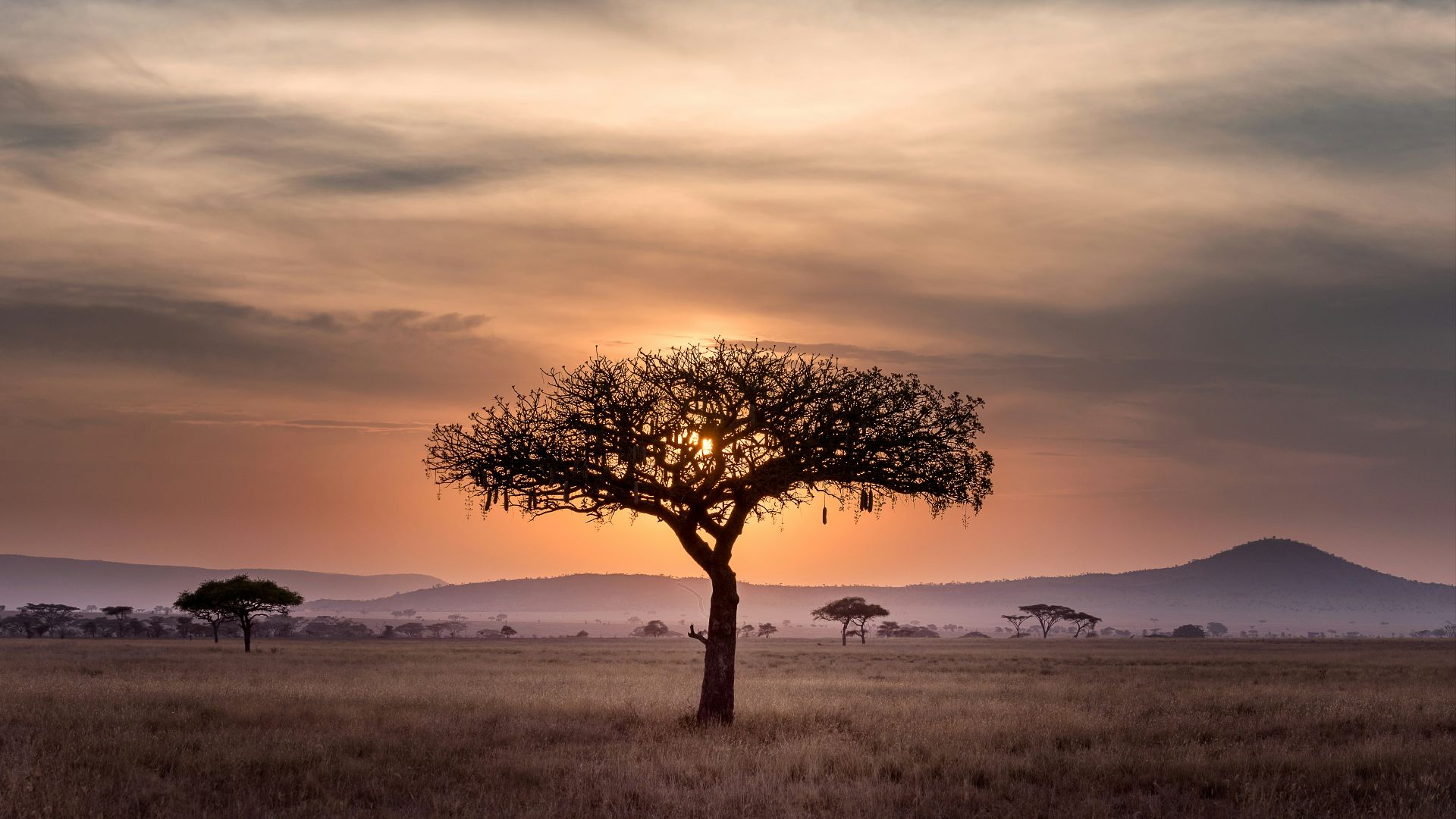
Eastern Morocco’s Kem Kem deposits are reviewed in scientific literature as fossiliferous, Cenomanian-age deltaic sediments packed with vertebrate remains, including dinosaurs. The region is especially known for producing dramatic predator fossils, often as teeth and bones that weather out of the rock. While preservation can be fragmentary, the sheer amount of material is why Kem Kem has become a frequent reference in research and museum collections.
20. Ischigualasto, Argentina
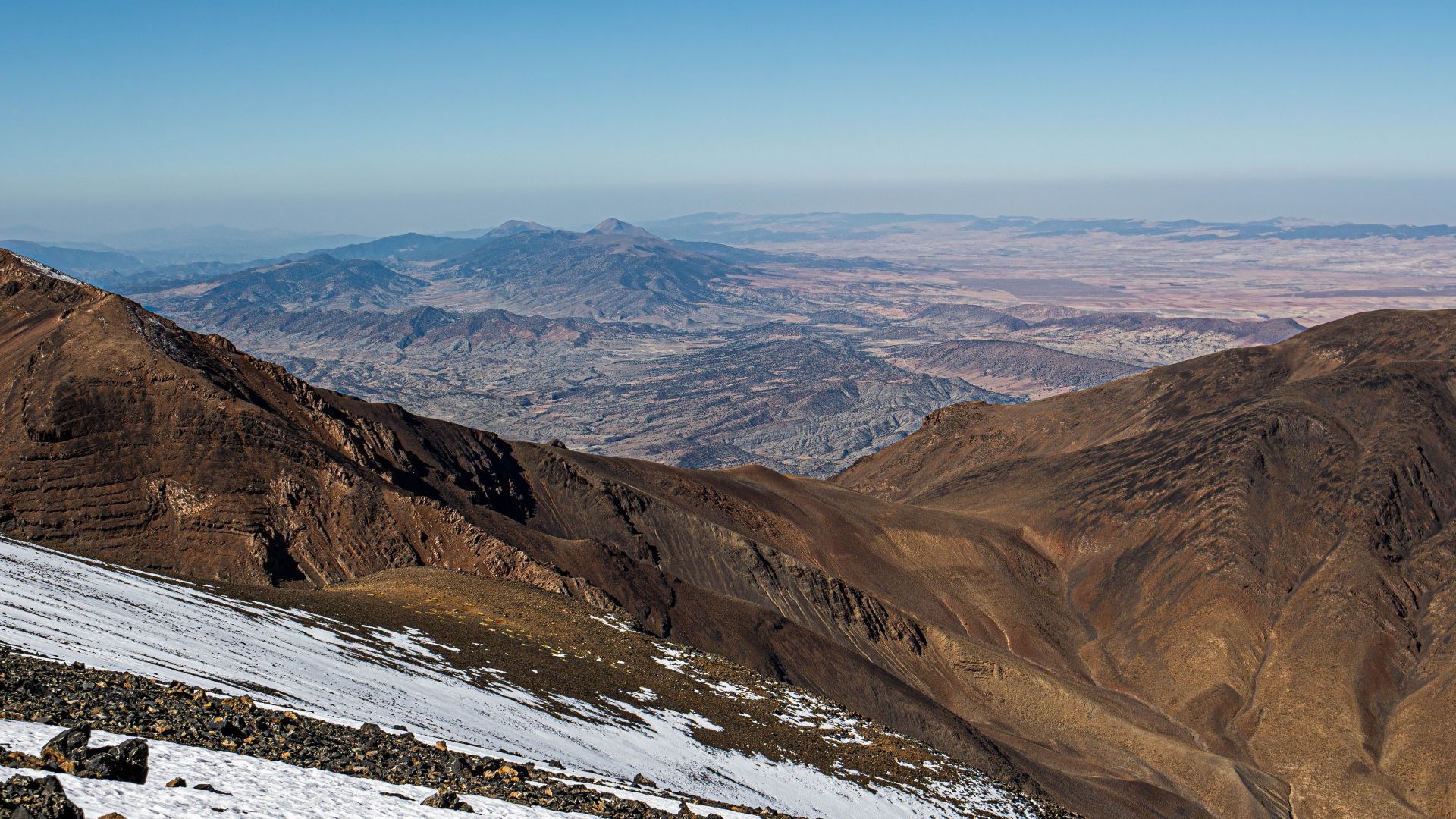
Ischigualasto and neighboring Talampaya form a UNESCO World Heritage Site because the area preserves an extraordinarily complete Triassic continental fossil record, including early dinosaurs and their relatives. The rocks document a long span of time and capture important evolutionary transitions, which is a big reason scientists keep returning. When you hear the phrase “origin of dinosaurs,” Ischigualasto is one of the first places experts point to.
KEEP ON READING

The 20 Most Recognized Historical Figures Of All Time
The Biggest Names In History. Although the Earth has been…
By Cathy Liu Oct 4, 2024
10 of the Shortest Wars in History & 10 of…
Wars: Longest and Shortest. Throughout history, wars have varied dramatically…
By Emilie Richardson-Dupuis Oct 7, 2024
10 Fascinating Facts About Ancient Greece You Can Appreciate &…
Once Upon A Time Lived Some Ancient Weirdos.... Greece is…
By Megan Wickens Oct 7, 2024
20 Lesser-Known Facts About Christopher Columbus You Don't Learn In…
In 1492, He Sailed The Ocean Blue. Christopher Columbus is…
By Emilie Richardson-Dupuis Oct 9, 2024
20 Historical Landmarks That Have The Craziest Conspiracy Theories
Unsolved Mysteries Of Ancient Places . When there's not enough evidence…
By Megan Wickens Oct 9, 2024
The 20 Craziest Inventions & Discoveries Made During Ancient Times
Crazy Ancient Inventions . While we're busy making big advancements in…
By Cathy Liu Oct 9, 2024