Lasting Empires
When historians talk about “great” empires, they’re rarely talking about size alone. The most influential empires were the ones that figured out how to govern diversity, move information and goods, and leave behind systems that outlasted their borders. Whether through law, religion, language, or administration, the dynasties in this list shaped how large parts of the world functioned long after their political power faded. From the Roman Empire to the Tang Dynasty, here are 20 of history's greatest empires.
1. Achaemenid Empire
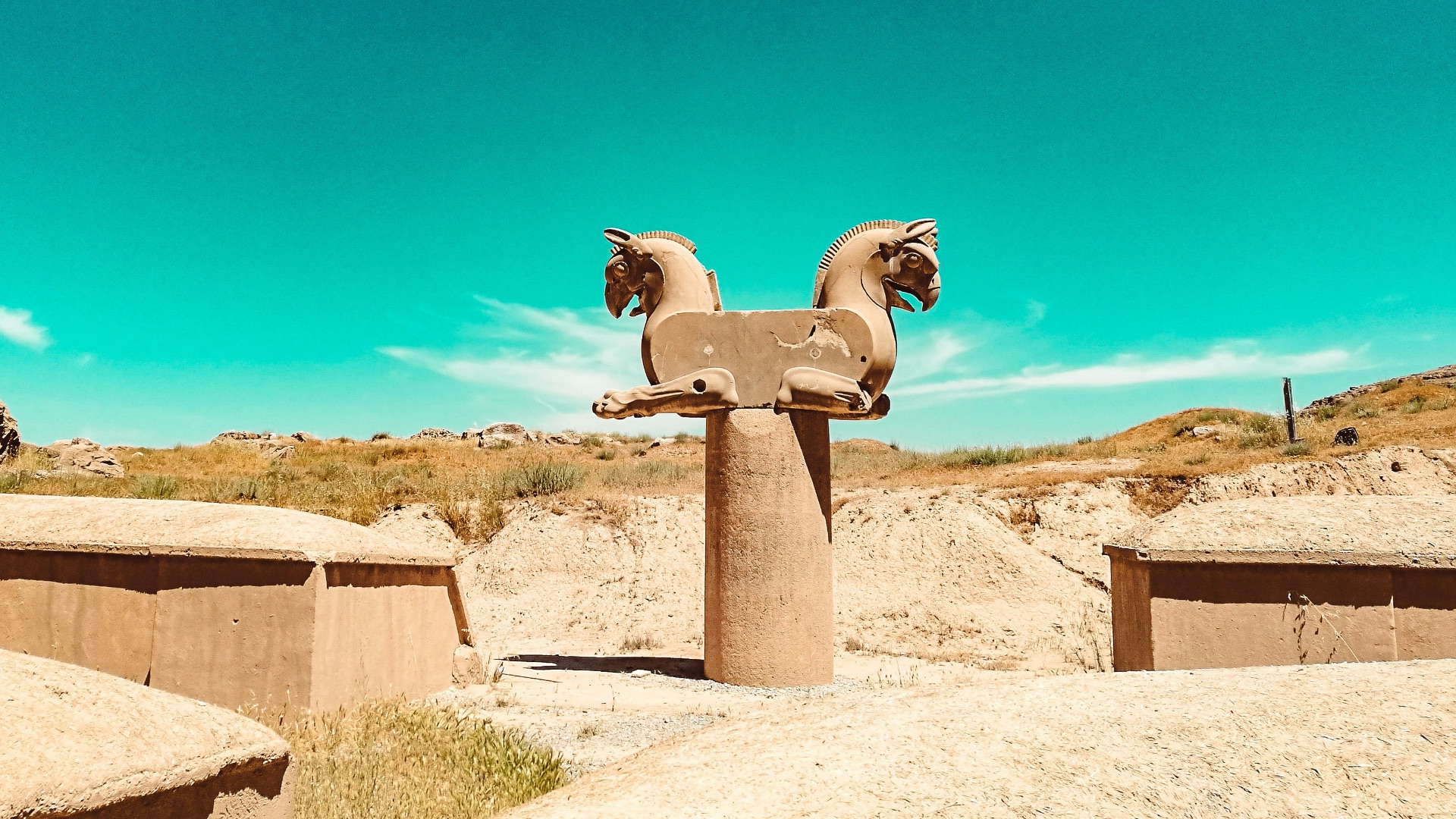
The Achaemenids built a model of imperial administration that didn’t require every province to look identical, which was pretty forward-thinking for the ancient world. Under rulers like Cyrus and Darius, Persia tied together a huge, diverse realm with roads, regional governance, and an imperial system that could actually function day to day. It’s hard to overstate how much later empires borrowed from this blueprint, even when they were officially “rivals.”
2. Macedonian Empire of Alexander the Great
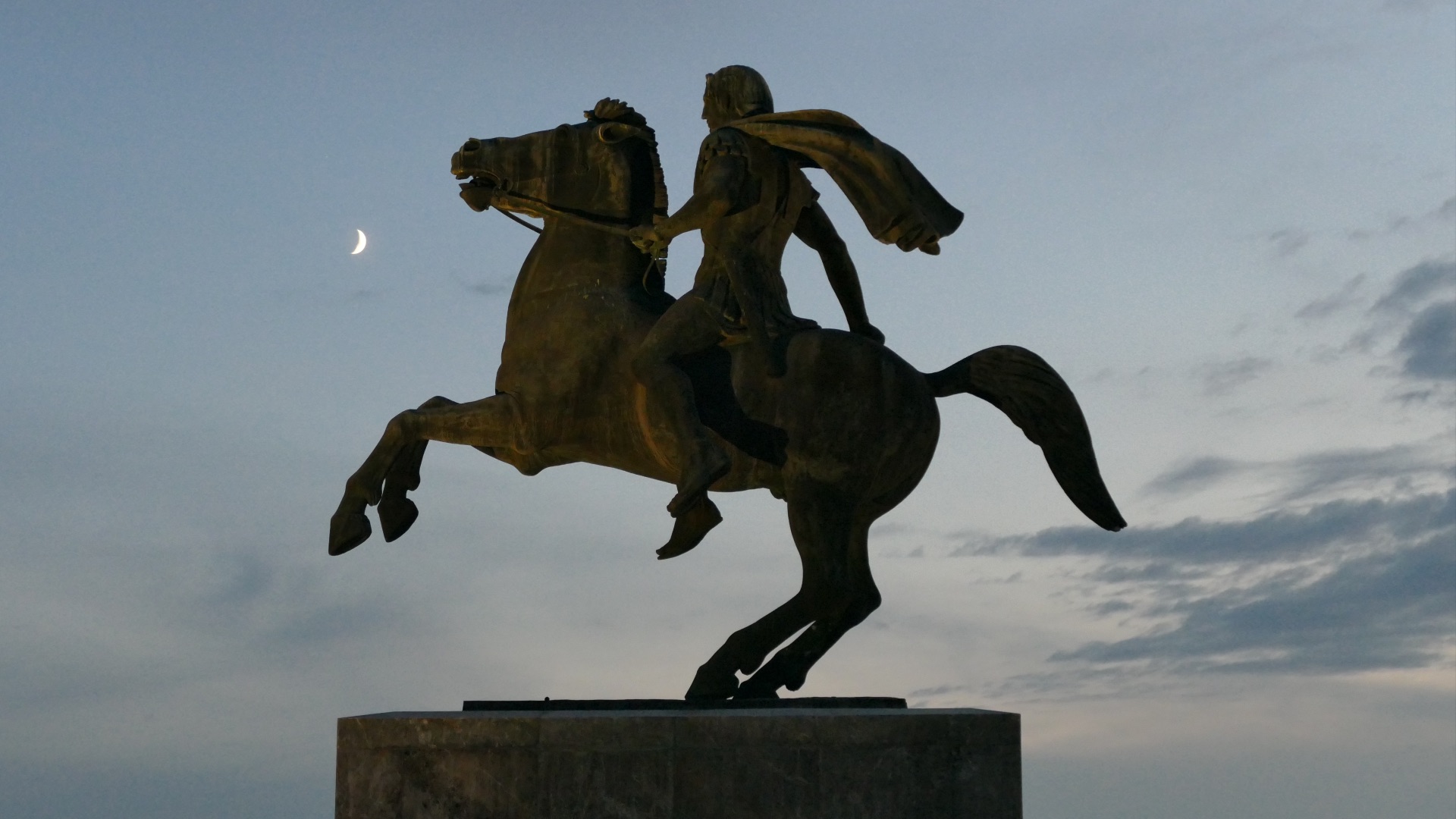
Alexander’s empire didn’t last long as a single unit, but it punched way above its weight in historical impact. By toppling the Persian Empire and pushing as far as parts of India, he triggered the spread of Greek language and culture across a massive area, creating the Hellenistic world that followed. Even after his death, the kingdoms that emerged kept that cultural mix alive for centuries.
3. Roman Empire
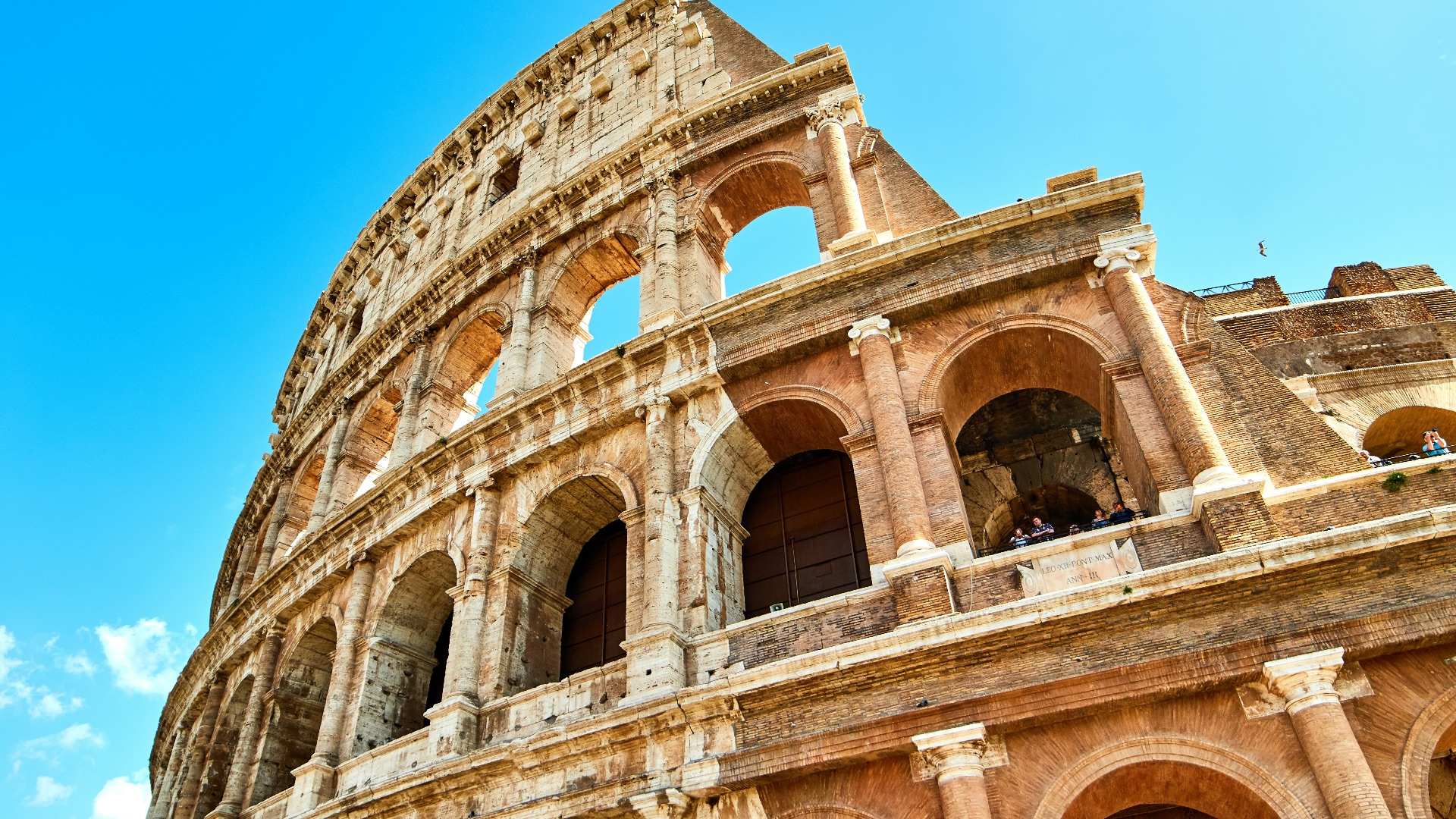
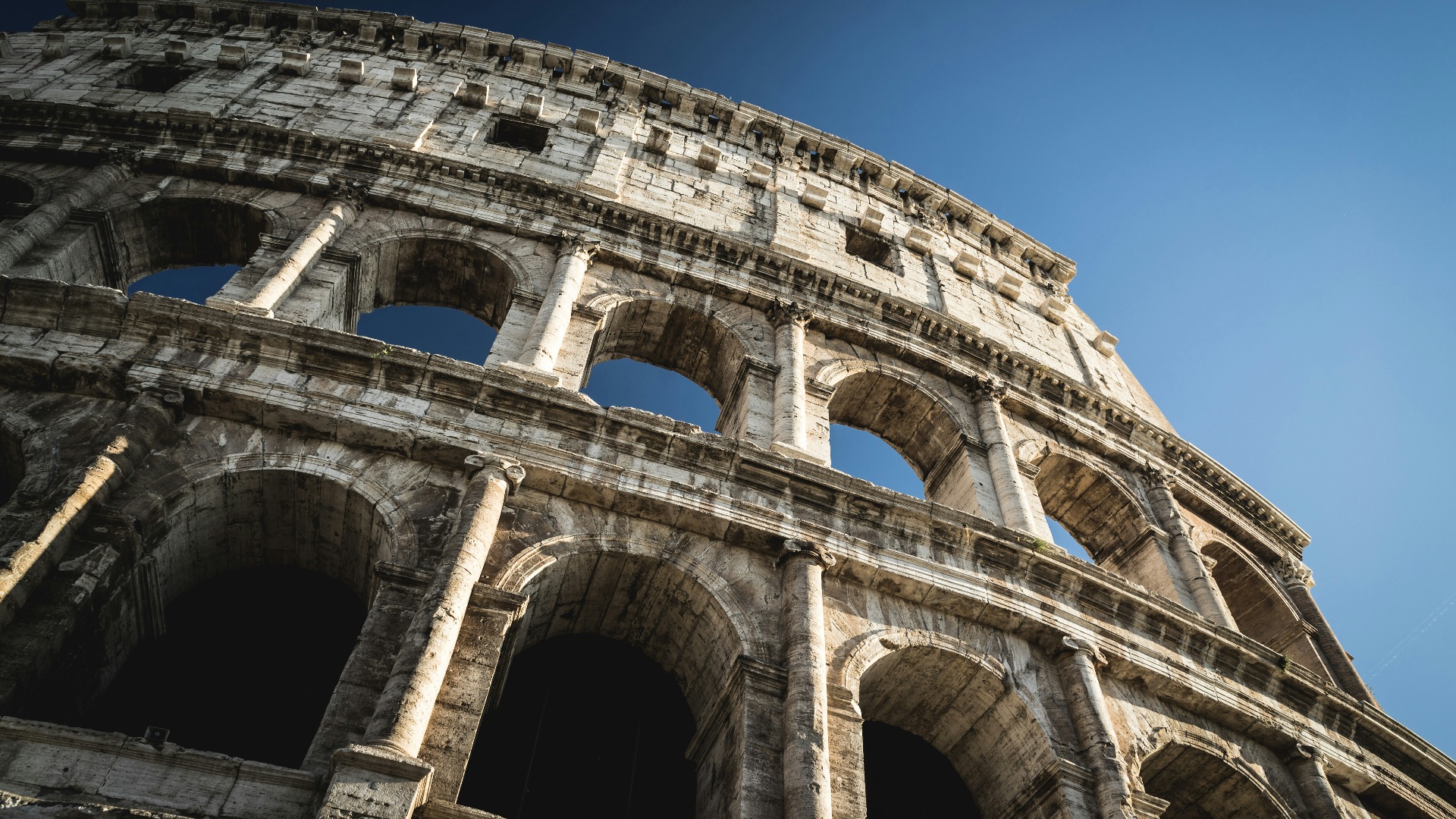
Rome is the classic example of an empire that didn’t just conquer, but organized: law, roads, cities, and a shared political identity did a lot of heavy lifting. Formally beginning in 27 BCE, it dominated the Mediterranean world and left a legacy that still shows up in legal systems, languages, and architecture alike. Even when the Western half collapsed, the Eastern half endured in a new form rather than vanishing overnight.
4. Byzantine Empire
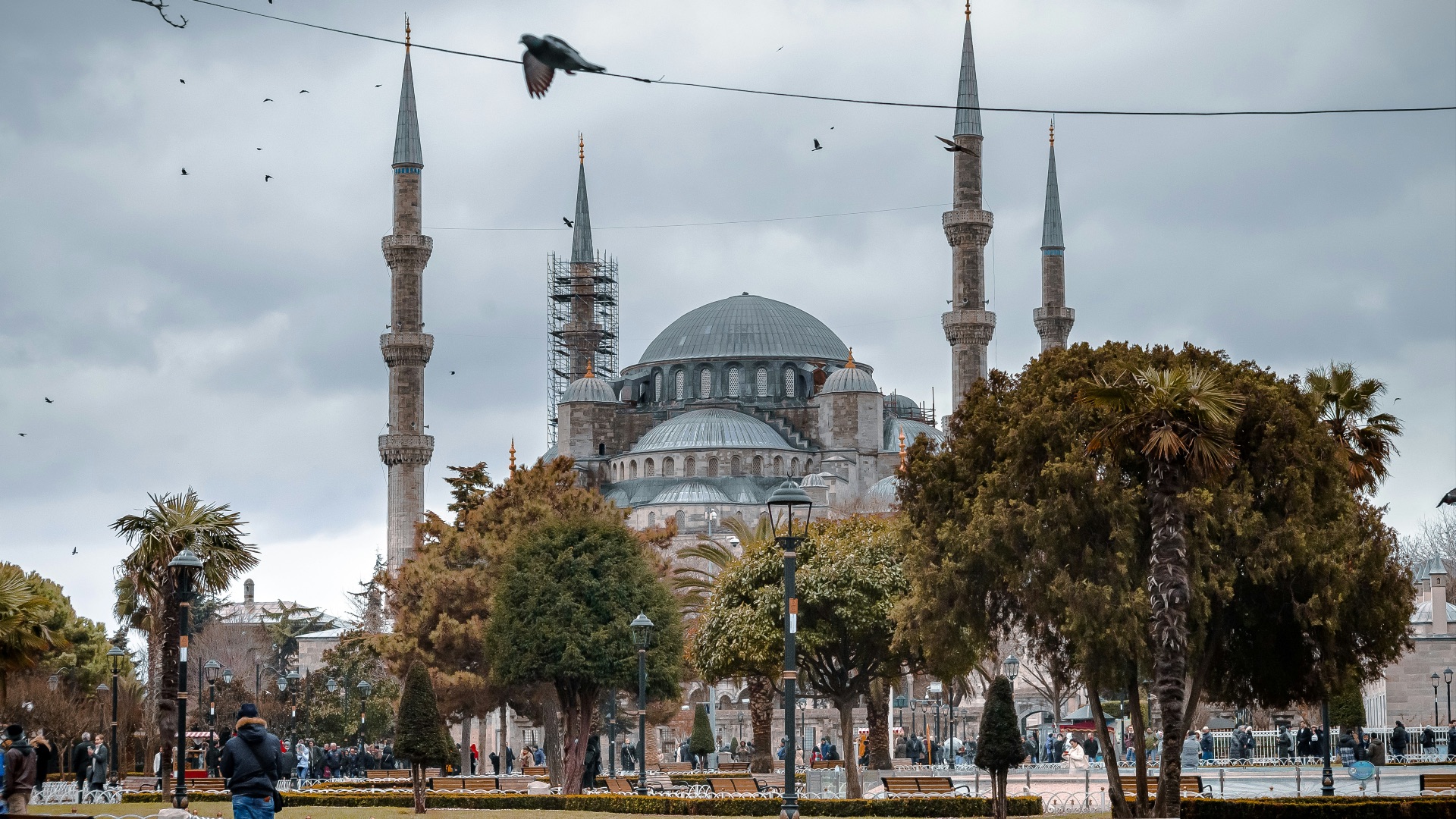
The Byzantine Empire was the continuation of the Roman Empire, specifically its Eastern half, surviving for about a thousand years after the West fractured. Centered on Constantinople, it preserved and adapted Roman governance while serving as a major bridge between Europe and Asia through trade and diplomacy. It lasted from 395 CE to its fall in 1453.
5. Umayyad Caliphate
The Umayyads were the first great Muslim dynasty to rule the caliphate, and their rapid expansion helped turn Islam into a major world civilization rather than a regional movement. With a capital at Damascus, they oversaw an empire that stretched across vast territory in a surprisingly short time. They also left a visible architectural legacy, which is one of the reasons this period still feels so tangible.
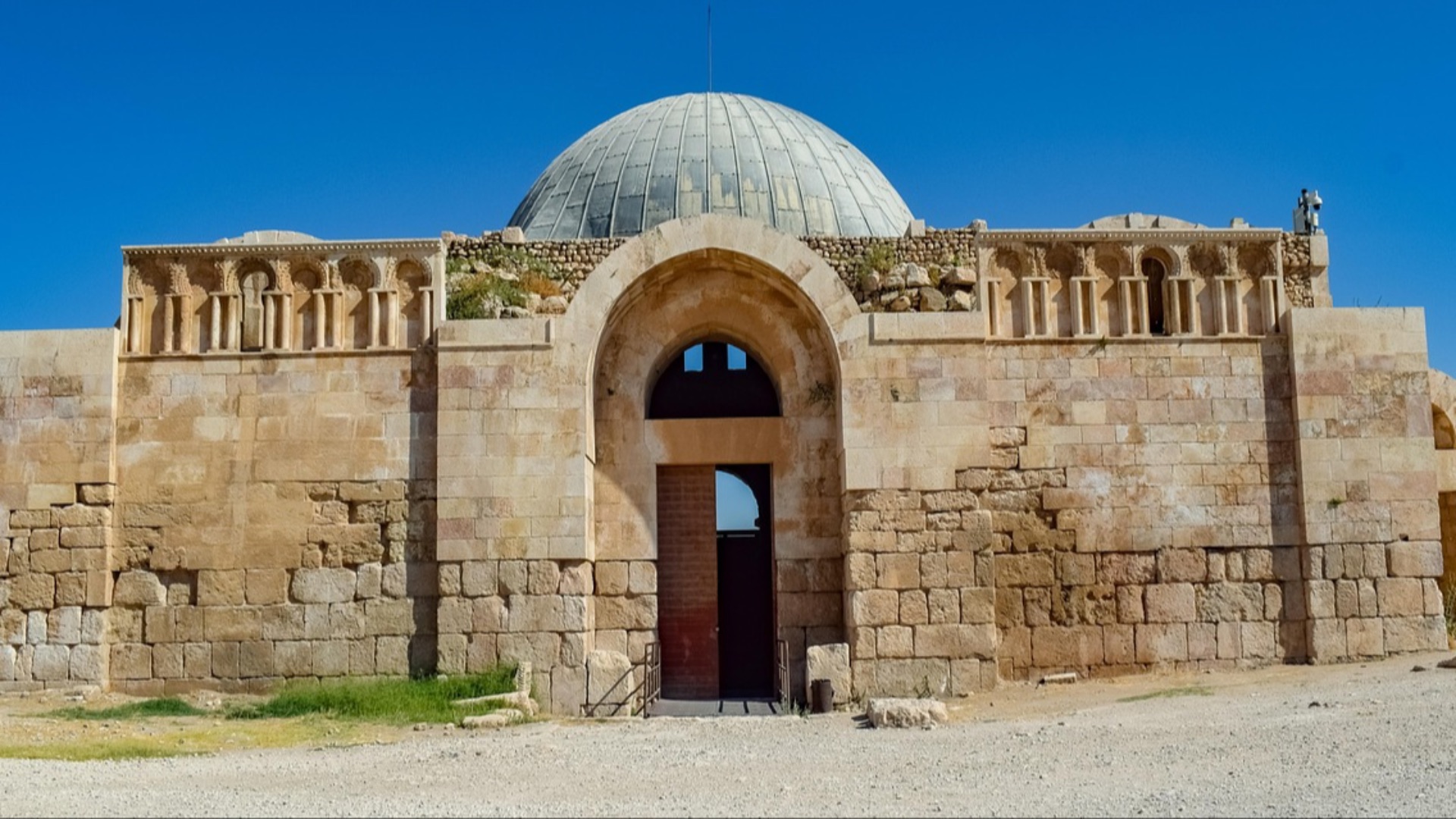 dimitrisvetsikas1969 on Pixabay
6. Abbasid Caliphate
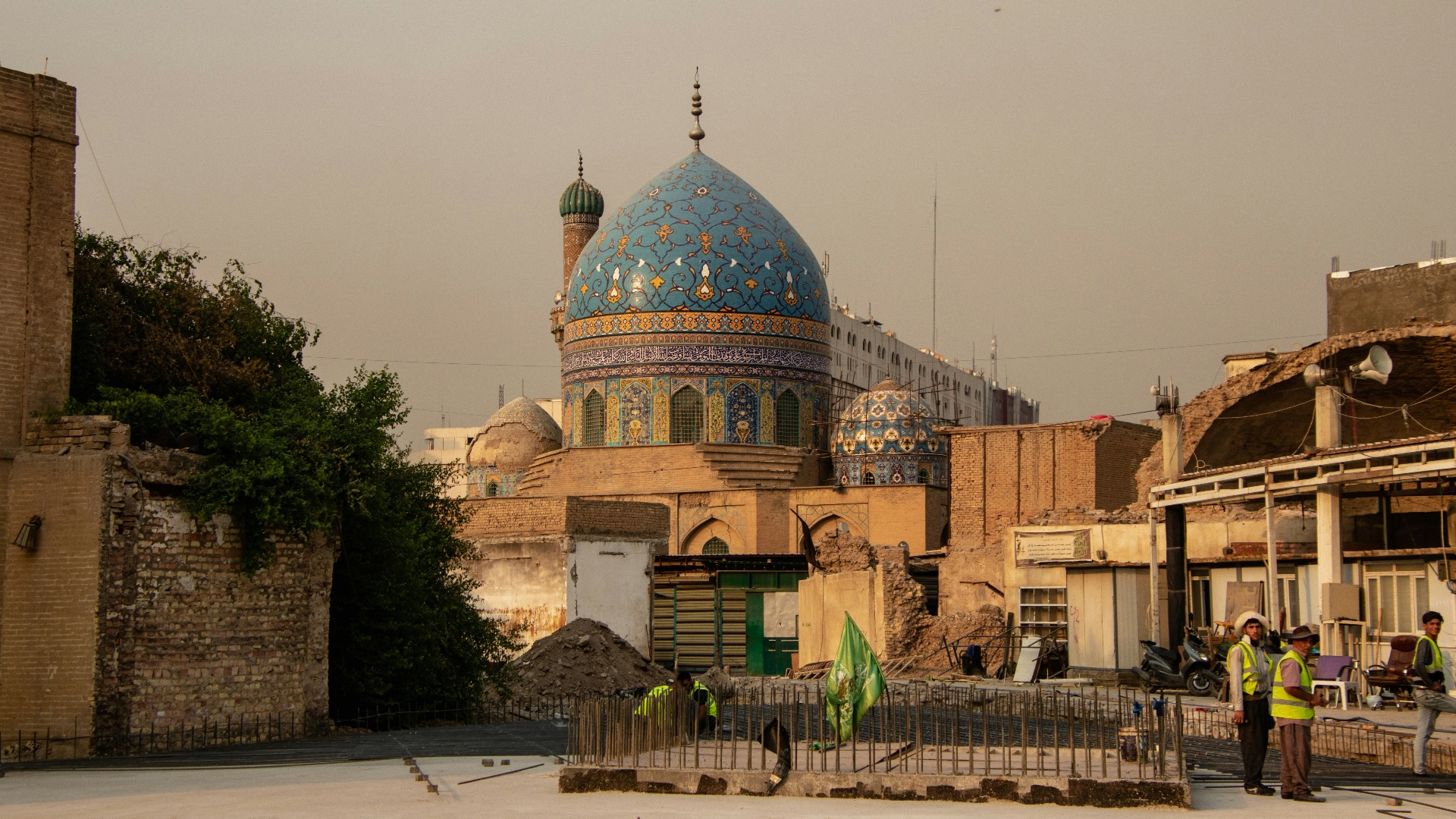
The Abbasids replaced the Umayyads in 750 CE and shifted the capital to Baghdad, which became a major commercial center. The era is closely tied to scholarship, translation, and cultural exchange, and it’s why people often associate the Abbasids with a “golden age” of Islamic civilization. Even when political control fragmented over time, the caliphate’s cultural influence didn’t simply disappear.
7. Ottoman Empire
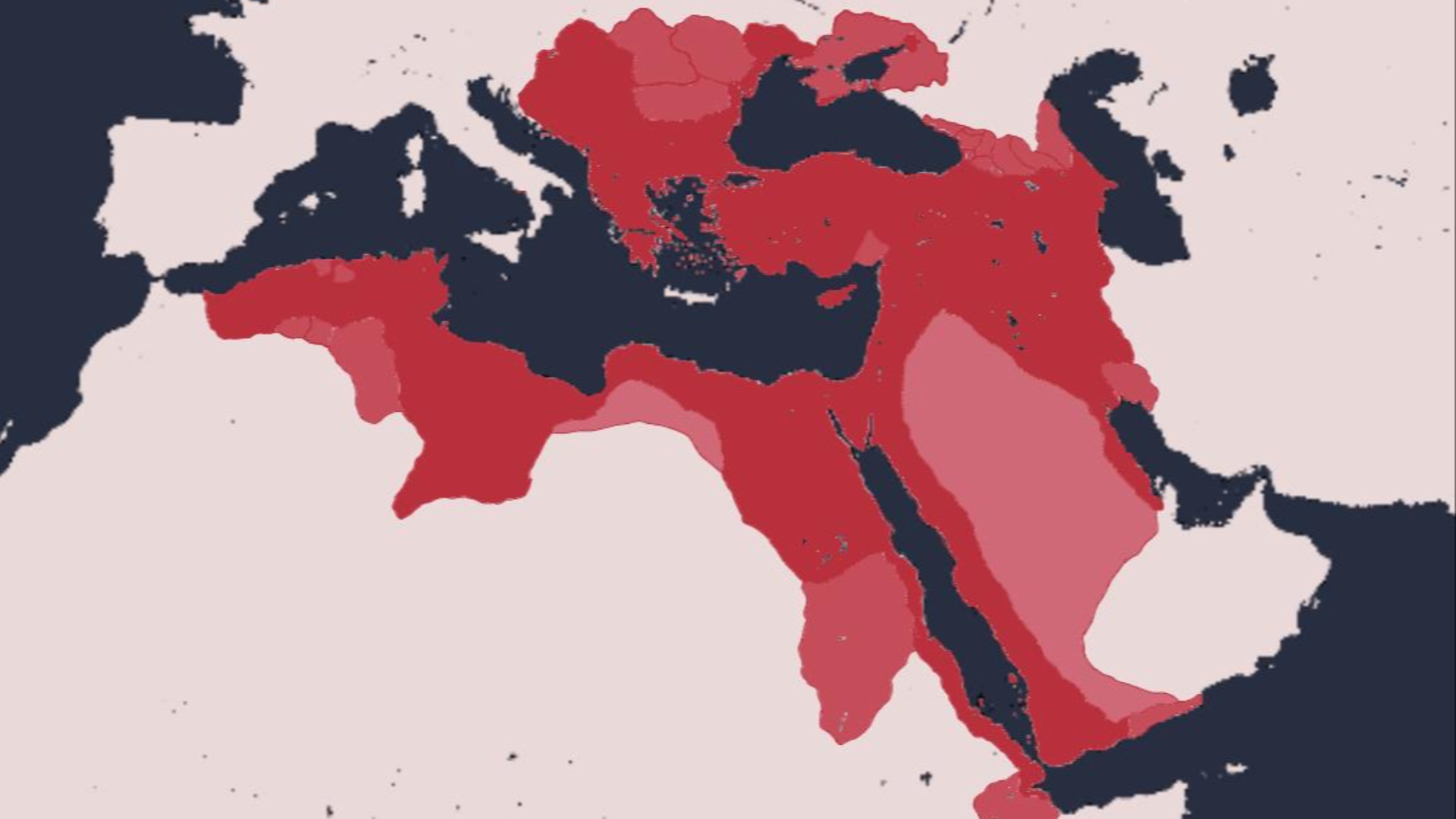
The Ottomans weren’t just powerful, they were resilient, lasting more than six centuries and ruling across parts of Europe, the Middle East, and North Africa. In the 15th and 16th centuries they became one of the world’s most formidable states, and their government could manage a striking mix of languages, religions, and local customs. The empire’s final unraveling after World War I ended a long chapter of regional order and reshuffled borders in ways we still feel today.
8. Mongol Empire
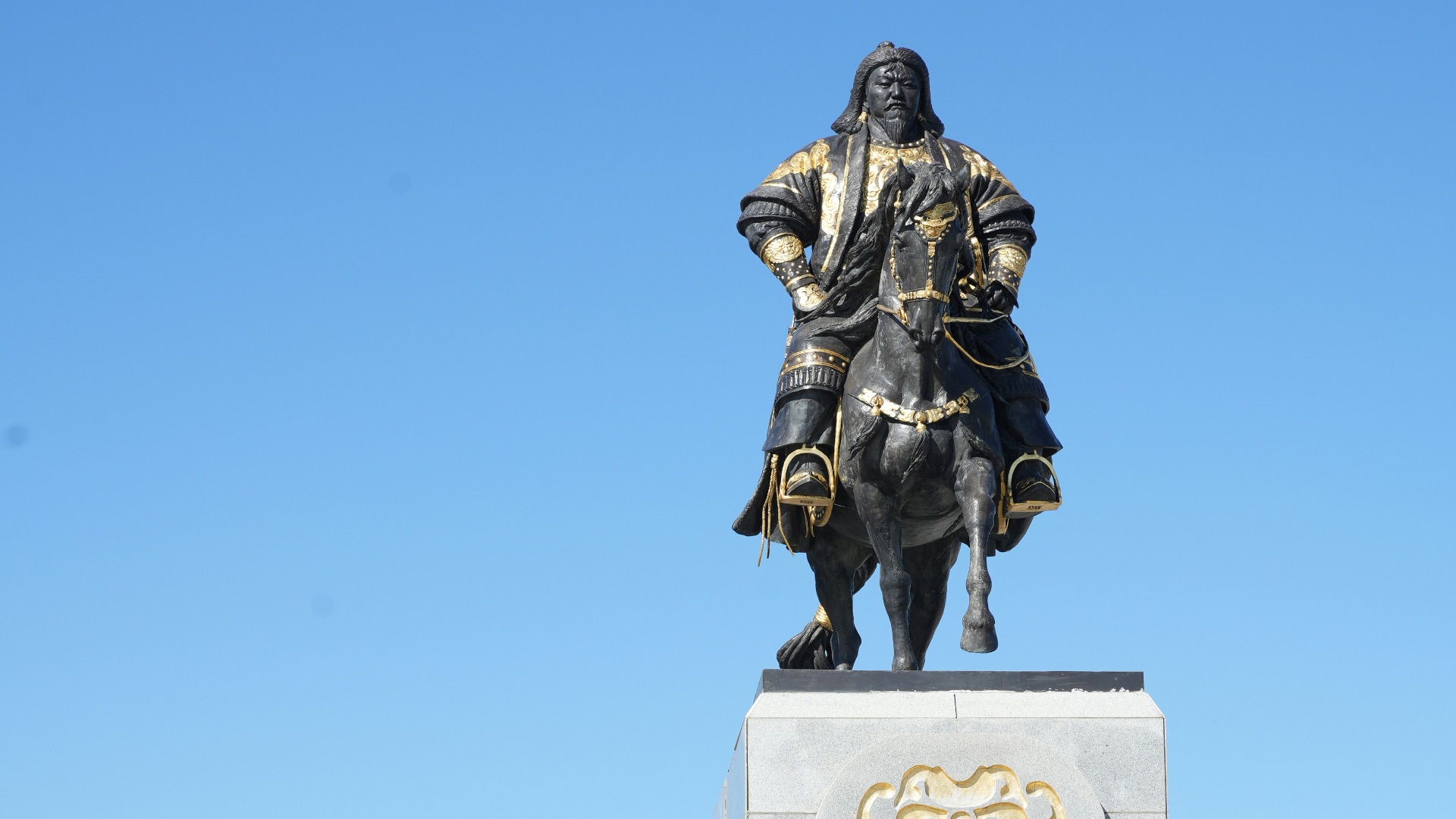
If you’re thinking “largest contiguous land empire,” you’re thinking of the Mongols at their peak. Founded by Genghis Khan in 1206, it stretched from East Asia toward Europe and the Middle East, knitting together enormous distances through conquest and administration. It wasn’t all peace and trade, obviously, but its connectivity reshaped Eurasian exchange in a way few empires ever matched.
9. Mauryan Empire
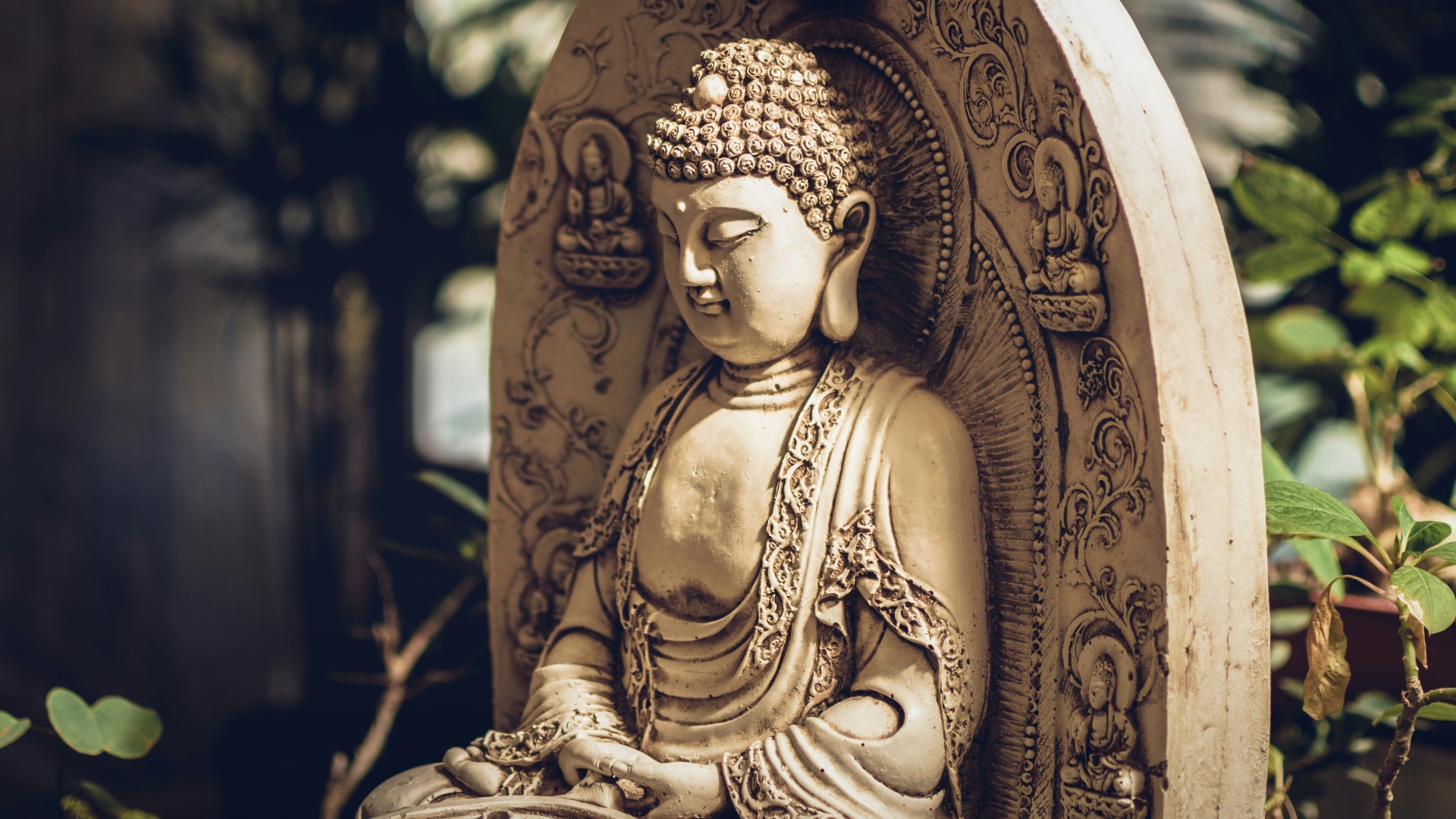
The Mauryan Empire is one of the best examples of early large-scale statecraft in South Asia, especially under Ashoka. After embracing a policy centered on dharma, Ashoka promoted governance tied to public works and social welfare, and he also played a major role in supporting Buddhism’s spread.
 Jose Luis Sanchez Pereyra on Unsplash
10. Mughal Empire
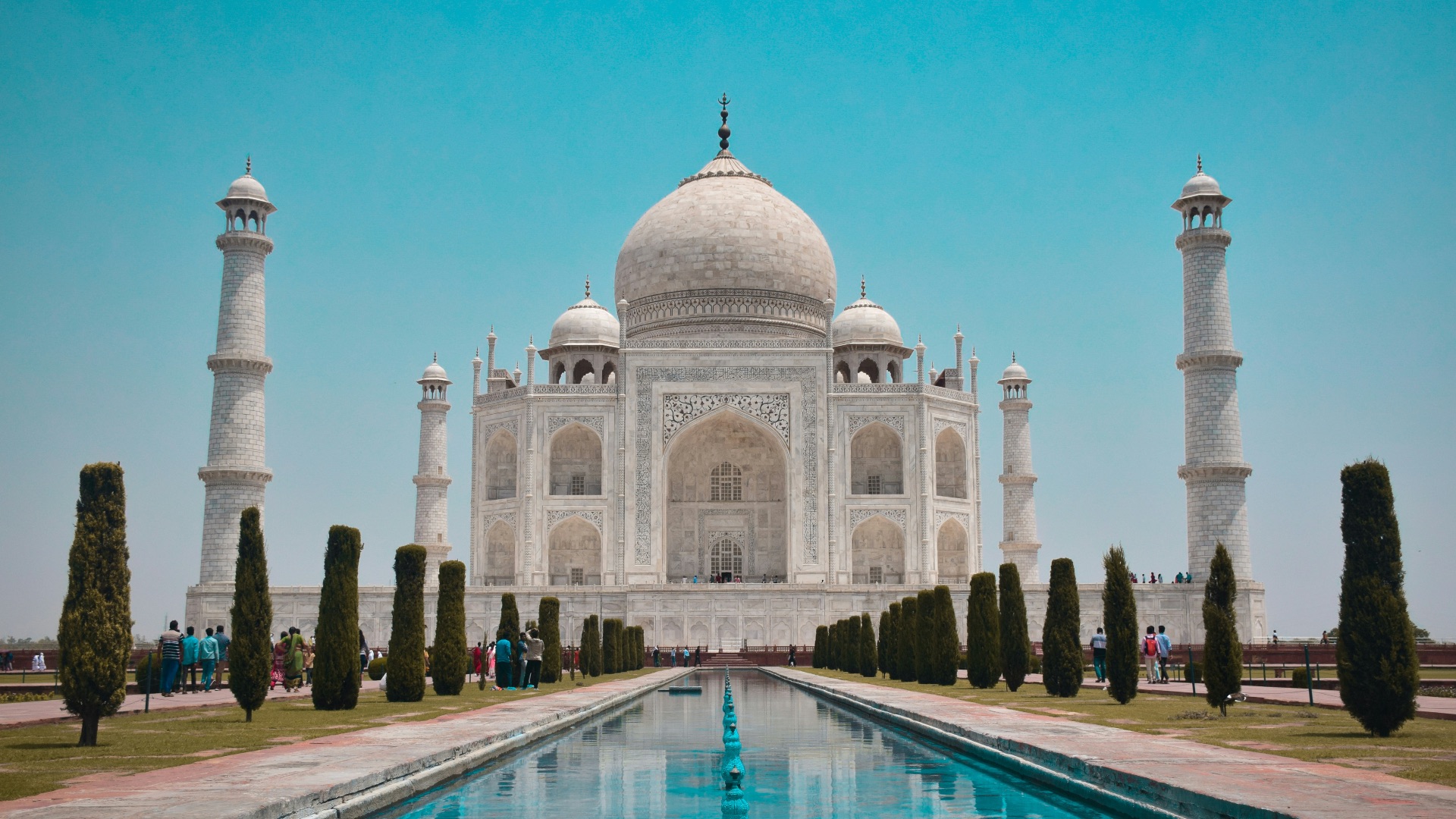
The Mughal Empire shaped northern India through administration, wealth, and cultural influence, not just territory. Its rule from the early 16th into the 18th century produced an imperial system that could be centralized and effective at scale, especially during its strongest period. And yes, it also left some of the most famous architecture on earth, such as the Taj Mahal.
11. Han Dynasty
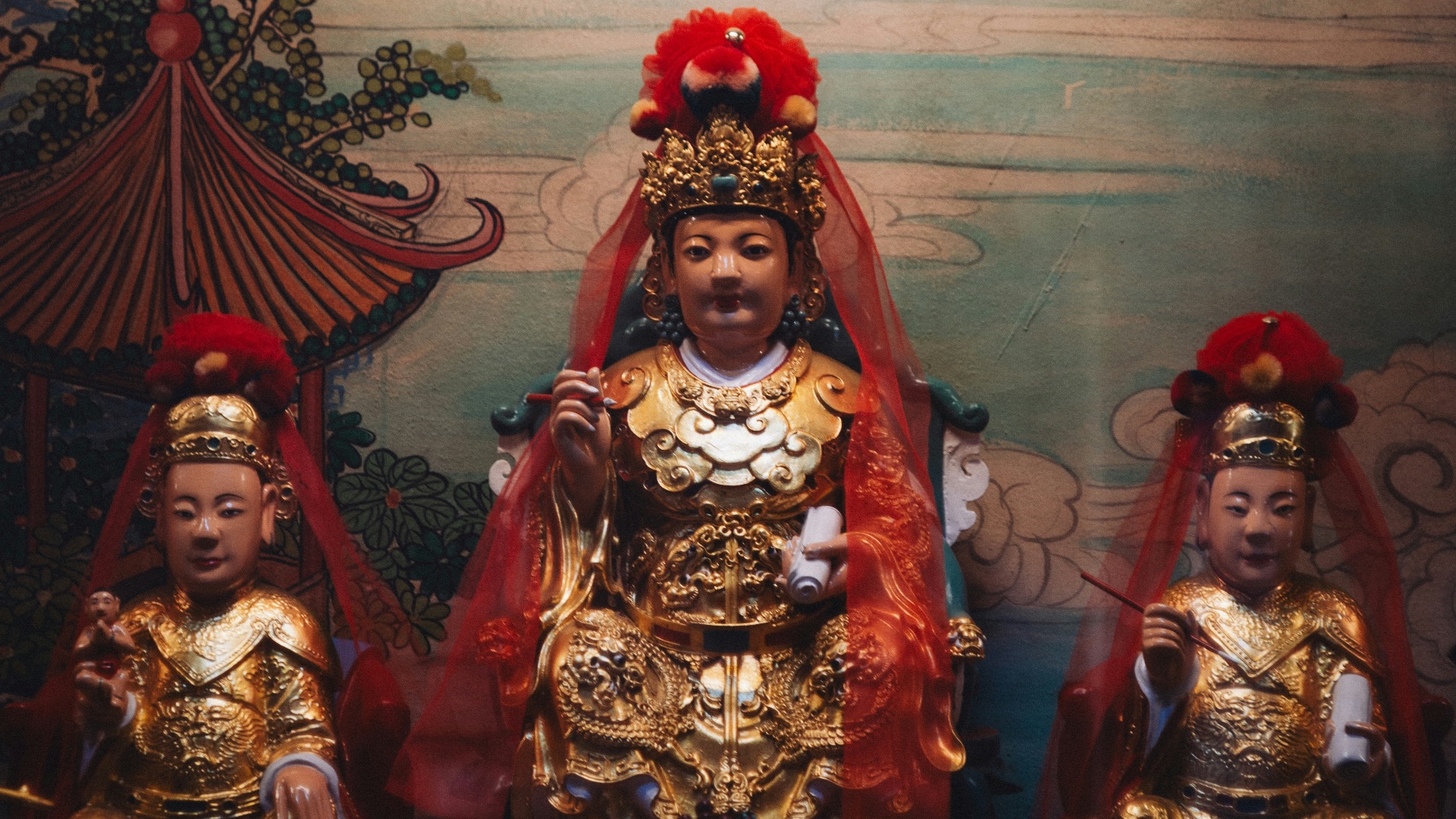
The Han helped set the tone for what “imperial China” would look like, which is a pretty significant legacy to claim. Ruling from 206 BCE to 220 CE, it built on earlier administrative structures and turned them into a durable imperial model. Even the name “Han” later became tied to Chinese identity itself, which tells you how deep the influence runs.
 Honney Artkongharn on Unsplash
12. Tang Dynasty
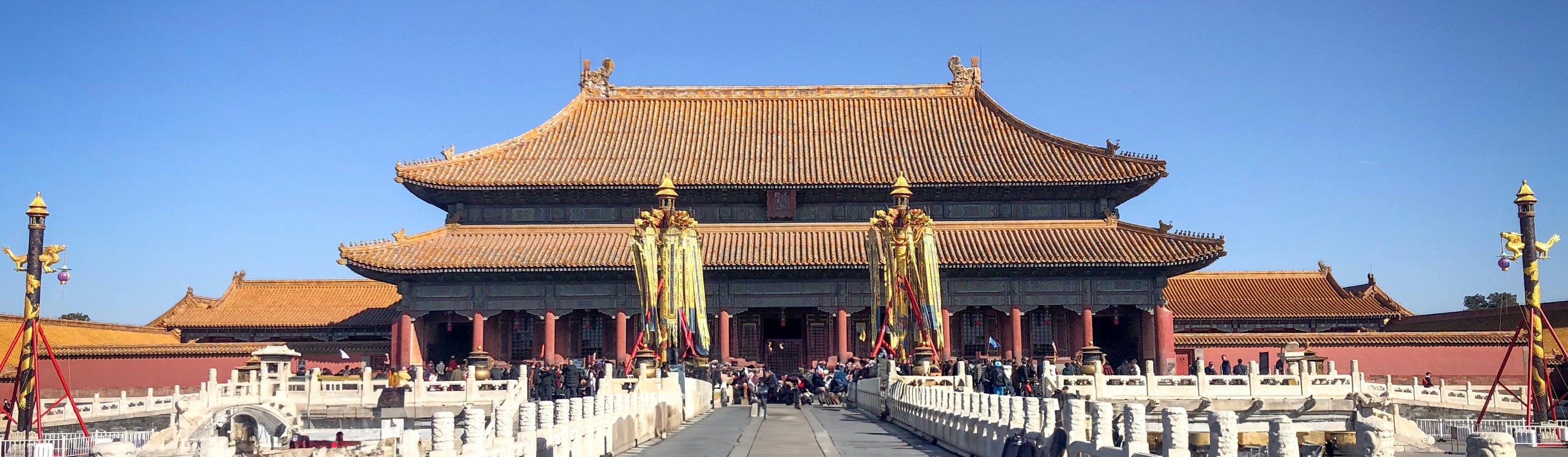
If the Han helped define the structure, the Tang helped define the cultural flowering. From 618 to 907 CE, Tang China is often described as a golden age, with major achievements in governance, art, and international exchange. Its capital, Chang’an (modern day Xi'an), became a genuinely global metropolis for its time, which is the kind of detail that makes history feel surprisingly modern.
13. Qing Empire
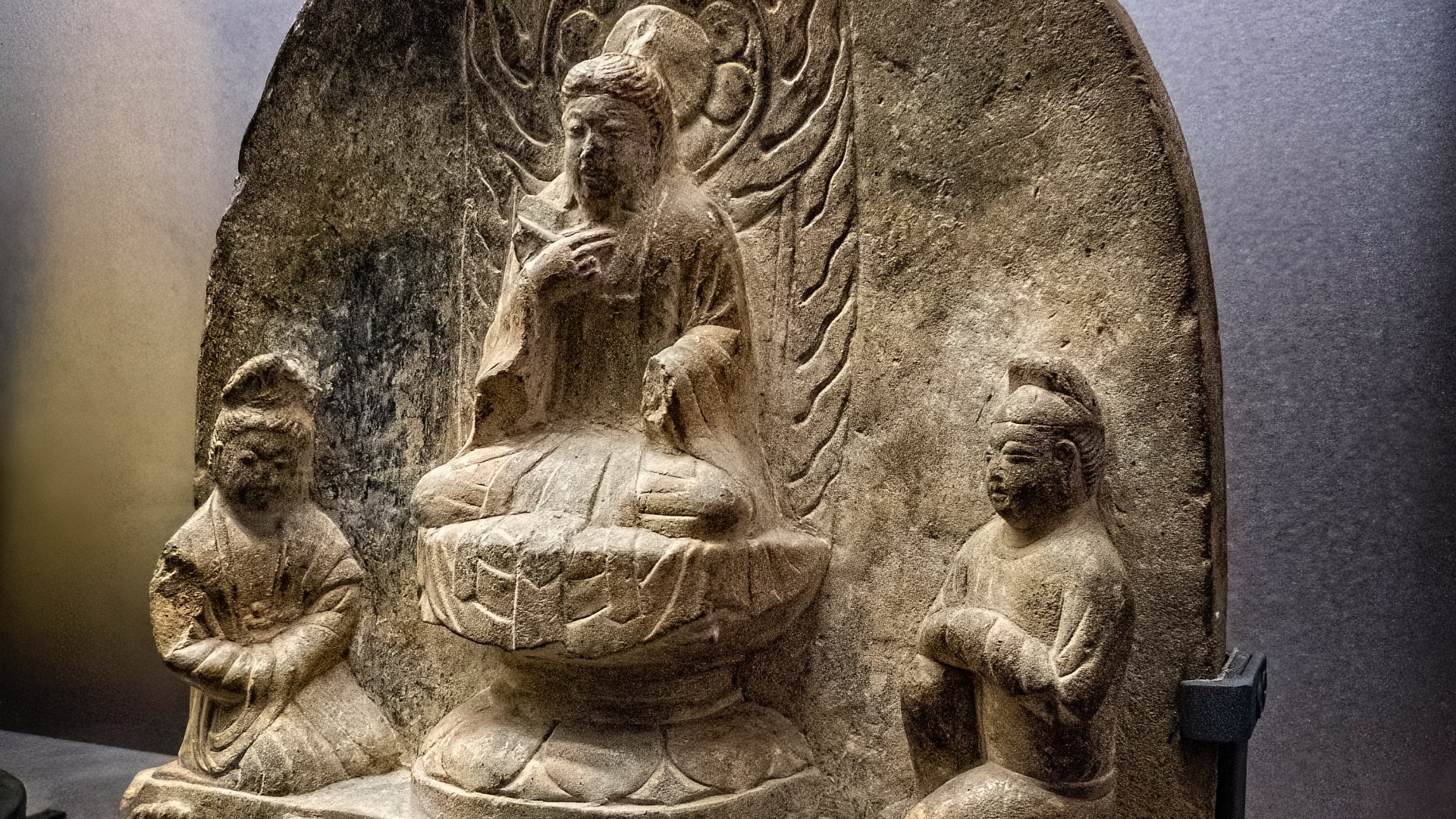
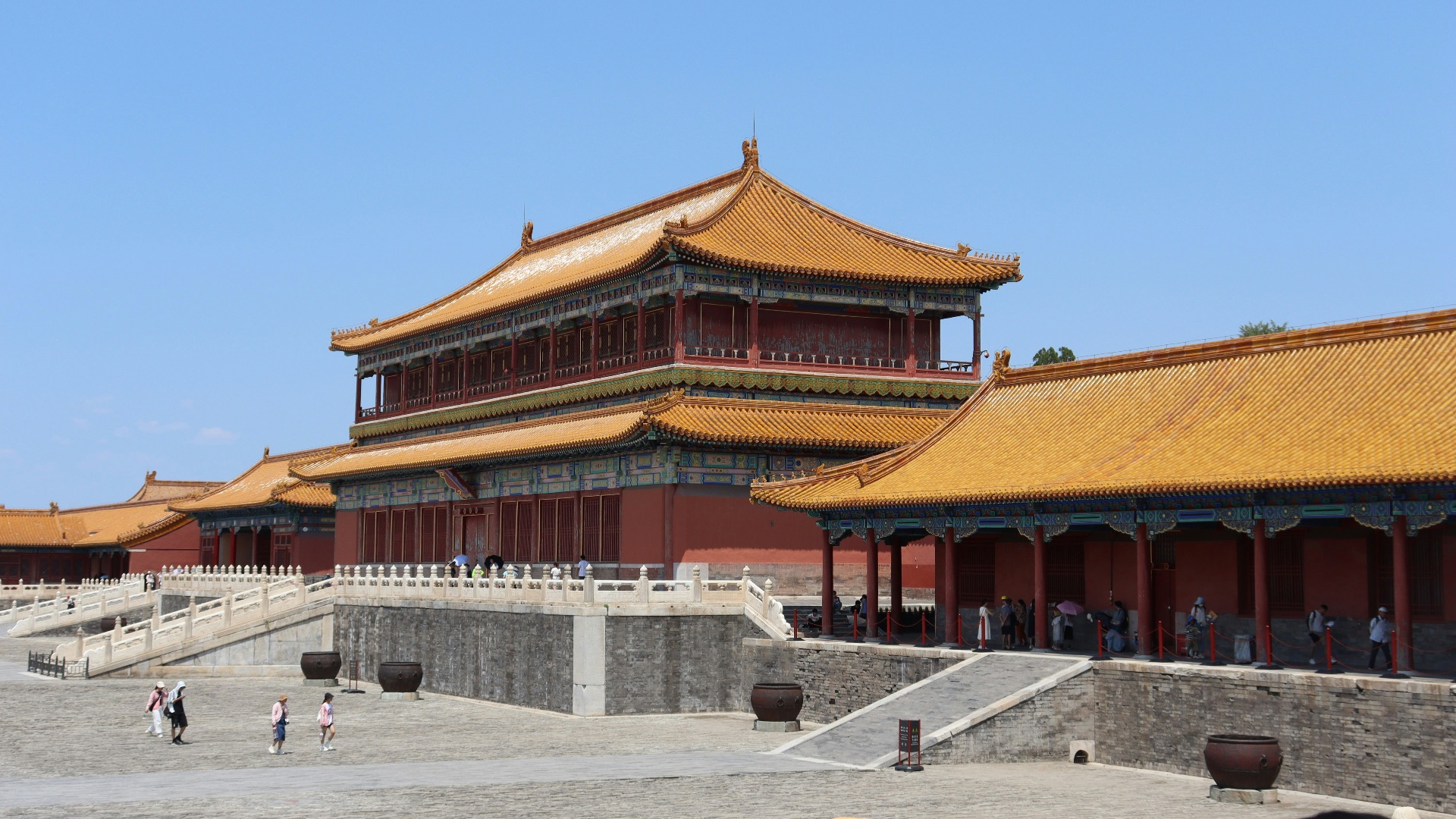
The Qing were the last imperial dynasty of China, spanning from 1644 to around 1912, and they oversaw major territorial expansion and population growth across centuries. The empire grew dramatically in size and integrated a wide variety of peoples into a single imperial system.
14. British Empire
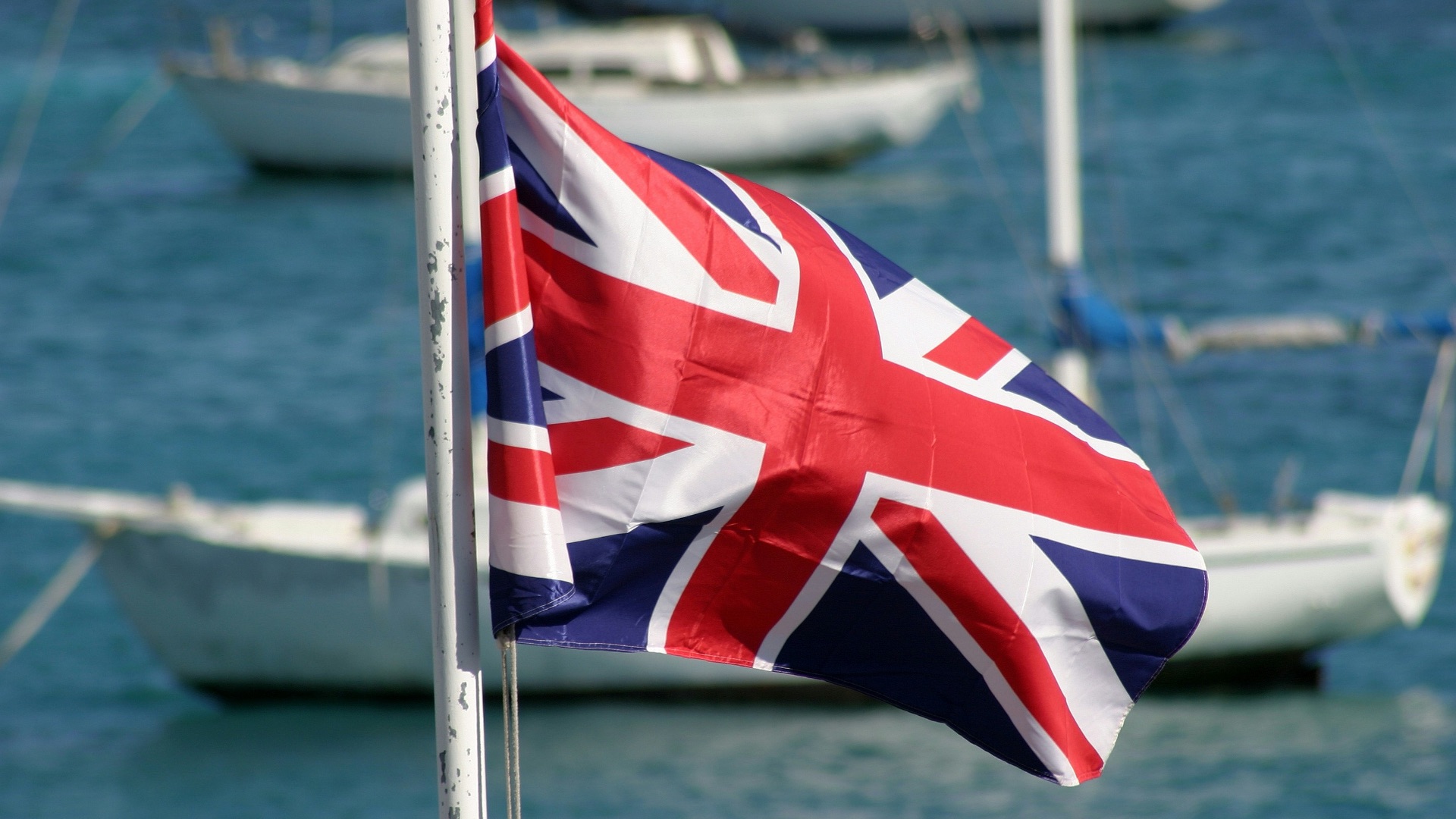
At its height, the British Empire became the largest empire in history, spanning colonies and territories across multiple continents. It wasn’t just about land, either; it was a system of trade, administration, and influence that shaped global politics and economics for centuries. The consequences, for better and worse, are still obvious in languages, borders, and institutions worldwide.
15. Spanish Empire
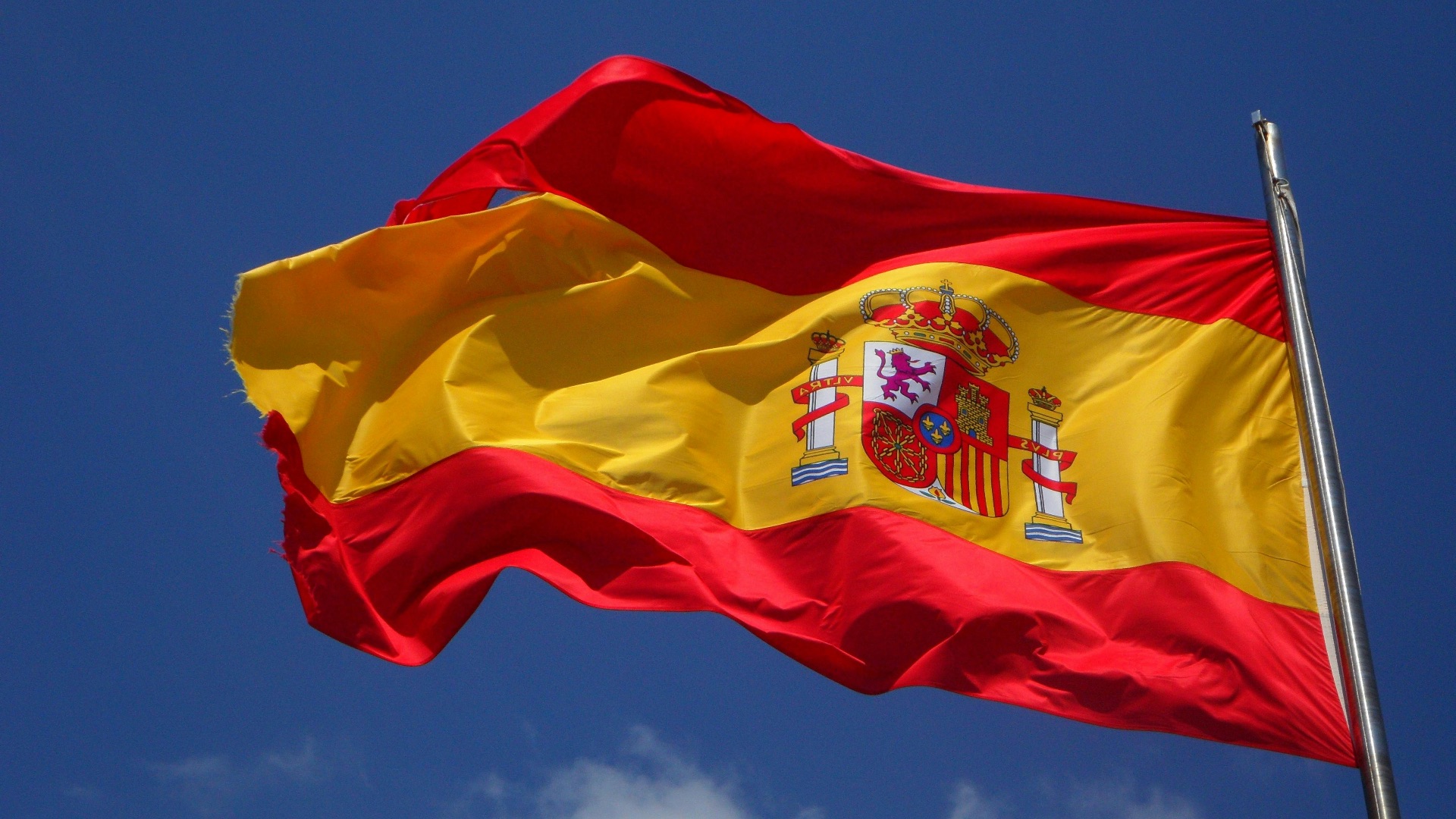
Spain’s empire was one of the first truly global empires, linking the Americas, Africa, Europe, Asia, and beyond through exploration and conquest. It transformed the Atlantic world through colonization, resource flows, and cultural change on a massive scale. Even after its peak, its linguistic and cultural footprint remained enormous, especially across the Americas.
16. Portuguese Empire
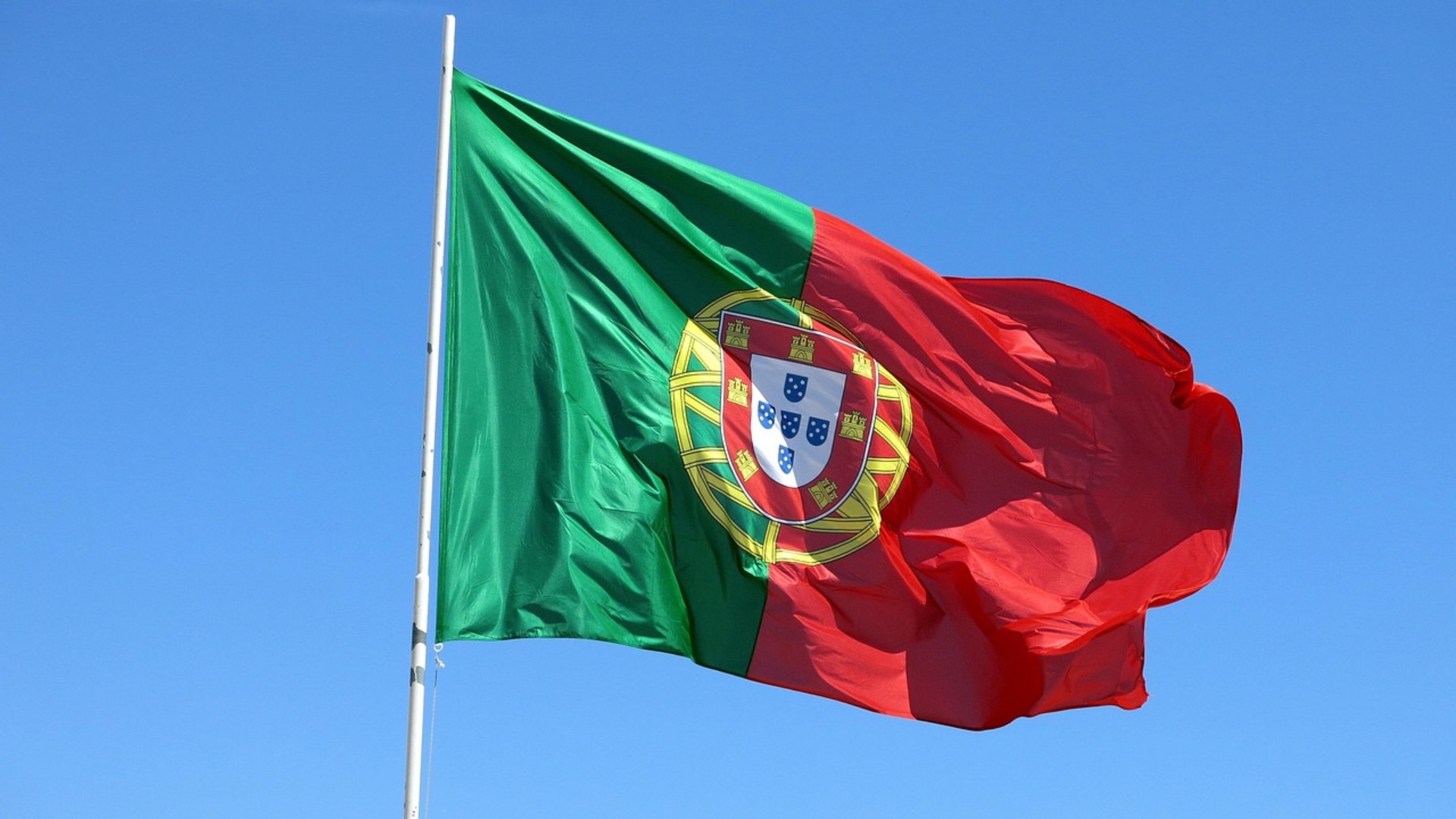
Portugal built an empire that was less about one continuous landmass and more about strategic coastal nodes, sea routes, and trade networks. It began early, in 1415, expanded through maritime exploration, and lasted remarkably long, stretching into the late 20th century.
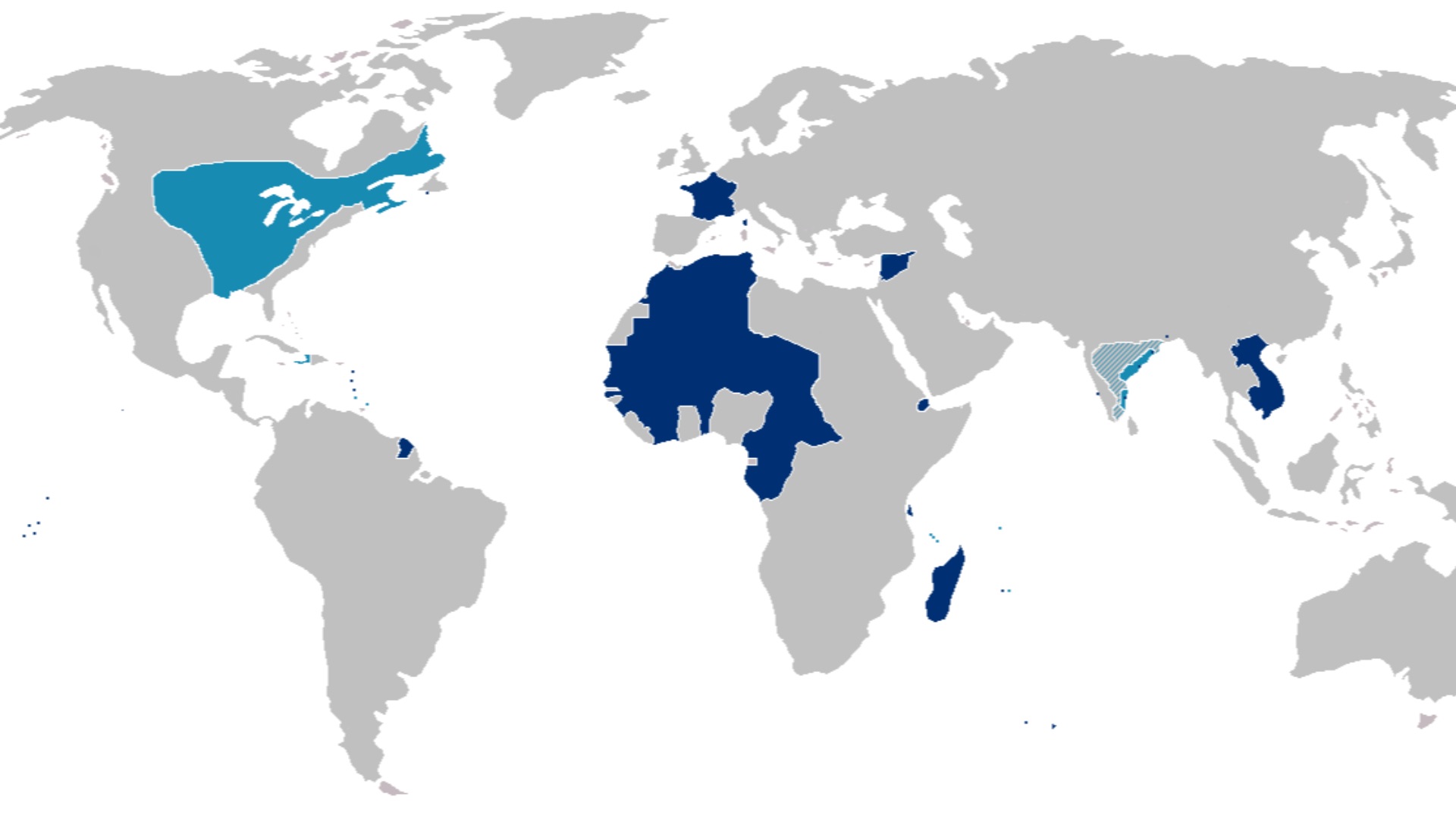
17. French Colonial Empire
France’s imperial story is complicated, partly because it surged and shifted across different eras rather than following one steady arc. Still, France built a major overseas empire that shaped language, education, and political structures across large parts of Africa, the Caribbean, and Asia. Its legacy is especially visible in the way French culture and institutions took root far beyond Europe.
18. Russian Empire
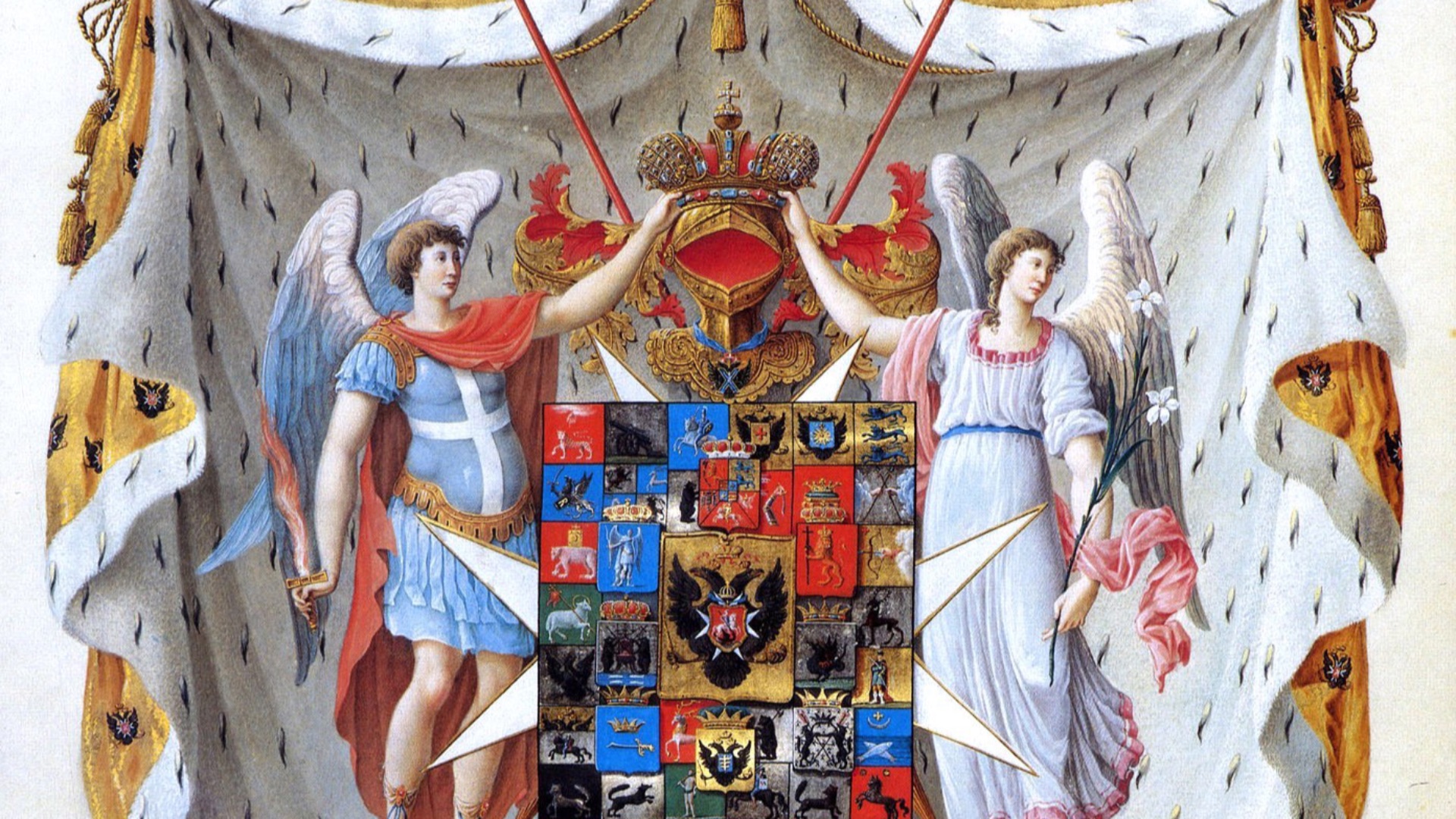
The Russian Empire formally began in 1721 when Peter I received the title of emperor, and it expanded into a vast multiethnic state. Managing that scale meant governing huge distances, a wide range of peoples, and very different regions under one imperial umbrella. Its collapse in 1917 didn’t erase its influence either, since it shaped the political trajectory of the region that followed.
 Russian_Empire-Full_coat_of_arms on Wikimedia
19. Inca Empire
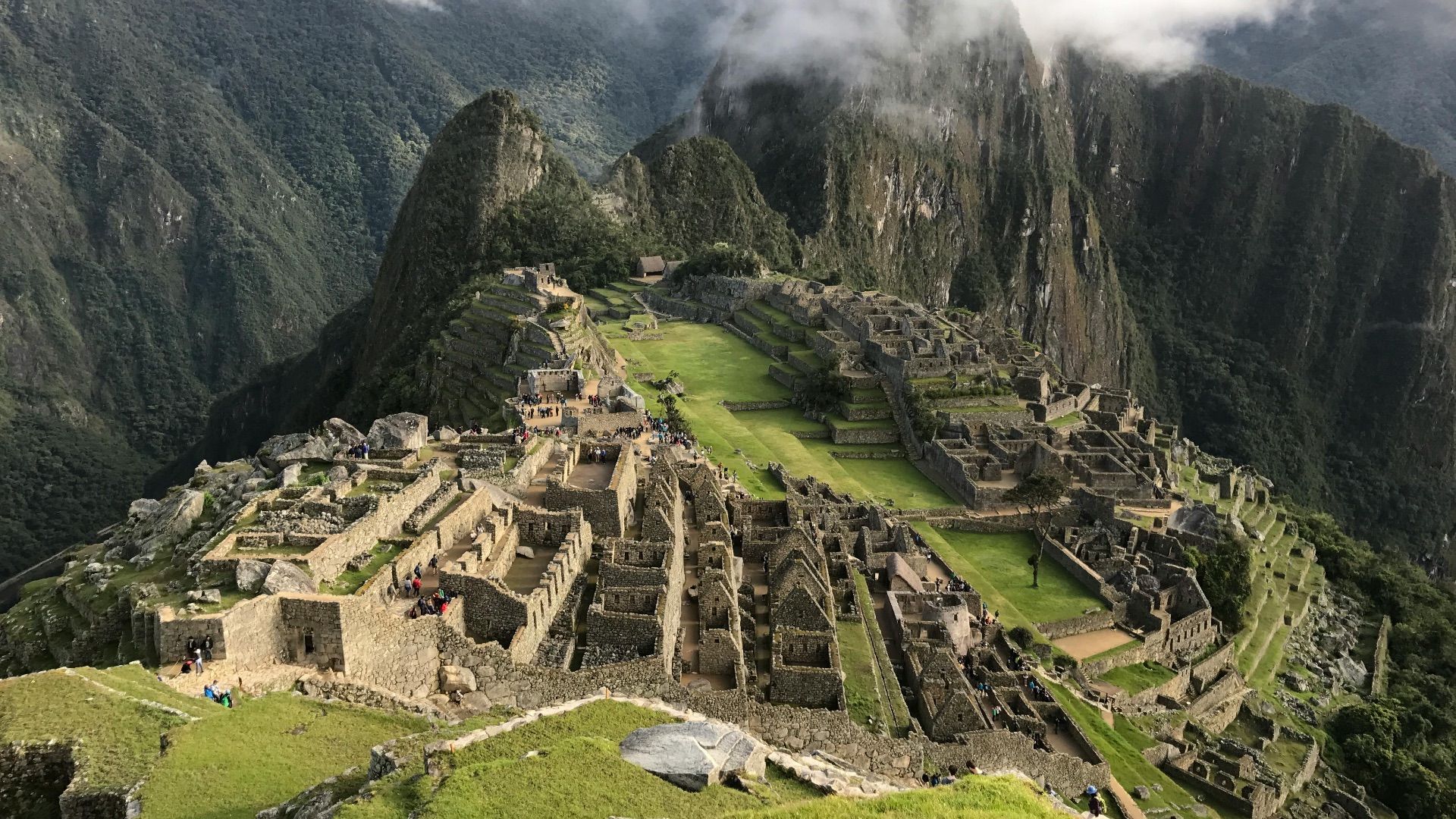
The Inca ruled a powerful Andean empire along the Pacific coast and highlands, stretching from areas of modern Ecuador down into central Chile. What’s striking is how much they achieved in infrastructure and organization across challenging terrain, tying together regions with roads and state systems that supported imperial control. The Spanish conquest in the 1530s ended their political dominance, but the imprint of Inca society still matters deeply in the Andes.
20. Aztec Empire
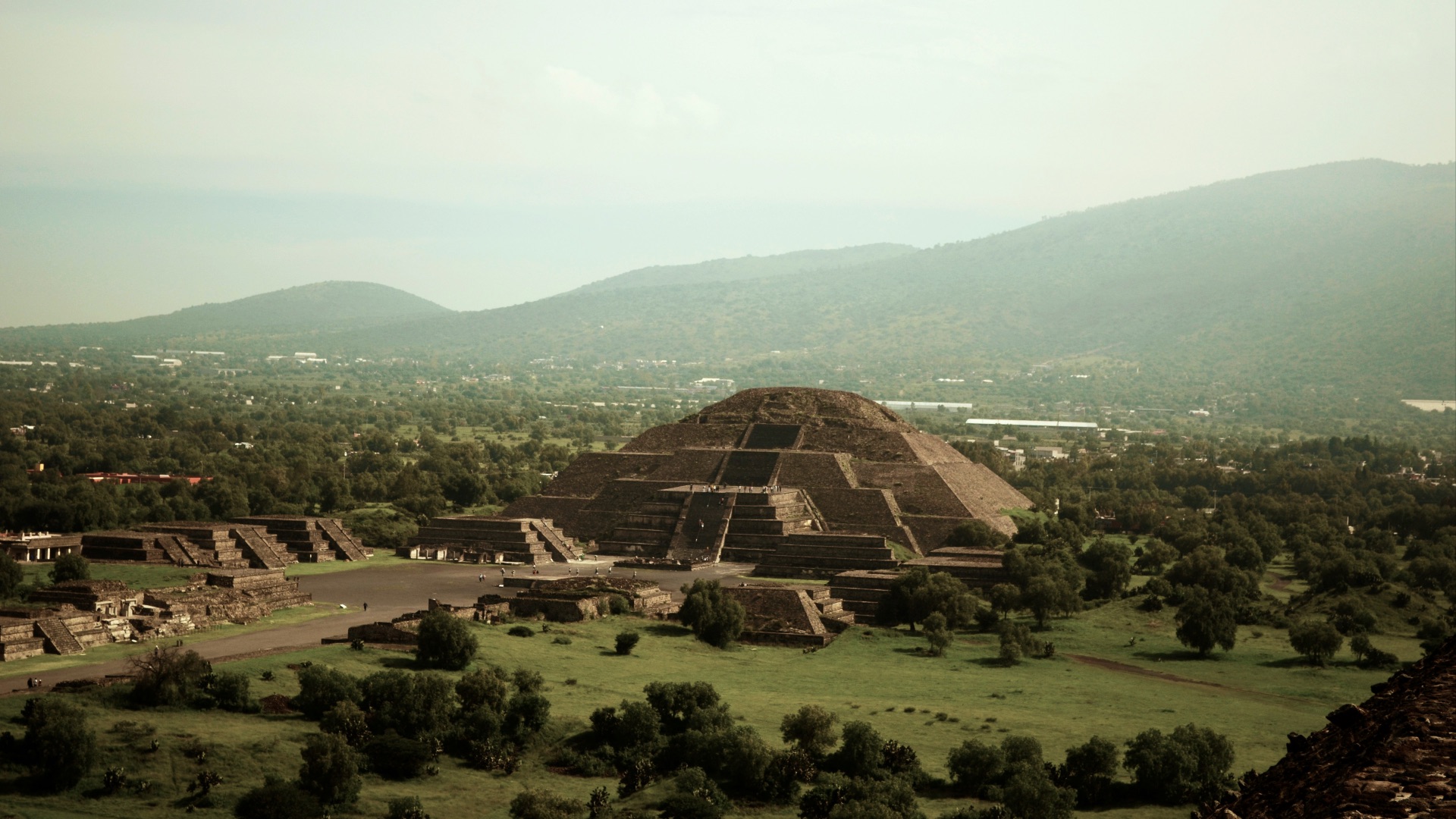
The Aztec built a major empire in what's now central and southern Mexico, anchored by the extraordinary city of Tenochtitlan. Their political power, tribute networks, and cultural influence made them dominant in the region right up until the Spanish conquest in 1521. Even today, the Aztec story is inseparable from the history of Mexico because the legacy didn’t vanish when the empire fell.
KEEP ON READING