The Long Afterlife of Lost Books
Some places refuse to disappear quietly, and Alexandria is one of them. Long after its shelves vanished, questions about what happened kept resurfacing. The story that follows is not built around one dramatic ending, but around change over time. Power shifted, priorities changed, and knowledge slowly moved elsewhere. Come with us as we look at how ideas survived without a single home to protect them.
1. The Ptolemaic Vision For Universal Knowledge
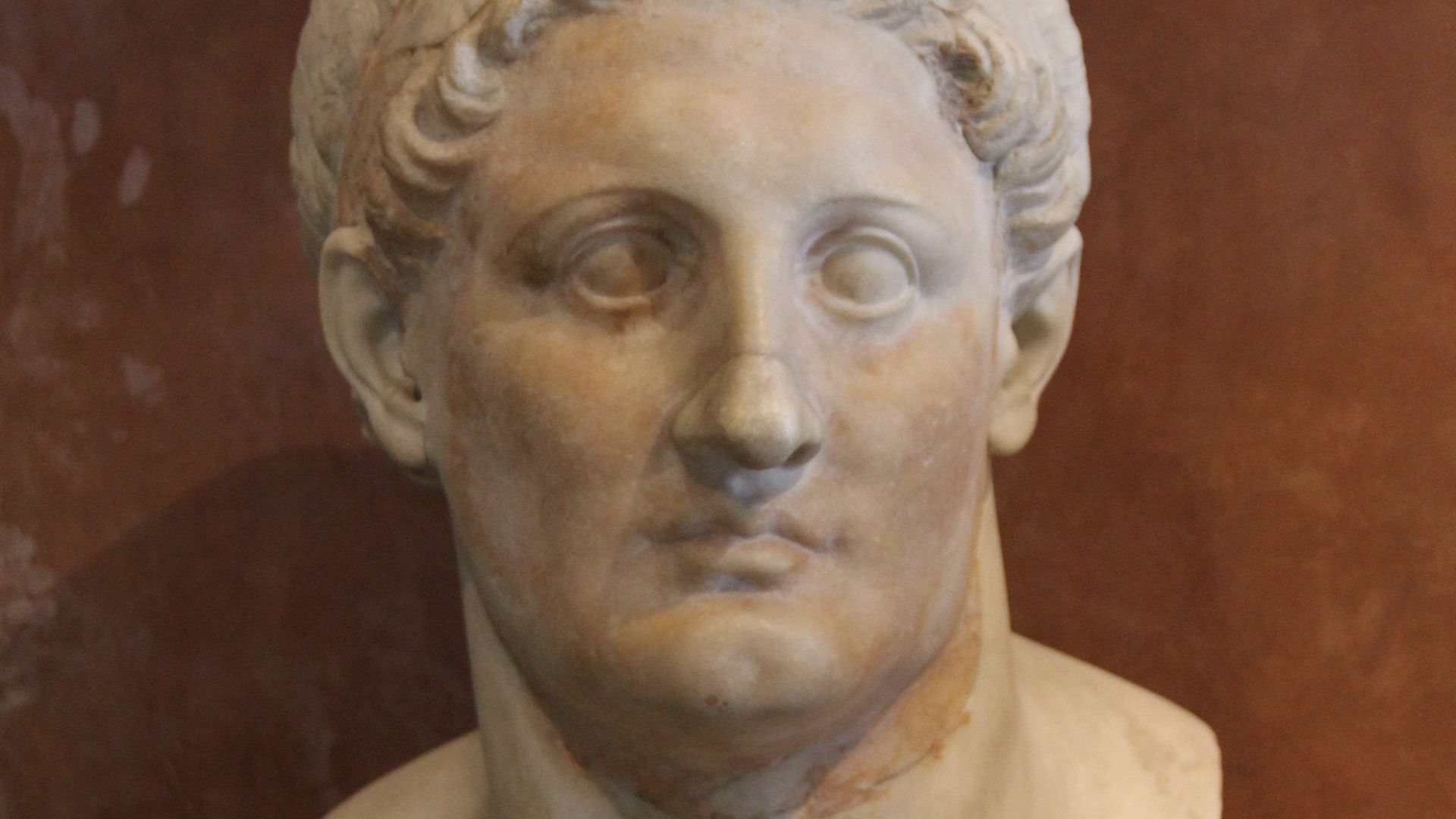
Under Ptolemy I Soter, Alexandria was designed as a Greek-Egyptian center of learning. Guided by Demetrius of Phalerum, the goal was radical: gather all known knowledge in one place. Expansion accelerated under Ptolemy II Philadelphus, turning ambition into an institution.
 Gary Todd from Xinzheng, China on Wikimedia
2. Books Were Treated as State Property
The library didn't wait for donations. Ships entering Alexandria were searched, books were seized, copied, and often replaced with duplicates. Originals stayed behind. The aggressive policy built an unmatched collection quickly, though it also created resentment among traders and scholars who never got their manuscripts back.
3. Caesar’s Fire Caused Damage, Not Extinction
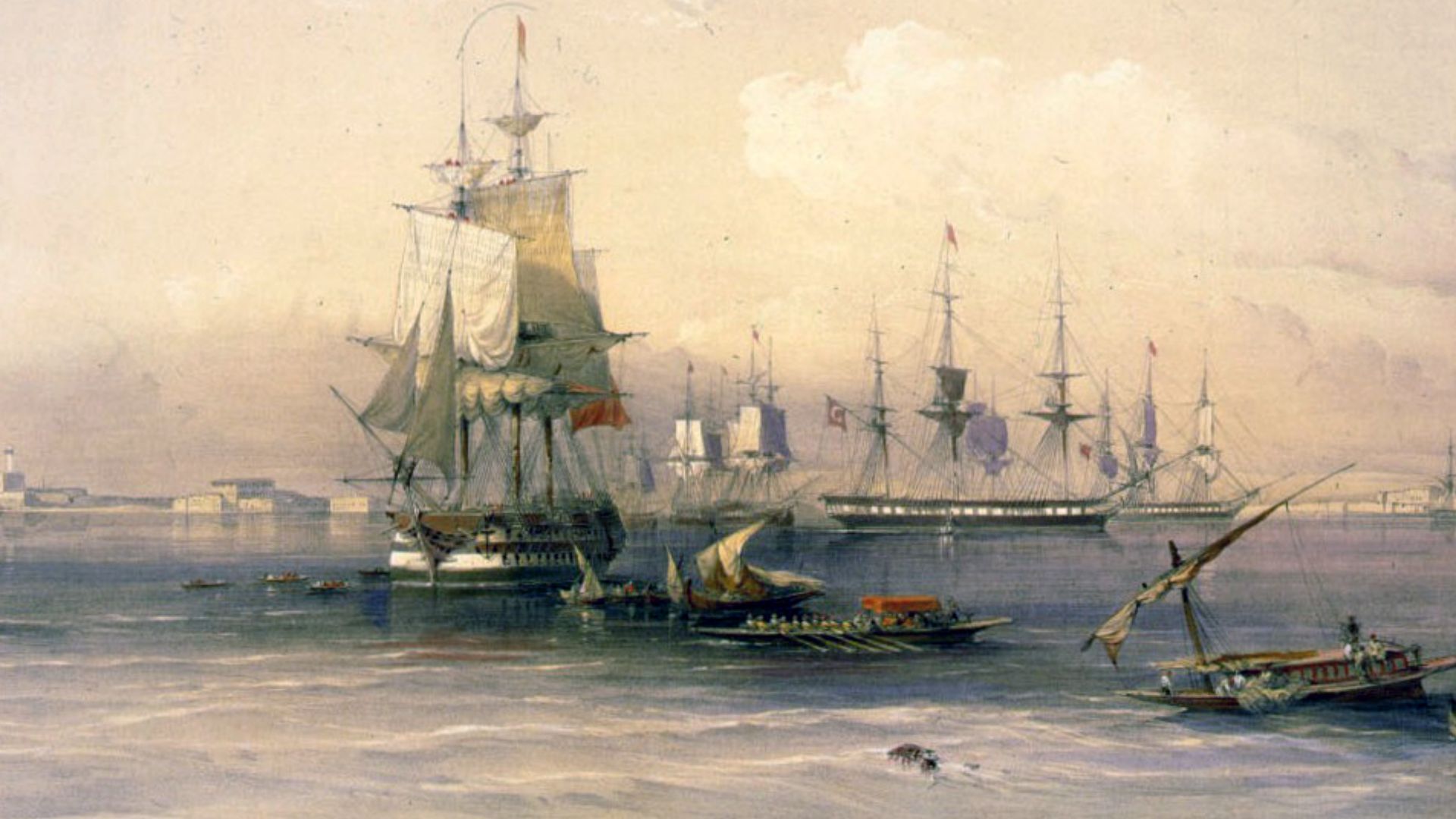
During the Alexandrian War in 48 BCE, Julius Caesar ordered ships burned in the harbor. The fire spread to nearby storage areas, destroying tens of thousands of scrolls. Contemporary evidence suggests the main library survived, which makes this a serious blow rather than a final collapse.
4. The Serapeum Outlived the Main Library
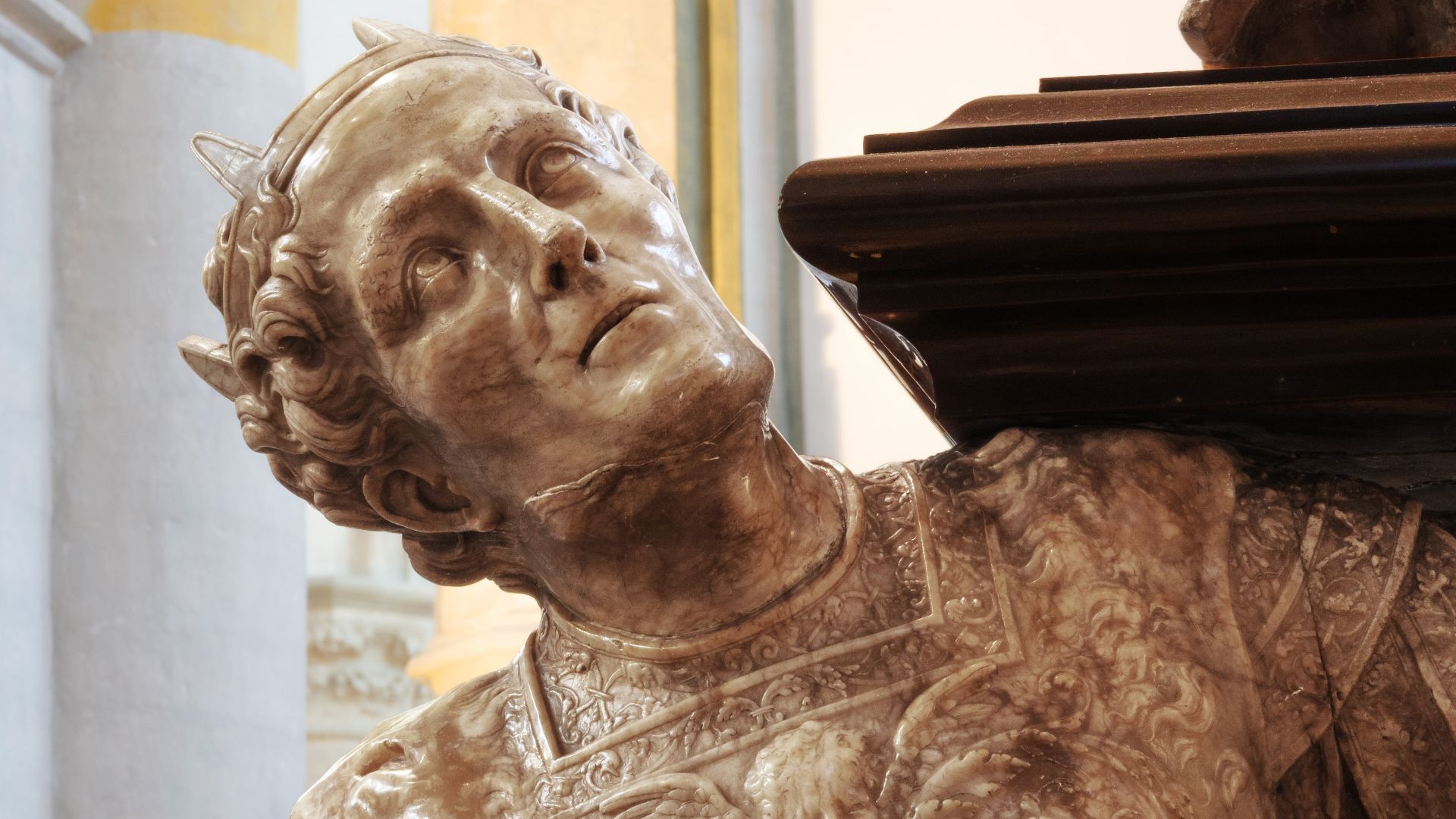
To manage overflow, a secondary collection was housed in the Serapeum under Ptolemy III Euergetes. This annex likely absorbed texts relocated over time and continued functioning after the main site declined. However, its survival later caused confusion, with many assuming it was the original library.
5. Religious Violence Ended the Last Major Collection
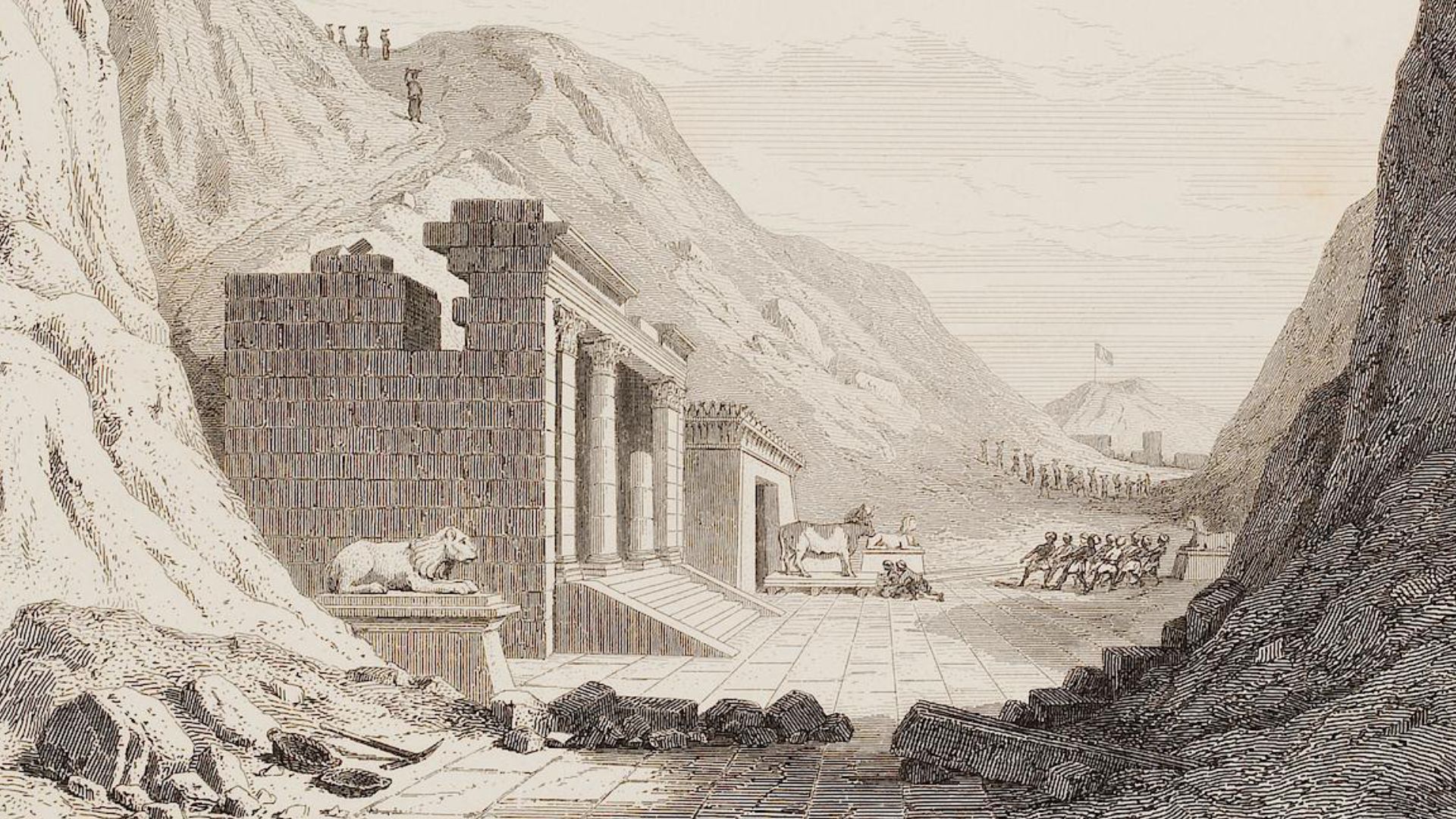
In 391 CE, Christian mobs led by Patriarch Theophilus of Alexandria destroyed the Serapeum during anti pagan campaigns under Theodosius I. The act reflected religious conflict and political change, not an organized attack on knowledge itself.
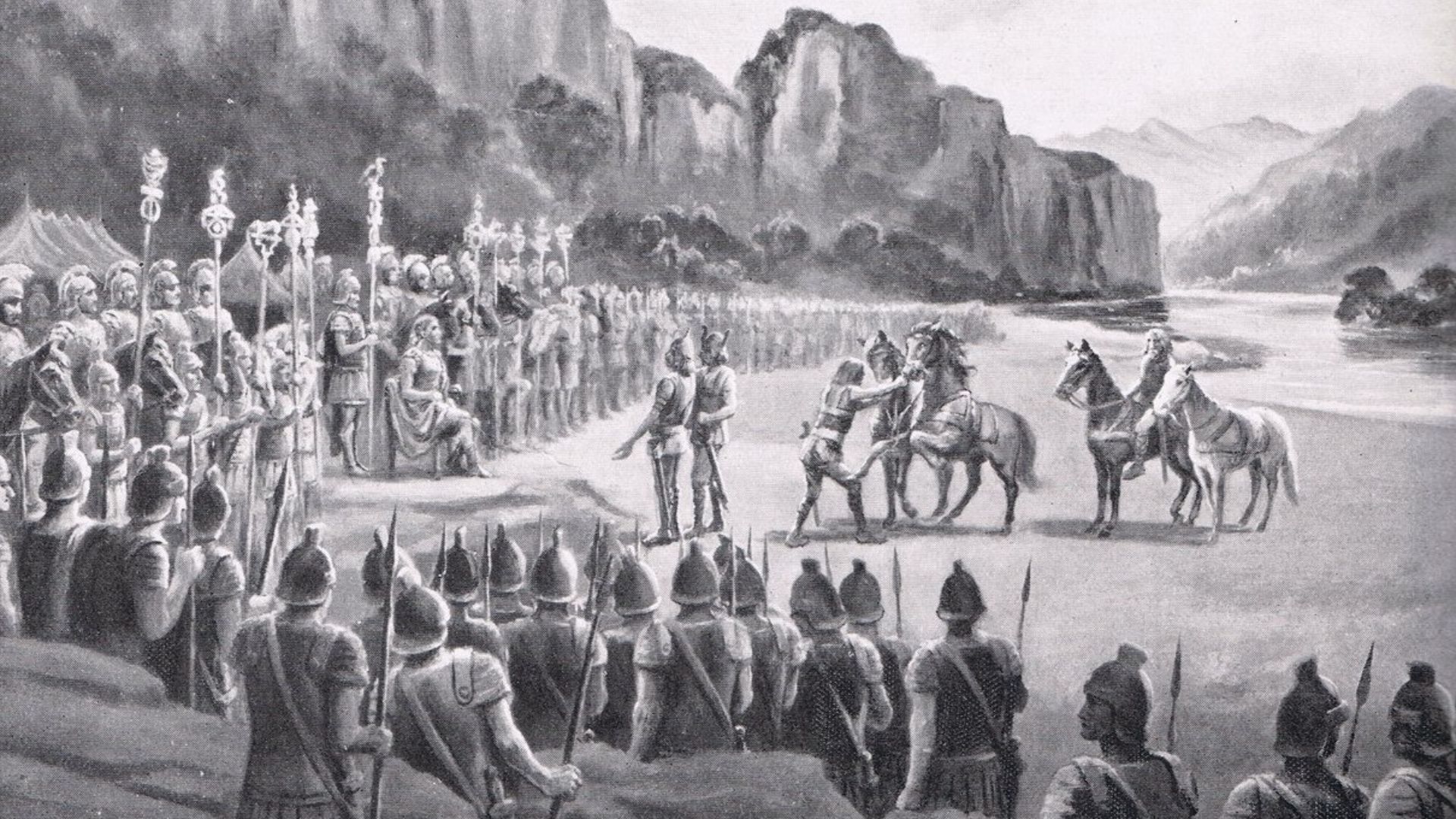
6. A Roman Sack Dealt a Decisive Blow
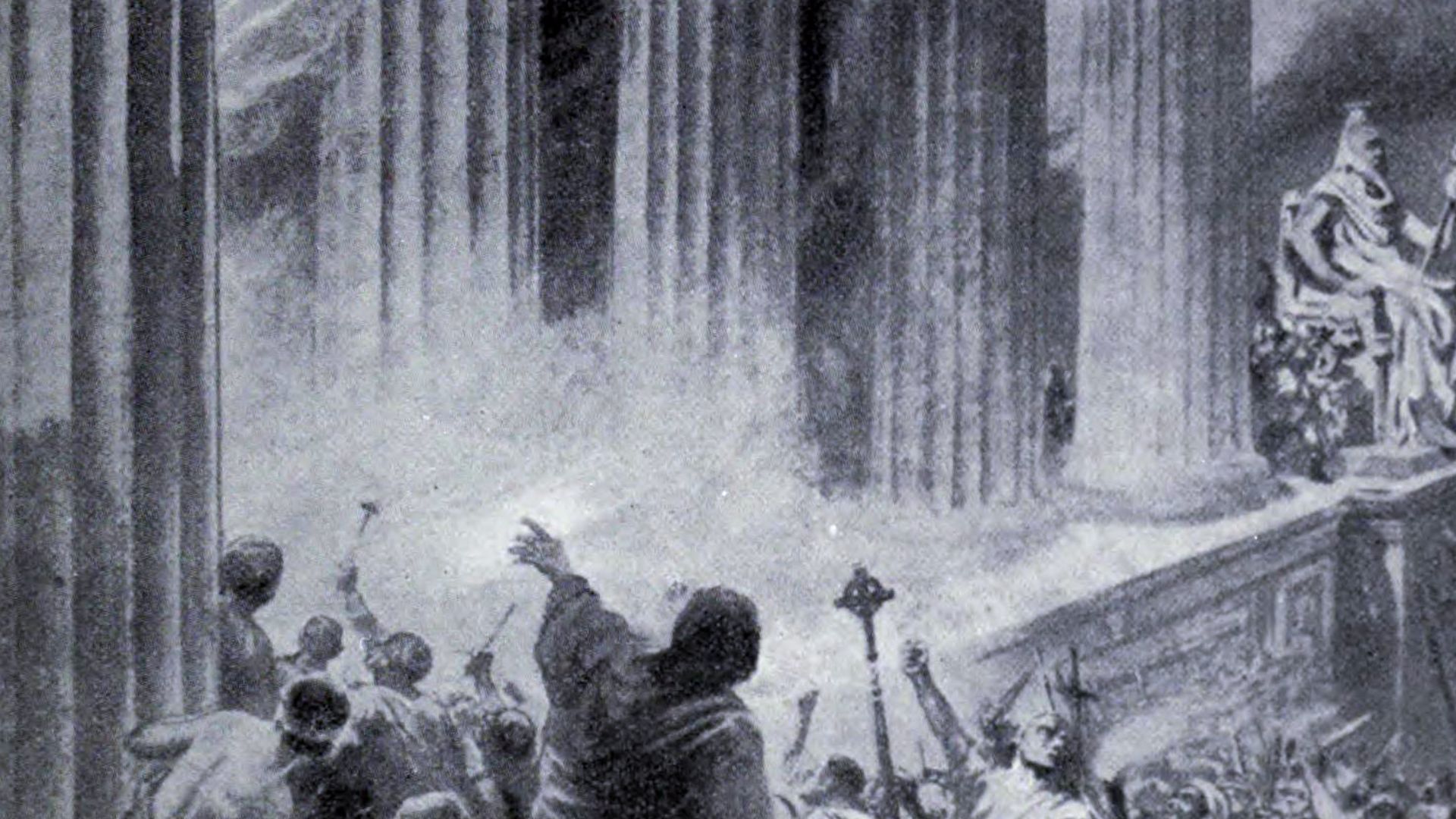
During the 270s CE, Aurelian retook Alexandria after a revolt led by Zenobia. Fighting devastated the Brucheion quarter, where the original library complex stood. Whatever remained of the main institution likely vanished during this destruction.
 Norman Prescott Davies on Wikimedia
7. The Idea of a Single Burning Came Later
Stories of one catastrophic fire gained traction centuries after the events. No contemporary account describes a total destruction of the library in one moment. Instead, evidence points to repeated damage, neglect, and political upheaval spread across generations.
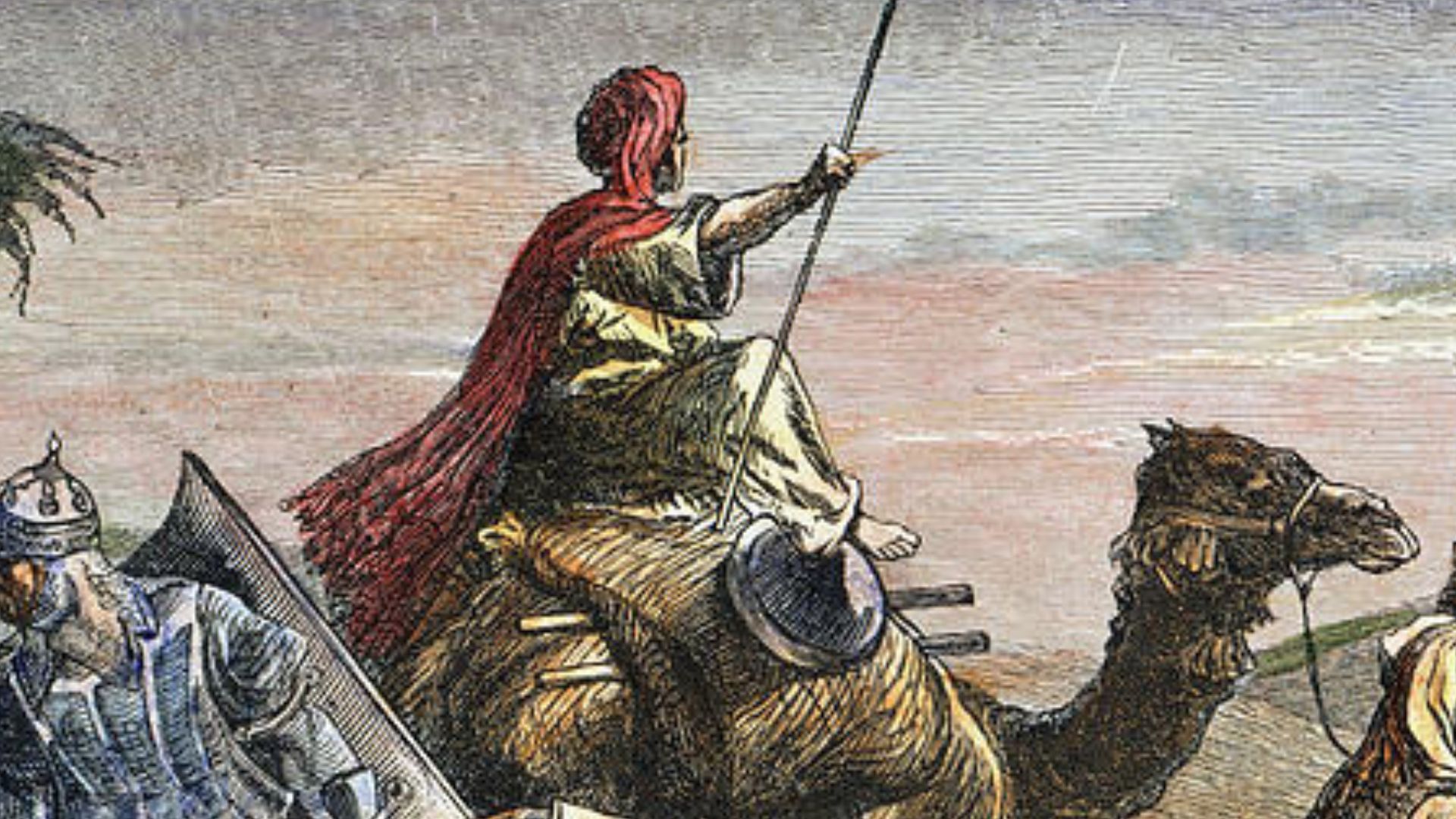
8. The Caliph Omar Story Doesn't Hold Up
A popular medieval tale claims Umar ibn al-Khattab ordered the library burned in 642 CE. The story appears hundreds of years later with no supporting sources, and by that time, no functioning Alexandrian library likely remained.
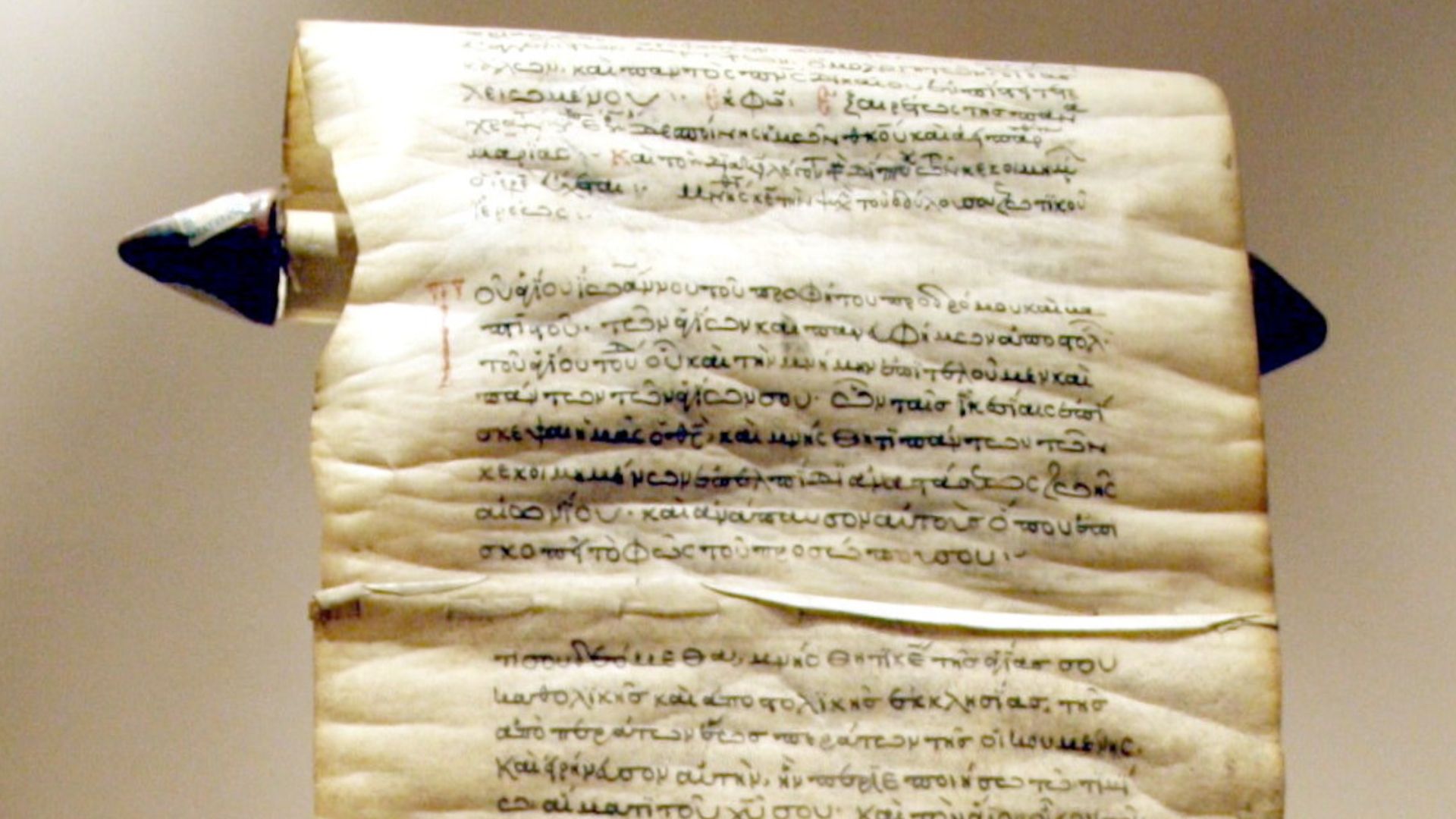
9. Estimates of the Collection Vary Widely
Ancient writers offered dramatic numbers, sometimes claiming hundreds of thousands of scrolls. Modern historians suggest a more realistic range between forty thousand and two hundred thousand. Most texts were Greek, though Egyptian, Persian, and translated works also appeared.
10. The Museum Powered Alexandrian Scholarship
The library worked alongside the Mouseion, a state-funded research center. Scholars such as Eratosthenes and Callimachus lived and worked there, producing advances in geography, cataloging, and science until political purges and funding cuts slowed progress.
11. Knowledge Survived By Moving Elsewhere
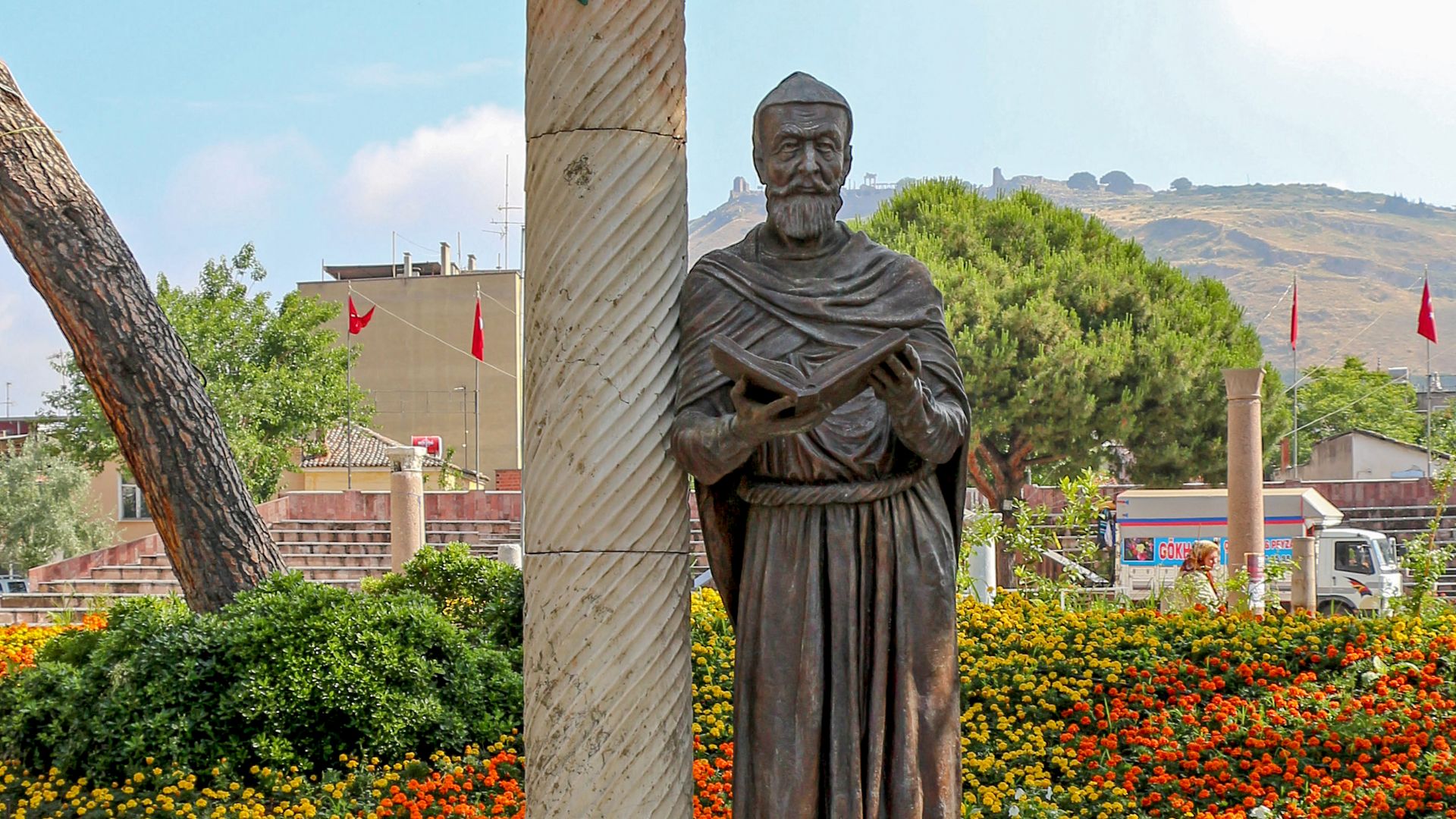
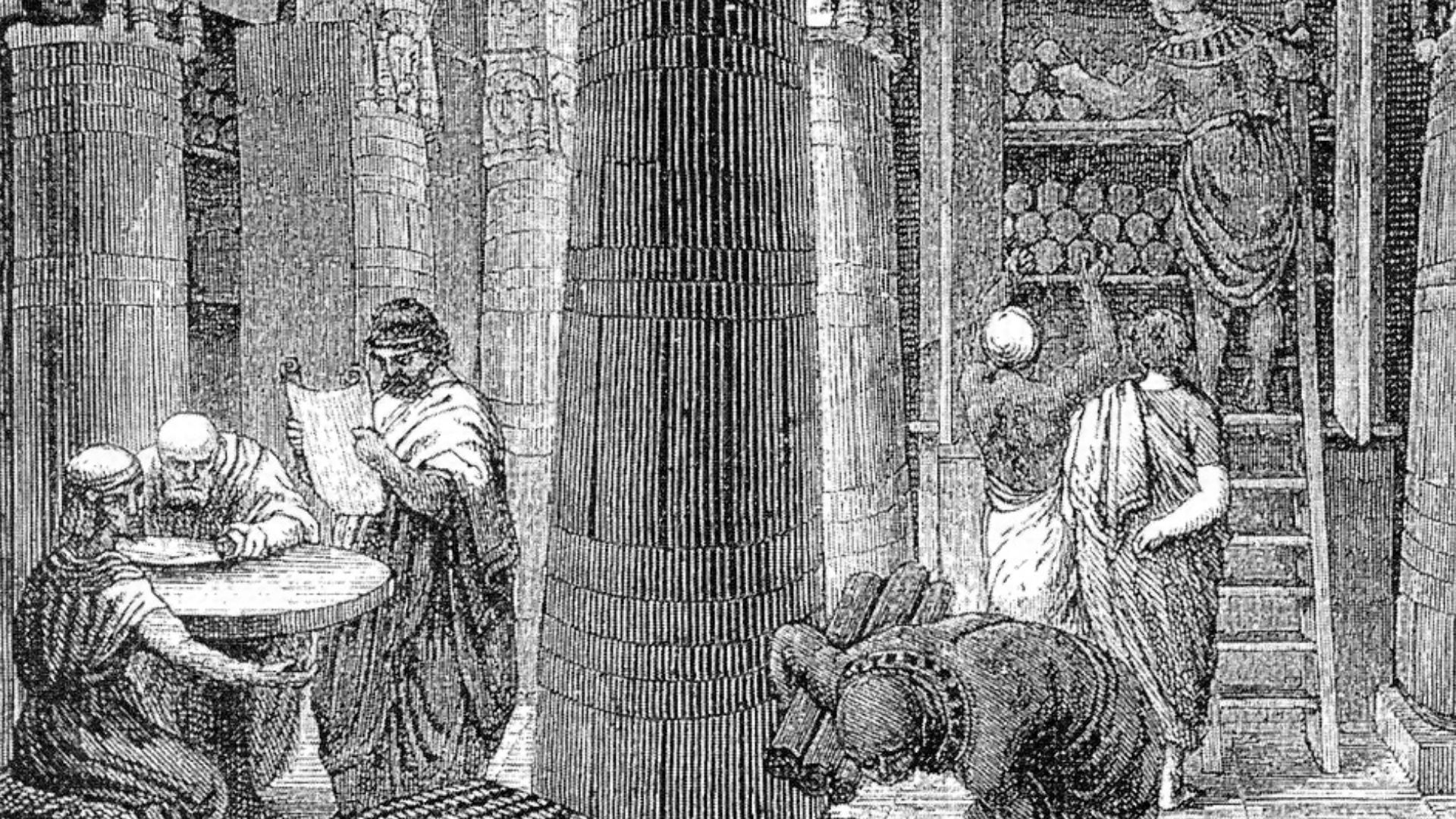
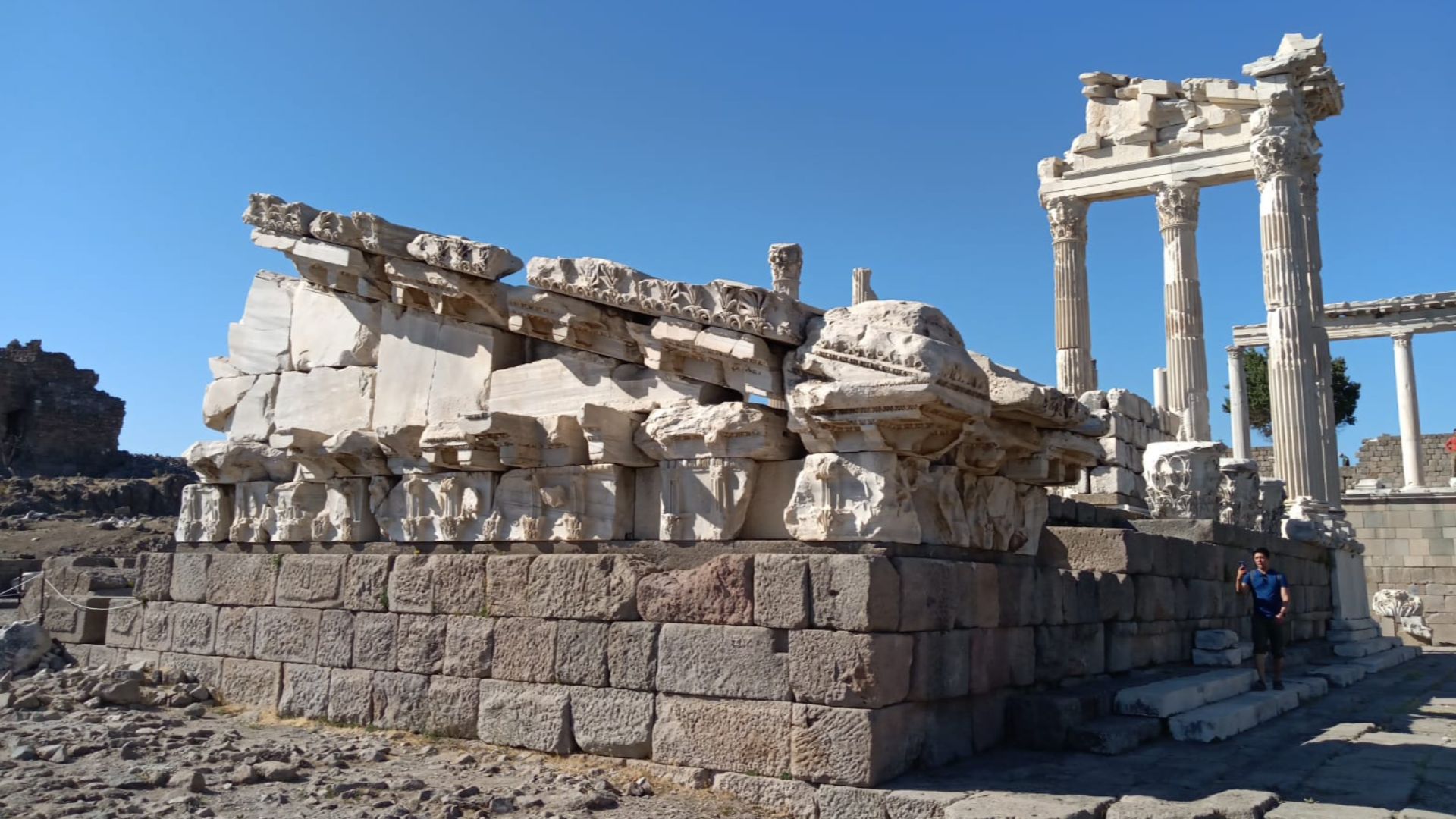
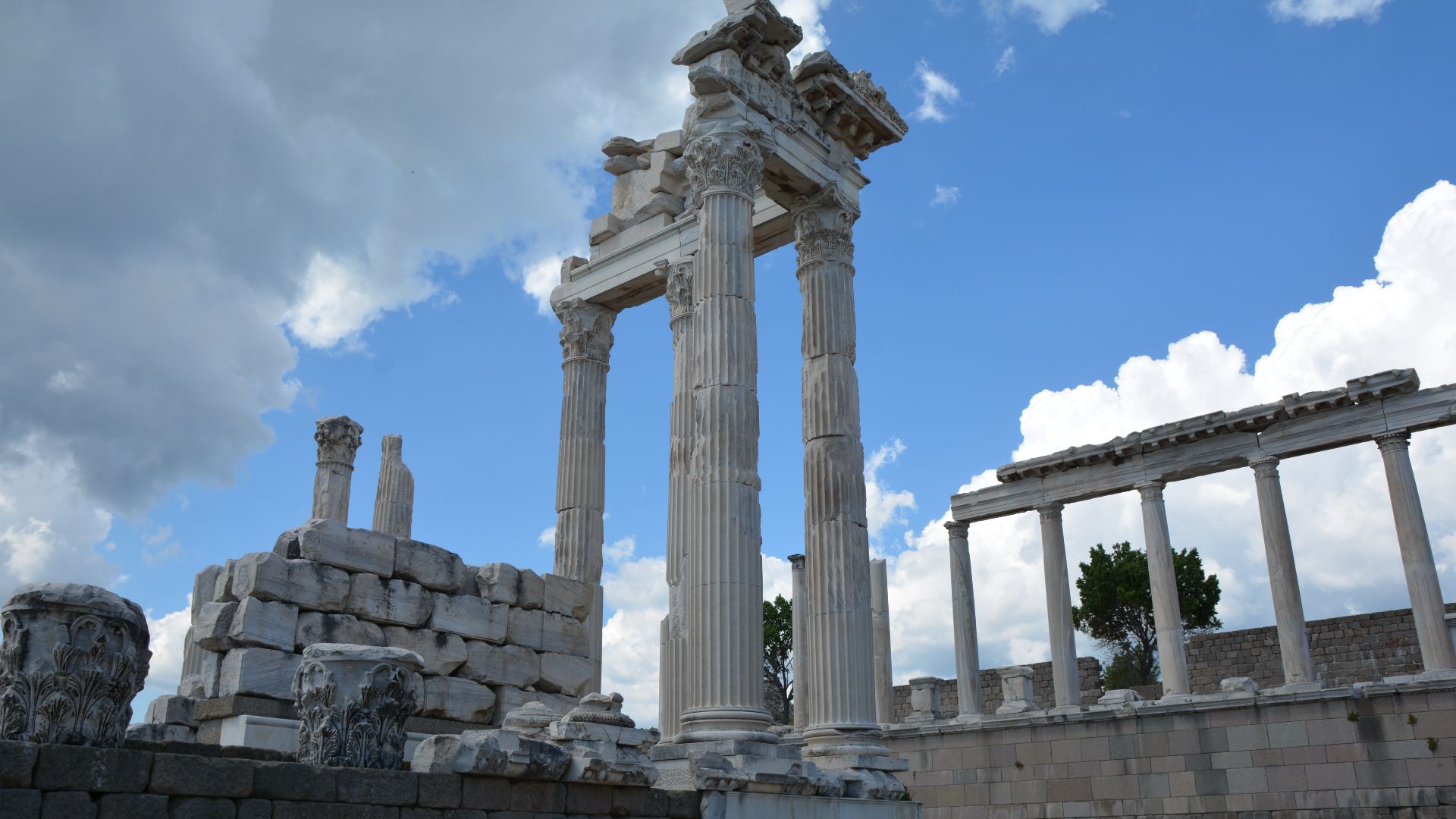
As Alexandria weakened, its texts didn't disappear all at once. Copies circulated to other centers, which included Pergamon and Constantinople. Later, Islamic scholars also translated and preserved many works. Survival depended less on one building and more on how widely ideas had already spread.
12. Archimedes’ Losses Reveal What Vanished
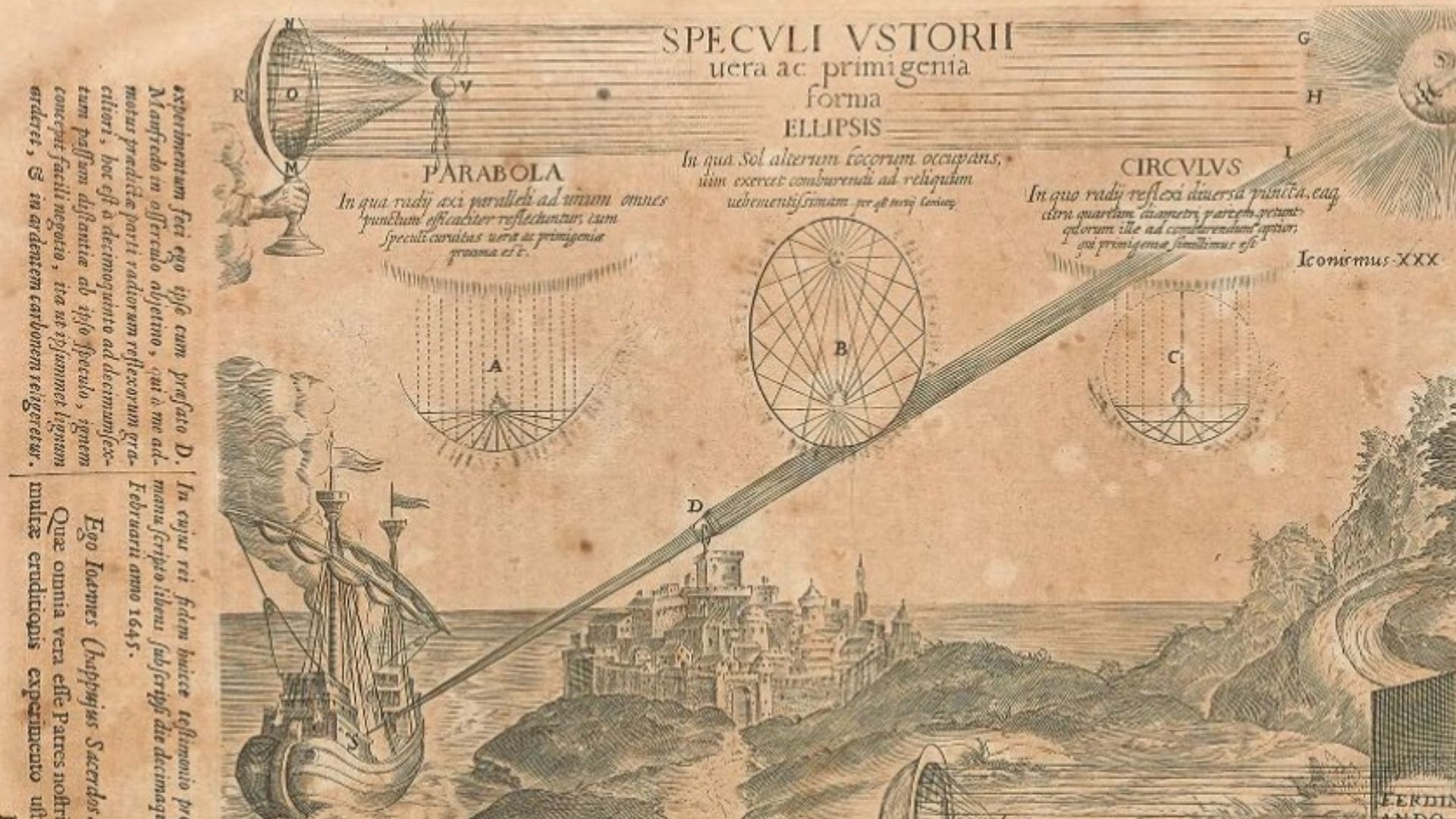
Several works by Archimedes are known only through later references. What survives comes from copies made centuries afterward. The gaps suggest original manuscripts once existed but disappeared before reliable preservation became routine.
 Athanasius Kircher on Wikimedia
13. Decline Happened Through Neglect
No single event explains the library’s end; damage accumulated through wars, budget cuts, and instability. Scrolls required constant recopying, and support faded over time. Scholarship slowly dispersed as the institution lost its ability to function day to day.

14. Eratosthenes Reshaped Geography
While working in Alexandria, Eratosthenes calculated the Earth’s circumference using shadow measurements. His result came strikingly close to modern estimates, however, most of his detailed writings survive only through quotations by later authors.

15. The Library’s Physical Form Remains Uncertain
Ancient descriptions place the library within a broader scholarly complex that included lecture spaces and communal areas. No confirmed ruins exist today. Earthquakes, rebuilding, and later construction erased physical traces, leaving historians dependent on written accounts.

16. Hypatia Marked the End of an Era
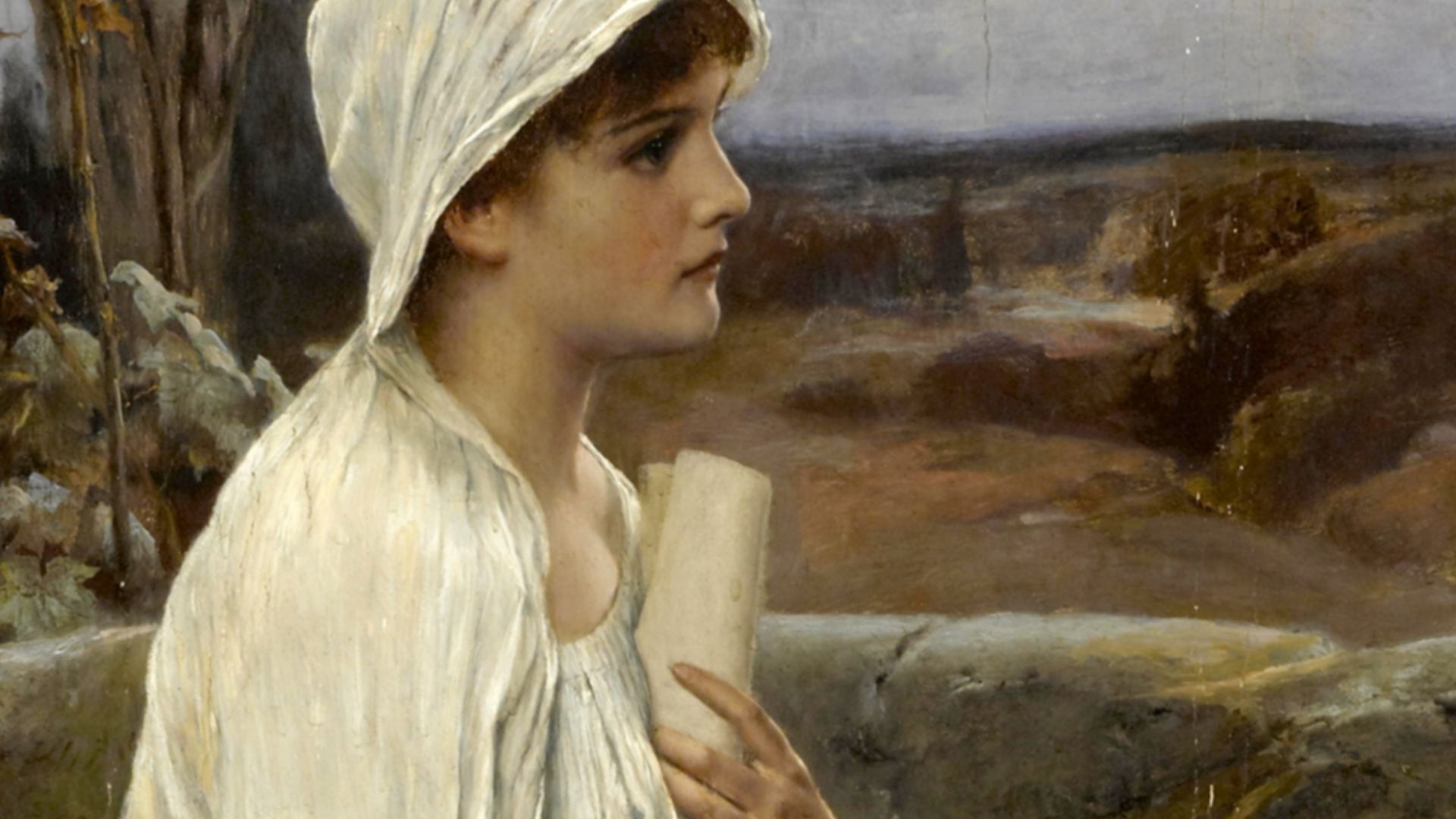
The ending of Hypatia in 415 CE did not destroy the library directly, but it signaled something larger—intellectual life in Alexandria became dangerous. Many scholars left the city, and organized pagan learning lost its last public defenders.
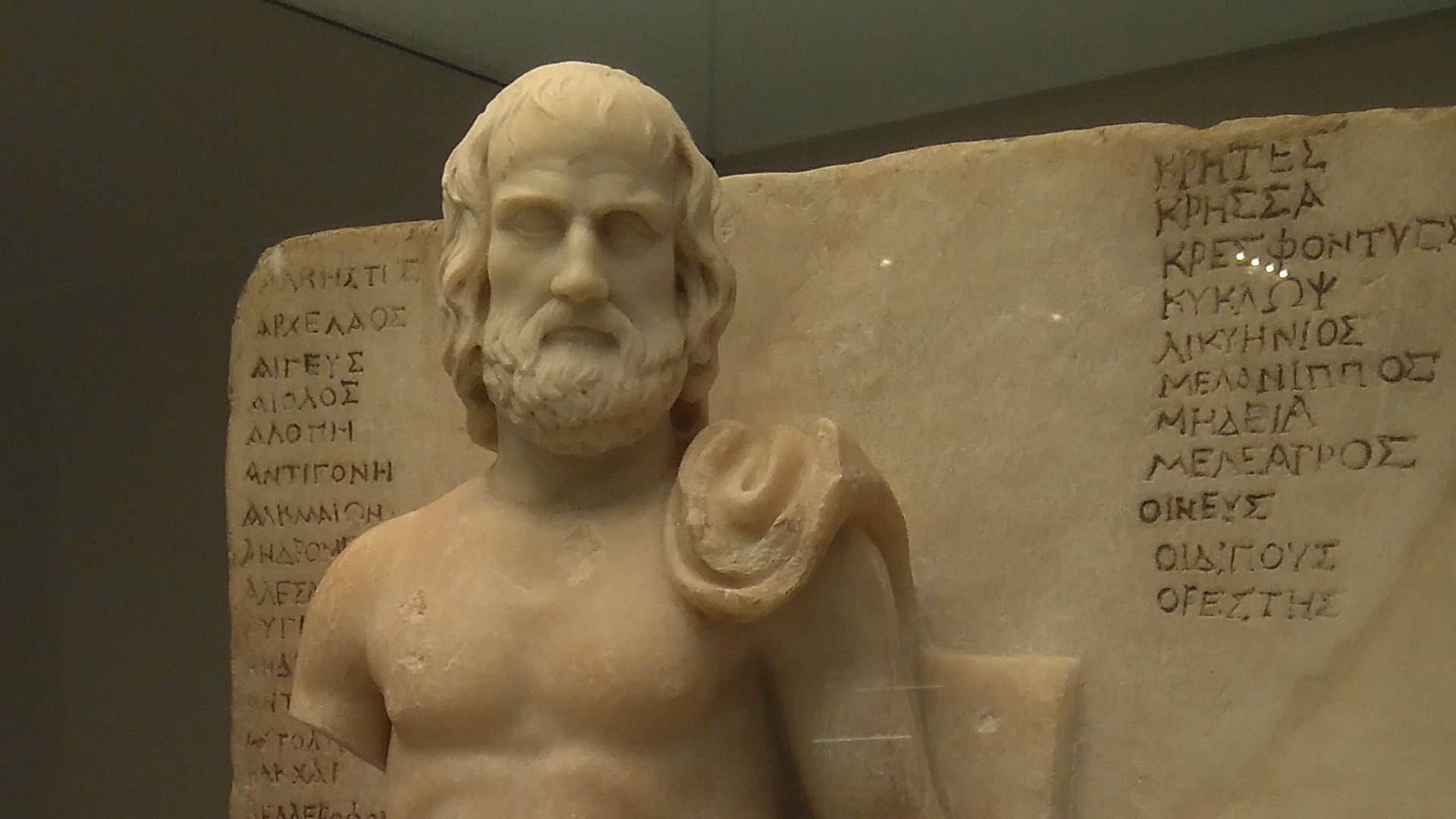
17. Lost Plays Reveal Selective Survival
Most plays by Sophocles and Euripides disappeared over time. Alexandria likely held many now-lost versions, including alternate myths. Cultural taste, not catastrophe, played a major role in deciding what endured.
18. Funding Mattered as Much as Fire
After the early Ptolemies, royal support declined. Scrolls required constant care and recopying. Without money or staff, collections decayed quietly, and as scholars relocated, the institution faded even without dramatic destruction.
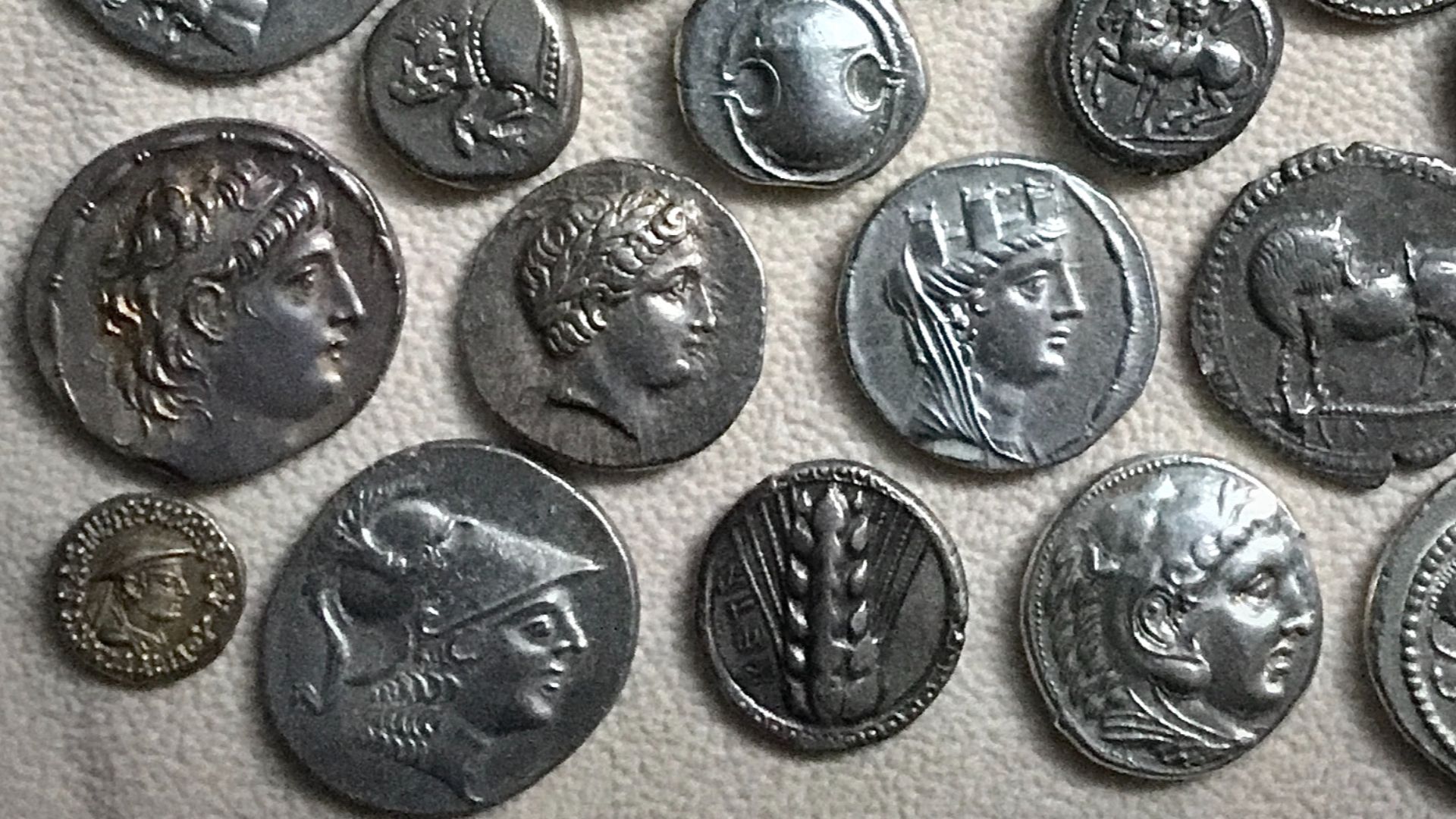
19. Other Libraries Carried the Torch
Centers like Pergamon and later Roman libraries preserved material once linked to Alexandria. Byzantine and Islamic scholars continued the process through translation. Knowledge survived because it moved, not because one site endured.
20. Medical Knowledge Suffered Quiet Losses
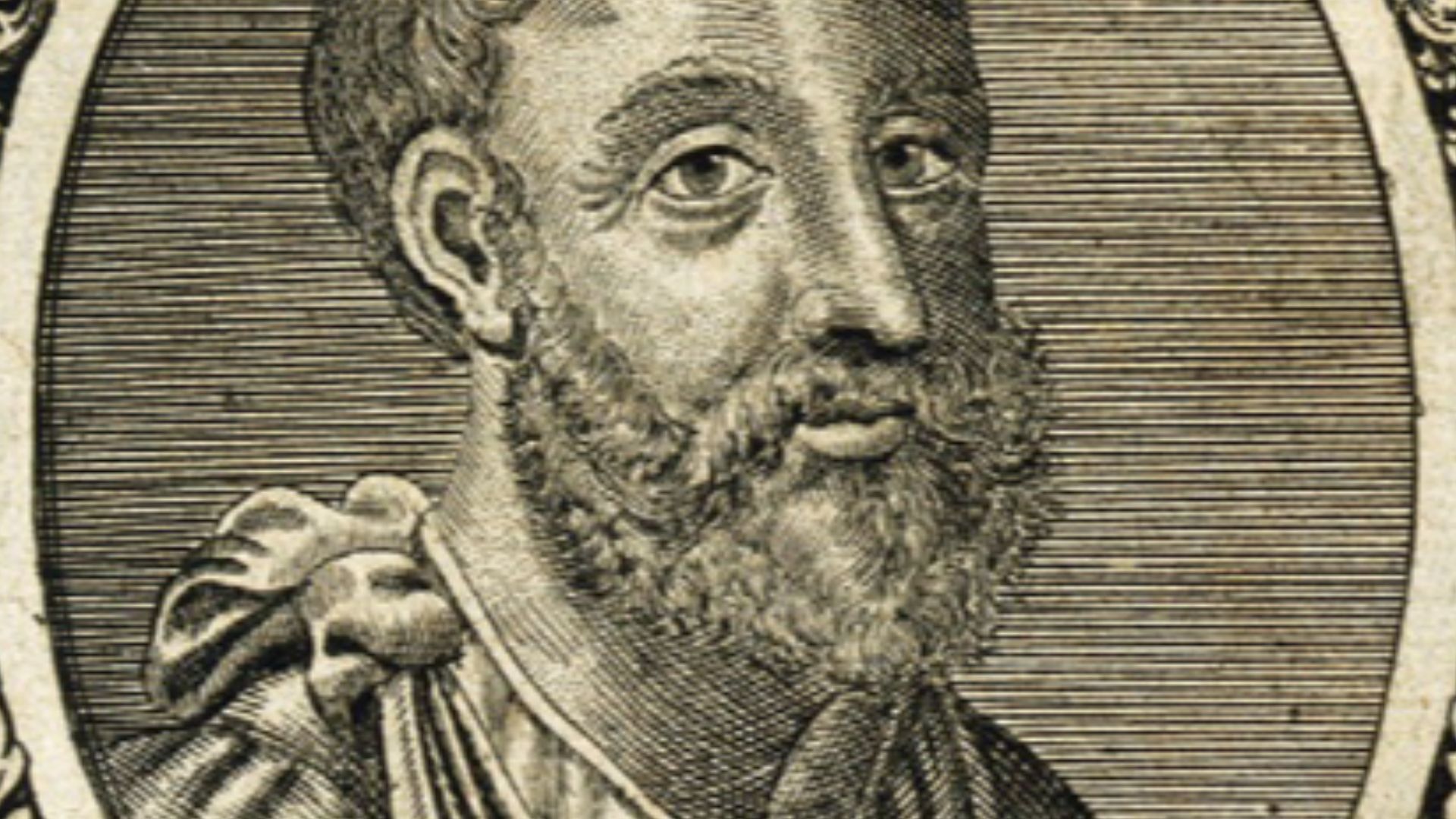
Alexandria served as a major training ground for ancient medicine, including the education of Galen. Many of his anatomical and clinical writings once circulated widely but later vanished. Gaps in these texts shaped medical errors that persisted for centuries, especially in anatomy and physiology.
 Georg Paul Busch (engraver) on Wikimedia
KEEP ON READING