10 Noble Knights Who Defined Chivalry & 10 Infamous Ones Who Betrayed It
A Code With Consequences
Chivalry was a moving target, shaped by war, religion, and court life, and it changed depending on who got to define it: clerics urging restraint, nobles guarding status, and fighters preferring customs that made taking prisoners more worthwhile than killing them. Medieval chronicles and later biographies made some knights look like clean, bright symbols, and those stories still shape how we picture armor and honor. At the same time, the historical record is full of raids, broken truces, and brutal politics, often carried out by the same class that talked the most about virtue. Here are ten knights whose lives helped define chivalry, and ten infamous figures who show how easily the code could be bent or outright ignored.
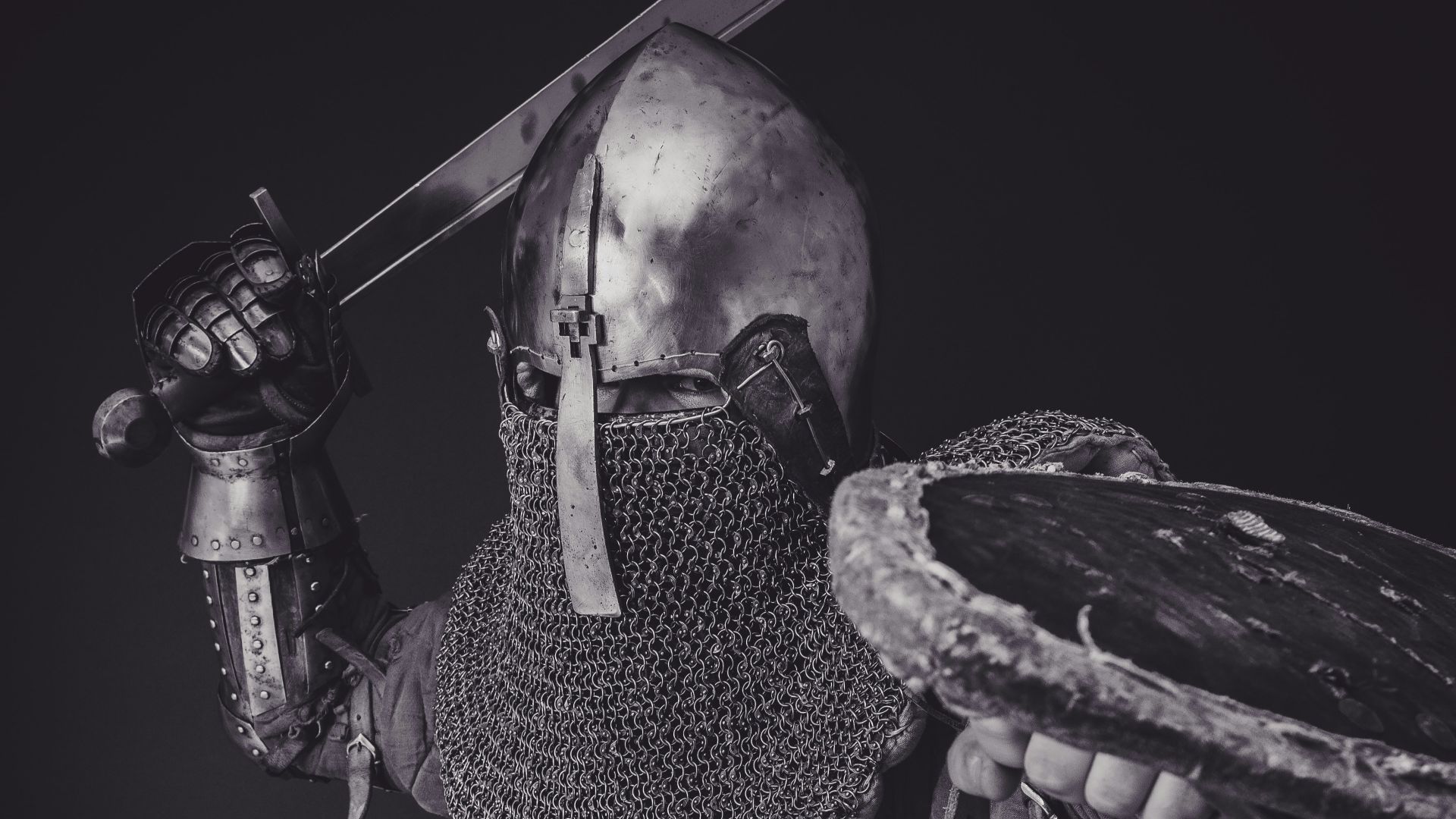
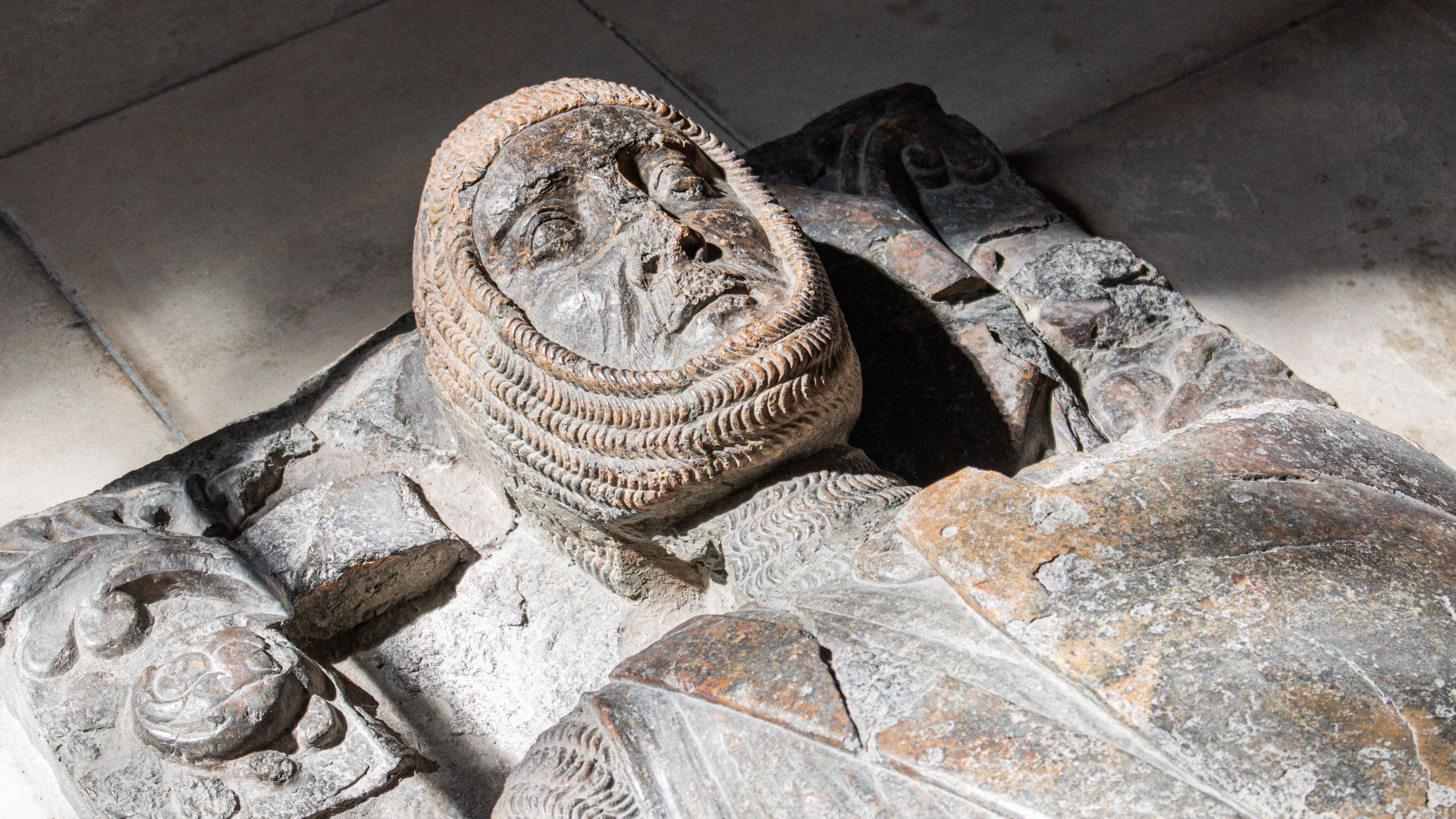
1. William Marshal
William Marshal rose from a younger son with limited prospects to one of the most respected knights in England, and his career was celebrated in a near-contemporary biography, The History of William Marshal. He became known for loyalty across reigns, and later served as regent for Henry III, which is not the kind of role handed to someone seen as reckless or self-serving.
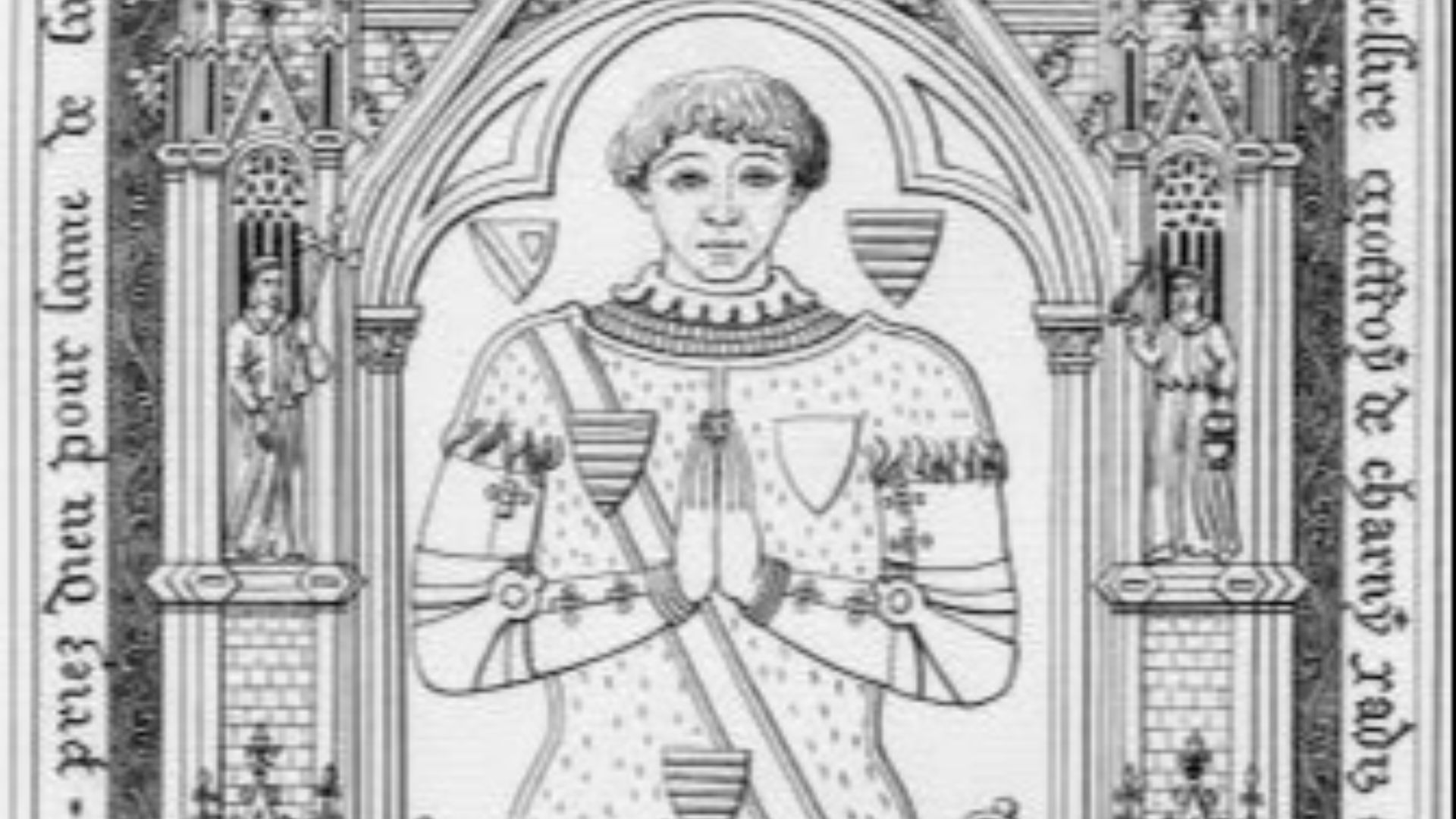
2. Geoffroi De Charny
Geoffroi de Charny matters because he did more than fight; he tried to define what honorable fighting should look like in writing, in The Book of Chivalry. He died at the Battle of Poitiers in 1356 while defending the French royal banner, which fit the ideal he argued for: steadiness under pressure, and seriousness about duty.
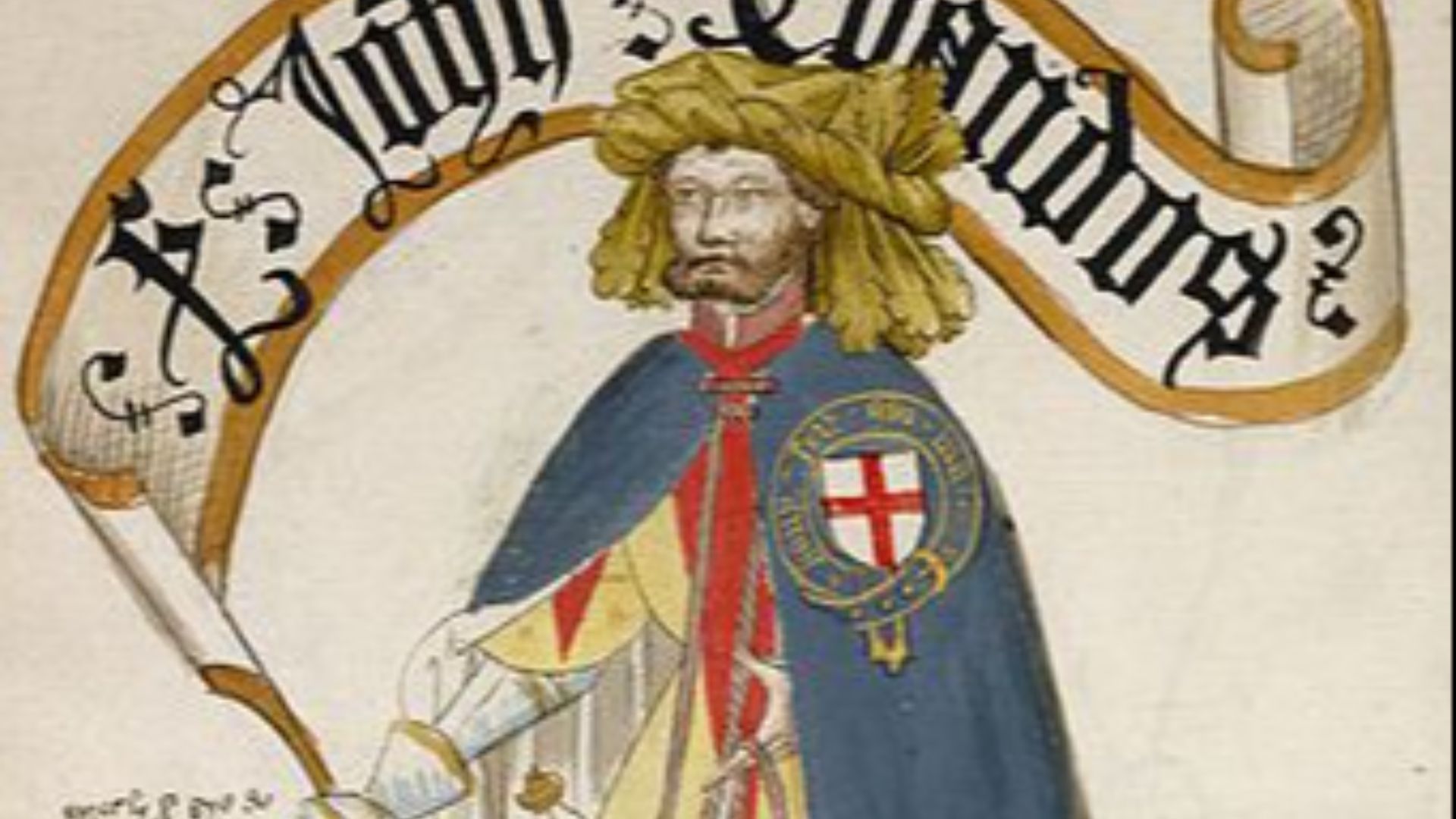
3. Sir John Chandos
Chandos was a leading English commander in the Hundred Years’ War and a founding member of the Order of the Garter, a circle built to reward a specific idea of elite conduct. Chroniclers praised him for discipline and judgment, and that reputation mattered in a period when loose troops could ruin a campaign as easily as an enemy army.
4. Bertrand Du Guesclin
Du Guesclin became constable of France, and his rise is a reminder that chivalry was not only about polish and pageantry. He earned respect through persistence, practical leadership, and a kind of loyalty that held up in long, grinding conflicts where glory was scarce and endurance mattered more.
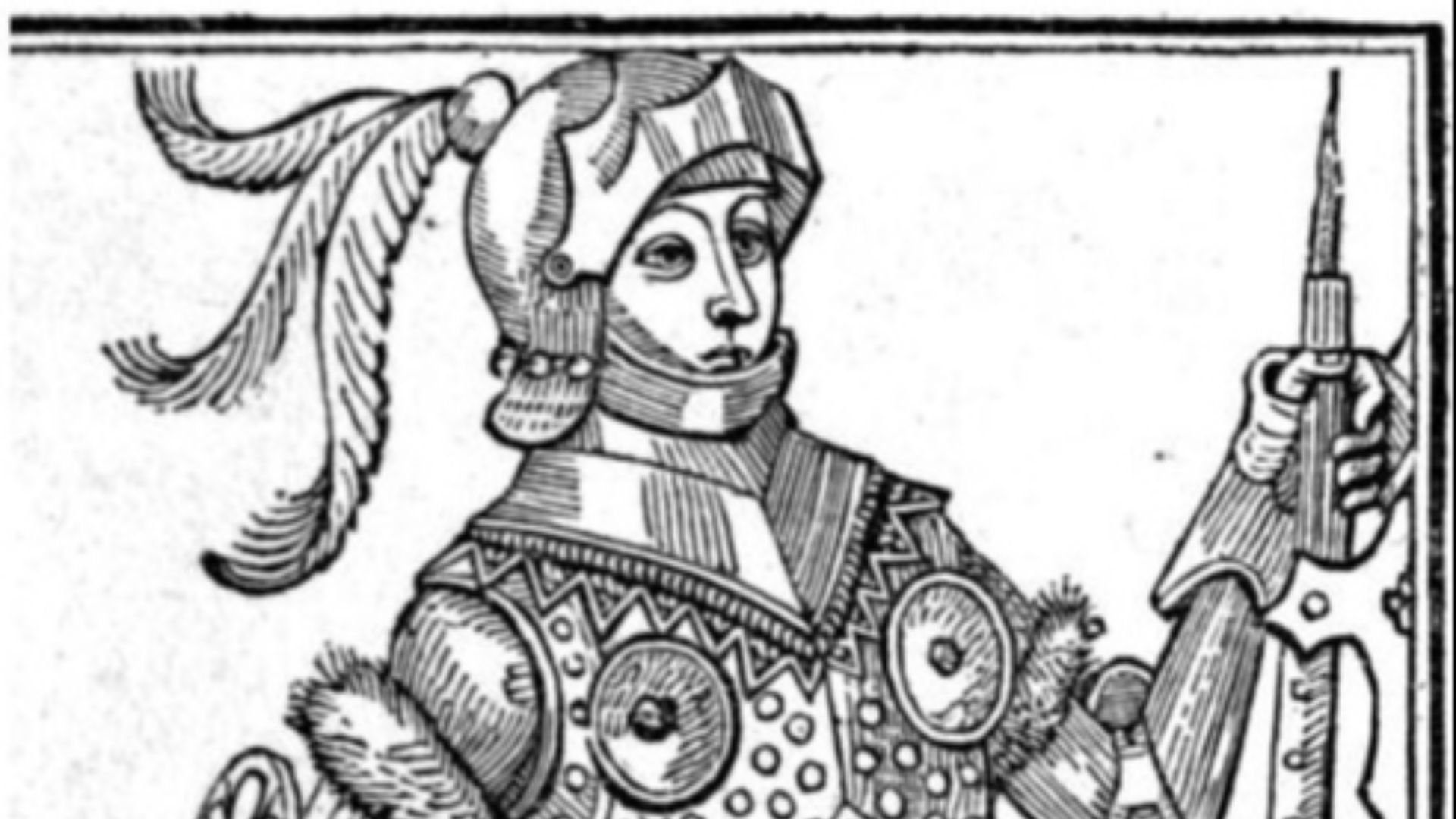
5. Sir James Douglas
Known in Scottish tradition as “the Good Sir James,” Douglas tied his name to Robert the Bruce’s cause, and the bond between them became part of Scotland’s national story. Accounts of Douglas carrying Bruce’s heart toward crusade, and dying in Spain in 1330, reflect a medieval ideal of service that outlived the person it served.
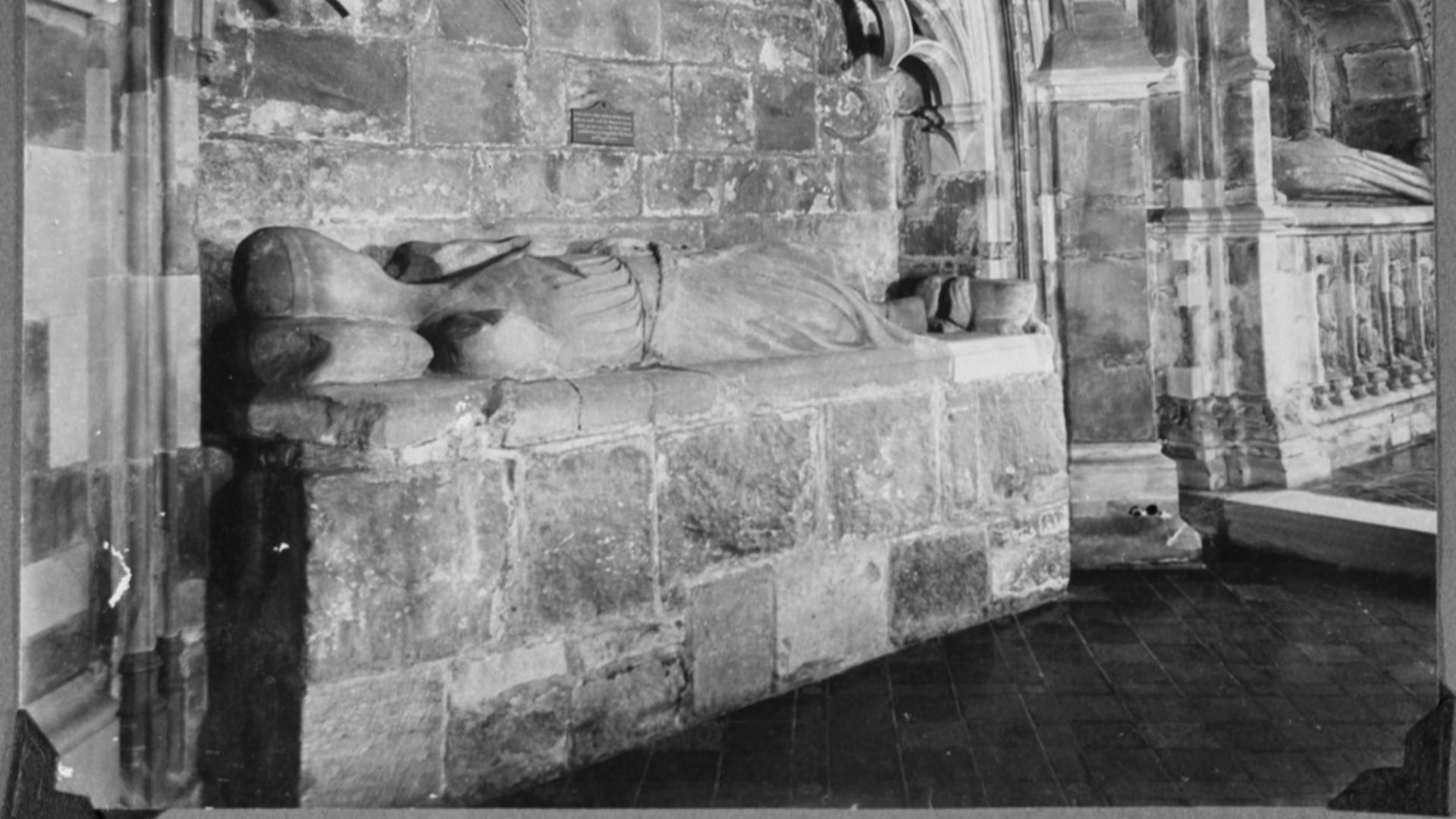 National Library of Australia Commons on Wikimedia
6. Jean Le Meingre, AKA Boucicaut
Boucicaut left behind a reputation shaped by a detailed biography that treated him as a model knight, with emphasis on discipline and public conduct. He promoted a version of chivalry that included restraint and protection of the vulnerable, even if the era’s politics constantly tested how far those claims could go.
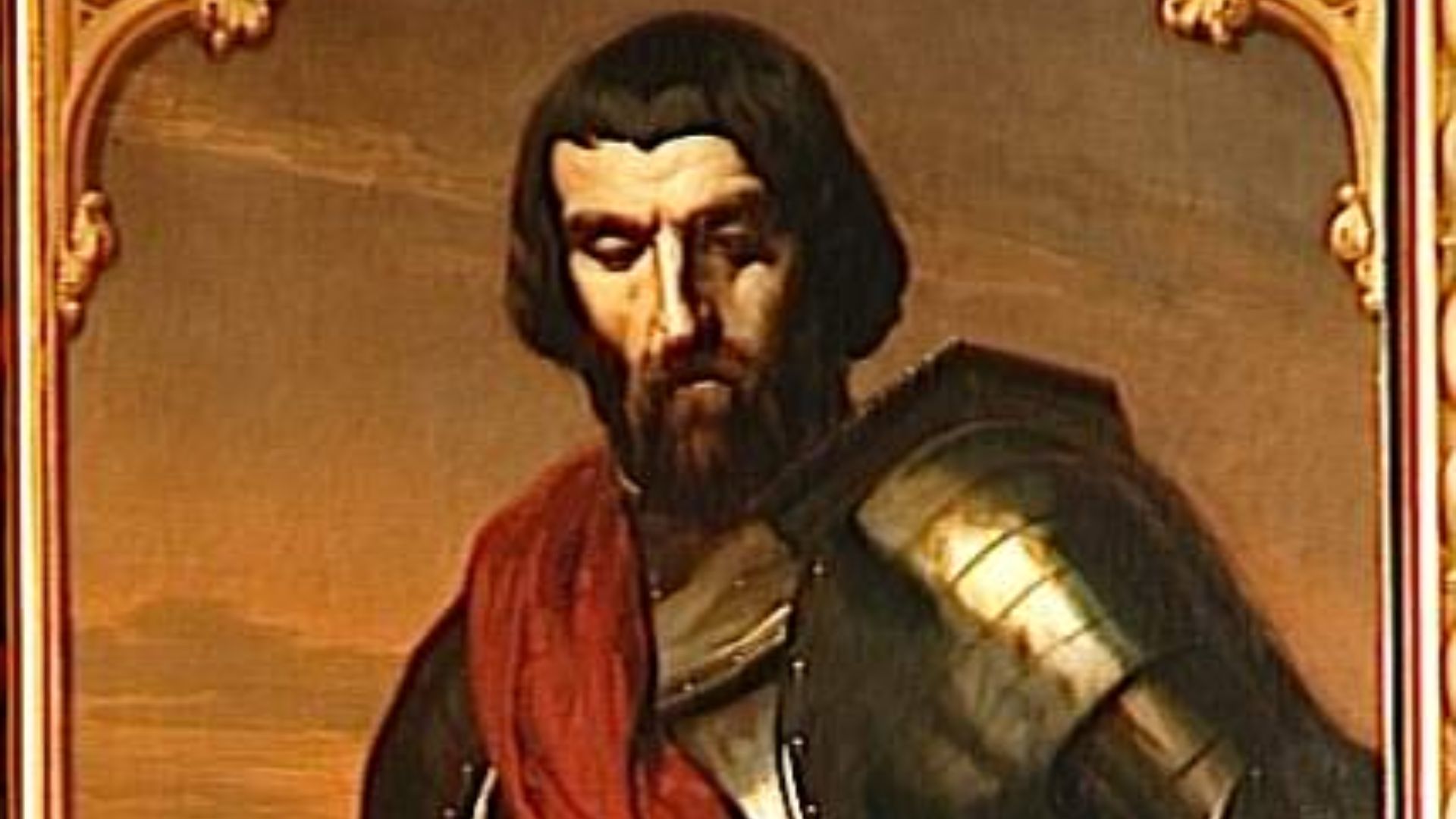 Alexandre Laemlein on Wikimedia
7. Bayard
Pierre Terrail, seigneur de Bayard, became the Renaissance-era shorthand for chivalric virtue, praised as fearless and scrupulous in an age of shifting alliances. Stories about his courtesy and his concern for civilians may have been polished by admirers, yet the fact that his name became a standard says something about what people wanted the knightly ideal to be.
 Émile Bayard / Adam Cuerden on Wikimedia
8. Balian Of Ibelin
Balian is remembered for the defense of Jerusalem in 1187 and for negotiating surrender terms that spared many civilians after the city could no longer hold. That episode, recorded in multiple accounts of the period, shows a practical form of chivalry: responsibility for lives, not just personal bravery.
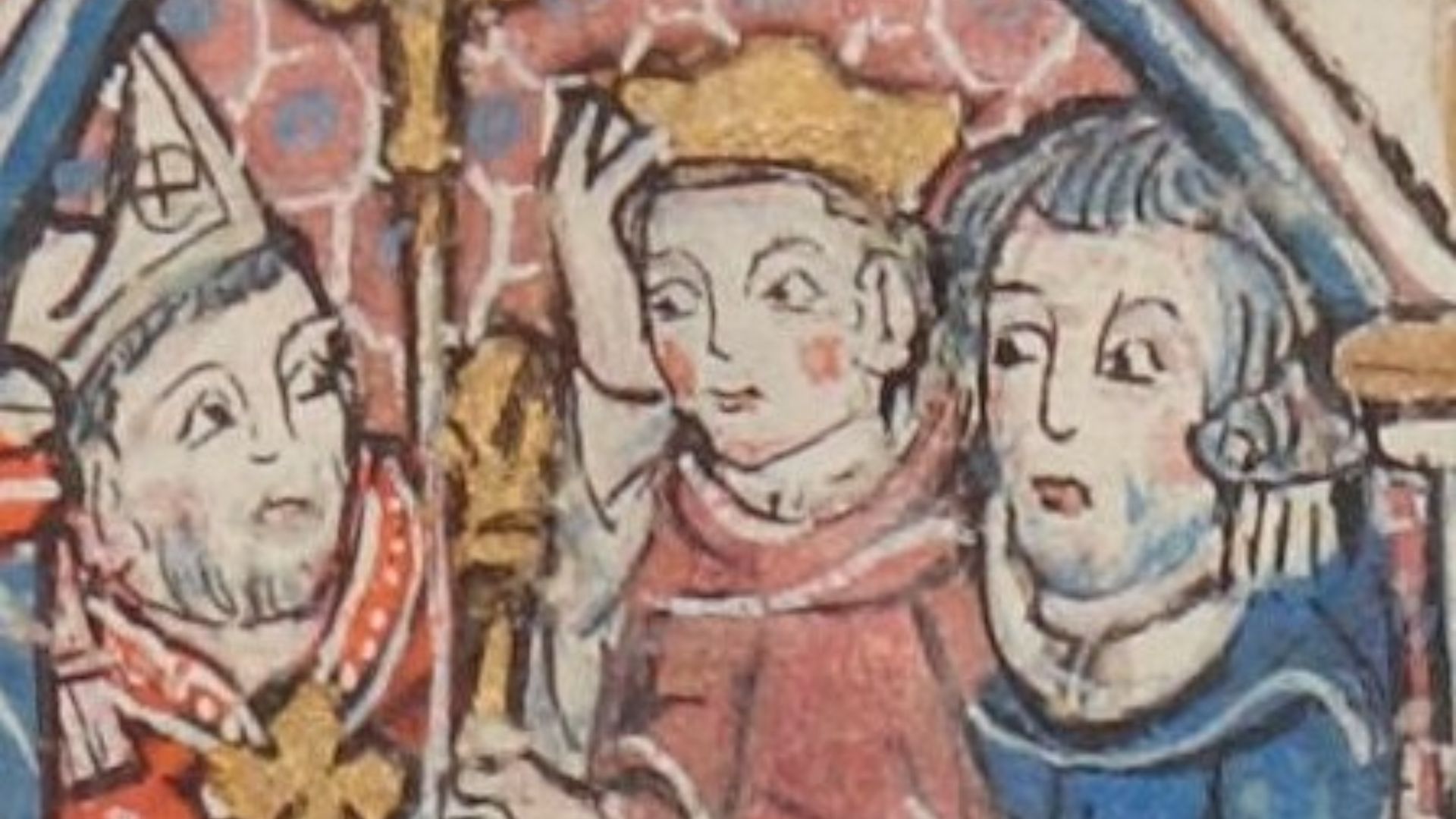 Unknown authorUnknown author from northern France on Wikimedia
9. Maximilian I
Maximilian I cultivated the image of the chivalric ruler through tournaments, armor, and commissioned works like Theuerdank, turning the knightly ideal into a political and cultural project. He mattered because chivalry was also branding, and he understood how to use it to shape how power looked to the public.
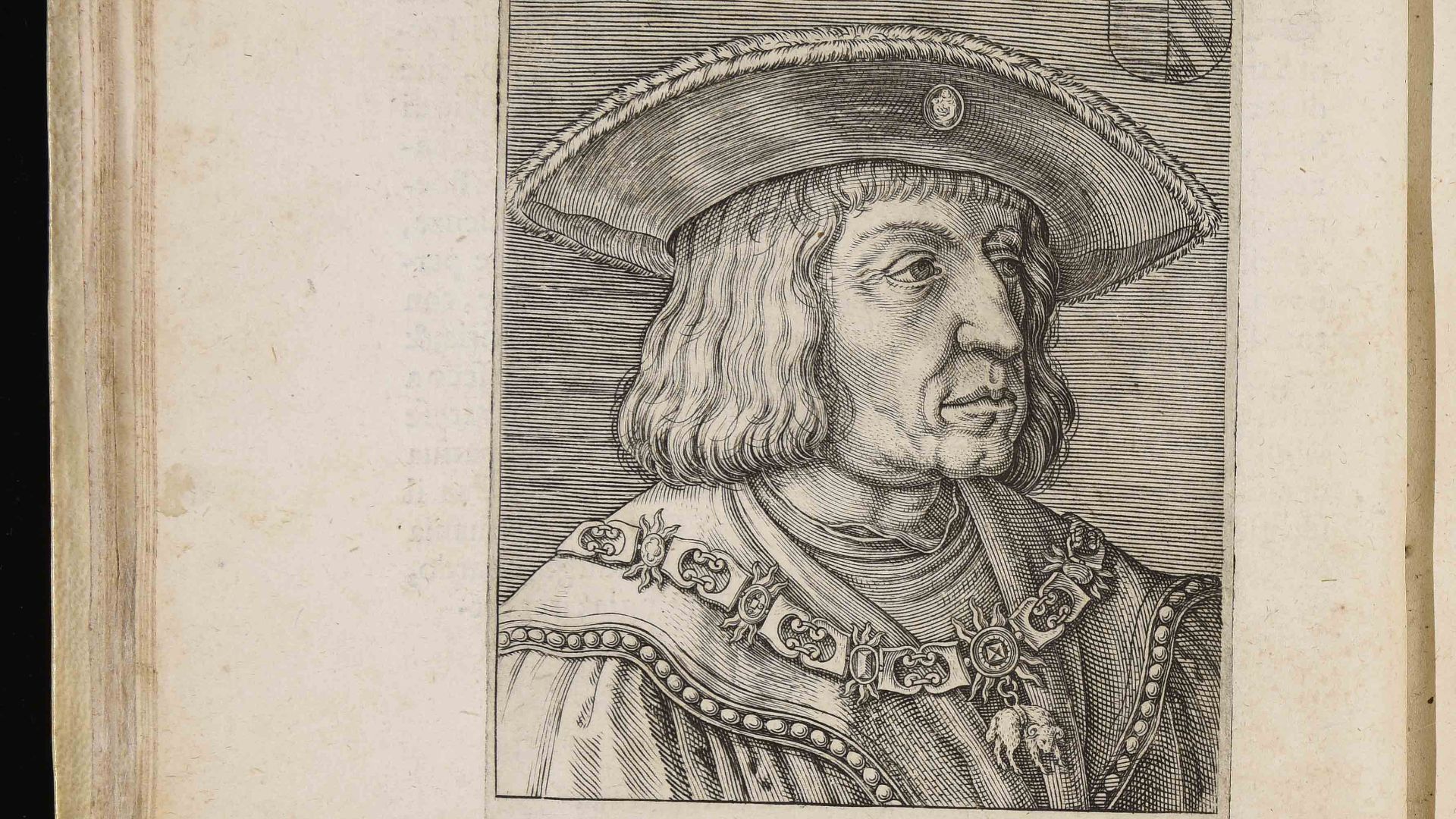 Aliprando Caprioli on Wikimedia
10. Sir Philip Sidney
Sidney’s knighthood sat in a later, more literary version of chivalry, yet his reputation still rests on conduct as much as talent. The story of him giving water to a wounded soldier at Zutphen in 1586 endured because it framed honor as generosity under stress, not just courage in combat.
Now here are ten knights who treated the code as optional, and left behind records that stain the whole idea of knighthood.
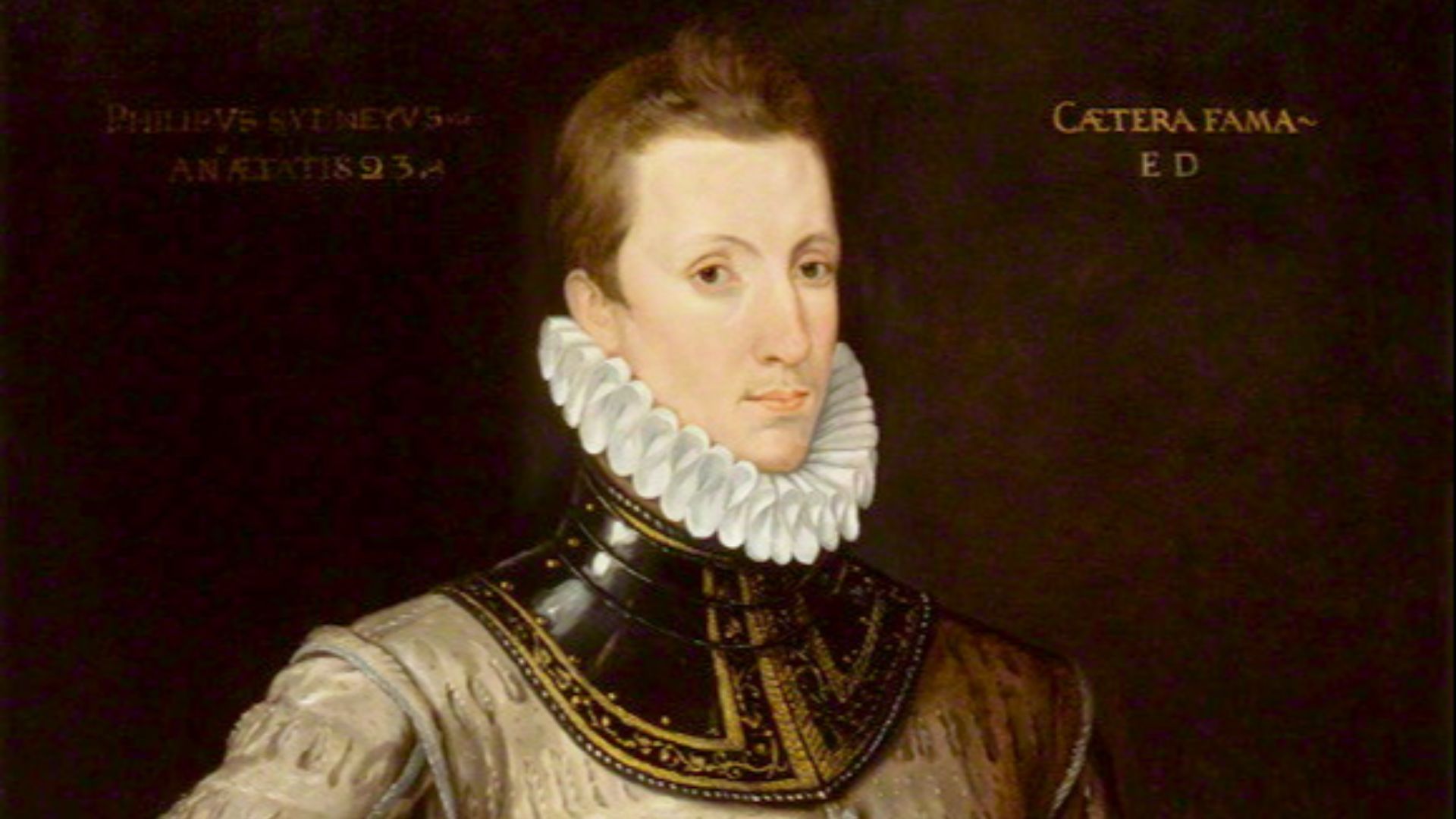 Attributed to Hieronimo Custodis on Wikimedia
1. Gilles De Rais
Gilles de Rais fought alongside Joan of Arc and held high status as a marshal of France, which makes his later downfall more chilling. He was tried and executed in 1440 after being convicted of murdering children, a case preserved in legal records that stand miles away from any romantic image of knighthood.
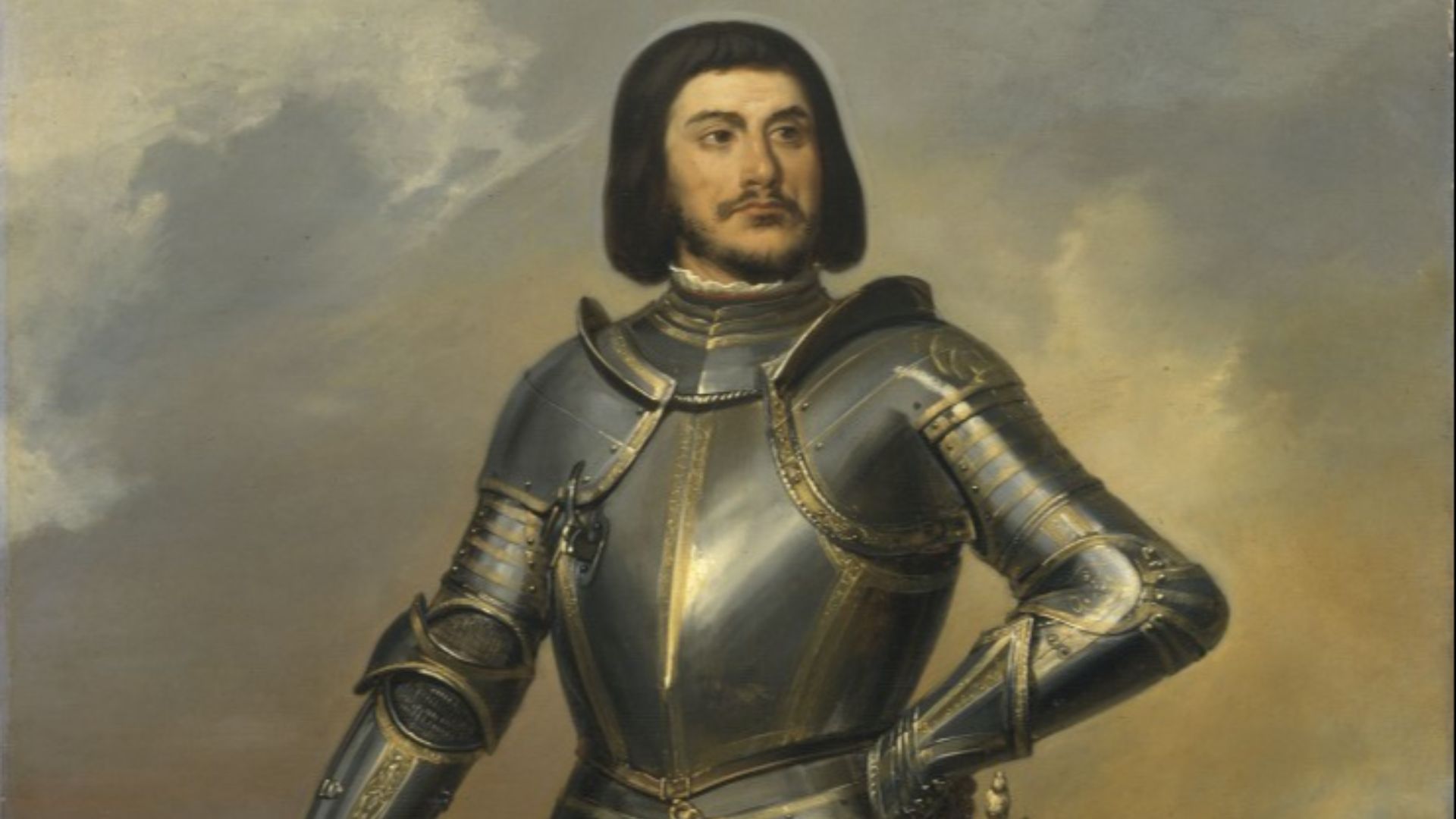 Éloi Firmin Féron on Wikimedia
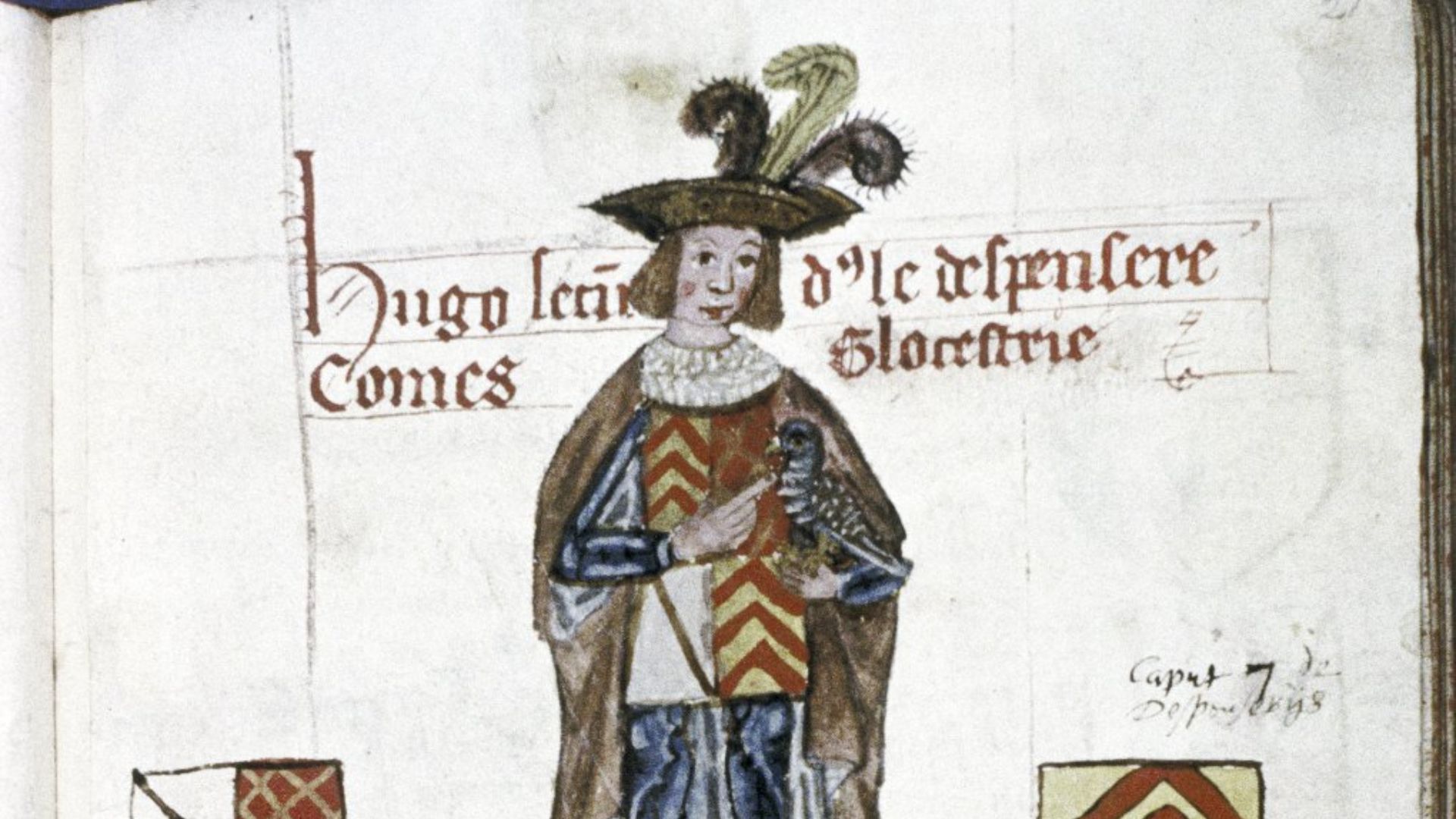
2. Hugh Despenser The Younger
Despenser was a royal favorite under Edward II and used proximity to power to build wealth and control through intimidation. Contemporary accusations painted him as predatory, and his career became a cautionary tale about how the language of noble duty could be paired with personal greed.
 Unknown authorUnknown author on Wikimedia
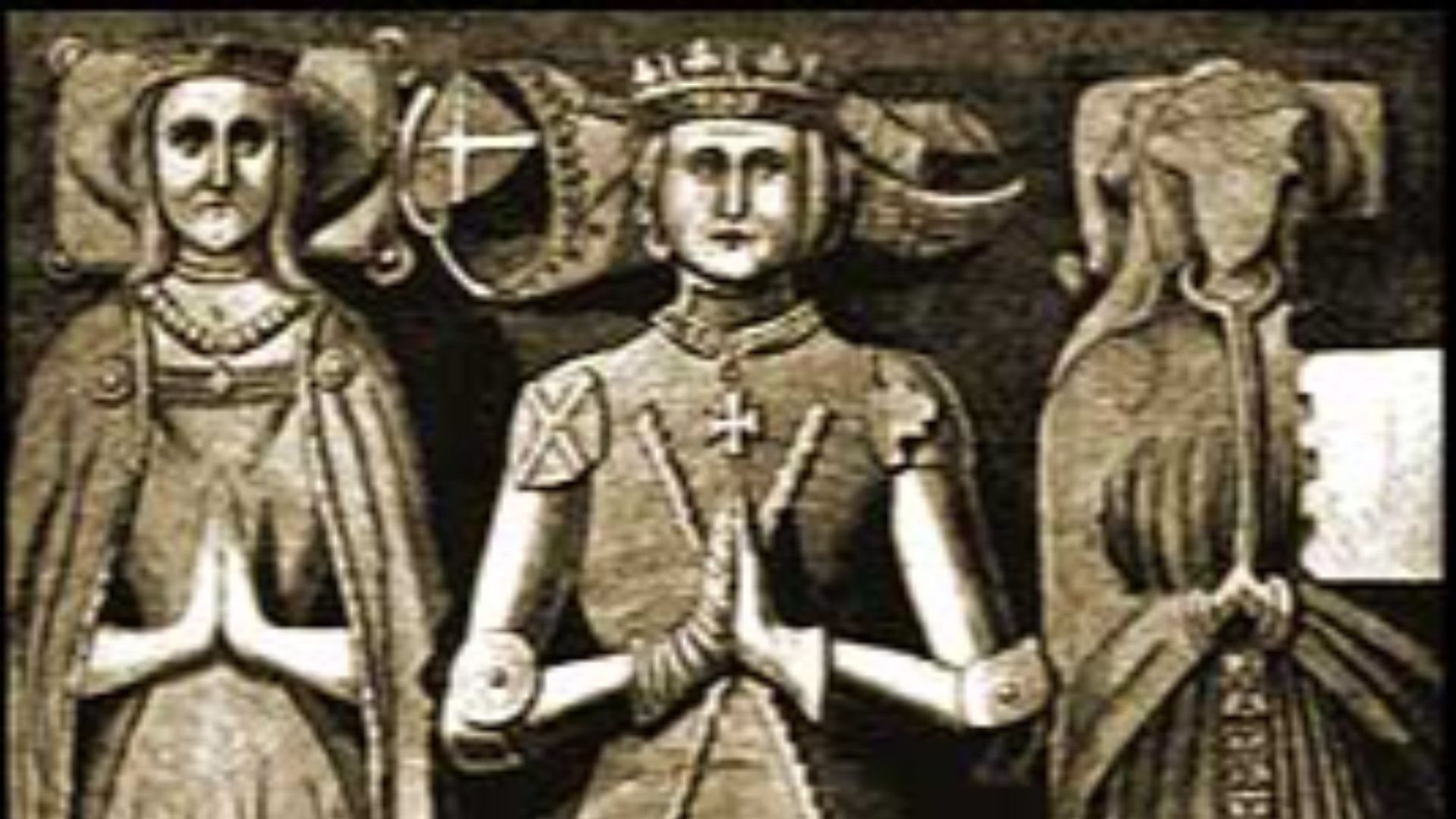
3. John Tiptoft, Earl Of Worcester
Tiptoft had a reputation for learning, yet he became notorious during the Wars of the Roses for harsh justice and mass executions while serving as constable of England. He was remembered as ruthless even in a violent period, which shows how easily the knightly role could be used to legitimize cruelty.
 Unknown authorUnknown author on Wikimedia
4. Sir Andrew Harclay
Harclay earned honor fighting the Scots, then fell hard when he negotiated peace with Robert the Bruce without royal approval. He was arrested and executed for treason in 1323, and the speed of his collapse shows how loyalty, not bravery, often decided whether a knight was praised or destroyed.
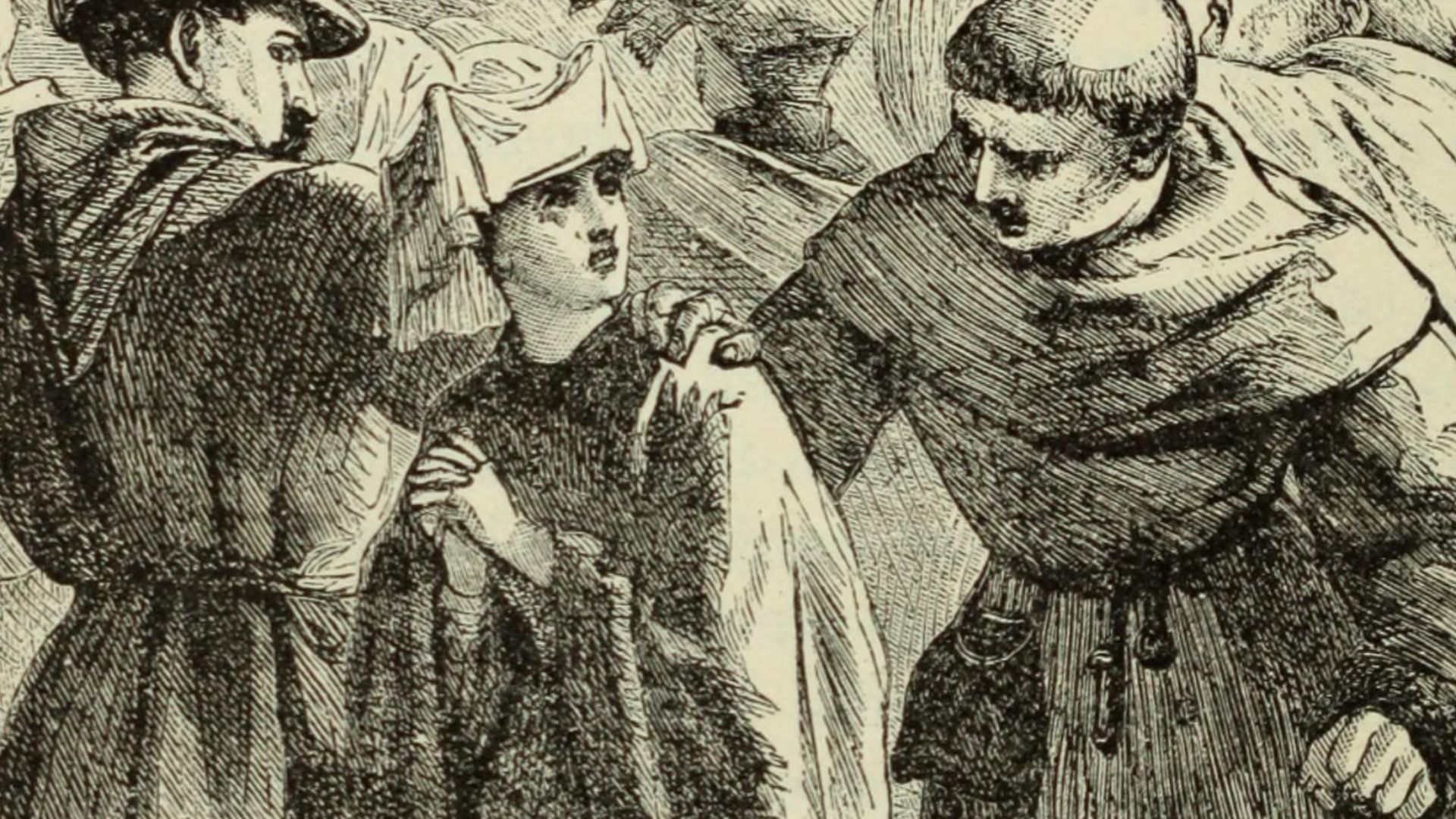
5. Sir John Oldcastle
Oldcastle began as a respected soldier and associate of Henry V, then became identified with the Lollard movement and open defiance of church authority. He was condemned for heresy and later executed, a reminder that chivalry was tied to institutional loyalty, not just personal ethics.
 Internet Archive Book Images on Wikimedia
6. Sir John Hawkwood
Hawkwood built fame as a mercenary captain in Italy with the White Company, serving city-states that hired him and fearing the ones that could not. His career exposed the business side of knighthood, where contracts and pay could matter more than oaths, and civilians often bore the cost.
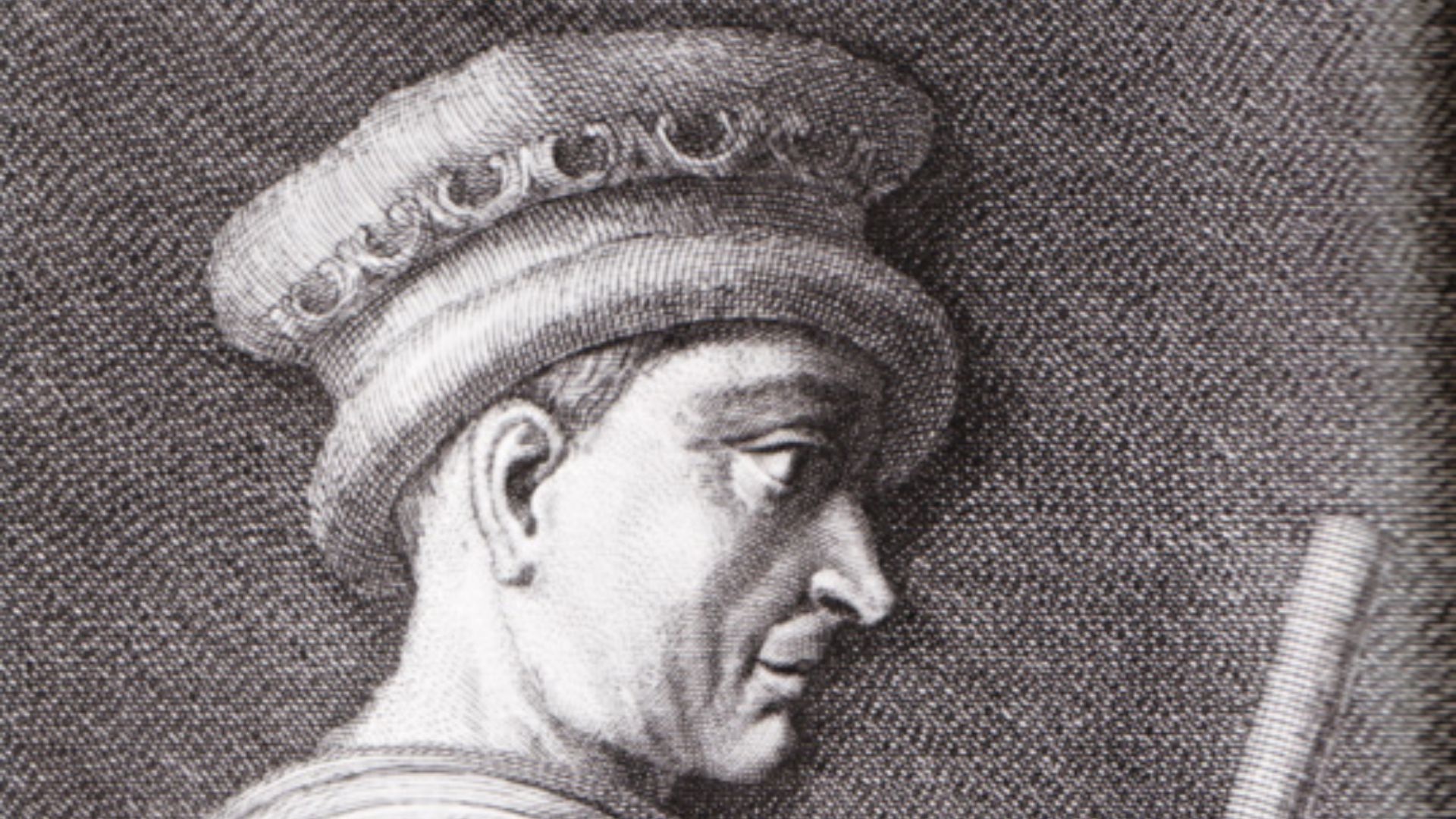
7. Sir Robert Knolles
Knolles became wealthy and influential through war in France, yet his name also appears in criticism of undisciplined raiding and the damage such campaigns inflicted. The knightly image depended on control and restraint, and commanders who could not rein in their forces undercut the very ideals they claimed to represent.
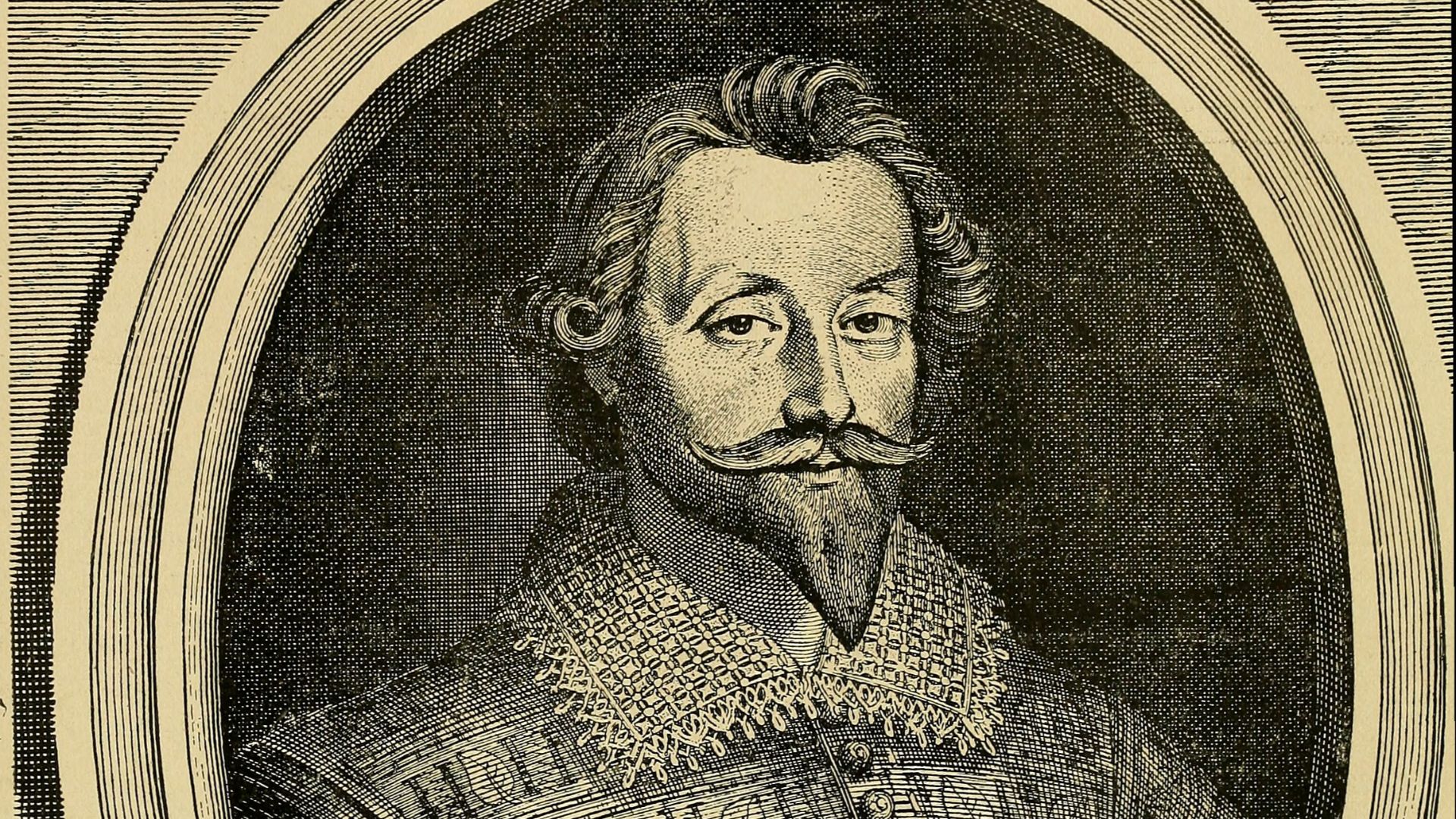 Hart, Francis Russell. [from old catalog] on Wikimedia
8. Sir John Fastolf
Fastolf’s legacy is tangled because he was a capable soldier and administrator, yet his name became associated with cowardice after the Battle of Patay, and he spent years defending his reputation. The episode shows how chivalry could be as much about public narrative as conduct, with reputations made or broken by rivals and chroniclers.
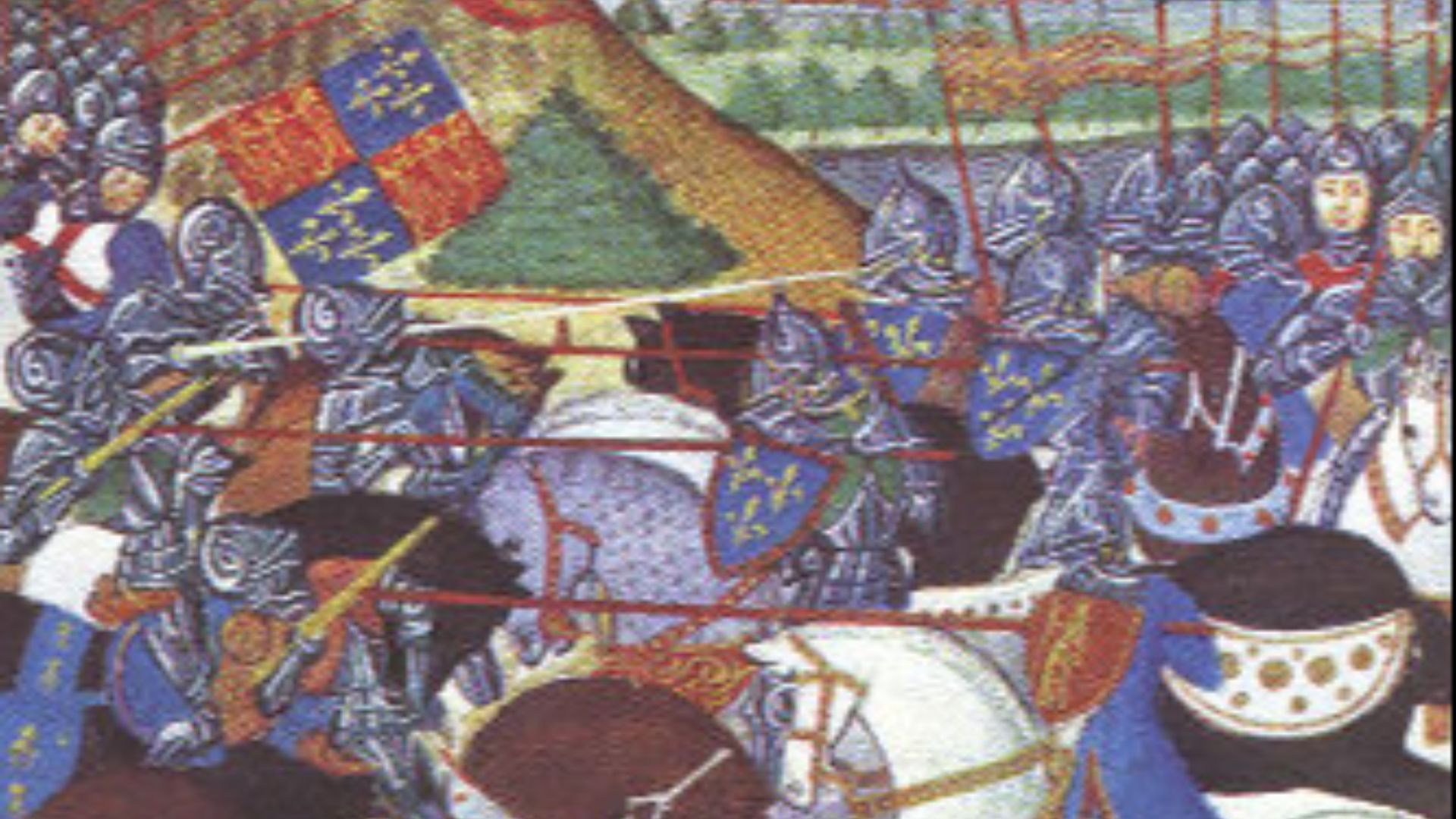
9. Götz Von Berlichingen
Götz was an imperial knight in a Germany where private feuds still functioned as a form of politics, and his career included raids and violent quarrels that later readers romanticized. His life reflects a darker side of knighthood, where local power could mean enforcing personal vendettas with armed men.
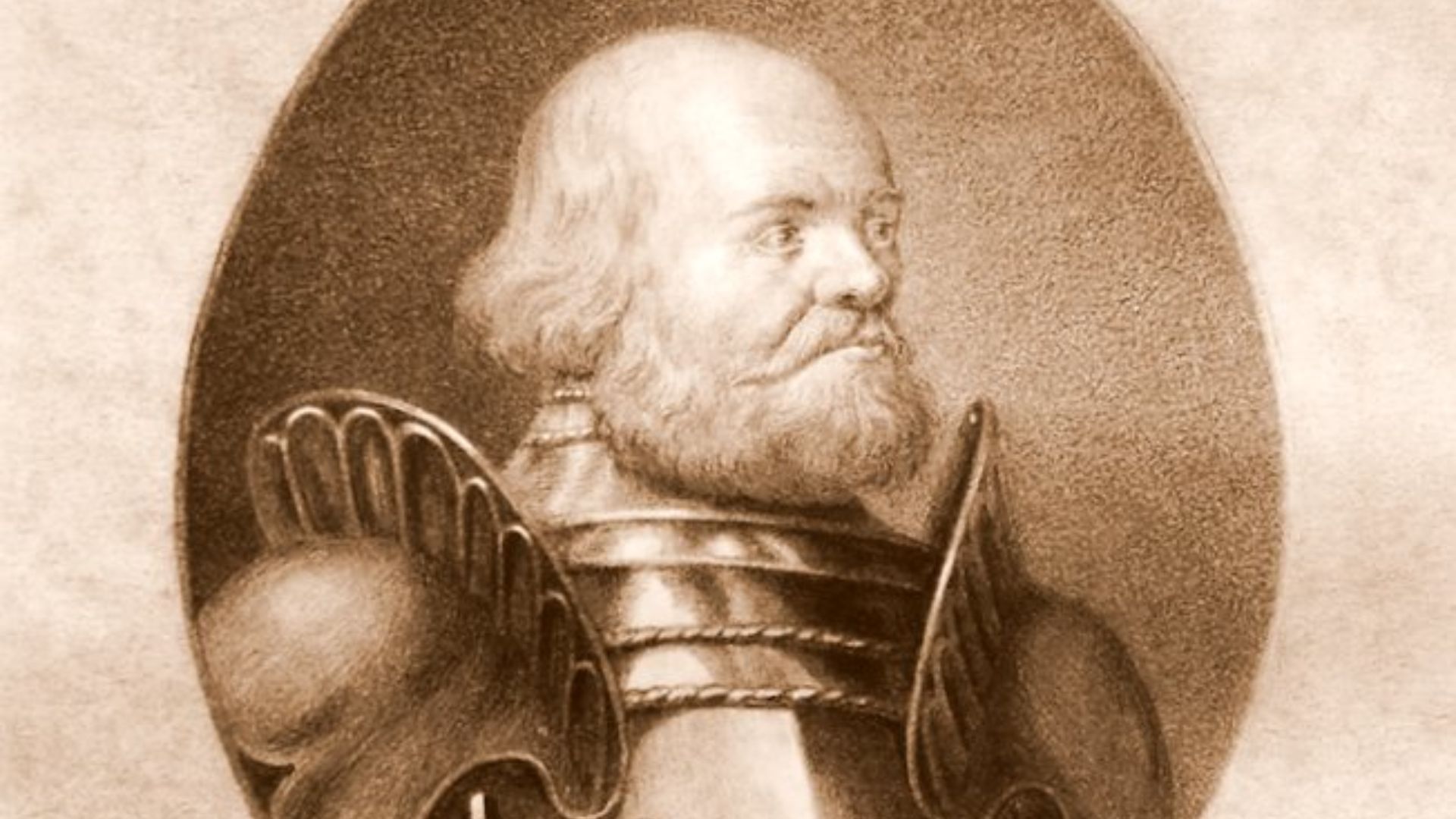 The original uploader was Castellan at German Wikipedia. on Wikimedia
10. Reynald Of Châtillon
Reynald gained notoriety in the Crusader States for aggressive raiding and for breaking truces, including attacks that threatened trade routes and pilgrims. Muslim and Christian sources alike describe him as dangerously provocative, and his end at Saladin’s hands after Hattin in 1187 became a pointed warning about arrogance dressed up as valor.
KEEP ON READING