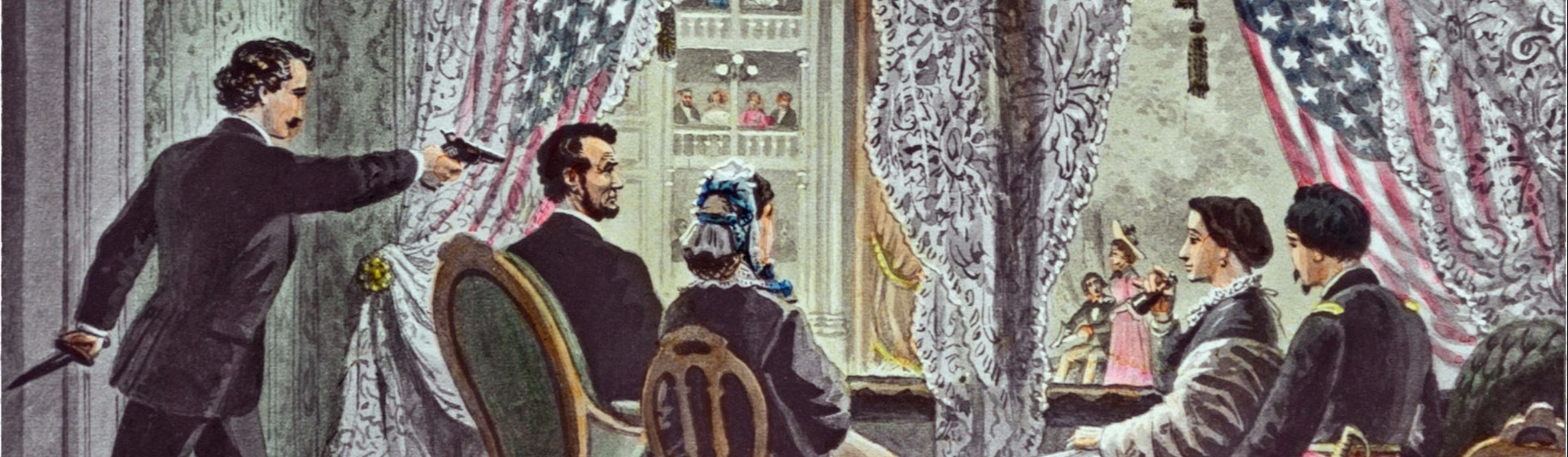
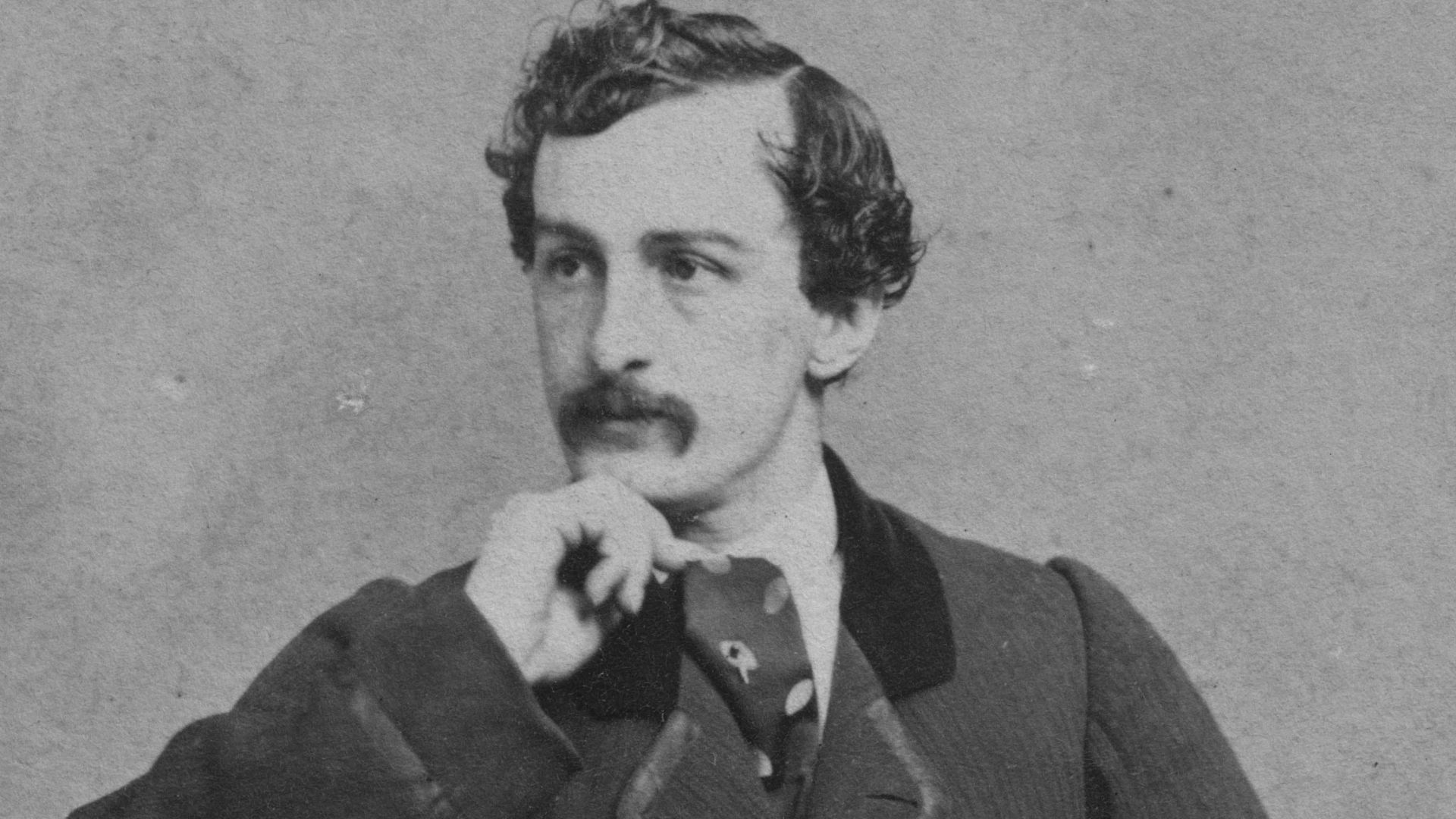
When John Wilkes Booth assassinated President Abraham Lincoln in 1865, history quickly fixed its attention on Booth himself. His dramatic actions, swift escape, and violent end made him the central figure in one of the nation’s darkest moments. What often gets overlooked is that Booth didn’t act in complete isolation. You can’t fully understand the event without looking at the network of people who helped him before and after the assassination.
These individuals weren’t always masterminds or ideologues, and many didn’t expect their actions to carry such historic weight. Some were motivated by Confederate sympathy, others by loyalty, fear, or poor judgment. Their roles complicate the simple narrative of a lone villain and reveal how fragile the postwar nation truly was. Remembering them doesn’t excuse their actions, but it does clarify how Booth succeeded as long as he did.
The Silent Support of Mary Surratt
Mary Surratt is one of the most controversial figures connected to Booth’s plot. She owned a boardinghouse in Washington, D.C., where Booth and several co-conspirators met repeatedly. While historians still debate how much she knew, evidence shows she provided a safe gathering place that enabled planning. That assistance placed her squarely within the conspiracy’s orbit.
Surratt also owned a tavern in Surrattsville, Maryland, which played a direct logistical role. Booth arranged for weapons and supplies to be stored there ahead of time. On the day of the assassination, Surratt delivered a message instructing the tavern keeper to have those items ready. That action strongly suggested foreknowledge, even if her intent remains disputed. The message specifically referenced “shooting irons,” a phrase commonly understood to mean firearms.
She became the first woman executed by the federal government, a fact that still sparks debate today. Critics then and now argued the trial was rushed and unfair, especially given her civilian status. Supporters of the verdict believed the stakes demanded swift justice. The use of a military tribunal rather than a civilian court further fueled controversy. Her execution left a lasting mark on public discussions about justice during national crises. Either way, her case shows how indirect assistance can still carry devastating consequences.
David Herold and the Cost of Loyalty
David Herold was Booth’s closest companion during the escape, and his role is far clearer than some others. He guided Booth through rural Maryland and Virginia, using his familiarity with the countryside. Herold didn’t plan the assassination, but he knowingly supported Booth afterward. That decision tied his fate firmly to Booth’s. His background as a local guide made him particularly useful during the flight. Without that knowledge, Booth’s escape may have ended much sooner.
Unlike Booth, Herold lacked ideological fire or confidence. He panicked frequently and considered surrendering more than once dursurrendering flight. Still, he stayed, helping Booth secure food, directions, and temporary shelter. Loyalty, even when mixed with fear, kept him involved longer than self-preservation should’ve allowed. Witness accounts later described Herold as visibly shaken during their time on the run. His indecision highlights how emotional dependence can override rational judgment.
Herold surrendered when Booth was cornered in a Virginia barn, while Booth refused to give up. Tried and convicted by a military tribunal, Herold was executed alongside the other conspirators. His story shows how ordinary people can become trapped by allegiance. His cooperation at the end did little to change his outcome. The government viewed his assistance as too significant to overlook.
Samuel Mudd and the Limits of Plausible Deniability
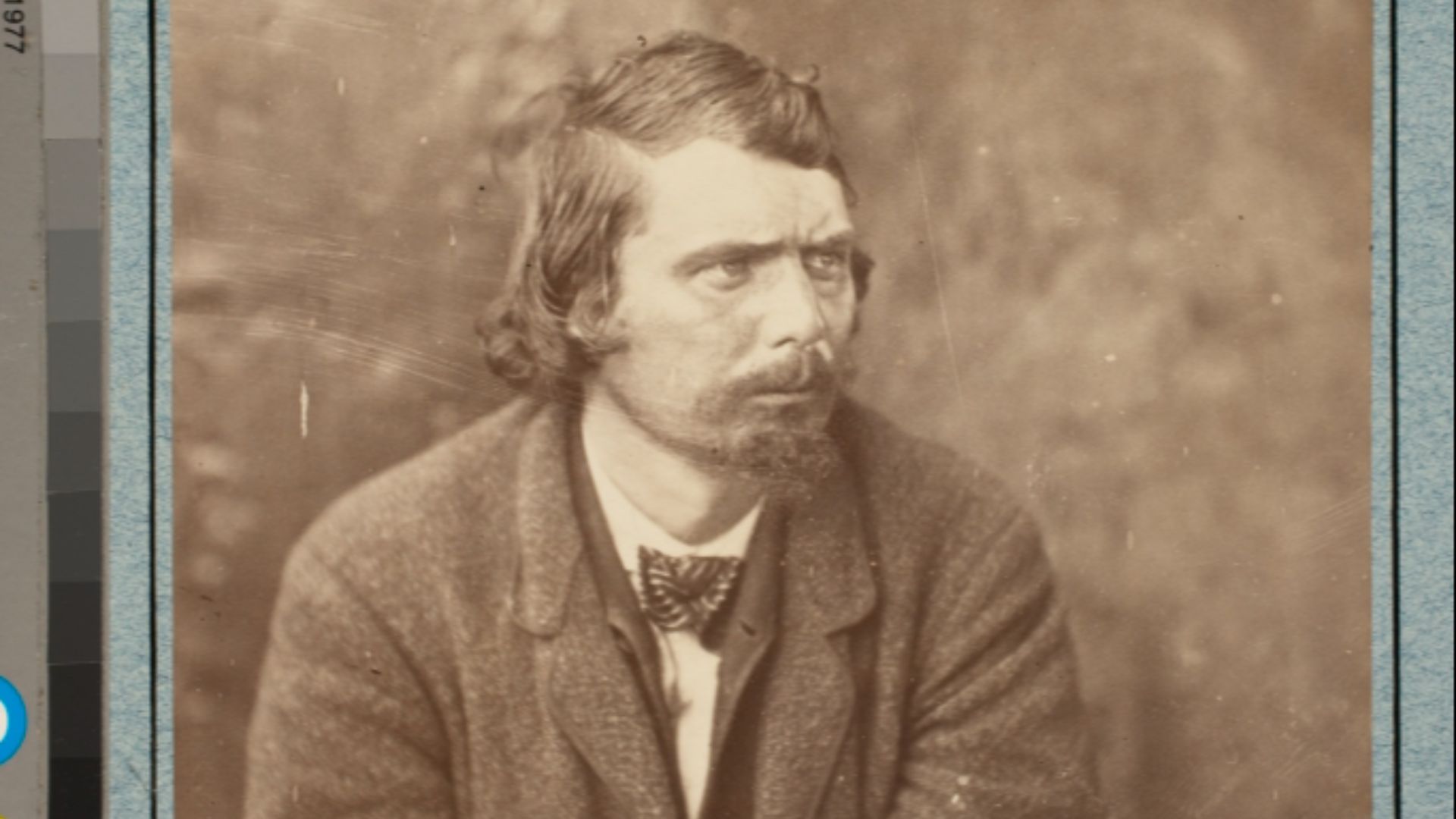 George Eastman House on Wikimedia
Dr. Samuel Mudd entered history through a single, infamous act. After Booth broke his leg jumping from Lincoln’s box, Mudd treated the injury at his Maryland home. He claimed he didn’t recognize Booth and had no knowledge of the assassination at the time. That claim became central to his defense and an enduring controversy. Booth had used an alias, which complicated identification. However, prior meetings between the two weakened Mudd’s explanation.
Evidence showed Mudd had met Booth before and shared Confederate sympathies. More damaging was his failure to immediately report Booth to authorities after learning of Lincoln’s death. That delay, even if motivated by fear or confusion, suggested complicity to investigators. In a climate of national shock, hesitation looked like guilt. Authorities expected prompt cooperation given the severity of the crime. His silence was interpreted as protection rather than caution.
Mudd was sentenced to life imprisonment but later received a presidential pardon from Andrew Johnson. His release didn’t erase the stigma attached to his name, which still survives in the phrase “your name is mud.” His case highlights how moral responsibility isn’t always clear-cut. Still, history tends to judge harshly when silence aids violence. Mudd spent years trying to rehabilitate his reputation. The debate over his guilt continues among historians today.
The assassination of Abraham Lincoln wasn’t the work of one man alone, no matter how dramatic Booth’s role appears. A network of supporters, helpers, and enablers made his actions possible. Some acted out of belief, others out of loyalty or fear, but all played a part. When you look beyond Booth, you see how ordinary decisions can echo through history in extraordinary ways.
KEEP ON READING