When Fire Rewrites Everything
Castles were never just fortified mansions with scenic overlooks. They were pressure cookers of stone and strategy, built on the stubborn belief that thick walls and high ground could outlast any pillaging army. When a fortress held, it rarely came down to courage alone—geography, supply lines, and clever design forced attackers into killing grounds where their own tactics became their undoing. But when besieging armies severed those same supply routes or managed to set ramparts ablaze, even the mightiest strongholds could fall. Here are 10 castles that withstood serious military pressure, followed by 10 that were consumed by fire.
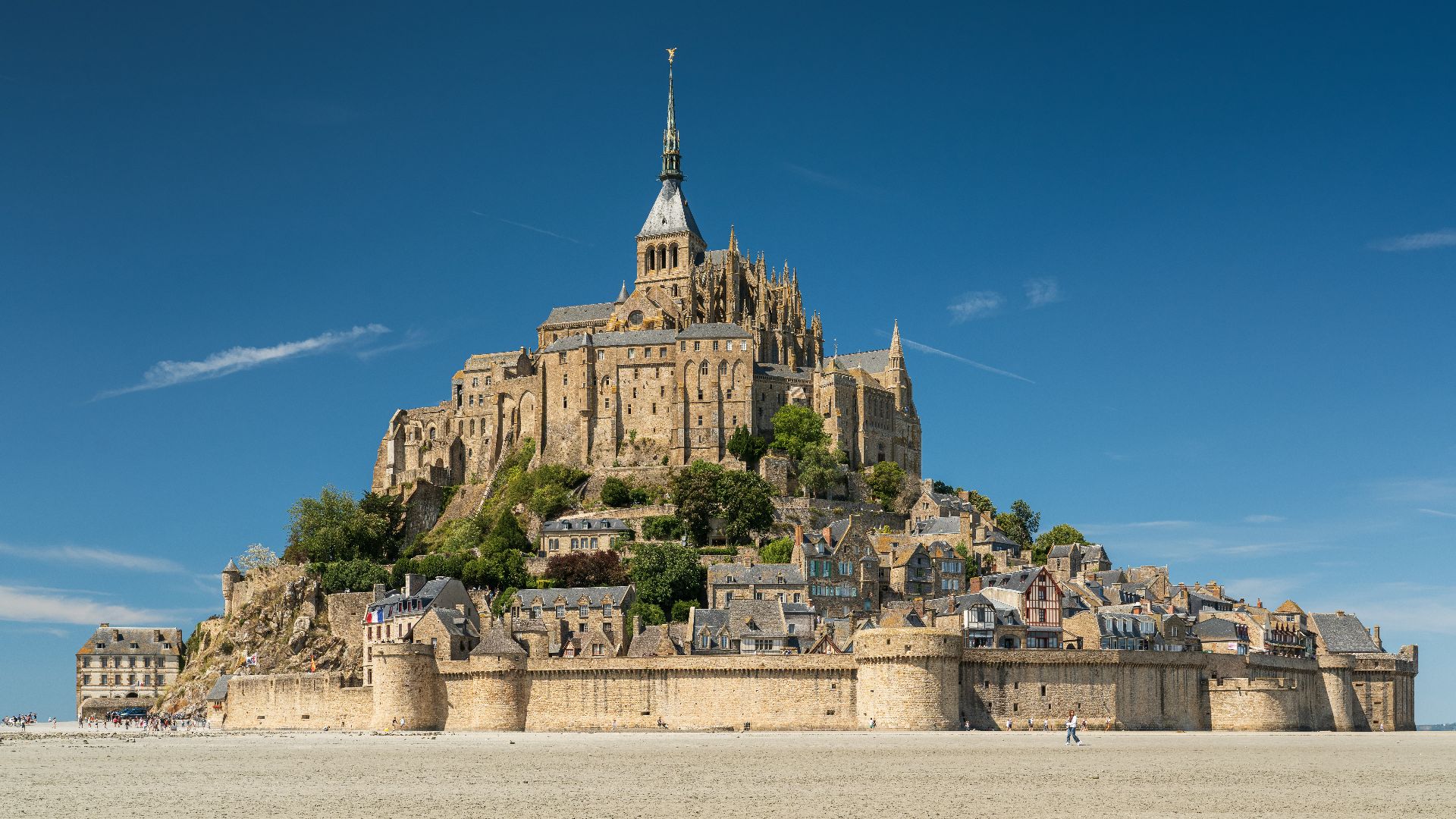
1. Dover
Dover Castle sits where England narrows toward the continent, and it looks built to remind invaders they’re visible from miles away. During the First Barons’ War, it endured a major siege in 1216, including mining under its defenses, and still held on long enough to blunt the campaign. When a fortress can absorb punishment and keep functioning, time becomes the attacker's enemy.
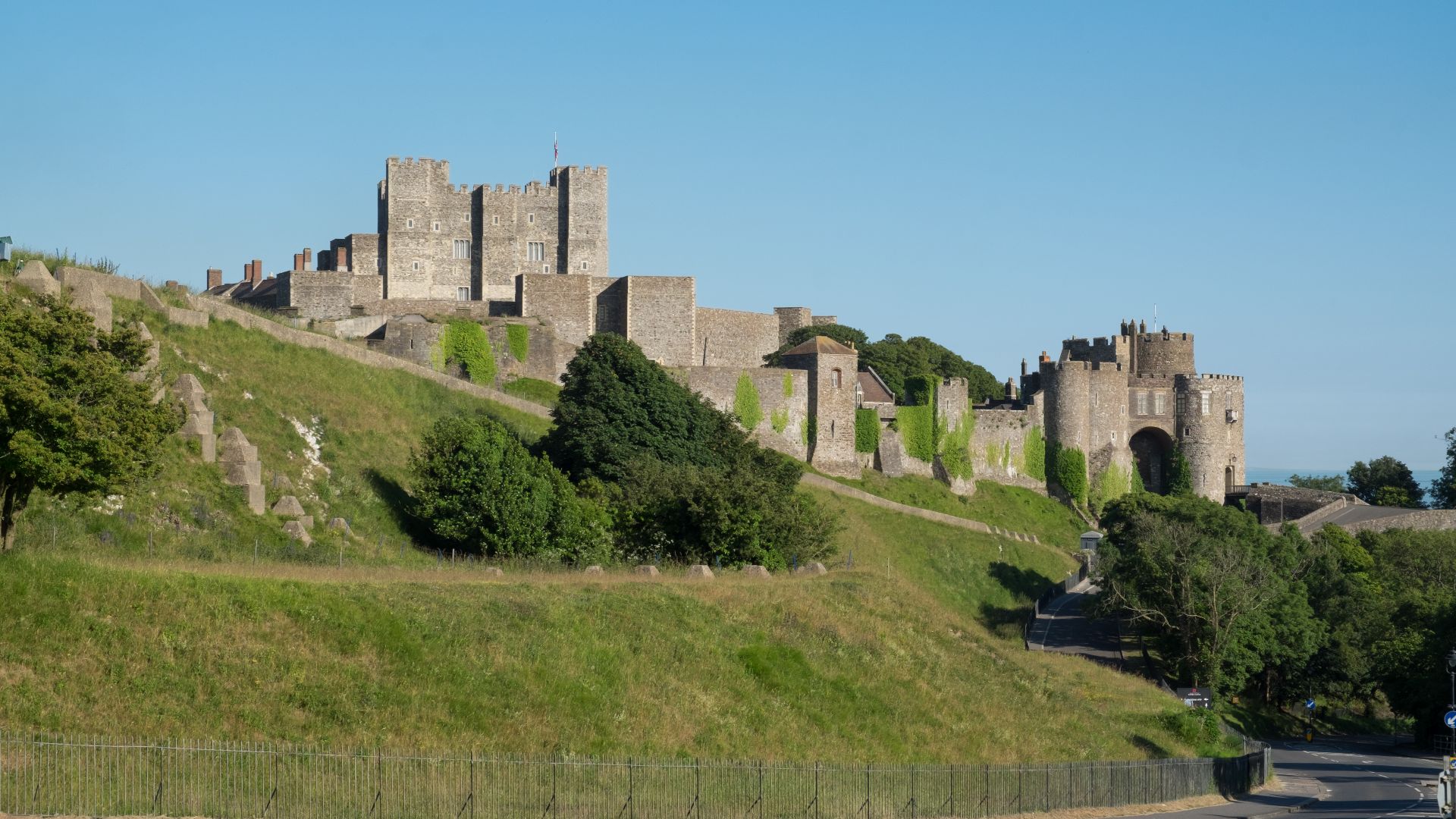
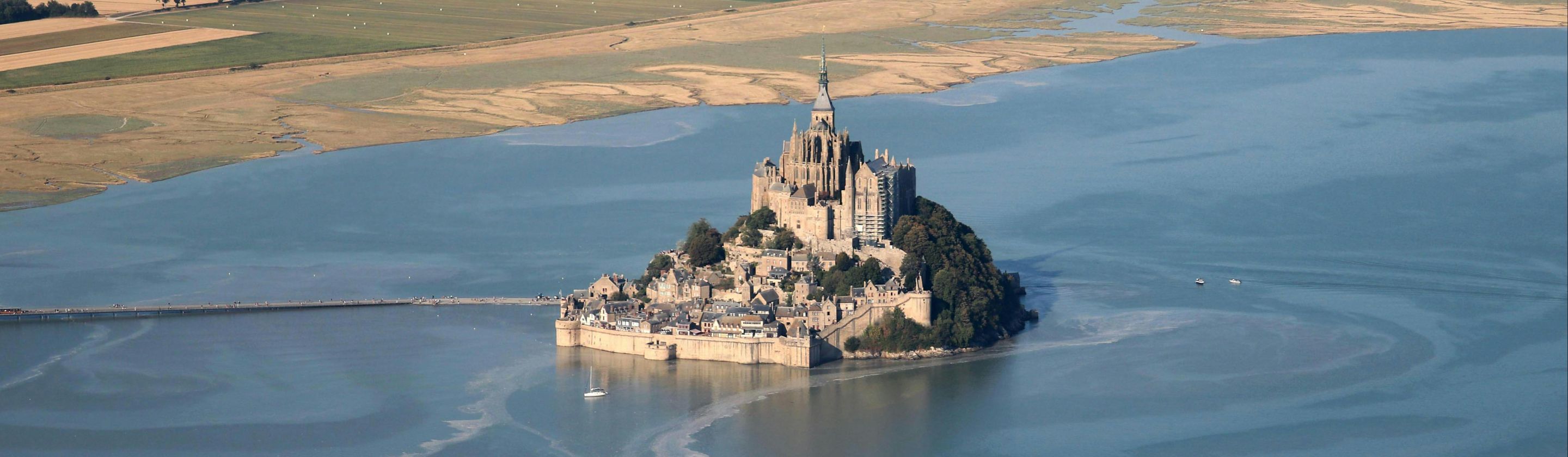
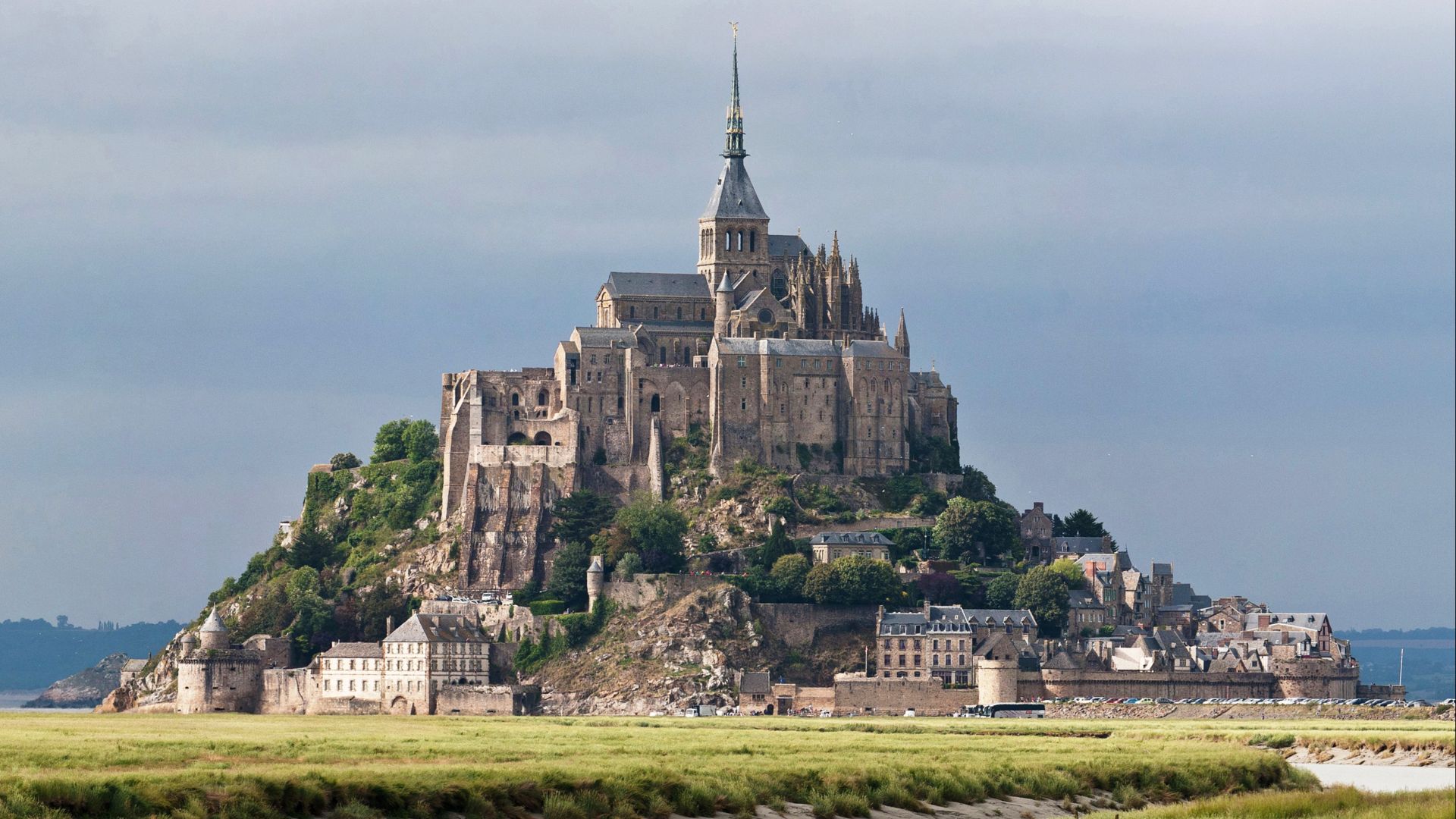
2. Mont-Saint-Michel
During the Hundred Years’ War, Mont-Saint-Michel resisted English attempts to take it, and its survival became part of its myth, not just a footnote. Even now, it reads like a place that wins by forcing would-be conquerors to fight the landscape first.
3. Hohensalzburg
High above Salzburg, Hohensalzburg looks less like a building and more like an answer to the question of who’s in charge. During the German Peasants’ War in 1525, it was besieged and still did not fall to the attackers. The fortress basically proved that altitude, thick walls, and stored provisions can be a language of their own.
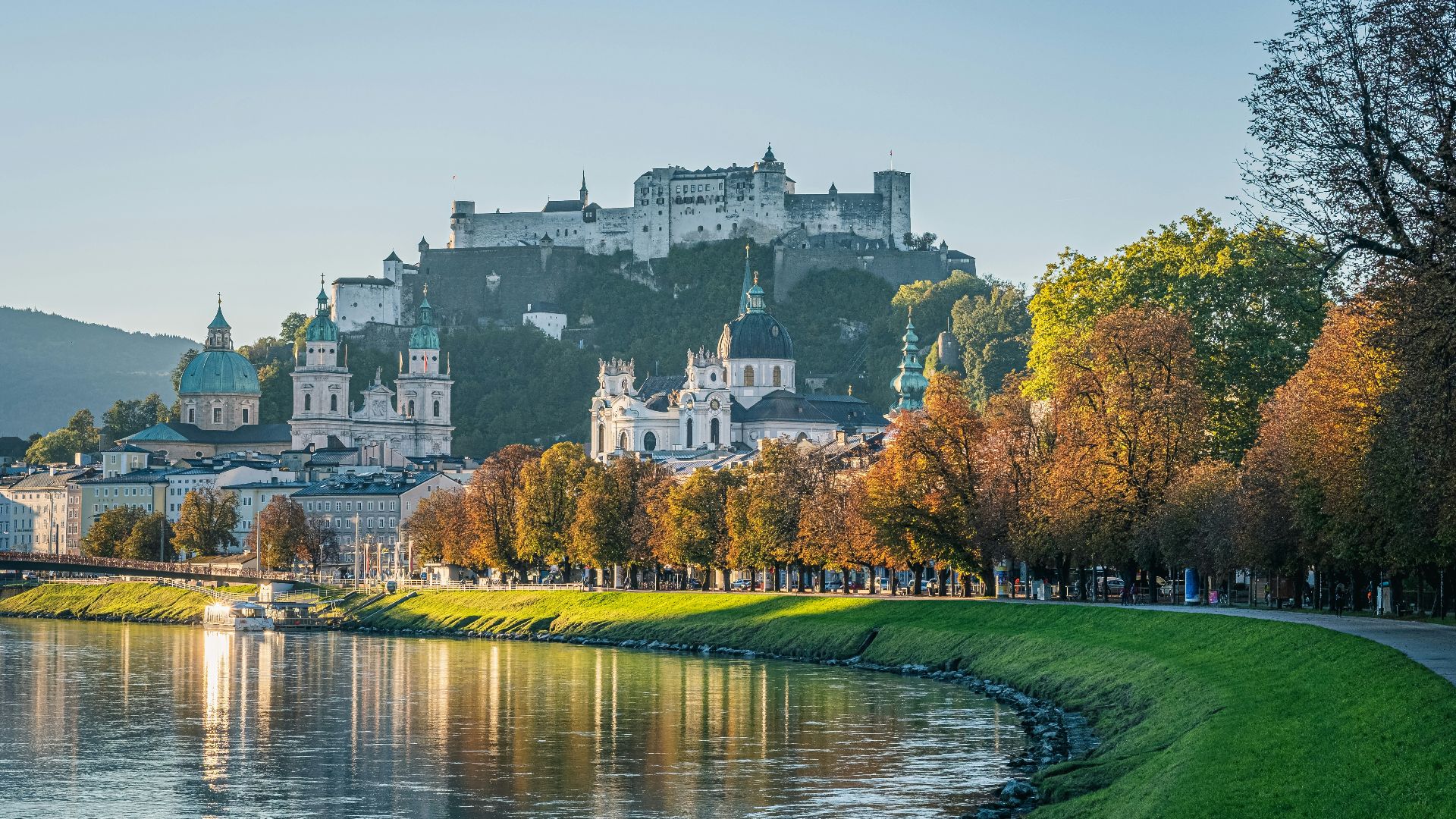 Free Walking Tour Salzburg on Unsplash
4. Pendennis
Pendennis Castle is a reminder that endurance can be a form of victory even when surrender eventually happens. During the English Civil War, it held out deep into 1646, long after many strongholds had collapsed, and it only gave in when there was little practical point in bleeding further.
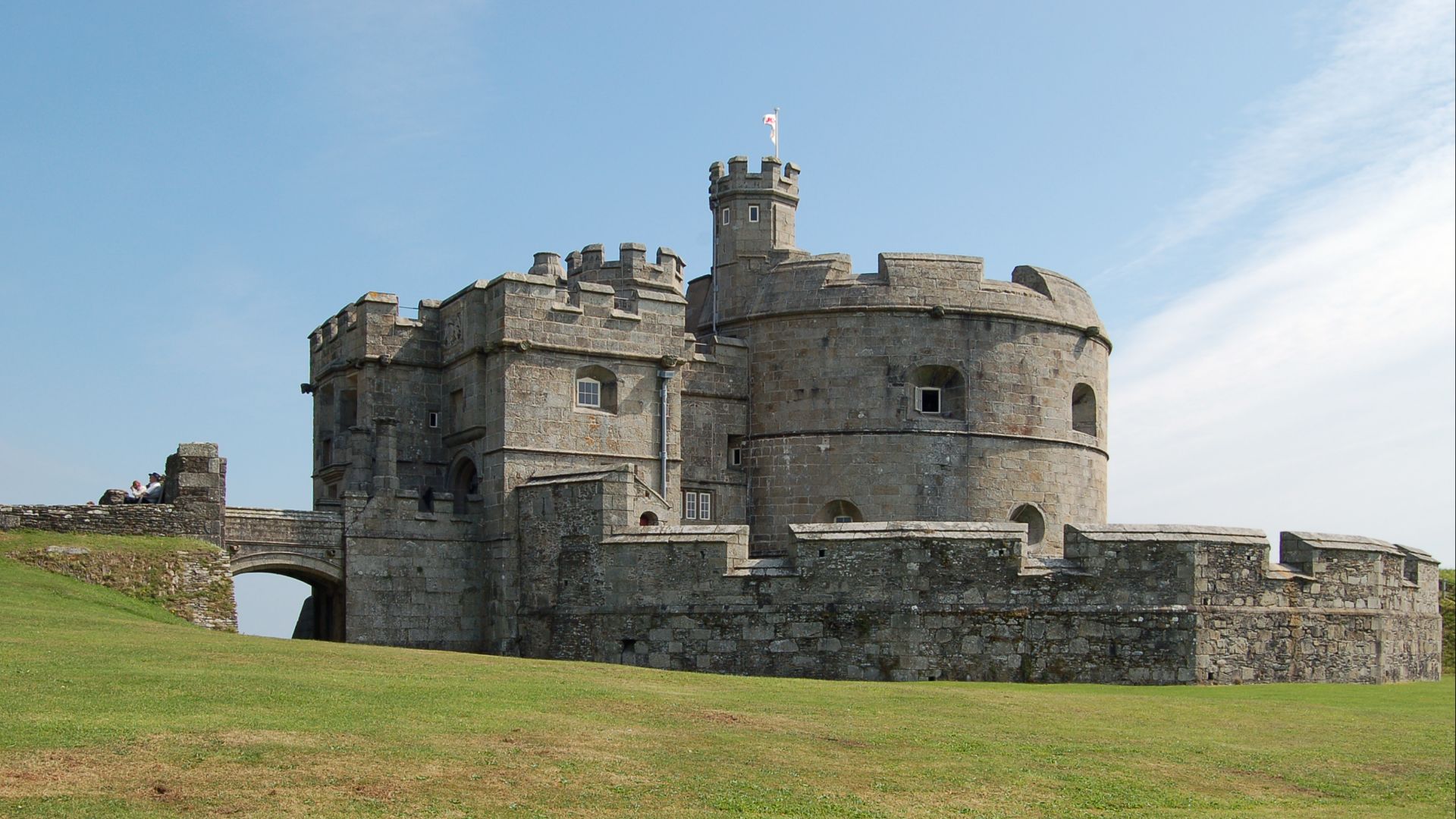
5. Harlech
Harlech Castle has that severe, Welsh-stone posture that makes every approach feel exposed. During the Wars of the Roses, it held for years under Yorkist pressure, becoming a symbol of stubborn resistance even as the political ground shifted elsewhere. The longer a place holds, the more it turns into a story people repeat, which is its own kind of power.
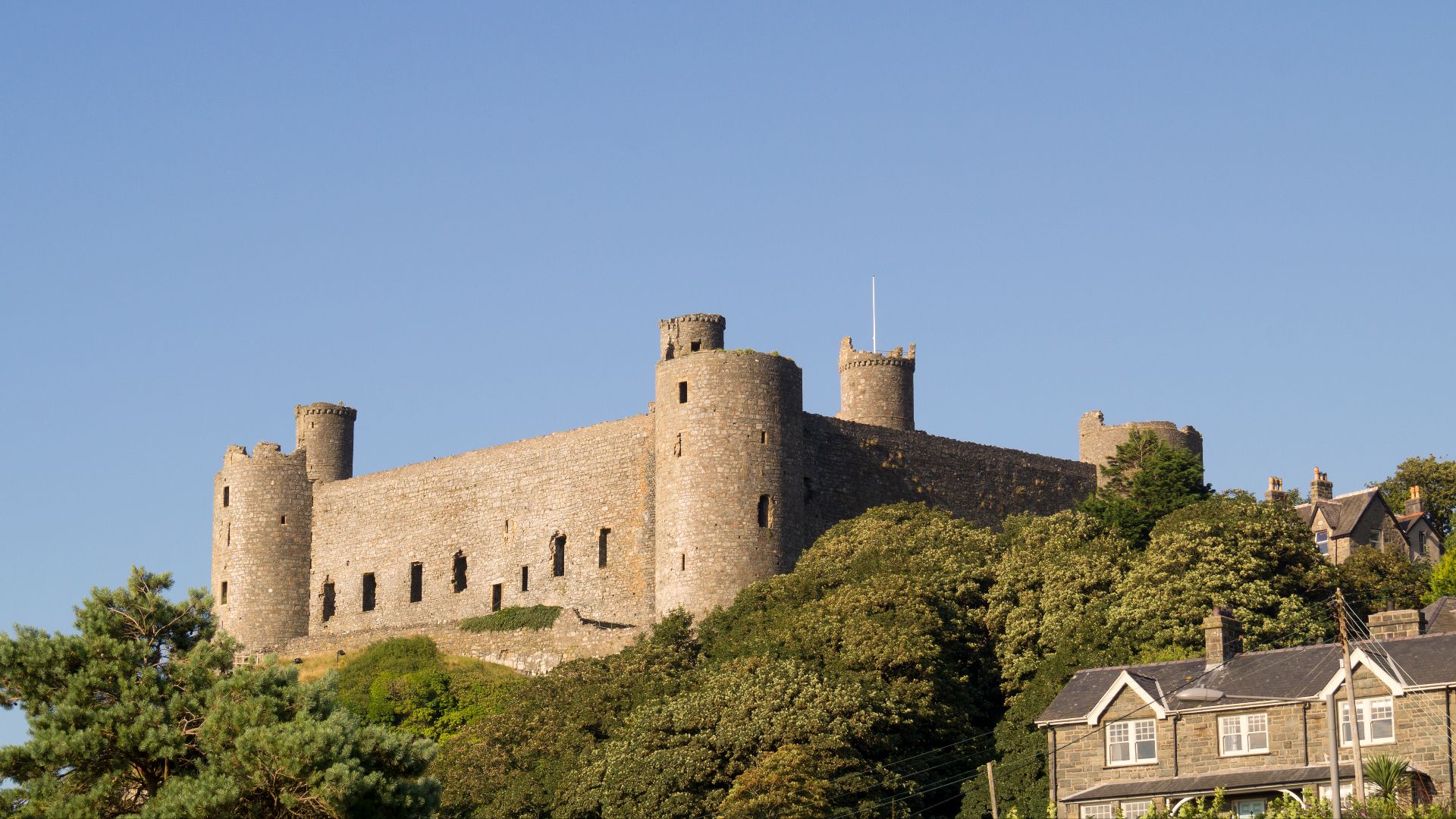
6. Carlisle
Carlisle Castle learned its role as a border hard point the way people learn scars, through repetition. In 1315, Robert the Bruce’s forces tried to take it, yet the siege didn’t succeed, and the Scots withdrew. Weather, logistics, and defense all teamed up in the most unglamorous way possible: the attackers simply couldn’t finish the job.
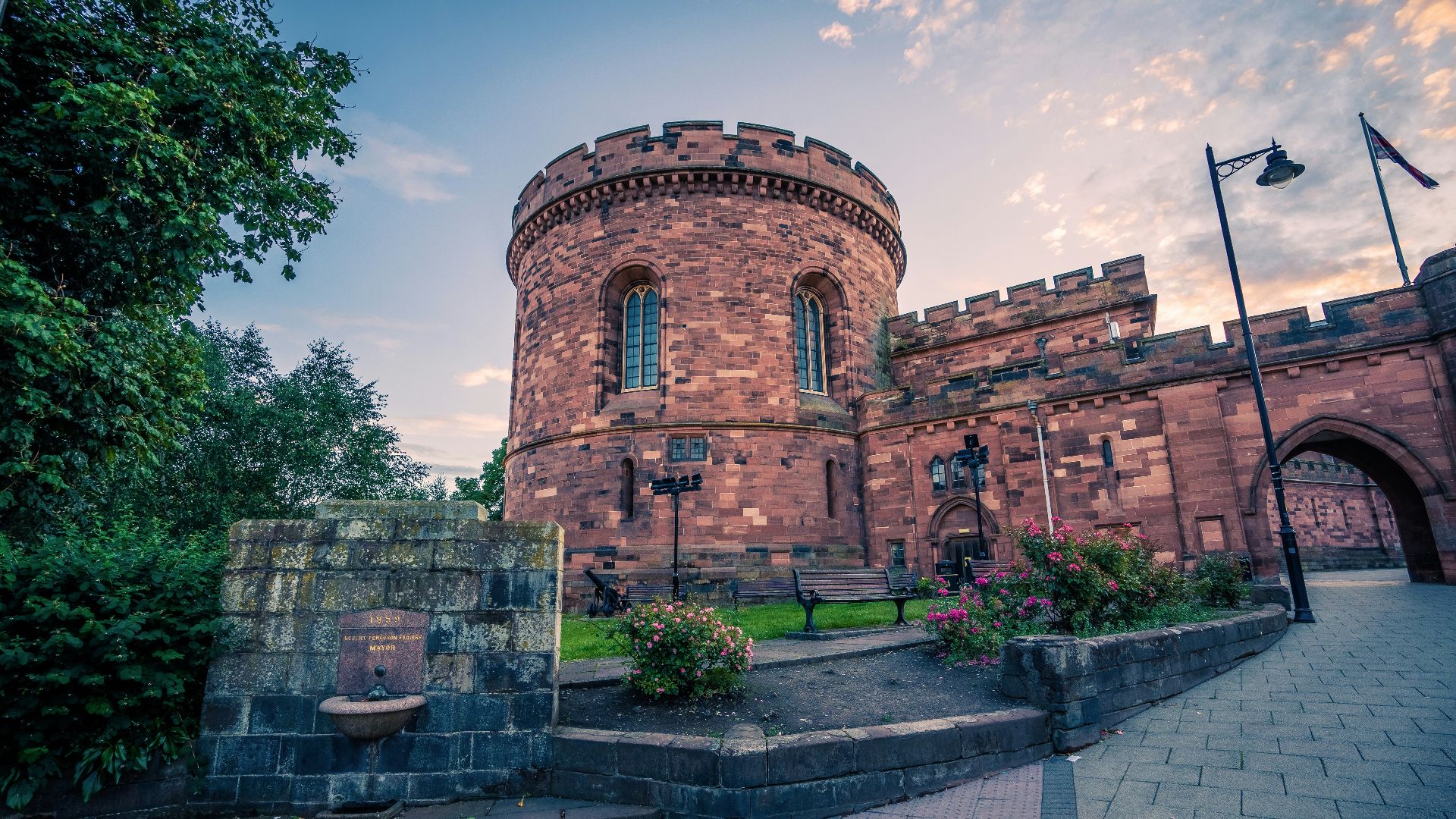
7. Corfu
The Old Fortress of Corfu sits with that Mediterranean brightness that hides how violently the region has been contested. During the Ottoman siege of 1716, Venetian-led defenders held, and the failure to take Corfu mattered far beyond the island’s shoreline. A fortress that stops an empire even once earns a permanent seat in the regional memory.
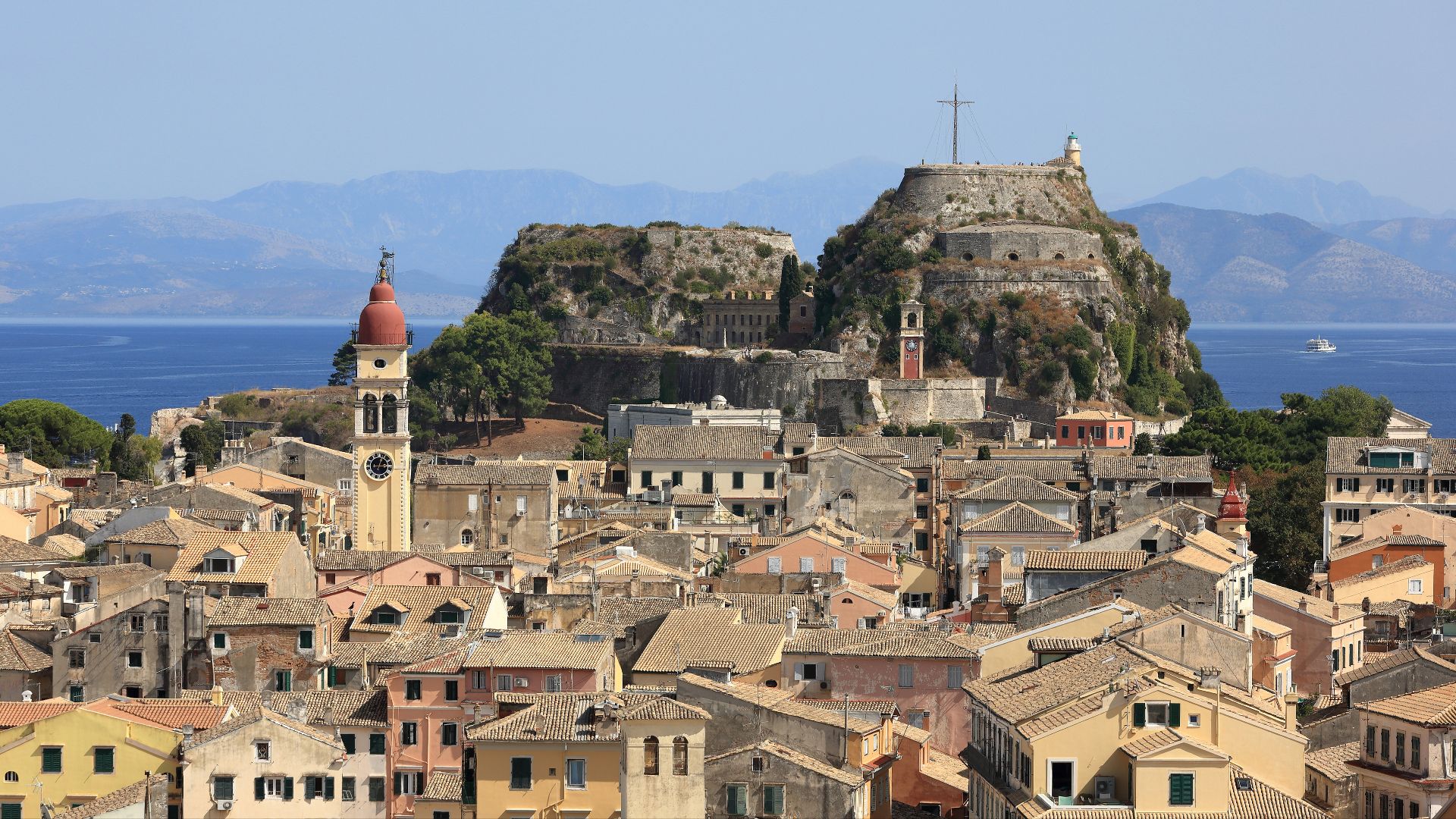 Martin Falbisoner on Wikimedia
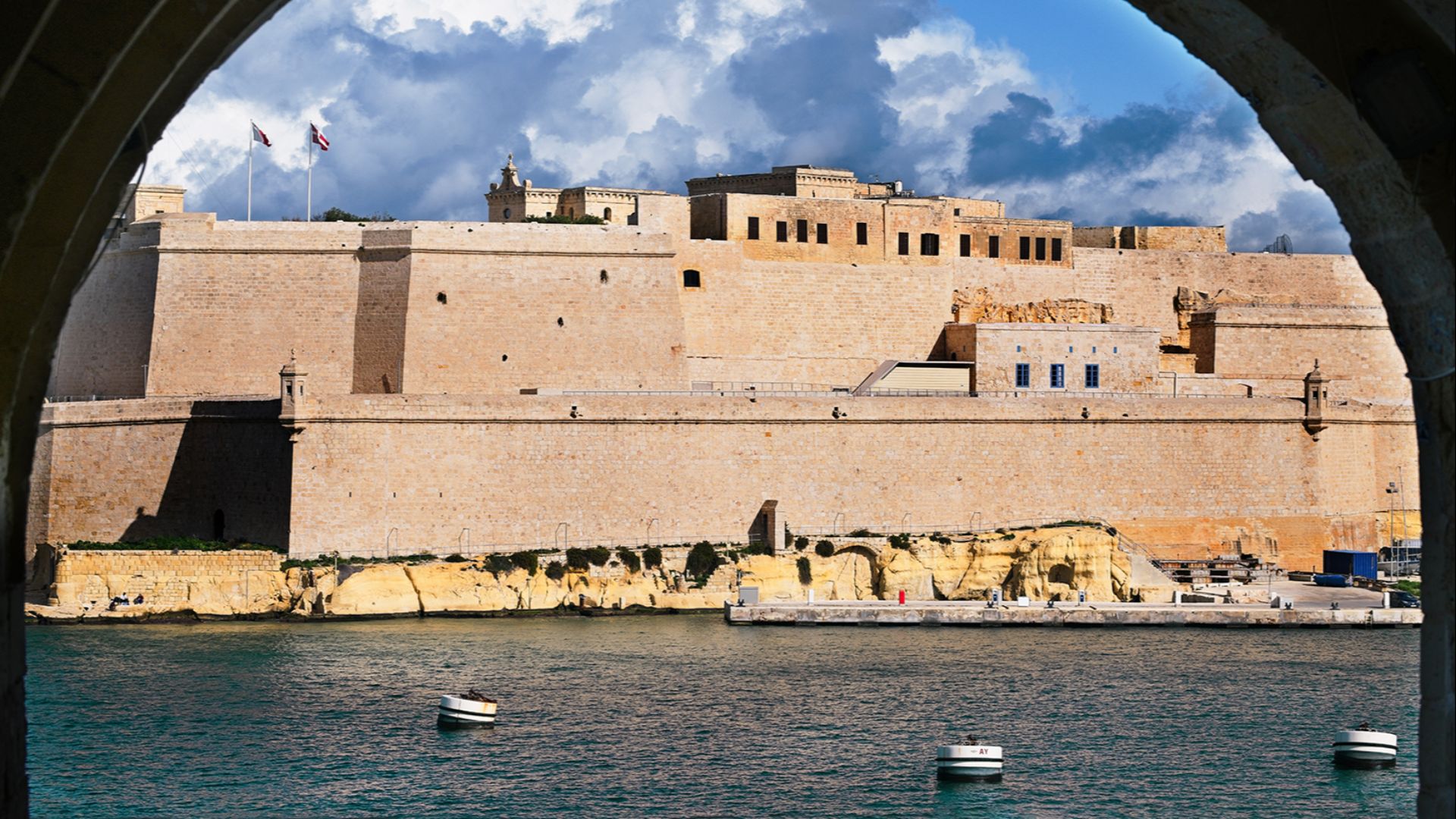
8. Birgu
Fort St. Angelo and the fortified area around Birgu became a focal point during the Great Siege of Malta in 1565. The defenders took horrific punishment and still held out until relief forces arrived, turning the siege into one of those moments military history keeps circling back to. When a place survives that kind of pressure, you start understanding why people once trusted walls with their future.
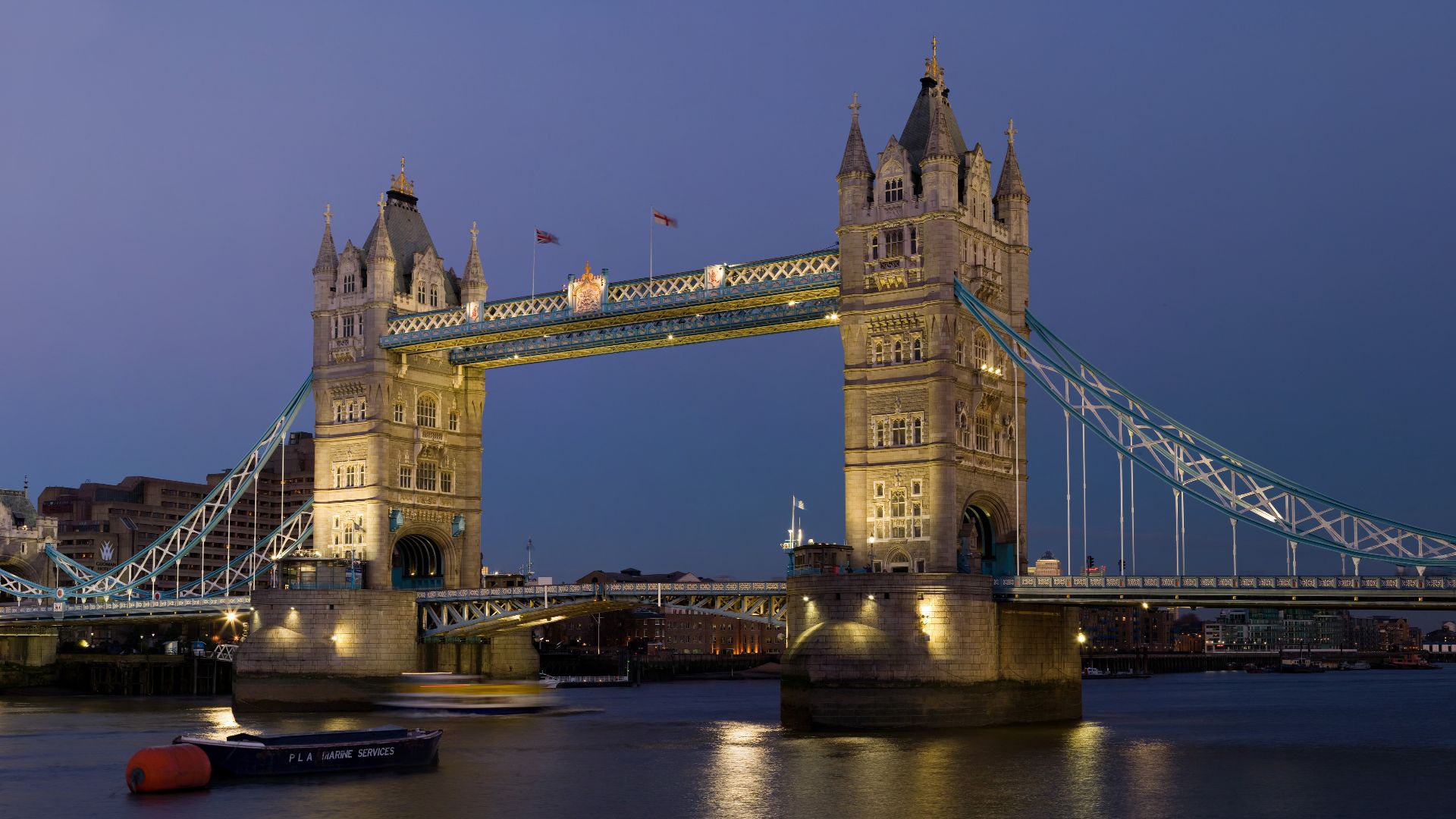
9. The Tower Of London
In 1381, during the Peasants’ Revolt, a crowd got inside, which is a rare breach, yet the complex remained a fortress of state power rather than a conquered ruin. Its defiance is less about one clean siege and more about enduring as a hard symbol no one could easily erase.
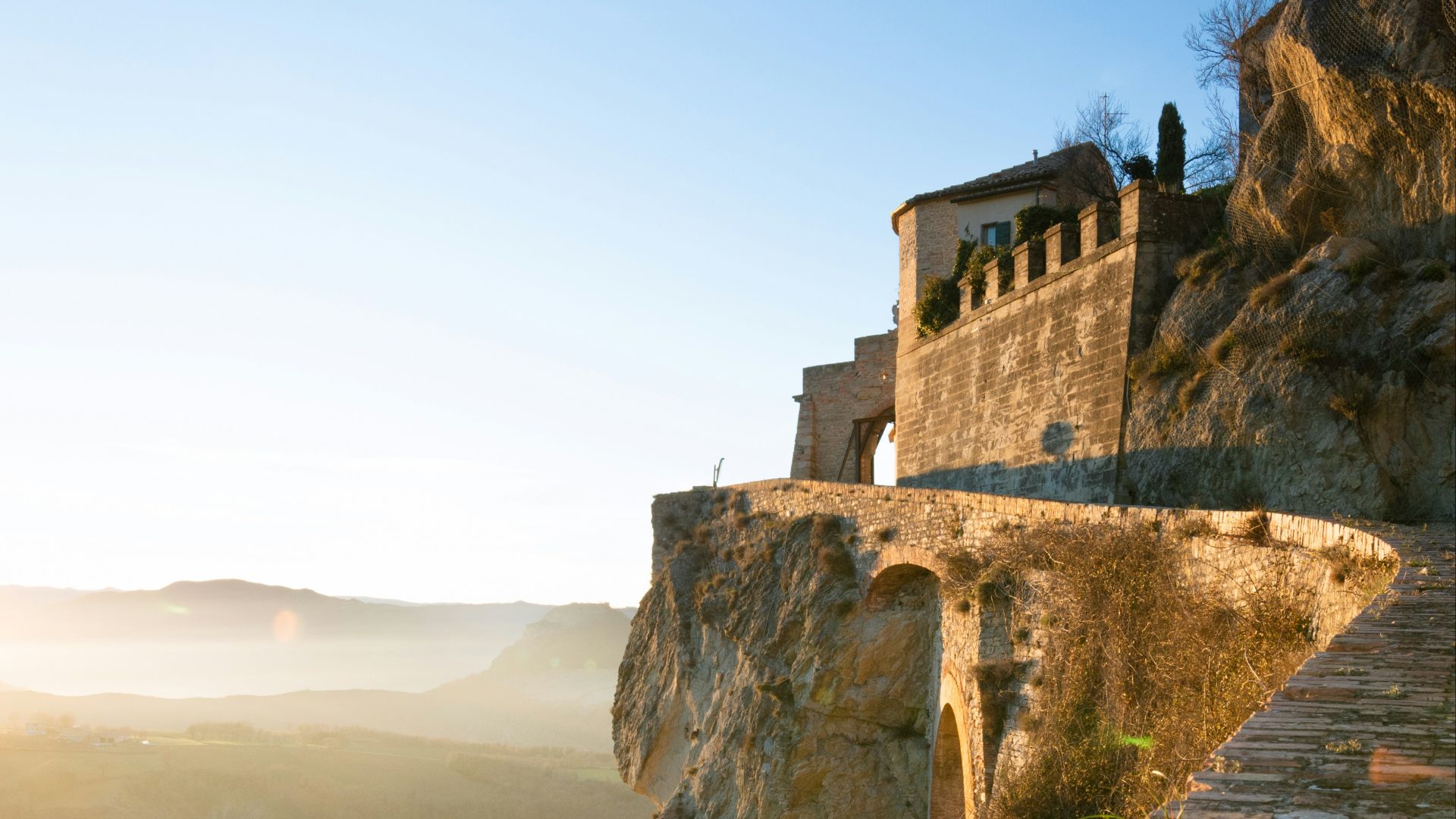
10. San Leo
San Leo Fortress in Italy perches on a rock that looks like a natural pedestal, as if the earth itself wanted it defended. It has a long record of withstanding attacks across medieval and Renaissance conflicts, helped by access that forces any assault into narrow, miserable channels.
A castle can survive armies and still lose to heat, chance, or deliberate destruction. Here are ten that ultimately succumbed.
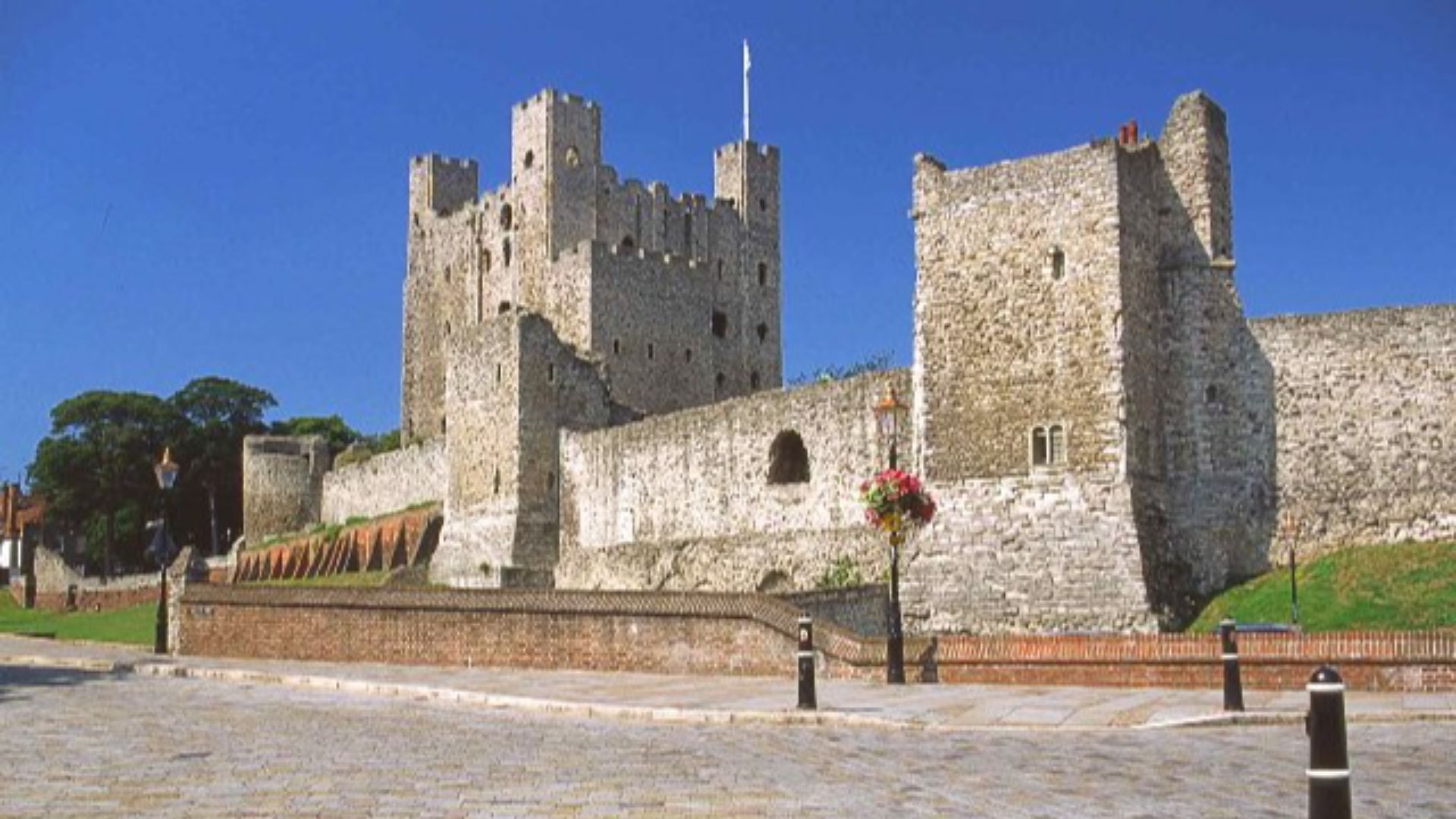
1. Rochester
Rochester Castle’s 1215 siege during the First Barons’ War is remembered for how brutally practical medieval warfare could be. Attackers undermined a section and used fire to help bring part of the structure down, turning engineering into devastation.
 Christine Matthews on Wikimedia
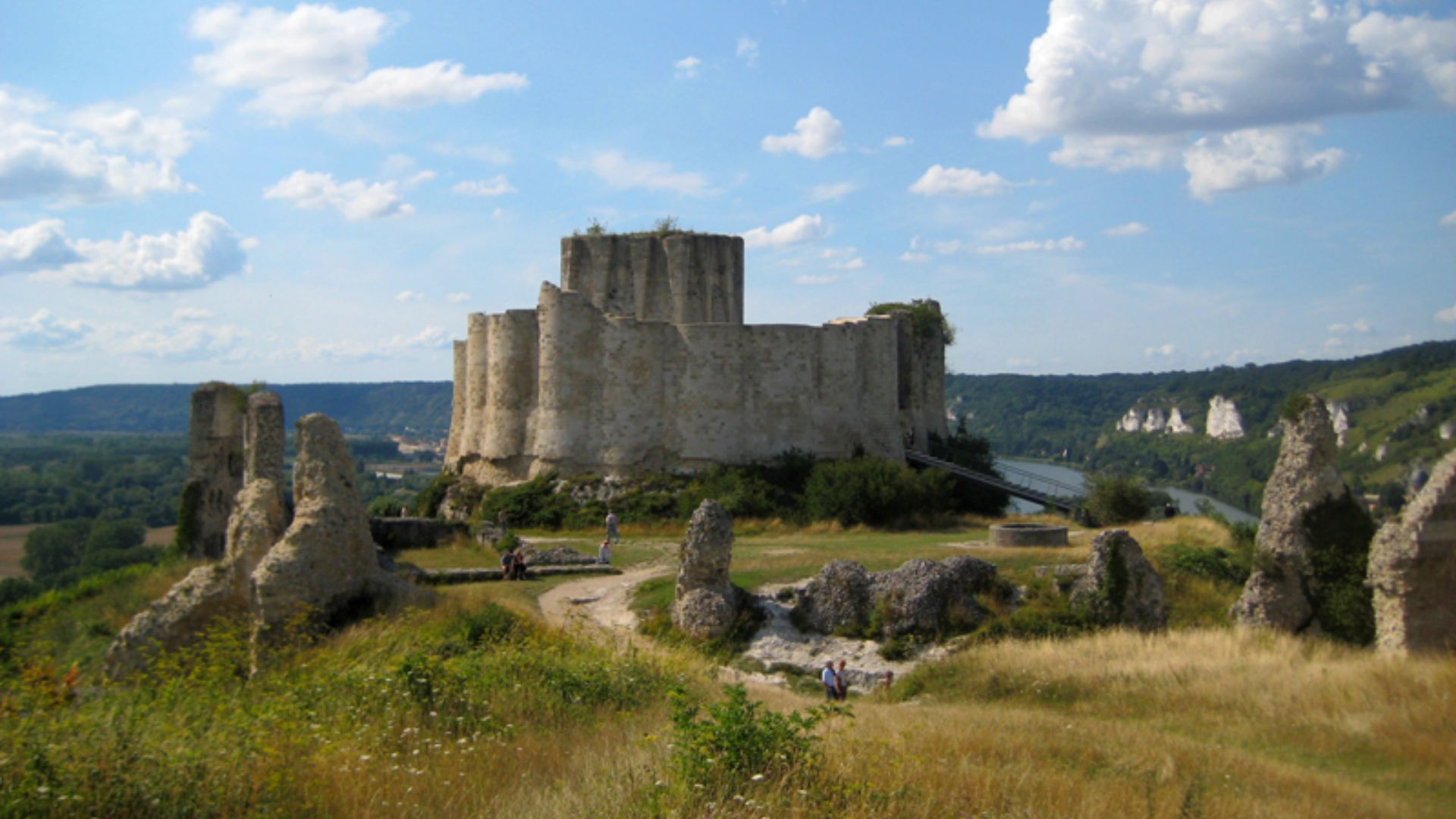
2. Château Gaillard
Built by Richard the Lionheart, Château Gaillard was meant to be an architectural mic drop over the Seine. It fell in 1204 to Philip II of France after a long siege where the attackers found ways to exploit weak points and apply relentless pressure. Even a “state-of-the-art” castle can become obsolete the moment an enemy studies it long enough.
3. Heidelberg
Heidelberg Castle has the romantic ruin look now, yet the story behind that beauty is harsh. During the Nine Years’ War, French forces burned Heidelberg in 1689, and the castle’s damage became part of a broader campaign that treated destruction as the main strategy.
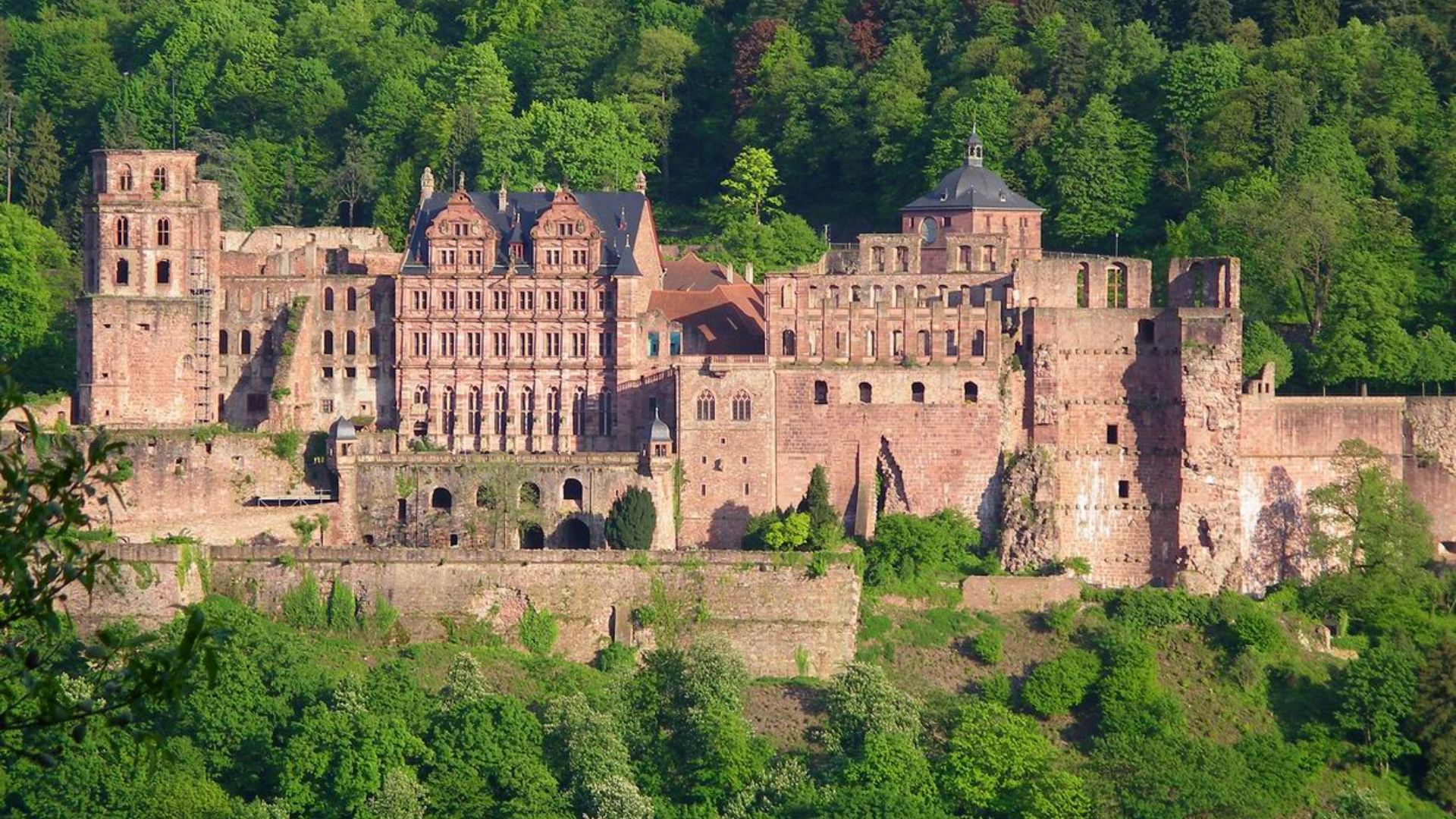 Pumuckel42 (Reinhard Wolf) at de:Wikipedia on Wikimedia
4. Windsor
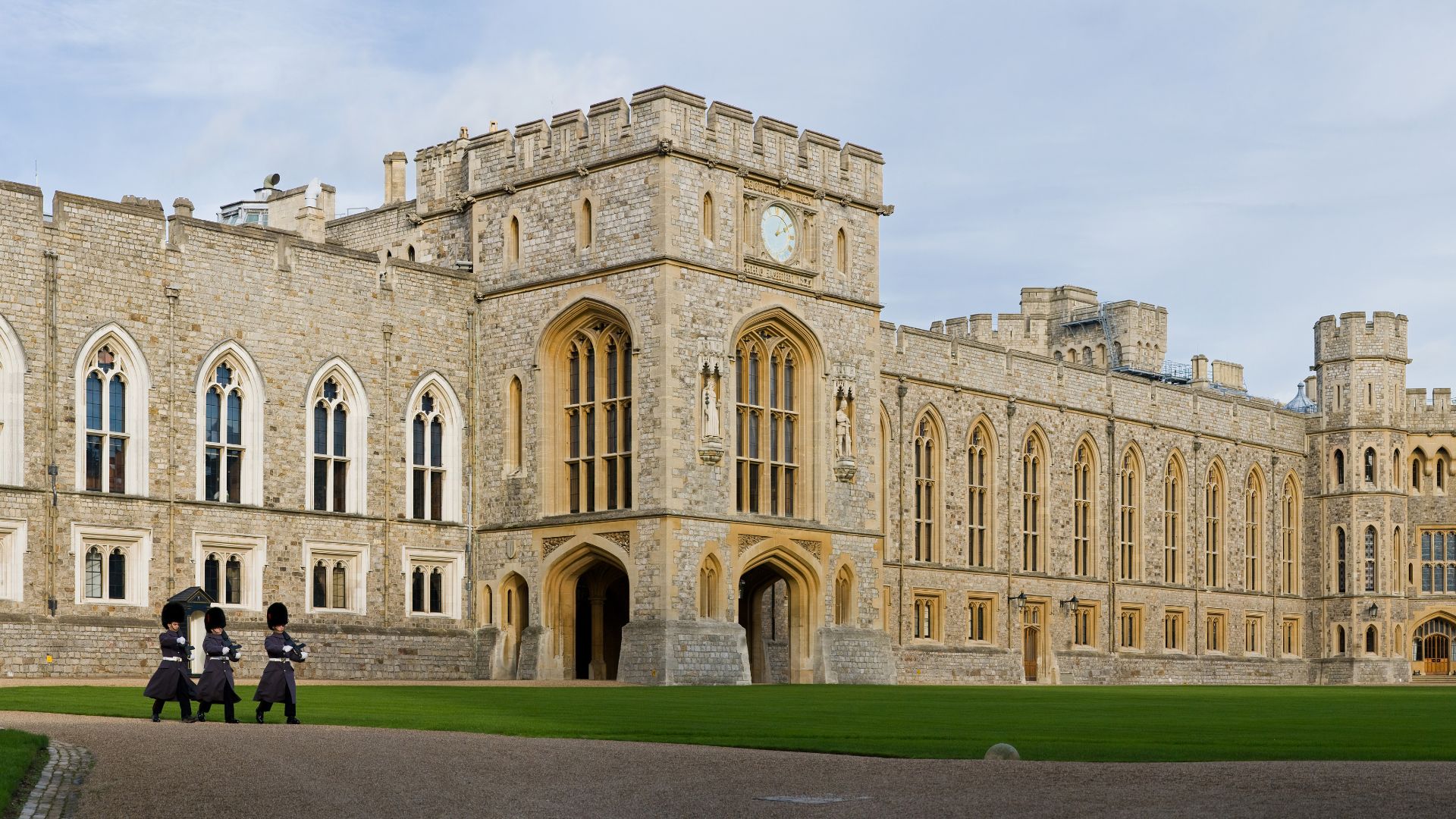
Windsor Castle carries the weight of continuity, which is why its 1992 fire felt so jarring. A huge portion of the castle was damaged, and the images of smoke rising from that familiar silhouette made modern people feel, briefly, the old truth that stone isn’t immortal. The rebuilding became a lesson in how fragile heritage can be, even with modern fire services.
5. Prague Castle
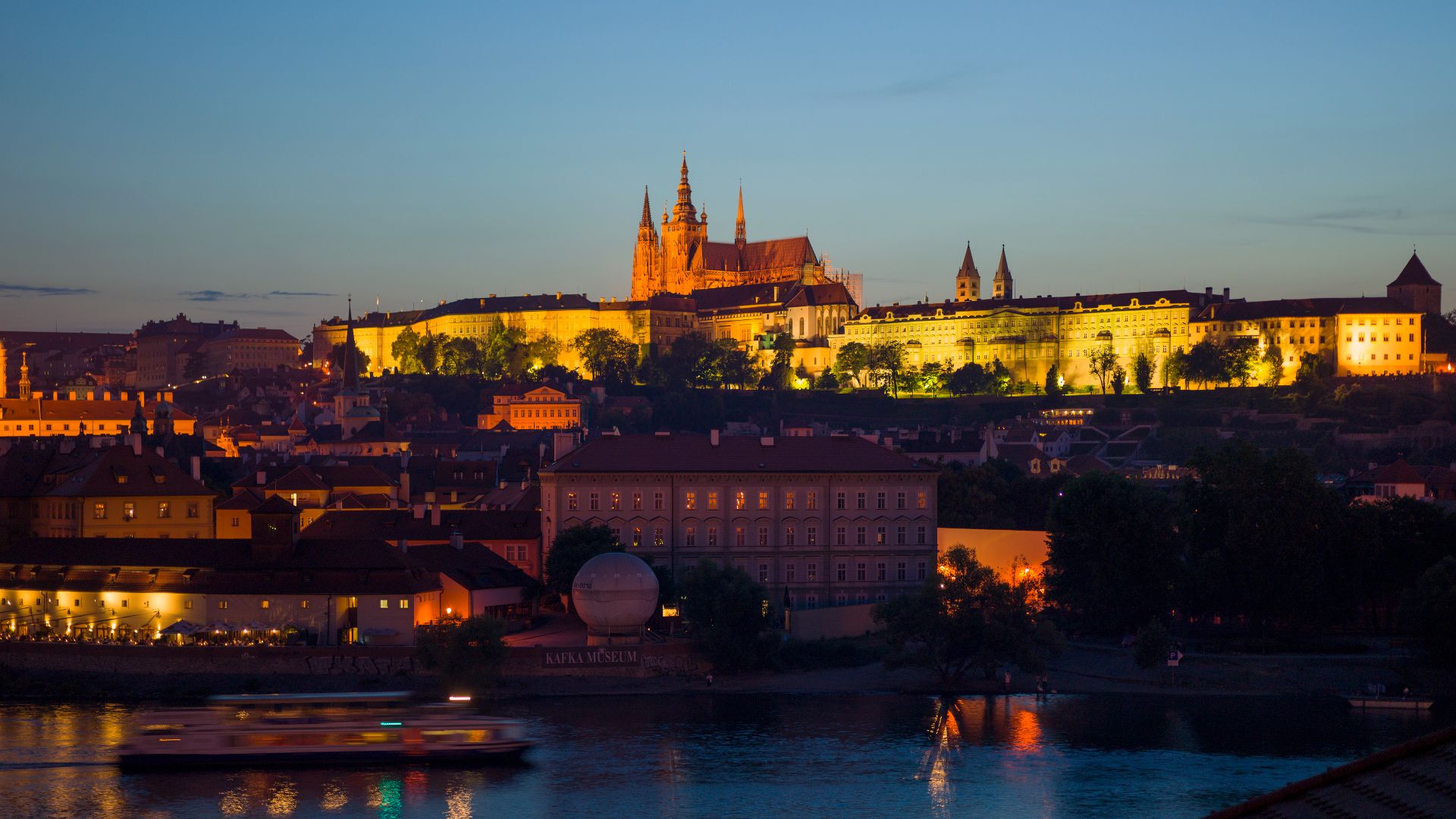
In 1541, a major fire swept through parts of Prague, including areas around the castle complex, leaving heavy damage in one of Europe’s great seats of power. The scale of that blaze reminds us that medieval and early modern cities were basically waiting for sparks, with dense structures and flammable materials everywhere.
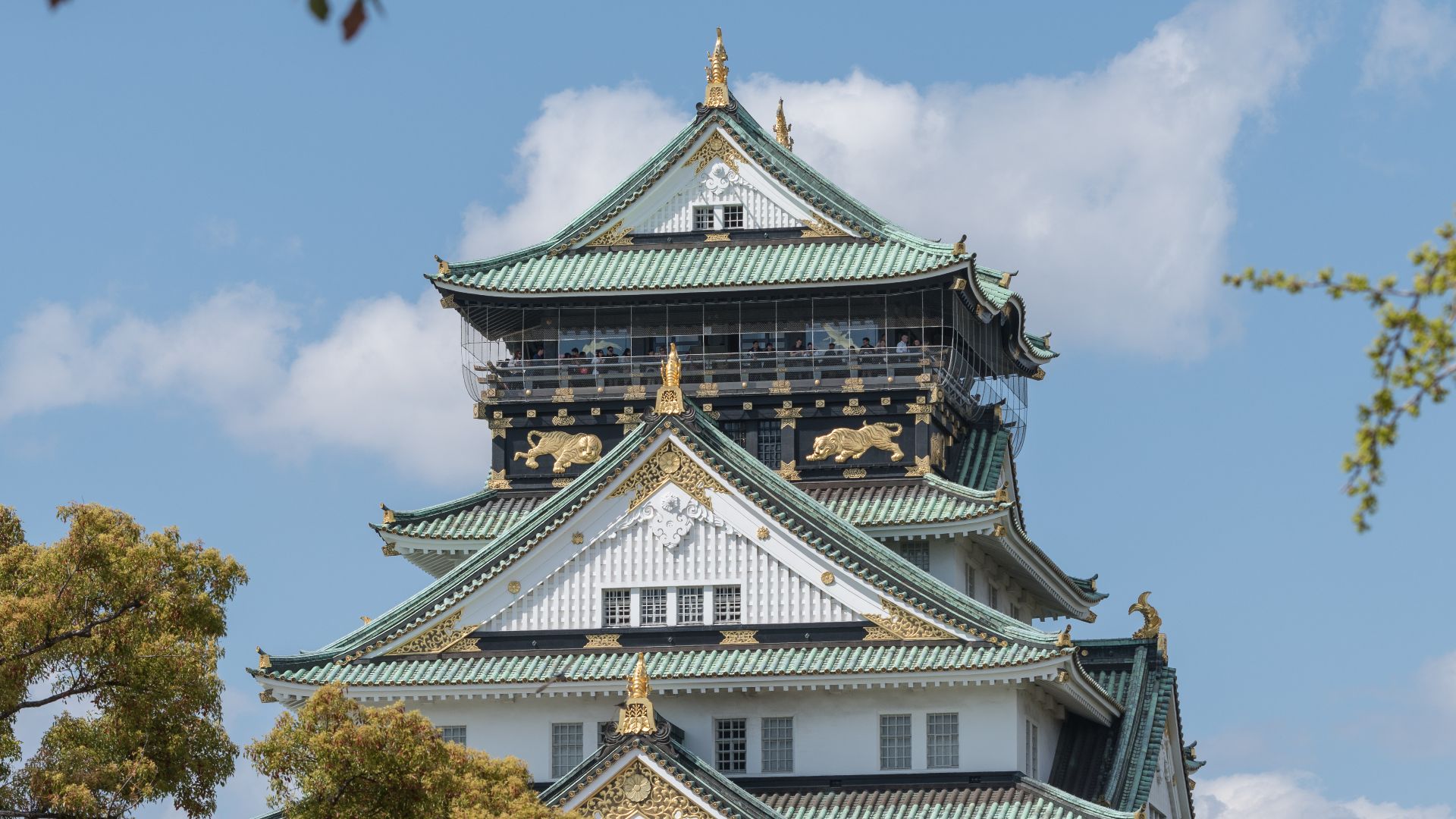
6. Osaka
Osaka Castle’s history includes repeated destruction, which is what happens when a symbol keeps getting pulled into national upheavals. In the 17th century, lightning reportedly struck the main tower, leading to a fire that destroyed it, and later eras brought more damage through conflict.
7. Azuchi
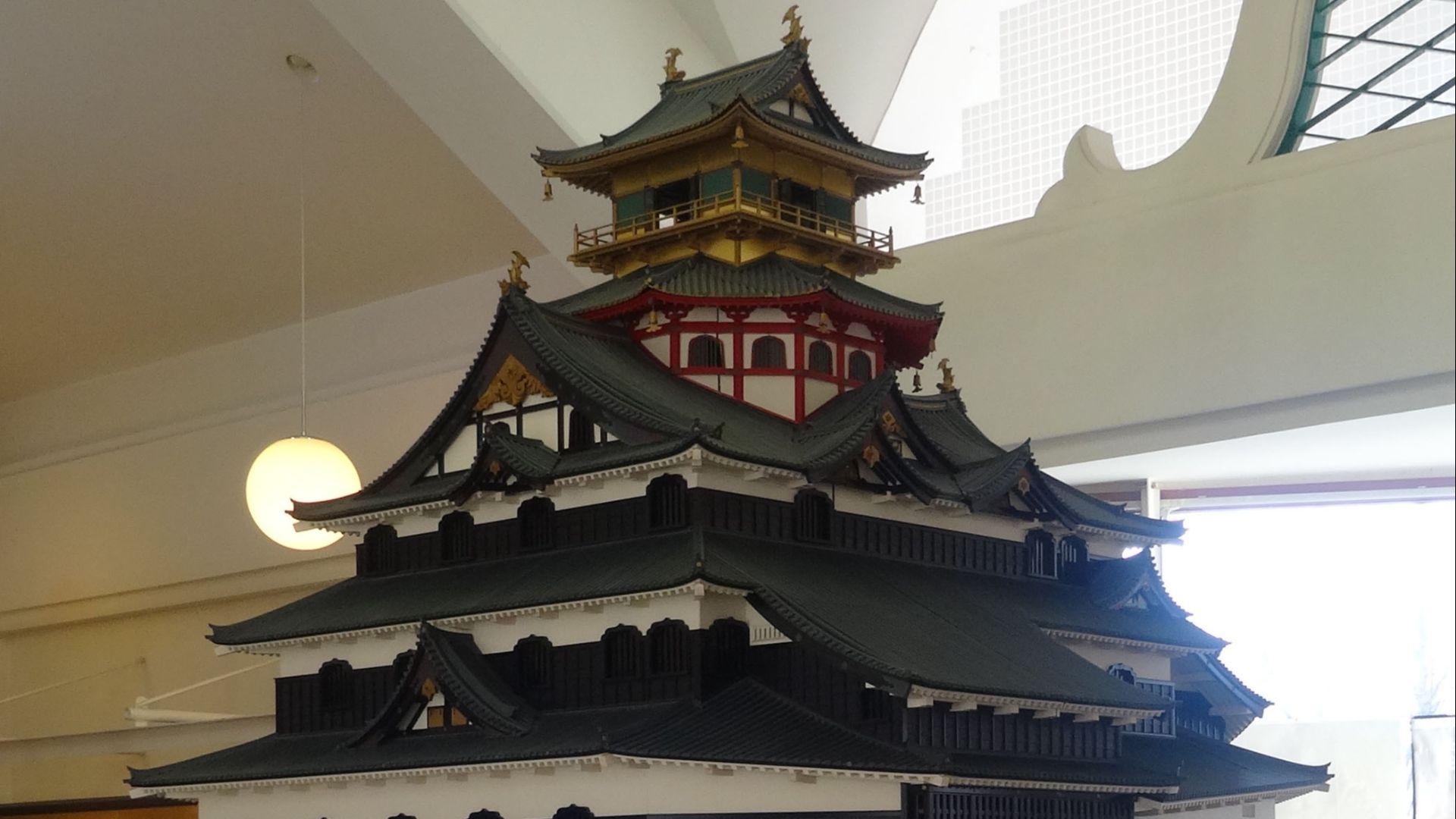
Azuchi Castle, associated with Oda Nobunaga, had a short, intense life, like a brilliant thing made to be seen and then taken away. After Nobunaga’s death in 1582, the castle was burned, and its disappearance became part of the larger turbulence of the era. It’s the kind of story that makes power look less solid than it pretends to be.
 (Uiki bastard) うぃき野郎 on Wikimedia
8. The Royal Castle In Warsaw
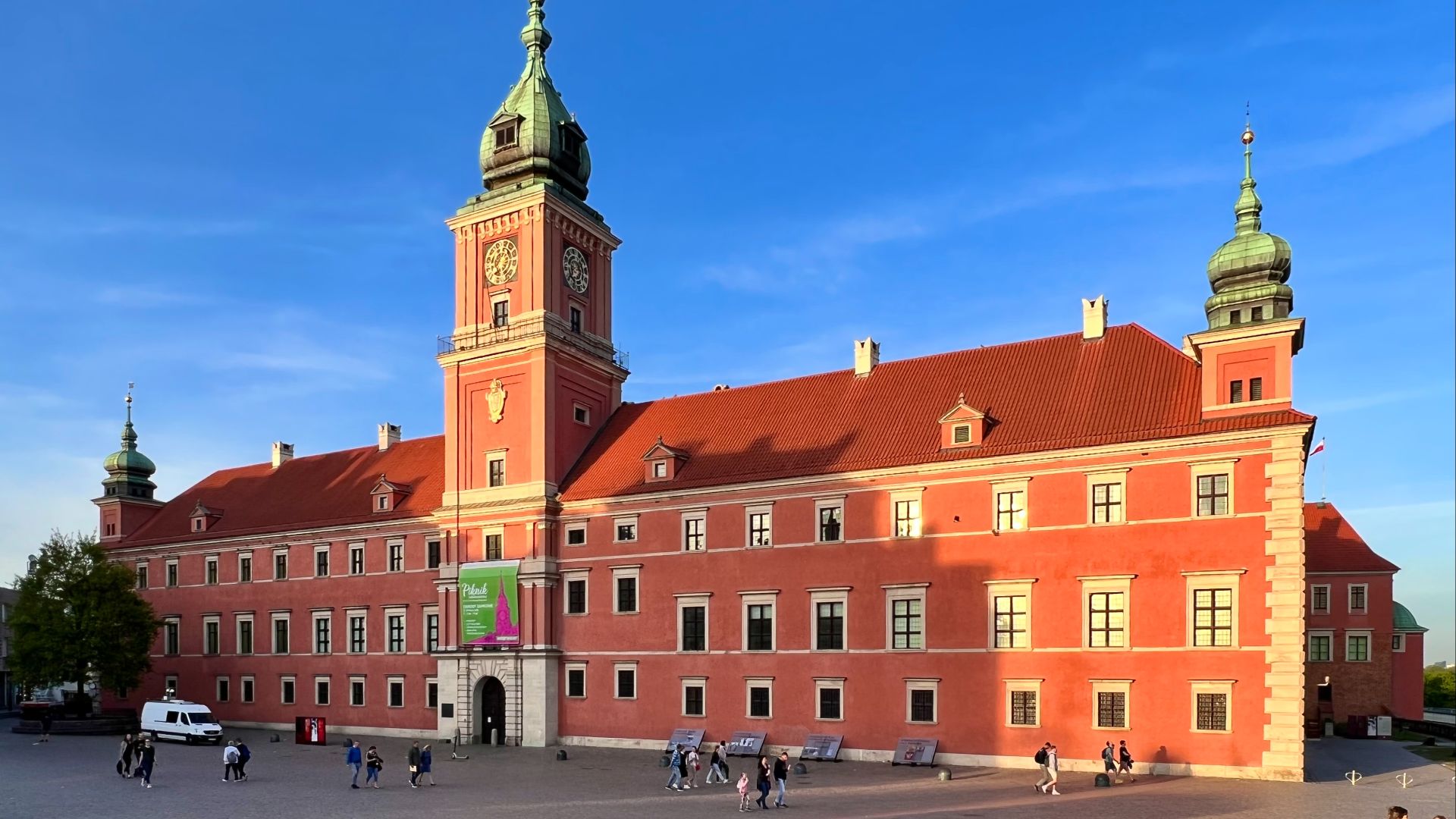
Warsaw’s Royal Castle wasn’t lost to a medieval siege, it was targeted in the violence of the 20th century. During World War II, it was damaged and then deliberately destroyed under German occupation, leaving it burned out and shattered as a public statement. Its later reconstruction became a different kind of defiance, built from photographs, plans, and stubborn cultural memory.
9. Stirling
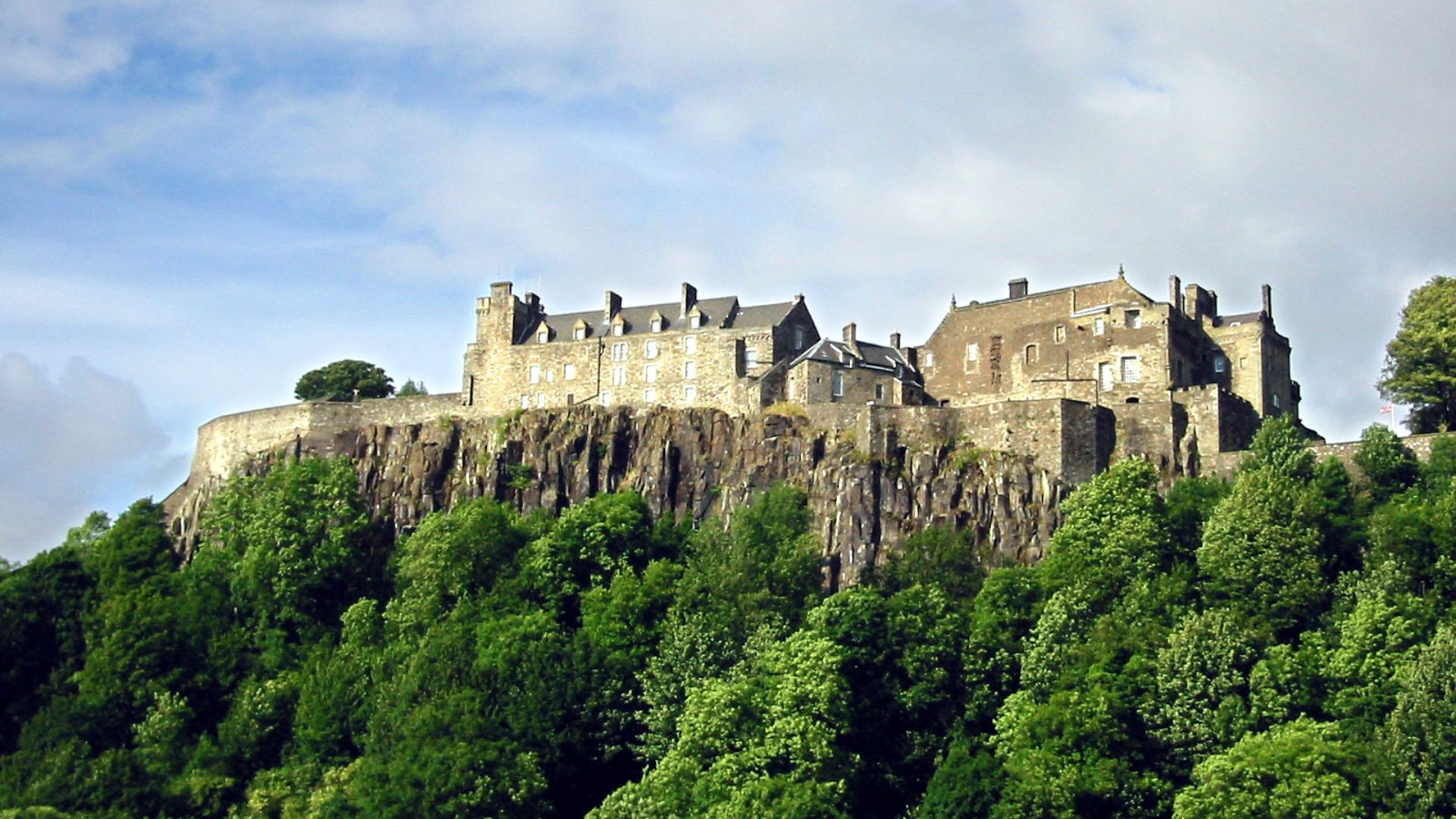
Stirling Castle is often spoken of as a key to Scotland, and keys get fought over. In 1304, during the Wars of Scottish Independence, Edward I’s forces besieged Stirling with overwhelming resources, and the castle fell, with the violence of the campaign seared into the historical record.
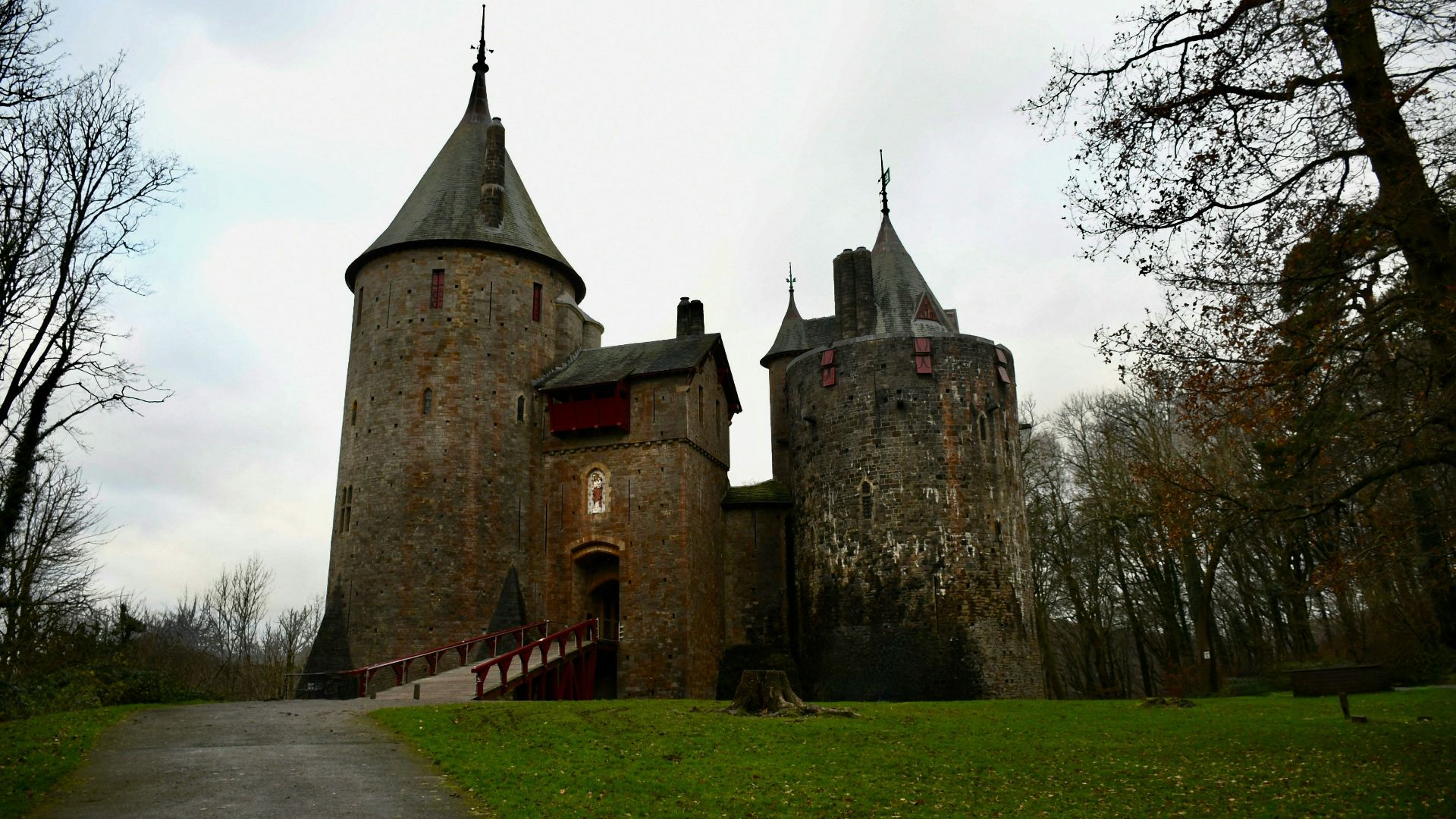
10. Castell Coch
Not every flaming castle story comes from medieval warfare, and that’s part of what makes them unsettling. Castell Coch in Wales, a Victorian-era reimagining of a medieval fortress, suffered a significant fire in the late 20th century that damaged parts of the building.
KEEP ON READING