When Familiar Objects Carry Uncomfortable Origins
Everyday objects feel neutral because time has sanded down their edges, not because their beginnings were harmless. Many were shaped during periods when efficiency, power, or profit mattered far more than human cost. Their histories are often uncomfortable, quietly embedded in systems most people never question. Looking closer doesn’t mean rejecting these objects, but it does mean understanding what they were built to serve in the first place. Here are 20 everyday objects that have a surprisingly dark history.

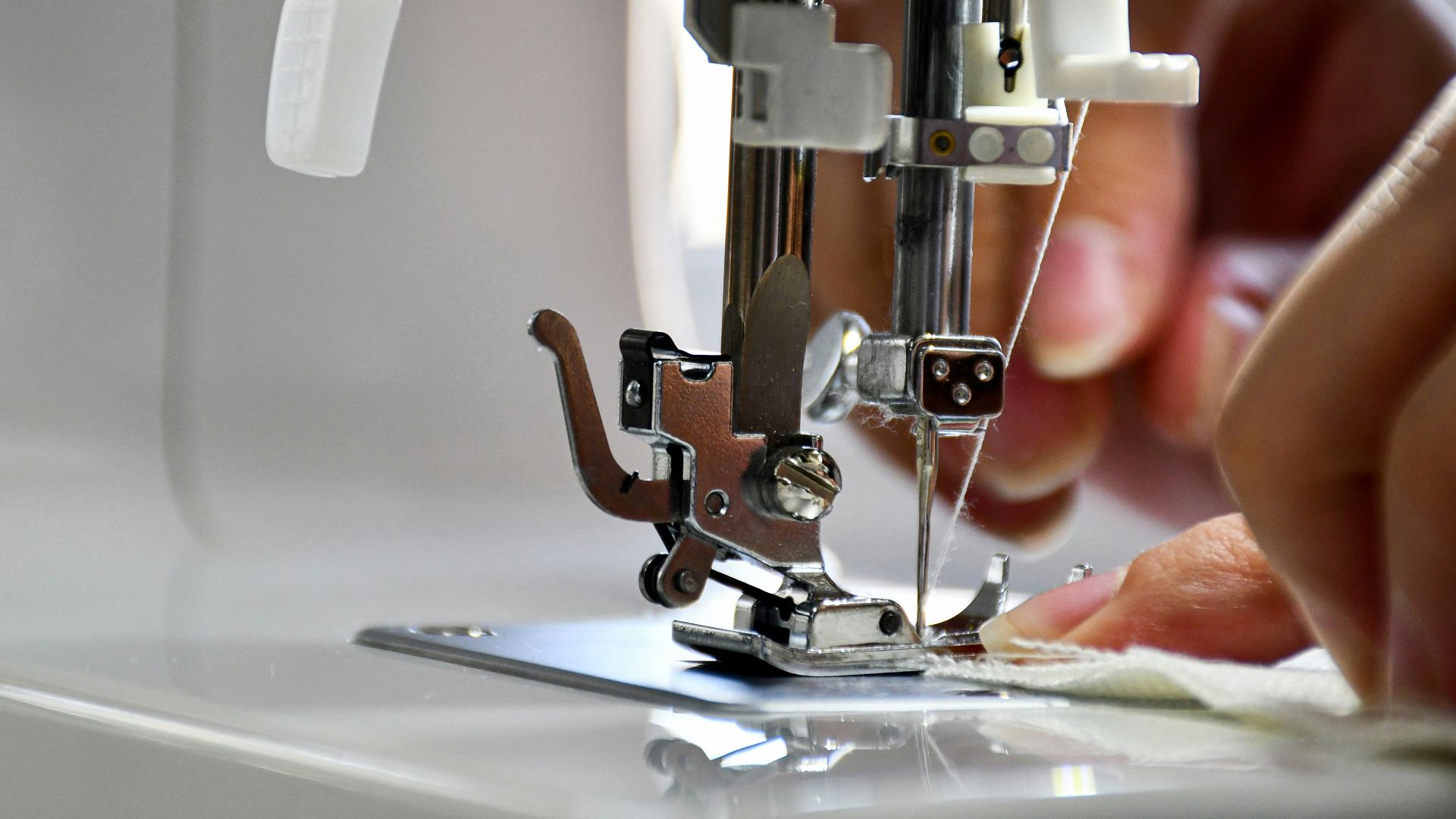
1. The Sewing Machine
The sewing machine was celebrated as an innovation that would make clothing faster and cheaper to produce, yet its rise coincided with some of the harshest factory conditions of the 19th century. Workers, many of them women and children, were paid by output and forced to maintain relentless speed to survive financially. Injuries from repetitive motion and unsafe machinery were common and largely ignored.
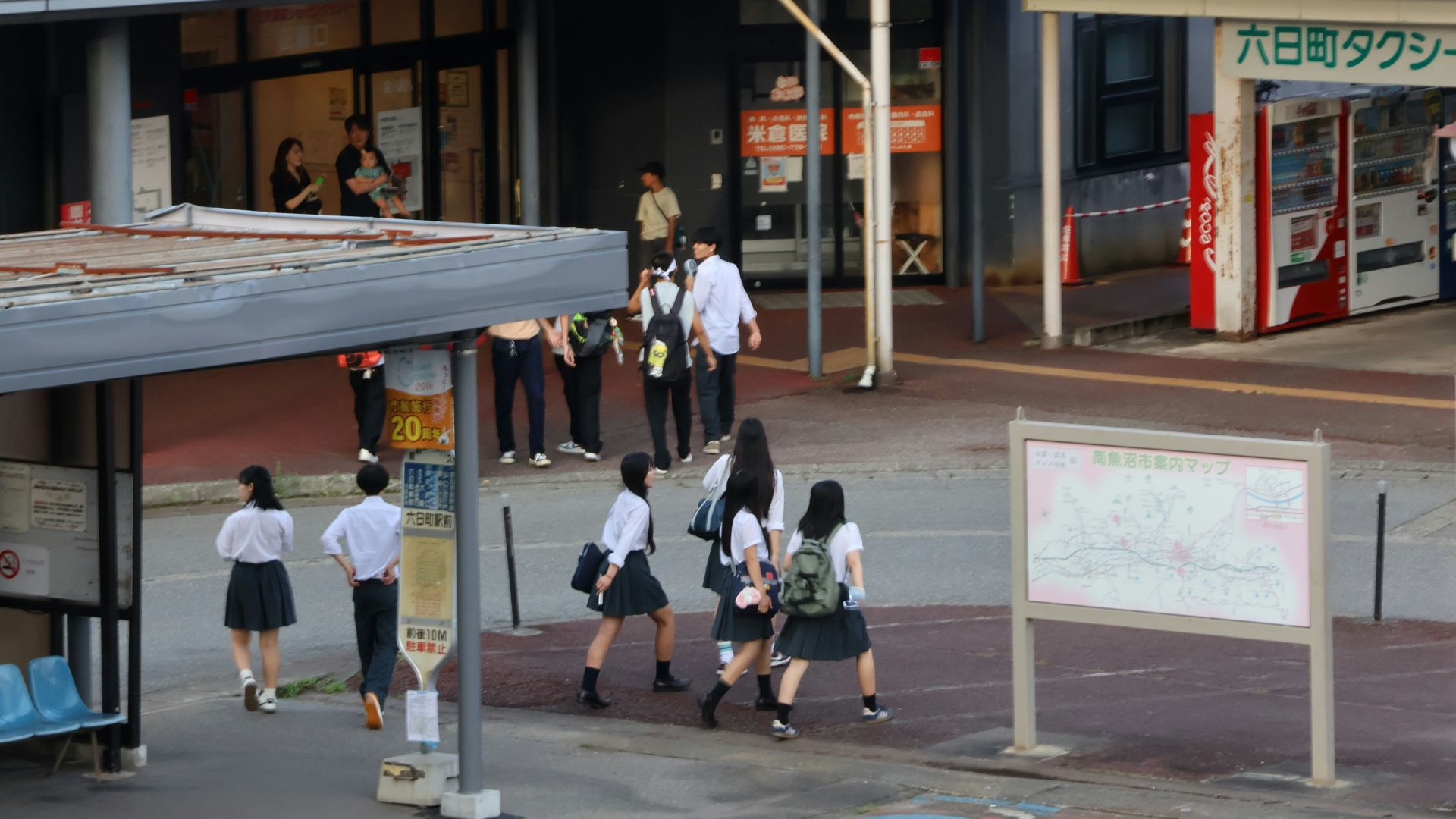
2. The School Bell
School bells were borrowed directly from industrial factory systems designed to control workers’ time with absolute precision. Their purpose was not gentle organization but conditioning, teaching children to obey external commands without hesitation.
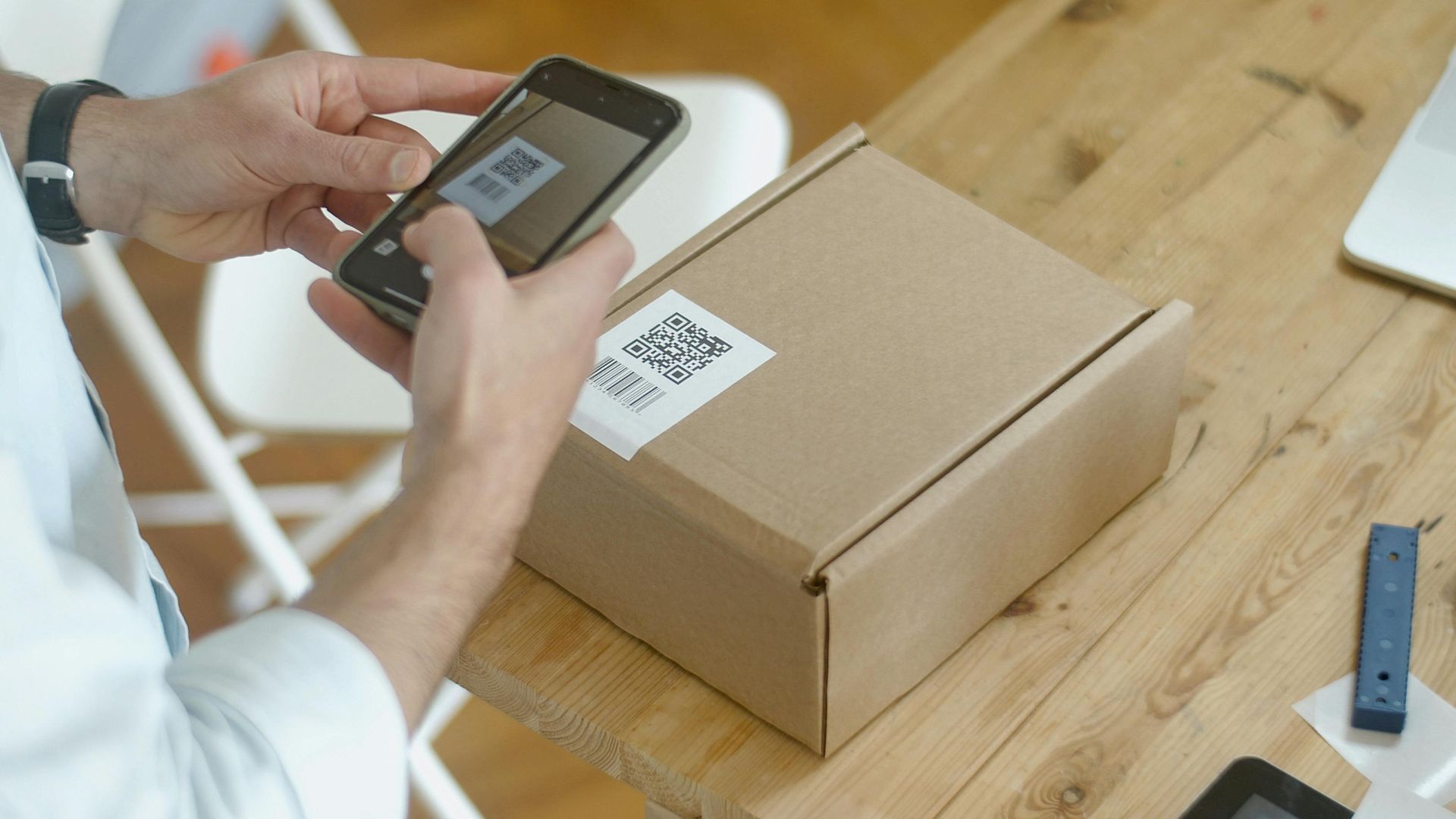
3. The Bar Code
Bar code technology emerged from early systems focused on categorization, tracking, and logistical control. These systems were developed to eliminate ambiguity and reduce human judgment from the process entirely. Objects and supplies became symbols that could be monitored at scale. In military and industrial contexts, this efficiency mattered more than nuance.
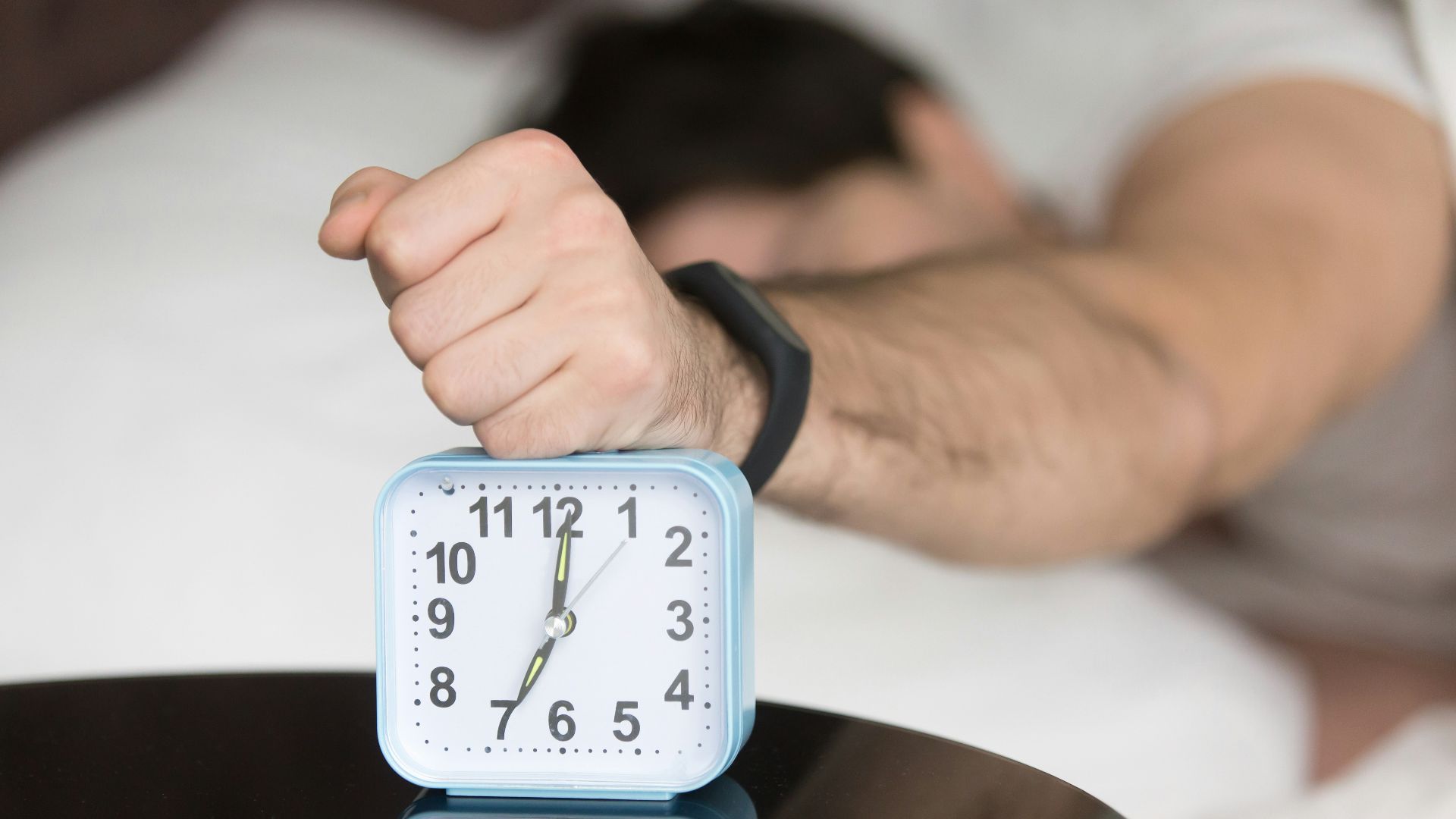
4. The Alarm Clock
Alarm clocks spread alongside industrial labor schedules that demanded punctuality regardless of exhaustion. Workers were expected to wake on command, often after unsafe or excessively long shifts. Natural rest cycles were treated as inconveniences rather than necessities. The harsh sound was intentional, designed to shock the body into compliance.
 Solving Healthcare on Unsplash
5. The Wedding Dress
White wedding dresses were never meant to symbolize love or purity. They were displays of wealth, signaling that the wearer could afford a garment that would likely never be worn again. Furthermore, clean white fabric required resources and servants to maintain.

6. The Compass
The compass made navigation reliable, which dramatically expanded imperial exploration and conquest. It guided ships into territories that were already inhabited. Colonization followed these routes with devastating consequences for indigenous populations, framing trade and expansion as discovery.

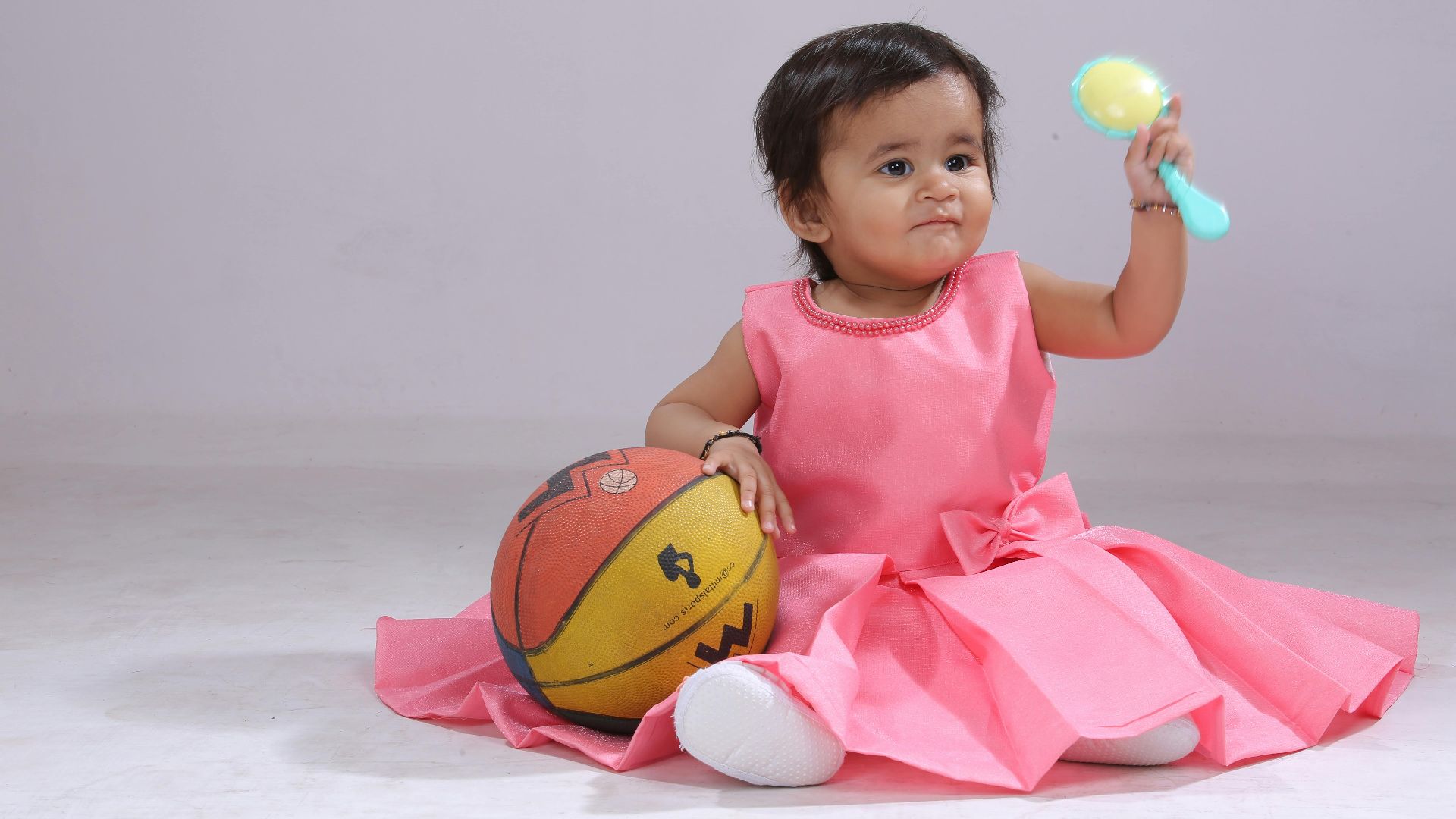
7. The Baby Rattle
Early baby rattles were sometimes manufactured using toxic metals that were poorly understood at the time. Safety standards were minimal, and infant health was not well studied or prioritized. Parents trusted these objects without knowing the risks they posed, and illness and developmental harm often went unexplained.
 Harish Virani Photographar Candid on Pexels
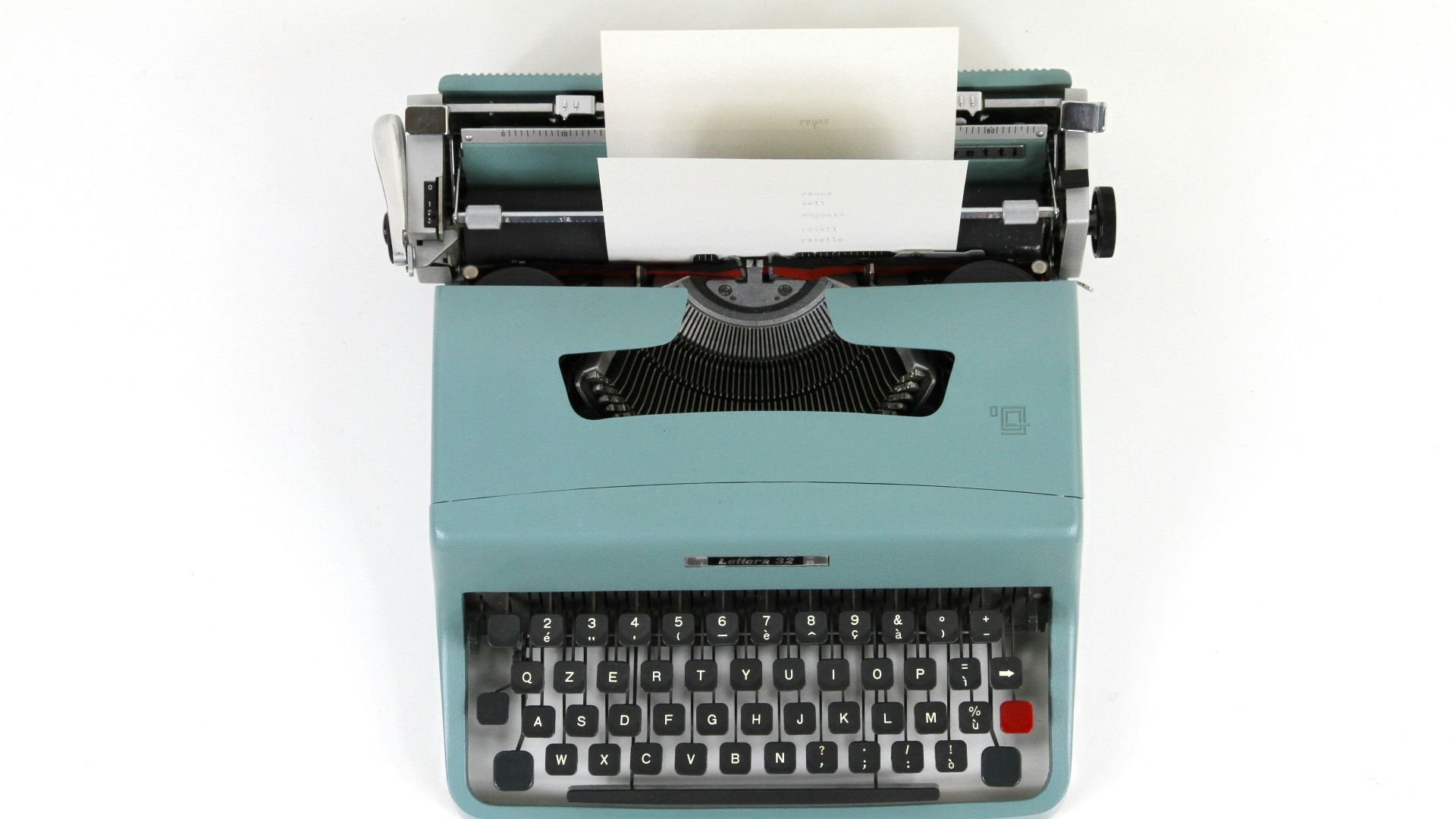
8. The Typewriter
The typewriter revolutionized office work while reinforcing strict workplace hierarchies. Women were hired in large numbers as typists but denied advancement into decision-making roles. The machine became associated with repetitive clerical labor rather than authority.
9. The Sugar Bowl
Sugar’s everyday presence hides a brutal history rooted in forced labor and plantation violence. Enslaved workers endured starvation, punishment, and early death to satisfy European demand. Entire economies were built on their suffering. By the time sugar reached household tables, its origins were invisible.

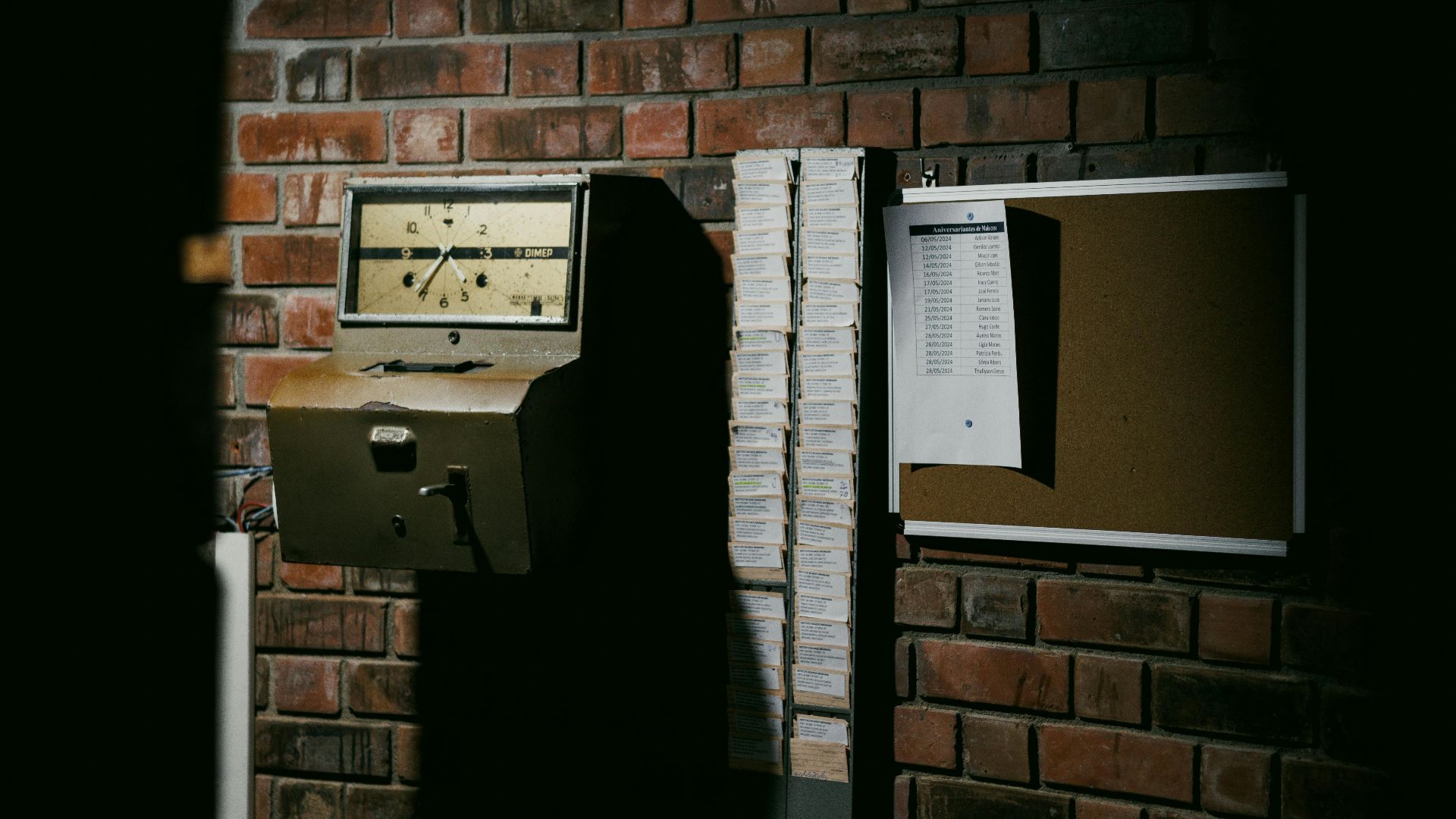
10. The Office Timecard
Timecards were introduced to monitor workers rather than support them. Employers tracked minutes obsessively, and lateness often resulted in docked pay or termination regardless of circumstance. Personal emergencies or fatigue were irrelevant to the system.
11. The Toothbrush
Widespread toothbrush use followed strict hygiene requirements enforced by military institutions. Soldiers were ordered to maintain cleanliness as part of discipline and uniformity. These routines were later promoted to civilian life without their original context. Hygiene became associated with moral responsibility.

12. The Necktie
Neckties evolved from military garments meant to signify rank and allegiance. Over time, they became markers of professionalism and obedience to workplace norms. Comfort was secondary to appearance and conformity. Wearing one signaled acceptance of hierarchy rather than personal expression.
 Hoi An and Da Nang Photographer on Unsplash
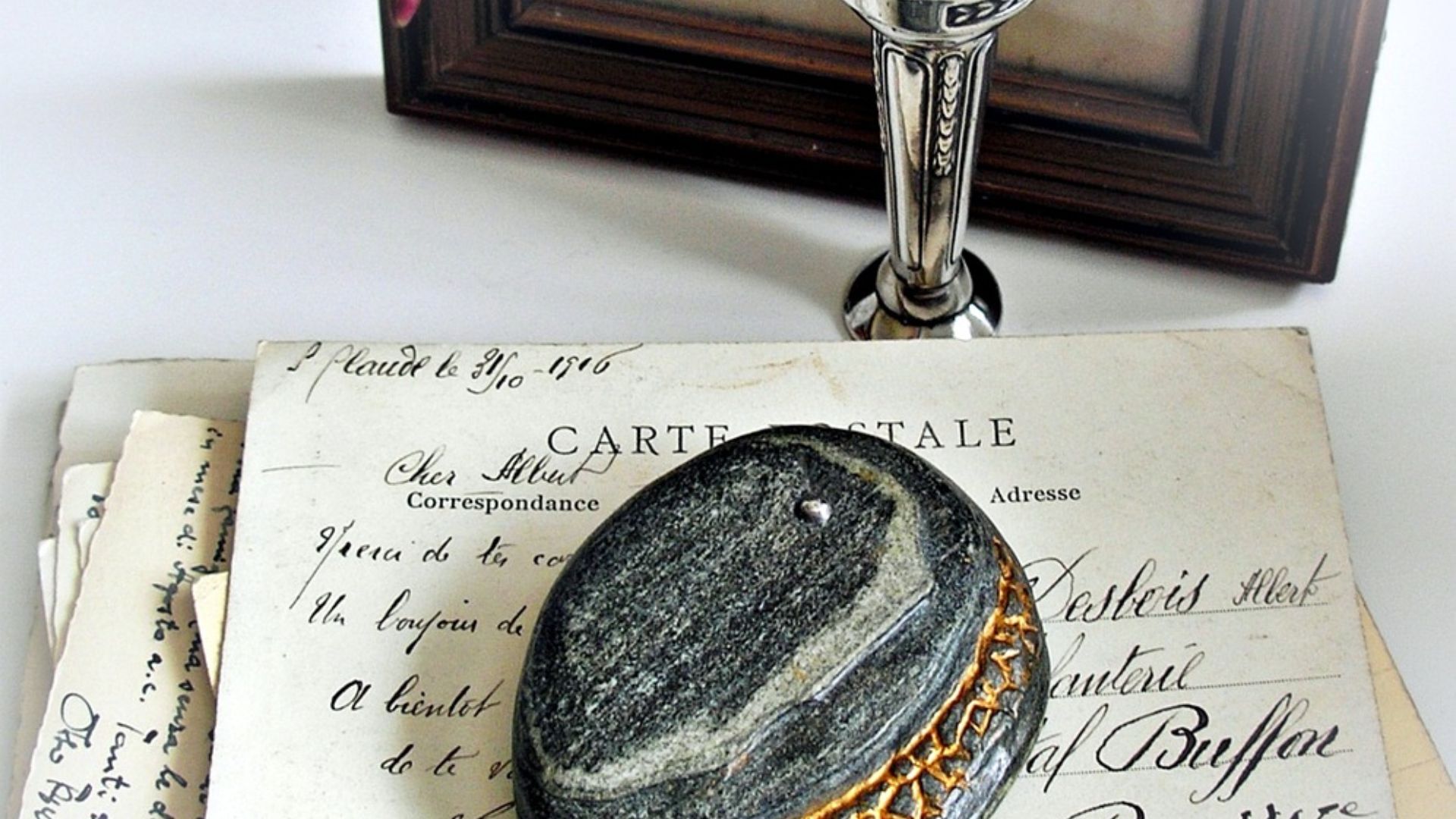
13. The Paperweight
Paperweights gained popularity as bureaucratic systems expanded rapidly. These systems relied on documentation to manage taxation, labor, and colonial administration. This small decorative object supported vast mechanisms of control, turning order into a quiet form of power.
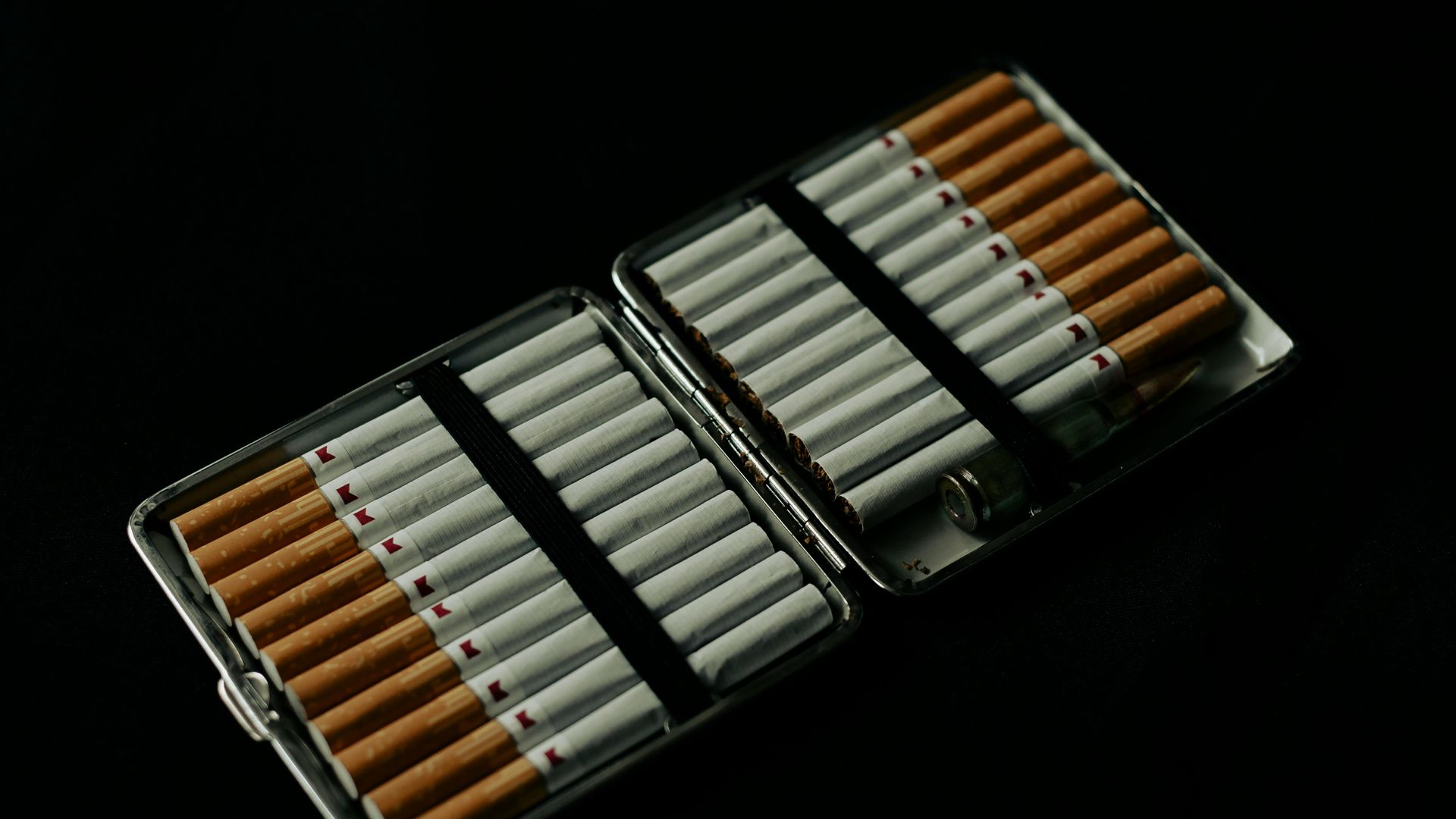
14. The Cigarette Holder
Cigarette holders became fashionable during an era when tobacco companies aggressively marketed smoking as refined and glamorous. Health risks were downplayed or deliberately obscured, as elegance was used to mask addiction. This object reflected how easily harm could be packaged as sophistication.
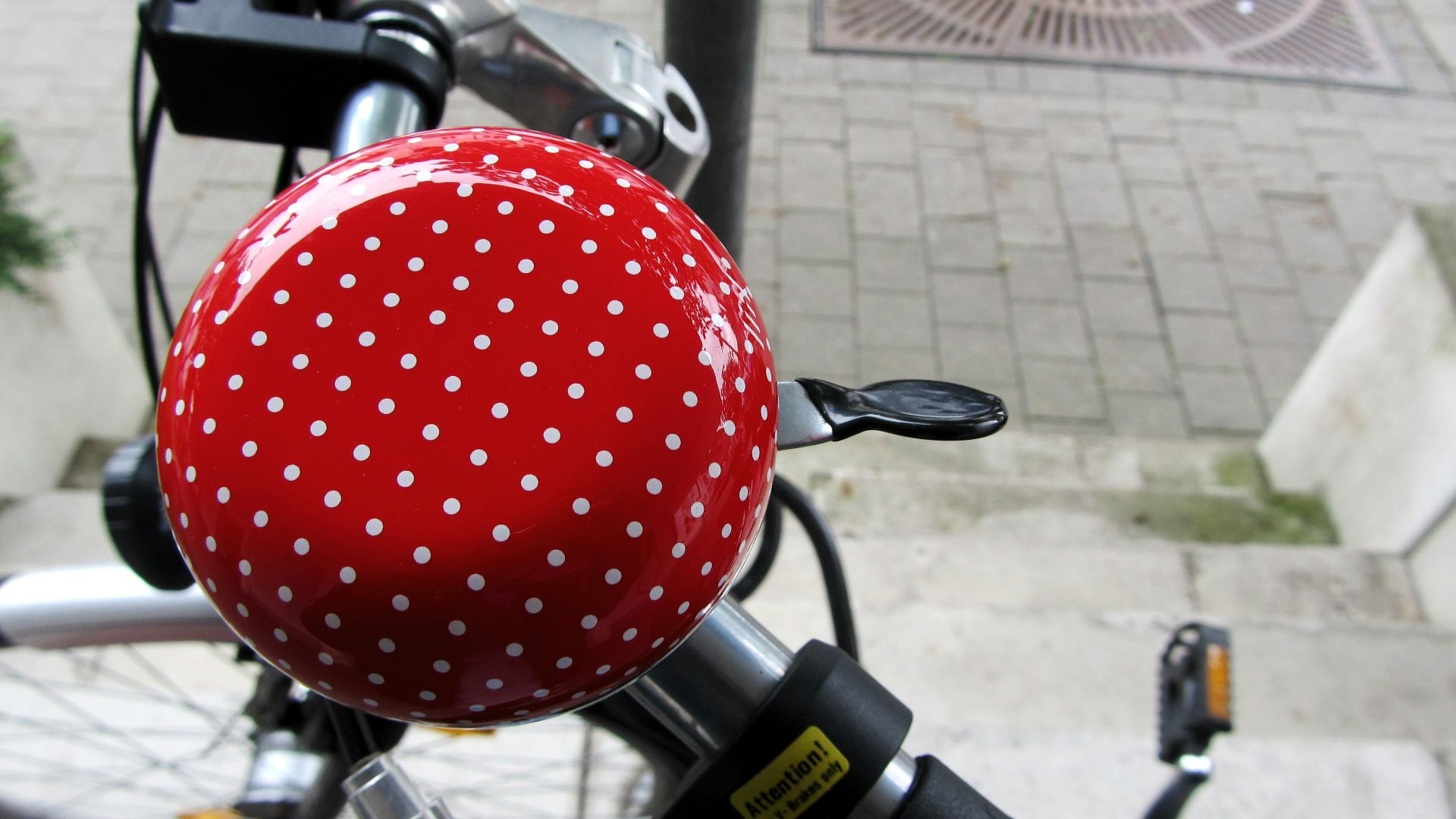
15. The Bicycle Bell
Early bicycle bells were not designed as courteous warnings. They were demands issued by riders who expected pedestrians to yield immediately. Streets favored those with status and resources, and courtesy was never the goal.
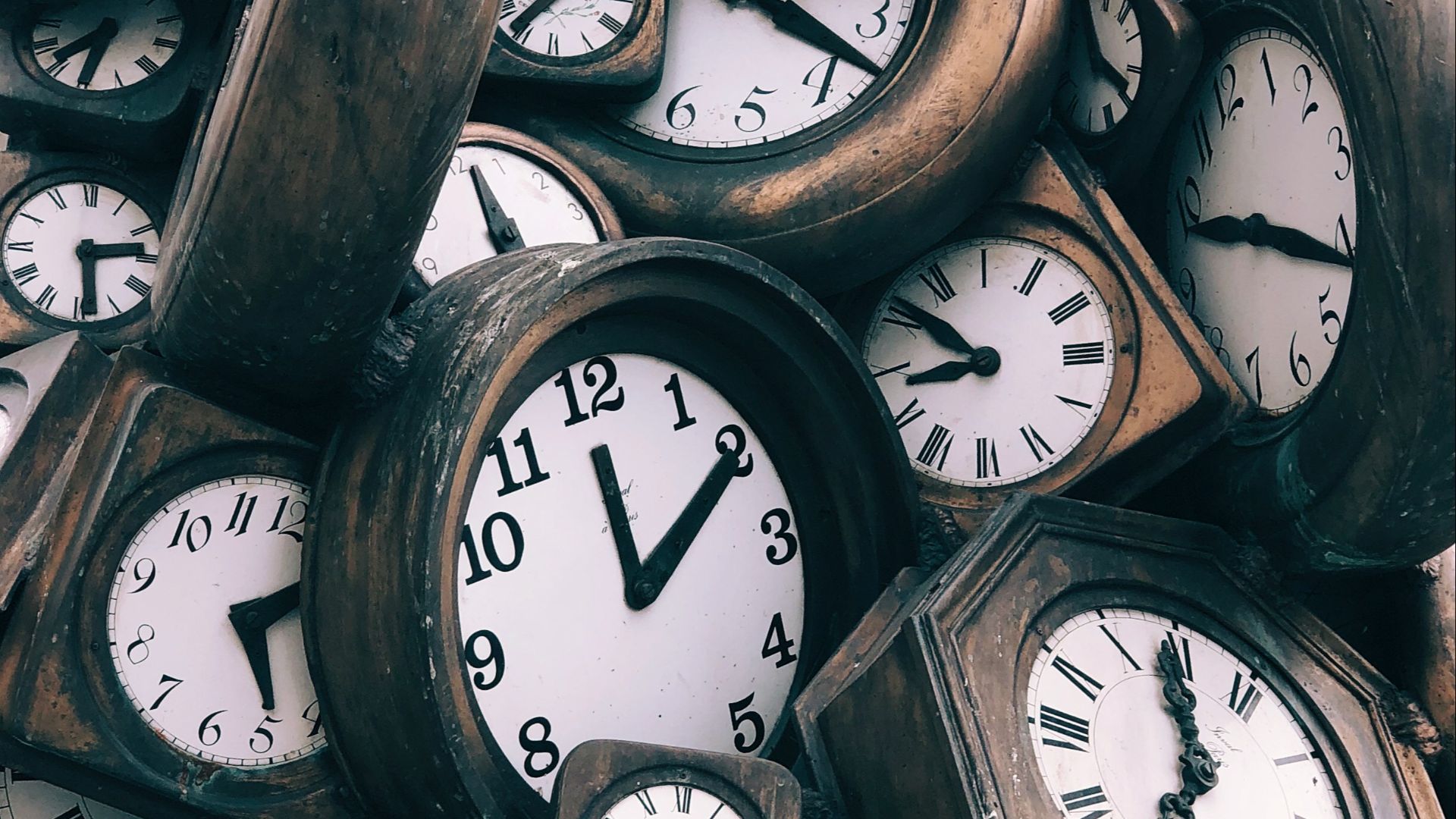
16. The Clock
Mechanical clocks standardized time across regions that once followed local rhythms. This uniformity supported trade, taxation, and labor coordination. Individual schedules were replaced by centralized control.
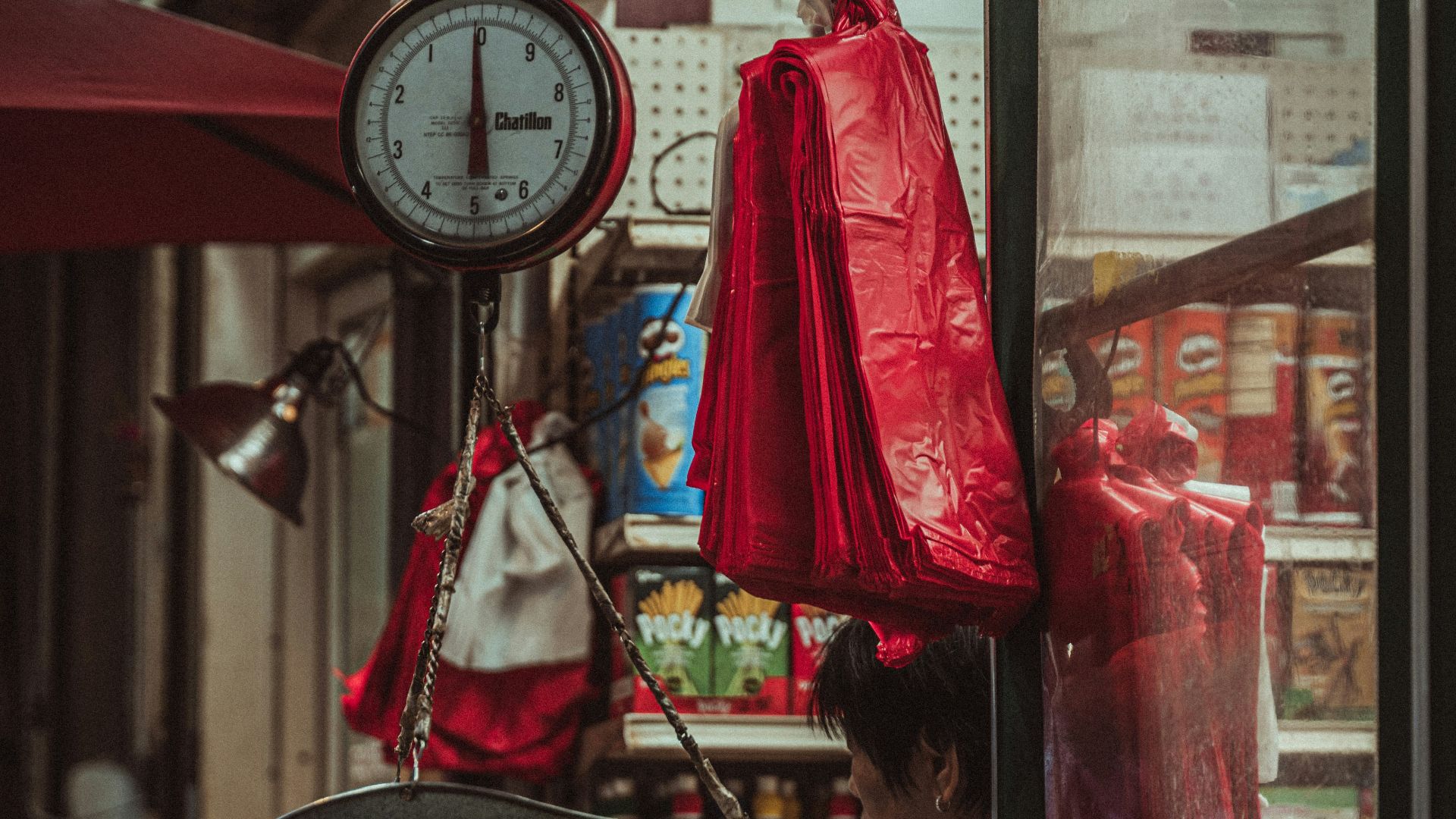
17. The Shopping Scale
Early shopping scales were often inaccurate or deliberately manipulated. Merchants controlled measurements, leaving customers with little protection. Trust was assumed rather than ensured, and fair exchange took time to become standard.
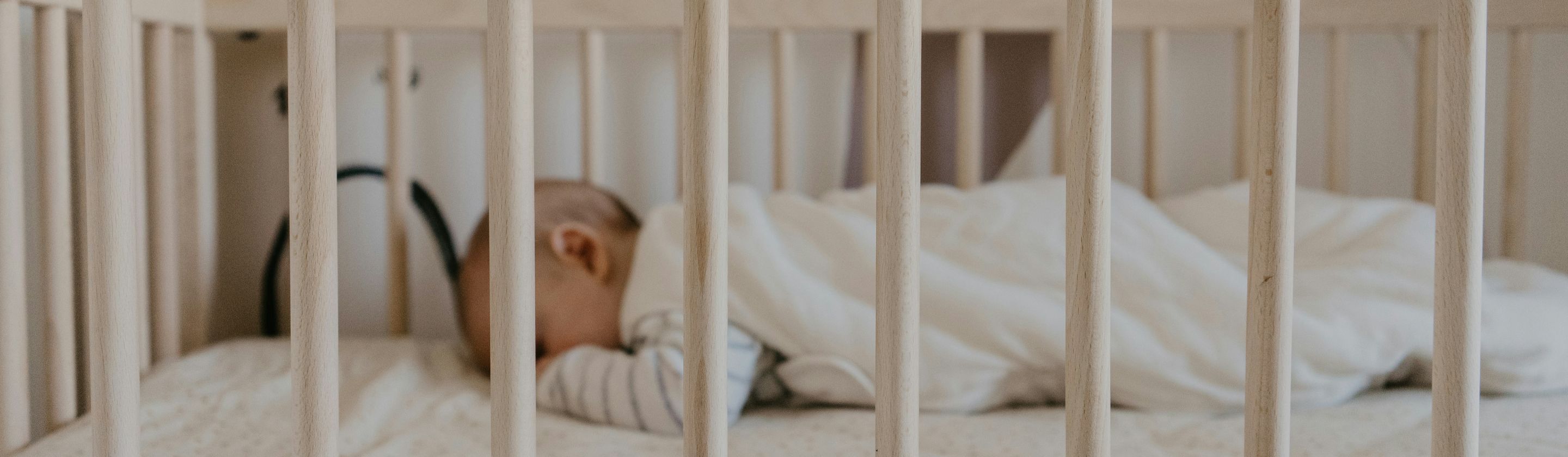
18. The Crib
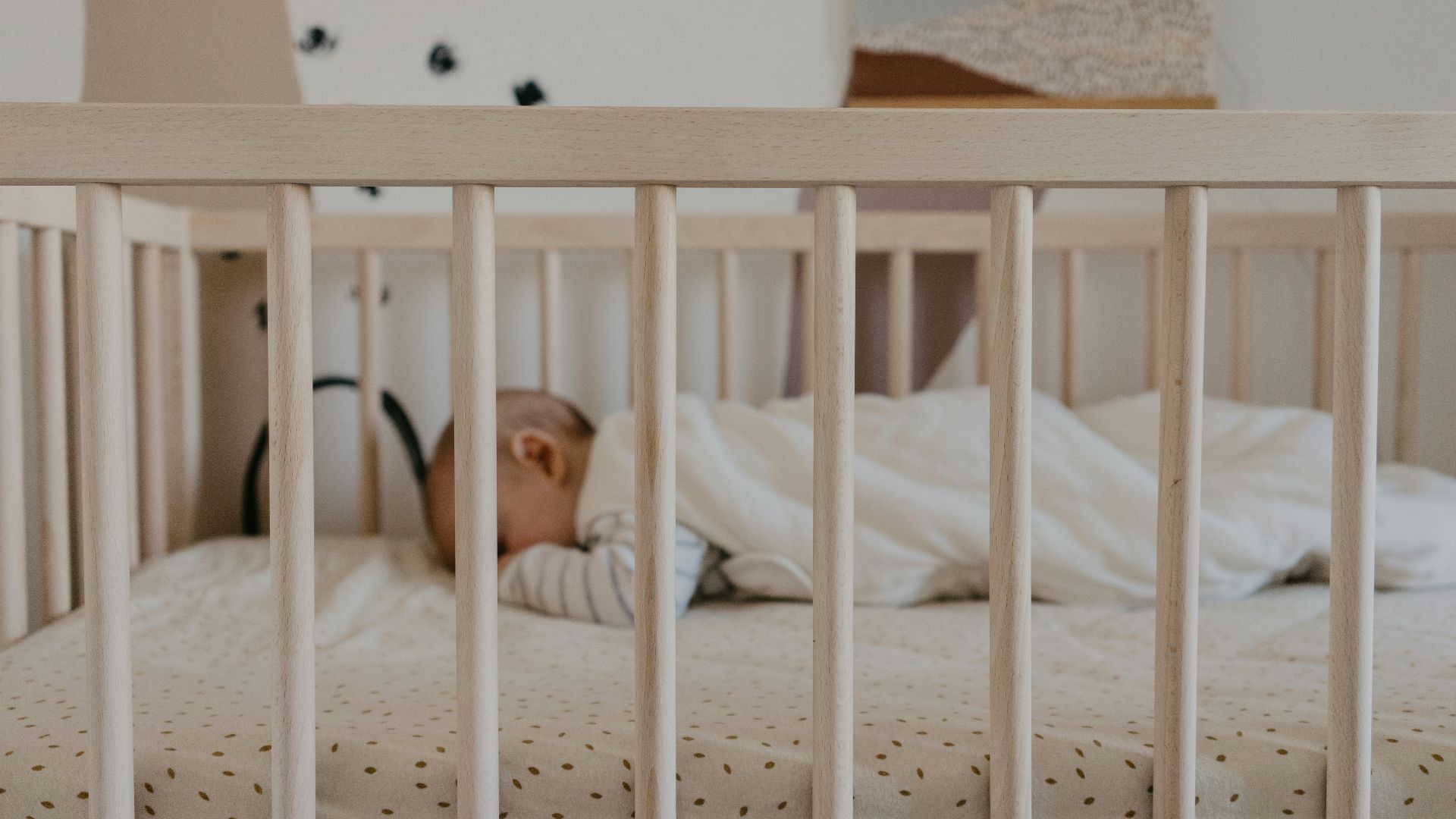
Some early cribs were designed primarily to restrain infants for convenience. Comfort and safety were secondary considerations, and minimal standards existed to protect babies. Adult needs shaped design decisions, which overlooked vulnerability.
19. The Desk
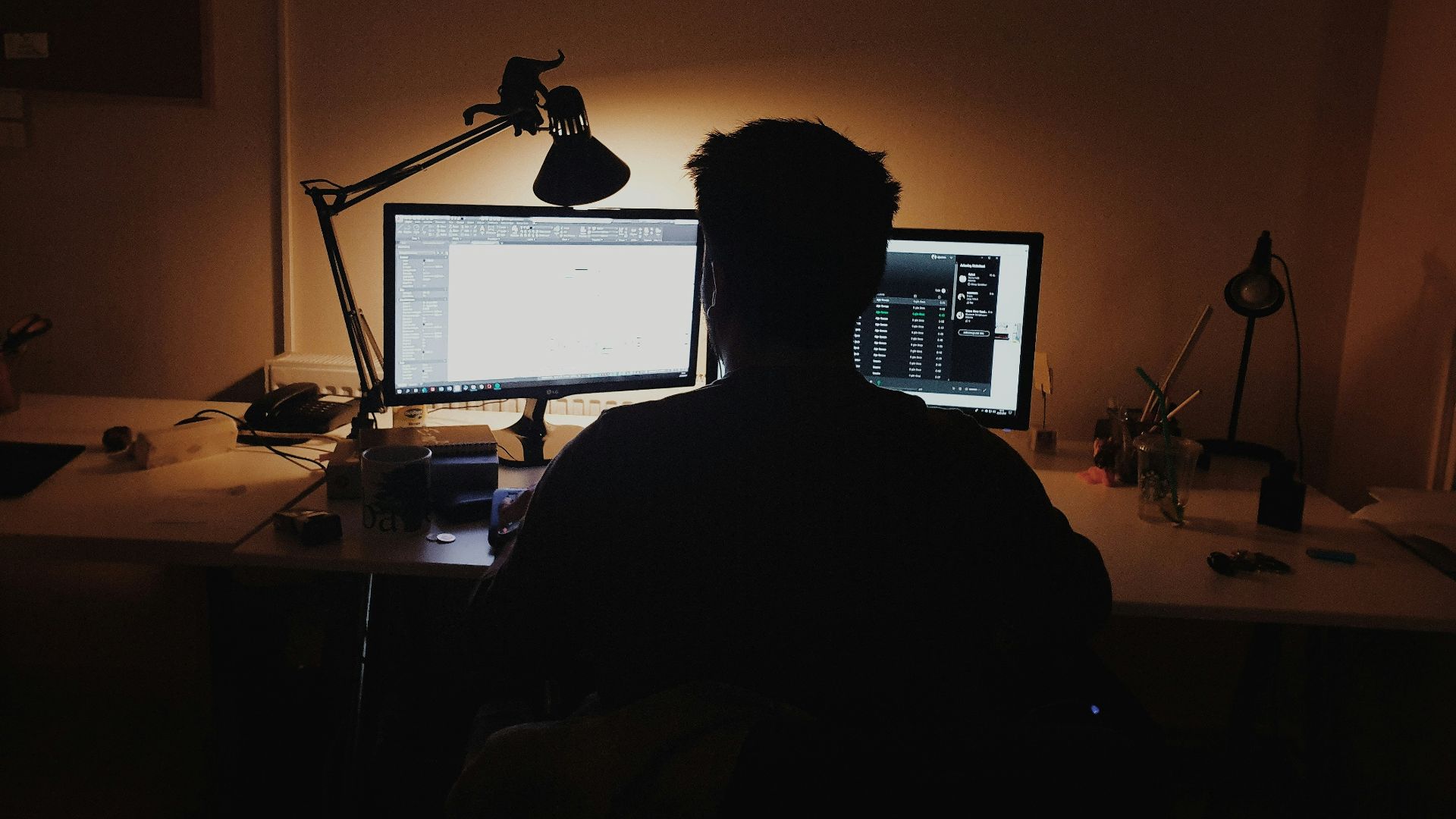
Desks were created to support long hours of sedentary work without regard for physical strain. Productivity dictated form, not health. Workers adapted because furniture did not. Comfort improvements came slowly and unevenly.
20. The Filing Cabinet
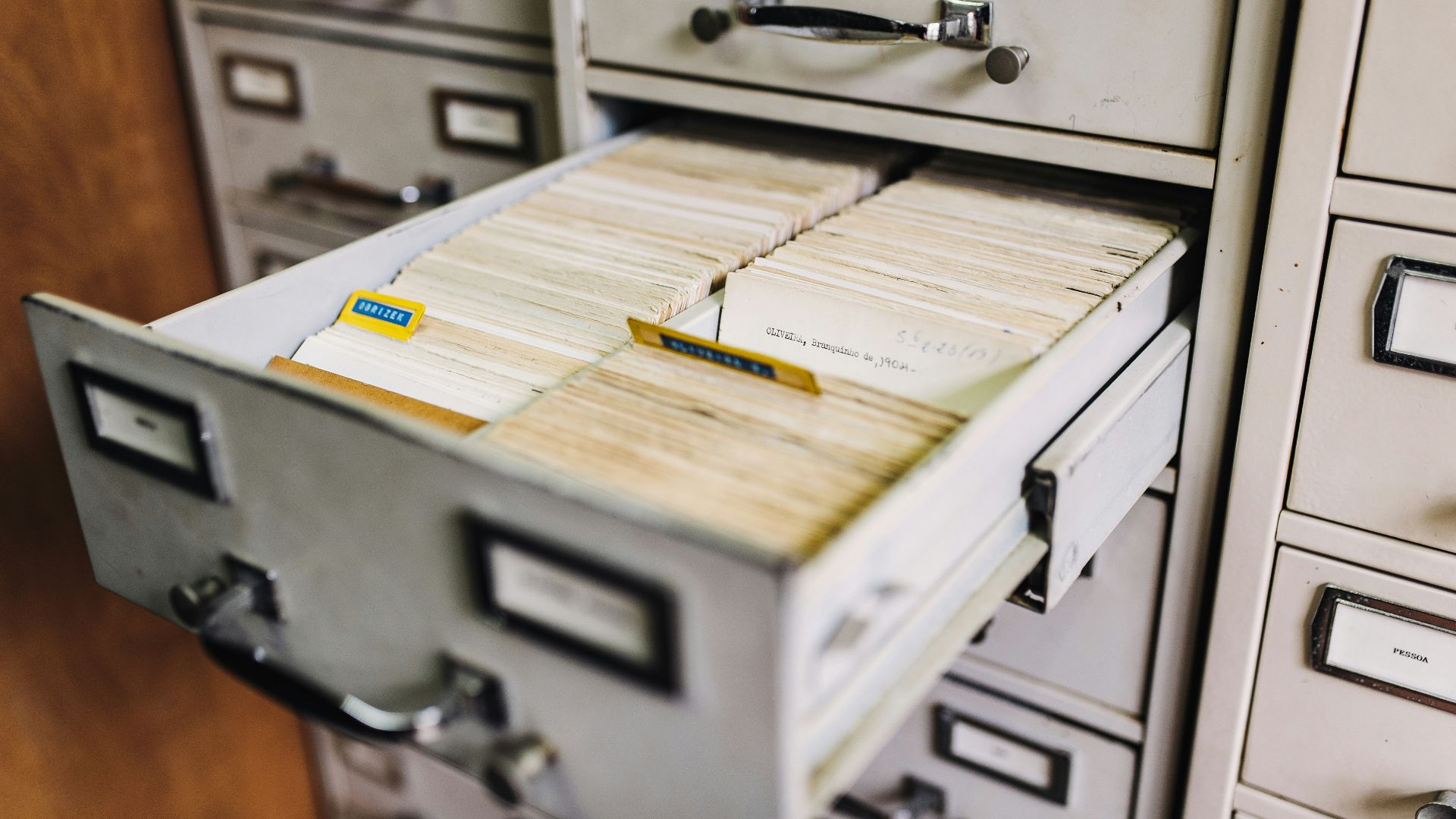
Filing cabinets organized information while centralizing authority. Records allowed institutions to track, categorize, and control populations. People were reduced to forms and folders.
KEEP ON READING