

A Bestiary Beyond the Usual Suspects
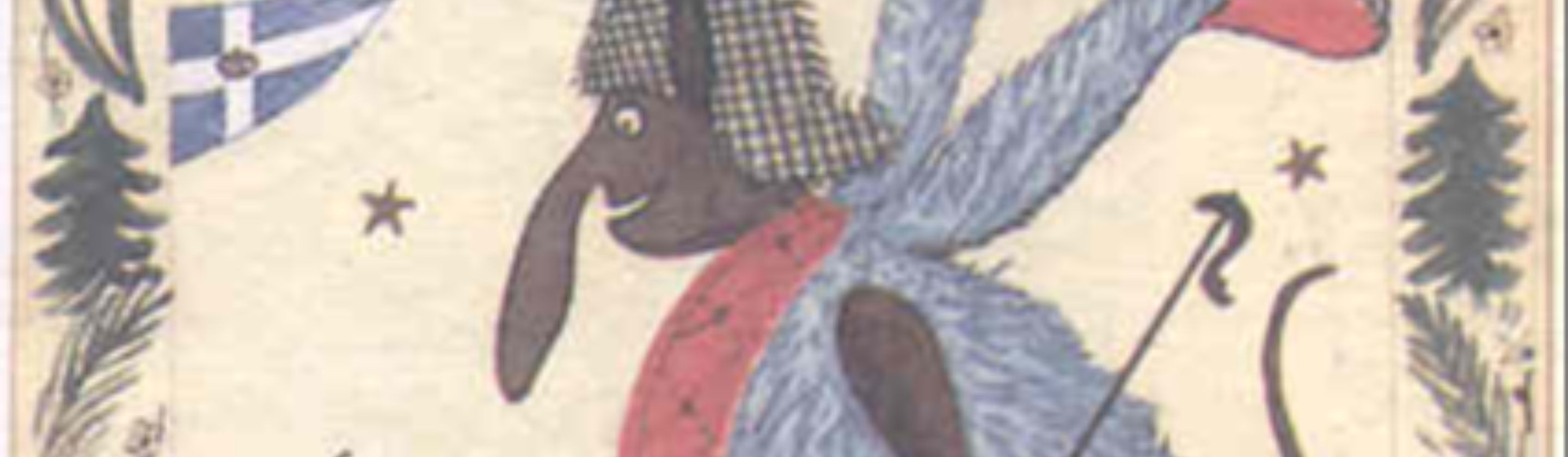
Everyone’s heard of dragons and mermaids, but folklore has a much deeper bench than the creatures that headline movies. Folklore is packed in the darkest forests and the odd corners of myth. If that’s the kind of thing that’s up your alley, you’re in for a treat—these beings show up in whispered warnings and regional traditions. You don’t need to be a scholar to enjoy them, either, since each one offers a small, lively glimpse into the imagination of the people who kept the stories alive.
1. Ahool
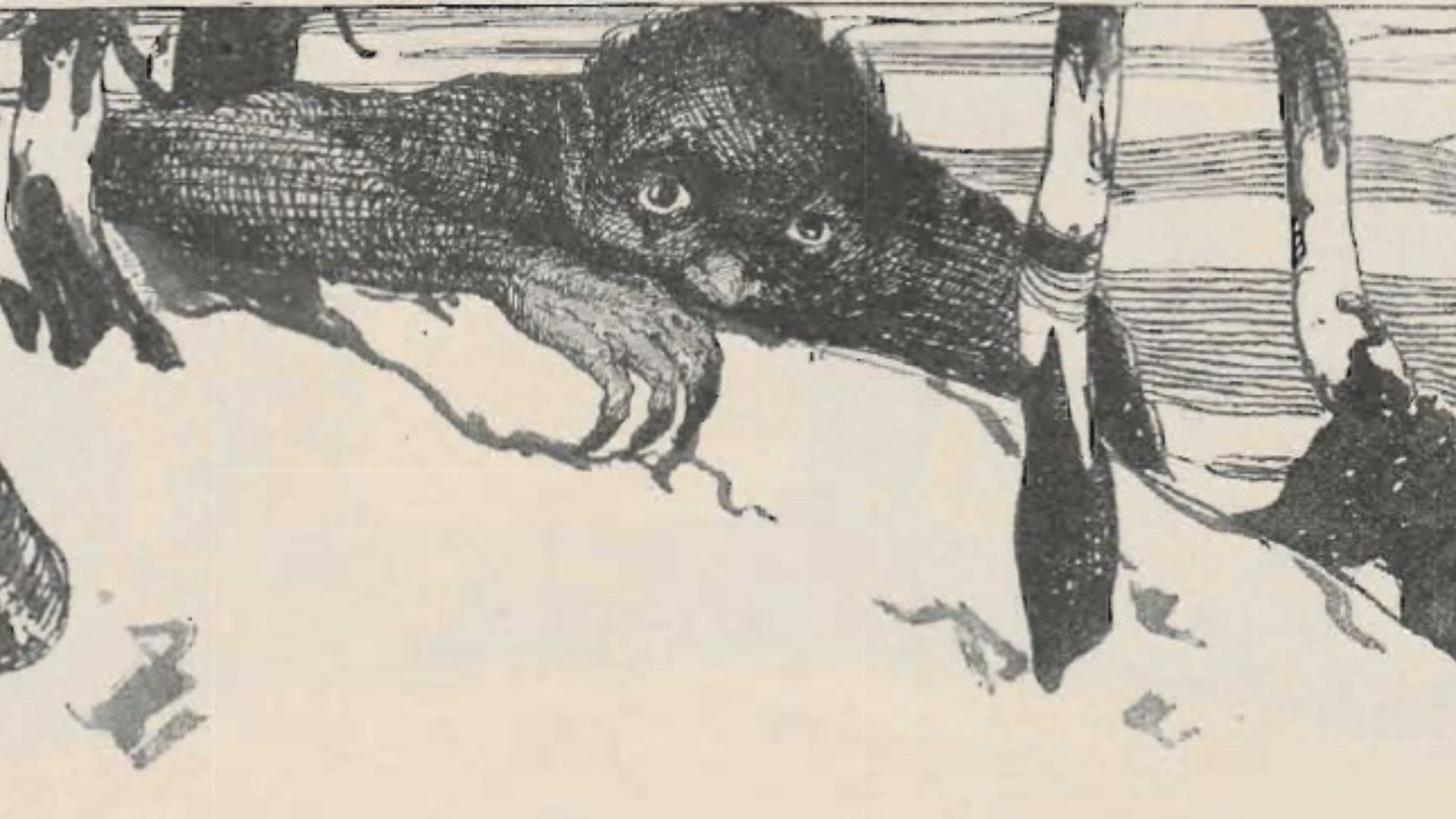
This Indonesian creature is often described as a massive, bat-like being tied to remote forests and waterfalls. Stories say you might hear a startling call before you ever see anything moving overhead, so if you’re the curious type, something huge gliding through dense jungle air is hard to shake.
2. Baku
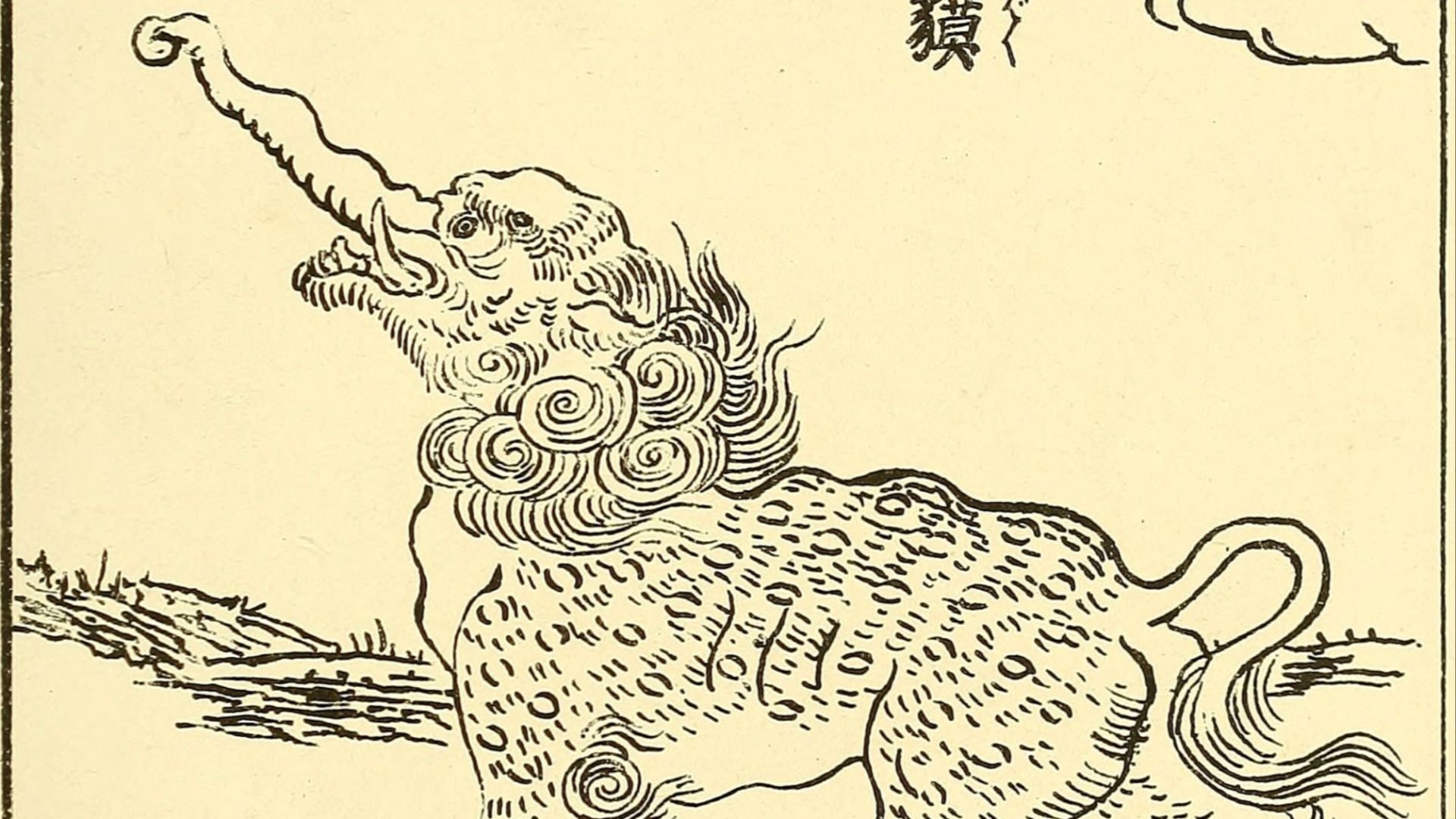
The baku comes from Japanese tradition and is known for dealing with bad dreams, which is never a good sign. Folklore says you can call on it after a nightmare, asking it to “eat” the unpleasant dream away. It’s a comforting concept, even if you’d still prefer not to meet one in a dark hallway at night.
 中村 惕斎, 1629-1702 / Nakamura, Tekisai, 下河辺 拾水 / Shimokōbe, Shūsui on Wikimedia
3. Bolla
In Albanian lore, the bolla is a serpentine creature associated with hidden danger and watchfulness. You know, as serpents often are. Some versions even describe it as sleeping most of the year, only awakening at a particular time. That kind of schedule feels oddly bureaucratic for a monster, but that’s what makes it even more memorable.
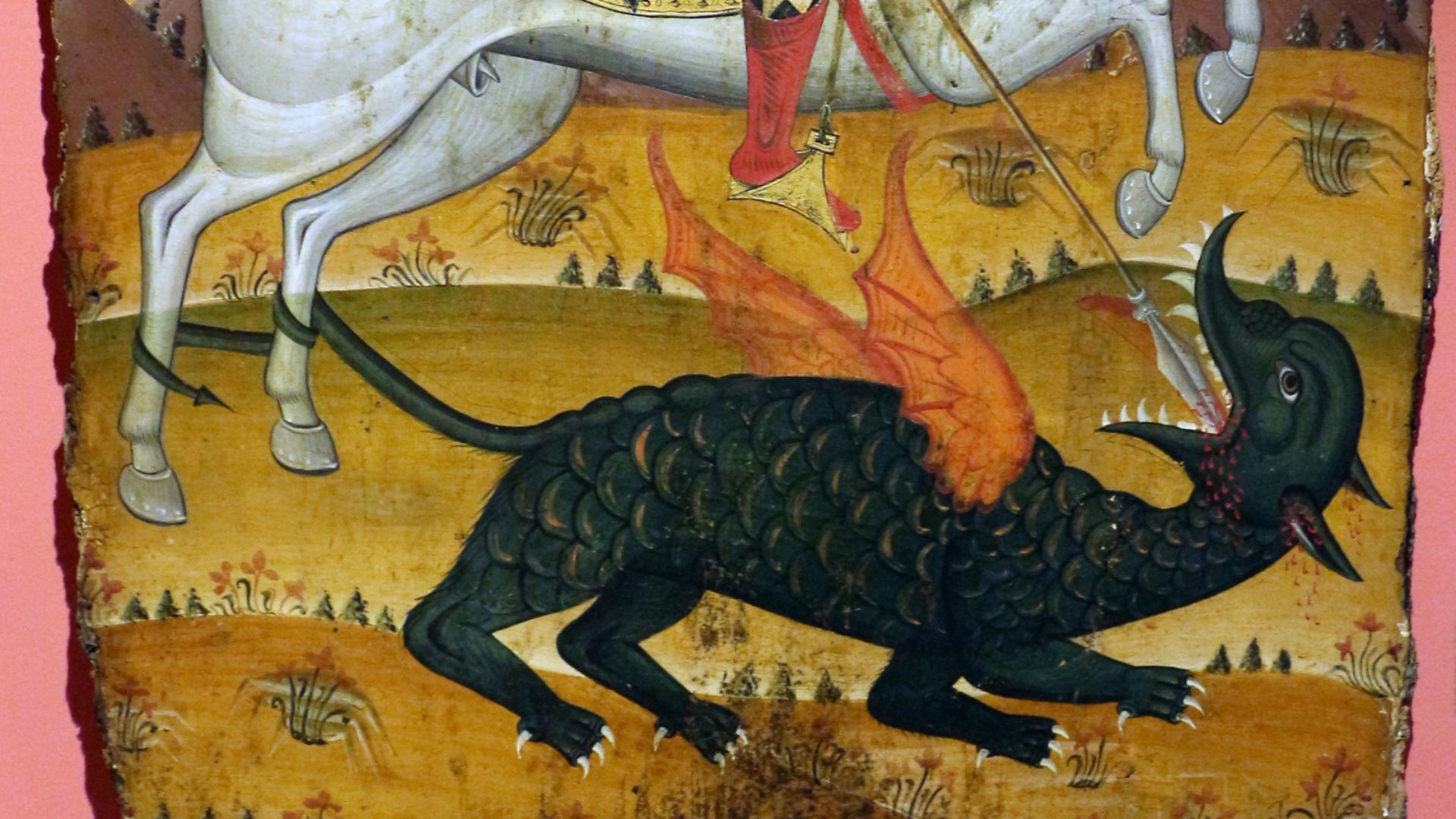
4. Cait Sidhe
On the surface, a Celtic fairy cat sounds relatively cool. However, they’re often portrayed as sleek, black, and unsettlingly intelligent. Legends also suggest it might steal a soul before burial if precautions aren’t taken, so you might want to bolt that cat door shut.
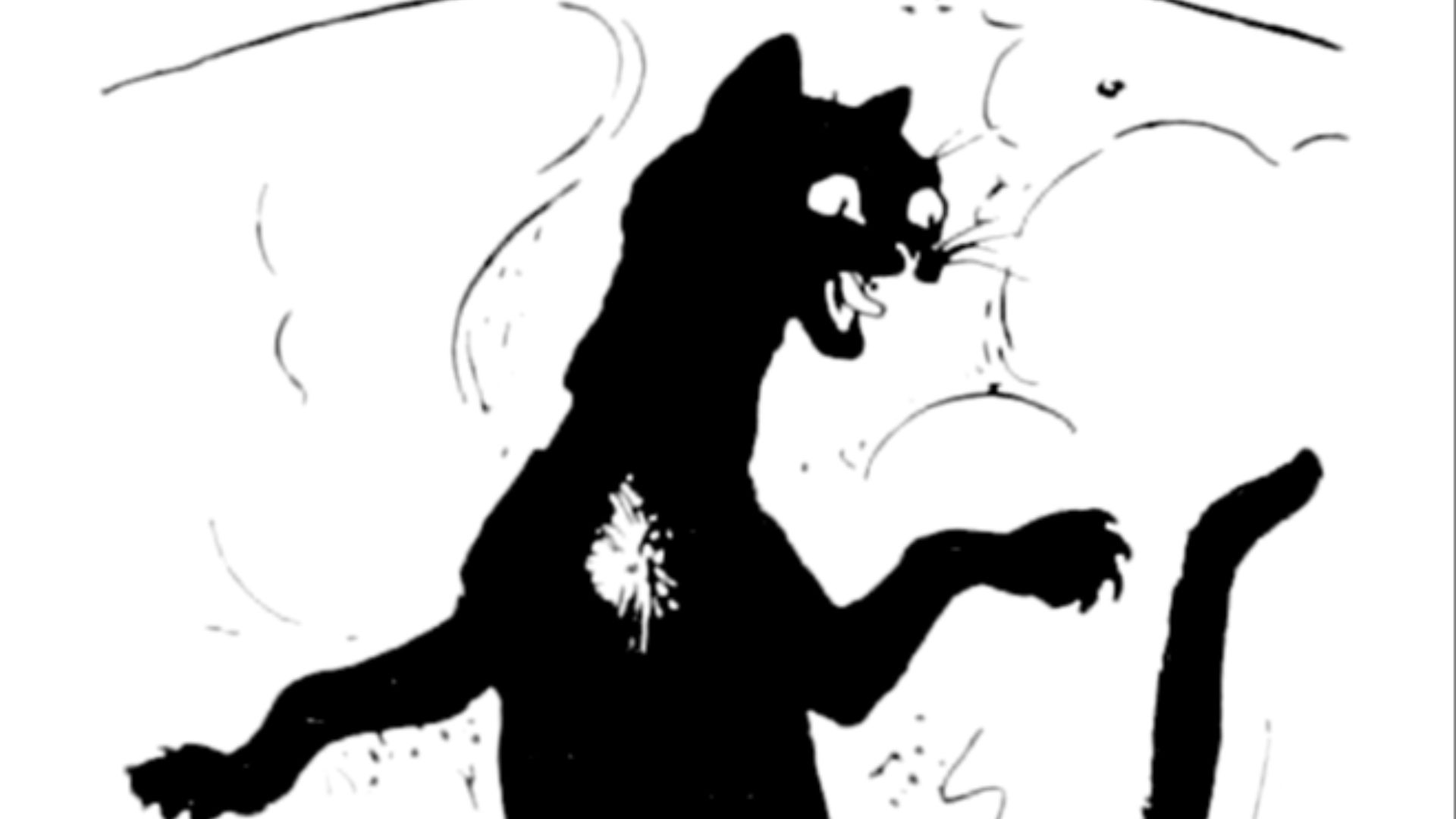
5. Camazotz
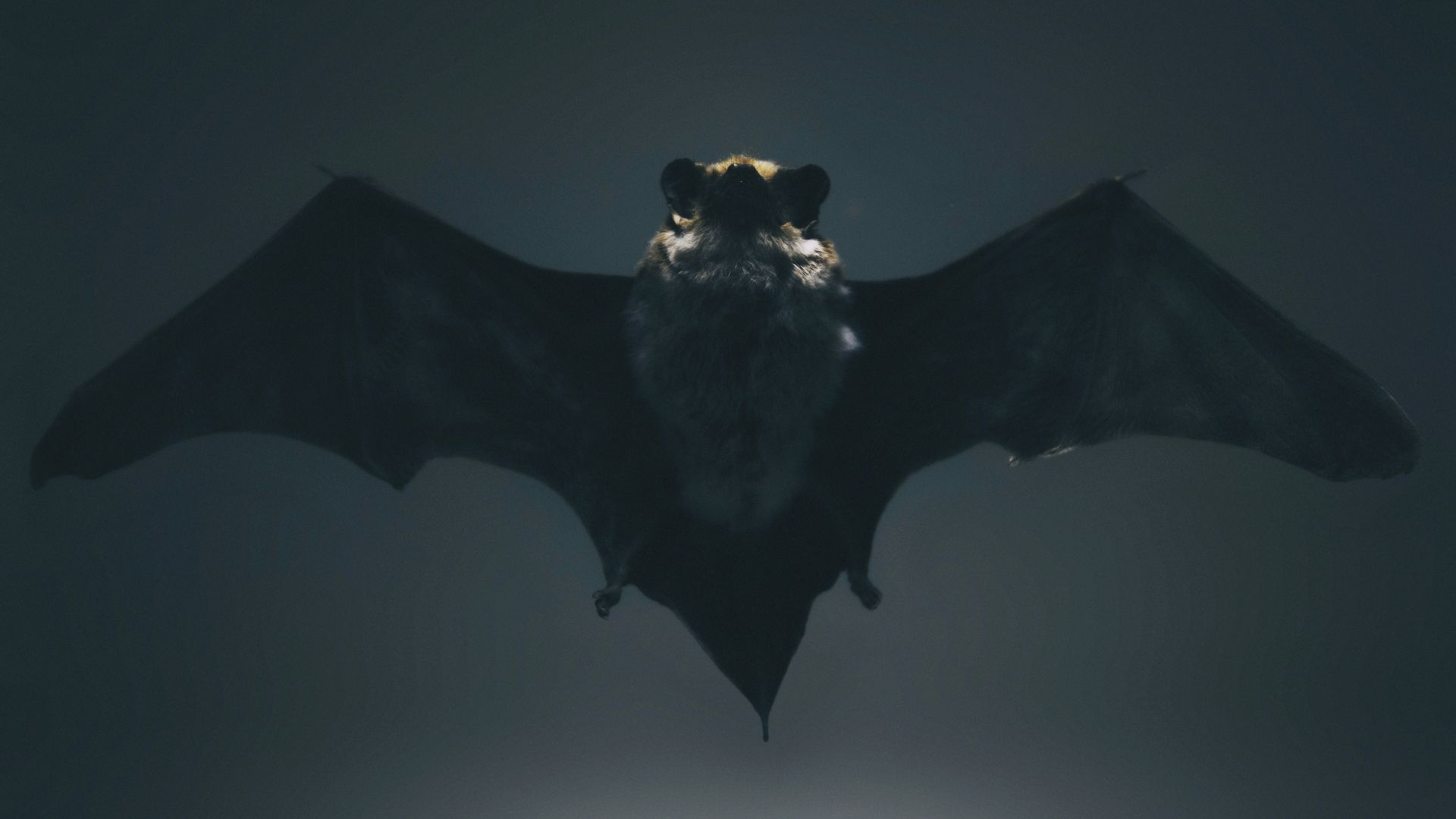
Camazotz is a bat-associated figure in Maya mythology connected with night and sacrifice. Accounts often emphasize their sharp violence and their place in darker spiritual narratives. Even reading about it can make the nighttime feel like it’s listening more closely than usual.
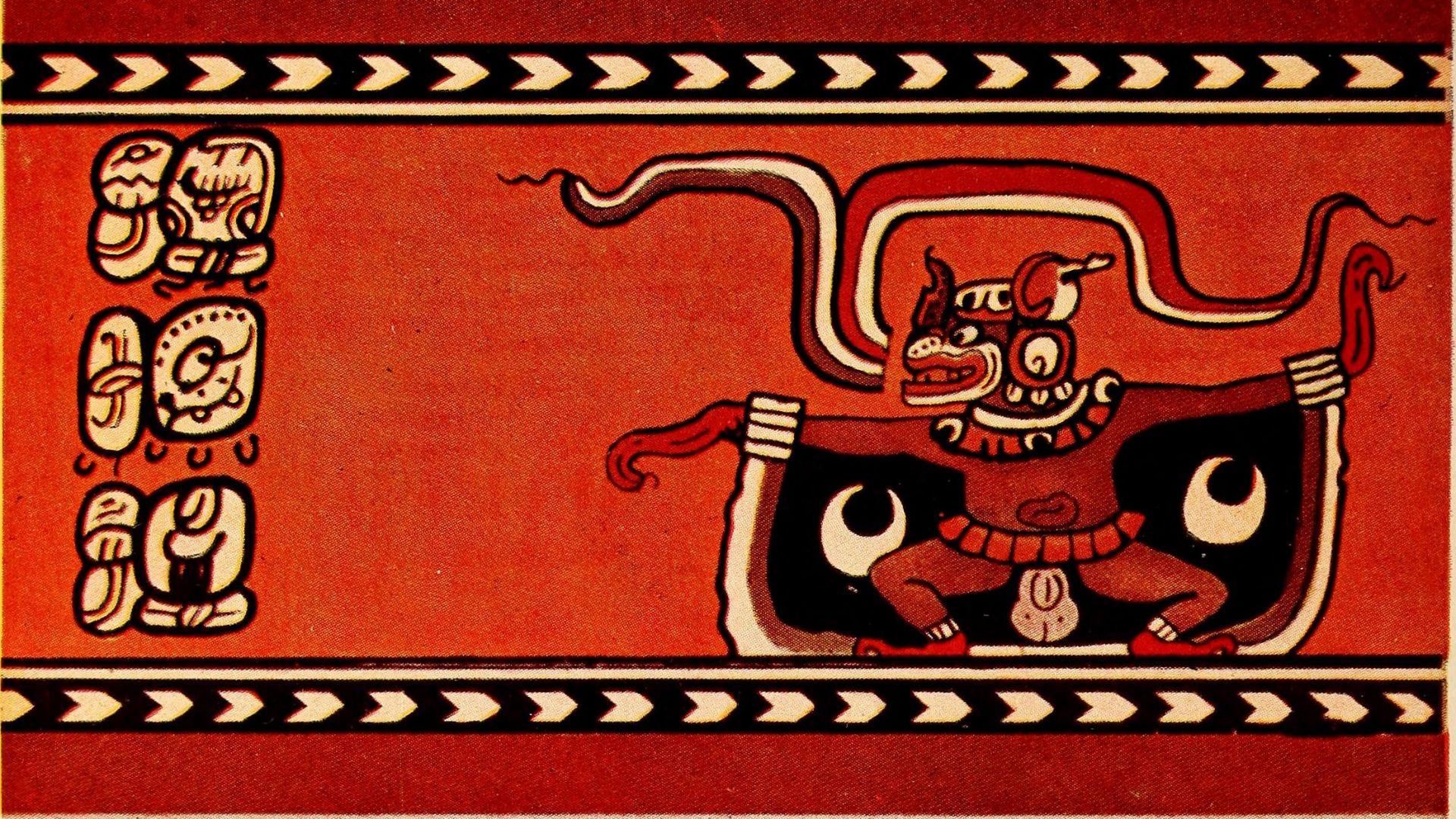 Internet Archive Book Images on Wikimedia
6. Drekavac
The drekavac appears in South Slavic folklore as a shrieking, restless presence that’s meant to frighten the living—which it does very well. Tales vary, but the common thread is a sound that’s hard to ignore and even harder to explain. But don’t you worry; you’ll know it when you hear it.
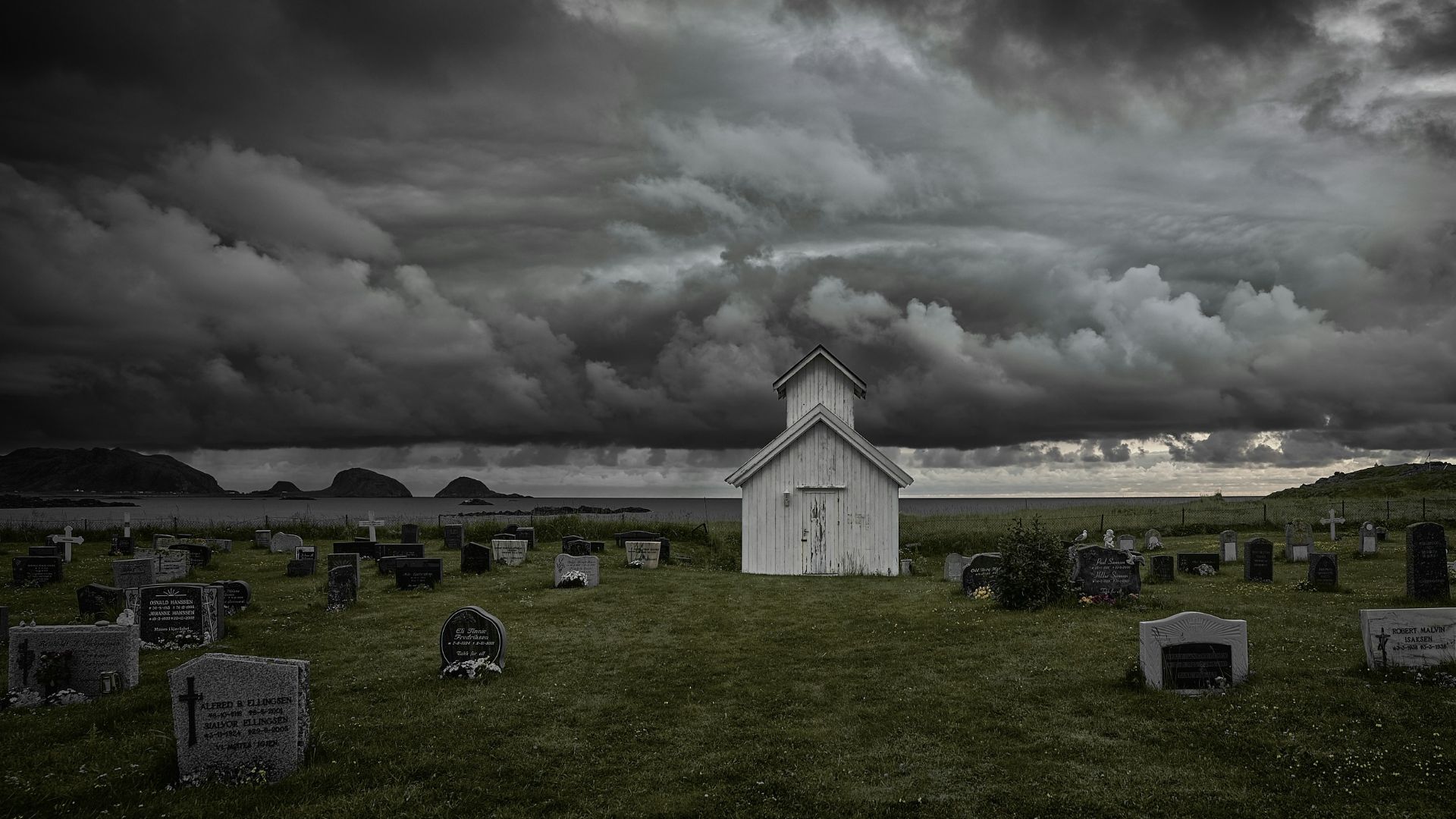 Vidar Nordli-Mathisen on Unsplash
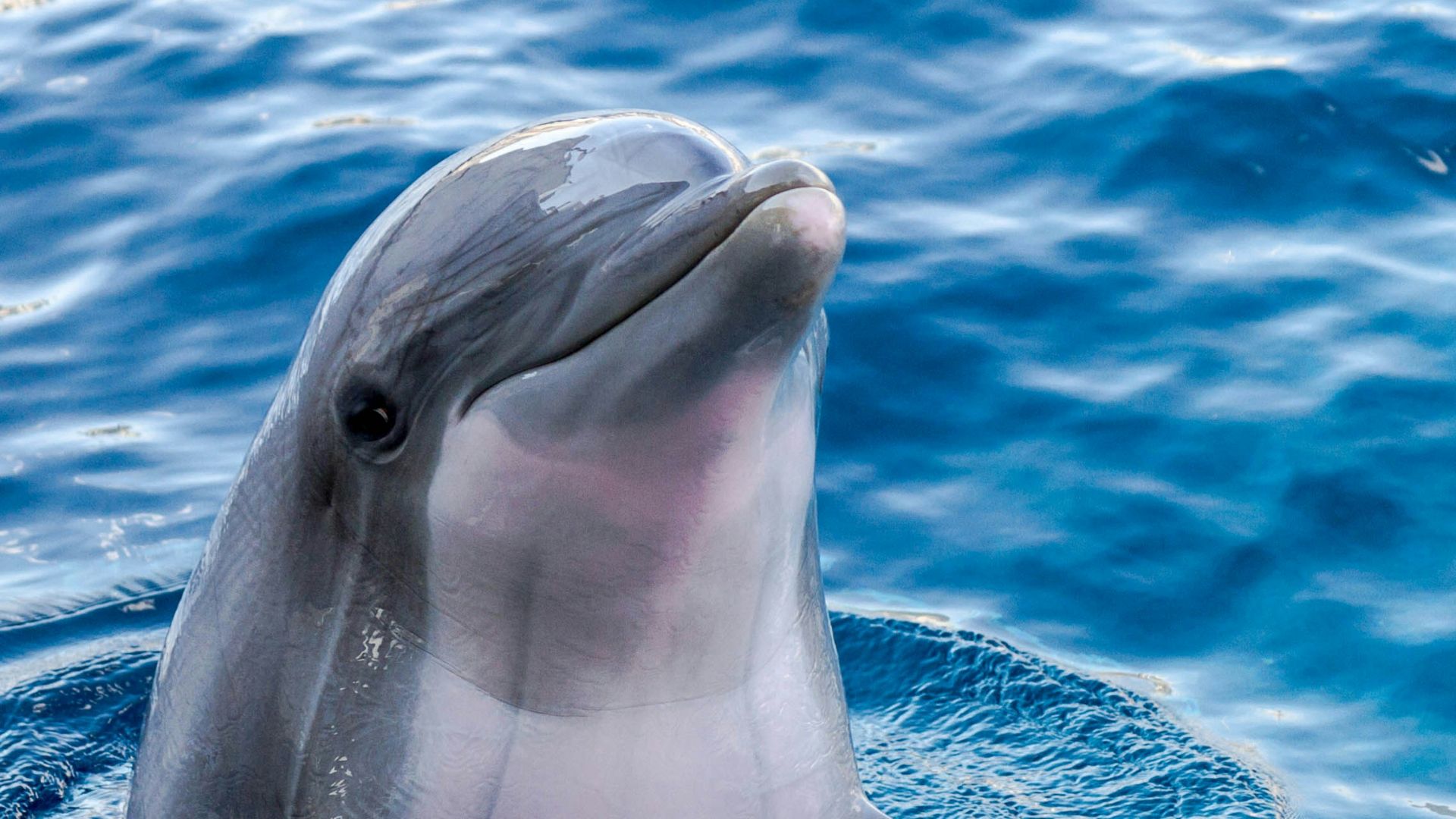
7. Encantado
We have Amazonian folklore to thank for this one: a creature often linked to river dolphins with a strange, magical edge. Stories sometimes describe it taking human form and blending into social life in rather unsettling ways.
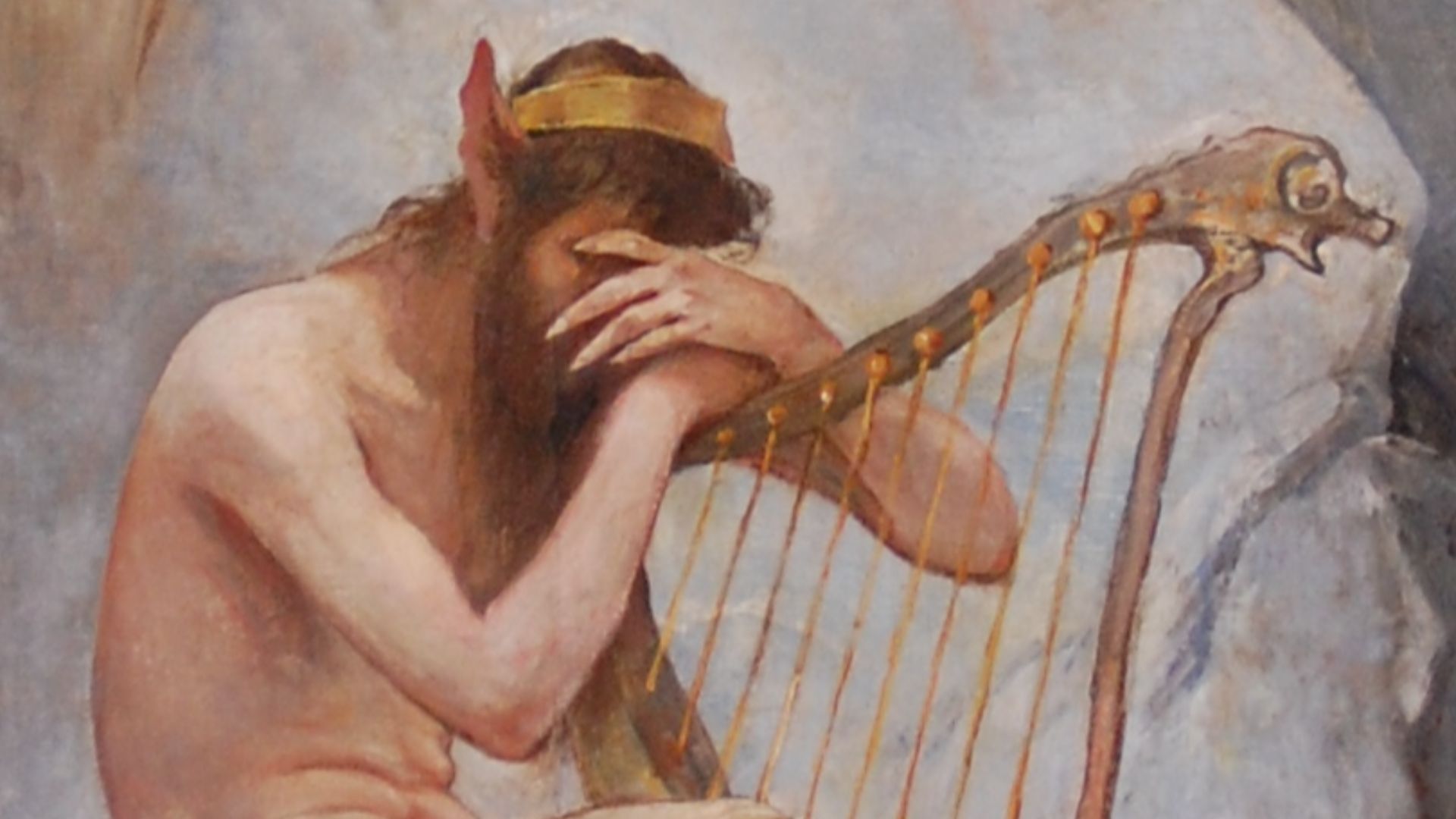
8. Fossegrim
For those unfamiliar, the Fossegrim is a Norwegian spirit connected to waterfalls and streams, with a reputation for music. Tradition says it can teach you to play the fiddle beautifully, but not for free, and the bargain aspect keeps the story playful while still nudging you to think twice before making requests.
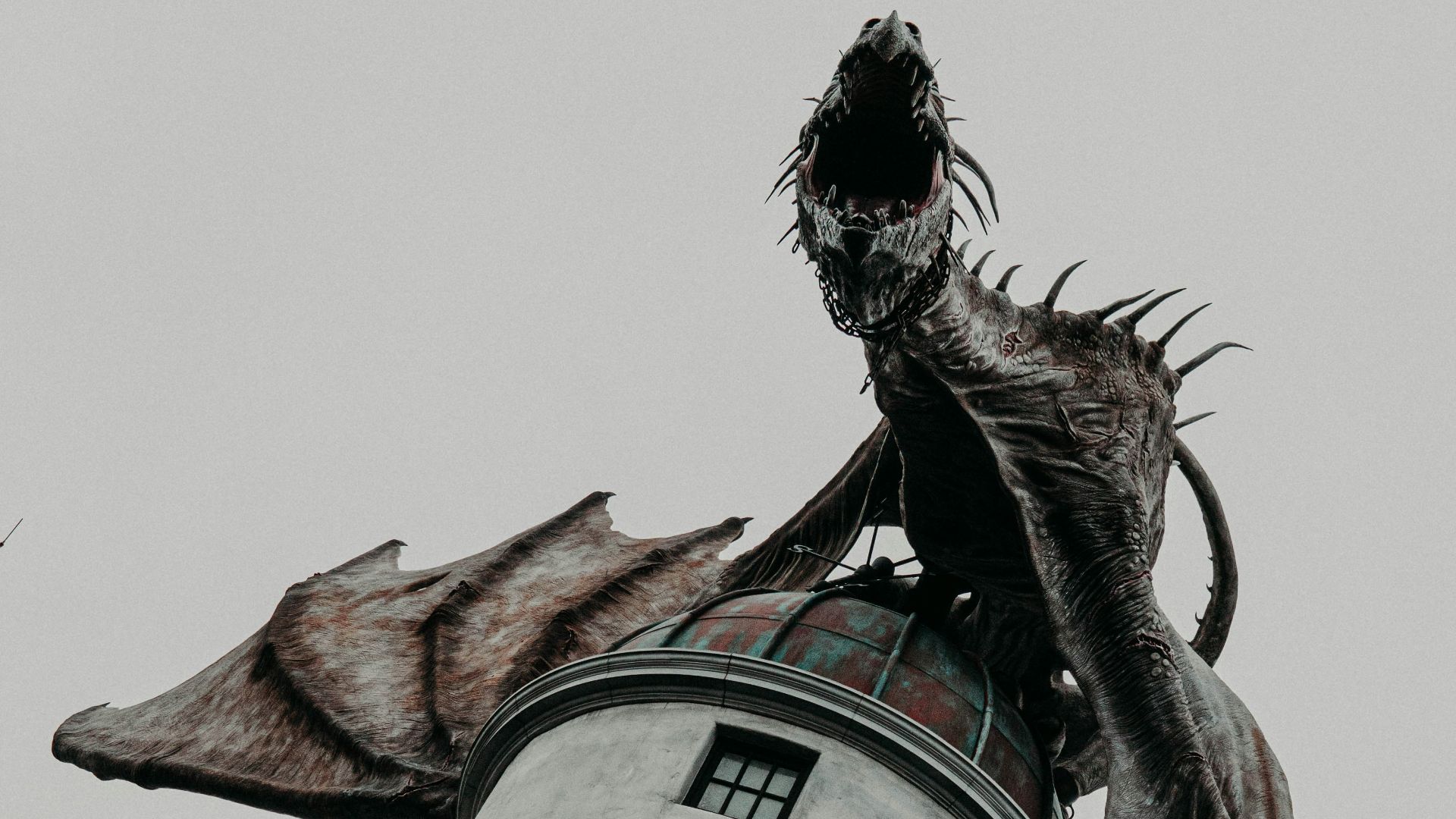
9. Gaasyendietha
Gaasyendietha is described as a fire dragon from the Seneca tradition, one that moves through the sky like a blazing force. Accounts associate it with meteor-like appearances and ominous brilliance. The more you read into it, the more obvious a reminder it is that folklore gives shape to the terrifying beauty of the night sky.
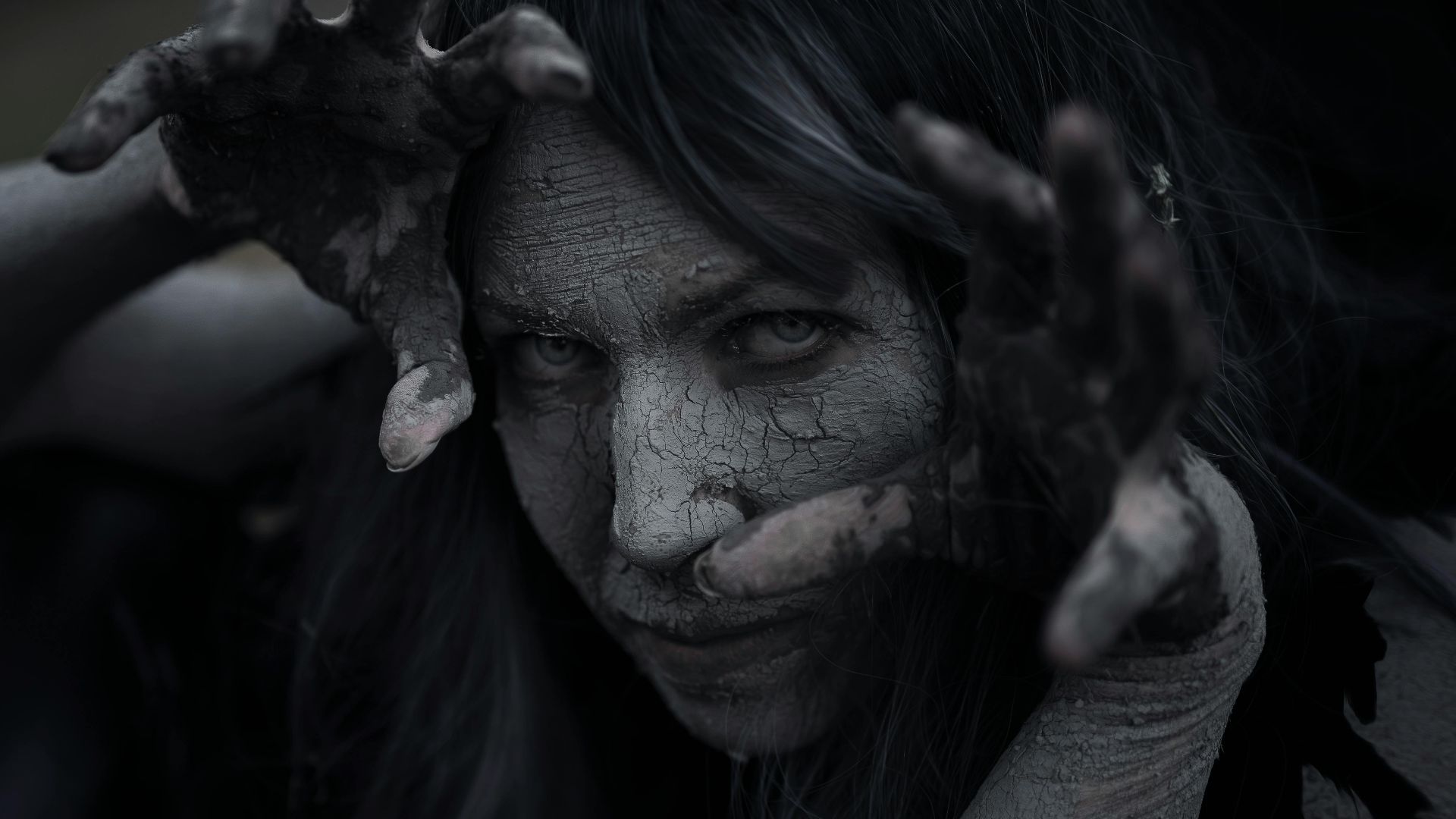
10. Glaistig
The glaistig in Scottish lore is often portrayed as a female spirit with a complicated reputation. Sometimes, she’s protective. Other times, she’s downright predatory. Different regions emphasize different traits, which keeps it from fitting neatly into a single category. The thing is, you can’t just label it “good” or “bad,” and that tension is the point.
11. Grootslang
The grootslang comes from southern African tales and is sometimes described as an enormous creature with elephant and serpent features. (It might not seem like the most intimidating combo, but don’t write it off so quickly.) Legends place it in deep caves, guarding treasure and leaving little room for bargaining.
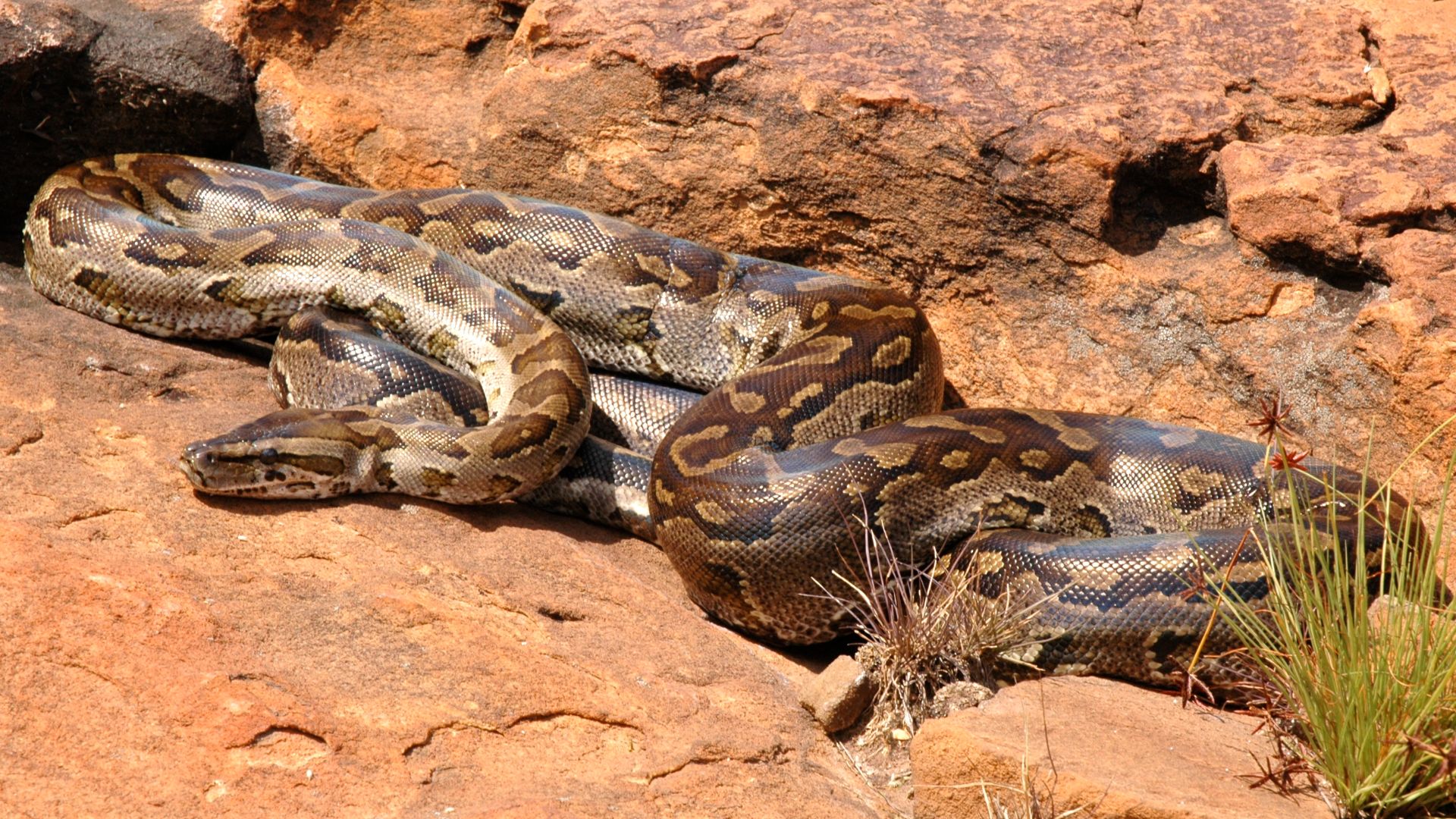 Graham J. Alexander, University of the Witwatersrand on Wikimedia
12. Iele
Romanian folklore describes the iele as beautiful, dangerous female beings tied to dance and sudden harm. Some stories warn that witnessing them can lead to injury or lasting misfortune, so you might want to avert your eyes in the face of such beauty.
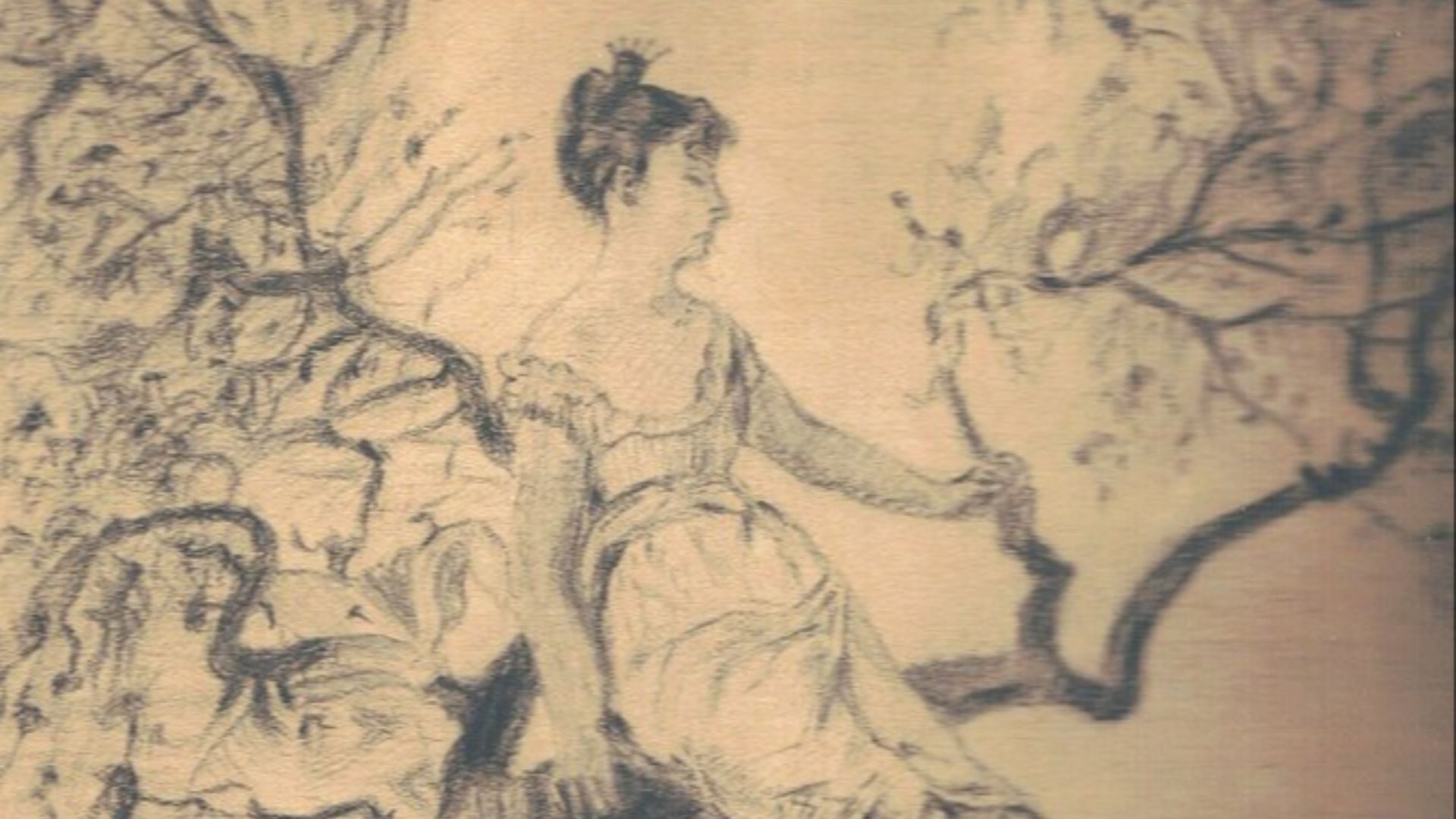 Hendrik Bakhuizen on Wikimedia
13. Jorōgumo
Jorōgumo is one of the creepiest folklore creatures around. Believed to be a Japanese spider spirit, it lures victims with charm and deception. The tales focus on patience, elegance, and a trap that closes too late for regret. It’s a creature that makes you reconsider how “pretty” and “safe” can share the same sentence.
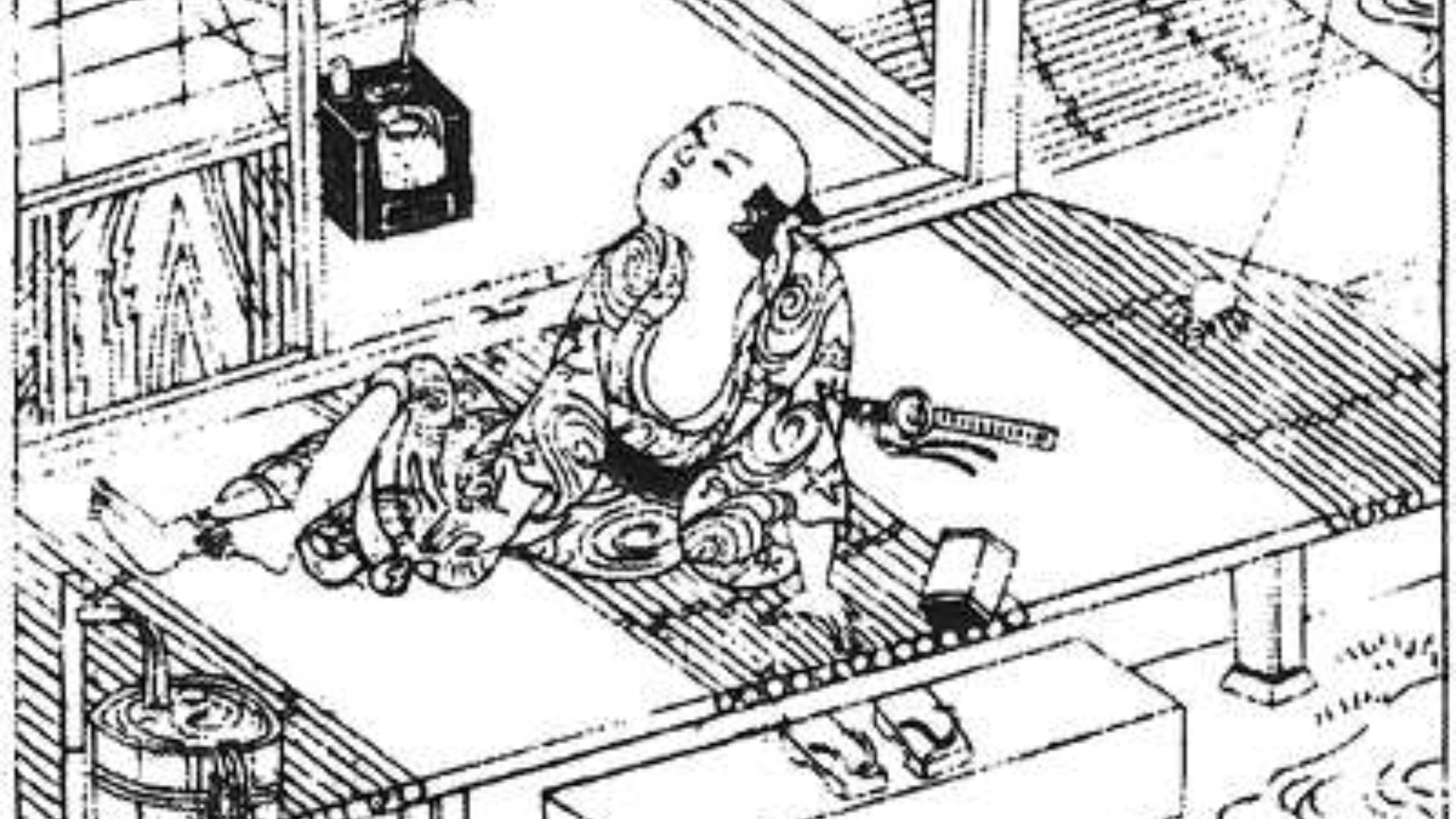 Ichinaka Sanjin Yūsa (市中散人祐佐, Japanese) on Wikimedia
14. Kallikantzaros
These Greek goblin-like beings are associated with a particular season and a taste for mischief. Stories portray them as disruptive and irritating rather than world-ending, which feels oddly realistic, so much so that you can almost imagine them taking pride in ruining a household’s peace just because they can.
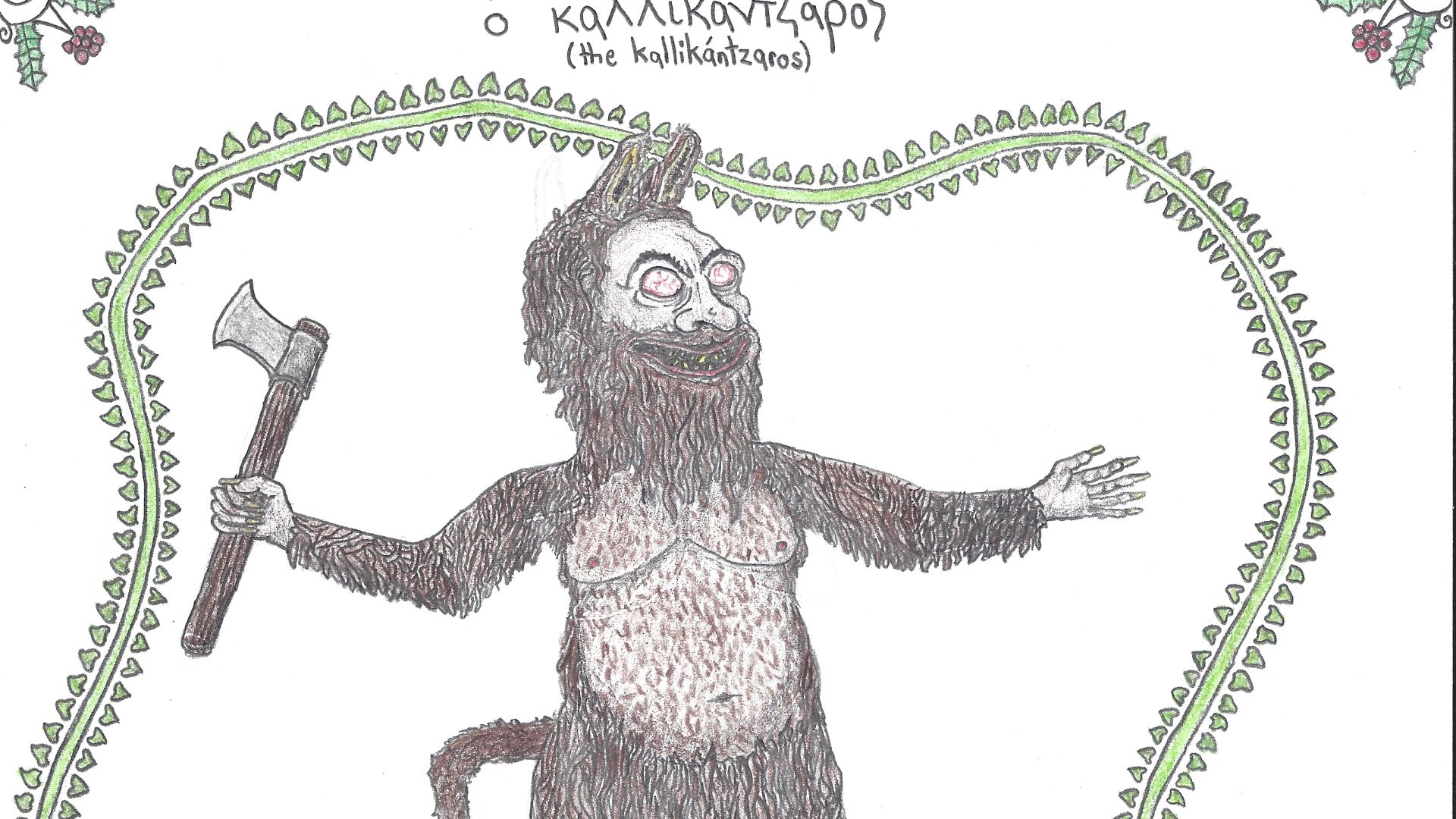
15. Leshy
The leshy from Slavic tradition is a forest spirit known for misleading travelers. Some descriptions suggest it can change size and appearance, blending into trees and brush with ease. If you’ve ever gotten turned around in the woods, you might understand why people gave confusion a face.
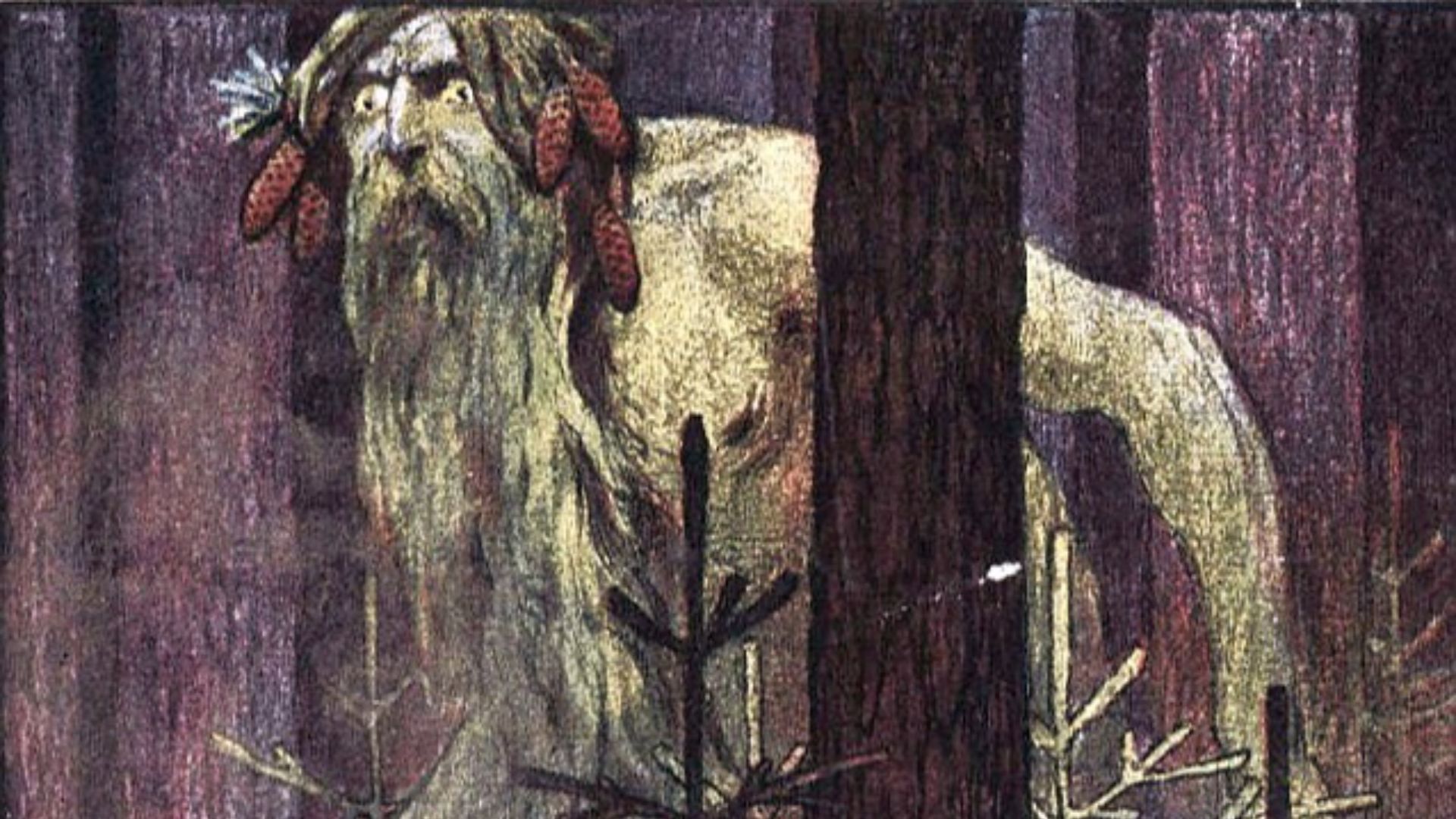 Н. Н. Брут, Magazine «Leshy» on Wikimedia
16. Mahaha
In Inuit tradition, the mahaha is described as a chilling figure tied to laughter and lethal cold. Stories emphasize the danger of being caught and overwhelmed in a freezing environment, and the combination of humor and threat lands in a way that’s completely unsettling.

17. Muldjewangk
From Australian Aboriginal traditions along the Murray River, the muldjewangk is a water-associated being that serves as a dire warning. Tales frame it as something that takes careless people who stray too close—it’s not subtle guidance, but it’s effective guidance.
18. Nuckelavee
The nuckelavee is a fearsome creature from Orcadian folklore, and it’s often described in grotesque detail. Stories link it to blight, sickness, and a general sense that you should stay far away. Even if you don’t scare easily, this one has a talent for sticking around.
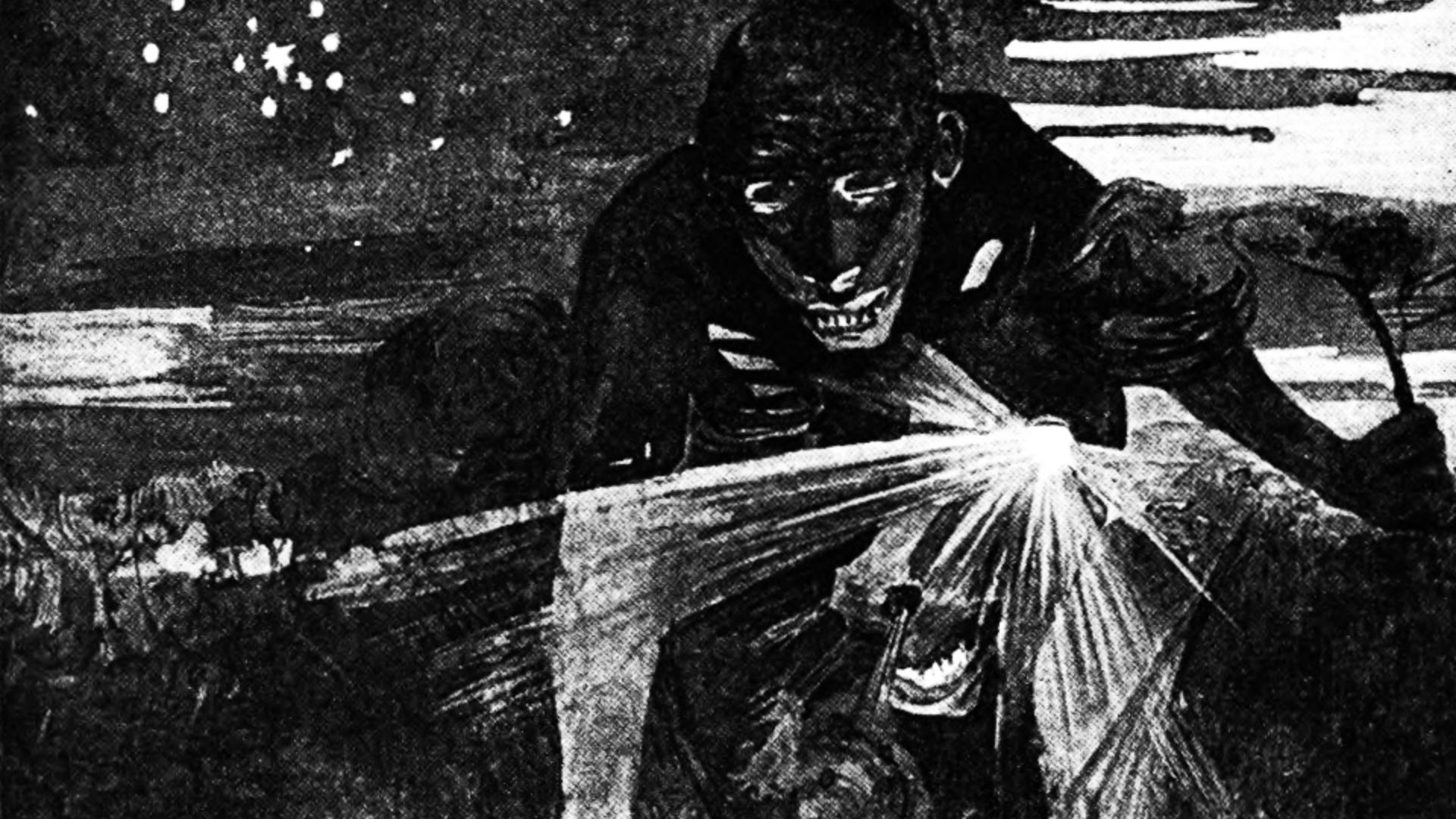 James Torrance 1859-1916, illustrator on Wikimedia
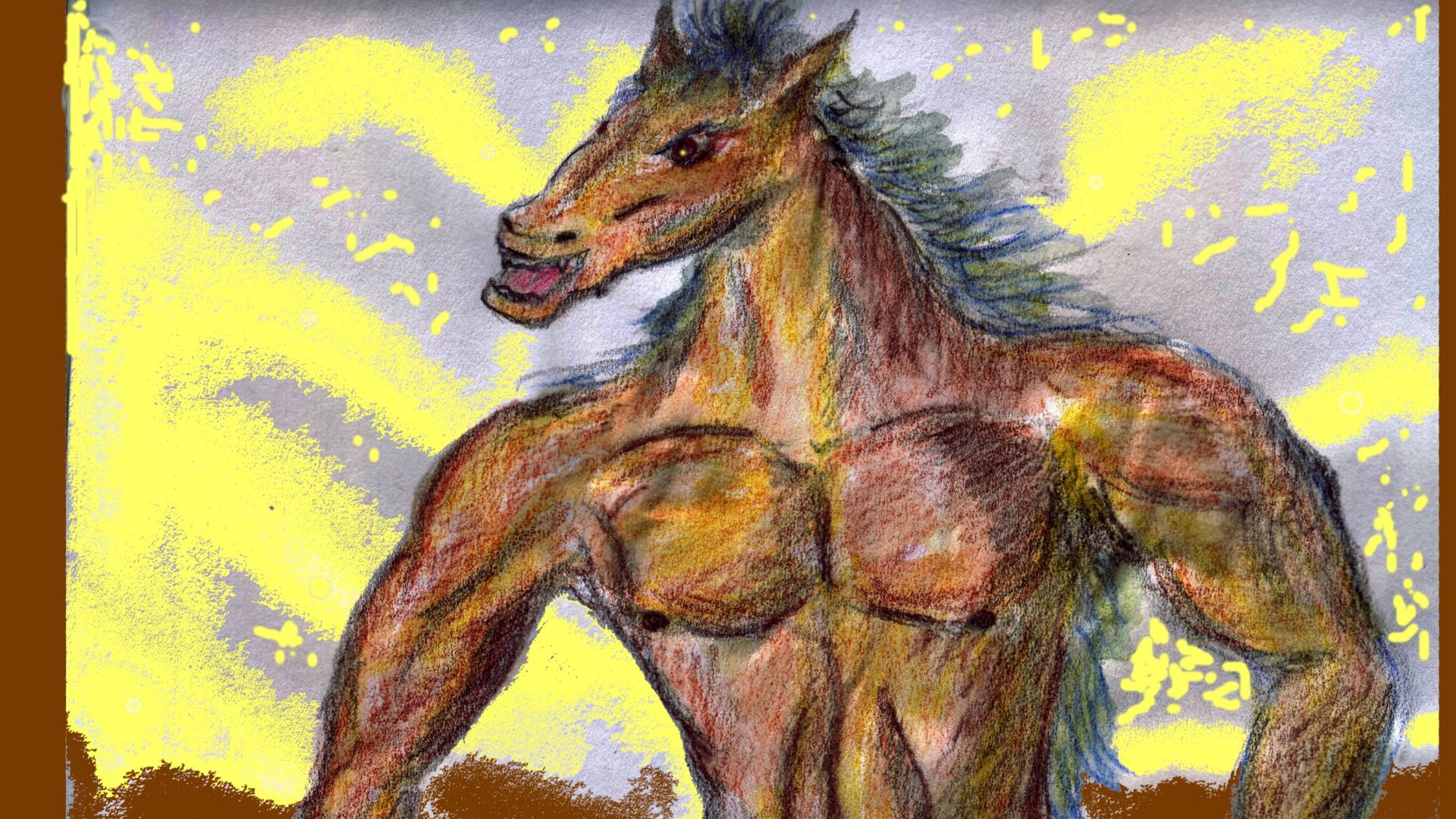
19. Tikbalang
The tikbalang from Philippine folklore is known as a tall, horse-headed trickster that leads people astray. Some stories say it enjoys confusion and humiliation, turning a simple path into a looping ordeal. It’s not something you want to imagine on an abandoned road.
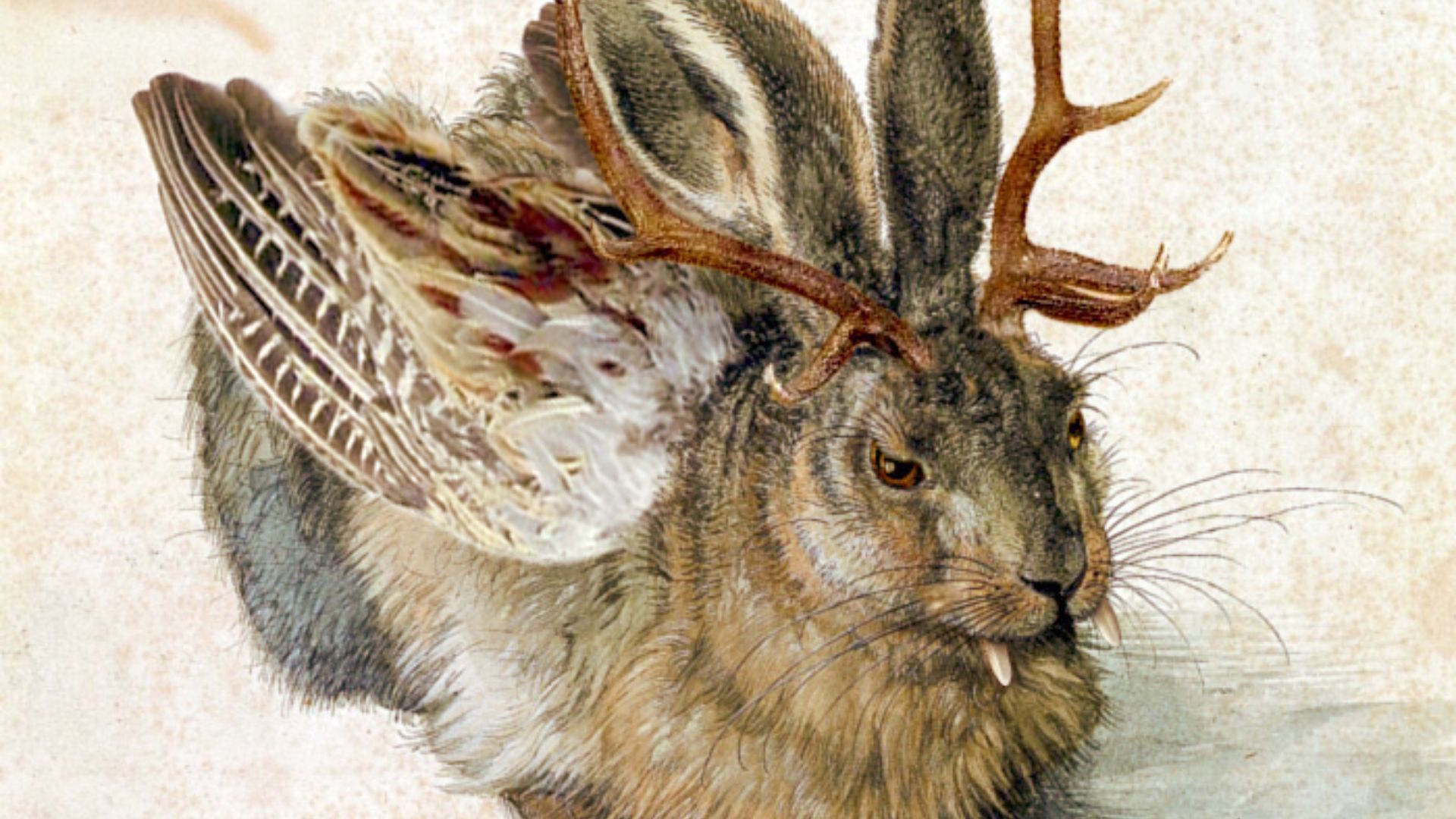
20. Wolpertinger
The Wolpertinger is a Bavarian creature usually depicted as a playful mash-up of familiar animals. It shows up more as a regional curiosity than a nightmare fuel monster, which thankfully softens the blow a little. If you’re the kind to share scary stories, you can tell this one at a dinner table without anyone losing their appetite.
KEEP ON READING
The story of Ching Shih, the Woman Who Became the…
Unknown author on WikimediaFew figures in history are as feared…
By Emilie Richardson-Dupuis Dec 29, 2025
Einstein's Violin Just Sold At An Auction—And It Earned More…
A Visionary's Violin. Wanda von Debschitz-Kunowski on WikimediaWhen you hear…
By Ashley Bast Nov 3, 2025
This Infamous Ancient Greek Burned Down An Ancient Wonder Just…
History remembers kings and conquerors, but sometimes, it also remembers…
By David Davidovic Nov 12, 2025
The Mysterious "Sea People" Who Collapsed Civilization
3,200 years ago, Bronze Age civilization in the Mediterranean suddenly…
By Robbie Woods Mar 18, 2025
The Day the Sun Didn’t Rise: The Unexplained New England…
Alina Nichepurenko on UnsplashImagine waking up on a spring morning,…
By Sara Springsteen Jun 18, 2026
20 Soldiers Who Defied Expectations
Changing the Rules of the Battlefield. You’ve probably heard plenty…
By Annie Byrd Feb 10, 2026