 Unknown authorUnknown author on Wikimedia
In December 1917, a busy harbor in eastern Canada became the scene of one of the most powerful non-nuclear explosions in history. The port of Halifax supported wartime convoys during World War I, and large ships moved in and out every day. Two vessels—one carrying a massive load of explosives—found themselves on a collision course in the narrow waterway that separated Halifax from the community of Dartmouth.
Residents went about their morning routines, unaware that a small navigational mistake would lead to something far beyond a typical maritime accident. What followed shocked the world and reshaped the region forever.
A Collision That Sparked Disaster
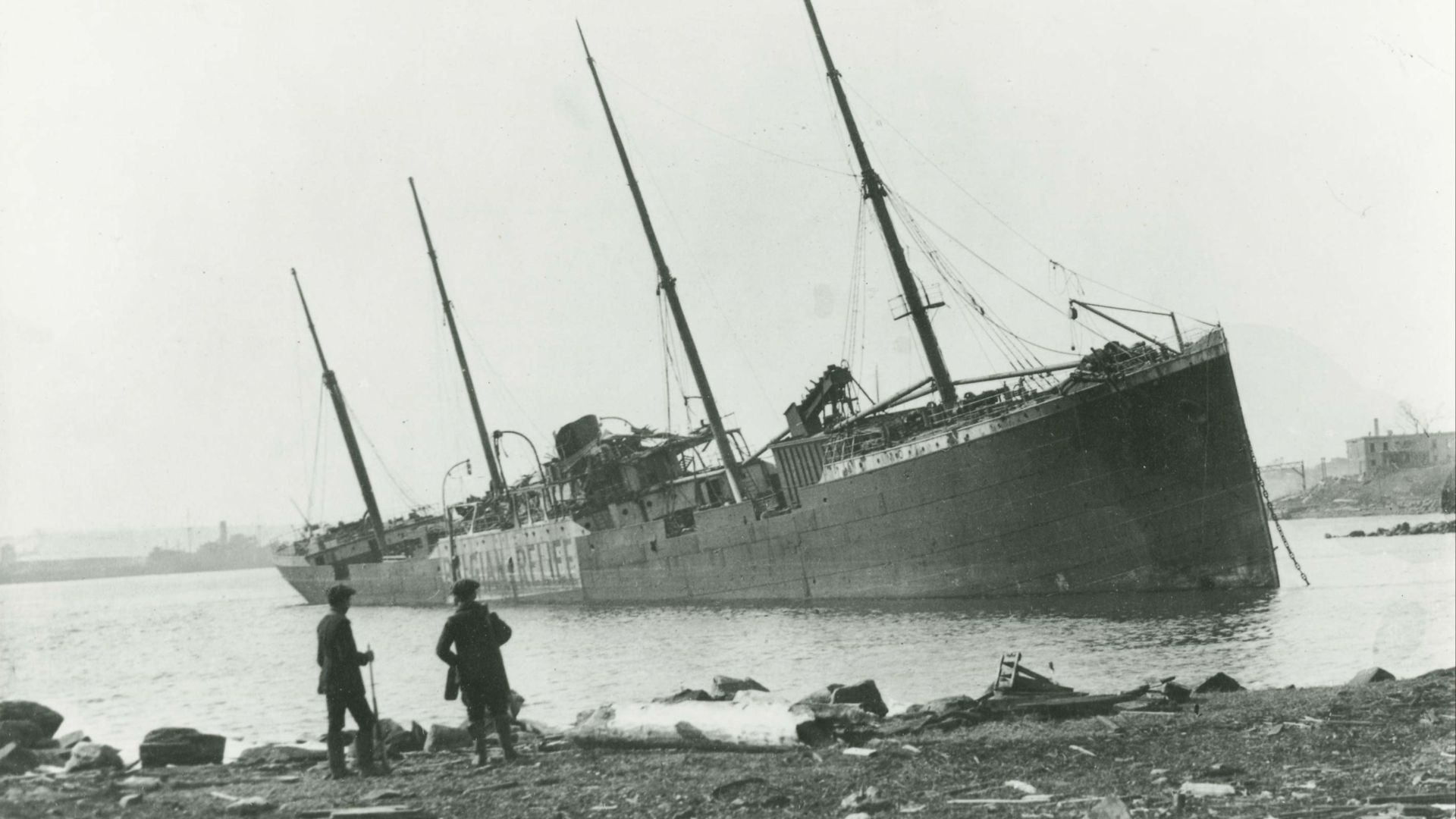
The Norwegian vessel SS Imo and the French munitions ship SS Mont-Blanc crossed paths by chance in the harbor’s narrow channel on the morning of December 6, 1917. Though both tried to adjust their course at the last moment, their movements only added to the confusion. The ships collided, and the impact produced sparks that ignited the flammable chemicals stacked on Mont-Blanc’s deck. The fire spread fast, and the damaged ship drifted slowly toward the Halifax waterfront while smoke thickened over the water.
As the flames grew, Mont-Blanc continued moving toward the busy shoreline. Most people had no idea how dangerous the fire was because the ship carried its cargo without warning labels, a wartime rule meant to avoid drawing attention. Residents and workers stepped outside to watch what looked like an ordinary harbor accident. Some moved closer for a better view, unaware that the burning ship held more than 2,900 tons of explosives and that only minutes remained before a massive blast would tear through the city.
An Explosion That Shattered A City
At 9:04 a.m., the fire on Mont-Blanc reached its breaking point and erupted with a force equal to several thousand tons of TNT. The blast rolled across Halifax and Dartmouth in a single sweeping motion, flattening buildings close to the harbor and shattering windows as far as fifty miles away. The shock wave that followed pushed through the city with tremendous speed, lifting debris into the air and turning everyday objects into dangerous projectiles.
That violent surge did not stop at the shoreline. The explosion instantly vaporized the ship’s hull, pulling a huge volume of water into the void and sending a 60-foot tsunami back toward land. The wave swept over the harbor’s edge, carried wreckage inland, and added to the destruction already unfolding. By the time the water settled, more than 1,800 people had died, and over 9,000 were injured, marking the disaster as the deadliest human-made explosion before nuclear weapons existed.
Rescue, Recovery, And Long-Term Impact
 Unknown authorUnknown author on Wikimedia
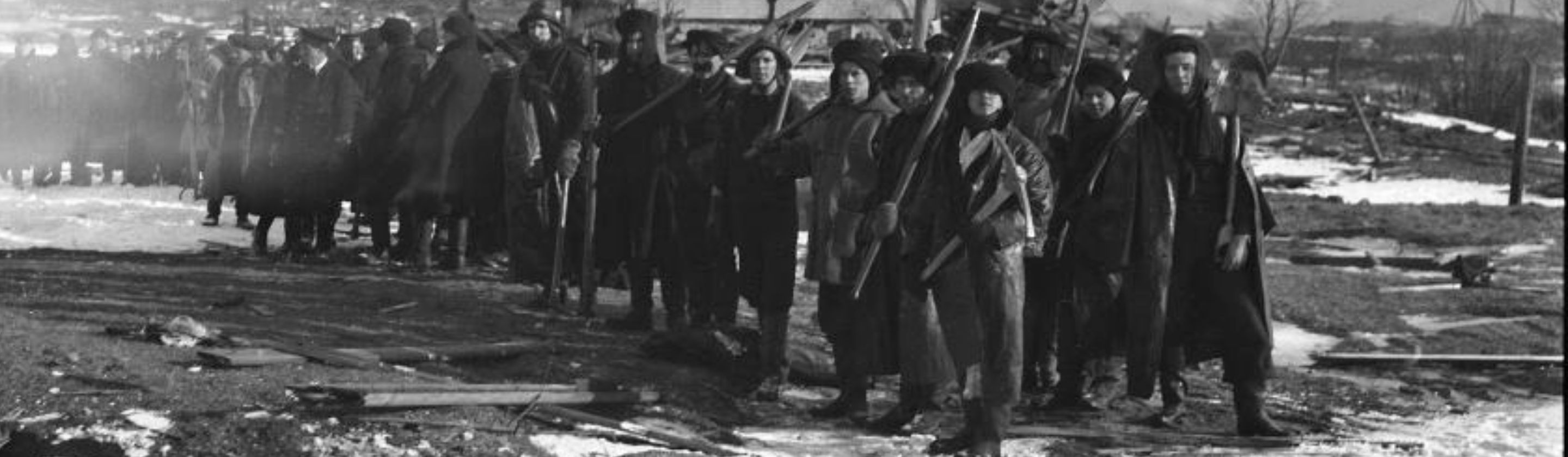
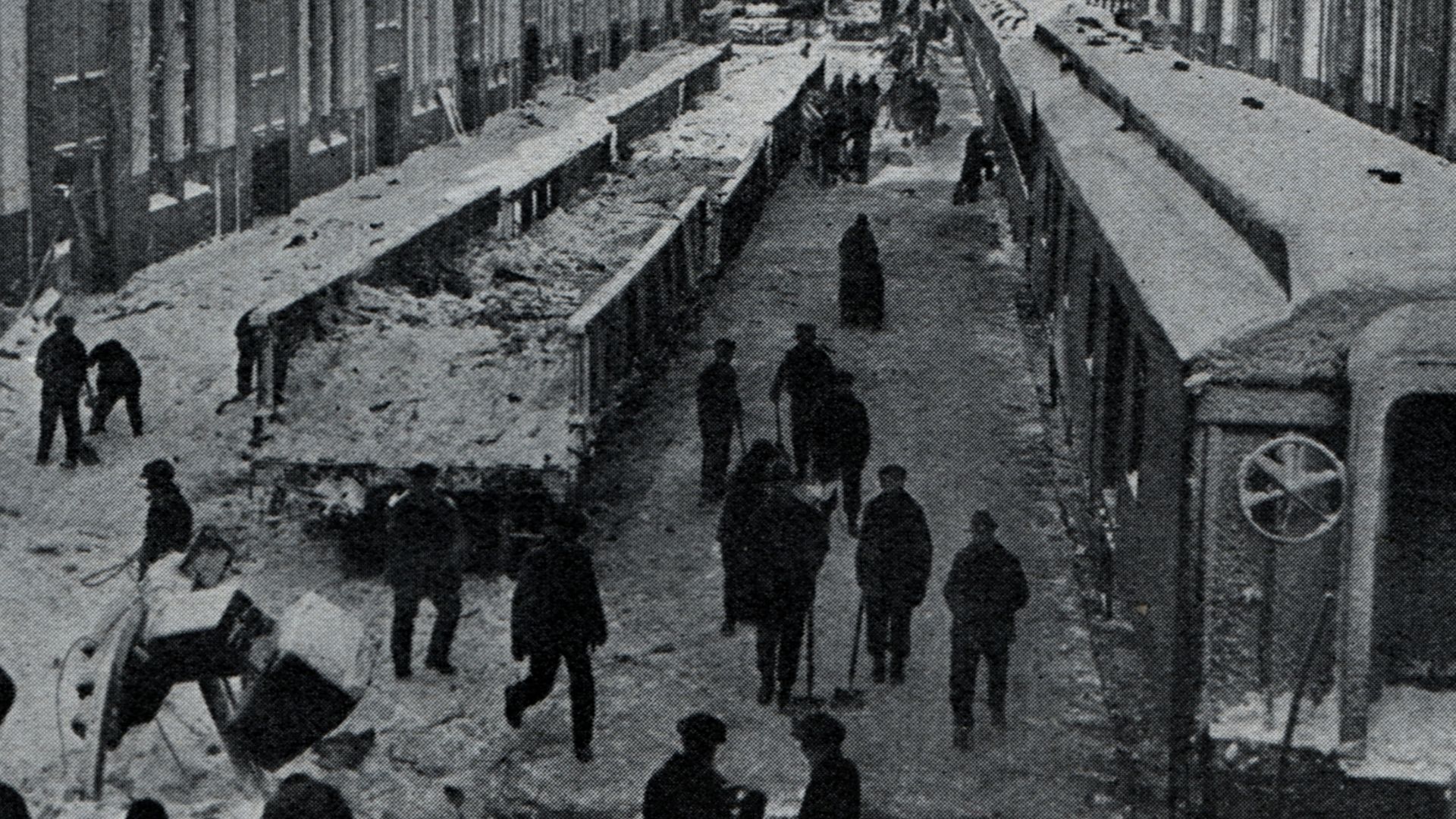
Relief efforts began almost immediately as survivors, nearby soldiers, and volunteers searched the wrecked neighborhoods for people trapped under collapsed homes. Help arrived from across Canada and the United States, with Boston’s medical teams reaching Halifax quickly. The city later sent Boston a Christmas tree each year in thanks.
Ultimately, the disaster pushed officials to improve shipping safety, leading to clearer cargo labeling and stricter harbor traffic rules whose lessons still help emergency planning and maritime regulations today.
KEEP ON READING