Today, a new song can reach millions of listeners around the world within hours. Streaming services, social media platforms, and digital downloads allow music to cross borders almost instantly. It's easy to forget that for most of human history, sharing music across long distances was a much slower and more complicated process.
Yet music still managed to travel remarkably far before the invention of recordings, radio, or the internet. Through trade routes, migration, military campaigns, and cultural exchanges, melodies and musical traditions moved from one region to another, influencing societies in ways that can still be heard today. The journey was slower, but the impact was no less significant.
Trade Routes Carried More Than Goods
One of the most important ways music spread across continents was through trade networks. Merchants traveling along routes such as the Silk Road didn't simply exchange silk, spices, and precious metals. They also shared stories, languages, instruments, and musical ideas with the people they encountered along the way. These interactions helped musical traditions travel thousands of miles over time.
Musical instruments themselves often reveal evidence of these cultural exchanges. Historians have identified similarities between instruments used in different parts of Asia, the Middle East, and Europe that developed through centuries of contact. As traders moved between regions, local musicians adapted foreign instruments and techniques to fit their own traditions. This gradual blending created entirely new musical styles.
Ports and trading centers became especially important hubs for musical exchange. Cities that welcomed travelers from many different regions often developed diverse cultural scenes where musicians could learn from one another. As a result, some of history's busiest commercial centers also became influential centers of musical innovation. The movement of people frequently proved just as important as the movement of goods.
Migration And Conquest Spread Musical Traditions
Throughout history, large-scale migrations carried musical customs far beyond their places of origin. Families and communities brought songs, rhythms, and instruments with them when they settled in new lands. Even generations later, traces of those original traditions often remained visible within local music. These cultural connections helped preserve identity while encouraging adaptation.
Military campaigns also played a role in spreading music across continents. Soldiers encountered unfamiliar musical styles during conflicts and occupations, sometimes bringing those influences home after returning. Military bands themselves often introduced new instruments and performance techniques to regions where they had previously been unknown. In some cases, music spread alongside political and territorial expansion.
Colonization created another pathway for musical exchange, although it often came with significant cultural disruption. European, African, Indigenous, and later Asian musical traditions interacted in complex ways across the Americas and other regions. These encounters produced entirely new genres and performance styles that reflected multiple cultural influences. Many modern musical forms owe their existence to these historical connections.
Oral Traditions Kept Music Moving
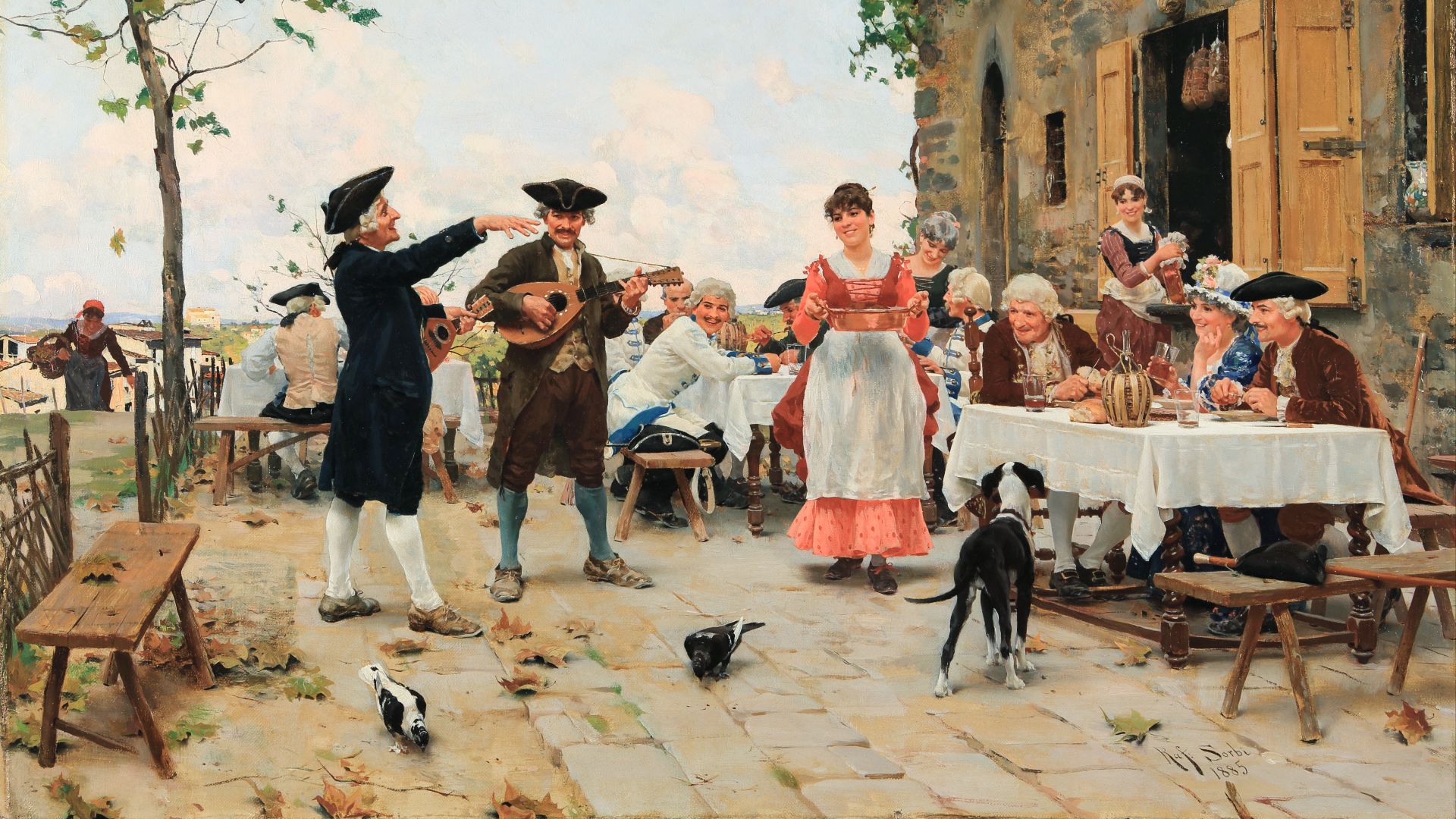
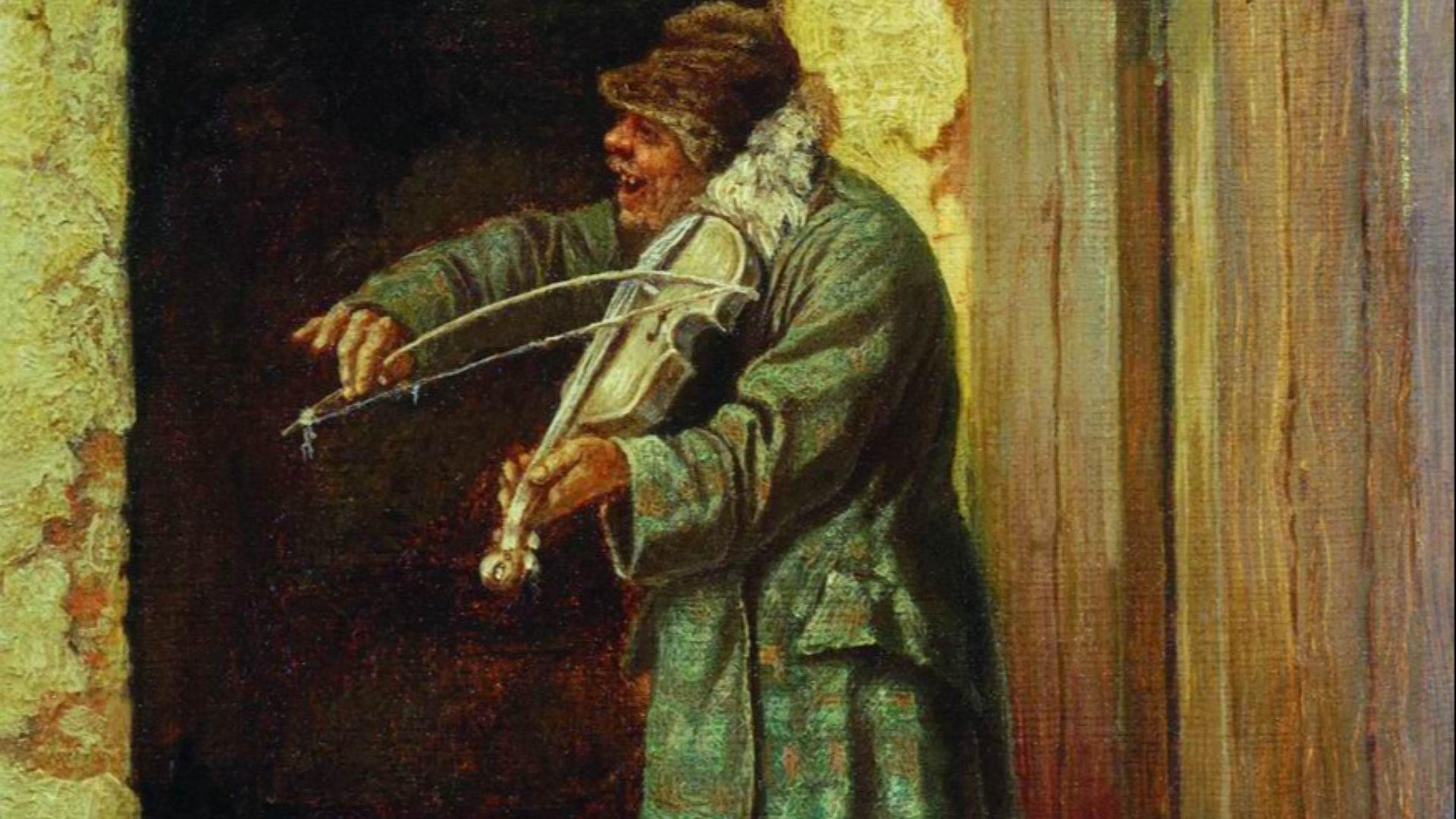 Leonid Solomatkin on Wikimedia
Before sound recordings existed, music survived largely through memory and performance. Songs were taught from one generation to the next by listening, repeating, and practicing rather than reading sheet music. This oral tradition allowed music to spread even among populations where written notation was uncommon or unavailable. The process required strong community participation and shared cultural knowledge.
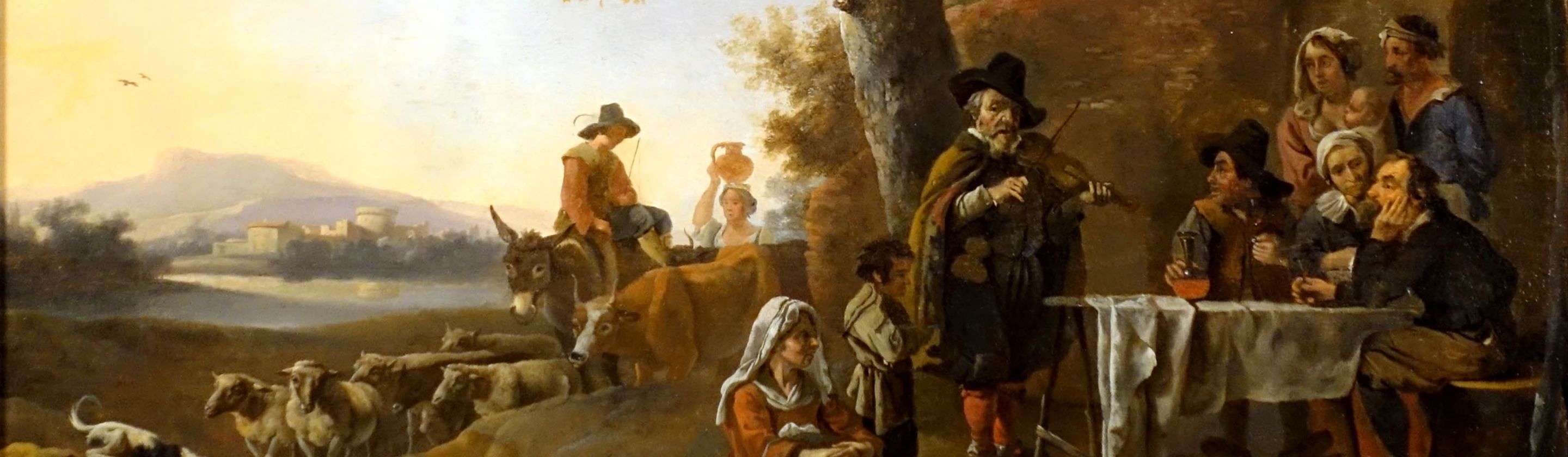
Traveling performers served as another important link between distant regions. Minstrels, troubadours, folk musicians, and court entertainers often journeyed from town to town sharing songs and stories. As they traveled, they introduced audiences to unfamiliar melodies while also picking up new material to carry elsewhere. Their movements helped create networks of musical exchange long before modern communications existed.
Religious institutions also contributed to the spread of music across vast distances. Pilgrimages, missionary work, and religious ceremonies brought people from different regions together, creating opportunities for musical traditions to mix and evolve. Sacred music often traveled alongside religious teachings, influencing local practices in the process. Over time, these exchanges helped shape some of the world's most enduring musical traditions.
Although modern technology has dramatically accelerated the spread of music, the desire to share songs and musical ideas is far older than the digital age. Long before recordings and streaming services existed, people carried music across deserts, oceans, mountains, and continents through trade, migration, performance, and cultural exchange. The methods were slower, but they proved remarkably effective. Many of the musical traditions enjoyed today are the result of centuries of movement, adaptation, and connection between people separated by great distances.
KEEP ON READING