Forget Snow Days and Wi-Fi Passwords
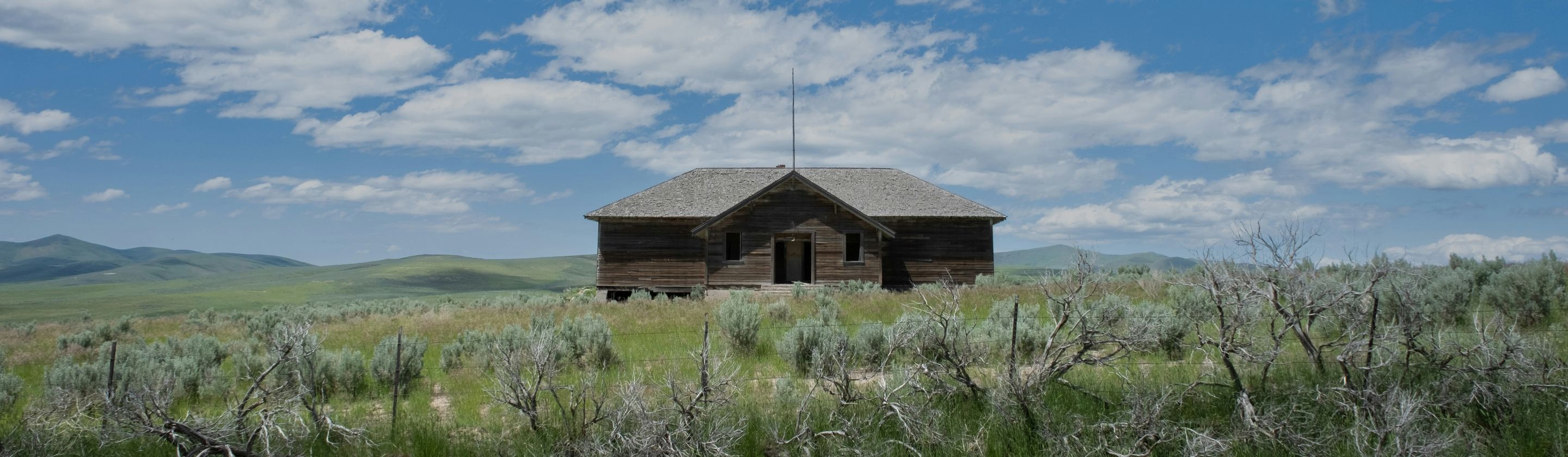
Picture walking into a classroom in 1920. There's a teacher up front, a blackboard covered in chalk dust, and kids trying not to get caught whispering; some things really don't change. But look closer, and you’ll start to see how different things really were. The "new kid" might be four years old. The "senior" at the next desk might be pushing 19. And if you needed a bathroom break, you were headed outside, rain or shine. In rural America especially, one teacher often ran an entire school by herself: every grade, every subject, every kid, in a single room. The routine that resulted was part classroom, part farmhouse, part boot camp. Here are 20 things that made a school day 100 years ago look nothing like today's.
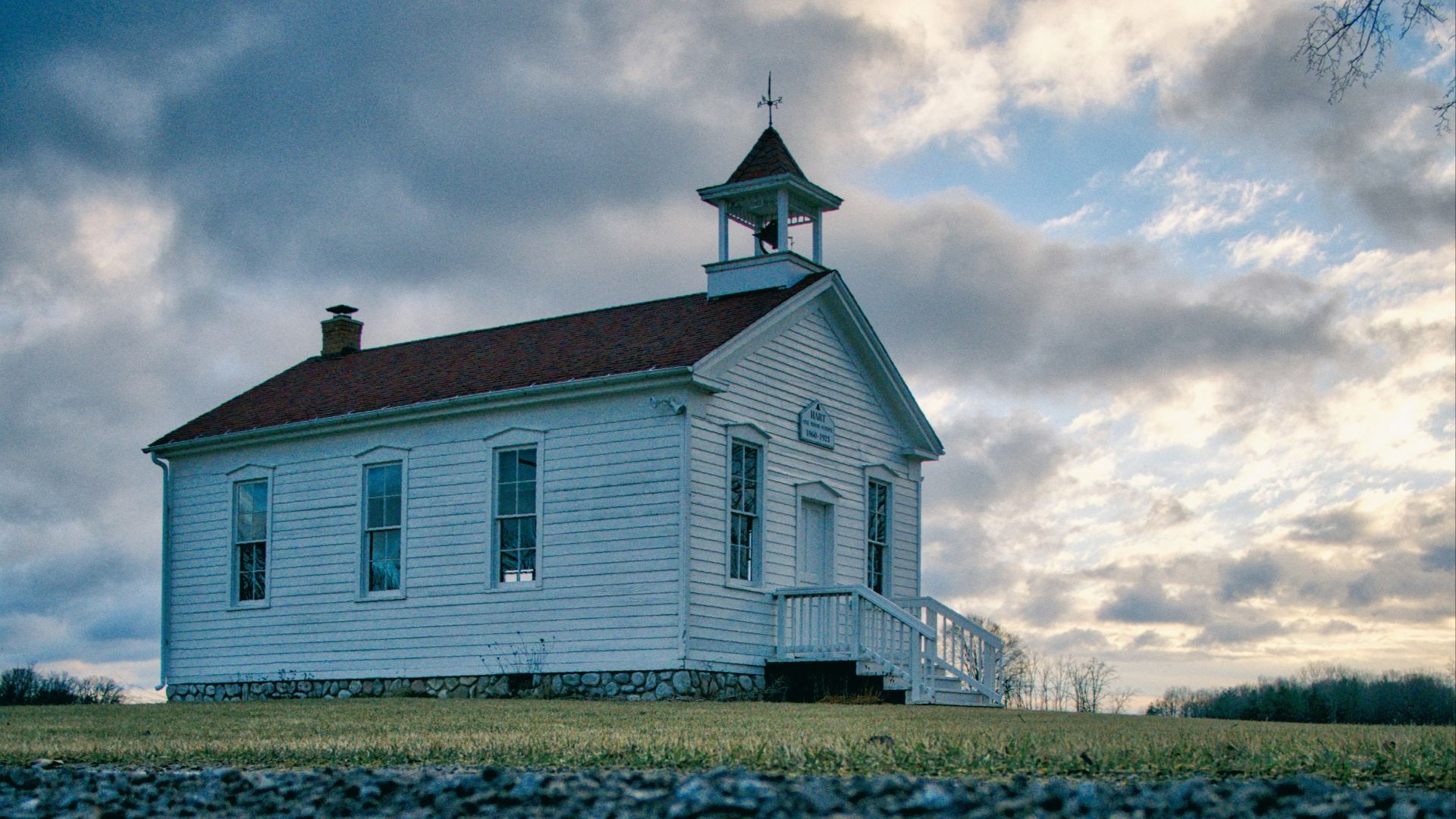
1. Sharing A Classroom
Forget grade levels as we know them. In some one-room schoolhouses, a four-year-old just learning her letters sat a few feet from a 19-year-old working through advanced arithmetic, and one teacher was expected to keep all of them moving forward at once. There was no separating kids by age; there was just "the school," and everyone was in it together.
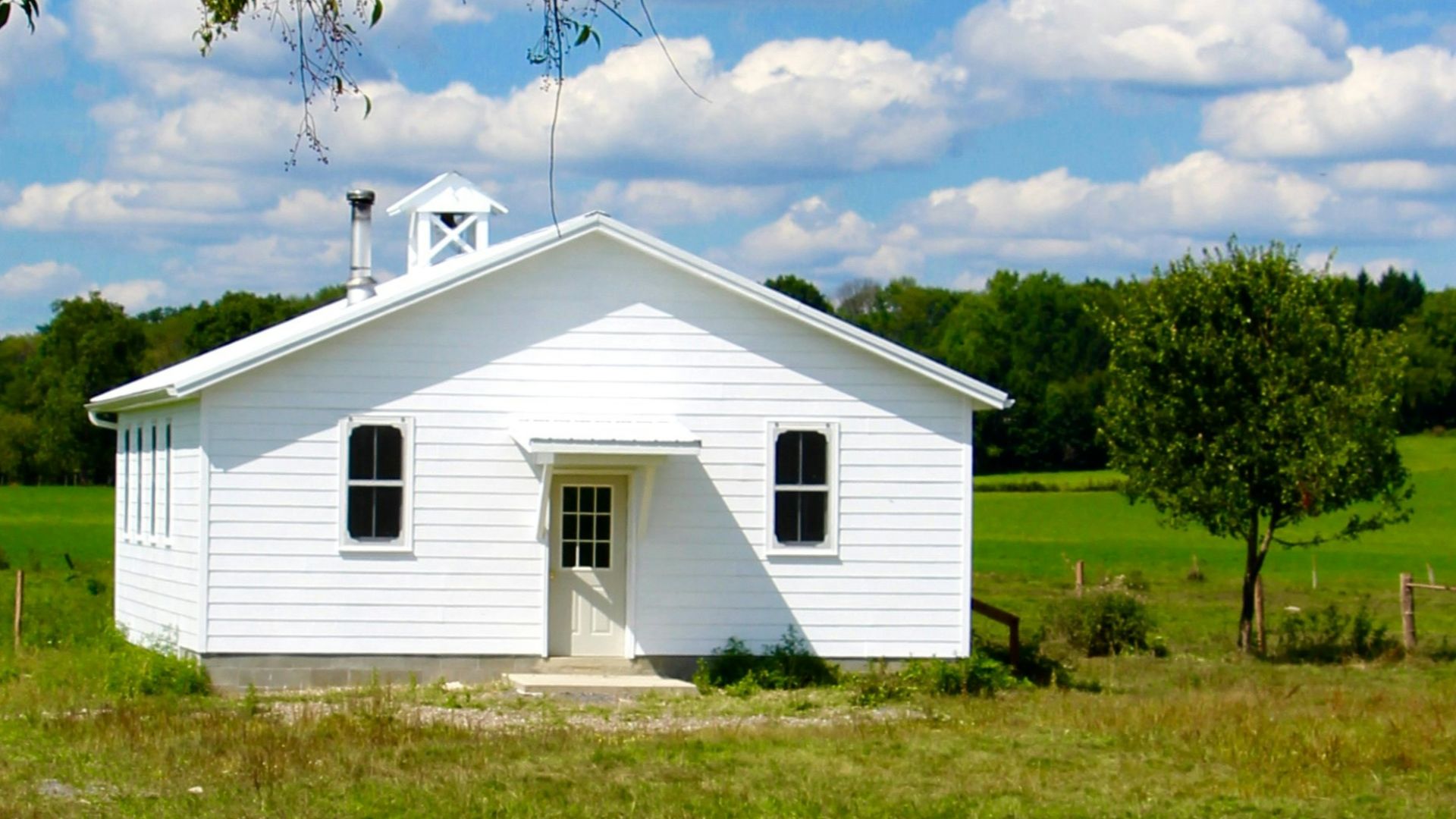
2. Different Grade Levels
Report cards weren't so simple, either. A student might breeze through third-level reading while still grinding away at first-level math or civics. Nobody assumed a child's skill in one subject predicted their skill in another. You moved at your own pace, subject by subject.
 Bryan Nelson Elder on Wikimedia
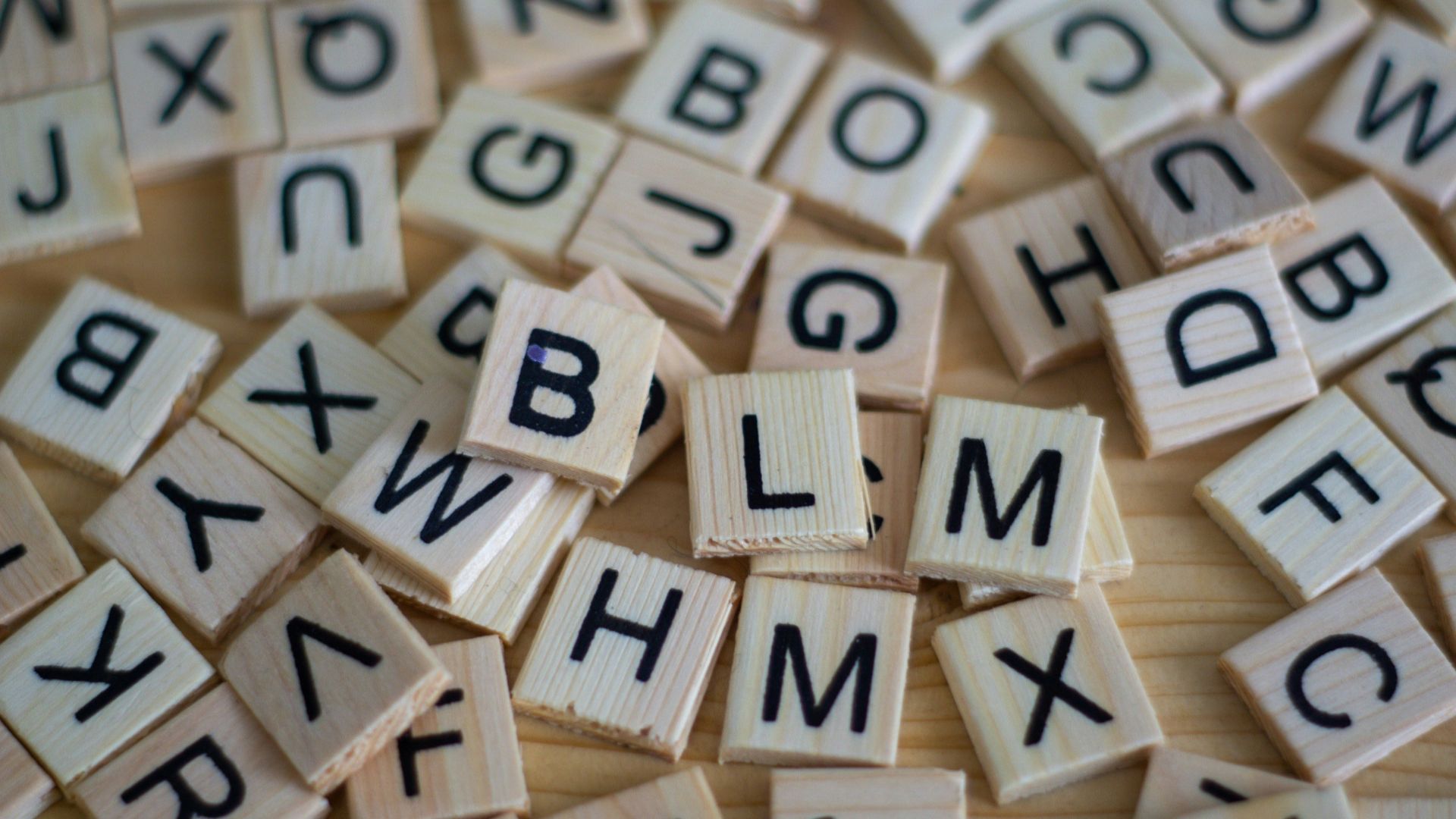
3. Gender-Separated Spell-Downs
Spelling bees existed, but with a twist: some rural spell-downs pitted an all-girls team against an all-boys team. Getting the word right was important, but it was more important to see which side was left standing. It turned a simple vocabulary drill into something closer to a rivalry game.
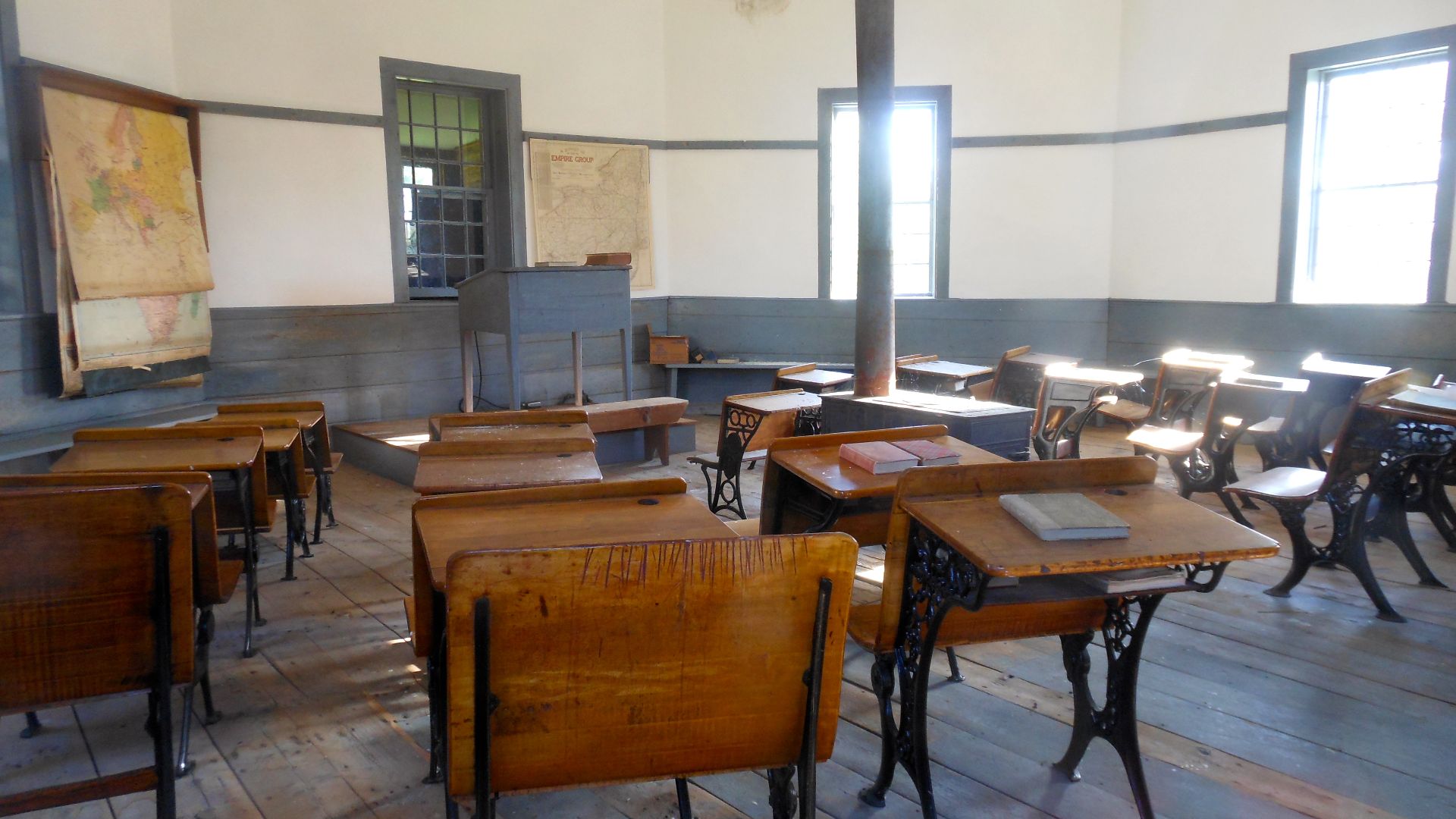
4. Double Desks And Inkwells
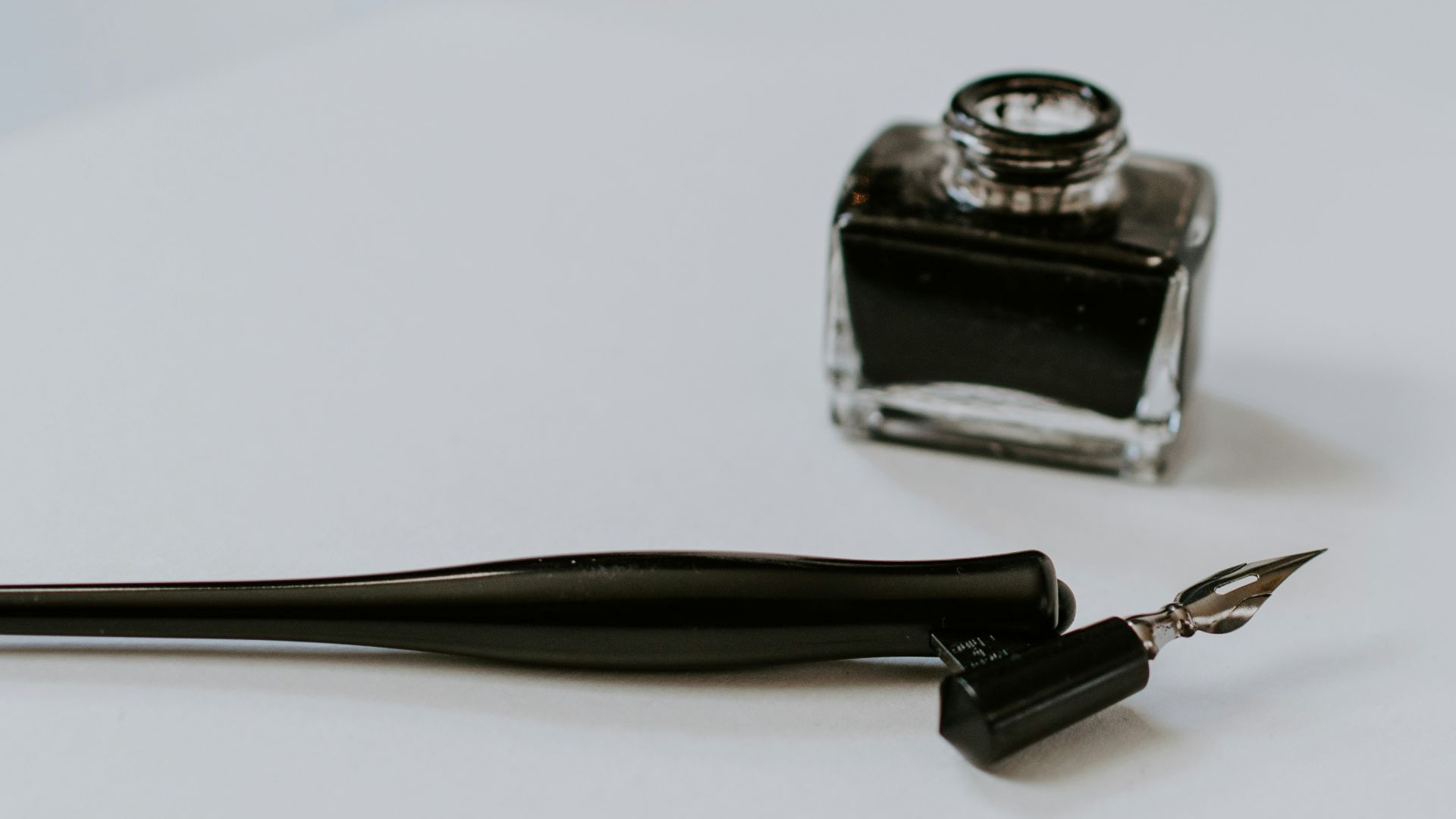
No plastic chairs or laptops here. Kids shared wooden double desks fitted with glass inkwells, arranged in tidy rows facing the teacher. It was also common for boys and girls to be separated by rows. Even the furniture was built to enforce order.
5. The Recitation Bench
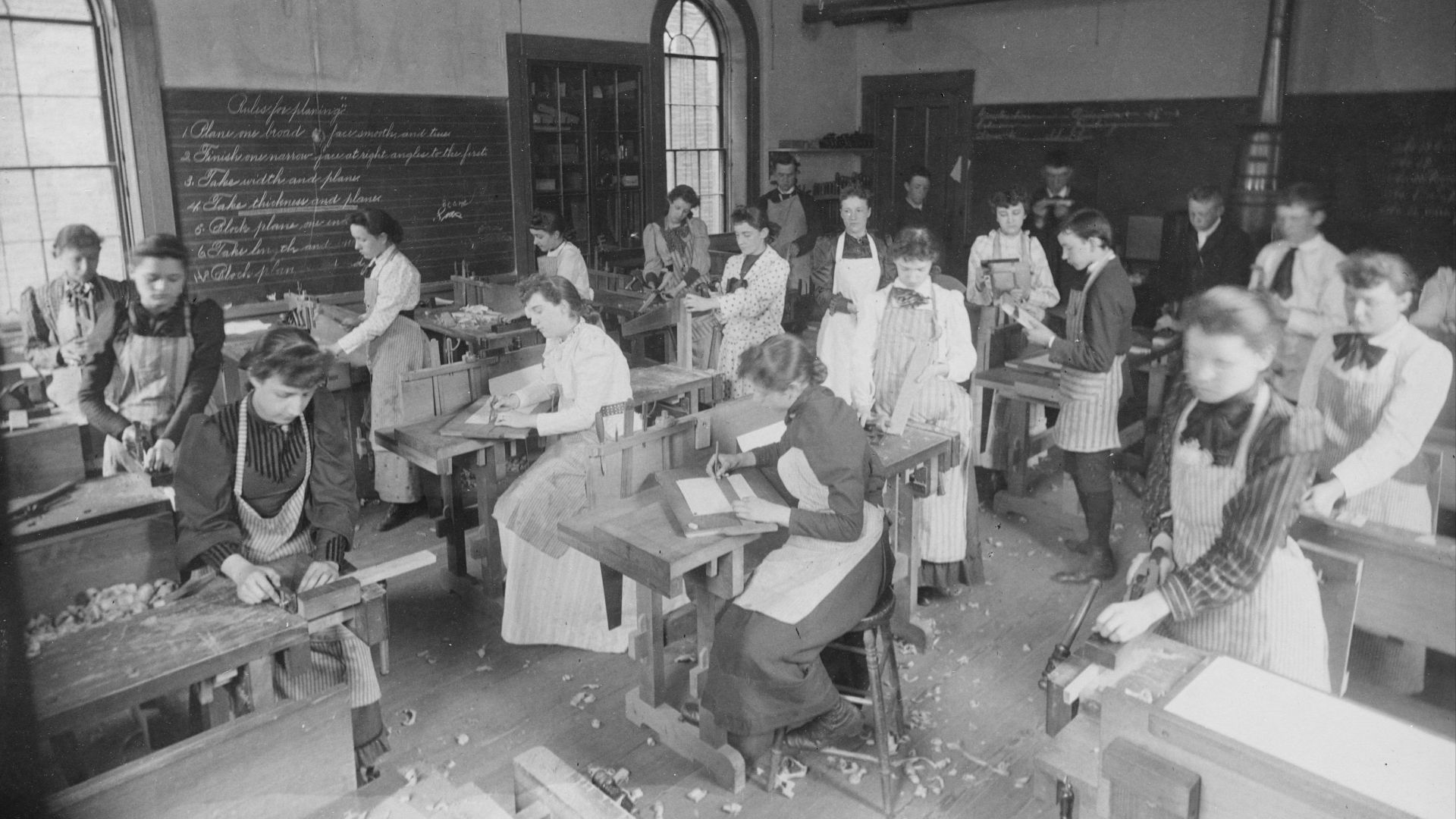
Lessons weren't delivered to the whole class at once. Instead, children sat on a recitation bench near the front and waited their turn, standing up to recite reading or spelling only when their grade was called. Everyone else stayed put and kept working.
 Boston Public Library on Unsplash
6. Speak Only When Recognized
Raise your hand. Wait to be called on. Stand beside your desk. Answer. Sit back down. No chatter, no shortcuts. Classroom etiquette was practically choreographed, and even a one-word answer followed the same formal script every time.

7. Memorization
Forget Google; there was nothing to look up. Kids memorized reading passages, poems, spelling lists, and math facts until they could recite them smoothly and without hesitation. Getting the gist wasn't good enough; you had to get the exact wording correct as well.
8. Penmanship
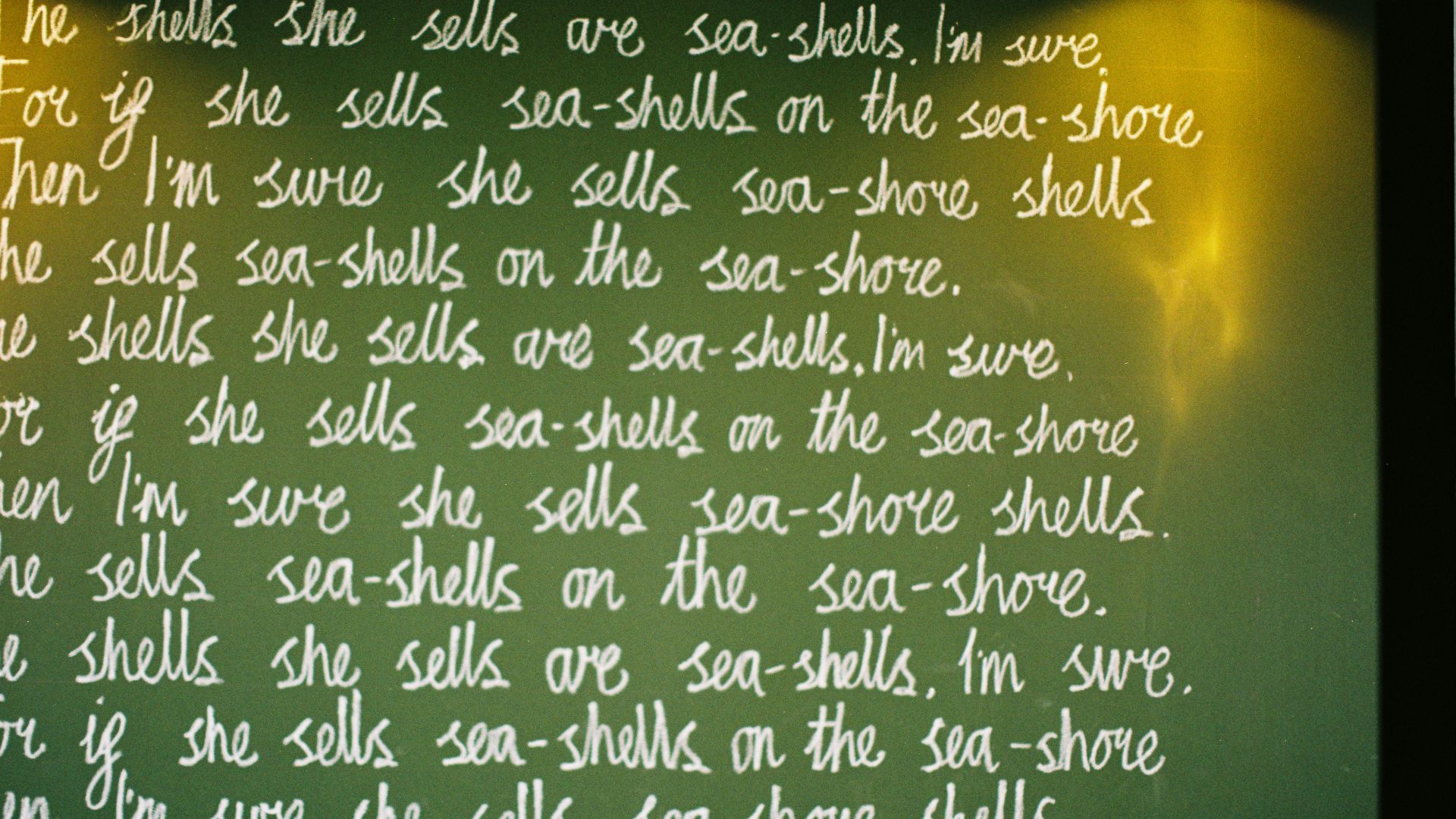
Supplies were slim, so slate and chalk did double duty as notebook and eraser. When ink and paper did come out, penmanship exercises became a test of patience. One shaky hand could ruin an entire page, and there wasn't extra paper to spare.

9. Arithmetic by Hand
Every math problem got worked out step by step on paper, slate, or blackboard. There were no calculators, obviously, but also no shortcuts. Some schools even held "ciphering matches," essentially a spelling bee for math, where kids raced to solve problems in front of the class.

10. Different Subjects
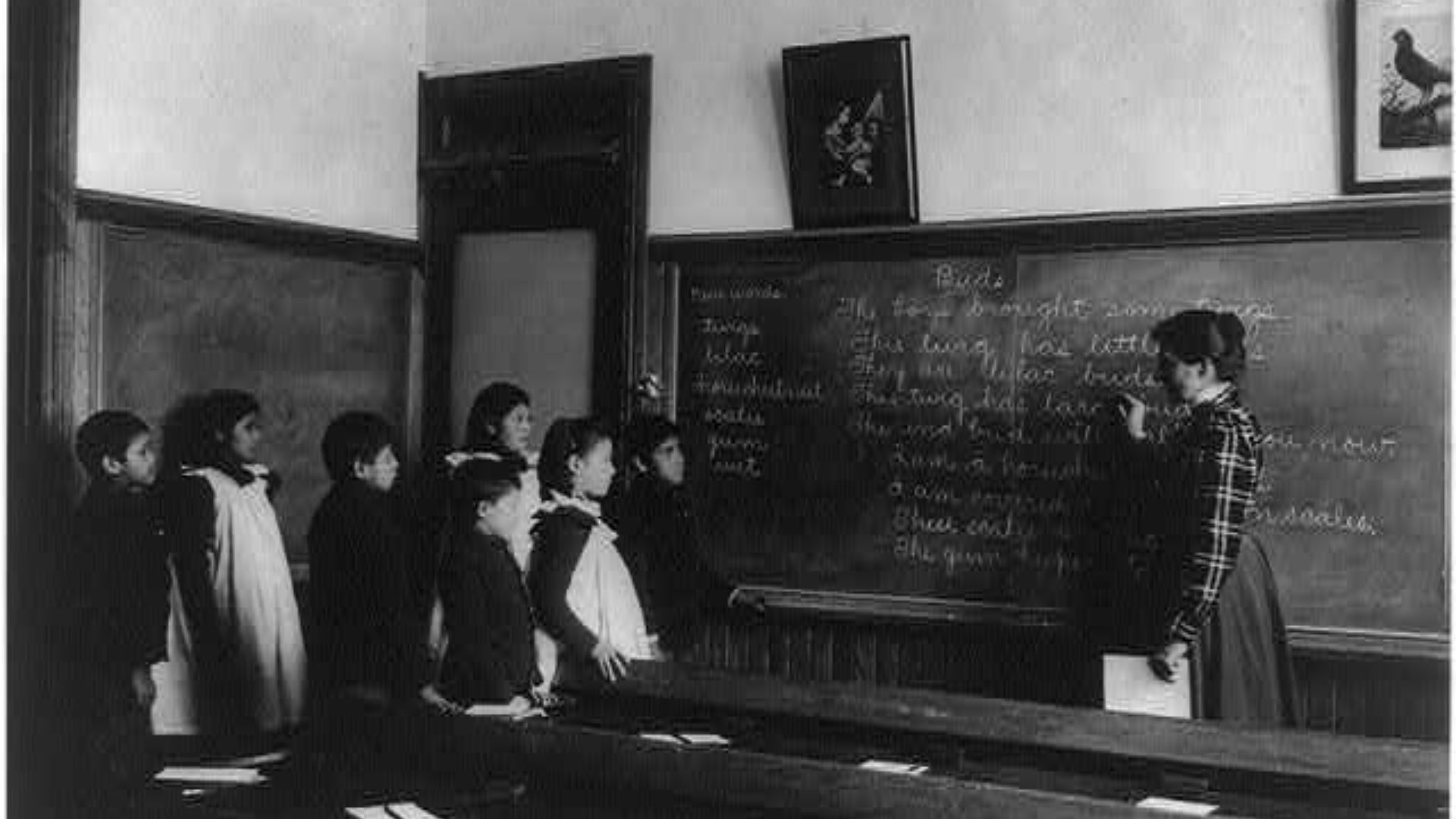
The school day wasn't just reading, writing, and arithmetic. Geography, history, civics, agriculture, physiology, and hygiene courses were also part of the school day. At many schools, kids were also taught a morning ritual of patriotic exercises and the Pledge of Allegiance, minus the words "under God," which hadn't been added yet.
 Johnston, Frances Benjamin, 1864-1952, photographer on Wikimedia
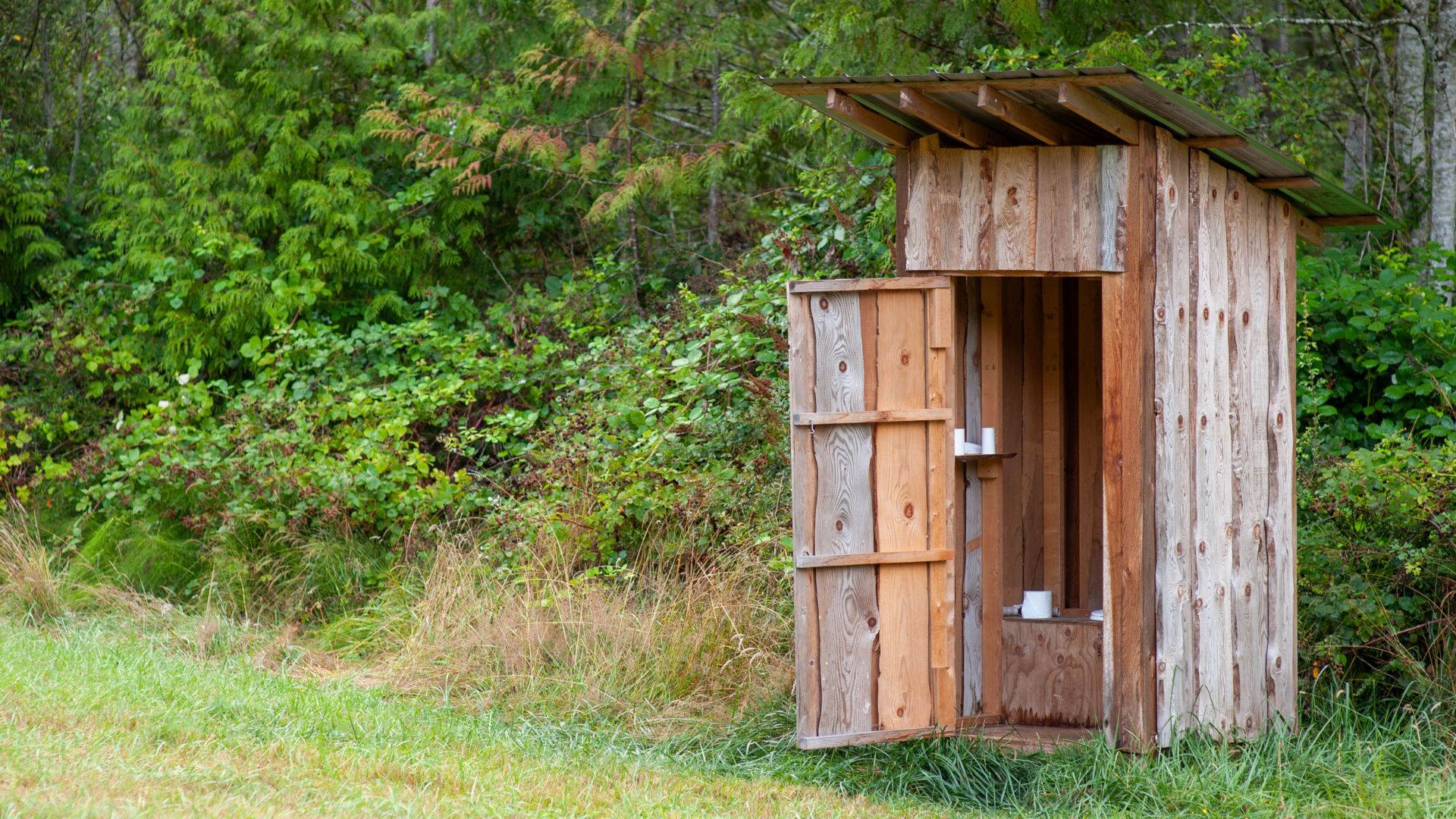
11. Outdoor Privies
No heated hallways, no indoor plumbing. A bathroom break at many rural schools meant a trip to a separate outdoor privy — one for boys, one for girls — regardless of the weather outside. A snowstorm didn't cancel the walk.
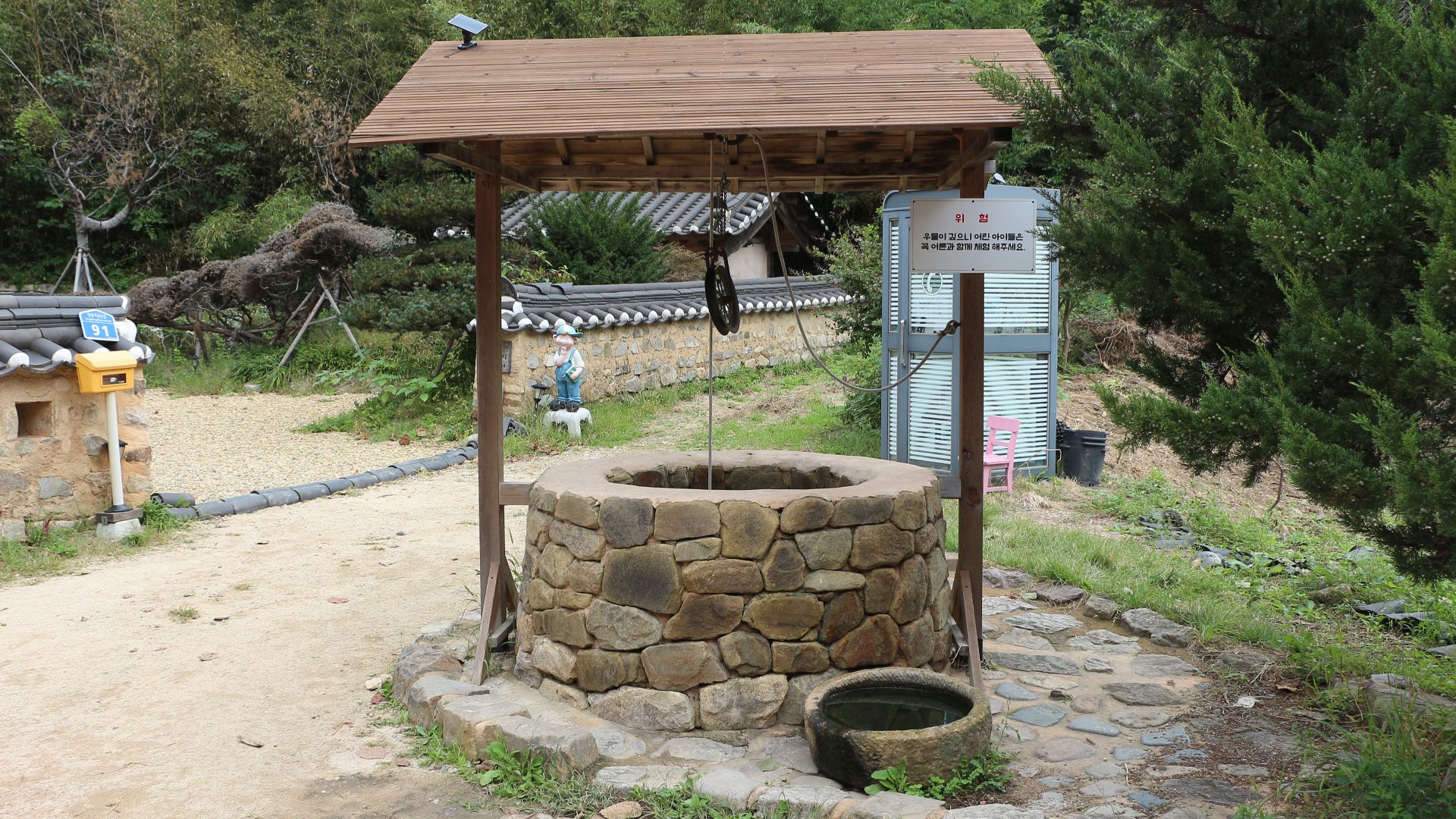
12. Water Supply
There was no water fountain to duck over to between classes. Drinking water came from a well, a cistern, or a shared bucket, and it was often the students' job to haul pails from a nearby farmhouse or well just to keep the classroom hydrated for the day.
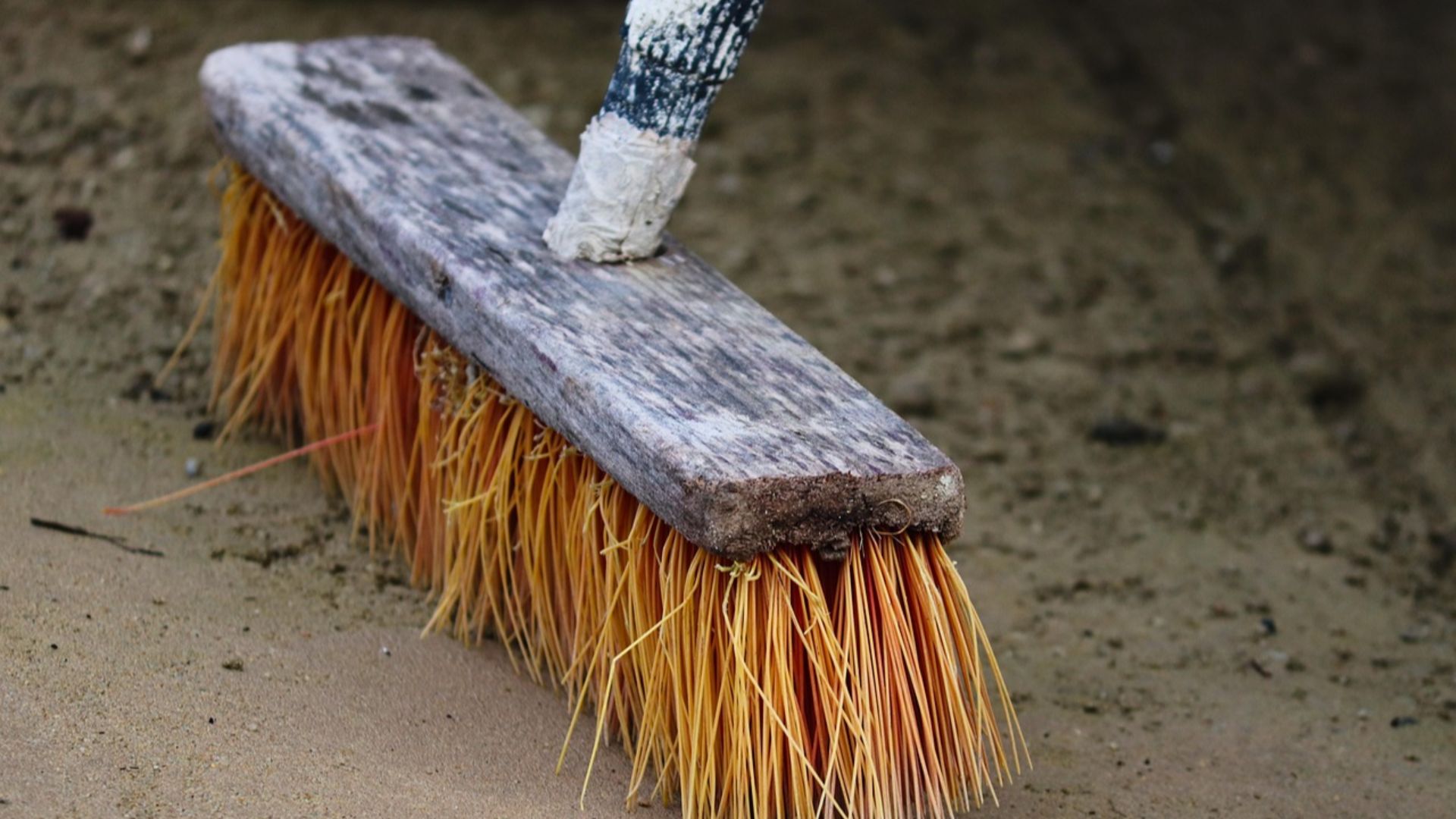
13. Sweep, Tidy, and Tend the Heat
Janitors were a luxury most one-room schools didn't have. That meant students pitched in: sweeping floors, tidying up, hauling firewood, and keeping the stove or furnace fed when the temperature dropped. Keeping the school running was quite literally everyone's job.
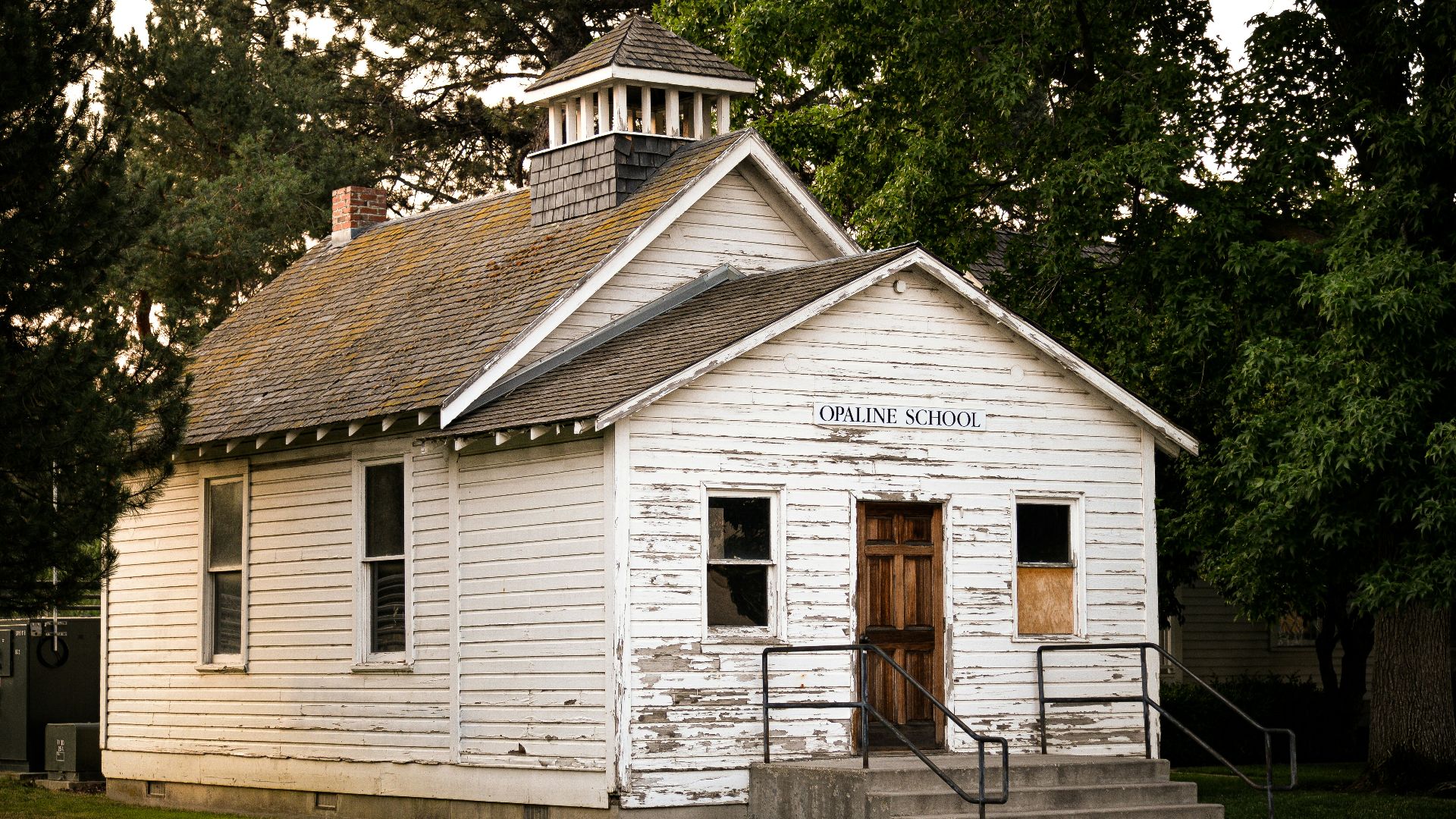
14. Limited Resources
No electricity. No indoor plumbing. No telephone. No well-stocked library. Classrooms leaned on daylight streaming through open windows, a blackboard, and whatever handful of books the school happened to own.
15. Find Their Own Recess Fun
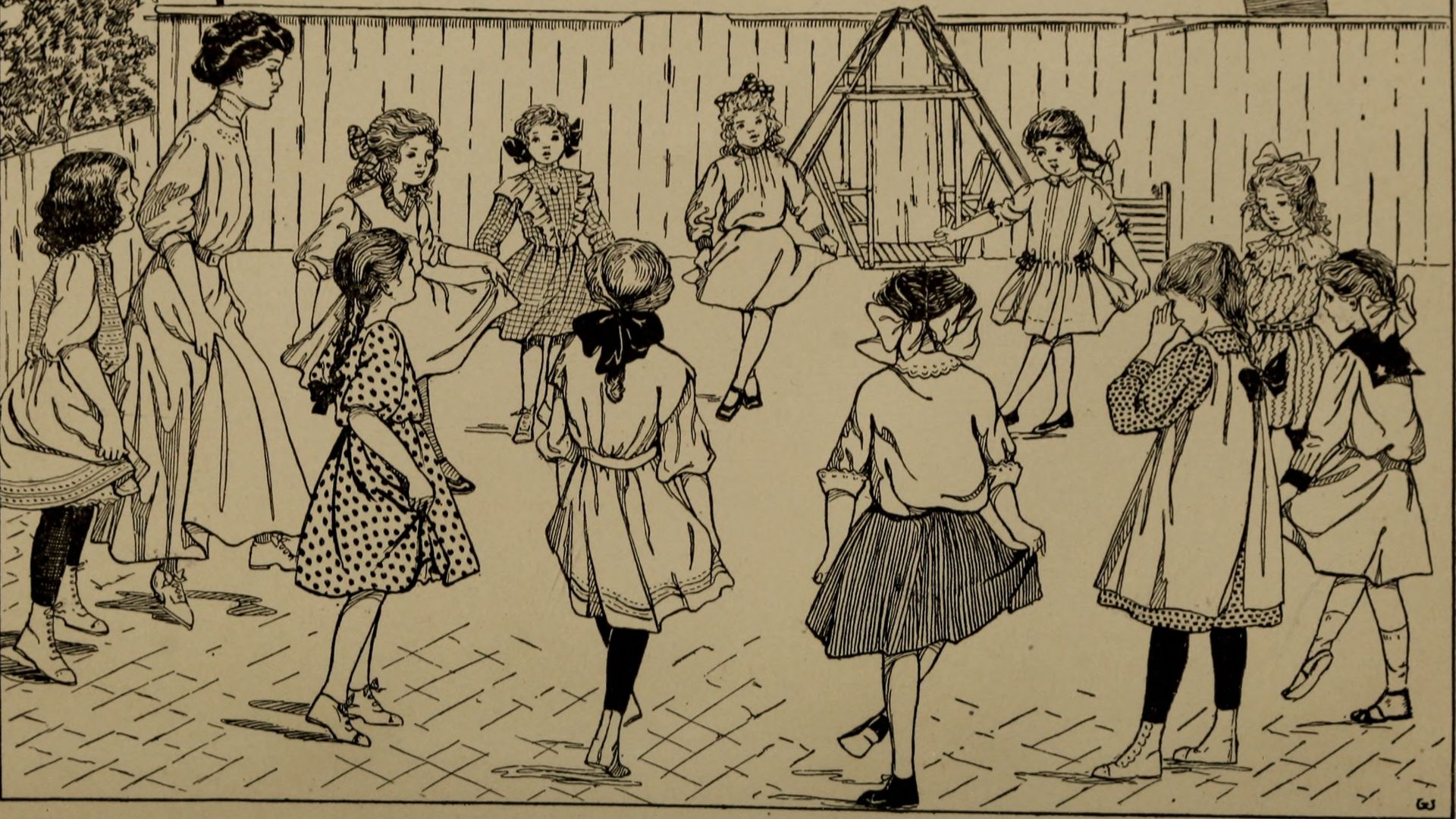
Recess wasn't about swing sets and jungle gyms. Many schoolyards had little to no playground equipment at all. Kids invented their own fun instead, with games like Follow the Leader turning an empty field into an afternoon's entertainment. Imagination did the heavy lifting.
 Johnson, George Ellsworth, 1862-1931 on Wikimedia
16. Take Discipline Seriously
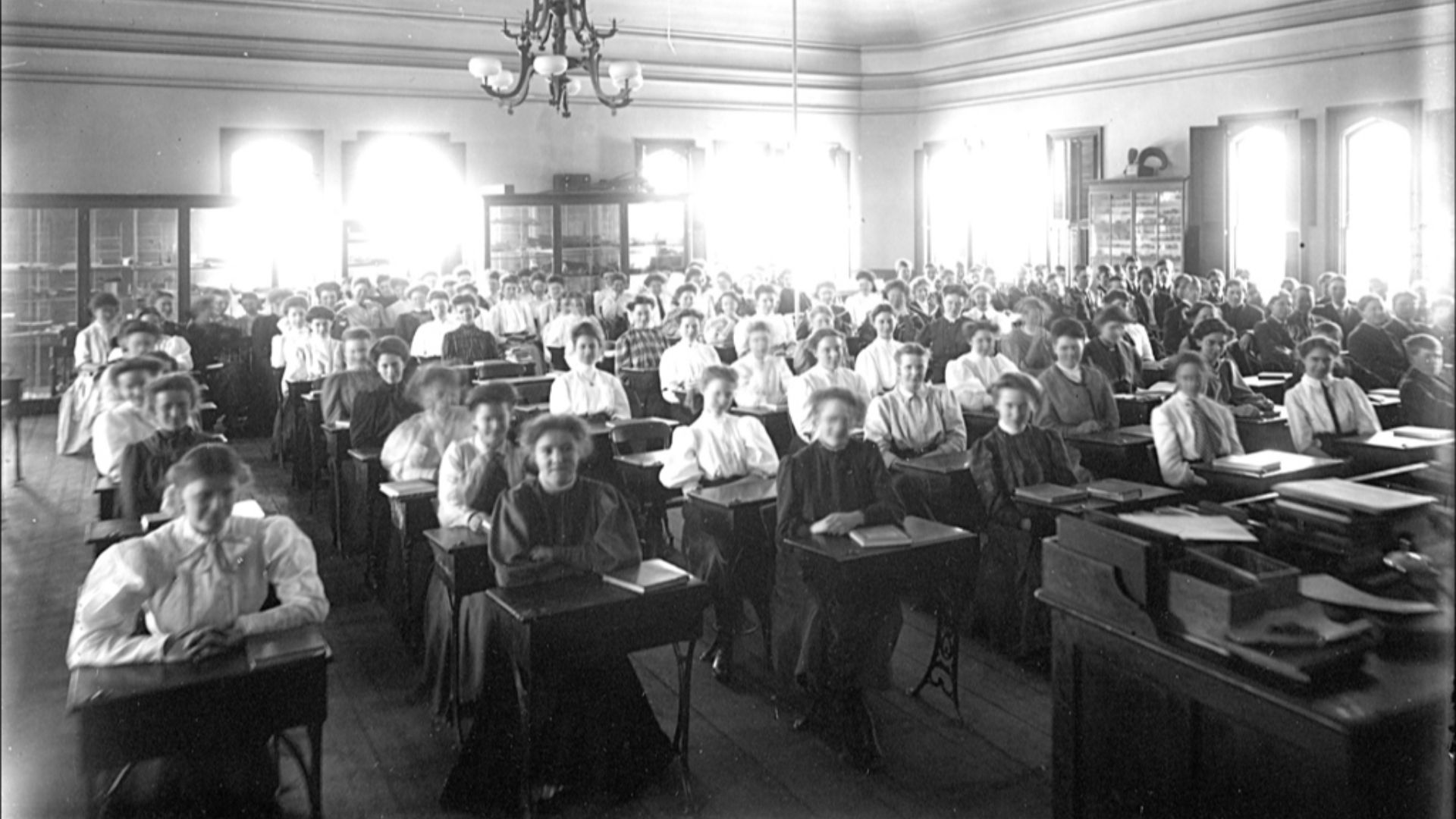
With multiple grades crammed into one room, order wasn't optional. Teachers demanded quiet and obedience, and some enforced it with corporal punishment, including switches or paddling. Kids knew exactly what breaking the rules could cost them.
 Keene and Cheshire County (NH) Historical Photos on Wikimedia
17. Balance School With Farm Work
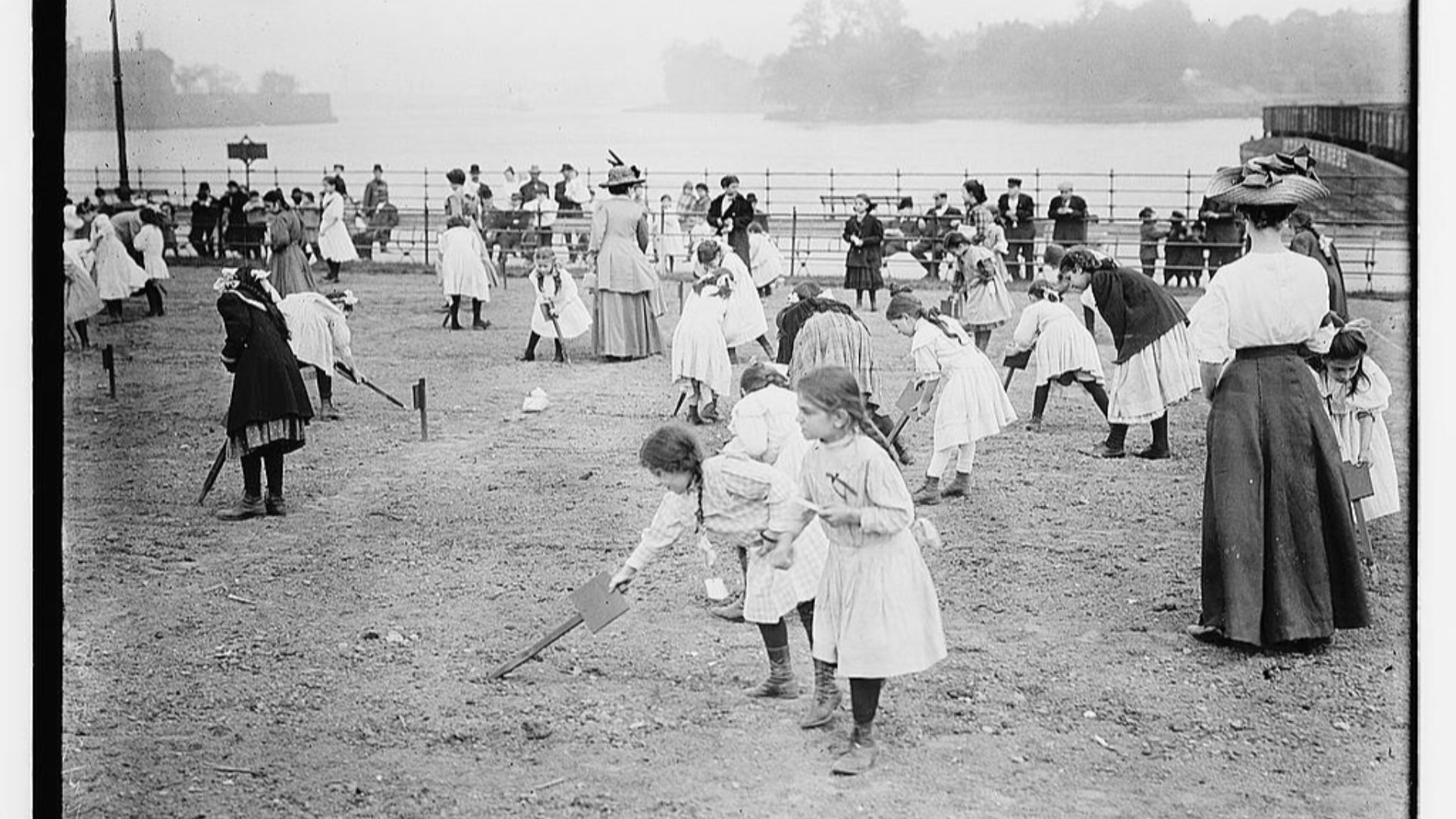
The school calendar bent around the farm calendar, not the other way around. Planting and harvest seasons could shorten the school term altogether, while chores, illness, and bad roads made attendance unpredictable week to week. Class simply had to wait its turn behind the family's livelihood.
 The Library of Congress on Wikimedia
18. Lunch “boxes”
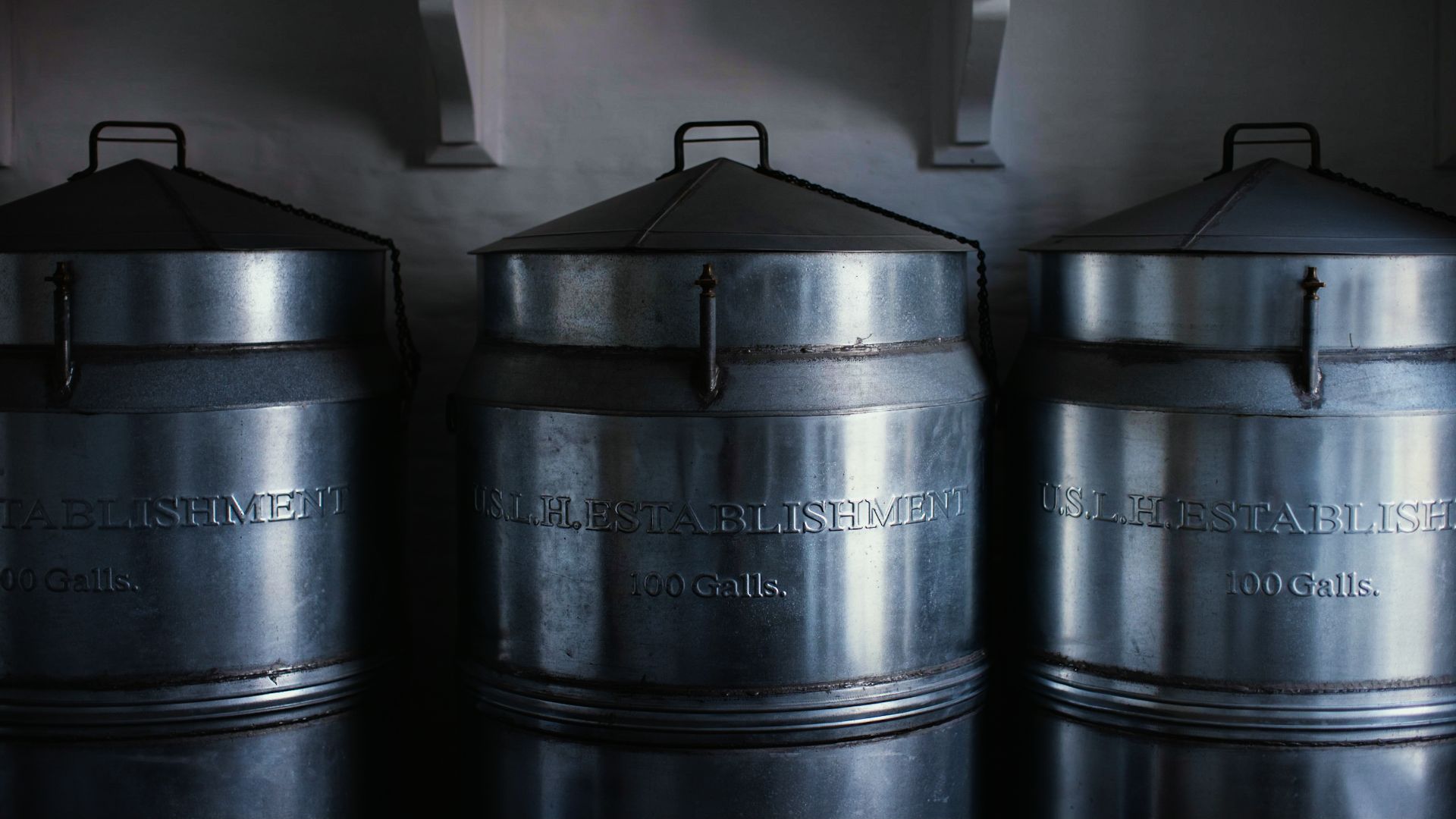
Lunchboxes hadn't caught on at this point. Kids carried their midday meal in whatever container was on hand, often in an old lard bucket or syrup can. One day's household staple became the next day's school gear.
 BLM Oregon & Washington on Wikimedia
19. A Nine-to-Four
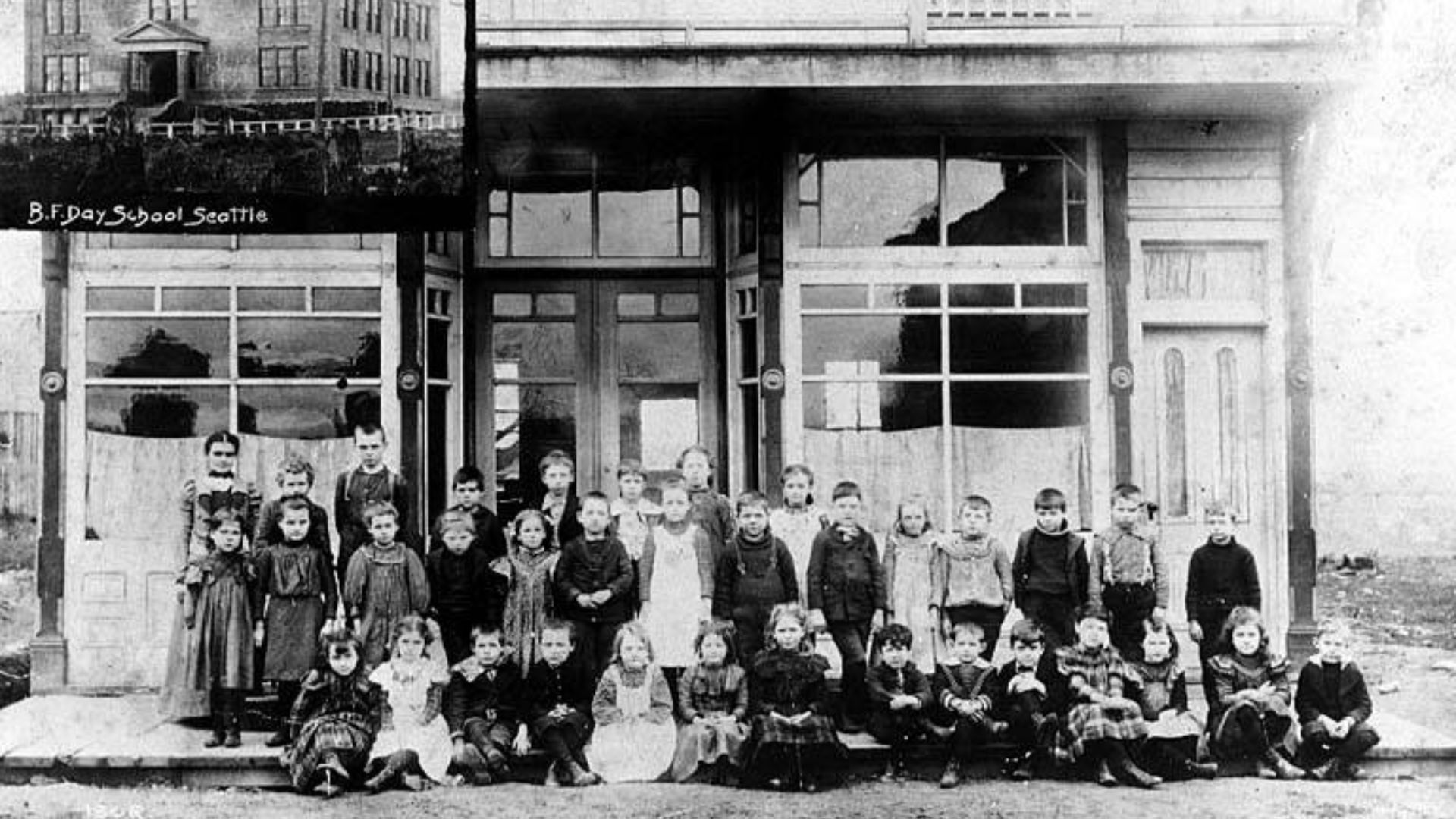
The school day ran long: nine in the morning until four in the afternoon, broken up by two recesses and an hour for lunch. Each grade got its own slice of direct teaching time, while everyone else worked quietly or waited their turn.
 Unknown authorUnknown author on Wikimedia
20. School Clothes
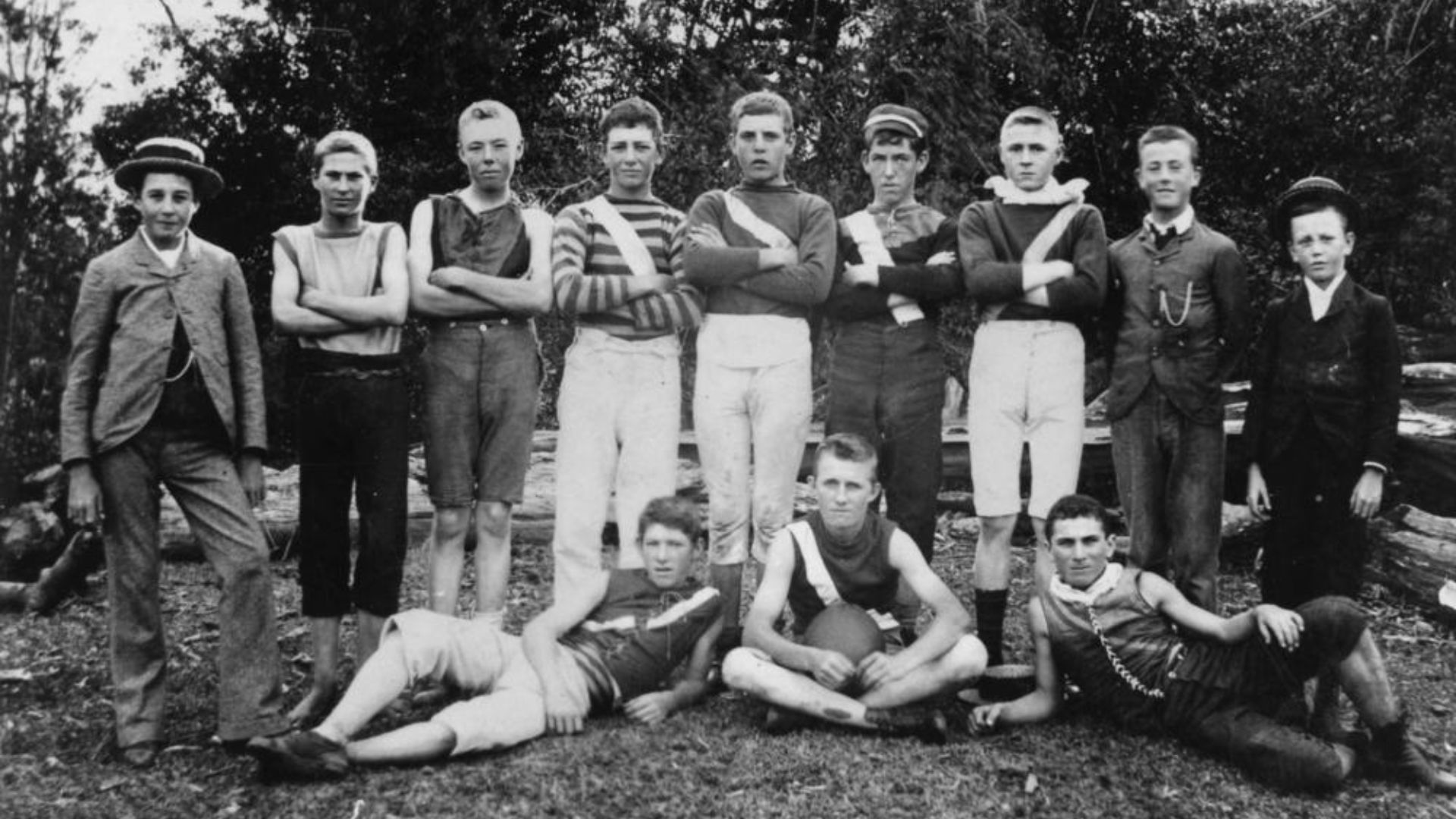
Fashion was function. Boys typically showed up in bibbed overalls, cotton or flannel shirts, caps, and sturdy leather work shoes. Girls wore cotton or wool dresses that stopped just below the knee, paired with cotton tights and one-strap leather shoes.
KEEP ON READING