Last Surviving Artworks
You probably know Mona Lisa, The Scream, or The Starry Night. But of all the famous paintings you can recall off the top of your head, how many of those artists do you know enough to name their last masterpiece? Unless you're an art or history buff, you'll likely draw a blank. Don't worry; we've compiled a list here so you can take a closer look at some of the final pieces of art worked on by the likes of Vincent van Gogh, Leonardo da Vinci, Paul Cézanne, and more. Here are 20 artworks widely recognized as the last-known creations of history's most celebrated artists.
 Leonardo da Vinci on Wikimedia
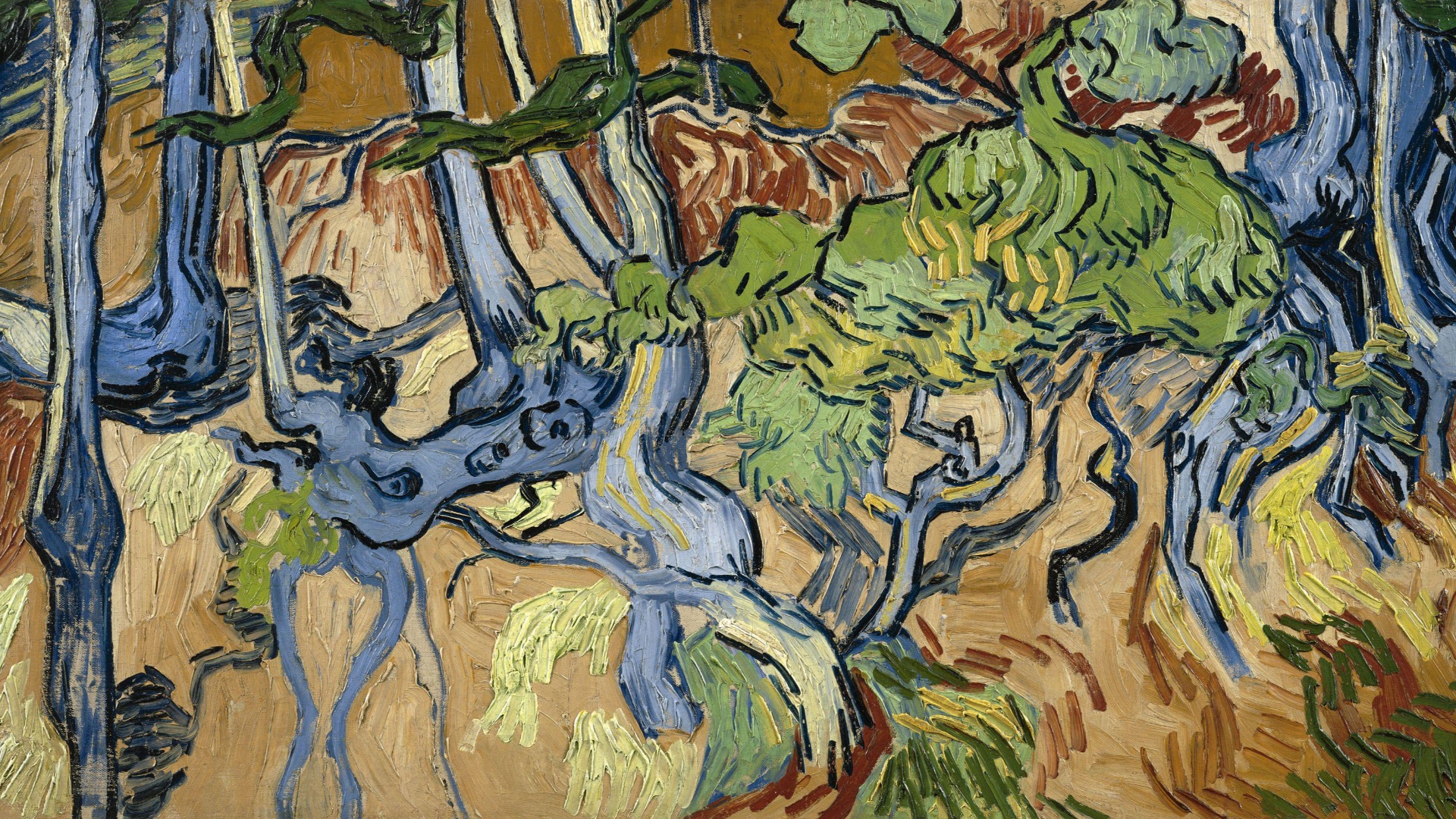
1. Tree Roots
Vincent van Gogh painted Tree Roots in Auvers-sur-Oise in July 1890, and the Van Gogh Museum identifies it as his last artwork. Its tightly cropped view shows exposed roots, tree trunks, and vegetation growing along a hillside. Researchers have even located the specific site depicted, strengthening the conclusion that Van Gogh worked on it shortly before his death.
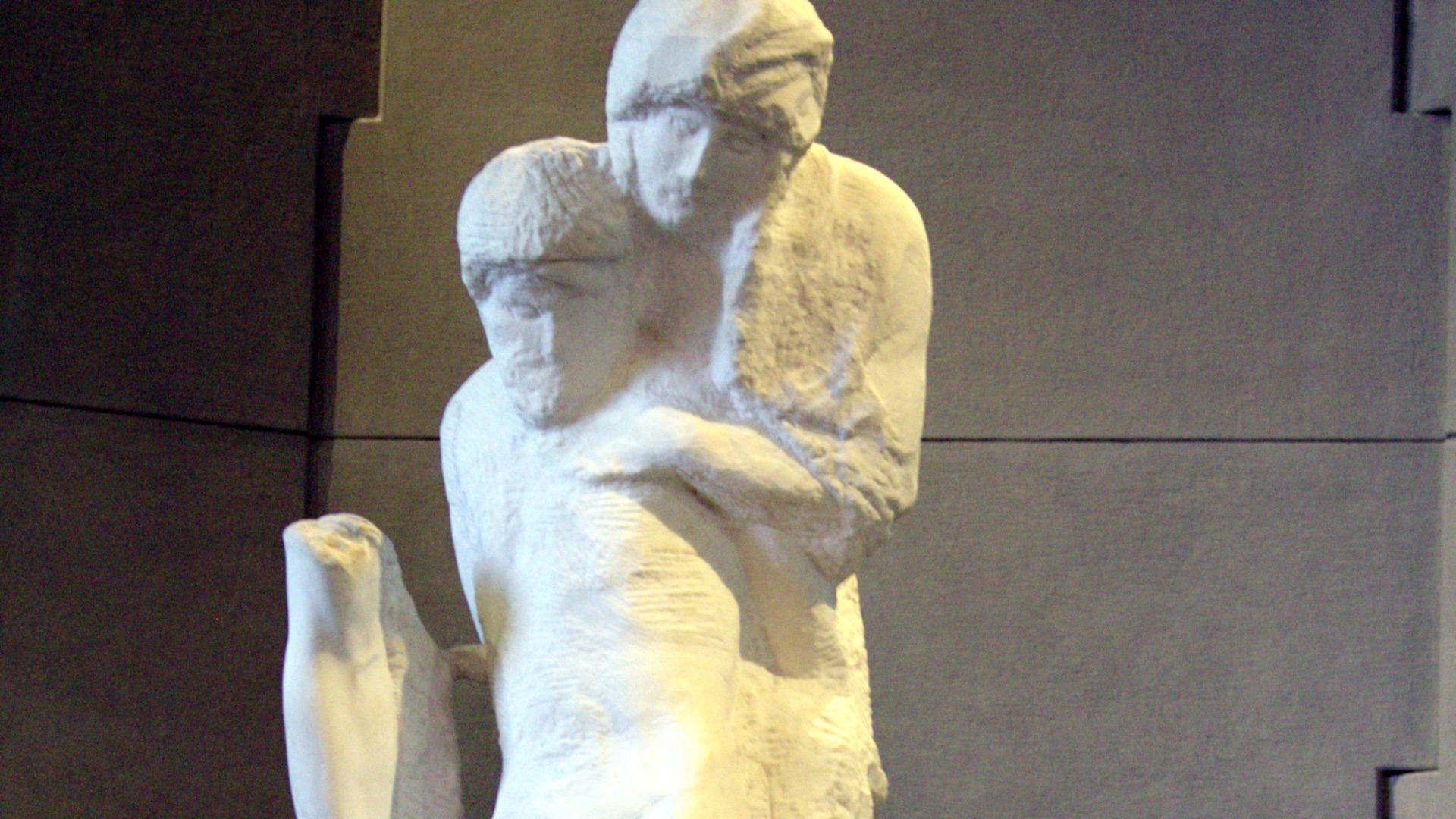
2. Rondanini Pietà
Michelangelo returned repeatedly to the Rondanini Pietà during the final phase of his life and was still altering it shortly before he died in 1564. The unfinished marble sculpture presents the Virgin Mary supporting the elongated body of Christ, though traces of earlier versions remain visible. It’s now housed in a museum dedicated to the work at Milan’s Sforza Castle.
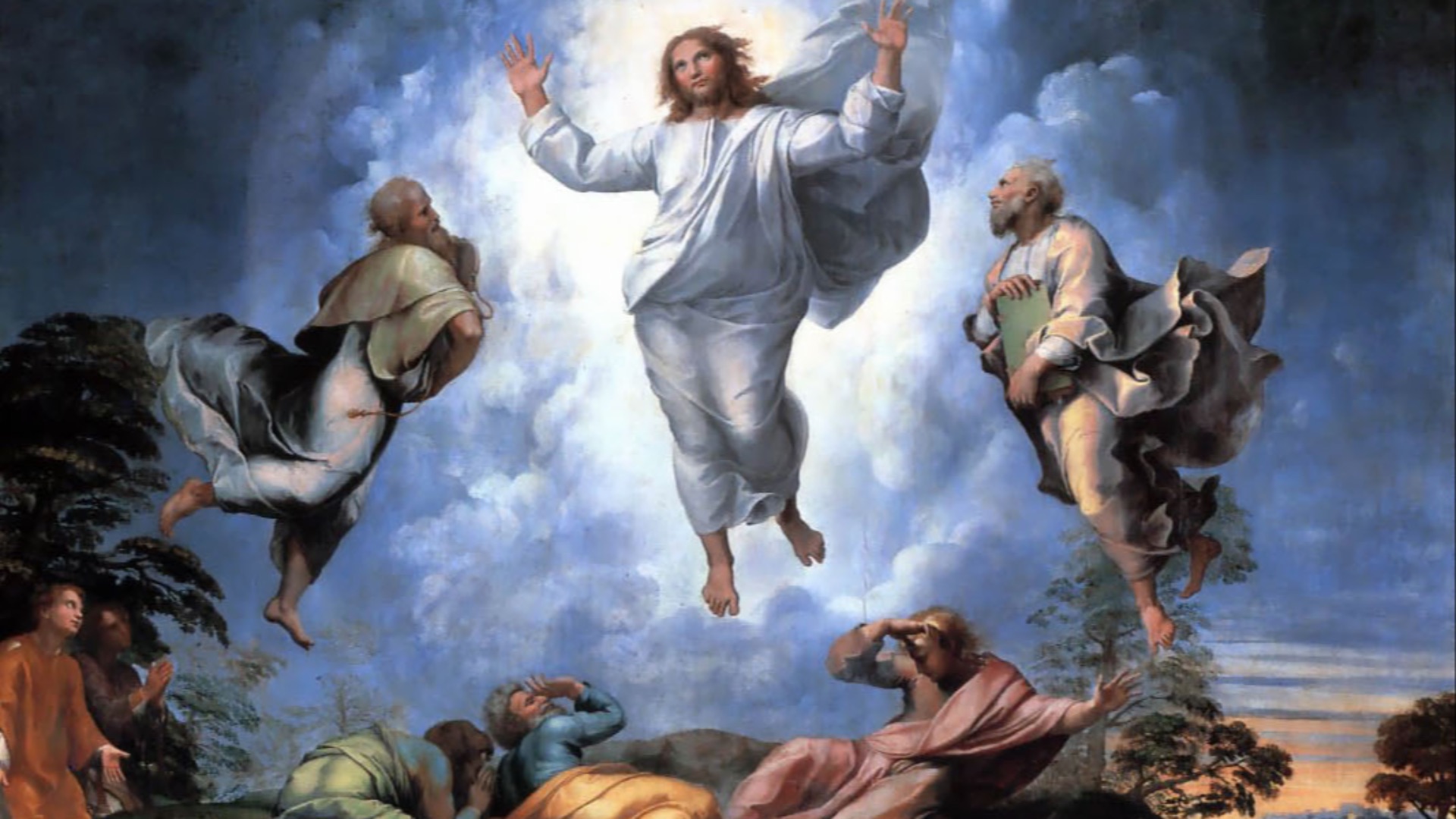
3. The Transfiguration
Raphael was working on The Transfiguration when he died in 1520, leaving parts of the large altarpiece to be completed by members of his workshop. The composition combines Christ’s transfiguration in its upper section with the apostles’ attempt to help a suffering boy below. Displayed near Raphael’s body during his funeral, it became inseparable from the story of his premature death.
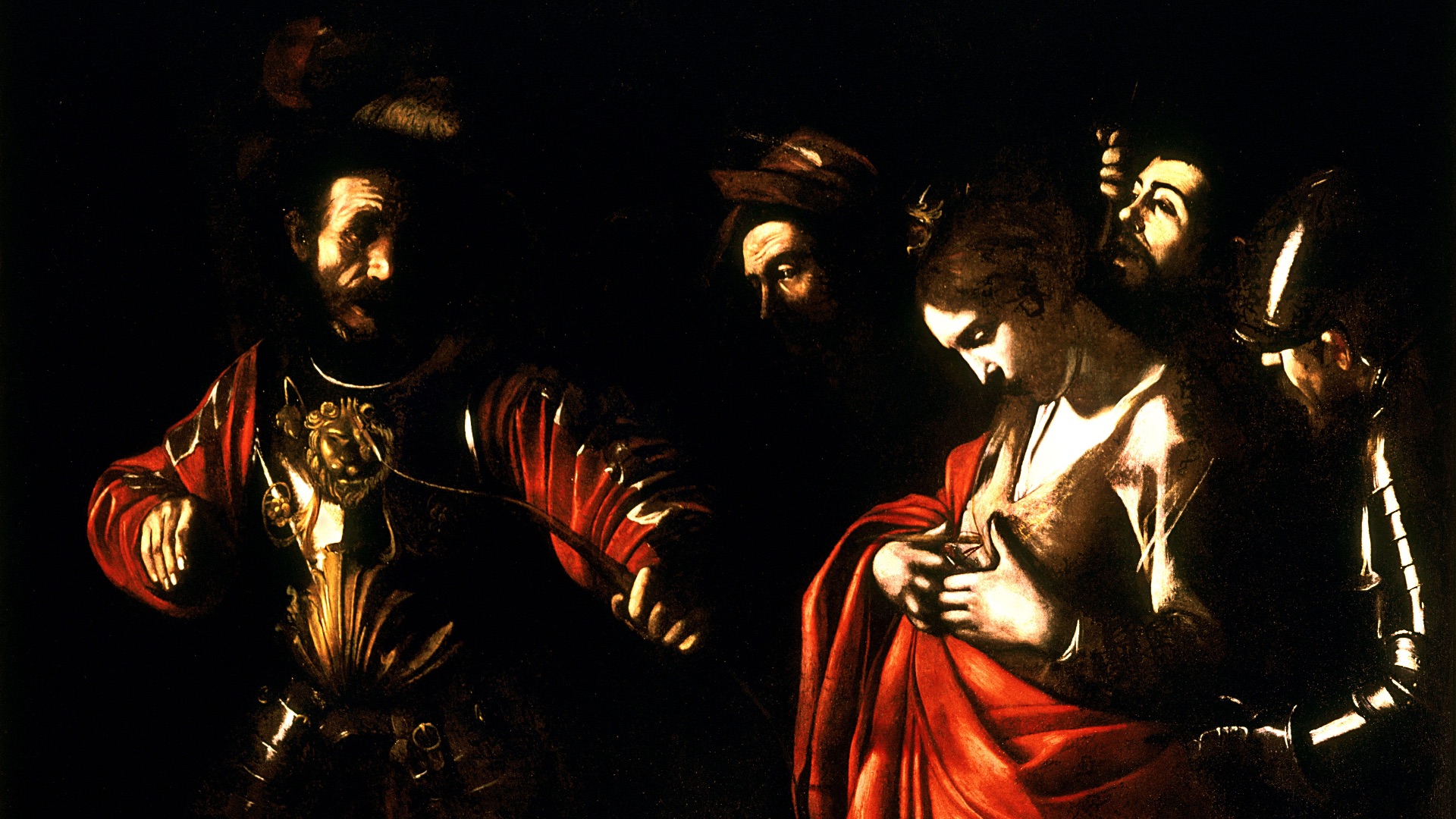
4. The Martyrdom of Saint Ursula
Completed in Naples in 1610, The Martyrdom of Saint Ursula is widely accepted as Caravaggio’s final painting. Surviving correspondence documents its completion and shipment to its patron only weeks before the artist died. Caravaggio also included his own face among the figures watching Ursula react to the arrow that has struck her.
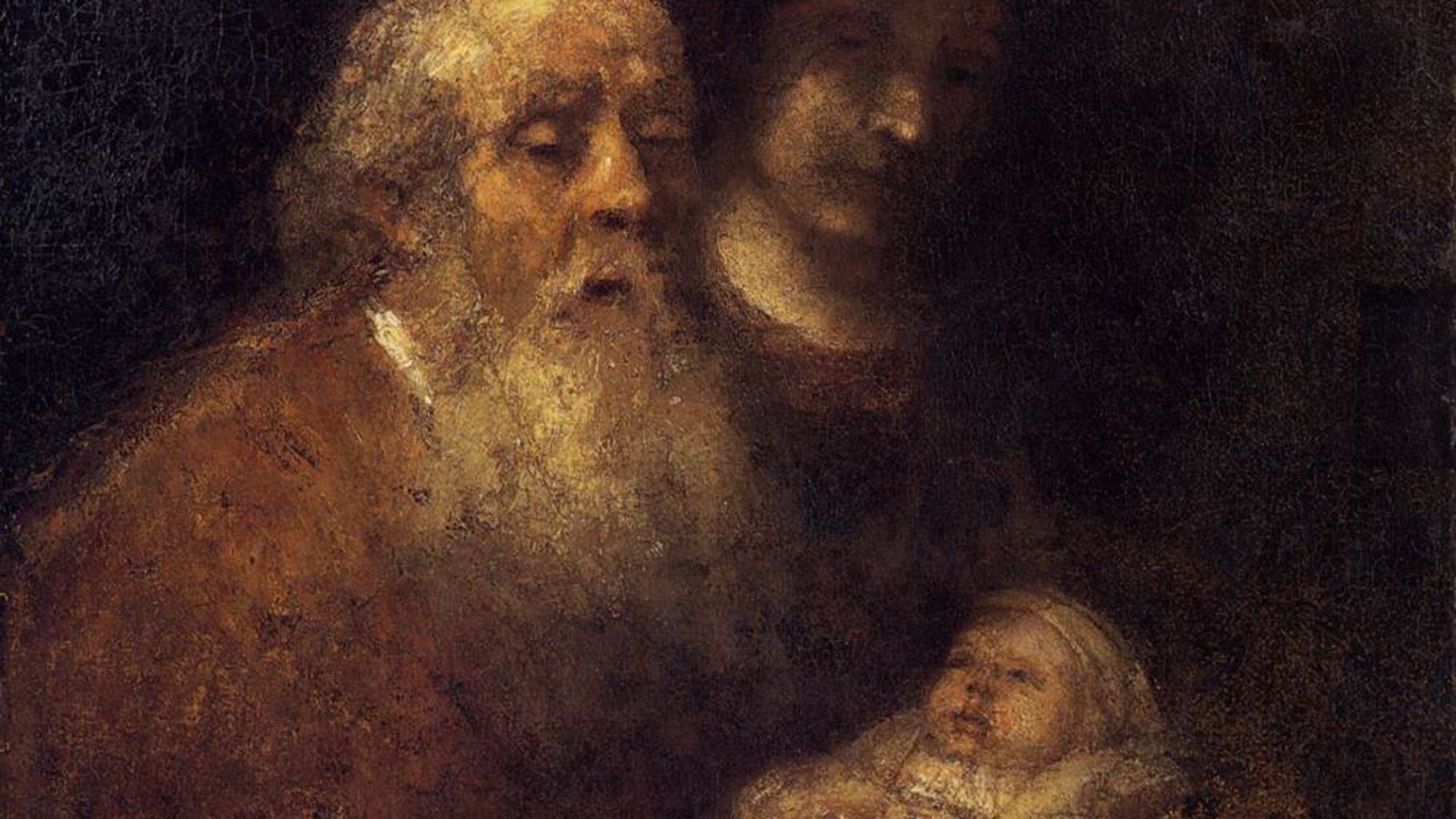
5. Simeon in the Temple
Rembrandt’s unfinished Simeon in the Temple was reportedly found in his studio following his death in 1669. The painting centers on the elderly Simeon holding the infant Jesus, with broad brushwork and heavy applications of paint associated with Rembrandt’s late style. Sweden’s Nationalmuseum describes it as the artist’s final work, although another hand may have added the background figure later.
6. The Milkmaid of Bordeaux
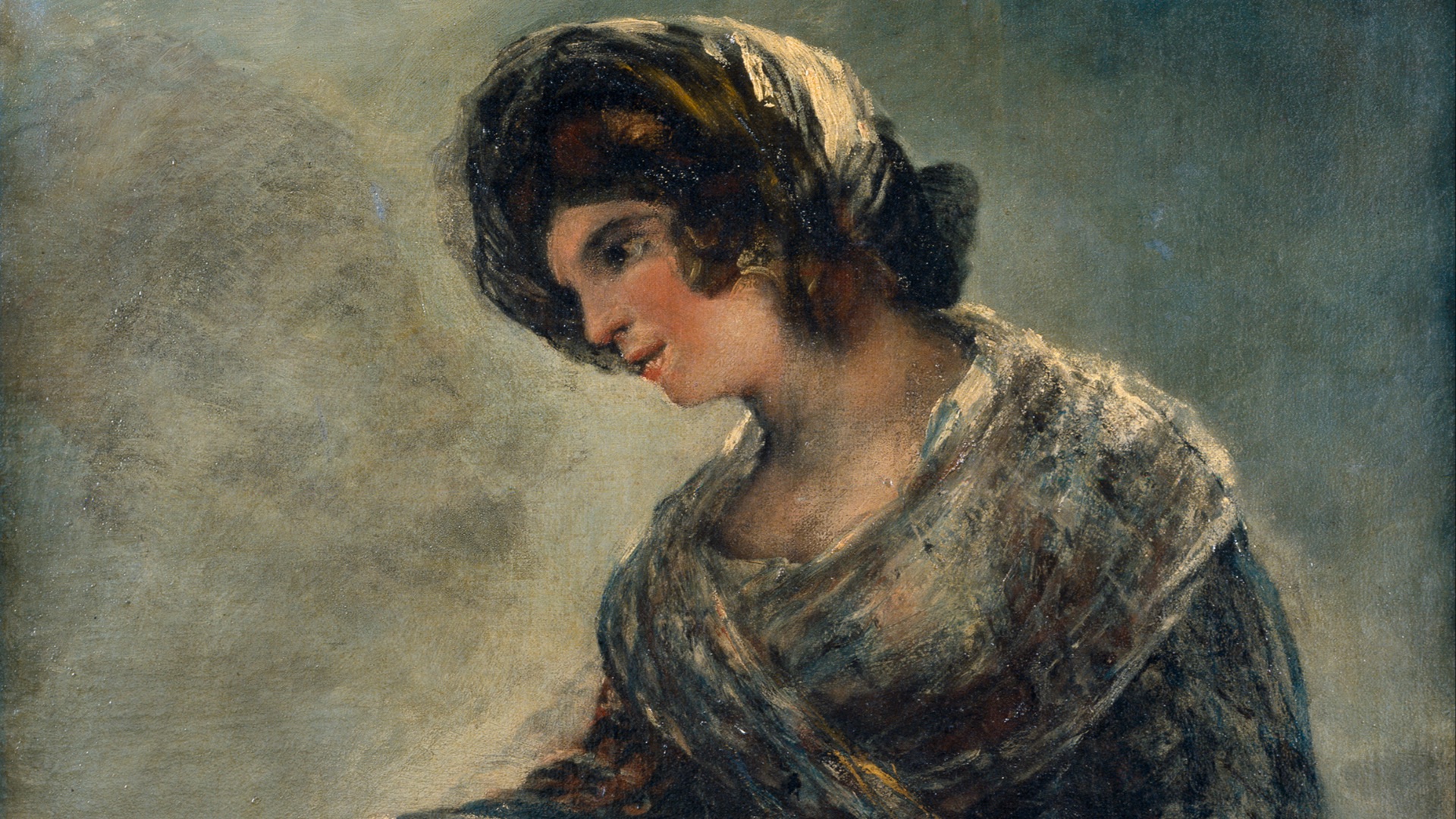
The Milkmaid of Bordeaux, painted around 1827, has traditionally been described as one of Francisco Goya’s last paintings and sometimes as his final one. Its pale colors and straightforward subject are noticeably different from the darker works that dominated much of his later career. Questions about its attribution and its precise place in Goya’s chronology mean it’s best treated as a traditional, rather than undisputed, choice.
7. Dragon Flying Over Mount Fuji
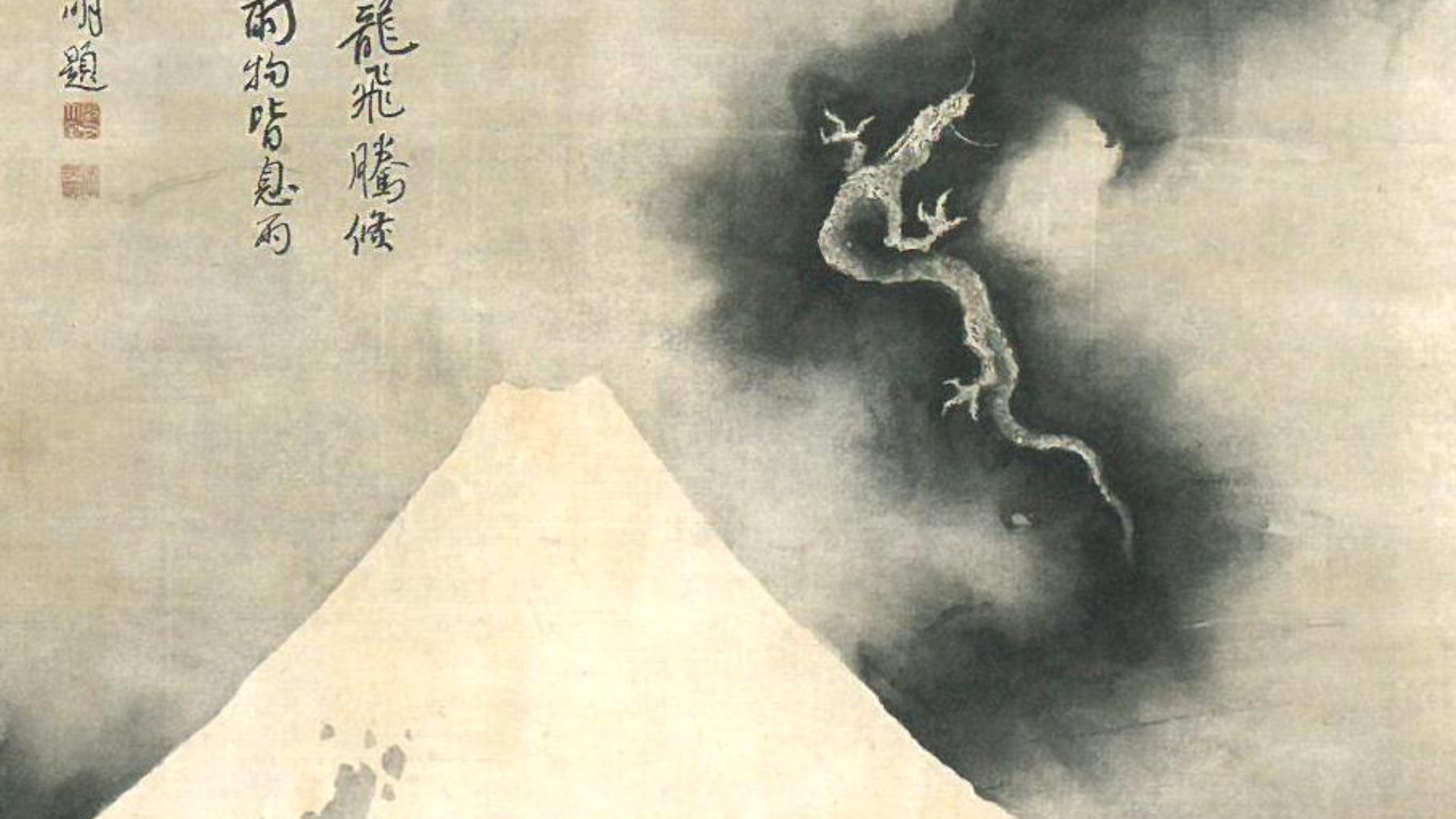
Katsushika Hokusai completed Dragon Flying Over Mount Fuji in 1849, the year of his death, and it’s commonly presented as his final painting. Executed in ink and color on silk, the work shows a dragon ascending through dark clouds beside the snow-covered mountain. Hokusai was nearly 90 and remained committed to improving his art during the closing months of his life.
8. Final Water Lilies
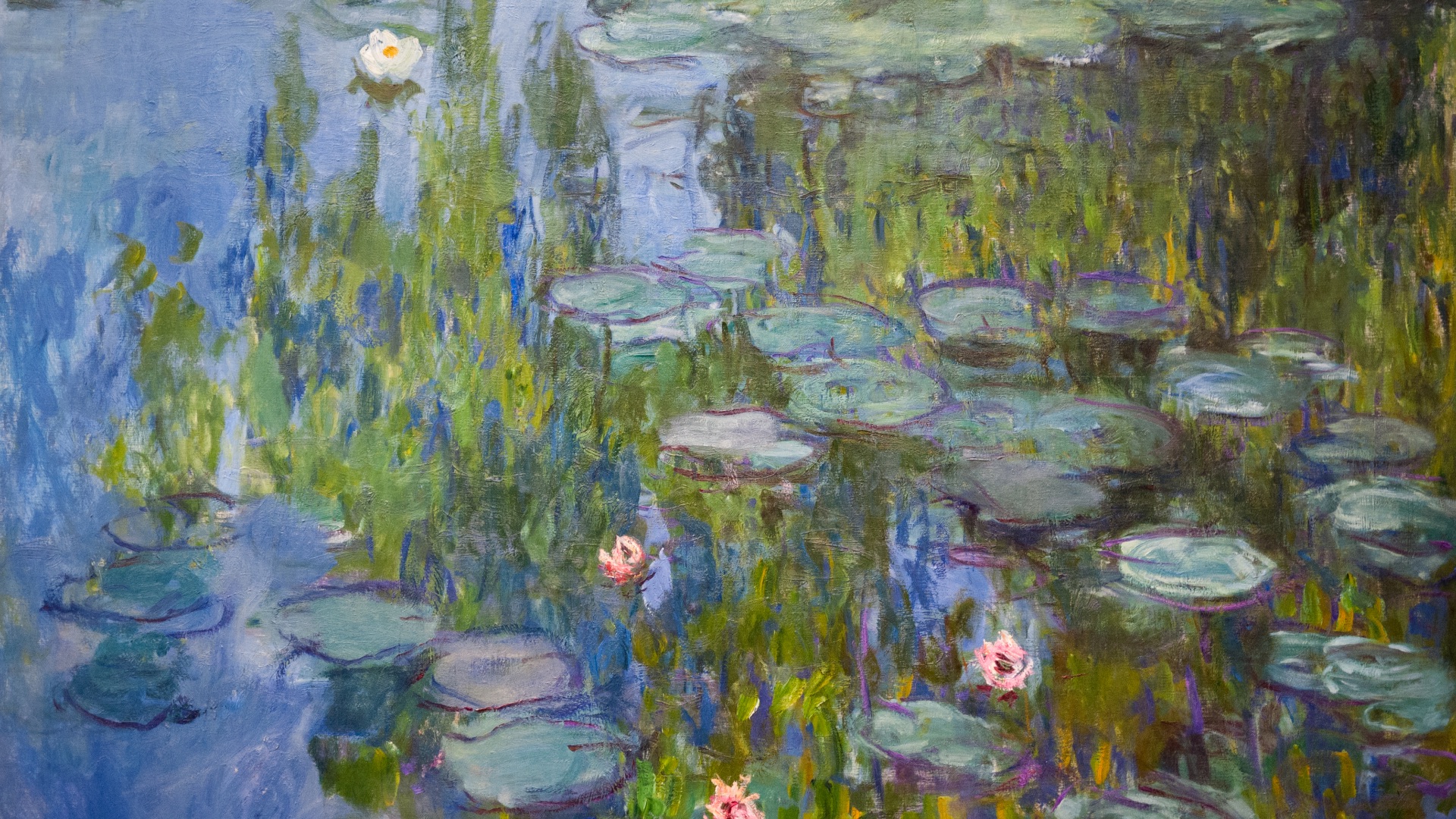
Claude Monet continued working on his monumental water-lily decorations at Giverny until his death in 1926. Since he revised several canvases simultaneously, identifying one definitive final brushstroke or finished painting isn’t practical. His vast panels for the Musée de l’Orangerie therefore stand as his final sustained artistic project rather than a single conclusively dated last picture.
9. Late Mont Sainte-Victoire
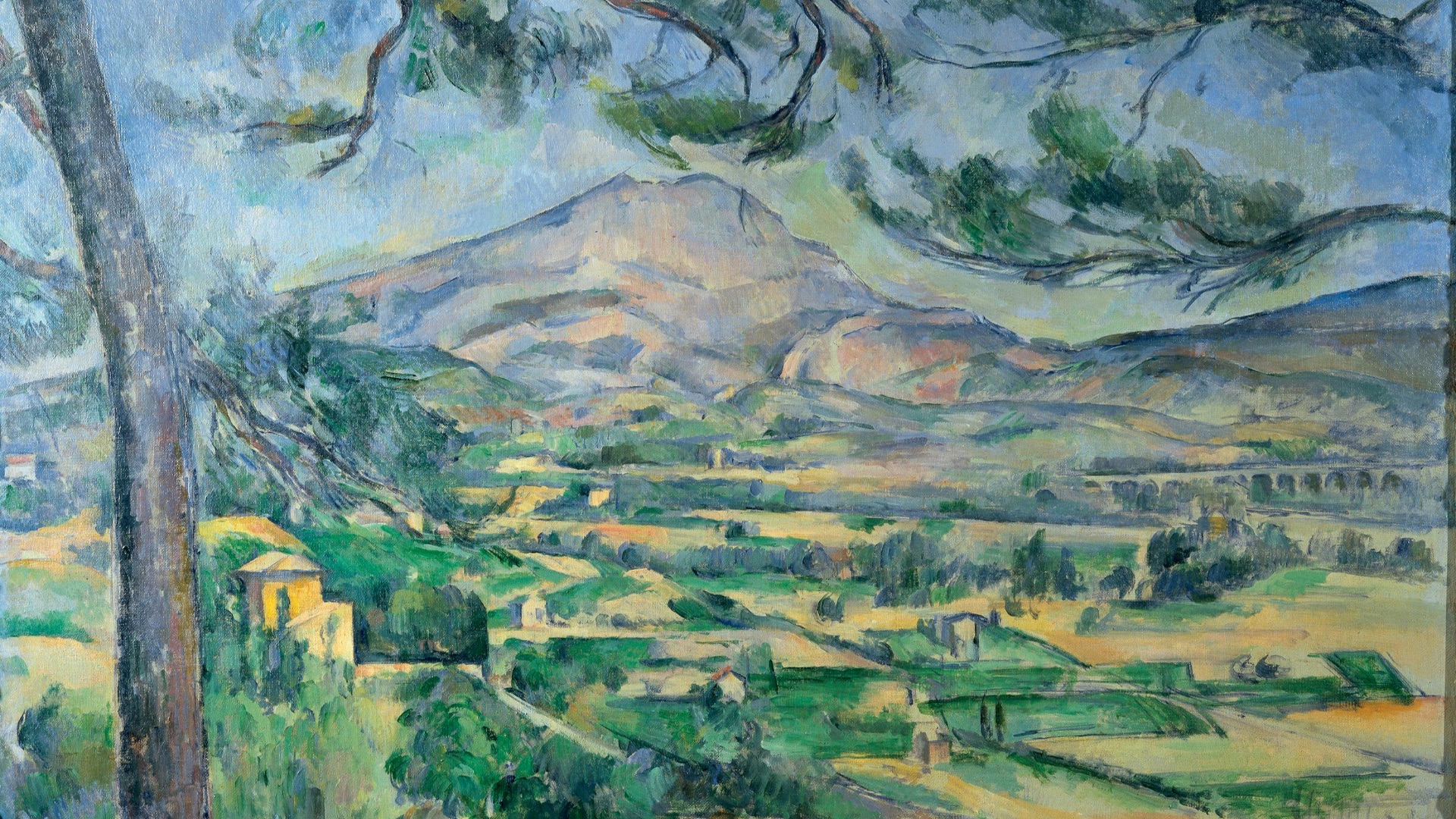
Paul Cézanne painted several views of Mont Sainte-Victoire during his final years, making it difficult to name one canvas as his undisputed last work. One major version, dated approximately 1902 to 1906, was repeatedly revised and even enlarged while he developed the composition. These late mountain scenes remained central to his practice until his death in October 1906.
10. The Bride
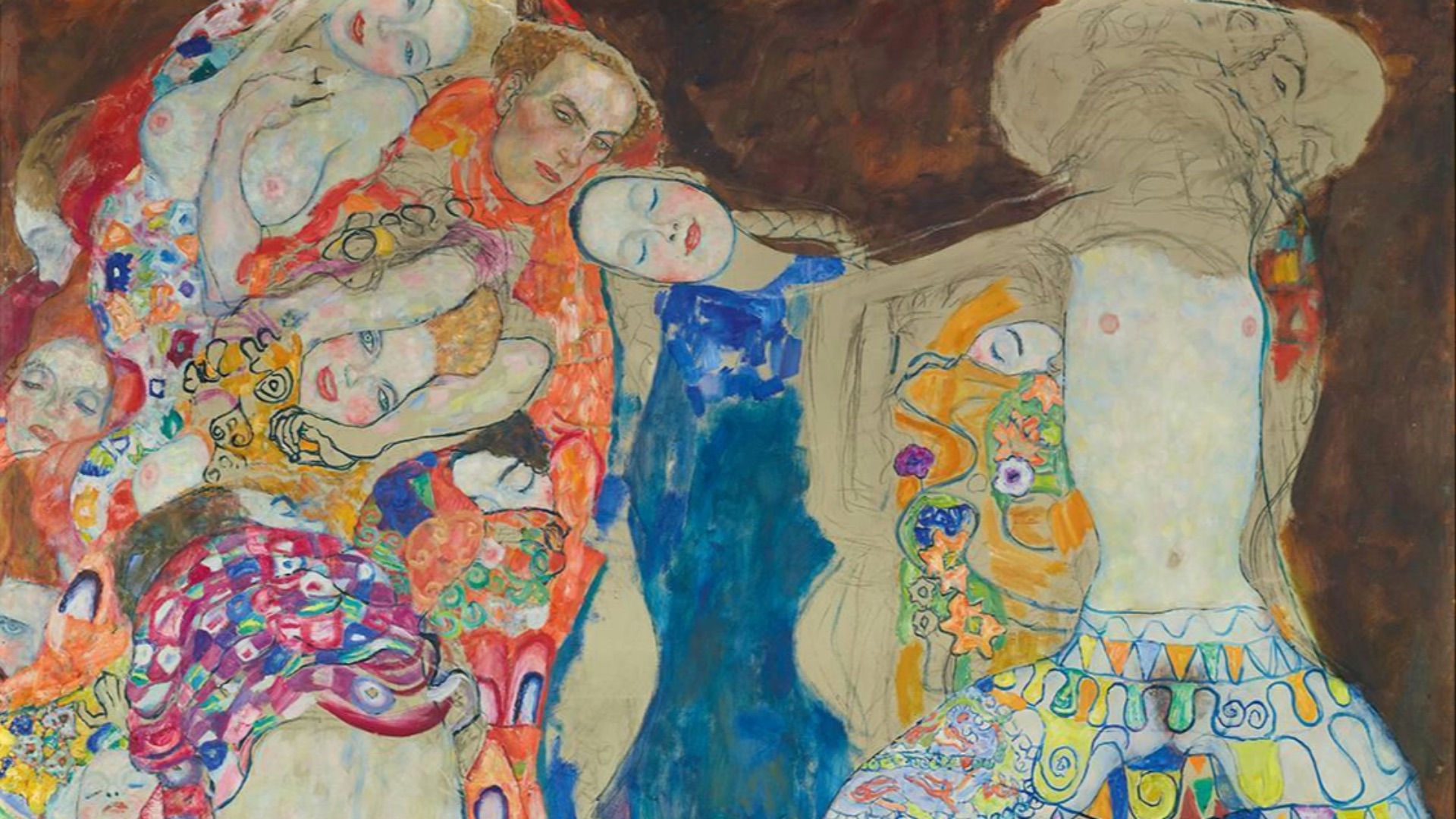
Gustav Klimt began The Bride in 1917, but his death in February 1918 prevented him from completing the large allegorical painting. Finished faces and decorative passages sit beside bodies that remain only loosely outlined or partly colored. The incomplete areas provide an unusually direct look at how Klimt planned and built one of his compositions.
11. The Family
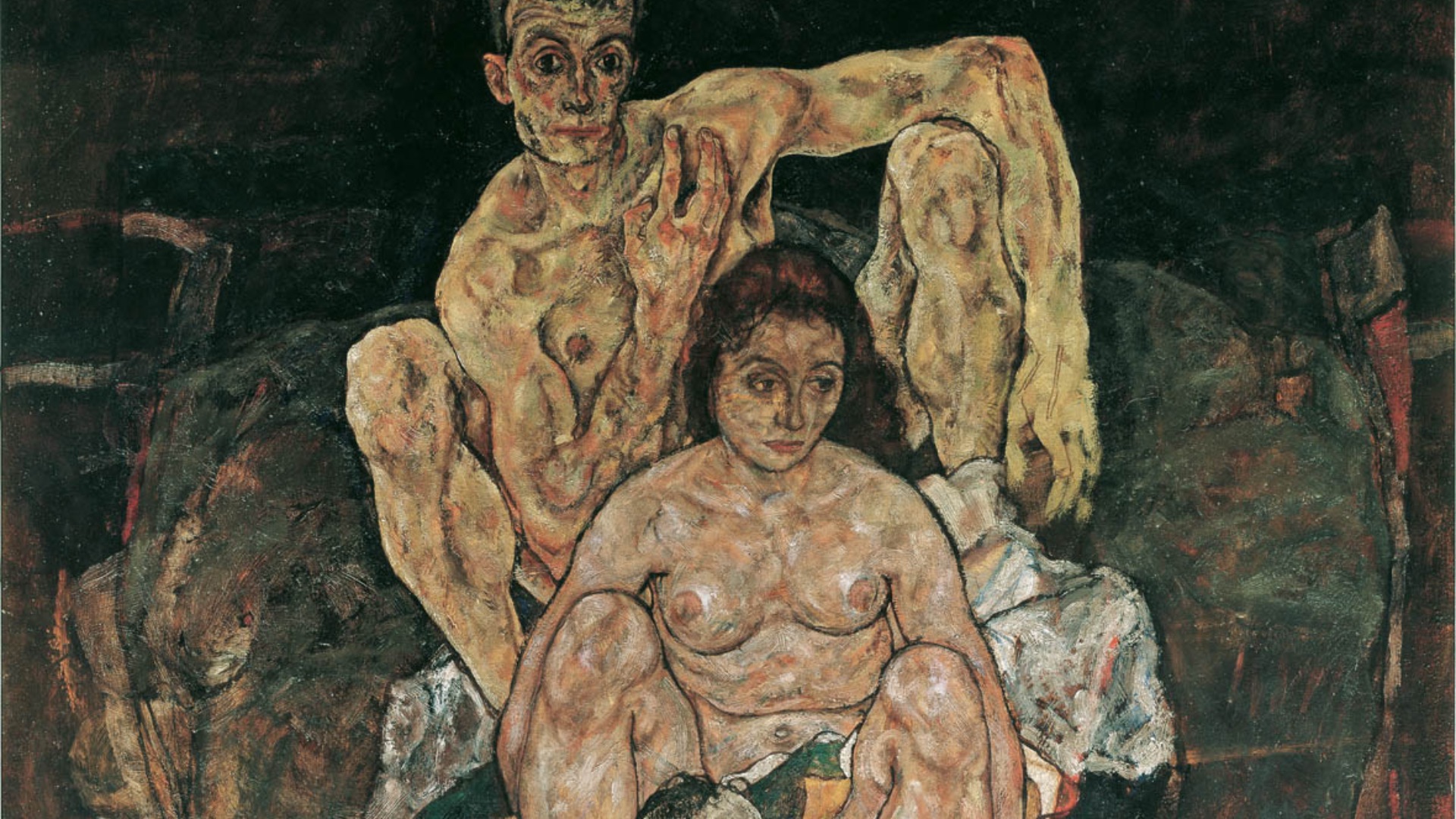
Egon Schiele’s The Family was among the final oil paintings he produced before dying during the 1918 influenza pandemic. It depicts a seated man, woman, and child, although certain areas, including part of the man’s hand, were left incomplete. The child was added to a composition that had originally been exhibited under the title Crouching Couple.
12. Large Decoration with Masks
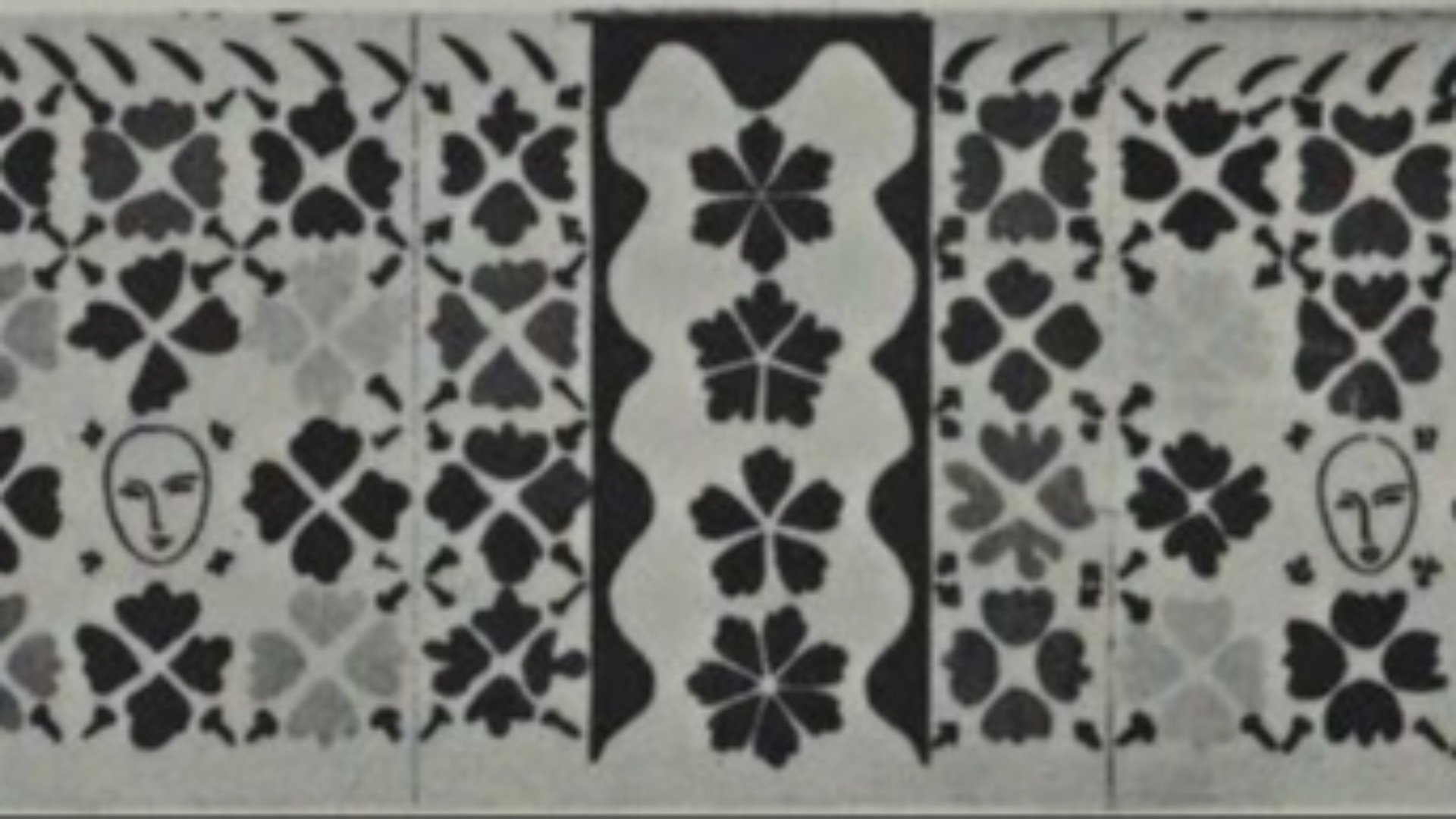
By the last decade of his life, Henri Matisse was creating increasingly ambitious works from paper painted with gouache, then cut or torn into shapes. Large Decoration with Masks, made in 1953, belongs to the last group of large cut-paper compositions he produced before his death the following year. Rather than naming it as his absolute final piece, though, museums generally place it among the culminating works of his cut-out period.
13. Viva la Vida
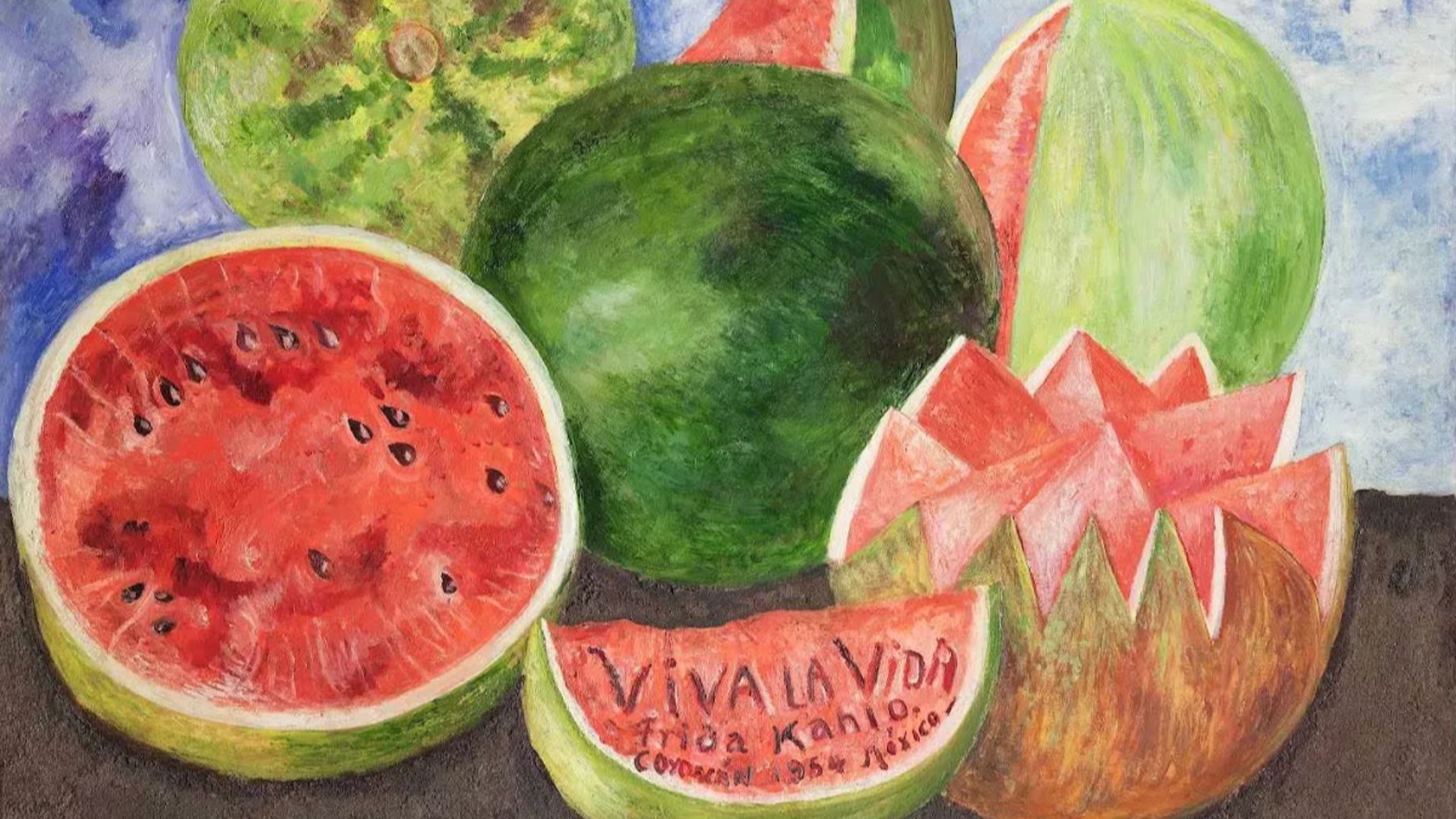
Frida Kahlo’s watermelon still life Viva la Vida is widely known as her final painting. Although the picture may have been started earlier, Kahlo added its title and date shortly before her death in July 1954. The inscription, translated as “Long Live Life,” appears across the red flesh of one watermelon.
14. Two Comedians
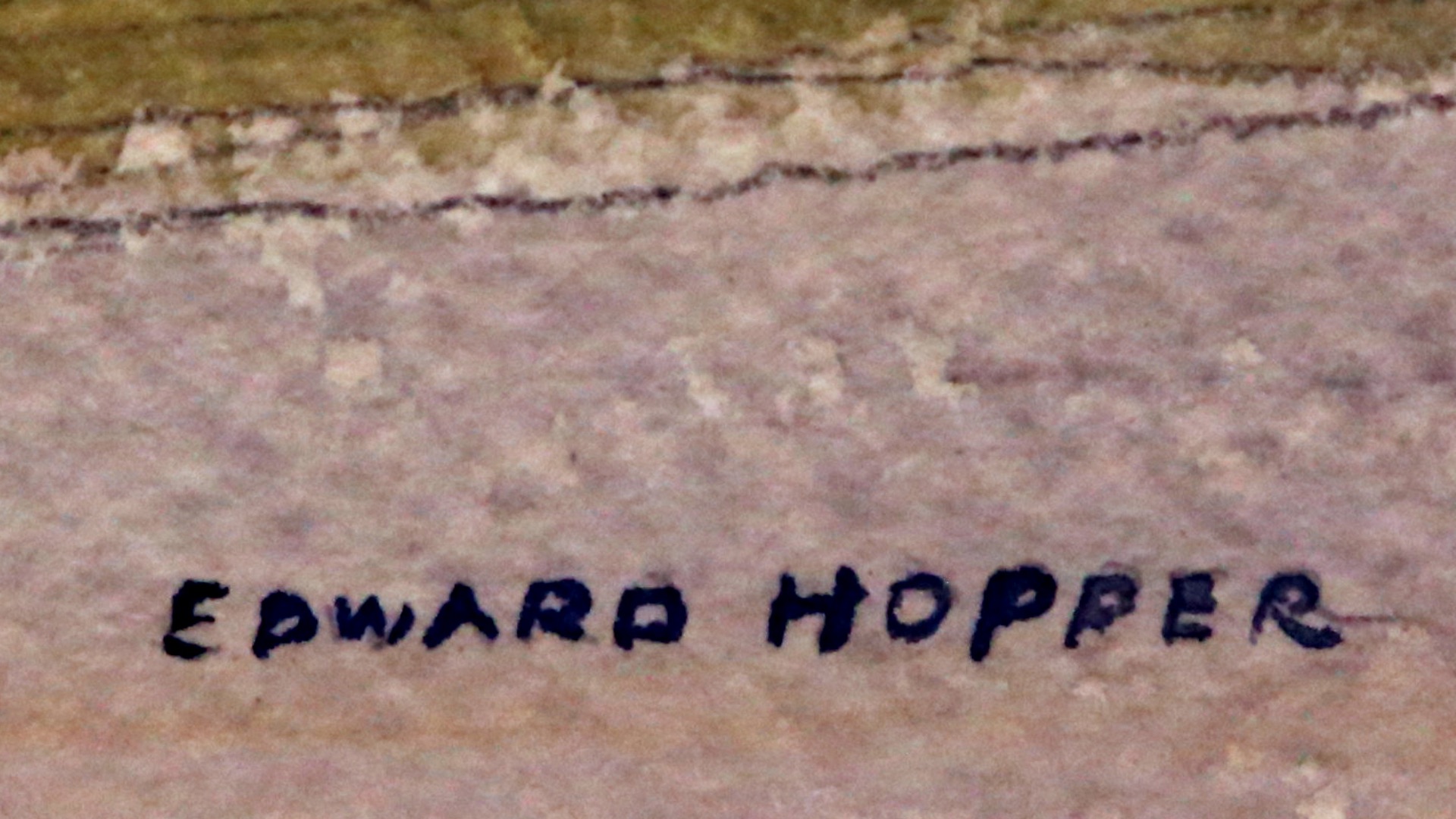
Edward Hopper painted Two Comedians in 1966, approximately one year before his death. The image presents Hopper and his wife, fellow artist Josephine Nivison Hopper, dressed as performers and bowing together on a stage. It’s recognized as his final painting and was once part of singer Frank Sinatra’s art collection.
15. The Swallow’s Tail
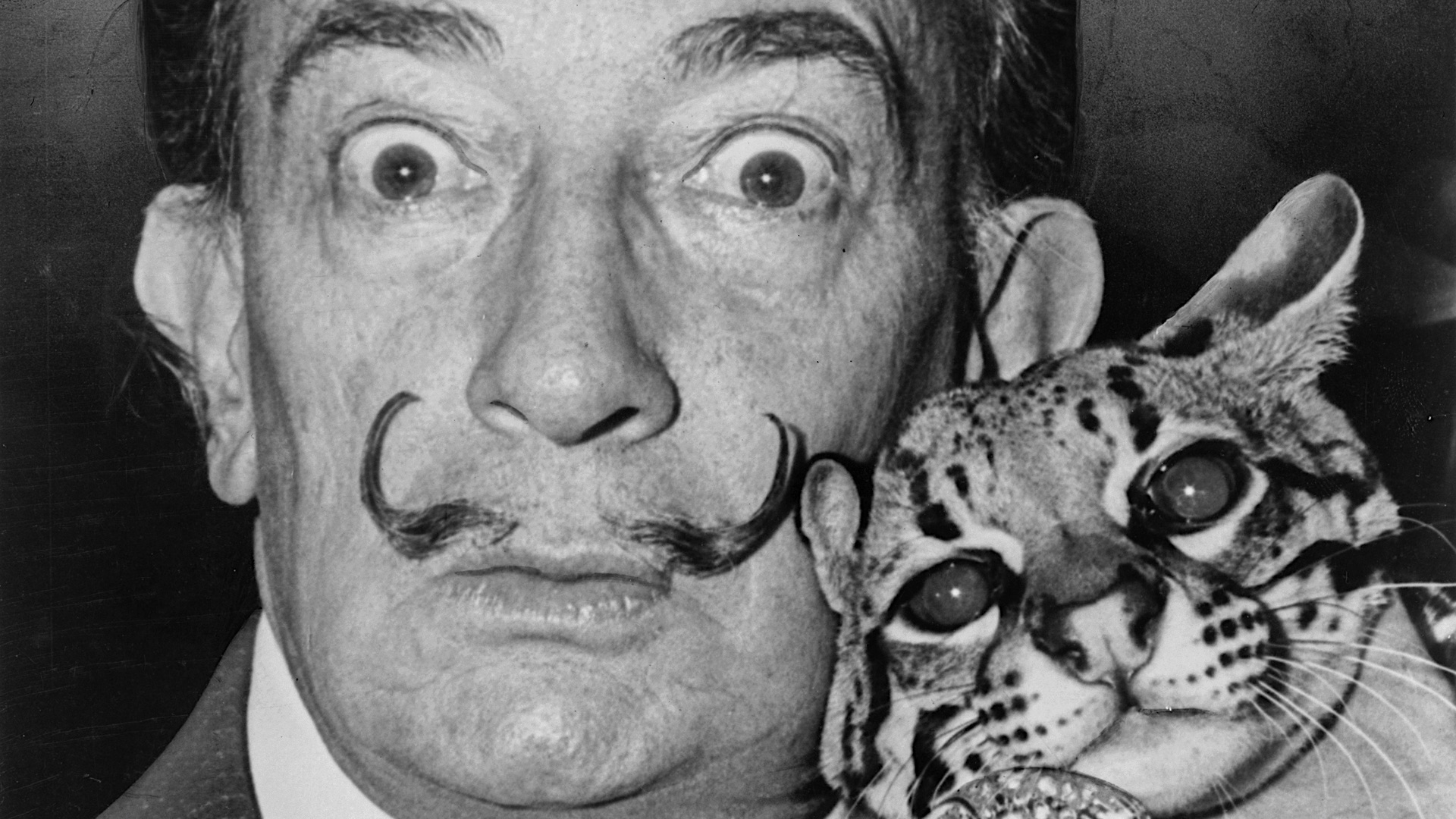
Completed in May 1983, The Swallow’s Tail is regarded as Salvador Dalí’s final painting. It belongs to a series inspired by mathematician René Thom’s catastrophe theory, with diagrams incorporated alongside the curves and sound holes of a cello. Dalí’s declining health largely prevented him from painting during the remaining years before his death in 1989.
 Roger Higgins, World Telegram staff photographer on Wikimedia
16. Black on Gray Paintings
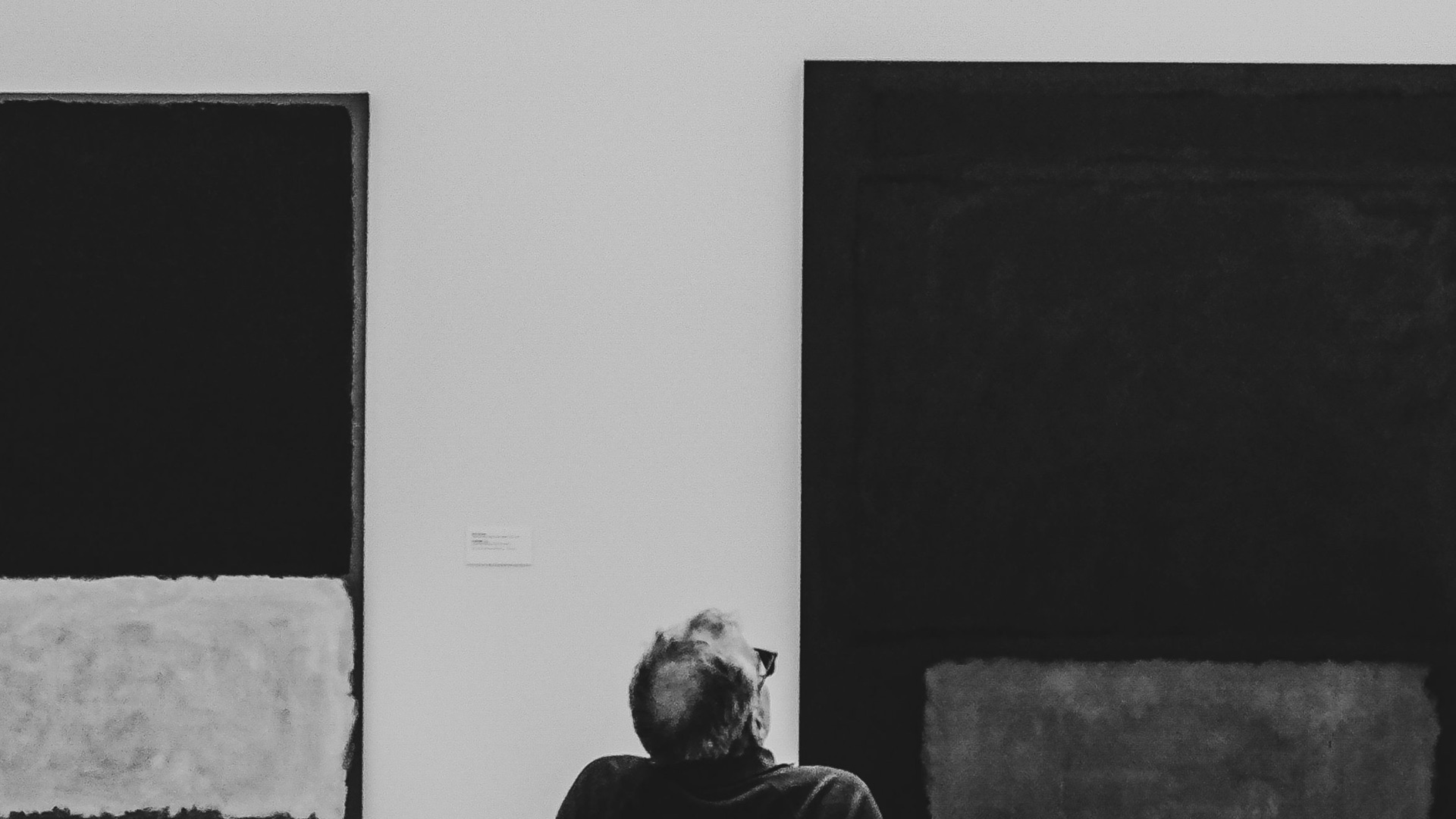
Mark Rothko’s Black on Gray paintings formed the final series he produced before his death in 1970. These canvases typically divide the surface into dark upper sections and lighter gray areas below, separated by a distinct horizontal boundary. Because multiple examples were created during the same period, the series is more securely identified as his final body of work than any individual canvas.
17. Self-Portrait Facing Death
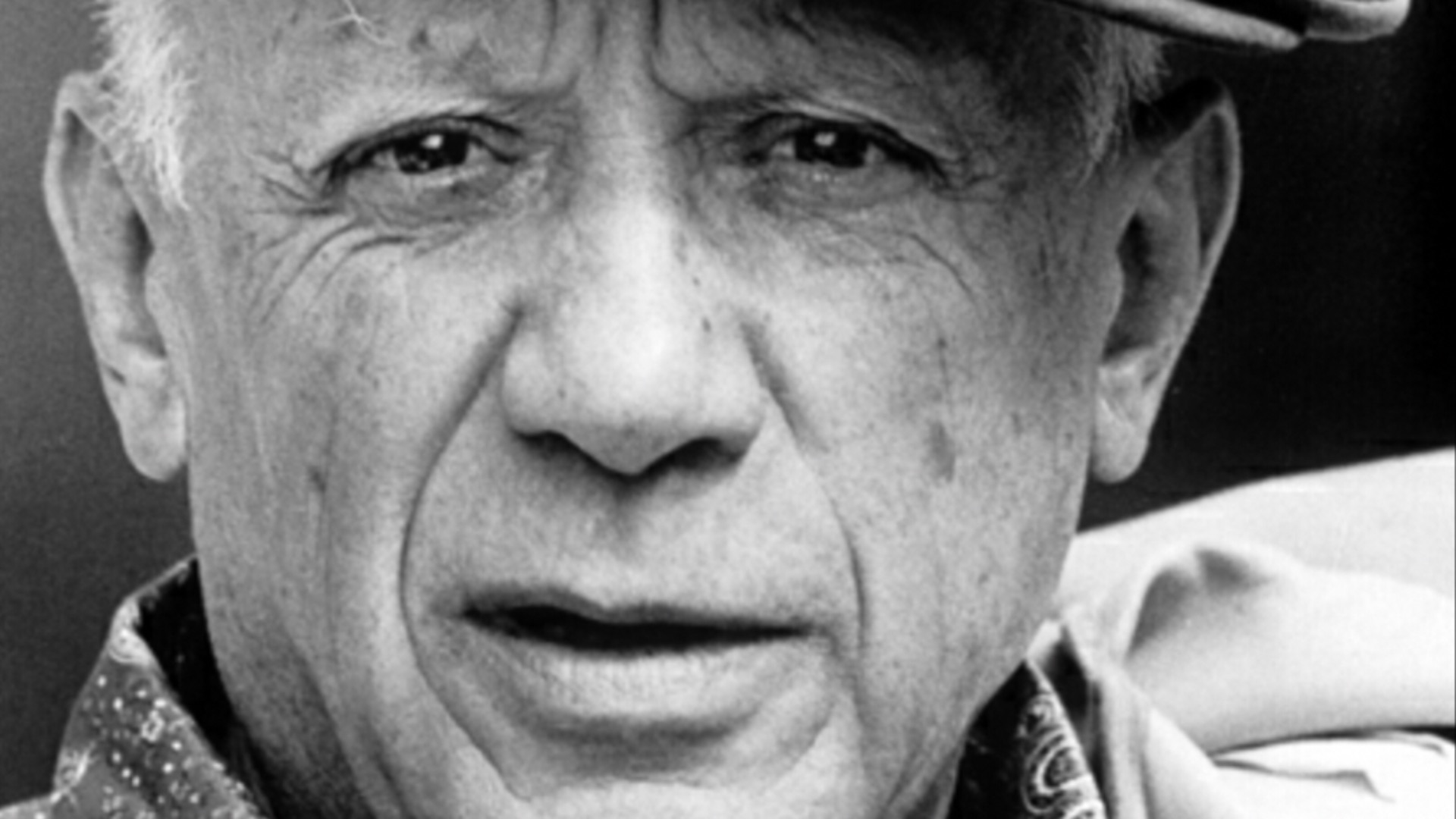
Pablo Picasso created Self-Portrait Facing Death in 1972, just months before his death. The intense crayon drawing shows the artist confronting mortality with wide, haunting eyes and stark, simplified features. Its raw, almost childlike style contrasts with the complexity of his earlier work, making it one of the most powerful and widely recognized images from his final years.
 Argentina. Revista Vea y Lea on Wikimedia
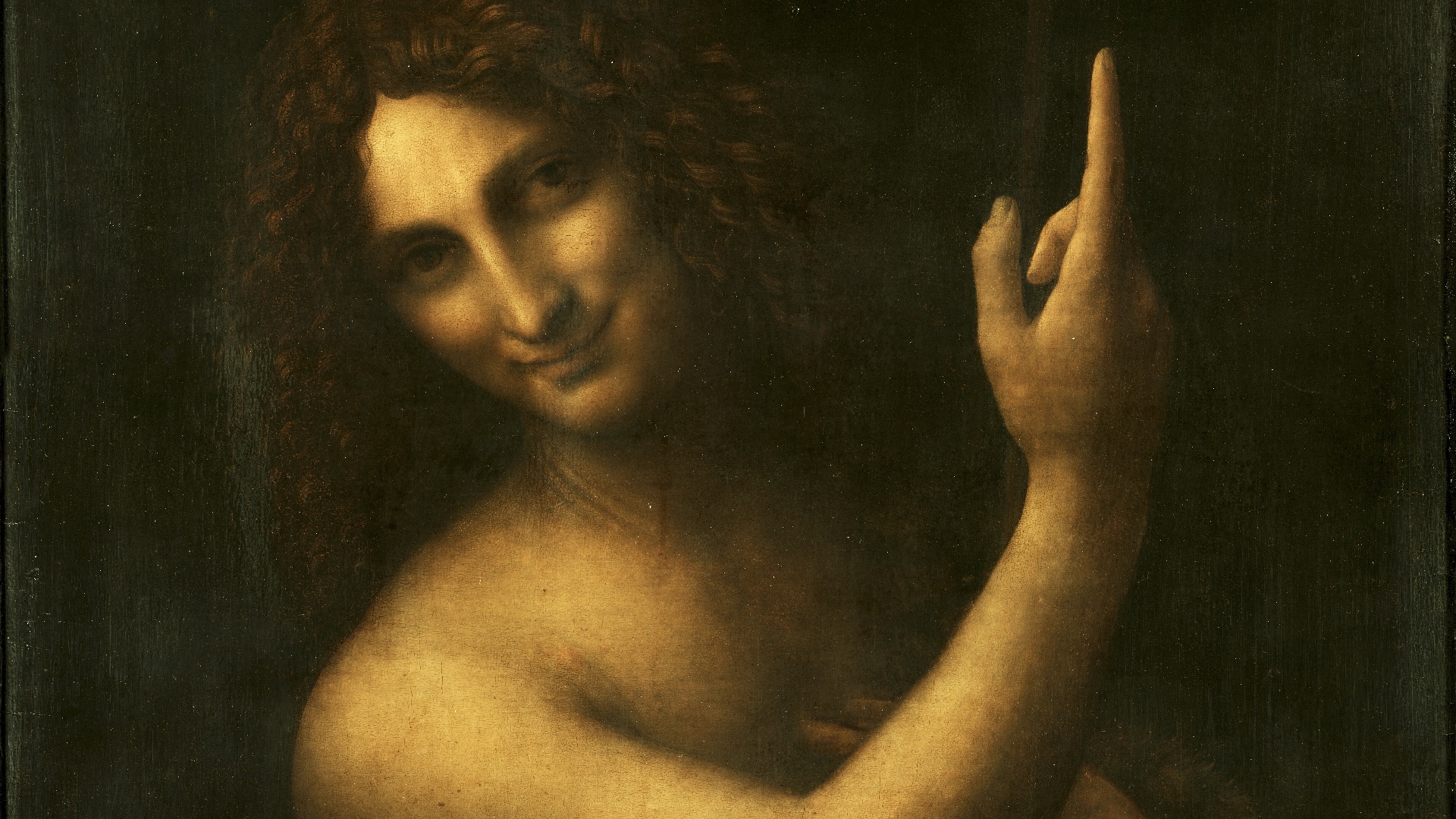
18. Saint John the Baptist
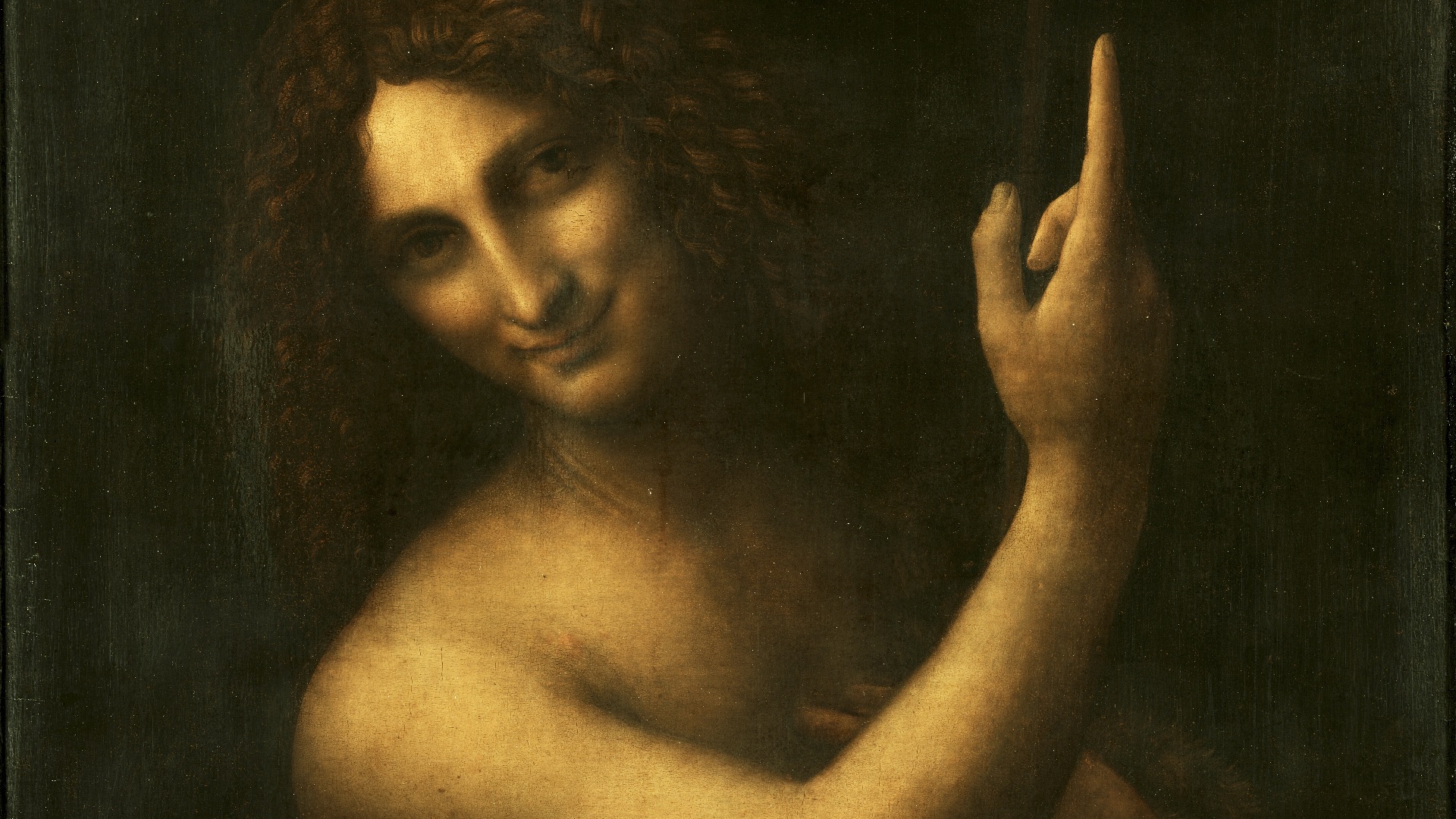
Leonardo da Vinci’s Saint John the Baptist, completed around 1513–1516, is often believed to be his last painting. The enigmatic figure emerges from a dark background, pointing upward with a subtle smile that echoes the mystery of the Mona Lisa. Leonardo is believed to have carried the painting with him until his death in 1519, underscoring its importance in his late career.
 Leonardo da Vinci on Wikimedia
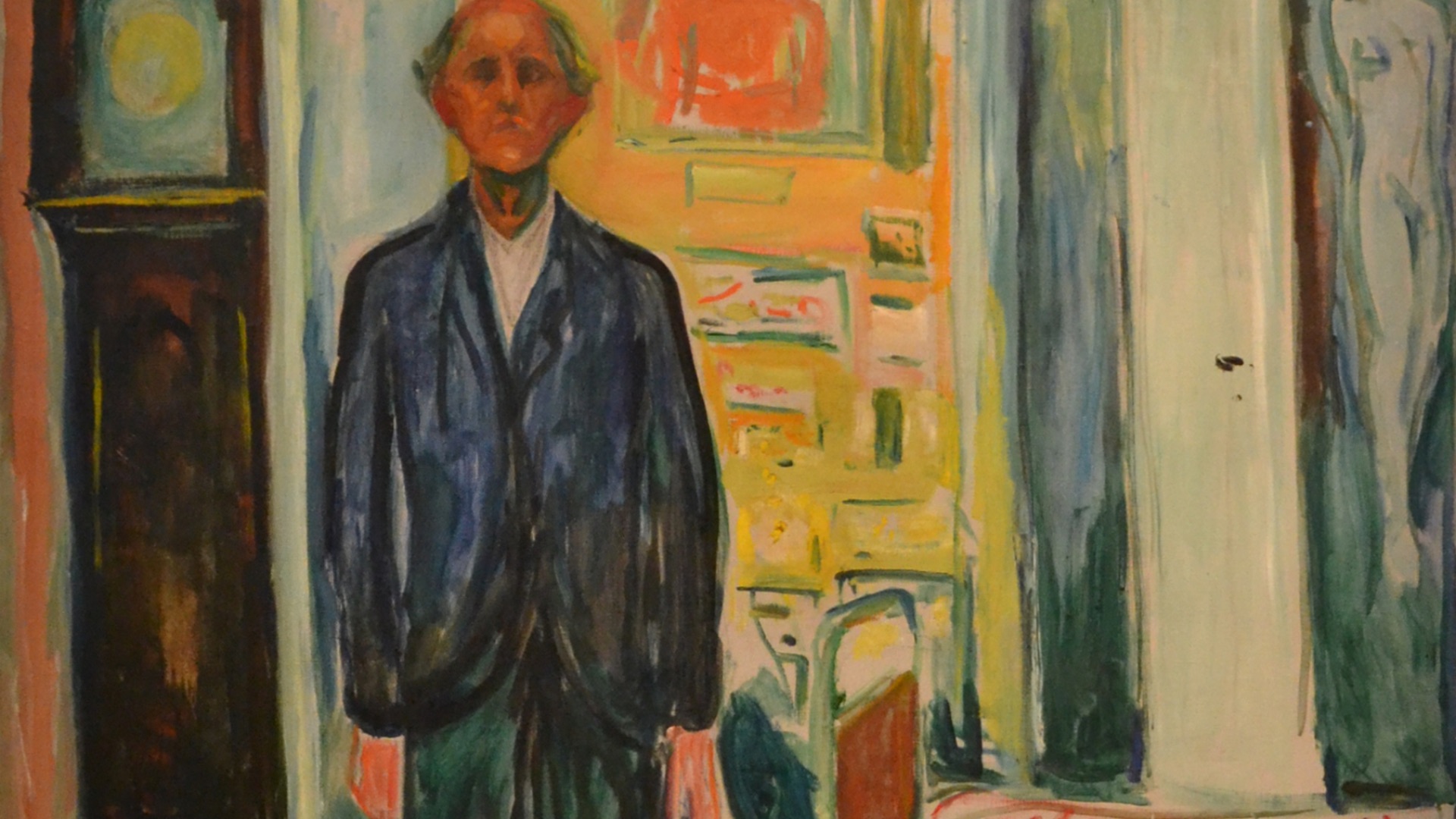
19. Between the Clock and the Bed
Edvard Munch’s Between the Clock and the Bed, painted between 1940 and 1943, is widely regarded as one of his final major works before his death in 1944. The painting shows the artist standing between a clock and a bed, symbols often interpreted as representing the passage of time and the approach of death. Known best for The Scream, Munch revisits themes of mortality and introspection here, making it a powerful and significant late work.
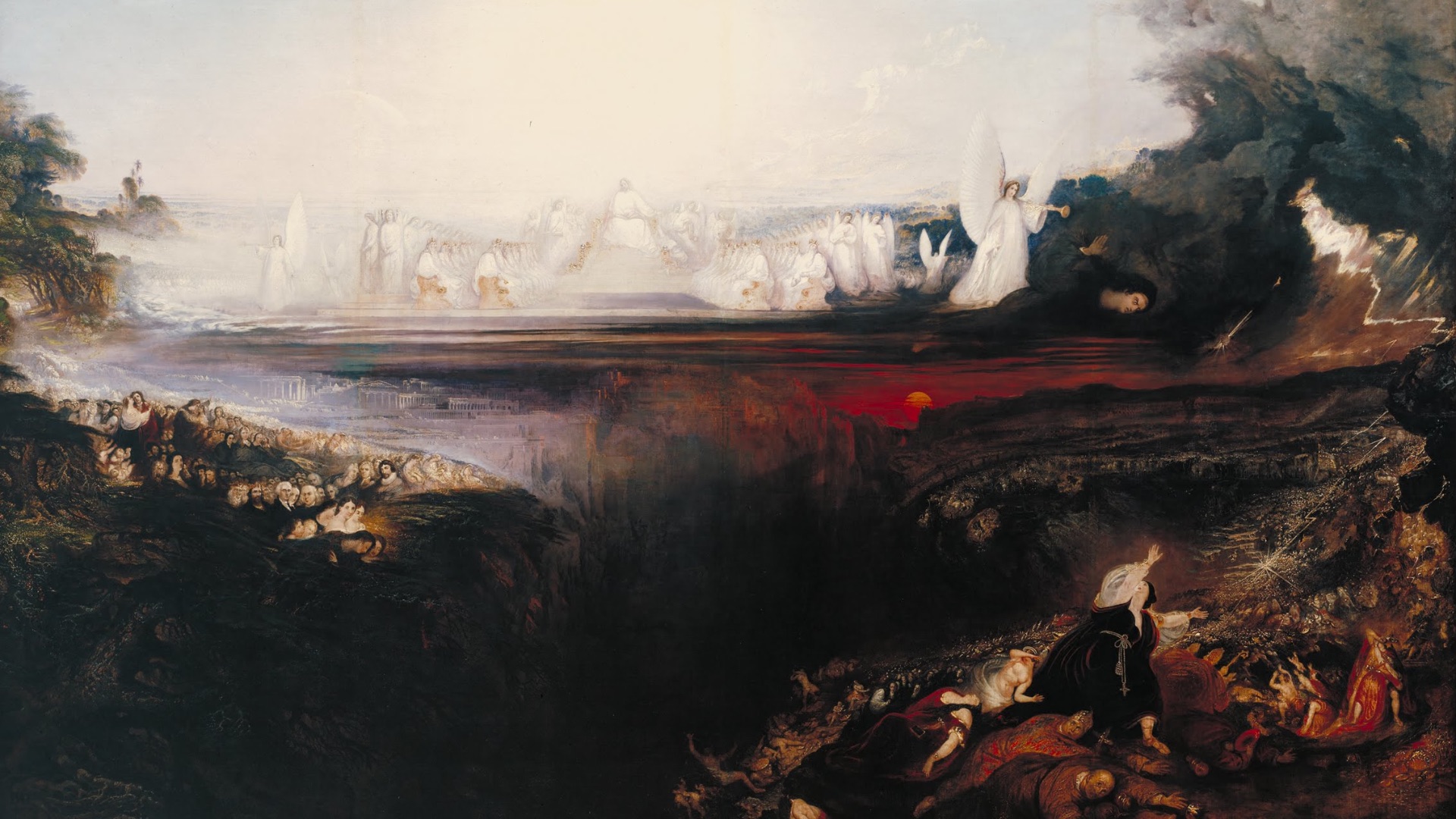
20. Last Judgement Triptych
British artist John Martin’s final major artistic undertaking was a three-painting series consisting of The Last Judgement, The Great Day of His Wrath, and The Plains of Heaven. He completed the enormous triptych only months before his death in 1854. Designed to be exhibited together, the works brought his career-long interest in biblical subjects and large-scale scenes to its final completed form.
KEEP ON READING