More Names, Same Pattern
Ambition-driven ruin repeats itself on every continent and in every century, and the pattern rarely looks obvious until the damage is already done. A person gets a taste of real power, and something in how they see themselves quietly warps, usually so slowly that nobody around them notices in time. Empires, dynasties, and entire families have been wrecked by exactly this kind of unraveling. Here's 20 more historical figures whose ambition eventually consumed everything it touched.
1. Peter the Great
Peter modernized Russia into a genuine European power through relentless reform, remaking the calendar, the alphabet, and the military almost single-handedly. That same conviction turned lethal within his own family, and in 1718 he had his son Alexei tortured after suspecting him of plotting against the throne, a punishment Alexei didn't survive. Peter reportedly celebrated a military anniversary the very next day.
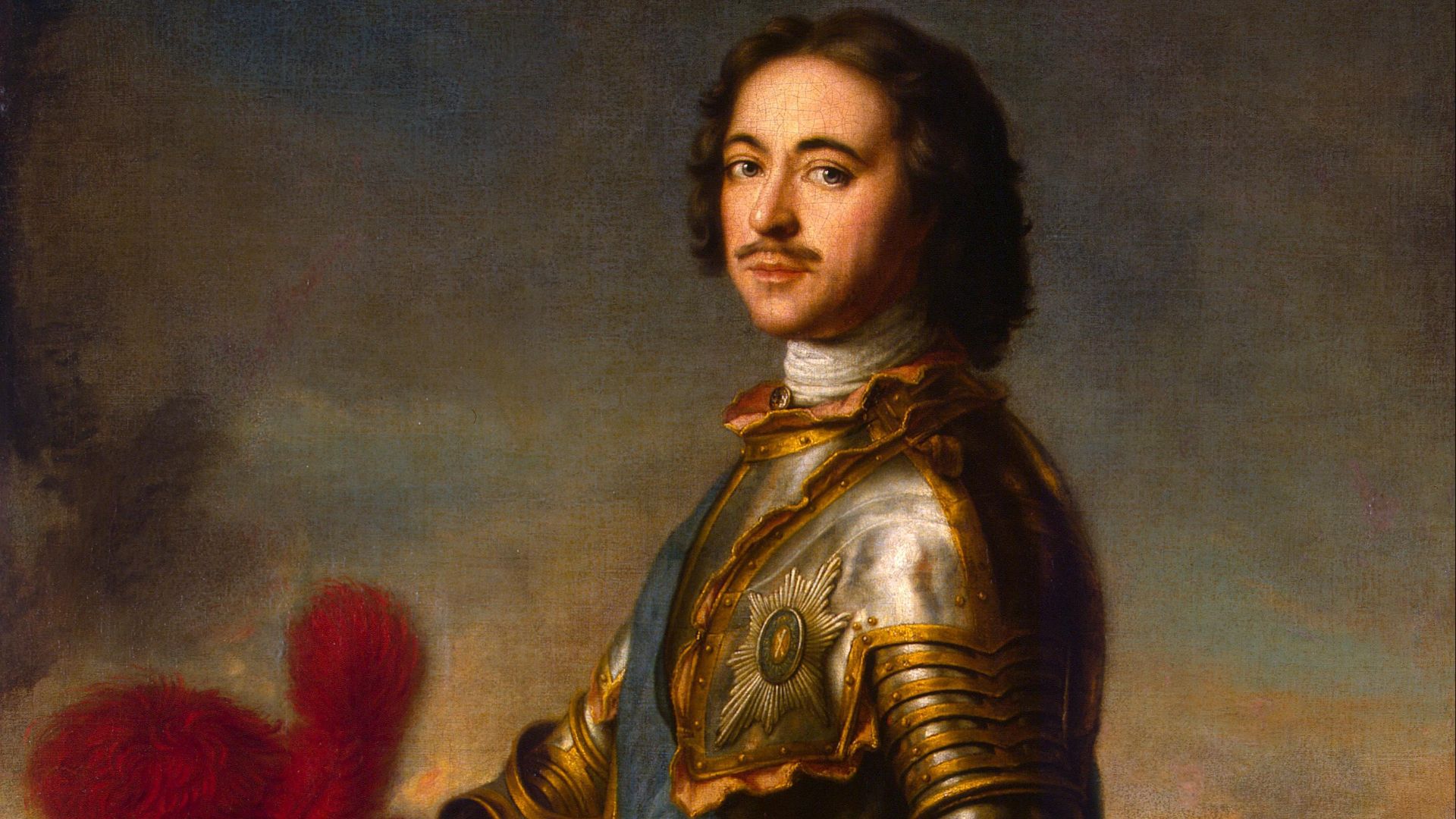 Attributed to Jean-Marc Nattier on Wikimedia
2. Henry VIII
Henry's ambition for a male heir led him to break England away from Rome entirely, reshaping a nation's religious identity to suit his own needs. That same certainty in his judgment turned fatal for those closest to him, costing two wives and advisors like Thomas Cromwell their lives once they'd stopped being useful. Chronic pain and physical decline in his final years only sharpened the volatility that had already defined his reign.
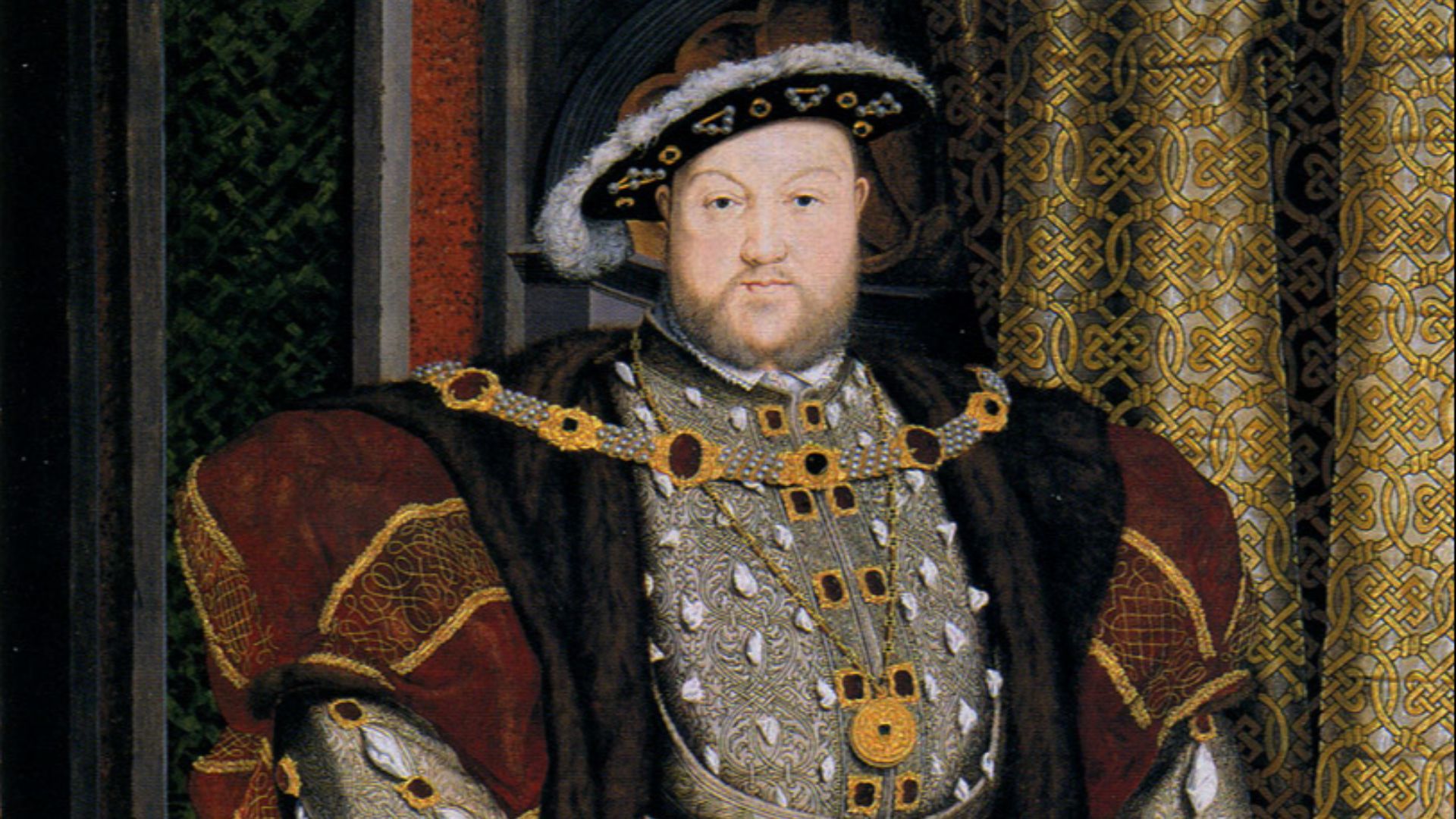 Unknown authorUnknown author on Wikimedia
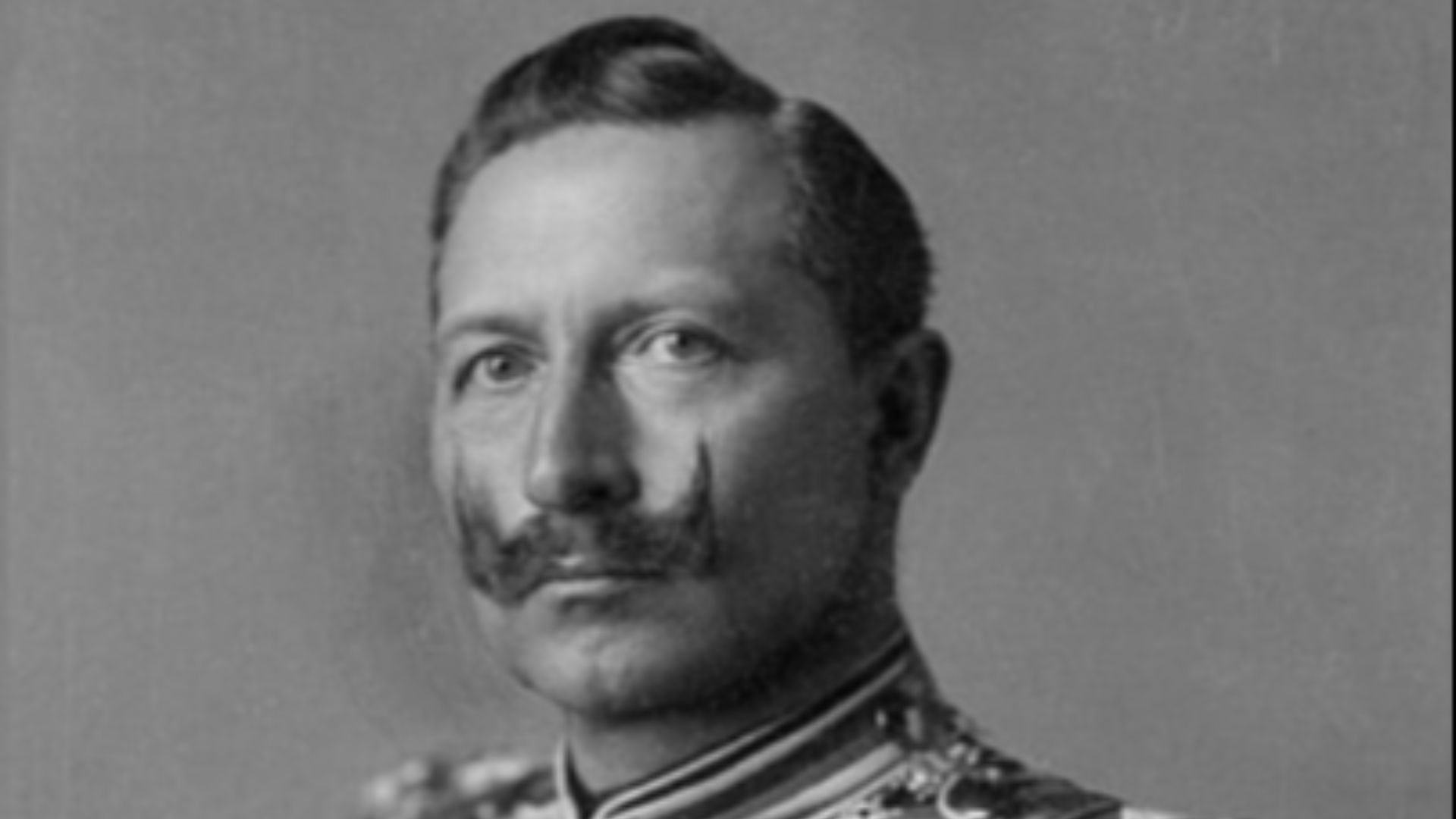
3. Kaiser Wilhelm II
Wilhelm's drive to build a German empire and navy capable of rivaling Britain's shaped decades of increasingly reckless foreign policy. His impulsive public statements repeatedly embarrassed his own government, and the naval arms race he helped fuel became one of the tinderboxes of the First World War. He spent his exile years still insisting the conflict he'd helped provoke had been someone else's fault entirely.
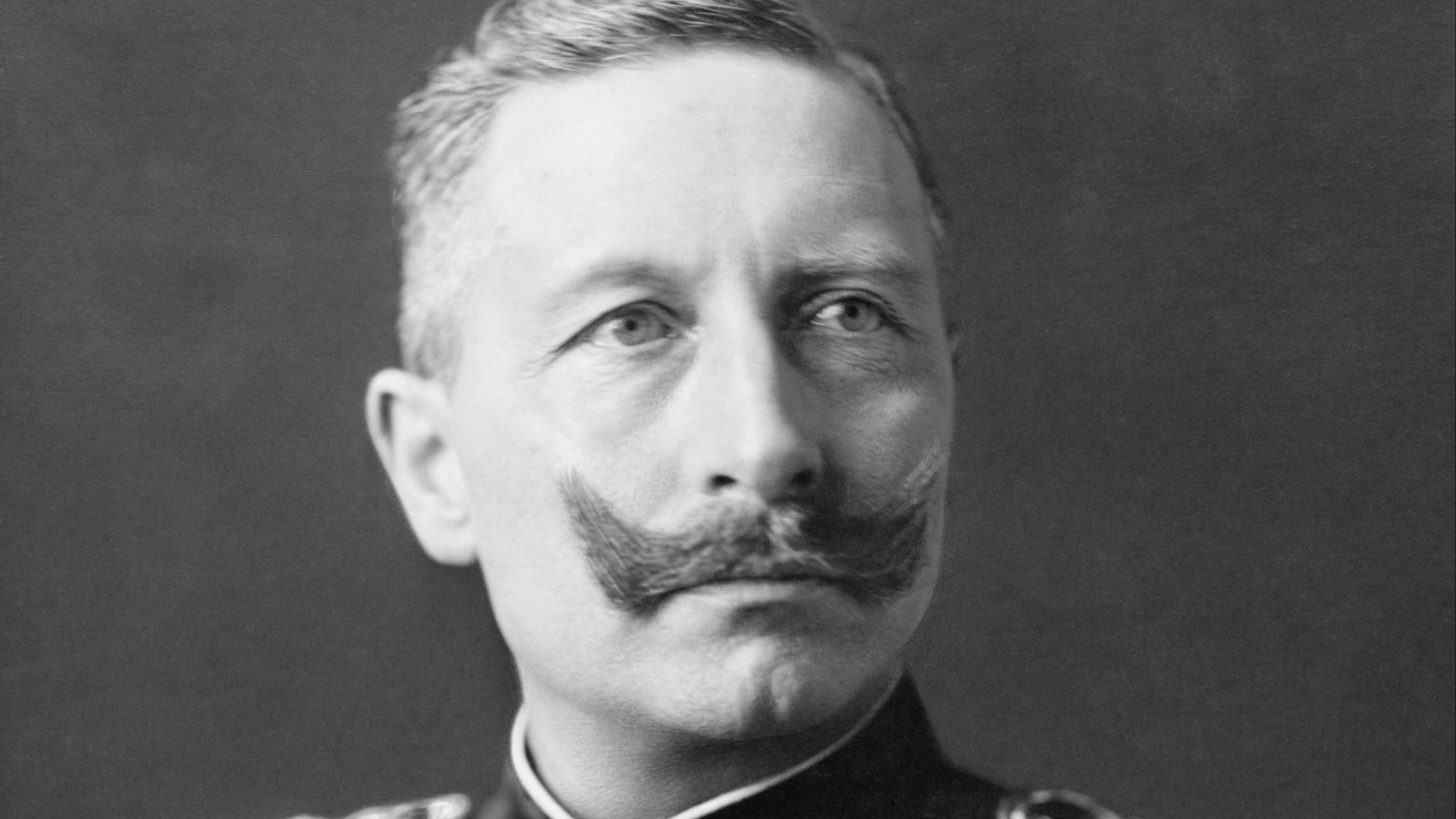 Studio of Thomas Heinrich Voigt on Wikimedia
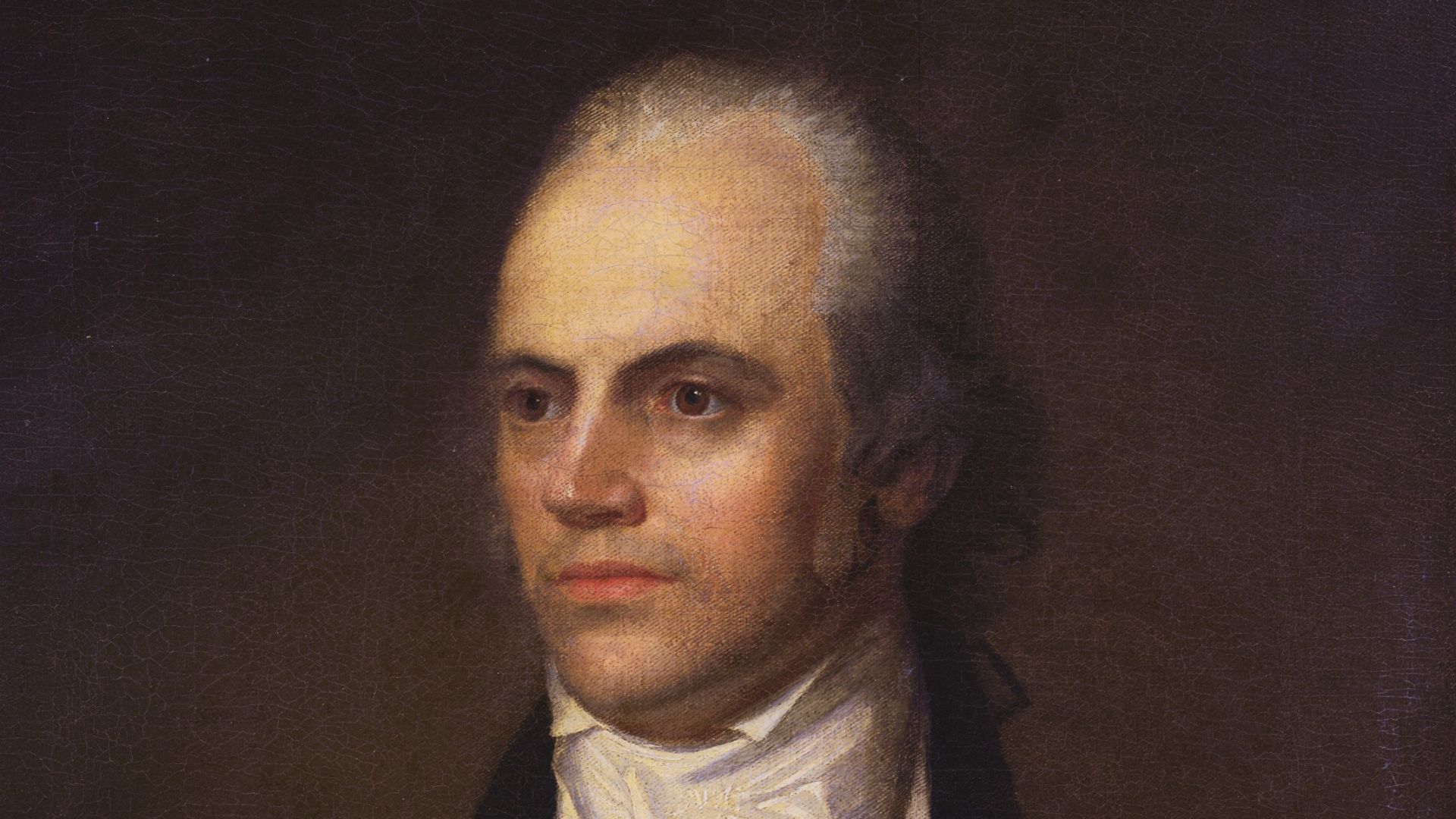
4. Aaron Burr
Burr's political ambition brought him within a single electoral tie of the presidency in 1800, a near miss that permanently soured his rivalry with Alexander Hamilton. Their feud ended in a duel in 1804 that left Hamilton dead and Burr's career in ruins. He spent the years afterward pursuing a murky scheme, later called the Burr Conspiracy, to carve out a personal empire somewhere in the American West.
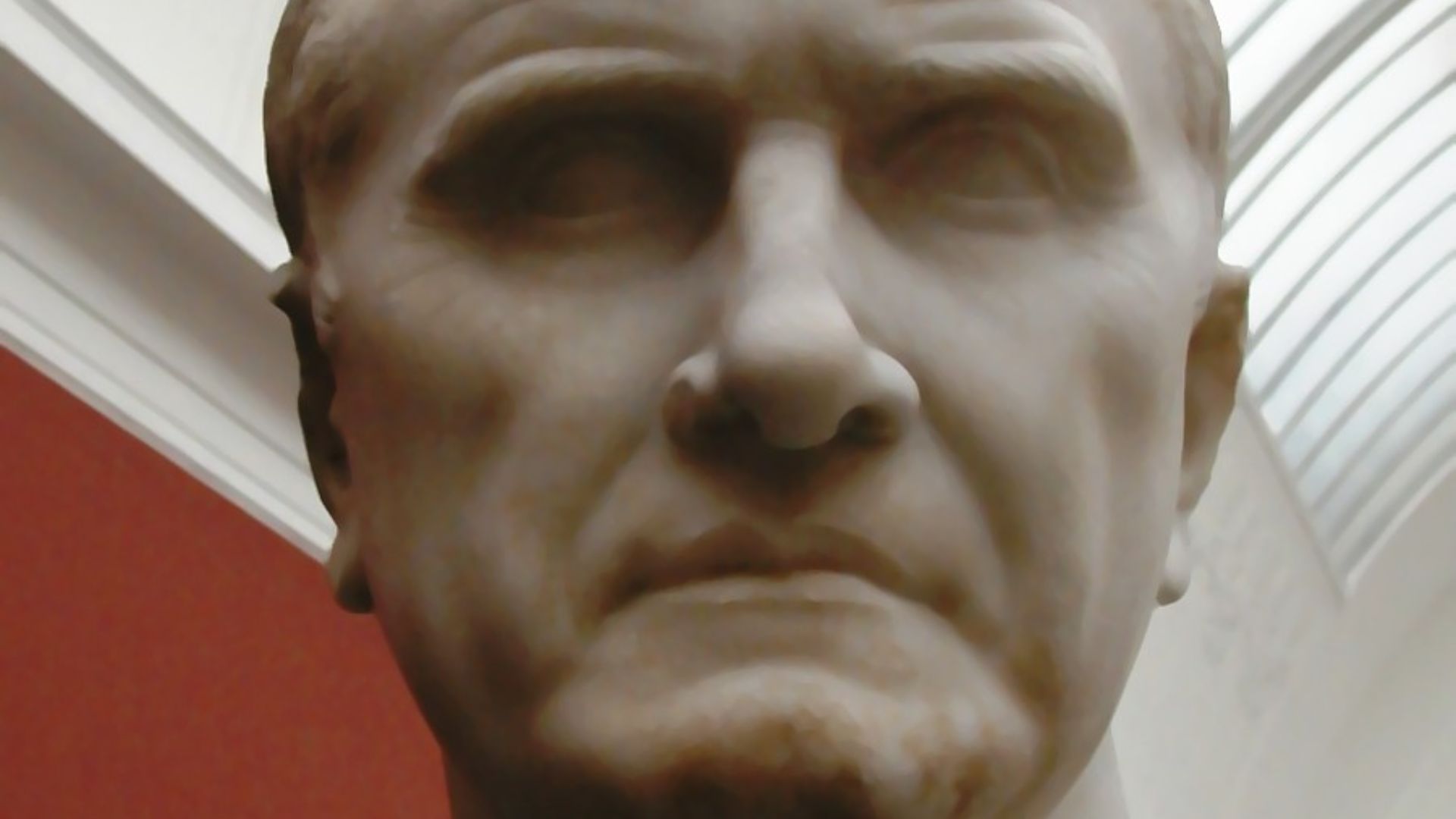
5. Marcus Licinius Crassus
Rome's wealthiest man had already secured enormous political power through the First Triumvirate, yet ambition for military glory pushed him into a disastrous invasion of Parthia. His legions were annihilated at the Battle of Carrhae in 53 BC, and Crassus himself died in the retreat. Roman writers later claimed his captors poured molten gold down his throat as a mocking symbol of his greed, though historians mostly treat that detail as legend.
6. John Law
The Scottish economist convinced the French government to back a national bank and trading monopoly, the Mississippi Company, built almost entirely on speculative hype. Share prices soared as investors clamored to get in, and Law's certainty that the bubble could simply keep expanding blinded him to how thin the foundation actually was. It collapsed in 1720, wiping out fortunes across France and forcing Law to flee the country in disguise.
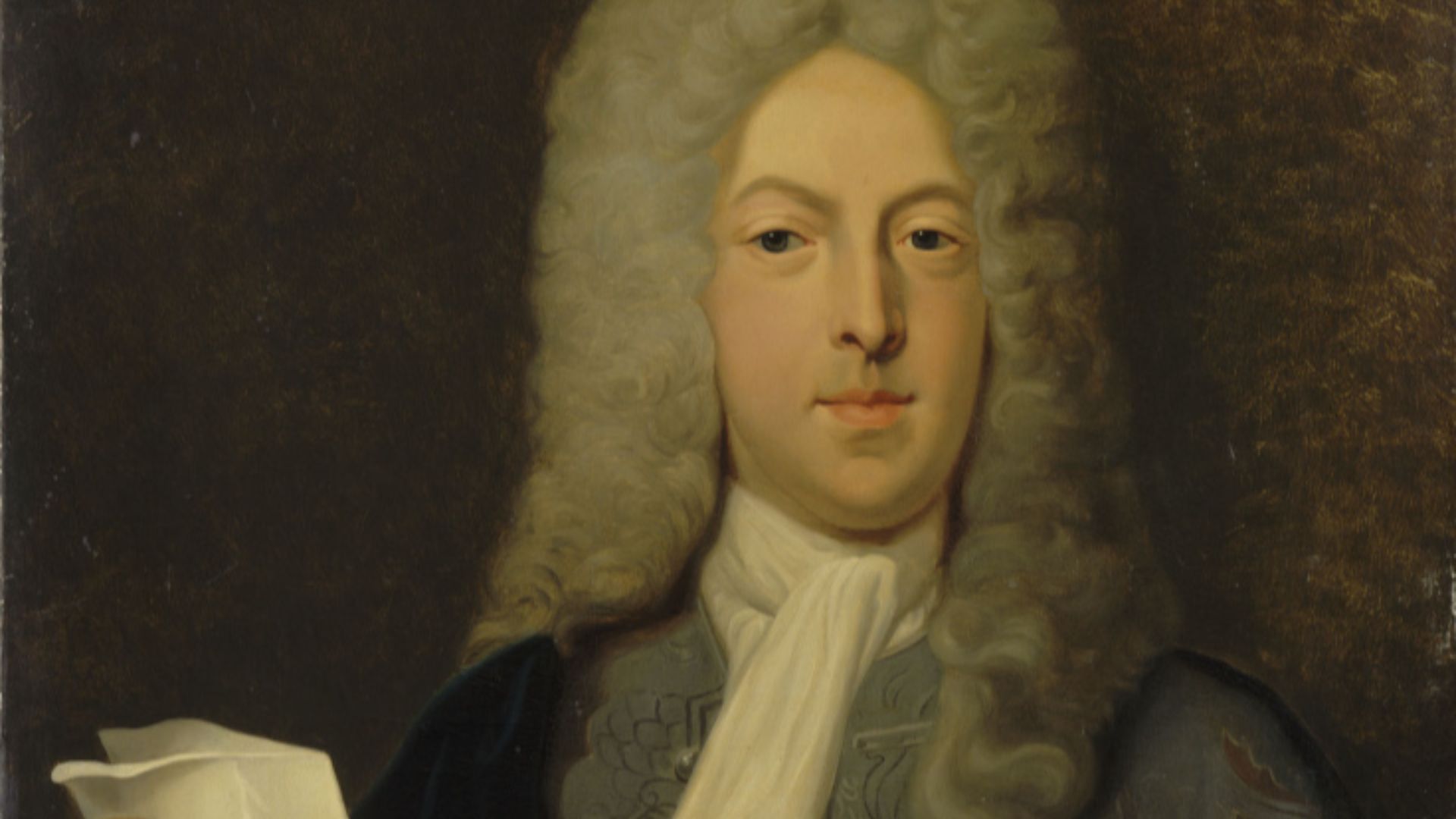 Casimir de Balthasar on Wikimedia
7. Sultan Ibrahim I
Known to history as "Ibrahim the Mad," the Ottoman sultan spent much of his childhood confined out of fear he'd challenge his brother's throne, an upbringing that left him deeply unstable once he actually held power. His reign drained the treasury through extravagant spending and a costly, decades-long war with Venice. The Janissaries eventually deposed him in 1648 and had him strangled ten days later.
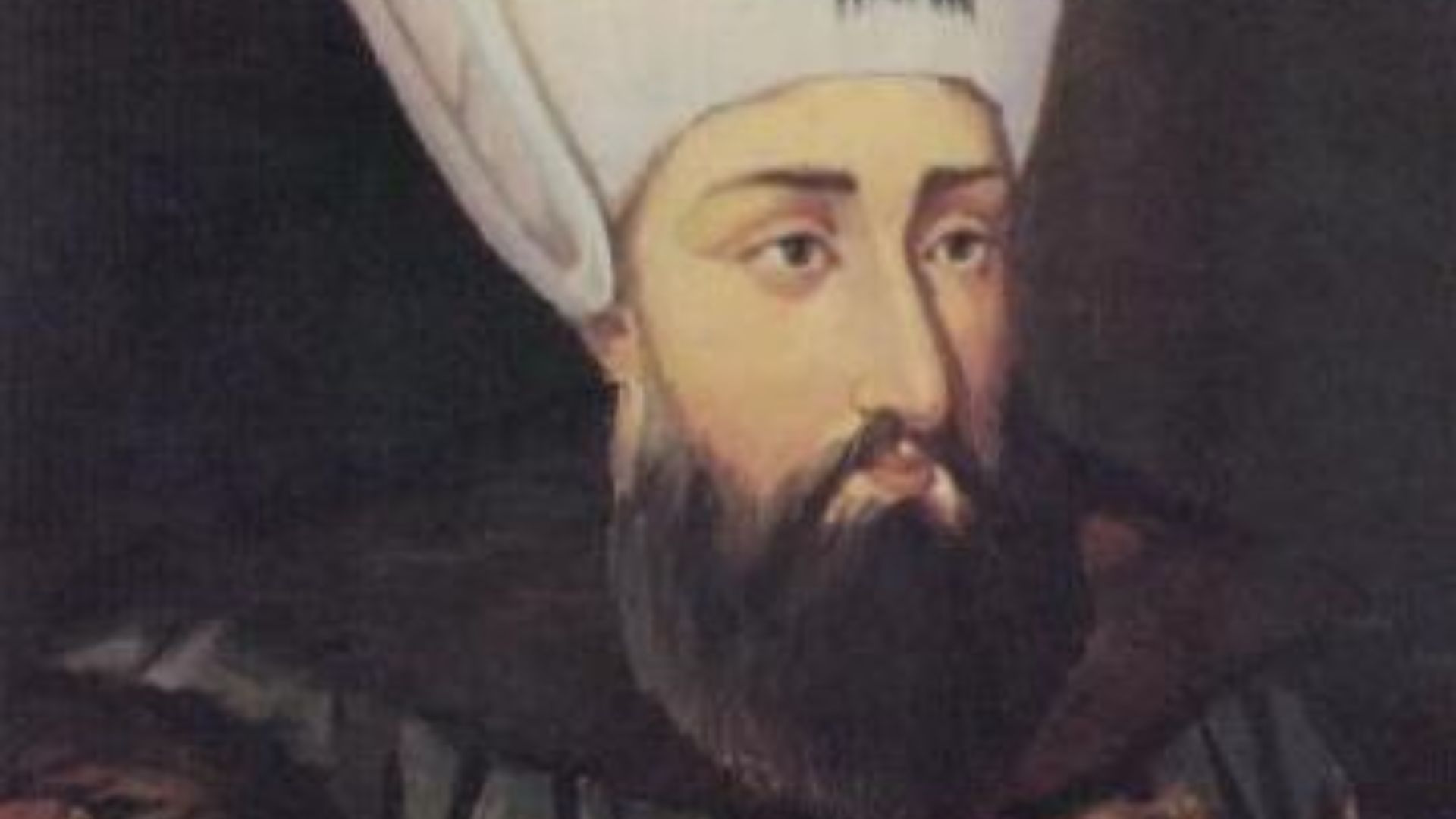 Konstantin Kapıdağlı(18世紀 - 19世紀) on Wikimedia
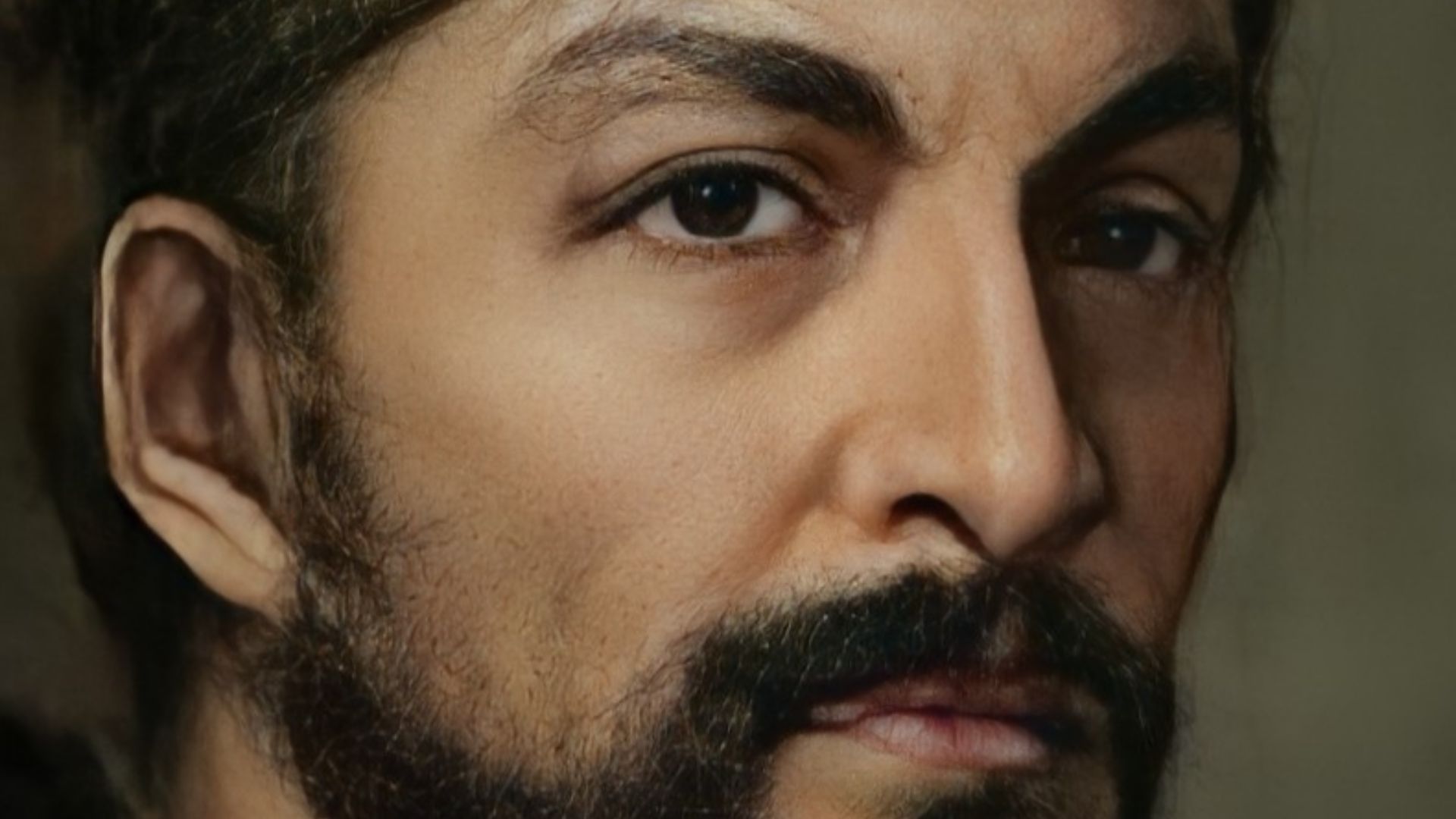
8. Tamerlane
Timur's ambition to restore the glory of the Mongol Empire drove decades of conquest across Central Asia and Persia, campaigns often marked by mass executions meant to terrorize resistance into submission. Chroniclers describe towers built from the skulls of conquered cities as a calculated warning against defiance. He died in 1405 while marching toward an invasion of Ming China, an empire he never got the chance to add to his list.
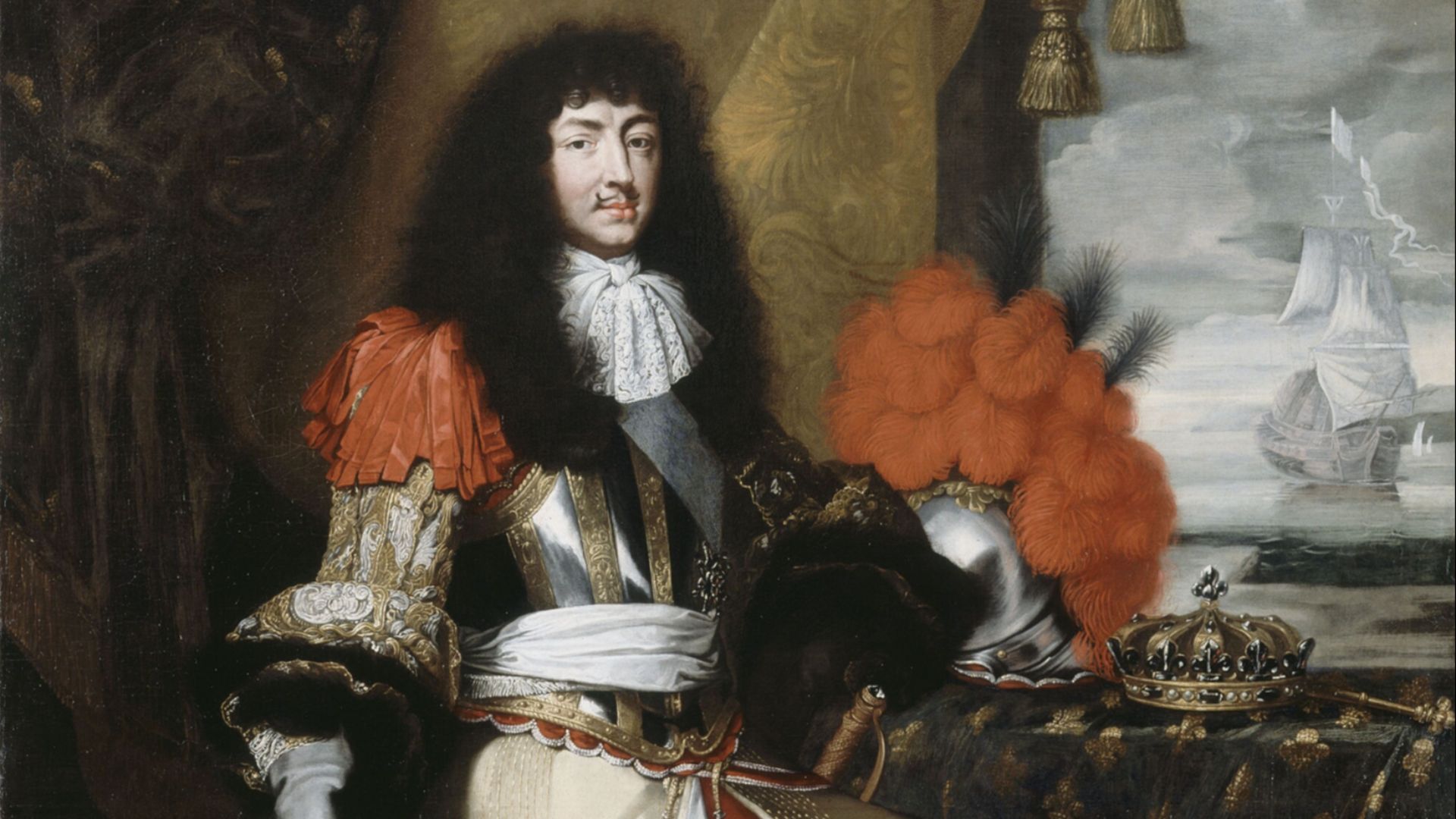
9. Louis XIV
The Sun King's ambition to embody absolute monarchy produced Versailles, a palace so extravagant it became a physical symbol of his own self-image as the state itself. Decades of costly wars pursued largely for personal glory left France's treasury in ruins by the end of his 72-year reign. He reportedly warned his heirs on his deathbed against the very taste for war and excess he'd never managed to control in himself.
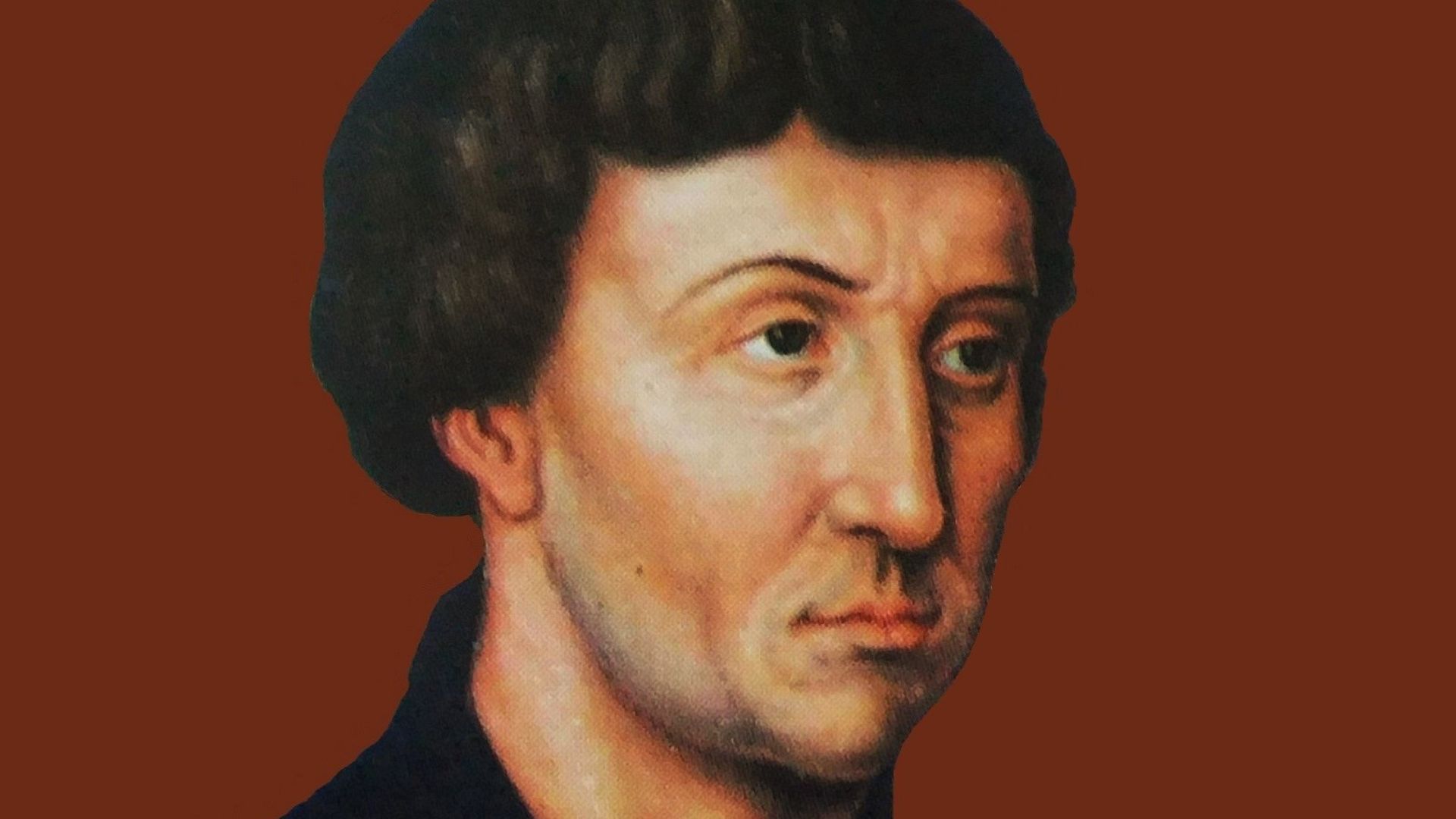
10. Charles the Bold
The Duke of Burgundy spent his rule chasing an ambition to unify his fragmented territories into a kingdom capable of rivaling France. That drive pushed him into reckless military campaigns against the Swiss Confederacy, whose forces he badly underestimated. He died at the Battle of Nancy in 1477, his body found stripped and half-frozen in a pond days later.
11. Cesare Borgia
Backed by his father, Pope Alexander VI, Cesare carved out a personal territory across central Italy through calculated alliances and outright betrayal, famously inspiring Machiavelli's writing on ruthless power. His entire position depended on his father staying alive to protect him. When Alexander VI died in 1503, Cesare's enemies moved quickly, and he died in relative obscurity fighting a minor skirmish just a few years later.
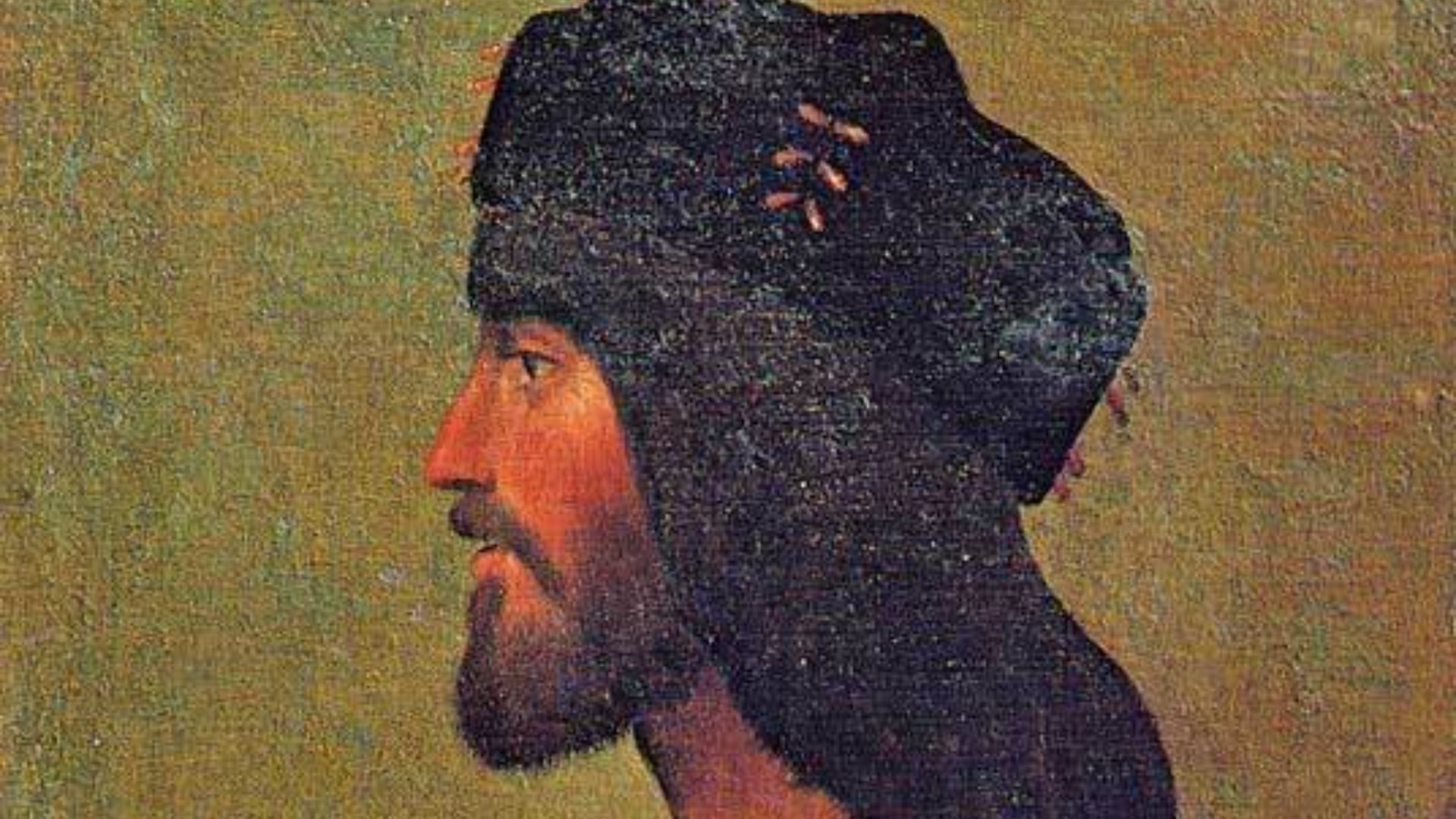 Unknown artistUnknown artist on Wikimedia
12. Empress Irene of Byzantium
Irene ruled as regent for her son Constantine VI but refused to cede real power once he came of age, engineering years of maneuvering to keep control for herself. When Constantine tried to assert his own authority, Irene had him blinded in 797, wounds severe enough that he reportedly died from them soon after. She became the first woman to rule the Byzantine Empire in her own right, purchased at the cost of her son's life.
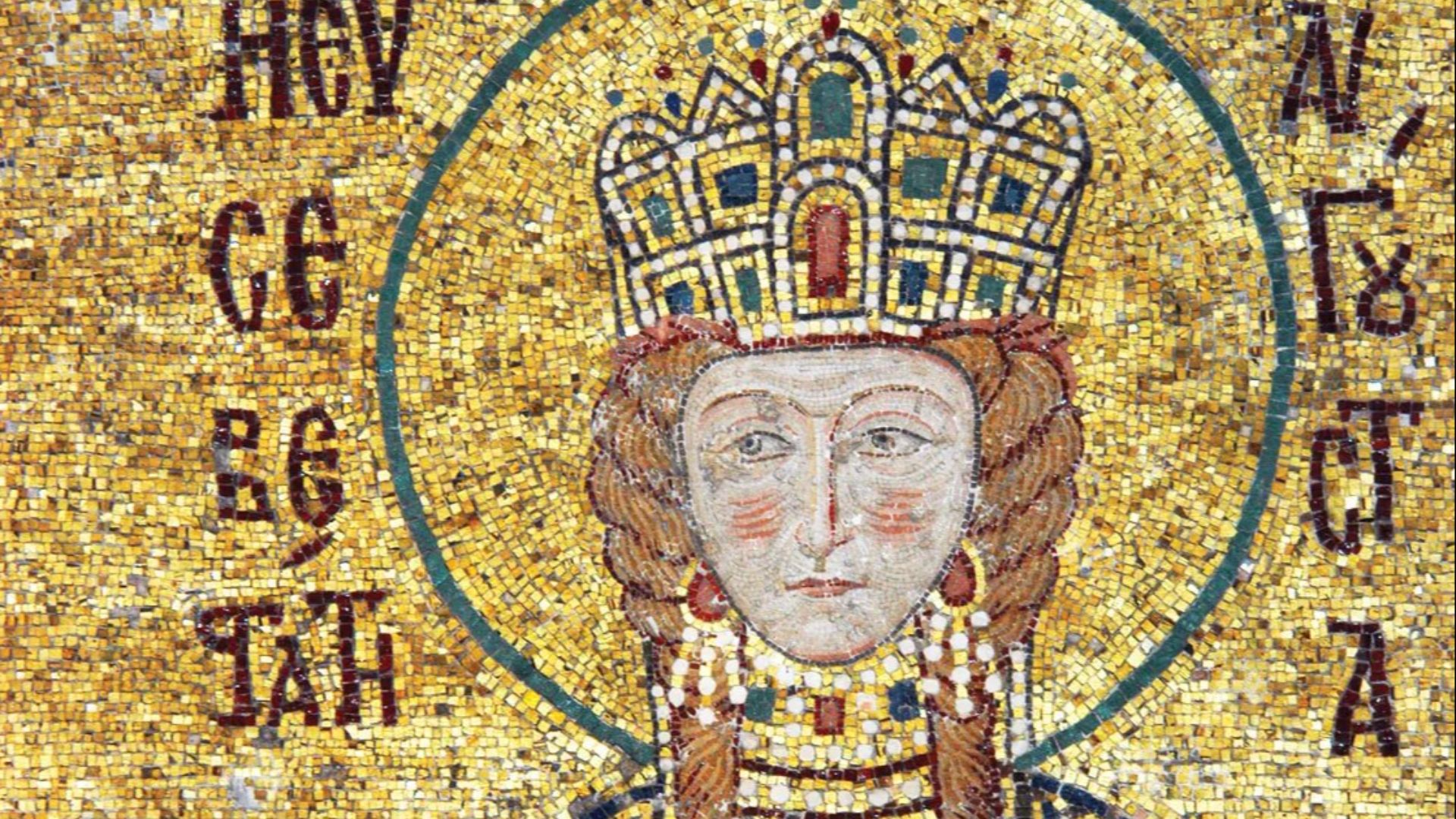 Unknown Byzantine artist on Wikimedia
13. Shaka Zulu
Shaka built the Zulu Kingdom into a dominant regional power through revolutionary military tactics and relentless, calculated conquest. After his mother Nandi's death in 1827, his grief curdled into something closer to tyranny, with historical accounts describing executions ordered over insufficient displays of mourning. His increasingly erratic rule alienated even his own inner circle, and his half-brothers assassinated him the following year.
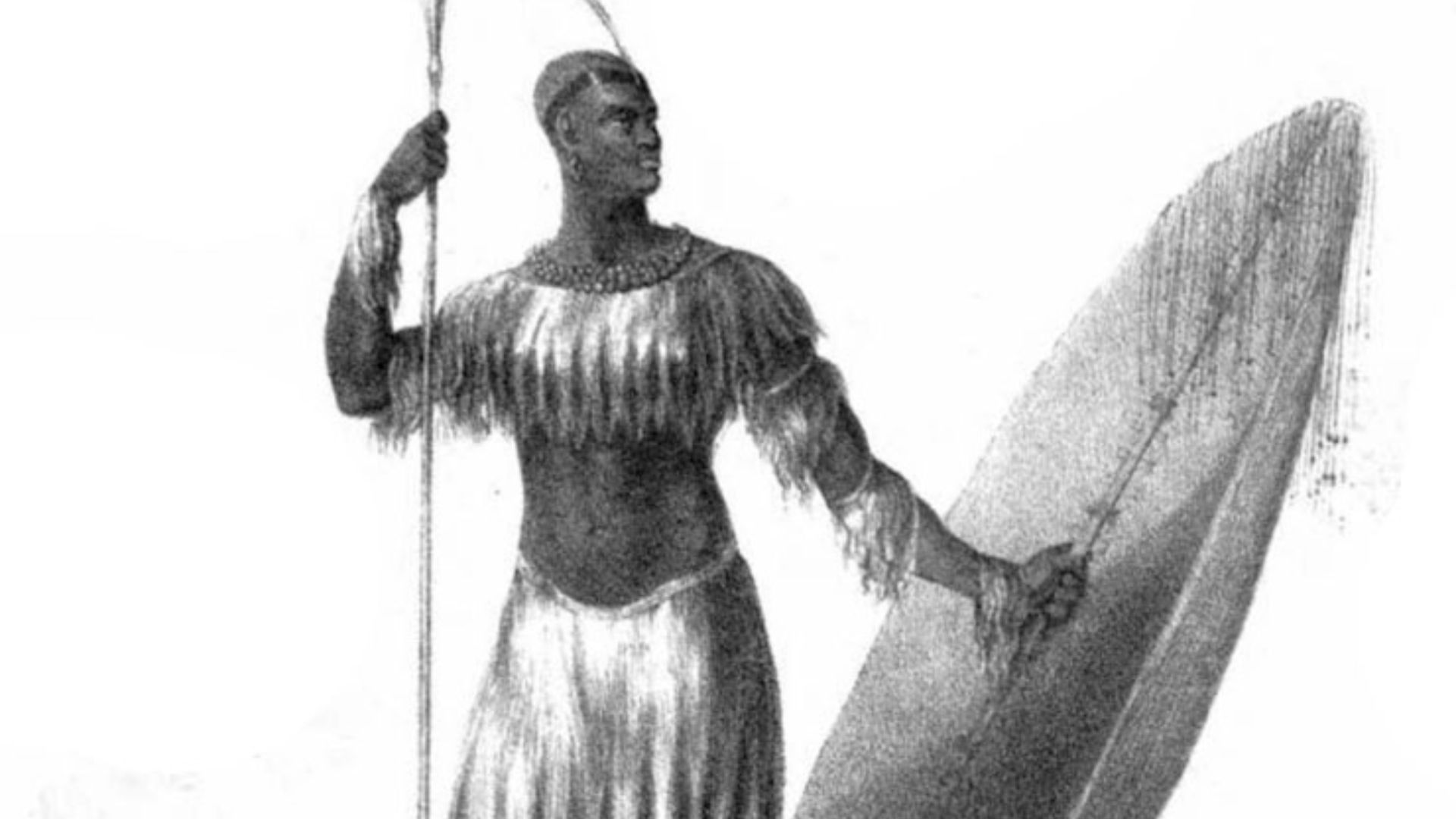
14. Suleiman the Magnificent
Suleiman presided over the Ottoman Empire's cultural and political peak, but ambition within his own household eventually turned deadly. Convinced by court intrigue that his popular and capable son, Şehzade Mustafa, was plotting to seize the throne, Suleiman had him executed in 1553 rather than risk a succession challenge. The empire never fully recovered the stability Mustafa's leadership might have provided.
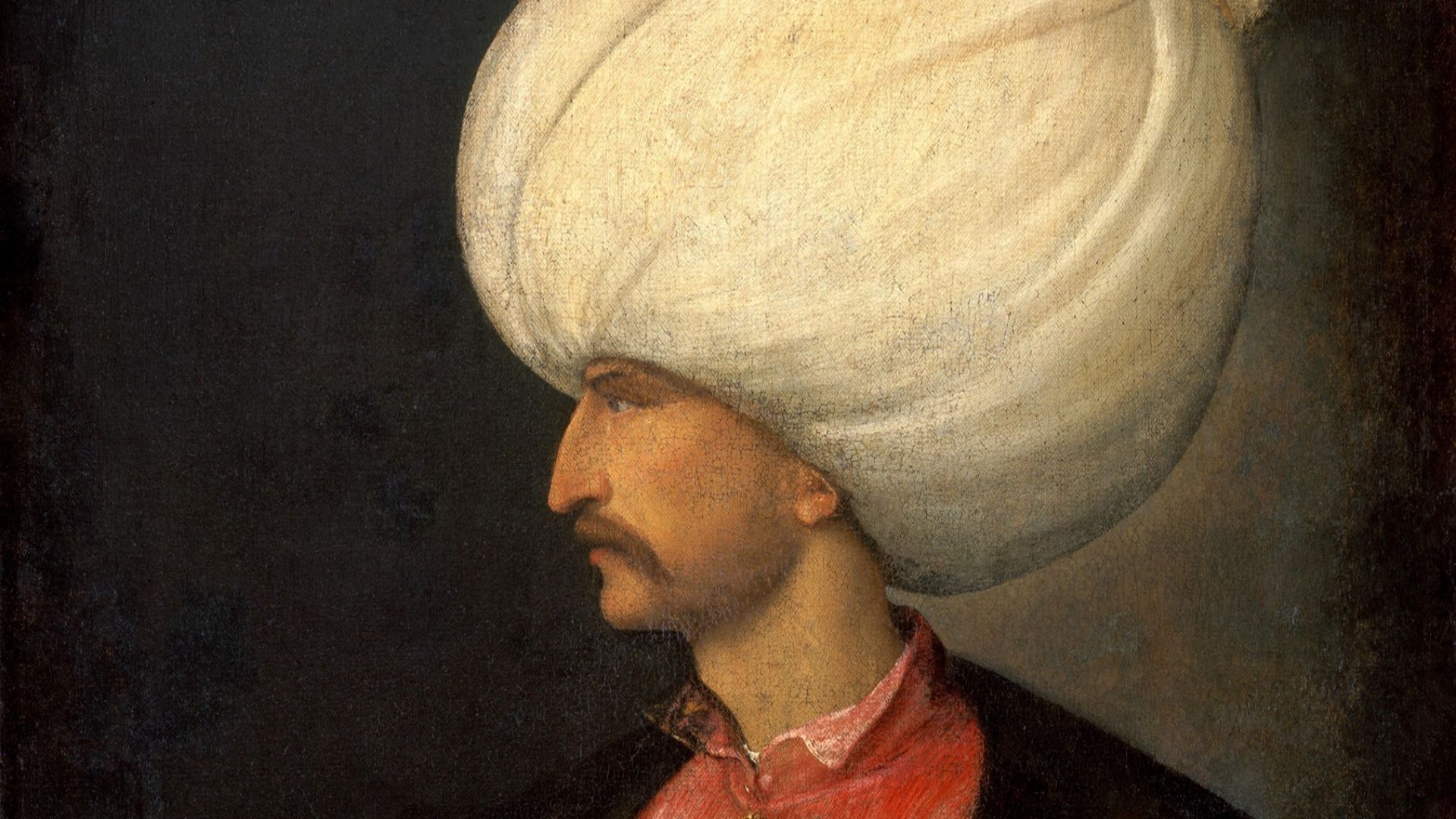
15. Emperor Yang of Sui
China's second Sui emperor pursued genuinely visionary projects, including the Grand Canal linking north and south, but carried them out with a ruthlessness that bled the population dry. Repeated, costly military campaigns against Goguryeo further drained the treasury his own building projects had already stretched thin. Widespread rebellion followed, and his own officials assassinated him in 618.
16. Nadir Shah
Nadir rose from obscurity to conquer an empire stretching from Persia to Delhi, famously sacking the Mughal capital and carrying off the legendary Peacock Throne. Ambition curdled into paranoia in his final years, and after surviving an assassination attempt, he had his own son blinded over a suspicion most around him knew was unfounded. His officers assassinated him in 1747, unwilling to tolerate the brutality any longer.
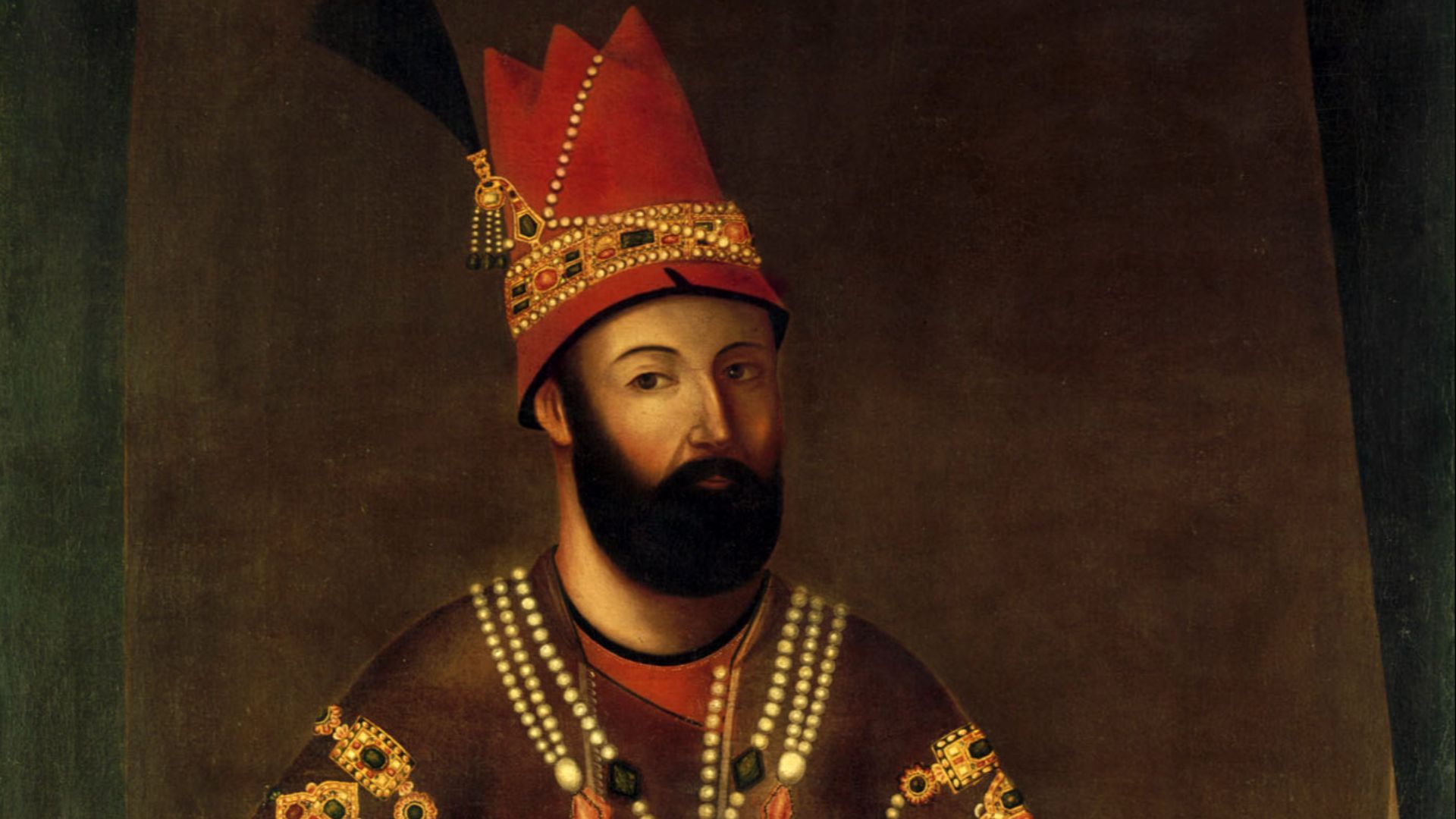 Unknown authorUnknown author on Wikimedia
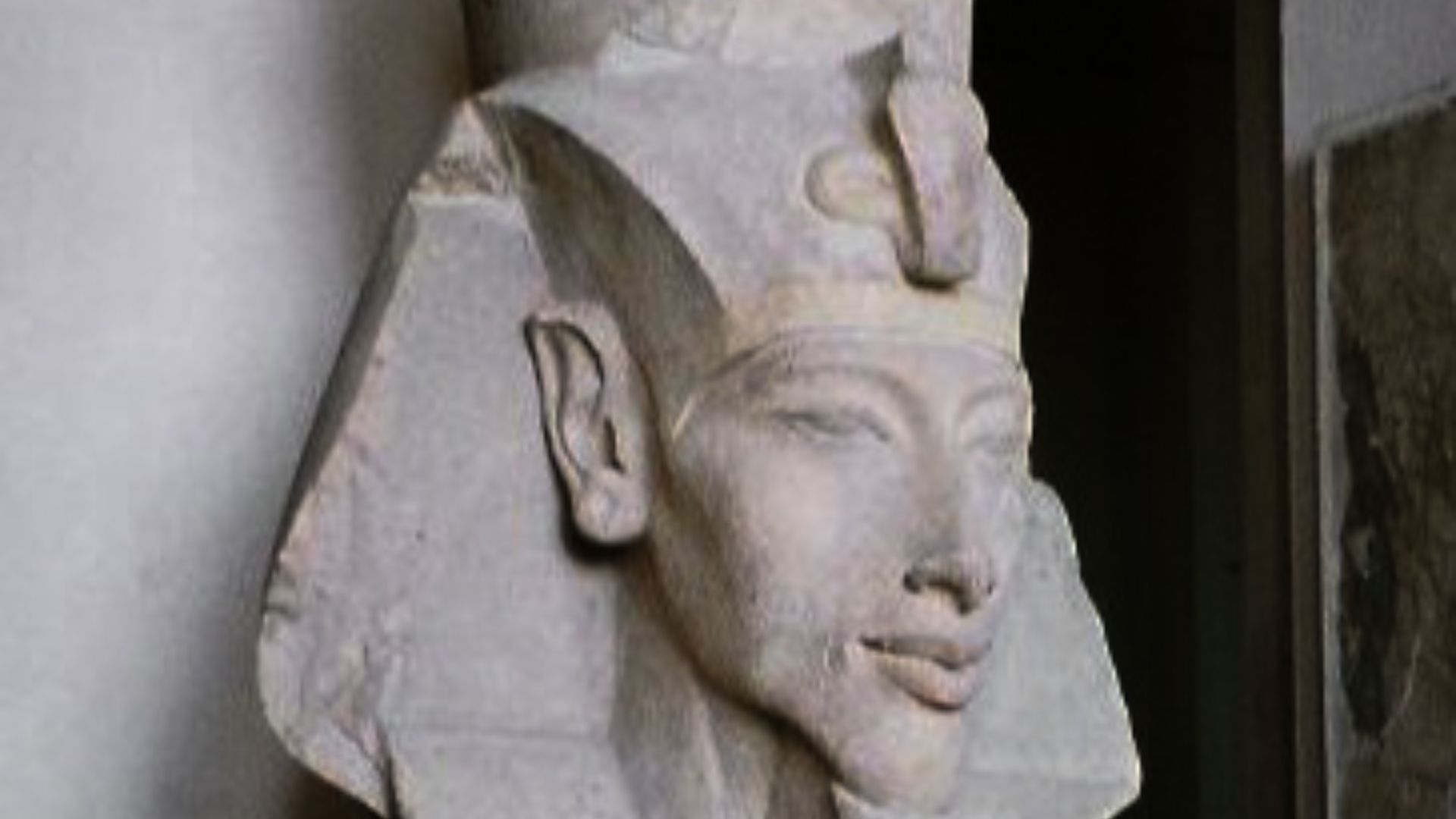
17. Akhenaten
Egypt's pharaoh attempted one of history's most radical religious revolutions, abandoning the traditional pantheon for exclusive worship of the sun disk Aten and relocating the entire capital to a city built specifically for it. The upheaval disrupted Egypt's institutions so thoroughly that his successors worked to erase his name from monuments almost immediately after his death. The city he built lasted barely a generation.
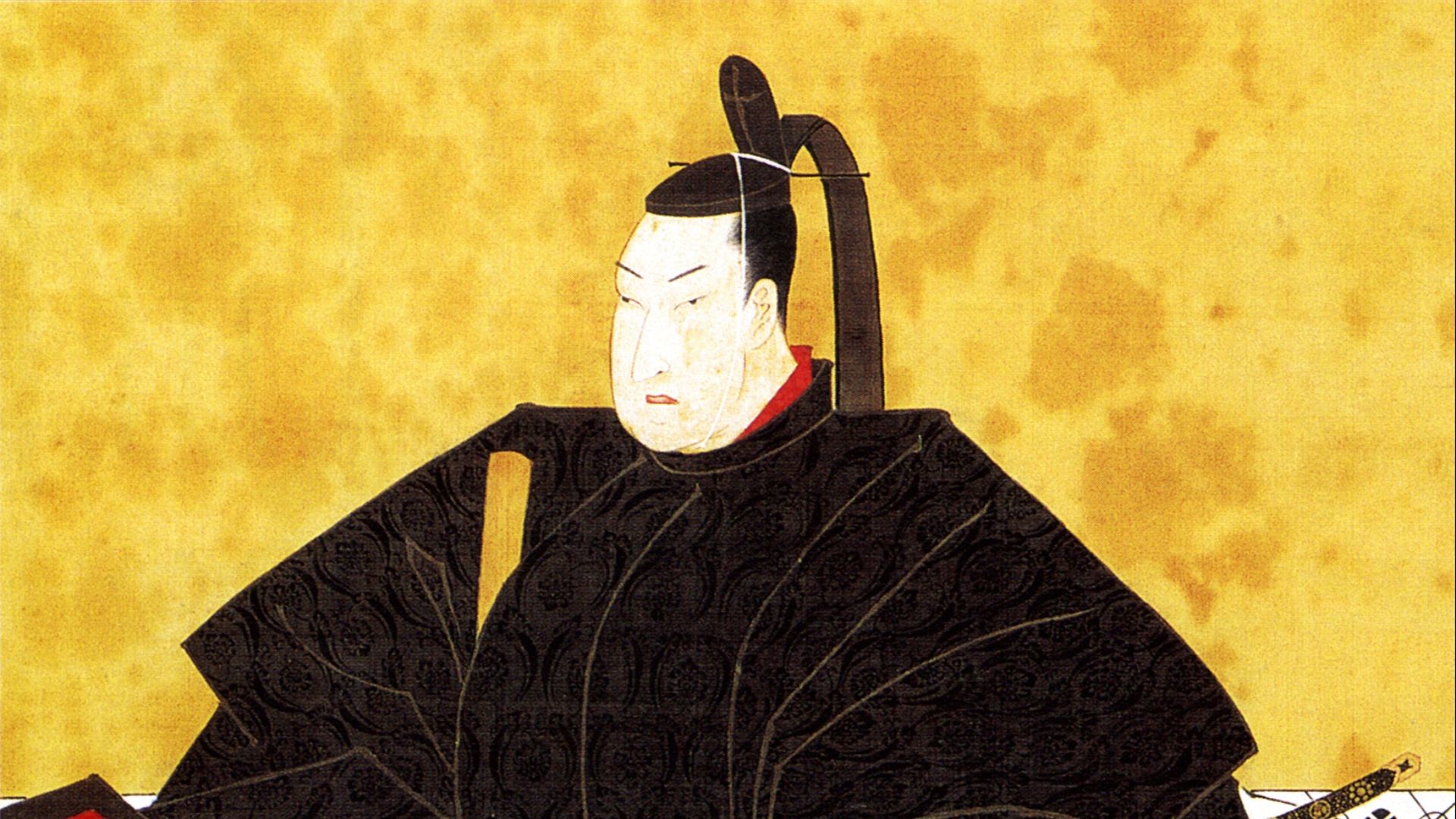
18. Tokugawa Tsunayoshi
Japan's fifth shogun, driven by personal Buddhist convictions about compassion for living creatures, issued increasingly extreme edicts protecting animals, particularly dogs, earning him the lasting nickname "the Dog Shogun." Citizens faced severe punishment for harming animals, while the shelters built to house Edo's strays drained public funds and provoked real resentment. The edicts were repealed almost immediately after his death in 1709.
19. Cambyses II
According to the Greek historian Herodotus, the Persian king's later reign in Egypt descended into erratic cruelty, including killing a sacred bull and murdering his own brother to eliminate a rival claim to the throne. Modern historians treat some of this with real skepticism, since much of the surviving record was shaped by Darius, the successor who benefited from portraying his predecessor as unstable. Cambyses died under murky circumstances in 522 BC, reportedly from an accidental wound.
20. Charles XII of Sweden
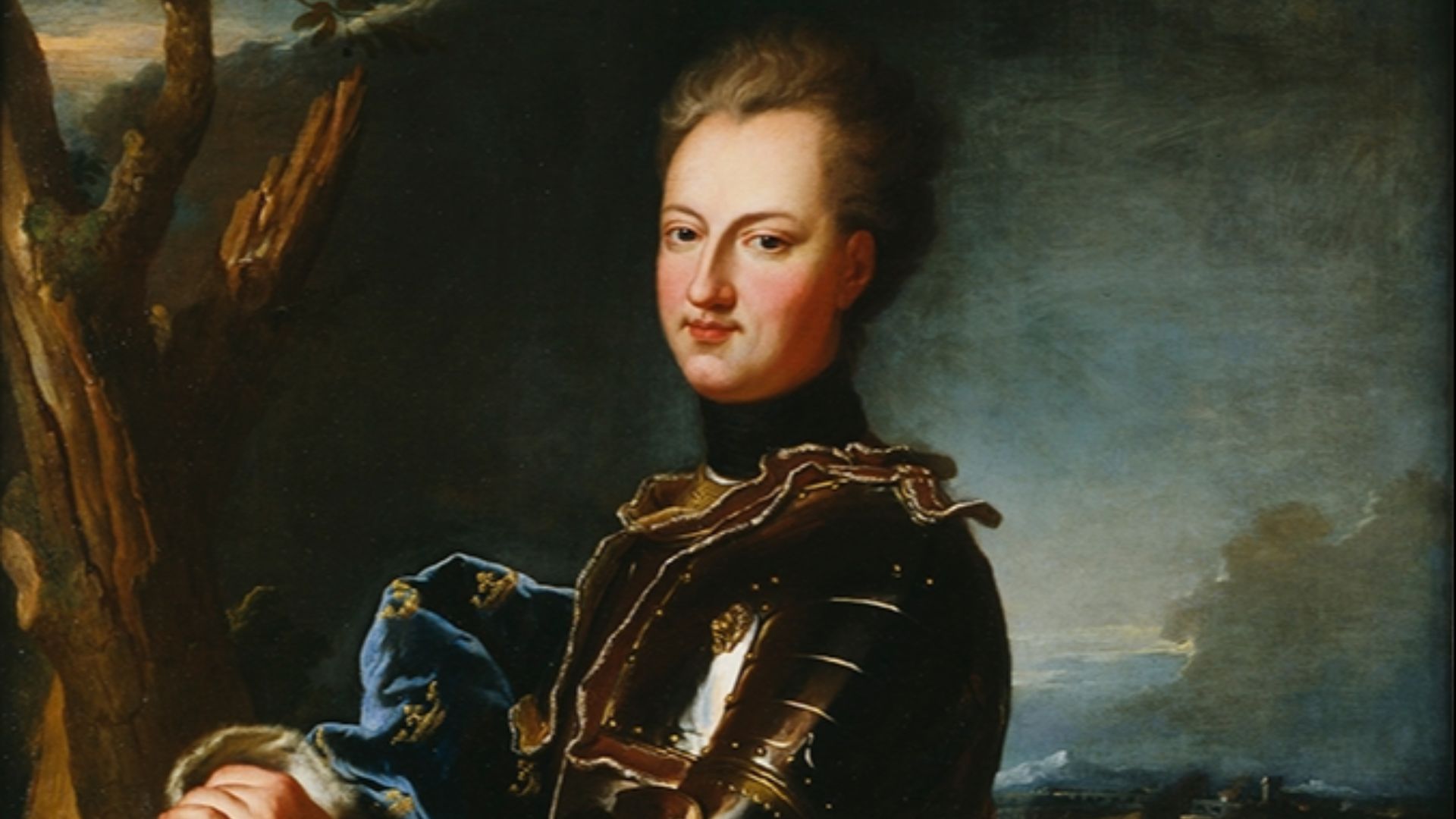
Charles inherited the throne as a teenager and spent nearly his entire adult life at war, driven by ambition to expand Swedish power across Northern Europe. His catastrophic defeat at the Battle of Poltava in 1709 destroyed the bulk of his army, yet he refused to negotiate peace. He died in 1718 during a siege in Norway, still chasing a version of Swedish dominance that had stopped being realistic years earlier.
KEEP ON READING