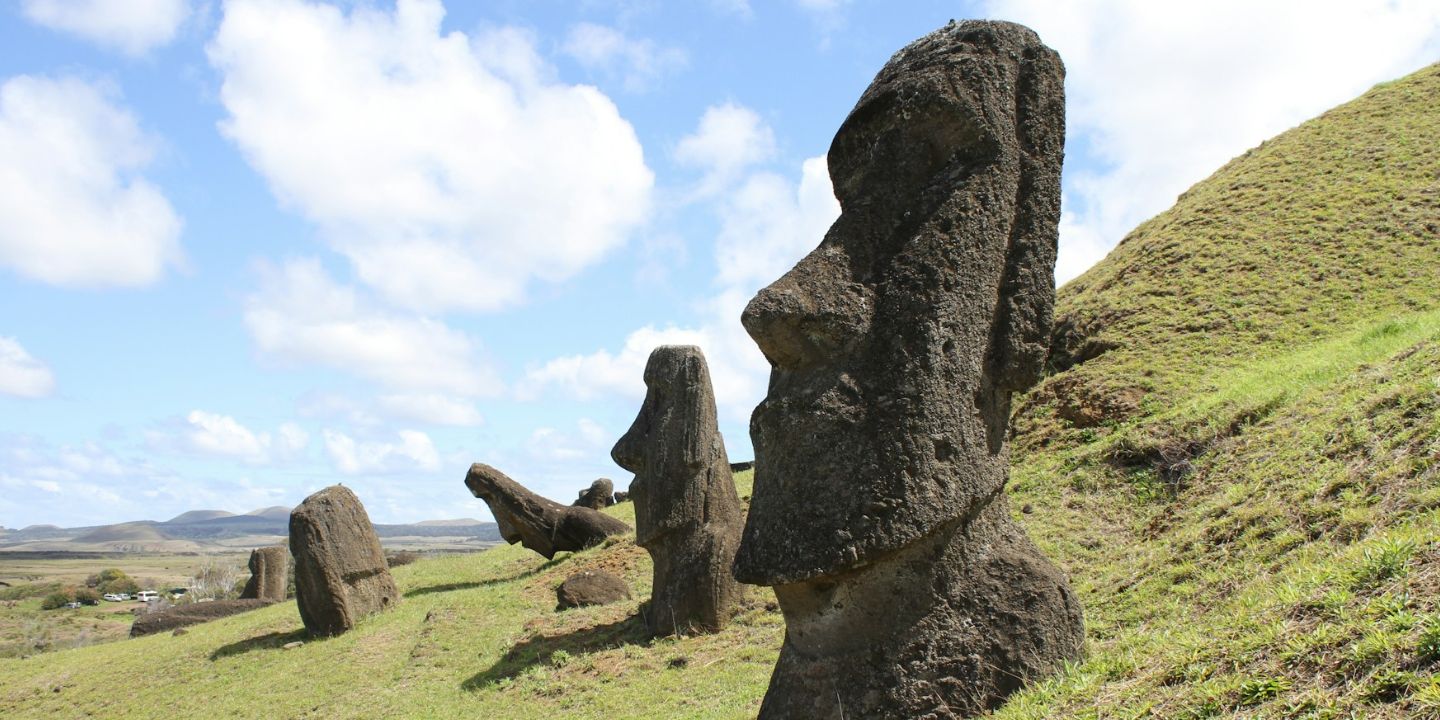
Archaeologists are Still Fighting Over If A High-Tech Ancient Civilization Existed
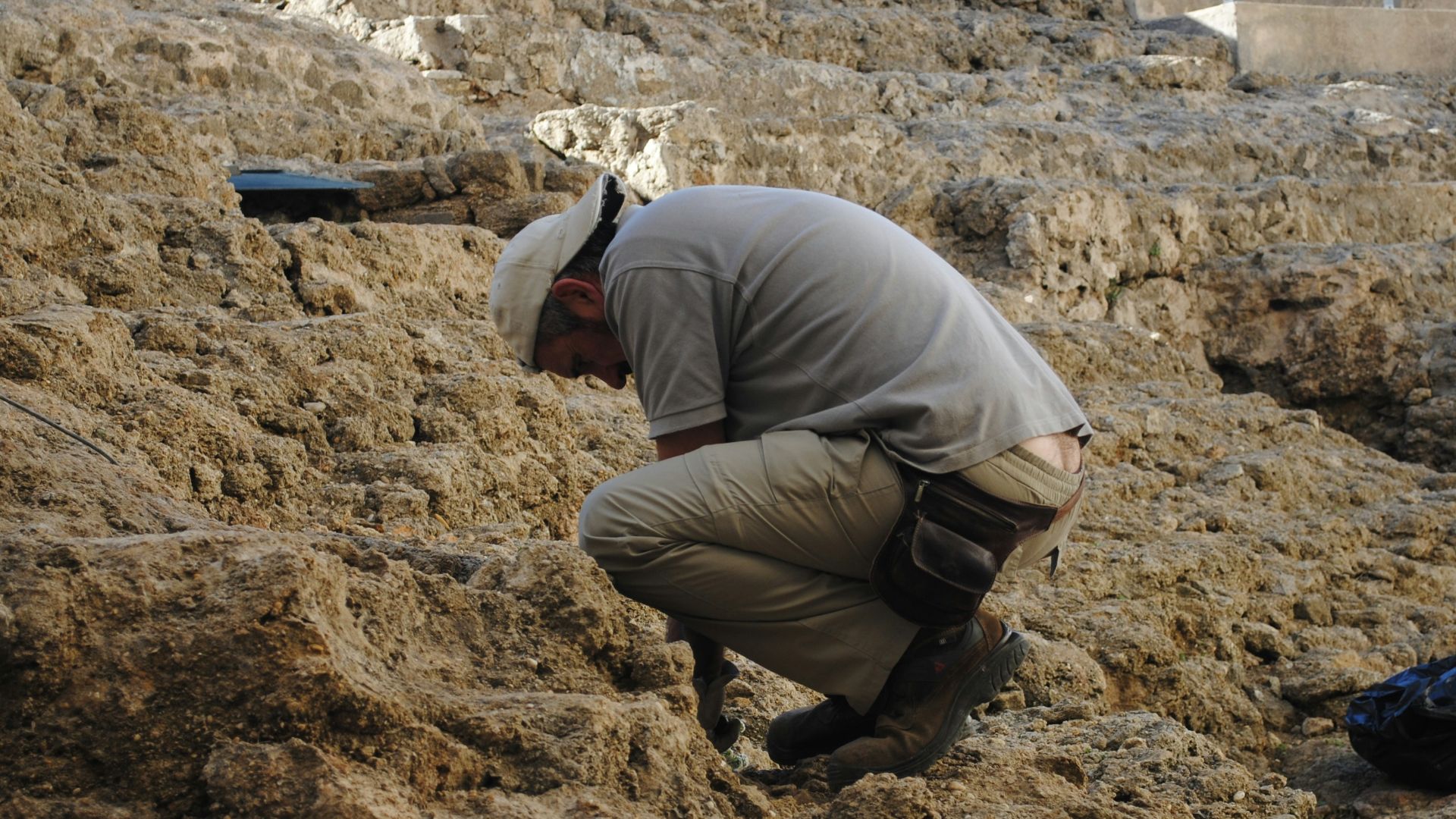
The world of archaeology is usually a quiet place filled with dusty brushes and patient digging, but lately, things have gotten surprisingly loud. Headlines and documentaries have suggested that a lost, advanced civilization existed long before recorded history began. While mainstream scientists generally stick to the established timeline of human progress, a vocal group of researchers argues that a massive piece of the puzzle is missing. This debate isn't just about old rocks; it’s a fundamental clash over how human intelligence and capability are understood at their roots.
It’s easy to get swept up in mystery when looking at massive structures that seem to defy the technology of their time. The idea that a "mother culture" provided blueprints for global monuments is a tempting way to explain the strange similarities between distant societies. However, most experts caution against jumping to conclusions without hard, physical evidence like tools or trash heaps that a high-tech society would surely leave behind. A fascinating tug-of-war is currently unfolding between romantic mystery and rigorous scientific skepticism, with no signs of slowing down.
The Mystery of Megalithic Precision
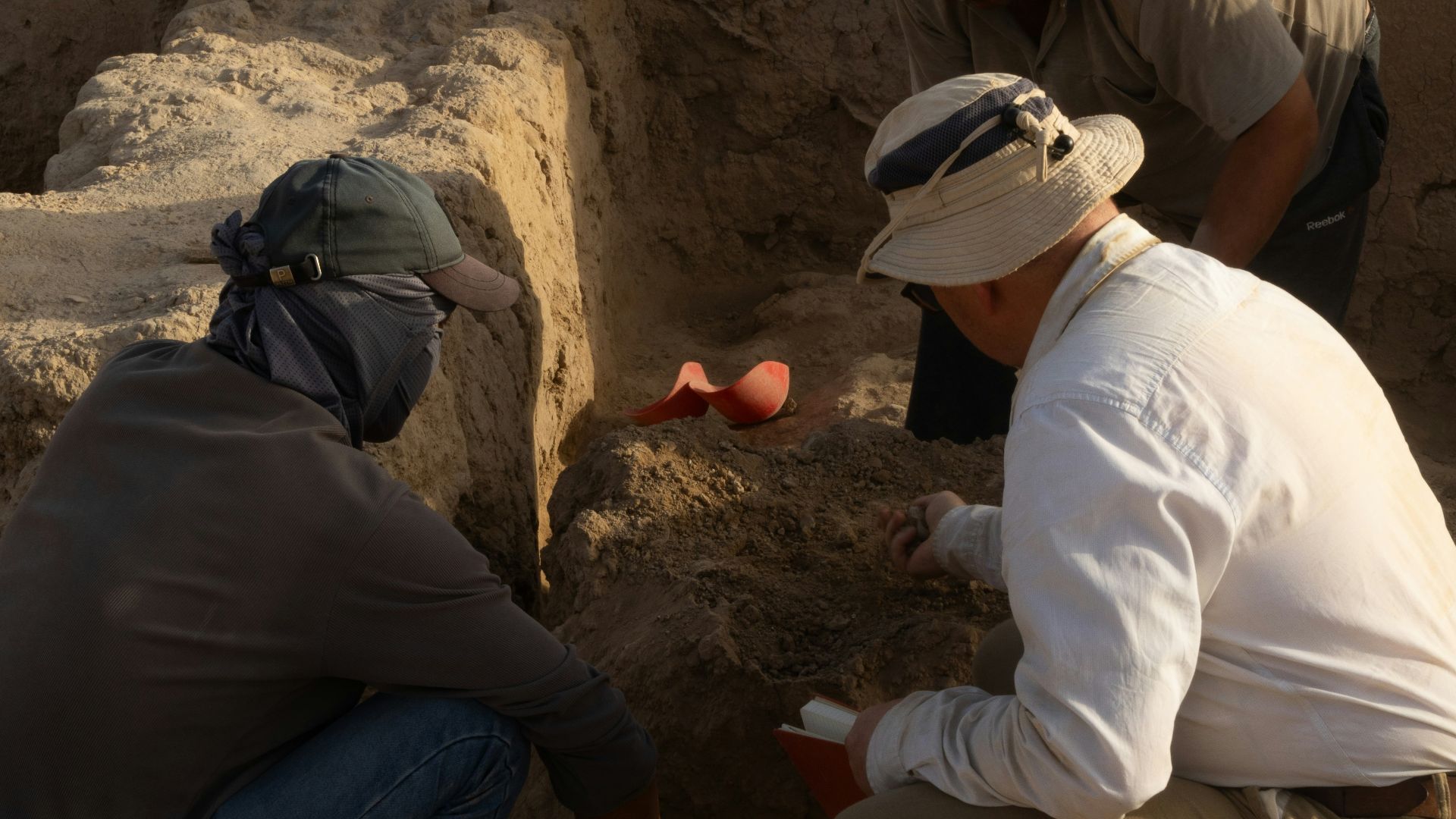 Aleksander Stypczynski on Unsplash
What does not compute for proponents of a higher culture in the past are things like incredible precision joints on megalithic structures around the world. Blocks of stone weighing hundreds of tons are lined up neatly in Egypt or Peru with joints so tight that a credit card could not fit between them. The assumption is that thousands of workers with basic geometric knowledge and years of sanding created these monuments through manual labor alone. Critics of ancient astonishment sites counter that copper chisels and stone mauls are completely incapable of producing such flat surfaces on extremely hard stone such as granite.
“How on Earth would those rocks have been transported across mountains?” is a question often raised when examining massive structures like those at Giza or Puma Punku, which appear assembled at highly precise rates without modern machinery. Some researchers begin to question the mechanical capabilities of ancient ancestors or consider the possibility of lost technology. These buildings appear too efficiently constructed to have been manually created by hundreds of workers alone. Were ancient builders simply that skilled, or has modern interpretation been too quick to dismiss their abilities?
Mainstream archaeologists respond by highlighting “experimental archaeology” projects that have successfully moved heavy stones using only ropes, logs, and ramps. They argue that attributing these wonders to a mysterious high-tech group risks robbing ancient people of their actual achievements and resourcefulness. By studying quarry marks and discarded tools found at these sites, scientists point to a clear record of slow, methodical skill development. This perspective argues that human patience and large labor forces can accomplish extraordinary feats even without electricity or complex machinery.
The Riddle Of Göbekli Tepe
Archaeologists discovered Göbekli Tepe in Turkey and realized that this ancient temple site was much older than anyone could have imagined. Dated to over 11,000 years ago, it appears to originate from a time when humans were believed to be simple hunter-gatherers without permanent structures. As one of the most well-known examples of an anomalous archaeological site, it is often cited as a “smoking gun” by proponents of a “high-tech lost civilization.”
According to accepted models, agriculture allowed humans to settle down and build temples and cities. At Göbekli Tepe, this idea appears to be challenged, with some interpretations suggesting religion may have been the cause rather than the effect. The discovery disrupts conventional assumptions in archaeology and has intensified debate among researchers. It is no surprise that archaeologists and alternative-history enthusiasts often clash over its significance. If a complex temple site existed 11,000 years ago, it raises questions about what else may remain undiscovered from the end of the last Ice Age.
Skeptics argue that complexity does not equate to “high-tech” as the term is commonly understood. They maintain that hunter-gatherers were capable of constructing Göbekli Tepe and that past societies have been severely underestimated. From this perspective, Göbekli Tepe represents human ingenuity and the power of shared cultural belief systems rather than lost advanced technology. These archaeologists emphasize the importance of local origins and contextual evidence when interpreting such sites.
Perhaps the most significant hurdle for the "high-tech" theory is the absence of what scientists call a "technological signature." If a society had mastered advanced metallurgy or flight, remnants such as factories, chemical byproducts, or mechanical components should still be detectable in the soil. Instead, ancient layers of earth primarily contain organic waste, broken pottery, and stone tools. This lack of physical debris makes it difficult for mainstream science to support the existence of a civilization rivaling modern technological complexity.
In the end, the debate continues because the stakes are deeply tied to collective identity as a species. Two competing versions of human history remain in tension: one in which progress was gradual and continuous, and another in which a previous peak may have been forgotten. While evidence for a high-tech "Atlantis" remains elusive, the discussion has encouraged archaeologists to reexamine old sites with renewed curiosity and humility. Whether or not a “lost” civilization is ever confirmed, the search continues to push questions about what humanity is capable of achieving when working together.