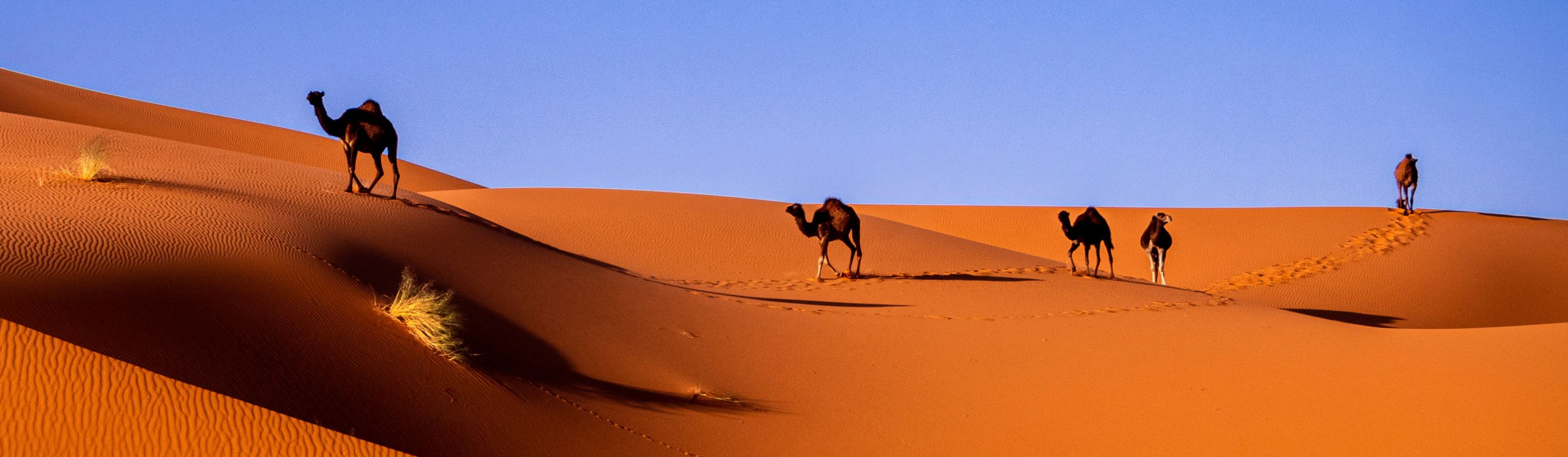
Where Empires Ran Out Of Road
Every ancient empire eventually hit a place where its maps got vague and its soldiers got nervous. These frontiers were rarely hard lines; they were more like pressure zones where trade, war, and diplomacy all happened at once, often within sight of each other. Merchants crossed them for profit, soldiers manned them out of duty, and locals on both sides usually knew the terrain better than anyone sent to guard it. Some of these borders held for centuries, while others shifted with every new emperor or khan who thought he could push further. Here's 20 ancient frontiers where the rules of empire got tested the hardest.
1. Hadrian's Wall
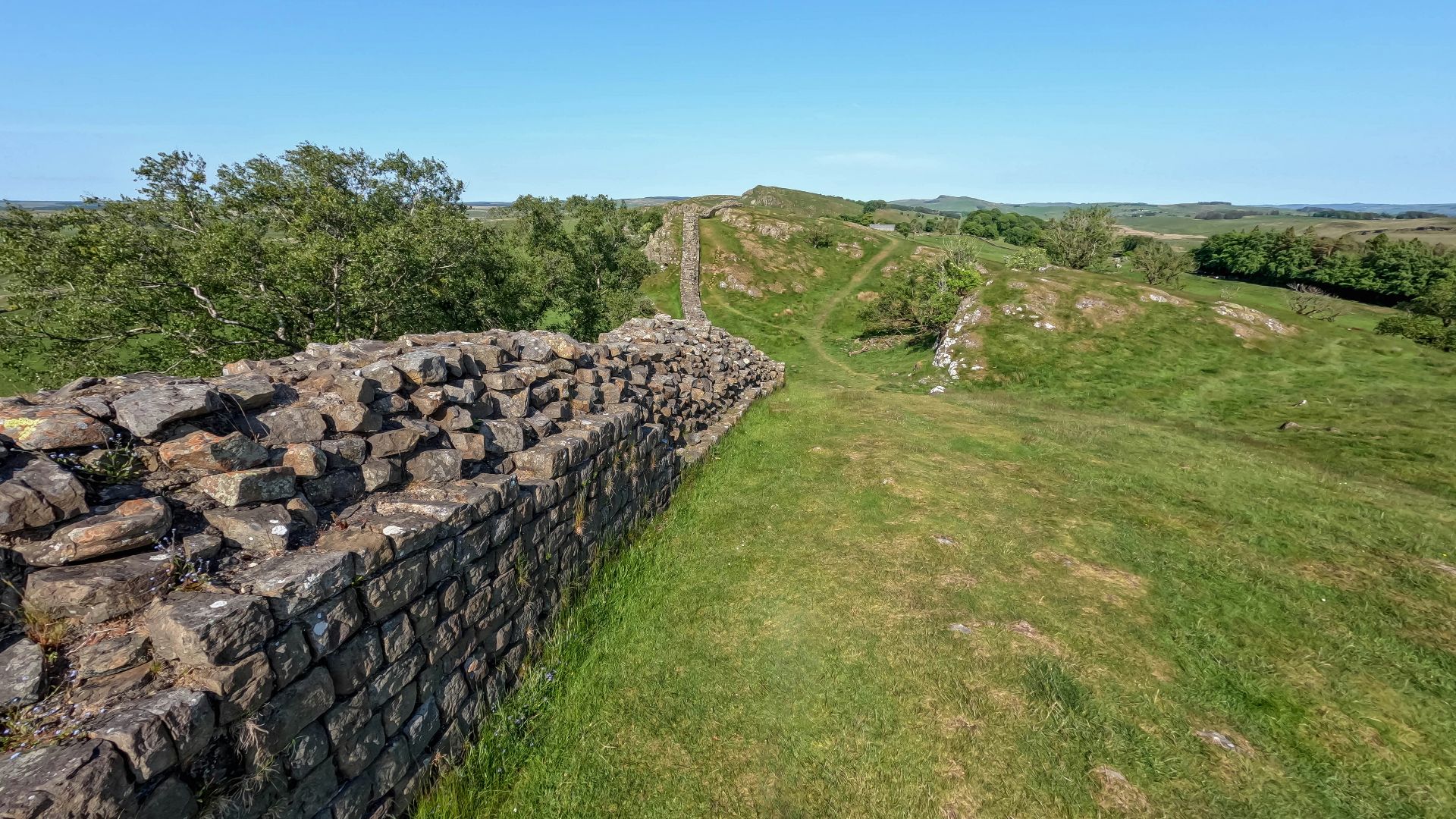
Built across northern Britain in the second century, Hadrian's Wall marked the edge of Roman ambition rather than Roman weakness. Soldiers stationed there came from across the empire, and forts like Vindolanda have turned up letters revealing surprisingly ordinary complaints about socks and beer shipments. Beyond the wall lay Caledonia, a region Rome never fully conquered despite repeated attempts.
2. The Antonine Wall
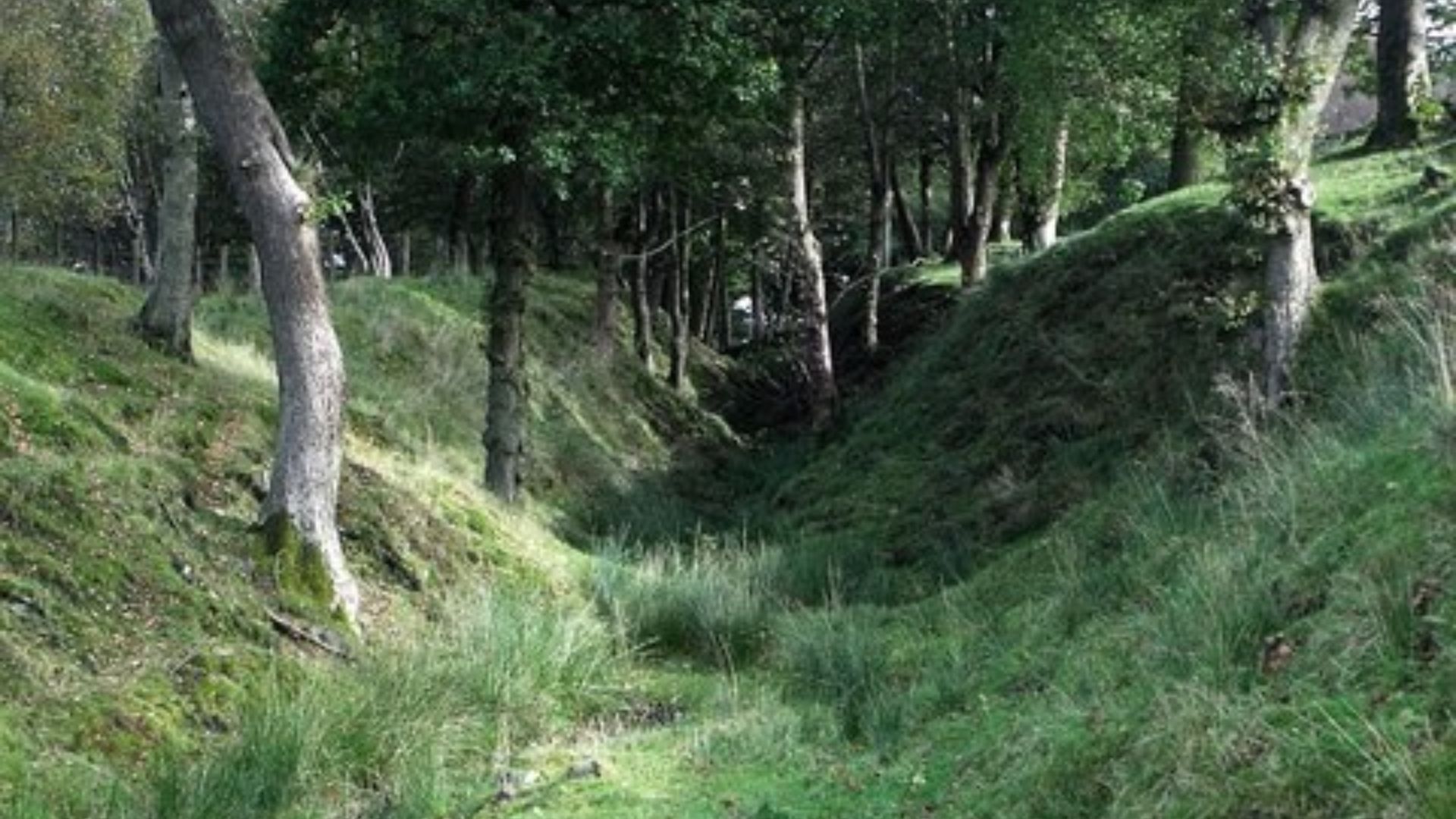
Rome pushed further north decades after Hadrian's Wall was finished, building a turf-and-timber barrier across what's now central Scotland. It didn't last long, abandoned within a generation as the frontier retreated back south. The short lifespan says a lot about how contested that stretch of land really was.
3. The Rhine Frontier
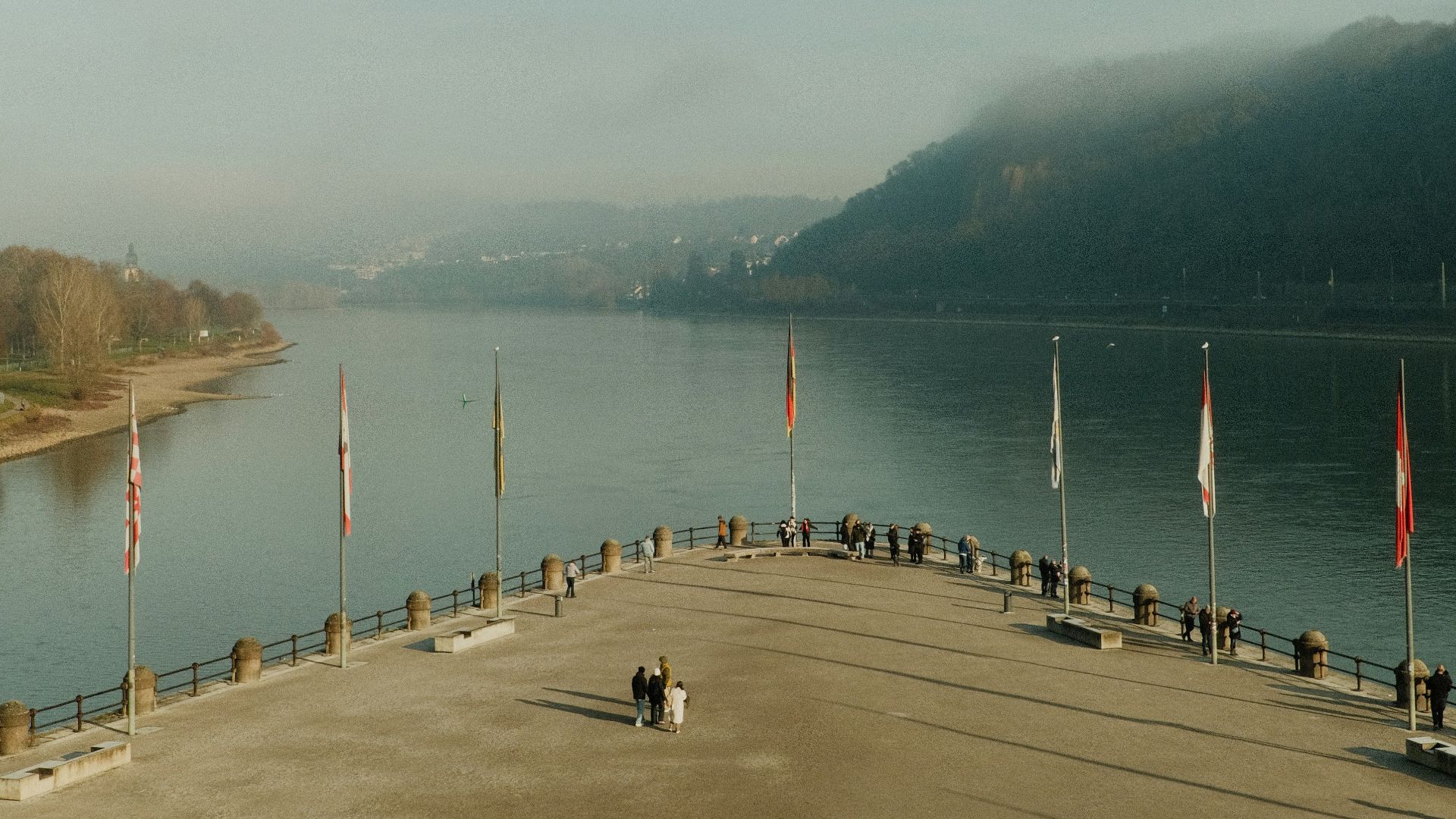
For centuries, the Rhine separated Roman Gaul from the Germanic tribes to the east, and both sides used the river constantly for trade despite the tension. Legions were stationed in permanent camps along its banks, some of which grew into cities like Cologne and Mainz. The disaster at the Teutoburg Forest in 9 AD, where three legions were wiped out, reminded Rome exactly how fragile that border could be.
4. The Danube Limes
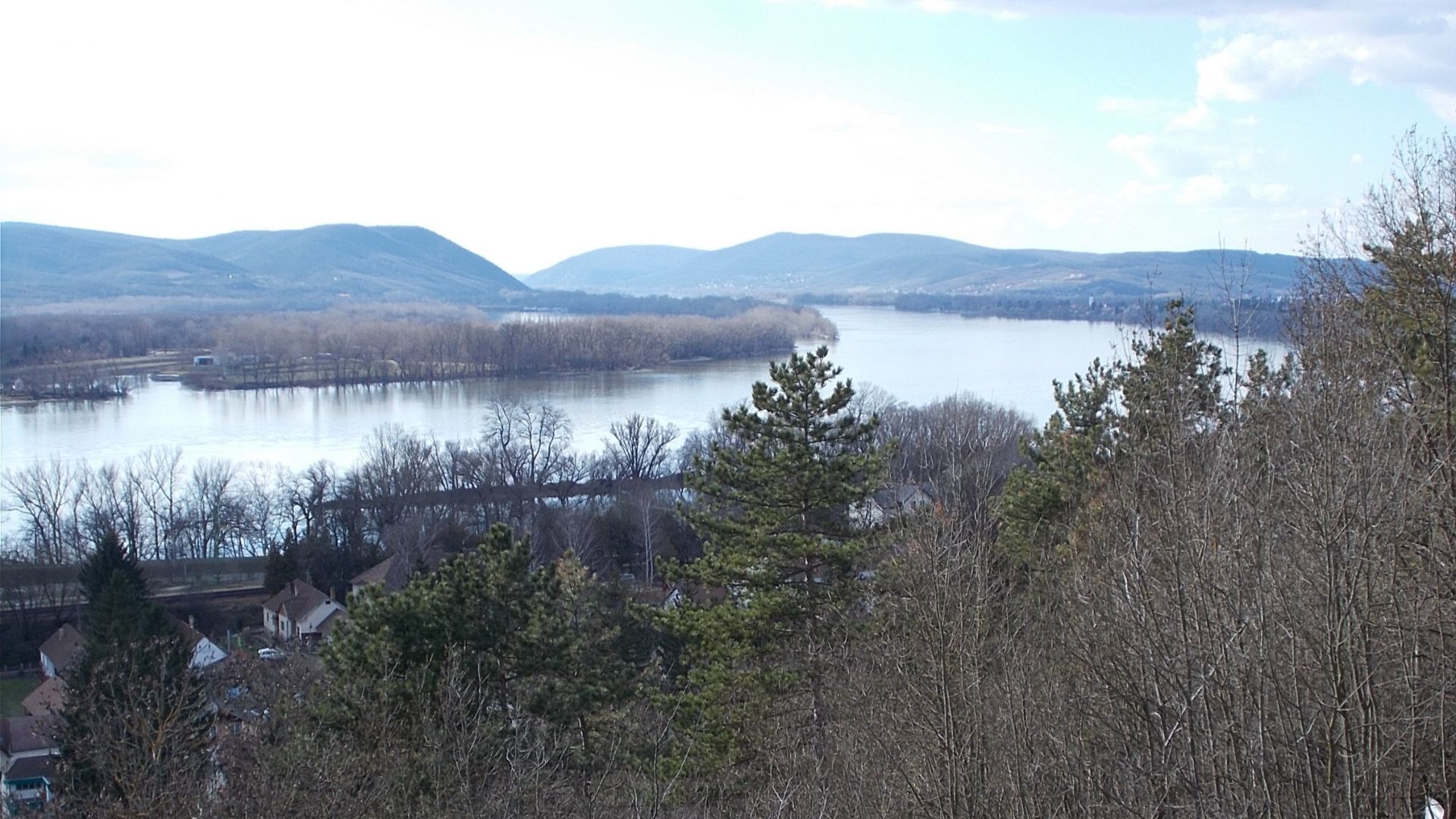
The Danube frontier stretched for over a thousand miles and separated Rome from Dacians, Sarmatians, and later Gothic tribes. Watchtowers and forts dotted the river in a chain meant to give early warning of any crossing. Trajan's eventual conquest of Dacia pushed the frontier temporarily north, but the region never stopped being volatile.
5. The Euphrates Frontier
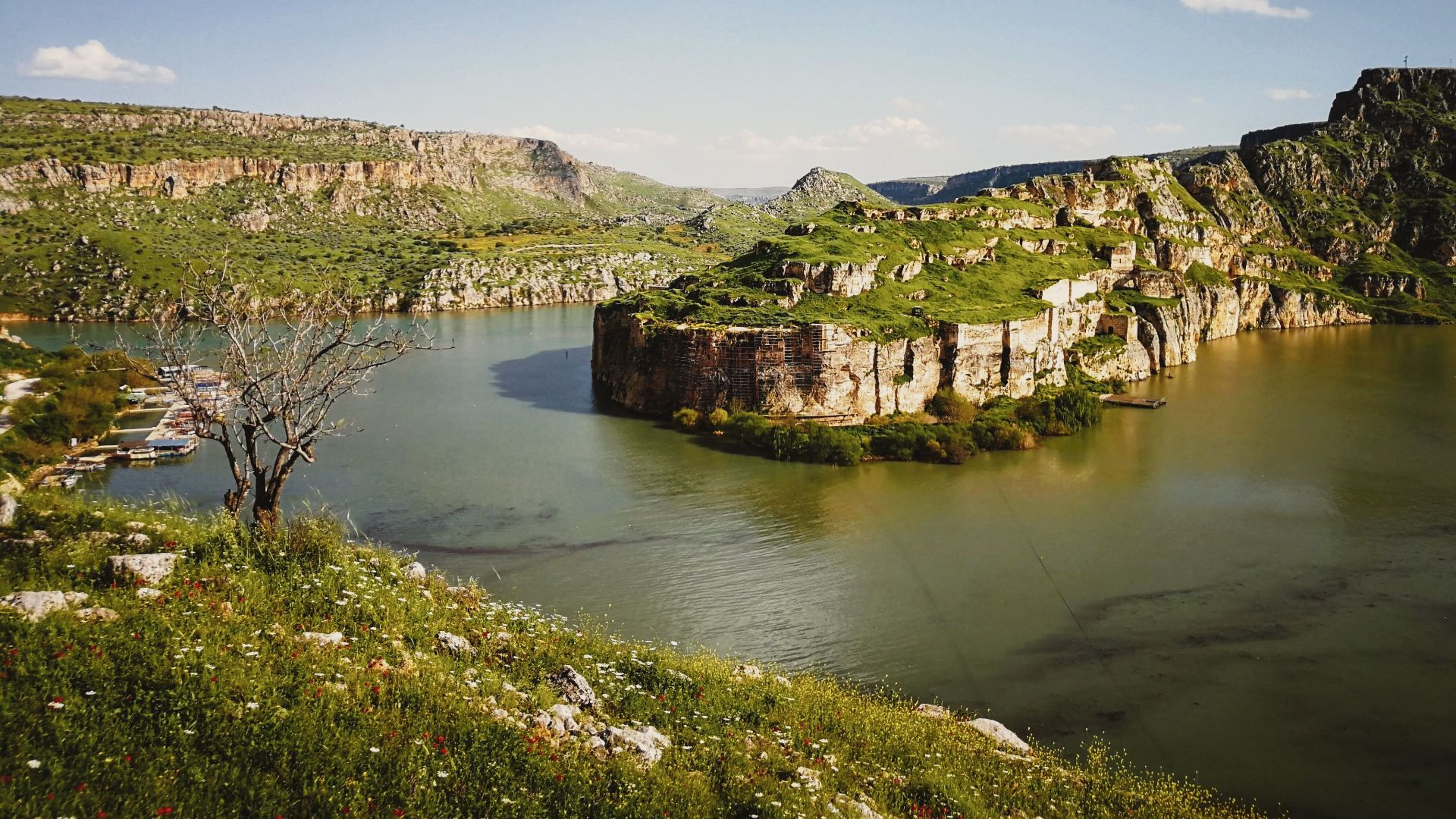
Where Rome met Parthia, and later the Sassanid Persians, the Euphrates became one of the ancient world's most fought-over lines. Cities like Dura-Europos sat right in the crossfire, changing hands and absorbing influences from both empires at once. Trade caravans moved through even during active conflict, because the profits were too good to pass up.
 Mehmet Turgut Kirkgoz on Pexels
6. Armenia, The Buffer Kingdom
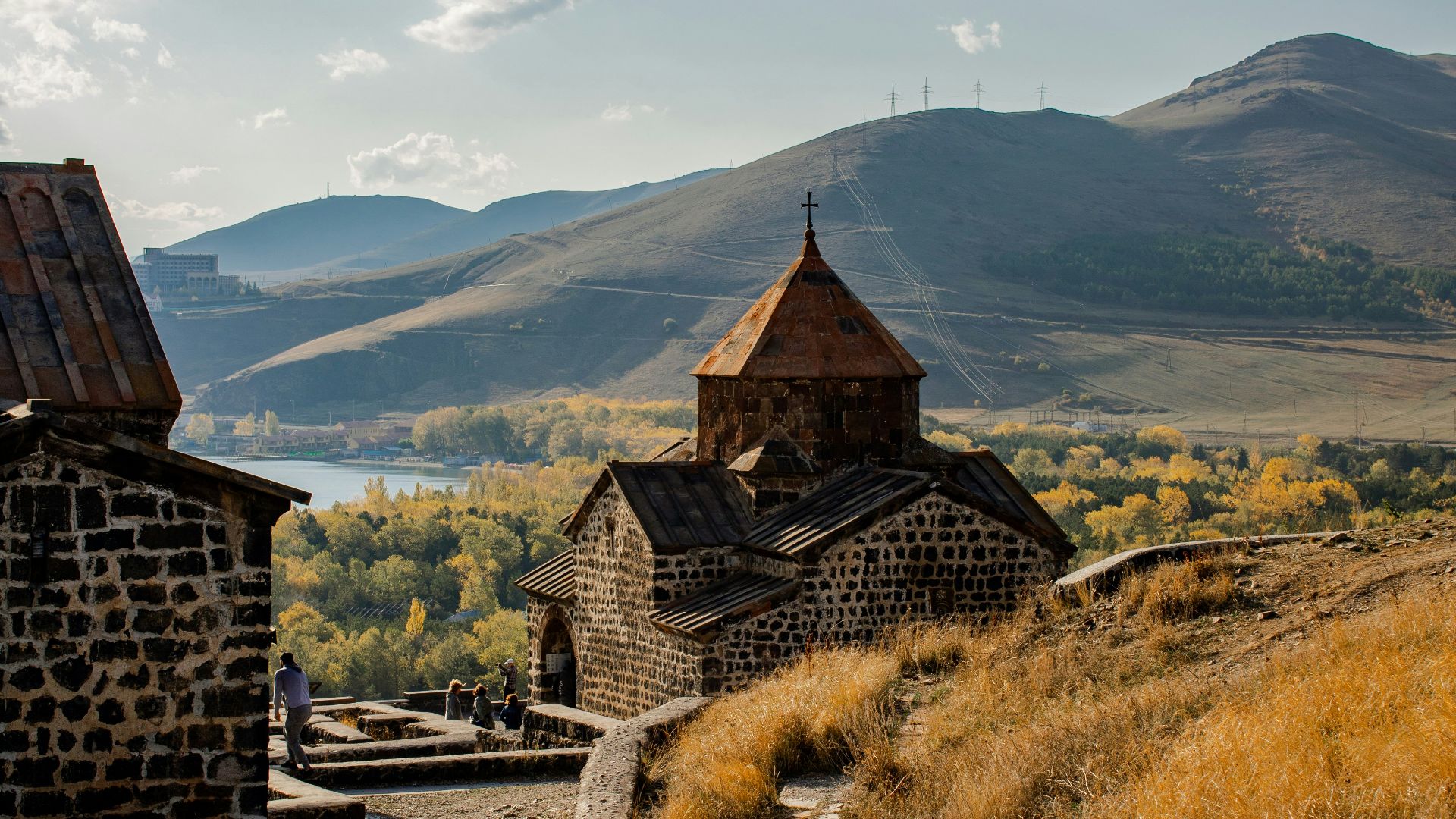
Squeezed between Rome and Parthia, Armenia spent centuries as a kingdom whose throne both empires tried to control through proxy rulers. Whoever sat on it usually owed allegiance to one side or the other, and that allegiance shifted more than once within a single reign. Its mountainous terrain made outright conquest difficult, which is part of why it survived as a buffer for so long.
 Aleksandra Dementeva on Unsplash
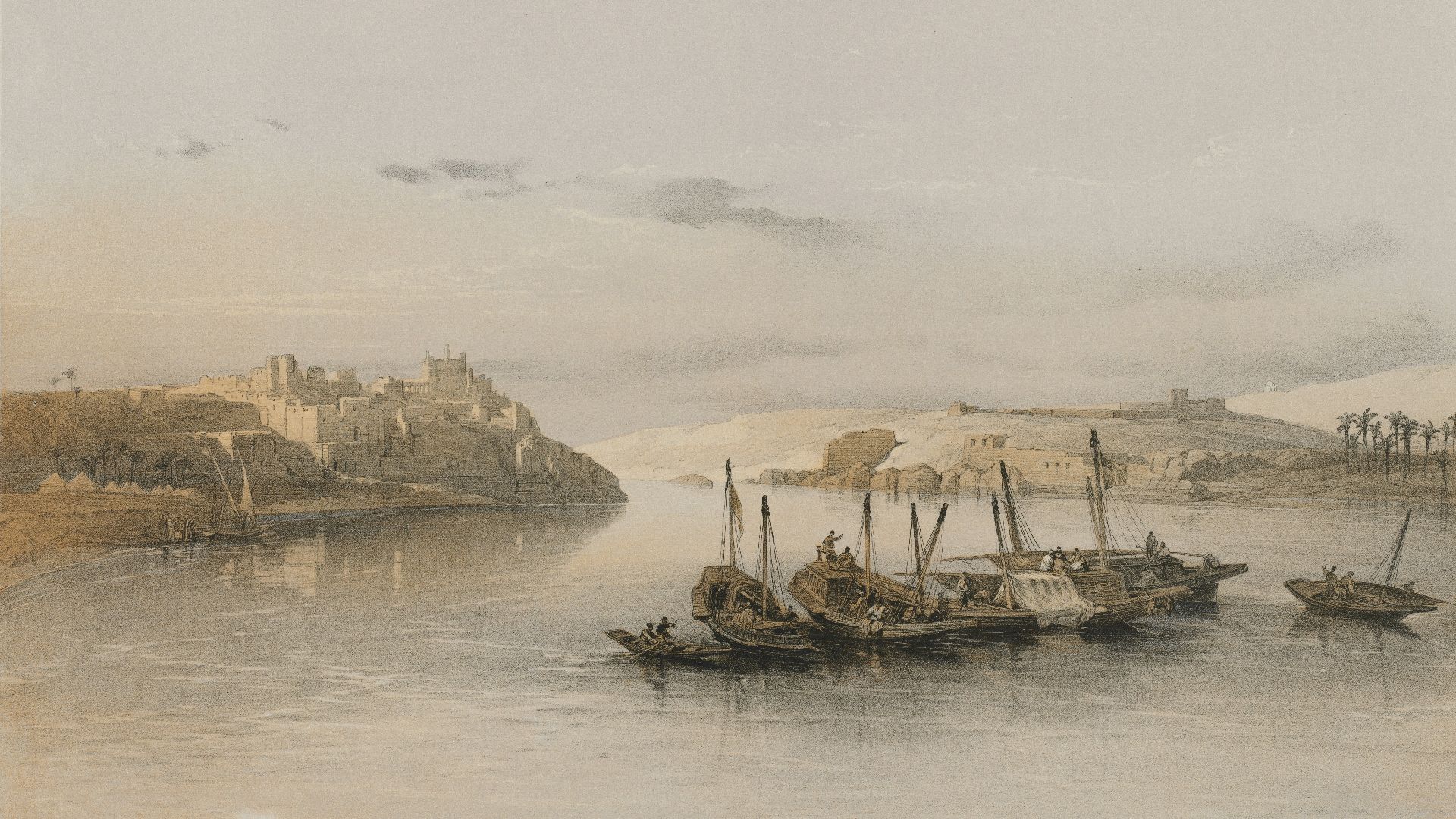
7. Elephantine And The First Cataract
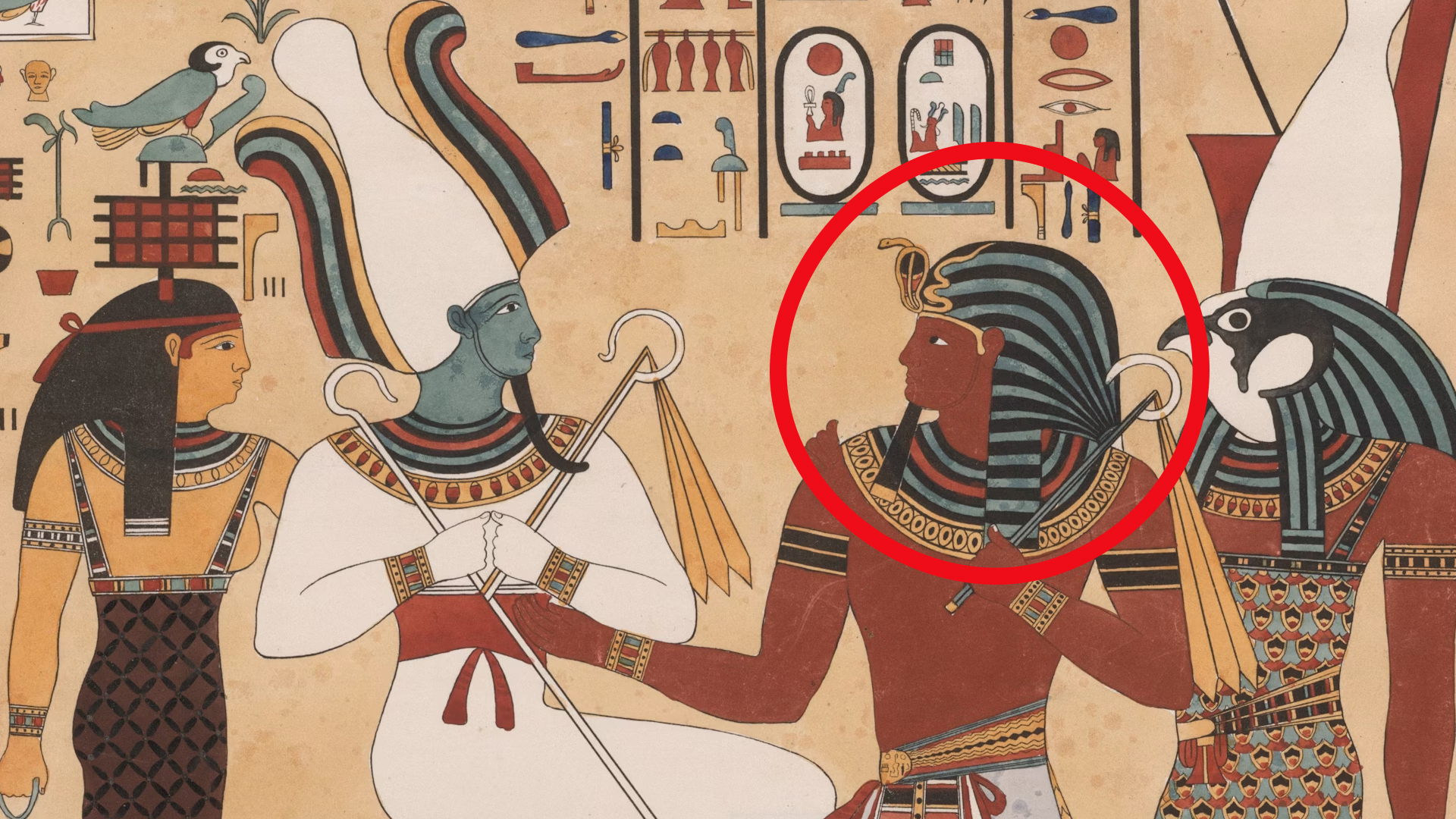
Egypt's southern frontier sat at the Nile's First Cataract, near the island of Elephantine, where Nubian and Egyptian influence overlapped constantly. Garrison towns here tracked river traffic and taxed goods moving between Kush and Egypt. Temple records from the site show a surprisingly cosmopolitan population, mixing Egyptian officials with Nubian traders and soldiers.
 The Cleveland Museum of Art on Unsplash
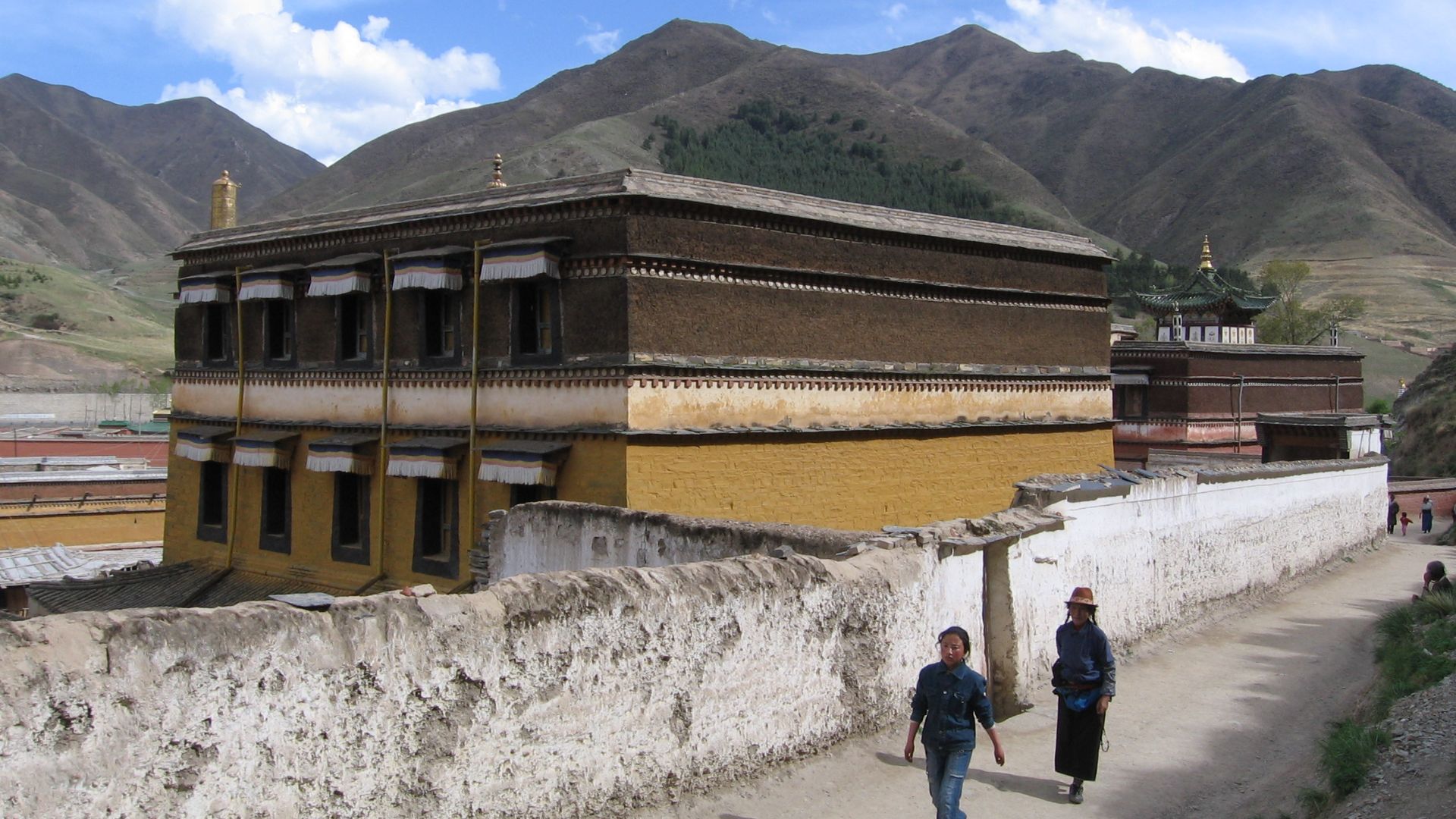
8. The Gansu Corridor
This narrow strip of land connected Han China to Central Asia, funneling nearly all Silk Road traffic through a single defensible route. The Jade Gate marked its western edge, a checkpoint travelers had to pass to leave Chinese territory legally. Losing control of the corridor meant losing the trade route entirely, which is why Han emperors fought so hard to hold it.
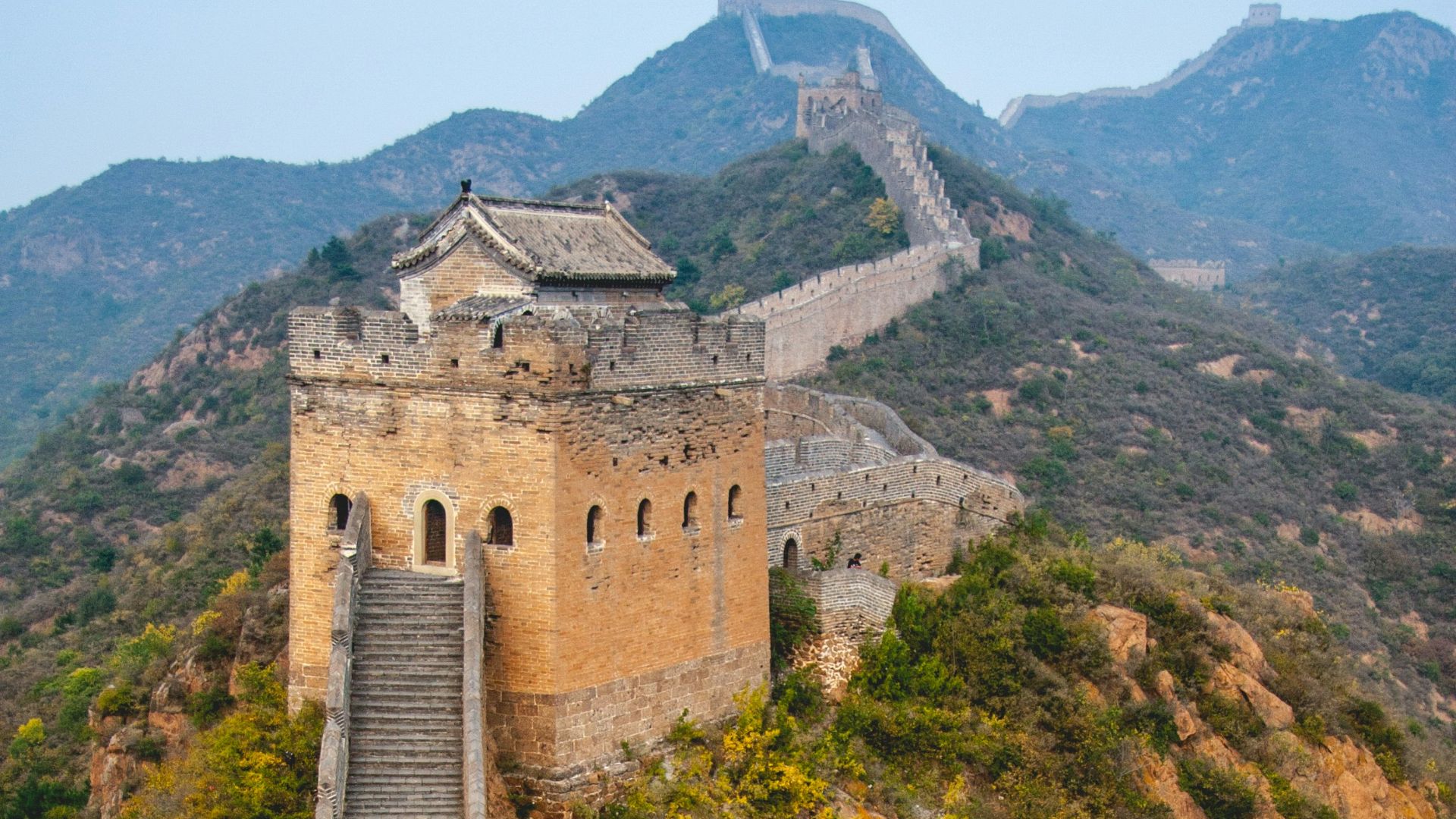
9. The Great Wall Against The Xiongnu
Long before it became the unified structure people picture today, the Great Wall was a patchwork of regional walls meant to keep Xiongnu horsemen from raiding into Chinese territory. The Han dynasty extended and reinforced these walls significantly, treating the frontier as a constant military project rather than a finished line. Peace treaties with the Xiongnu came and went, often paid for with silk and Chinese princesses sent north in marriage alliances.
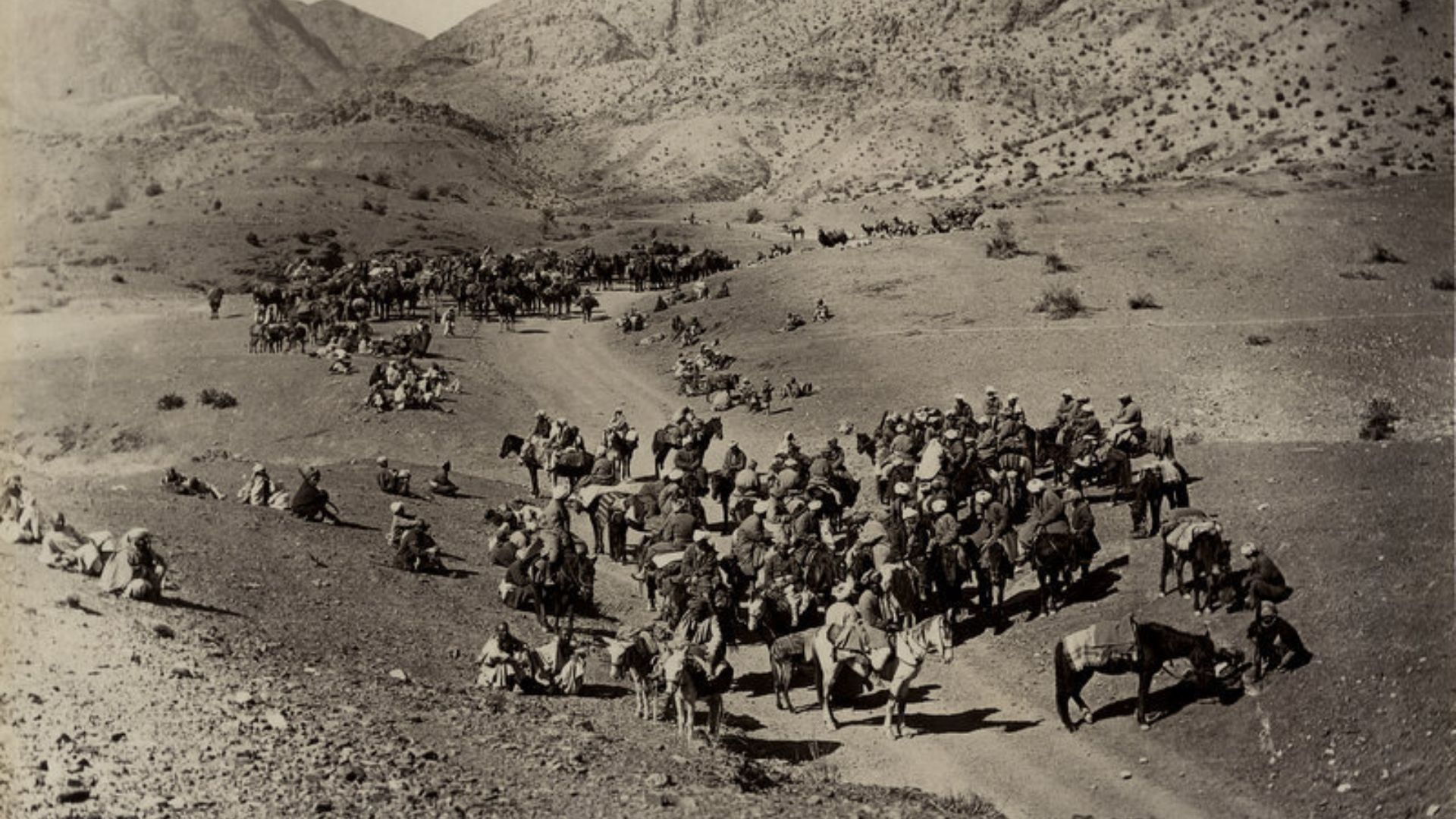
10. The Khyber Pass
Alexander's army pushed through this pass on its way into the Indian subcontinent, marking one of the furthest points his campaign ever reached. The terrain alone made it a natural chokepoint, funneling armies and traders through the same narrow corridor for centuries afterward. Long after Alexander turned back, the pass stayed central to conflicts between Central Asian and South Asian powers.
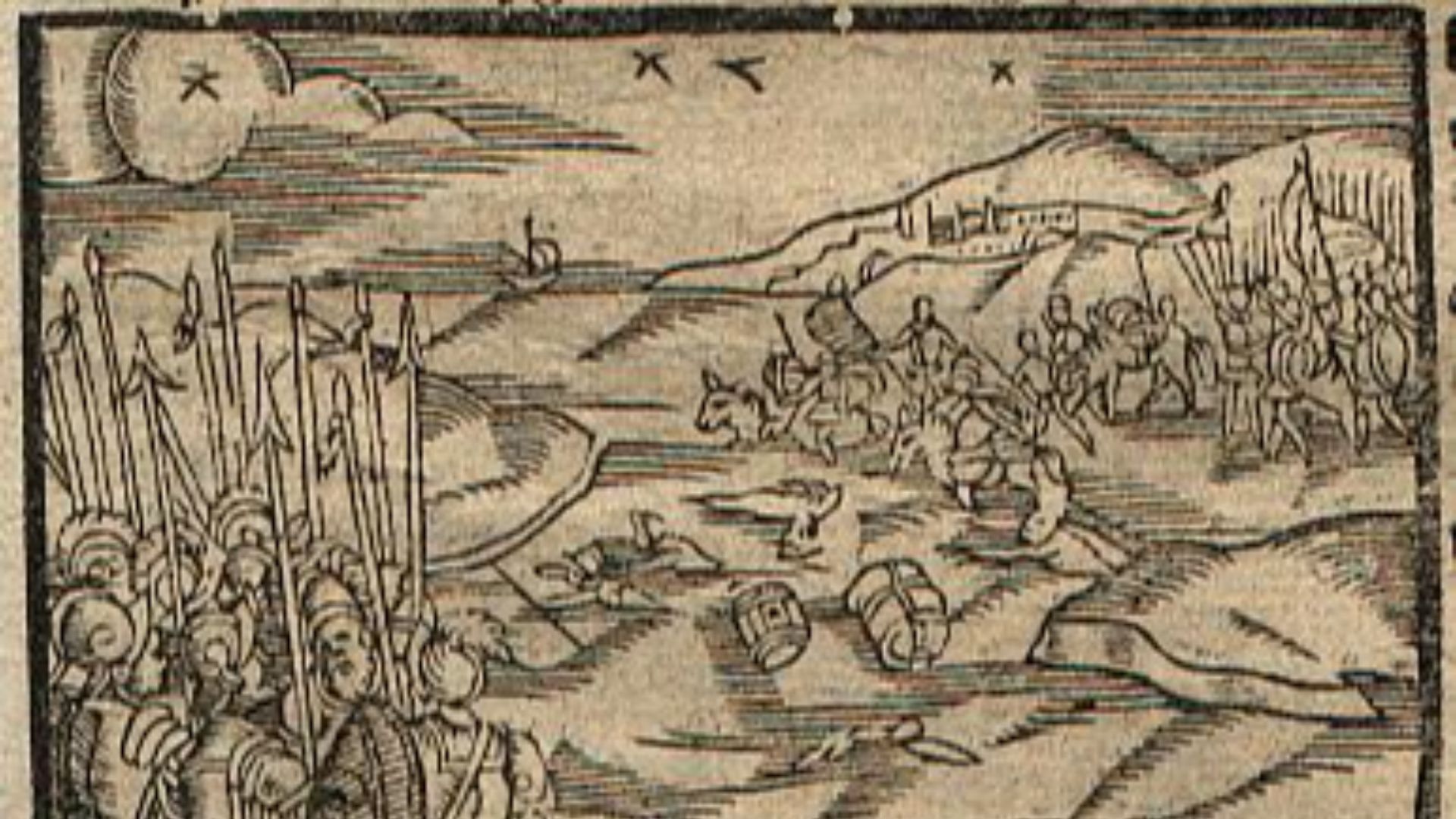
11. Bactria's Steppe Edge
The Greco-Bactrian kingdom sat at the edge of the steppe, blending Hellenistic culture with Central Asian influence in a way that produced genuinely strange hybrid art and coinage. Its frontier with nomadic groups like the Scythians was porous, with constant movement of goods and people in both directions. Eventually, steppe pressure from groups like the Yuezhi helped bring the kingdom down entirely.
 Sebastian Münster on Wikimedia
12. The Pontic Steppe
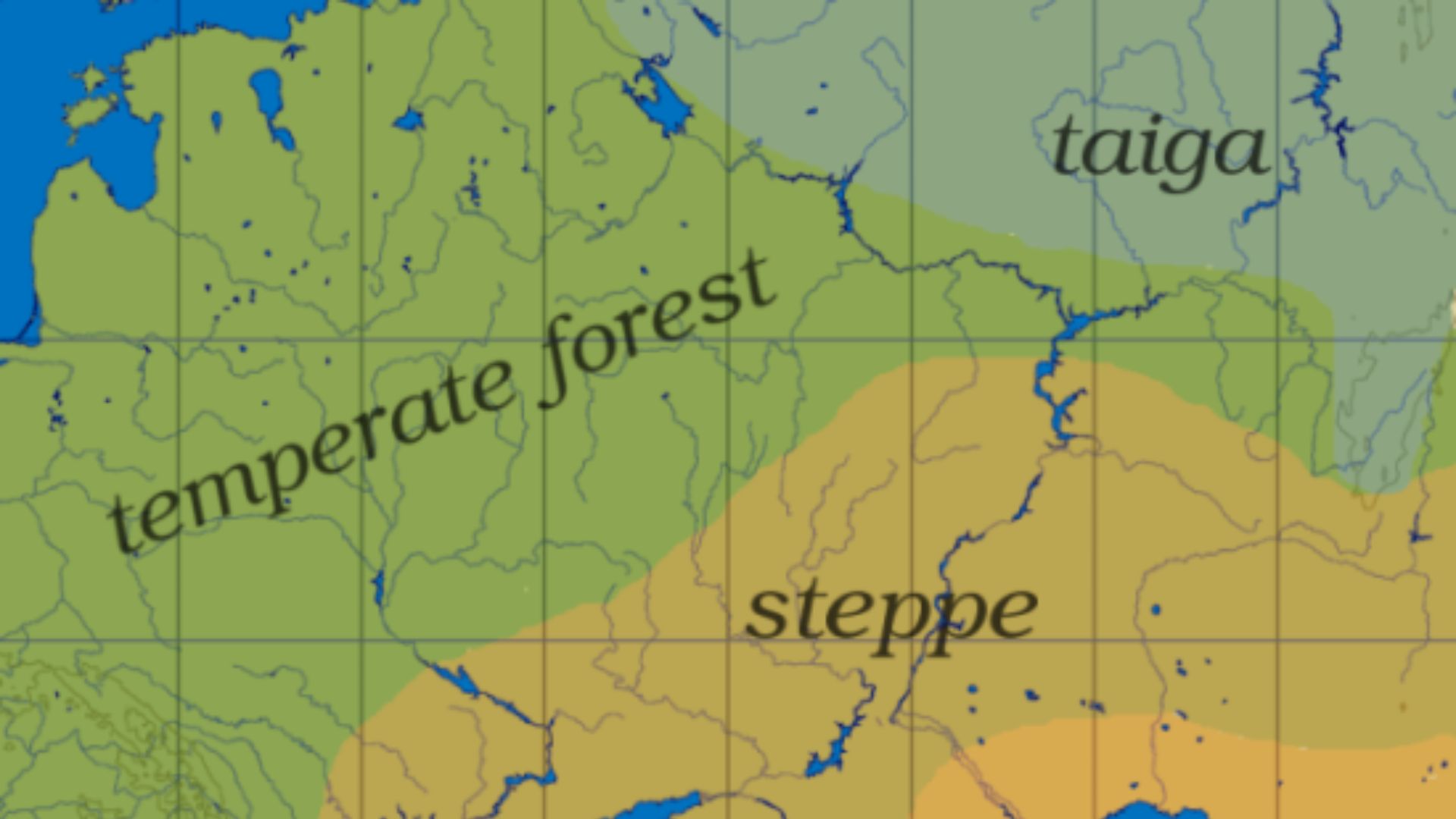
Greek colonies along the Black Sea coast, places like Olbia and Panticapaeum, sat right against Scythian territory and depended on trade with the nomads they sometimes feared. Grain from the region fed cities as far away as Athens, making the frontier economically vital despite the danger. Scythian burial mounds found nearby show just how much wealth flowed through this contact zone.
13. The Caucasus Frontier
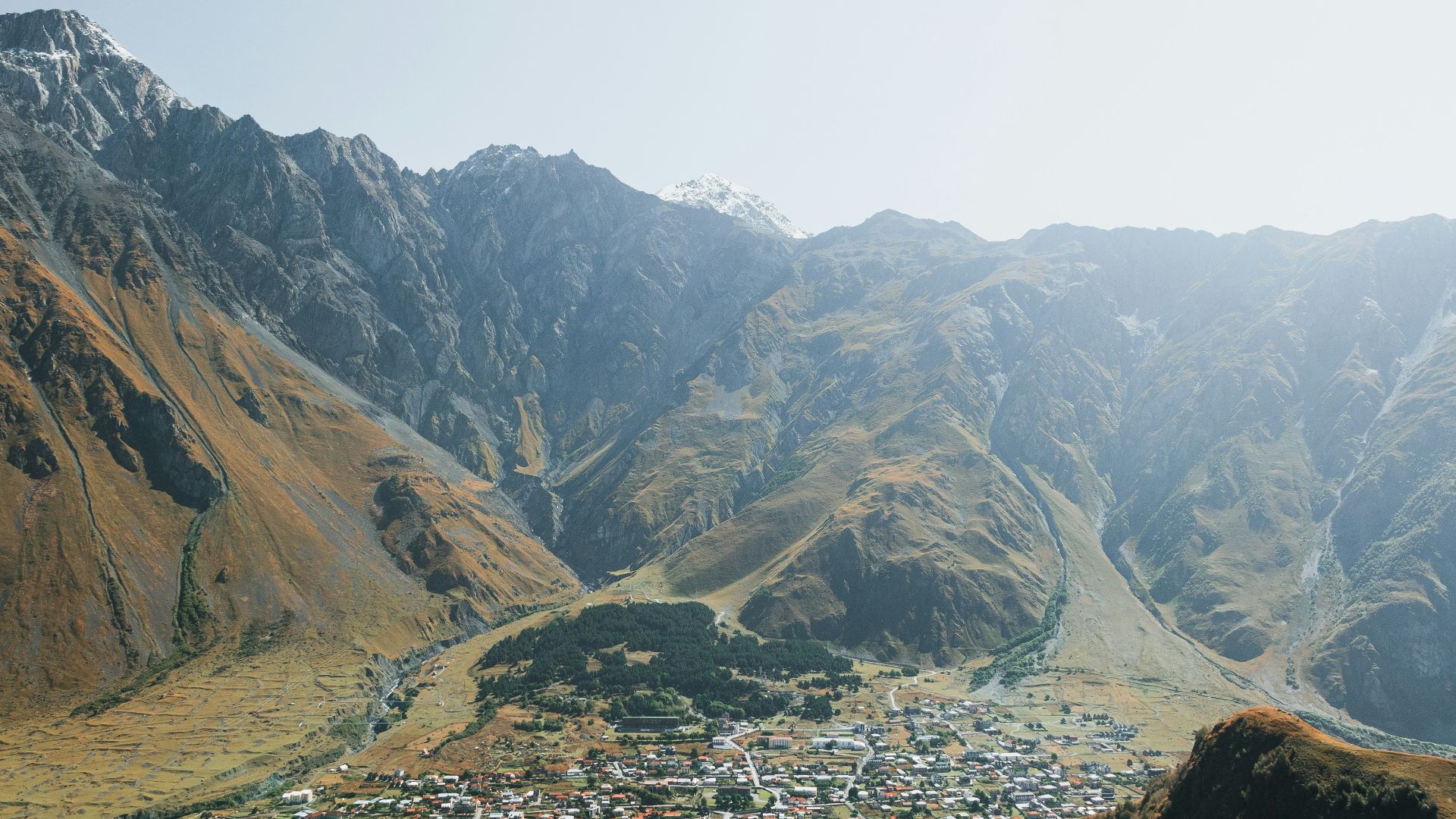
Rome and Parthia, and later Rome and Persia, both tried to control the mountain kingdoms of Iberia and Albania in the Caucasus without ever fully succeeding. The terrain made direct conquest brutally difficult, so both empires relied on client rulers and shifting alliances instead. It remained a genuine gray zone for centuries, never fully absorbed by either side.
14. Palmyra And The Syrian Desert
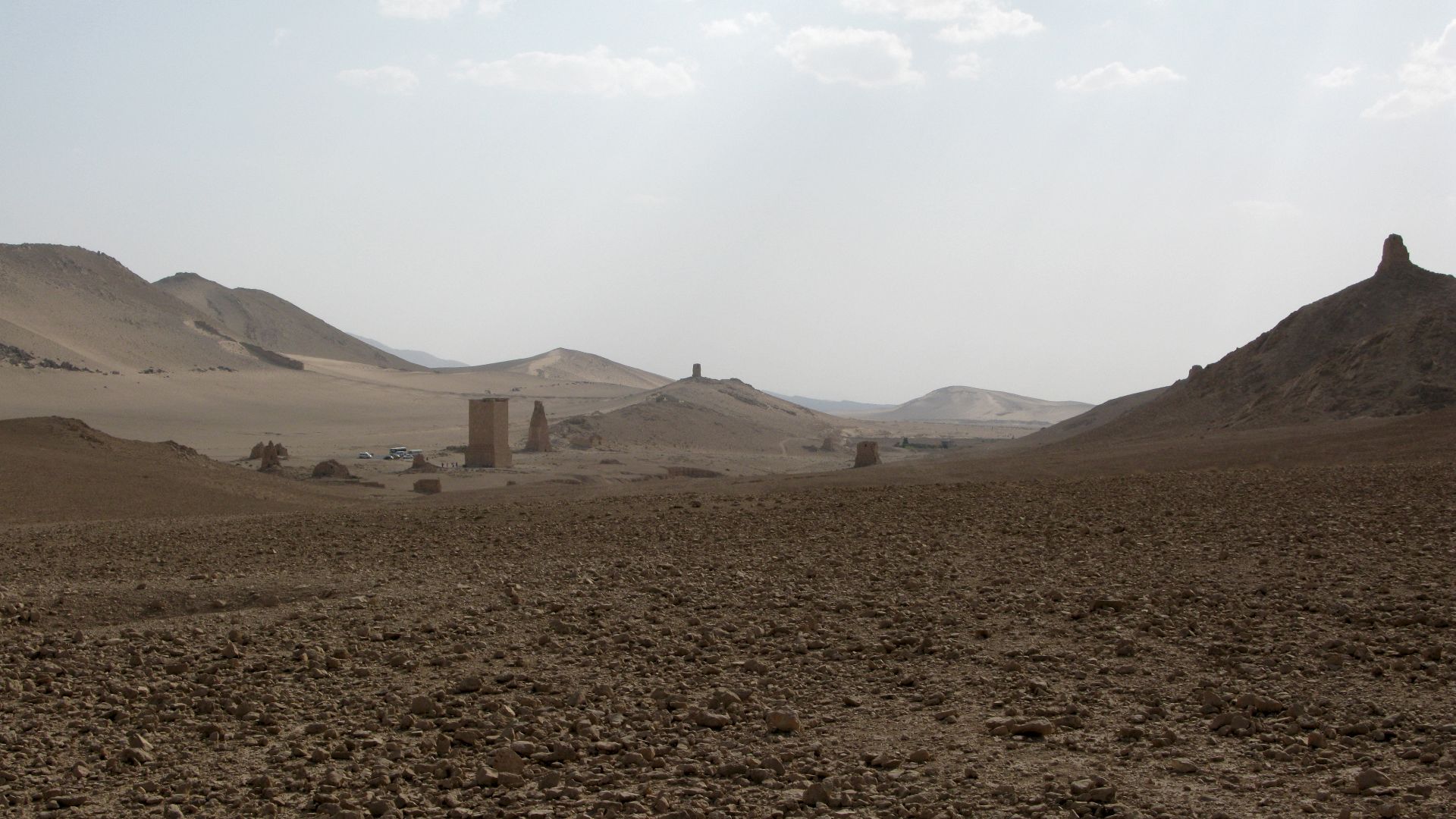
Palmyra sat at the edge of Roman control in the Syrian desert, growing wealthy as a stop for caravans crossing between Rome and Parthia. Its semi-independent status let it profit from both empires without fully belonging to either. That balance eventually broke under Queen Zenobia, whose rebellion against Rome briefly turned the frontier city into an empire of its own.
 Vyacheslav Argenberg on Wikimedia
15. Petra And The Incense Route
The Nabataean kingdom controlled Petra and the desert routes that carried frankincense and myrrh from southern Arabia to the Mediterranean. Their engineers built cisterns that let them survive and profit in terrain most empires considered nearly worthless. Rome eventually annexed the kingdom, but only after Nabataean control of the incense trade had made the frontier too valuable to ignore.
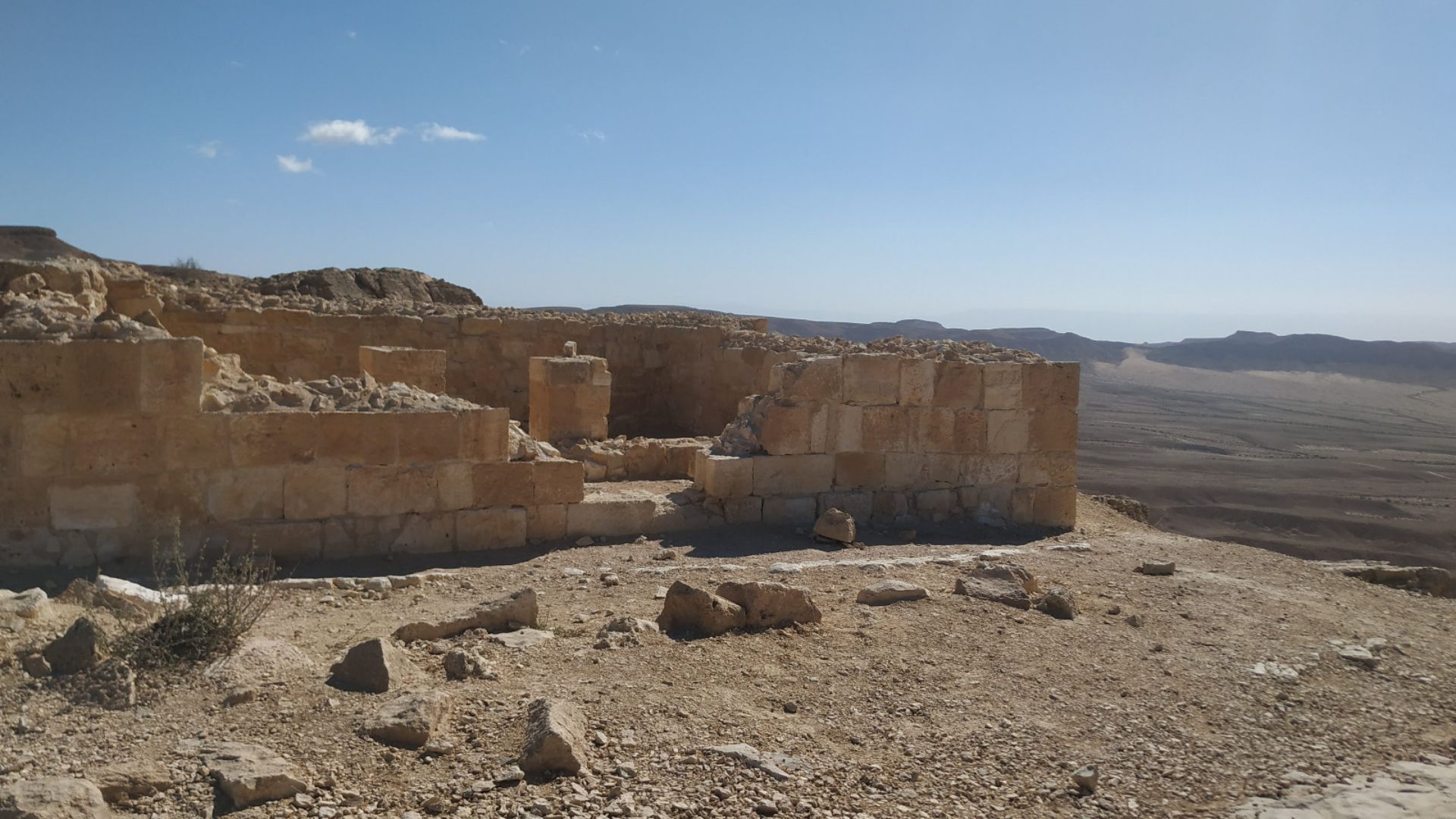
16. The Garamantian Sahara
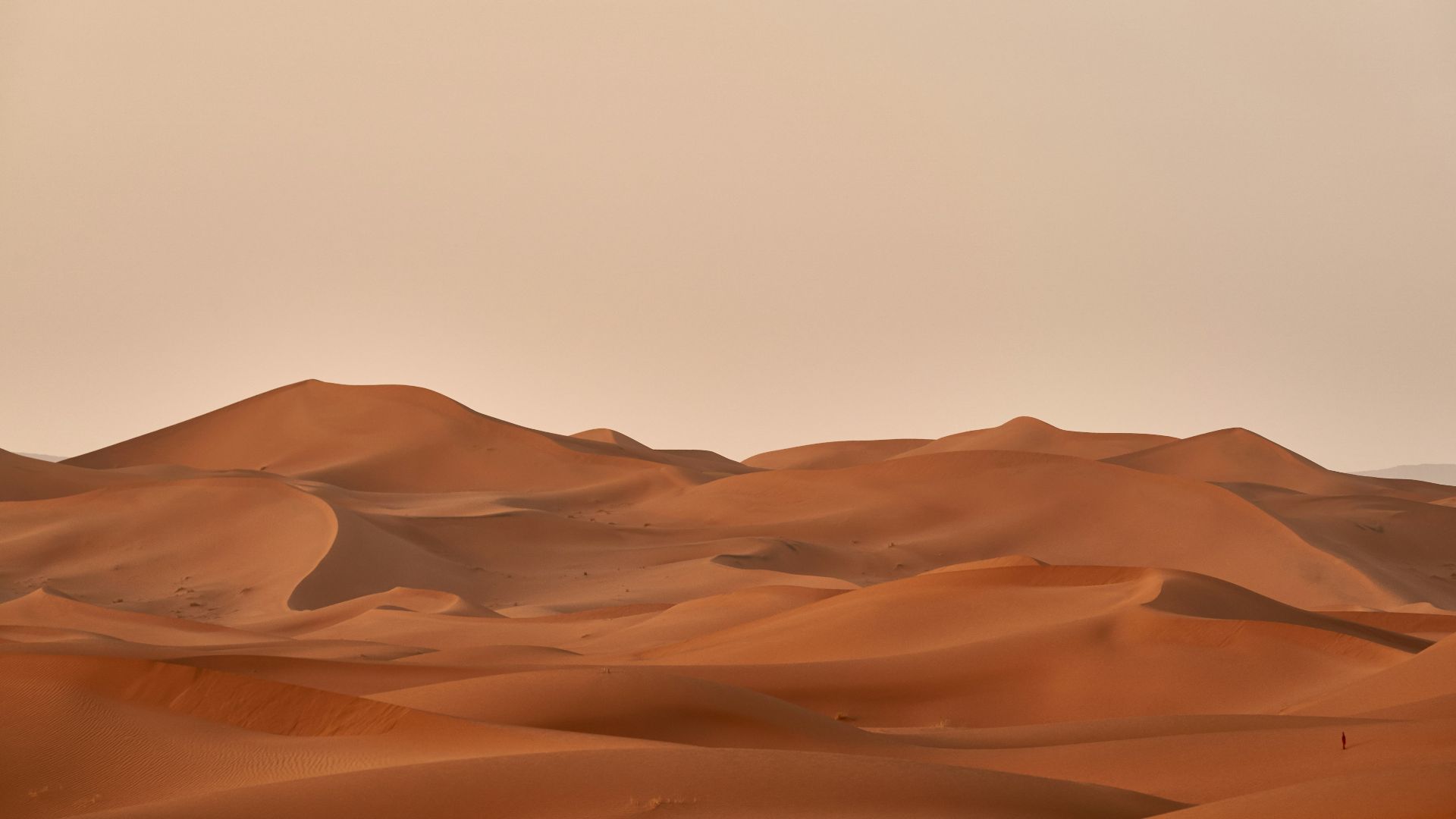
Deep in what's now Libya, the Garamantes built an entire civilization around underground irrigation channels that let them farm in the middle of the Sahara. Their frontier with Rome to the north was more commercial than military, trading in gold, ivory, and enslaved people brought up from further south. Roman writers treated the Garamantes as a mysterious desert power, and modern excavations have shown their settlements were far larger than ancient sources suggested.
 Wolfgang Hasselmann on Unsplash
17. The Fossatum Africae
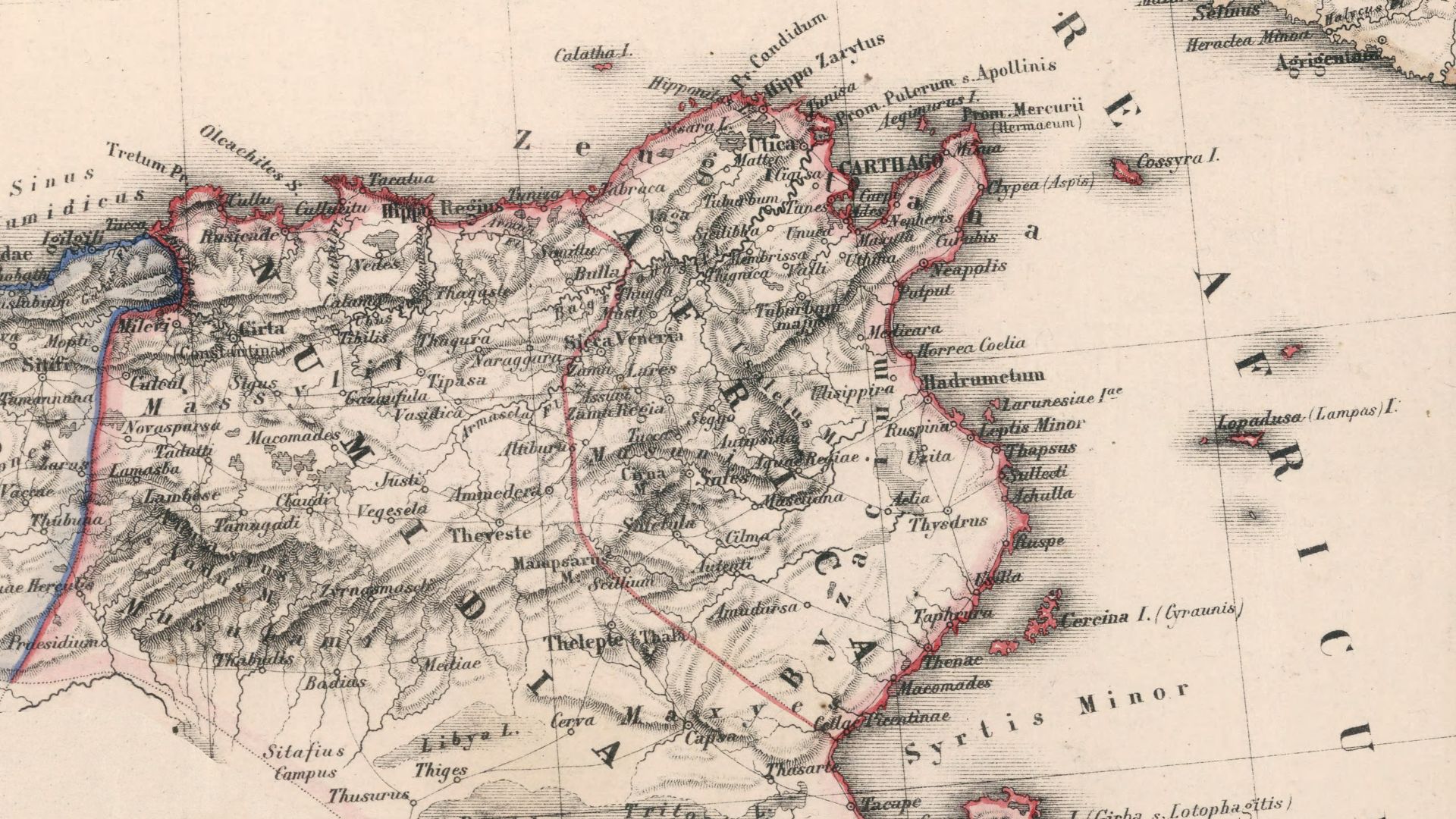
Rome built this system of ditches and forts along the edge of North Africa to manage, rather than block, movement between settled provinces and nomadic Berber groups. It functioned more like a customs line than a defensive wall, regulating herders moving seasonally with their flocks. The frontier reflects how much Roman border policy in Africa depended on cooperation rather than pure military force.
 Heinrich Kiepert (July 31, 1818 – April 21, 1899) on Wikimedia
18. Assyria's Zagros Frontier
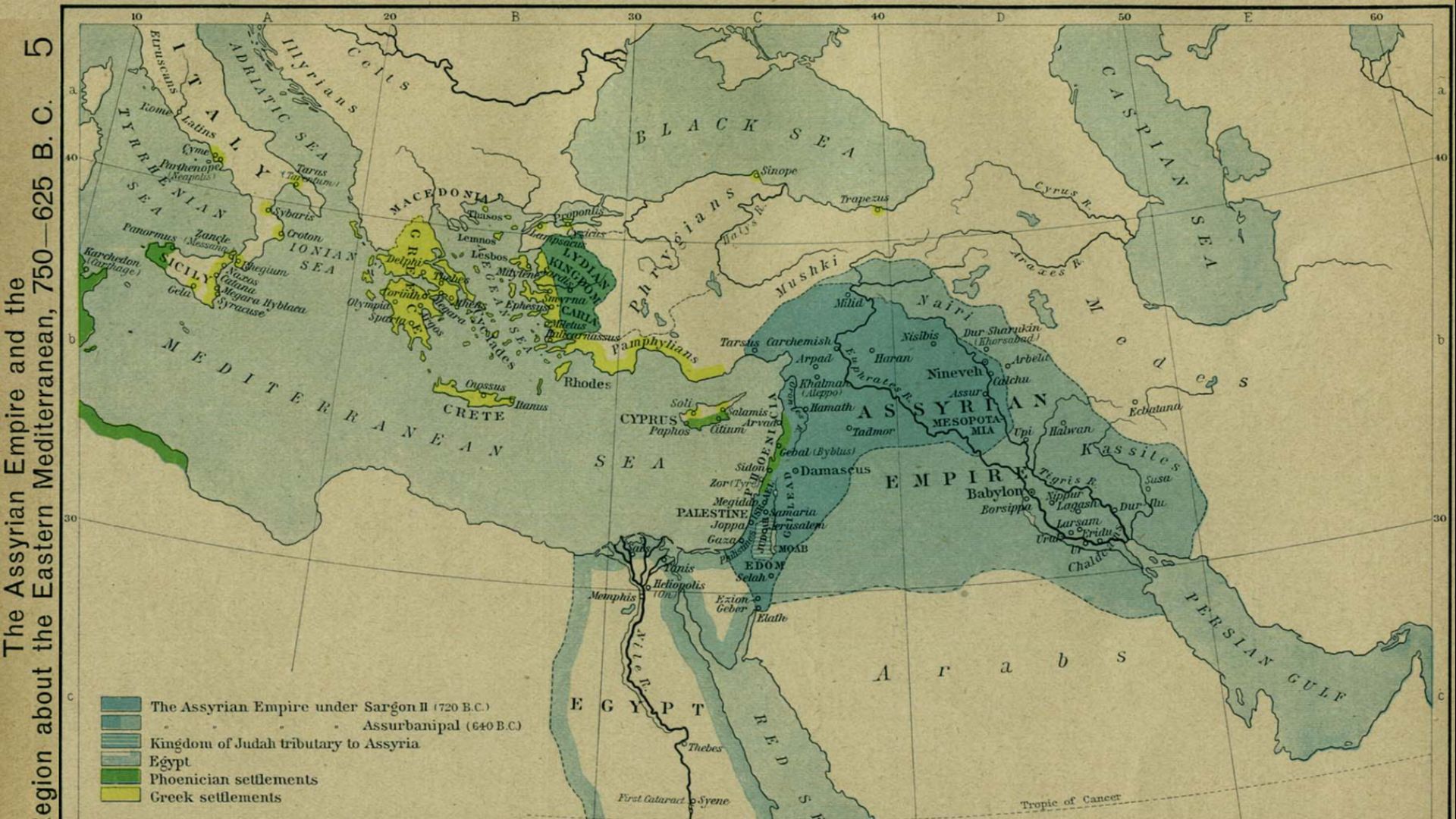
The Assyrian Empire's eastern border ran through the Zagros Mountains, a region inhabited by Median tribes who resisted direct control for generations. Assyrian kings launched repeated campaigns into the highlands, recording their victories in detail while quietly avoiding permanent occupation of the roughest terrain. The Medes eventually turned that same frontier against Assyria, helping bring the empire down in the seventh century BC.
 William Robert Shepherd on Wikimedia
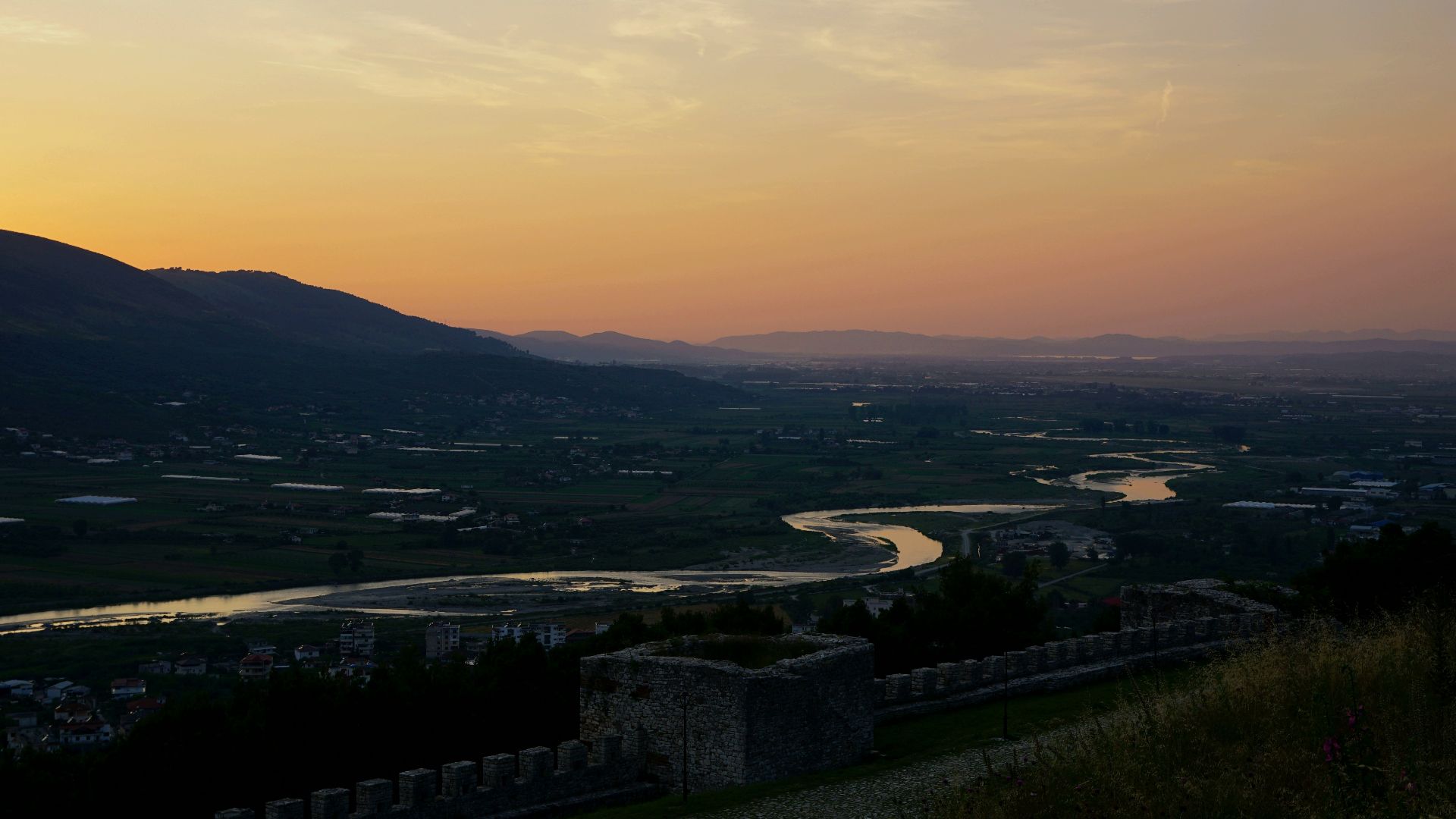
19. Illyria And The Balkan Frontier
Rome's expansion into the Balkans ran headlong into Illyrian tribes who controlled the Adriatic coastline and resisted Roman shipping through piracy. Multiple wars over the region stretched across decades before Rome secured lasting control. The mountainous interior stayed difficult to govern long after the coast had been fully absorbed.
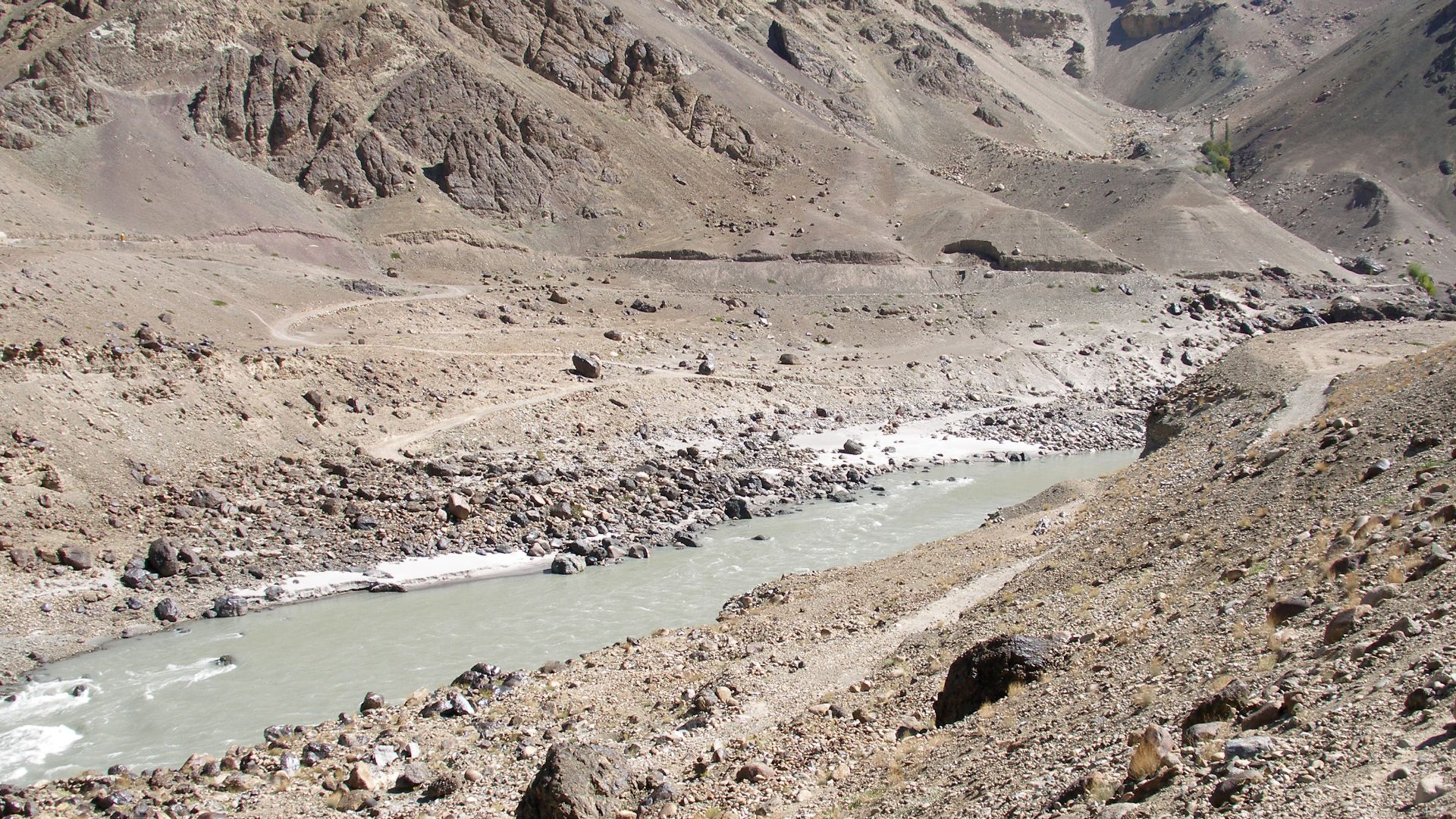
20. The Indus Frontier
Alexander's campaign reached the Indus River before his own troops refused to march any further east, effectively setting the empire's eastern limit. The Mauryan Empire later expanded into the same region, eventually reaching a peace agreement with Alexander's successor, Seleucus, that traded territory for war elephants. That negotiated border shows how even at its most distant edges, ancient expansion often ended in a deal rather than a battle.
 Vyacheslav Argenberg on Wikimedia
KEEP ON READING