Not the Place to Be
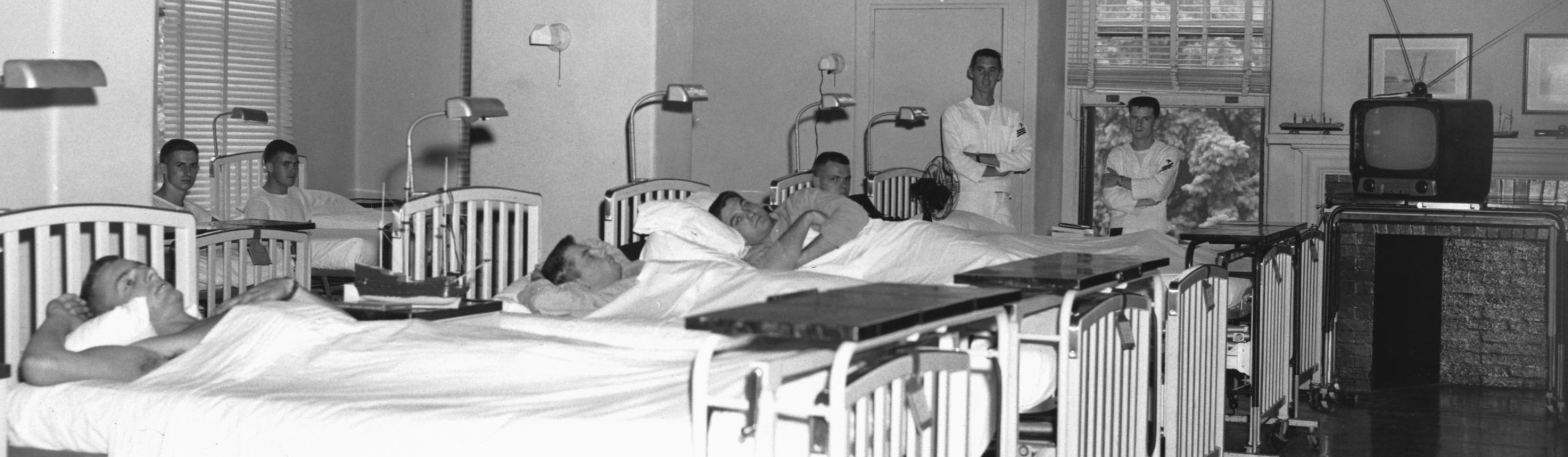
When you think of a hospital, you might imagine extremely long wait times and healthcare workers hustling around in their sterile uniforms, but our ancestors weren't nearly as fortunate. From questionable sanitation methods to a lack of anesthesia and overcrowded rooms, medical wards and institutions were, for lack of a better word, shoddy places to be. Doctors, for example, often didn't even wash their hands when moving from person to person, and some even refused to. It just goes to show that, as much as modern hospitals might test our patience with long queues, those frustrations don't hold a candle to some of the horrors earlier patients once endured.
 National Library of Medicine on Unsplash
1. Patients Sometimes Had to Share Beds
In heavily overcrowded hospitals, getting your own bed wasn't always guaranteed. Eighteenth-century accounts of Paris's Hôtel-Dieu describe patients sharing beds (yep—beds, not just rooms), sometimes while suffering from completely different illnesses, creating obvious opportunities for disease to spread. Long before modern isolation procedures existed, proximity to other sick people could make entering a hospital more dangerous than patients realized.
2. Surgery Was Performed on Fully Conscious Patients
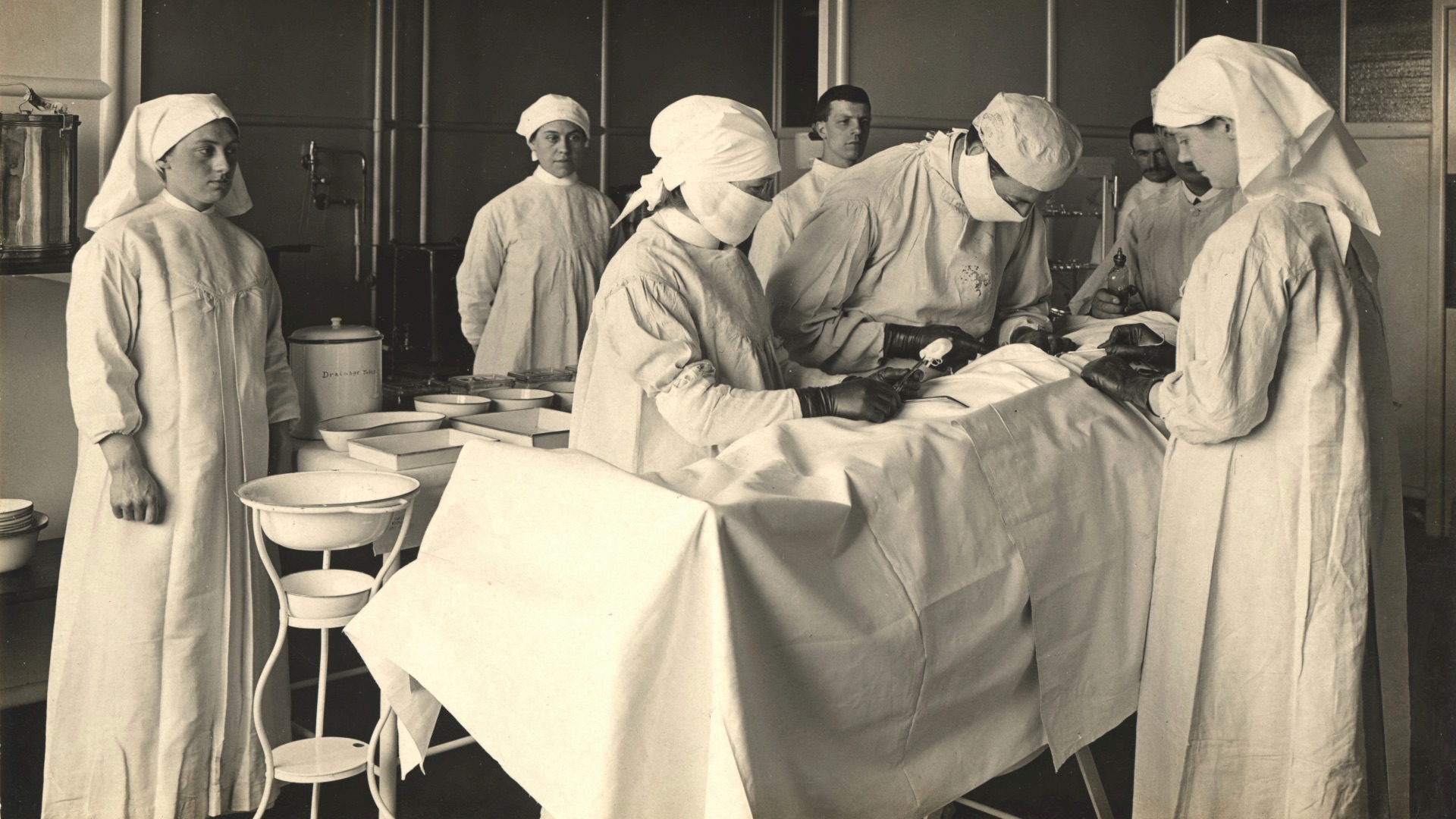
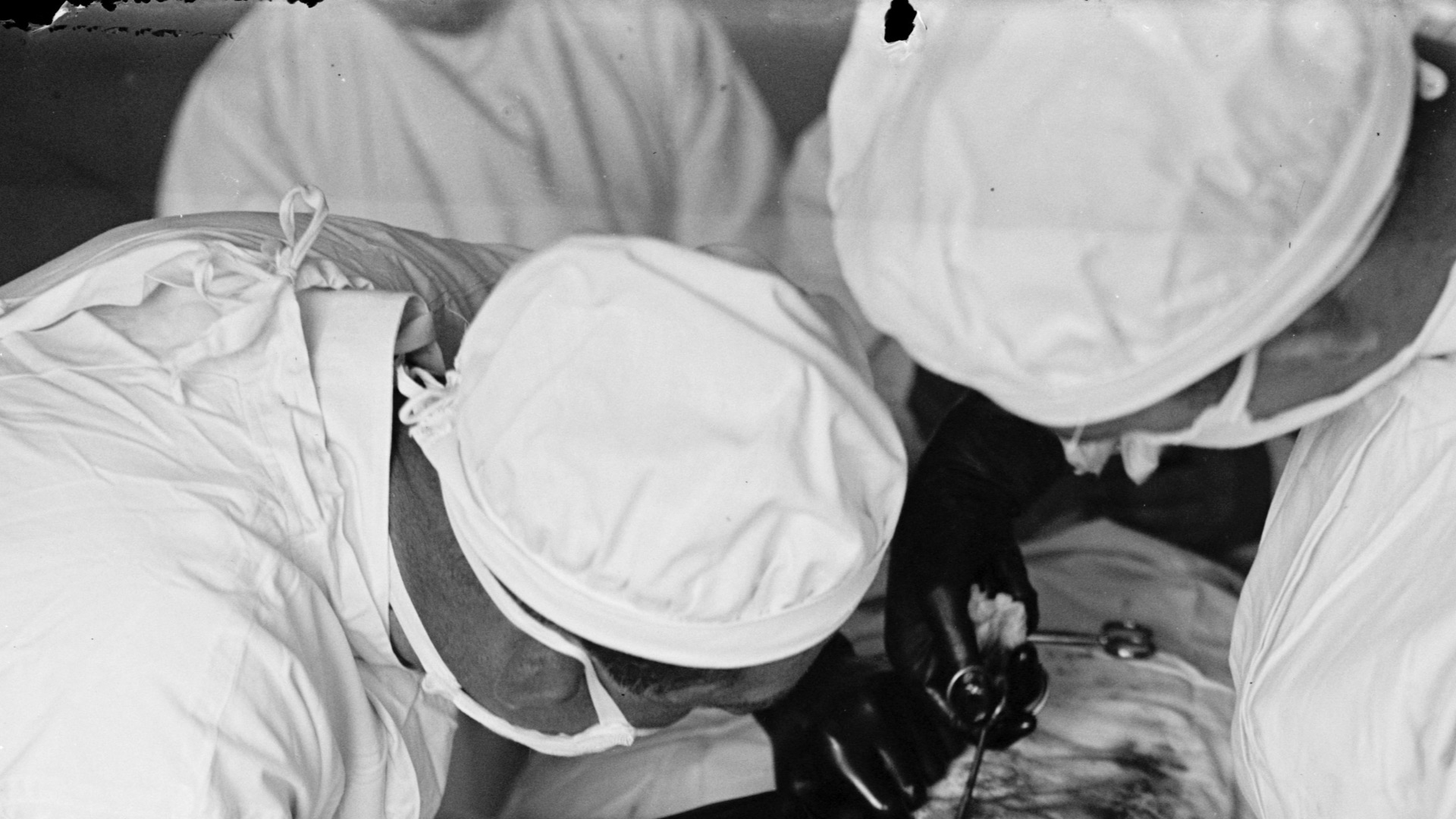
Before reliable general anesthesia arrived in the 19th century, a person undergoing major surgery usually remained awake and able to feel what was happening. Surgeons had little choice but to restrain patients, work rapidly, and hope pain and shock didn't overwhelm them before the procedure ended. Ether's successful public use at Massachusetts General Hospital in 1846 helped transform that experience, but generations of hospital patients had already endured operations without it.
 Balcer~commonswiki on Wikimedia
3. Speed Could Be One of a Surgeon's Most Valuable Skills
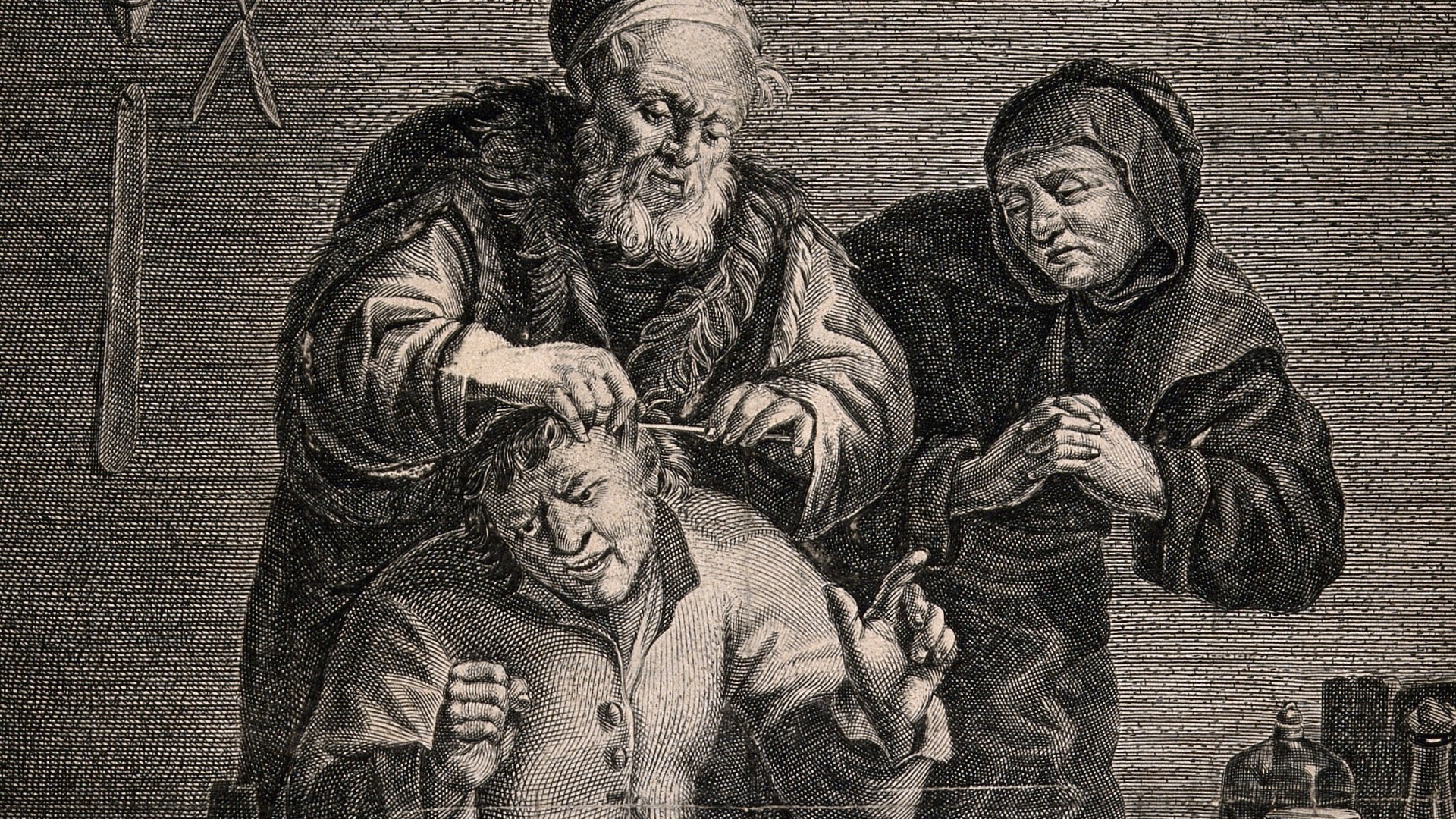
With no effective general anesthesia, taking too long during an operation meant prolonging extreme suffering and increasing the danger of shock and blood loss. Surgeons therefore had a powerful incentive to perform procedures such as amputations as rapidly as they safely could. At London's old St. Thomas' Hospital, surviving accounts emphasize that operations had to be swift in the decades before anesthetics became available there.
4. Operations Could Have More Than 100 Spectators
The word "theater" in operating theater once had a very literal connection to the room's design. At St. Thomas' Hospital's surviving 19th-century operating theater, tiered stands could hold as many as 150 male medical students watching a procedure below. If you were the patient, your operation could therefore take place while a large crowd leaned forward to observe every part of it.
5. Doctors Moved from Corpses to Patients Without Washing Their Hands
In the 1840s, physicians and medical students at Vienna General Hospital routinely worked with cadavers as part of their medical duties, at a time when germ theory hadn't yet reshaped hospital hygiene. Ignaz Semmelweis connected contaminated hands with deadly puerperal fever among women in the hospital's maternity clinic and introduced chlorinated handwashing. His measures dramatically reduced maternal mortality, showing just how dangerous ordinary medical routines had been.
 Unknown author or not provided on Wikimedia
6. Handwashing Wasn't Immediately Accepted
Semmelweis's findings might seem impossible to argue with now, but many of his contemporaries resisted his ideas about physicians transmitting disease. The broader medical world still lacked a fully developed understanding of microorganisms, and his explanations challenged doctors' assumptions about their own role in patient deaths. As a result, one of the most basic safety practices in a modern hospital took years to gain the acceptance you'd expect it to receive instantly.
 Sabine van Straaten on Unsplash
7. Hospitals Named Diseases After the Fact That You Caught Them There
Postoperative infections became so common in 19th-century wards that terms such as "hospitalism," "ward fever," and "hospital gangrene" became part of medical discussion. A patient might survive an operation only to develop sepsis or gangrene afterward because the environment and surgical practices exposed wounds to infection. Hospitals eventually became much safer partly because physicians had to confront the disturbing fact that treatment itself could introduce lethal disease.
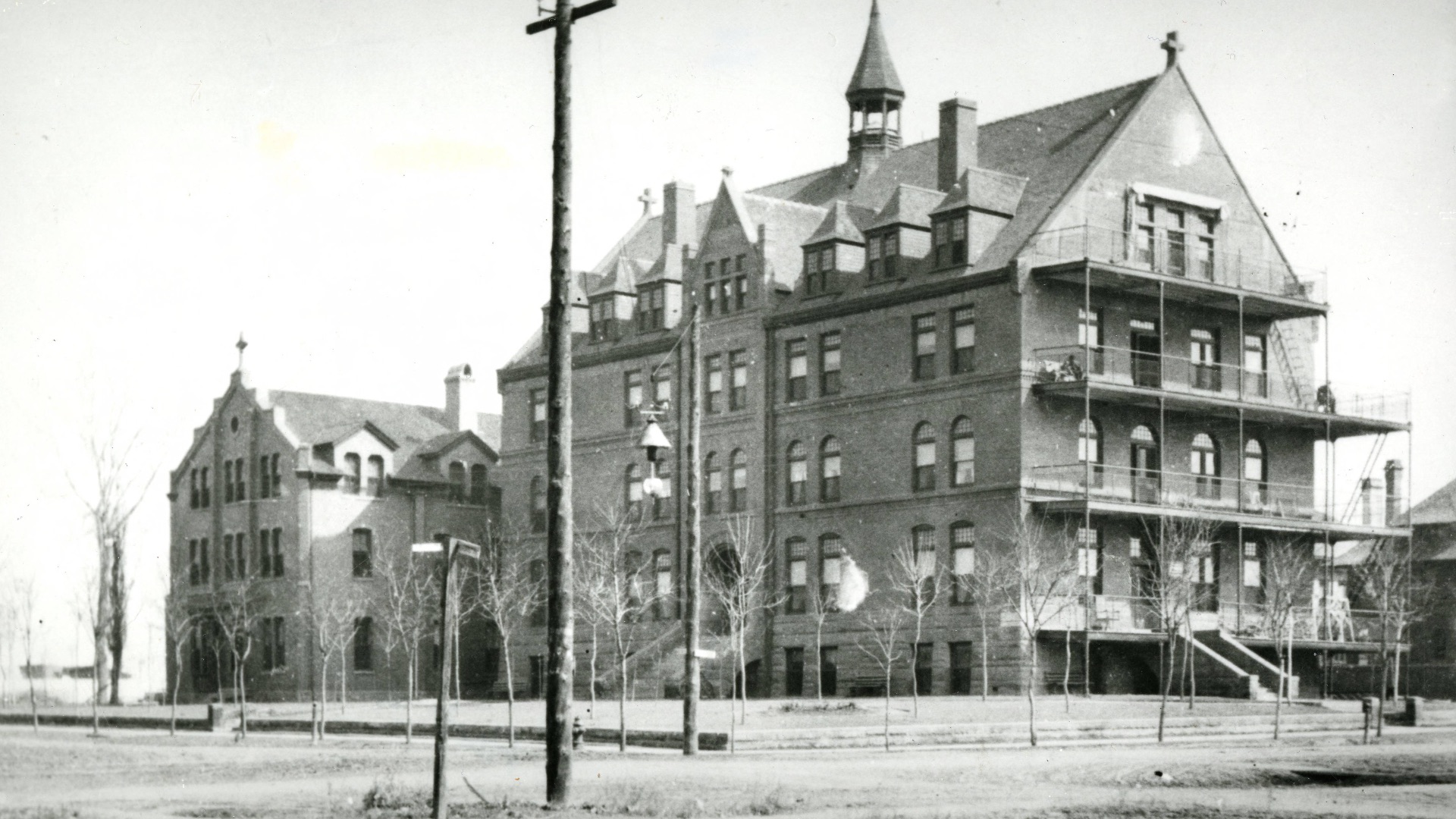 Saint Joseph Hospital Historic Archives on Wikimedia
8. Sterile Operating Rooms Are Surprisingly Recent
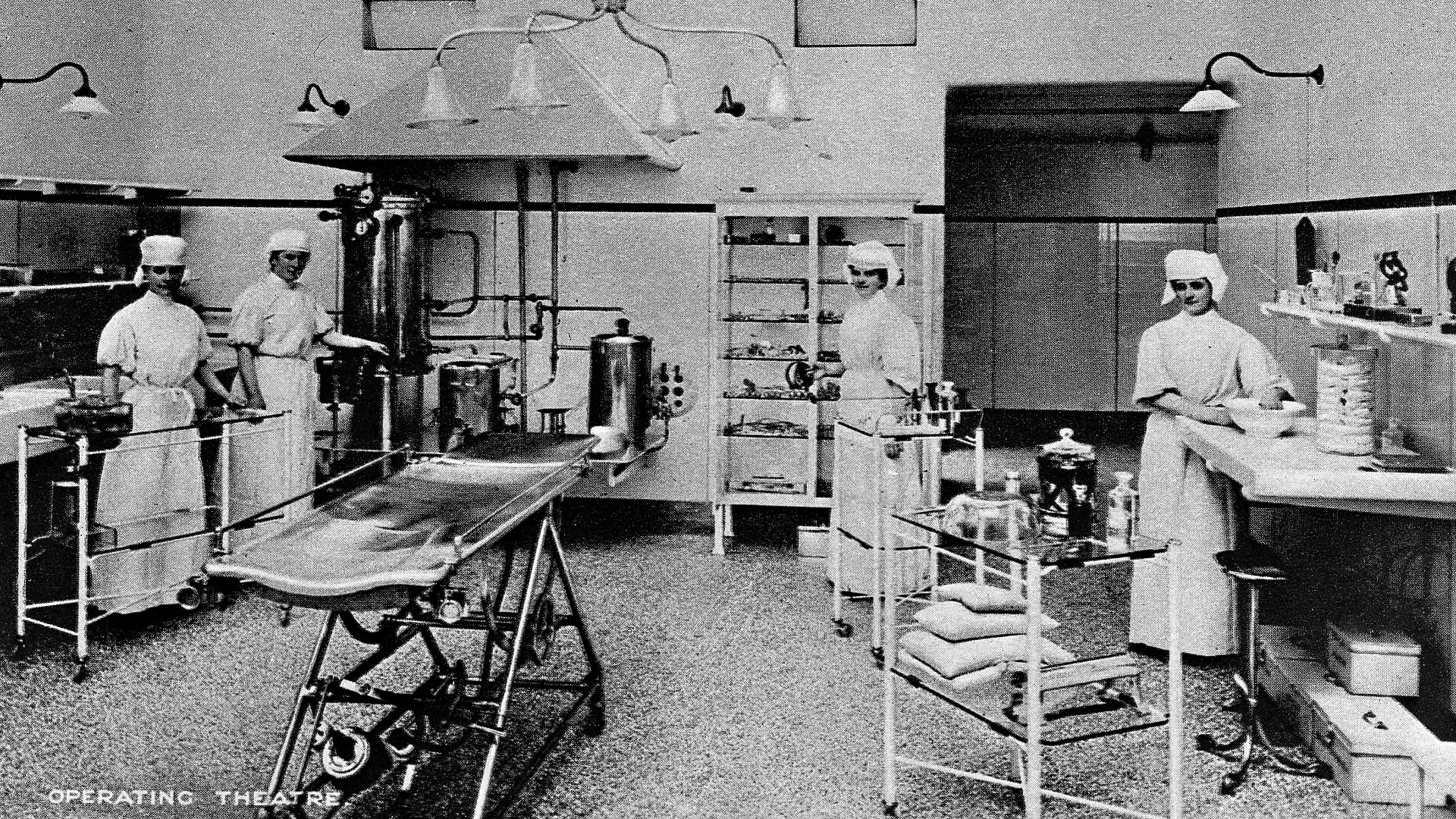
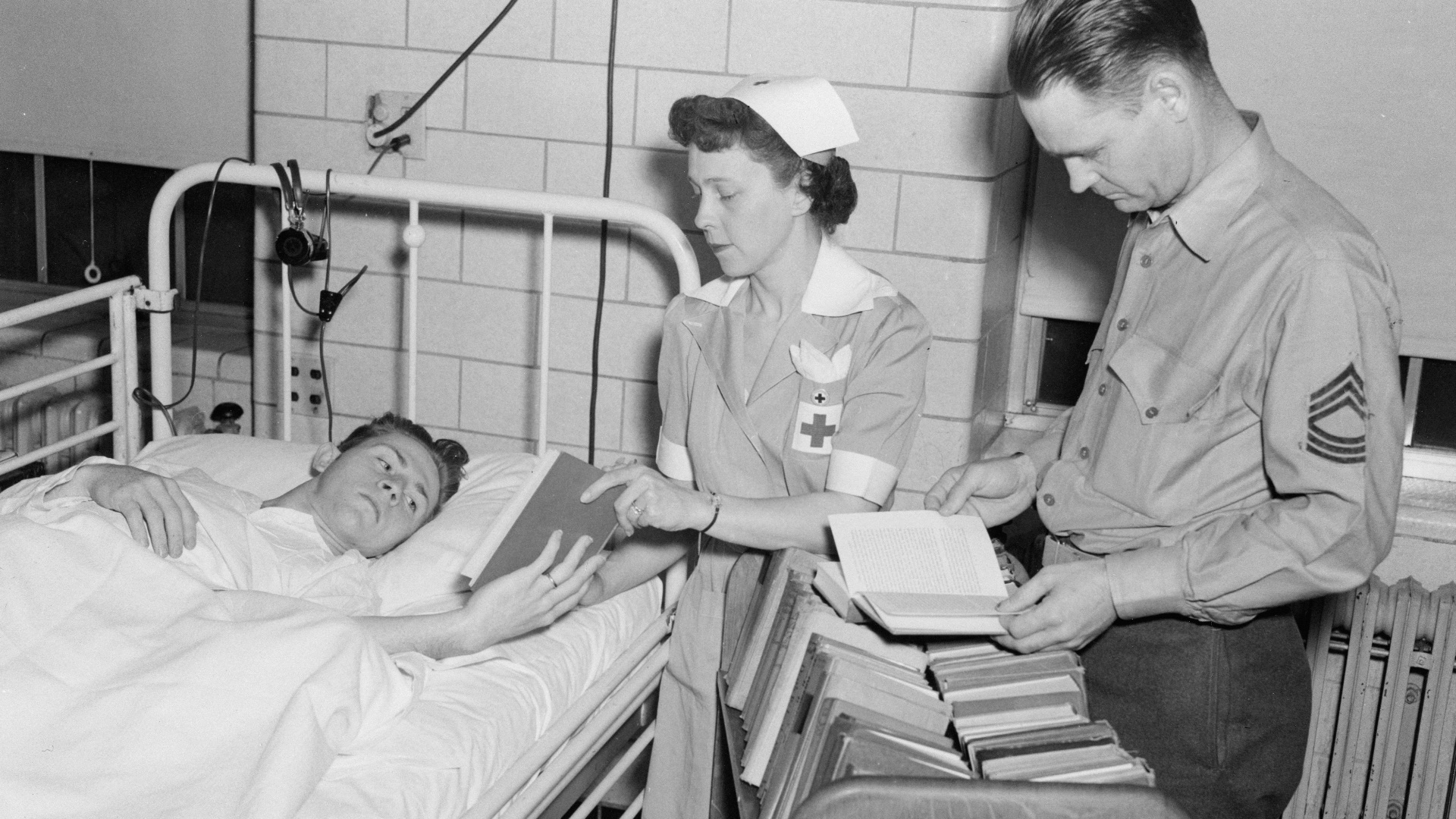
For much of surgical history, doctors didn't work inside the scrubbed, controlled environments familiar today. Joseph Lister's antiseptic system in the 19th century helped demonstrate the importance of preventing contamination, while later surgeons pushed further toward aseptic rooms, sterilized instruments, and washable surfaces. Gustav Neuber's purpose-built aseptic operating theater in 1884 shows how late the fully sterile surgical environment began taking recognizable form.
9. Grave Robbing Supplied Medical Schools with Bodies
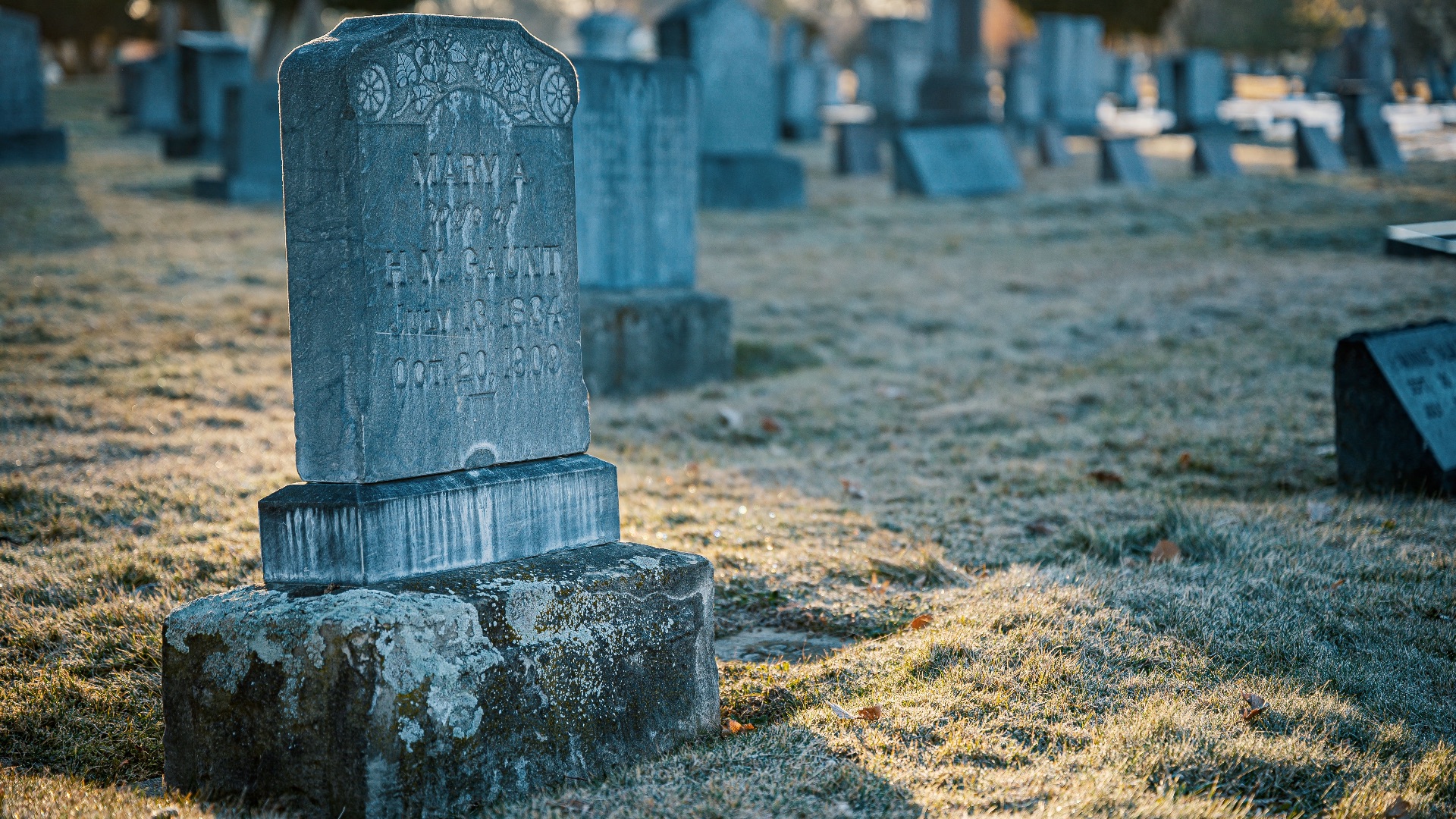
As anatomy became increasingly important to medical education during the 18th and 19th centuries, legitimate supplies of cadavers couldn't meet demand. Grave robbers, sometimes called resurrectionists, dug up recently buried bodies and sold them to anatomists and medical schools. A family's decision to bury someone therefore didn't always mean the body would remain in the grave.
10. Poor People's Bodies Became a Legal Source of Cadavers
Britain's Anatomy Act of 1832 was intended partly to reduce illegal body snatching, but it created another disturbing ethical problem. Unclaimed bodies, including those of people who died in institutions associated with poverty, could be made available for anatomical study under the new system. The reform reduced reliance on stolen corpses while placing much of the burden of dissection on people who had possessed little social or economic power while alive.
11. Historical Inequities in the Use of Human Remains
Historical records show that anatomical education in the United States developed within systems that often reflected broader social inequalities, including those affecting Black communities, enslaved people, and other marginalized groups. In some documented cases, the remains of deceased individuals were obtained through practices such as grave robbing or were sourced from populations with limited legal or social protections, including the poor. These realities highlight how access to bodies for medical training in earlier periods was shaped by race, class, and power dynamics that would be considered unacceptable in modern medical ethics.
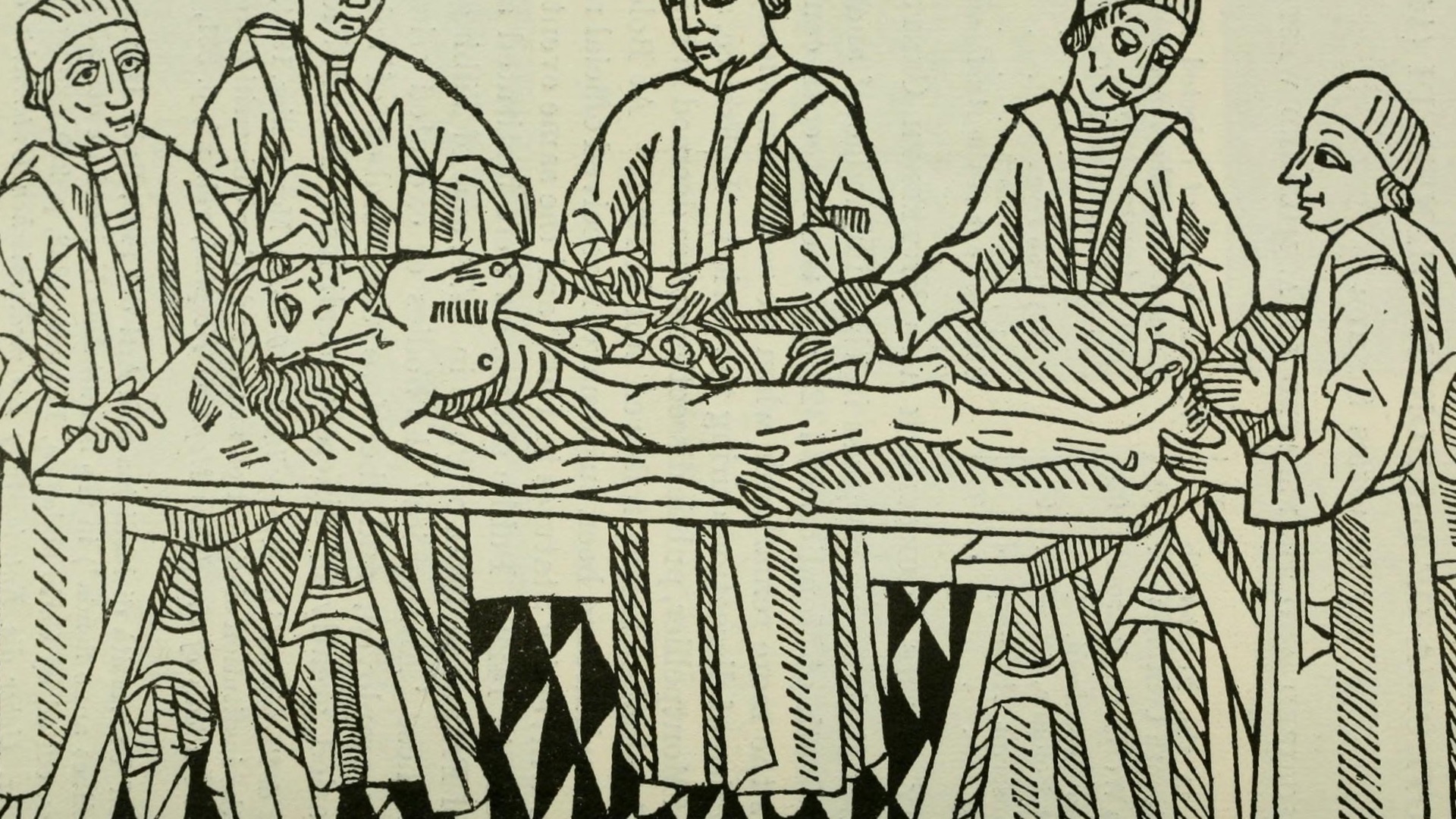 Singer, Charles Joseph, 1876-1960 on Wikimedia
12. Infants Could Also Be Sent to Anatomy Rooms
Children weren't exempt from the demand for bodies used in medical teaching. Research into British anatomy from the late 1700s through the early 1900s has found fetal and infant remains obtained after deaths in charitable hospitals, from impoverished families, and through other sources that reflected the vulnerability of the child's circumstances. Their small bodies became valuable teaching material precisely because anatomists needed specimens representing different ages and stages of development.
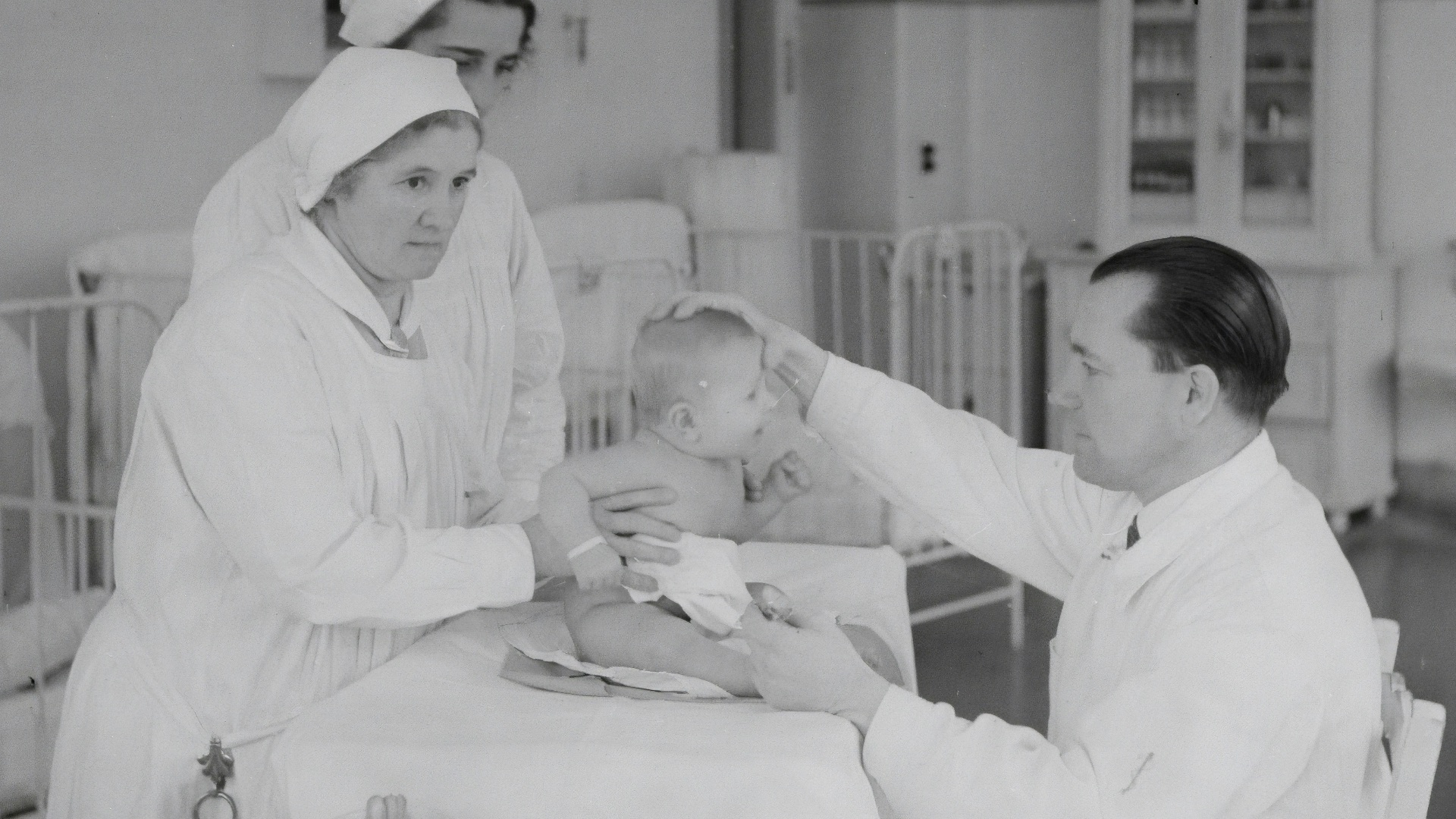 Austrian National Library on Unsplash
13. Some Hospitals Supplied Many Bodies for Medical Schools
The connection between hospitals and anatomy could operate on a scale that's difficult to picture today. Around the middle of the 19th century, Vienna General Hospital was reported to provide roughly 2,000 bodies per year to the city's medical faculty for educational dissection. Large public hospitals didn't just supply living patients for clinical instruction; their dead could remain part of medical education afterward.
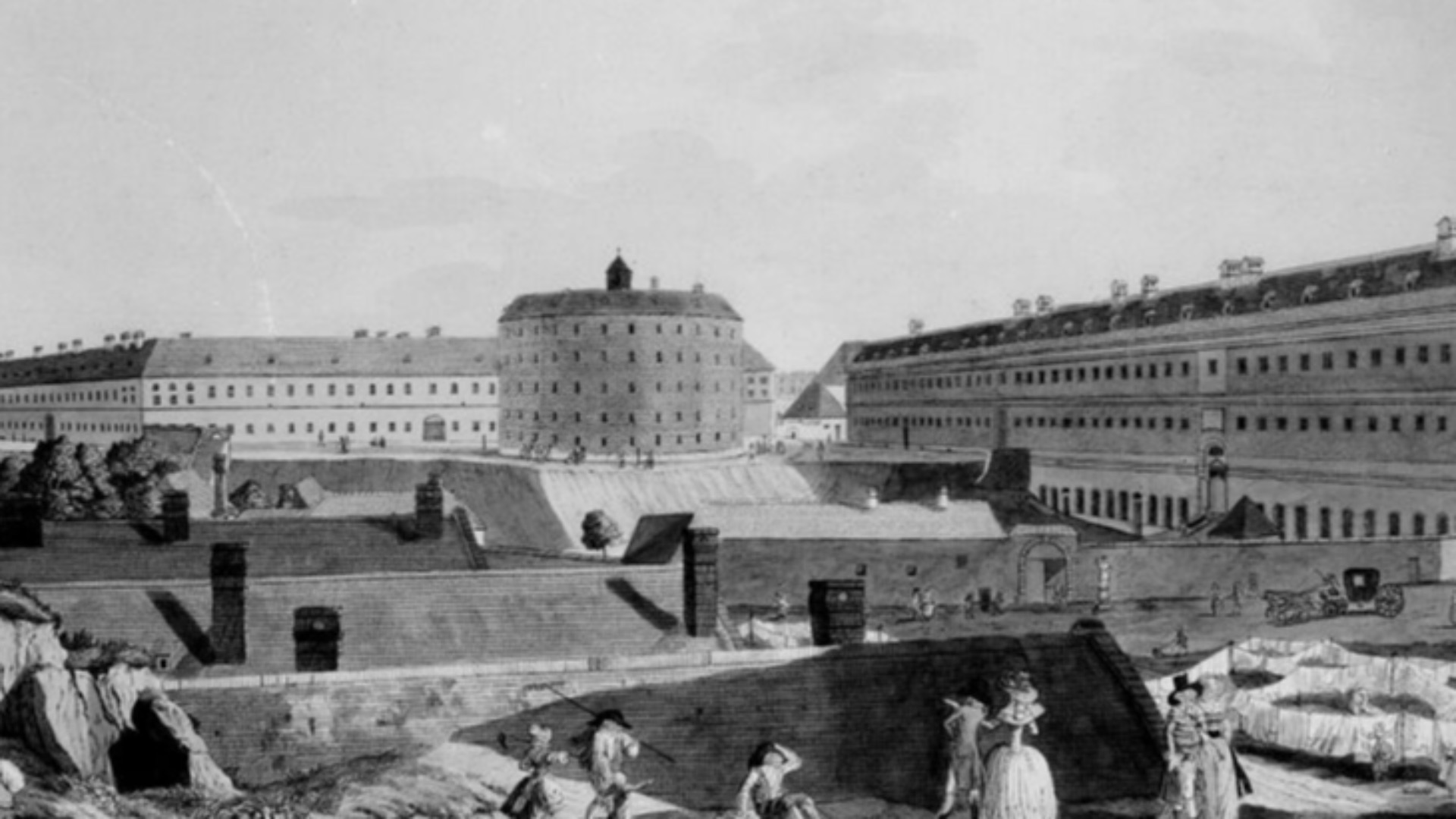 Joseph Schaffer (1757-1825) on Wikimedia
14. Psychiatric Patients Were Kept in Chains and Harnesses
Mechanical restraint was once an accepted feature of many institutions treating mental illness. One notorious example was William (James) Norris at Bethlem Hospital in London, who was confined using an elaborate harness and chains before his treatment became part of public criticism of the institution. Reformers eventually pushed psychiatric hospitals toward reduced restraint, but patients could spend long periods physically controlled while those debates unfolded.
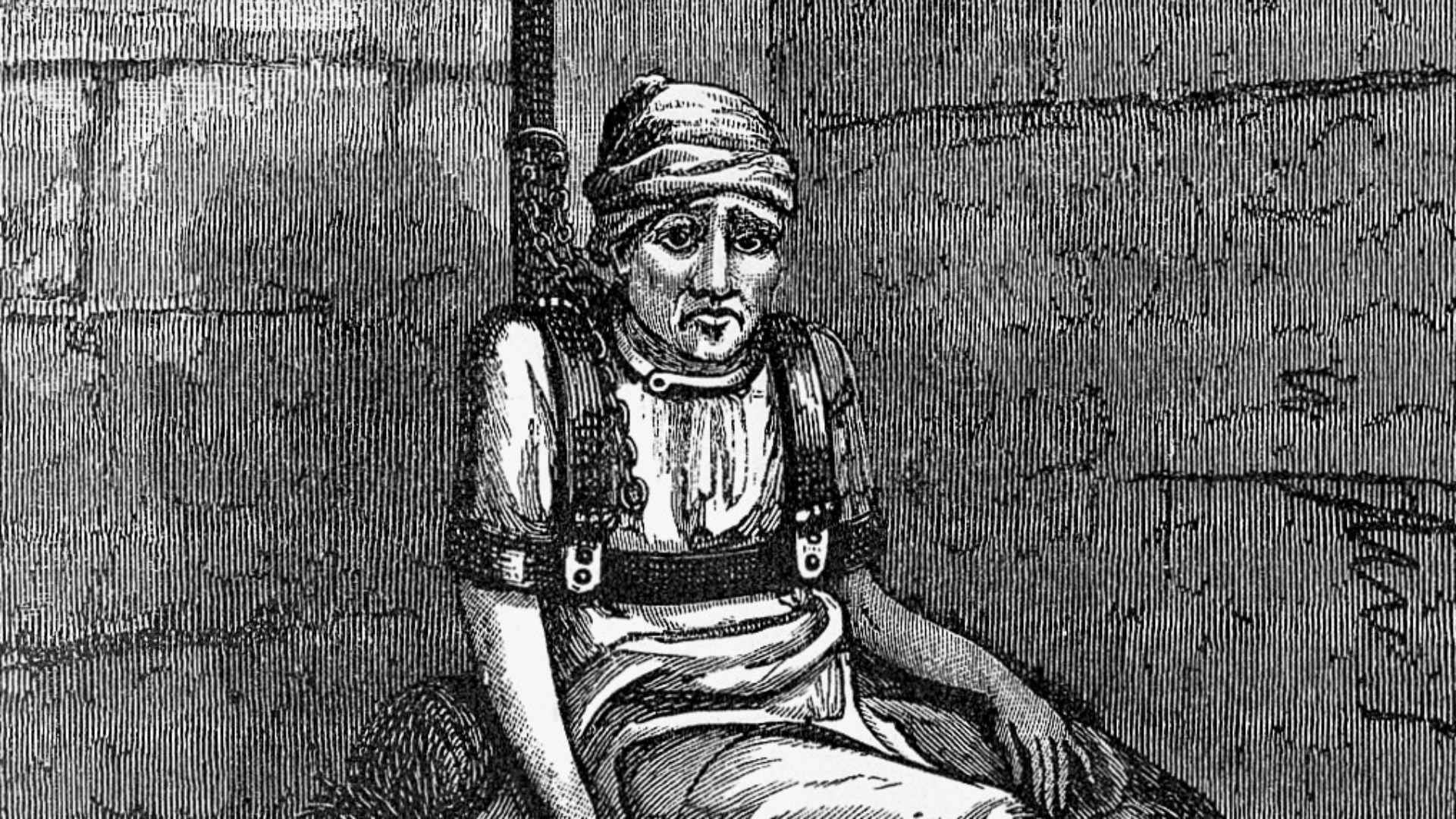
15. Mental Hospitals Could Hold Enormous Numbers of People
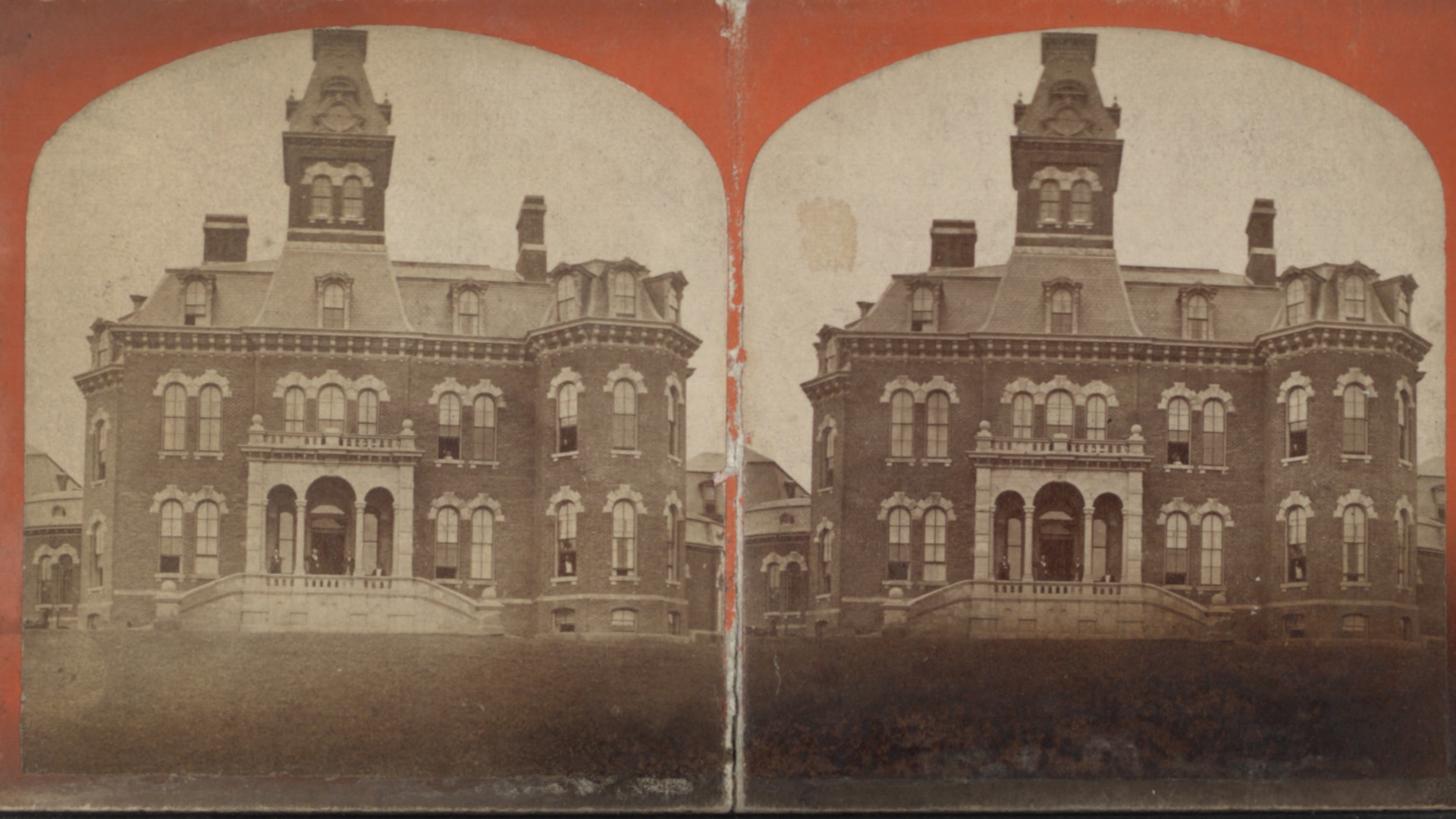
During the 19th century, governments increasingly built large psychiatric institutions intended to accommodate people with chronic mental illness who had previously been kept in local facilities, homes, poorhouses, or jails. New York authorized Willard Asylum for the Chronic Insane as a 1,500-bed institution in 1865, and it began receiving long-term patients several years later. The sheer size of such hospitals could turn psychiatric care into an institutional existence that lasted for years rather than a short period of treatment.
 Hall, W. L. -- Photographer on Wikimedia
16. Doctors Deliberately Put Psychiatric Patients Into Comas
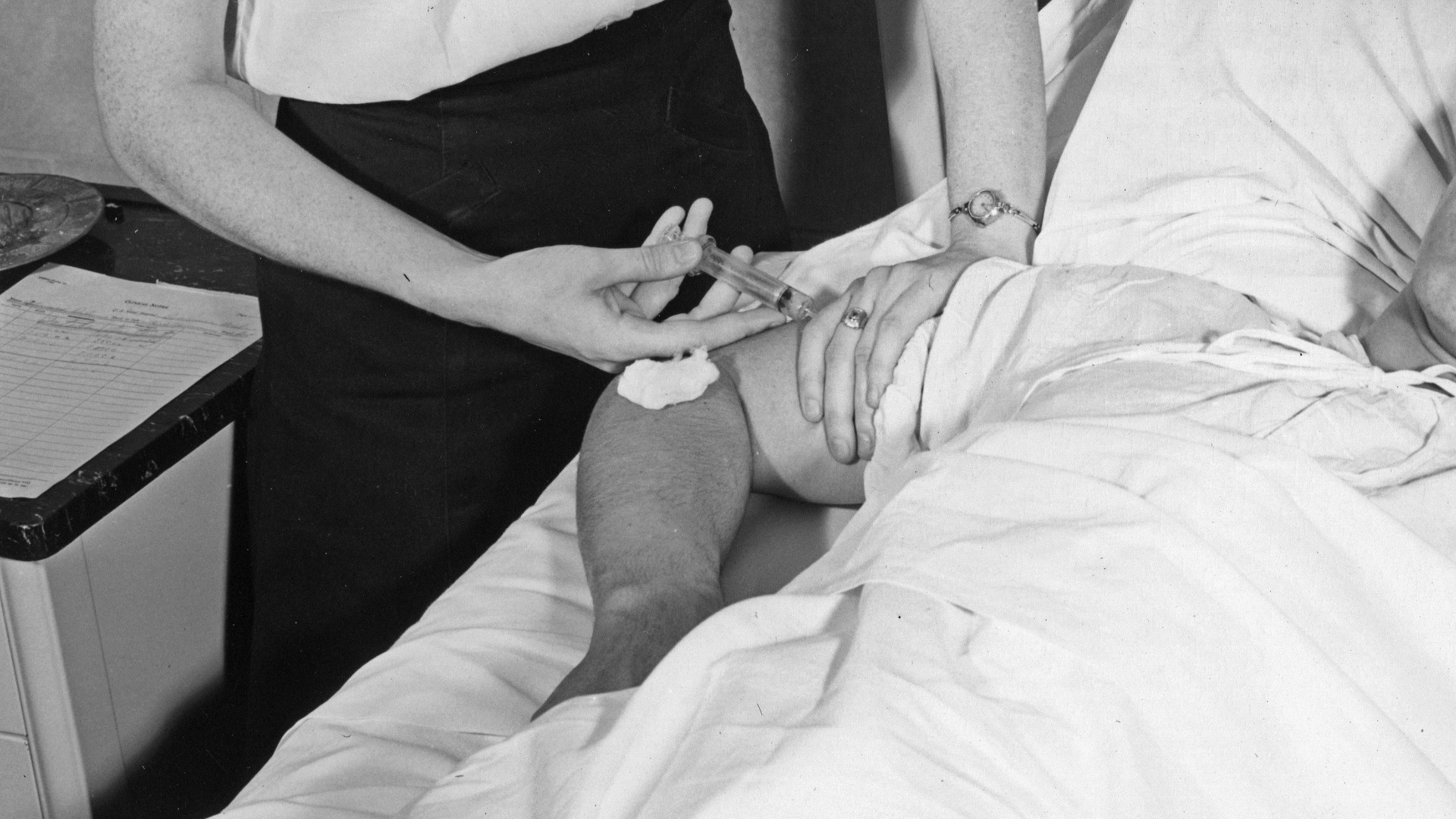
From the 1930s into the 1950s, insulin coma therapy became a major hospital treatment for schizophrenia in several countries. Doctors repeatedly administered enough insulin to produce severe hypoglycemia and unconsciousness, requiring specialized hospital units and close supervision to prevent fatal complications. The treatment later fell out of favor as evidence for its effectiveness was challenged and psychiatric medications offered less hazardous alternatives.
17. Patients Underwent Lobotomies Through Eye Sockets
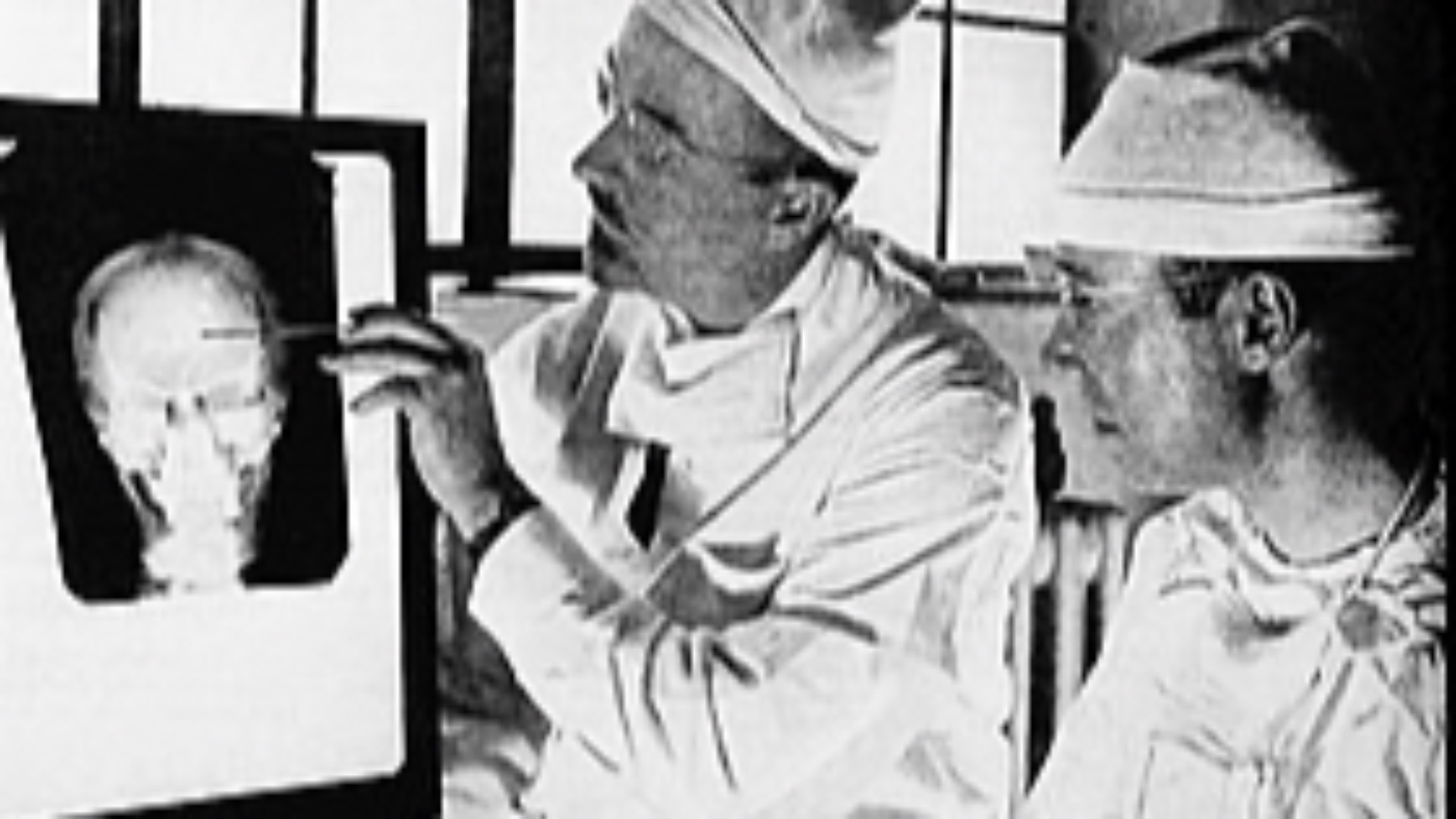
Walter Freeman helped popularize the transorbital lobotomy in the 1940s, using an instrument inserted above the eyeball and through the thin bone of the eye socket to reach the frontal lobes. The technique was faster than conventional neurosurgery and was performed in psychiatric institutions during a period when effective drug treatments for severe mental illness were extremely limited. Tens of thousands of lobotomies and related procedures were ultimately performed before the practice declined amid growing awareness of its serious neurological and behavioral consequences.
18. Some Lobotomies Didn't Even Use an Operating Room
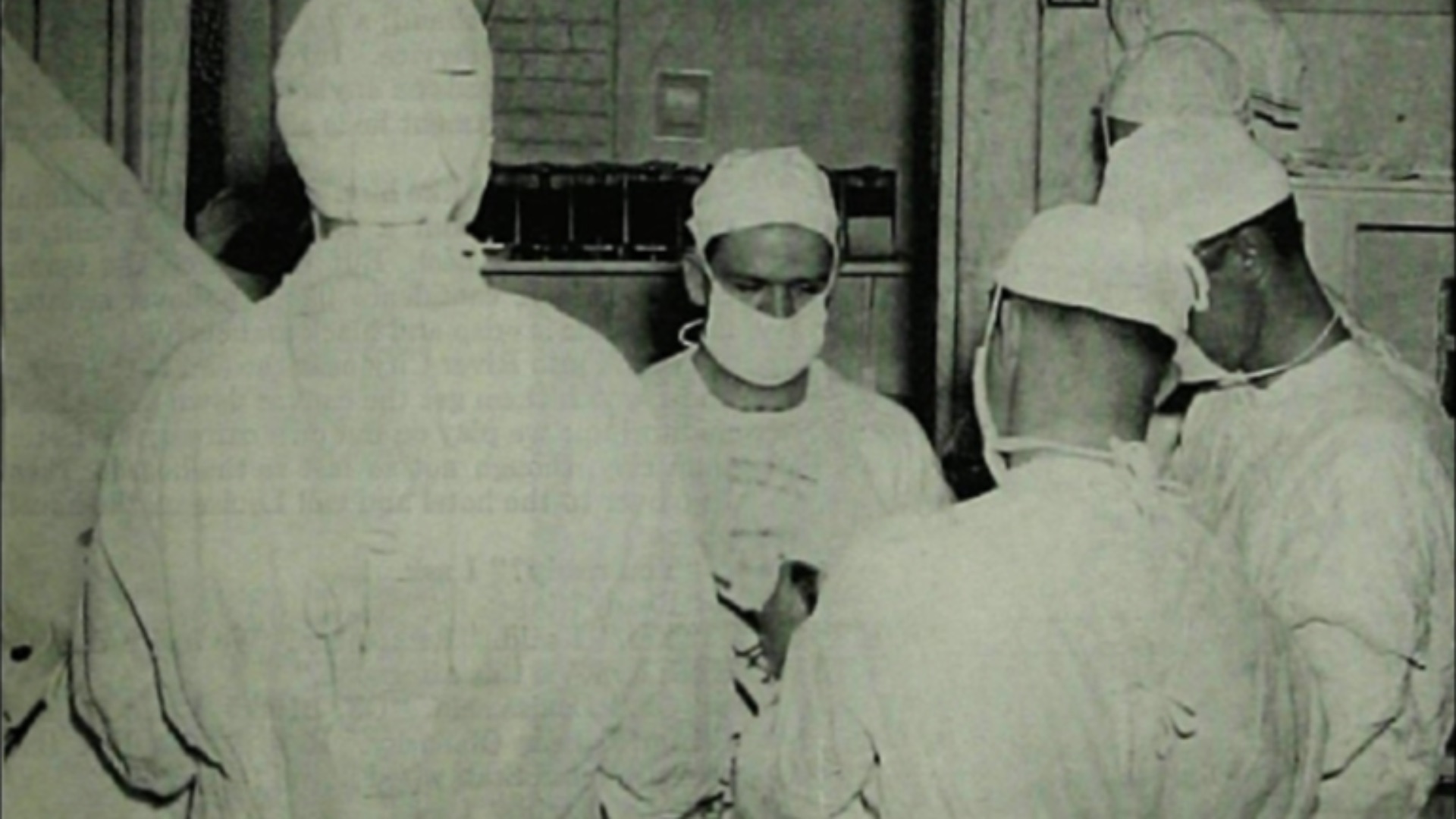
Freeman designed his transorbital procedure in part so that it could be carried out without the full resources normally associated with brain surgery. Historical reviews note that electroshock could be used to render the patient unconscious, allowing the procedure to proceed without a conventional anesthetist, neurosurgical team, or proper sterile technique. That made lobotomy easier to bring directly into state hospitals, which also helped it spread far more widely than a complicated neurosurgical operation otherwise could have.
 Photography Harris A Ewing on Wikimedia
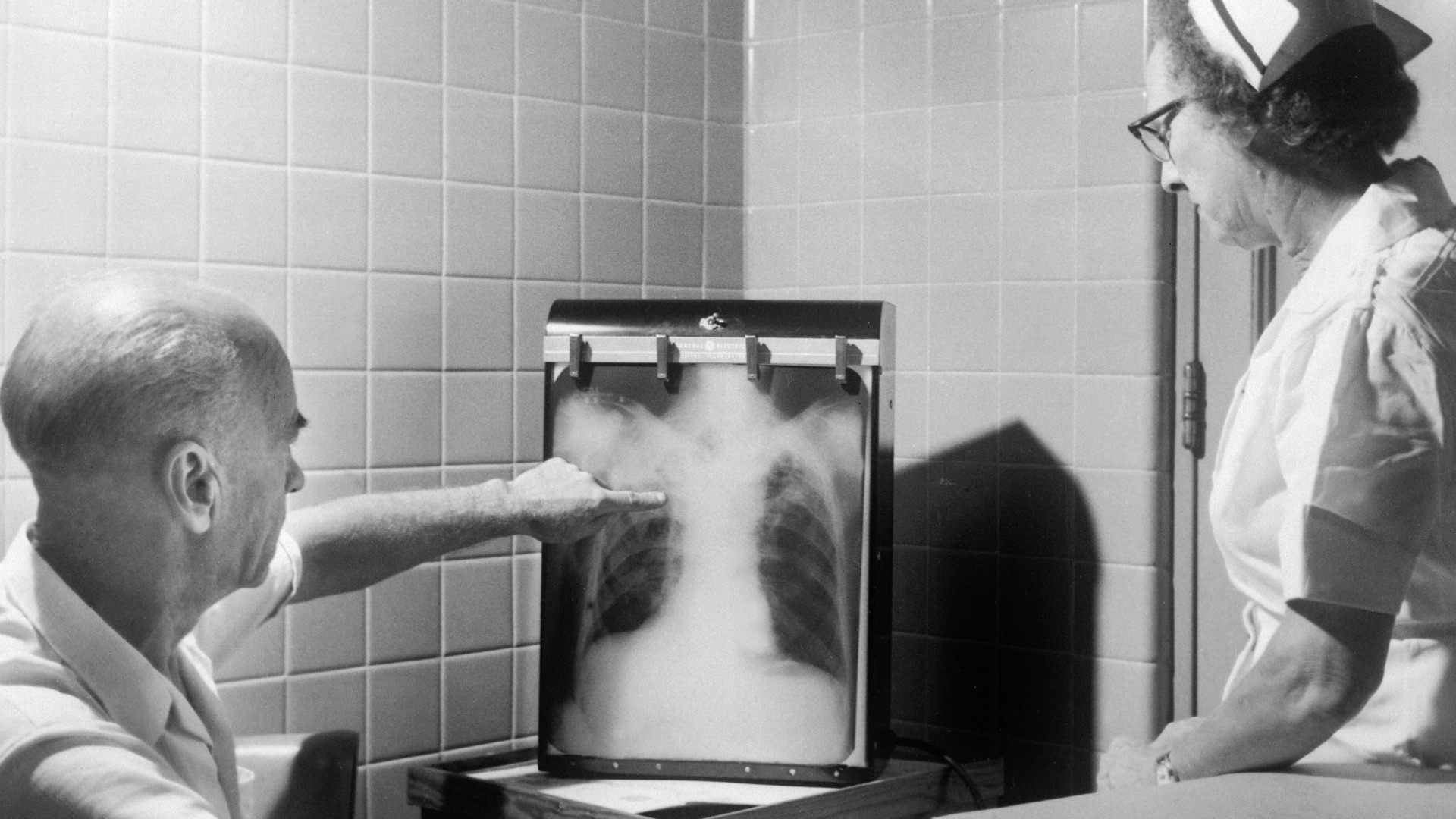
19. Early X-Ray Patients and Workers Were Sometimes Seriously Burned
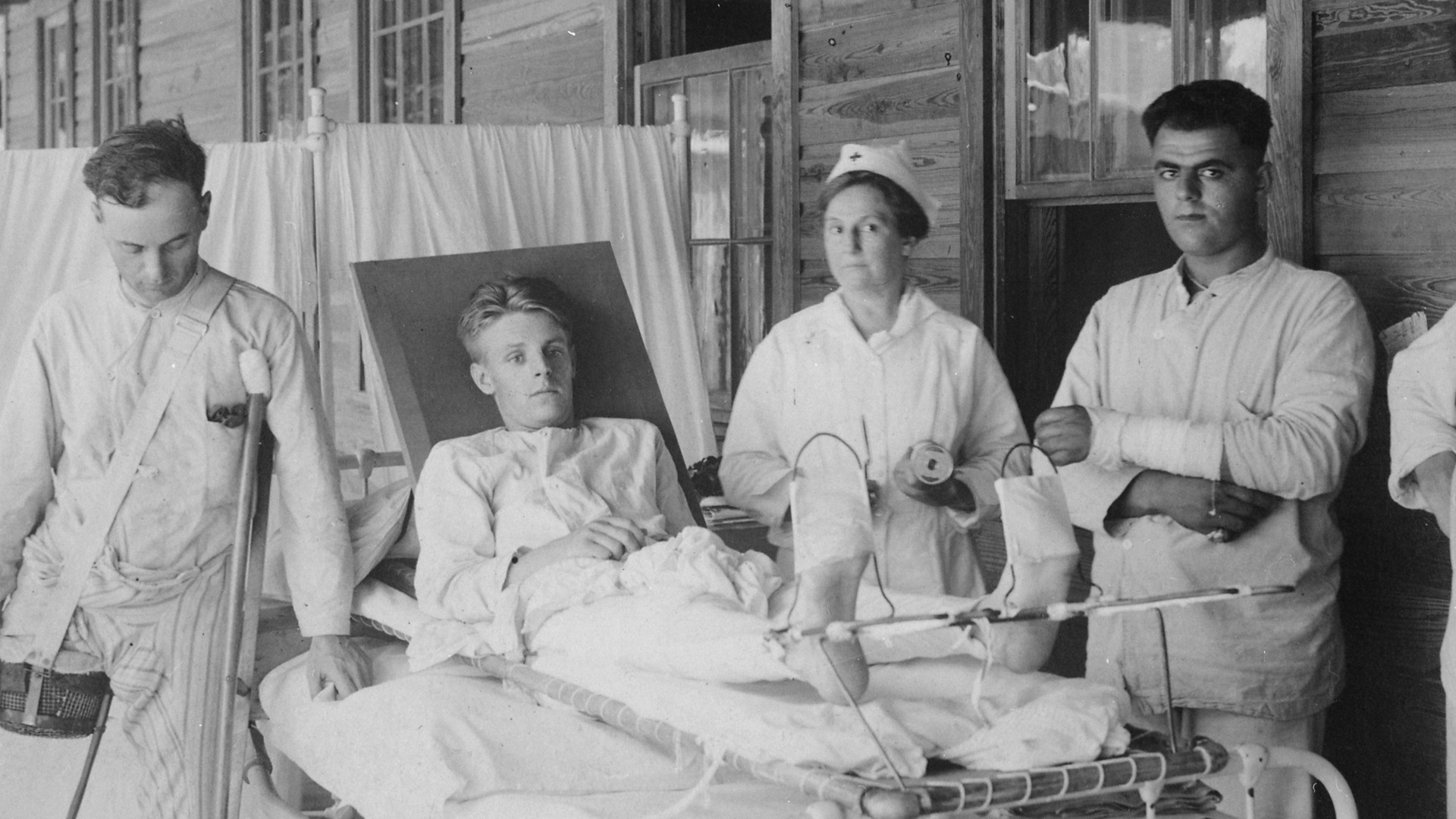
When X-rays entered medicine at the end of the 19th century, physicians understood their diagnostic possibilities long before they fully understood the risks of radiation exposure. Burns, chronic skin injuries, and later cancers appeared among early operators and patients, with dozens of X-ray injuries already being reported within the technology's first few years. Hospitals gained an extraordinary new way to see inside the body, but some of the people involved in developing and using it paid for that knowledge with permanent injuries.
20. The Hospital Itself Was Once a Major Health Hazard
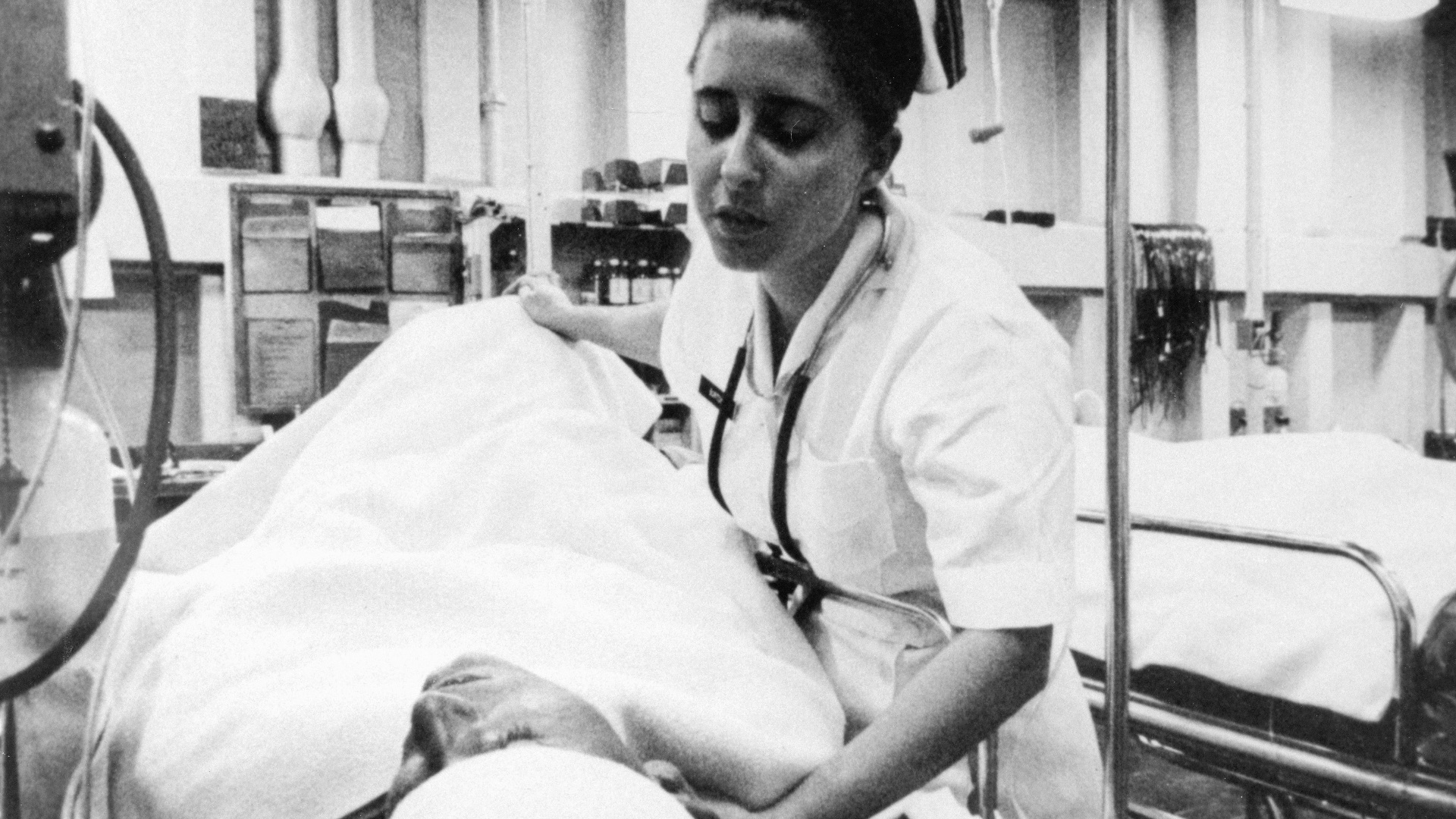
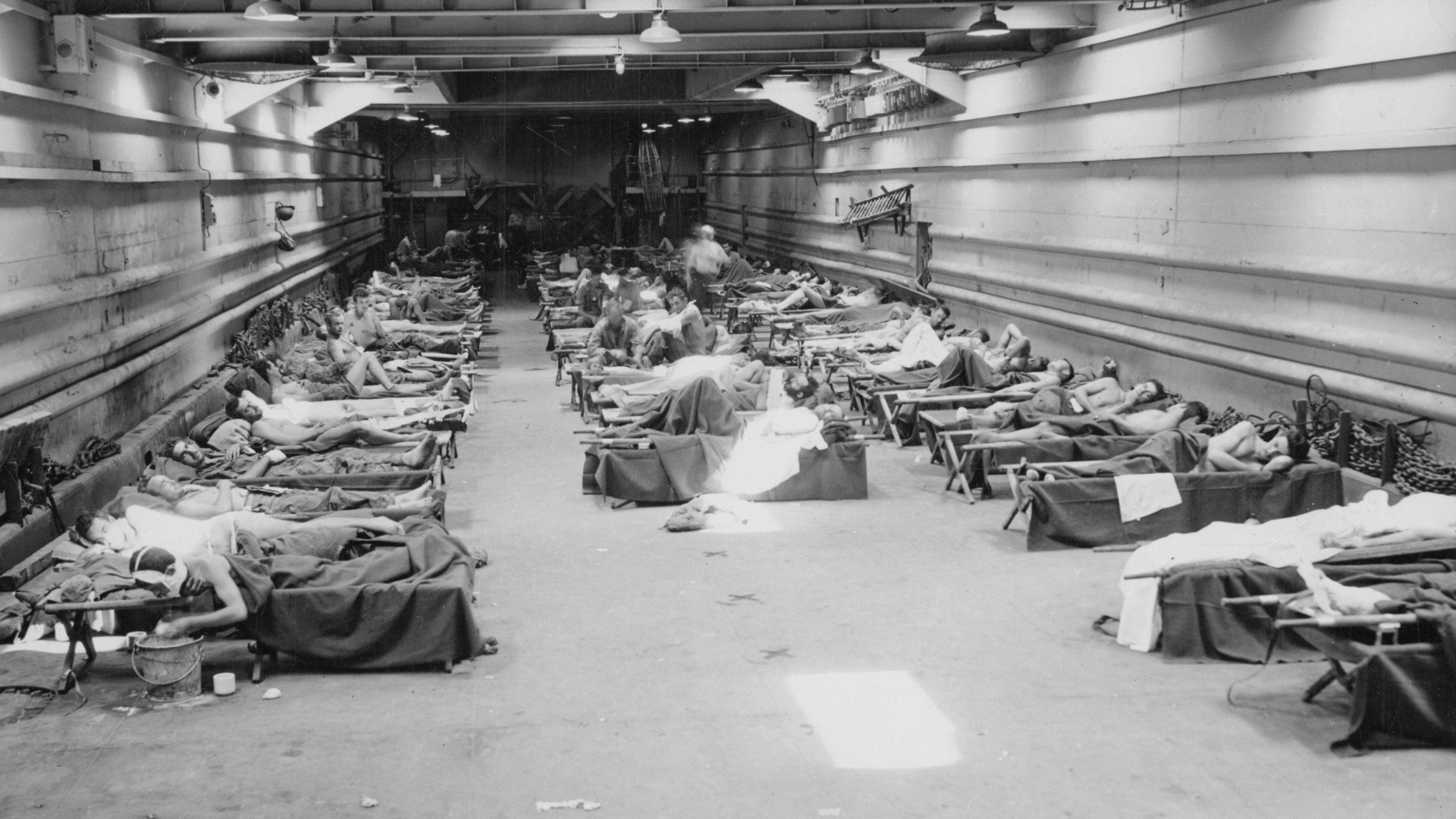
By the 19th century, reformers were increasingly recognizing that poor ventilation, crowded wards, contaminated surfaces, shared spaces, and inadequate sanitation could make hospitals dangerous environments in their own right. Investigations and reforms gradually changed everything from ward layouts and bedding practices to hand hygiene, instrument sterilization, and patient separation. The unsettling part is that many defining features of a safe modern hospital exist because earlier generations first had to document how often hospitals were contributing to the sickness and deaths of the people who entered them.
KEEP ON READING