10 Historical Figures Remembered as Heroes & 10 Who Probably Shouldn’t Be
History Has A Complicated Way Of Creating Heroes
Historical reputations are rarely as simple as monuments, school lessons, and popular stories make them seem. Some people earned admiration through courage, leadership, reform, or resistance to injustice, while others developed heroic reputations that become much harder to defend once their actions are examined more closely. Looking more carefully at the evidence reveals 10 historical figures remembered as heroes and 10 whose heroic reputations probably deserve far more scrutiny.
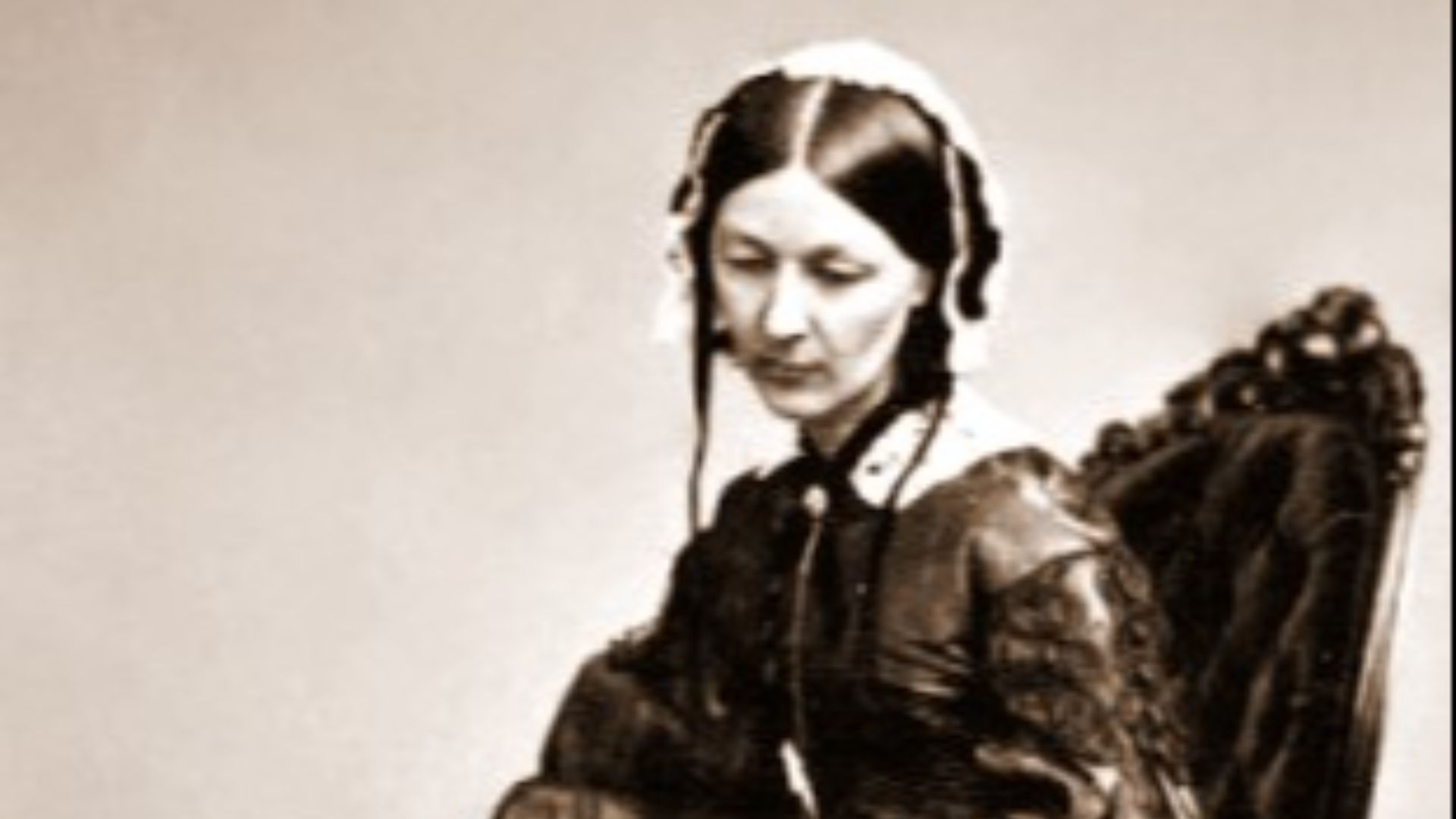
1. Harriet Tubman
Harriet Tubman escaped slavery and then repeatedly risked her freedom by returning to help other enslaved people reach safety through the Underground Railroad. In 1863, she helped guide the Combahee Ferry Raid, which liberated more than 700 enslaved people in South Carolina.
 Horatio Seymour Squyer on Wikimedia
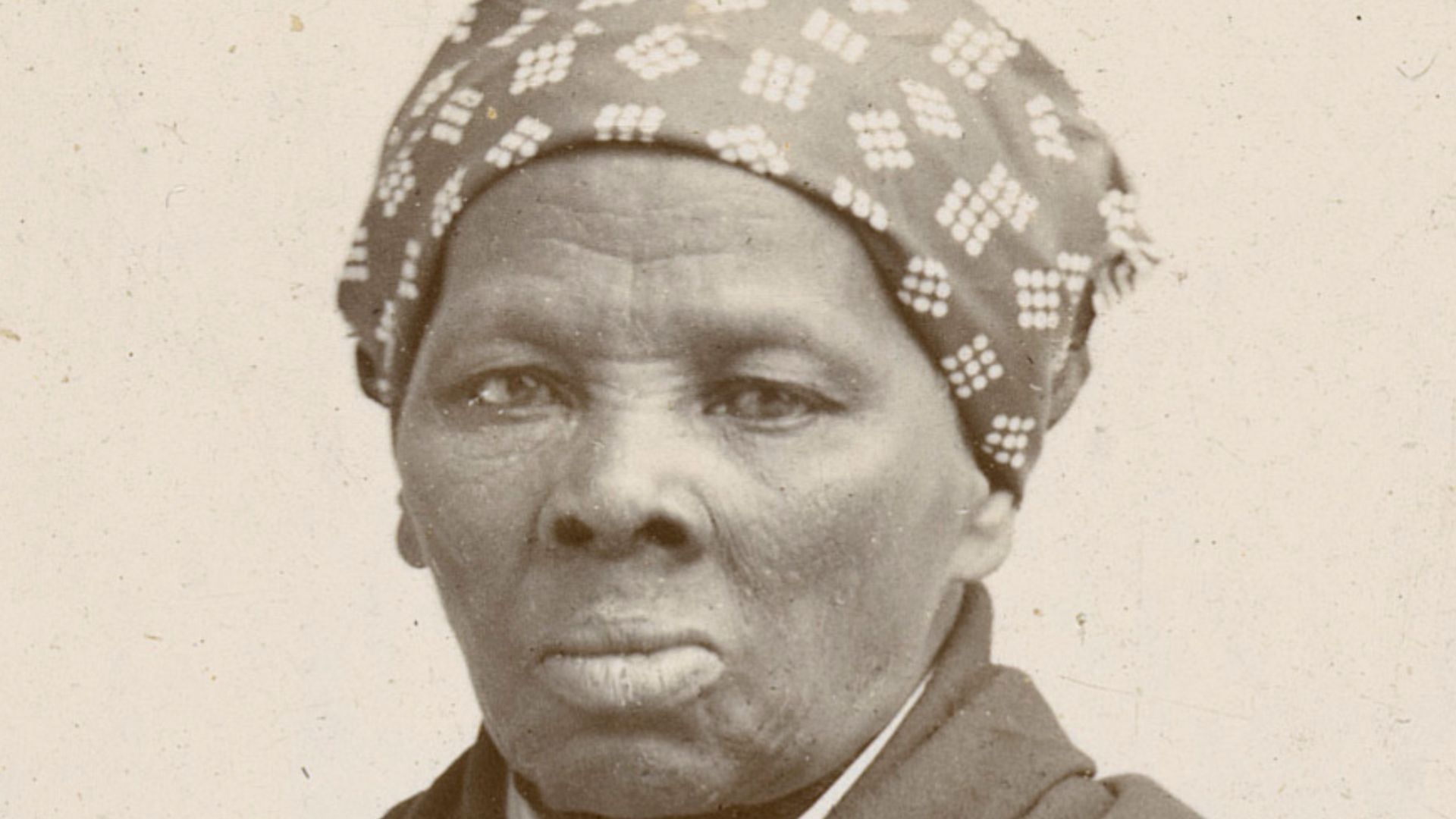
2. Frederick Douglass
After escaping slavery, Frederick Douglass became one of the most influential abolitionists in American history. His speeches and autobiographies exposed the brutality of slavery while challenging racist claims about Black intellectual ability.
 Unknown authorUnknown author on Wikimedia
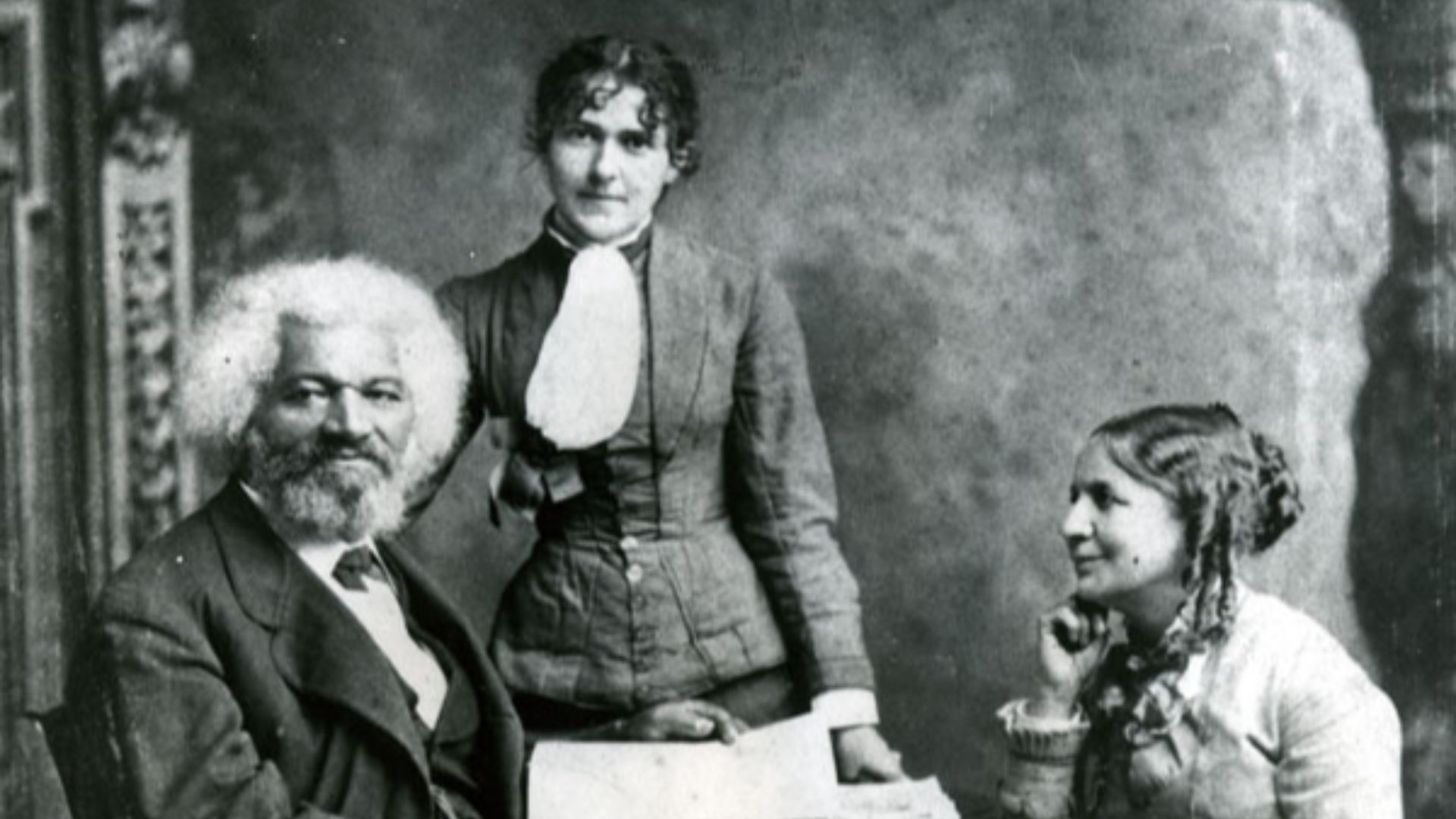
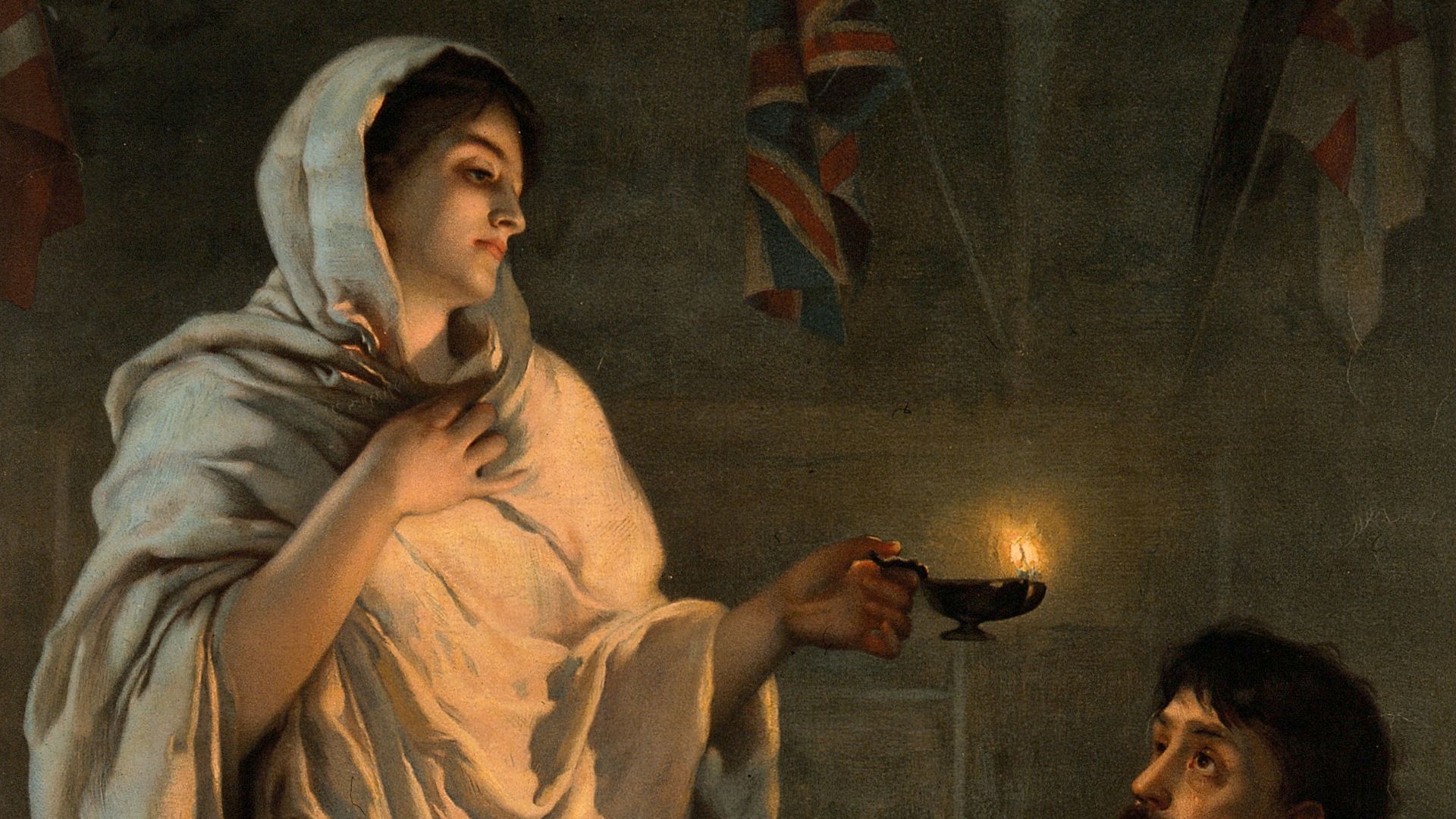
3. Florence Nightingale
Florence Nightingale became famous for improving nursing practices during the Crimean War, but her influence extended well beyond caring for wounded soldiers. She used statistical evidence to argue for better sanitation and hospital management, helping transform public health administration.
 After Henrietta Rae on Wikimedia
4. Nelson Mandela
Nelson Mandela became a central leader in the struggle against South Africa's apartheid system and spent 27 years imprisoned for his political activities. After his release, he helped negotiate the country's transition toward multiracial democracy rather than encouraging widespread retaliation. Mandela became South Africa's first Black president in 1994 and promoted national reconciliation during an exceptionally difficult political transition.
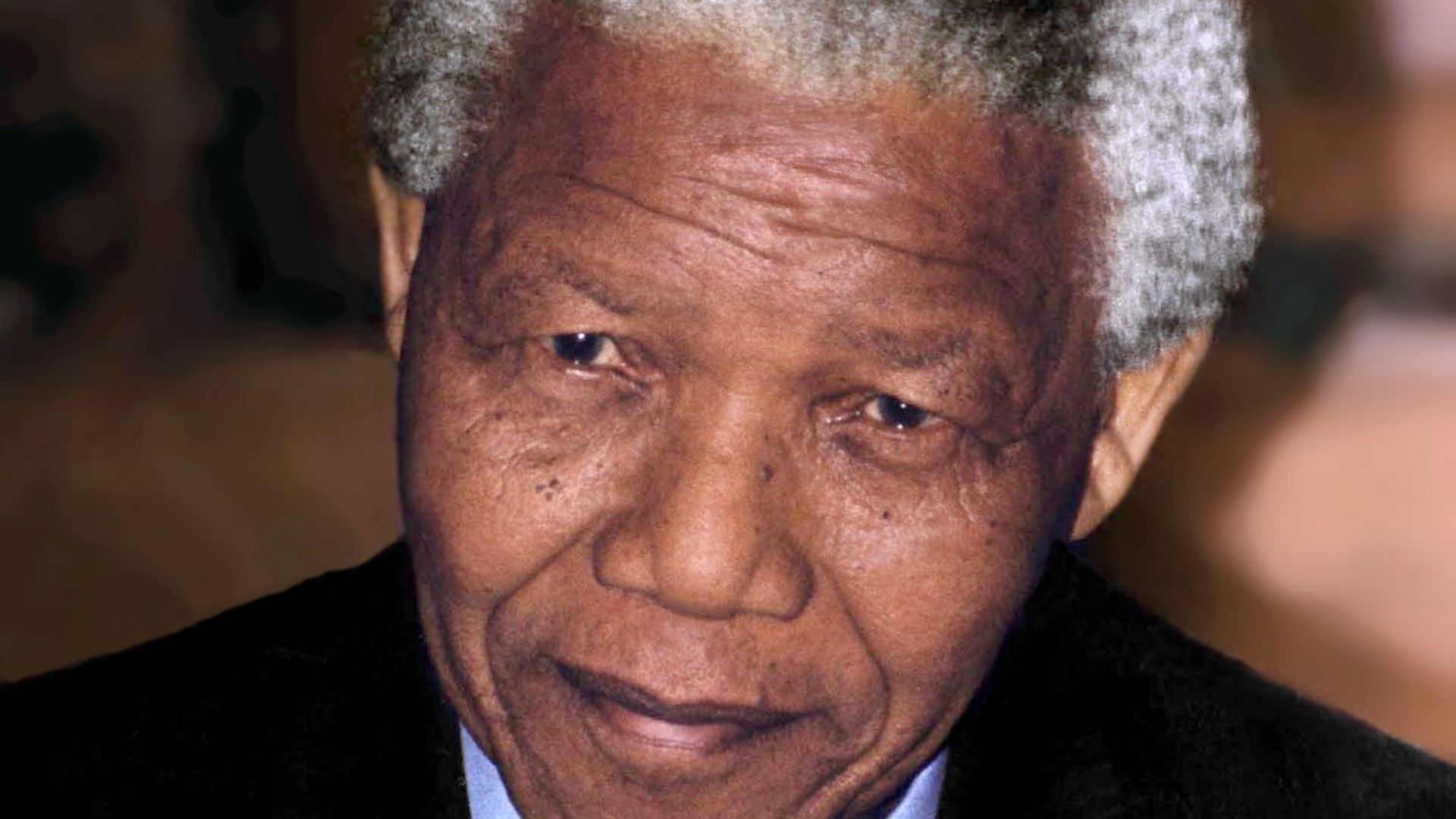 Kingkongphoto & www.celebrity-photos.com from Laurel on Wikimedia
5. Oskar Schindler
German industrialist Oskar Schindler initially joined the Nazi Party and sought financial opportunities during World War II, making his story more complicated than a straightforward tale of lifelong resistance. Over time, however, he used his factories and connections to protect Jewish workers from deportation and murder. His efforts are credited with saving roughly 1,200 Jews from the Holocaust.
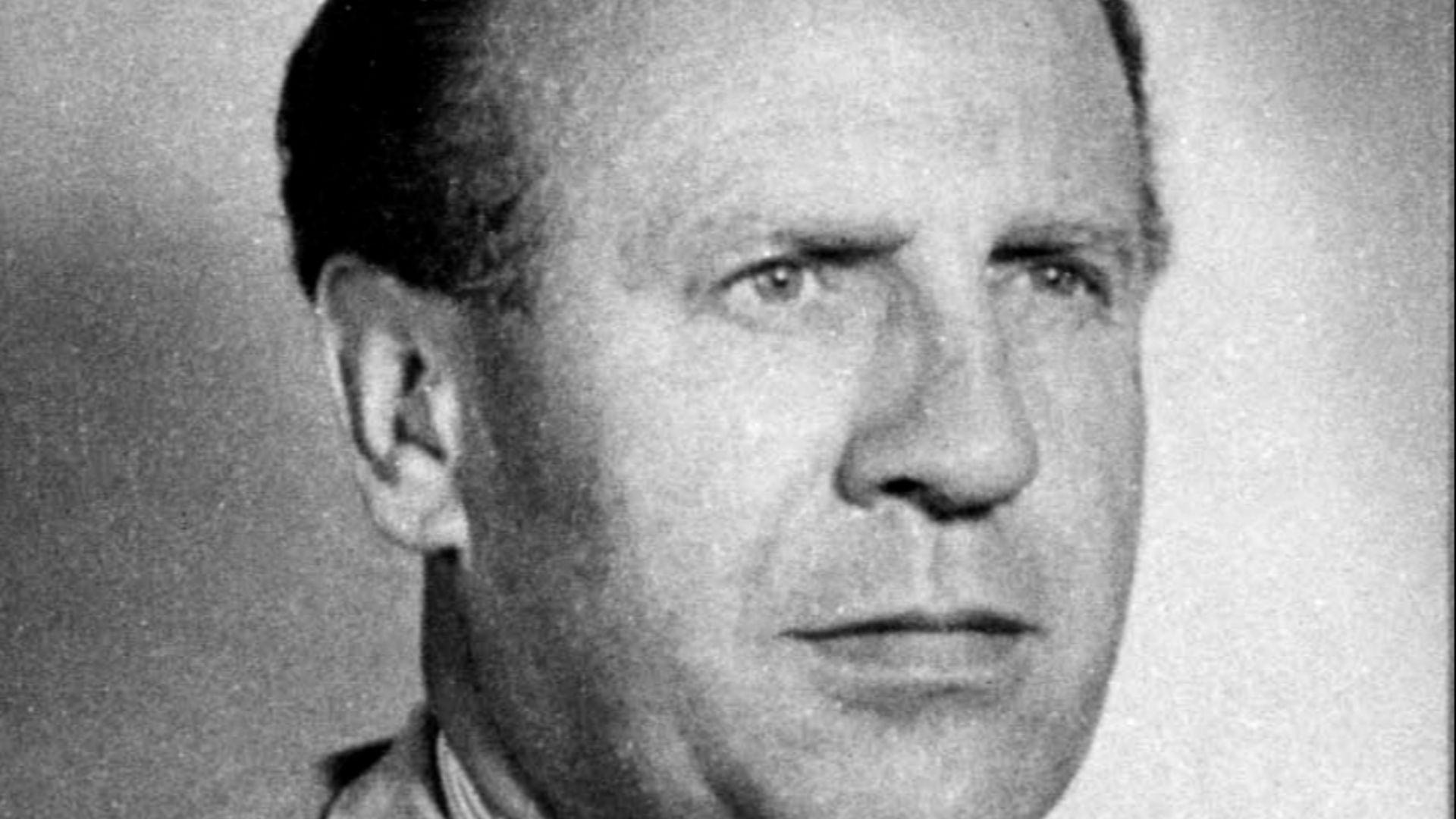 Unknown authorUnknown author on Wikimedia
6. Susan B. Anthony
Susan B. Anthony spent decades campaigning for women's legal and political rights in the United States. She organized, lectured, petitioned, and even voted illegally in the 1872 presidential election to challenge women's exclusion from the ballot.
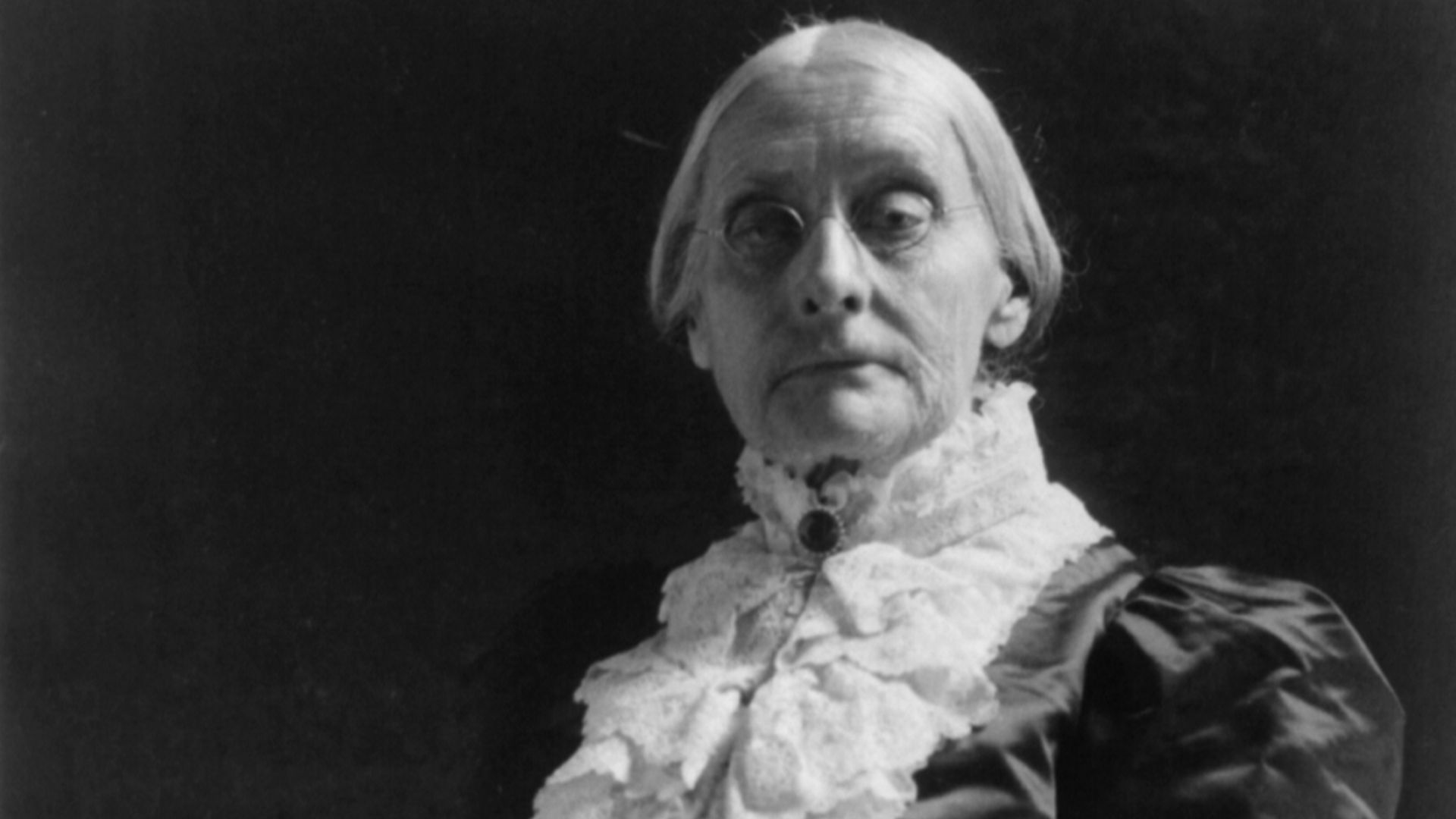 Frances Benjamin Johnston on Wikimedia
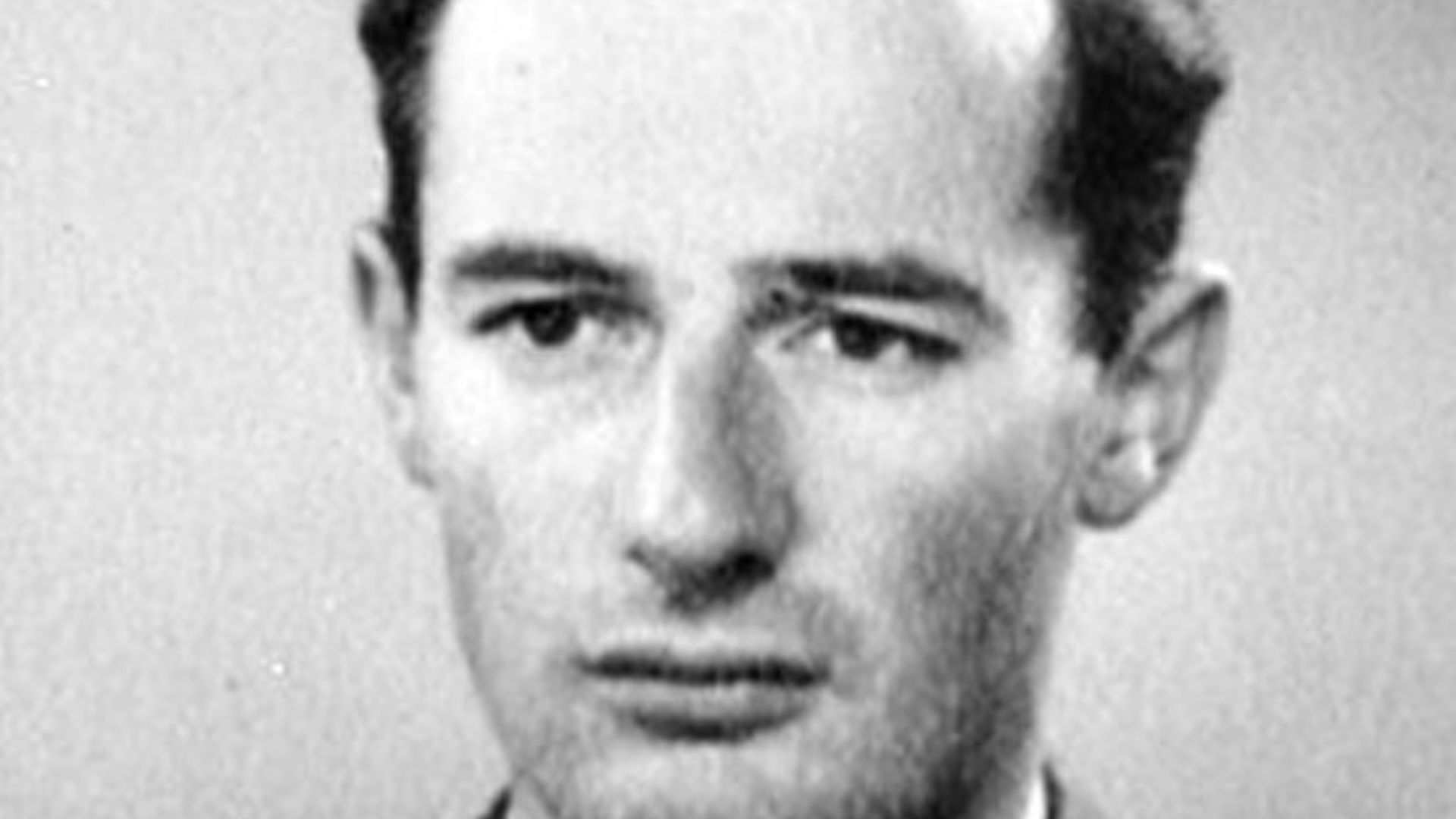
7. Raoul Wallenberg
Swedish diplomat Raoul Wallenberg entered Nazi-occupied Hungary in 1944 as Hungarian Jews faced mass deportation and murder. He issued protective Swedish documents, established safe houses, and personally intervened to prevent people from being deported. His actions helped protect tens of thousands of Jews in Budapest before Soviet authorities detained him in 1945.
8. Rosa Parks
Rosa Parks wasn't simply a tired passenger who spontaneously refused to surrender her bus seat, despite how the story is sometimes simplified. She was an experienced civil rights activist whose 1955 arrest became the catalyst for the Montgomery Bus Boycott.
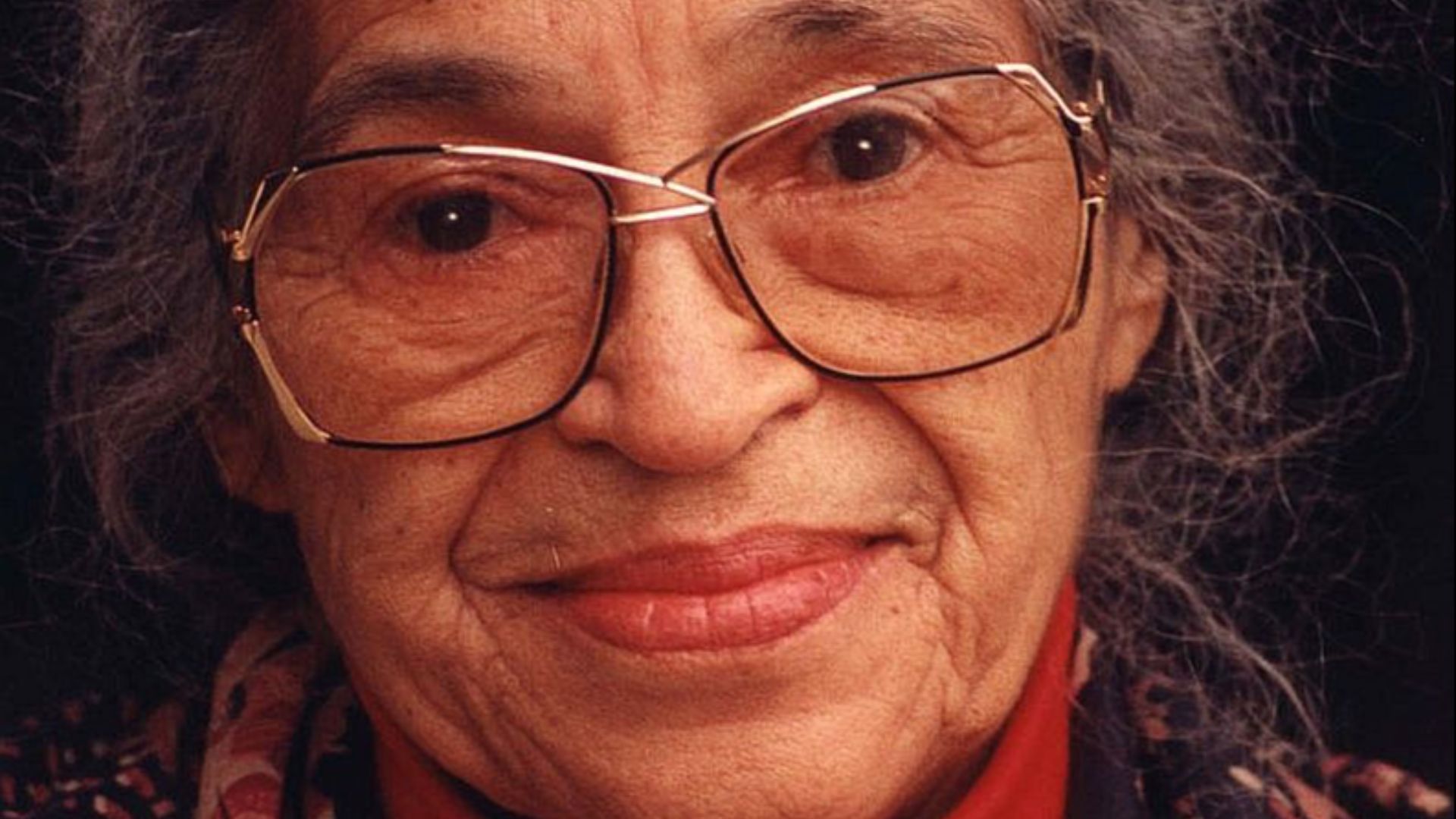 John Mathew Smith & www.celebrity-photos.com from Laurel Maryland, USA on Wikimedia
9. Desmond Doss
Army medic Desmond Doss served during World War II while refusing to carry a weapon because of his religious convictions. During fighting on Okinawa, he repeatedly entered dangerous areas to rescue wounded soldiers, reportedly saving dozens of men.
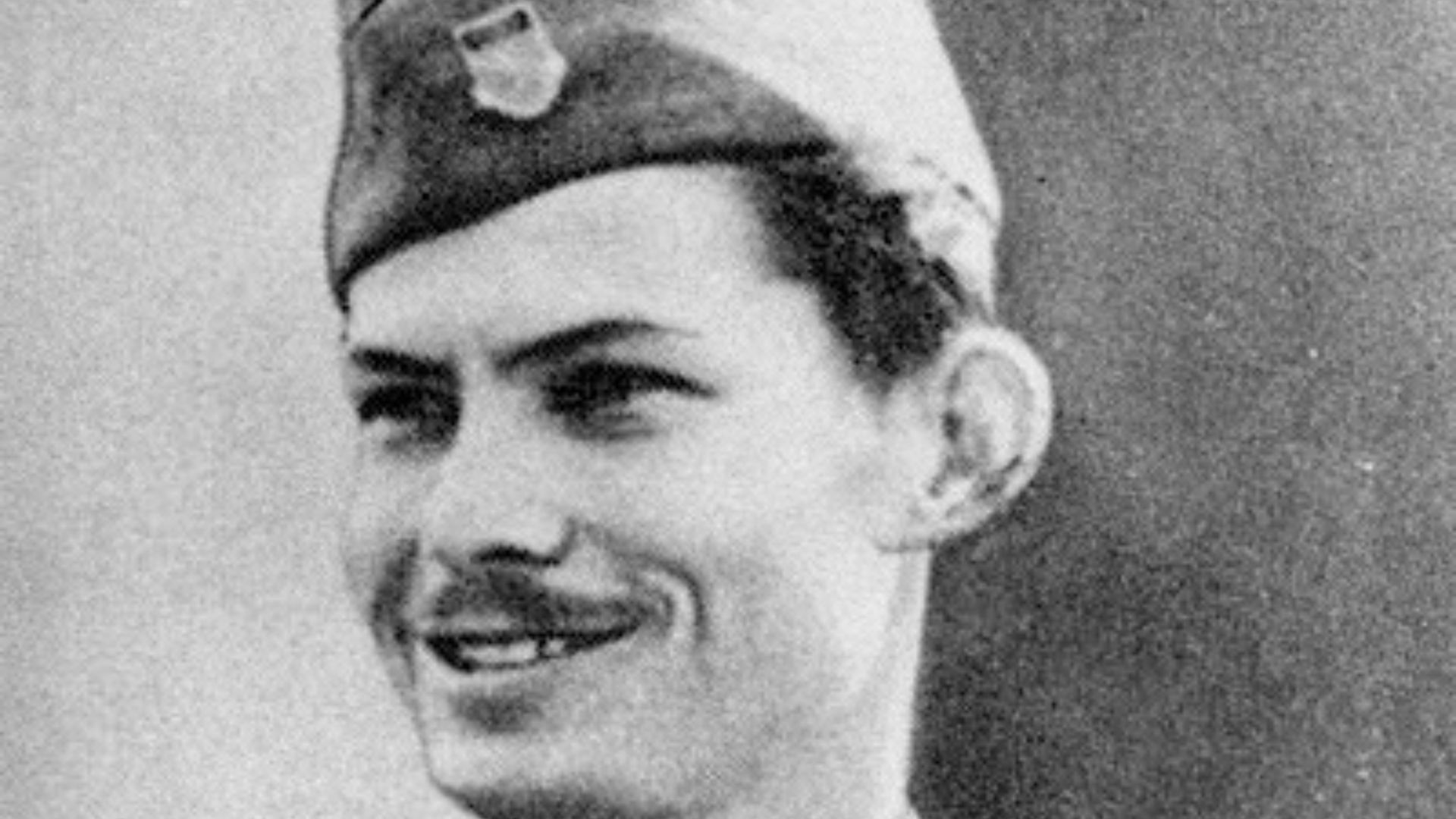
10. Irena Sendler
Polish social worker Irena Sendler participated in efforts to rescue Jewish children from the Warsaw Ghetto during the Holocaust. Working with the underground organization Żegota, she helped arrange hiding places, false documents, and new identities for children facing almost certain death.
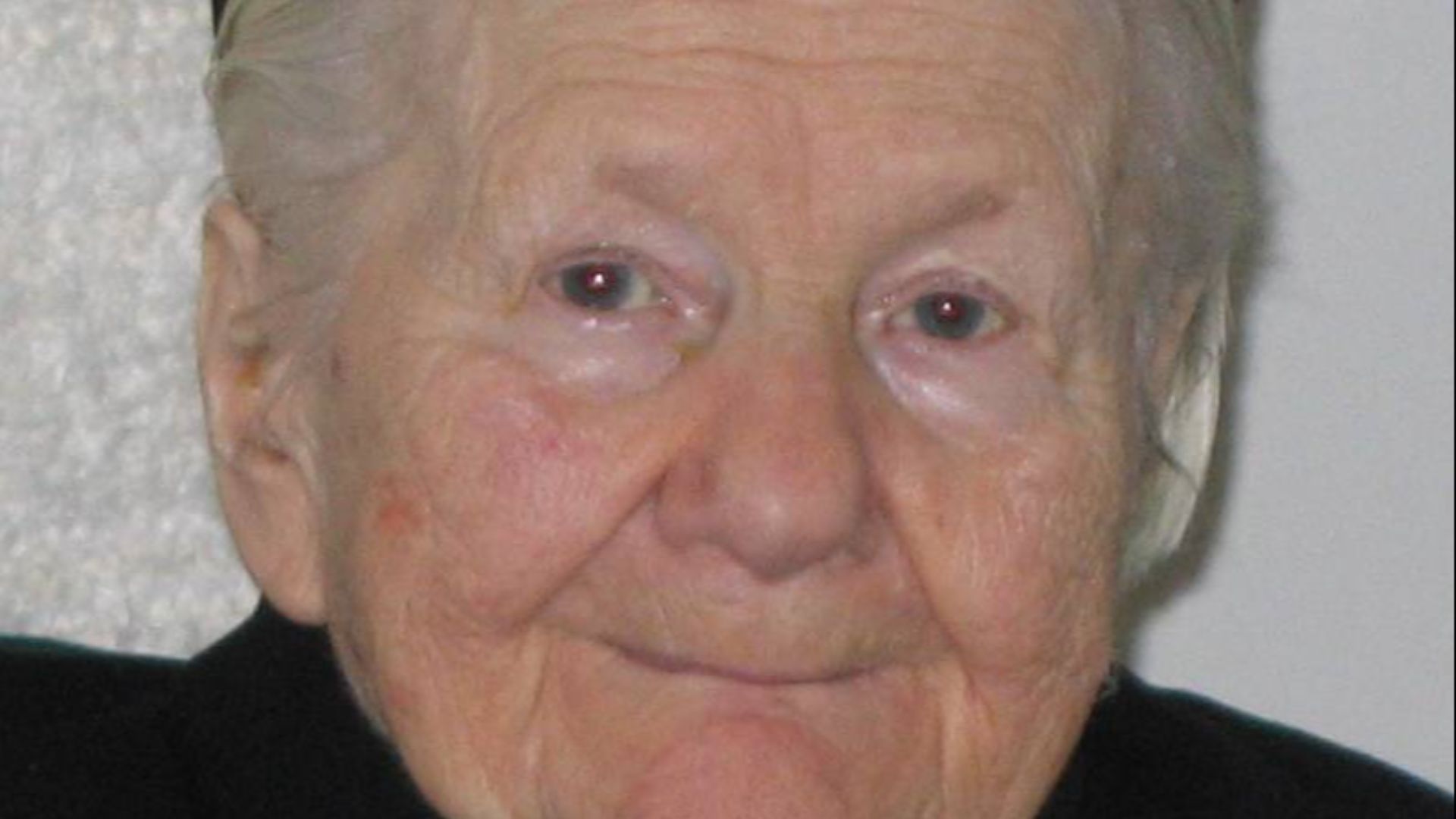 Mariusz Kubik, zoom by User:ABX on Wikimedia
1. Christopher Columbus
Christopher Columbus was long celebrated in the United States and parts of Europe as a heroic explorer who opened the Americas to European discovery. His voyages did have enormous historical consequences, but his administration in the Caribbean involved enslavement, forced labor, violence, and severe exploitation of Indigenous people.
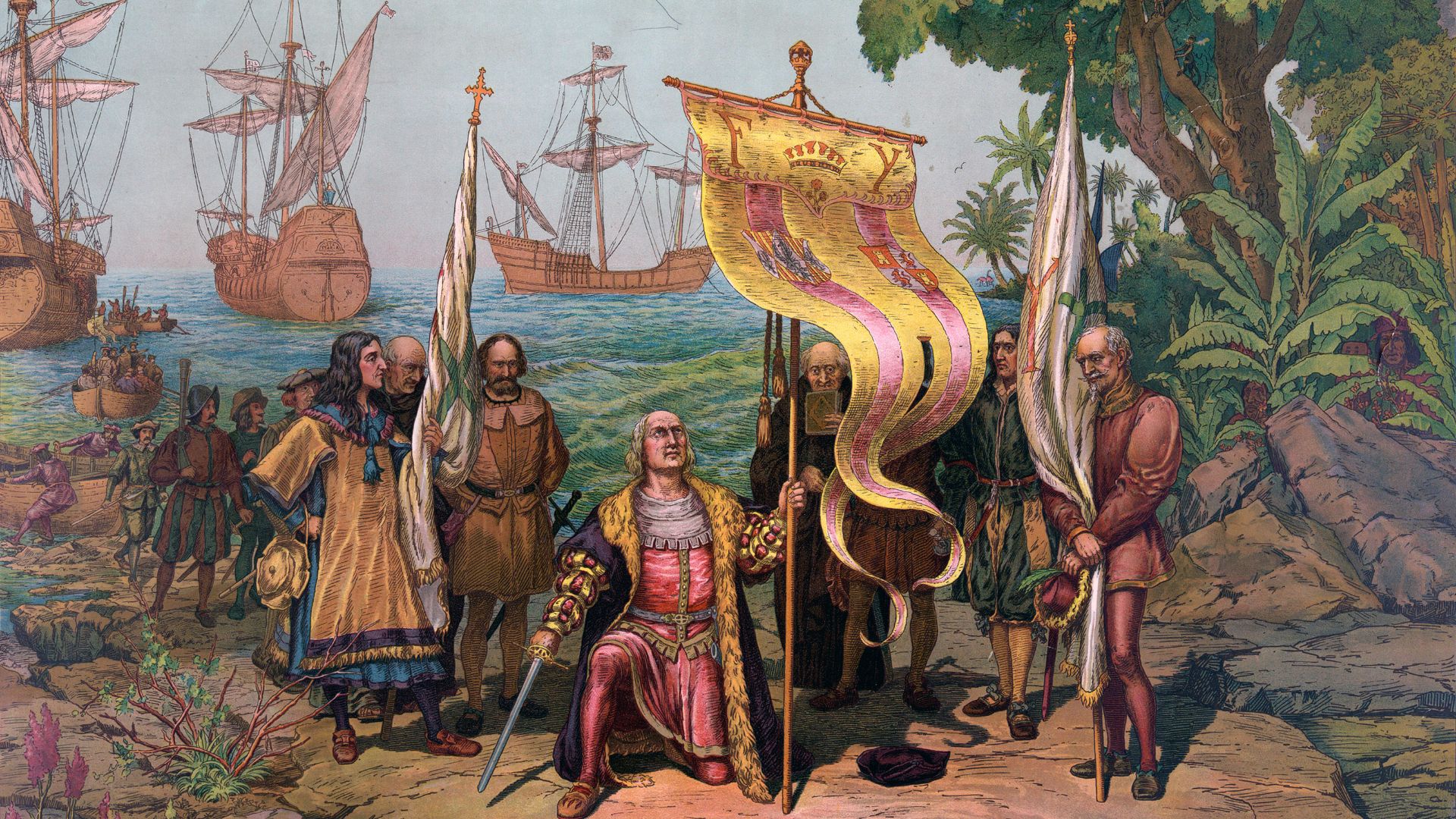 L. Prang & Co., Boston on Wikimedia
2. Andrew Jackson
Andrew Jackson has often been portrayed as a populist military hero who expanded political participation for ordinary white men. His presidency, however, was also responsible for enforcing Indigenous removal policies, including the Indian Removal Act of 1830.
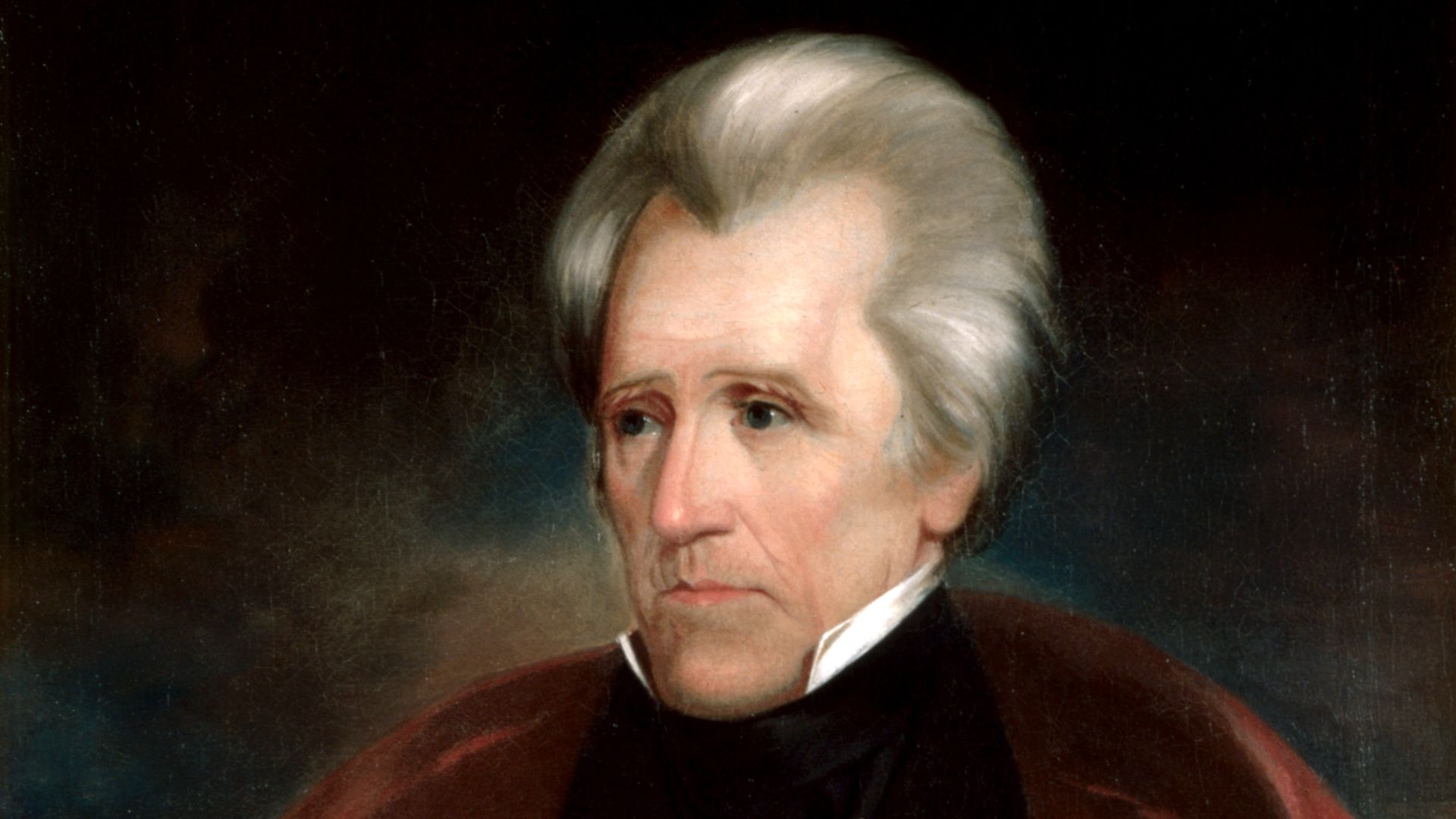 Ralph Eleaser Whiteside Earl on Wikimedia
3. Cecil Rhodes
Cecil Rhodes was once widely celebrated in Britain as a successful businessman, politician, philanthropist, and symbol of imperial ambition. His wealth came largely from southern African mining, while his political career aggressively promoted British colonial expansion and white political dominance.
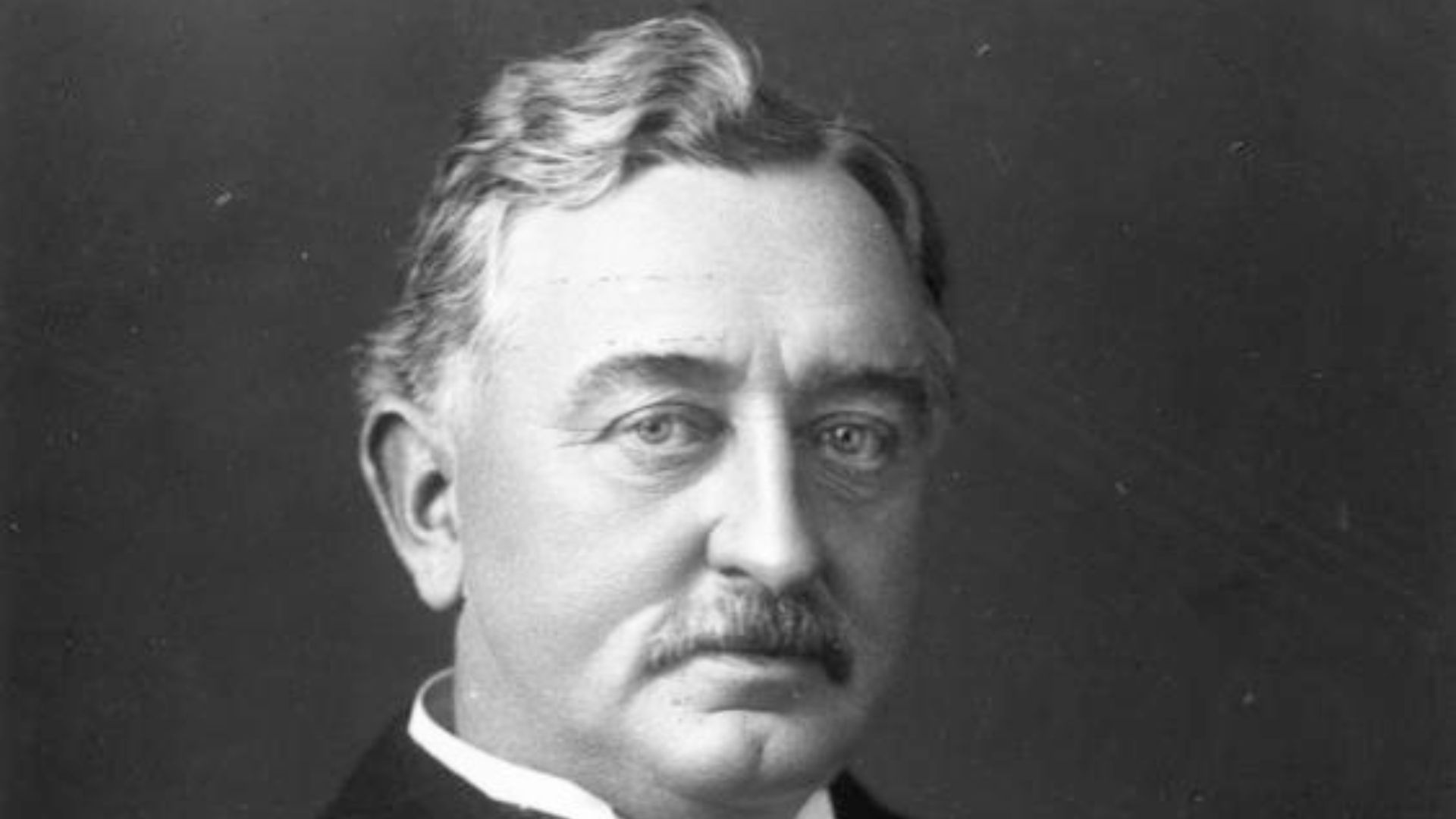 Unknown authorUnknown author on Wikimedia
4. Hernán Cortés
Hernán Cortés has sometimes been portrayed as a remarkably daring conqueror who defeated the powerful Aztec Empire with only a small Spanish force. That version overlooks the crucial assistance of Indigenous allies who opposed Aztec rule, as well as disease and political divisions.
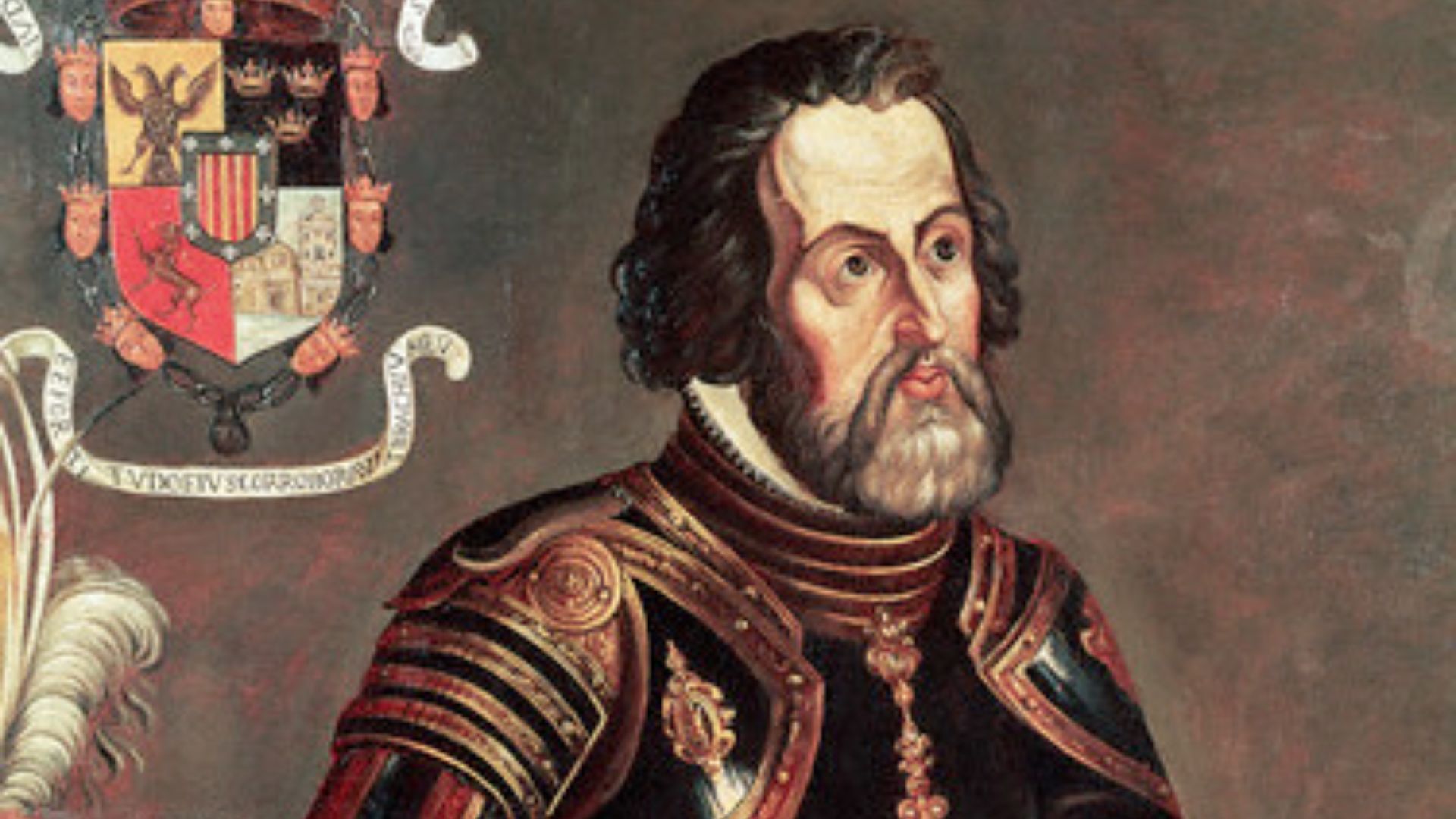 AnonymousUnknown author on Wikimedia
5. Leopold II Of Belgium
King Leopold II spent years presenting his control of the Congo Free State as a humanitarian and civilizing enterprise. In reality, his private colonial regime became notorious for forced labor, hostage-taking, mutilation, killings, and brutal punishment connected especially to rubber production.
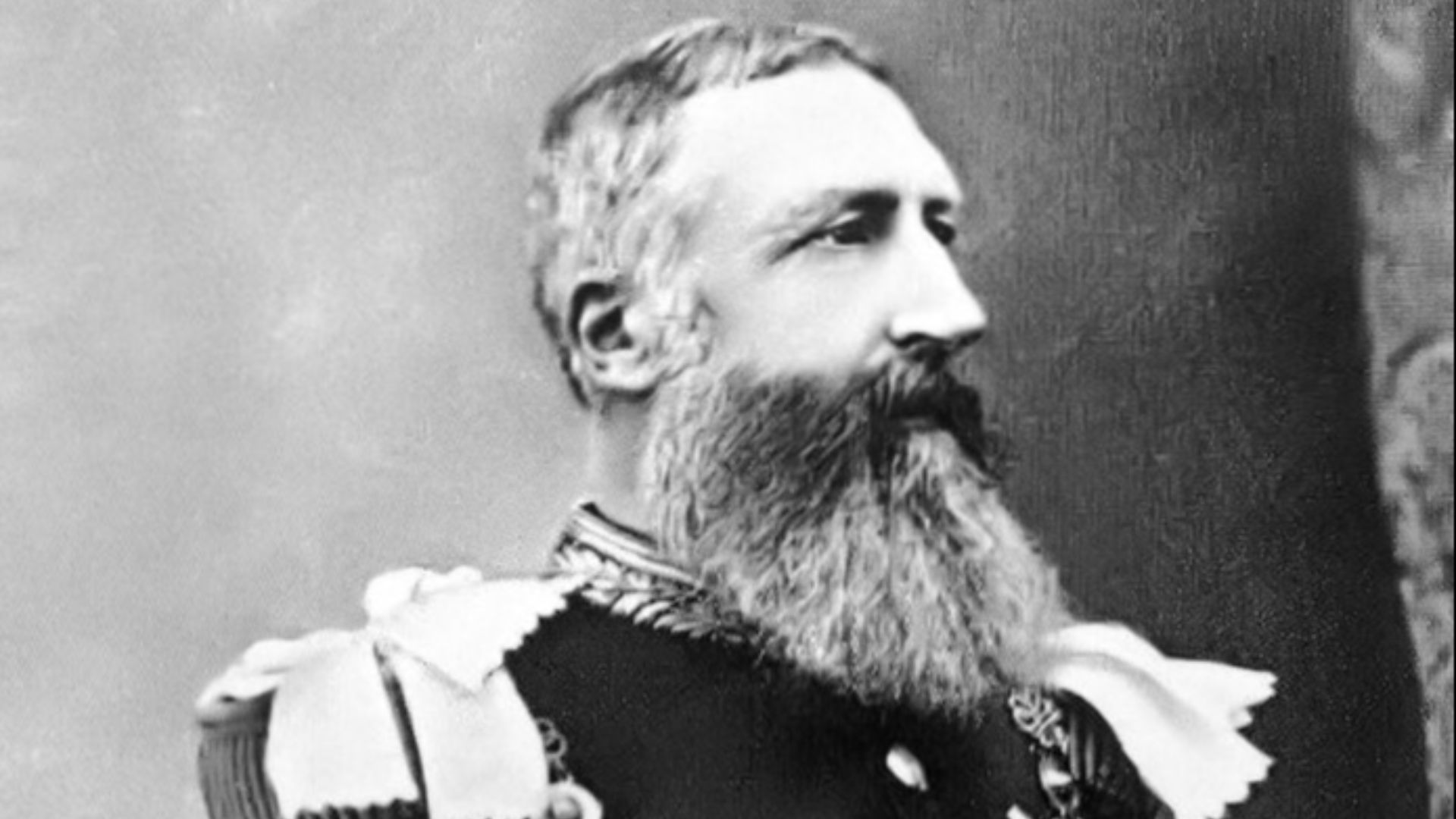 London Stereoscopic and Photographic Company on Wikimedia
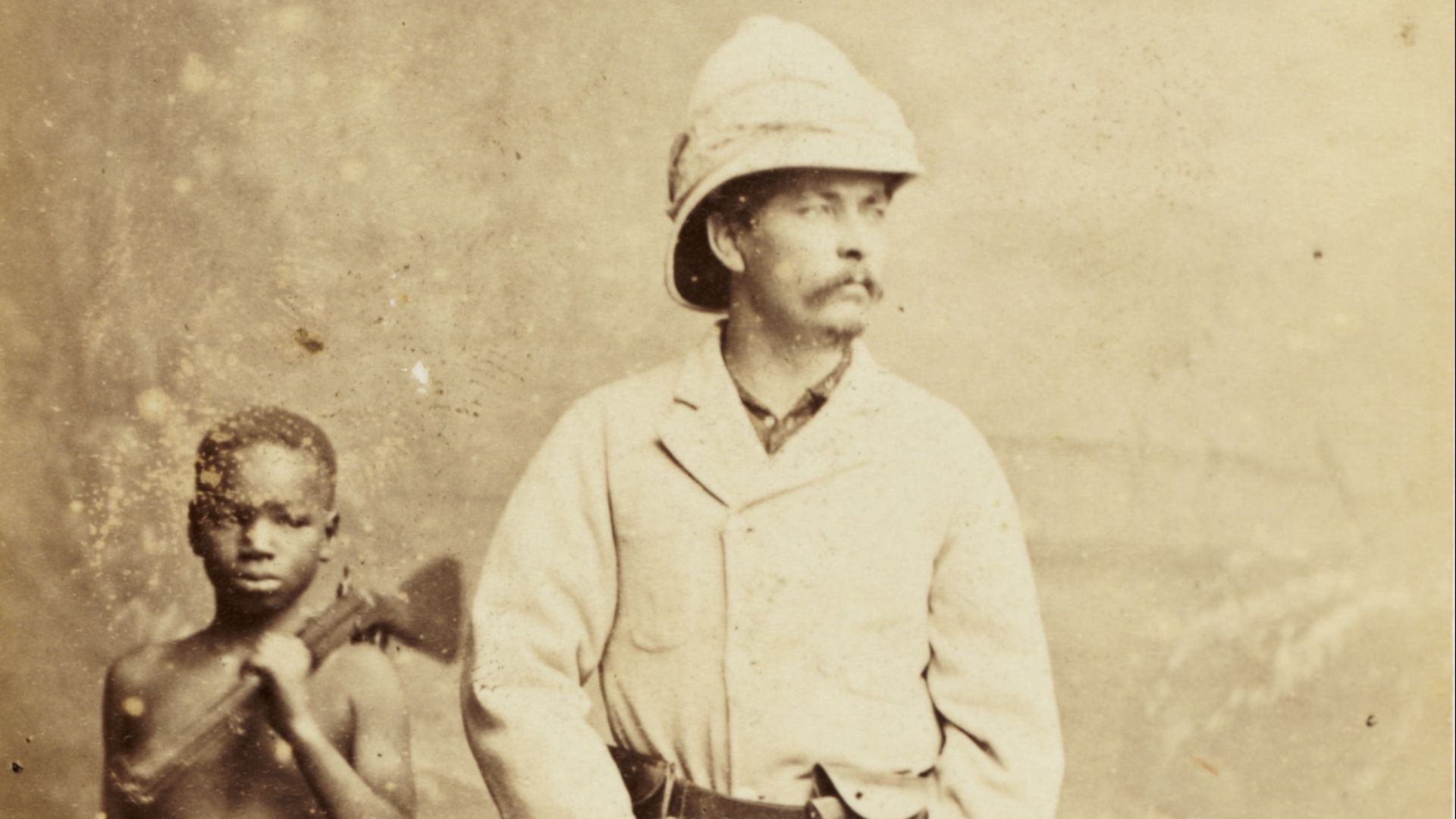
6. Henry Morton Stanley
Explorer Henry Morton Stanley became internationally famous for African expeditions and his celebrated encounter with missionary David Livingstone. His reputation as a fearless adventurer often obscured the violence accompanying some of his expeditions and his later work for Leopold II.
 London Stereoscopic & Photographic Company on Wikimedia
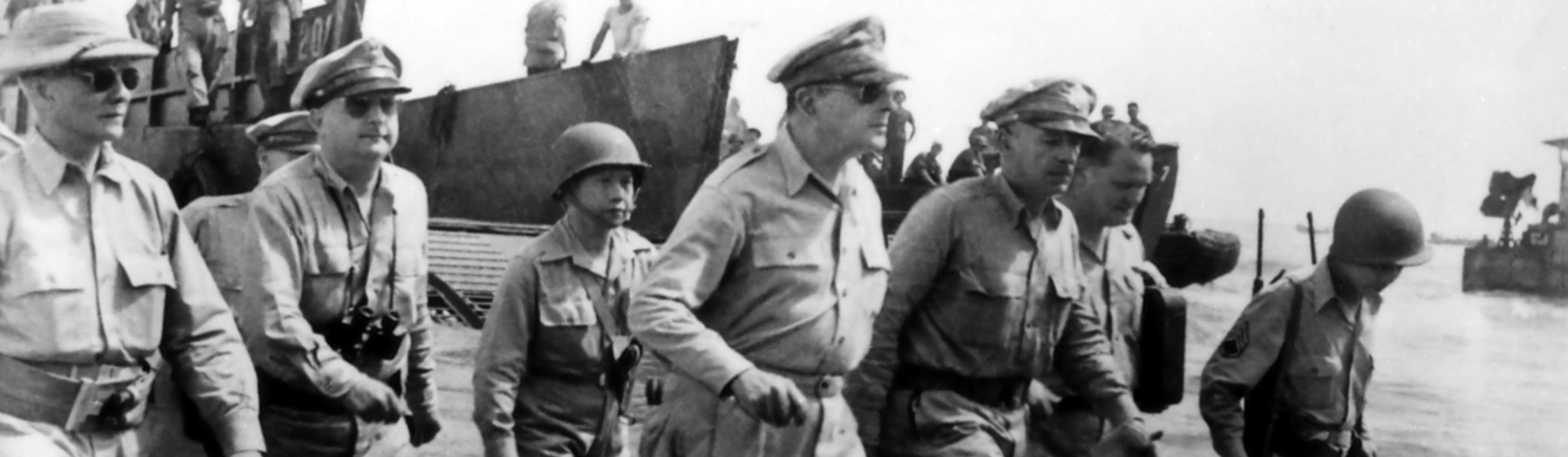
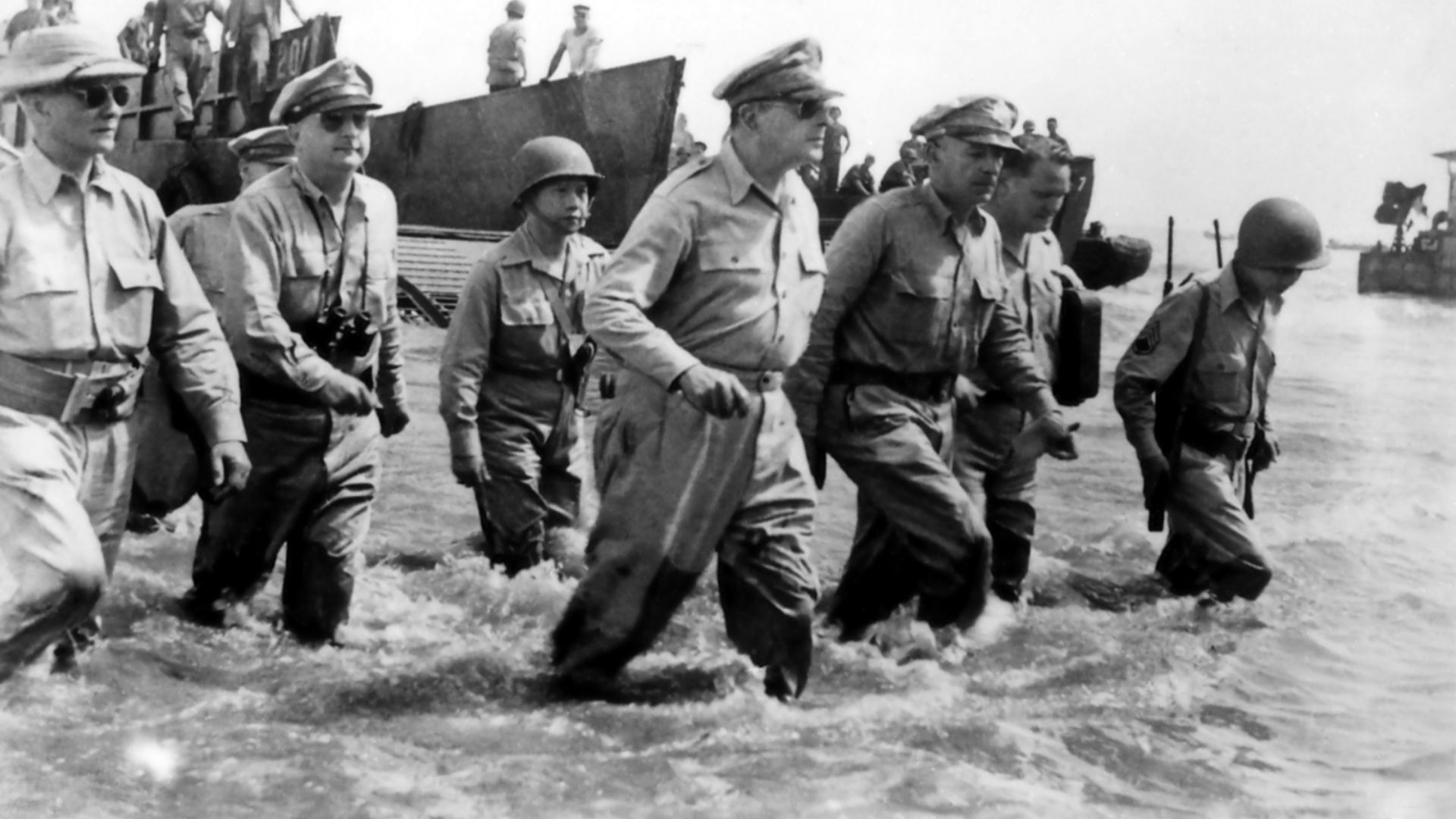
7. Douglas MacArthur
General Douglas MacArthur earned enormous fame for his World War II leadership, particularly his role in the Pacific and the occupation of Japan. His later command during the Korean War became considerably more controversial as he publicly challenged President Harry Truman's policies and advocated expanding the conflict against China.
 U.S. Army Signal Corps officer Gaetano Faillace [1] on Wikimedia
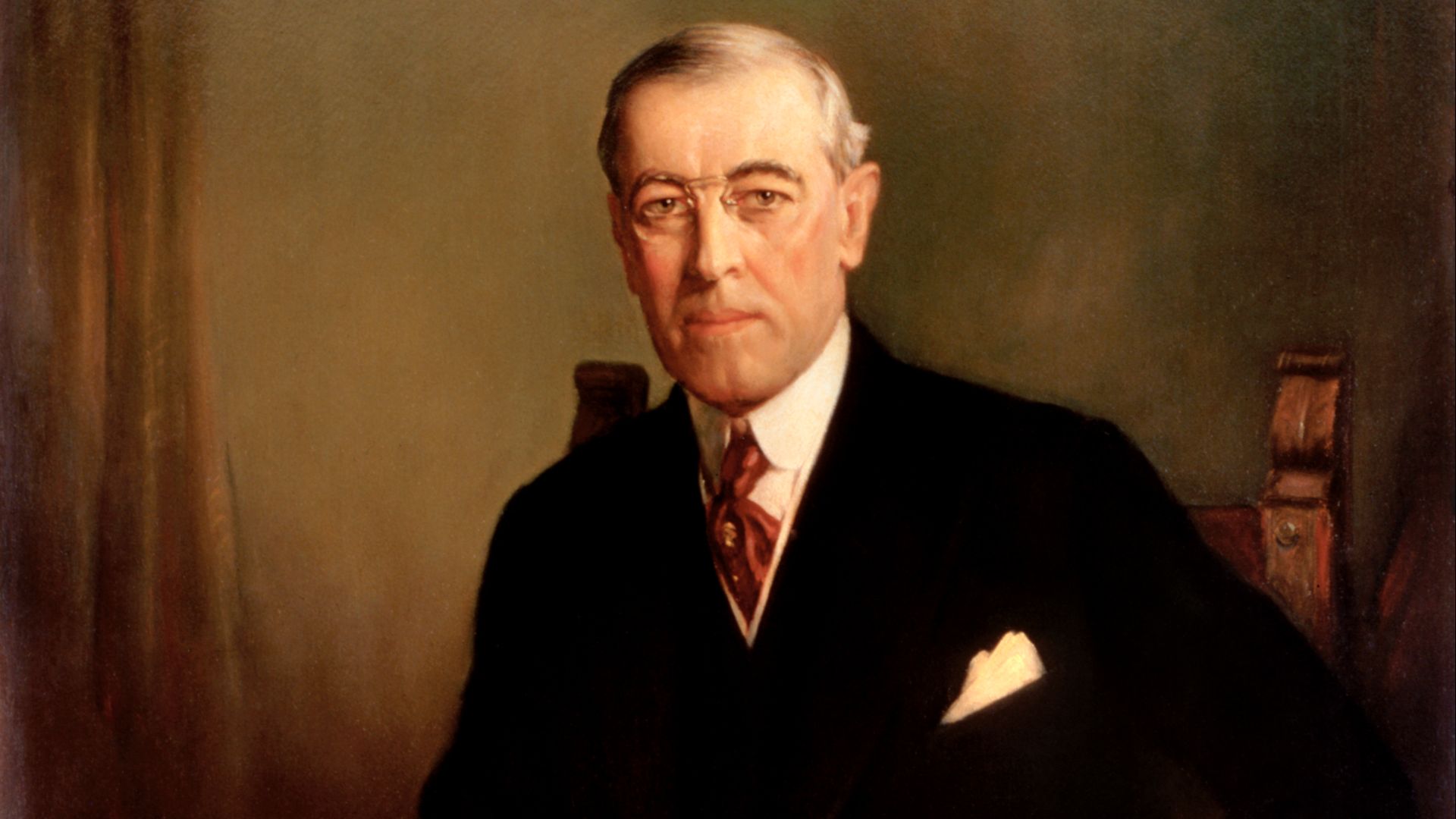
8. Woodrow Wilson
Woodrow Wilson is frequently associated with internationalism, the League of Nations, and rhetoric about national self-determination. Domestically, however, his administration allowed and encouraged increased racial segregation within parts of the federal government.
 Frank Graham Cootes on Wikimedia
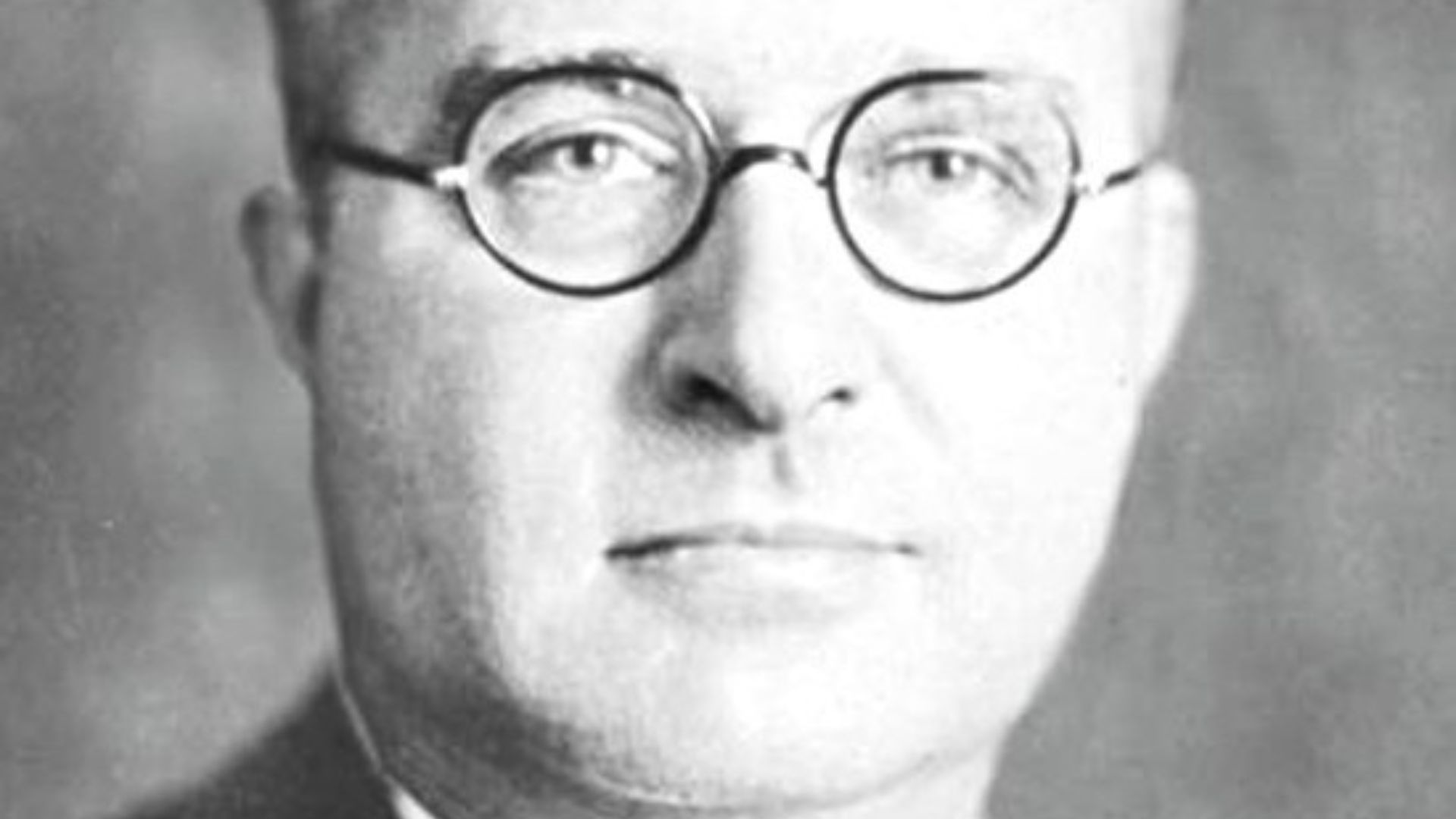
9. Thomas Midgley Jr.
Inventor Thomas Midgley Jr. was once praised for technological innovations that appeared to solve major industrial problems. He played a leading role in developing leaded gasoline and chlorofluorocarbon refrigerants, both of which were later found to cause enormous environmental and public health damage.
 AnonymousUnknown author on Wikimedia
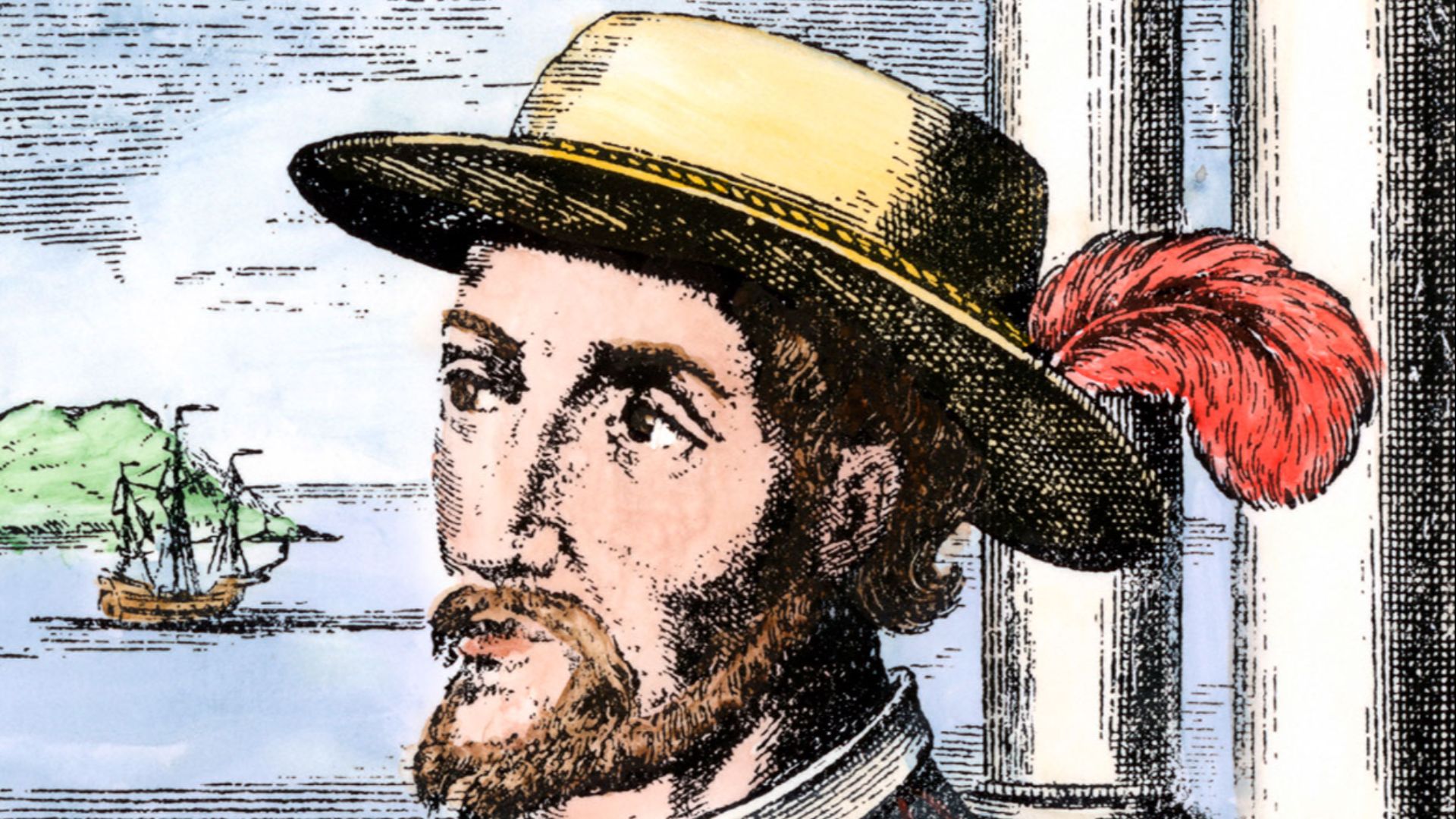
10. Juan Ponce De León
Juan Ponce de León is often presented in popular culture as an adventurous Spanish explorer searching for the mythical Fountain of Youth. Historical evidence doesn't clearly support the famous claim that this was the primary purpose of his expeditions, while the simplified legend also minimizes Spanish colonial violence.
KEEP ON READING