Morbidly Touching
Long before we could snap a hundred photos without a second thought, saying goodbye to someone meant holding onto whatever tiny, tangible pieces of them you could keep. A curl of hair. A ring. A dressing gown still faintly shaped like the person who wore it. Grief, it turns out, has always needed something to hold. These objects can look downright macabre through modern eyes: hair woven into jewelry, plaster casts of dead men's faces, photographs of corpses arranged to look peacefully asleep. But strip away the shock value and what's left is something achingly human. People weren't trying to be morbid. They were trying to keep loving someone who was no longer there to love them back. Here are 20 keepsakes that prove grief, no matter how strange, is always tender.
 The Cleveland Museum of Art on Unsplash
1. George Washington's Hair
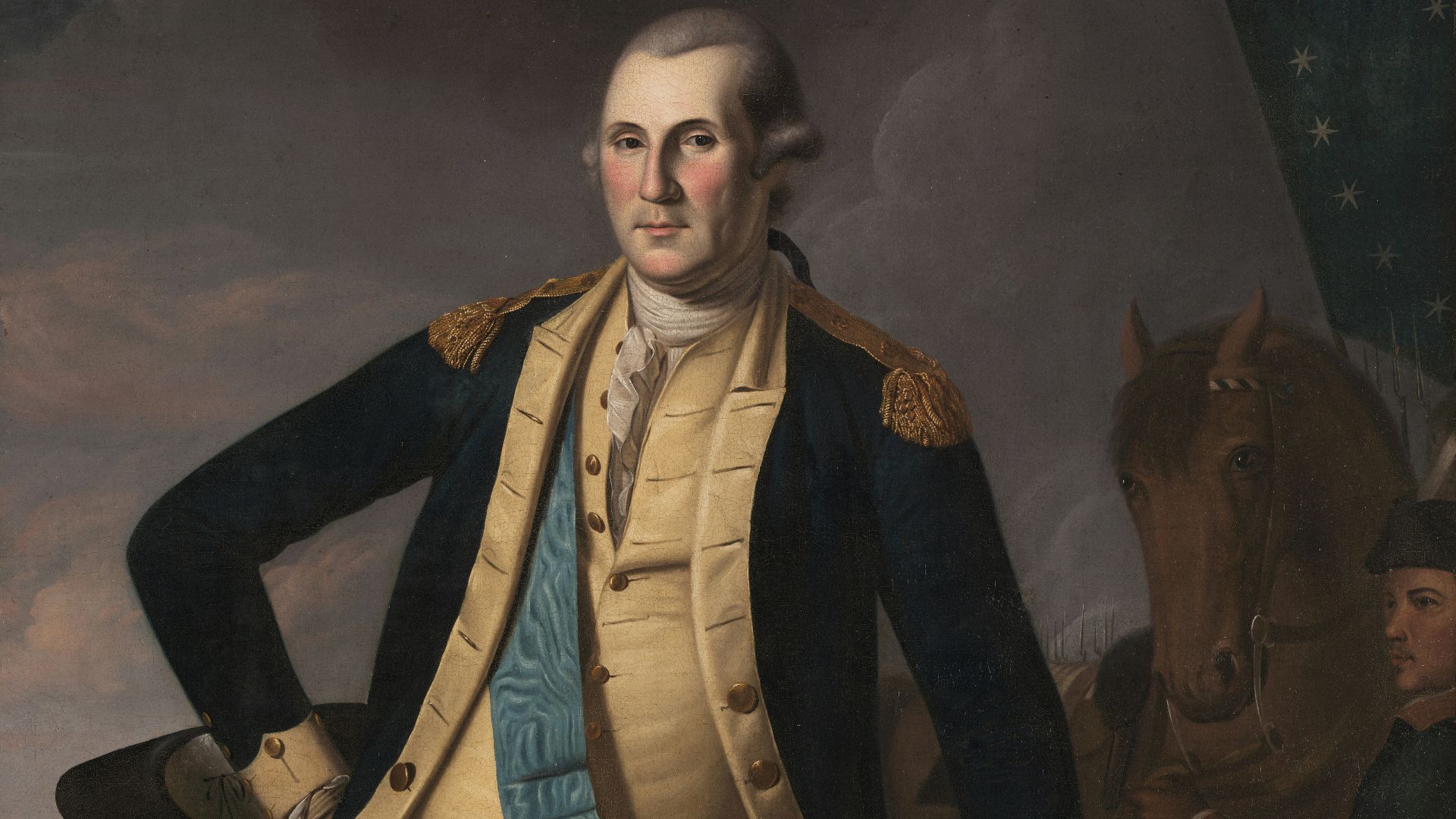
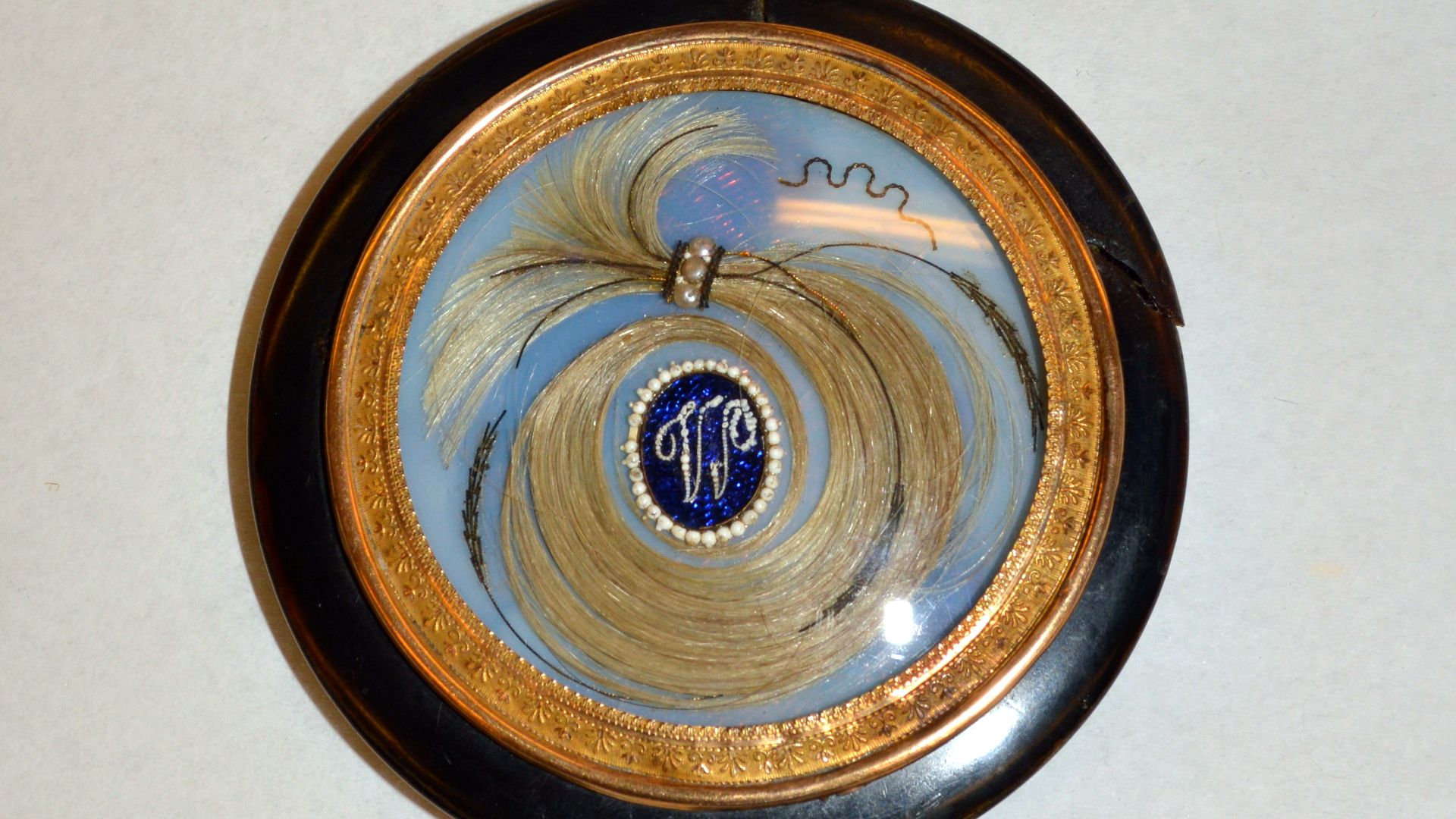
Somehow more than 50 documented locks of George Washington's hair still survive today, tucked into frames, folded in paper, or set into jewelry. His wife began giving strands away to close friends even before his death, and after he was buried, more clippings made their way into private hands.
 Unknown authorUnknown author on Wikimedia
2. A Homage To Catherine And Abraham
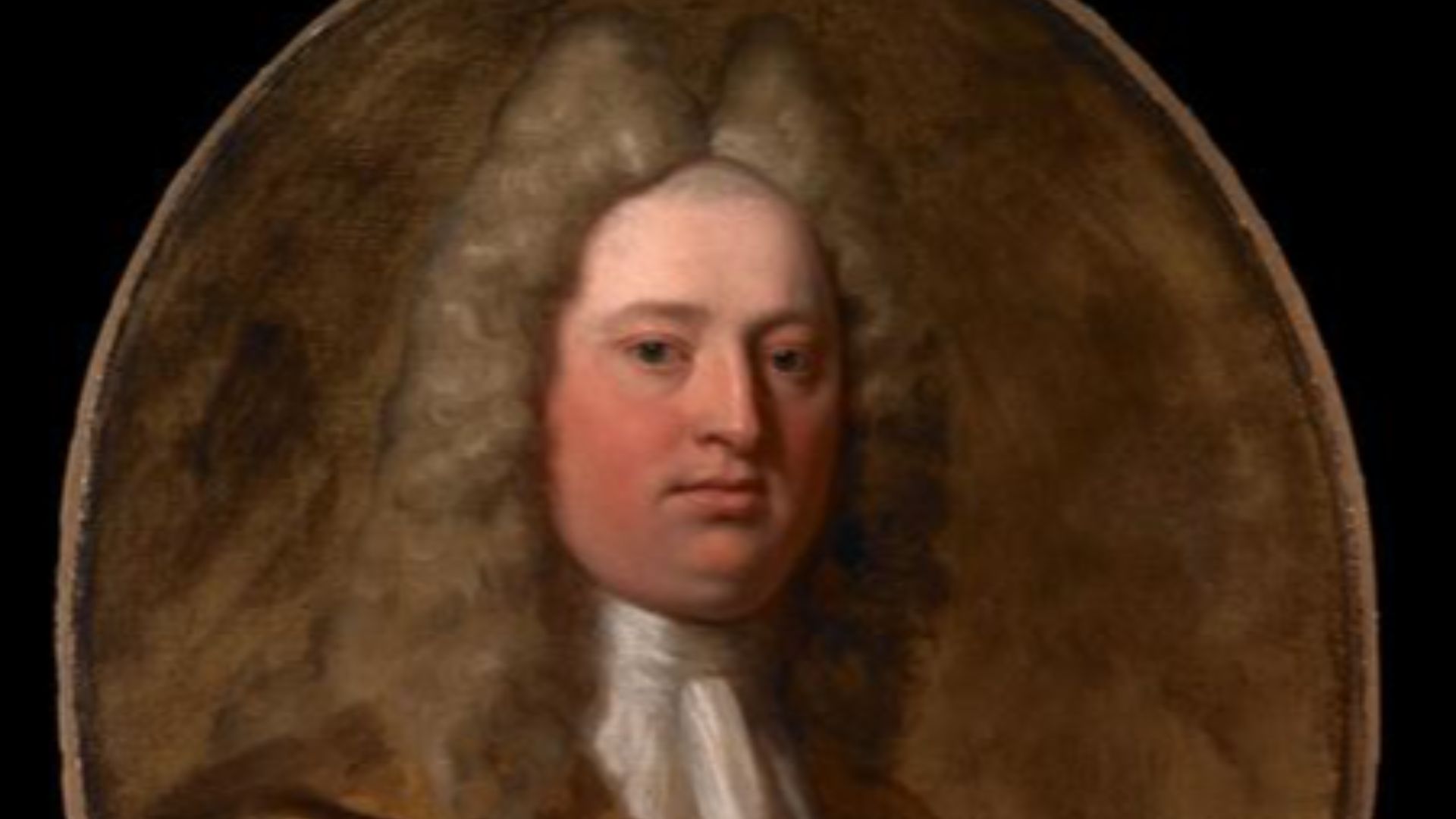
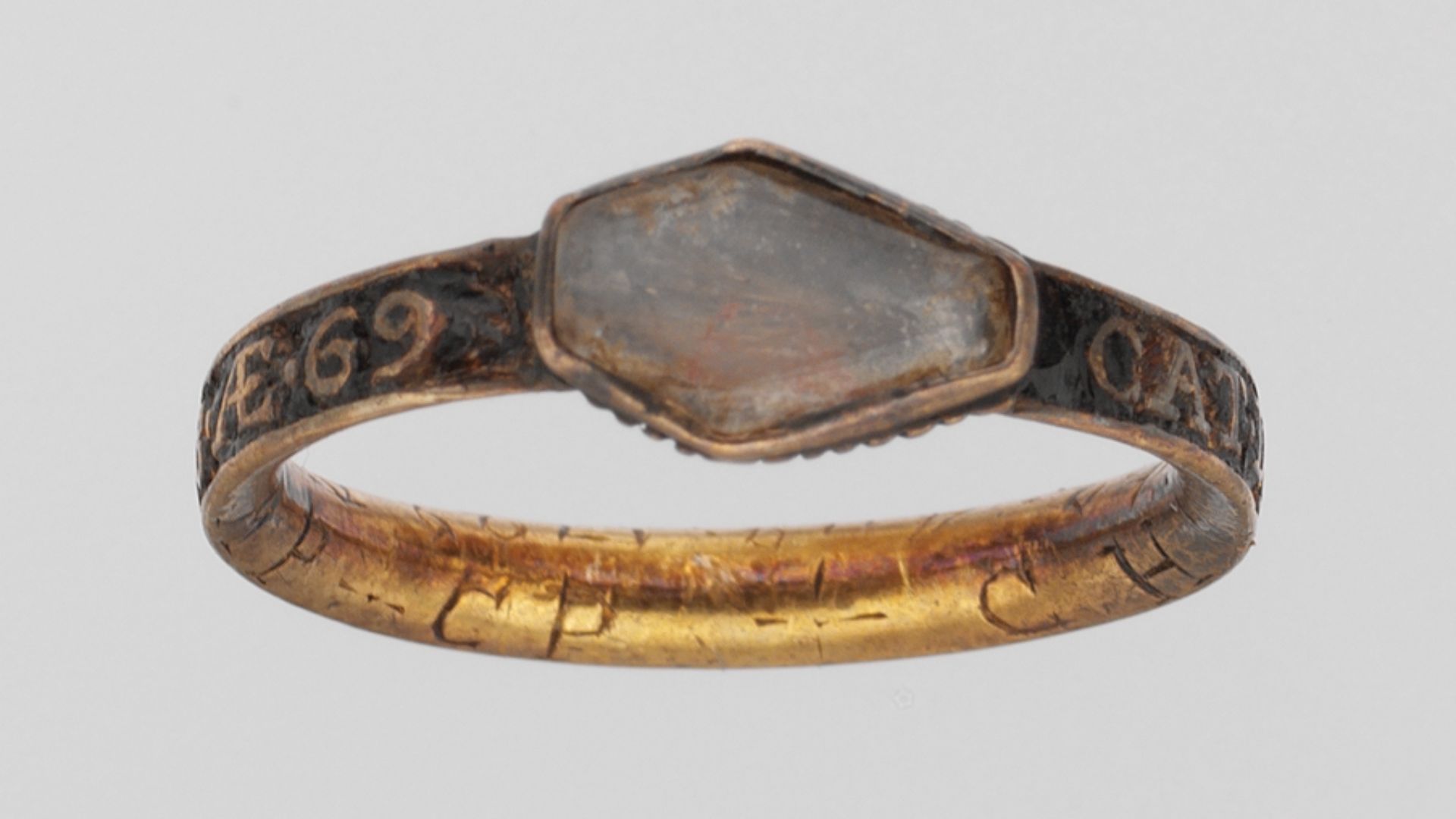
Imagine wearing a tiny coffin on your finger. A mourning ring from 1733 does exactly that: a sliver of human hair sealed beneath glass cut into the shape of a coffin. Engraved with the names Catherine and Abraham De Peyster, the ring worked double duty as both jewelry and miniature memorial.
 Evert Duyckinck III (c. 1677-1727) on Wikimedia
3. Cornelia Hamilton's Brooch
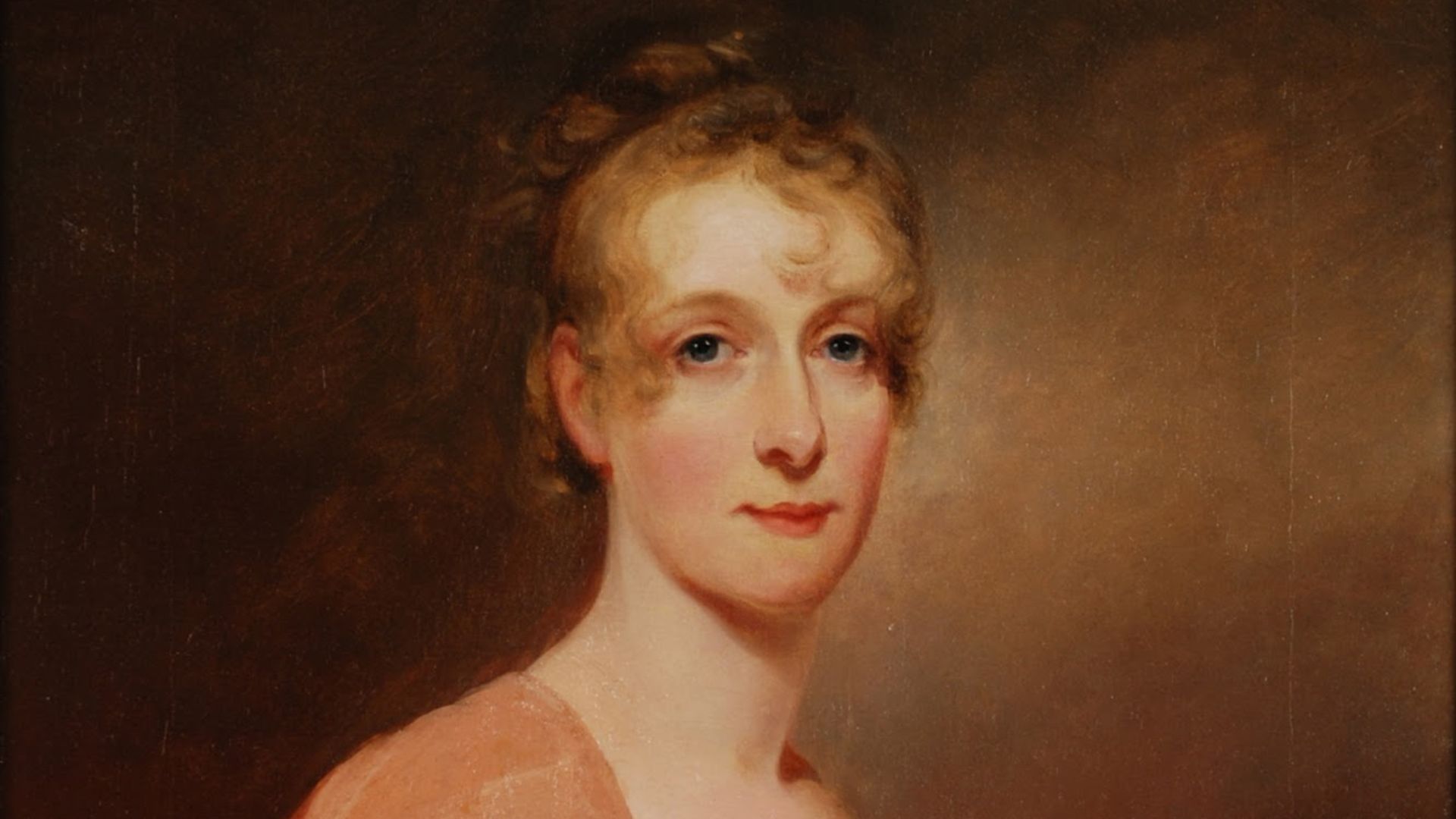
In 1868, a brooch was crafted using a lock of Cornelia Ray Hamilton's hair, carefully plaited and sealed beneath crystal. Black enamel, delicate pearls, engraved dates, and a fitted leather case left no doubt about its purpose.
4. Mourning Rings
Not every ring was made to celebrate a marriage. Mourning rings were frequently commissioned right after a death, engraved with names, dates, and initials, and decorated with symbols like coffins, skulls, hourglasses, and weeping willows.
5. Human Hair Wreaths
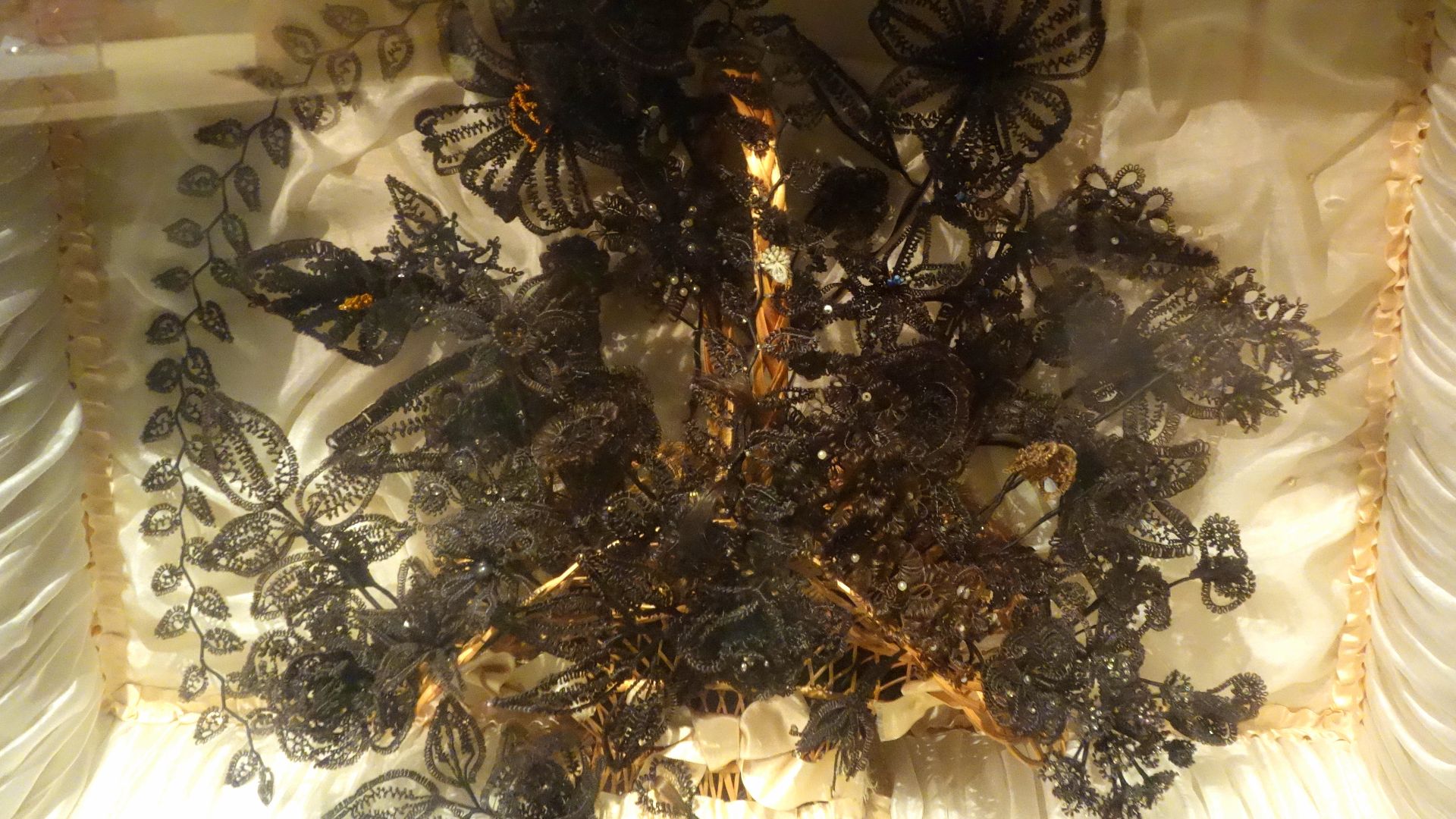
Victorian parlors sometimes displayed something you'd never expect on a wall today: wreaths woven from human hair, shaped into flowers, leaves, and swirling vines. Some strands came from relatives who were still very much alive, but plenty came from those who weren't.
6. A Pocket Watch Fob
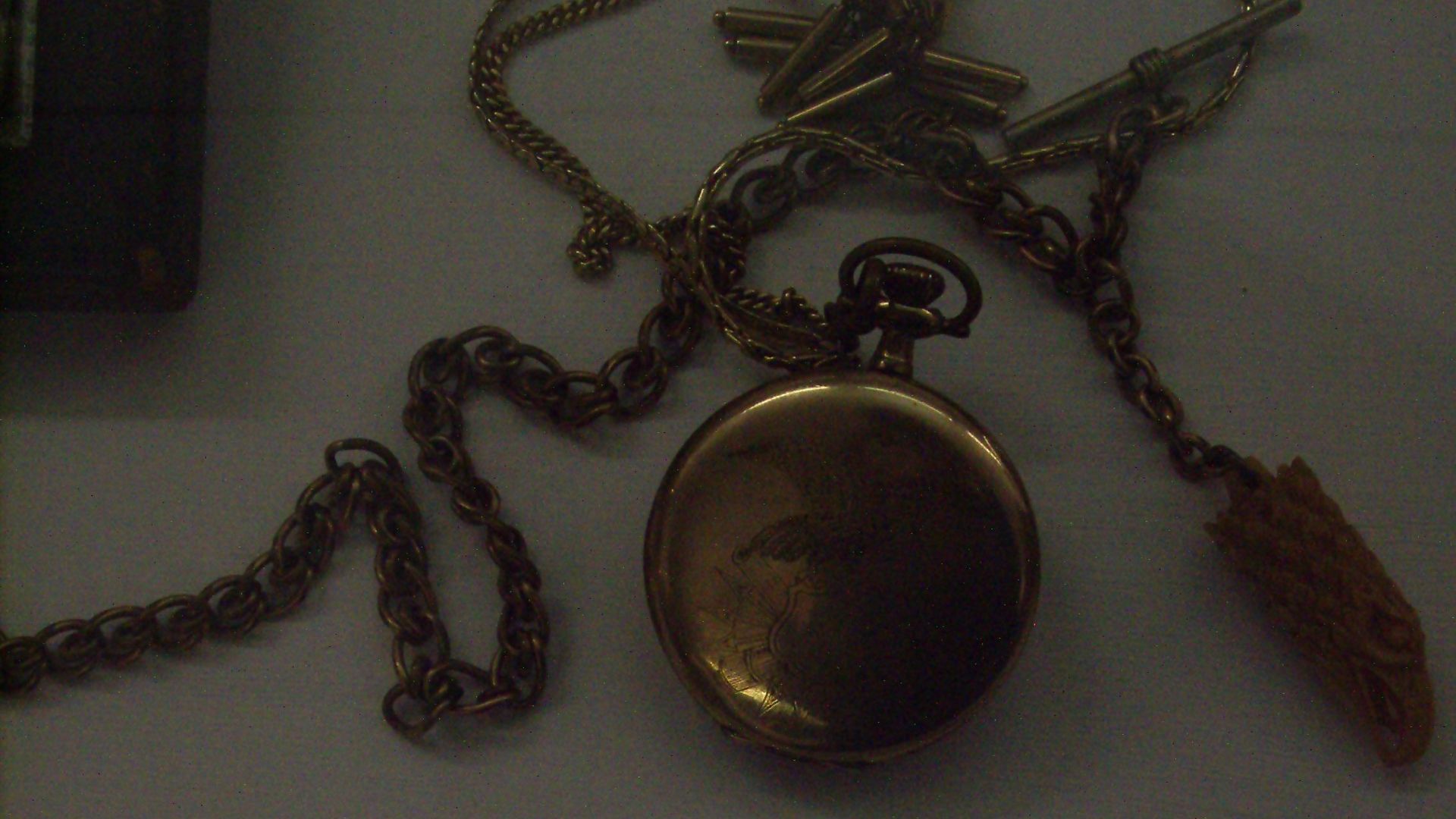
Hairwork wasn't only for the home. It traveled. A man might carry a watch fob braided from his late wife's hair everywhere he went, a discreet accessory that looked ordinary to everyone else but meant everything to him.
 Unknown authorUnknown author on Wikimedia
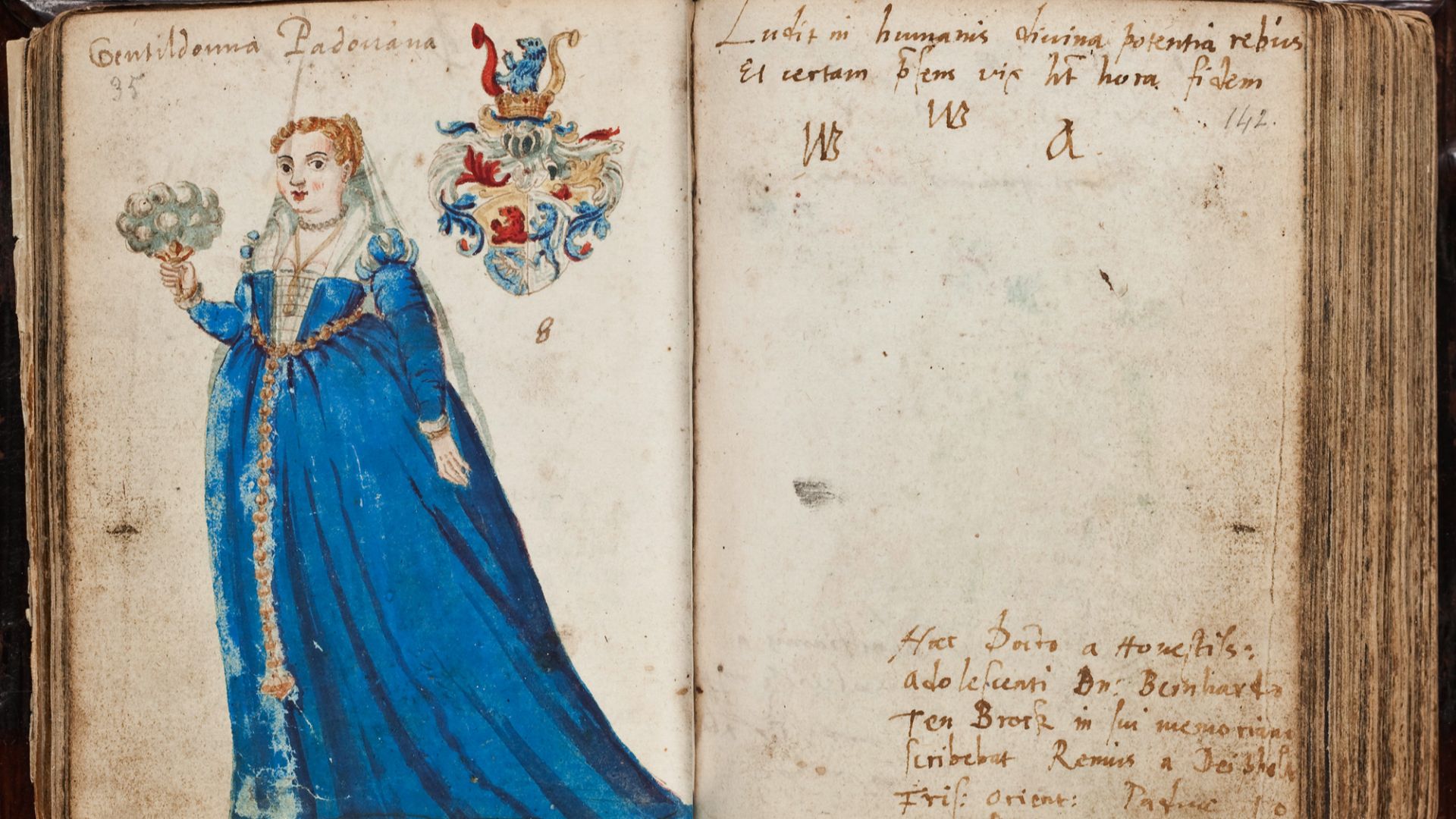
7. Friendship Albums
Nineteenth-century autograph books had more than handwritten notes and doodles. Sometimes a friend would slip in an actual lock of their hair alongside a poem or a farewell message. This wasn't strictly about mourning the dead; it was also about holding onto the living.
 Koninklijke Bibliotheek on Wikimedia
8. Hairy Eagle
During the Civil War, someone assembled an extraordinary piece of hairwork: an eagle constructed from locks belonging to 37 different people, including Abraham Lincoln, Mary Lincoln, cabinet members, senators, and their wives. Lincoln's own hair formed the eagle's head. This patriotic sculpture paid a memorial to those who steered the country through a period of massive unrest.

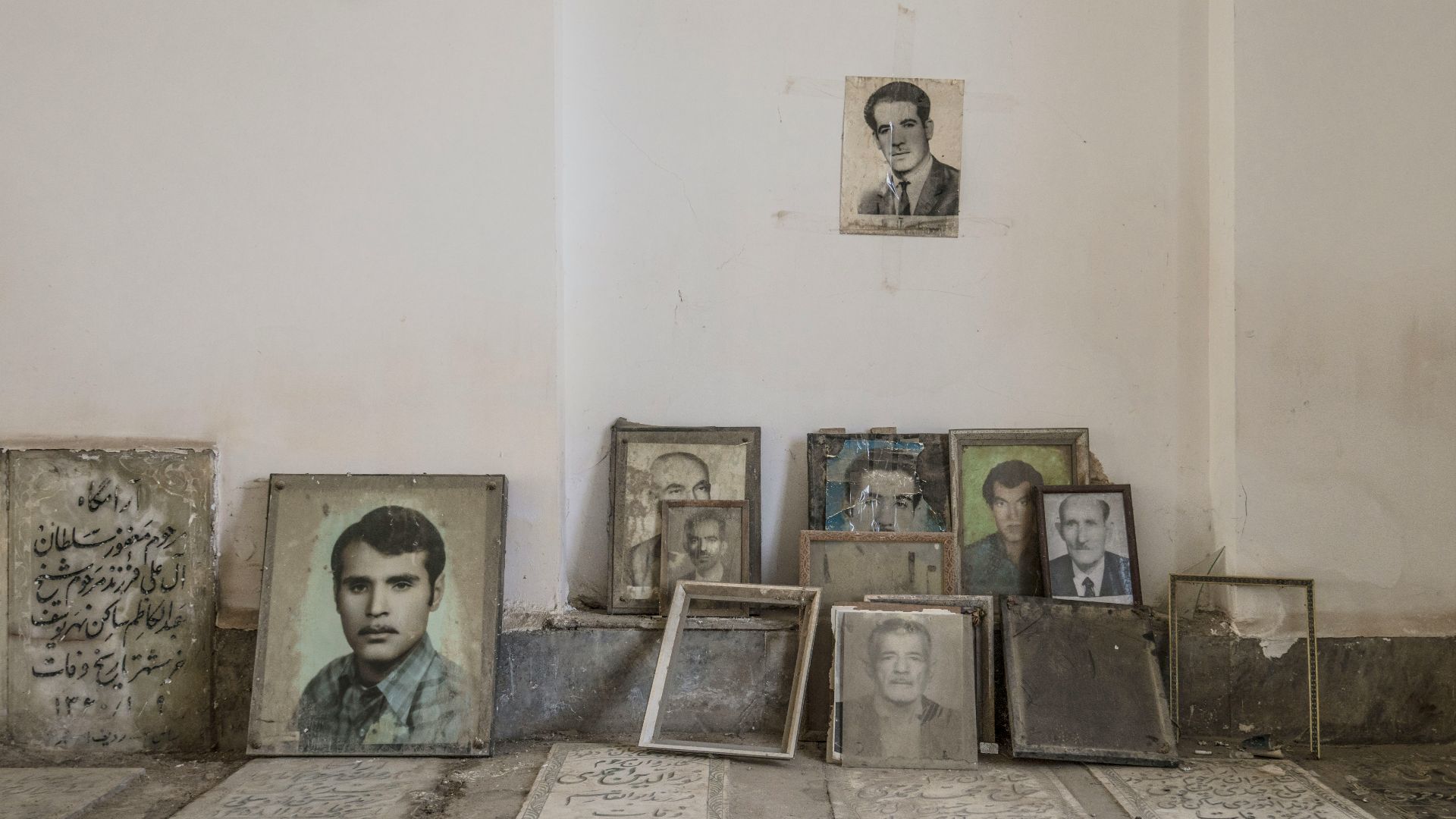
9. Photographs of the Dead
As early as 1839, families began commissioning photographs of loved ones who had just died. Sometimes the deceased was arranged in bed, sometimes propped up to appear almost lifelike, sometimes shown resting in a coffin. For families who might never have owned another photograph of that person, this was often the only image they'd ever have.
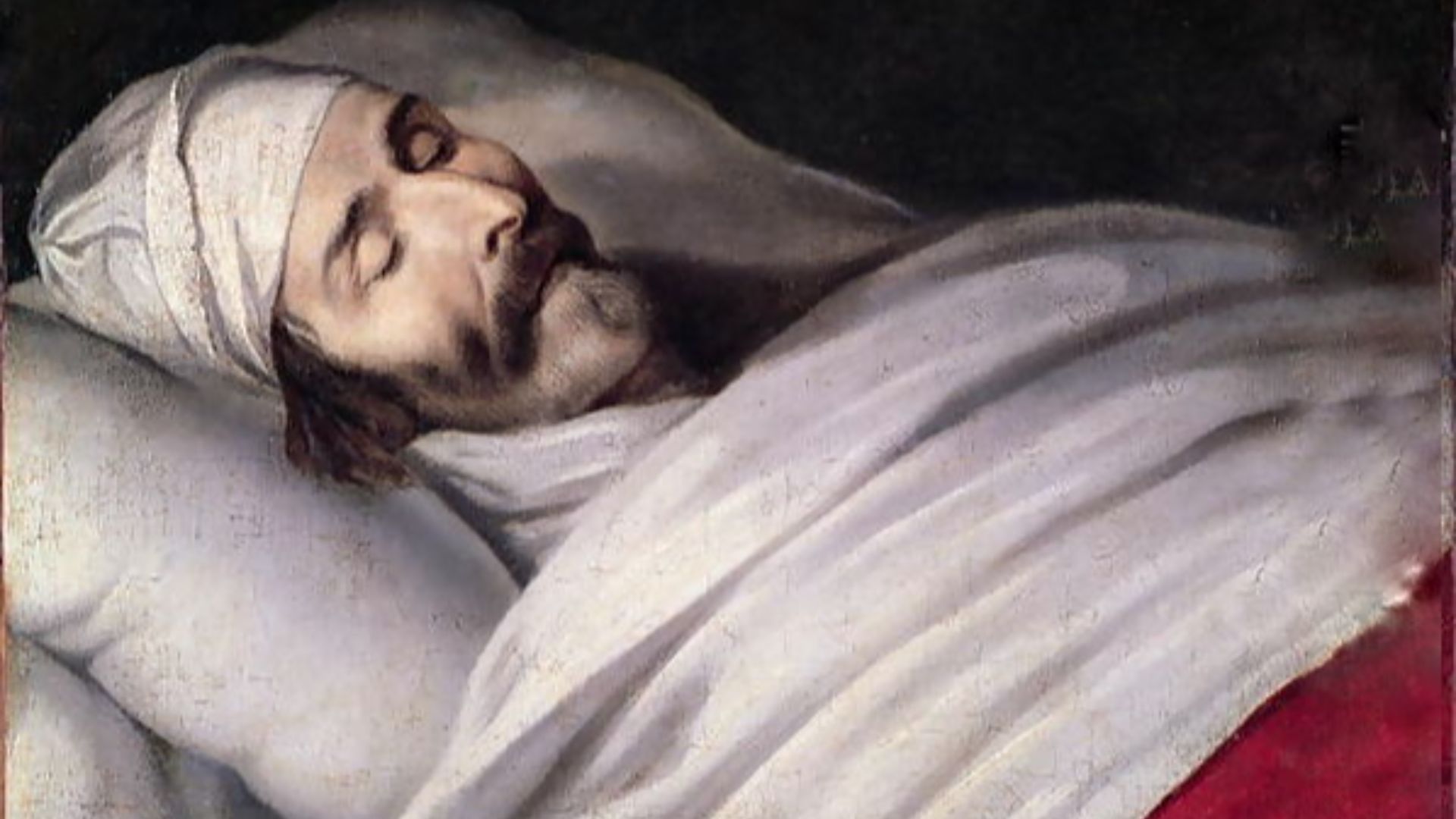
10. Deathbed Portraits
Before cameras were common, artists sometimes painted the scene at a deathbed itself, capturing the moment along with grieving relatives standing close by. These intensely private objects were meant to preserve a memory that would otherwise fade into obscurity.
 Philippe de Champaigne on Wikimedia
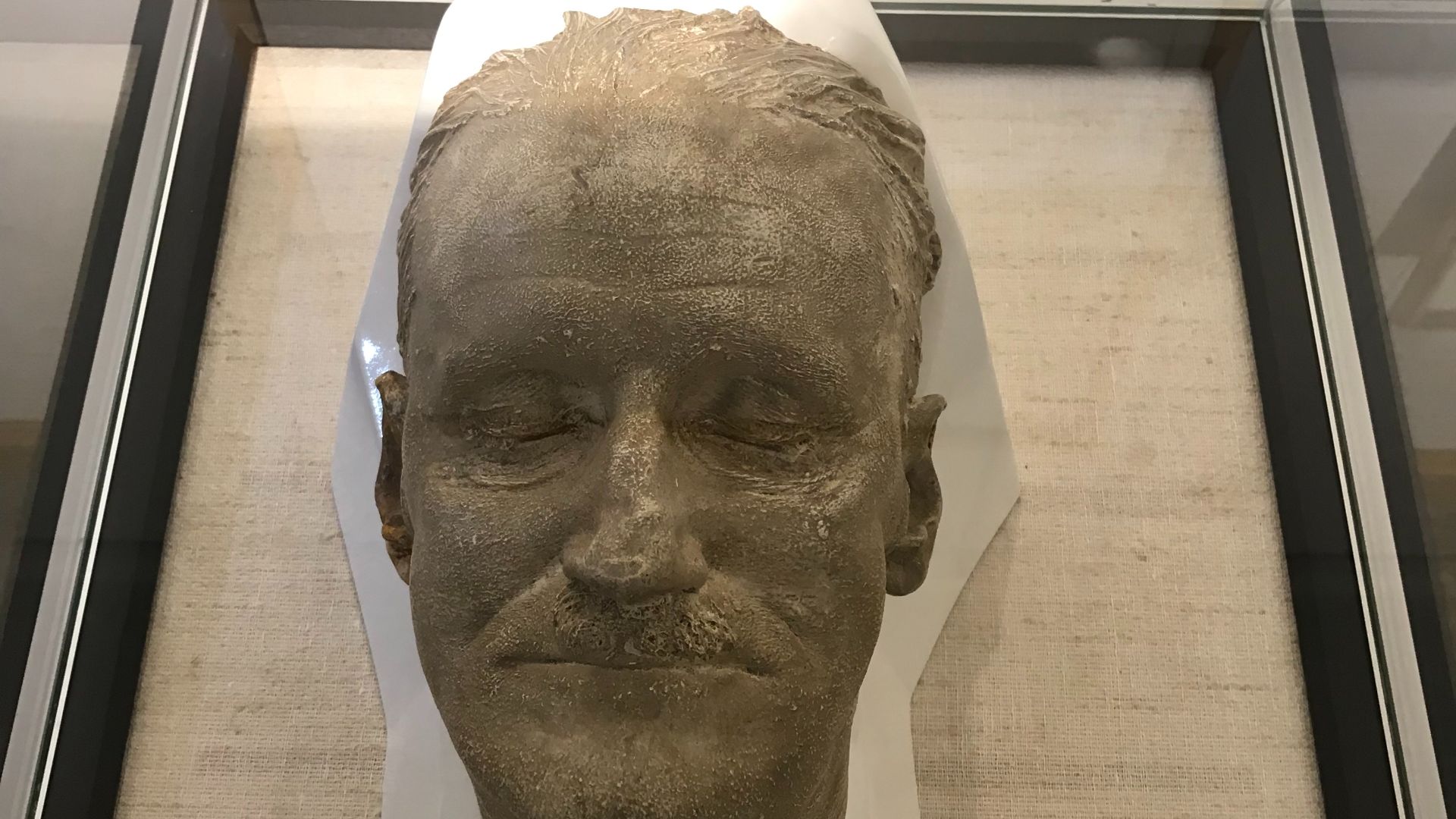
11. Death Masks
A death mask captured something a portrait couldn't: an exact, three-dimensional impression of someone's face, molded directly after death. The practice surged in popularity during the 19th century, often crafted by friends, fellow artists, or grieving family members. Every crease and expression was preserved down to the last detail.
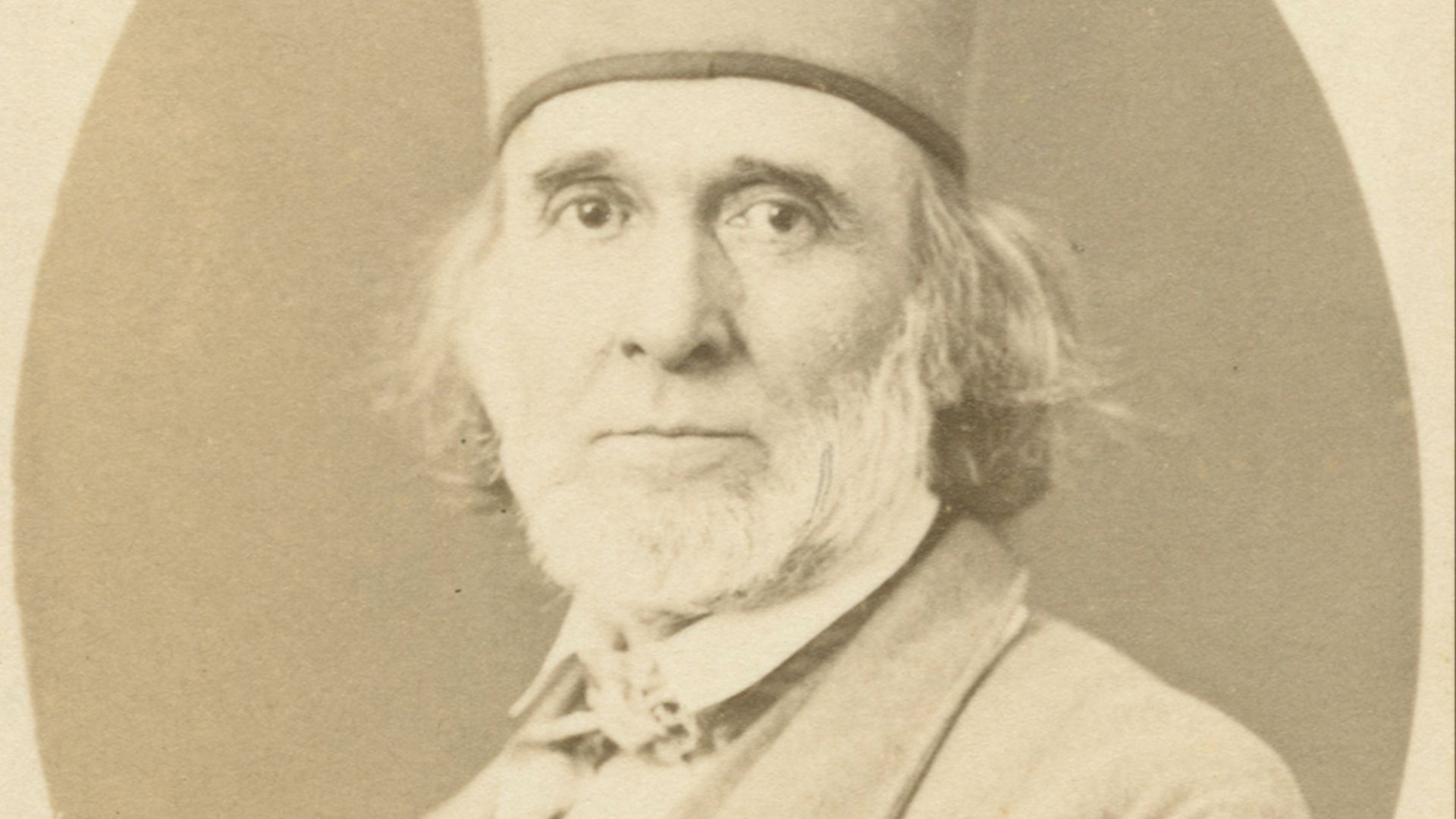
12. Hiram Powers' Final Expression
When sculptor Hiram Powers died in 1873, two of his artist friends took a death mask straight from his face. It preserved the calm set of his features and gave the people who knew his work best a physical way to hold onto him.
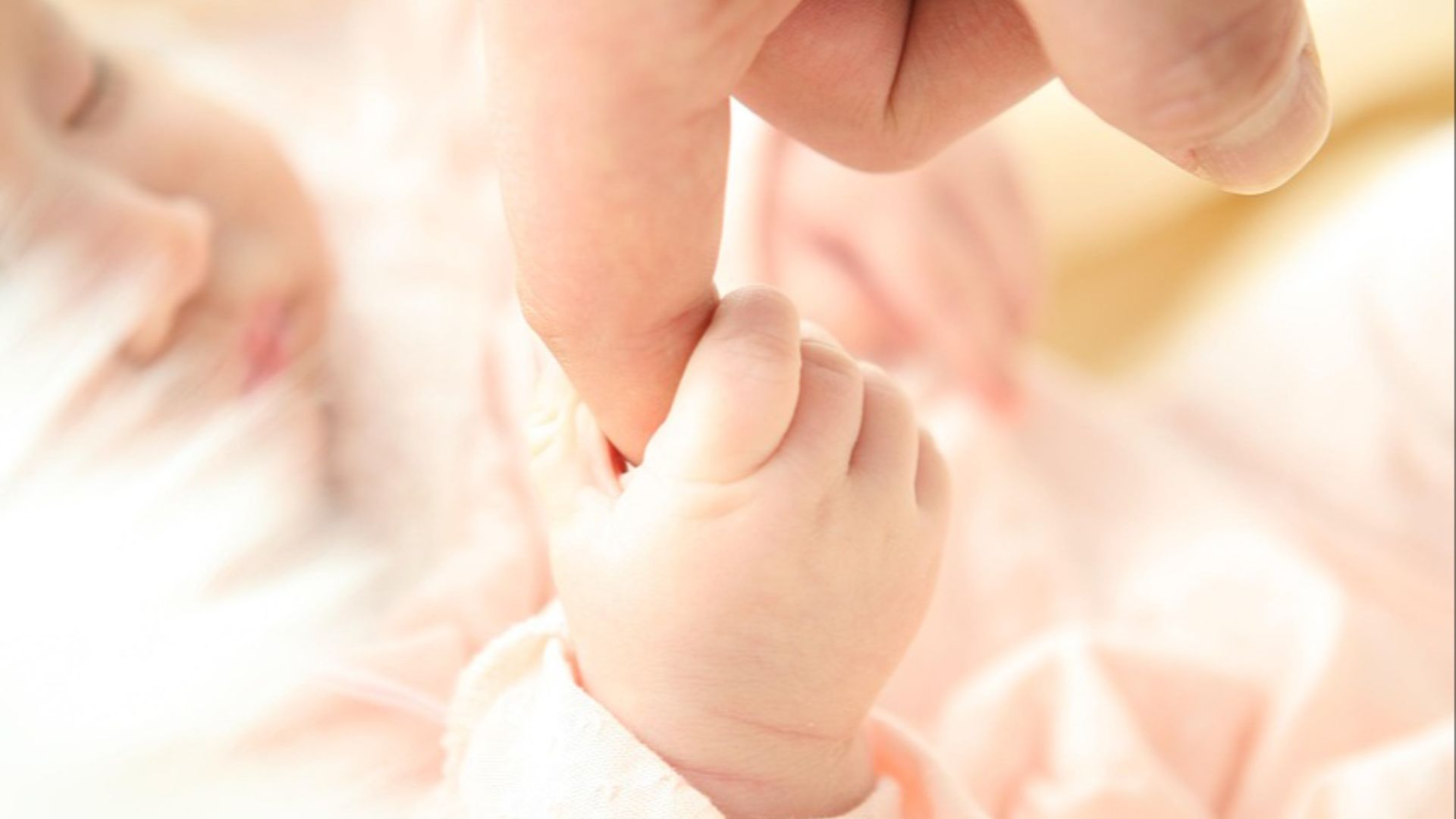
13. Tiny Plaster Hands
Queen Victoria requested that plaster casts of her children's hands be placed inside her coffin when she died. Those small, chubby impressions captured a version of her children that no longer existed by the time she passed, kids who had long since grown into adults with families of their own.
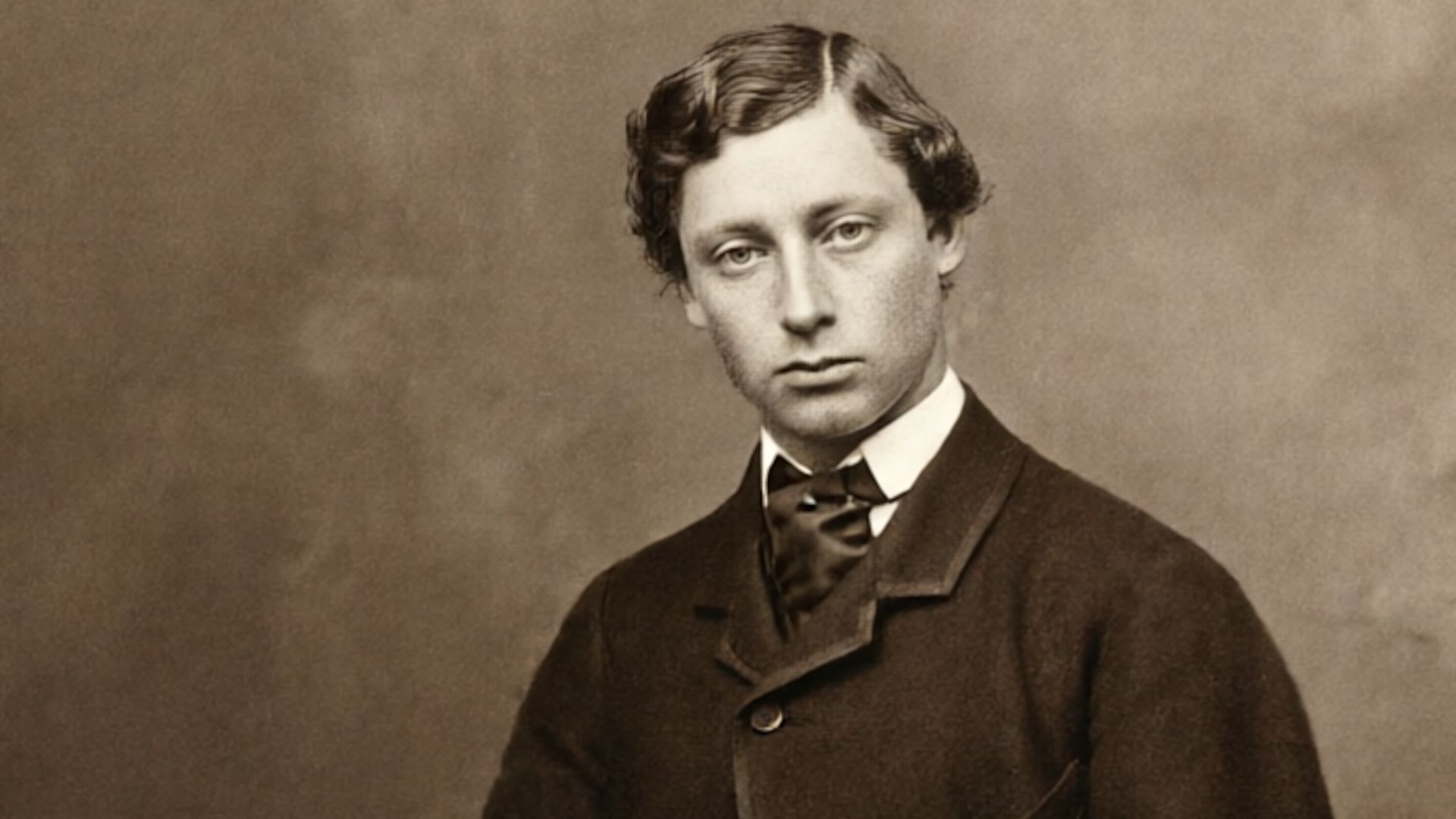
14. Prince Albert's Dressing Gown
Victoria also asked that Prince Albert's dressing gown be placed beside her in death. It’s sweet, actually, picking something so mundane as a dressing gown to take with her to the afterlife.
 John Jabez Edwin Mayall on Wikimedia
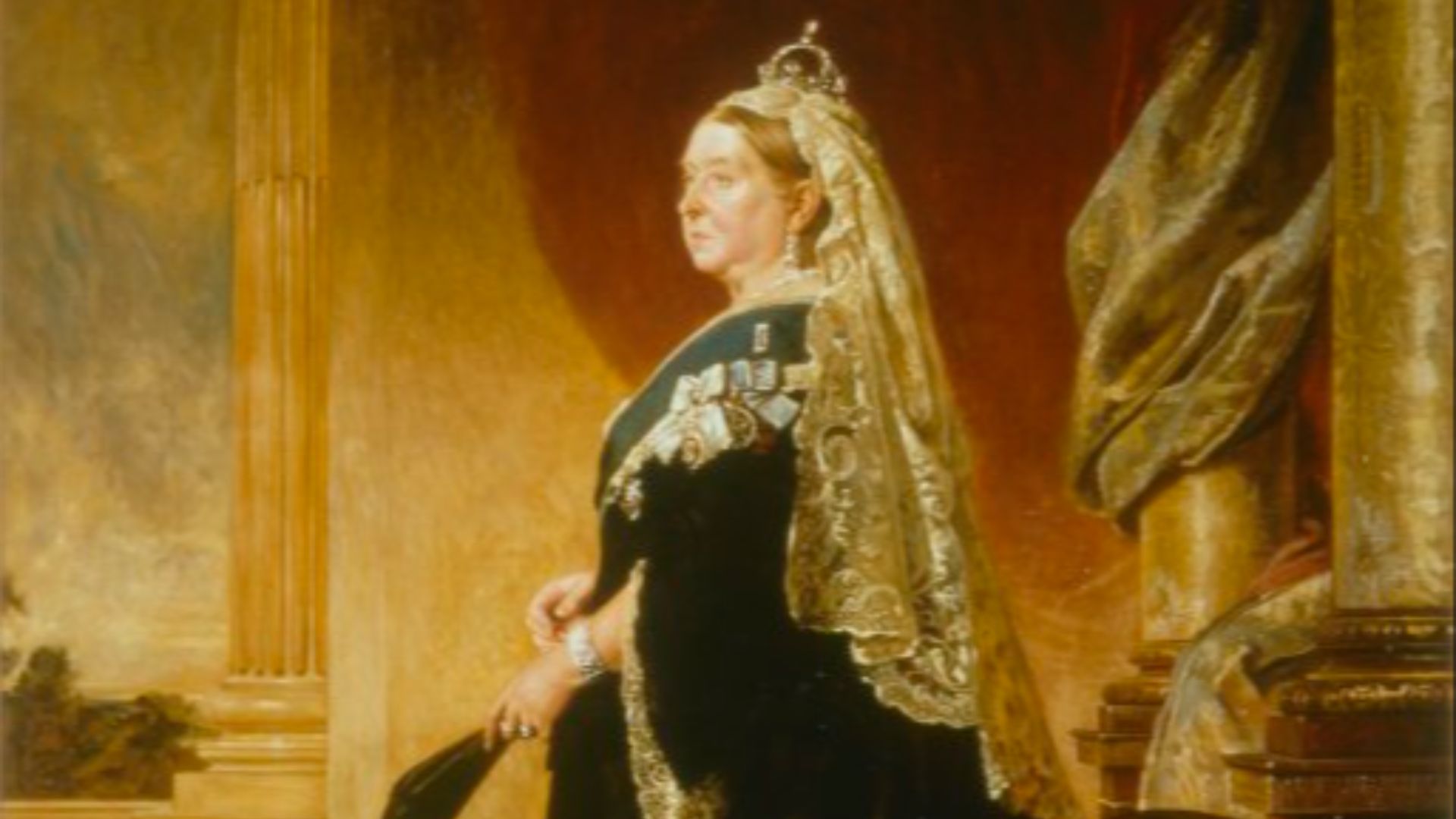
15. Rings and Lockets Buried With Her
Alongside the dressing gown, Victoria was buried with rings and lockets, small objects built to be held, touched, and worn close to the body. For someone determined to keep a loved one's memory near at all times, these were the perfect final companions.
 Henry Macbeth-Raeburn on Wikimedia
16. Sealed Rooms
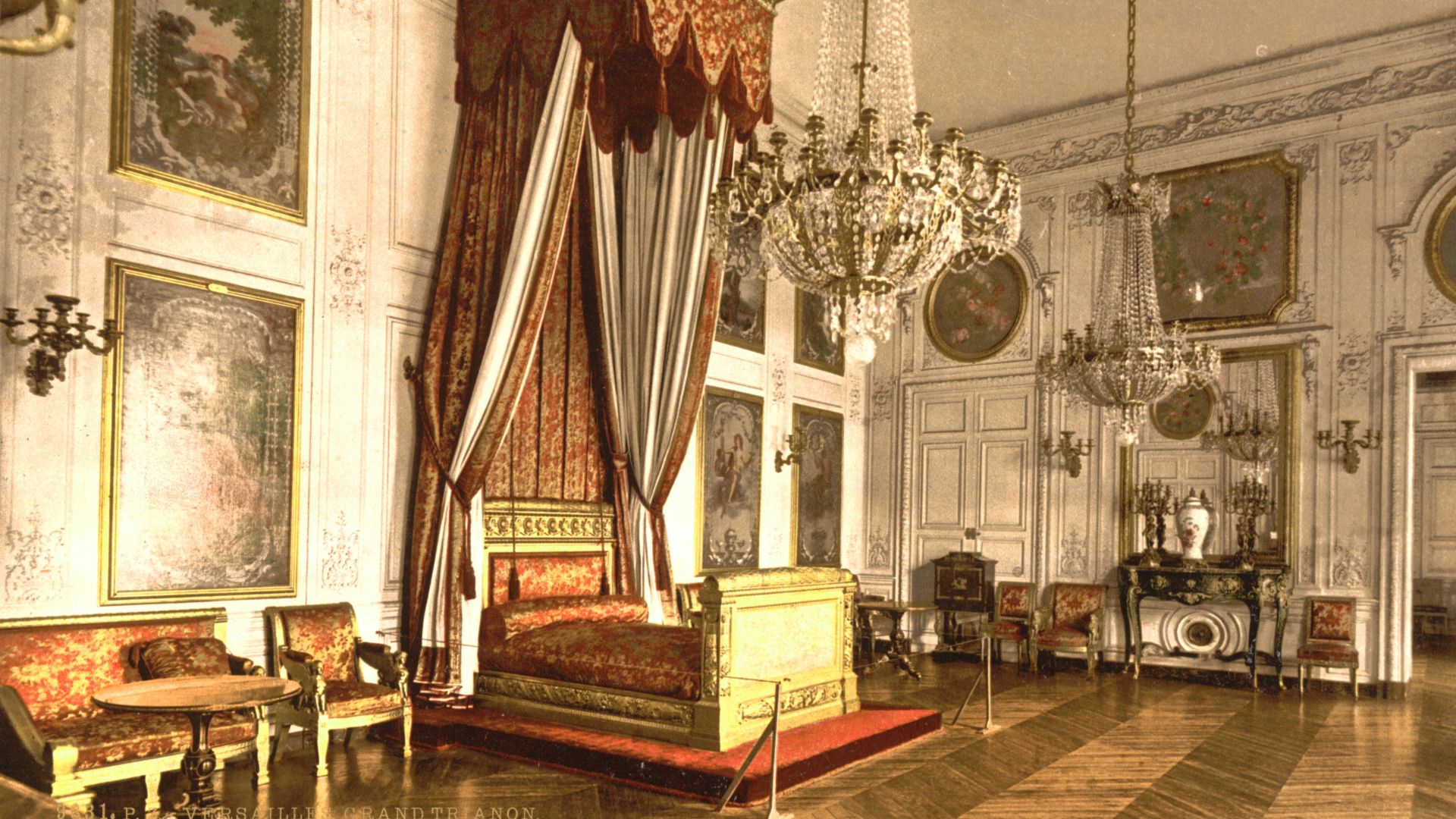
After Victoria died in 1901, her son Edward VII ordered the private rooms she'd shared with Albert at Osborne House to be sealed off entirely. They stayed locked until 1954, frozen exactly as they'd been left, furniture, belongings, and all.
 Unknown authorUnknown author on Wikimedia
17. Jeremy Bentham's Body
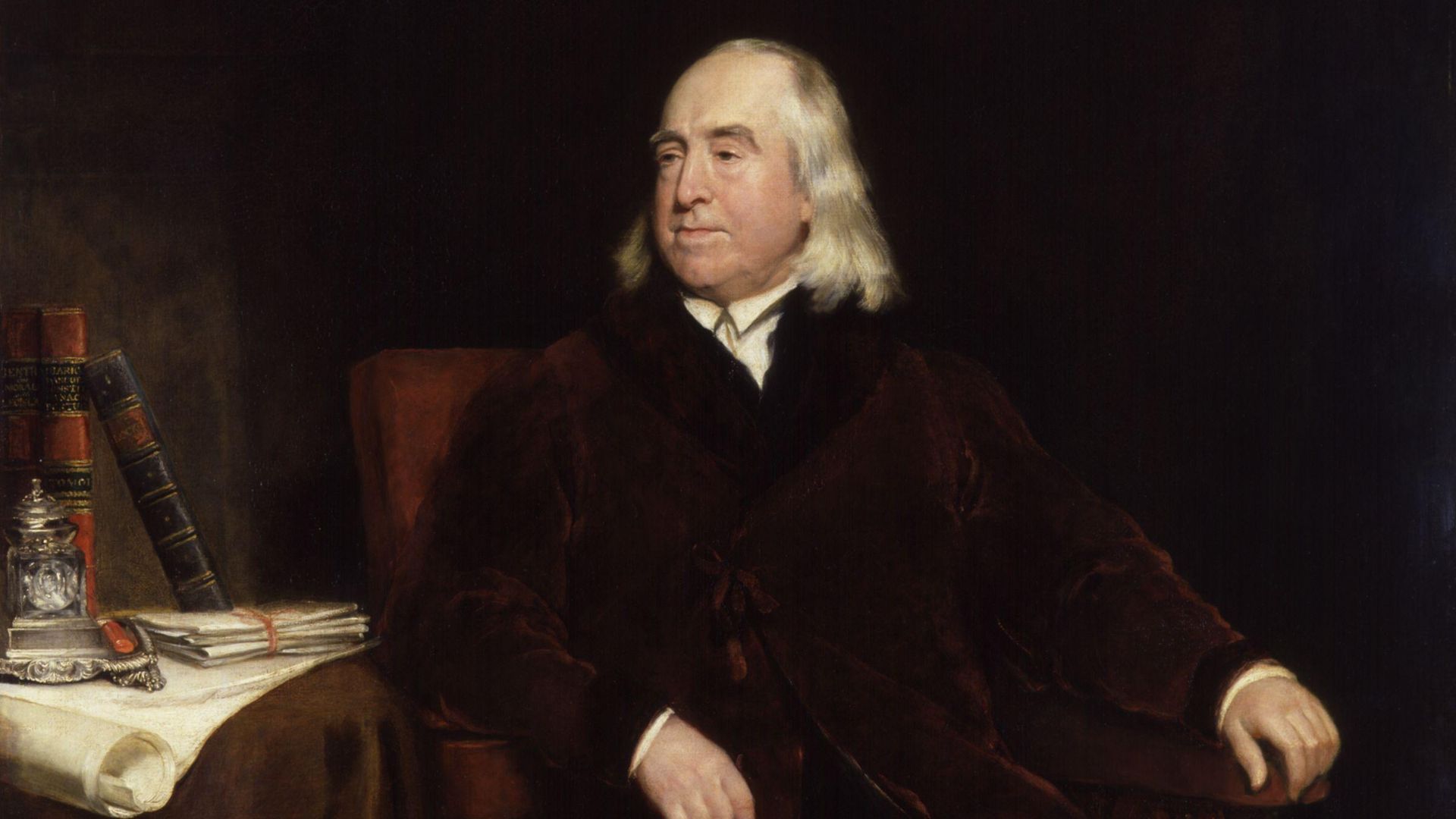
Philosopher Jeremy Bentham had unusual final wishes: he asked that his body be preserved after his death in 1832. His friend carried out the request, dressing Bentham's actual skeleton in his own clothes and topping it with a wax head, keeping the finished figure in his home for years afterward.
 Henry William Pickersgill on Wikimedia
18. Percy Bysshe Shelley’s Heart
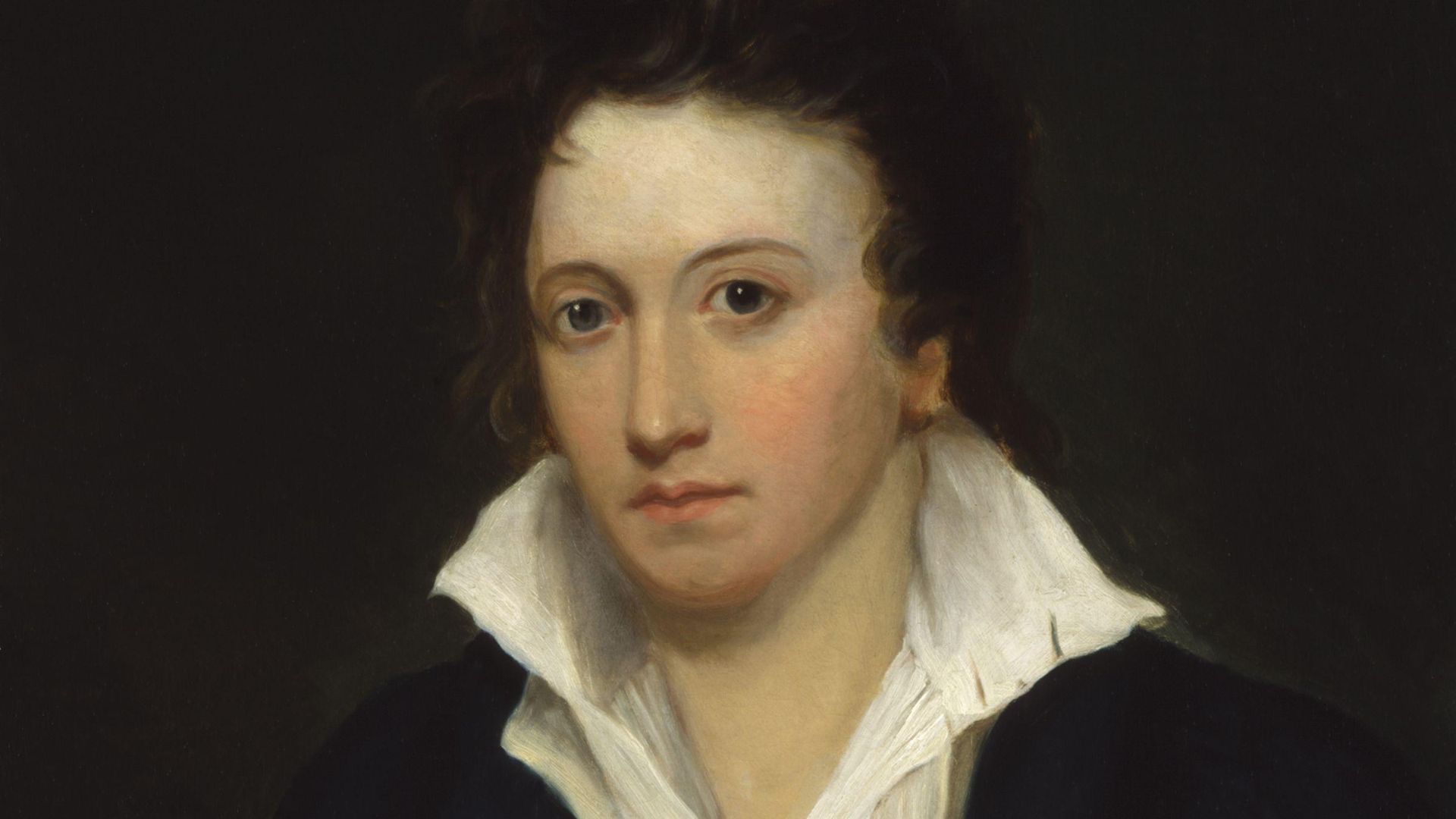
After Percy Bysshe Shelley drowned in 1822, his body was cremated on an Italian beach. His heart reportedly resisted the flames and was recovered by a friend before eventually reaching Mary Shelley. She kept it for the rest of her life, and it was found after her death wrapped in silk and tucked among her belongings.
 After Amelia Curran on Wikimedia
19. Human Bones
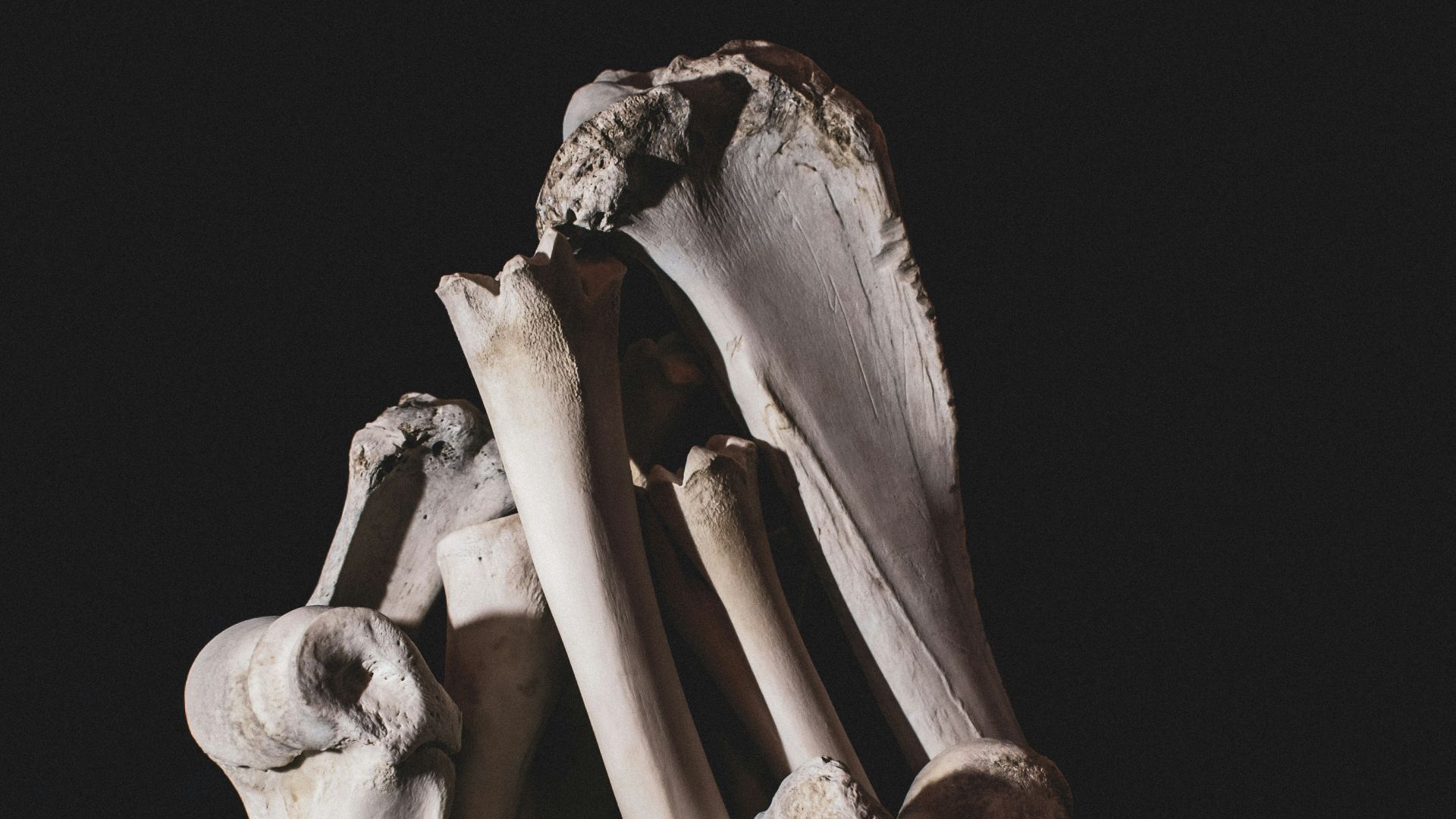
In Bronze Age Britain, some communities didn't bury their dead. Bones from people they'd known in life were sometimes kept and reworked into objects, including musical instruments. Death didn't mean total separation. Parts of a person could remain woven into daily life, quite literally providing the soundtrack for the living.
20. Frédéric Chopin’s Heart
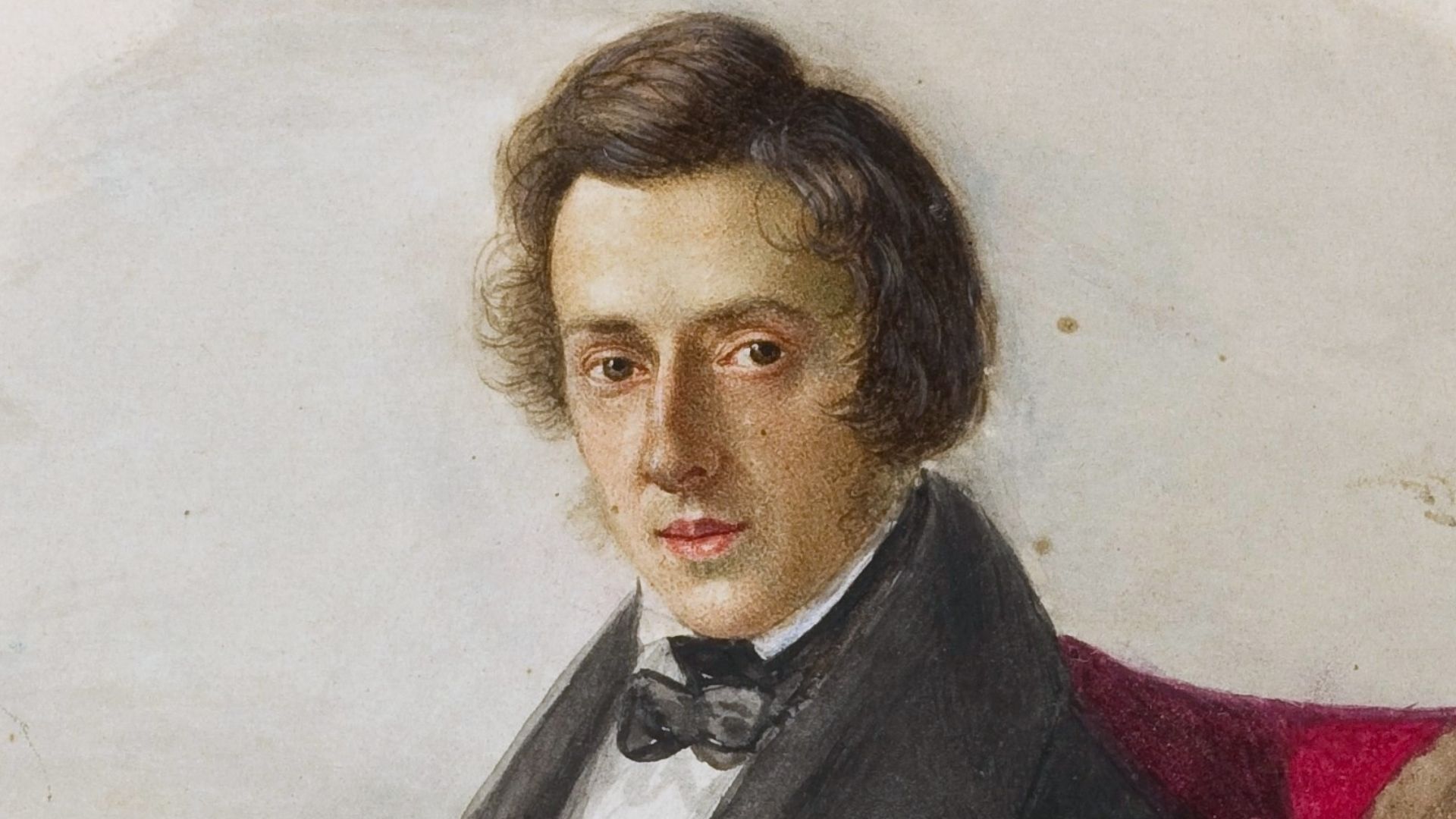
When Frédéric Chopin died in Paris in 1849, his sister Ludwika honored his wish to have his heart returned to Poland. She carried it across borders in a sealed crystal jar filled with alcohol, then placed it at Warsaw’s Holy Cross Church. It remains there today, while the rest of Chopin is buried in Paris.
KEEP ON READING