Long Before Maps, People Just Went
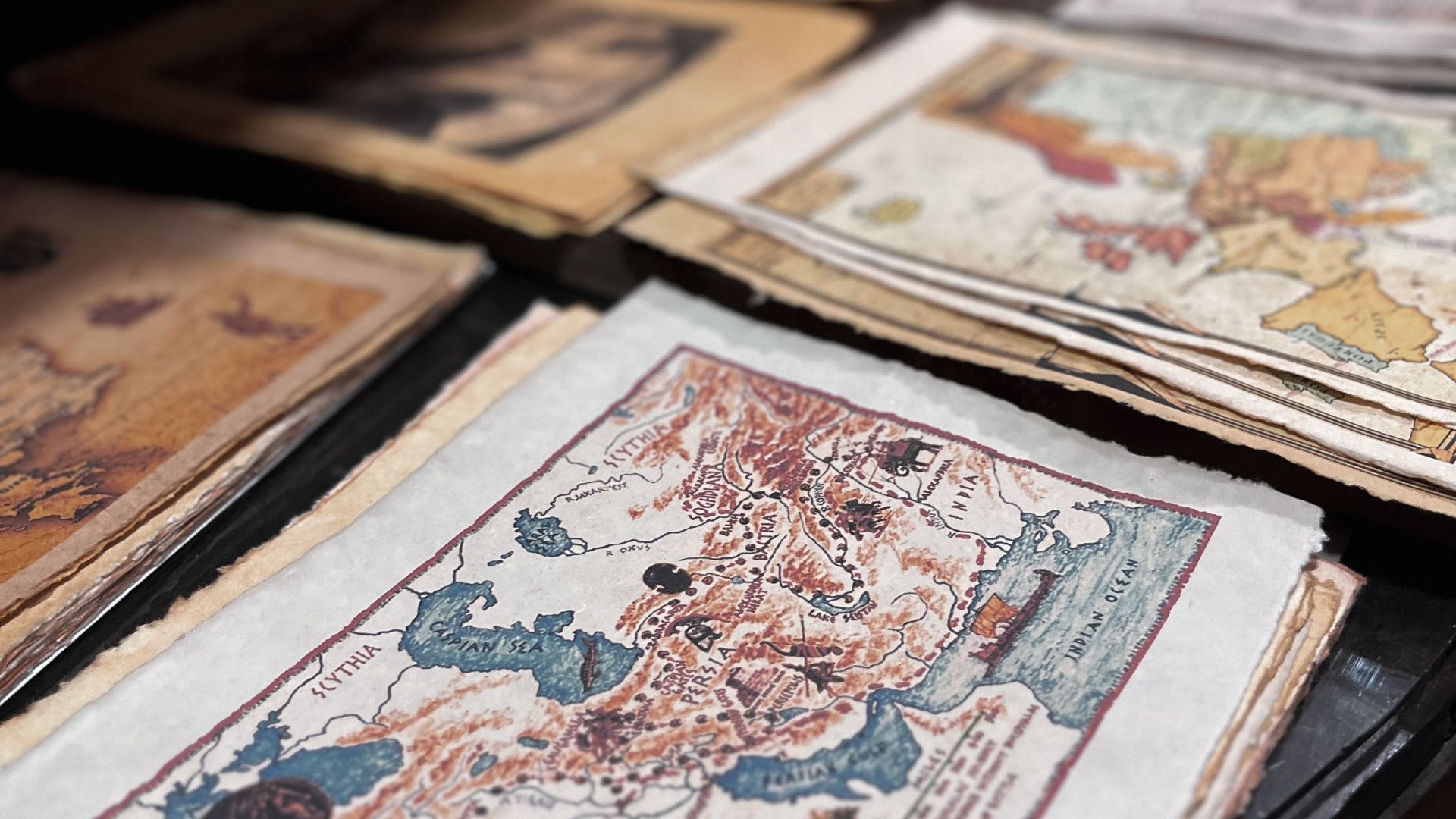
Long before satellites or maps that matched reality, people still crossed deserts, oceans, and mountain ranges most of their neighbors would never see. Some traveled for trade, some for religion, and some seem to have gone because staying home never sat right. Much of what we know about the ancient world survives only because someone wrote down what they saw on a journey nobody expected them to finish. Here's 20 people who crossed extraordinary distances and left something behind to prove it.
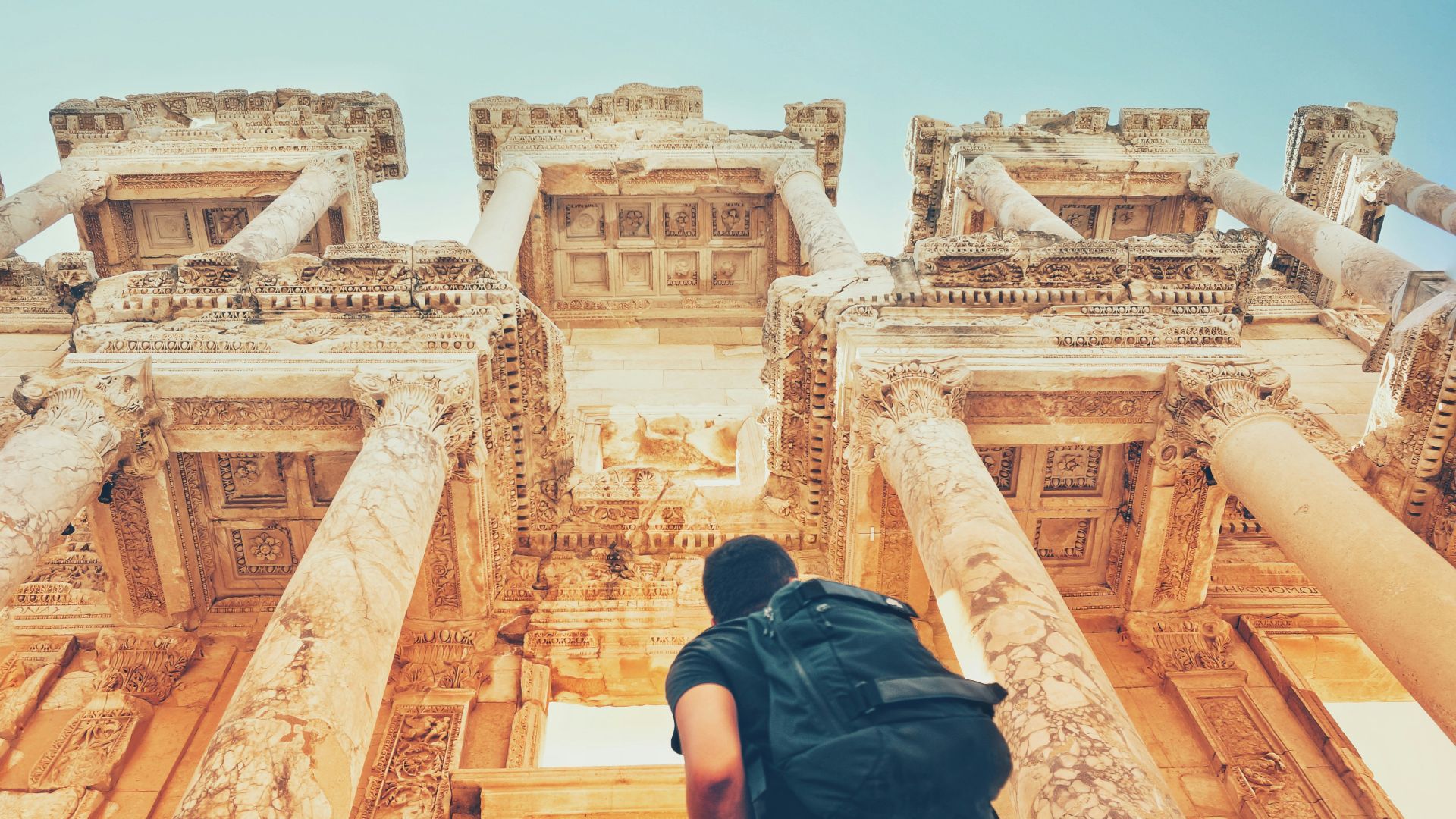
1. Pytheas Of Massalia
A Greek geographer from what's now Marseille, Pytheas sailed north around 325 BC and reached Britain, describing tides and long northern summer days with precision nobody back home believed. He wrote of a land called Thule, six days further north, that historians still can't agree on.
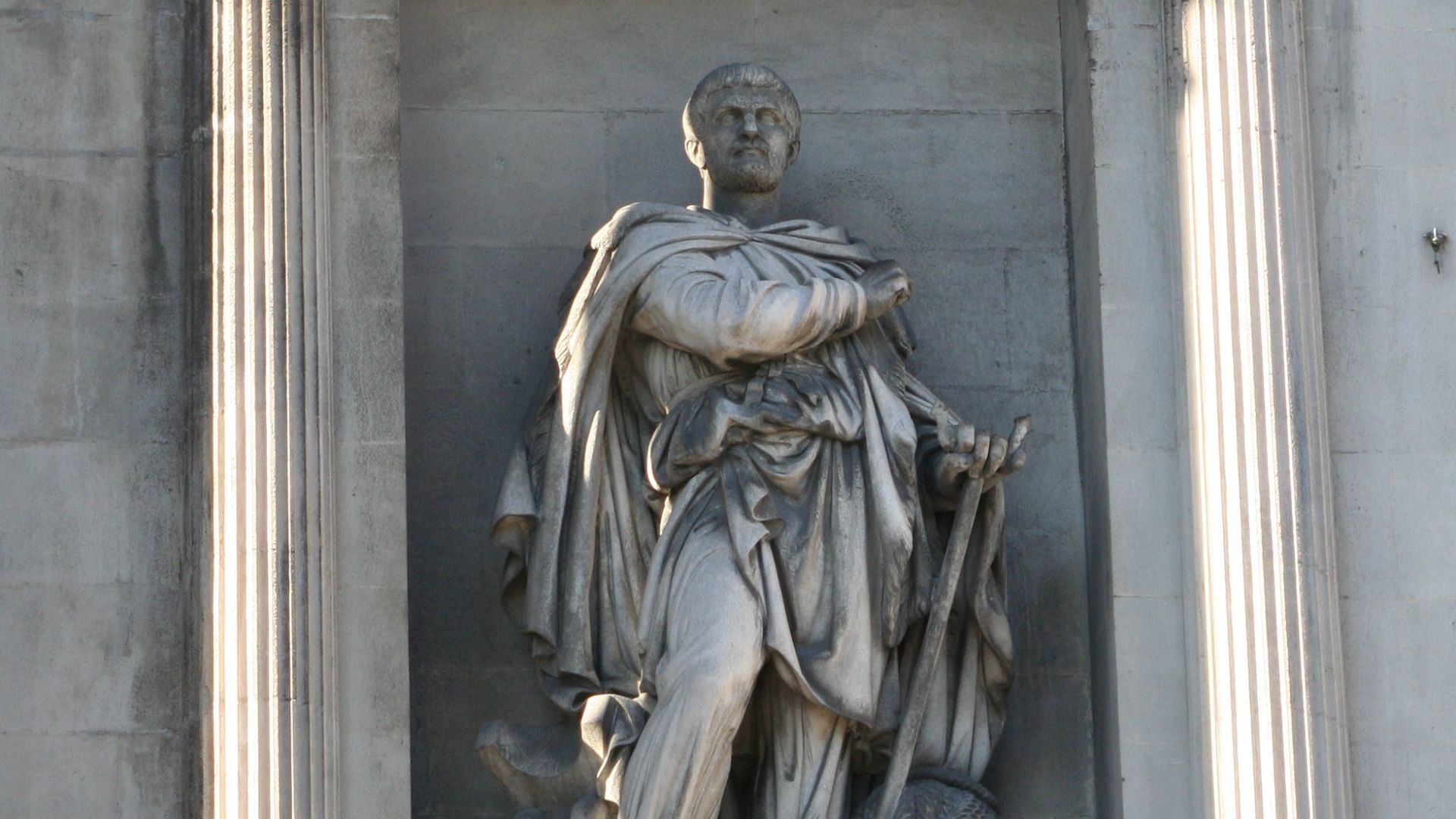
2. Herodotus
Herodotus spent years traveling through Egypt, Persia, and the Black Sea region, gathering stories from priests, soldiers, and merchants along the way. He mixed sharp observation with tall tales, and his willingness to write down whatever people told him makes his travels one of antiquity's richest records.
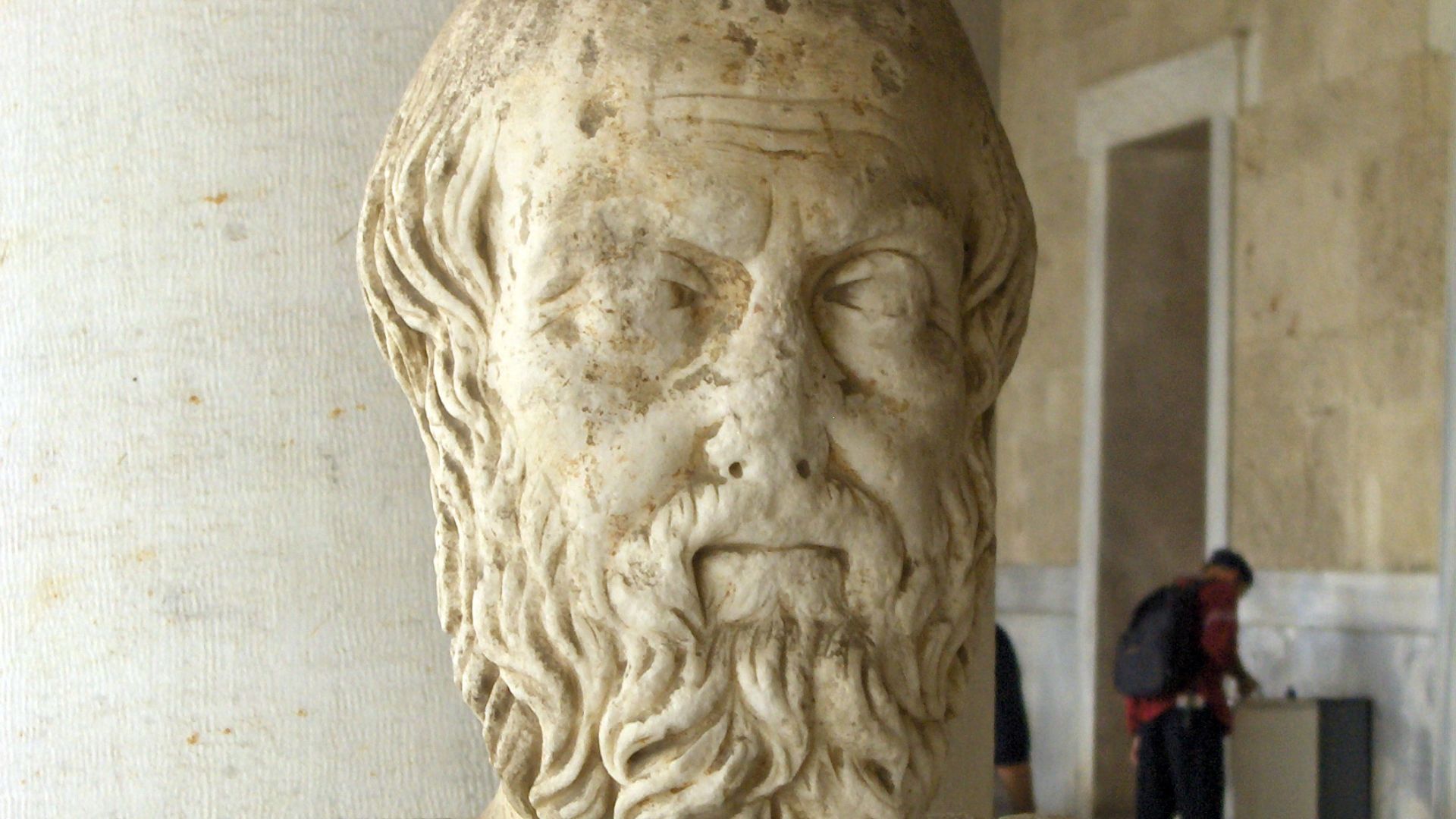 Konstantinos Stampoulis (el:User:Geraki) on Wikimedia
3. Scylax Of Caryanda
Sent by the Persian king Darius I, Scylax sailed down the Indus River and out into the Arabian Sea around 515 BC, eventually reaching the Red Sea. The roughly thirty-month voyage mapped a route the Persian Empire relied on for trade and troop movement for generations.
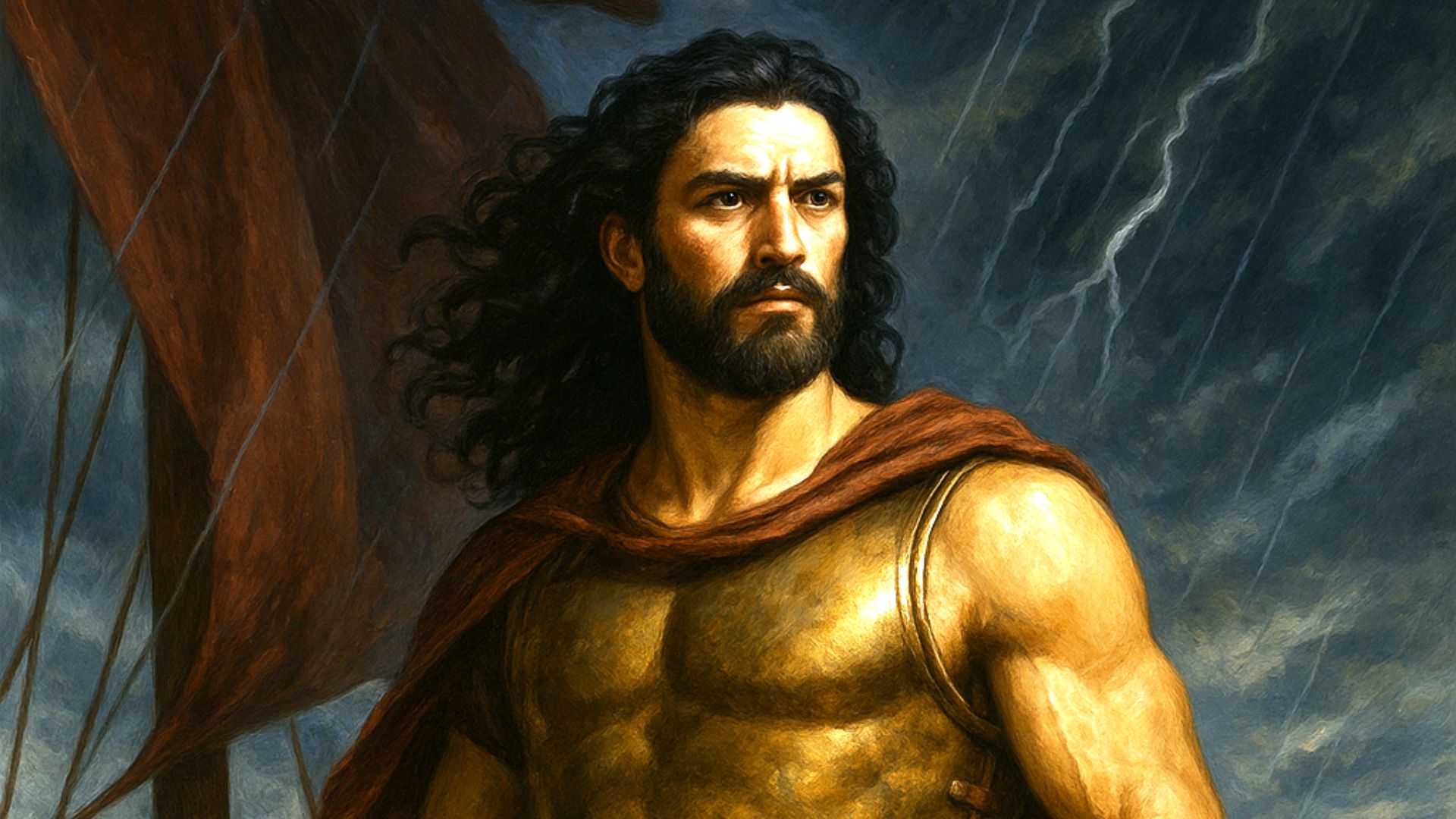
4. Hanno The Navigator
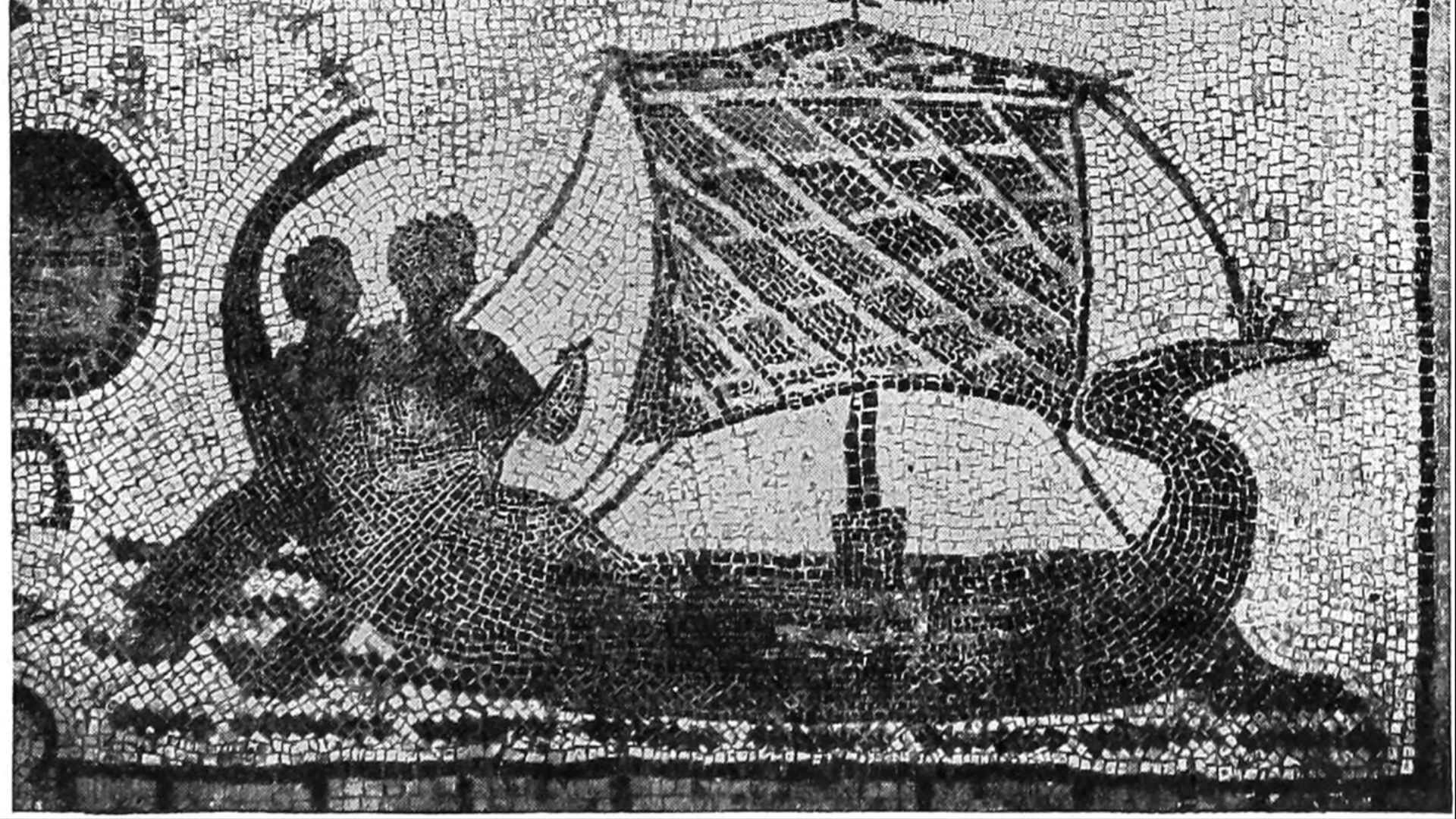
A Carthaginian commander, Hanno led a fleet down the West African coast in the 5th century BC, founding colonies as he went and pushing further south than any Mediterranean sailor before him. His account describes hairy wild men, likely gorillas, and rivers full of crocodiles.
 Author Wilfred Harvey Schoff on Wikimedia
5. Nearchus
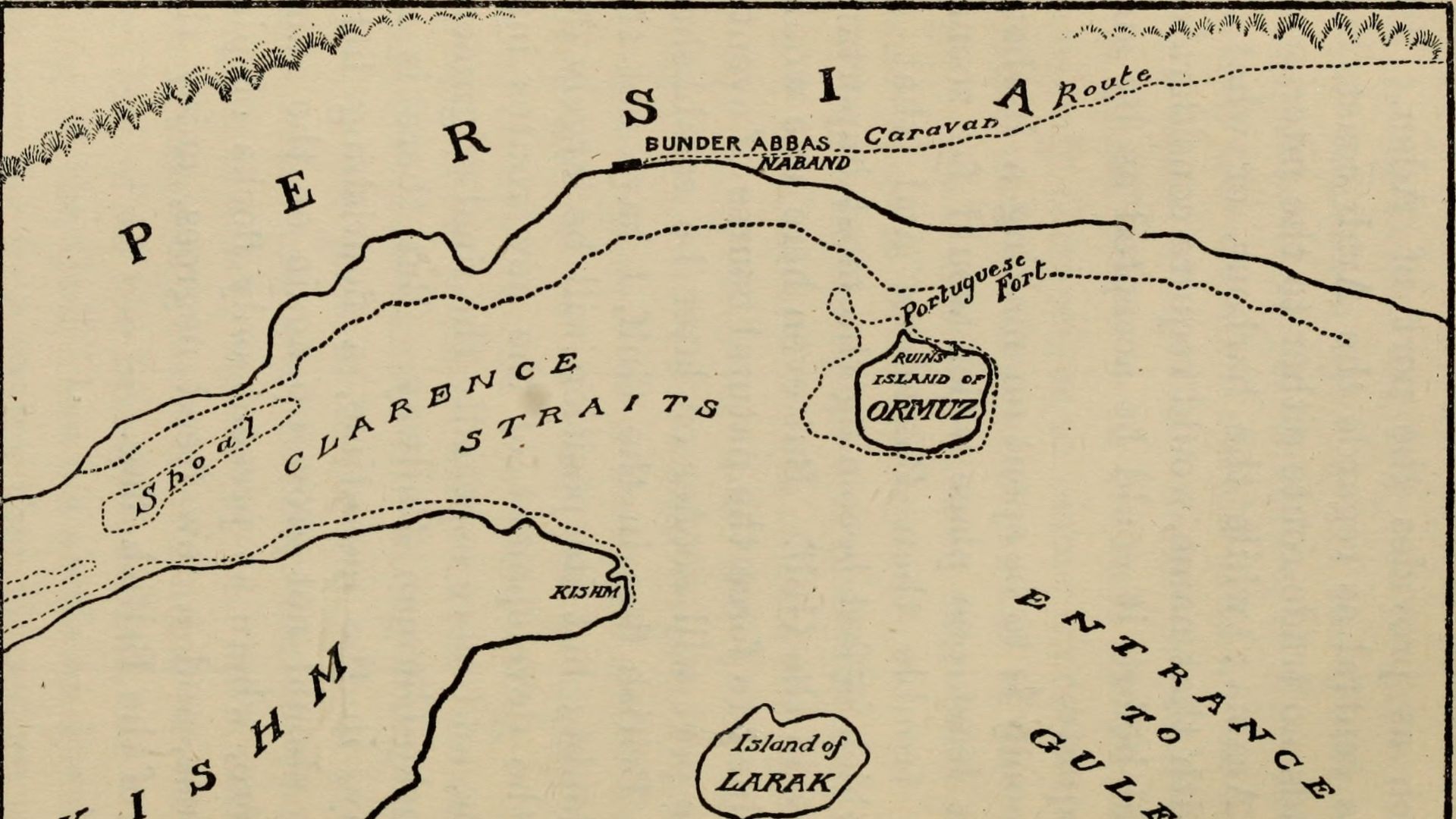
One of Alexander the Great's admirals, Nearchus sailed a fleet from the Indus River to the Persian Gulf in 325 BC, a route nobody in Alexander's army had attempted by sea. Supplies ran short and crews nearly starved before he wrote a detailed account historians still use.
 Internet Archive Book Images on Wikimedia
6. Megasthenes
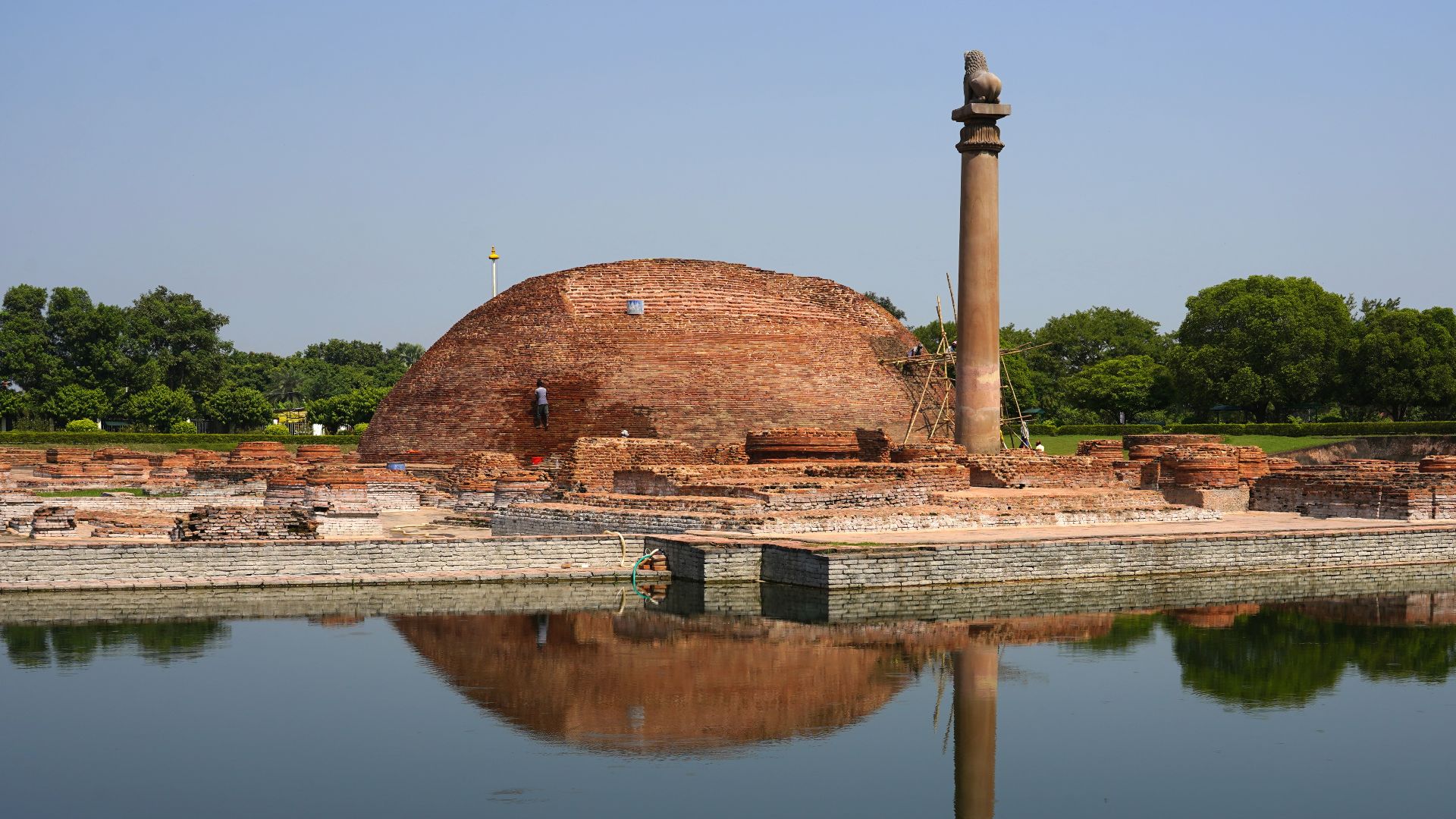
A Greek diplomat sent by Seleucus I, Megasthenes lived for years at the Mauryan court in India around 300 BC, becoming one of the first Westerners to describe Indian society in detail. His book Indica is lost, but later historians quoted it heavily enough to reconstruct much of it.
7. Eudoxus Of Cyzicus
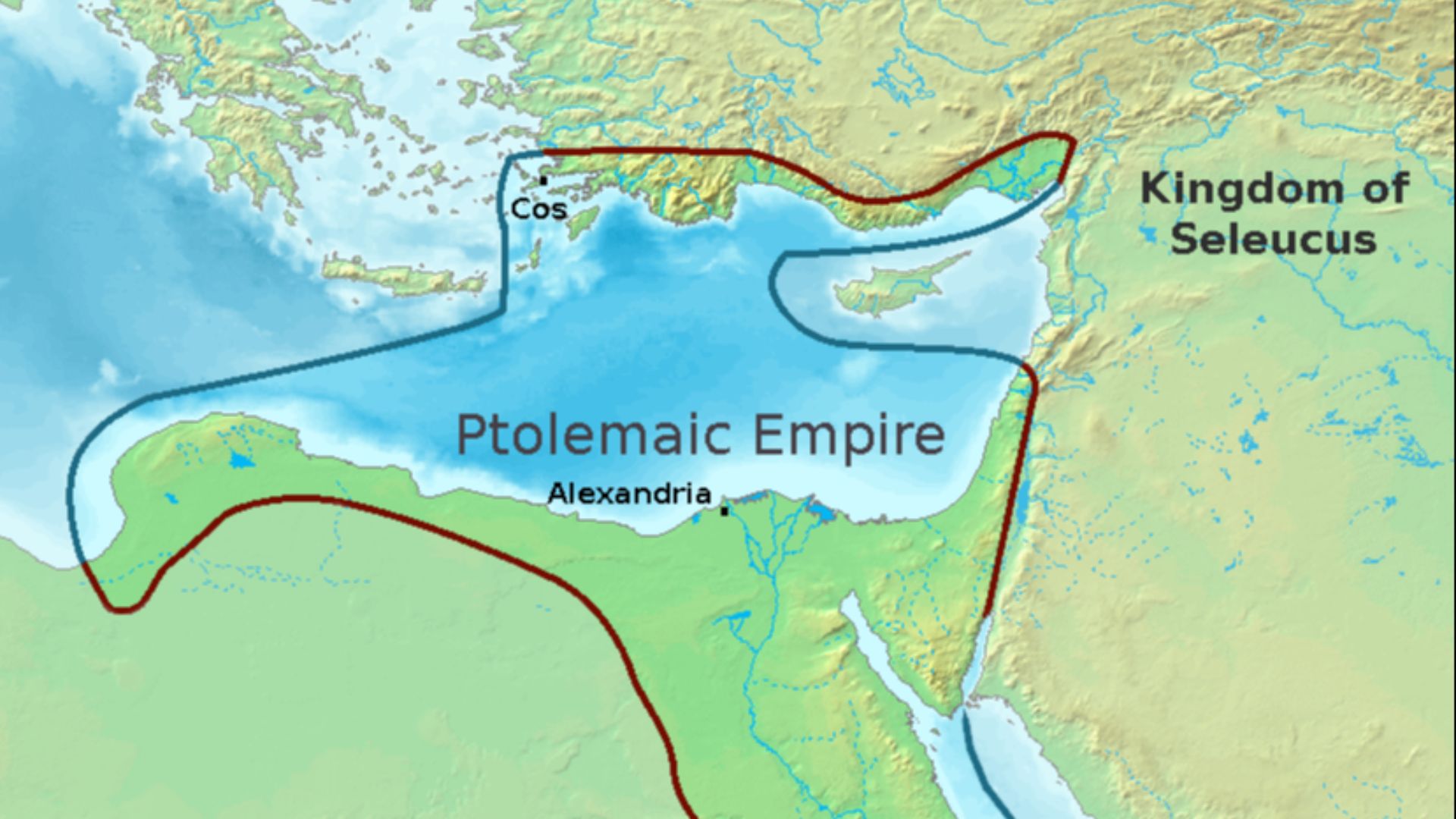
Working for Ptolemaic Egypt, Eudoxus made two voyages to India using monsoon winds a shipwrecked Indian sailor reportedly taught him to read. He later attempted to sail around Africa entirely, a journey that consumed years and most of his fortune, with the outcome still disputed.
8. Zhang Qian
Sent west by Emperor Wu of Han around 138 BC, Zhang Qian spent over a decade traveling Central Asia, much of it as a prisoner before he escaped and continued anyway. His reports helped open the trade routes later known as the Silk Road.
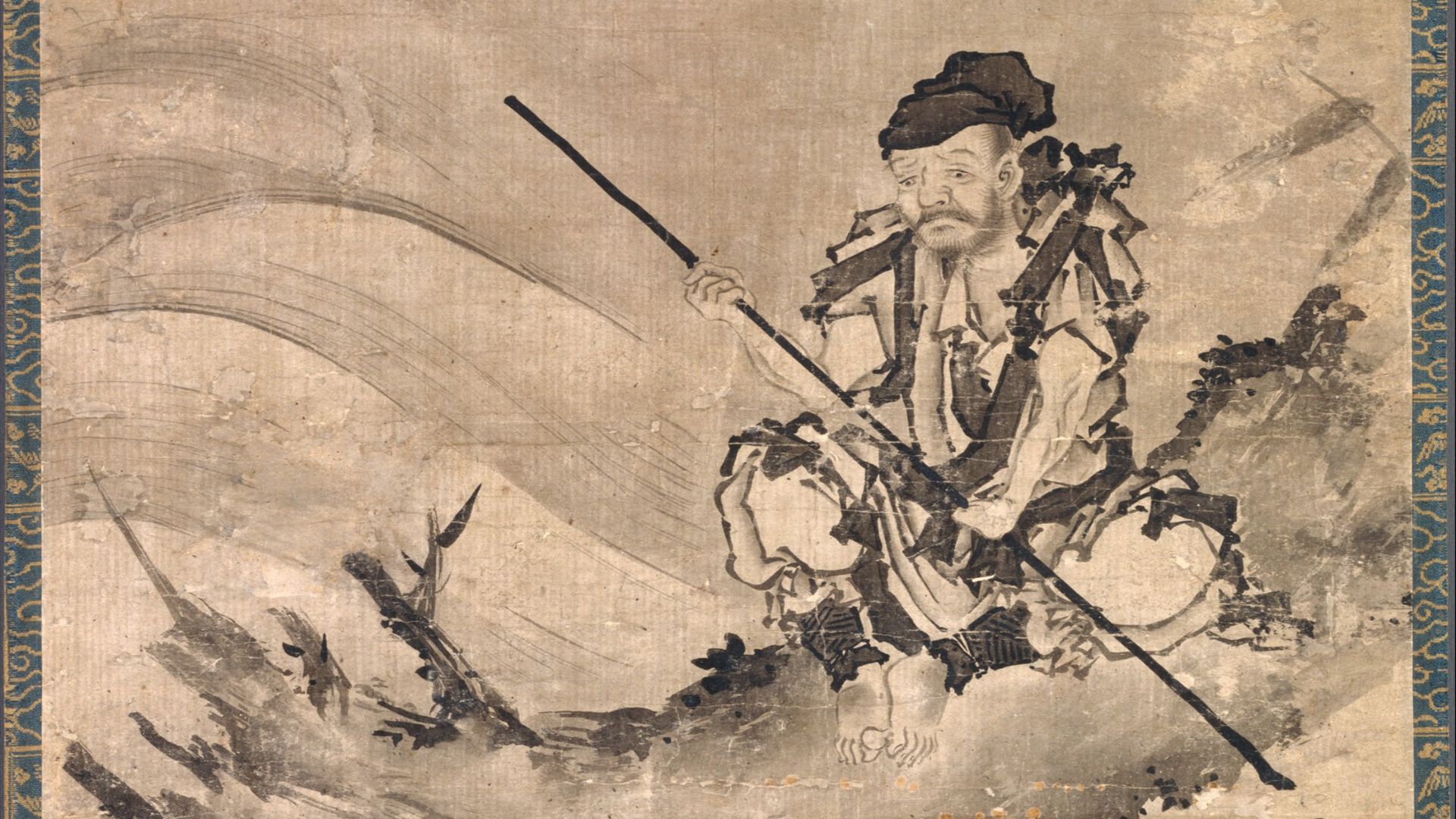
9. Strabo
A Greek geographer born in Pontus, Strabo traveled across the Roman world, from Egypt up the Nile to the edges of Ethiopia, and through Asia Minor and Italy. His seventeen-volume Geographica remains one of the most complete surviving descriptions of the ancient world.
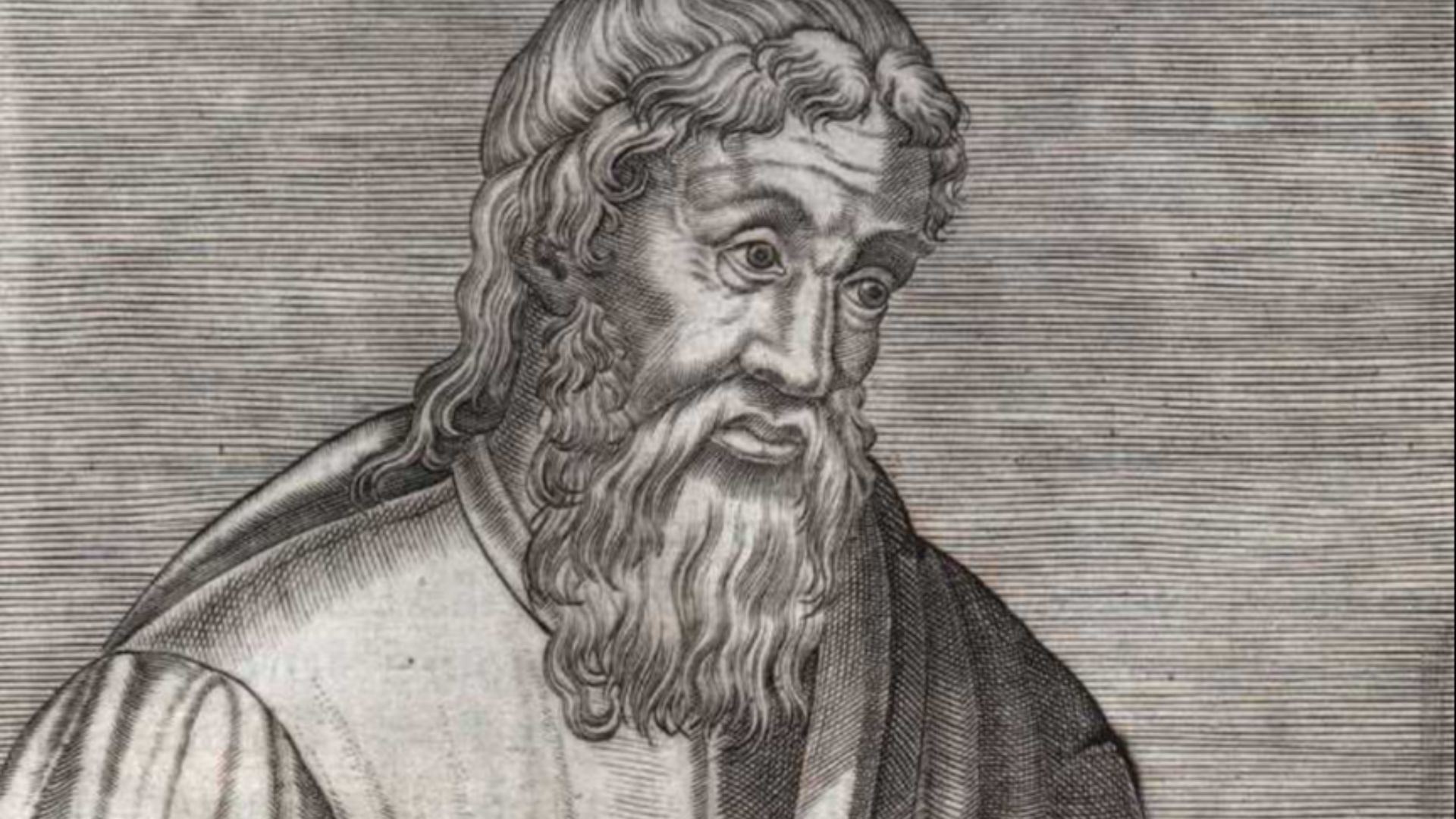 Unknown authorUnknown author on Wikimedia
10. Apollonius Of Tyana
A Greek philosopher from Cappadocia, Apollonius reportedly traveled to Persia, India, and Egypt in the 1st century AD seeking out wise men and holy sites. His biographer describes him reaching ascetics in India, though how much of the account is embellished remains debated.
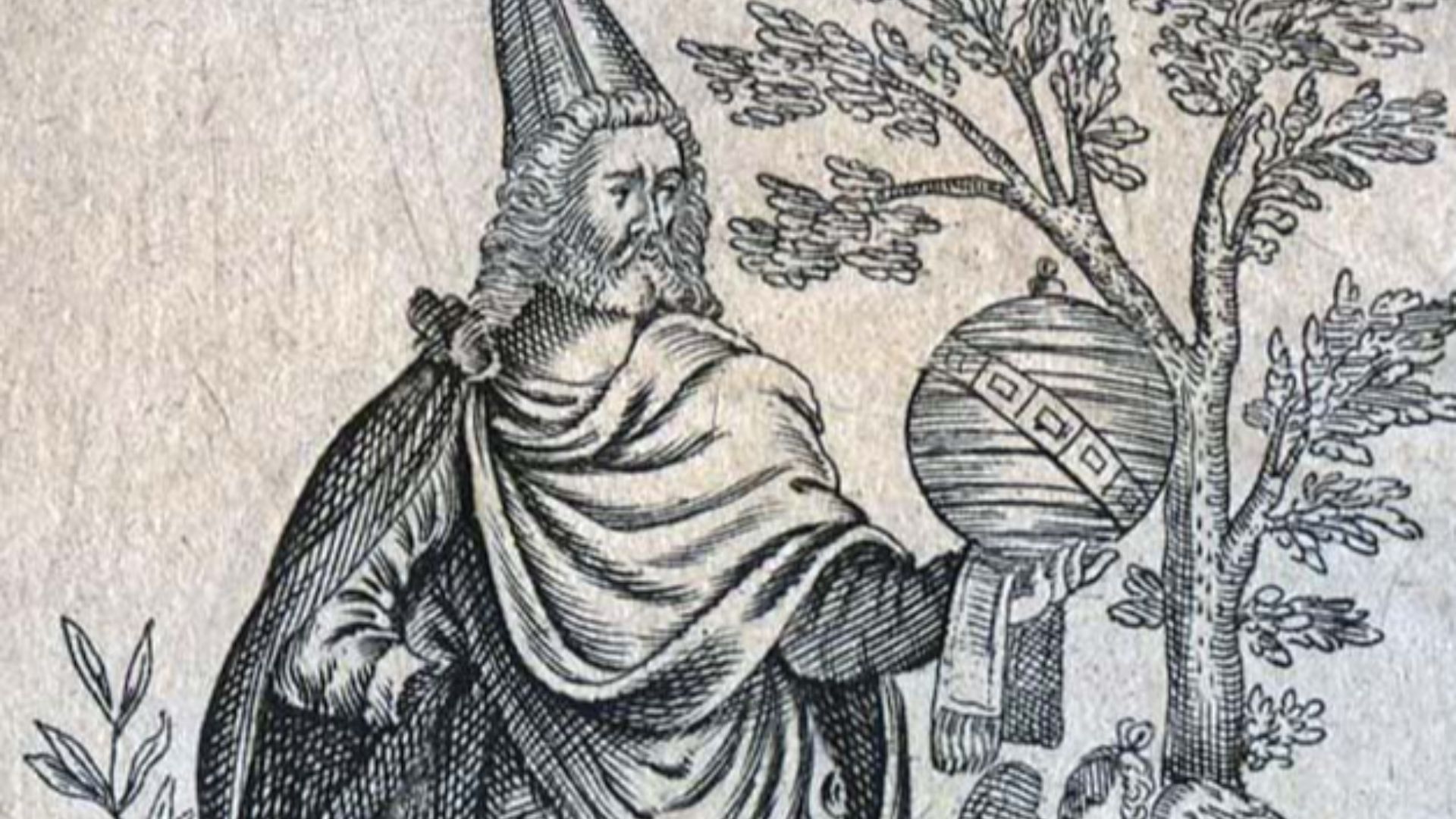 Unknown authorUnknown author on Wikimedia
11. Pausanias
Pausanias walked across mainland Greece in the 2nd century AD, recording temples, statues, and local legends in more detail than anyone else bothered to attempt. His Description of Greece reads almost like a guidebook, and archaeologists still use it to locate lost sites today.
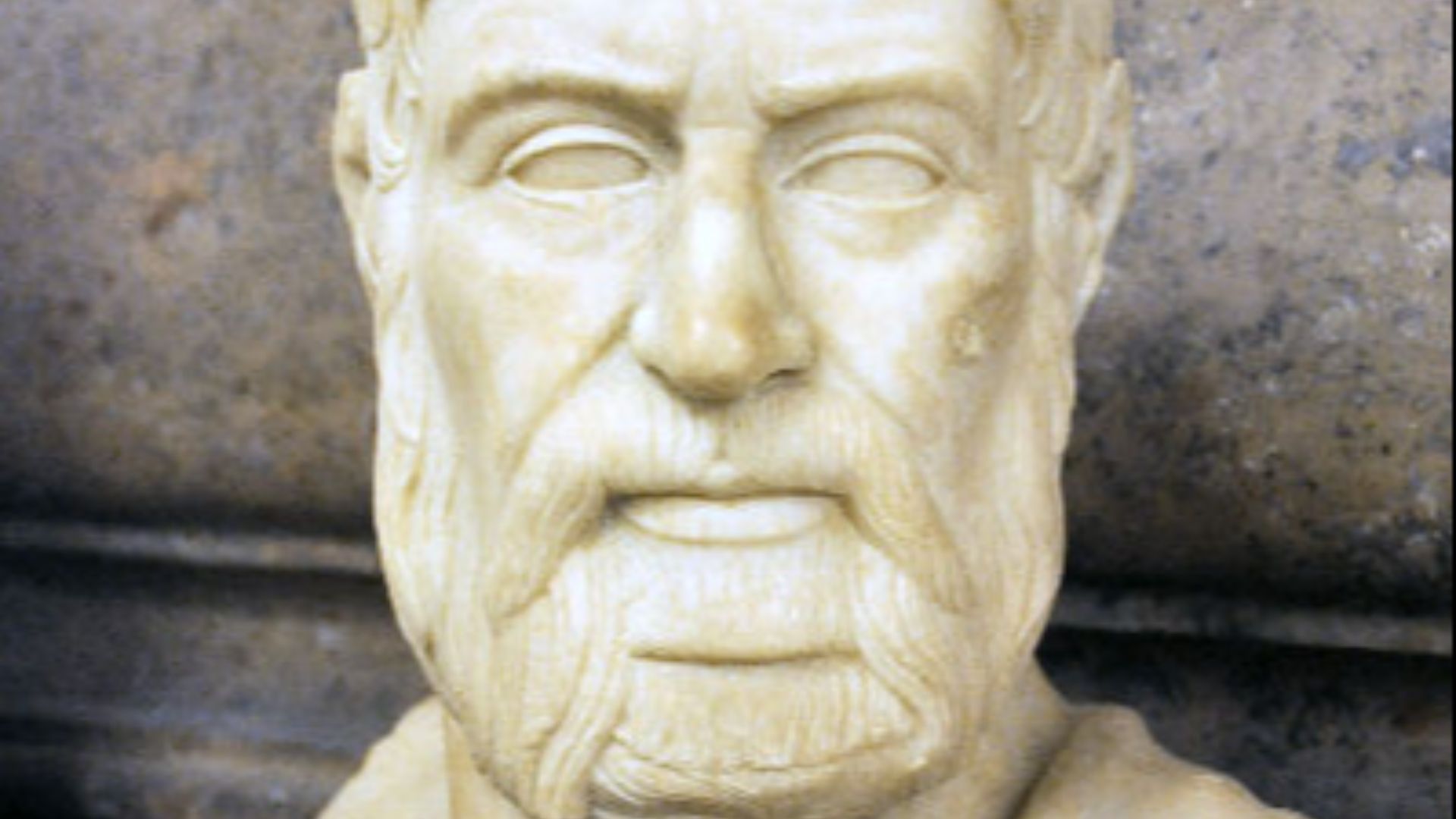
12. Fa Xian
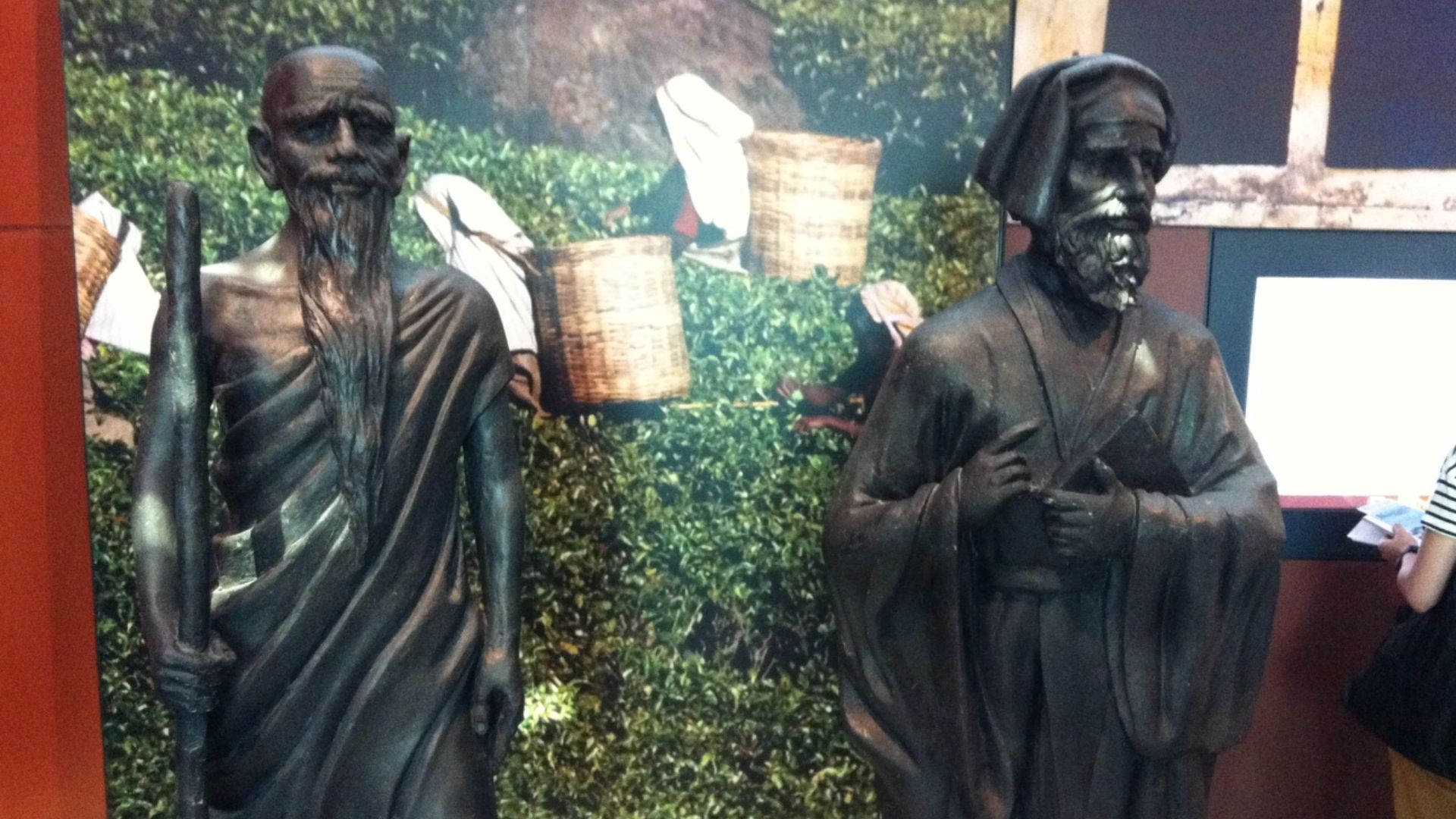
A Chinese Buddhist monk in his sixties, Fa Xian set out on foot from China in 399 AD, crossing the Taklamakan Desert and the Himalayas to reach India in search of original Buddhist texts. The trip took fifteen years, and he sailed home, surviving a shipwreck along the way.
13. Egeria
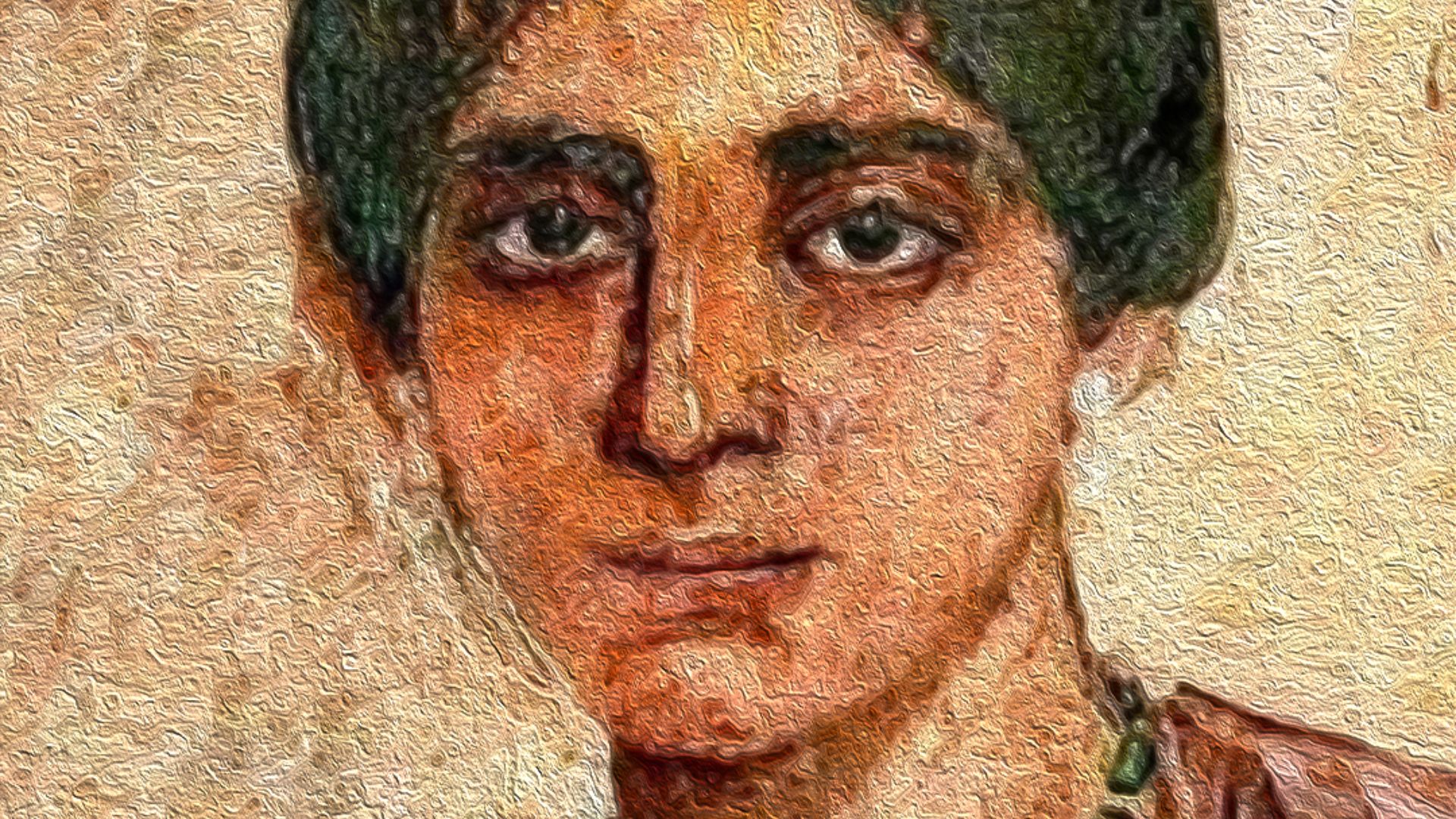
A Christian woman likely from Spain or Gaul, Egeria traveled to the Holy Land around 381 AD and wrote a long letter home describing the journey in vivid, practical detail. Rediscovered centuries later in a monastery library, it's one of the only firsthand female accounts of ancient pilgrimage that survives.
14. Cosmas Indicopleustes
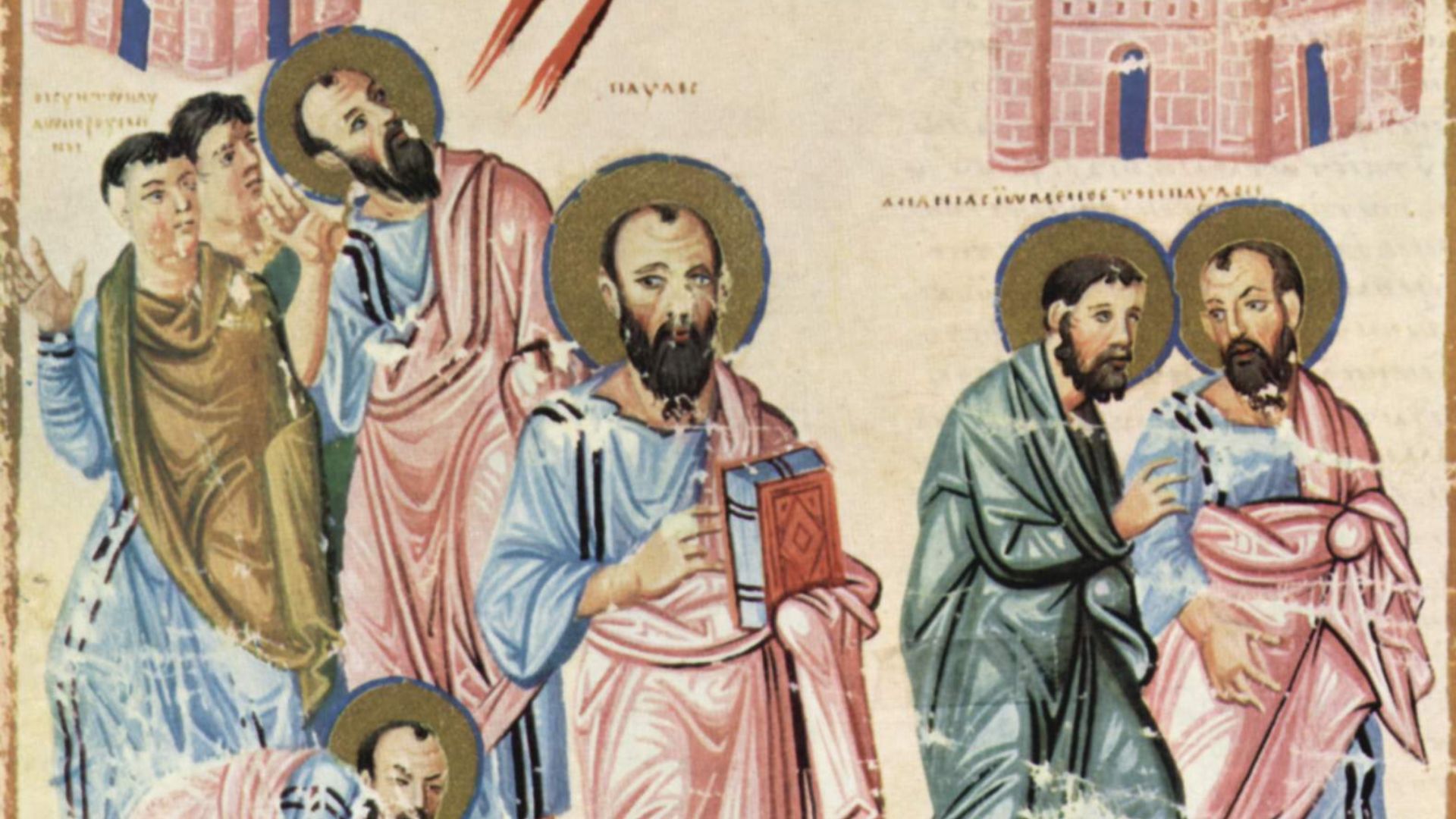
A Greek merchant turned monk, Cosmas sailed trade routes to India in the early 6th century AD before writing a strange mix of accurate travel notes and flat-earth theology. His descriptions of ports and sea routes in the Indian Ocean are still considered reliable by historians.
 Meister nach Cosmas Indicopleustes on Wikimedia
15. Aristeas Of Proconnesus
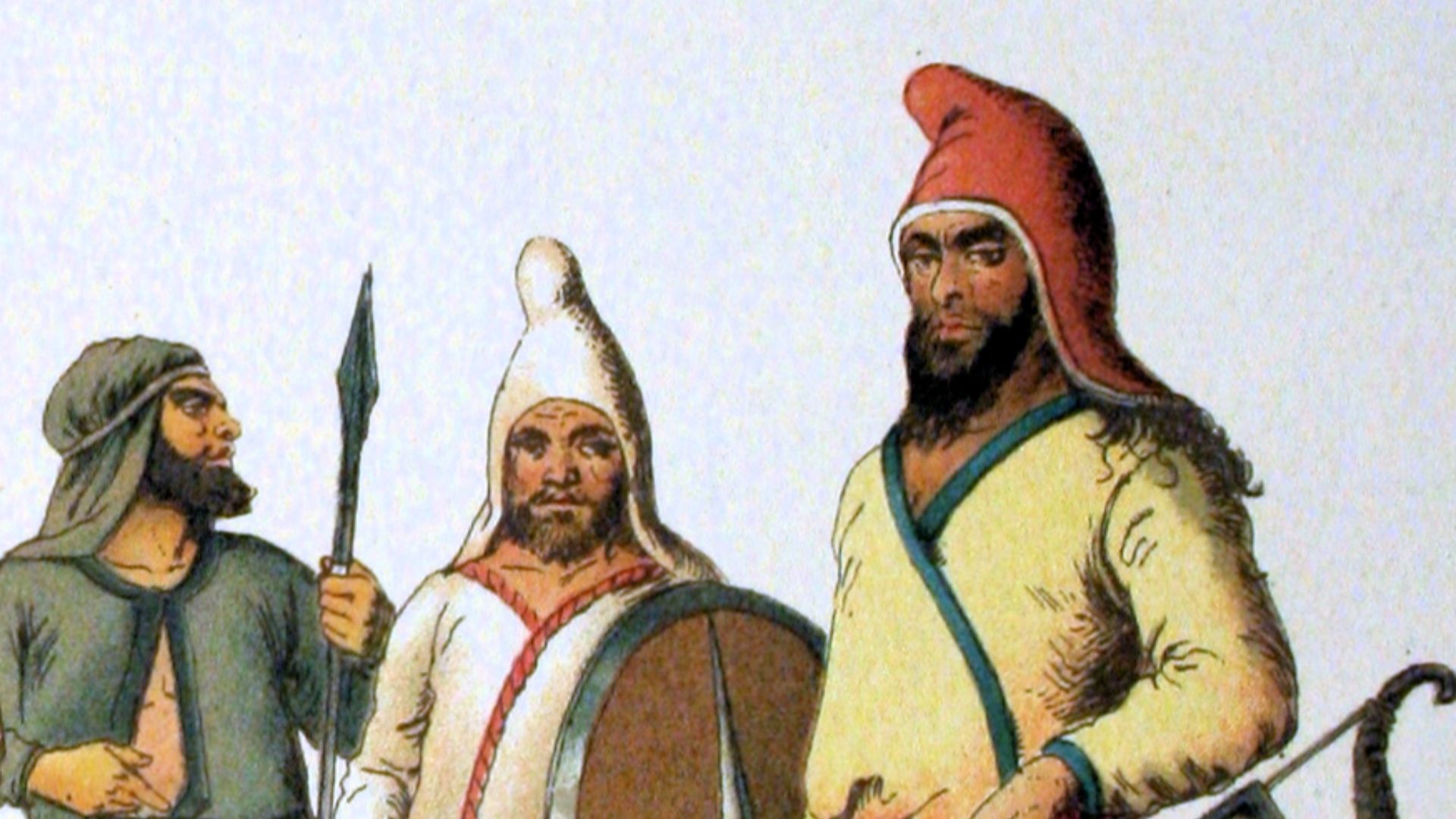
A semi-legendary Greek poet from the 7th century BC, Aristeas reportedly traveled deep into Central Asia among the Scythians and beyond. Ancient sources claim he vanished and reappeared years later with stories of one-eyed men and gold-guarding griffins, unverifiable but influential for centuries.
16. Hecataeus Of Miletus
Writing in the late 6th century BC, Hecataeus traveled extensively around the Mediterranean and produced one of the earliest known geographical texts and maps. Herodotus later leaned on his work, sometimes agreeing with it and sometimes openly mocking it.
17. Sima Qian
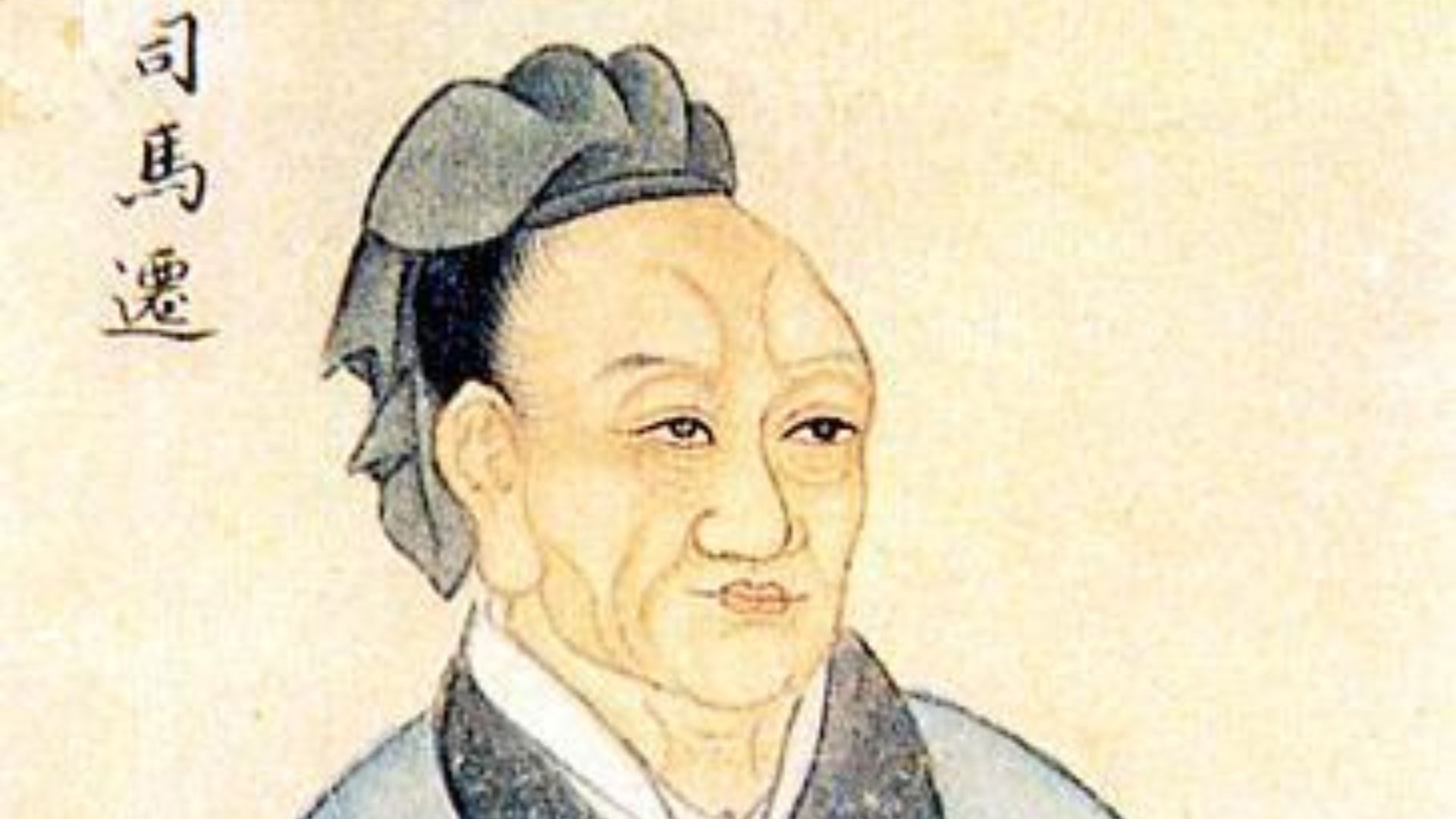
China's great historian traveled extensively across the Han Empire in his youth, visiting battlefields and regional courts before compiling the Records of the Grand Historian. Walking much of the terrain he later wrote about gave his work a grounded detail earlier court historians lacked.
18. Wang Xuance
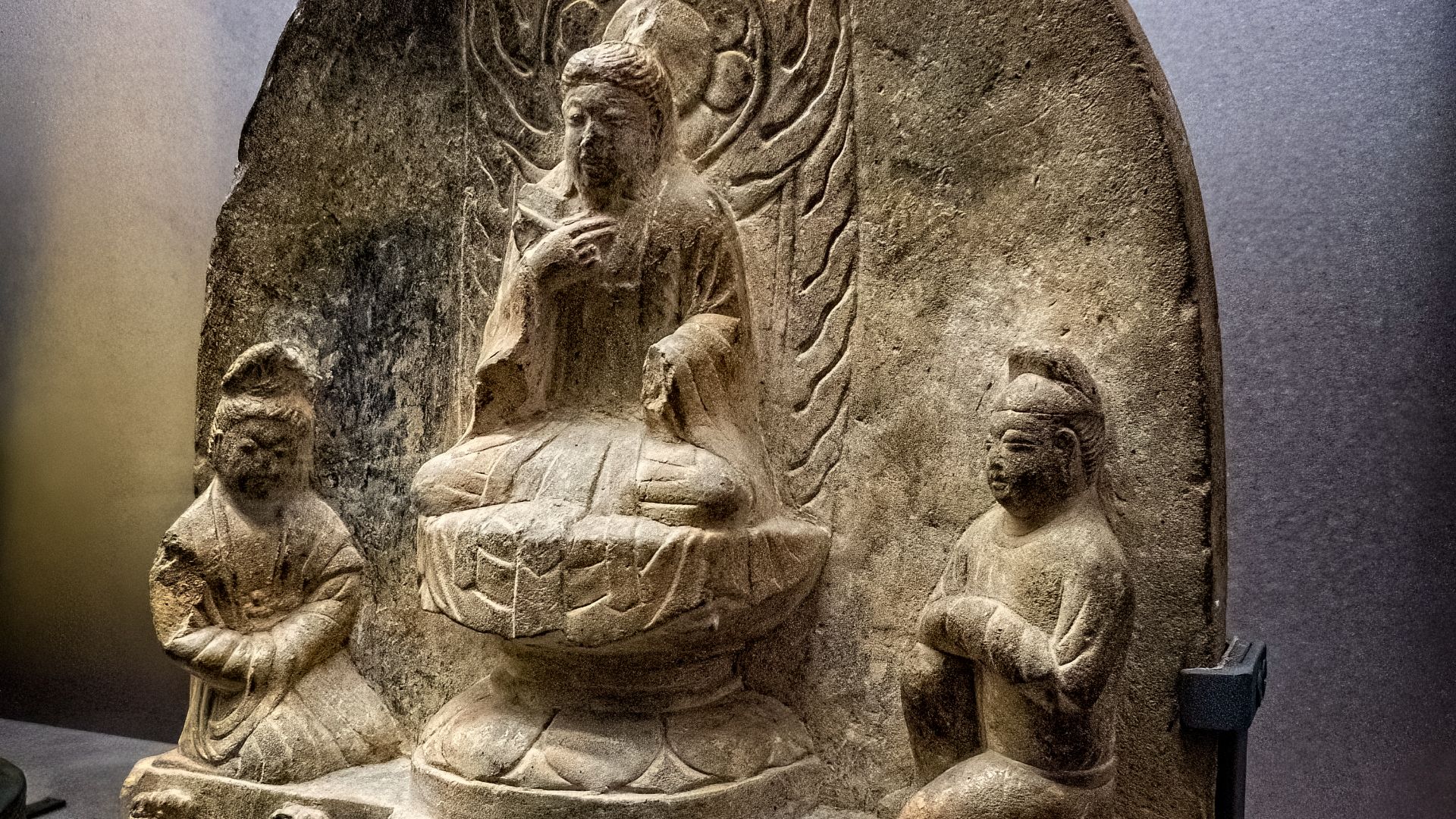
A Tang dynasty envoy, Wang Xuance made at least three diplomatic missions to India in the 7th century AD, navigating serious political upheaval along the way. During one trip he was briefly captured before escaping with help from a neighboring kingdom and finishing the assignment.
19. Xuanzang
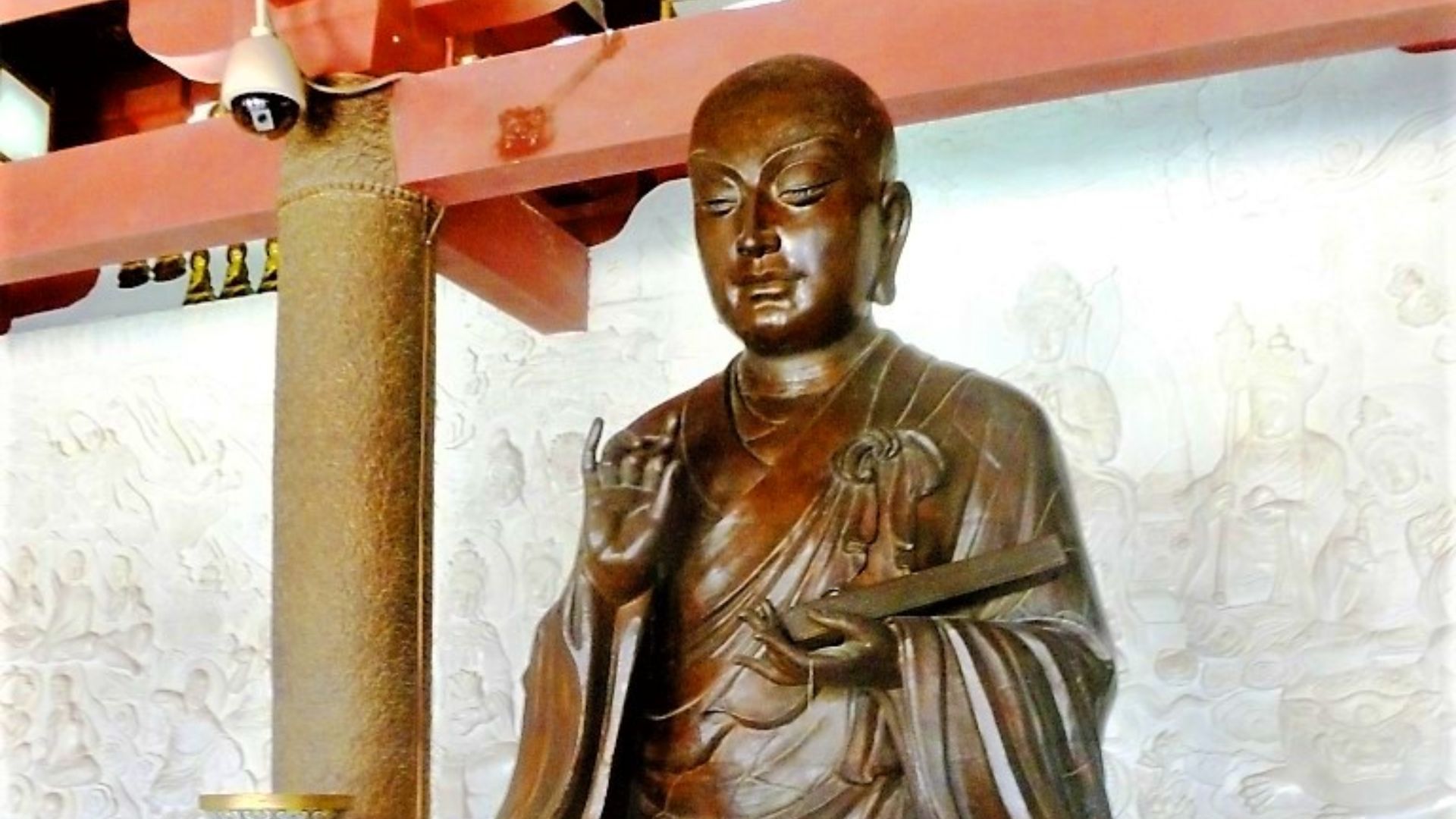
The most famous of the traveling Buddhist monks, Xuanzang left China without permission in 629 AD and spent seventeen years crossing Central Asia to reach India, collecting texts along the way. He returned with hundreds of scriptures that reshaped Chinese Buddhism and inspired later fiction.
20. Yijing
Another Chinese Buddhist monk, Yijing sailed from China to Sumatra and on to India starting in 671 AD, spending years at the monastic university of Nalanda. His writings remain one of the best surviving records of the maritime trade linking China, Southeast Asia, and India.