Separating the Record from the Legend
Joan of Arc's story has been retold so many times that the actual historical record has gotten tangled up with centuries of embellishment. Trial transcripts from 1431 survive in remarkable detail, giving historians a rare, direct window into what she actually said under interrogation. That same record also makes it easy to spot where popular imagination took over and ran somewhere the facts never actually went. Sorting the two apart matters, especially for a figure this frequently reshaped to fit whatever story needed telling. Here's 10 facts about Joan of Arc, and 10 myths worth retiring.
1. Born to a Farming Family
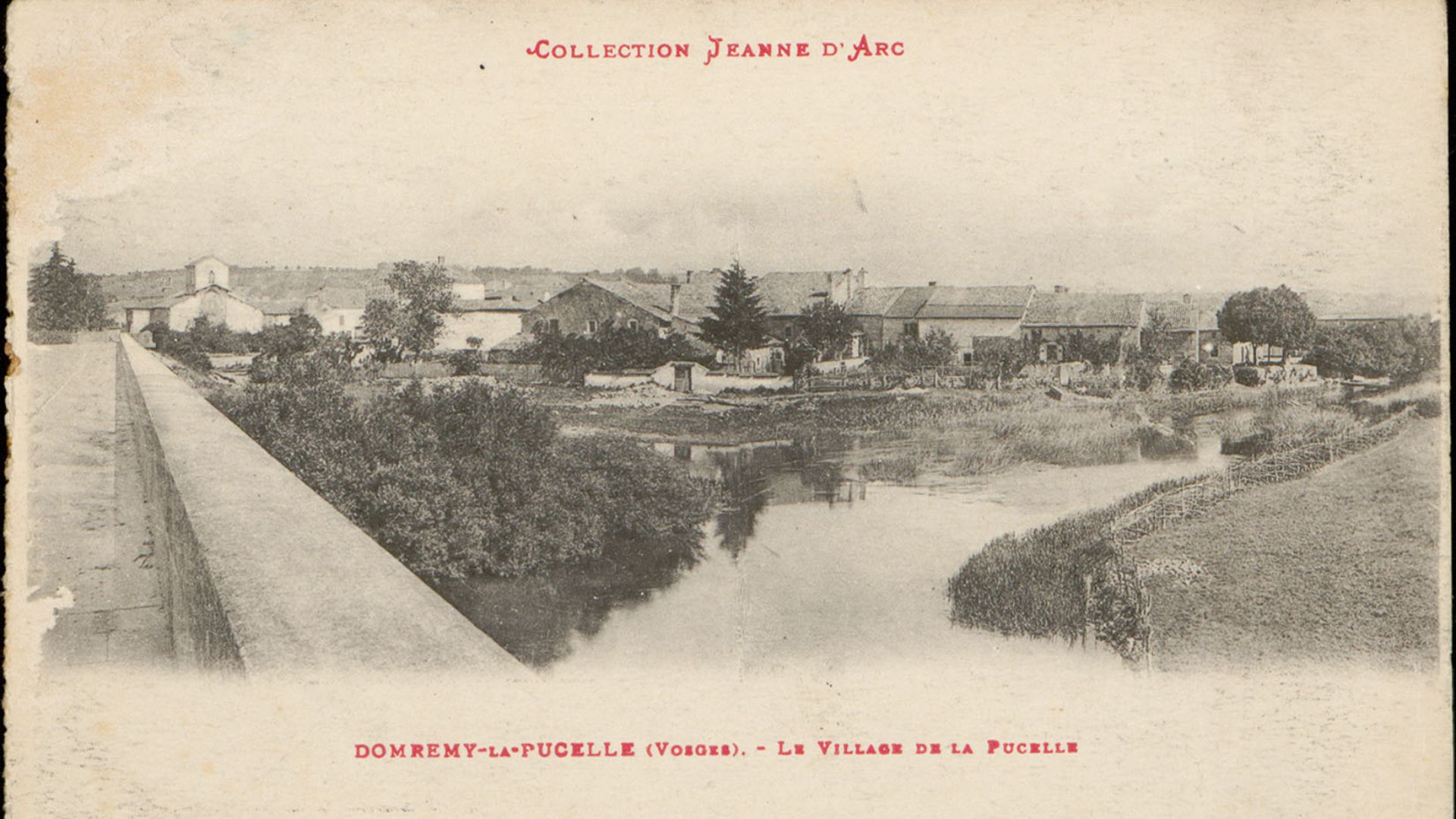
Joan was born around 1412 in Domrémy, a small village in northeastern France, to Jacques d'Arc, a farmer who also held a minor local administrative role. The family lived comfortably by village standards, but nothing about her background was noble or privileged.
2. She Reported Hearing Voices Starting Around Age Thirteen
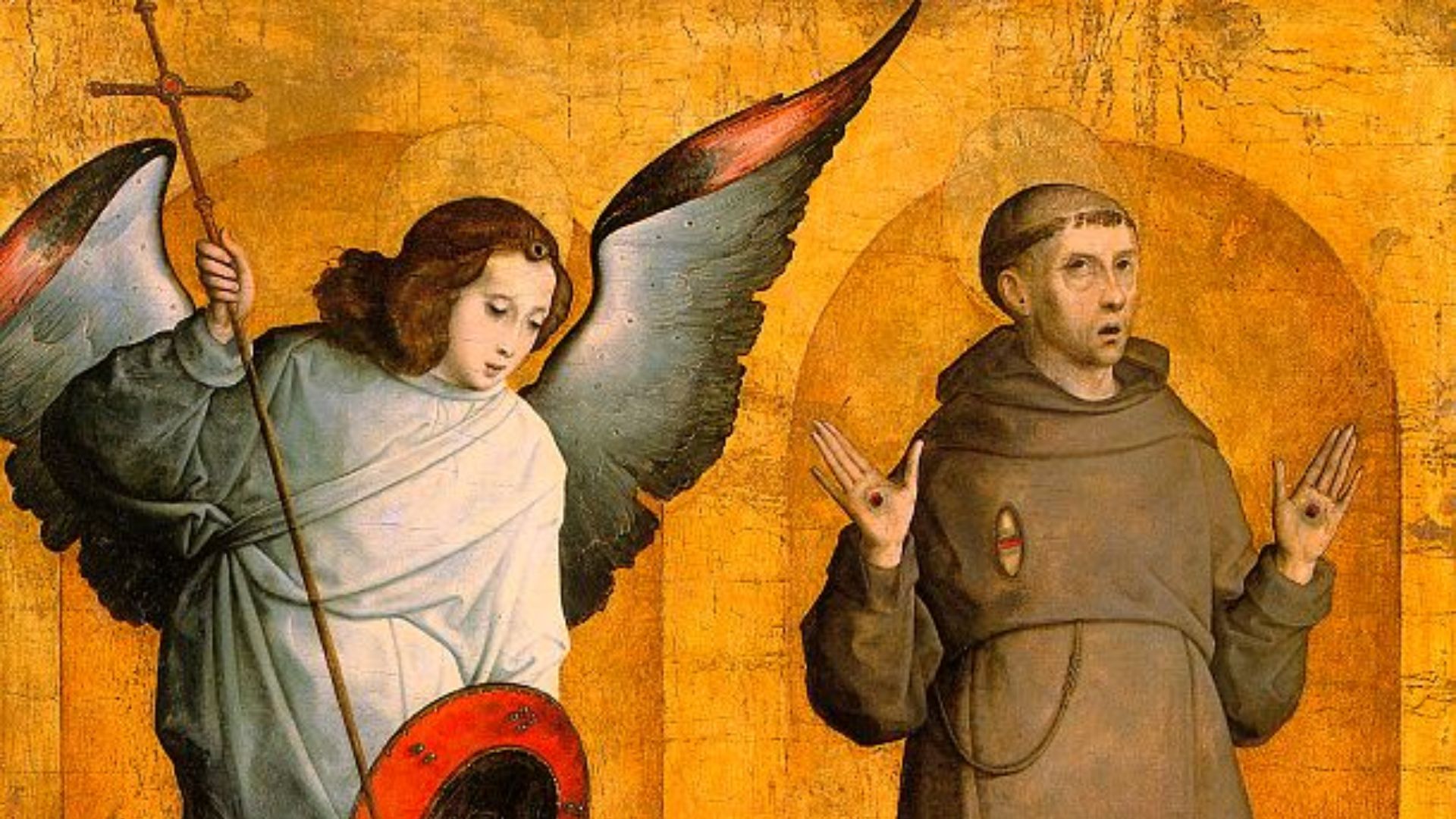
Joan testified that she began experiencing visions and voices, which she attributed to Saints Michael, Catherine, and Margaret, starting when she was about thirteen years old. These experiences eventually convinced her she'd been called to help secure the French throne for Charles VII.
3. She Convinced a Skeptical Garrison Commander to Help Her
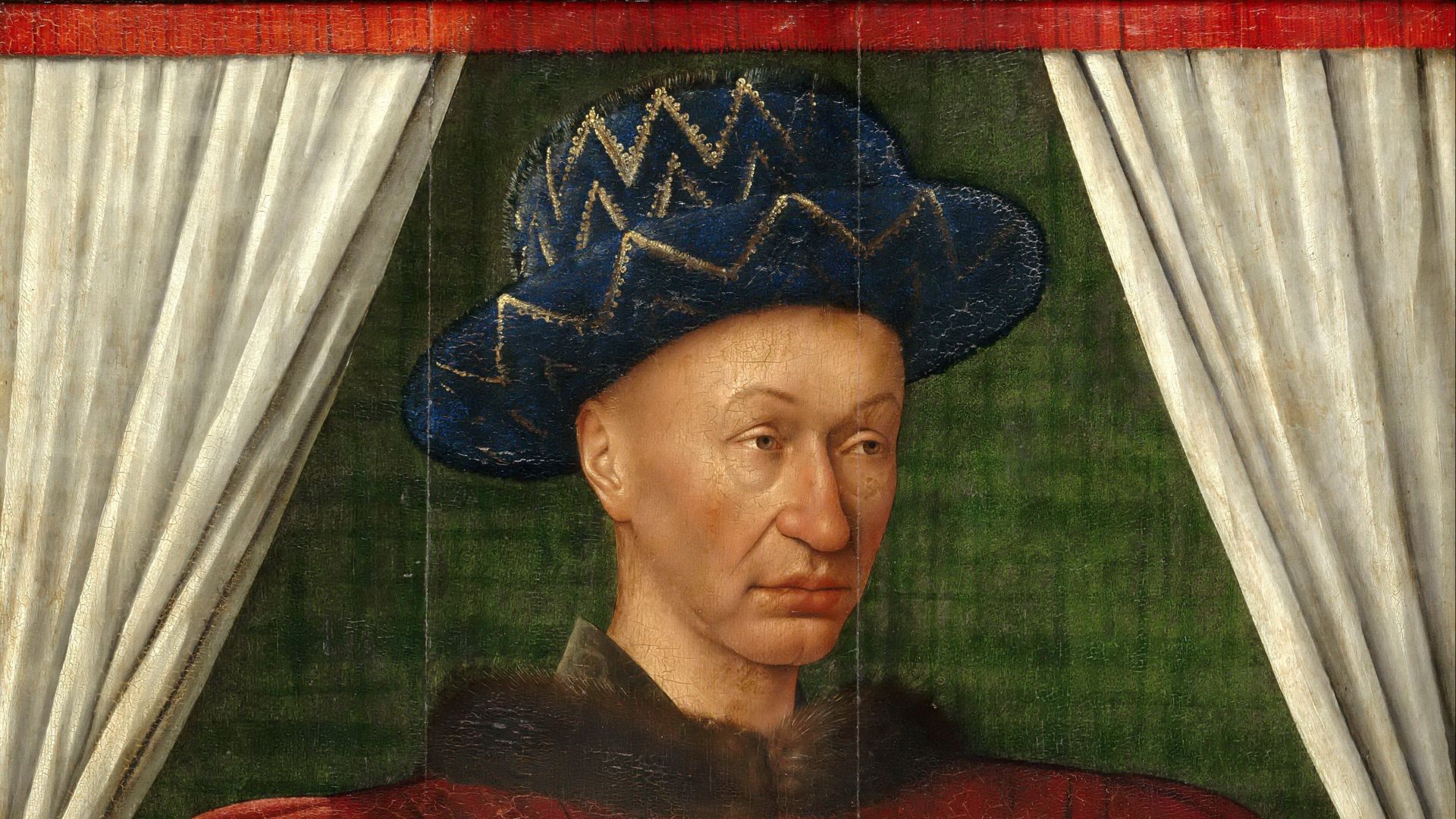
Robert de Baudricourt, the military commander at Vaucouleurs, initially dismissed her, but she eventually persuaded him to provide an armed escort so she could travel to meet the Dauphin Charles at Chinon in 1429. That journey through contested territory was itself a serious risk.
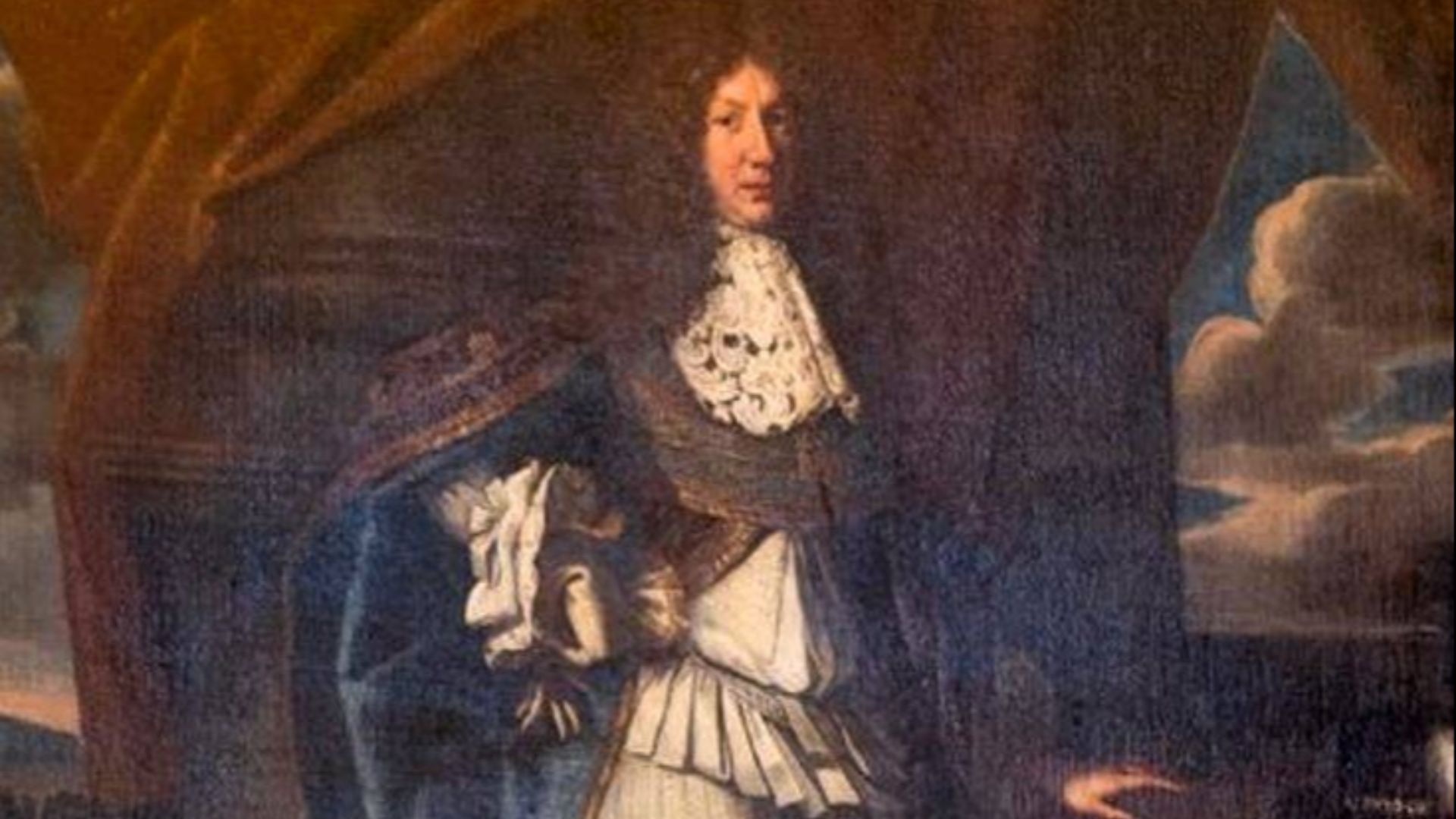 Charles Dauphin / Manner of Hyacinthe Rigaud on Wikimedia
4. She Wore Men's Clothing for Practical Reasons
Joan adopted male dress during her travels and military campaigns, a practical choice that offered protection and ease of movement among soldiers. That same choice later became one of the central charges used against her at trial.
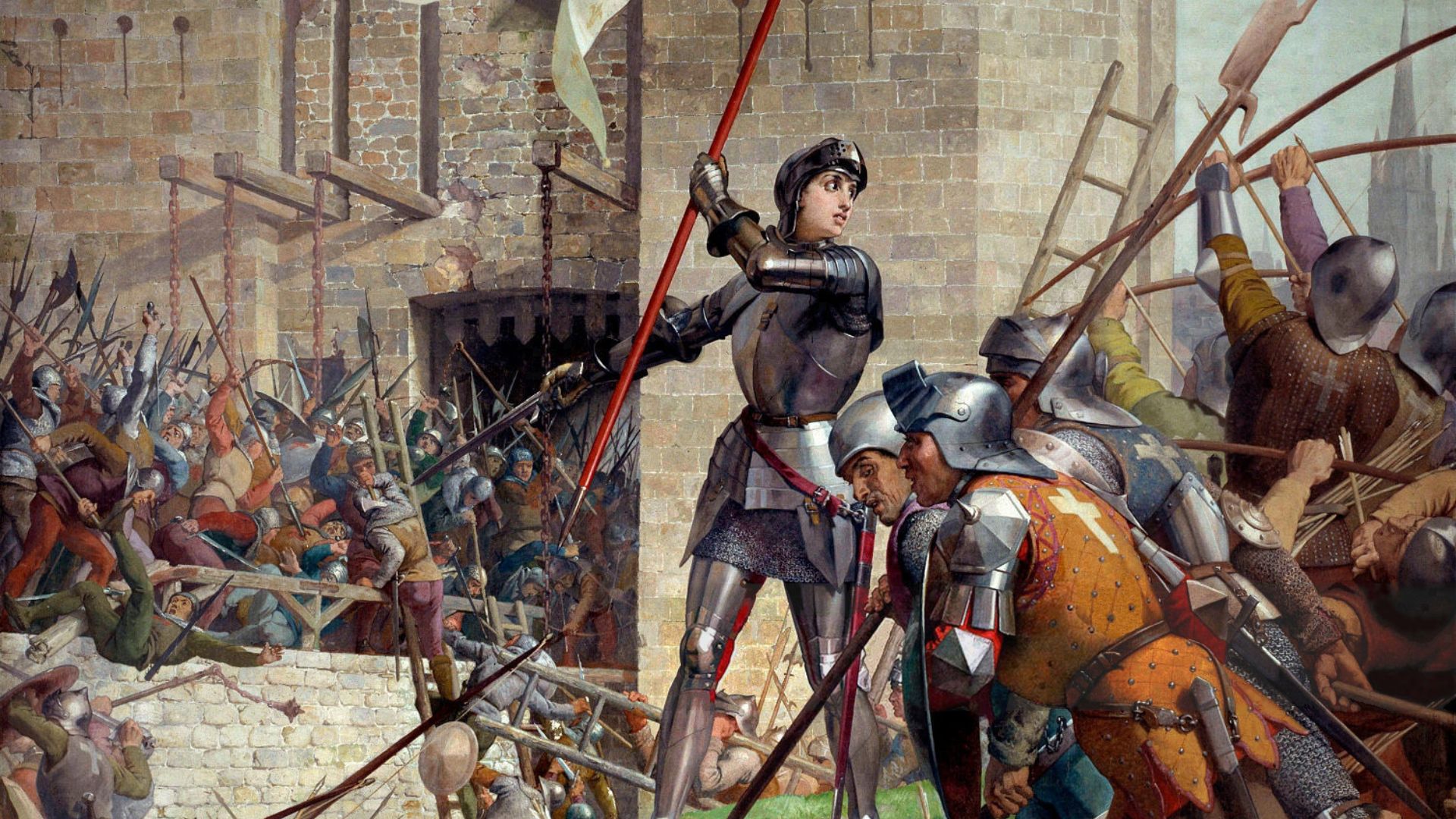
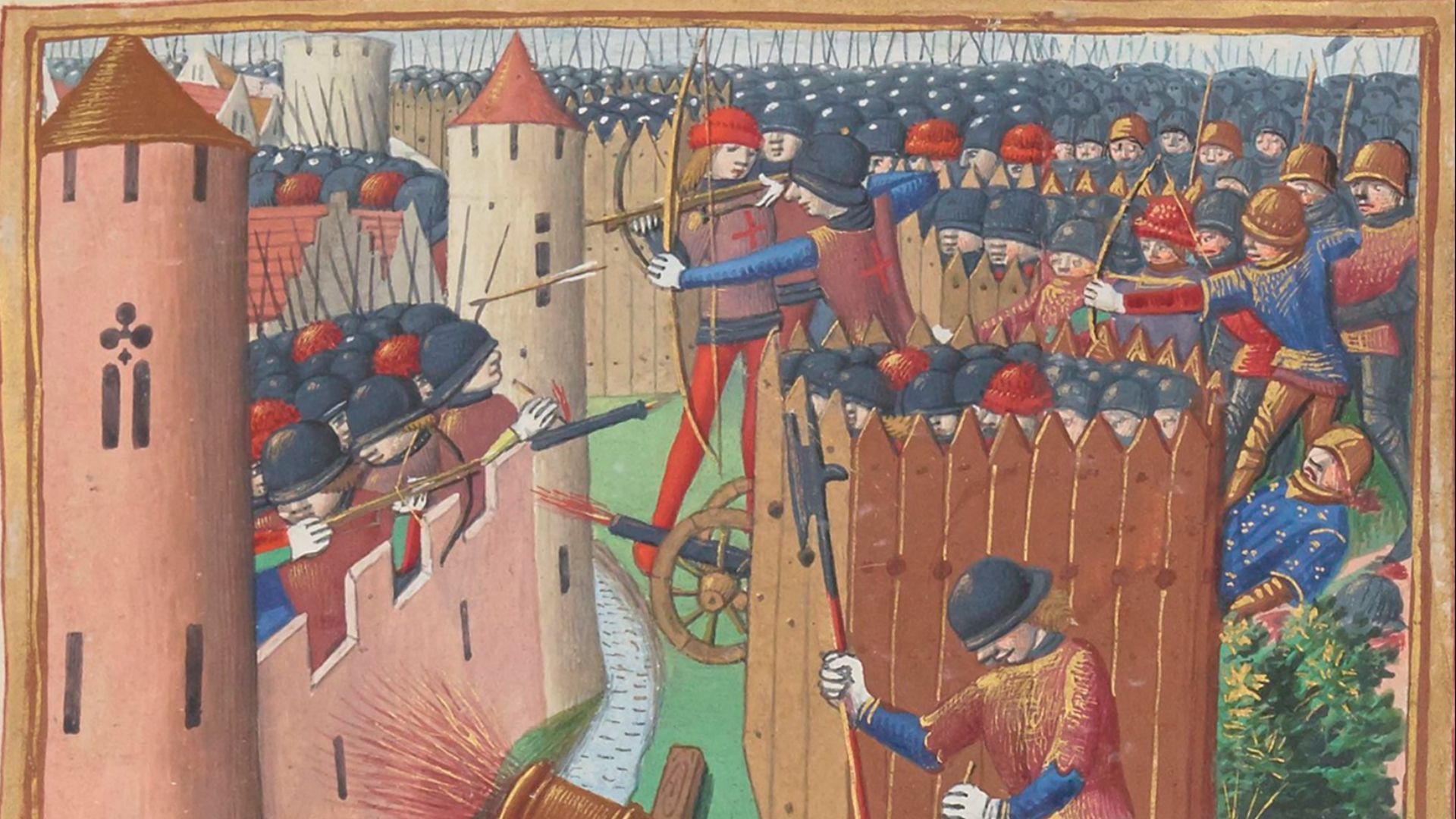
5. She Played a Key Role at the Siege of Orléans
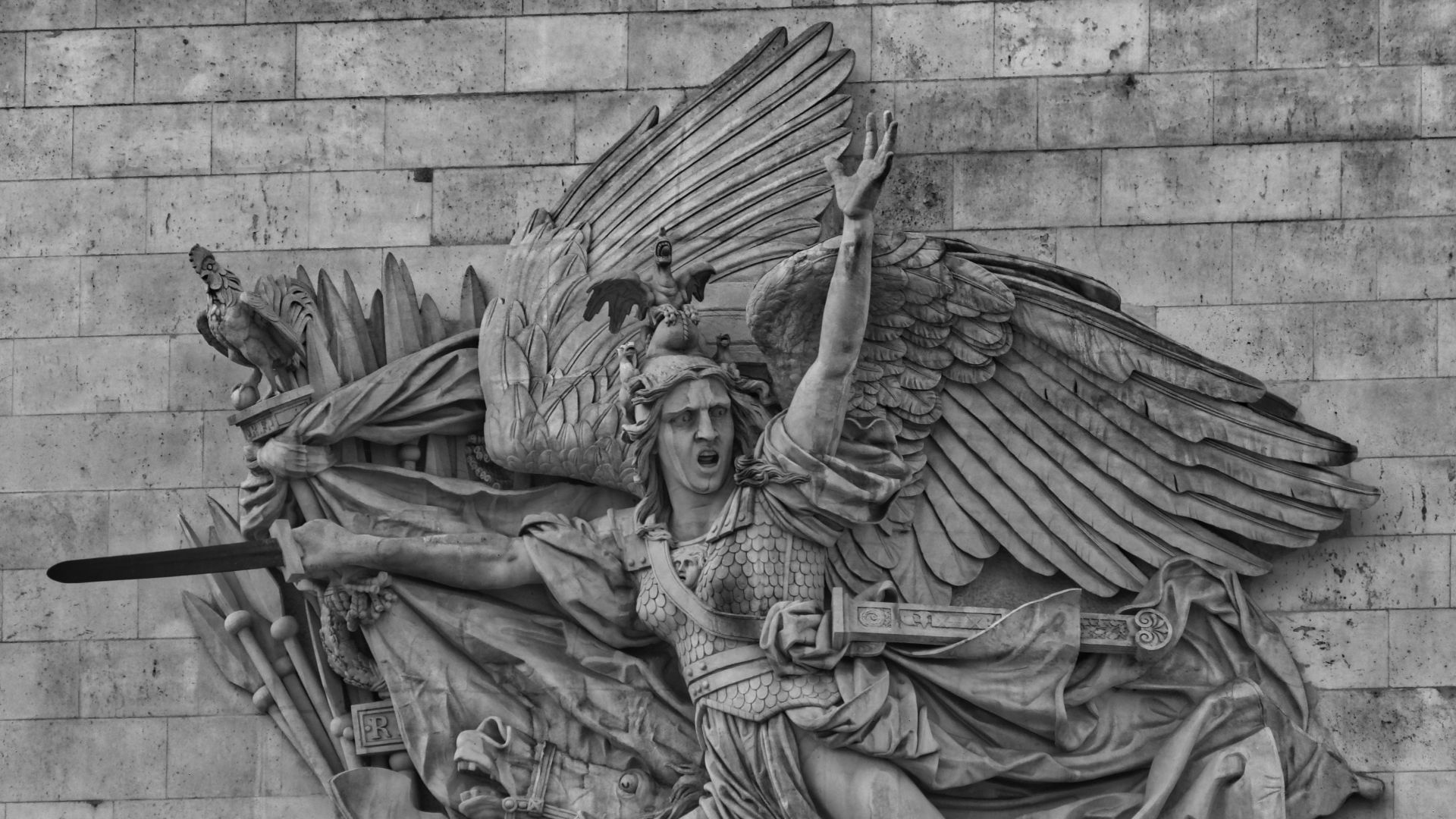
Joan's presence at Orléans in May 1429 helped rally demoralized French troops during a siege that had dragged on for months, and the city was liberated within days of her arrival. Historians generally credit her with restoring morale and momentum rather than personally directing military strategy.
6. She Was Wounded in Battle
During the assault on Orléans, Joan was struck by an arrow between her neck and shoulder, an injury she reportedly continued fighting through after brief treatment. She testified that she carried her banner into battle specifically to avoid having to use a sword.
 AnonymousUnknown author on Wikimedia
7. She Stood Beside Charles VII at His Coronation
Joan was present at Charles VII's coronation in Reims Cathedral in July 1429, standing near him with her banner as he was crowned King of France. She considered this moment the fulfillment of the mission she believed she'd been given.
8. She Was Captured by Burgundian Forces
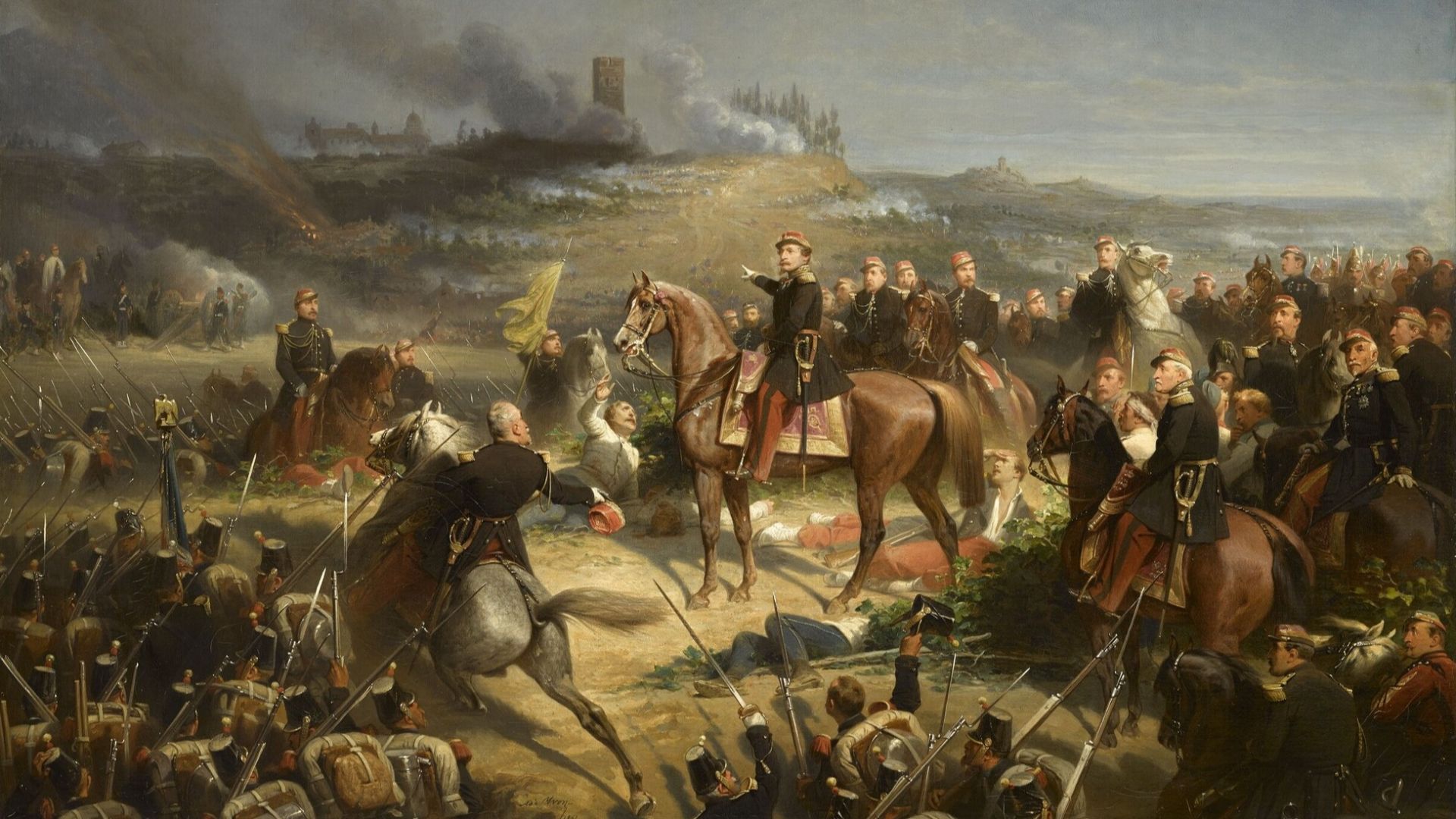
Joan was captured during a battle at Compiègne in May 1430 by troops allied with the English cause, and was later sold to the English for a substantial ransom. She remained a prisoner for the rest of her life.
9. She Was Tried and Executed for Heresy
An ecclesiastical court led by Bishop Pierre Cauchon convicted Joan of heresy, largely centered on her continued wearing of men's clothing after previously agreeing to stop, and she was burned at the stake in Rouen on May 30, 1431. She was approximately nineteen years old.
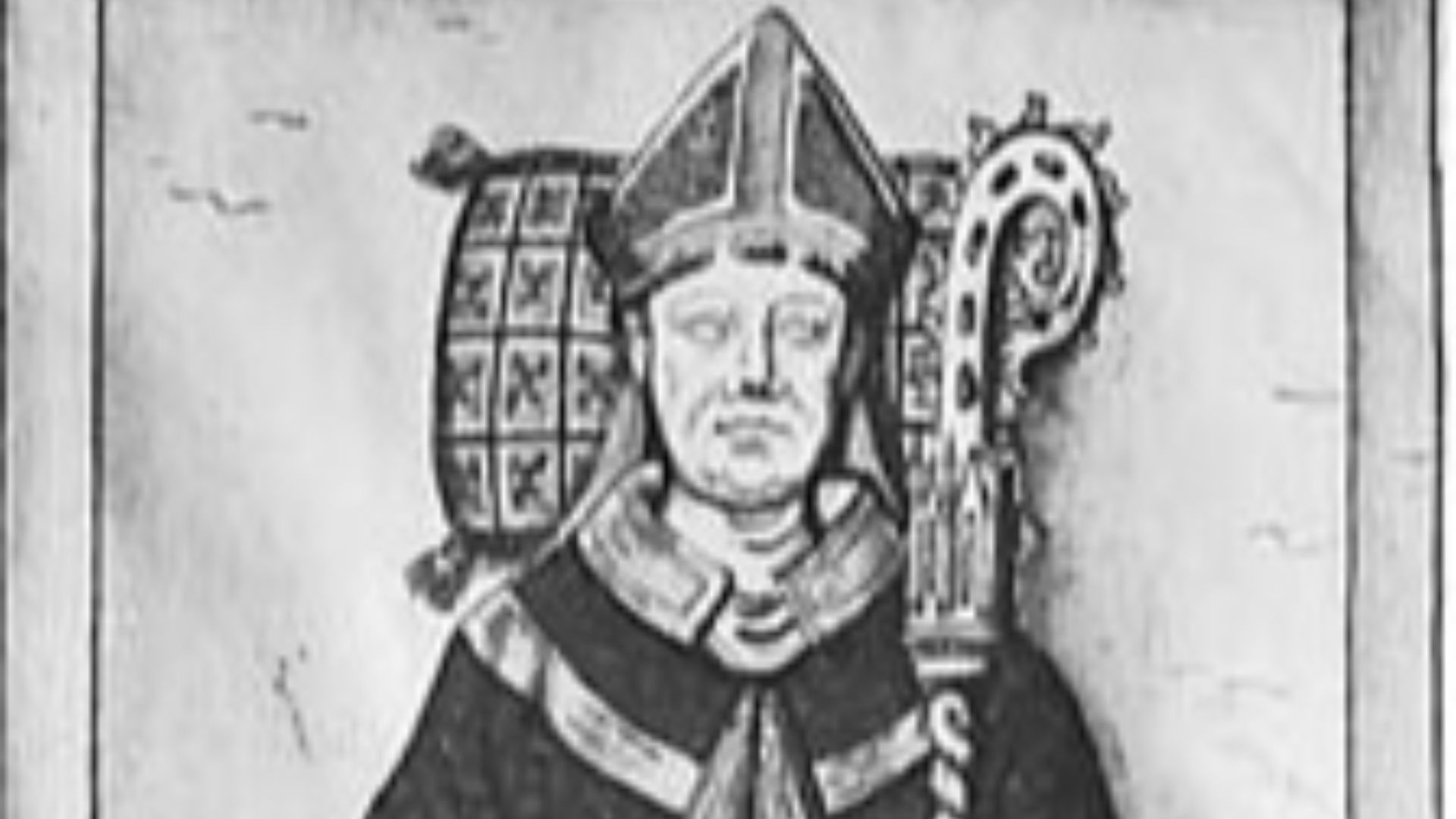 Roger de Gaignières on Wikimedia
10. Her Conviction Was Formally Overturned
In 1456, a posthumous retrial ordered by Pope Callixtus III declared Joan innocent and annulled the original verdict entirely. She was later canonized as a saint by the Catholic Church in 1920, nearly five centuries after her death.
Now, here's 10 myths worth retiring.
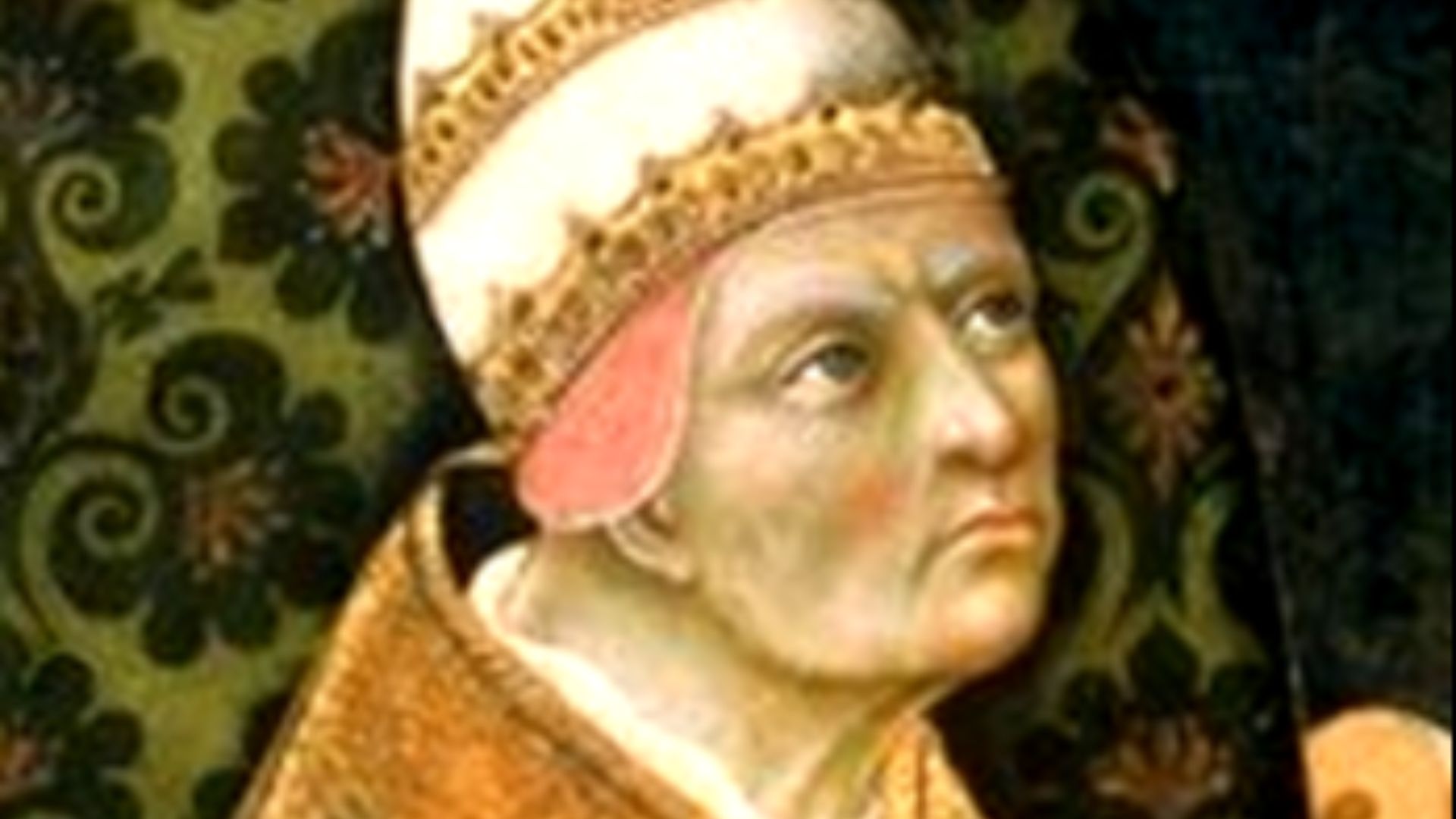
1. That She Personally Fought and Killed in Battle
Popular depictions often show Joan swinging a sword through enemy lines, but she testified that she preferred carrying her banner specifically to avoid killing anyone. Her role was closer to an inspirational, symbolic presence than a combatant cutting through soldiers herself.
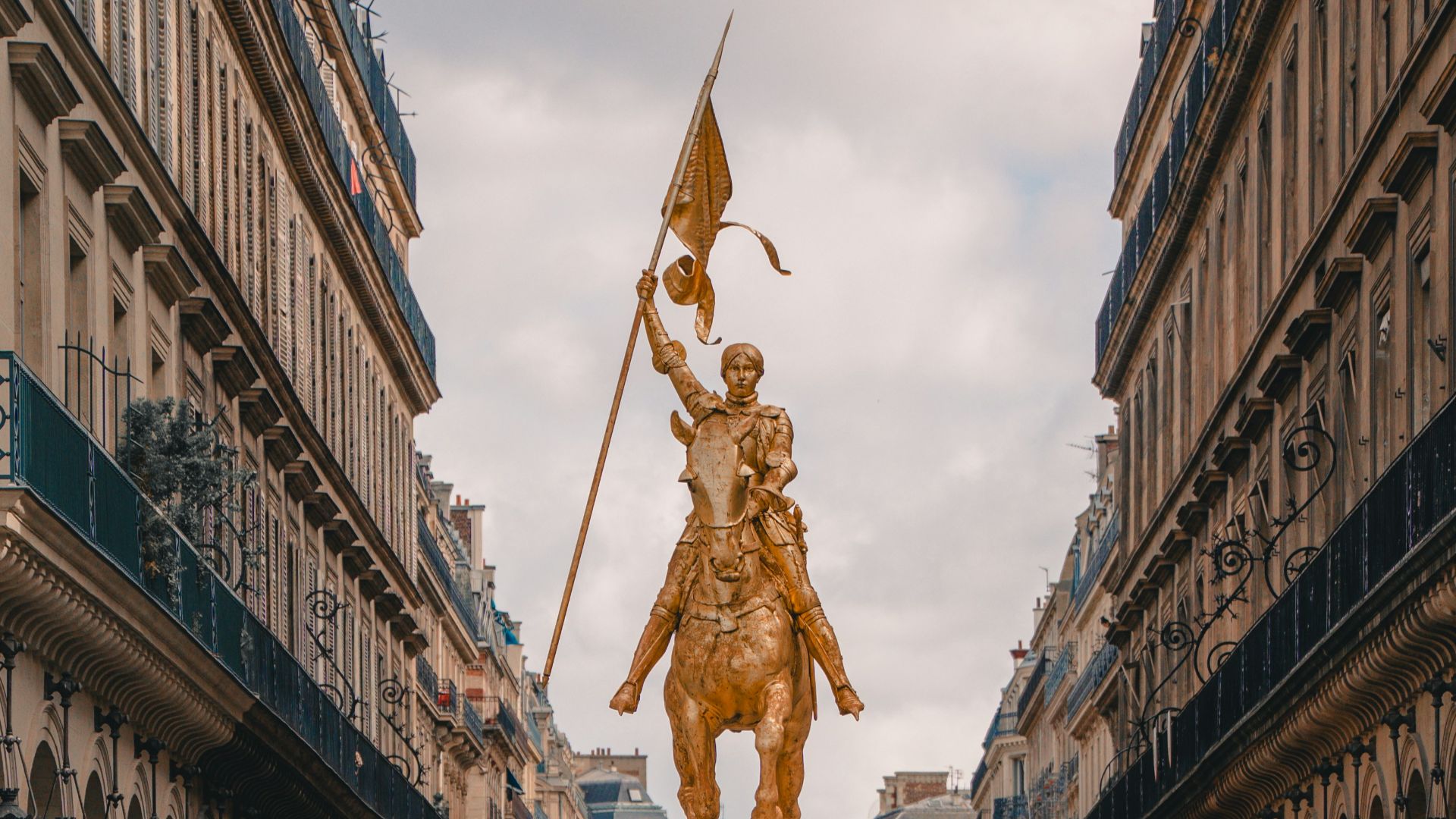
2. That She Was Burned as a Witch
Joan's conviction centered on heresy, primarily tied to her clothing and claims of direct communication with God outside Church authority, not a formal witchcraft charge. The popular image of a witch trial doesn't match what the actual court records describe.
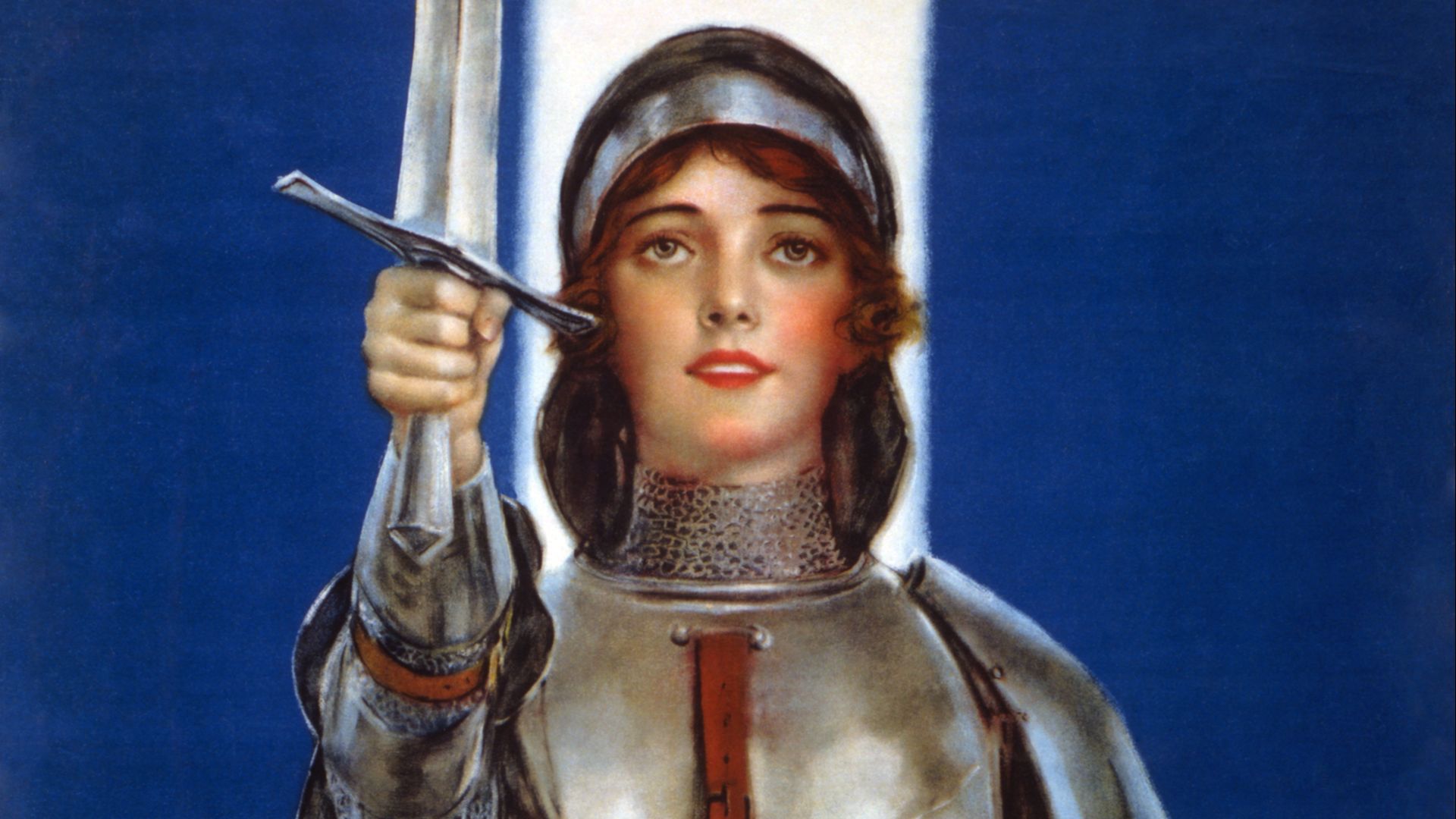 William Haskell Coffin on Wikimedia
3. That Her Visions Have a Confirmed Medical Explanation
Modern writers have proposed various retrospective medical diagnoses for her visions over the years, but none of these explanations is historically confirmed or agreed upon by scholars. Treating any single diagnosis as settled fact goes well beyond what the historical record actually supports.
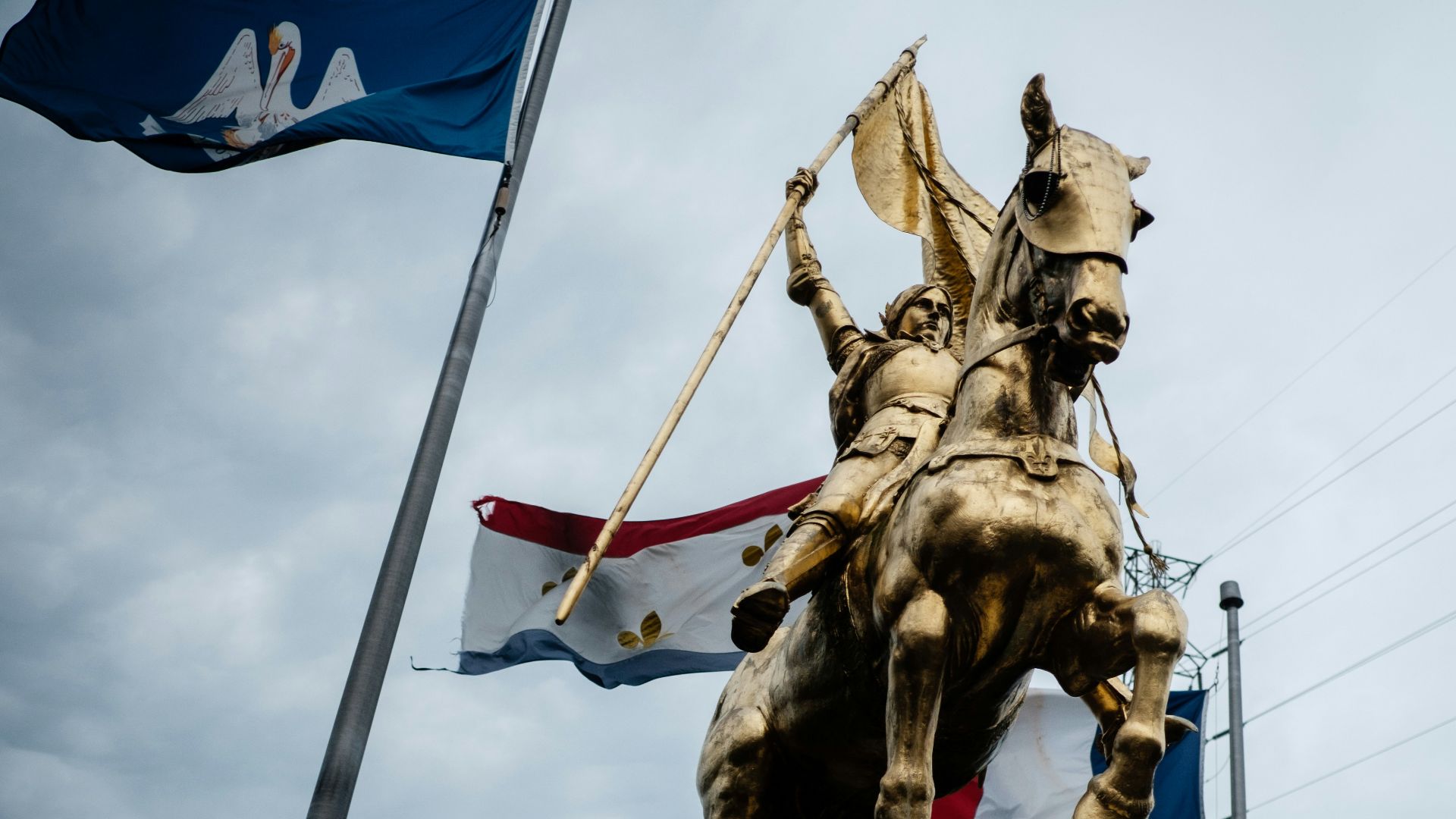
4. That She Came From Nobility
Some retellings soften her origins by implying noble blood or a more privileged upbringing, but Joan's family were working farmers with no aristocratic connections. Her rise from that background is part of what made her story so remarkable to contemporaries in the first place.
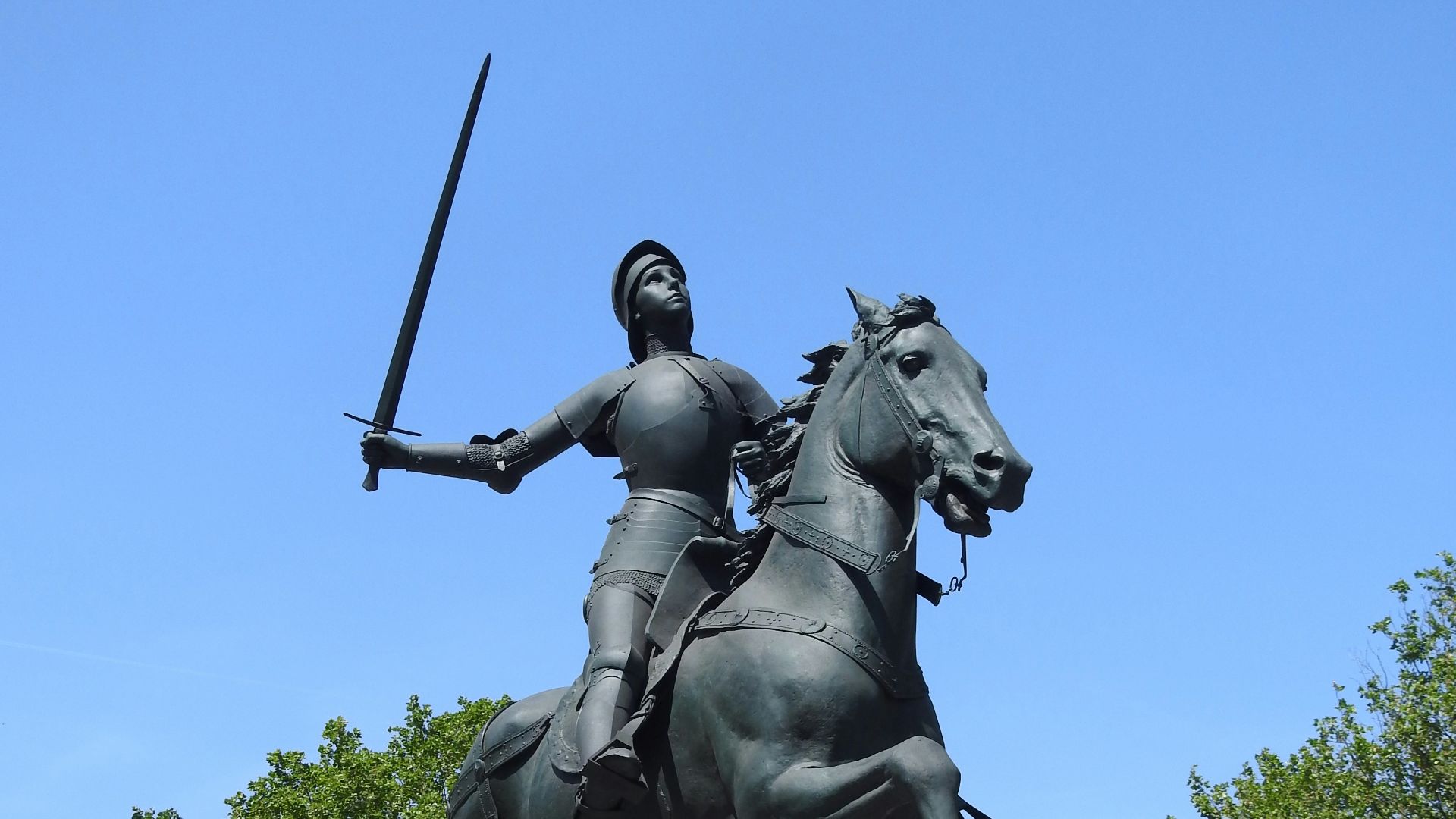
5. That She Personally Commanded the French Army
Joan traveled with experienced military captains who handled tactical decisions, and she held no formal military rank in the way a general would. Her influence came from morale and symbolism, not from directing troop movements on a map.
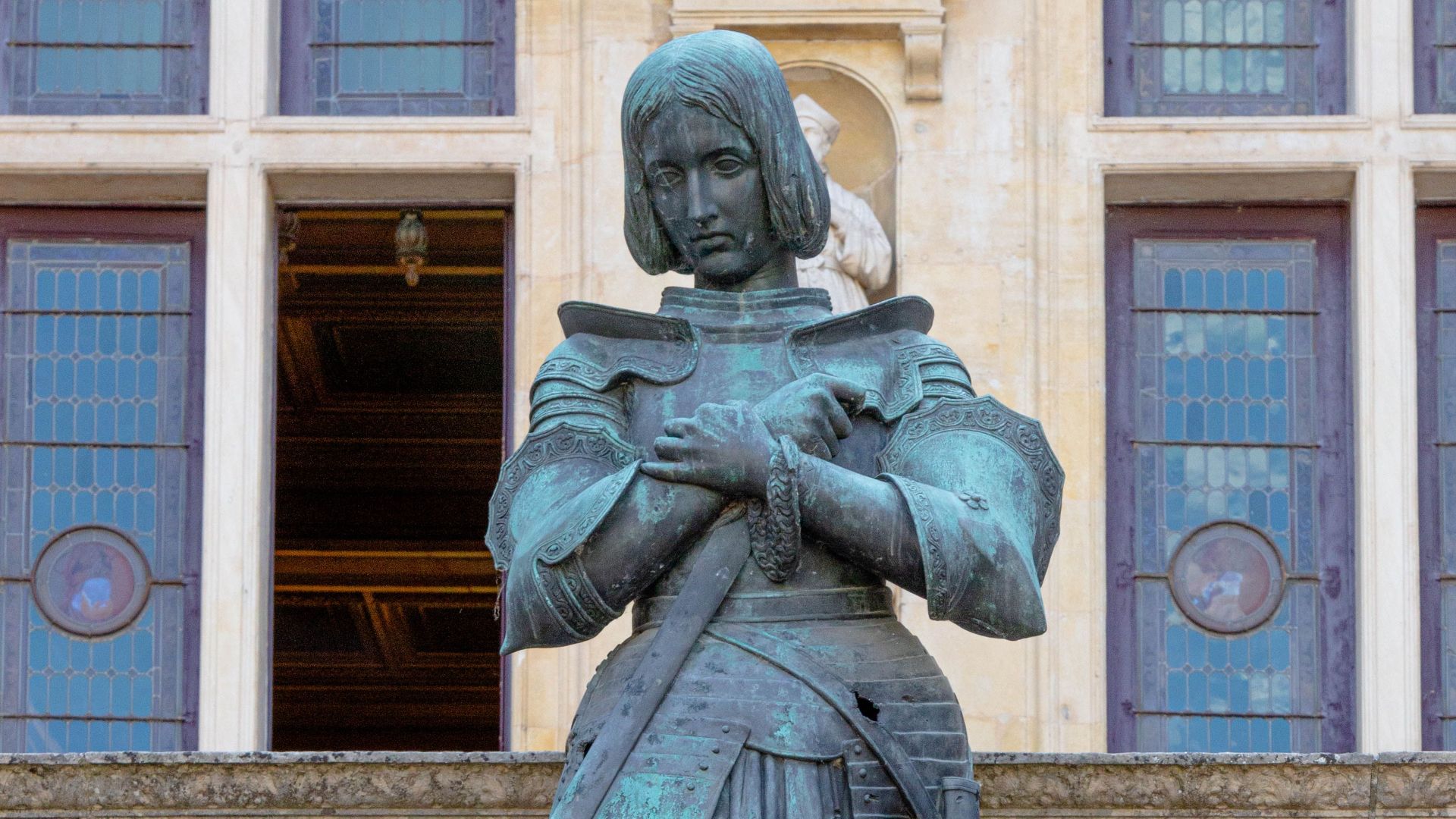
6. That England Directly Tried and Executed Her
Although England funded and heavily influenced the proceedings, Joan was formally tried by an ecclesiastical court made up mostly of French clergy sympathetic to the English and Burgundian cause. The execution itself followed standard practice of handing convicted heretics over to secular authorities.
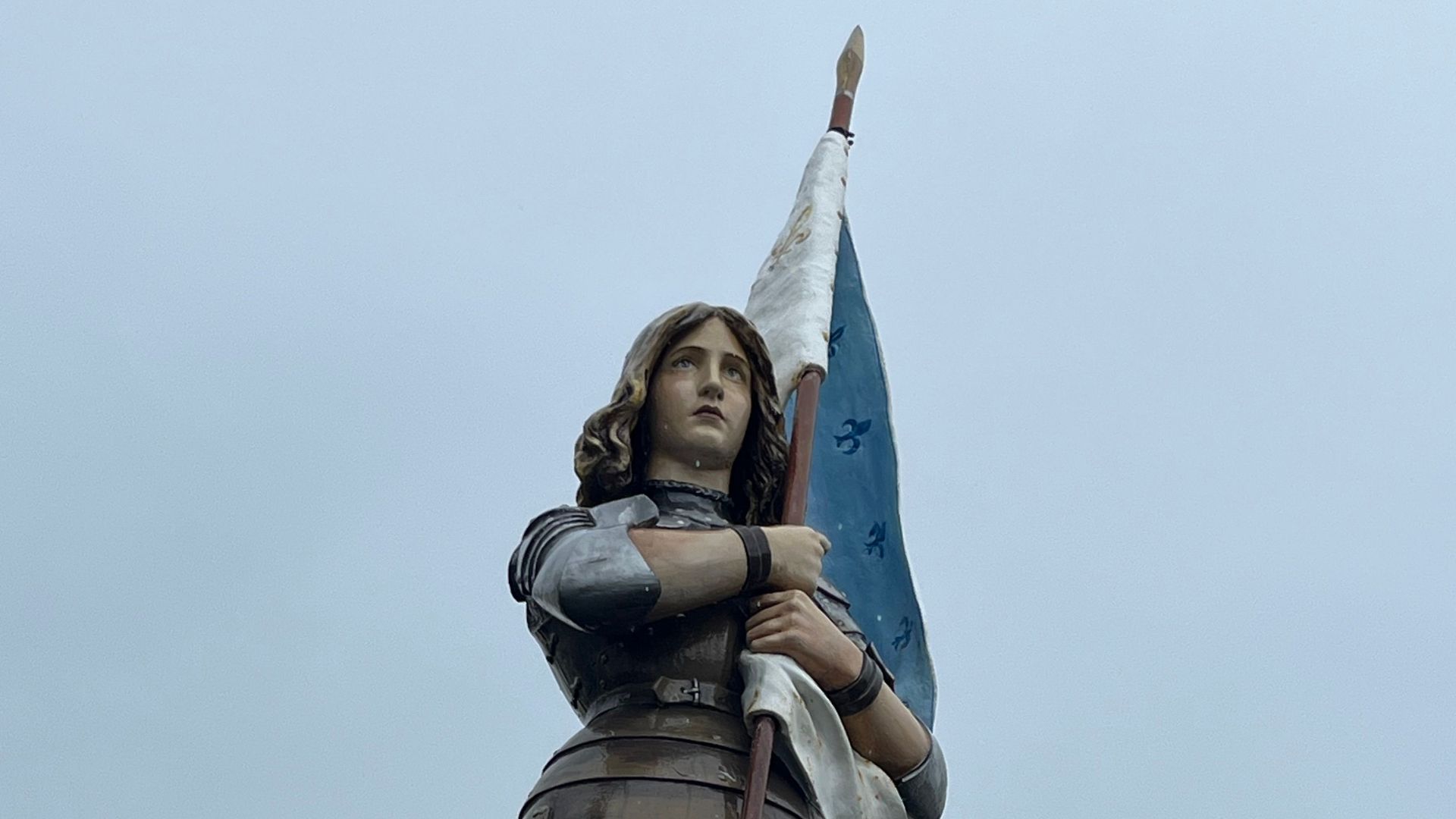
7. That She Died Well Into Adulthood
Joan was approximately nineteen years old at the time of her execution, not a mature, seasoned adult as some artistic portrayals suggest. Her entire public role, from first hearing voices to her death, spanned only a few years.
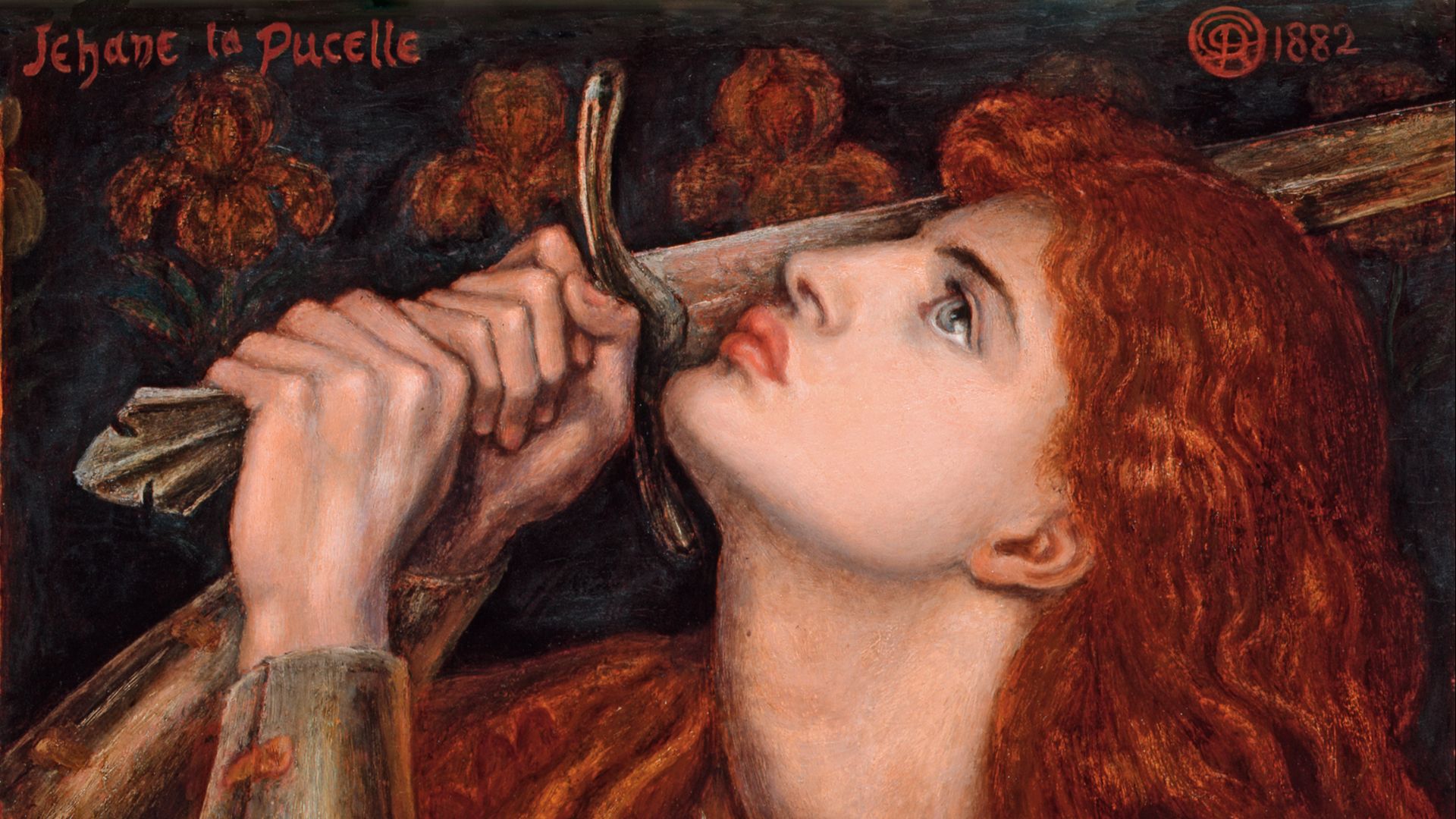 Dante Gabriel Rossetti on Wikimedia
8. That the Church Universally Condemned Her
Opinions about Joan were divided even during her lifetime, and the verdict against her was politically motivated rather than a unanimous religious judgment. The 1456 nullification trial formally reversed the conviction entirely, decades before her eventual canonization.
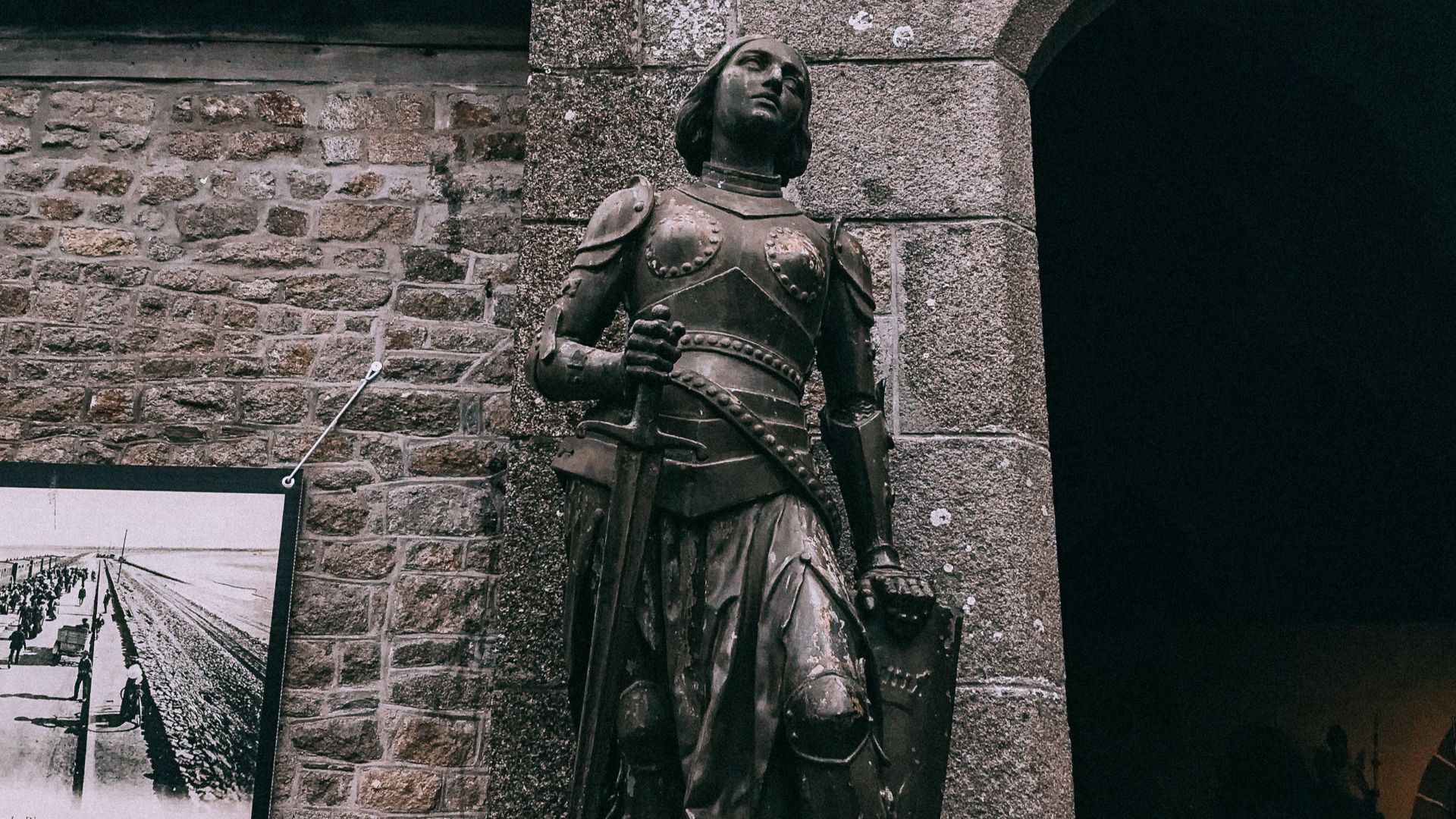
9. That an Authentic Portrait of Her Survives
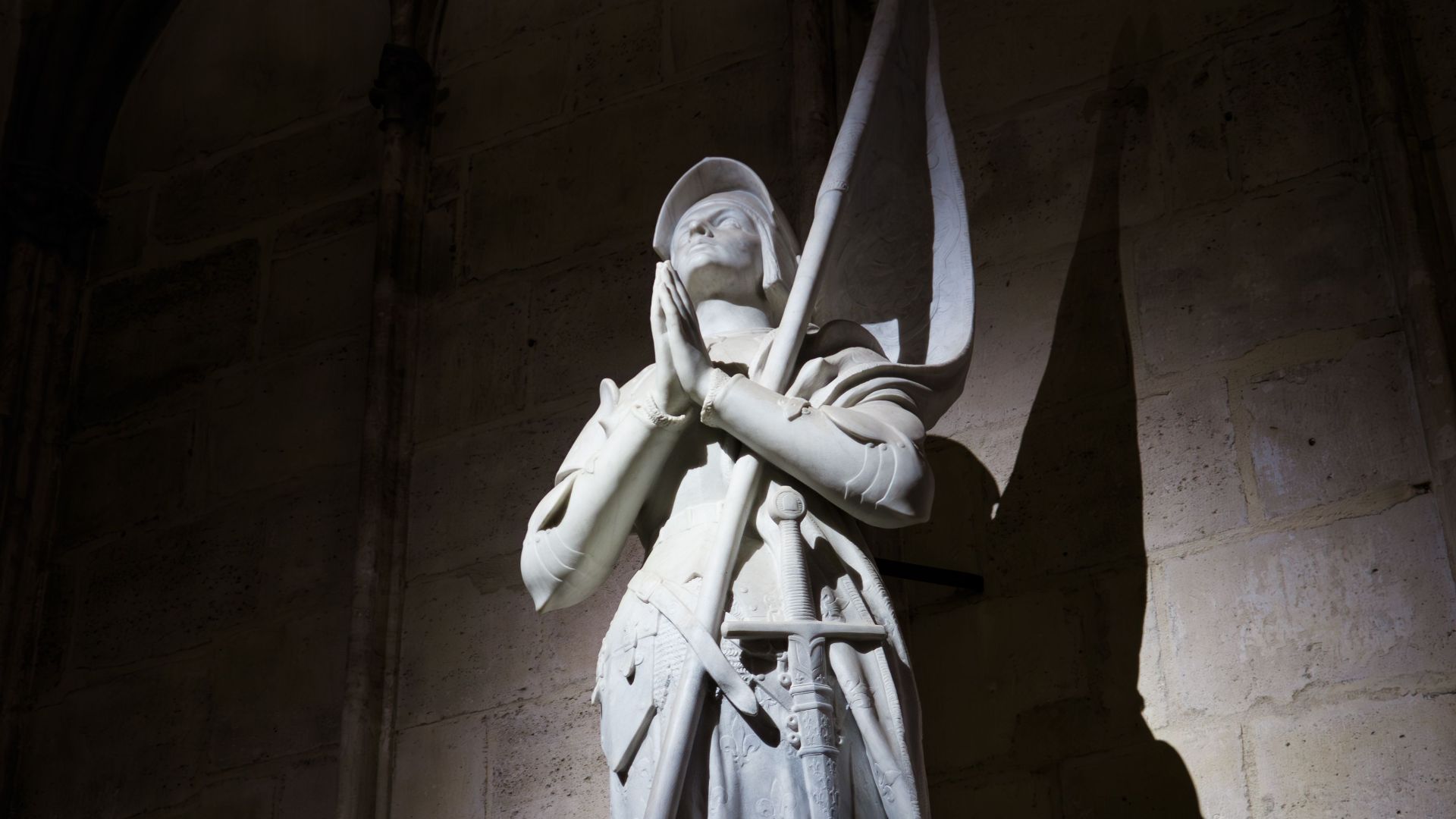
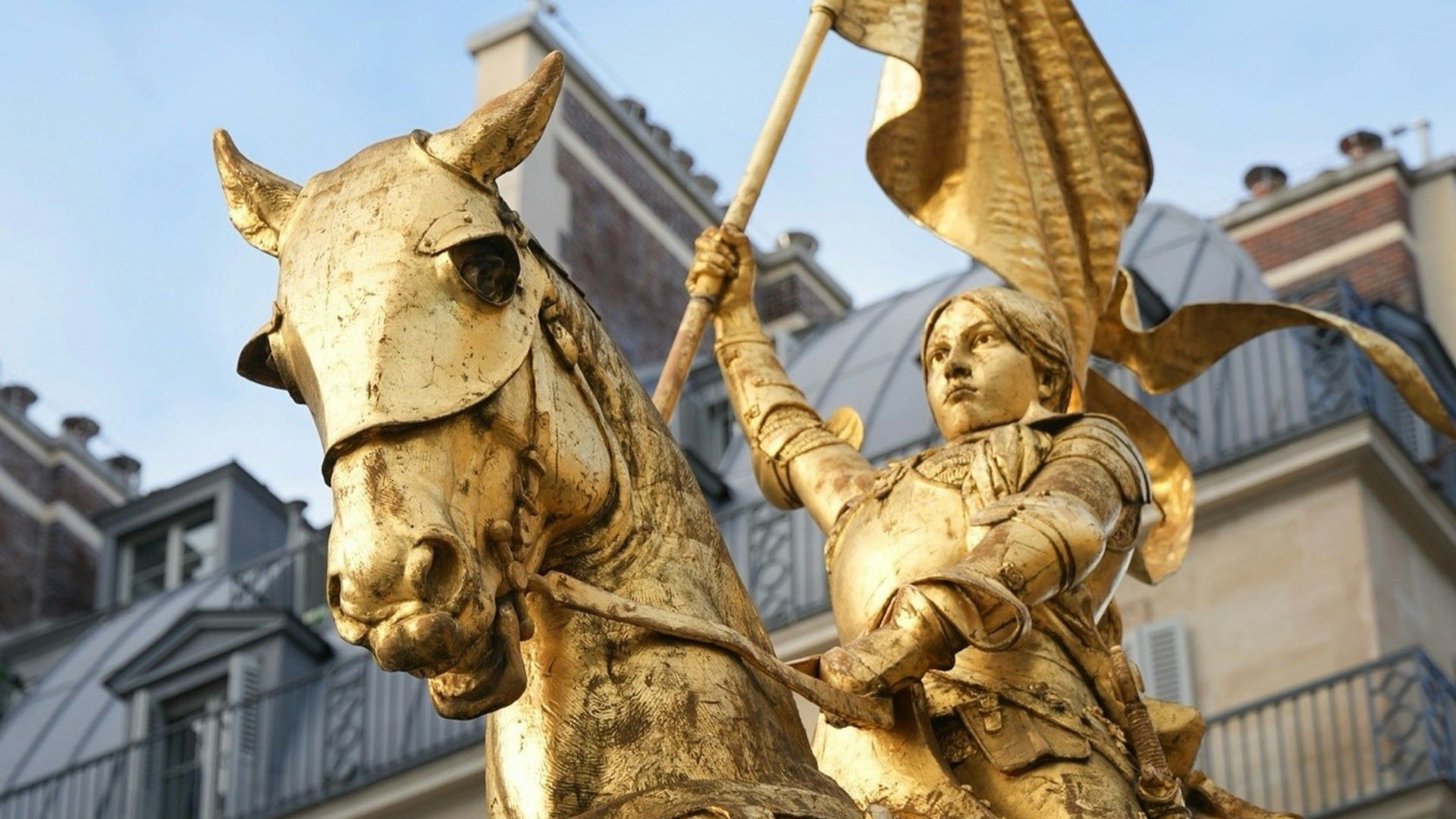
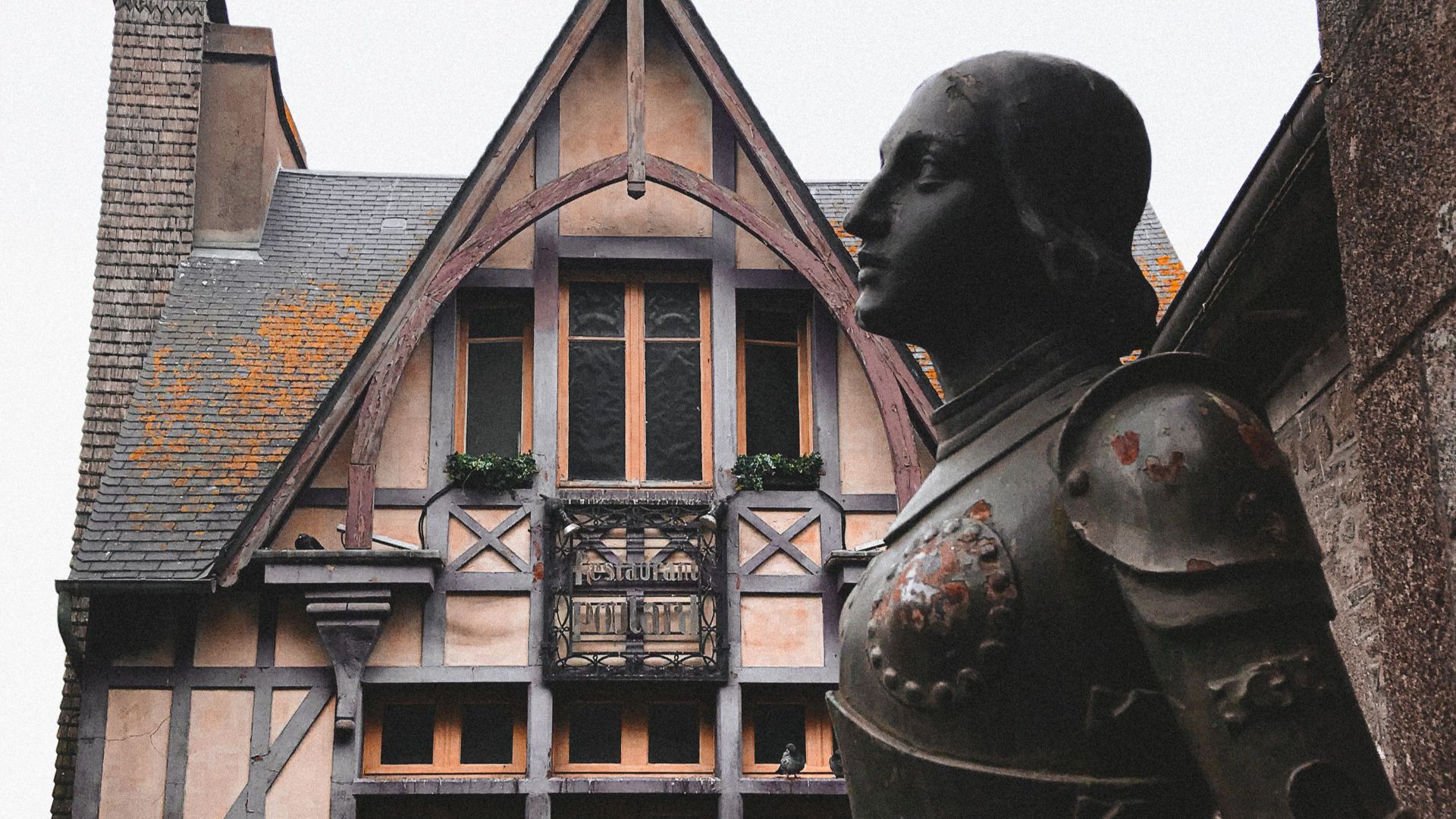
No confirmed portrait created from life during Joan's lifetime exists, despite the many paintings and statues that followed in later centuries. Every well-known image of her is an artistic interpretation made after her death.
10. That She Single-Handedly Won the Hundred Years' War
The war continued for more than two decades after Joan's execution before France's eventual victory in 1453. Her impact on morale and momentum, particularly at Orléans and the coronation, was significant, but the war's outcome depended on many more years of campaigns and other leaders.