Ancient Remedies
For much of history, the boundary between food and medicine was far less distinct than it is now. Physicians, healers, and householders regularly turned to the same staples you eat today to treat illnesses, and some medical traditions even regarded diet as a central part of treatment. While many of these remedies were based on medical theories that have since been abandoned, others involved foods that are still being studied for their biological properties. Either way, the history of medicine is filled with bizarre remedies—ones that could appear at dinner one day and in a physician's prescription the next.

1. Honey Was Applied to Wounds
Honey has been valued medicinally for thousands of years, with references to therapeutic preparations appearing in ancient Egyptian, Greek, Roman, and other medical traditions. Egyptian medical texts included honey in treatments placed on wounds, while later physicians also incorporated it into preparations for the skin and throat. Its thick consistency made it particularly useful as an ingredient in ointments and dressings. Unlike many ancient remedies, medical-grade honey still has specialized uses in modern wound care, although that's very different from simply reaching for a jar from the pantry.

2. Garlic Had a Place in Ancient Prescriptions
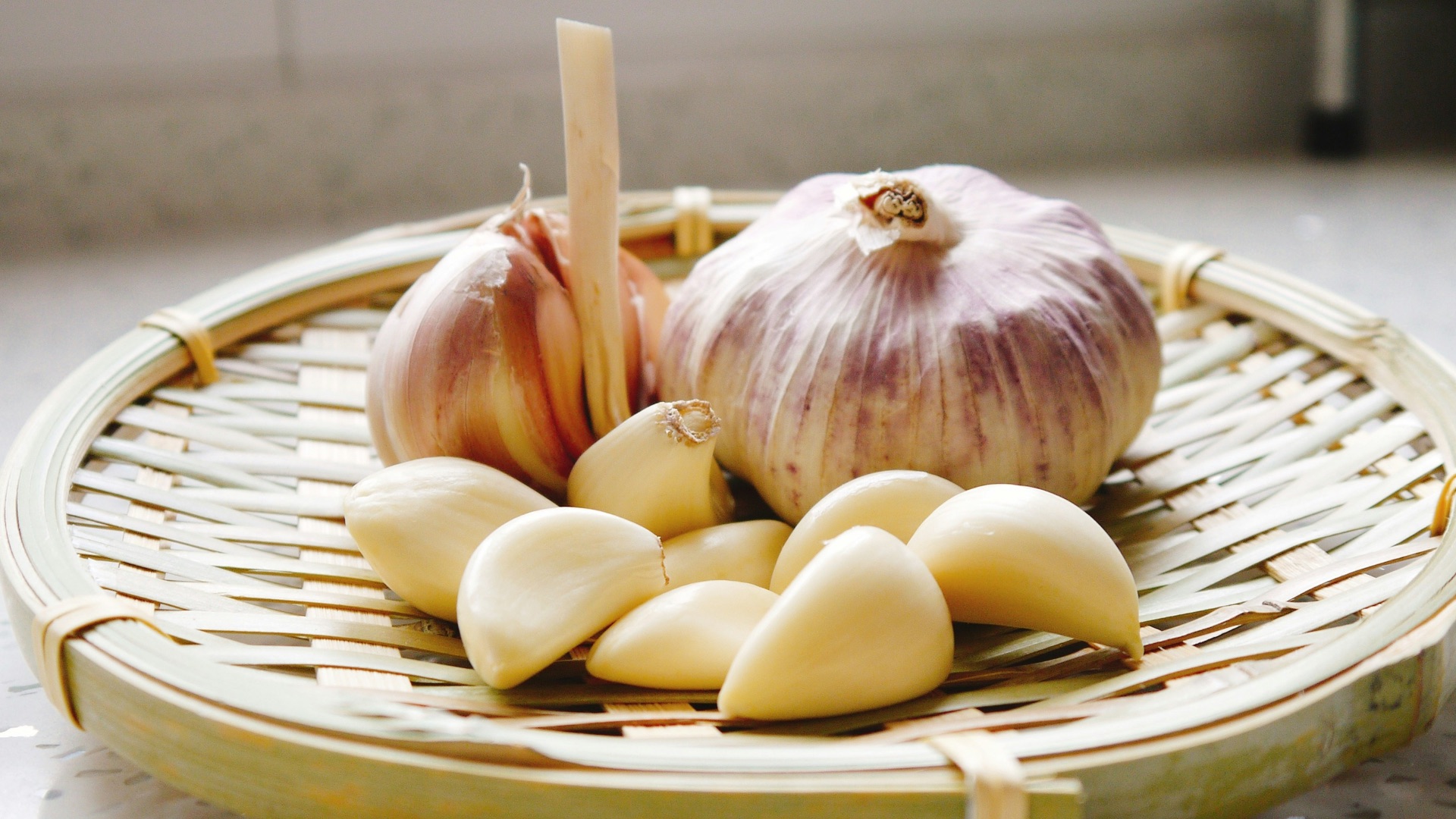
Long before garlic became an everyday cooking ingredient across much of the world, it had an extensive reputation as a remedy. Ancient writings from Egypt, Greece, India, and China describe it being given for problems ranging from digestive complaints to respiratory conditions, and Hippocratic medicine included garlic in several preparations. Greek athletes were reportedly given garlic as well, reflecting its association with strength and physical performance. Its unusually long medical history makes garlic one of the clearest examples of a food that repeatedly crossed the line between dinner and treatment.
3. Ginger Was Used to Settle Digestive Complaints
Ginger's medicinal reputation developed alongside its popularity as a spice, especially across Asian and Middle Eastern medical traditions. Historical physicians prescribed preparations containing ginger for indigestion, stomach discomfort, nausea, and a variety of other complaints. Iranian medical writings also described it as useful for digestion and for dealing with intestinal problems. Modern research has examined ginger for nausea in particular, giving one of its oldest traditional applications an interesting connection to contemporary medicine.

4. Turmeric Was More Than a Culinary Spice
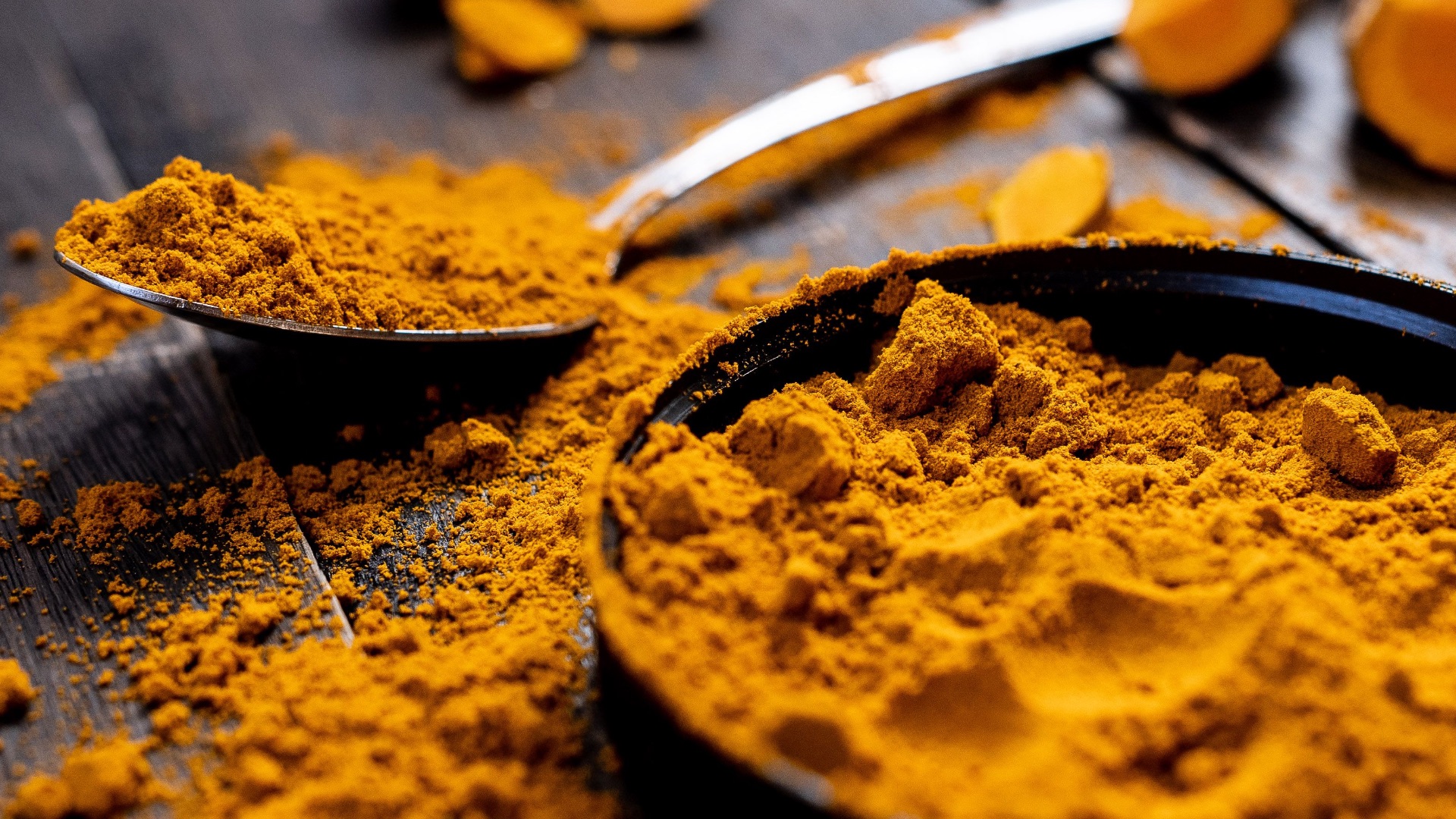
The bright yellow turmeric used in cooking also became an established ingredient in traditional medical systems, particularly in South Asia. Ayurvedic preparations employed turmeric both internally and externally for a wide assortment of complaints, including digestive and skin-related problems. Its use wasn't limited to a single type of preparation, since it might be mixed into food, drinks, pastes, or other remedies depending on the purpose. Although modern interest often focuses on curcumin, historical practitioners were working with the whole spice rather than the concentrated products sold today.
5. Pomegranates Were Prescribed for Intestinal Parasites
Pomegranates weren't valued solely for their seeds and juice in the ancient Mediterranean world. The Ebers Papyrus, an Egyptian medical document dating to roughly the second millennium BCE, contains preparations involving pomegranate for intestinal parasites. Different parts of the plant could be used, meaning the medicinal ingredient wasn't necessarily the juicy portion you would eat today. The treatment reflects how ancient healers often investigated every part of a familiar food plant when assembling their remedies.

6. Cabbage Became a Favorite Roman Cure-All
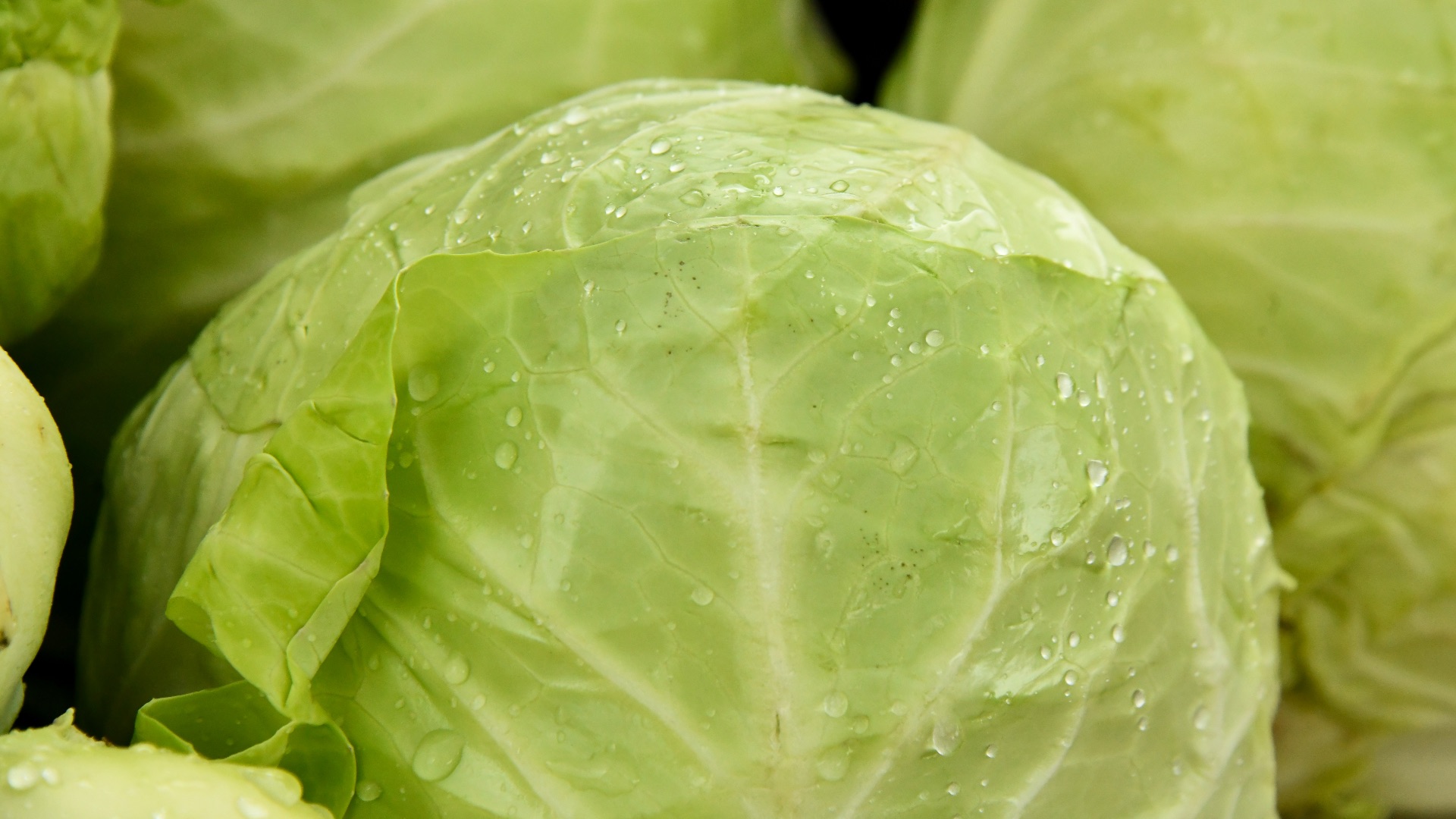
Few vegetables received as enthusiastic a medical endorsement in ancient Rome as cabbage. Cato the Elder devoted considerable attention to it, recommending cabbage in different forms for digestion, wounds, joint complaints, and numerous other problems. Pliny the Elder later recorded an even larger collection of supposed cabbage remedies, showing how firmly the vegetable had become embedded in Roman domestic medicine. Some of the claims sound remarkable now, but to a Roman reader, a head of cabbage could represent both a meal and a remarkably versatile household treatment.
7. Vinegar Appeared in Medical Preparations
Vinegar's sharp flavor made it useful in food preservation and seasoning, but historical medicine also found numerous uses for it. Greek and Roman practitioners mixed vinegar with herbs, vegetables, honey, and other ingredients when preparing drinks, washes, and topical treatments. One especially common preparation was oxymel, a mixture of vinegar and honey that appeared in ancient and later medical practice. Because vinegar could serve as both an ingredient and a liquid base for other substances, it became a practical fixture in many old remedy books.

8. Figs Were Considered a Therapeutic Fruit
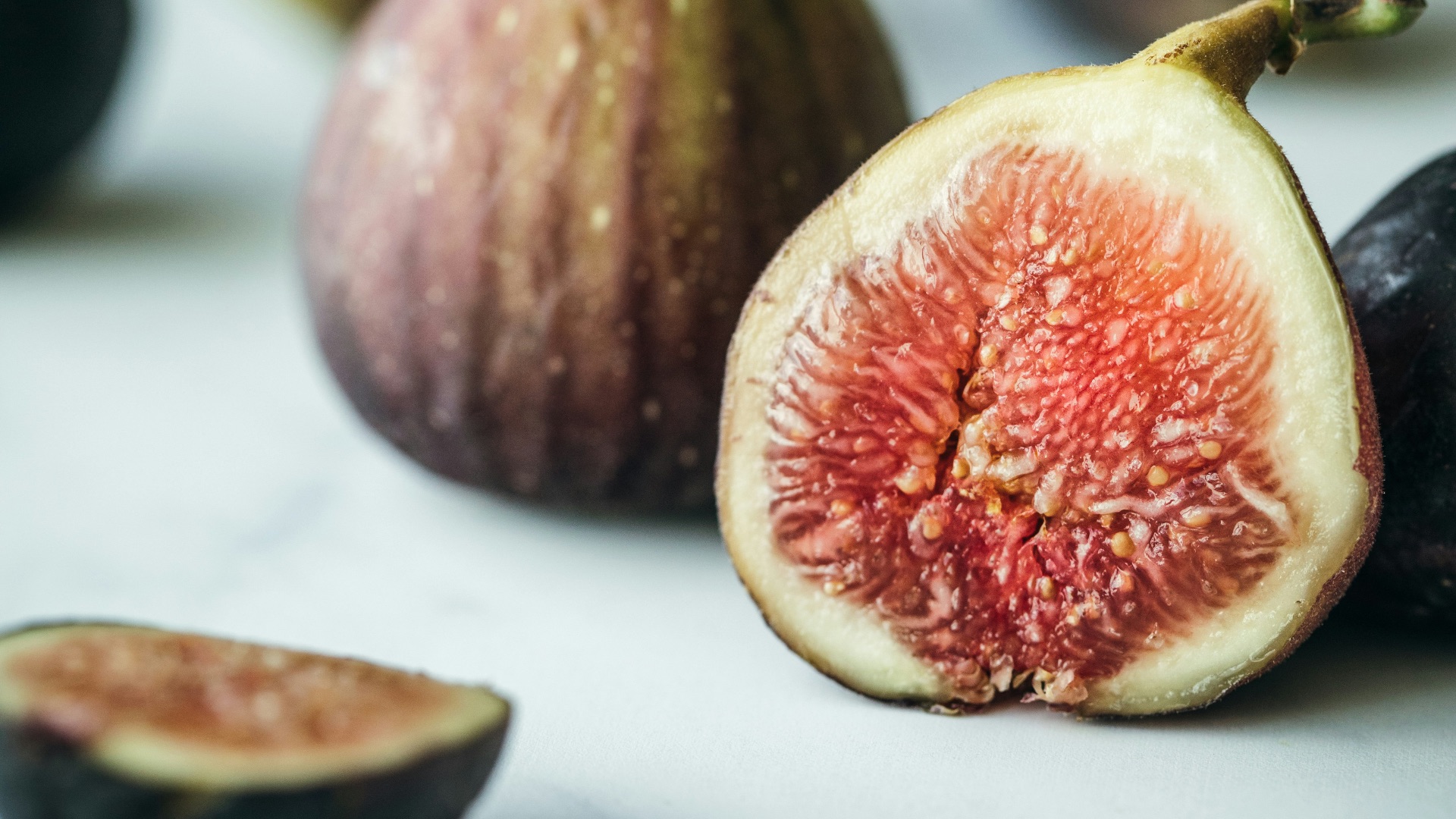
If you had visited a physician in the ancient Mediterranean, figs might have been discussed in medical terms as readily as nutritional ones. Greek, Roman, and later Byzantine medical writers described figs as useful in dietary treatments and included them in preparations intended for various complaints. Their soft texture and sweetness also made them convenient for combining with other medicinal ingredients. Historical doctors didn't regard every fruit as interchangeable, and figs developed a particularly strong reputation as food for people who were weakened or recovering.
9. Dates Were Given to Restore Strength
Dates supplied concentrated energy in regions where the fruit was readily available, so their role in historical medicine isn't difficult to understand. Medical writers in the Greek and Roman tradition discussed their dietary properties, while later accounts describe dates being eaten by people weakened through illness, fasting, or physical hardship. Early Christian ascetics in the eastern Mediterranean, for example, sometimes consumed dates and figs when prolonged fasting had left them depleted. In that setting, simply providing nourishing food could itself become part of medical care.

10. Onions Were Both Food and Remedy
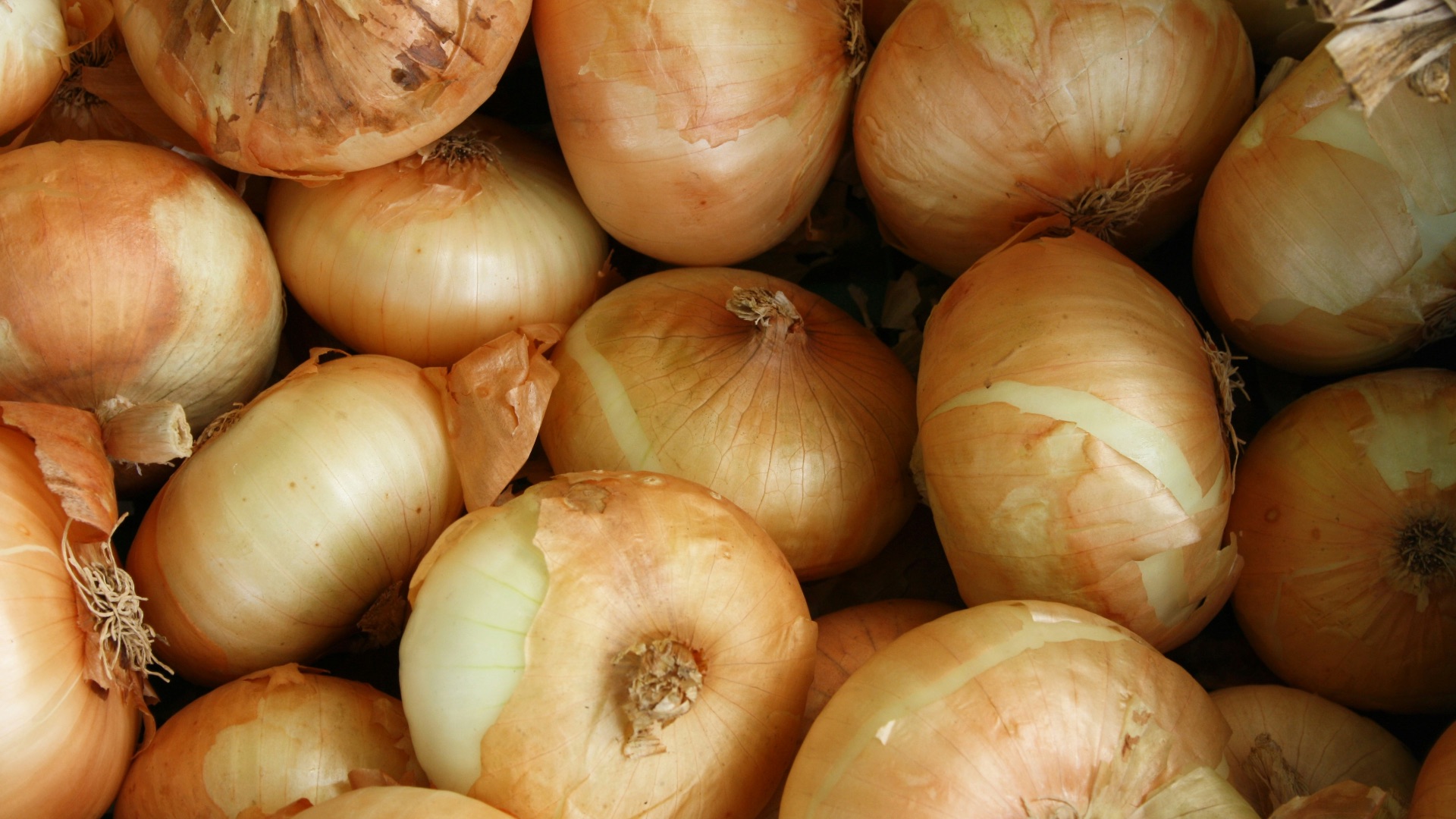
Onions have been cultivated for thousands of years, and several ancient societies attributed medicinal qualities to them. Egyptian and Greco-Roman traditions used onions in preparations connected with digestion, respiratory complaints, and other conditions, while Roman writers included them among familiar plants with therapeutic applications. The same bulb could therefore move easily between a cooking pot and a medicinal recipe. That versatility mattered in societies where many household remedies depended on inexpensive ingredients that were already close at hand.
11. Barley Was Prepared for Sick Patients
Barley wasn't merely an ancient staple grain; it also played an important role in medical diets. Hippocratic physicians frequently discussed foods and drinks made from barley, including thin preparations that could be adjusted according to a patient's condition and digestion. Rather than treating every illness with a strong drug, Greek medicine often placed considerable emphasis on carefully controlling what a patient ate. A simple barley preparation could consequently be regarded as a deliberate treatment rather than just an easy meal.

12. Cola Began as a Medicinal Tonic
Coca-Cola started out very differently from the everyday soft drink you know today. Pharmacist John Pemberton introduced it in Atlanta in 1886 and promoted the drink as a tonic for complaints including headaches, fatigue, and nervous exhaustion. Its early formula used coca-leaf extract and contained small amounts of cocaine, which was still legally used in medicines and tonics during the late 19th century. Coca-Cola gradually removed the cocaine from its formula around the turn of the century as the drink evolved from a pharmacy remedy into a mass-market refreshment.

13. Mustard Was Used to Warm and Irritate the Skin
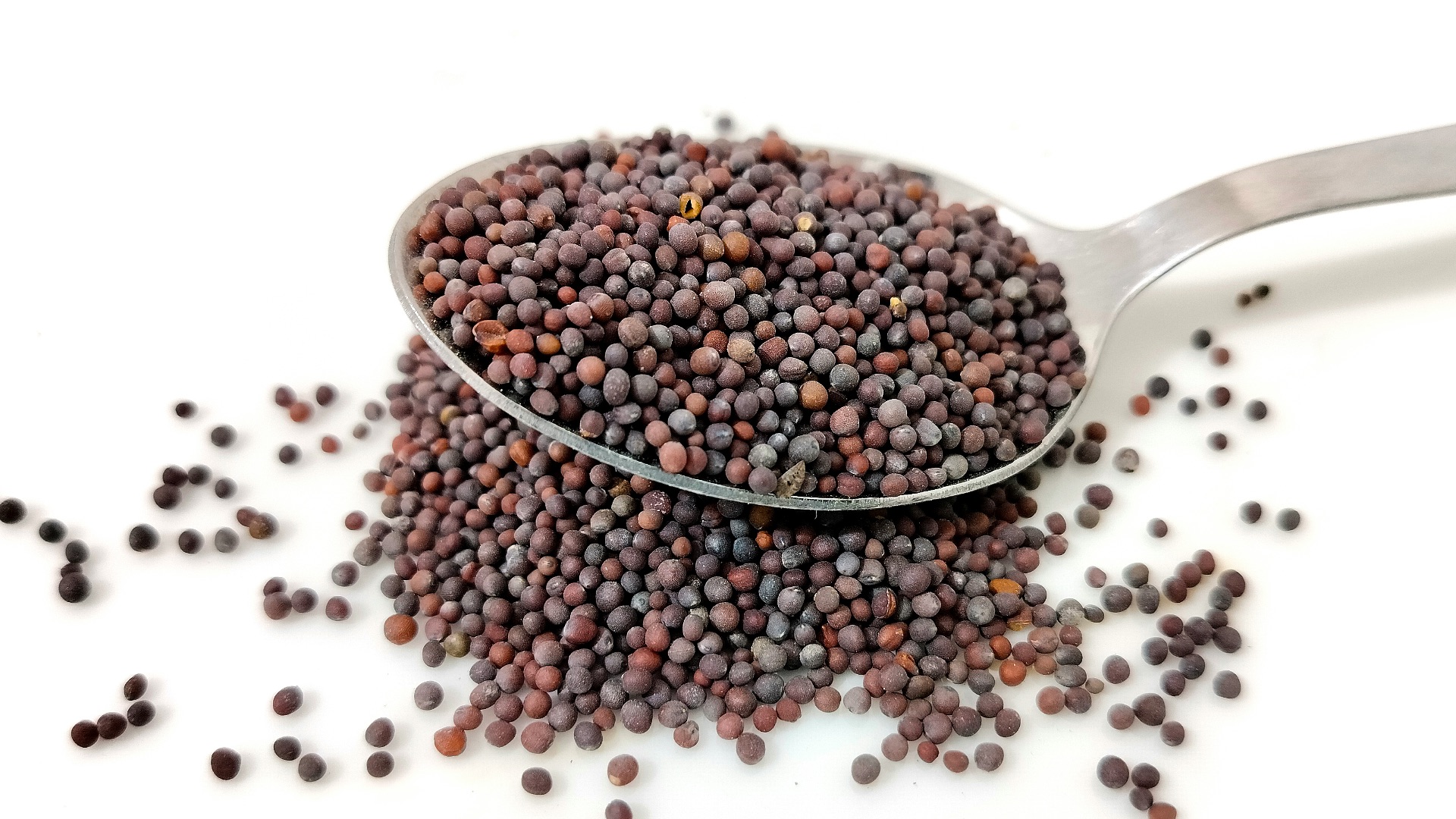
Mustard's pungency made it attractive to historical healers who believed stimulating the skin could influence illness elsewhere in the body. Ground mustard seeds were eventually used in poultices and plasters, particularly in European medicine, where they were applied for respiratory trouble, aches, and other complaints. These preparations could create an intense warming or burning sensation and weren't as harmless as their kitchen origins might suggest. Mustard plasters survived surprisingly late into household medicine, remaining familiar to some families well into the modern period.
14. Mint Was Prescribed for the Stomach
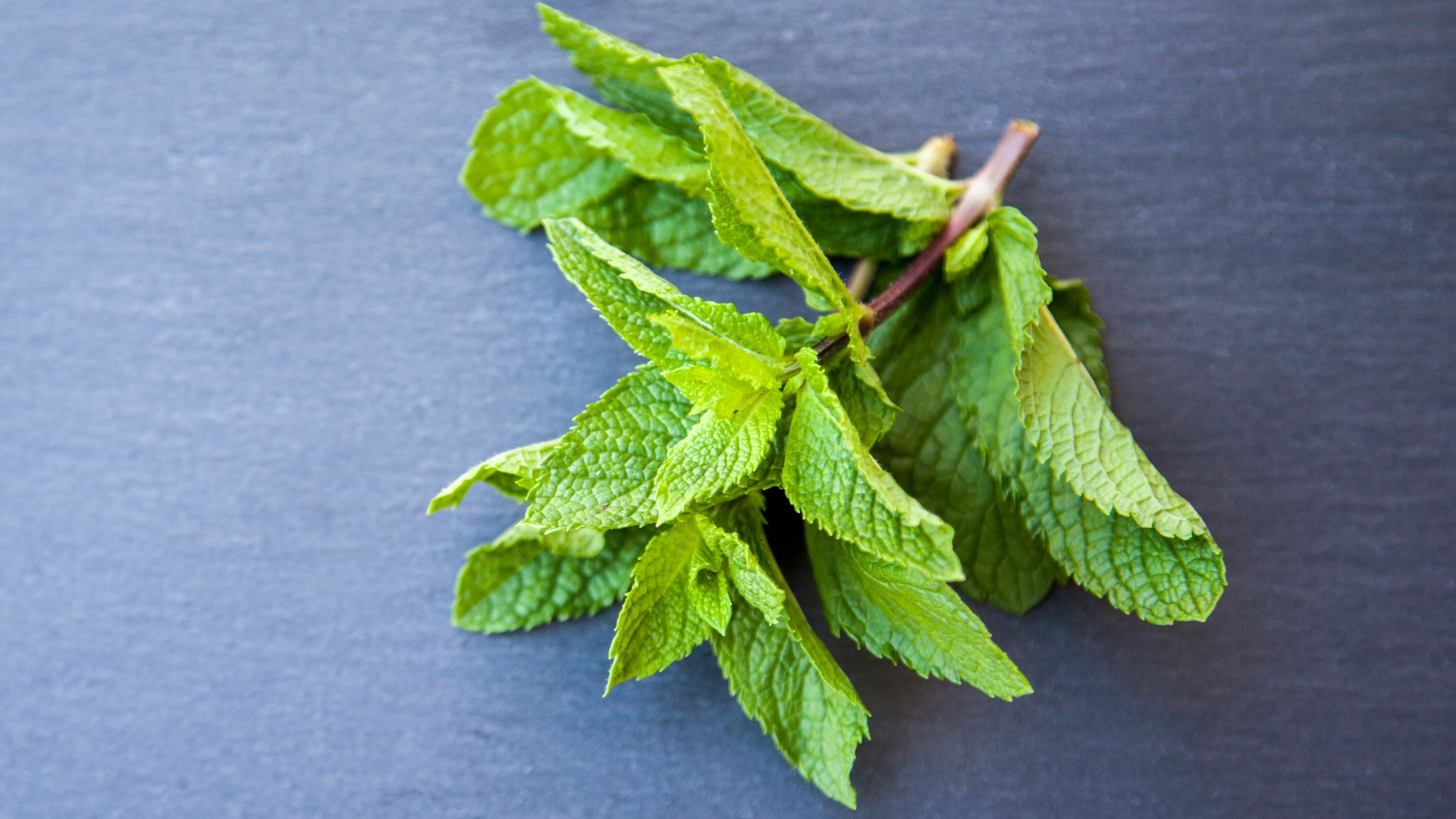
Mint has been associated with digestion for centuries rather than simply with fresh breath and flavoring. Ancient Greek and Roman writers described varieties of mint in medical contexts, and later European and Middle Eastern traditions continued to use mint preparations for stomach and intestinal complaints. It could be steeped, combined with other herbs, or added to medicinal mixtures that were taken after eating. The popularity of mint in both cooking and remedies helped keep it in everyday household use even as formal medicine changed around it.
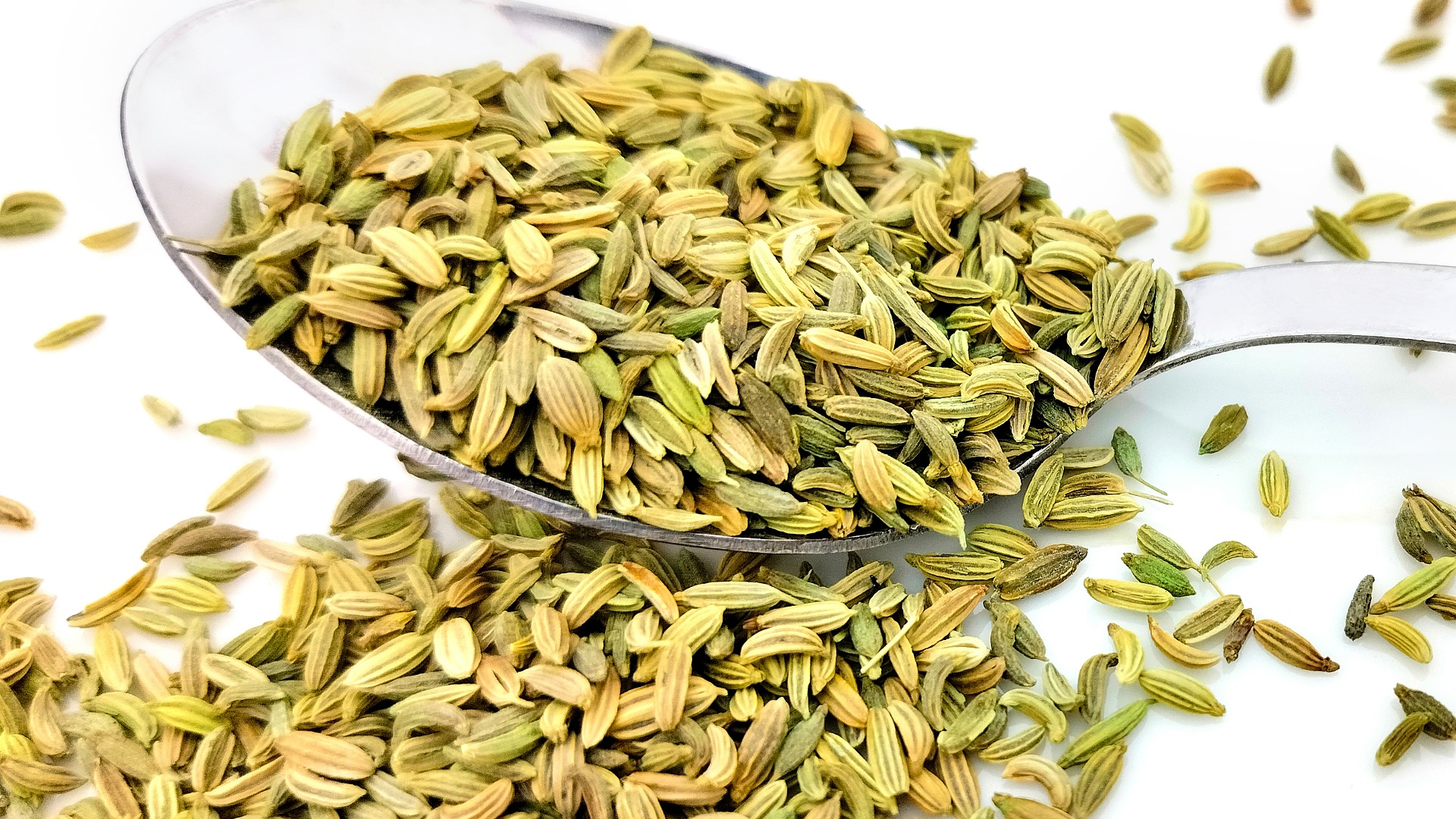
15. Fennel Was Treated as a Digestive Aid
Fennel's seeds, leaves, and bulb made it a familiar food plant, but its seeds were particularly prominent in historical remedies. Greek and Roman medical writers recommended fennel for digestive troubles and several other purposes, and it remained part of European herbal medicine throughout the Middle Ages. Its culinary appeal meant people didn't need access to an exotic apothecary ingredient to prepare it. Fennel could be incorporated into food or taken separately, illustrating how easily medicinal advice could become part of an ordinary diet.
16. Cinnamon Was Once a Costly Medicine
For many ancient and medieval consumers, cinnamon wasn't the inexpensive pantry staple it is in many kitchens today. Imported over long-distance trade routes, it was valuable enough to appear in medicinal preparations as well as elite cooking and perfumery. Physicians in several traditions incorporated cinnamon into mixtures intended for digestive problems, respiratory complaints, and other conditions. Its expense meant that prescribing cinnamon could involve both medical reasoning and access to an international luxury trade.

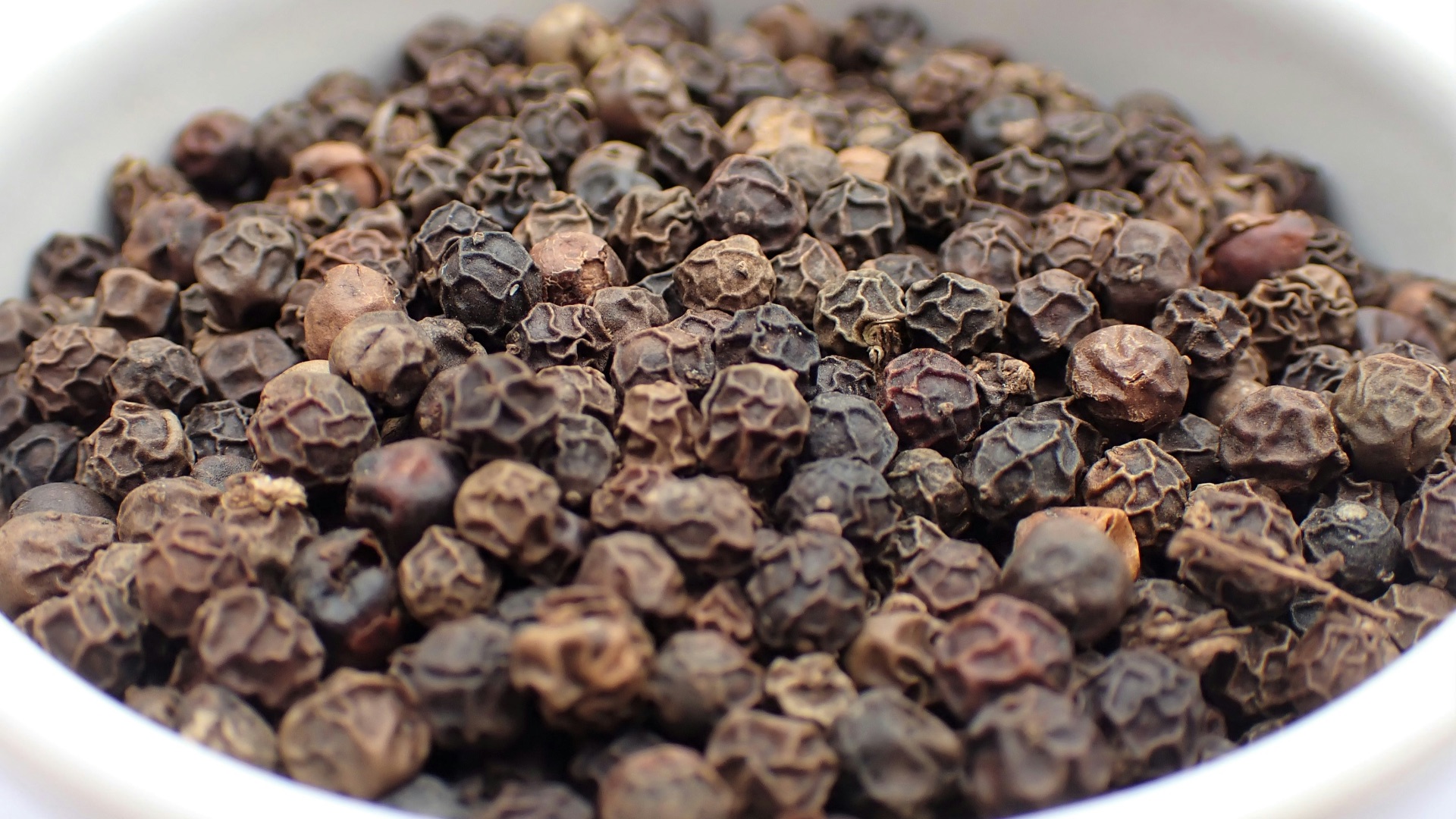
17. Black Pepper Entered Medical Recipes
Pepper's historical value wasn't based on flavor alone. Greek, Roman, medieval European, Indian, and Middle Eastern medical traditions all found therapeutic uses for the spice, particularly in preparations concerned with digestion and bodily warmth. Because pepper traveled through extensive trade networks, it eventually became one of the ingredients that connected culinary and medical practices across distant regions. A spice sprinkled casually over food today could once be carefully measured as part of a compound remedy.
18. Almonds Were Recommended in Medical Diets
Almonds had a respectable place in ancient and medieval dietetics, where physicians paid close attention to how individual foods supposedly affected the body. Sweet almonds could be eaten directly or processed into drinks and other soft preparations suitable for people whose regular diet had been restricted. Almond-based liquids became particularly useful in medieval and early modern cooking because they were nourishing and adaptable. In medical settings, that made them convenient for preparing foods for patients who needed carefully controlled meals.

19. Lentils Were Discussed Like a Drug
Ancient medical writers didn't always distinguish sharply between the effects of a meal and the effects of a medicine. Lentils are a good example, since Greek physicians analyzed how they affected digestion, bowel movements, and the body's humoral balance. Whether lentils were recommended or discouraged could depend on the patient's symptoms and on how the dish was prepared. That level of attention shows how ordinary foods could become highly specific therapeutic tools within historical systems of diet-based medicine.

20. Milk Was Prescribed According to the Patient
Milk might seem like one of the most straightforward foods imaginable, but historical doctors could treat it with considerable medical caution. Greek and Roman physicians discussed different types of animal milk, their perceived bodily effects, and the circumstances in which a patient should or shouldn't consume them. Later medical traditions continued to prescribe milk and milk-based diets for certain people, particularly during weakness or recovery, while avoiding them in other cases. Its history is a useful reminder that for much of the past, choosing a patient's food was itself considered a serious form of medical treatment.

KEEP ON READING