 Jan Baptist van der Meiren on Wikimedia
Long before telephones, newspapers, or electronic communication, rulers depended on people physically carrying information from one place to another. Messengers traveled on foot, horseback, by ship, or alongside trading caravans, delivering military reports, tax records, diplomatic letters, and royal commands. The speed and reliability of these networks often determined whether a kingdom could respond to danger before a local problem became a national crisis.
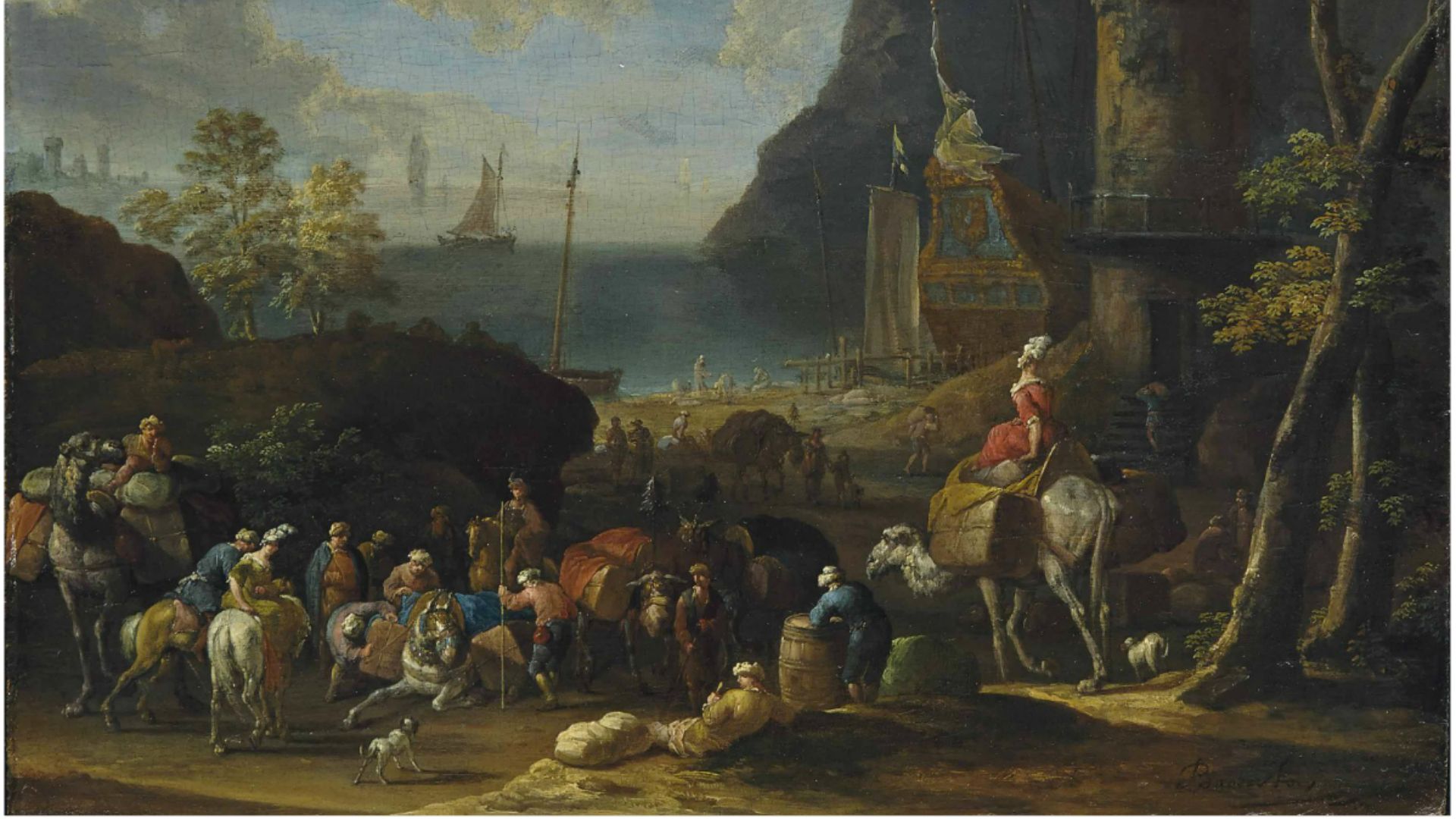
Caravans played an equally important role because they connected regions that official couriers couldn’t visit regularly. Merchants carried goods, but they also brought news about wars, changing rulers, market conditions, religious movements, and distant political disputes. Ancient trade routes therefore functioned as communication networks as well as commercial corridors, spreading information between communities separated by deserts, mountains, and borders.
Royal Couriers Connected Distant Provinces
Large kingdoms needed organized messenger systems because local governors couldn’t wait months for instructions from the capital. The Achaemenid Persian Empire became especially well known for maintaining roads and relay stations that allowed royal couriers to change horses during long journeys. By dividing a route into manageable stages, officials could move messages much faster than a single exhausted rider could travel alone.
Couriers usually carried documents that had been sealed or marked to prove their authority. A messenger arriving at a provincial headquarters might deliver instructions concerning taxes, military recruitment, construction, legal disputes, or appointments. Since literacy was limited, scribes often prepared the message at one end and read or copied it after delivery, ensuring that spoken orders were supported by an official written record.
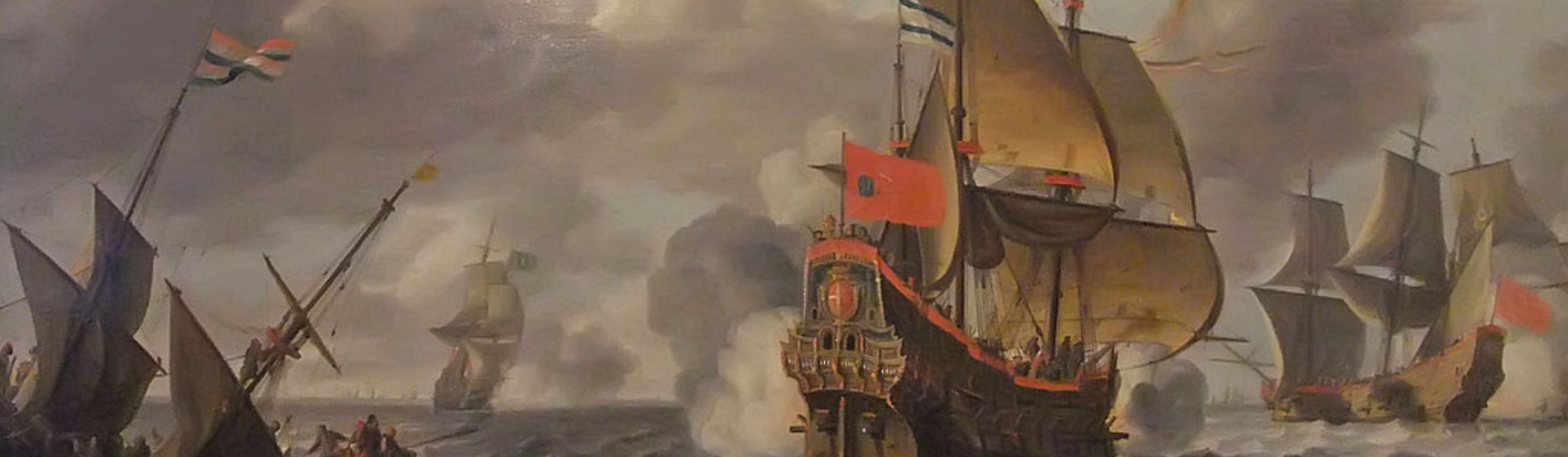
Not every message traveled through a permanent state system, especially in smaller kingdoms with limited resources. Rulers could send trusted servants, soldiers, diplomats, or local guides who understood the roads and political conditions ahead. These journeys remained dangerous because messengers faced robbery, bad weather, damaged bridges, hostile territory, and the possibility that an enemy might intercept valuable information.
Caravans Carried More Than Merchandise
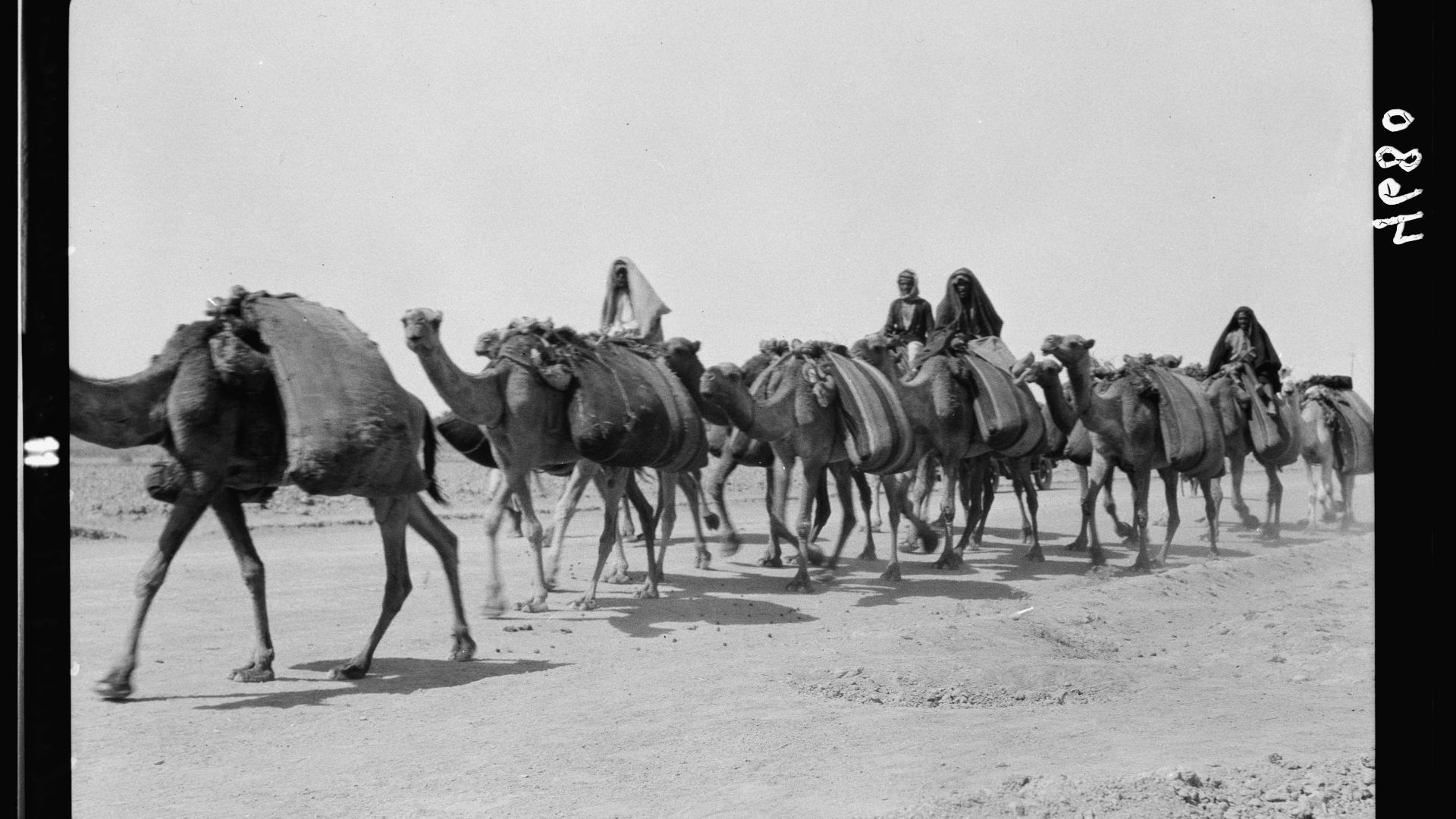
Merchant caravans were slower than mounted couriers, but they reached places that formal government networks often overlooked. A caravan moving between cities might include traders, animal handlers, guides, scribes, guards, religious figures, and messengers traveling under the group’s protection. Their combined knowledge gave them a detailed understanding of road conditions, local conflicts, taxation, and the safety of upcoming routes.
News traveled naturally whenever merchants stopped at markets, caravanserais, temples, wells, and border posts. People exchanged information while negotiating prices, arranging lodging, feeding animals, or waiting for permission to continue. Reports could become distorted as they passed from one traveler to another, but even an imperfect warning about an approaching army, failed harvest, or newly imposed toll could influence important decisions.
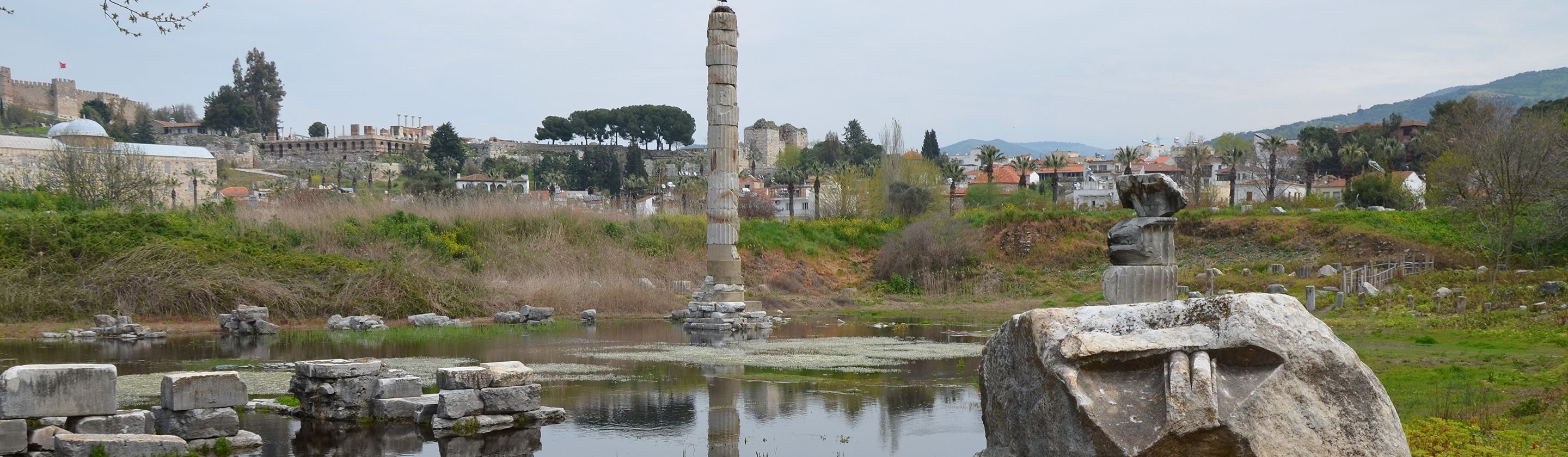
Caravan cities such as Petra and Palmyra became especially valuable because they served as meeting points for travelers from different regions. Information from Arabia, the Mediterranean, Mesopotamia, and Central Asia could circulate in the same marketplaces before moving outward with new groups. These cities prospered partly by supplying, protecting, and policing trade routes, which also made them useful places for rulers to gather intelligence.
Information Helped Rulers Maintain Control
 Matson Collection on Wikimedia
Reliable news allowed monarchs to govern territories that they rarely, if ever, visited personally. Provincial reports informed the court about harvests, tax collection, public disorder, military readiness, and the behavior of local officials. Without regular communication, a governor could ignore royal commands, conceal revenue, or build an independent power base before the ruler understood what was happening.
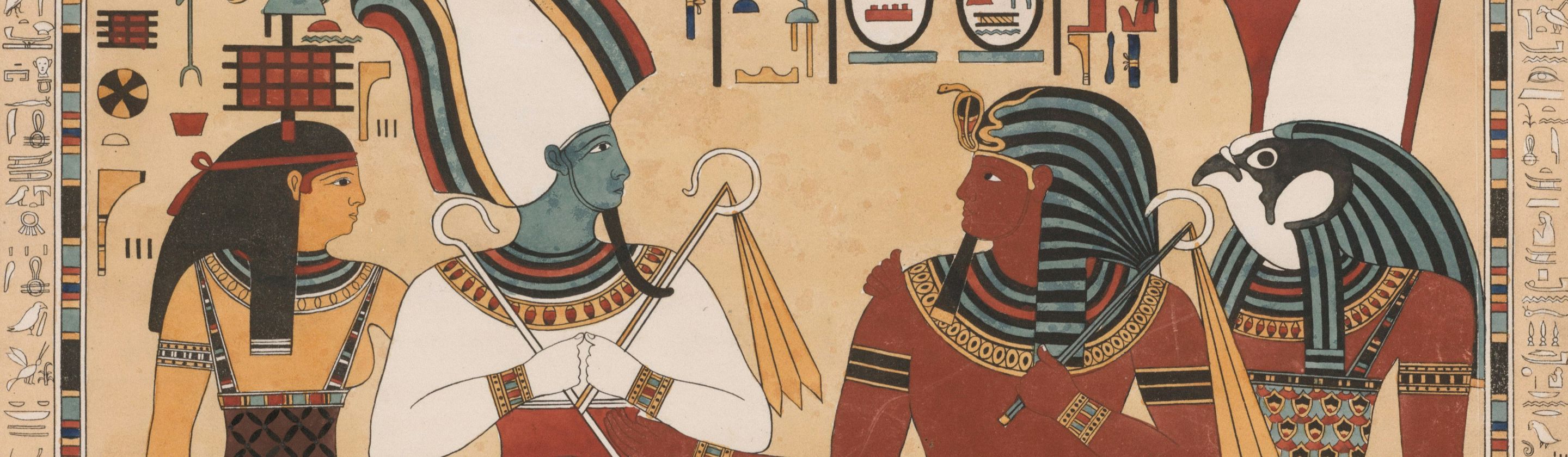
Messengers also carried diplomatic information between courts, including marriage proposals, treaty terms, declarations of war, and requests for military assistance. Their behavior mattered because they represented the ruler who had sent them, even though they usually lacked the authority to change the message. A delayed or misunderstood letter could damage negotiations, while a carefully delivered one might prevent a costly confrontation.
Trade networks gave rulers access to less formal intelligence that could be just as useful as official reports. Merchants noticed when another kingdom began purchasing horses, storing grain, strengthening walls, or demanding unusual quantities of metal. Governments could question travelers, employ commercial contacts, or send agents disguised as ordinary traders to learn what neighboring powers were preparing to do.
Messengers and caravans couldn’t provide instant communication, but they allowed kingdoms to function across distances that would otherwise have been unmanageable. Couriers gave rulers a controlled method for sending commands, while commercial travelers spread broader news between cities and cultures. Together, these networks carried the information that supported diplomacy, warfare, taxation, trade, and administration, keeping distant communities connected long before modern communication made that task seem simple.
KEEP ON READING