History Rarely Follows a Neat Plan
Major historical shifts are often explained through leaders, wars, inventions, and carefully planned decisions, yet chance has also played a surprisingly large role. A wrong turn, contaminated experiment, structural failure, or unexpected discovery has sometimes pushed society toward a different future. No single accident acts alone, but these incidents accelerated reforms, opened scientific fields, ended technologies, and changed political events for generations. Here are 20 random accidents that redirected entire eras.
 Murray Becker / Associated Press on Wikimedia
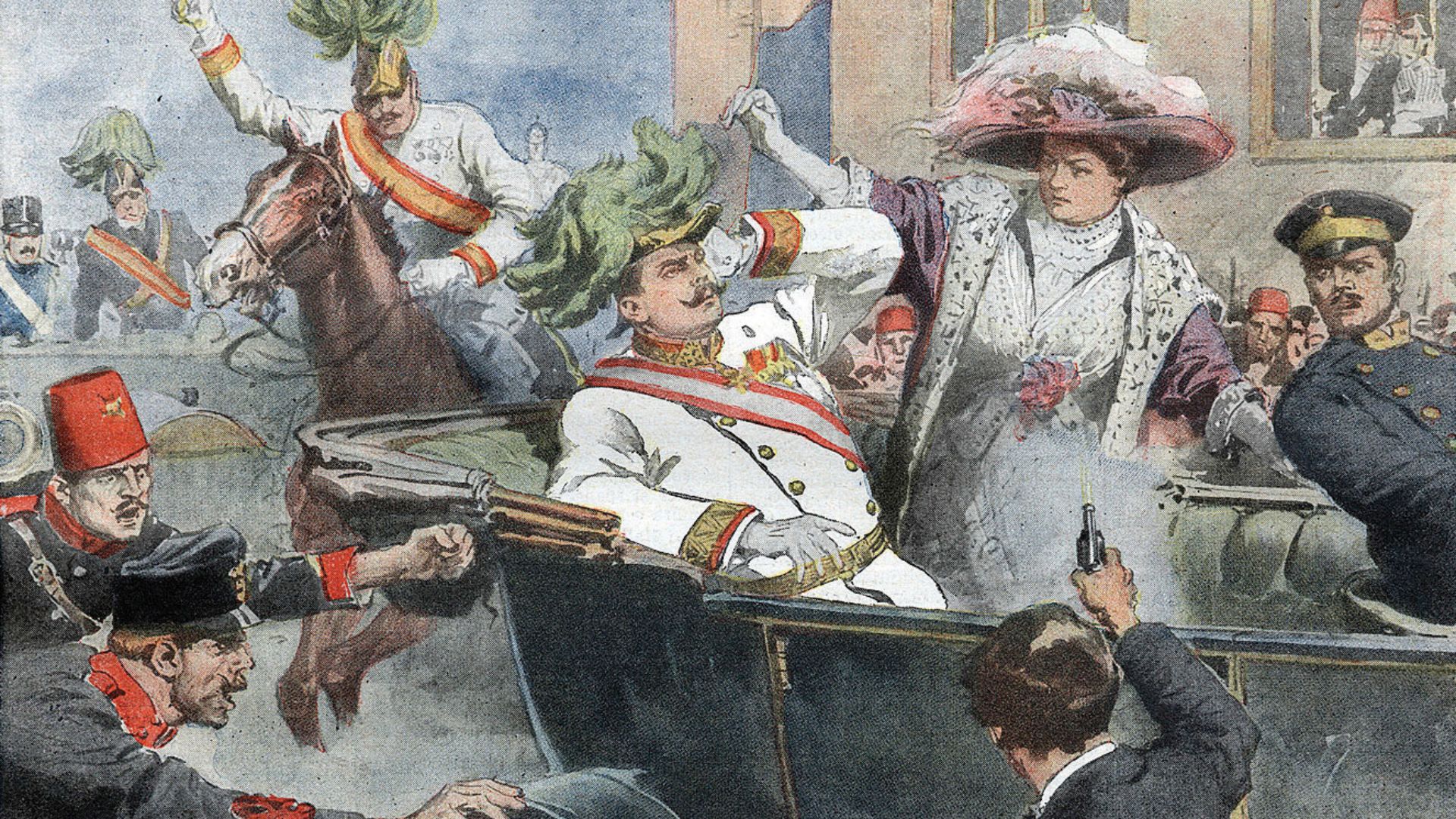
1. The Wrong Turn in Sarajevo
After an earlier assassination attempt failed in June 1914, Archduke Franz Ferdinand’s driver mistakenly turned onto a Sarajevo side street. The car slowed near Gavrilo Princip, who seized the unexpected opportunity to shoot the archduke and his wife. Their deaths triggered a diplomatic crisis that escalated into World War I, although deeper political tensions had already prepared Europe for conflict.
2. Mold Contaminated a Laboratory Dish
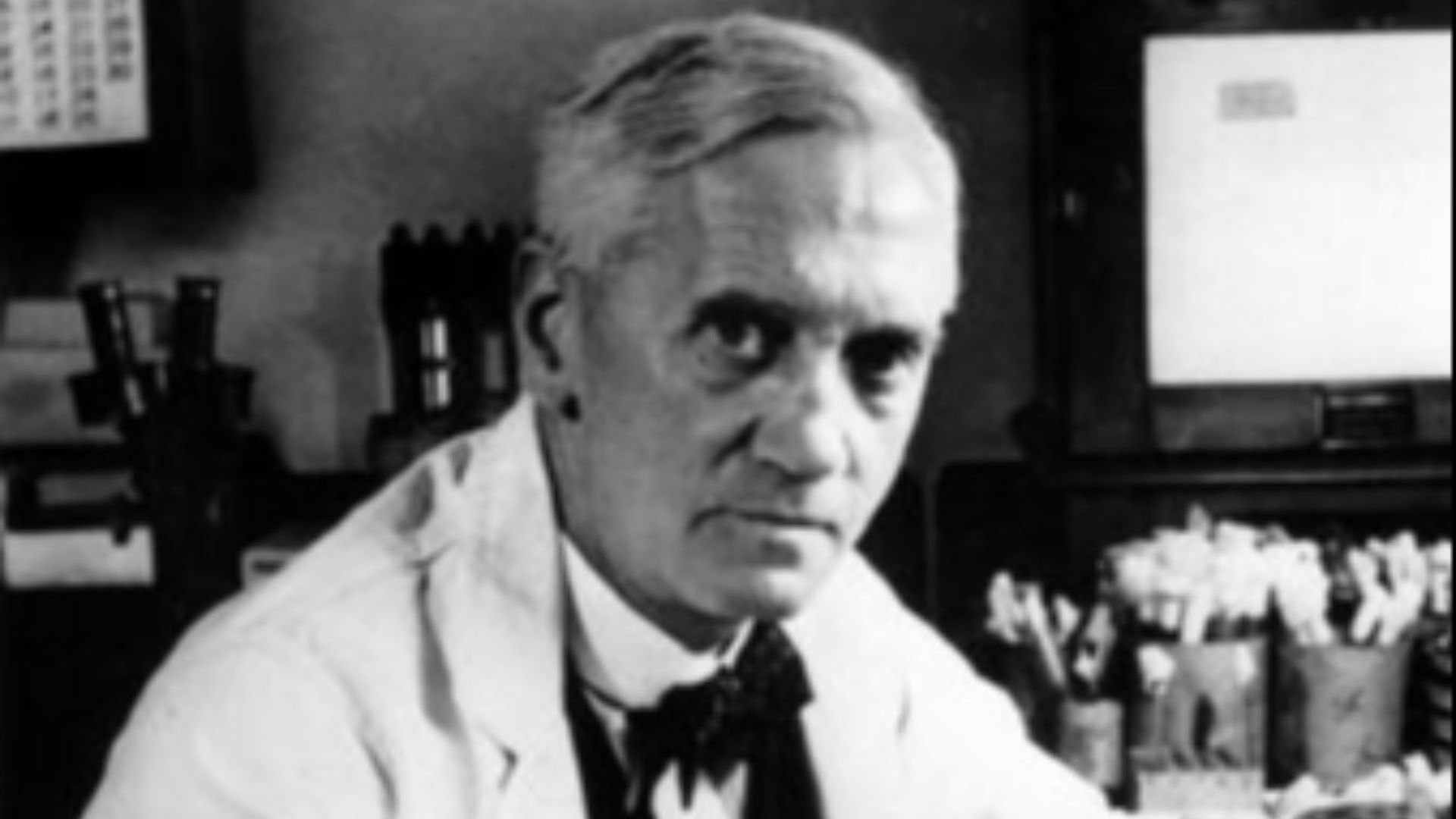
Alexander Fleming returned to his laboratory in 1928 and noticed that mold had contaminated one of his bacterial cultures. Rather than discarding the plate, he examined the clear area where bacteria had stopped growing. His observation led to penicillin, which became a cornerstone of antibiotic medicine after further research and large-scale development by other scientists.
 Calibuon at English Wikibooks, cropped by User:AlanM1 on Wikimedia
3. A Candy Bar Melted Near Radar Equipment
Engineer Percy Spencer was working with radar equipment when he noticed that a candy bar in his pocket had melted. Further experiments showed that microwave energy could heat foods rapidly without directly heating the surrounding air. The discovery led to the microwave oven, changing food preparation in homes, restaurants, workplaces, and convenience stores.
 Nguyen Dang Hoang Nhu on Unsplash
4. Uranium Fogged Covered Photographic Plates
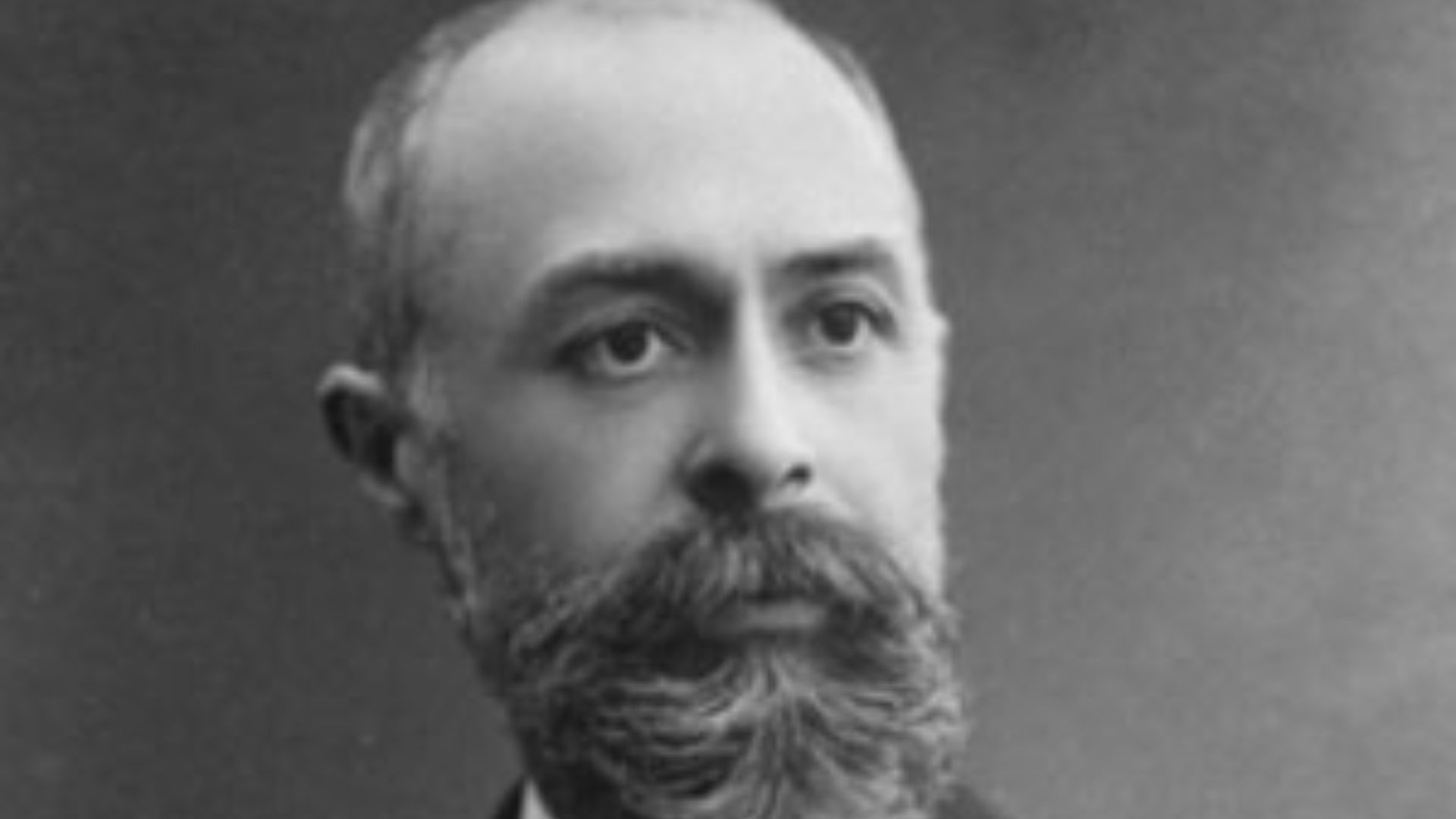
Henri Becquerel expected sunlight to make uranium salts produce penetrating rays, but cloudy weather interrupted his planned experiment. He stored the salts beside wrapped photographic plates and later found that the plates had been exposed anyway. This unexpected result revealed natural radioactivity and helped begin a new era of atomic physics.
 Jean-Jacques MILAN on Wikimedia
5. An Unknown Ray Passed Through Cardboard
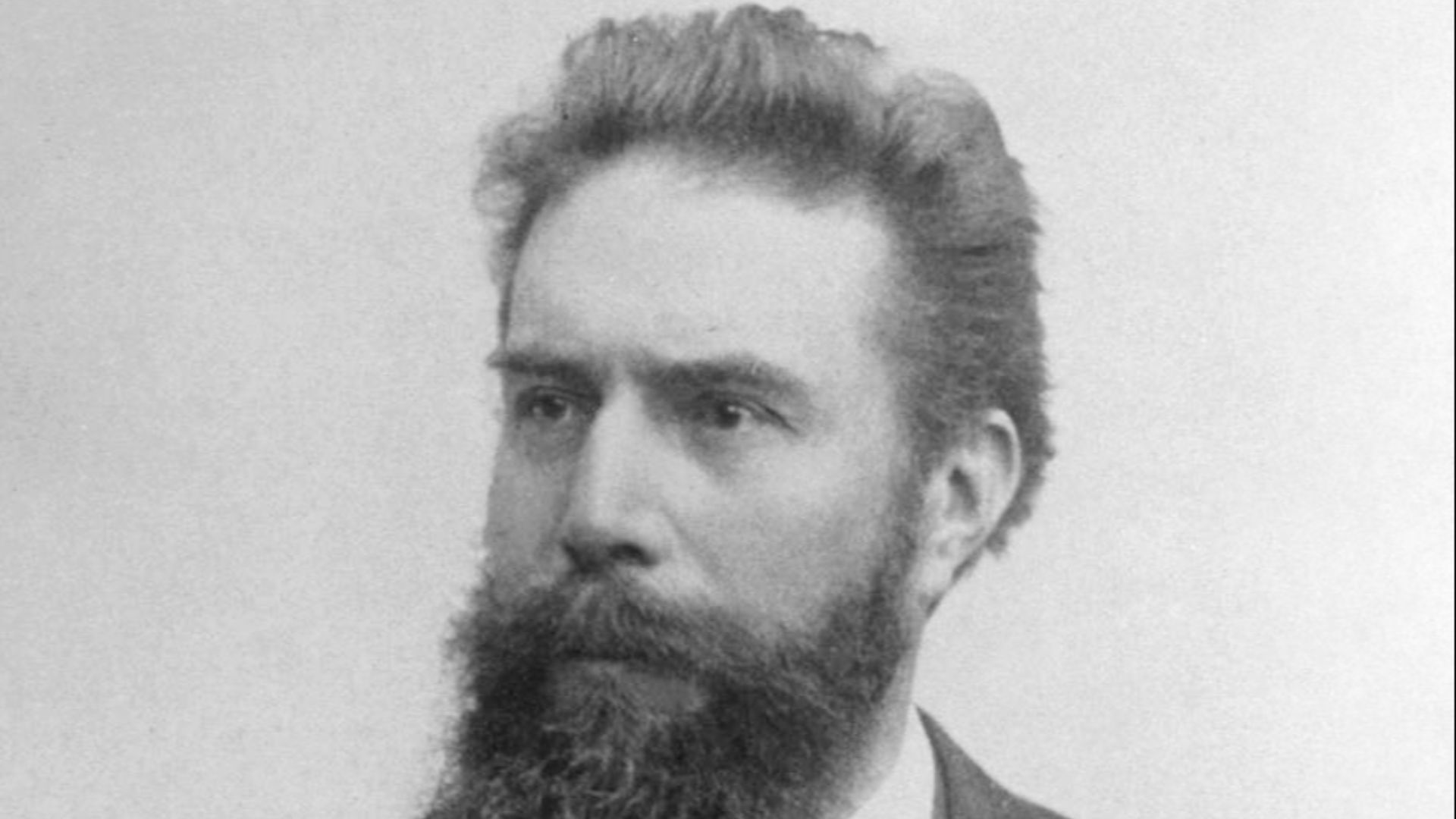
Wilhelm Röntgen was experimenting with electrical discharge tubes in 1895 when a nearby fluorescent screen unexpectedly began to glow. He discovered that invisible rays could pass through materials and create images of internal structures, including bones. X-rays quickly transformed medical diagnosis while opening important new directions in physics and scientific imaging.
6. A Rubber Mixture Met a Hot Surface
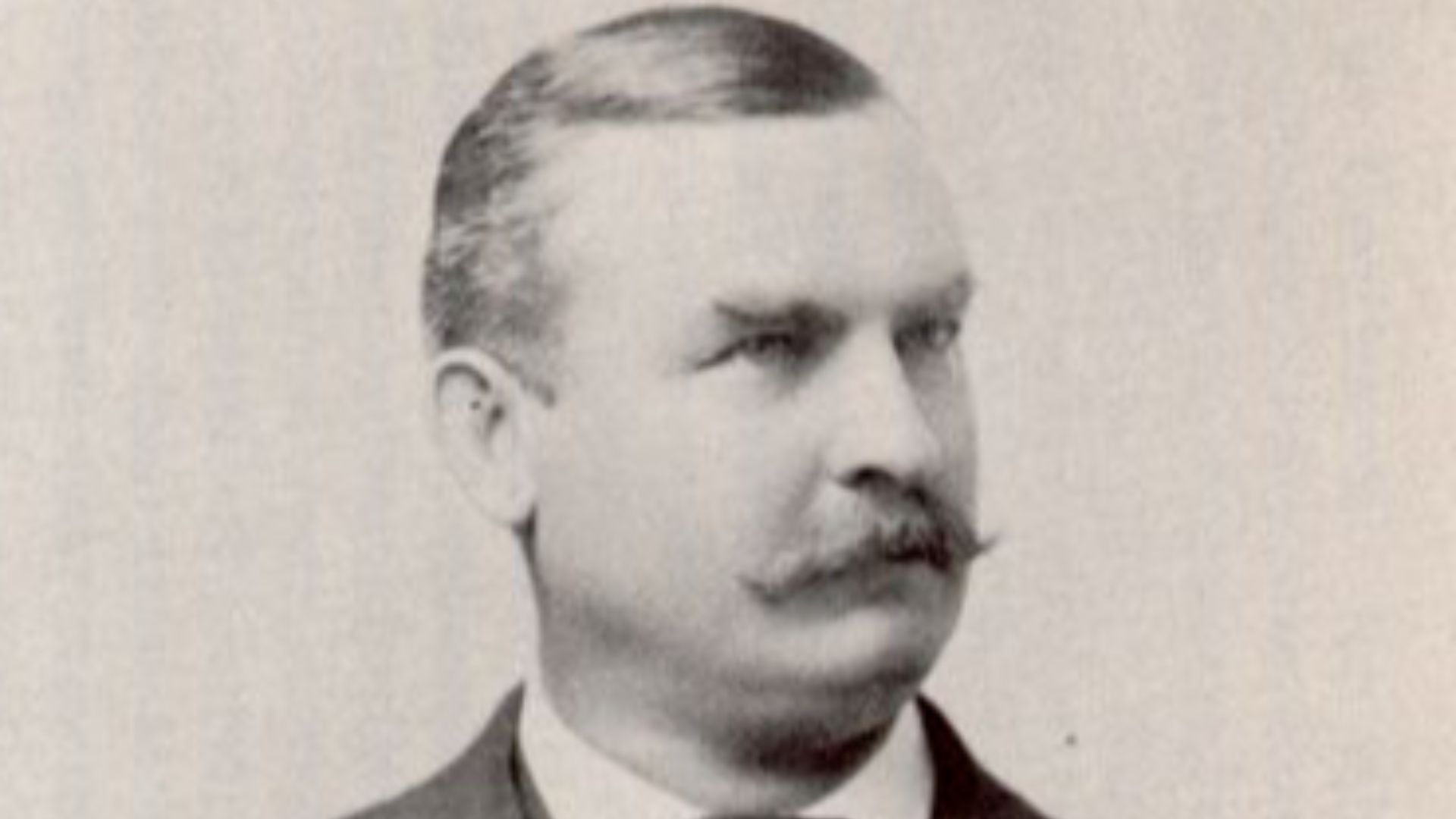
Charles Goodyear spent years attempting to make natural rubber less sticky in heat and less brittle during cold weather. According to the traditional account, a rubber-and-sulfur mixture accidentally touched a hot surface and produced a tougher, more stable material. Vulcanized rubber later became essential for machinery, waterproof goods, transportation, and modern tires.
 Unknown authorUnknown author on Wikimedia
7. A Gas Became an Unexpected Solid
Chemist Roy Plunkett was testing refrigerant gases in 1938 when one cylinder appeared empty even though it still had weight. The material became known as Teflon and gained important uses in wiring, industrial equipment, aerospace technology, and cookware.

8. A Failed Adhesive Found Another Purpose
Spencer Silver developed an adhesive that stuck lightly but could be removed without leaving much residue. It appeared commercially useless until colleague Art Fry needed bookmarks that wouldn’t fall from his church hymnal. Their combined solution eventually became the Post-it Note, changing how people organized information in offices, schools, laboratories, and homes.

9. Farmers Struck the Terracotta Army
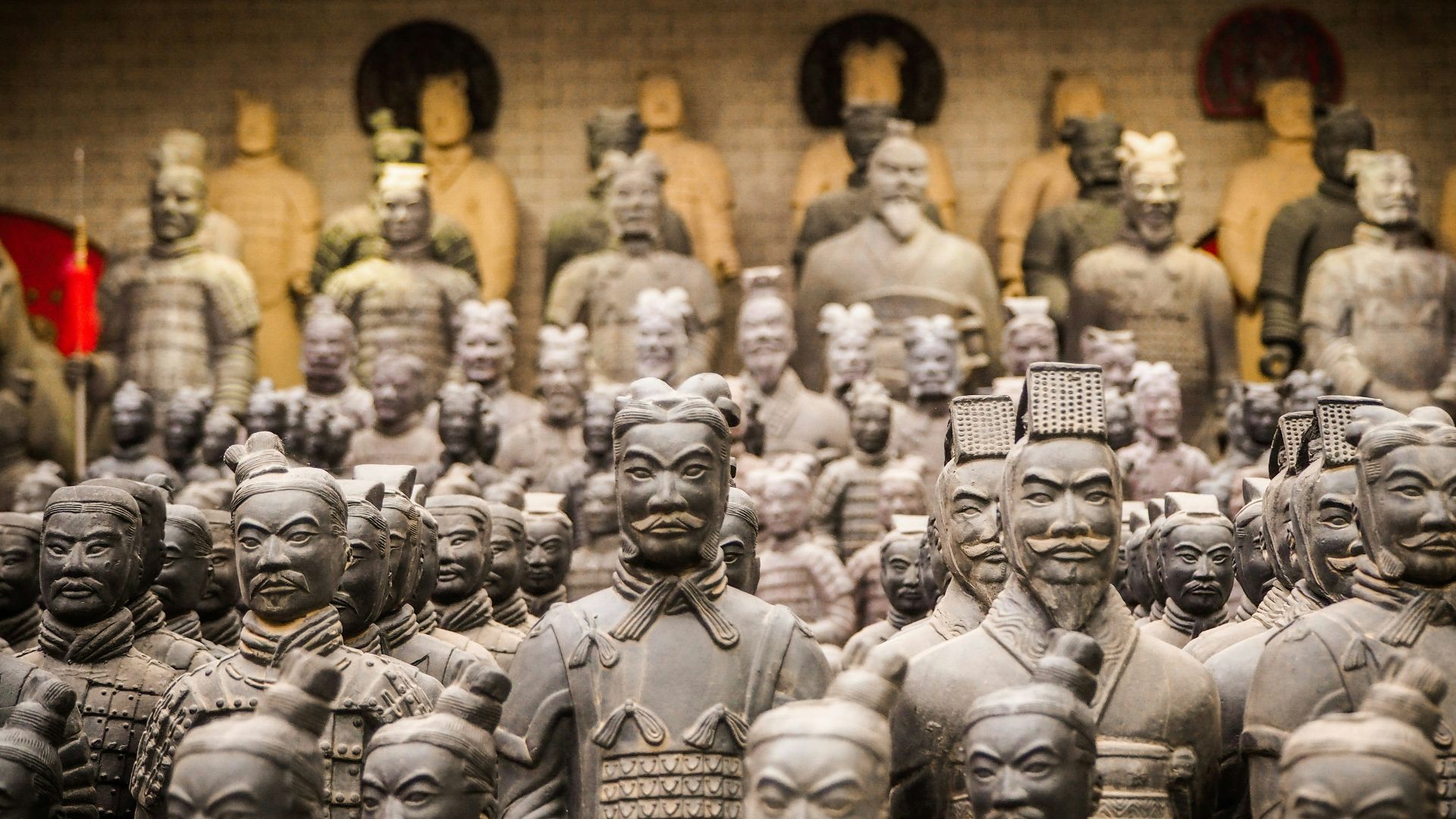
In 1974, farmers digging a well near Xi’an uncovered fragments of a clay figure beneath the soil. Archaeologists soon determined that the site contained thousands of life-sized soldiers connected to the tomb complex of China’s first emperor. The discovery greatly expanded knowledge of Qin-era art, military organization, burial customs, and imperial authority.
 Manoj kumar kasirajan on Unsplash
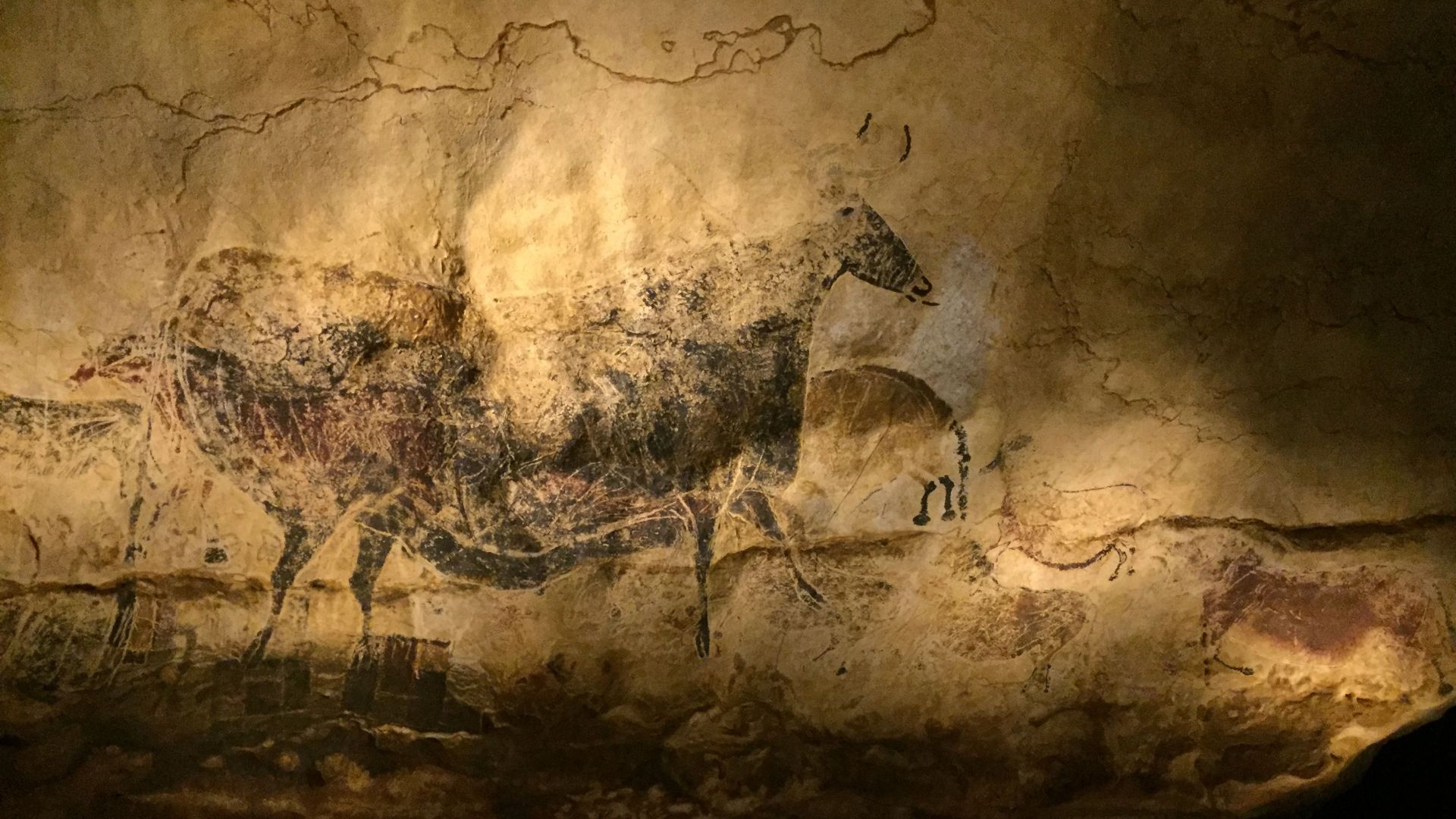
10. Teenagers Entered the Lascaux Caves
Four teenagers exploring near Montignac, France, entered a hidden cave in 1940 and found walls covered with prehistoric paintings. The artwork provided remarkable evidence of Upper Paleolithic artistic ability, observation, and symbolic expression.
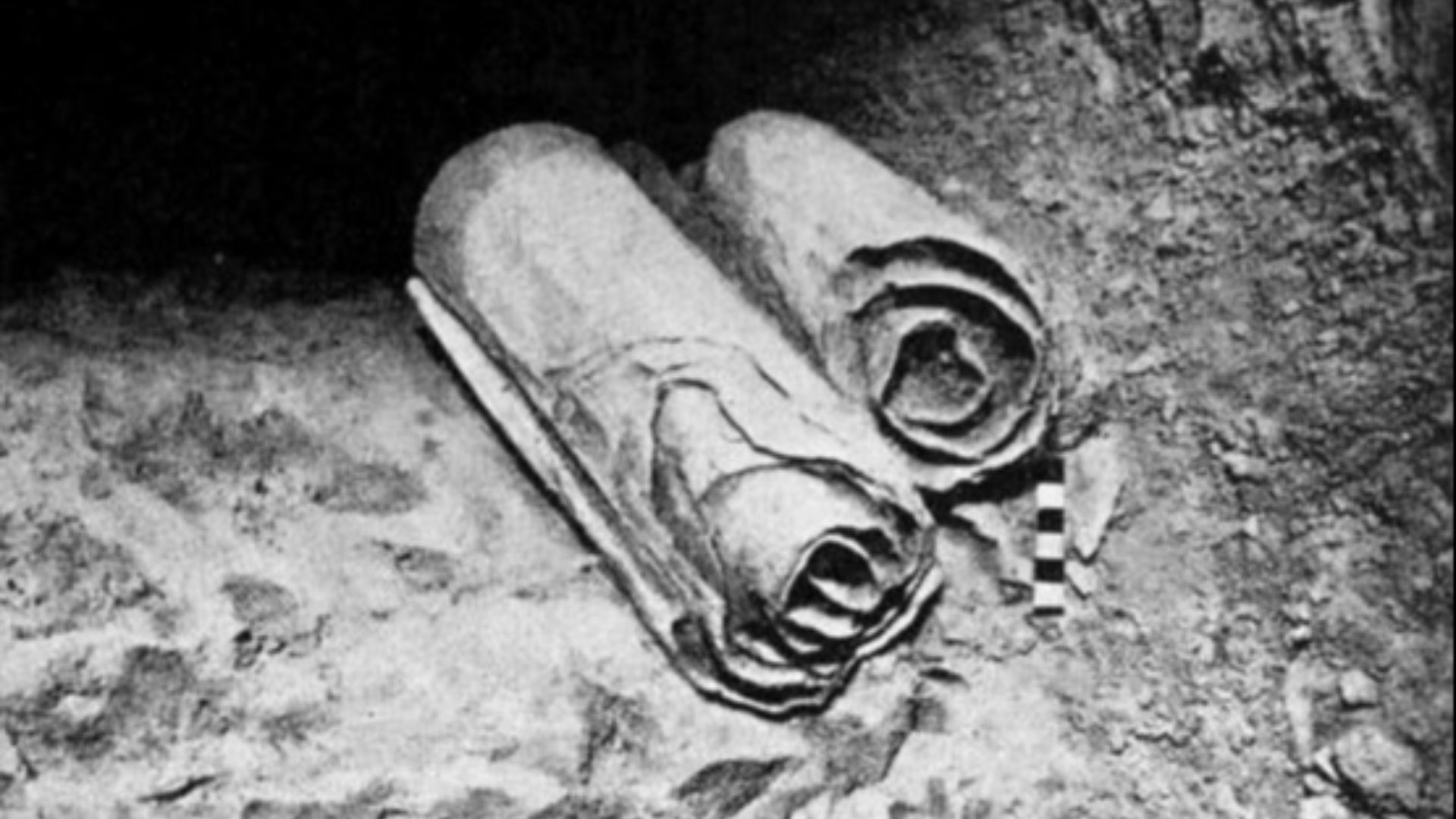
11. Shepherds Found the Dead Sea Scrolls
Bedouin shepherds discovered ancient manuscripts in caves near the Dead Sea during the late 1940s. The collection included biblical texts, religious rules, hymns, and community documents produced more than two thousand years earlier. Their accidental recovery transformed scholarship concerning Judaism, biblical transmission, and the religious environment surrounding the beginnings of Christianity.
 Abraham Meir Habermann, 1901–1980 on Wikimedia
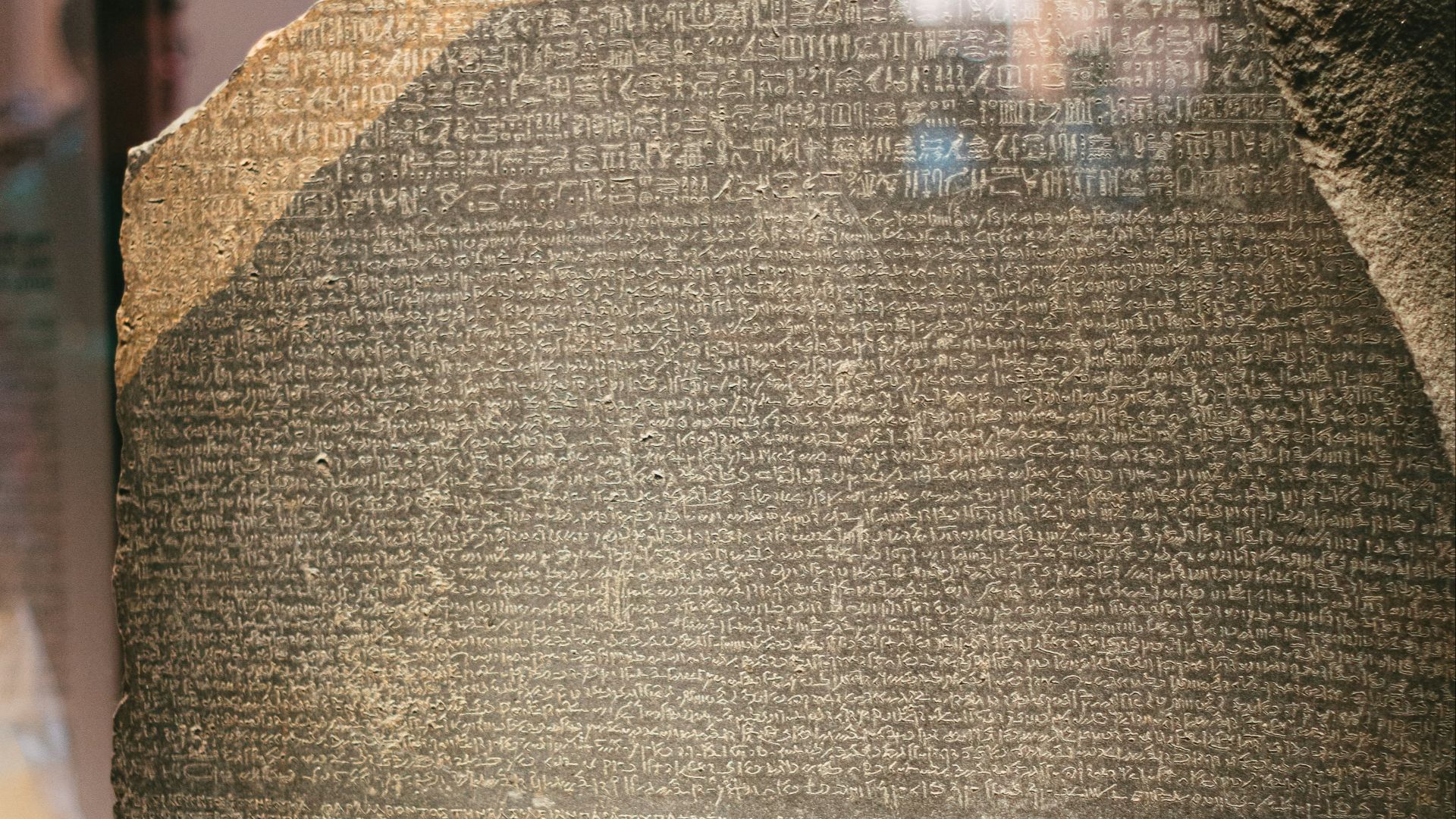
12. Soldiers Uncovered the Rosetta Stone
French soldiers rebuilding a fort in Egypt in 1799 found a stone slab inscribed in three different scripts. The discovery opened written records that had remained largely unreadable for centuries.
13. Hikers Found a Copper Age Man
Two hikers in the Alps discovered a body emerging from melting ice in 1991 and initially assumed it was a recent victim. His tools, clothing, injuries, tattoos, and preserved remains provided unusually detailed evidence of Copper Age European life.

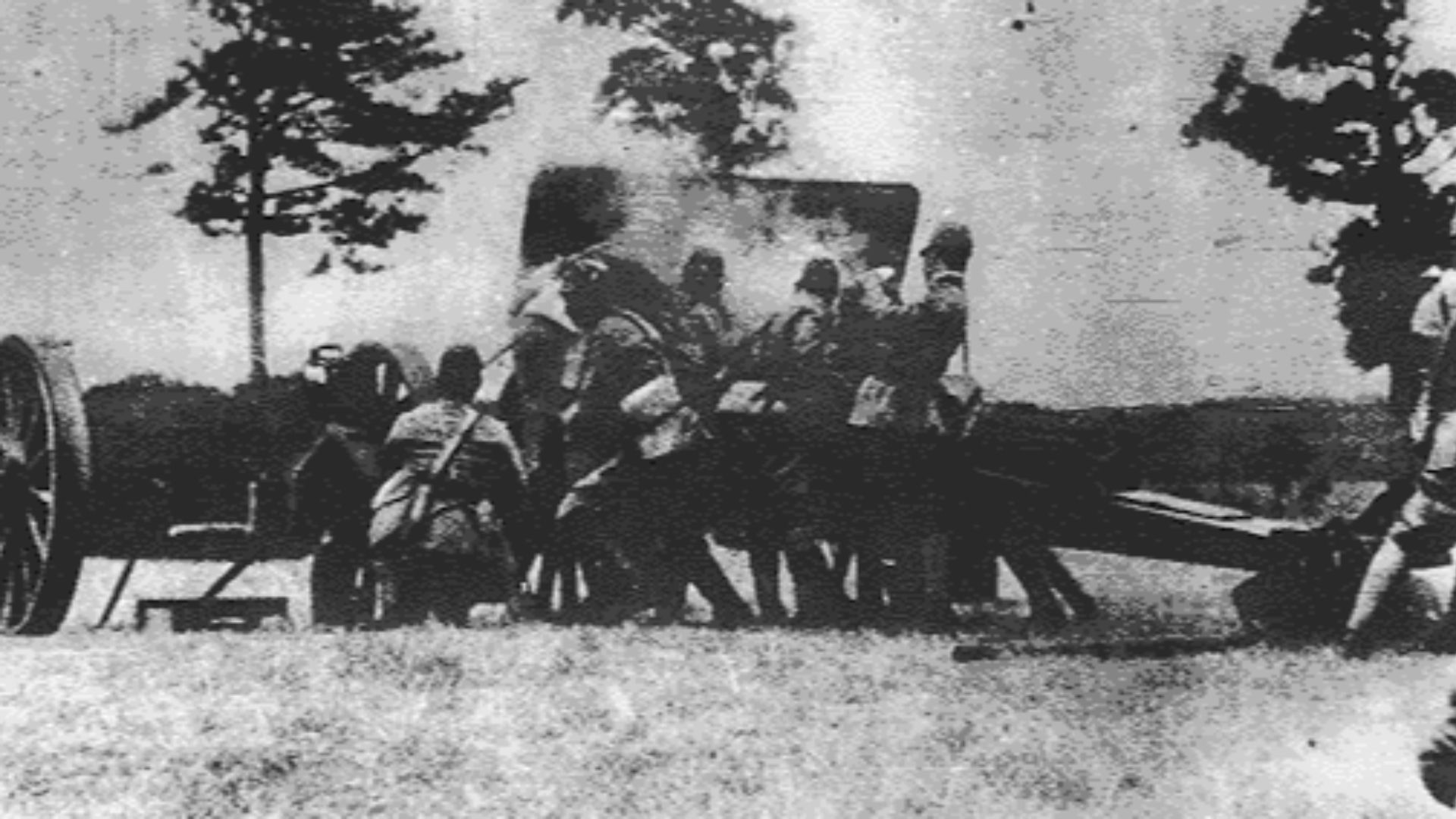
14. A Missing Soldier Escalated a Confrontation
Japanese and Chinese troops exchanged fire near Beijing during a tense nighttime exercise in July 1937. Confusion surrounding a temporarily missing Japanese soldier intensified the confrontation, even though he soon returned safely. Negotiations failed, and the Marco Polo Bridge Incident developed into full-scale war between China and Japan, reshaping East Asia for decades.
 Unknown authorUnknown author on Wikimedia
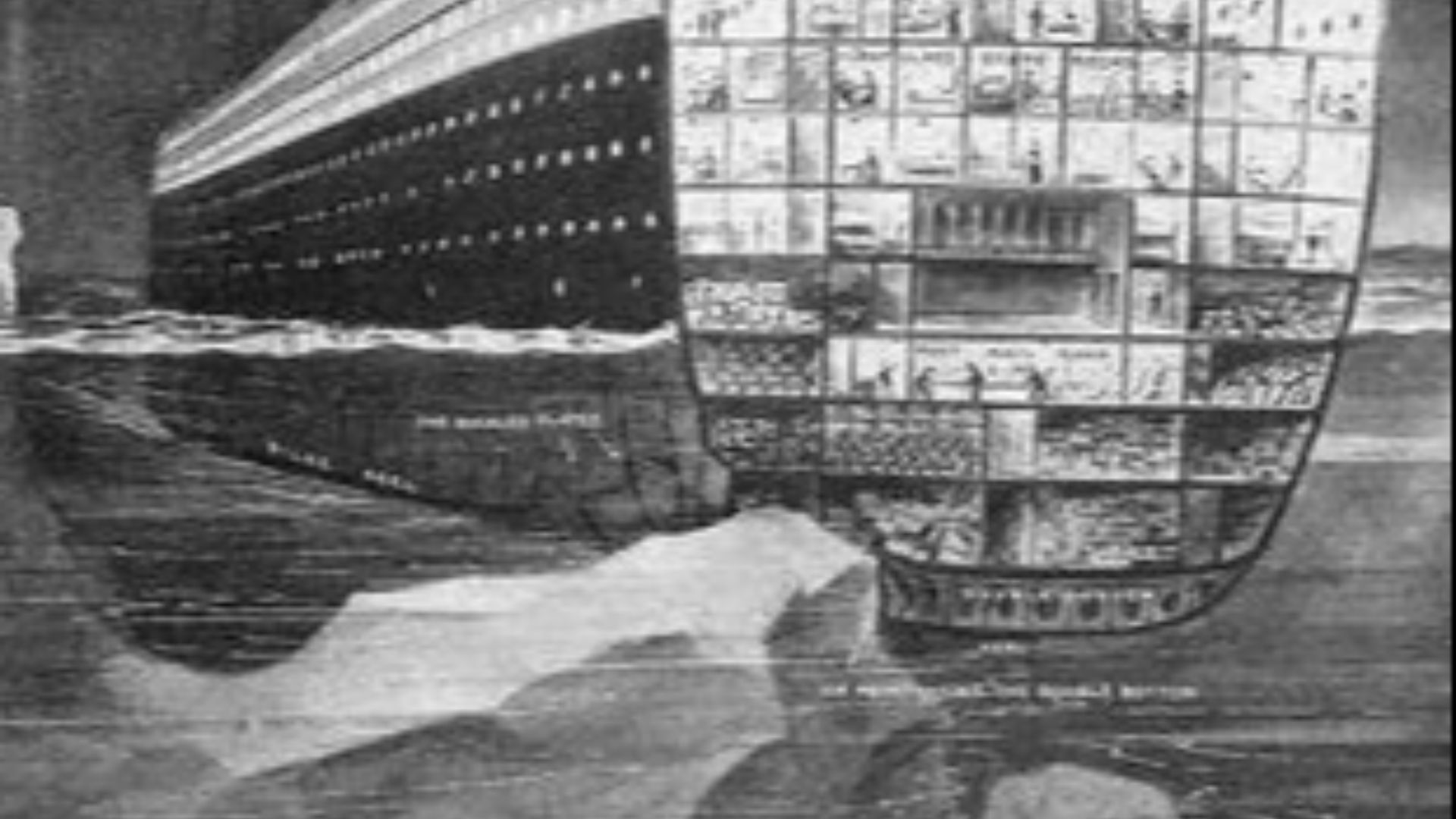
15. The Titanic Struck an Iceberg
The 1912 sinking of the Titanic exposed weaknesses in lifeboat capacity, emergency procedures, and international coordination at sea. One catastrophic collision changed global expectations for passenger ships, communications, evacuation planning, and crew preparedness.
 Unknown authorUnknown author on Wikimedia
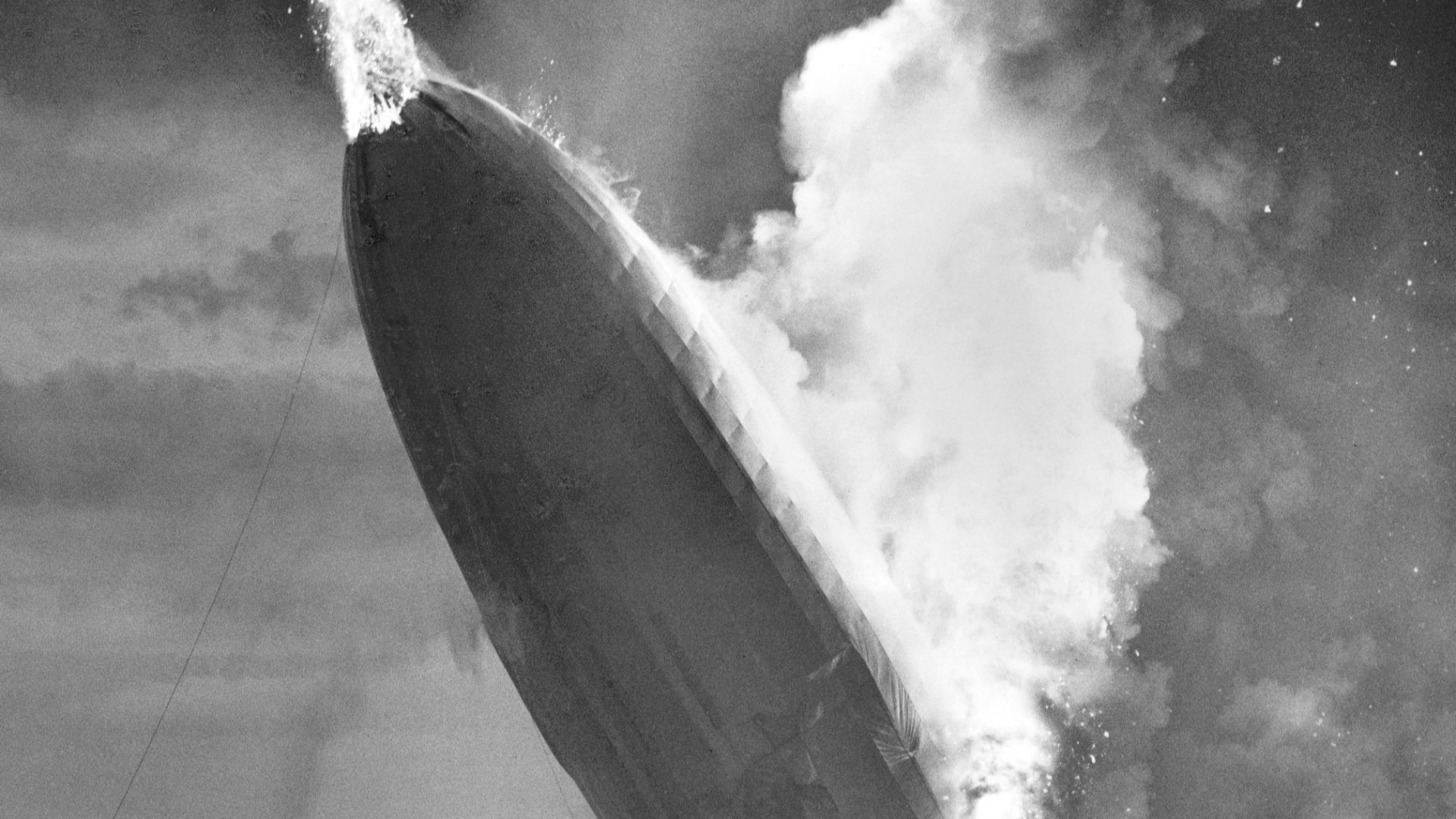
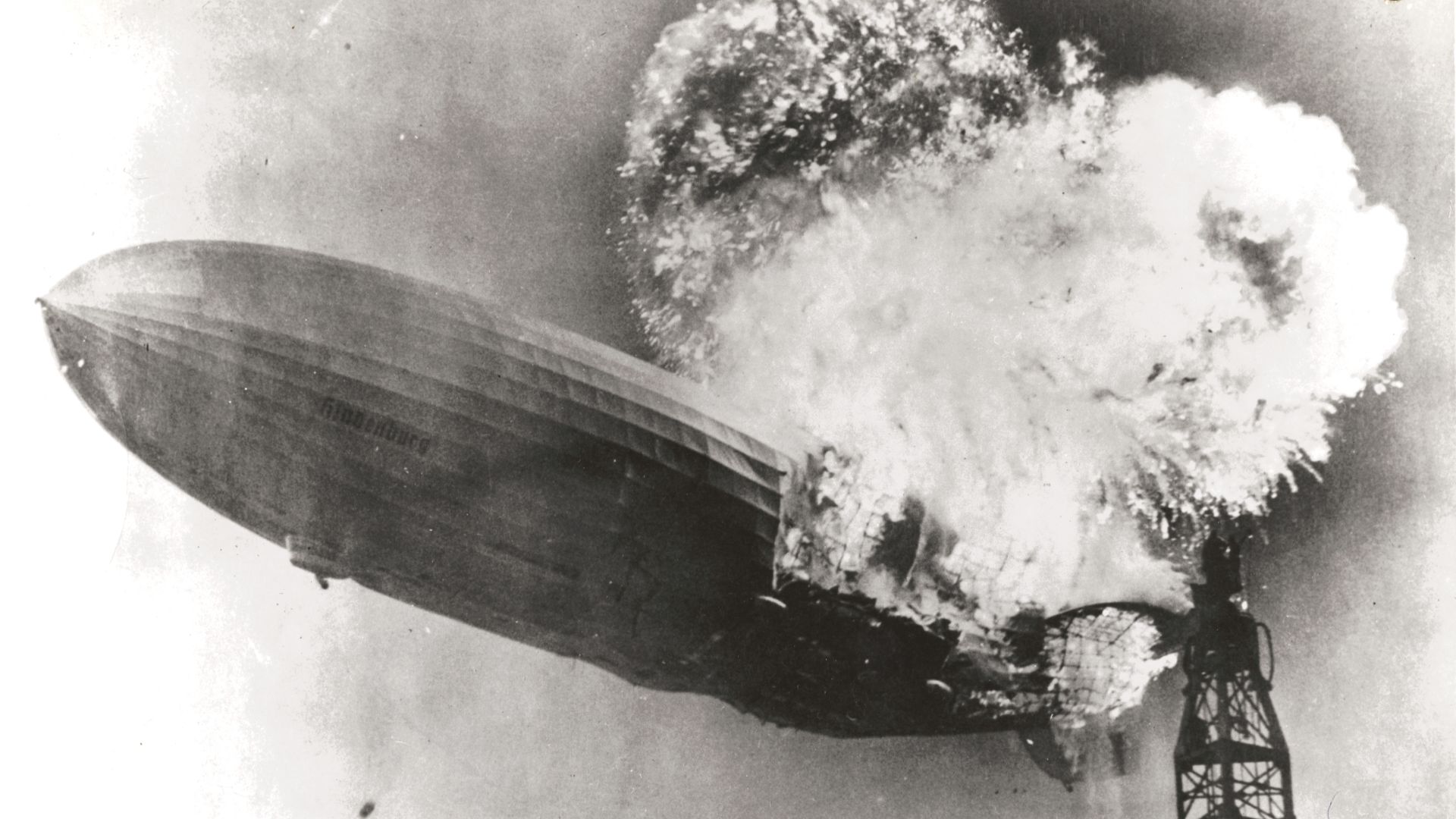
16. The Hindenburg Caught Fire
The Hindenburg ignited while attempting to land in New Jersey in 1937, killing passengers and crew as cameras recorded the disaster. Passenger airships already faced practical limitations, but the widely witnessed fire severely damaged public confidence in zeppelins.
17. A Train Wreck Reshaped New York
A deadly 1902 collision in the smoke-filled Park Avenue tunnel increased demands to remove steam locomotives from central Manhattan. One transportation disaster helped influence architecture, property development, and urban planning beyond the railroad industry.
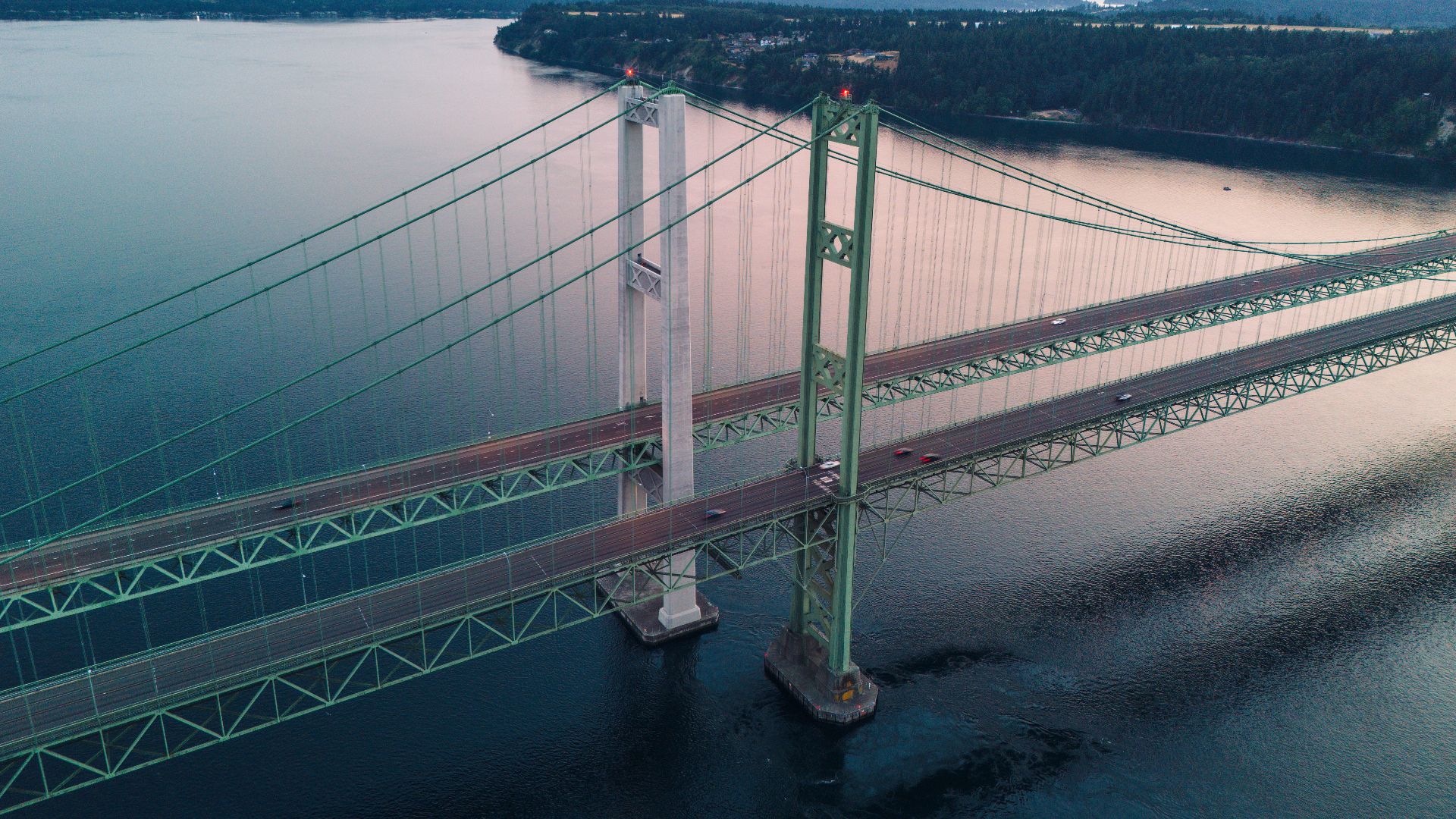
18. Tacoma Narrows Bridge Twisted Apart
Strong winds caused Washington’s Tacoma Narrows Bridge to oscillate dramatically before collapsing in 1940. The failure became a major engineering case study and encouraged designers to investigate aerodynamic forces more carefully.
19. A Reactor Test Became a Catastrophe
During a safety test in 1986, Reactor Four at Chernobyl experienced an uncontrolled power increase, explosions, and fire. Reactor design problems and serious failures in safety management contributed to widespread radioactive contamination.
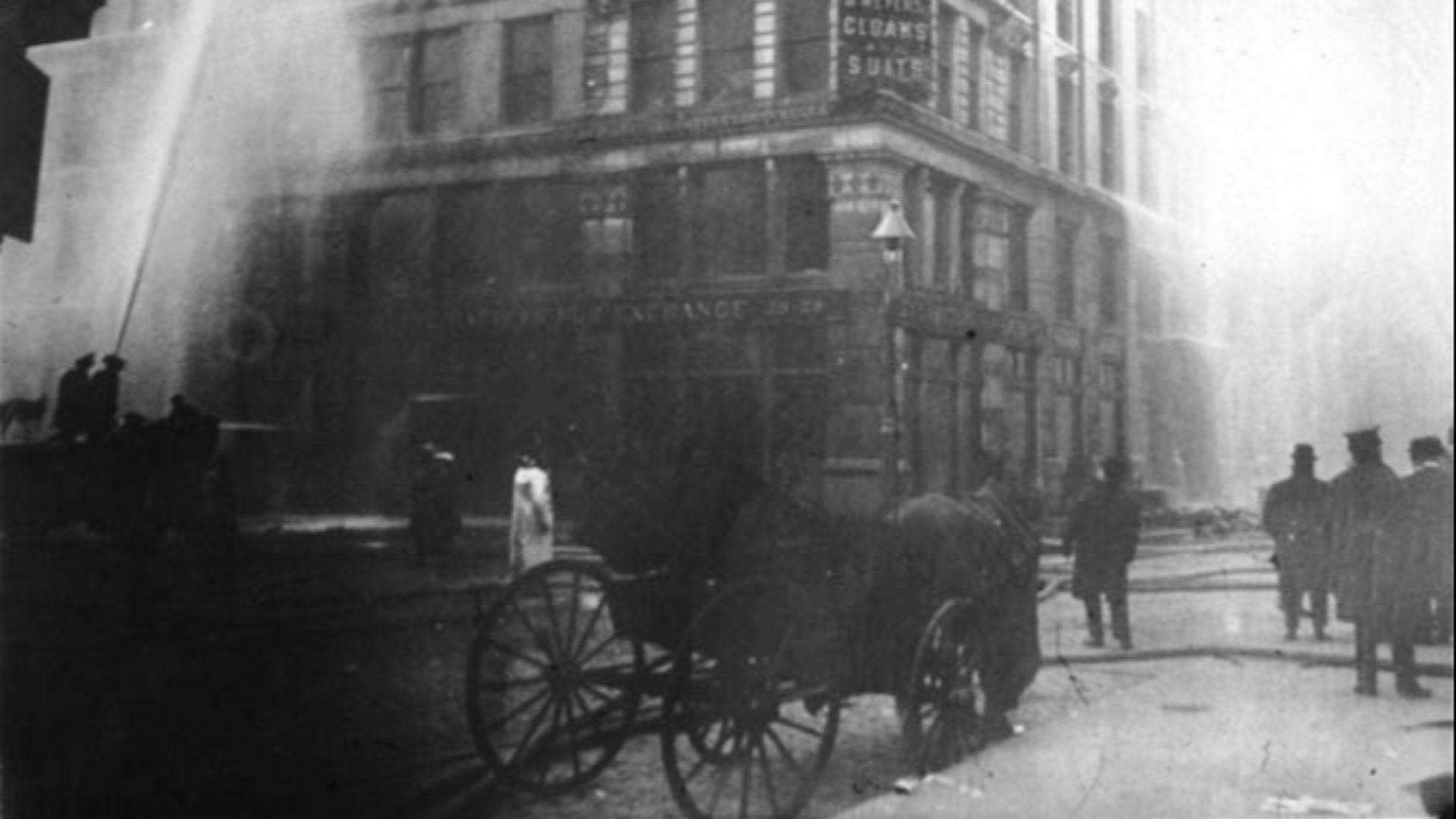
20. A Factory Fire Accelerated Labor Reform
The 1911 Triangle Shirtwaist Factory fire killed 146 workers, many of whom couldn’t escape because of inadequate exits and unsafe conditions. Those reforms influenced wider American standards and helped establish industrial safety as an important political responsibility.
KEEP ON READING