Impressive Protection
Armor was supposed to keep you alive, but history’s finest examples did much more than stop blades and bullets. You didn’t need to be a king or warrior to own a proper set of armor either, and in fact, some of the best-looking designs were on craftsmen and even outlaws. From a Bronze Age shell of hammered metal to a homemade suit worn, these 20 remarkable armors prove that practical protection didn’t have to be dull.
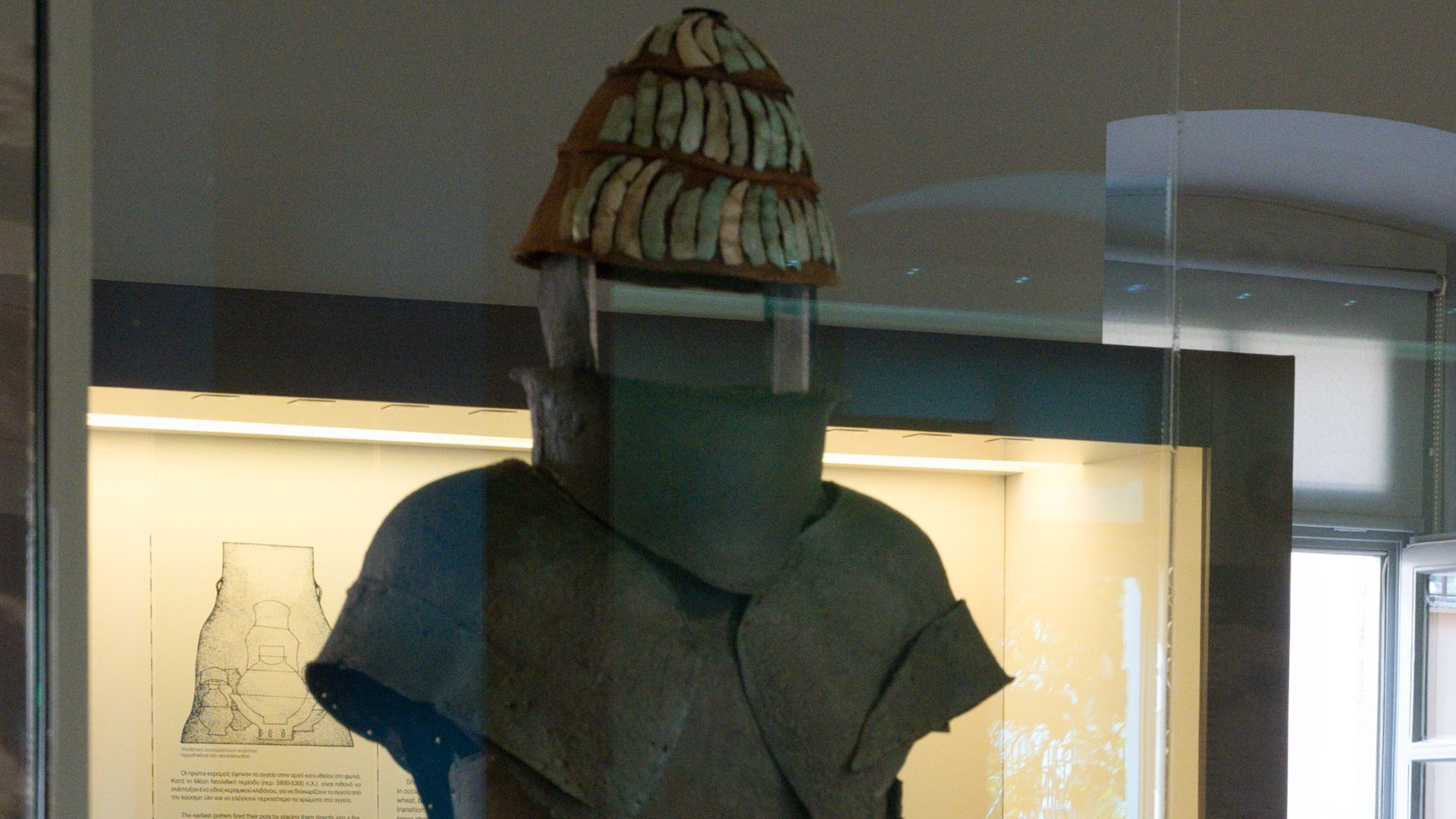
1. The Dendra Panoply
Dating to the late 15th century B.C., the Dendra Panoply is one of the earliest nearly complete suits of metal body armor ever discovered. Its overlapping bronze plates protected you from the neck to the knees, while separate shoulder guards and greaves covered the rest of you. It was excavated from a chamber tomb in 1960, and despite its age, it looks good for something made over 3,000 years ago.
2. Sigismund of Tyrol’s Gothic Armor
Lorenz Helmschmid’s workshop in Augsburg produced this elegant field armor for Archduke Sigismund of Tyrol around 1484. Everything from the sharply pointed shoes and narrow waist to ridged surfaces and extended helmet created a distinctive outline commonly found in late Gothic armor. Despite its elaborate appearance, the plates were actually designed to let Sigismund ride and fight without leaving any massive openings.
3. Maximilian I’s Field Armor
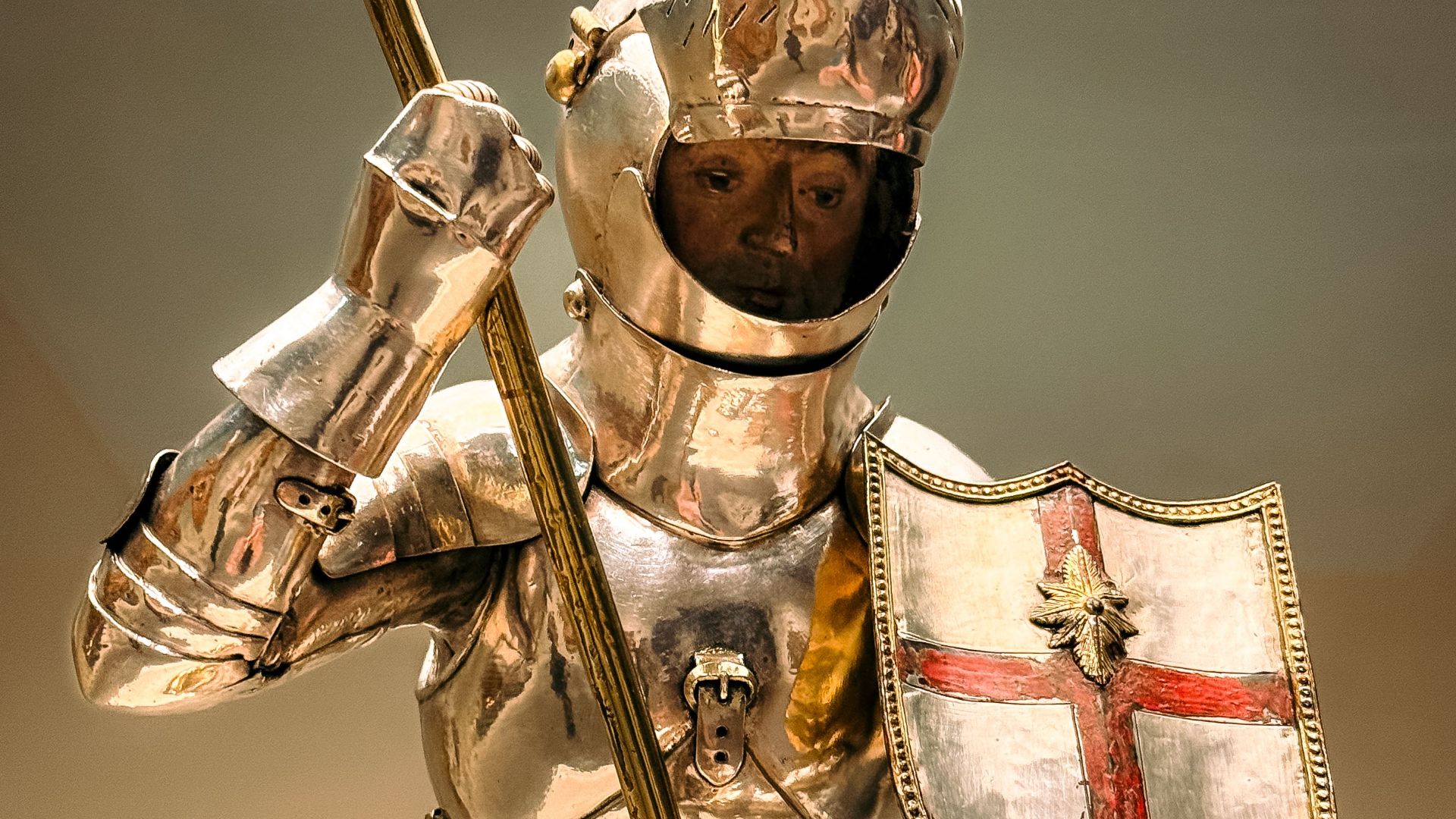
Emperor Maximilian I took armor seriously enough to not only influence its design, but also its place within royal culture. His 1480 field armor, also crafted by Helmschmid, combined overlapping plates with careful shaping that followed the body, all without making movement impossible.
4. Philip I’s Teenage Jousting Armor
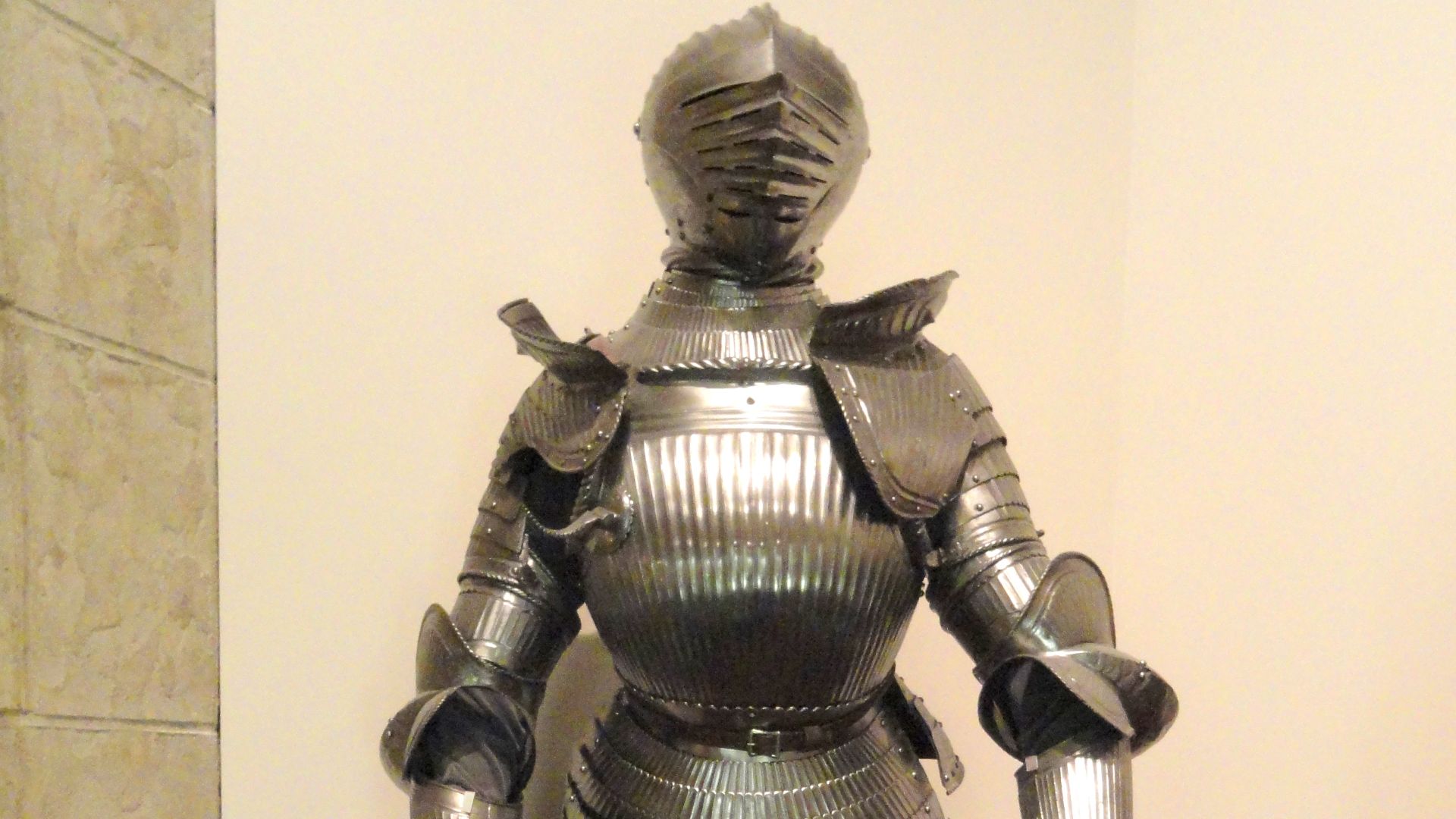
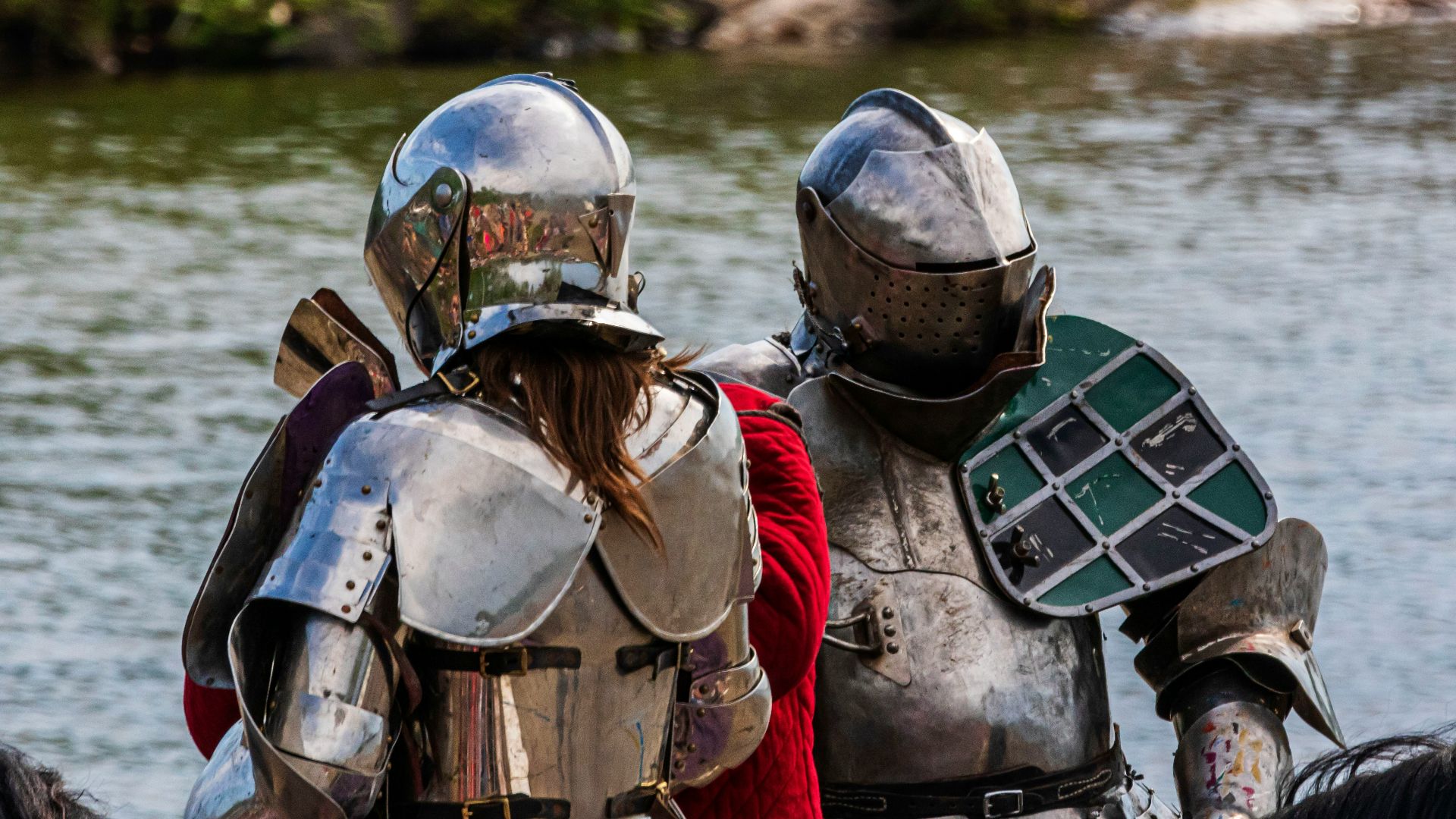
Today’s teens aren’t given a suit of armor, but that wasn’t the case for Philip I of Castile. Made around 1490, his equipment was designed for the highly controlled “joust of peace,” where heavy reinforcement protected competitors during devastating tournaments. Philip had reportedly worn armor since childhood, and his handy new suit was created when he was roughly 15 and preparing to rule.
 Camerauthor Photos on Unsplash
5. Henry VIII’s Field of Cloth of Gold Armor
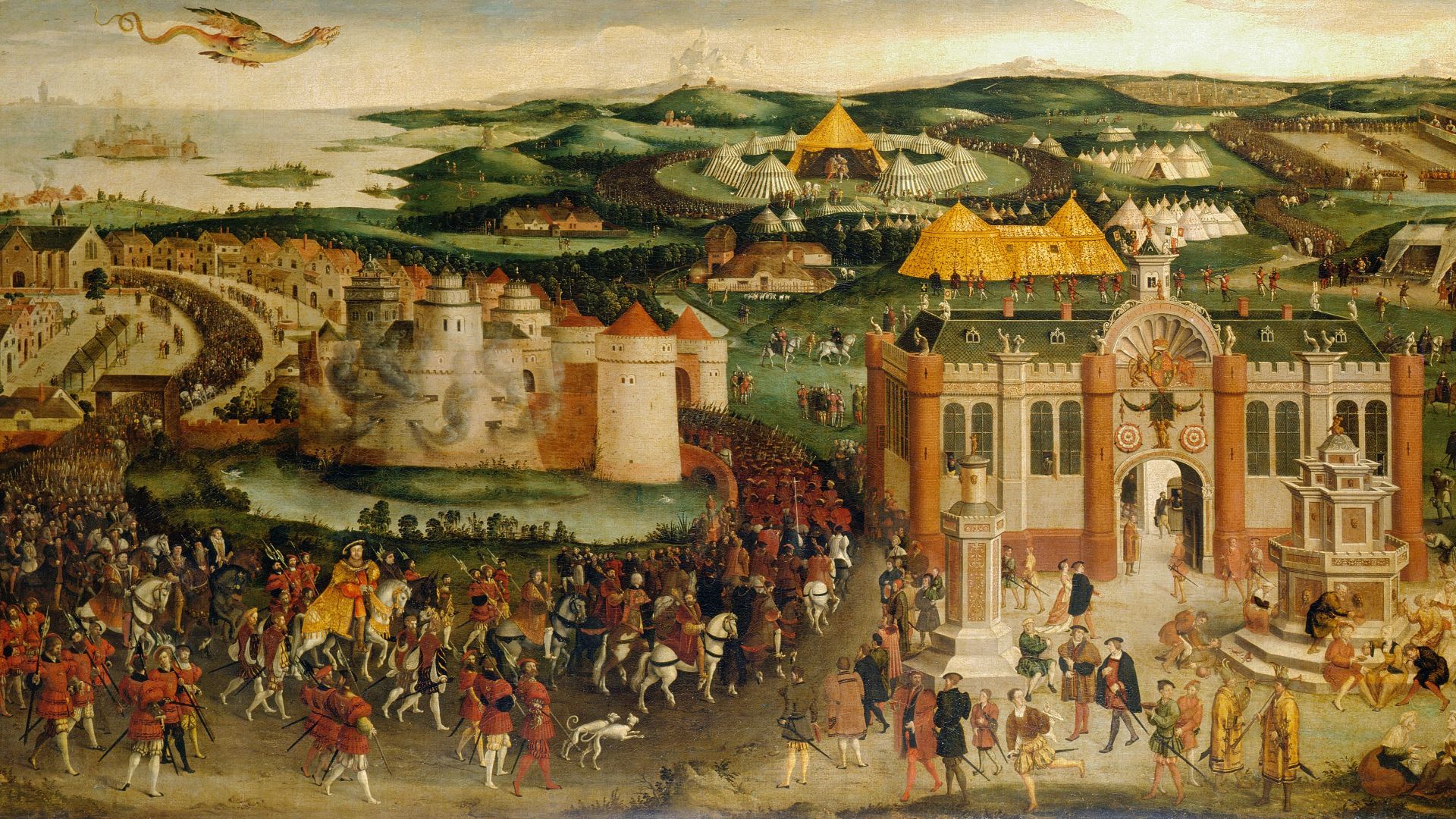
Henry VIII commissioned a fully enclosed foot-combat armor for the Field of Cloth of Gold, his 1520 meeting with King Francis I of France. Every part of his body was covered, including more uncommon spots, like the armpits, feet, hands, and face (and his family jewels). It was built for tournament fighting, not comfort, but making a rival feel underdressed was very much part of the look.
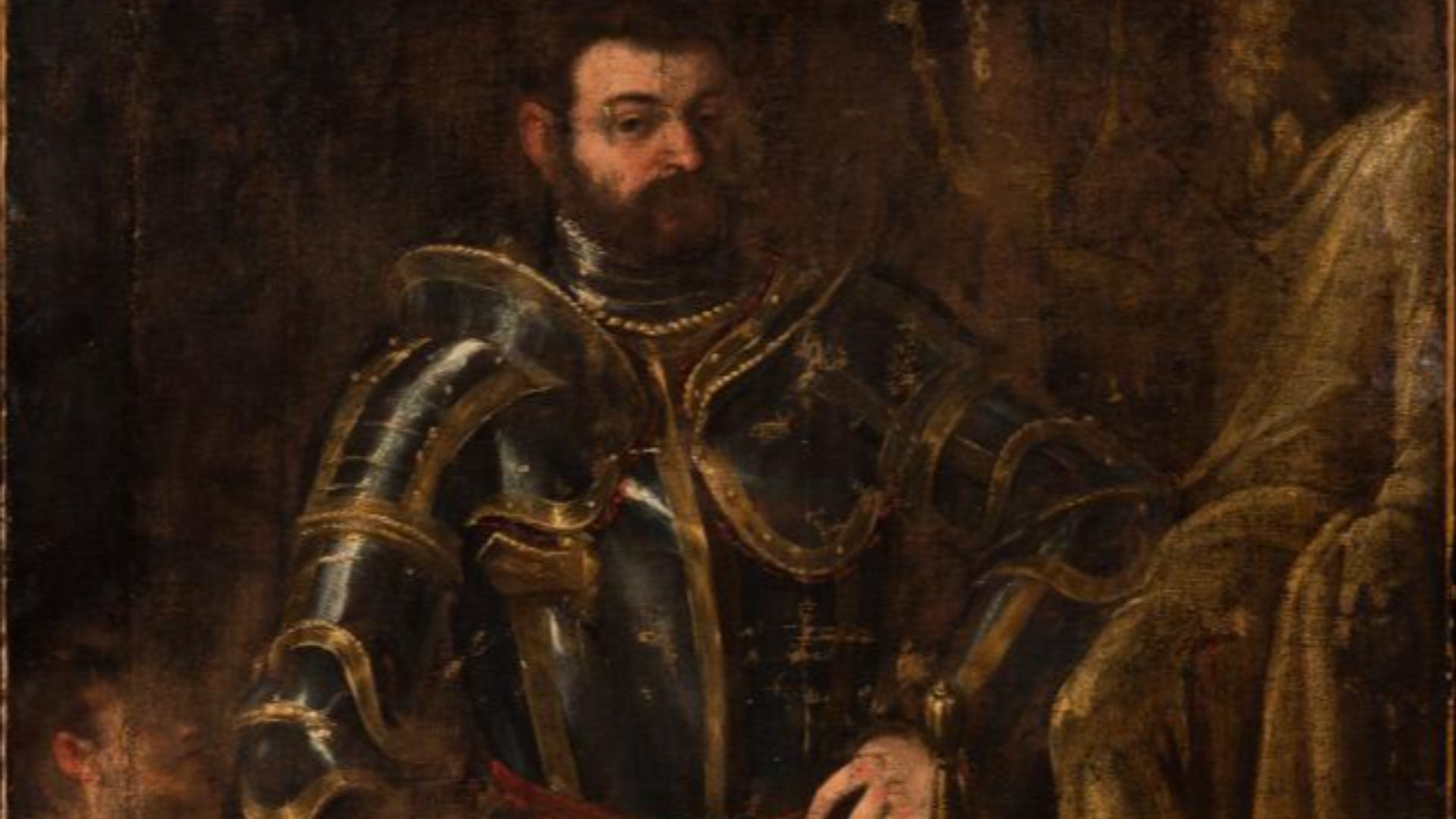
6. Guidobaldo II’s Classical Parade Armor
Filippo Negroli created one of the Renaissance’s boldest parade armors during the 1530s. Originally made for Guidobaldo II della Rovere, Duke of Urbino, it didn’t resemble conventional plate armor. No, this stuff had embossed surfaces that reproduced curled hair, muscles, animal forms, and decorations inspired by ancient Rome.
 Follower of Paolo Veronese on Wikimedia
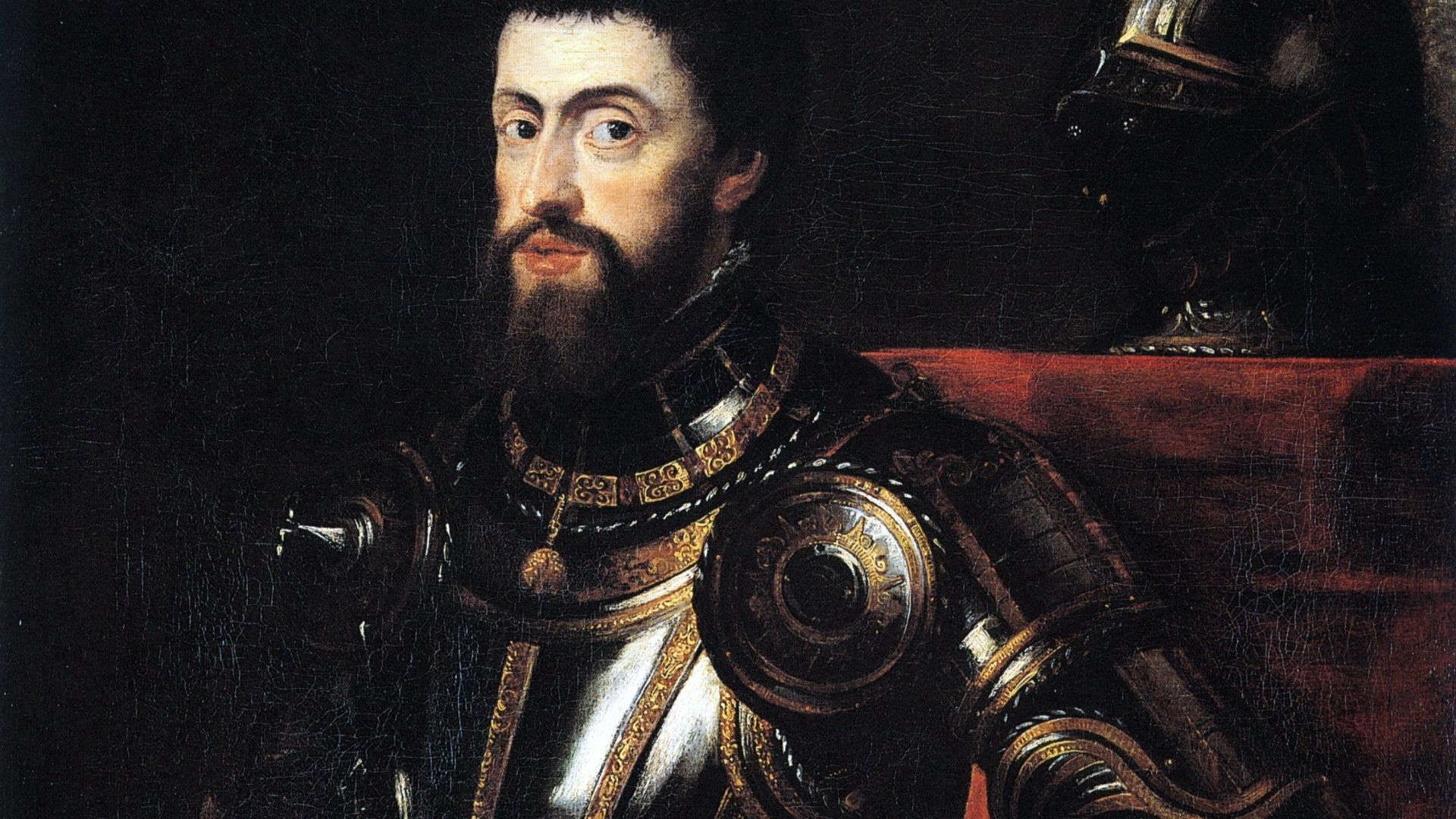
7. Charles V’s Mühlberg Armor
Created in Augsburg by Desiderius Helmschmid in 1544, the Mühlberg Armor became closely associated with Holy Roman Emperor Charles V’s image. He wore it during campaigns against the Schmalkaldic League, and Titian depicted him wearing it in the famous portrait of his 1547 victory at Mühlberg. Its gold decoration made the emperor look plenty commanding without turning his aesthetic into some sort of ceremonial costume.
 Peter Paul Rubens on Wikimedia
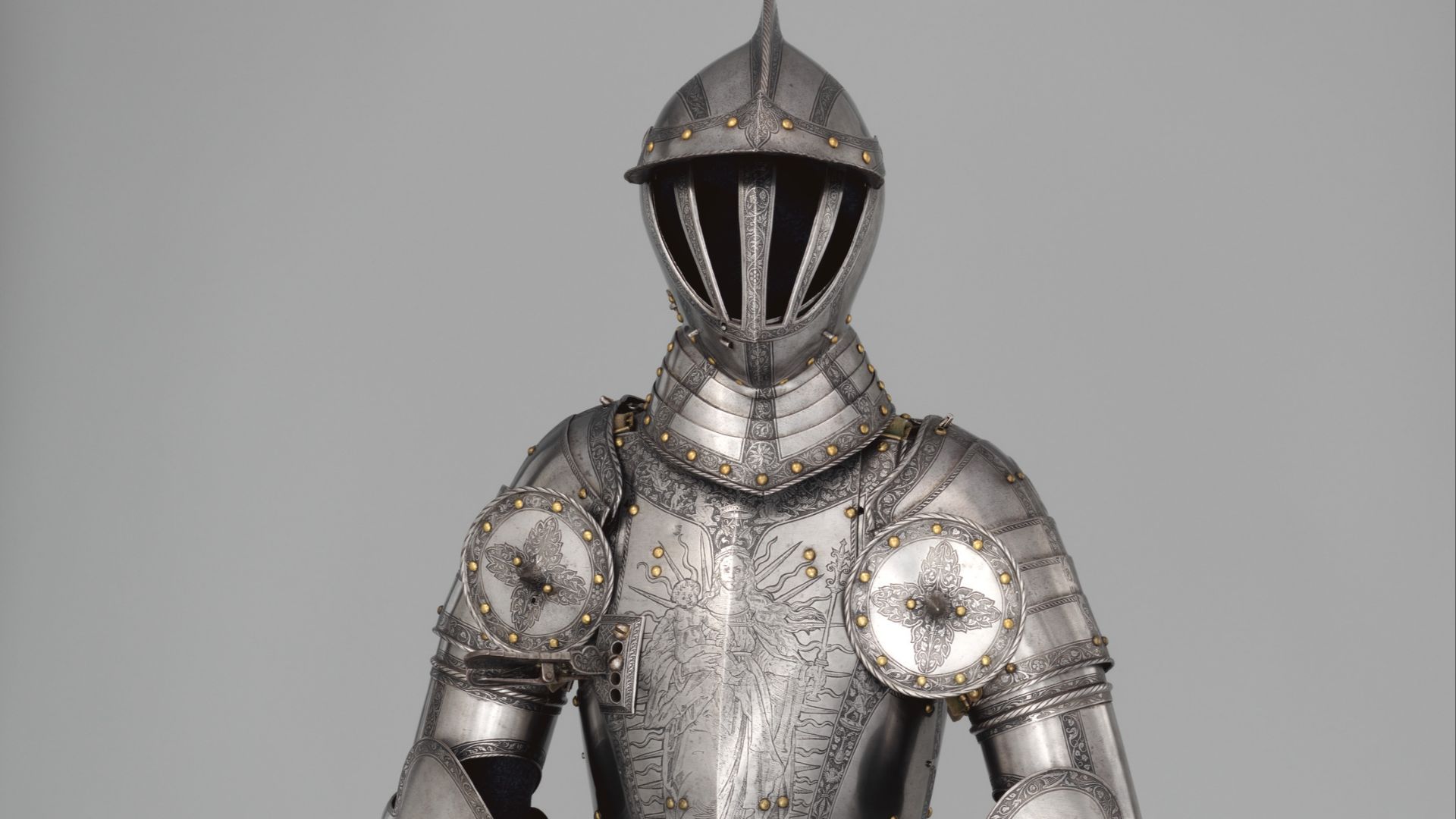
8. Ferdinand I’s Eagle Armor
Kunz Lochner of Nuremberg completed this armor for Ferdinand I in 1549, before Ferdinand became Holy Roman Emperor. Double-headed imperial eagles decorate the toe caps, and the breastplate carries an image of the Virgin and Child. The adventurous combination was twofold: it allowed Ferdinand to advertise both his position and his claimed divine legitimacy.
9. The Lion Armor
Made in Italy around 1550, the Lion Armor is believed to have been for Henry II of France. Lion heads pop out from the shoulders, knees, elbows, and helmet, while gold covers surfaces that were originally given more of a blue finish. It wasn’t practical equipment, but few surviving suits get royal confidence across so directly.
10. Henry II’s Embossed Armor
Another extraordinary suit connected to Henry II was created around 1555 and decorated with scenes from classical mythology. We’re talking Apollo, Daphne, Python, Roman soldiers, and kneeling female figures across its surfaces. It also had repeated crescent moons that reference one of Henry’s personal badges.
11. Maximilian II’s Hercules Armor
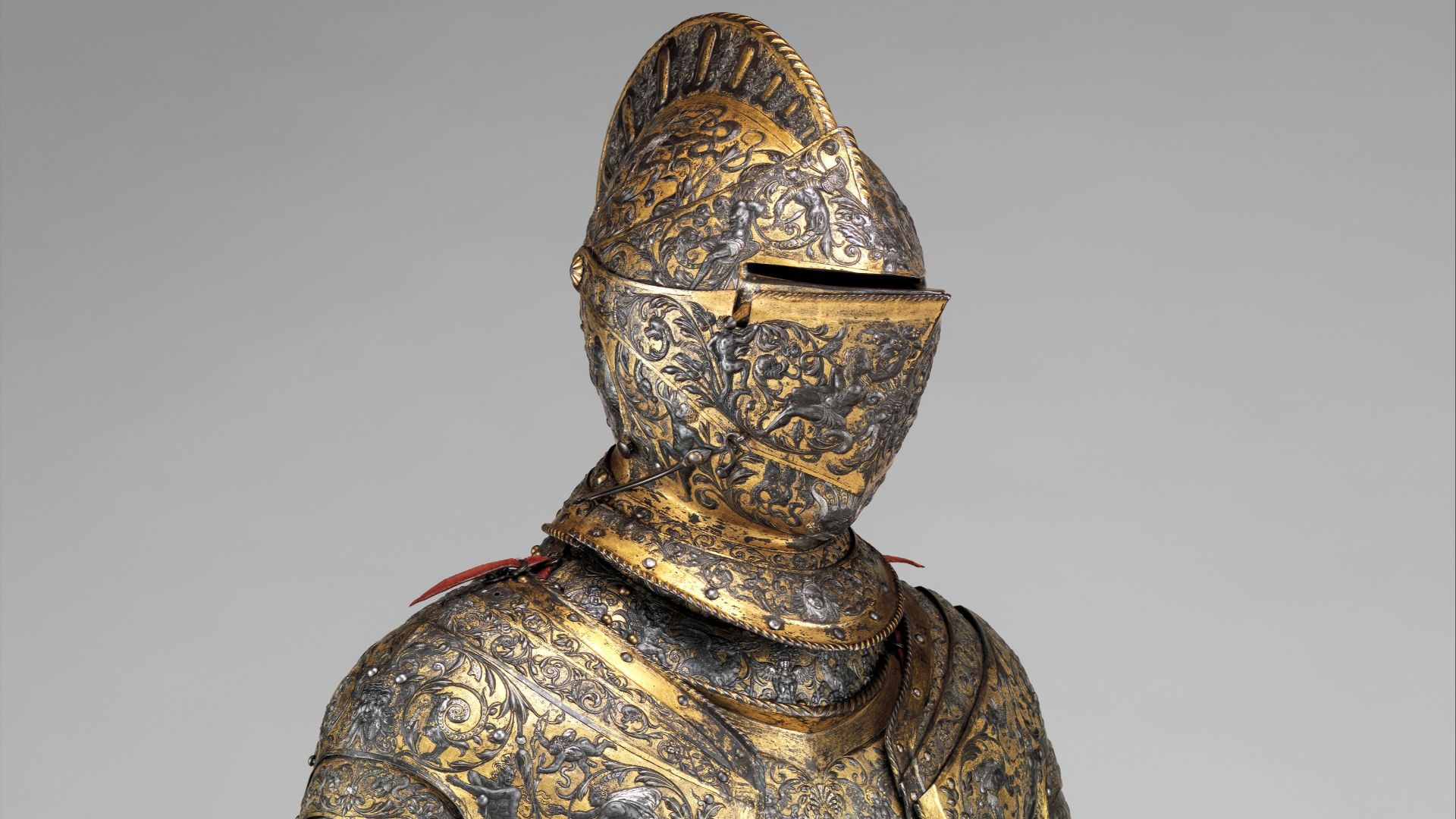
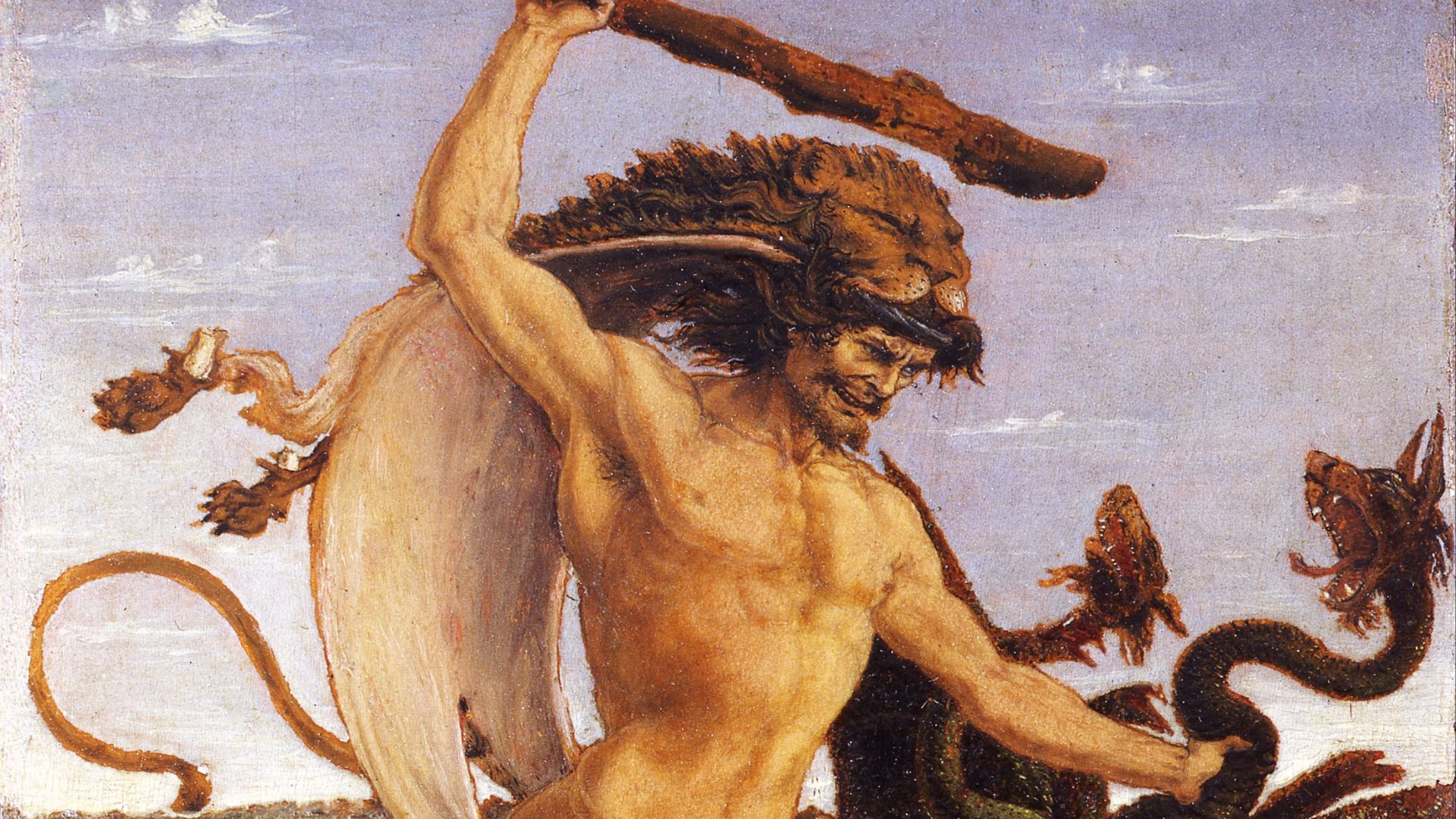
The so-called Hercules Armor was likely presented by Henry II of France to the young Archduke Maximilian, who later became Emperor Maximilian II. It might as well have been made for a god— steel surfaces show episodes from the Labors of Hercules, including the hero fighting Antaeus. Rather than a traditional family crest, the armor presented showed that its owner was an educated ruler associated with one of the greatest heroes.
 Antonio del Pollaiuolo on Wikimedia
12. George Clifford’s Greenwich Armor
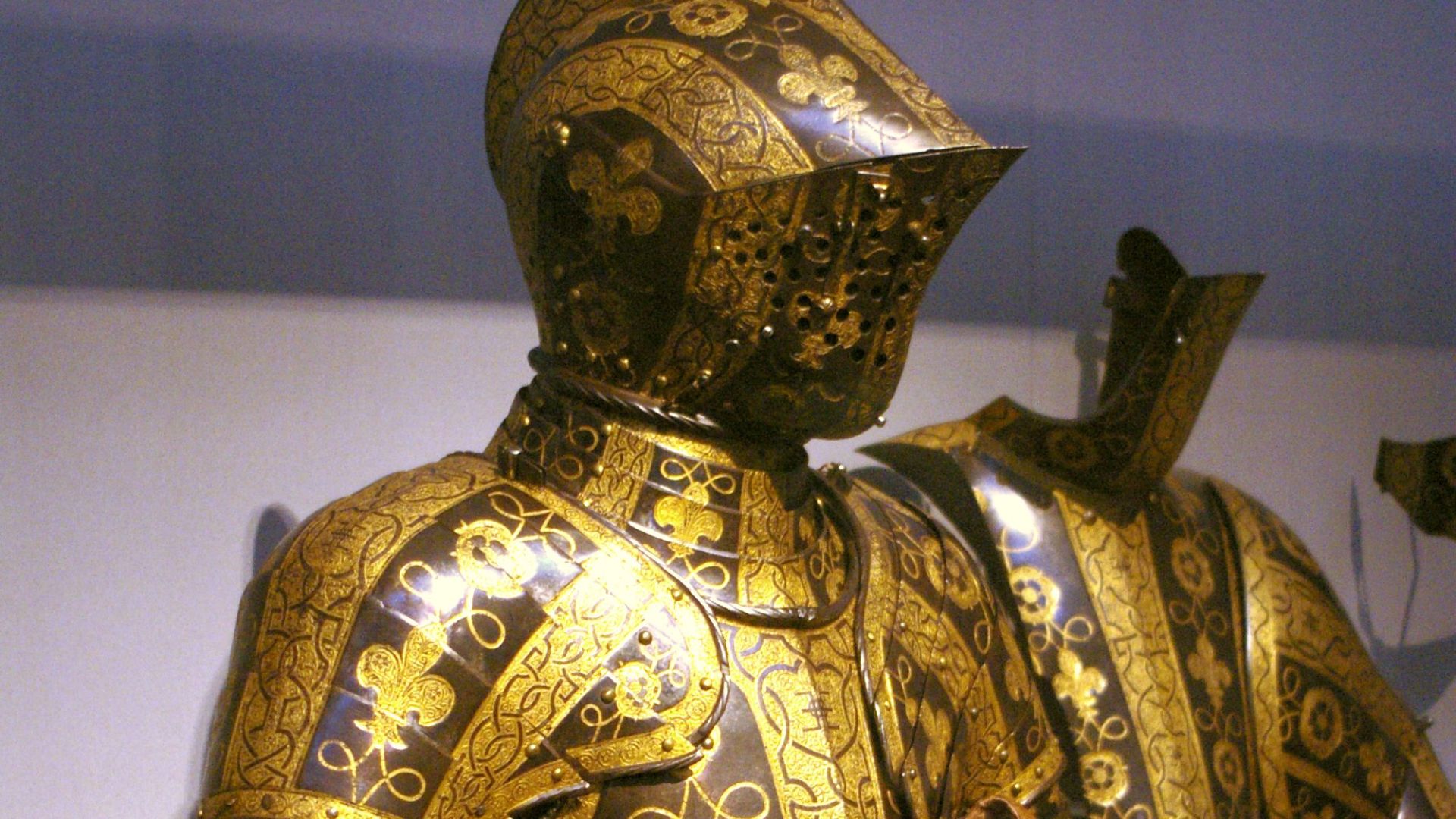
George Clifford, third Earl of Cumberland, received this phenomenal Greenwich piece in 1586, several years before becoming Queen Elizabeth I’s official champion. It comes complete with Tudor roses, gilded bands, and Elizabeth’s paired “E” cipher, leaving little doubt about where Clifford’s loyalty lies.
13. Prince Henry’s Alexander Armor
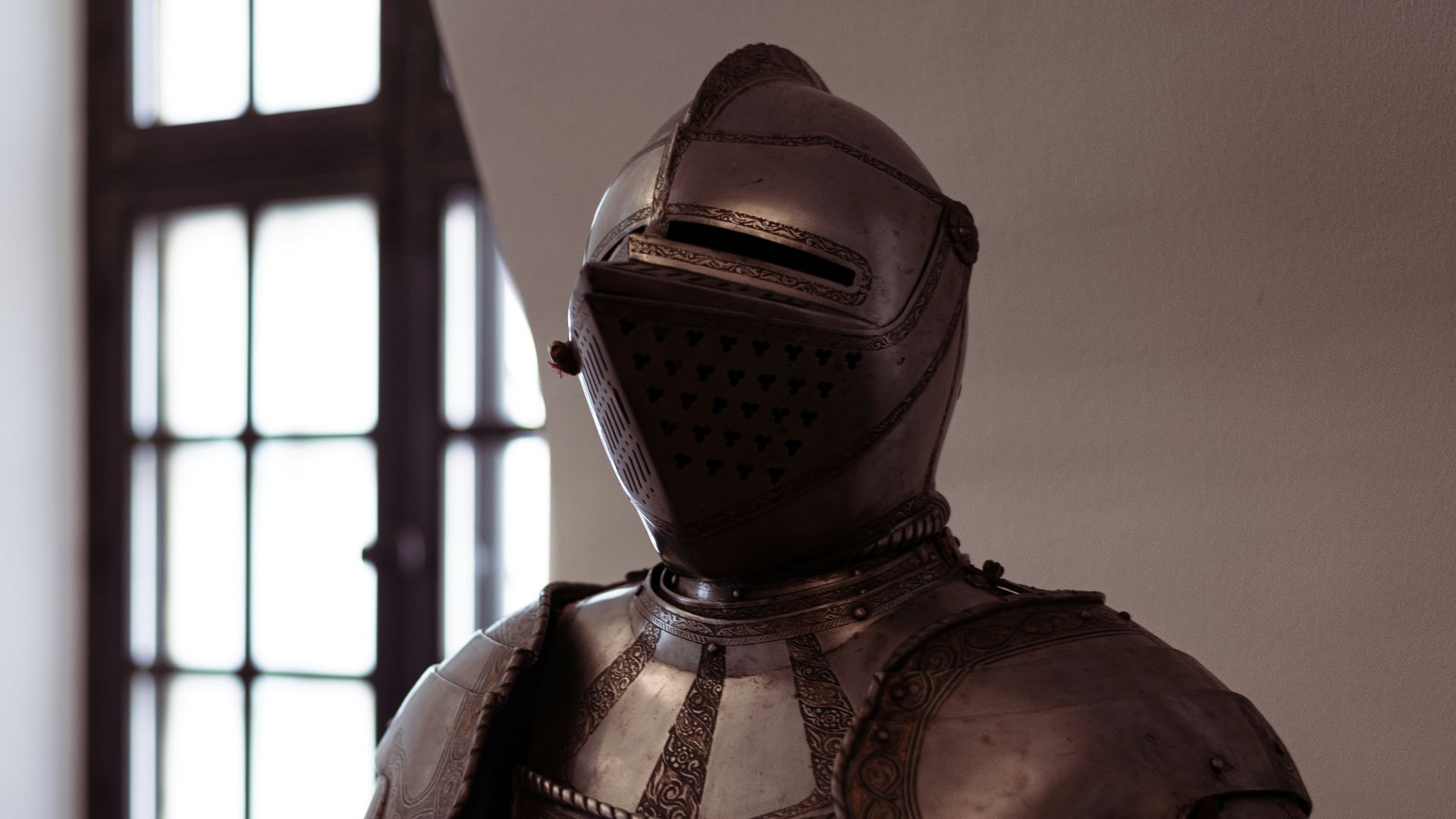
Around 1607, craftsmen in the Netherlands worked to produce this elaborately decorated armor for Henry Frederick, Prince of Wales. Though, as the eldest son of James I, he couldn’t have anything but the best, which is what he got when it was presented in 1608. It carries images connected to the military campaigns of Alexander the Great and was made for a prince still in his teens.
 Vitali Adutskevich on Unsplash
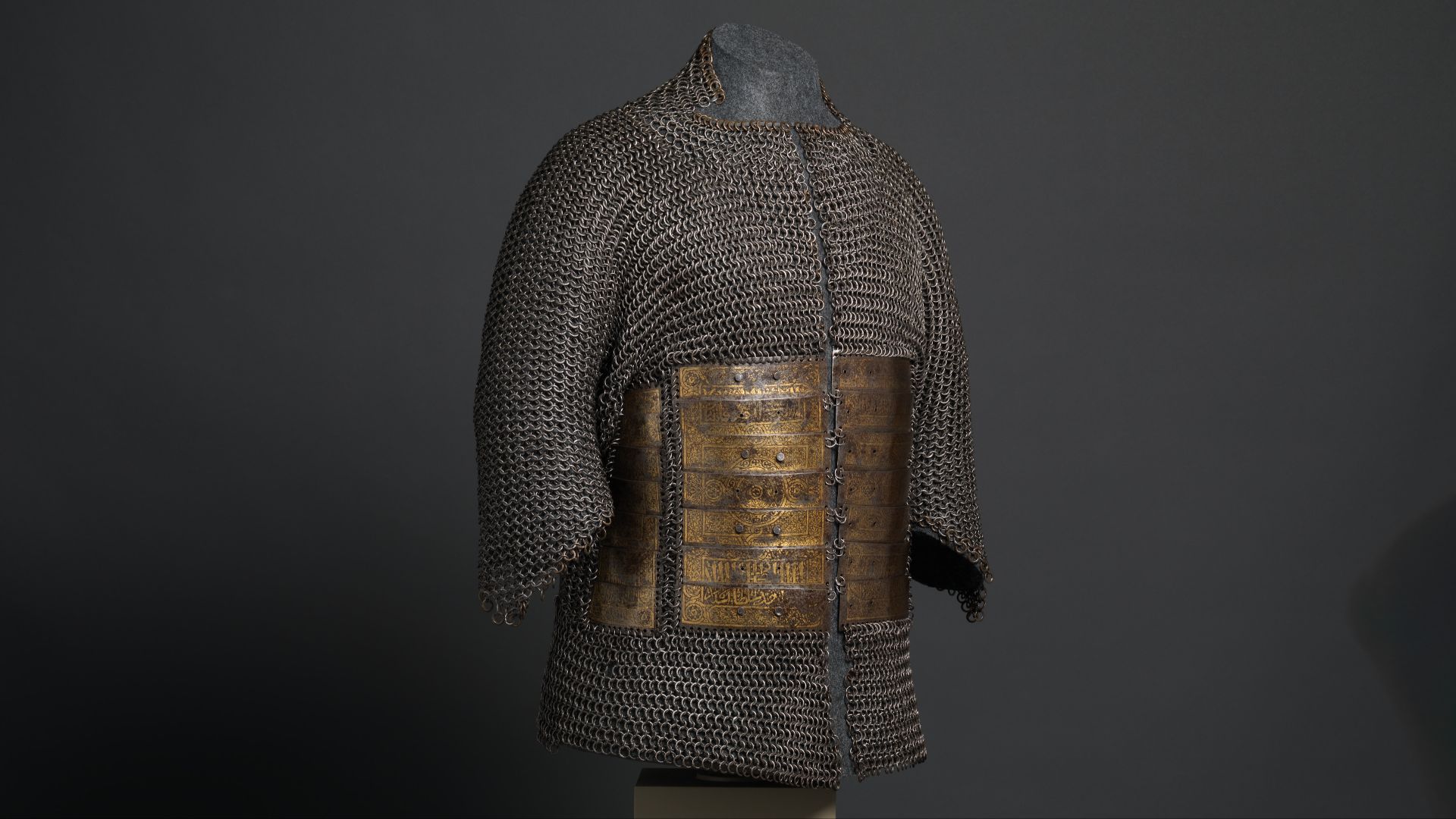
14. Sultan Qaitbay’s Mail-And-Plate Shirt
This late 15th-century armor was made for Sultan Qaitbay, the Mamluk ruler of Egypt and Syria. Steel plates protected the torso, which is impressive enough, but it also boasts flexible mail covering the gaps, and gold-damascened inscriptions identified its owner. It was taken to Istanbul after the Ottomans conquered Egypt in 1517.
15. Date Masamune’s Black Armor
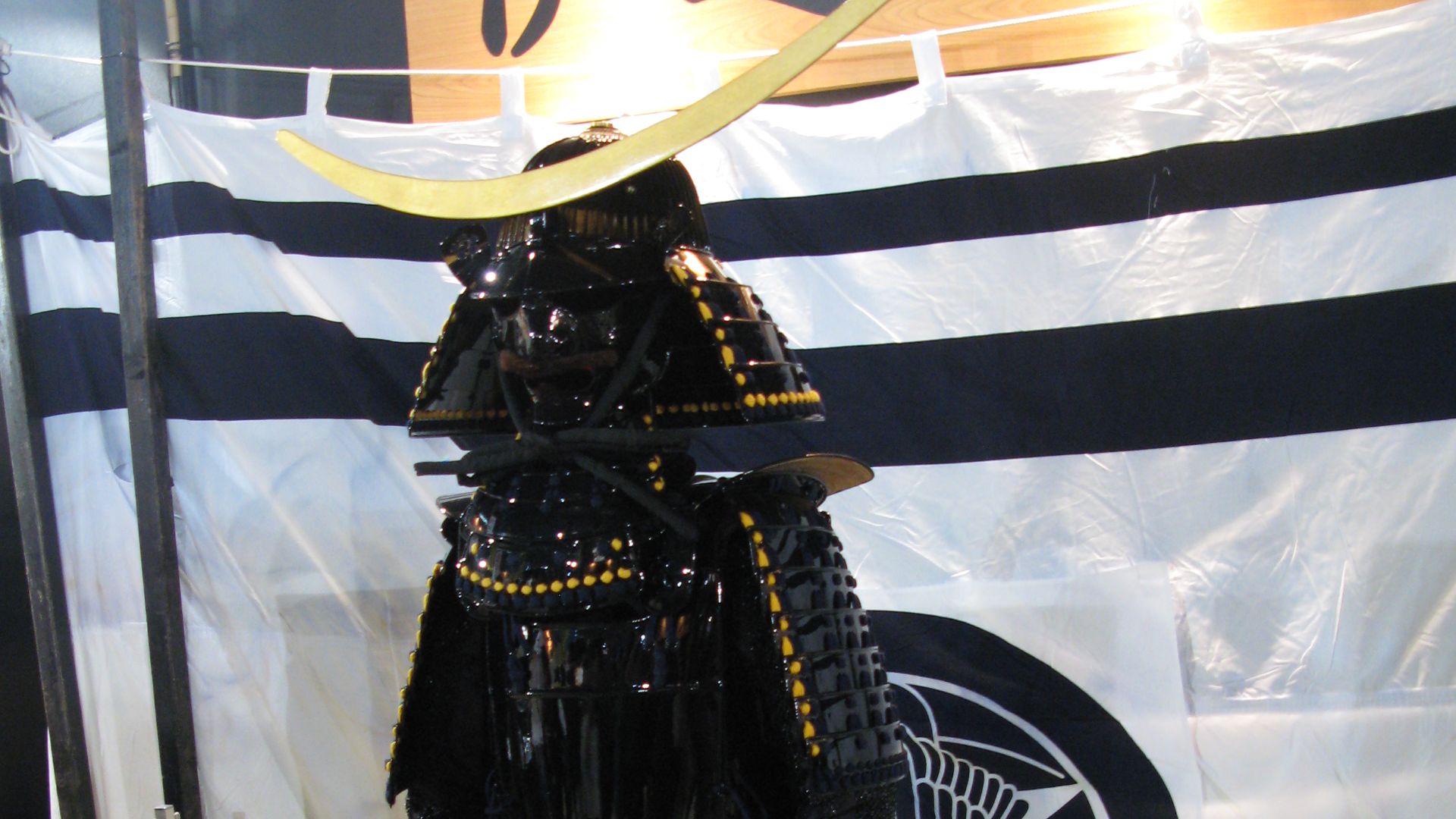
The black-lacquered armor worn by Japanese warlord Date Masamune dates way back to the late 16th-century. It consists of five hinged iron sections, and the helmet’s constructed from 62 plates that are topped with Masamune’s famous slender golden crescent. It clocks in around 44 pounds.
 Justin Lee from Taipei, Taiwan on Wikimedia
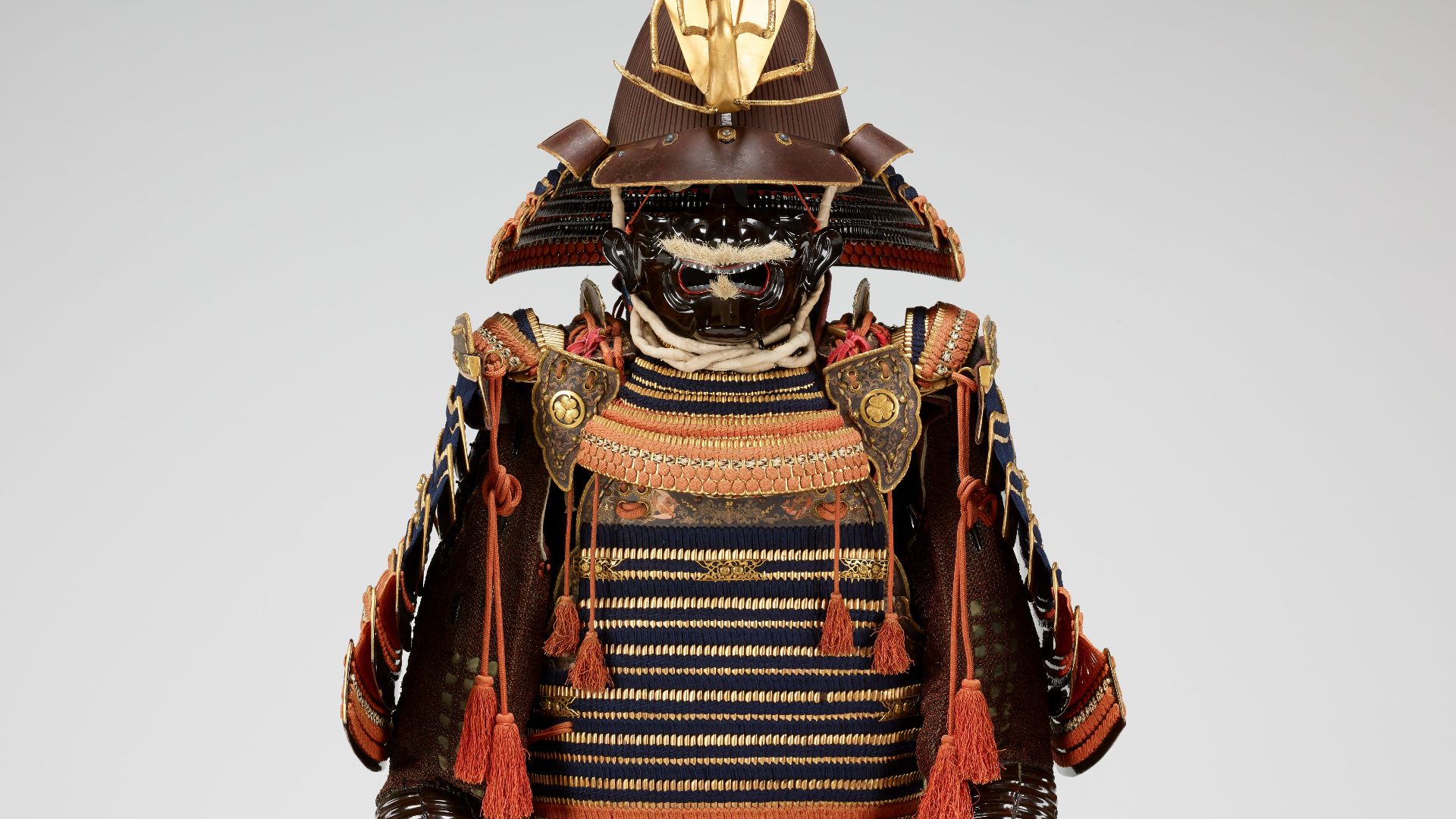
16. Japan’s Red Akazonae Armor
Japanese commanders sometimes equipped entire formations in red armor, and it was a pretty common practice known as akazonae. You can spot the intimidating 17th-century attire today at the Metropolitan Museum of Art: a bright red cuirass, helmet, face protection, sleeves, and bear-fur elements.
 Minneapolis Institute of Art on Wikimedia
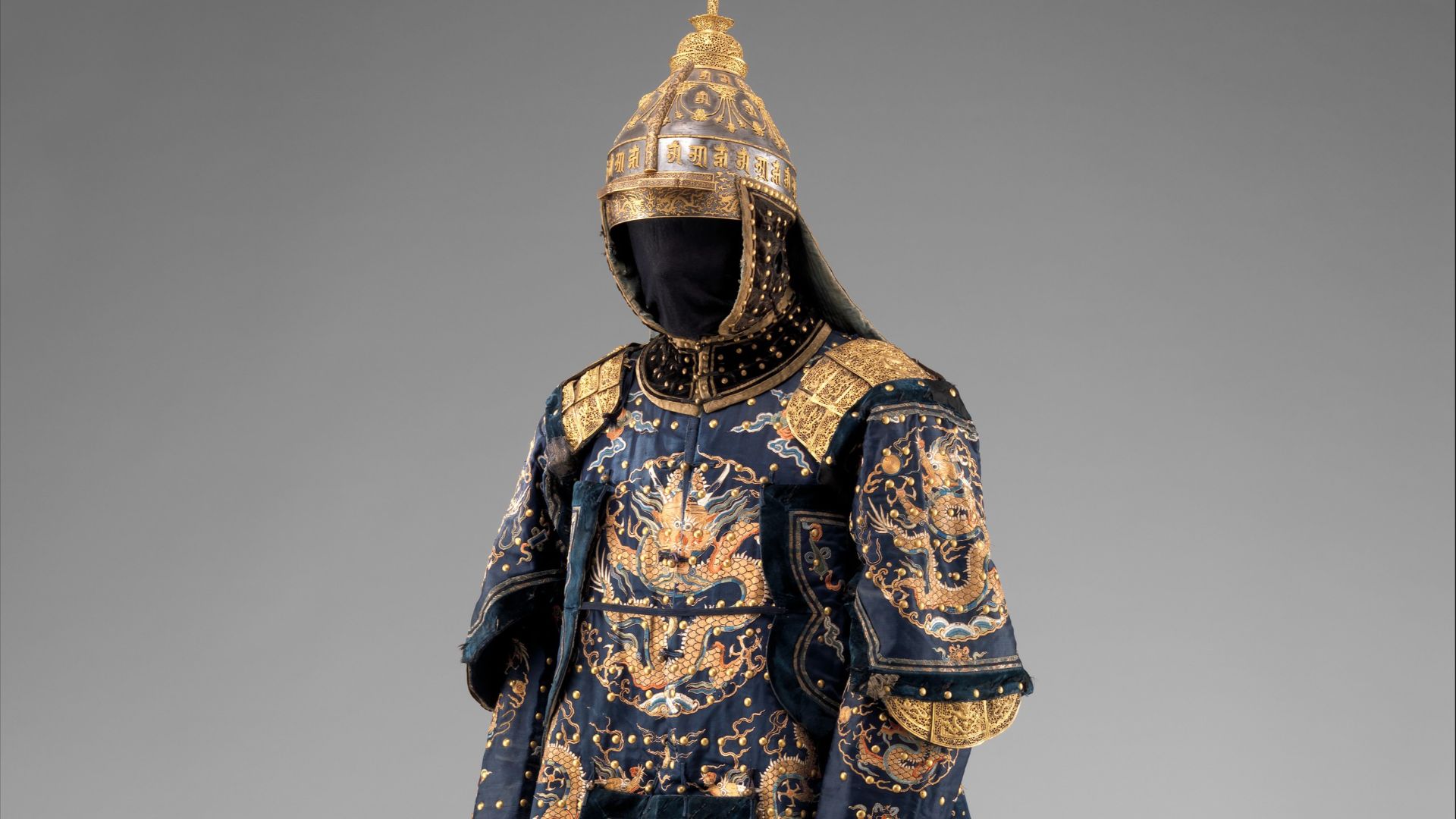
17. China’s Imperial Dingjia Armor
This elaborate 18th-century Chinese dingjia was made for a high-ranking official at the Qing imperial court—not your everyday battlefield service. The jacket and long skirt have overlapping plates beneath fabric, with rows of visible heads creating the armor’s distinctive studded look. A matching armored horse topped off the display, turning rider and mount into the perfect display of military rank.
18. The Tibetan Armored Cavalryman
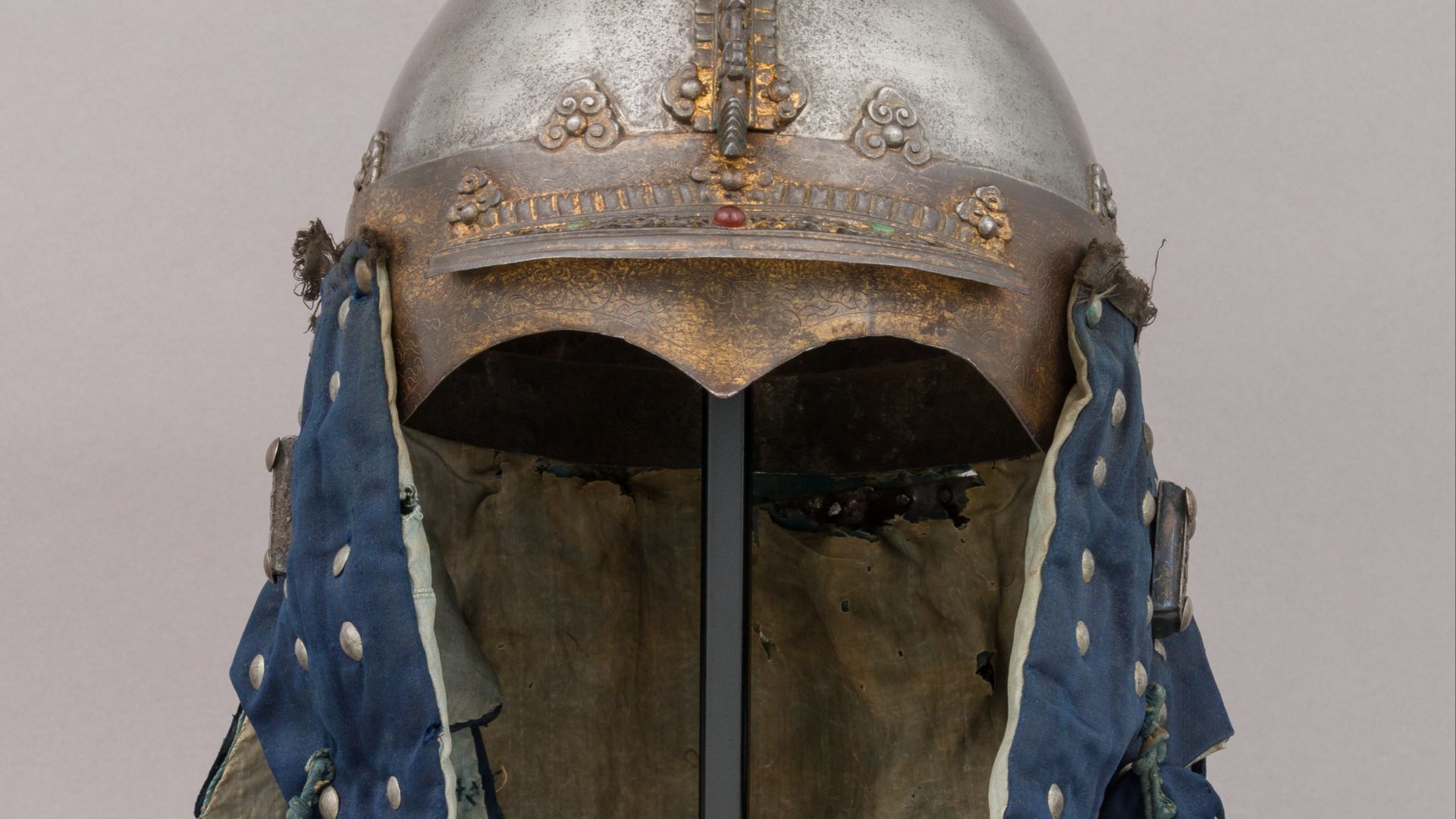
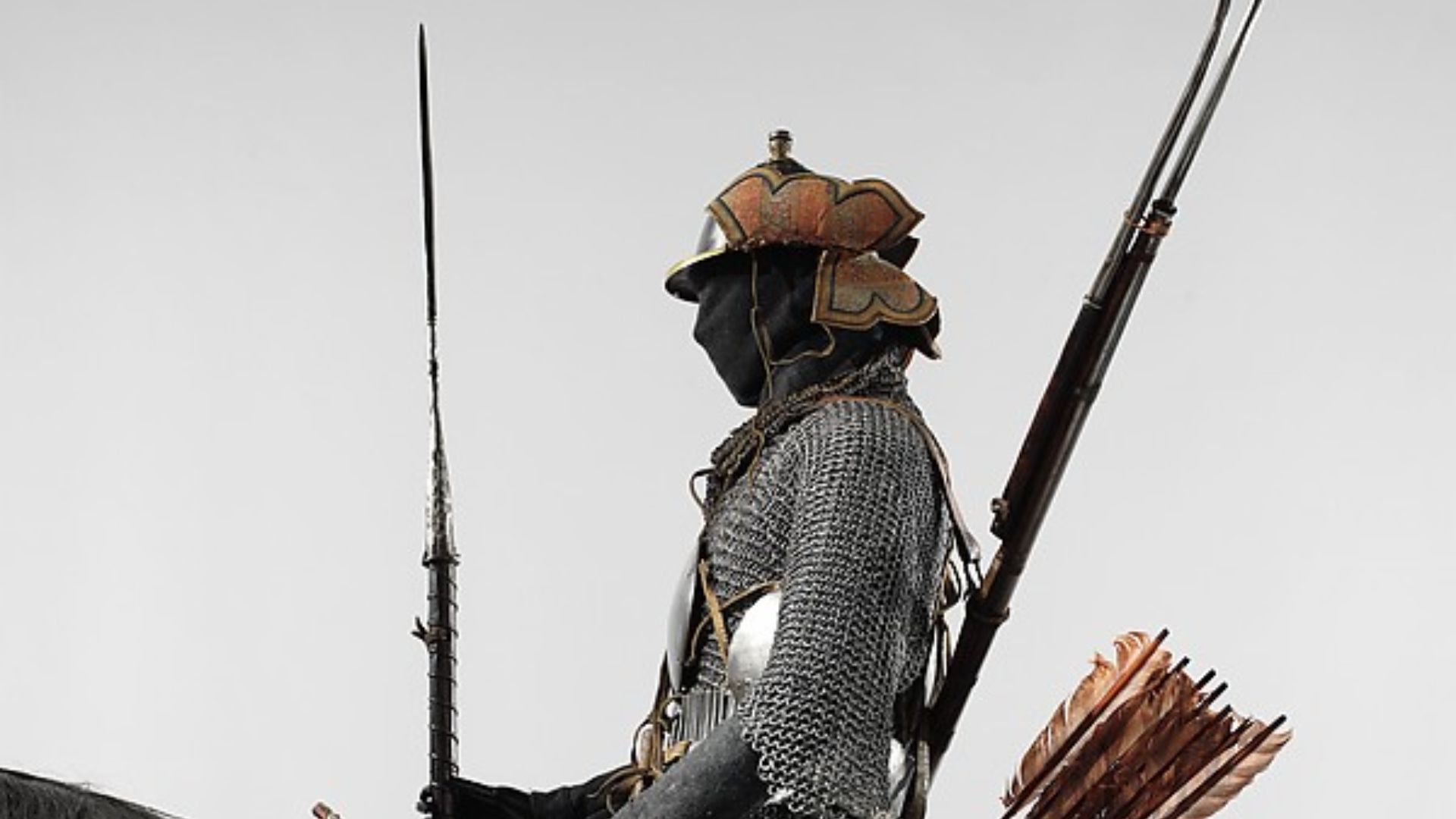
For anyone interested, you can feast your eyes on a reconstructed Tibetan ceremonial cavalry set at the Met, one that includes a mail shirt, helmet, four mirror plates, a musket, and a short spear. We know it sounds like a lot to haul to war, but photos taken in the 1930s helped historians determine how this combination was actually worn.
19. India’s Armored War Elephant
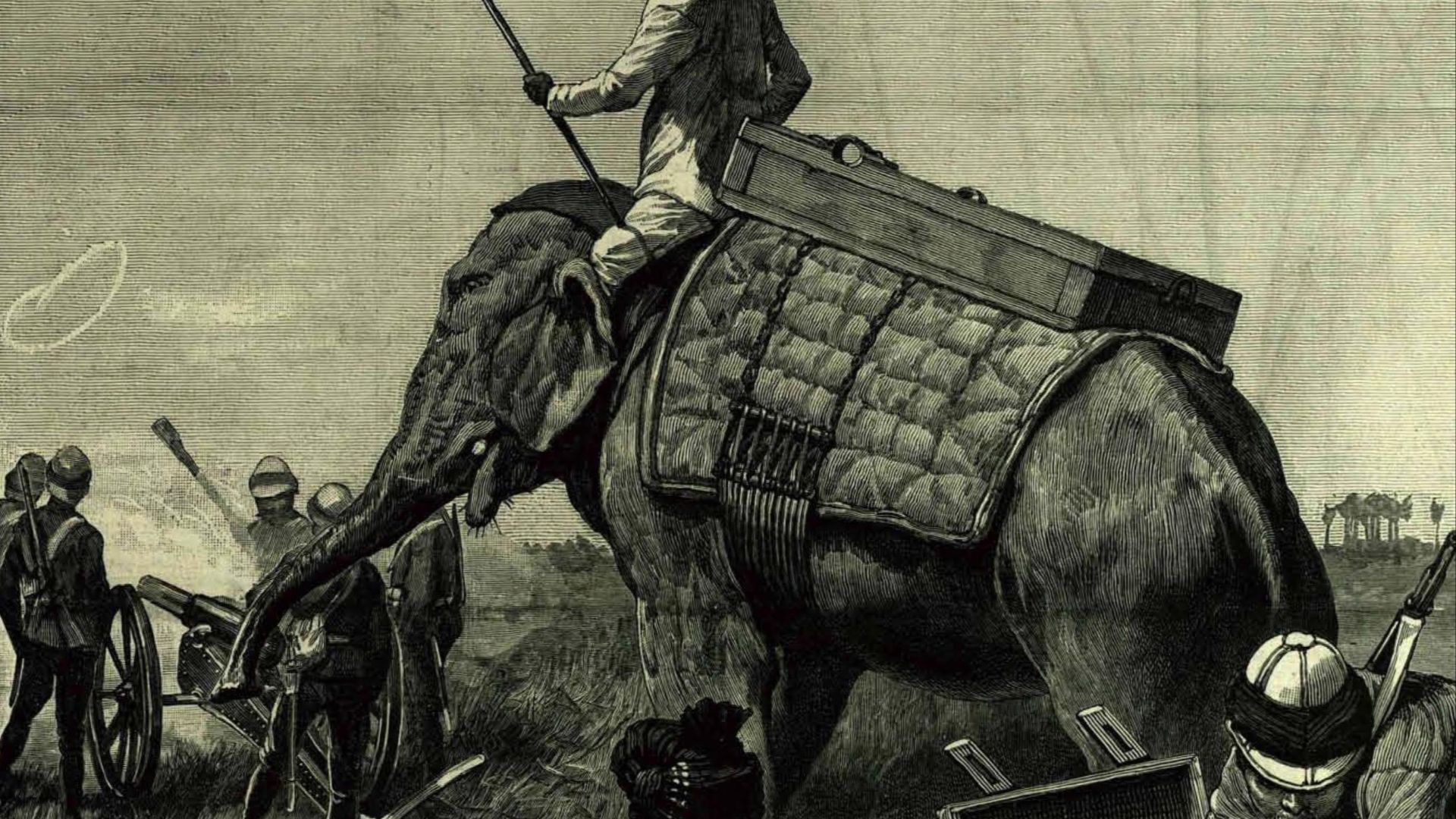
The Royal Armouries holds a nearly complete Indian suit of mail-and-plate armor made for a war elephant, generally dated to around 1600. You might not know it to look at it, but the armor has thousands of linked metal pieces to protect the animal’s head, trunk, sides, and back, all while allowing it to walk and carry people.
 Richard Caton Woodville Jr. on Wikimedia
20. Ned Kelly’s Homemade Armor
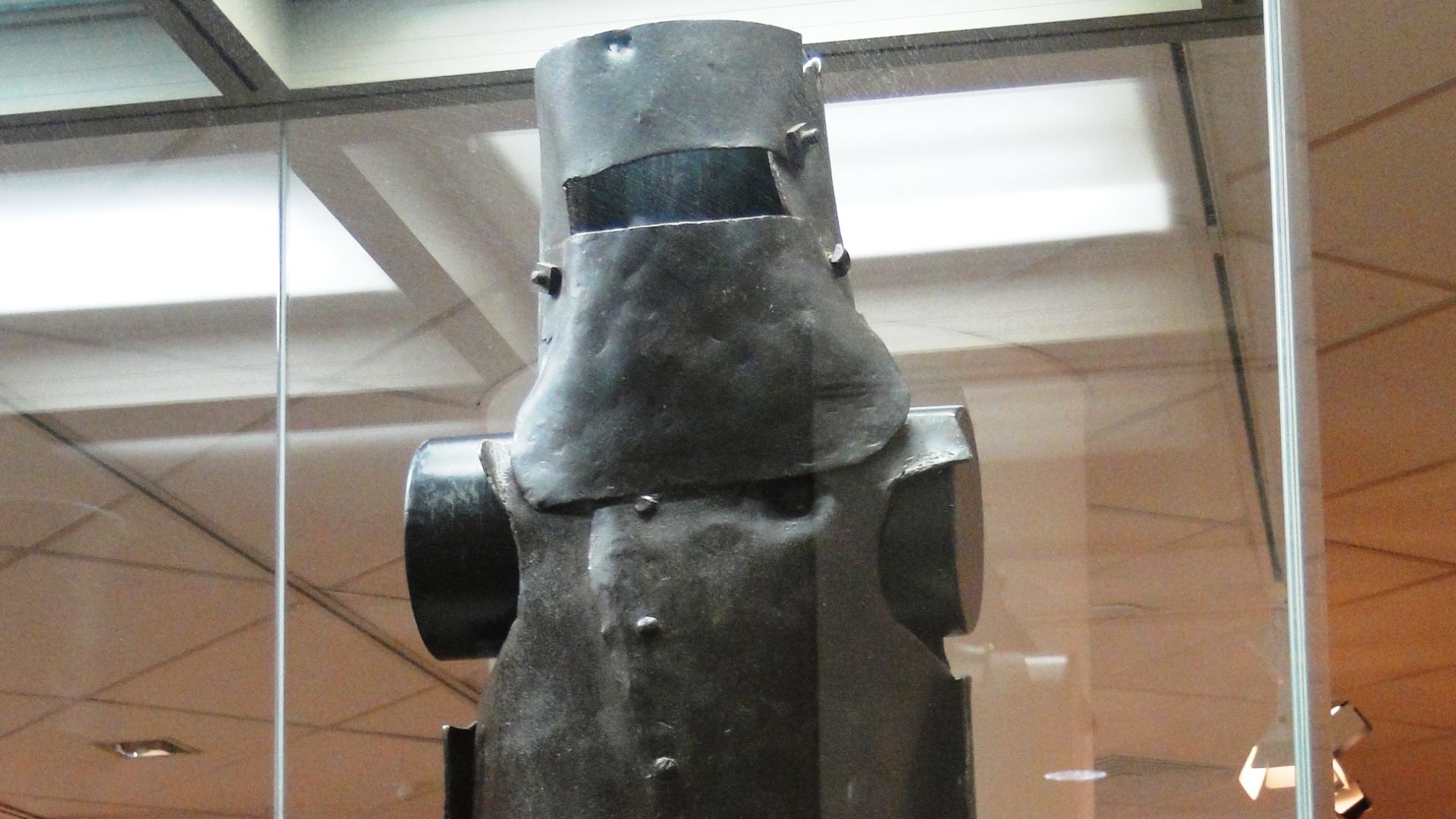
Australian outlaw Ned Kelly wore his rough iron armor during the siege of Glenrowan in 1880. Now, unlike elite suits made in workshops, the Kelly Gang’s armor was built from nothing more than heavy metal consisting of helmets, breastplates, back plates, shoulder defenses, and aprons. It protected Kelly from a few bullets, but his exposed arms and legs allowed police to shoot and capture him.
KEEP ON READING