


The Call
I was folding Mark's laundry when my phone rang. I remember that detail so clearly—his favorite grey t-shirt was still warm from the dryer, and I was thinking about how he'd complained that morning about forgetting to pack his lunch. The number on the screen was unfamiliar, local area code. 'Mrs. Chen? This is Memorial Hospital. I'm calling about your husband, Mark Chen.' The woman's voice had that practiced gentleness that healthcare workers develop, and I felt something cold settle in my chest before she even finished. 'There's been an accident at his workplace. I'm very sorry, but your husband didn't survive. He was brought in approximately forty minutes ago.' I stood there holding his shirt, still warm, while she explained that he'd fallen from an elevated platform at the construction site. Mark had mentioned the platform before, something about concerns with the safety specs, but it had just been dinner conversation—complaints about his project manager, nothing that seemed urgent. The doctor's words blurred together after that, procedural and distant, but one phrase stuck: 'instantaneous—he wouldn't have felt a thing.'
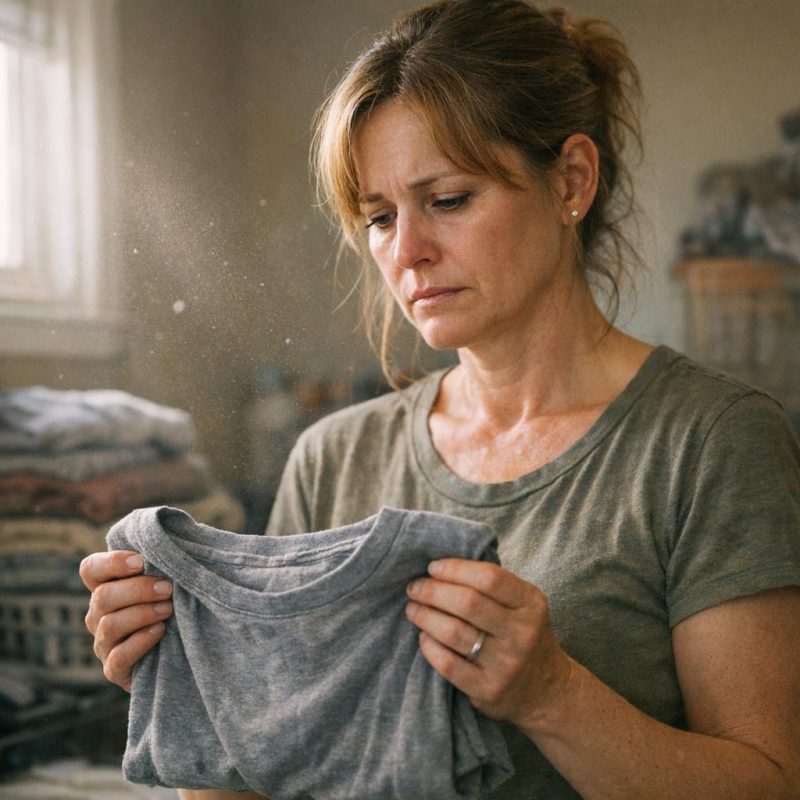 Image by RM AI
The Hospital Corridor
The hospital corridors smelled like industrial cleaner and something else I couldn't name—maybe grief, maybe fear. I'd driven there on autopilot, don't even remember the route. They led me to a small room with blue walls and a box of tissues on every surface. 'Would you like to see him?' the nurse asked, and I nodded because what else do you do? They'd cleaned him up, someone told me that twice, as if it mattered. Mark looked like he was sleeping, except he didn't. His face was too still, too pale, missing that small furrow between his eyebrows that appeared whenever he was thinking. I touched his hand and it was cool, not cold yet but getting there, and that's when it became real. Not the phone call, not the drive, but that temperature difference. I'd held his hand thousands of times and it had always been warm. I don't know how long I stood there. Time felt broken, moving in strange jumps and pauses. As I turned to leave, a nurse touched my arm: 'I'm sorry—someone from his company is waiting to speak with you.'
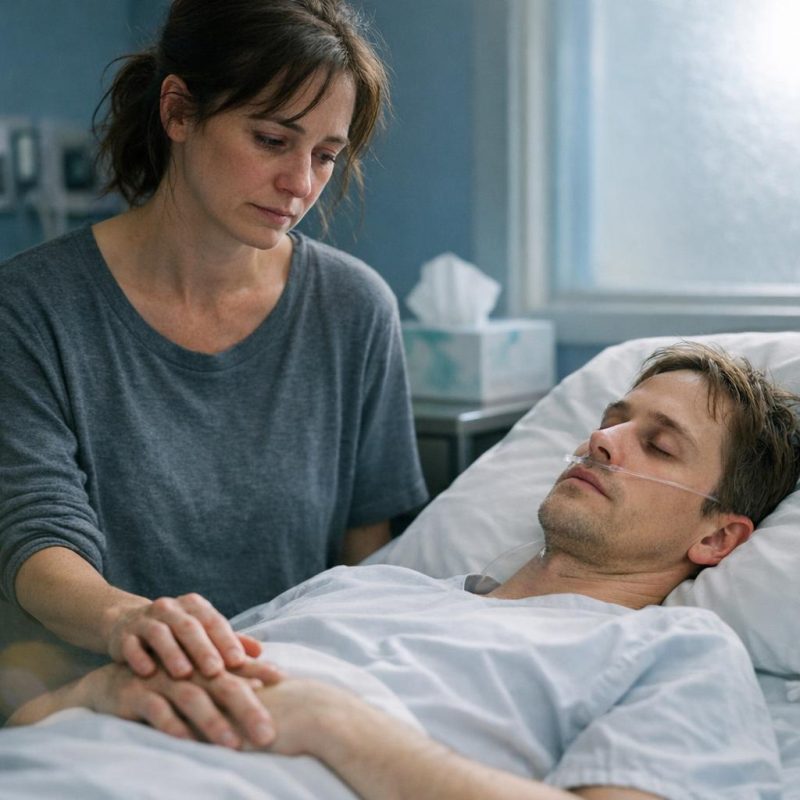 Image by RM AI
First Questions
Detective Carter was younger than I expected, maybe early fifties, with tired eyes and a notebook he kept flipping through without really looking at. He introduced himself in the hospital's family waiting room and started explaining what they knew so far. 'Your husband was working on the elevated platform when he fell approximately thirty feet onto concrete. No witnesses to the actual fall—his coworkers had stepped away for a break. The platform's safety railing appears to have given way.' He walked me through it like he was describing someone else's tragedy, clinical and procedural. I asked if they were investigating, if something had malfunctioned, and he gave me this patient look that made me feel like a child asking obvious questions. 'These things happen in construction, Mrs. Chen. Equipment fails, people get tired and make mistakes. We'll complete a full report, but right now everything points to a terrible accident.' I wanted to ask more—Mark had been careful, almost obsessive about safety protocols—but my brain felt wrapped in cotton. Detective Carter closed his notebook and stood up, already moving toward his next task. He assured me it was a straightforward accident, but something about the way he avoided eye contact made my stomach tighten.
 Image by RM AI
The Casseroles
The casseroles started arriving the next day. Mark's coworkers, neighbors we'd waved to but never really talked to, people from my office—they all showed up with covered dishes and strained expressions. They filled my kitchen with lasagna and sympathy cards that said things like 'gone too soon' and 'in a better place.' Sarah came by three times that first week, just sitting with me while I stared at nothing. Mark's aunt kept saying 'at least it was quick,' and then catching herself, apologizing for finding a silver lining in death. Someone from Mark's company sent an enormous flower arrangement with a card signed by people whose names I didn't recognize. Everyone had the same script: what a tragedy, so sudden, at least he didn't suffer. I started noticing how many times people said 'lucky'—lucky it was instant, lucky he didn't linger, lucky I had good memories. The word started to feel obscene. What was lucky about my thirty-four-year-old husband falling to his death? But I just nodded and thanked them for coming, for the food I wouldn't eat, for the comfort that wasn't comforting. Everyone kept saying how lucky I was that he hadn't suffered—but I couldn't shake the feeling that luck had nothing to do with it.
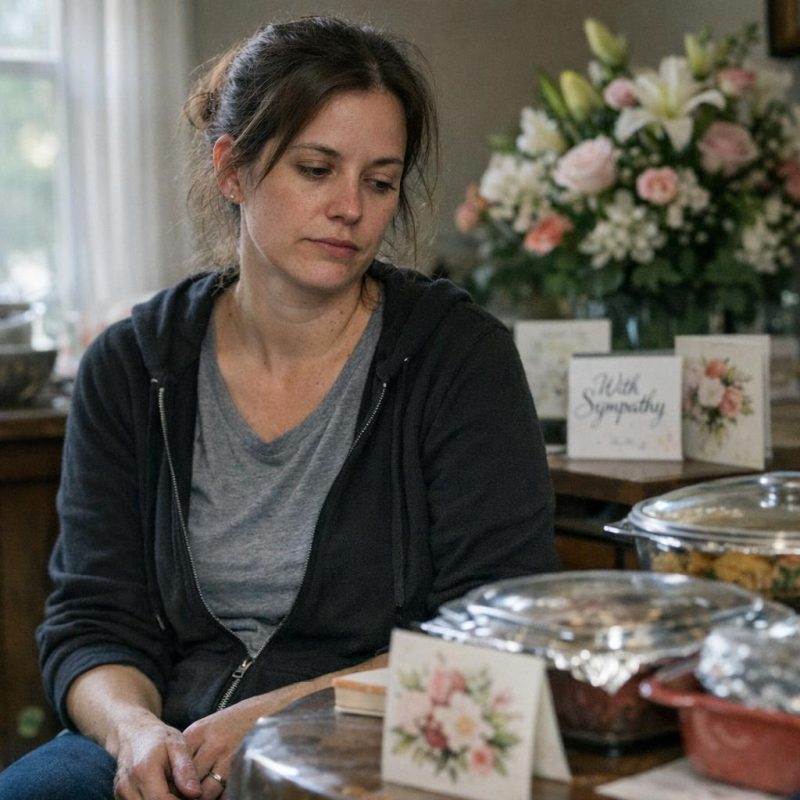 Image by RM AI
The Funeral
The funeral was gray—gray sky, gray suits, gray faces. Two hundred people showed up, which surprised me. I didn't realize Mark knew that many people. His boss Richard Davies approached me after the service, impeccable in a dark suit that probably cost more than my car payment. He offered his condolences with rehearsed precision and assured me the company would 'take care of everything.' 'Mark was valued,' he said, gripping my hand with both of his. 'This tragedy has affected all of us deeply.' I thanked him because that's what you do at funerals. Then something made me mention what Mark had told me a few weeks ago, about his concerns with the platform specifications, how he'd thought something wasn't quite right with the load calculations. Richard's expression didn't change exactly, but something shifted behind his eyes. His hand dropped from mine and he adjusted his tie. 'I'm not sure what you're referring to,' he said carefully. 'Our equipment exceeds all safety standards. Perhaps the stress of the project...' He trailed off meaningfully. When I mentioned Mark's concerns about the platform, Richard's smile thinned: 'Mark must have misunderstood the specs.'
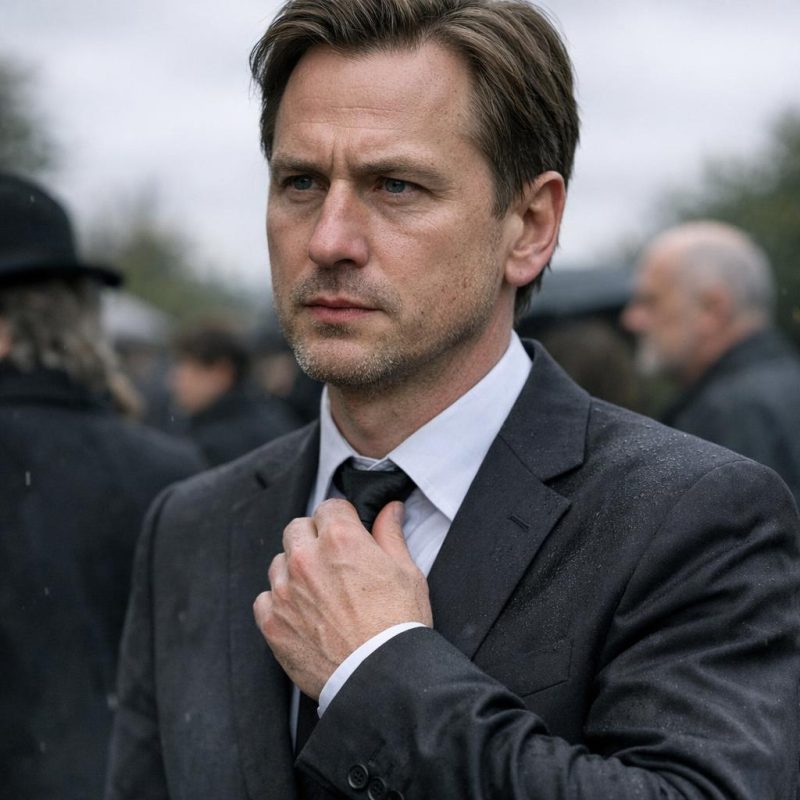 Image by RM AI
Sarah's Visit
Sarah came over four days after the funeral with Thai food neither of us ate. She'd been my best friend since college, knew me well enough to sit in silence without making it awkward. But this time felt different. I kept circling back to things that didn't add up—Mark's concerns about the platform, Richard's dismissive reaction, Detective Carter's rush to close the case. Sarah listened for a while, then put down her untouched pad thai and looked at me with this expression I'd never seen before. Part worry, part something else. 'Emma, honey, I think you're trying to make sense of something that doesn't make sense. Sometimes terrible things just happen. There's no reason, no one to blame.' I started to argue but she cut me off. 'I'm worried about you. You're not sleeping, you're not eating. You're looking for patterns that might not exist because accepting that it was just random, just bad luck—that's harder than finding someone to blame.' Maybe she was right. Maybe I was looking for meaning in chaos. But something in my gut kept insisting there was more to it. Sarah hugged me tight and whispered, 'You need to let yourself grieve—not go looking for answers that might not exist.'
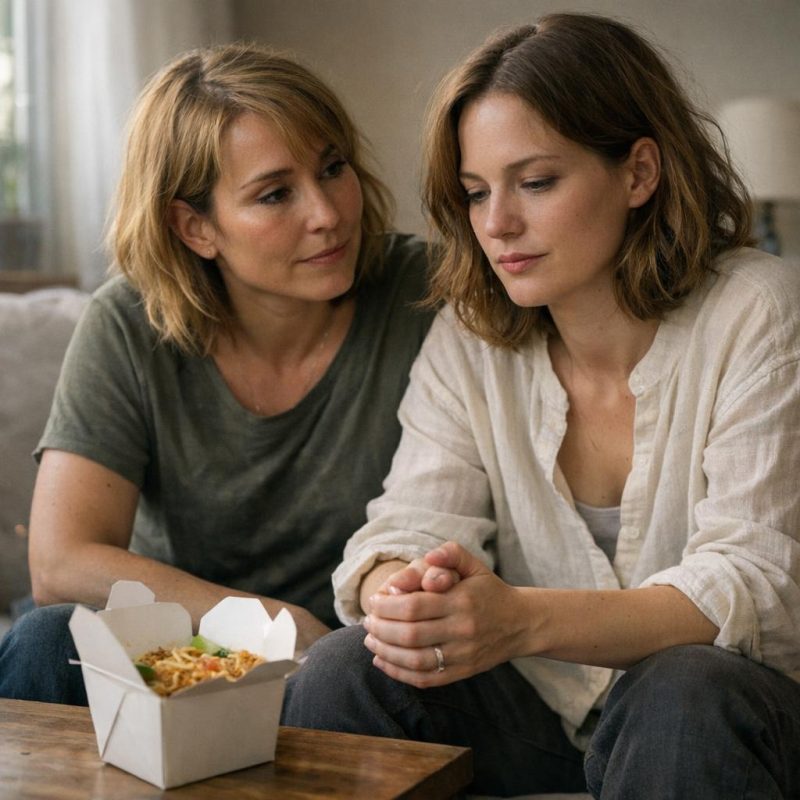 Image by RM AI
Mother Knows Best
My mother arrived the following week, letting herself in with the spare key I'd given her years ago. She immediately started tidying, a nervous habit she'd had my whole life. I was sitting at the kitchen table with Mark's work calendar, trying to piece together his last few weeks. 'What are you doing?' she asked, and I explained about the inconsistencies, the dismissed concerns, how quickly everyone wanted to call it an accident and move on. She sat down across from me with that look—the one that meant she was about to tell me something for my own good. 'Sweetheart, I know you're hurting. I know you want someone to blame, some reason this happened. But sometimes we need to accept that life is random and cruel.' I felt tears building behind my eyes, frustration mixing with grief. 'What if it wasn't random?' I asked. 'What if Mark was right to be worried?' She reached across and took the calendar from my hands, closing it firmly. 'Then what? Even if something was wrong, will knowing change anything? Will it bring him back?' Her logic was sound, suffocating. My mother squeezed my hand: 'Sometimes accidents are just accidents, sweetheart. Don't make yourself sicker trying to find blame.'
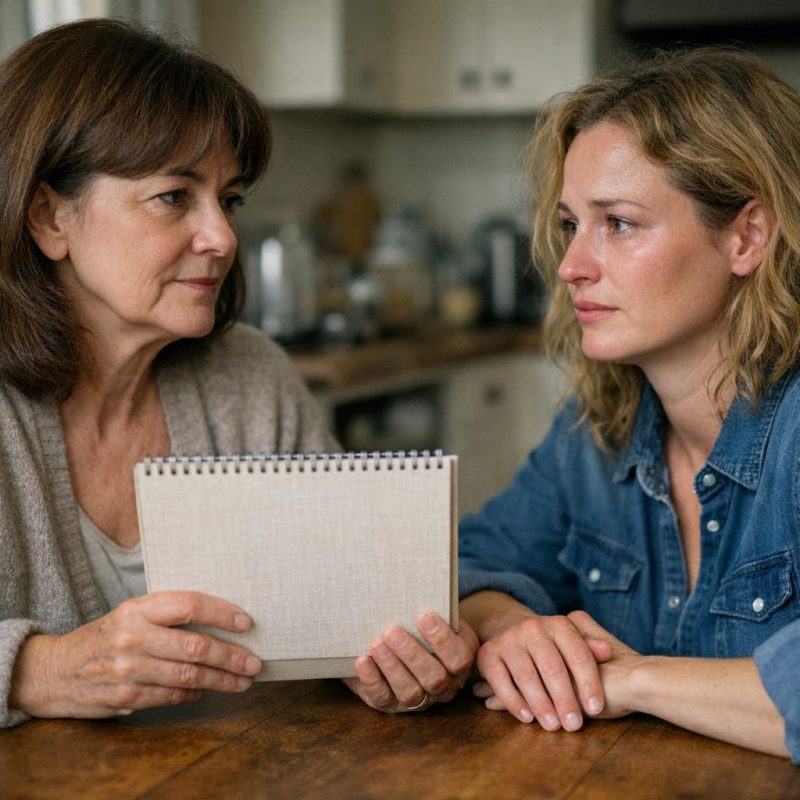 Image by RM AI
The Phone
I waited until everyone left before I touched Mark's phone. It had been in the plastic bag with his other belongings—wallet, keys, wedding ring they'd removed at the hospital. I'd been avoiding it, afraid of what I'd find or maybe what I wouldn't find. His passcode was our anniversary, same as always. The screen lit up and I was staring at my husband's last day frozen in pixels. Text messages about dinner plans we'd never have. Photos of the job site. His email app showed forty-seven unread messages, mostly routine work stuff. But I scrolled back to the sent folder, looking at what he'd written in those final hours. Tuesday afternoon, routine updates to his team. Tuesday evening, a message to the safety inspector requesting a re-evaluation. And then, sent at 11:47 PM the night before he died, I found it. An email to Richard Davies, CC'd to the project safety manager and someone in legal. The subject line was 'URGENT: Platform Load Capacity Concerns.' I opened it with shaking hands. His last email, sent the night before he died, was flagged urgent: 'If this isn't addressed immediately, someone is going to get seriously hurt or killed.'
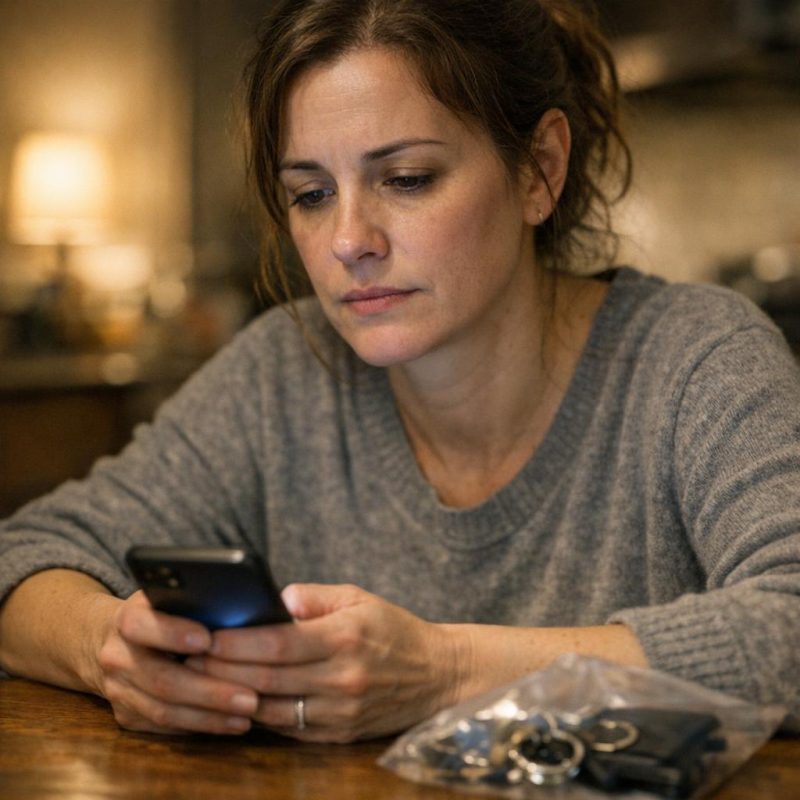 Image by RM AI
The Attachments
I went through the attachments one by one, zooming in on each photo Mark had taken. My hands were trembling so badly I had to set the phone down on the kitchen table and lean over it instead. There were twelve images total, all taken in the late afternoon light that made the metal look almost golden. But it wasn't gold I was seeing. The first few showed close-ups of bolts—some were rusted, threads stripped, looking like they'd been salvaged from somewhere else. Then came photos of welds that looked incomplete to my untrained eye, gaps visible where metal should have fused together seamlessly. Mark had circled areas in red using some photo-editing app, marking the problems he wanted them to see. The last three images were the ones that made my stomach drop. They showed inspection logs posted on-site, official documents with stamps and signatures certifying that work met safety standards. The dates on those stamps were from September and early October. But I could see unfinished framework in the background of the photos, raw steel that hadn't been installed yet. The photos showed bolts that looked corroded, welds that seemed incomplete—and inspection stamps dated weeks before the work was finished.
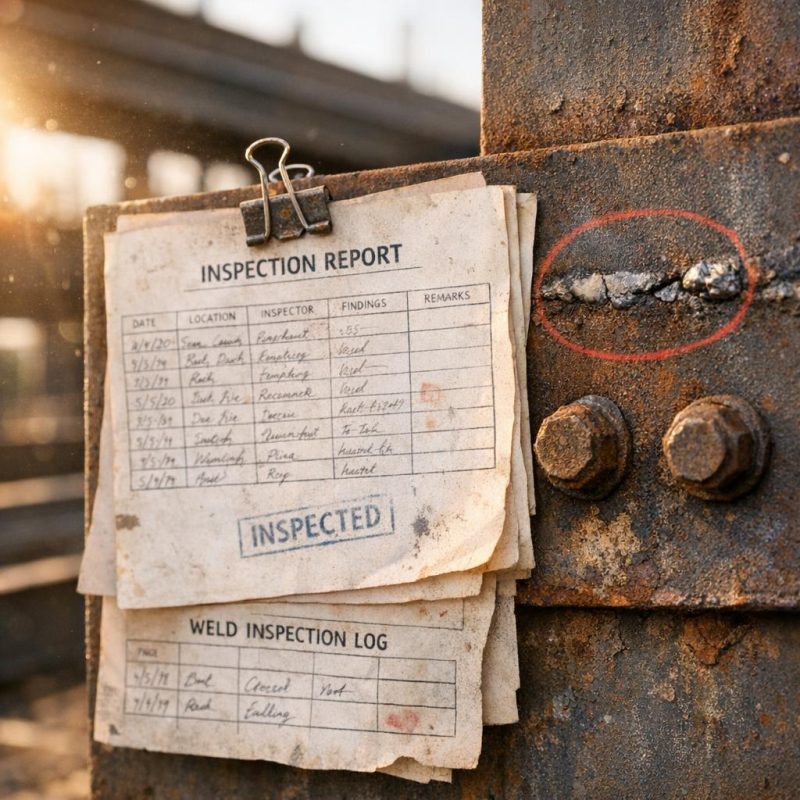 Image by RM AI
HR Visit
The HR department was on the third floor of Davies Construction's main office, all glass walls and neutral-toned furniture that probably cost more than my car. I'd called ahead, asked to speak with someone about Mark's concerns, and they'd fit me in at two o'clock. The woman who met me was professional and perfectly pleasant, mid-forties with a sympathetic smile that felt practiced. I showed her Mark's phone, walked her through the email and the photos. She nodded along, made notes on a legal pad, said things like 'I understand' and 'this must be so difficult for you.' I thought maybe I was finally getting somewhere, that someone with authority was actually listening. But then she closed her notepad and stood up, smoothing her skirt. She said they'd review everything, that Mark's safety concerns were important to them, that she'd add this information to the file. The file. Like it was just paperwork to be sorted and stored away. The HR manager thanked me, promised to 'add it to the file,' and showed me to the door—all in under ten minutes.
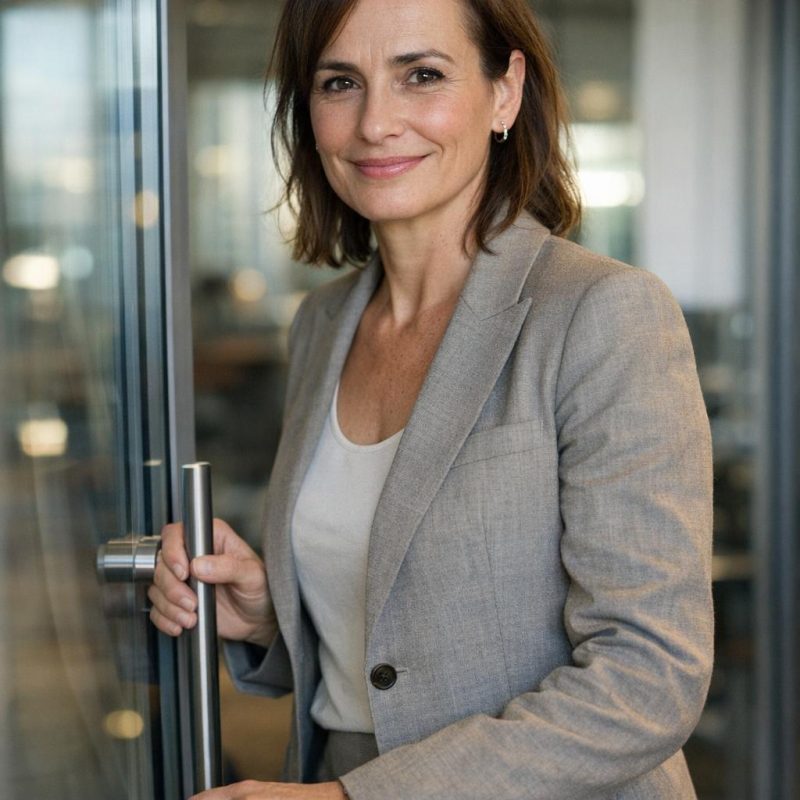 Image by RM AI
Tom Bradley
I ran into Tom Bradley completely by accident, or maybe it wasn't an accident at all—I'd been sitting in my car outside the Davies Construction office for twenty minutes, trying to decide if I should go back in and demand real answers. He came out with a coffee in hand, heading toward a black SUV, and I recognized him from the funeral. I got out and called his name. He turned, and I could see the moment he placed me, his expression shifting from confusion to something that looked like resignation. We talked there in the parking lot, him checking his watch twice while I asked about Mark's email, about the platform concerns, about why no one seemed to be taking this seriously. Tom was polite enough at first, said all the right things about what a tragedy it was, how everyone missed Mark. But when I pushed harder, asked him directly if he'd seen Mark's warnings, his whole demeanor changed. He glanced around like he was worried someone might overhear. Tom's voice dropped: 'Look, Mark was great at his job, but he could be... overzealous. Not everyone appreciated that.'
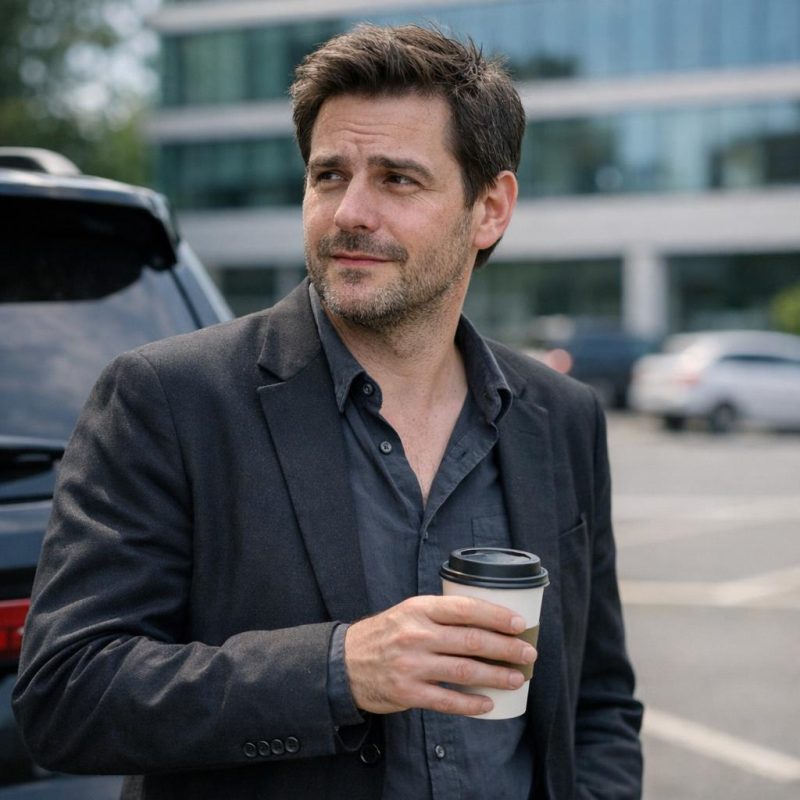 Image by RM AI
The Official Report
The envelope arrived on a Thursday, two weeks after Mark died. Davies Construction letterhead, thick paper stock, the kind meant to convey importance and authority. Inside was their internal accident investigation report, eight pages long, with charts and diagrams and a summary section highlighted in yellow. I read it standing in my hallway, still wearing my coat. According to their findings, Mark had violated multiple safety protocols. He'd been working outside his designated area. He hadn't properly secured his safety harness. And most damningly, he'd positioned himself on an unstable section of the platform that hadn't been rated for occupancy yet. Operator error, the report concluded. A tragic accident caused by failure to follow established safety procedures. They were sorry for my loss, the cover letter said, and they hoped this report would provide closure. I read that section three times, feeling the anger build with each pass. The report blamed Mark for standing on an unstable section of the platform—the very section he'd warned them about three weeks earlier.
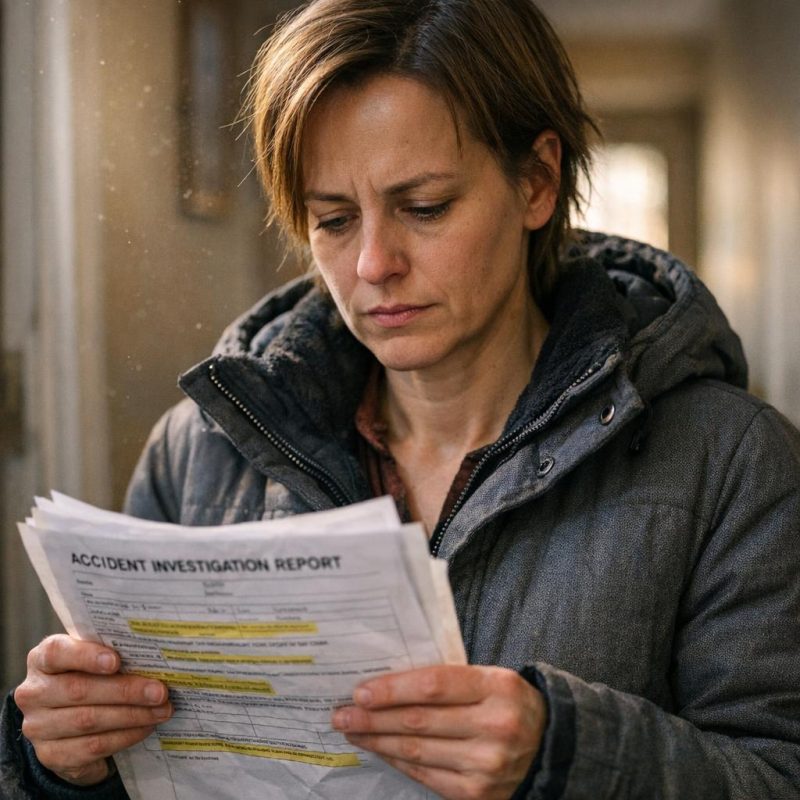 Image by RM AI
Sleepless
I didn't sleep that night. I tried around midnight, but after forty minutes of staring at the ceiling, I gave up and went back to the kitchen table. I spread everything out in front of me—Mark's phone, printouts of his emails, the company's accident report, my own handwritten notes. I must have gone through it all a dozen times, looking for something I'd missed, some explanation that would make it all make sense. The company said Mark had been careless, that he'd ignored safety protocols and put himself in danger. But Mark wasn't careless. In fifteen years of construction work, he'd never had a serious accident, never had a safety violation. He was the guy who wore his hard hat even when everyone else took theirs off during breaks. And then there was the email, sent the night before he died, warning them in explicit terms about the exact dangers that ended up killing him. I kept coming back to one line: 'Platform not rated for current load.' If Mark knew that, why would he have stood on it?
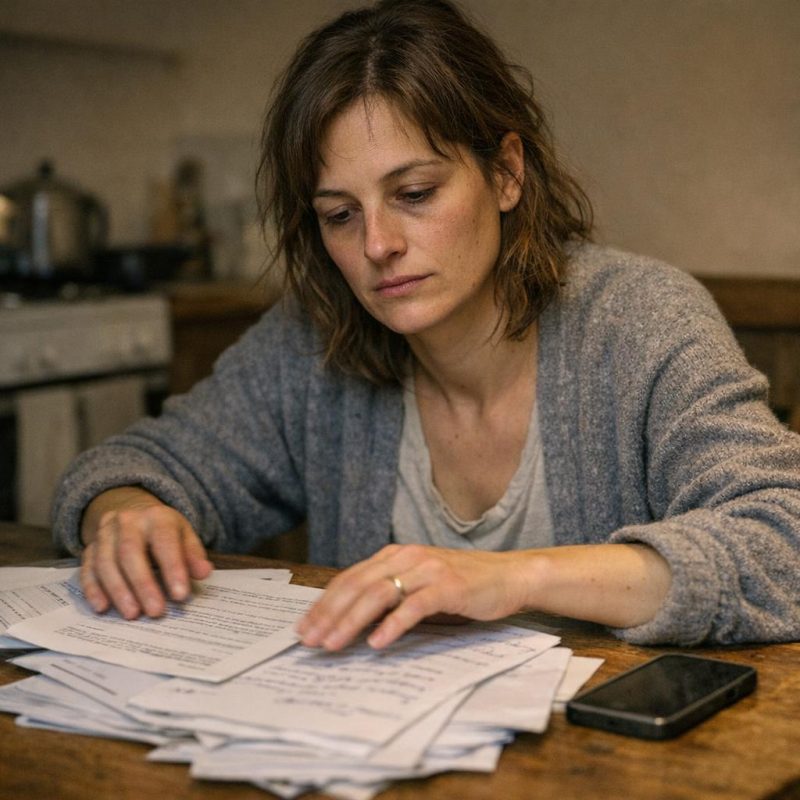 Image by RM AI
The First Call
I called Detective Carter the next morning, before I could talk myself out of it. I had his card somewhere in the pile of sympathy cards and funeral paperwork, his direct line scrawled on the back. He answered on the third ring, and I could hear voices in the background, other people in the station going about their day. I told him about Mark's email, about the photos, about the accident report that contradicted everything Mark had warned them about. I tried to keep my voice steady, to sound rational and credible, but I could hear the desperation creeping in anyway. Carter listened without interrupting, which I appreciated at first, but then I realized he was just waiting for me to finish. When I finally stopped talking, there was a long pause. He said he understood this was hard, that grief could make us see patterns that weren't there, that sometimes we need someone to blame to make sense of senseless tragedy. His words were kind, but they felt like a door closing. Carter sighed: 'Mrs. Emma, I understand you're grieving, but the investigation is closed. You need to trust the process.'
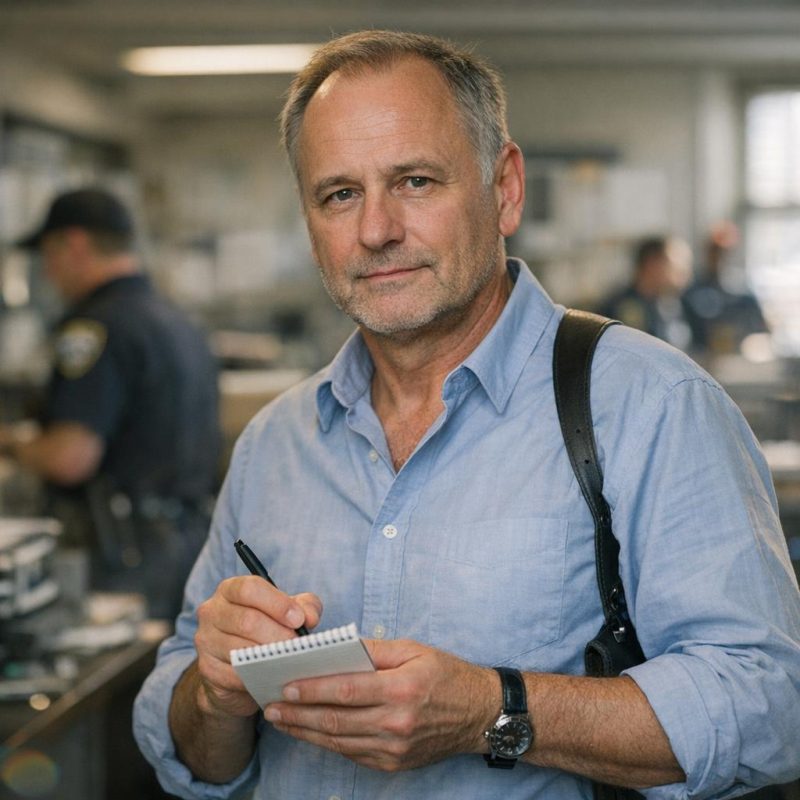 Image by RM AI
Anonymous Contact
The email came three days later, from an address I didn't recognize—just a random string of numbers and letters at a generic email service. No subject line. I almost deleted it as spam, but something made me open it. 'You don't know me,' it started, 'but I worked with Mark on the Riverside project. I heard you've been asking questions.' My heart started racing before I'd finished the first paragraph. The sender didn't give a name, said they couldn't risk being identified, but they wanted me to know that Mark had been right. The platform had serious structural issues. The inspections had been rushed, corners had been cut to stay on schedule and under budget. Other people on the crew had noticed, had complained to their supervisors, but nothing changed. And when Mark escalated his concerns beyond the site level, when he started putting things in writing and copying people in legal, he'd made himself a problem. The tone wasn't conspiratorial or dramatic—it was matter-of-fact, almost bureaucratic, which somehow made it more credible. The email ended: 'Mark wasn't the only one who noticed things. But he was the only one who wouldn't shut up about it.'
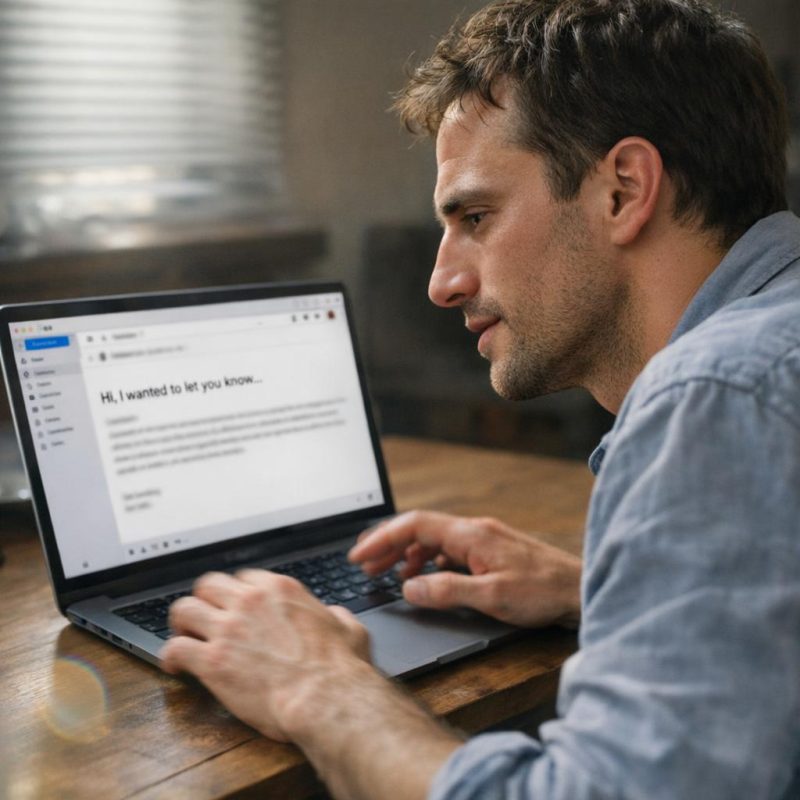 Image by RM AI
Sarah's Worry
Sarah came over that weekend with groceries and what I'm sure she thought were good intentions. She found me at the kitchen table again, surrounded by papers and printouts, Mark's phone plugged into my laptop. I'd been trying to recover deleted photos, following instructions from some forum I'd found at three in the morning. She stood in the doorway for a long moment before saying anything, and I could see the concern written all over her face. She made tea neither of us drank and then sat down across from me. She said she was worried about me, that I wasn't eating enough or sleeping enough, that I'd barely left the house in weeks. She understood I needed answers, she said, but this was consuming me. When was I going back to work? When was I going to start processing what happened instead of trying to solve it like a puzzle? I told her about the anonymous email, about how it confirmed everything I'd suspected, but she just looked sadder. Sarah's eyes filled with tears: 'I'm scared you're going to lose yourself in this, Emma. What if there's nothing to find?'
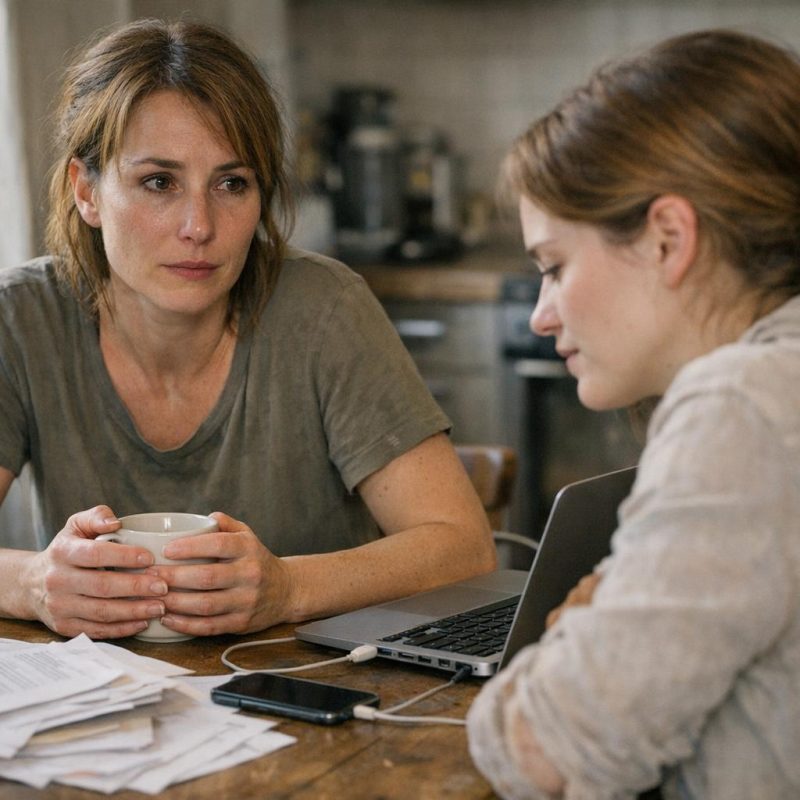 Image by RM AI
The Spreadsheet
I found it completely by accident while looking for Mark's old tax documents. I'd opened a folder labeled 'Project Archive 2022' on his laptop, expecting blueprints or boring technical specs. Instead, there was an Excel file called 'Site_Audit_Personal.xlsx' with a modified date from two weeks before he died. When I opened it, my breath caught. Row after row of construction sites, each with columns tracking inspection dates, reported safety scores, and then Mark's own observations in red text. 'Guardrail missing—passed anyway.' 'Harness anchor points insufficient—no follow-up required.' 'Platform load test skipped—approval granted.' The entries went back eight months. He'd been documenting this systematically, site after site, and I had no idea. I scrolled down, my heart pounding, until I noticed something that made my stomach drop. Every single site he'd flagged in red—seventeen locations across three states—listed the same name in the project manager column. Mark had been tracking one person's pattern of negligence for months, and every site flagged in red had been managed by the same project manager.
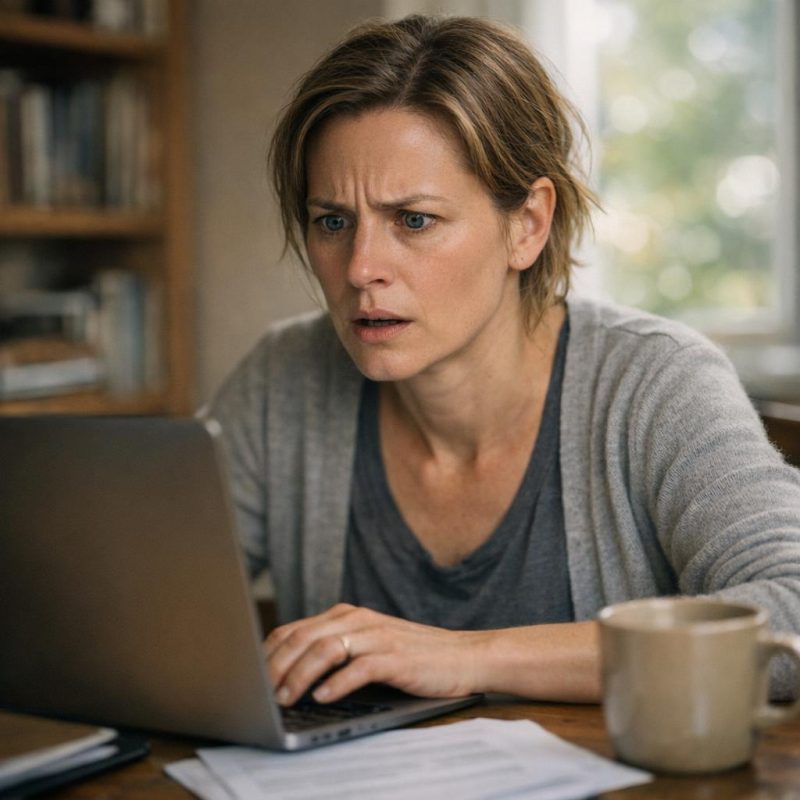 Image by RM AI
Hiring Lisa Chen
Lisa Chen's office was in a restored brownstone downtown, the kind of place that felt both professional and somehow reassuring. I'd found her through an online search for attorneys who handled wrongful death cases against corporations, and her reviews mentioned she didn't back down easily. When I showed her Mark's spreadsheet and the anonymous email, she studied them for a long time without saying anything. She asked careful questions about the accident, about what the company had told me, about whether I'd signed anything. I admitted I'd signed the initial accident report but nothing since. She made notes in neat handwriting, occasionally glancing up at me with an expression I couldn't quite read. Finally, she asked what I wanted—closure, accountability, or justice? I told her all three. She nodded slowly, then pulled out a retainer agreement and explained her fees, which weren't cheap but felt manageable with Mark's life insurance. As I signed, she leaned back in her chair and looked at me directly. 'If what you're saying is true, we're not just talking negligence. This could be criminal.'
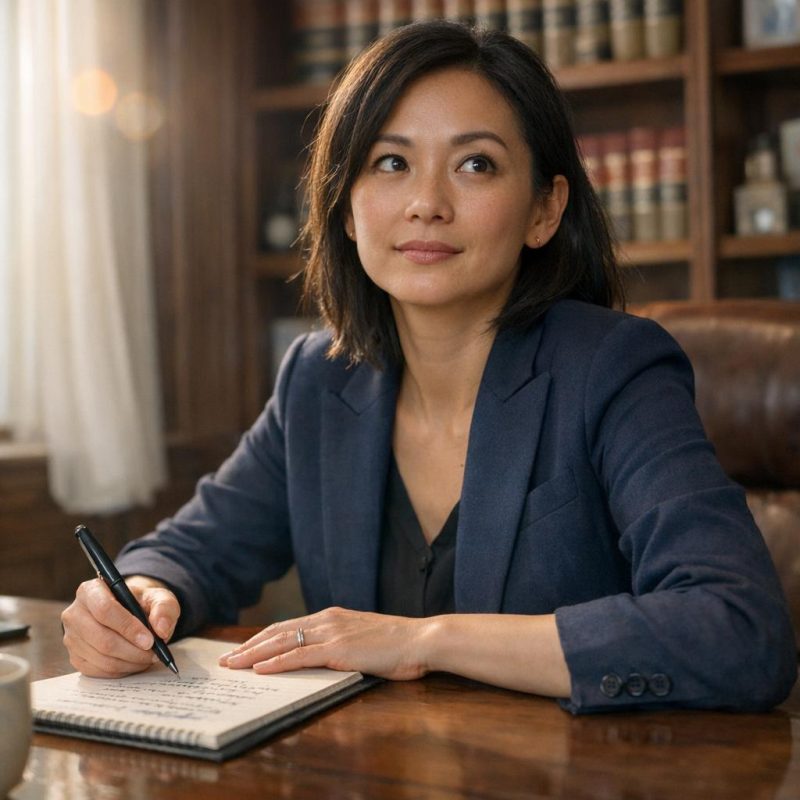 Image by RM AI
Document Requests
Lisa moved fast. Within days, she'd filed formal document requests with the company's legal department—internal safety reports, email correspondence, inspection logs, anything related to the seventeen sites Mark had flagged. She explained this was standard discovery procedure, that they were legally obligated to provide relevant materials. I felt something like hope for the first time in months. Maybe this was actually happening. Maybe someone with authority and expertise was finally going to force the truth into the open. Lisa warned me to be patient, that these things took time, but I could tell even she was optimistic. We had Mark's documentation, we had a clear pattern, and we had legal standing. For about a week, I let myself believe this might be straightforward. Then the response came. Lisa called me on a Tuesday afternoon, and I could hear the frustration in her voice before she said a word. The company's legal team had filed a motion to dismiss our document requests as 'overly broad and irrelevant,' claiming we were on a fishing expedition with no basis in fact. Within a week, the company's legal team responded—not with documents, but with a motion to dismiss our requests as 'overly broad and irrelevant.'
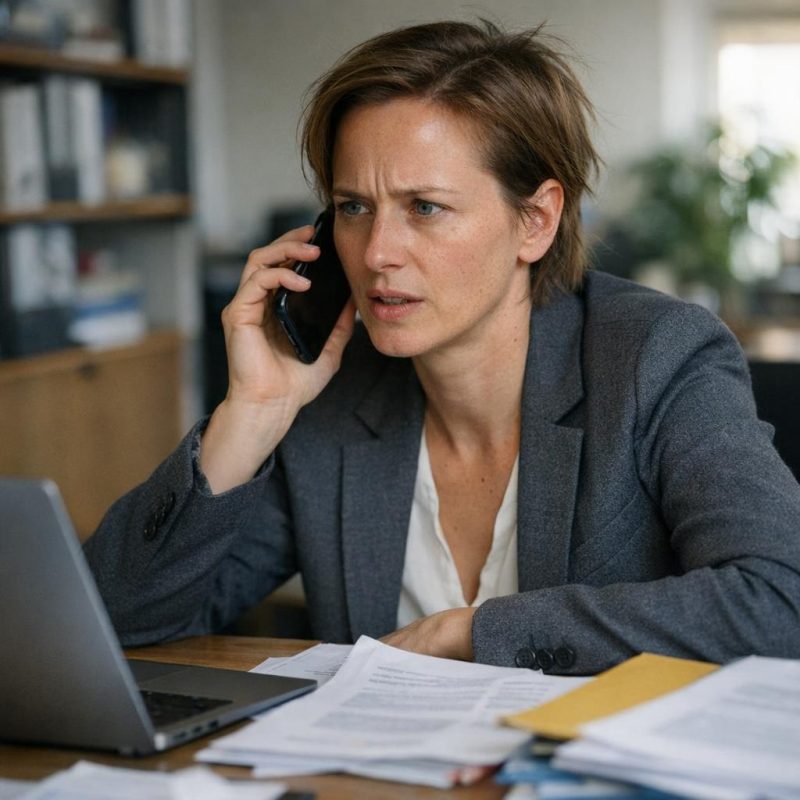 Image by RM AI
Meeting the Wall
The meeting took place in a conference room that was probably designed to intimidate—all glass and chrome and a table that seated twenty. The company sent one lawyer, a man in his fifties with silver hair and a suit that cost more than my monthly rent. He introduced himself with a firm handshake and an expression of practiced sympathy. Lisa started by outlining our position, explaining that we simply wanted transparency about the safety conditions that led to Mark's death. The lawyer nodded along like he was listening, but his eyes were cold. He said the company had conducted a thorough internal investigation, that Mark's death was a tragedy but ultimately the result of an unforeseeable equipment failure, and that our document requests were harassing their employees during an already difficult time. Lisa pushed back, mentioning Mark's spreadsheet. The lawyer dismissed it as 'the personal opinions of a non-management employee with no expertise in safety compliance.' I felt my hands clench under the table. Then he turned to me directly, and his voice took on a softer, almost pitying tone. The lawyer smiled coldly: 'Mrs. Emma, dragging this out won't bring your husband back. Perhaps it's time to consider moving on.'
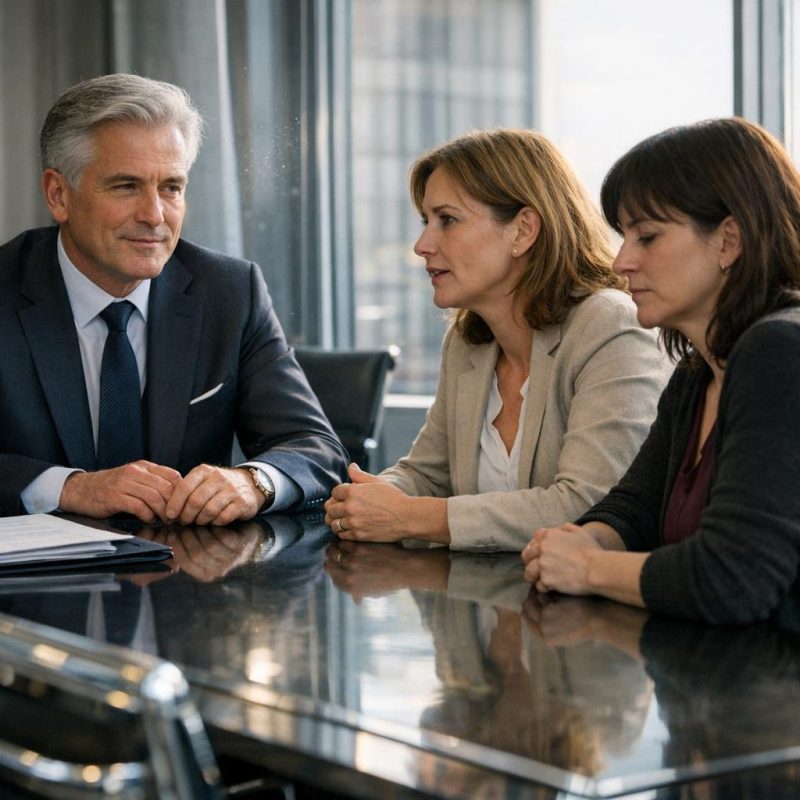 Image by RM AI
Delays and Redactions
The next six weeks were an exercise in bureaucratic warfare. The company finally agreed to provide some documents after the judge partially granted our motion to compel, but what arrived was almost worse than nothing. Boxes of paper, most of it irrelevant—employee handbooks, generic safety training materials, incident reports from completely different sites. Anything that might actually matter came so heavily redacted it was useless. Lisa and I spent hours going through page after page of black rectangles, trying to piece together meaning from the few words left visible. 'Equipment' something something 'inspection' something something 'approved by' redacted name. It was maddening. Lisa kept assuring me this was typical corporate stonewalling, that we'd break through eventually, but I could see even she was getting worn down. We filed motion after motion requesting the court compel them to produce unredacted versions. They responded with motion after motion claiming attorney-client privilege, trade secrets, privacy concerns. Everything was a fight. Everything took weeks. I was hemorrhaging money on legal fees and getting almost nothing in return. Every page Lisa received was more black ink than text—whatever they were hiding, they were desperate to keep it buried.
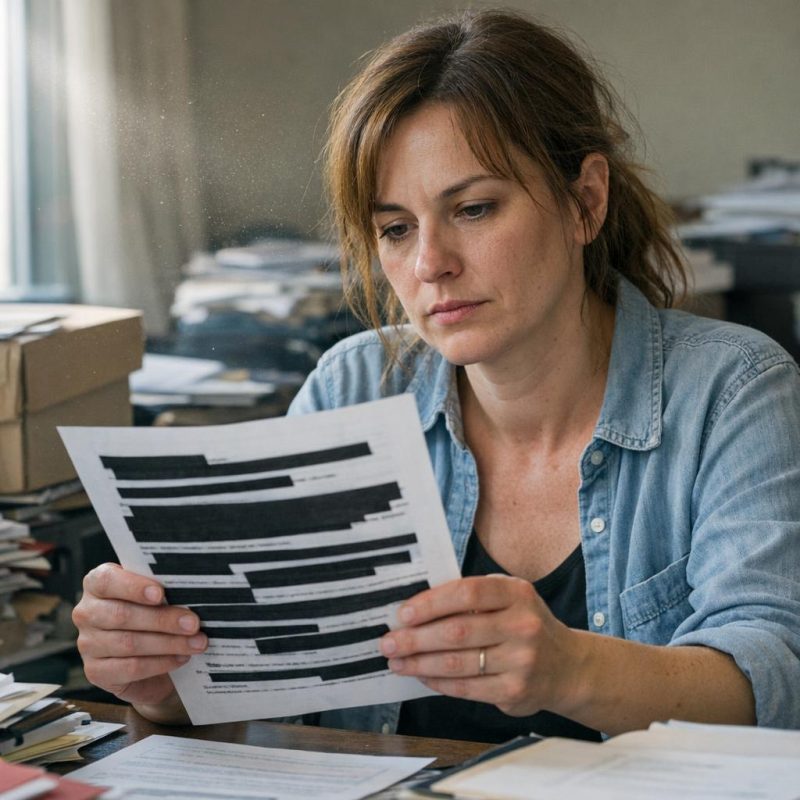 Image by RM AI
Six Months
Six months. Half a year since I'd gotten that phone call that shattered everything. I woke up that morning and the date just hit me—October 15th again. I'd planned to do something meaningful, visit the site maybe, or at least go to where we'd scattered some of his ashes. Instead, I sat at the kitchen table staring at the same files I'd been staring at for months, feeling absolutely nothing. We were no closer to real answers than we'd been in April. The company was still stonewalling. Lisa was still fighting. Sarah had stopped calling as much, and I couldn't blame her. My savings were draining. Work had been patient but I'd used up all my leave and was barely functional on the days I did go in. I kept thinking about what that corporate lawyer had said—maybe it was time to move on. Maybe everyone had been right from the beginning. Maybe I was torturing myself for nothing, chasing shadows and conspiracy theories because I couldn't accept that sometimes terrible things just happen. Maybe Mark had just been unlucky. I sat alone in our apartment, surrounded by files and dead ends, wondering if everyone had been right—maybe I should just let it go.
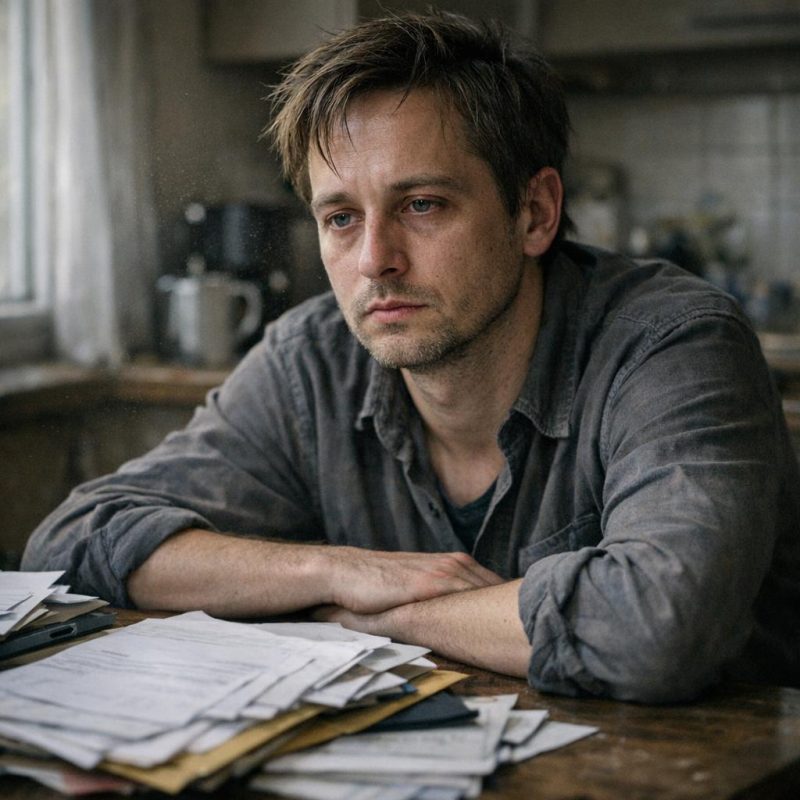 Image by RM AI
The Envelope
It arrived on a Thursday, mixed in with the usual junk mail and bills I'd been ignoring. A standard manila envelope, the kind you can buy at any office supply store, with my name and address printed on a label. No return address. No postmark I could make out clearly. I almost threw it away, assuming it was some condolence card from a distant relative who'd just heard. But something made me open it. Inside was just a small padded sleeve, and inside that was a flash drive—one of those generic black USB sticks you get in bulk. No note. No explanation. Nothing. I turned it over in my hands, my mind racing. This wasn't random. Someone had gone to the trouble of finding my address, printing a label, mailing this anonymously. Someone who knew something. Or someone setting me up. I thought about calling Lisa first, or Sarah, or maybe even the police. But I also thought about six months of dead ends and black ink and condescending lawyers. This was the first unexpected thing that had happened since the anonymous email. My hands shook as I held the small USB drive—someone out there knew something, and they wanted me to know it too.
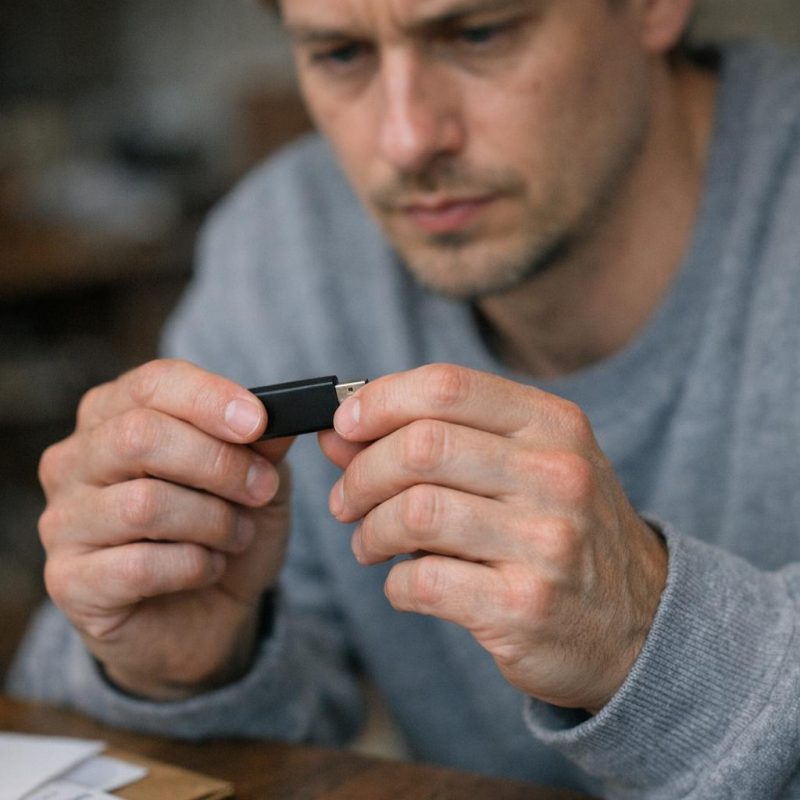 Image by RM AI
Opening the Files
I plugged it into my laptop with my heart hammering so hard I could hear it. For a second I worried it might be a virus or something worse, but I was past caring. The drive opened to show a single folder labeled 'Platform_7_Reports.' Inside were PDFs—inspection reports, the official kind with the company letterhead and signature blocks. I opened the first one, dated three days before Mark's accident. It showed the platform inspection with a passing grade, all green checkmarks, signed off by the site supervisor. I'd seen this exact report before in the redacted documents. Then I opened the second file. Same report number. Same date. But different findings—this version showed failed load tests, insufficient welds, recommendations for immediate repairs before use. The signatures were the same. Both files looked completely legitimate. I sat there staring, trying to understand. Then I checked the file properties, something Mark had taught me years ago when we were troubleshooting his work computer. The metadata showed the inspection reports had been edited two days after Mark died—someone had gone back and changed the records.
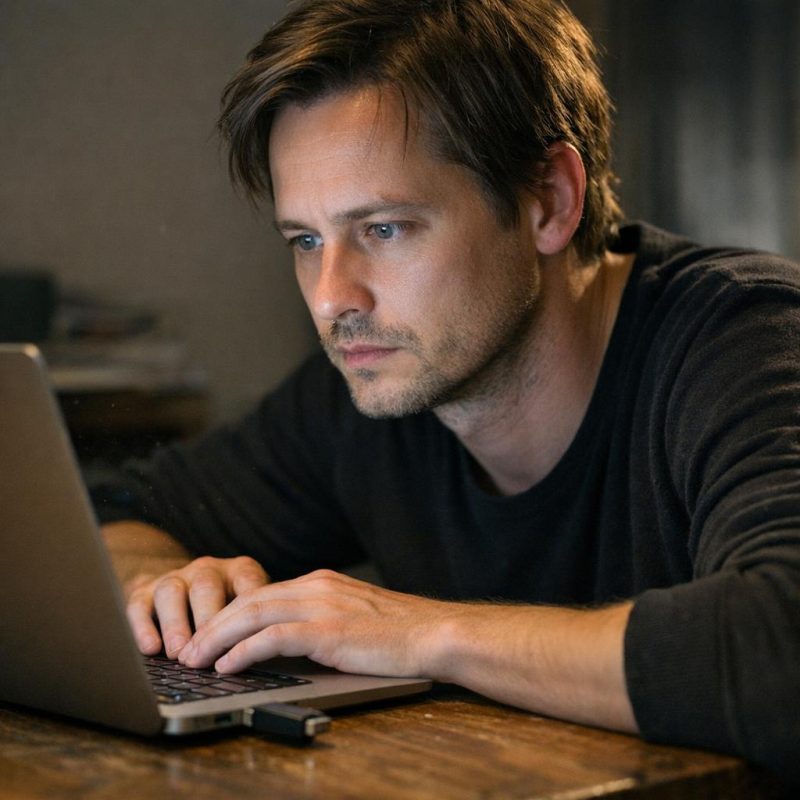 Image by RM AI
Dylan's Story
Dylan Ross agreed to meet me at a coffee shop two towns over. He looked older than his LinkedIn photo—grayer, thinner, like the stress had physically worn him down. We sat in the back corner, and he kept his voice low the whole time. 'Mark was one of the good ones,' he told me, stirring his coffee without drinking it. 'He actually cared about doing things right.' I asked him what he meant by that, and Dylan's hands started shaking slightly. He told me that in Mark's last few months, there was constant pressure from management to speed up inspections, to sign off on platforms that hadn't been fully tested. Dylan had seen the emails, heard the phone calls. Mark refused to cut corners, and suddenly his performance reviews went from excellent to problematic. They started excluding him from meetings, questioning his judgment on everything. 'It was textbook retaliation,' Dylan said. 'They were trying to force him out.' I felt my chest tighten—this was exactly what I'd suspected but couldn't prove. Dylan looked over his shoulder then, nervous, checking the other customers. 'They told Mark to sign off on things he hadn't checked. When he refused, they made his life hell.'
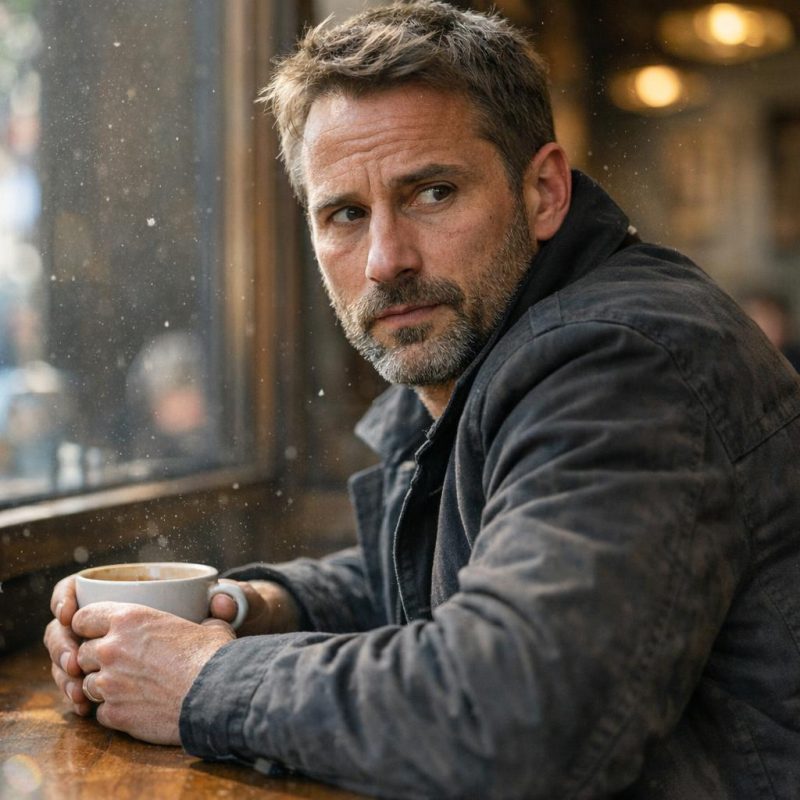 Image by RM AI
The Video
I went through the flash drive again that night, opening every file methodically. Buried in a subfolder labeled 'site_footage' was a video file I'd somehow missed before. My hands were shaking as I clicked it open. The timestamp showed the afternoon of Mark's accident, about twenty minutes before the official incident report said he fell. The camera angle captured the platform from the side—I could see Mark standing near the edge, gesturing with his hands like he was arguing with someone. But the person he was talking to stood just outside the camera's field of view. I watched Mark's body language shift from frustrated to angry to something that looked almost like fear. He stepped backward, closer to the edge. The audio was too distant and wind-garbled to make out words, but I could hear his raised voice. I replayed it five times, trying to see more, to understand what was happening in those final moments. The quality wasn't great, the camera positioned to monitor equipment rather than people. In the final seconds of the video, the camera shook violently—and Mark's face turned toward someone just out of frame.
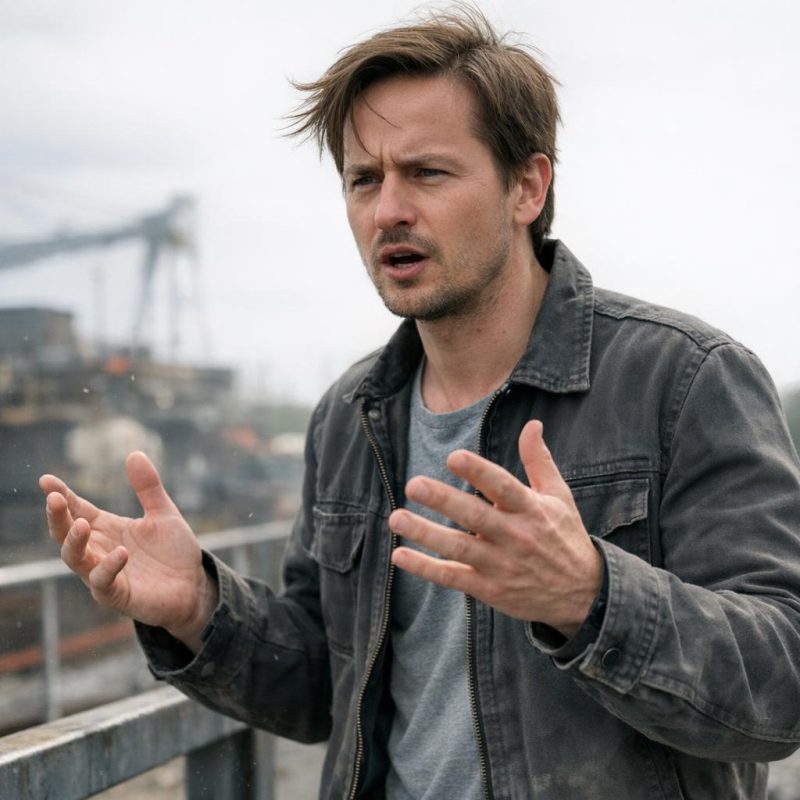 Image by RM AI
Showing Lisa
I called Lisa Chen first thing the next morning and told her I needed to see her immediately. She cleared her afternoon schedule. When I showed her the video in her office, she watched it three times without saying a word, then asked me to play it again while she took notes. 'This is huge, Emma,' she finally said, sitting back in her chair. 'This completely contradicts the official narrative that Mark was alone.' I showed her the altered inspection reports too, explained the metadata showing they'd been edited after his death. Lisa's professional composure cracked slightly—I saw real anger flash across her face. 'This isn't just negligence or a cover-up of safety violations,' she said carefully. 'This is potential evidence of a crime scene being tampered with. Evidence being suppressed.' She started making a list on her legal pad, muttering about chain of custody and criminal proceedings. I felt validated and terrified at the same time, like I'd opened a door I couldn't close. Lisa's face went pale as she looked up at me. 'Emma, if this footage was deliberately excluded from the investigation, we're looking at obstruction of justice.'
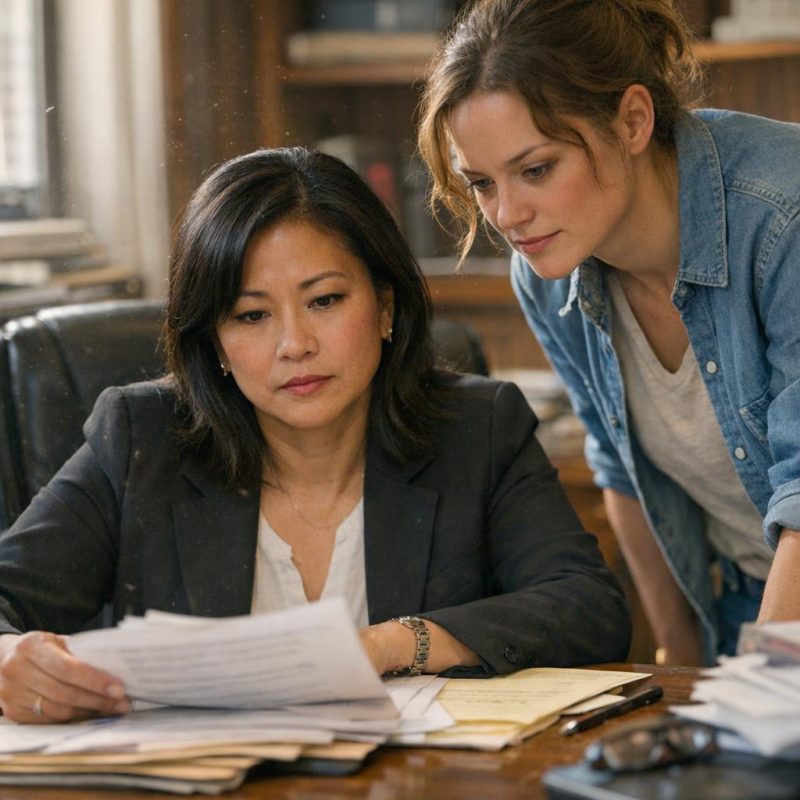 Image by RM AI
Going to the Police
Lisa got us an appointment with Detective Carter within forty-eight hours. I'd half-expected resistance, bureaucratic runaround, but Carter seemed genuinely disturbed when Lisa explained what we had. We sat in his small office at the police station, and I watched his face as the video played on his computer screen. He asked technical questions—where I'd gotten the drive, who else had seen it, whether I'd made copies. Lisa handled most of the answers while I just sat there feeling numb and wired at the same time. Carter examined the metadata on the inspection reports, compared them with the official documents in the case file. He was quiet for a long time, the kind of silence that meant he was thinking hard. 'This should have been part of the original investigation,' he said finally. 'There's no legitimate reason this footage wouldn't have been included in the initial report.' Lisa leaned forward. 'So what happens now?' Carter asked us to email him the files, told us not to share them with anyone else yet, not even on social media. He said he needed to consult with his supervisor and the district attorney's office. Carter stared at the screen for a long moment, then picked up his phone. 'I need to call the DA. This changes everything.'
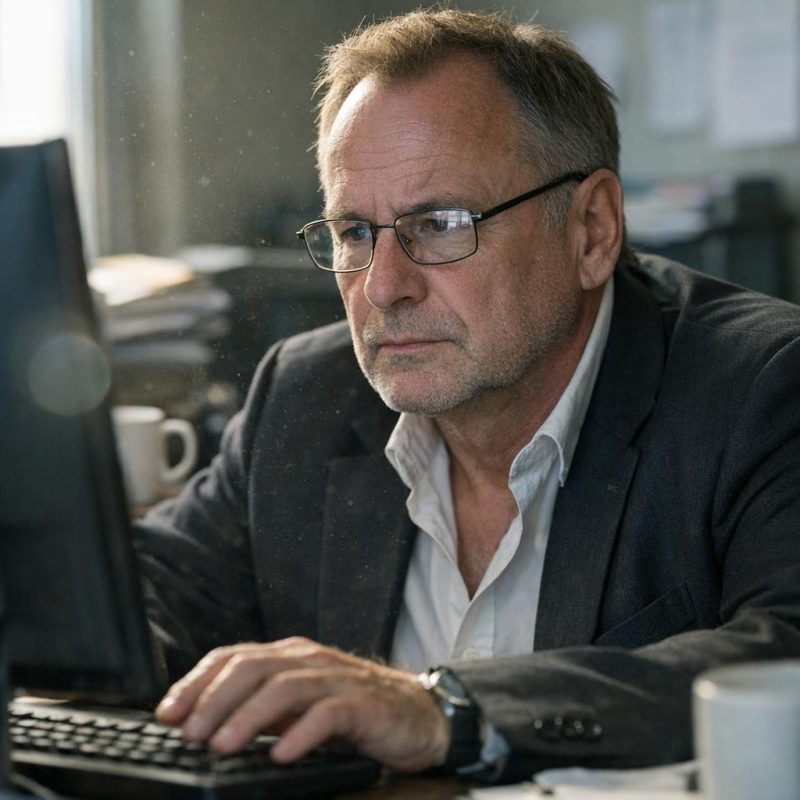 Image by RM AI
The Investigation Begins
The case officially reopened six days later. Detective Carter called to tell me personally, and I actually cried on the phone—the first tears I'd shed in weeks that weren't from anger or frustration. A team of forensic engineers was dispatched to re-examine the accident site. They brought in specialists in structural failure analysis, people who could determine whether the platform collapse was truly accidental. I wasn't allowed at the site, but Carter kept me updated. They photographed everything, took samples, reconstructed the scene using the original evidence photos. Lisa warned me not to get my hopes up too high—physical evidence degrades, scenes get contaminated, proving tampering after this much time would be difficult. But I could tell from Carter's voice on our calls that they were finding things. He couldn't share details while the investigation was active, but his tone shifted from skeptical to grimly determined. Then, almost two weeks after they started, Carter called me to his office. He showed me photographs of the platform's critical connection points, bolt holes that showed unusual wear patterns. Within days, forensic engineers confirmed what I'd suspected: the platform's bolts showed signs of deliberate loosening.
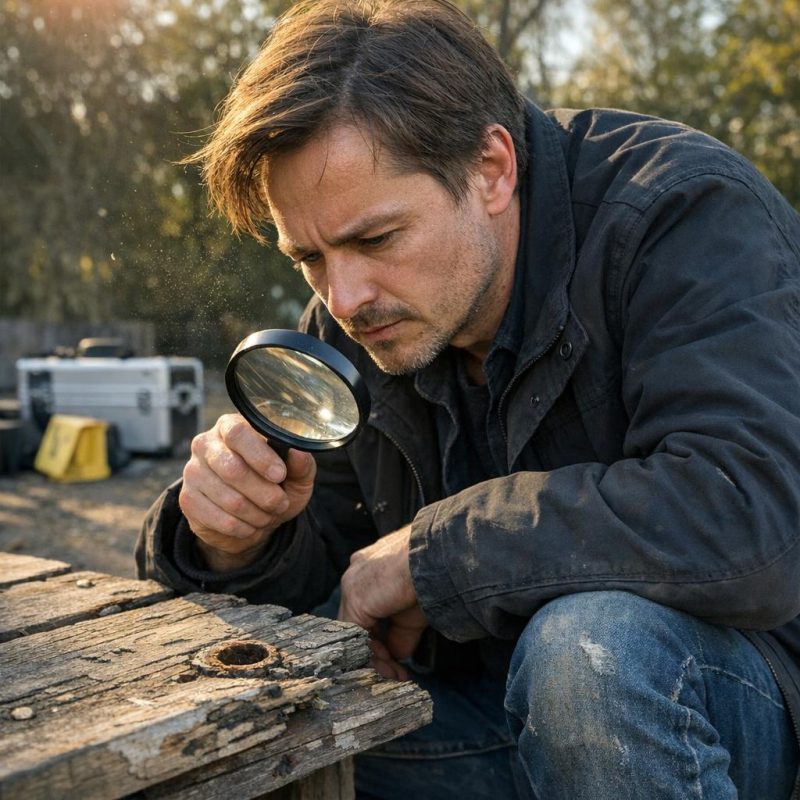 Image by RM AI
Media Attention
The story broke in the local news first, then got picked up regionally. 'Construction Company Under Criminal Investigation in Worker Death' was the headline that made my phone start ringing off the hook. Reporters wanted interviews, wanted to hear from the widow who wouldn't let her husband's death be swept under the rug. Lisa advised me on what I could and couldn't say legally, but she also said that public pressure could be useful—it would make it harder for anyone to bury the case again. So I did a few interviews, sat in front of cameras and tried to explain what Mark had been like, why he'd cared so much about safety, why I couldn't accept the official story. It was surreal seeing myself on the evening news, hearing my own voice describe finding the flash drive. People started reaching out online, other families who'd lost loved ones in workplace accidents, supporters who believed corporations got away with murder. The attention felt validating and overwhelming and scary all at once. Then during a live interview outside the courthouse, a reporter asked me on camera: 'Do you believe your husband was murdered?' I froze—I hadn't allowed myself to say the word out loud.
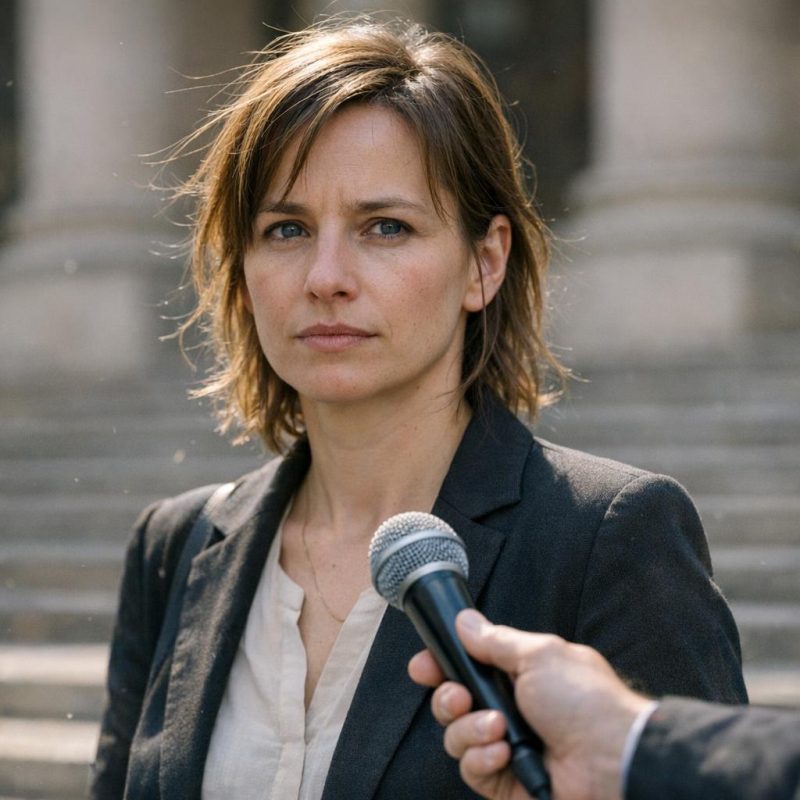 Image by RM AI
Threats
The first message came through Facebook—a blank profile, no photo, created that same day. 'You're making a mistake. Let him rest in peace.' I reported it to Facebook and showed it to Detective Carter, who said it was probably just some internet troll, but to let him know if it continued. It continued. An email to my work account, somehow bypassing the spam filter: 'Some questions are dangerous to ask.' Then a voicemail on my cell phone, a man's voice I didn't recognize, calm and cold: 'For your own safety, consider dropping this.' Carter took the threats seriously now, assigned extra patrol cars past my apartment, advised me about digital security. Lisa wanted me to consider a restraining order, but against who? The messages were anonymous, untraceable. I wasn't going to let them scare me off, not after coming this far, but I'd be lying if I said I wasn't afraid. I started checking over my shoulder in parking lots, varying my route home, sleeping with my phone next to my bed. The worst one came at two in the morning, vibrating my phone off the nightstand. The text message was brief: 'Your husband should have minded his own business. Don't make the same mistake.'
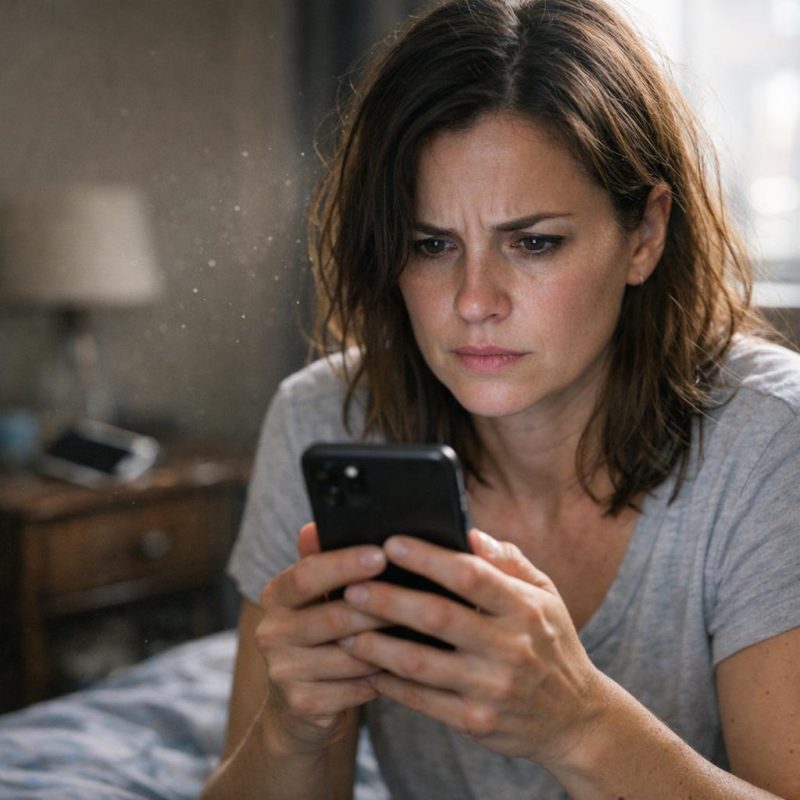 Image by RM AI
The Executive
Detective Carter arranged for me to observe when they brought Marcus Greene in for questioning. I sat behind one-way glass in an observation room, watching Greene and his expensive lawyer settle into chairs across from Carter and an assistant DA. Greene looked exactly like his corporate headshot—silver hair, expensive suit, the kind of calm confidence that came from never being held accountable for anything. Carter laid out the evidence methodically: the altered inspection reports, the suppressed video footage, witness testimony about pressure on Mark. Greene's responses were smooth, practiced. He claimed ignorance of any falsified inspections, said if there were safety violations it was news to him, suggested that site supervisors operated with significant autonomy. 'I can't possibly oversee every inspection personally,' he said with this condescending reasonableness. His lawyer interjected constantly, objecting to the characterization of questions, reminding everyone his client was cooperating voluntarily. I wanted to scream at the glass. Everything about Greene's body language said he was lying, but he was too polished to crack under basic questioning. Carter pushed harder, but Greene just kept deflecting, blaming lower-level employees, expressing appropriate concern while accepting zero responsibility. Greene's lawyer stood, smoothing his jacket. 'My client has cooperated fully. Unless you have evidence directly implicating him, this interview is over.'
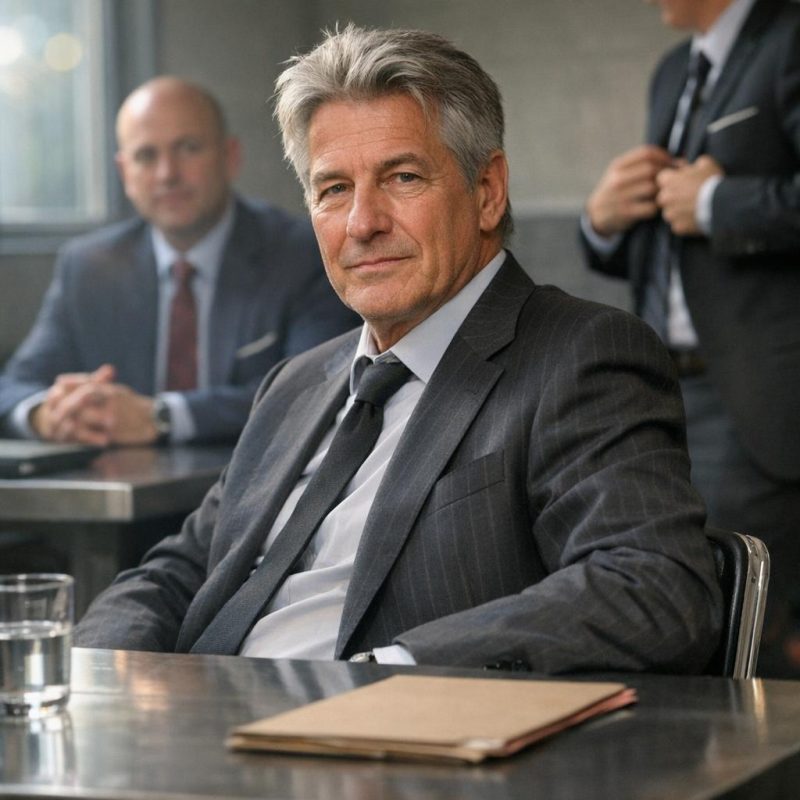 Image by RM AI
The Email Trail
Lisa Chen spread the subpoenaed emails across the conference table in her office, and I felt my stomach tighten as I started reading. The language was sterile, corporate, but the meaning underneath made my skin crawl. 'Mark Davies continues to be uncooperative regarding the Q7 inspection protocols,' one executive wrote. Another response: 'His insistence on escalating these concerns represents a significant liability to the project timeline and our position with investors.' The word 'liability' kept appearing. 'Problem employee.' 'Reputational risk.' They were talking about my husband like he was a PR issue to be managed, not a human being trying to do the right thing. Lisa pointed to one email thread from three weeks before Mark died, her finger shaking slightly. 'This one,' she said quietly. I leaned forward, reading the exchange between Richard Davies and someone whose name was redacted in the legal documents. Richard had written: 'Situation with Davies reaching critical stage. He's scheduled meetings with external consultants next month.' The response came from a senior executive account. I read it twice, then a third time, my hands going cold. 'We need to neutralize this situation before it escalates to regulators.'
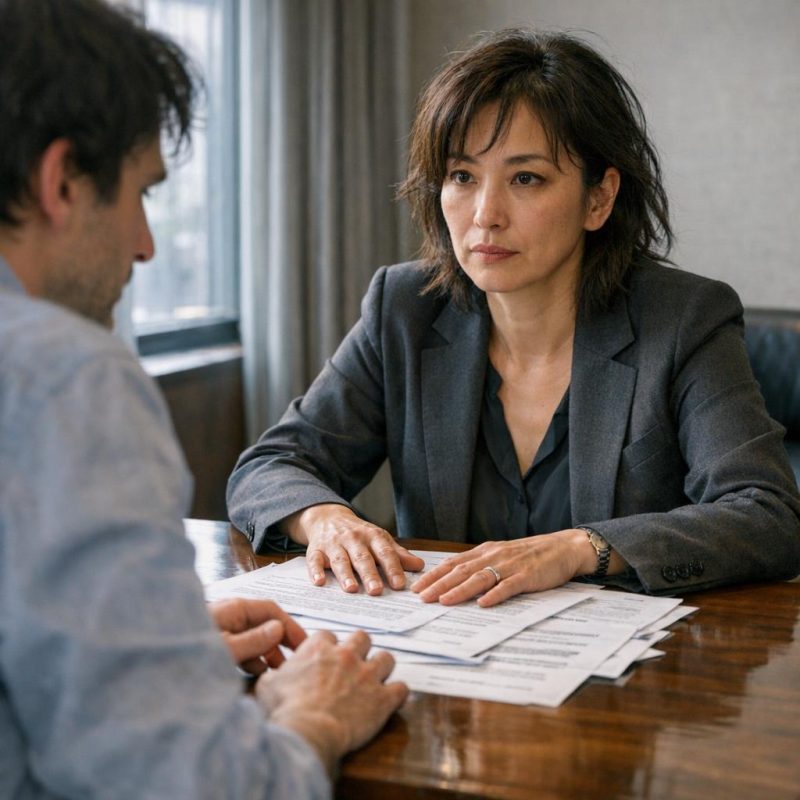 Image by RM AI
Tom's Confession
Detective Carter called me two days later and asked if I wanted to observe another interview. Tom Bradley, the project manager from Mark's site, had agreed to come in voluntarily after his lawyer advised cooperation. I recognized him immediately when he walked into the interrogation room—I'd seen him at the company memorial service, standing in the back, looking uncomfortable. Carter started gentle, asking about Tom's role on the project, his relationship with Mark, routine questions. Tom answered in a monotone, his knee bouncing under the table. Then Carter slid a folder across. 'We have emails showing you were aware of the falsified inspections,' Carter said. Tom's face went pale. 'We have witness statements placing you at the construction site the night before the accident.' Tom's lawyer leaned in to whisper something, but Tom shook his head. His hands were trembling. 'I—I didn't know it would—' He stopped, swallowed hard. Carter waited, letting the silence stretch. When Tom spoke again, his voice cracked. 'They told me it was just to scare him—I swear, I didn't think anyone would actually get hurt.'
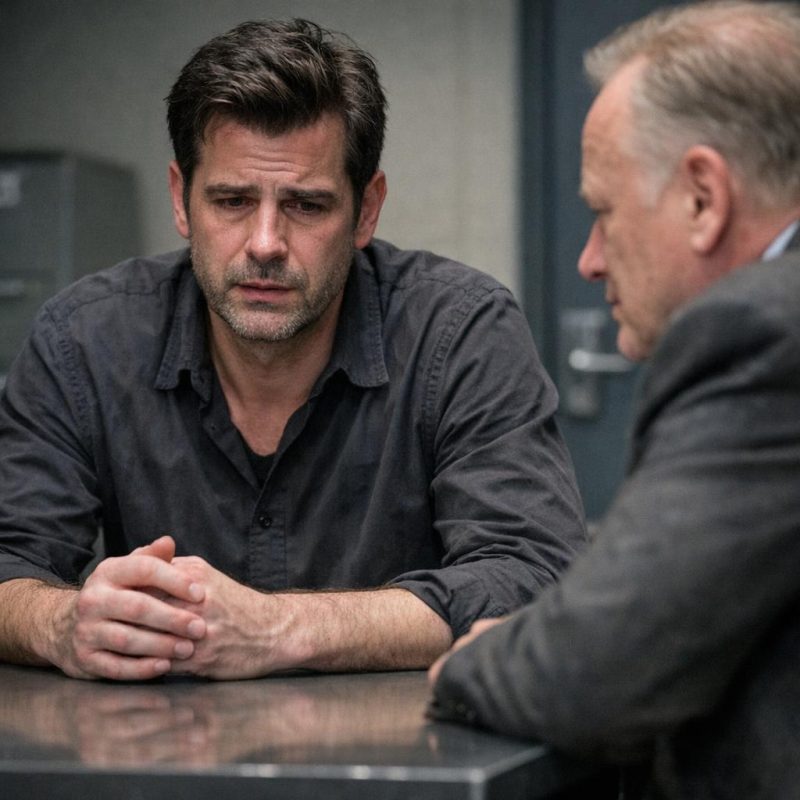 Image by RM AI
Scare Tactic Gone Wrong
The room felt like all the oxygen had been sucked out. Tom kept talking, the words spilling faster now, like he'd been holding them in for months. He said Richard Davies had pulled him aside three days before Mark died and told him they needed to 'send Mark a message.' Tom claimed he thought it meant something else—a formal warning, maybe reassignment. But Richard had been specific: loosen the bolts on the inspection platform Mark used most frequently, just enough to make it unstable, just enough to shake him up. 'It was supposed to wobble, maybe crack a little,' Tom said, his voice barely above a whisper. 'Just enough to rattle him, make him realize he wasn't untouchable.' My nails dug into my palms so hard I felt skin break. Detective Carter's expression never changed. 'You tampered with safety equipment,' he said flatly. 'On a construction site. Where people work forty feet above the ground.' Tom was crying now, shaking his head. 'I loosened four bolts. That's all. It wasn't supposed to collapse completely.' I couldn't stay silent anymore. I stood up, walked to the glass, my voice shaking with rage even though I knew he couldn't hear me. 'You tampered with the platform my husband was standing on, and you call that a message?'
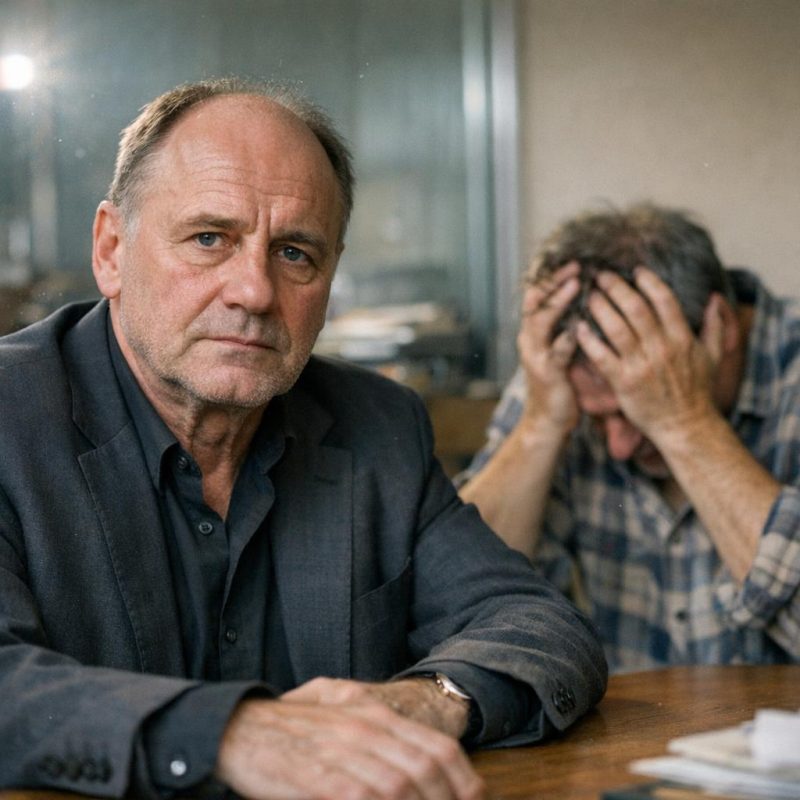 Image by RM AI
Who Gave the Order
Carter let Tom sit with his confession for a moment, then leaned forward. 'Who gave you the order?' he asked. Tom's lawyer tried to interject, but Tom waved him off. 'Who specifically told you to tamper with that platform?' Tom wiped his eyes with the heels of his hands. 'I already told you—Richard Davies.' Carter shook his head. 'You said Richard told you to send a message. I'm asking who gave you the direct order to loosen those bolts.' The distinction seemed to crack something open in Tom. He looked at the table, his shoulders slumping. 'It was after a meeting. Richard called me into his office, closed the door. He said the directive came from above him, that Mark's whistleblowing was threatening the entire project, that if we didn't handle it internally, everyone would lose their jobs.' Carter pressed harder. 'I need a name, Tom. Who ordered Richard to have you do this?' The silence stretched so long I thought Tom might refuse to answer. Then he looked up, his face gray and exhausted. He whispered a name—Richard Davies, Mark's direct supervisor—and the room went silent.
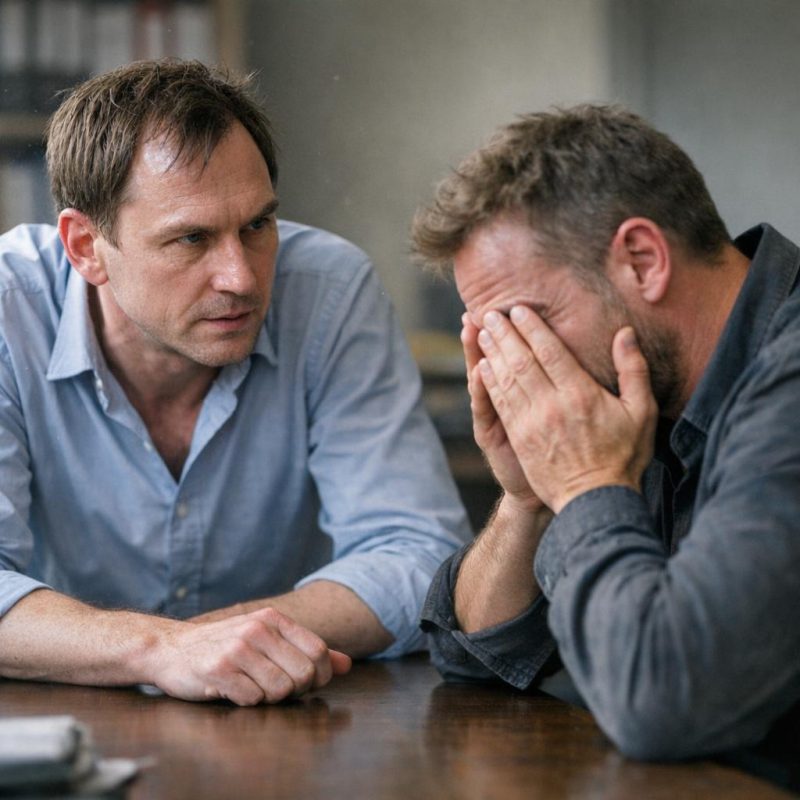 Image by RM AI
Richard's Arrest
I didn't go to Richard's arrest—I didn't trust myself to stay calm if I saw him—but Detective Carter sent me a text when it was done. 'Davies in custody. Charges: manslaughter, obstruction, conspiracy.' I stared at my phone for a long time, feeling something I couldn't quite name. Not satisfaction exactly. Not relief. Two days later, Carter called and asked if I wanted to be present when they transported Richard to the courthouse for his arraignment. I said yes. I don't know why. Maybe I needed to see it with my own eyes. I stood across the street as they walked him out of the police station in handcuffs, flanked by two officers. Richard was still wearing a dress shirt and slacks, though they'd taken his tie and belt. He looked smaller somehow, diminished. Then, as they guided him toward the police car, he turned his head and looked directly at me. Our eyes met across the distance. His expression was unreadable—not angry, not apologetic, just cold and assessing. Then he mouthed something, his lips moving deliberately so I couldn't miss it. 'You have no idea what you've started.'
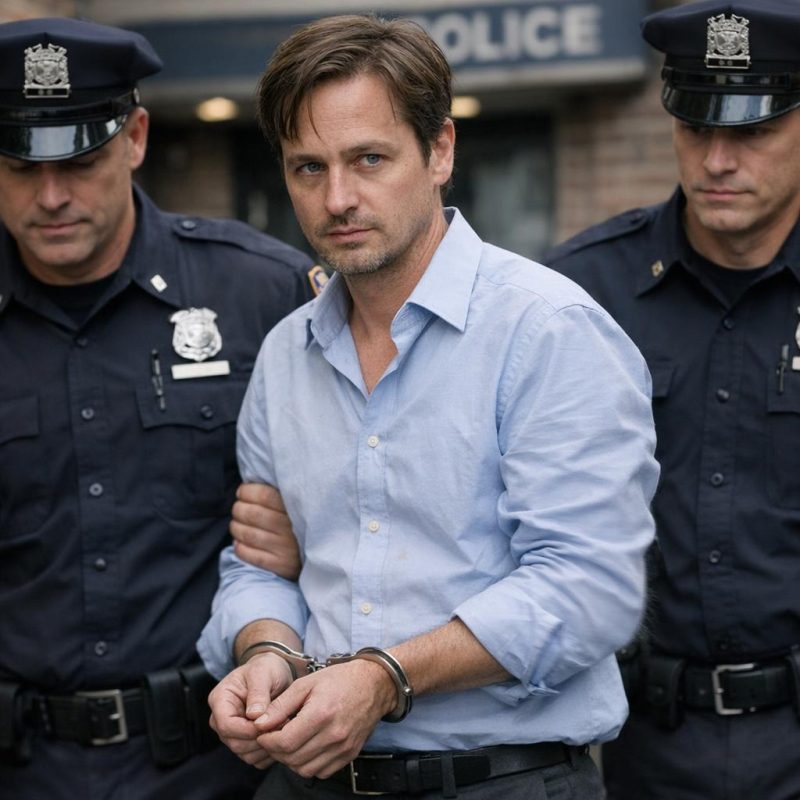 Image by RM AI
A Hollow Victory
I should have felt something that night. Richard Davies was in custody, facing serious charges. Tom Bradley had confessed. The evidence was overwhelming. This was supposed to be the moment where I could finally breathe, where the weight pressing on my chest since Mark's death would lift. But I kept seeing Richard's face as they led him away, kept hearing those words. 'You have no idea what you've started.' I sat at my kitchen table with all my case files spread out, going through everything again. Tom had confessed to tampering with the platform. Richard had given the order. But the emails Lisa had shown me kept nagging at my mind—the way multiple executives had discussed Mark, the clinical language about neutralizing the situation. Richard was Mark's direct supervisor, sure, but he didn't control investor relations. He didn't write those emails about reputational risk and liability. I called Detective Carter at ten PM, not caring that it was late. 'Richard isn't the top,' I said when he answered. 'Someone told him to do it.' Carter was quiet for a moment. 'I know,' he said. 'We're working on it.' But I could hear the doubt in his voice, the same unease I felt. I should have felt relief, but Richard's words echoed in my head—what had I started, and who else was involved?
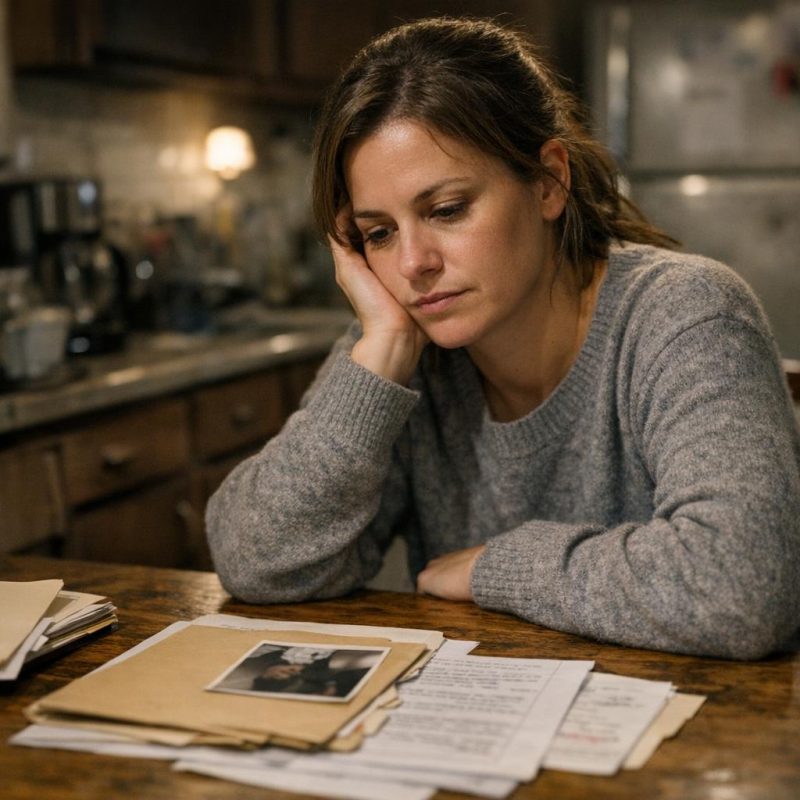 Image by RM AI
Following the Money
Lisa called me three days after Richard's arraignment, asking me to come to her office immediately. When I arrived, she had a forensic accountant with her, a woman named Patricia who looked like she hadn't slept in days. 'We got access to the company's financial records through the criminal discovery process,' Lisa said, her voice tight. Patricia pulled up spreadsheets on her laptop, rotating the screen so I could see. 'Your husband's project wasn't an isolated incident,' Patricia explained. 'We found discrepancies across seven different construction sites over the past five years. Falsified inspection reports, cut-rate materials billed at premium prices, safety violations systematically covered up.' She scrolled through page after page of numbers that didn't add up, invoices for materials that were never delivered, inspection costs that disappeared into shell companies. 'The fraud isn't limited to one project or one site,' Lisa said. 'It's embedded in the company's entire operation. They've been billing clients and investors for safety compliance they never performed, pocketing the difference.' My mouth had gone dry. Patricia looked at me, her expression grim. 'Emma, we're not talking about one unsafe site. This is a systematic fraud scheme worth hundreds of millions.'
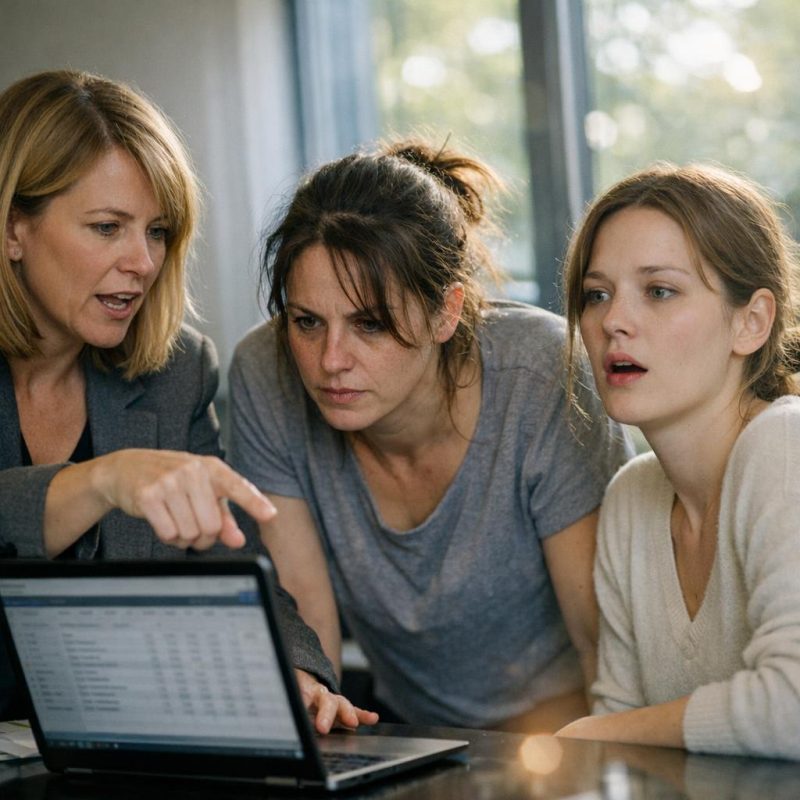 Image by RM AI
The Scheme Revealed
Detective Carter arranged a meeting with the assistant DA and the financial crimes unit to present what Patricia had uncovered. I sat in a conference room with charts and spreadsheets projected on the wall, listening to investigators piece together the full scope of what Mark had stumbled into. The company had been systematically cutting corners on safety compliance for years, falsifying reports, bribing inspectors, using substandard materials while billing for premium specifications. Every dollar saved went straight to executive bonuses and inflated profit margins that kept investors happy. Mark's project alone had generated an extra three million in fraudulent profits. Multiply that across seven active construction sites, factor in the years this had been running, and the numbers became staggering. 'If regulators had audited even one of these sites thoroughly,' the assistant DA said, 'the entire scheme would have unraveled. Criminal charges. Civil liability. The company would have faced bankruptcy.' Carter pulled up the emails we'd already seen, now with additional context. 'Mark wasn't just a whistleblower threatening one project. He was a existential threat to the entire executive team.' I stared at the projection, feeling cold. If regulators had discovered what Mark knew, the entire operation would have collapsed—and executives would have faced prison.
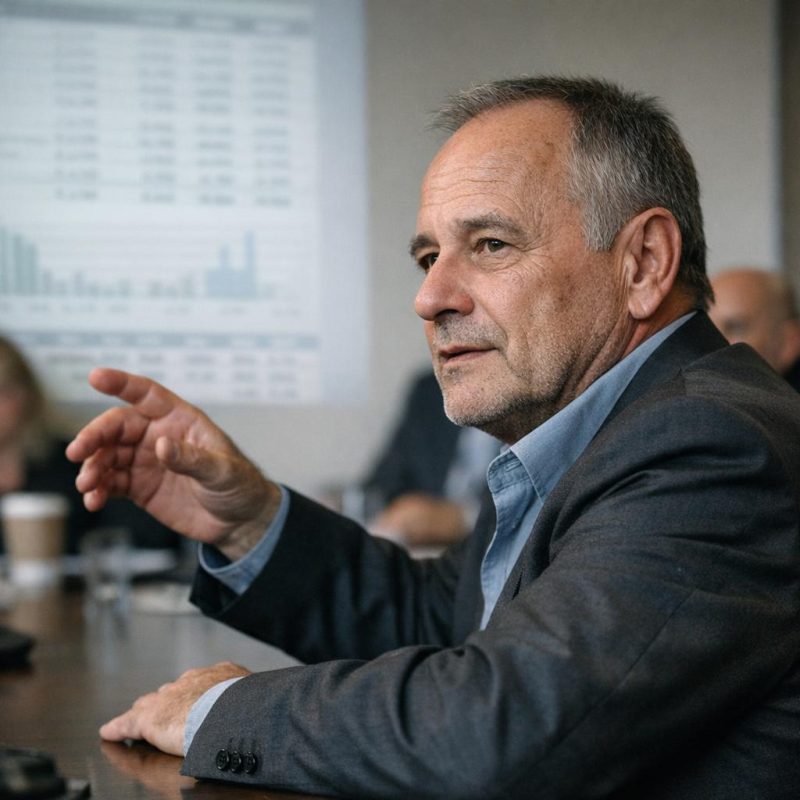 Image by RM AI
Richard's Plea Deal
Richard Davies looked smaller somehow when they brought him into the conference room. His suit hung loose, and he had dark circles under his eyes that made him look older than I remembered. Lisa Chen, the attorney Detective Carter had connected me with, sat beside me taking notes. Richard's own lawyer was there too, already negotiating terms before Richard had said a single word. 'My client is prepared to cooperate fully,' his attorney began, 'in exchange for consideration on sentencing.' I watched Richard fidget with his hands on the table. He wouldn't meet my eyes. Carter laid out folders of evidence—emails, financial records, witness statements—and Richard nodded at each one like he was checking items off a shopping list. 'I can verify all of it,' he said quietly. 'The falsified reports, the bribed inspectors, the fraudulent billing. I was involved in coordinating most of it.' His voice was flat, rehearsed. But then he paused and finally looked at me directly. 'But there's something else you need to know. Something worse than the fraud.' The room went still. Richard leaned forward, his hands trembling slightly: 'You want the truth? Mark wasn't supposed to die in an accident—he was murdered, and I can prove who ordered it.'
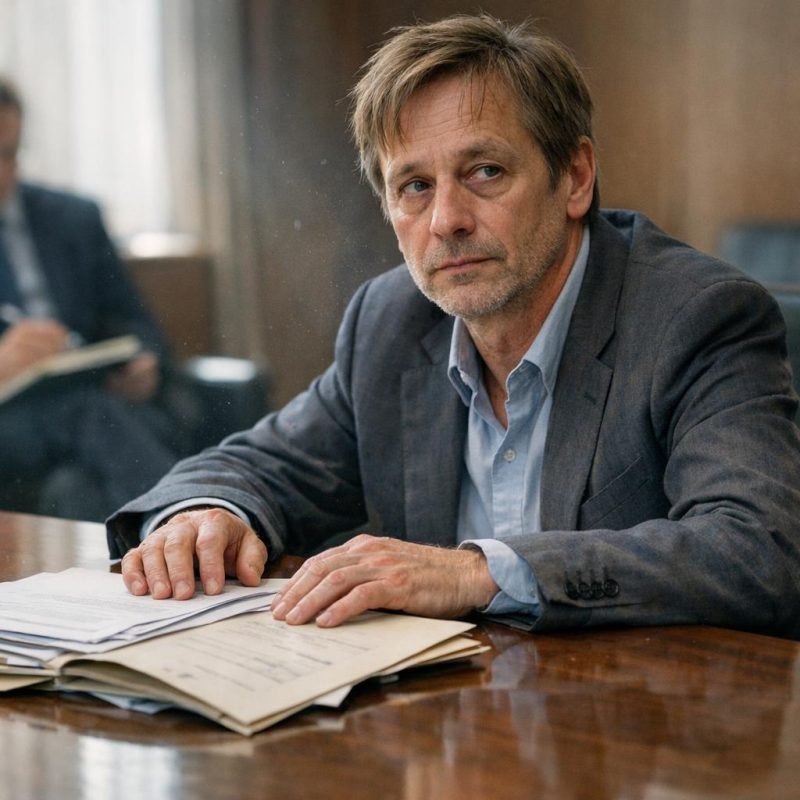 Image by RM AI
The Order to Kill
The word 'murdered' hung in the air like a physical thing. I felt Lisa's hand on my arm, steadying me, though I hadn't realized I'd started to stand. Richard pulled out his phone—they'd let him keep it for this, apparently—and scrolled through saved messages and notes. 'Marcus Greene,' he said. 'Executive VP of Operations. He'd been running the fraud scheme for years before I came on board. When Mark started asking questions about the concrete specifications, Marcus called an emergency meeting with the site supervisor and me.' Richard's voice cracked slightly. 'This was four days before Mark died. Marcus made it clear—absolutely clear—that Mark couldn't be allowed to talk to anyone outside the company. Not regulators, not auditors, not even his own management if they weren't already in on it.' I wanted to interrupt, to demand details, but my throat had closed up. Richard looked at the prosecutors now, not at me. 'Marcus said we'd all go to prison if Mark blew the whistle. That the whole company would collapse. That we had to neutralize the threat.' The courtroom—we were in pre-trial proceedings now, a week later—fell silent as Richard described the meeting where Greene said: 'I don't care how you do it—just make sure Mark can't talk to the regulators.'
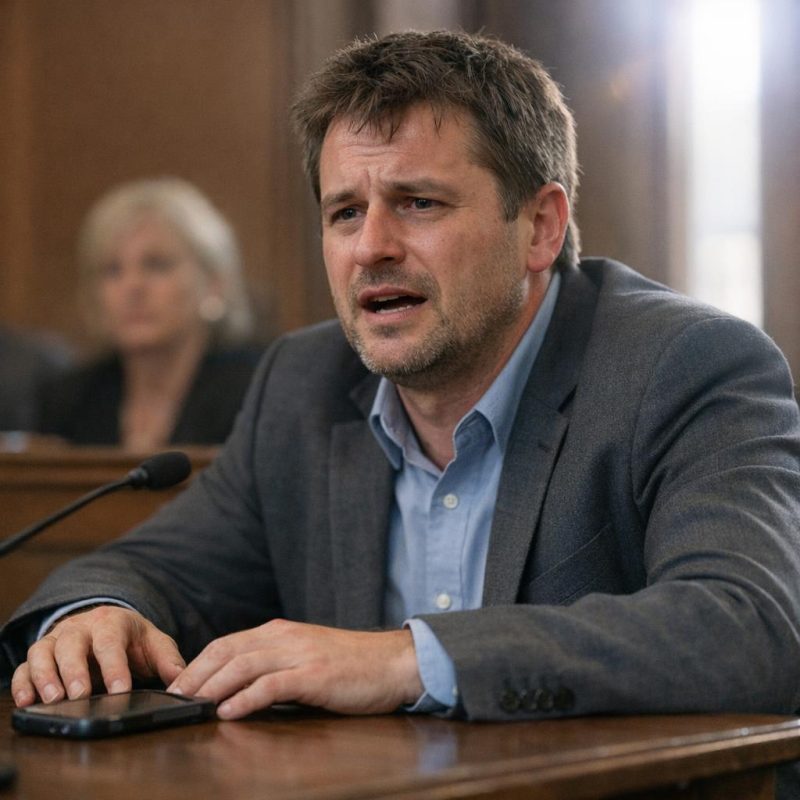 Image by RM AI
Reframing Everything
I sat in my car outside the courthouse for an hour after Richard's testimony, unable to drive, unable to think straight. Murder. The word kept echoing in my head, reshaping everything I thought I knew about the past six months. All those people at the funeral—Richard had been there, pale and uncomfortable in a black suit. Marcus Greene had shaken my hand at the reception, told me Mark was 'a brilliant engineer' and 'a terrible loss.' He'd looked me right in the eye. I'd spent weeks thinking I was going crazy, seeing conspiracies where there were just tragic mistakes. Sarah had urged me to see a therapist, said I was letting grief distort my thinking. Even Detective Carter had initially treated me with that careful, patient tone police use with unreliable witnesses. And the whole time, they knew. Some of them knew Mark had been murdered, and others suspected but chose not to look too closely. Every condolence email I'd received from the company, every carefully worded statement about 'ongoing investigations' into workplace safety—it was all cover. All lies stacked on lies. I thought about the night Marcus Greene had called me personally, three weeks after Mark died, asking if I needed anything. 'We take care of our people,' he'd said. The memory made me physically sick now. They had looked me in the eye at the funeral, shaken my hand, and lied about killing my husband—and I had believed them.
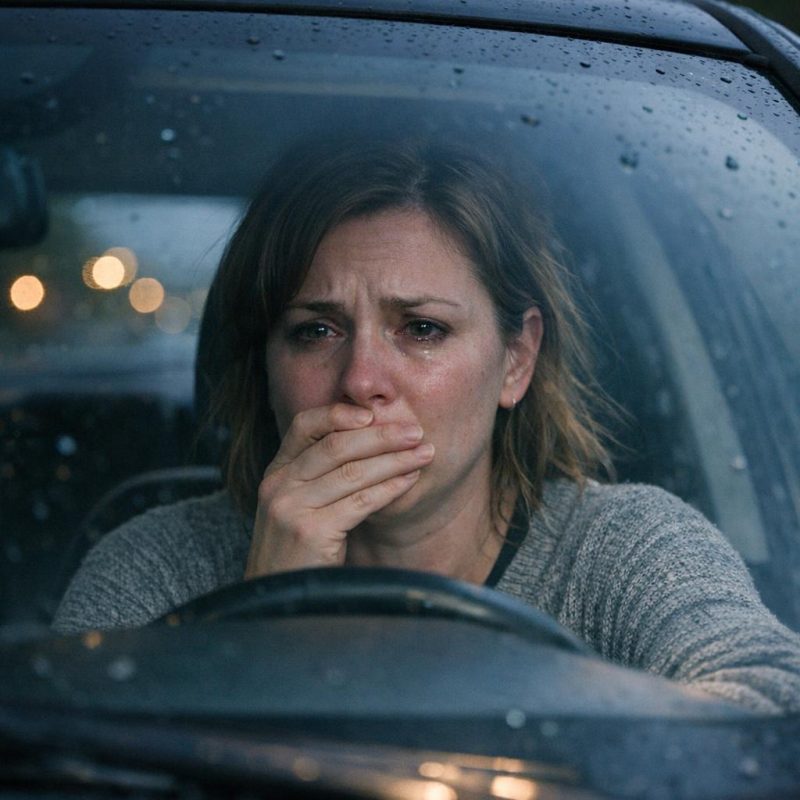 Image by RM AI
Marcus Greene's Defense
Marcus Greene's legal team was everything you'd expect for someone protecting a nine-figure fortune. Three attorneys in expensive suits, armed with briefcases full of character references and corporate performance reviews. They systematically dismantled Richard's credibility—his gambling debts, his prior disciplinary actions at work, his plea agreement that would cut his sentence from twenty years to possibly five. 'This man is desperate,' Greene's lead attorney announced to the courtroom. 'He's facing serious prison time, and he'll say anything to reduce his sentence.' I watched Marcus sitting at the defense table, perfectly composed in a gray suit, his silver hair immaculate. He looked nothing like a murderer—he looked like someone's grandfather, dignified and calm. His lawyer pointed at Richard across the room: 'My client has served this company with distinction for eighteen years. He has no criminal record. No history of violence. No motive to harm Mark Crawford, whom he barely knew personally.' The argument was effective—I could see it landing with some people in the gallery. Richard was a proven liar, caught red-handed in the fraud scheme. What proof did we really have that he was telling the truth about Marcus? Greene's lawyer drove the point home: 'This man is a convicted criminal trying to drag down a respected executive to reduce his own sentence.'
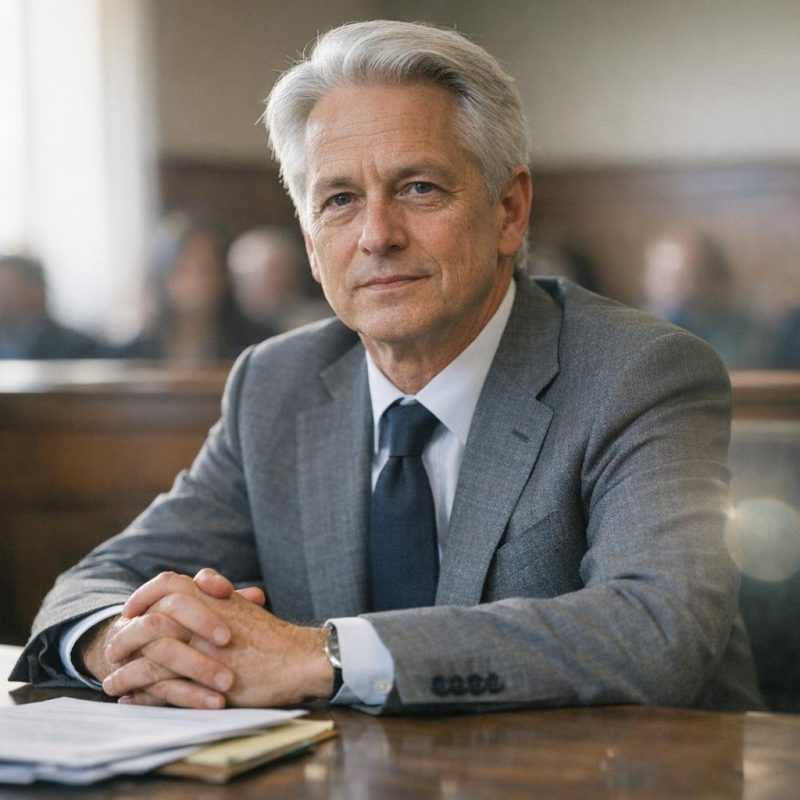 Image by RM AI
The Phone Records
The prosecution came back with phone records. Detective Carter had subpoenaed them weeks ago, apparently, but they'd taken time to process through legal channels. Now they were displayed on a screen for everyone to see—call logs between Marcus Greene's personal cell phone and Richard Davies's number. Seven calls in the two weeks before Mark died. Three of them lasting more than ten minutes. And one—one that made my breath catch—the night before Mark's death. 11:47 PM. Seventeen minutes. I stared at that timestamp, remembering that Mark had worked late that night, finishing up documentation he'd wanted to present to the project manager. He'd texted me at 11:30 saying he'd be home soon. While he was typing that message, Marcus Greene was on the phone with Richard Davies, talking for seventeen minutes. The lead prosecutor highlighted the call on screen. 'Mr. Davies has testified that this call was when Marcus Greene gave the final order to eliminate Mark Crawford as a threat. He said the timing was critical because Mark had scheduled a meeting with a compliance officer for the following week.' She let that sink in. The records showed a call lasting seventeen minutes the night before Mark died—exactly when Richard claimed Greene gave the final order.
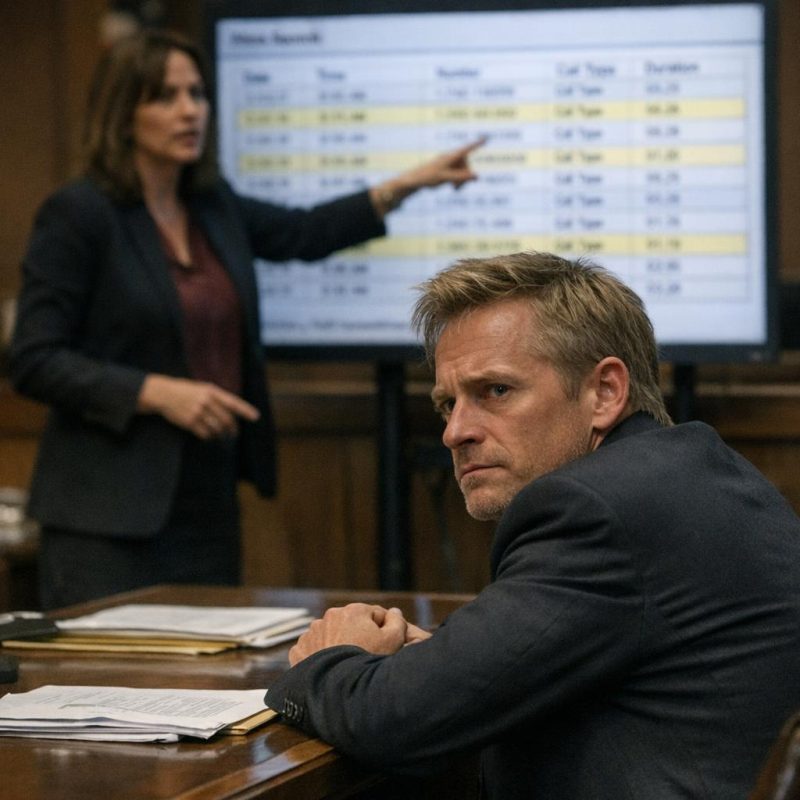 Image by RM AI
The Other Victims
Detective Carter called me two days after the phone records testimony. His voice was heavy in a way I'd learned to recognize—he had news, and it wasn't good. 'We've been digging through company safety records going back five years,' he said. 'Looking at other incidents, other accidents at construction sites.' I knew where this was going before he finished. 'We found three other deaths that match the pattern. All whistleblowers, or employees who'd raised significant safety concerns. All dead in accidents that were ruled accidental or due to worker error.' He sent me the files—I shouldn't have read them, but I couldn't stop myself. A site inspector who'd threatened to report code violations, killed in a fall from scaffolding. A quality control manager who'd documented material substitutions, crushed by a crane malfunction. A junior engineer who'd emailed corporate about fraudulent test results, electrocuted by 'faulty equipment.' All of them had accidents right before scheduled meetings with regulators or external auditors. All of them had worked on projects managed by executives who were now implicated in the fraud scheme. The pattern was unmistakable once you knew to look for it. Mark wasn't the first person they'd killed to protect their profits. He was just the latest in a years-long operation. Three other whistleblowers over five years—all dead in 'accidents,' all right before scheduled meetings with regulators.
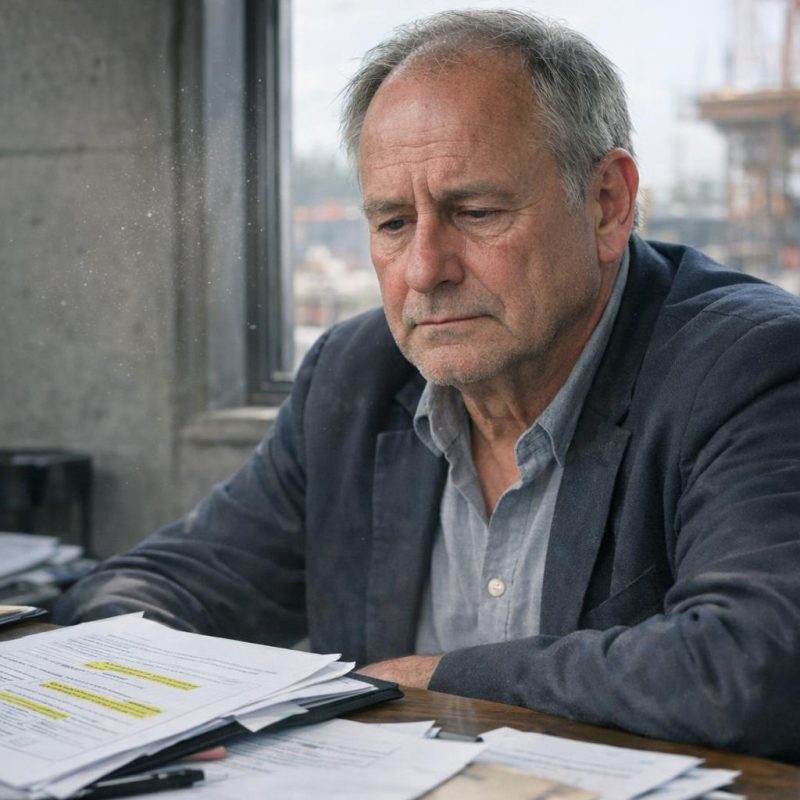 Image by RM AI
Sarah's Apology
Sarah showed up at my door on a Tuesday evening with a bottle of wine and tears already streaming down her face. 'I'm so sorry,' she said before I could even let her in. 'I'm so, so sorry, Emma.' We sat on the couch—the same couch where she'd urged me to see a grief counselor, to stop obsessing over conspiracy theories—and she held my hands tightly. 'I saw the news about the testimony,' she said. 'About what they found. All those other people.' Her voice cracked. 'You were right the whole time, and I told you to let it go. I thought I was helping you heal, but I was just... I was wrong. About everything.' I'd been so angry at Sarah for weeks, feeling abandoned by the one person who should have believed me. But sitting there watching her cry, I realized she'd been trying to protect me the only way she knew how. She'd seen me spiraling and wanted to pull me back from an obsession she thought would destroy me. 'You didn't know,' I said finally. 'I barely knew, and I was living it.' Sarah pulled me into a hug, both of us crying now. 'You were right all along, and I should have believed you,' she said. 'I'm so sorry.'
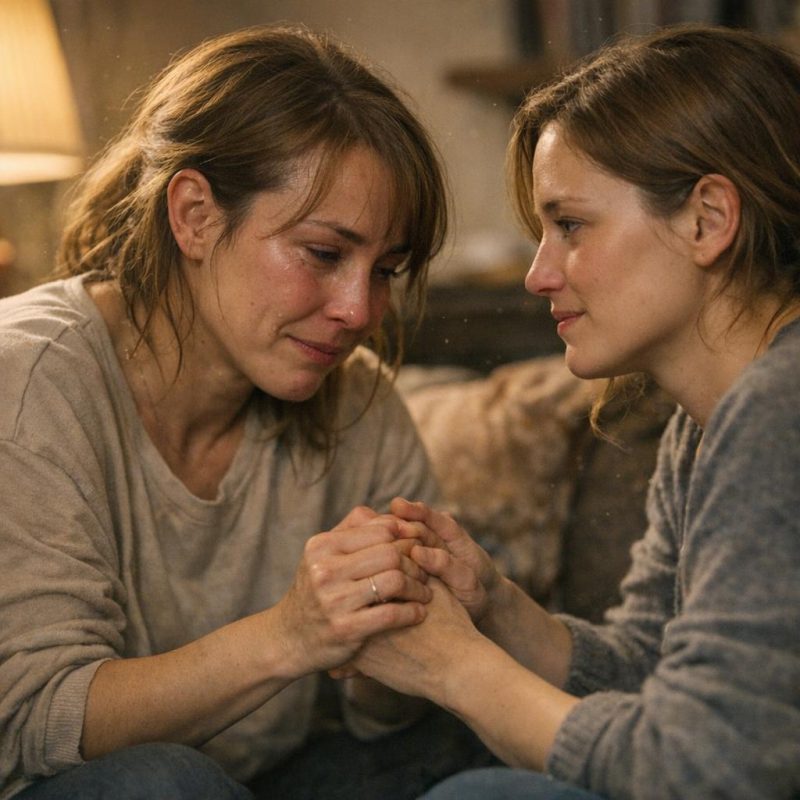 Image by RM AI
Greene's Desperation
The witness intimidation started three days before Dylan Ross was scheduled to testify. He'd worked with Mark on two projects and could verify the falsified documentation Richard had described. The prosecution needed him to establish the paper trail. Then Dylan started noticing things—the same car parked near his apartment two nights in a row. Someone following him from the grocery store. A voicemail on his phone with no words, just breathing. Lisa Chen reported it to the court immediately, requested protection, but the wheels of justice move slowly. Dylan called me after the third incident, his voice shaking. 'There was someone in my building's parking garage tonight. They didn't approach me, just stood there watching me walk to my car.' I could hear the fear through the phone. 'Emma, I want to help. I want Mark's killers to pay. But I have a wife, and we're expecting a baby in two months.' My hands tightened around the phone. This was Marcus Greene showing exactly how far he'd go to protect himself—threatening witnesses, obstructing justice, doubling down even as the case closed around him. 'Don't change your testimony,' I said. 'We'll get you protection.' But I felt the fear too, wondering what else Greene was capable of. Dylan's voice cracked: 'Someone followed me home from work. They want me to change my testimony.'
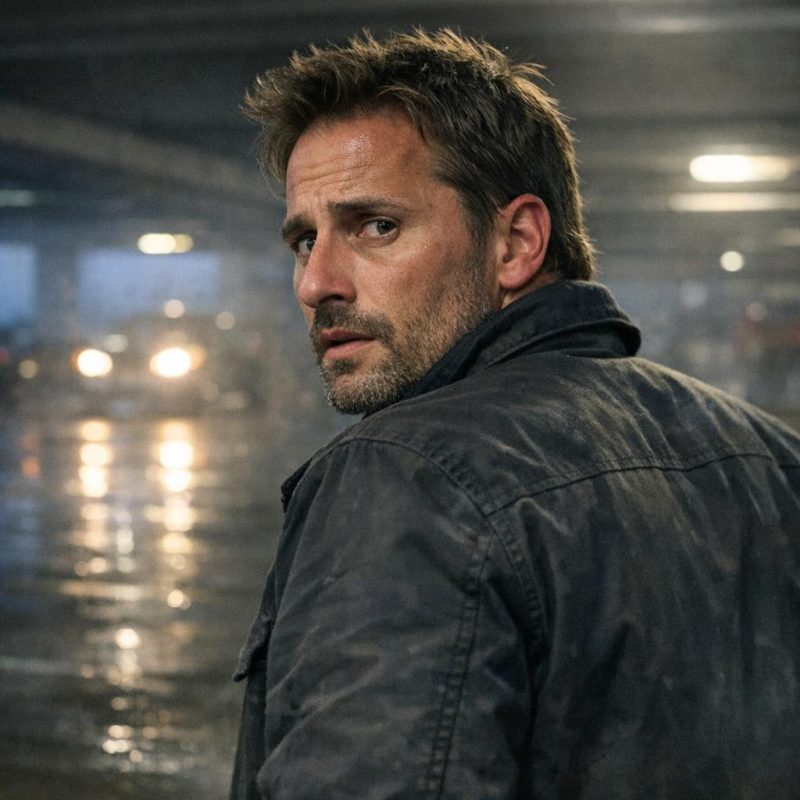 Image by RM AI
Additional Charges
The additional charges came down on a Tuesday morning. Lisa called me at 7 AM, her voice electric with energy I hadn't heard since this whole thing started. 'Emma, the prosecutors just filed expanded charges. Racketeering under RICO statutes. Conspiracy to commit murder. Wire fraud. Obstruction of justice.' I set down my coffee cup, hands suddenly steady for the first time in weeks. The case had grown beyond Mark's death—the investigation had uncovered a systematic pattern of criminal conduct spanning years. Two other suspicious deaths at Greene's companies, both whistleblowers who'd died in 'accidents' that looked a lot like Mark's. Financial records showing millions funneled through shell companies. A network of corruption that touched three states and dozens of executives. Marcus Greene had built an empire on blood and lies, and now the whole structure was collapsing. I felt something shift in my chest—not quite satisfaction, more like grim determination crystallizing into certainty. This wasn't just about Mark anymore. It was about every person Greene had hurt, every family he'd destroyed, every truth he'd tried to bury. Lisa's voice pulled me back: 'They're charging him with three counts of murder. Emma, we're going to make sure he never sees daylight again.'
 Image by RM AI
The Eve of Trial
I went to the cemetery the night before the trial started. It was late, almost midnight, but I needed to be there—needed to talk to Mark one more time before everything changed. The grounds were closed, but I climbed the low fence like I'd done twice before. His headstone looked different in the moonlight, softer somehow. I sat on the grass beside it, feeling the cold seep through my jeans. 'Hey,' I said quietly, like he might actually answer. 'It starts tomorrow. The trial. Everything we've been working toward.' A breeze rustled through the trees, and I imagined it was him, listening. I told him about Richard's cooperation, about Dylan's courage despite the intimidation, about the mountain of evidence that proved what he'd suspected all along. I told him I was scared—scared that Greene's lawyers would be too good, scared that the jury wouldn't understand, scared that justice might still slip away. But mostly I felt ready. Ready to finish what Mark had started, ready to make sure his death meant something. I stood up, touched the cold marble of his headstone one last time. I whispered into the darkness: 'They're going to pay for what they did to you. I promise.'
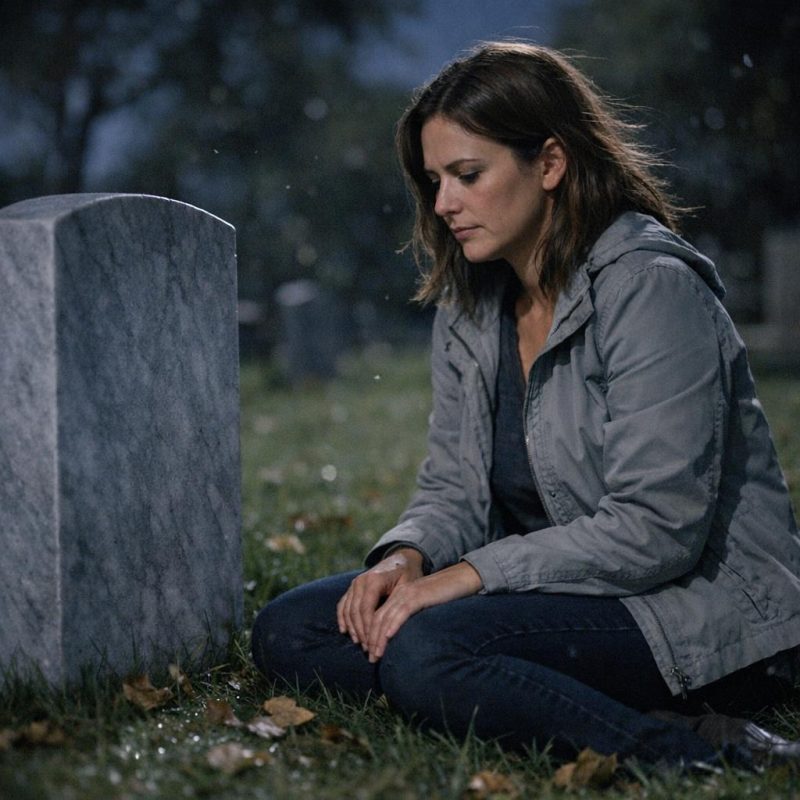 Image by RM AI
Opening Arguments
The courtroom was packed when I arrived that first morning. Media crews lined the hallway, cameras tracking every person who entered. I kept my head down, found my seat in the second row behind the prosecution table. Marcus Greene sat at the defense table in an expensive suit, looking calm and confident—the picture of a successful businessman wrongly accused. It made my stomach turn. The jury filed in, twelve faces I'd studied obsessively during selection. Then the prosecutor stood up, and the room went silent. Her opening statement was devastating. She walked the jury through Mark's concerns about the building systems, showed them the emails he'd sent that were ignored, explained how those same systems failed exactly as he'd predicted. Then she pivoted—showed them the financial motive, the millions Greene stood to lose if Mark's findings went public. She described Richard's testimony about the orders he'd received, Dylan's documentation of the cover-up. Every word was precise, calculated, damning. I watched the jury's faces, trying to read their reactions. Some looked horrified. Others just looked focused, taking notes. Greene never moved, never showed emotion. But I saw his lawyer's jaw tighten. The prosecutor's final words hung in the air: 'This is not a story about accidents—it's a story about murder for profit.'
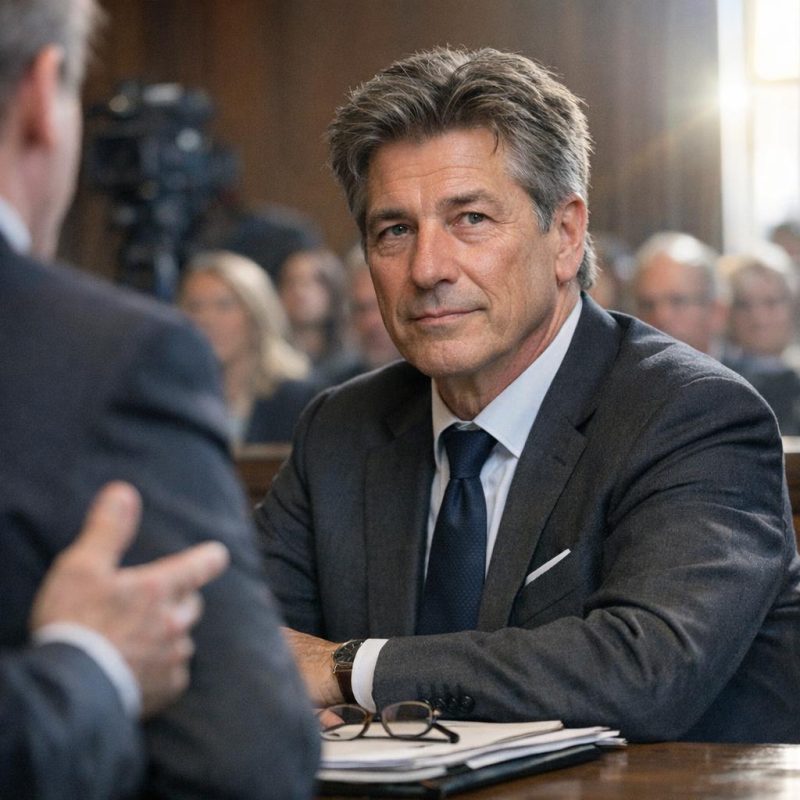 Image by RM AI
Richard's Testimony
Richard Davies took the stand on day three of the trial. He looked thinner than I remembered, older somehow. His hands shook as he was sworn in. The prosecutor walked him through his history with Greene's company, establishing his credibility, his position, his access to information. Then she got to the heart of it. 'Mr. Davies, did Marcus Greene ever discuss Mark Chen with you?' Richard's voice was quiet but clear: 'Many times. Mark had identified serious problems with our building systems. Problems that would have cost the company millions to fix.' I leaned forward in my seat. 'And what did Mr. Greene say about those problems?' Richard took a breath. 'He said Mark was going to destroy everything we'd built. That he was going to regulatory agencies, that he wouldn't stop until the whole company was exposed.' The courtroom was silent. 'What did Mr. Greene ask you to do?' Richard's eyes found Greene across the room, held his gaze. 'He told me Mark needed to be stopped. That the company came first. That sometimes difficult decisions had to be made for the greater good.' His voice didn't waver now. Richard looked directly at Greene: 'You told me Mark was going to destroy everything we'd built, and that I had to stop him permanently.'
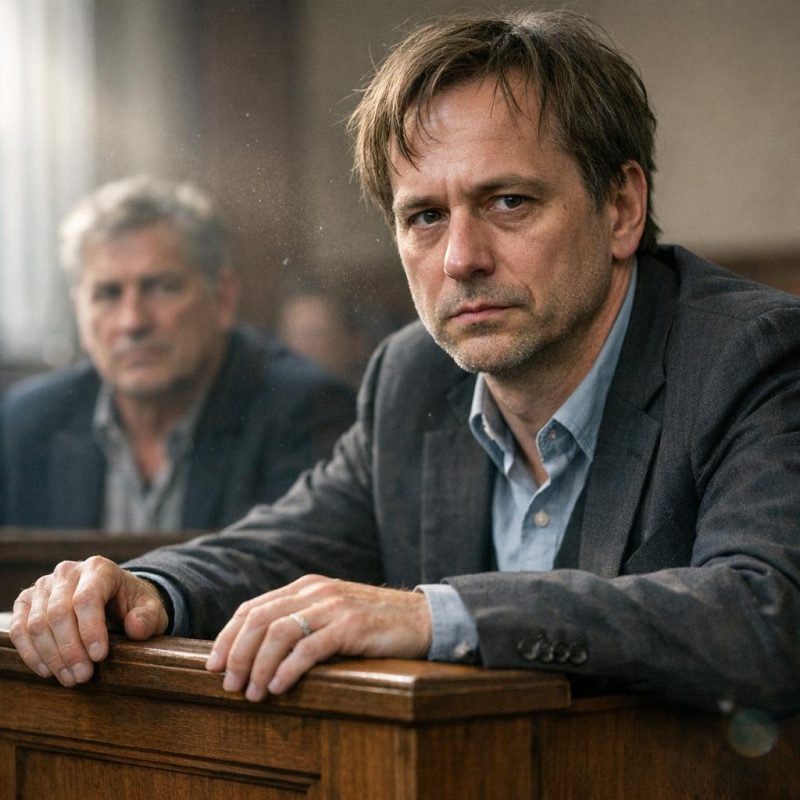 Image by RM AI
Cross-Examination
Greene's defense attorney came at Richard like a hurricane. I'd expected it, but watching it unfold was still brutal. 'You're testifying to save yourself from a life sentence, aren't you?' the attorney shouted, pacing in front of the witness stand. Richard nodded slowly. 'Yes. I am.' 'You've lied before, haven't you? Lied to investigators, lied to your colleagues?' 'Yes.' 'So why should this jury believe anything you say now?' My hands gripped the armrest. This was the moment—if Richard broke, if the jury saw doubt, everything could collapse. But Richard leaned forward slightly, his voice steady. 'Because I'm tired of lying. Because I've spent two years knowing I helped kill an innocent man. Because every night I see Mark Chen's face and know what I did.' The attorney pressed harder, trying different angles—suggesting Richard acted alone, that he was mentally unstable, that he was fabricating Greene's involvement. But Richard didn't budge. He answered every question with the same exhausted honesty. Finally, the attorney tried one last time, voice dripping with contempt. The defense attorney shouted: 'You're a liar trying to save your own skin!' But Richard didn't flinch: 'I'm a liar who's finally telling the truth.'
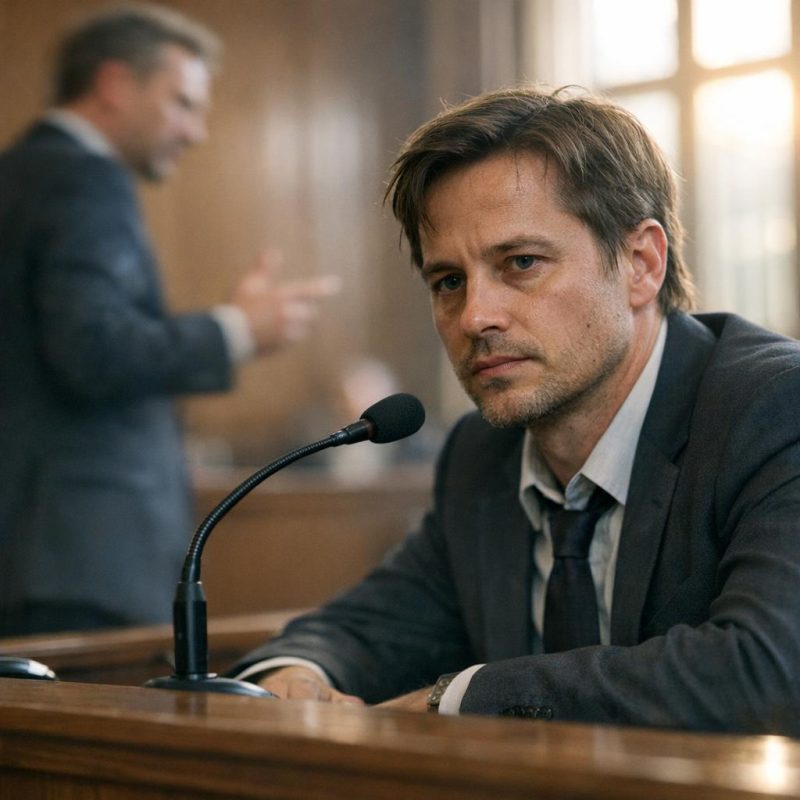 Image by RM AI
Emma Takes the Stand
They called me to testify on day five. I'd prepared for this moment for weeks—practiced with Lisa, rehearsed my answers, steadied my voice. But walking to that witness stand, I felt like I might shatter. The prosecutor started gentle, asking about Mark, about our life together, about the man he was. I could do that part. I told them about his dedication, his integrity, how he'd always believed that doing the right thing mattered more than convenience. Then she asked about the weeks before his death. My voice cracked describing his anxiety, his fear that something bad was going to happen, the way Greene's company had systematically ignored every warning he'd raised. 'Did your husband tell you he felt threatened?' 'Yes. He said people were angry at him for pushing so hard. That his boss had told him to drop it.' I looked at Marcus Greene then, let myself really see him. He stared back, emotionless. The prosecutor's final question: 'What do you want this jury to know?' I turned to face them directly, let every ounce of grief and fury show. I looked at the jury: 'My husband died because he cared more about people's lives than corporate profits. Don't let them bury the truth.'
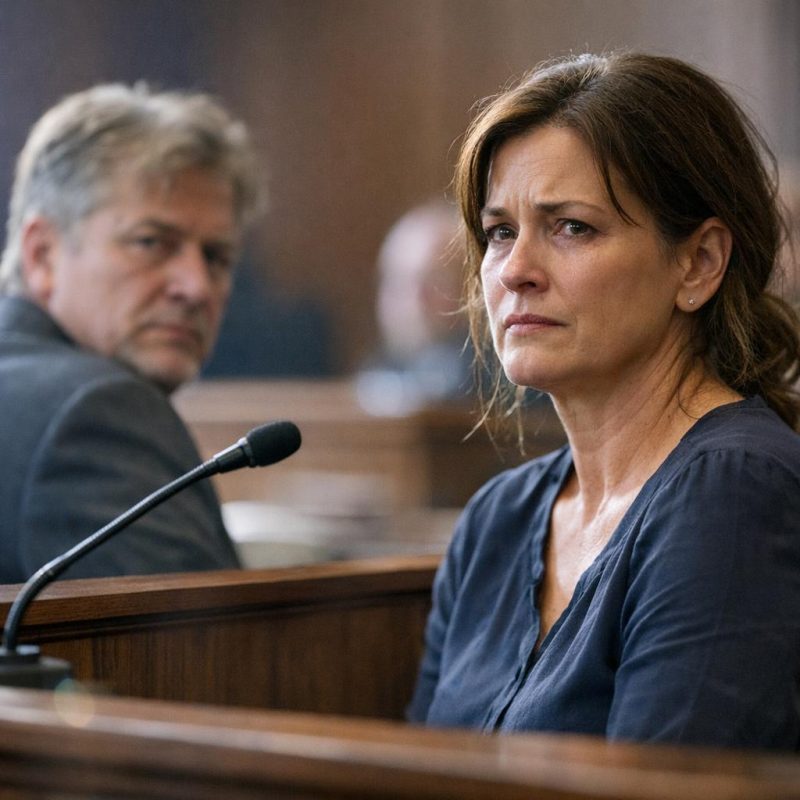 Image by RM AI
The Defense's Case
Greene's defense took three days to present their case. They called character witnesses—people who'd worked with Greene for decades, who praised his leadership and integrity. They brought in corporate experts who testified that the building failures were unforeseeable, that no reasonable person could have predicted them. They painted Richard as a rogue employee, Dylan as a disgruntled ex-worker with an axe to grind. And then, on the eighth day of trial, Marcus Greene himself took the stand. I hadn't expected that. Most defendants don't testify, too risky. But Greene looked confident, almost relaxed. His lawyer walked him through his version—he was a dedicated businessman who'd built his company from nothing, who trusted his employees to do their jobs. 'Did you ever order anyone to harm Mark Chen?' 'Absolutely not. I didn't even know who Mark Chen was until after his death.' 'Did you conspire to cover up safety violations?' 'No. I relied on my engineering team to handle technical matters.' He was good. Polished. Believable, even. I watched the jury, saw some of them nodding slightly. My stomach twisted. What if they believed him? What if all of this—all the evidence, all the testimony—wasn't enough? Greene took the stand himself: 'I'm a businessman who trusted my subordinates. I never ordered anyone's death.'
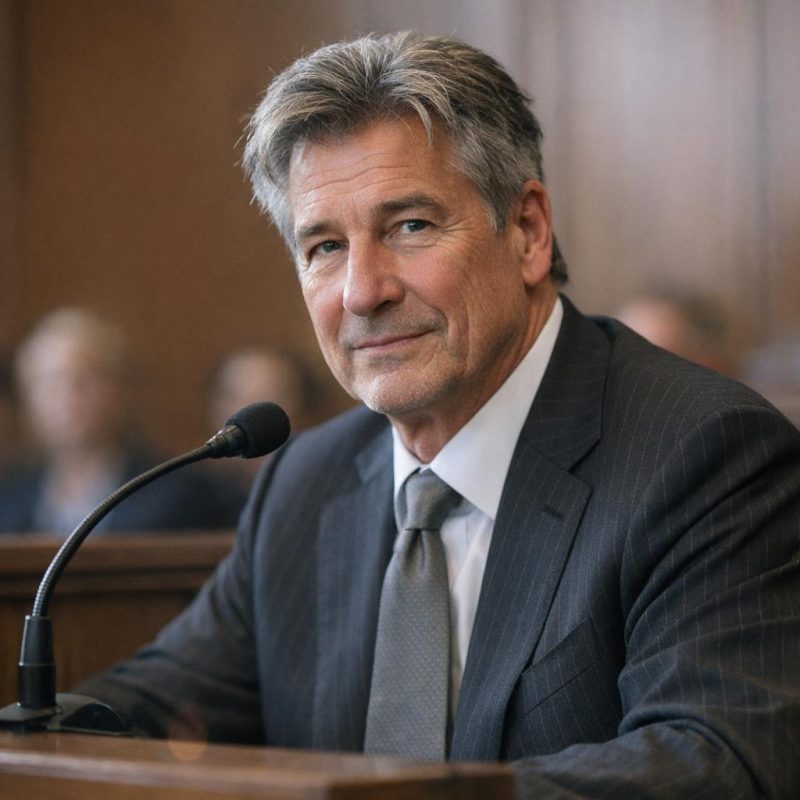 Image by RM AI
Closing Arguments
The closing arguments happened on a Friday morning. Both sides had ninety minutes. Greene's attorney went first, methodically attacking the prosecution's case—circumstantial evidence, unreliable witnesses, reasonable doubt everywhere you looked. He made it sound almost plausible, like Greene was just an unlucky executive caught in a web of subordinates' mistakes. I felt sick listening to it. Then the prosecutor stood up. She was quieter than Greene's lawyer, less theatrical. But she walked the jury back through every piece of evidence—the emails, the financial records, Richard's detailed testimony about conversations with Greene. She reminded them of the other deaths, the pattern of behavior. 'Marcus Greene wants you to believe he was ignorant of what was happening in his own company. That he just happened to profit enormously from Mark Chen's death. That it's all coincidence.' She paused, let the silence build. 'You're smarter than that. You've seen the evidence. You know what happened here.' The jury looked exhausted. We all were. Two weeks of testimony, thousands of pages of evidence, dozens of witnesses. The judge gave the jury their instructions, explained the charges, the burden of proof. The jury filed out to deliberate, and all I could do was wait and hope that Mark's voice had finally been heard.
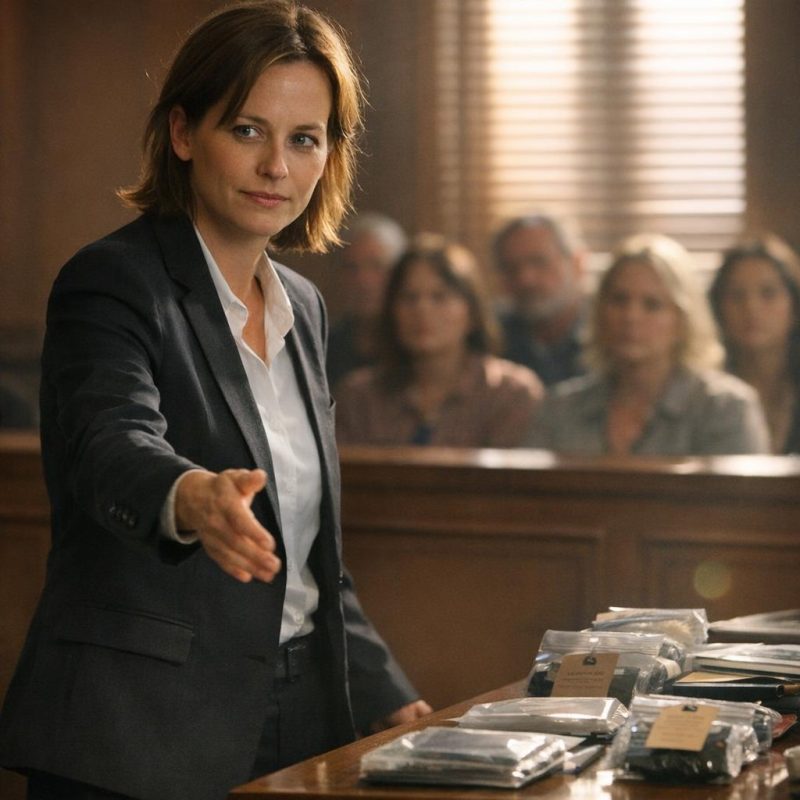 Image by RM AI
The Verdict
The jury came back after two days. Two days of sitting in that courtroom hallway, checking my phone every thirty seconds like the news might somehow arrive early. When the clerk called us back in, my hands were shaking so badly I had to clasp them together. Greene walked in looking composed, but I could see the tension in his shoulders. The judge asked if the jury had reached a verdict. The foreperson—a middle-aged woman who'd taken careful notes throughout the trial—stood up holding a folded piece of paper. My heart was pounding so hard I thought everyone could hear it. 'We have, Your Honor,' she said. The judge told the defendant to rise. Greene stood, his lawyer beside him. The courtroom was absolutely silent. You could've heard a pin drop. The foreperson unfolded the paper and looked directly at Greene. 'On the count of conspiracy to commit murder, we find the defendant guilty.' The courtroom erupted. People gasped, someone behind me started crying. Greene's face went white. I just sat there, tears streaming down my face, finally breathing for what felt like the first time in two years.
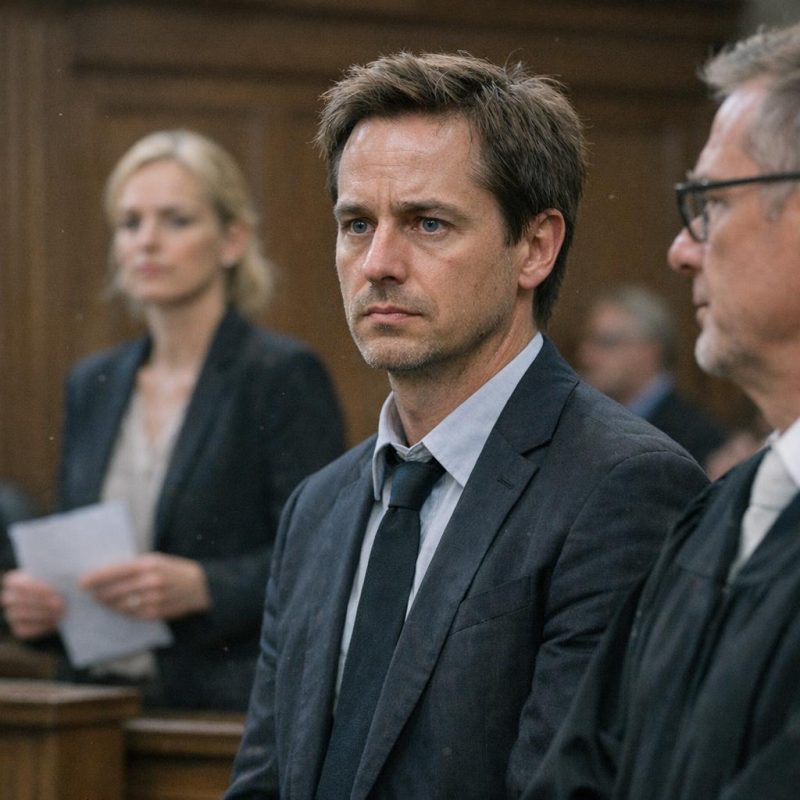 Image by RM AI
Sentencing
The sentencing hearing was three weeks later. Greene's lawyers argued for leniency, talked about his age, his contributions to the community, his lack of prior record. It made me want to scream. The prosecutor countered with victim impact statements—not just Mark's, but families of the other workers who'd died or been injured. When it was my turn, I kept it short. I told the judge that Mark had trusted his employer to keep him safe, and that trust had been weaponized against him. The judge listened to everything, took notes, then spent twenty minutes explaining his reasoning. He cited the pattern of behavior, the calculated nature of the crimes, the abuse of power. 'The court sentences Marcus Greene to life in prison without the possibility of parole,' he said. The bailiffs moved forward immediately. Greene stood, his hands being cuffed behind his back. As they led him away, he looked at me one last time—but I felt nothing except the weight of everything it had cost to get here.
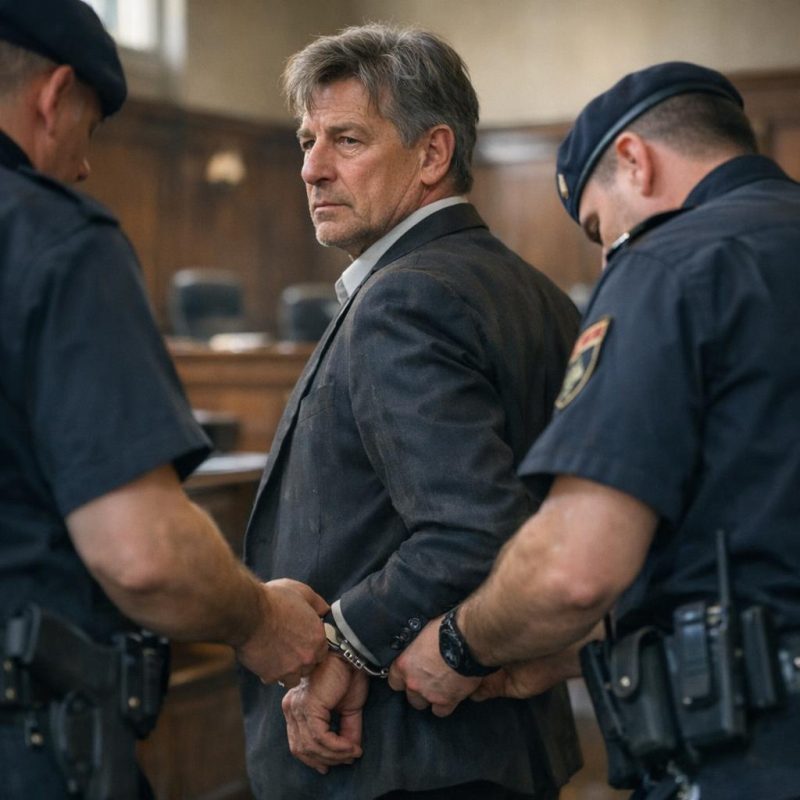 Image by RM AI
What Justice Costs
Two years. That's how long it took from Mark's death to Greene's conviction. Two years of my life consumed by investigation, legal battles, sleepless nights, and constant fear. I'd lost friendships because I couldn't talk about anything else. I'd burned through our savings on legal fees and private investigators. My relationship with my family had become strained because they worried I was destroying myself. And they weren't entirely wrong. Some days I barely recognized the person I'd become—harder, more suspicious, less able to trust. But I also couldn't imagine having done anything differently. If I hadn't fought, Mark's death would've stayed classified as an accident. Greene would still be running his company, cutting corners, putting workers at risk. Other families would be grieving. So was it worth it? I don't know if 'worth it' is even the right question. I did what I had to do. I gave Mark the justice he deserved. But I had proven Mark's death wasn't an accident, and I couldn't bring him back—and that hollow ache would never fully heal.
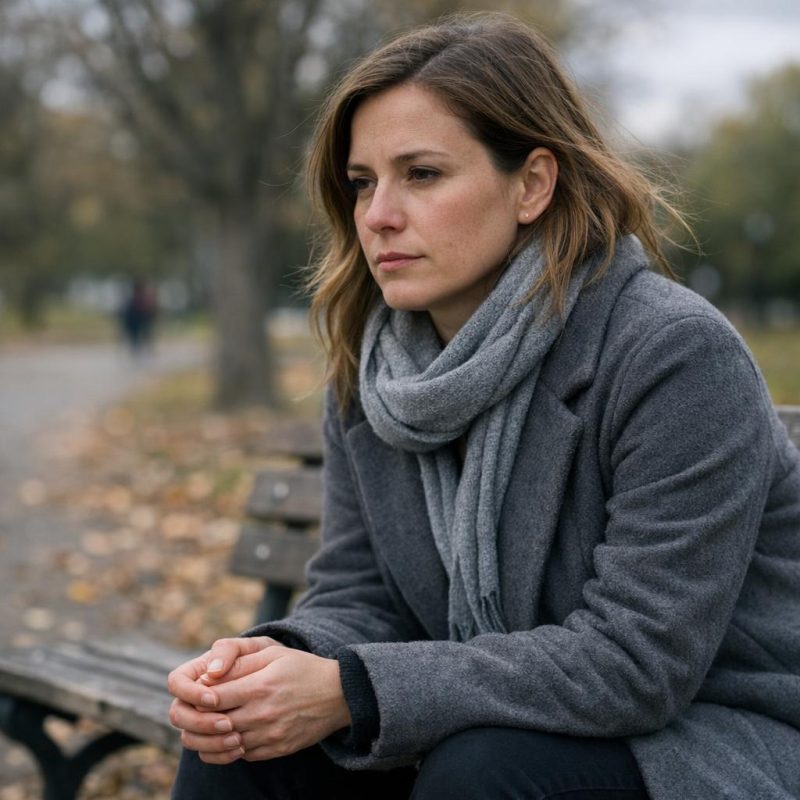 Image by RM AI
His Voice Lives On
Six months after the sentencing, I established the Mark Chen Foundation. It took nearly all the wrongful death settlement, but I didn't need the money—I needed purpose. The foundation provides legal support for whistleblowers, advocates for stronger workplace safety regulations, and offers resources to families navigating suspicious workplace deaths. We funded three investigations in our first year alone, helping other widows and widowers ask the questions they deserved answers to. I hired Sarah Chen as our first executive director—she'd been fighting her own battle against corporate negligence after her brother's factory accident. We work with labor unions, safety advocates, investigative journalists. We're small, but we're persistent. Mark spent his final months trying to protect his coworkers, trying to make sure the right people heard about the dangers at Halcyon. He died before he could finish that fight. But I'm finishing it for him, every single day. The foundation's work reaches hundreds of workers now, maybe thousands eventually. They had tried to bury Mark's voice along with his body—but I made sure it would be heard for years to come.
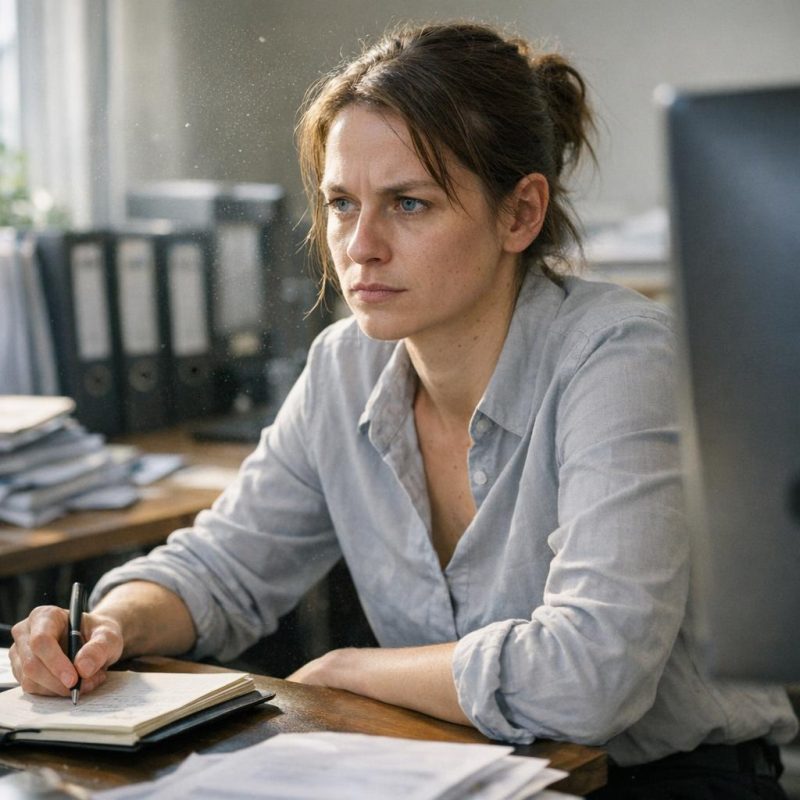 Image by RM AI
KEEP ON READING
The 20 Most Recognized Historical Figures Of All Time
The Biggest Names In History. Although the Earth has been…
By Cathy Liu Oct 4, 2024
10 of the Shortest Wars in History & 10 of…
Wars: Longest and Shortest. Throughout history, wars have varied dramatically…
By Emilie Richardson-Dupuis Oct 7, 2024
10 Fascinating Facts About Ancient Greece You Can Appreciate &…
Once Upon A Time Lived Some Ancient Weirdos.... Greece is…
By Megan Wickens Oct 7, 2024
20 Lesser-Known Facts About Christopher Columbus You Don't Learn In…
In 1492, He Sailed The Ocean Blue. Christopher Columbus is…
By Emilie Richardson-Dupuis Oct 9, 2024
20 Historical Landmarks That Have The Craziest Conspiracy Theories
Unsolved Mysteries Of Ancient Places . When there's not enough evidence…
By Megan Wickens Oct 9, 2024
The 20 Craziest Inventions & Discoveries Made During Ancient Times
Crazy Ancient Inventions . While we're busy making big advancements in…
By Cathy Liu Oct 9, 2024