Power, Politics, and Pride Can Erase Rulers
History isn’t just written by the victors; it’s edited by them. When rulers fell out of favor, their names were often scratched from records, monuments destroyed, or titles revoked as if they never existed. Some were erased intentionally, others faded because later dynasties found them inconvenient or embarrassing. These kings and queens ruled real people in real places, yet their stories survived only in fragments, whispers, or archaeology. Here are 20 kings and queens who vanished from history books.
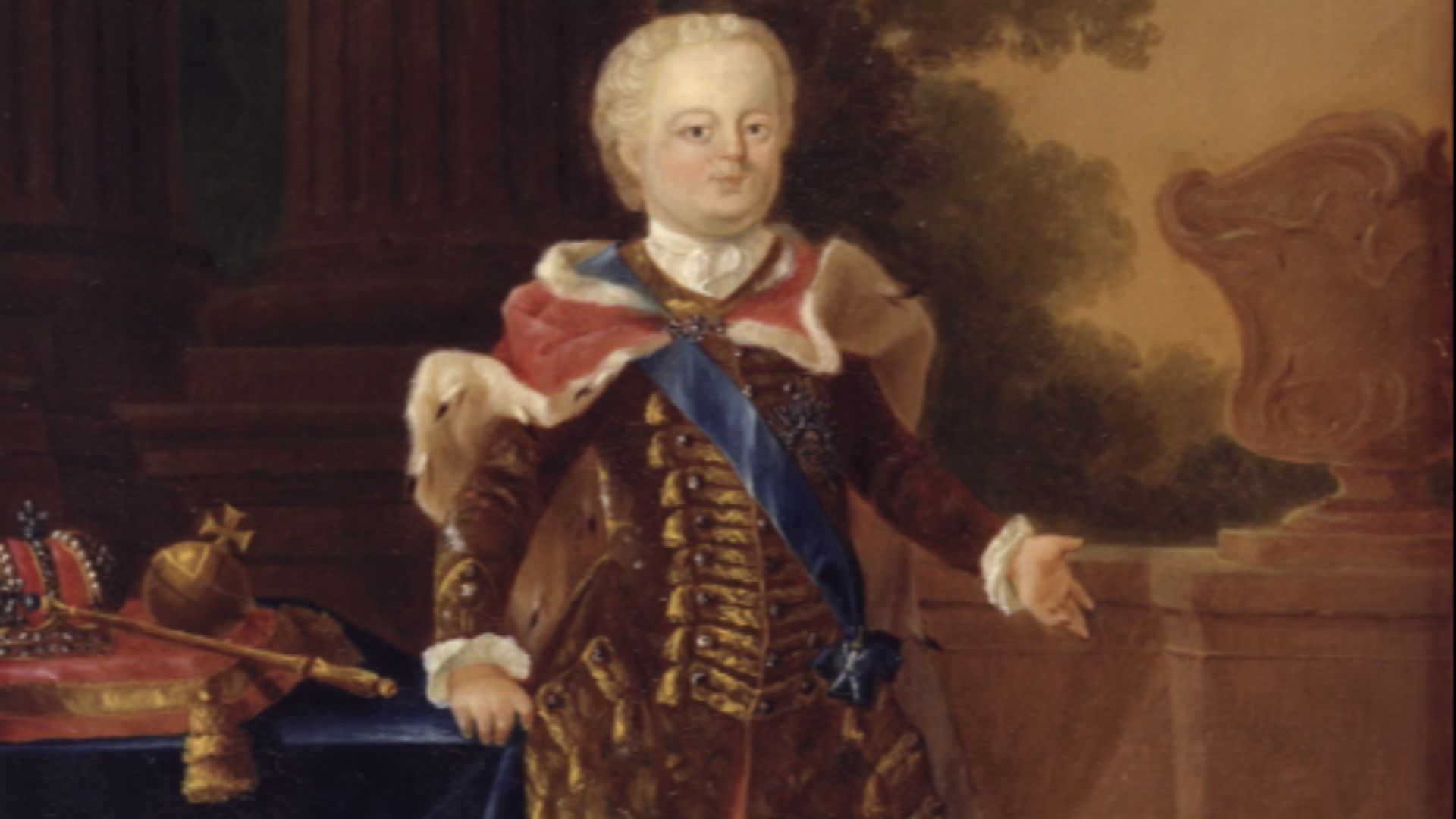 Wilhelm Andreas Müller on Wikimedia
1. Hatshepsut of Egypt
Hatshepsut ruled as pharaoh in the 18th Dynasty and governed successfully for over two decades. After her death, many of her statues were destroyed, and her name was removed from monuments.
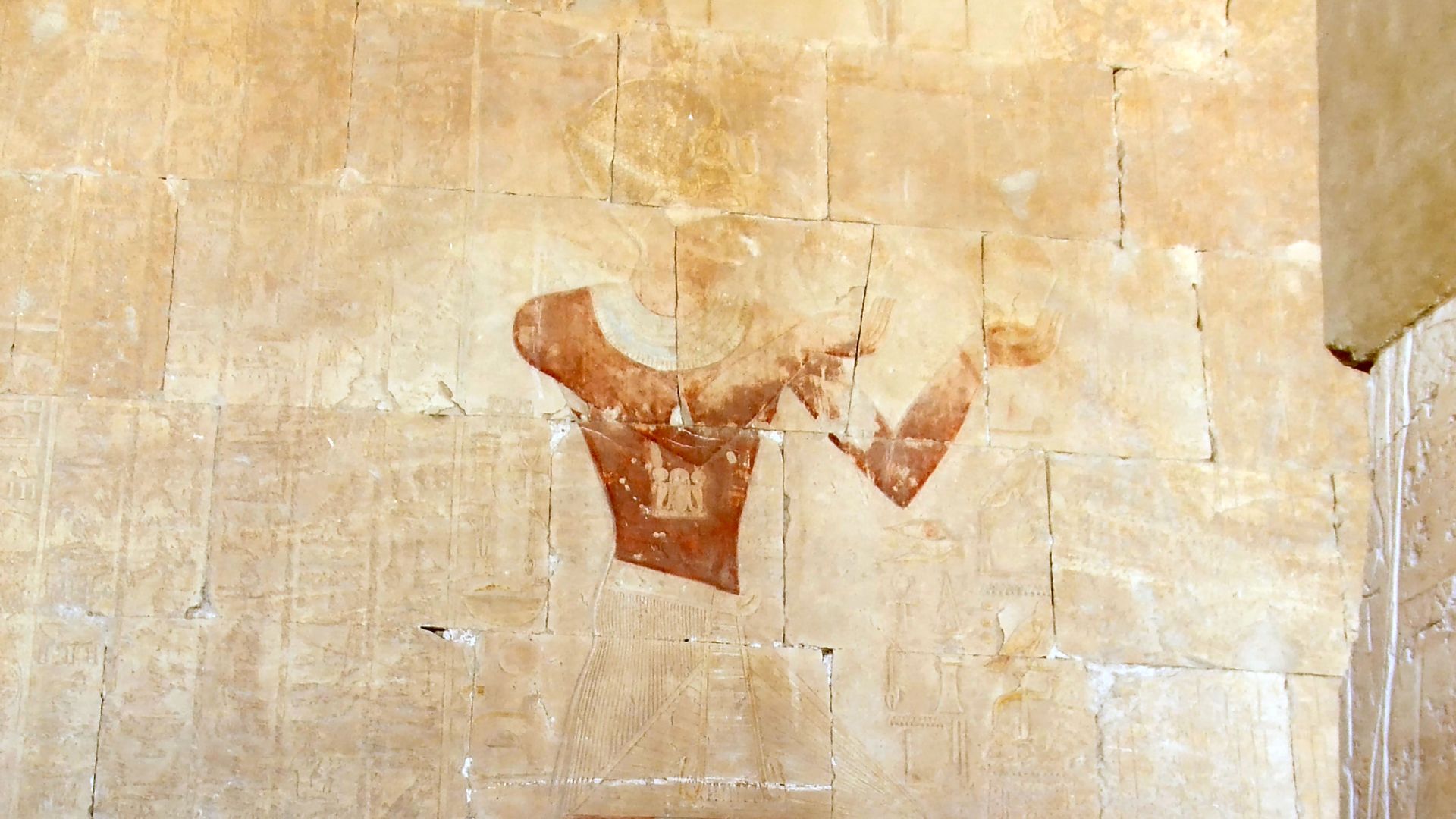
2. Smenkhkare of Egypt
Smenkhkare ruled briefly during the chaotic Amarna Period. Very little is known about his reign, and even his identity remains debated. Later kings excluded him from official king lists. His disappearance reflects how unstable transitions were quietly smoothed over. The gaps in records make it difficult to even date his rule precisely.
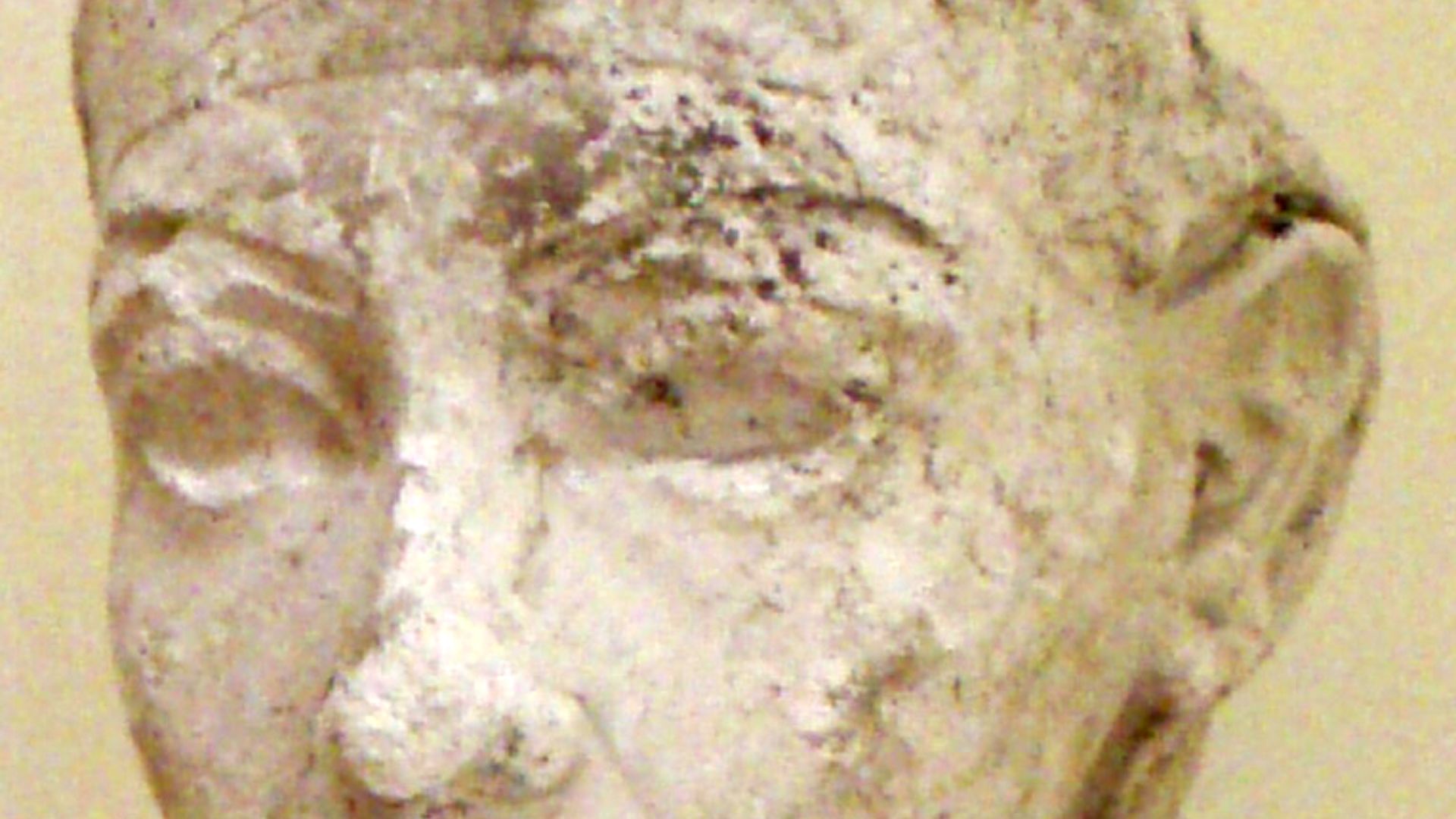 Keith Schengili-Roberts on Wikimedia
3. Neferneferuaten of Egypt
Neferneferuaten reigned near the end of Akhenaten’s religious revolution. Scholars still debate whether this ruler was Nefertiti or another royal woman. Subsequent rulers erased Amarna-era leaders from official records. This deliberate omission left Neferneferuaten shrouded in mystery. Only scattered inscriptions confirm the reign.
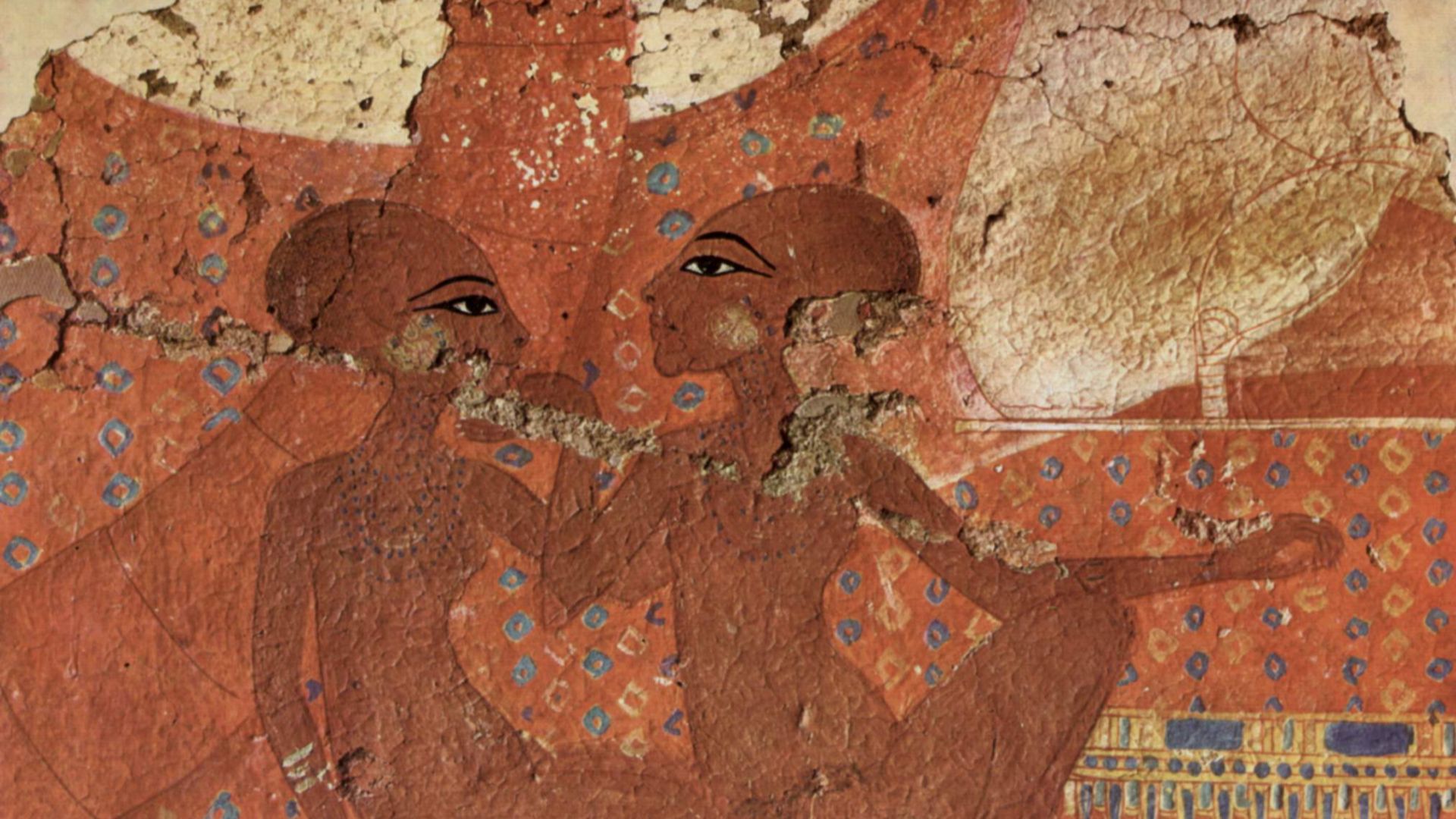 Ägyptischer Maler um 1360 v. Chr. on Wikimedia
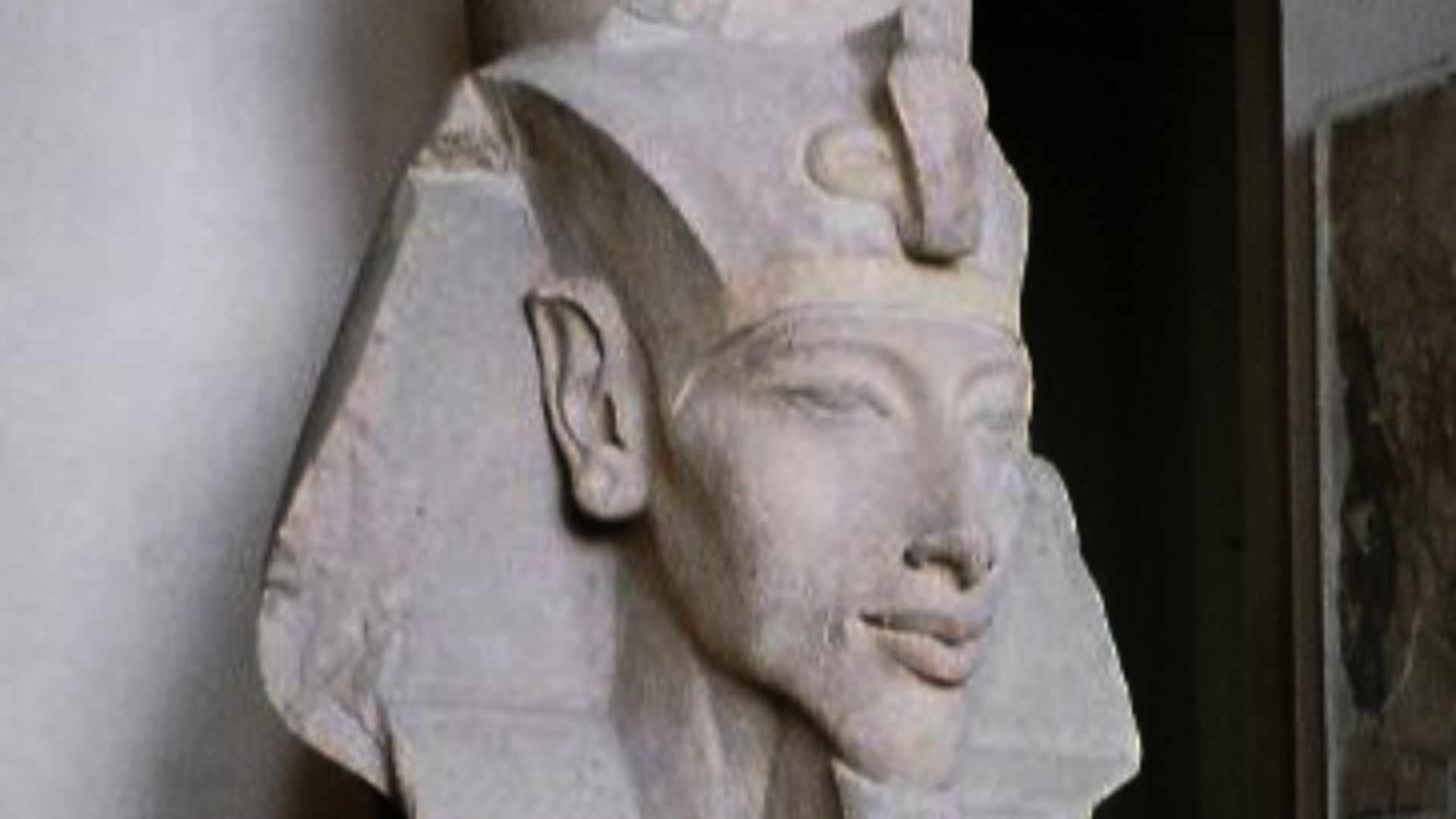
4. Akhenaten of Egypt
Akhenaten radically reformed Egypt’s religion by promoting Aten worship. After his death, later pharaohs labeled him a heretic. His name was removed from the king lists and monuments. For centuries, his reign was nearly forgotten. The destruction was so thorough that scholars initially struggled to place him in the timeline.
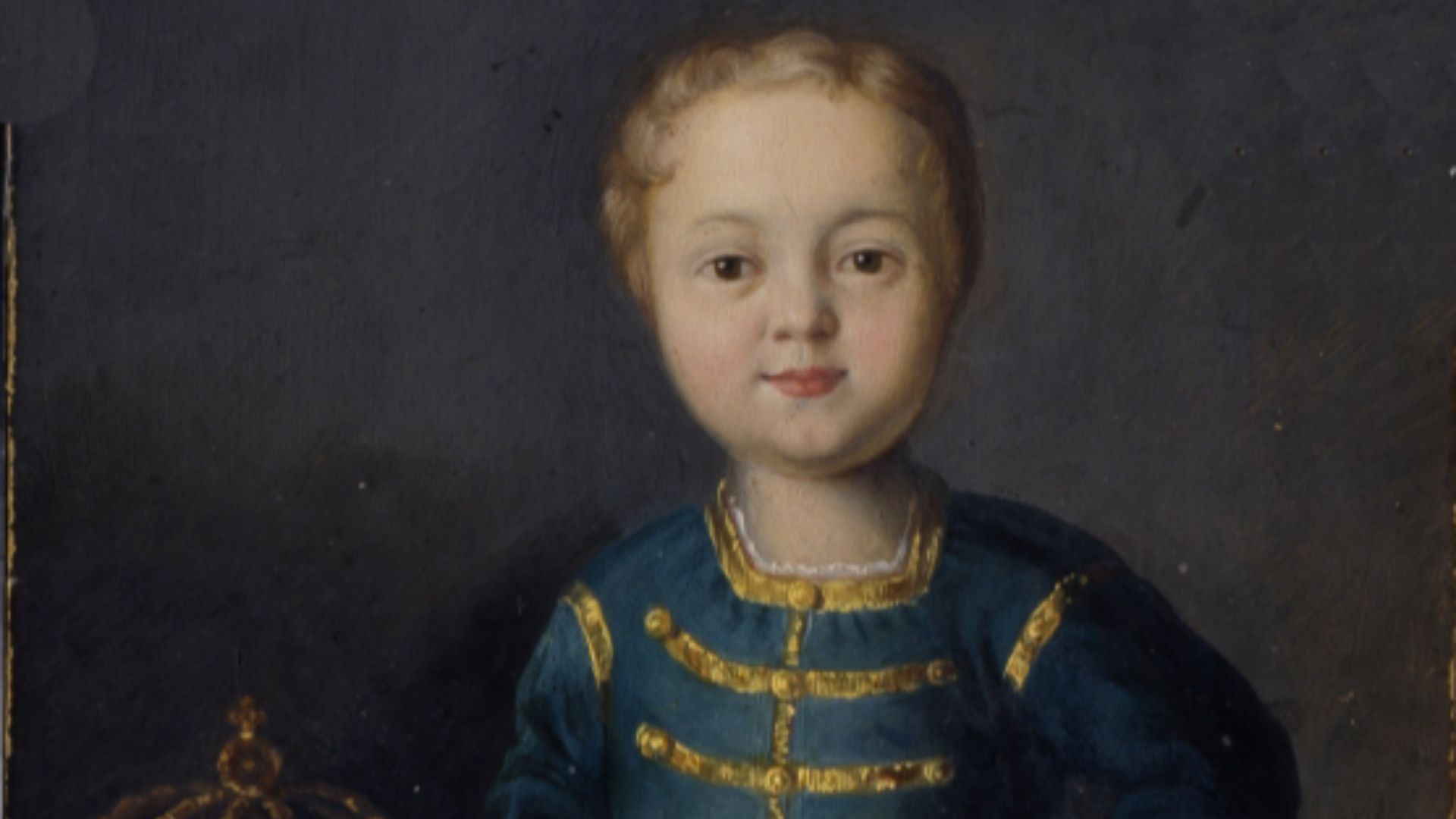
5. Ivan VI of Russia
Ivan VI became emperor as an infant in 1740. He was deposed less than a year later and imprisoned for life. His existence was suppressed to prevent rebellion. Even speaking his name was dangerous during the later reigns. He died in captivity at just 23 years old.
 anonymous / Unidentified painter on Wikimedia
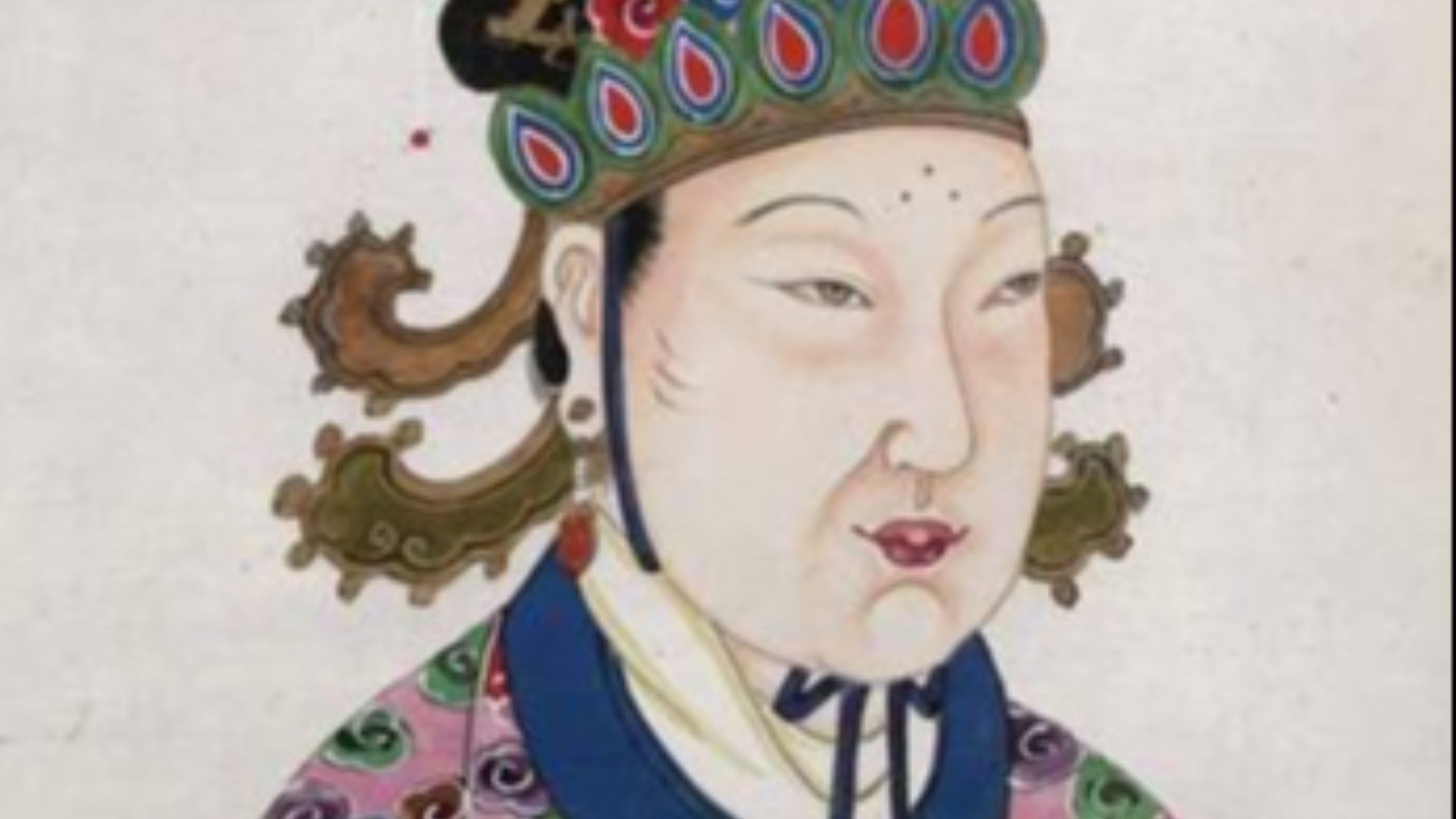
6. Wu Zetian of China
Wu Zetian ruled as China’s only female emperor during the Tang Dynasty. After her death, Confucian historians minimized or criticized her reign. Official histories reframed her rule as an aberration.
 Unknown authorUnknown author on Wikimedia
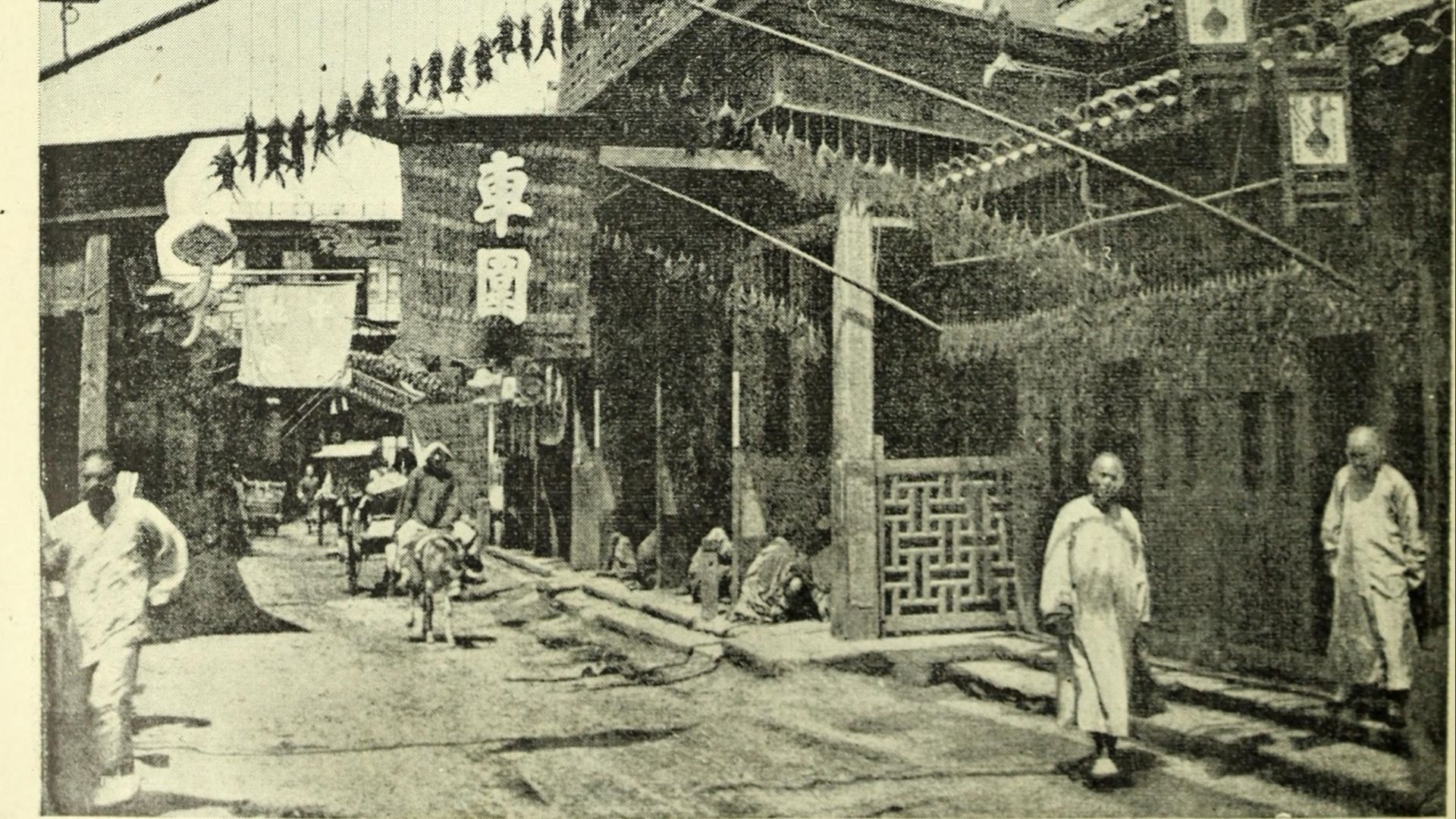
7. Gwanghaegun of Joseon
Gwanghaegun ruled Korea during a time of recovery after invasions. Despite stabilizing the kingdom, he was deposed in a coup. He was stripped of the title “king” and recorded as a prince instead. This downgrade altered how history remembered him. Official chronicles reflect the bias of his successors.
 Internet Archive Book Images on Wikimedia
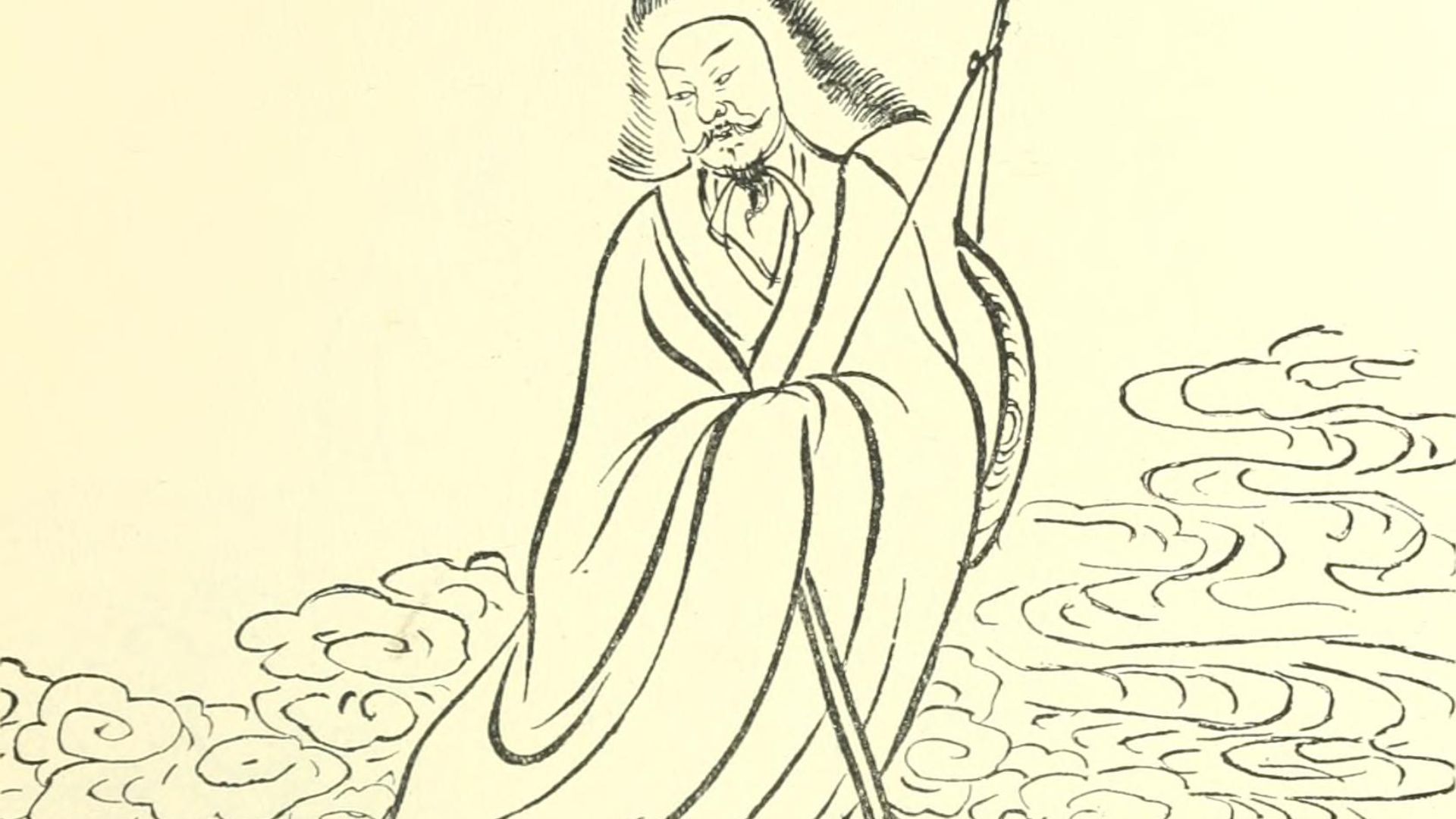
8. Yeonsangun of Joseon
Yeonsangun was removed from the throne for tyranny and cruelty. After his deposition, he was denied a posthumous royal title. Official records avoided naming him as a legitimate king.
 Internet Archive Book Images on Wikimedia
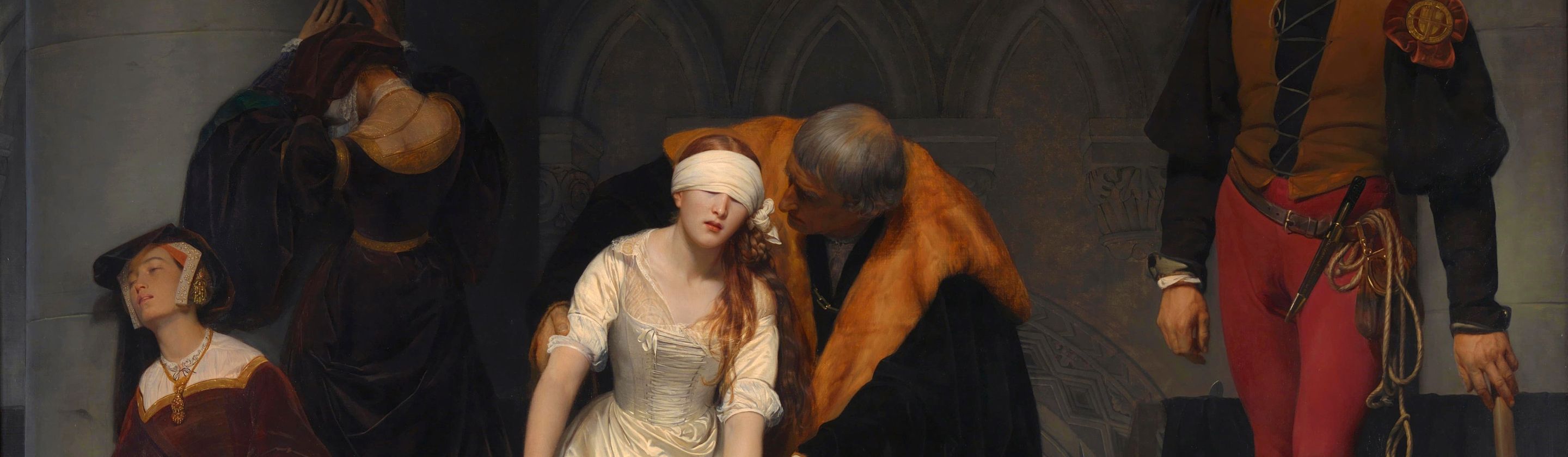
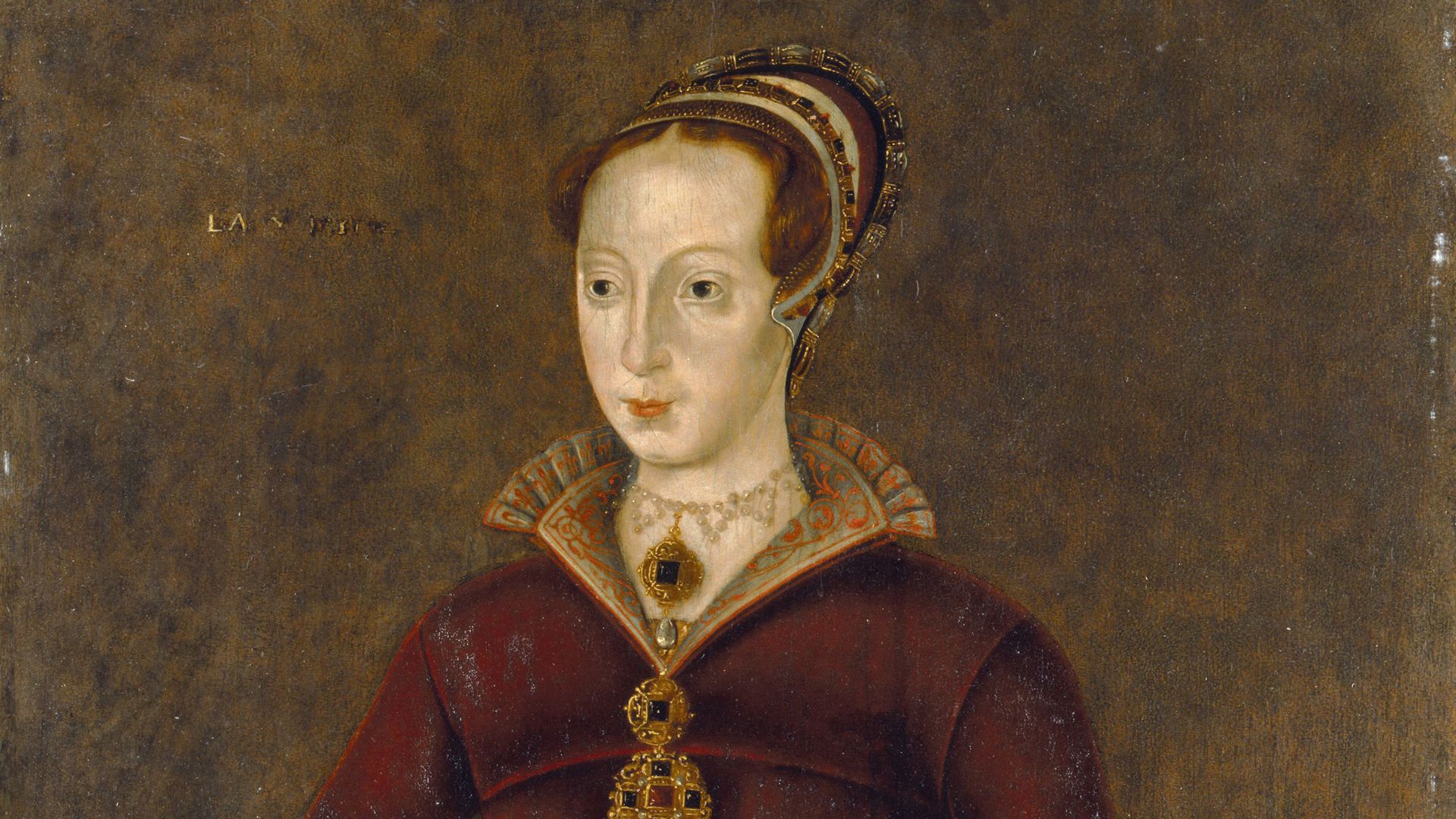
9. Lady Jane Grey of England
Lady Jane Grey reigned for just nine days in 1553. After her execution, Tudor historians minimized her status as queen. She was often portrayed as a pawn rather than a monarch. Her reign lingered in legal ambiguity for centuries. Parliament did not formally recognize her as queen until much later.
 Unidentified painter on Wikimedia
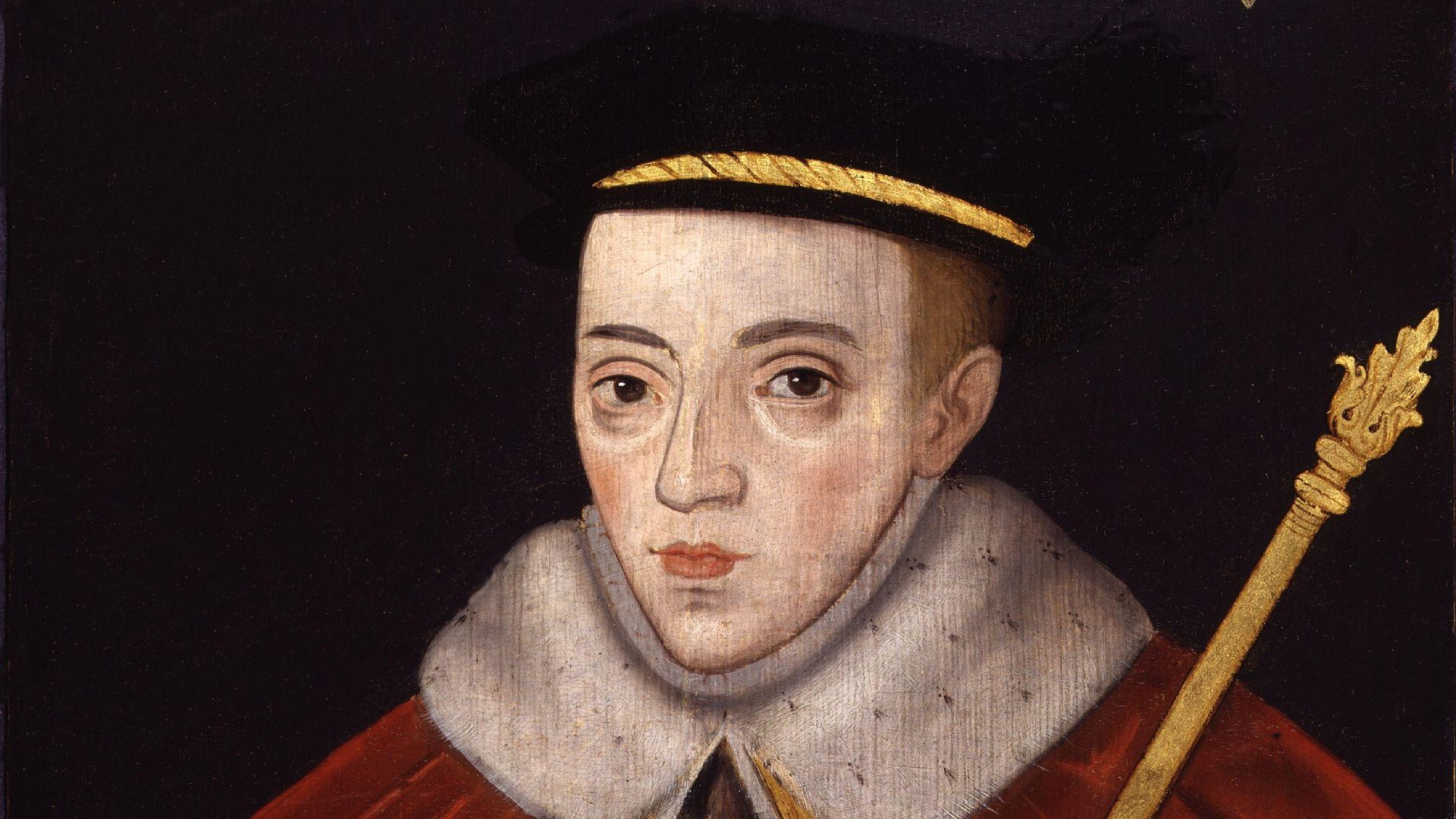
10. Edward V of England
Edward V was one of the “Princes in the Tower.” He was never crowned and vanished shortly after his uncle seized power. Later kings avoided acknowledging his reign, and his disappearance erased him from practical royal succession.
 Unknown authorUnknown author on Wikimedia
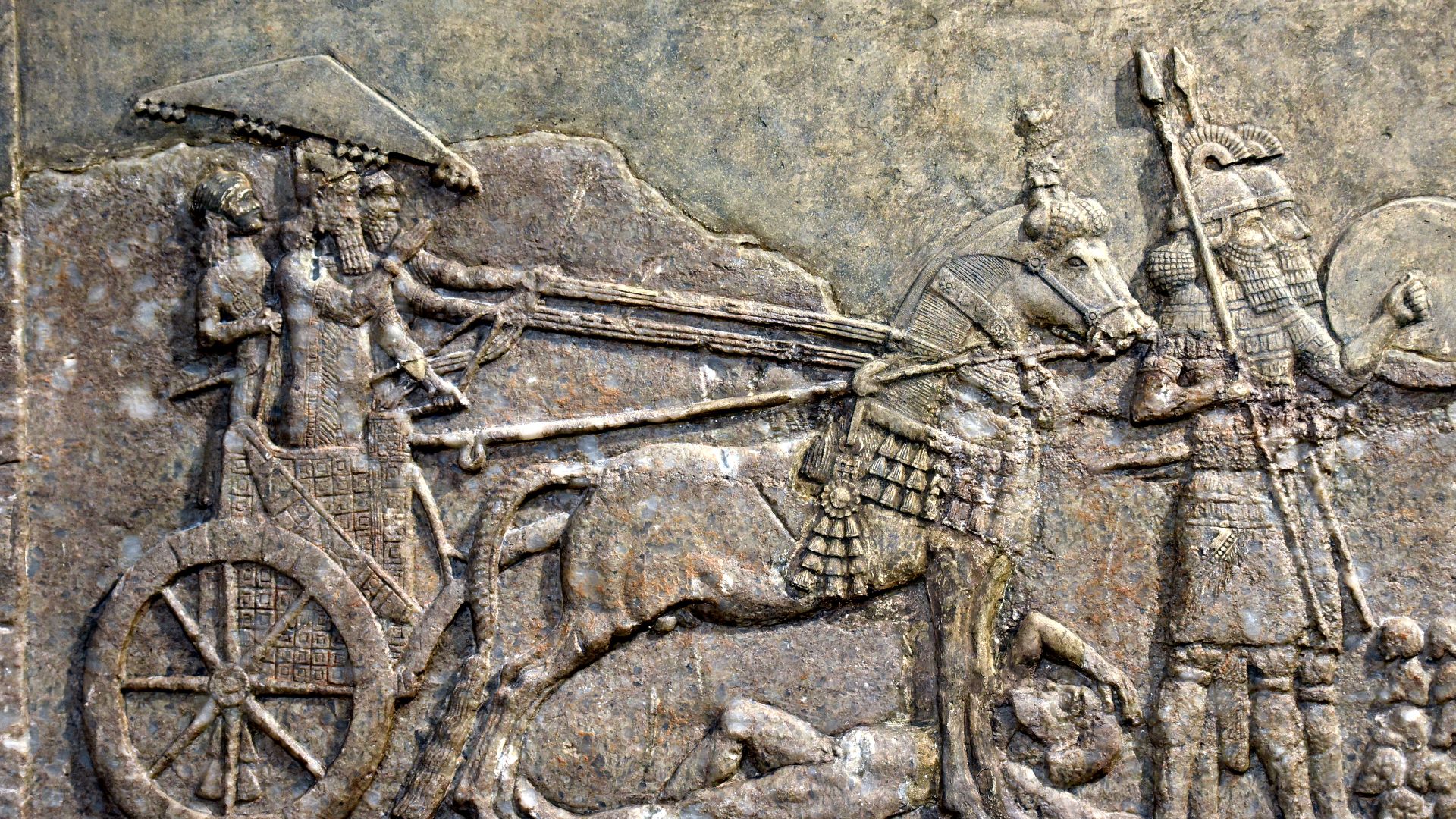
11. Sargon II of Assyria
Sargon II ruled a powerful Neo-Assyrian empire and expanded its territory significantly. His sudden death in battle was considered a bad omen by contemporaries. Later kings reduced references to his reign in official texts. His legacy survived mainly through archaeology.
 Osama Shukir Muhammed Amin FRCP(Glasg) on Wikimedia
12. Queen Sobekneferu of Egypt
Sobekneferu was one of Egypt’s earliest female rulers. She reigned briefly at the end of the 12th Dynasty. Later kings omitted her from some royal lists. Her reign survived mostly through inscriptions.
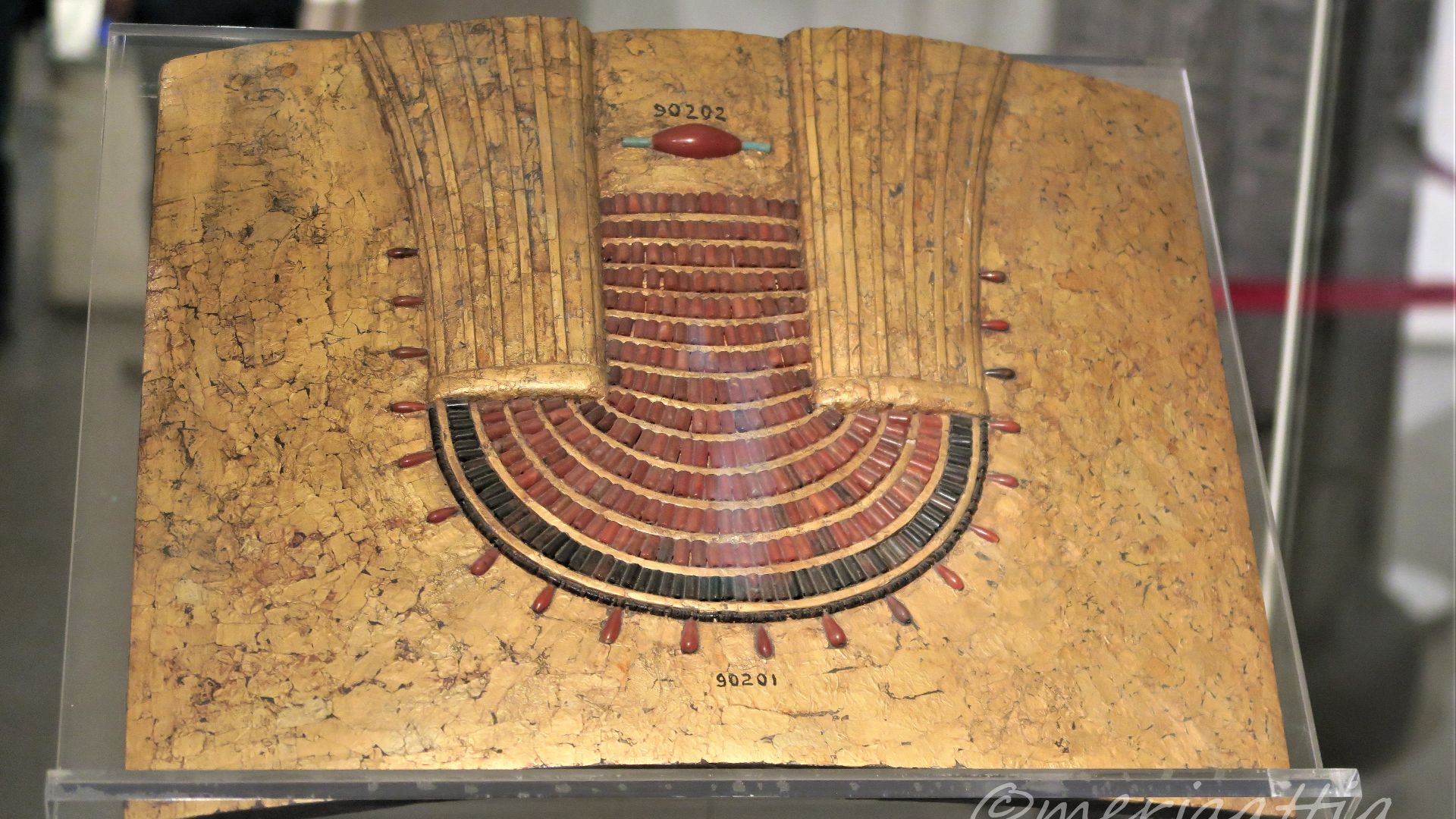
13. King Scorpion II of Egypt
King Scorpion II ruled in Egypt’s predynastic period. Evidence of his reign comes mainly from ceremonial artifacts like the Scorpion Macehead. Later dynasties ignored early rulers like him. His name faded as history formalized, and archaeology remains the primary source confirming his existence.
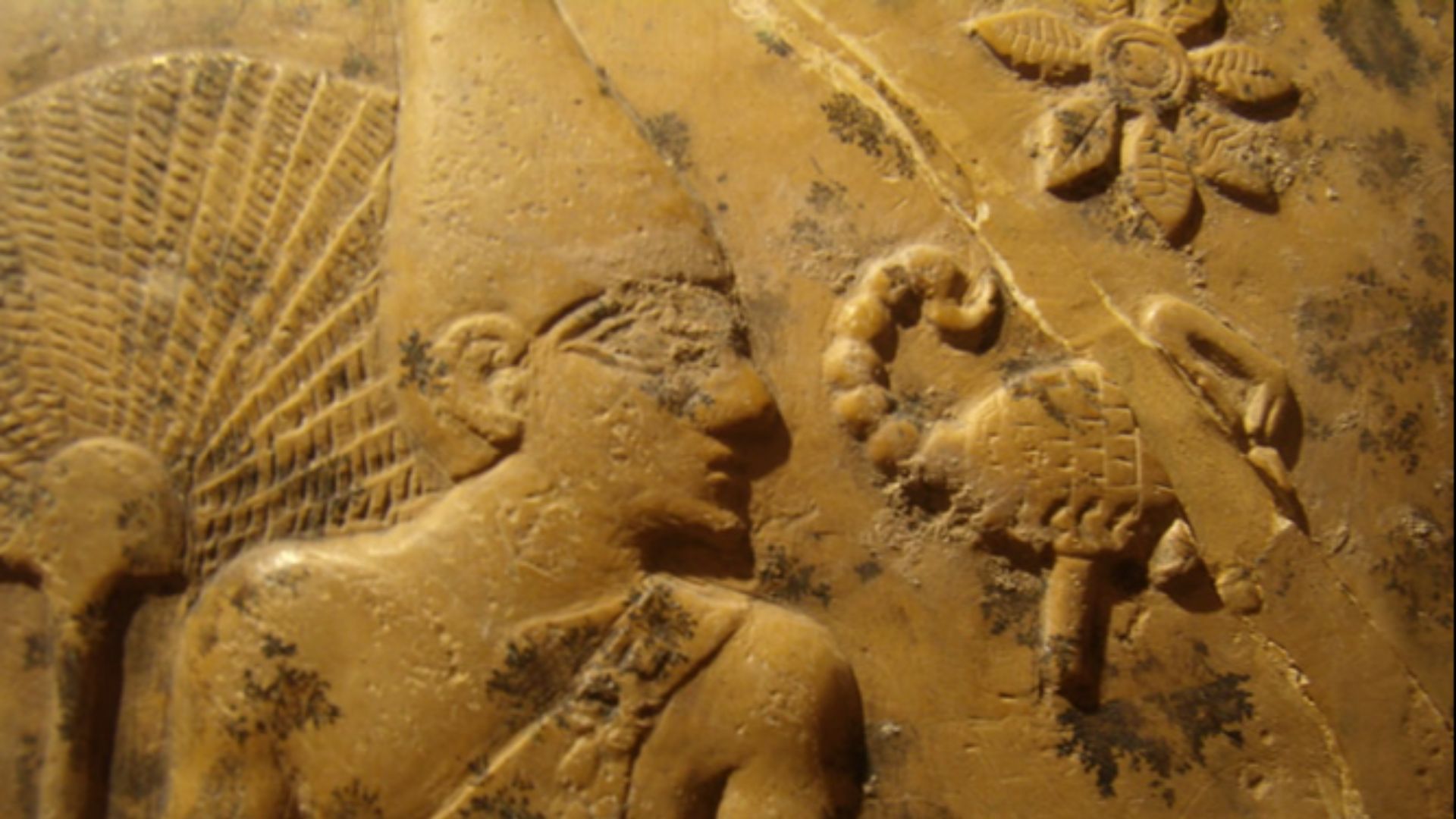
14. Empress Jingū of Japan
Empress Jingū appears in early Japanese chronicles such as the Nihon Shoki. Many historians believe her story was later mythologized or politically reshaped. She was removed from the official lists of emperors.
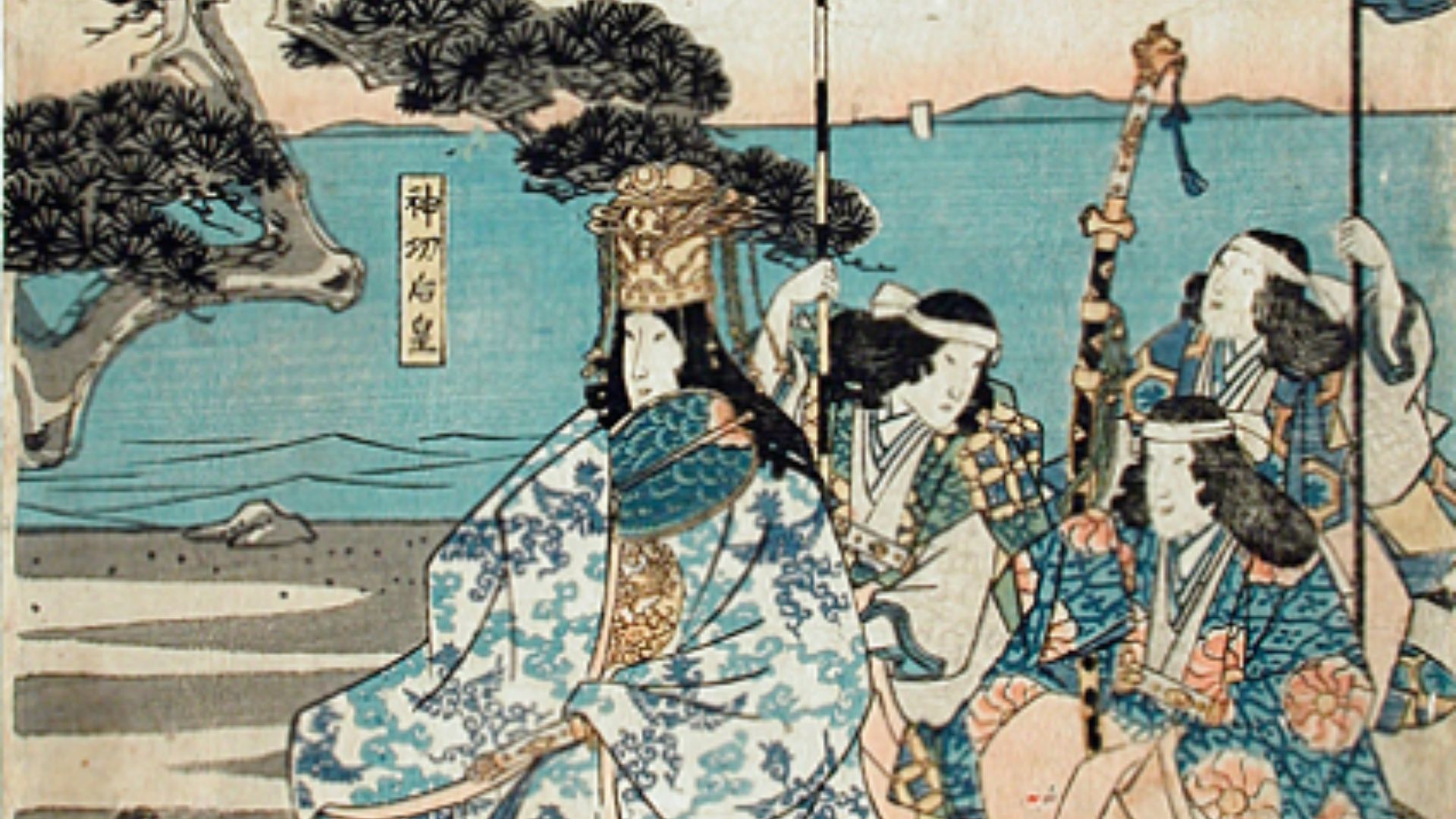 Utagawa Hiroshige on Wikimedia
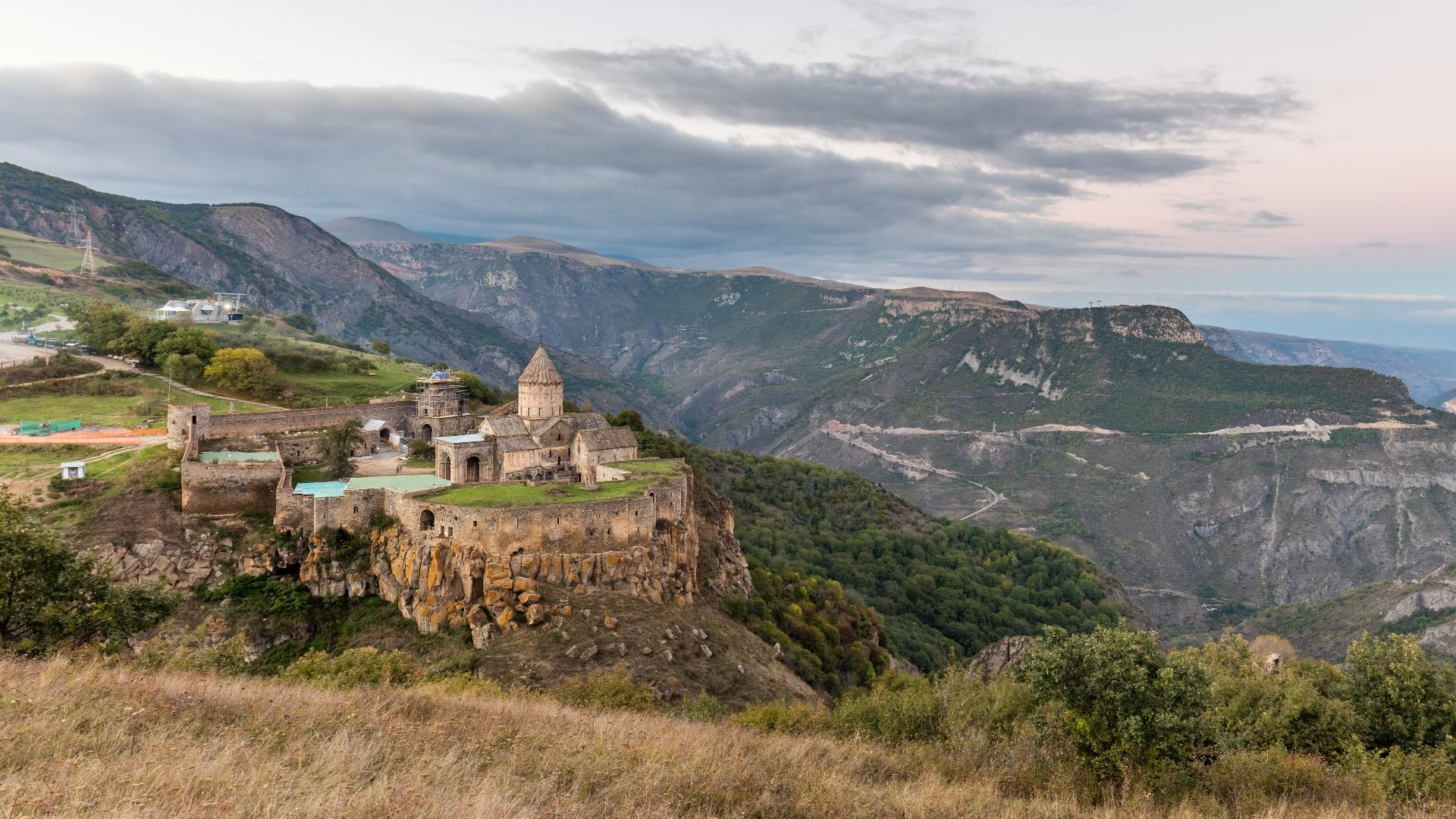
15. Queen Tamar of Armenia
This Tamar ruled Armenia in the early medieval period, distinct from her Georgian namesake. Her reign is sparsely documented in surviving chronicles. Later historians favored male successors, and much of her rule survives only indirectly.
16. King Æthelred of Northumbria
Æthelred ruled during a turbulent period of internal conflict and violence. Later chronicles minimized his legitimacy after his overthrow. Eventually, his reign dissolved into obscurity.

17. Emperor Liu He of Han China
Liu He ruled the Western Han Dynasty for just 27 days in 74 BCE. He was deposed for alleged misconduct by powerful court officials. After his removal, he was stripped of the imperial title and excluded from official emperor lists.
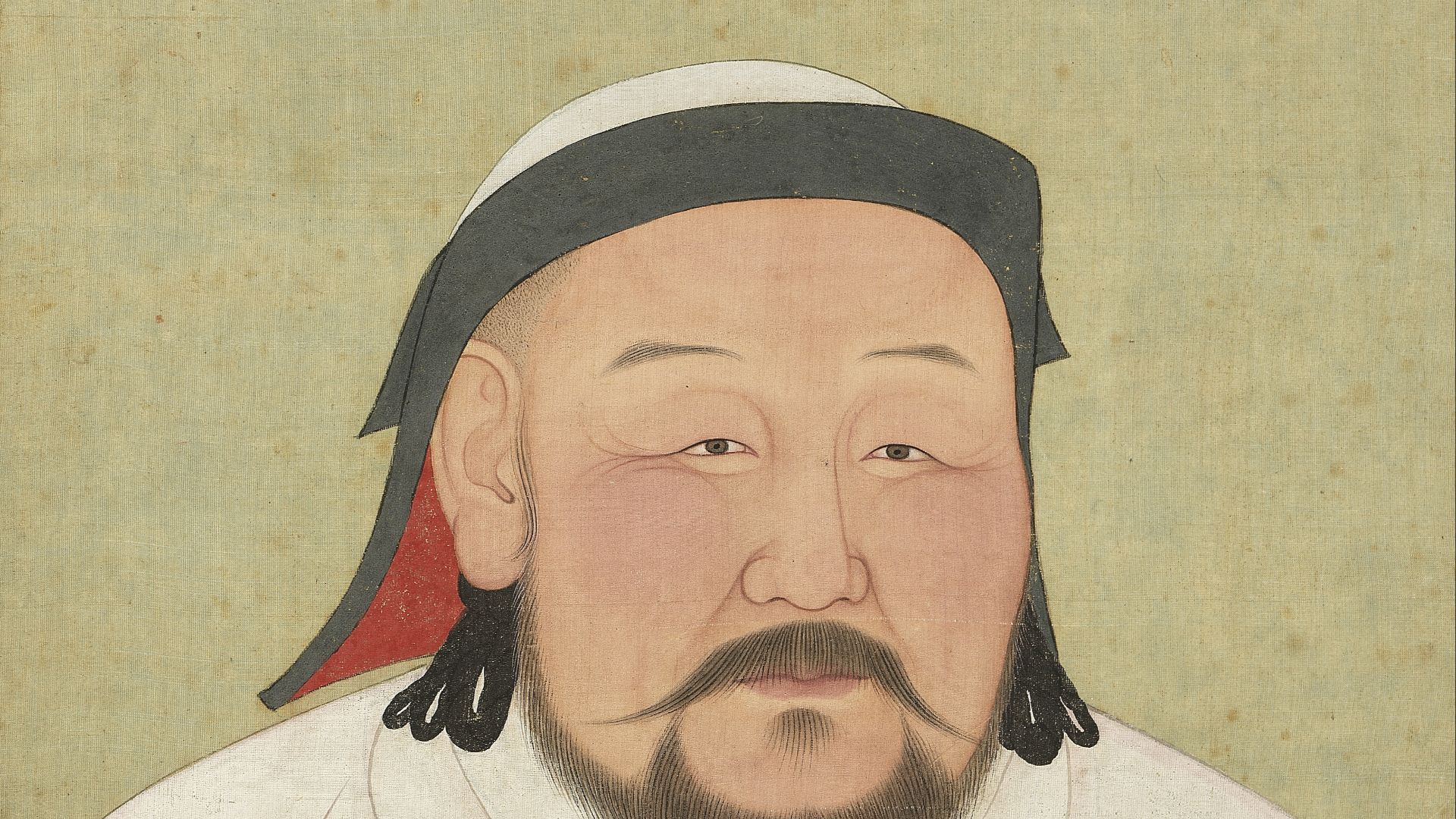
18. Queen Makeda of Ethiopia
Makeda, often associated with the Queen of Sheba, appears in Ethiopian tradition. Her historical existence remains debated among scholars, resulting in later written histories being a blend of legend and record.
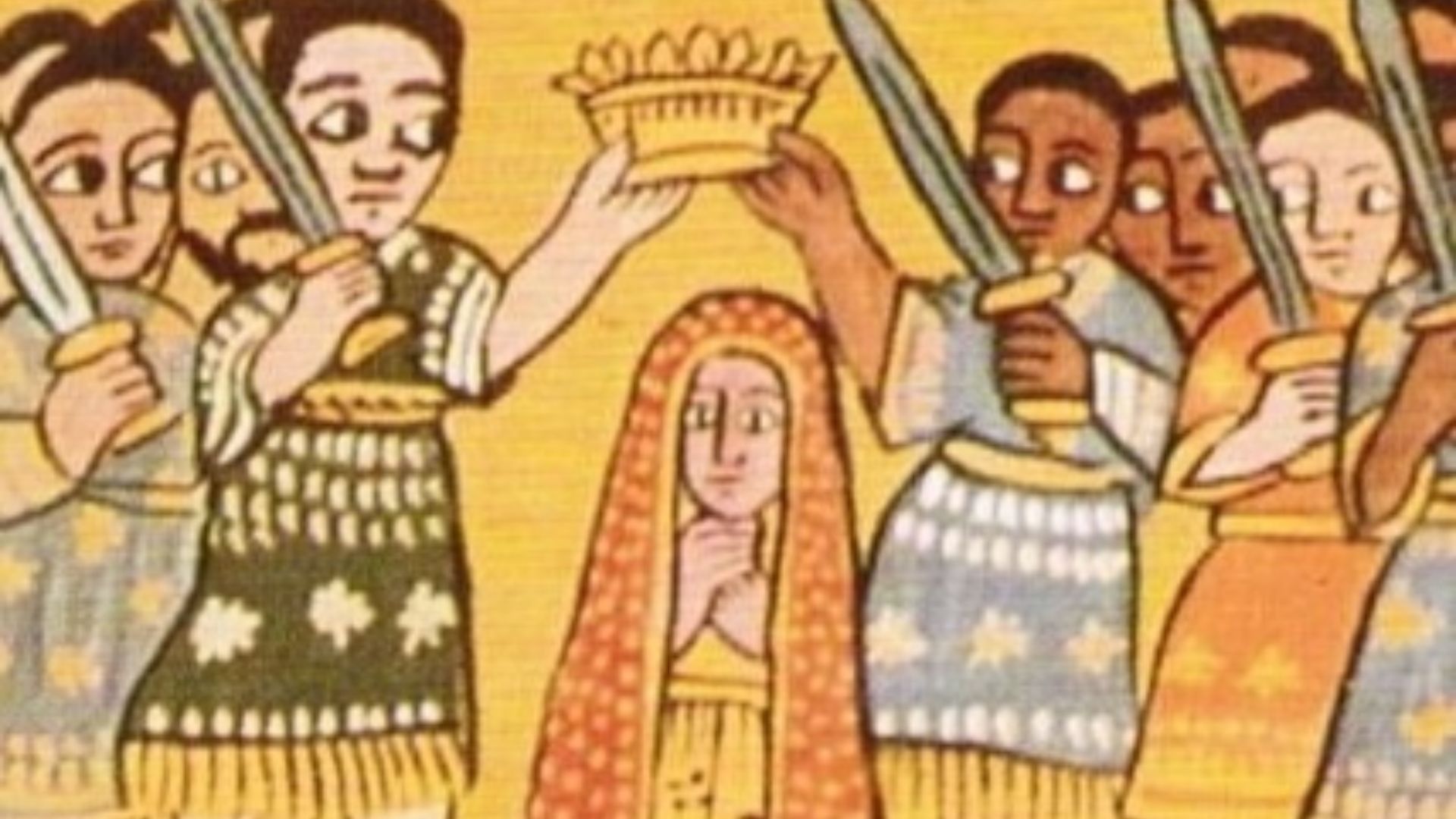 anonimous Ethopian painter on Wikimedia
19. King Horemheb’s Erased Predecessors
Horemheb became pharaoh after Tutankhamun and claimed legitimacy through reform. He systematically erased the reigns of several immediate predecessors. Their names vanished from monuments and king lists.
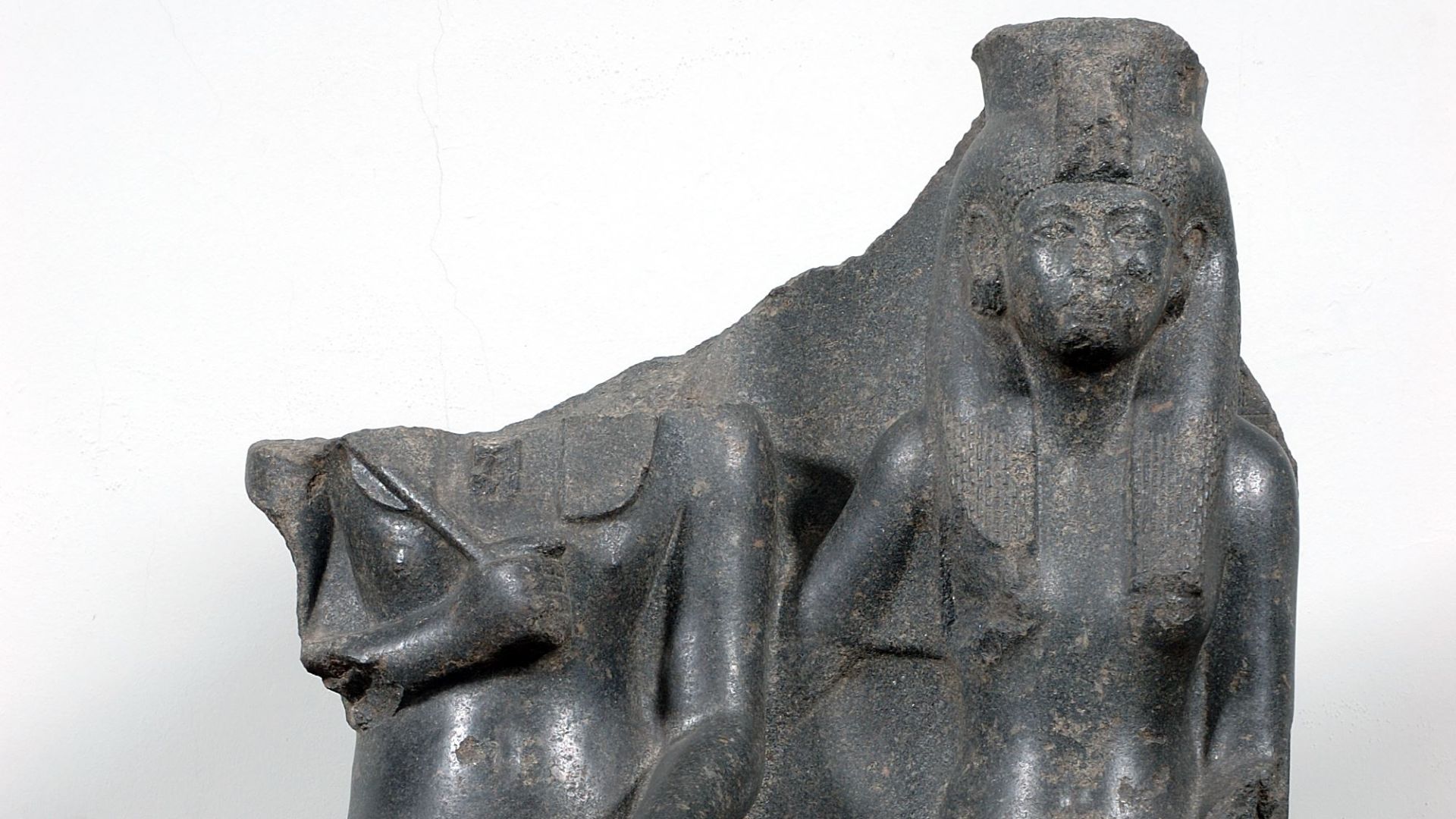 Marco Chemello (WMIT) on Wikimedia
20. King Olaf II of Norway (Early Reign)
Olaf II was later canonized as Saint Olaf, but early periods of his rule were deliberately reshaped by church writers. Political failures were softened or omitted from accounts, creating a selective legacy that was incomplete.
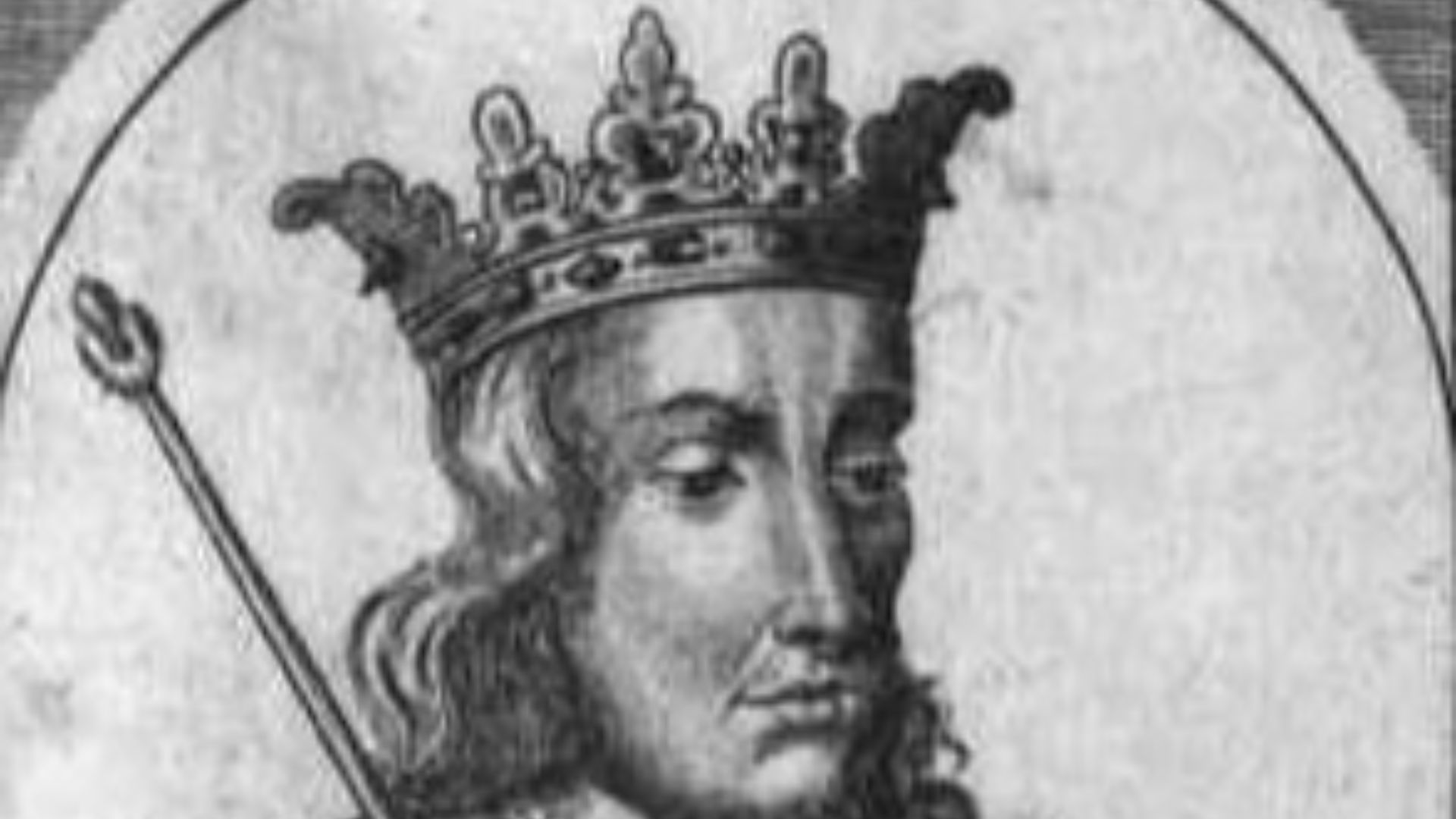 Fantasy drawing by an unknown 16th century artist on Wikimedia
KEEP ON READING