

What These Famous Quotes Were Really Saying
Famous quotes have a way of slipping free from their original meaning once they’re repeated enough times. Short, punchy lines get lifted from speeches, letters, and books, then reshaped to fit modern ideas. Over time, context gets lost while confidence stays loud. Looking closer often reveals a meaning that’s more nuanced, practical, or even the opposite of how the quote is usually used. Here are 20 famous quotes that were taken out of context.
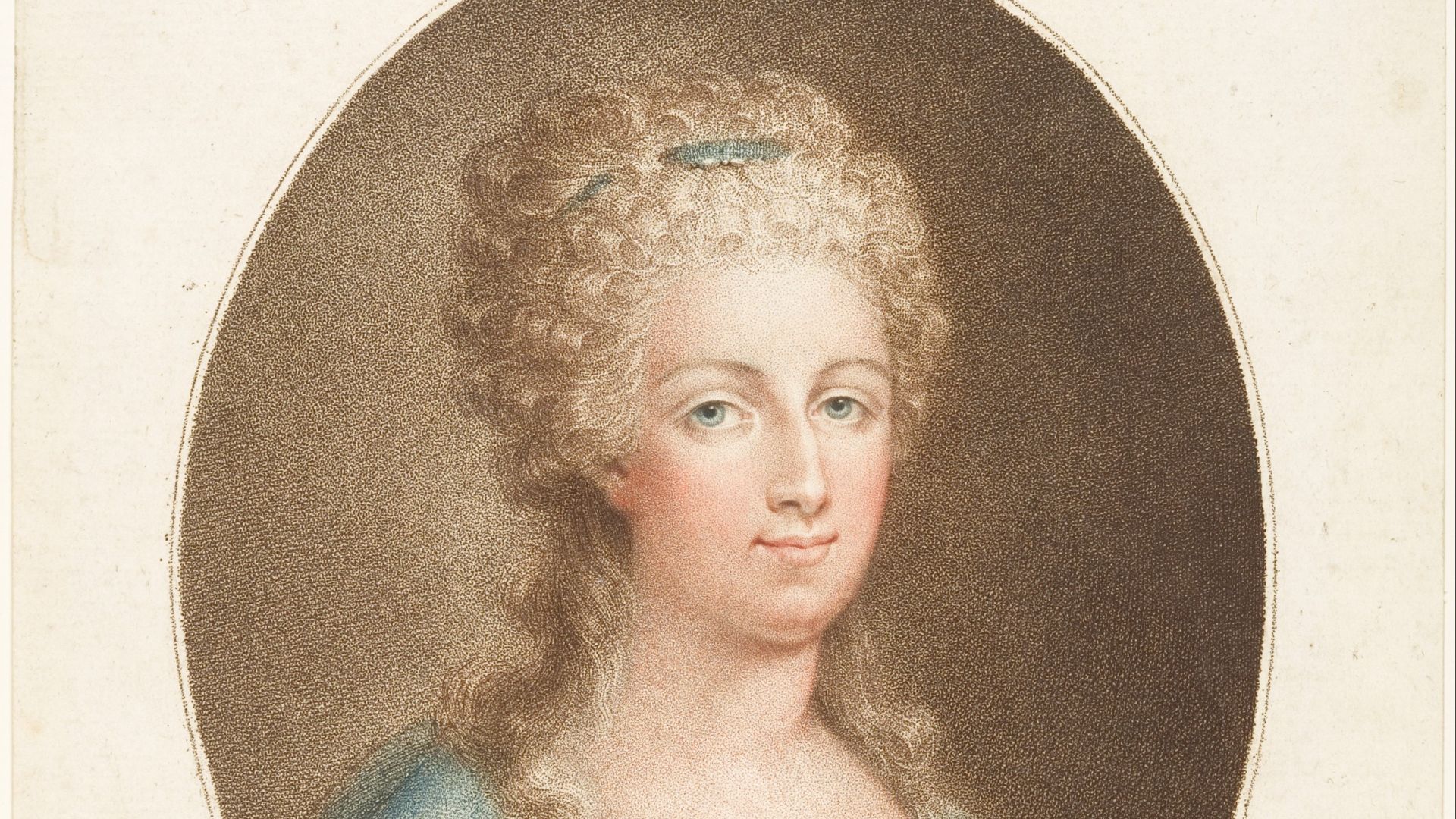
1. “Let Them Eat Cake” — Marie Antoinette
This line is often used to paint Marie Antoinette as cruel and out of touch. There’s no solid historical evidence that she ever said it. The phrase appears in earlier writings and was likely political propaganda.
 AnonymousUnknown author on Wikimedia
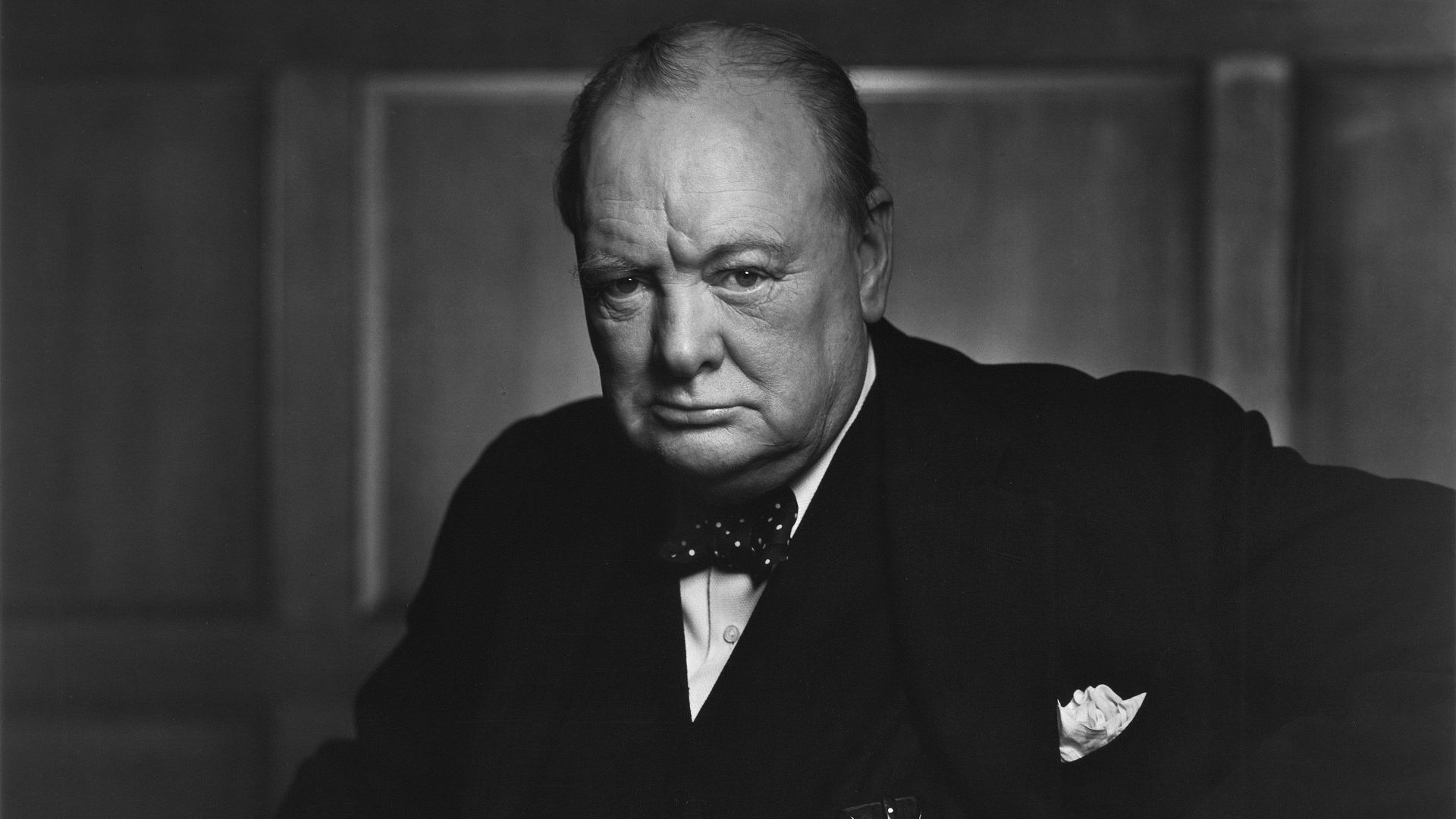
2. “Blood, Toil, Tears, and Sweat” — Winston Churchill
The quote is usually shortened to “blood, sweat, and tears.” In the full speech, Churchill was preparing Britain for hardship, not glorifying suffering. It was meant to be sobering and realistic.
 Photograph from the Army Signal Corps Collection in the U.S. National Archives. on Wikimedia
3. “Those Who Do Not Learn History Are Doomed to Repeat It” — George Santayana
People often use this as a scolding warning. Santayana’s original argument was about understanding the past, not memorizing it. He believed reflection mattered more than rote knowledge.
 NYPL Historical and Public Figures Collection on Wikimedia
4. “I Disapprove of What You Say, But I Will Defend to the Death Your Right to Say It” — Voltaire
This quote is widely attributed to Voltaire, but he didn’t write it. It was penned by biographer Evelyn Beatrice Hall to summarize his views. The sentiment reflects Voltaire’s philosophy, not his exact words.
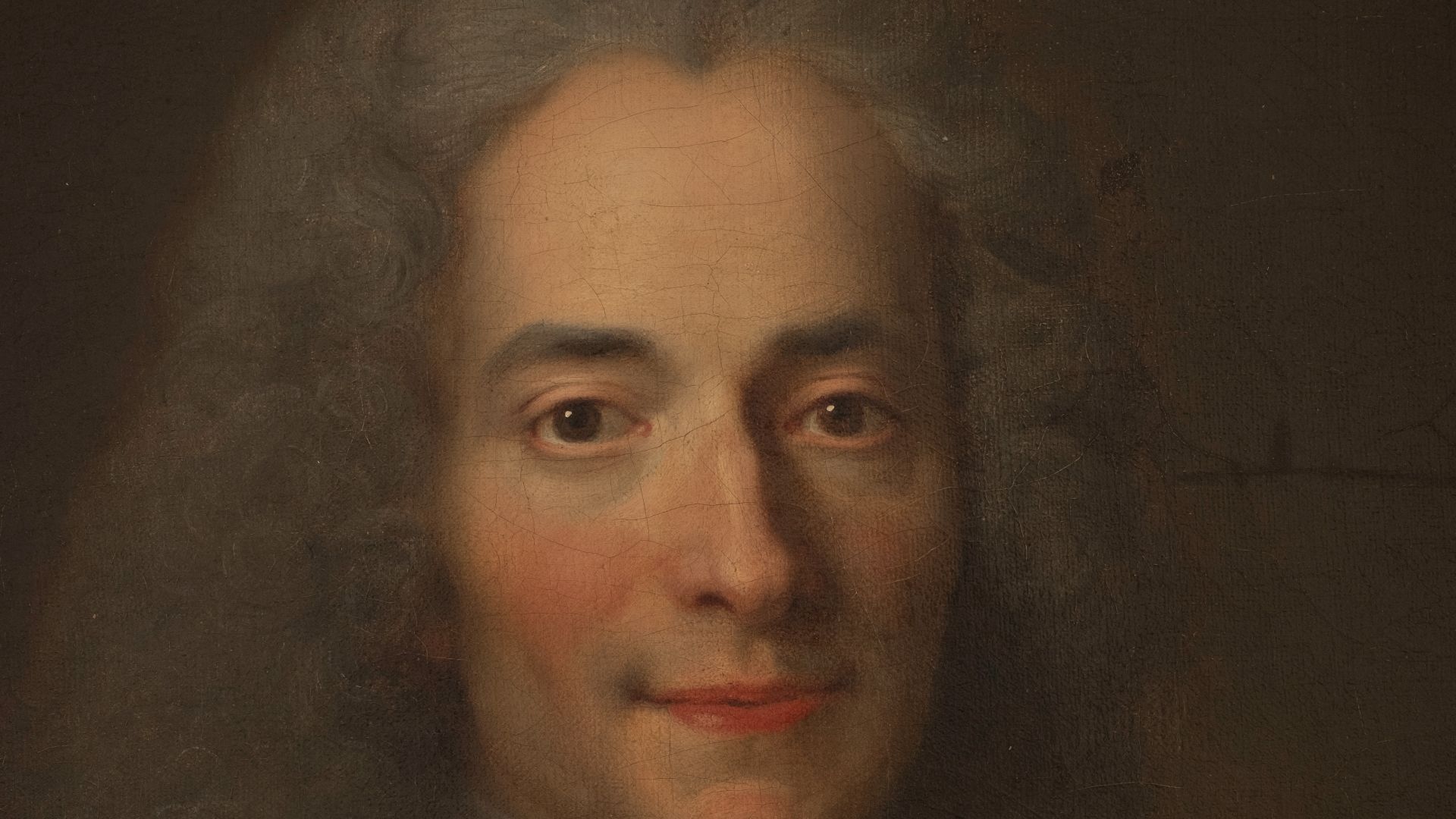 Nicolas de Largillière on Wikimedia
5. “Give Me Liberty, or Give Me Death!” — Patrick Henry
This line is often framed as reckless bravado. In context, it was part of a carefully reasoned speech about political responsibility. Henry was arguing that avoiding a decision was more dangerous than choosing freedom.
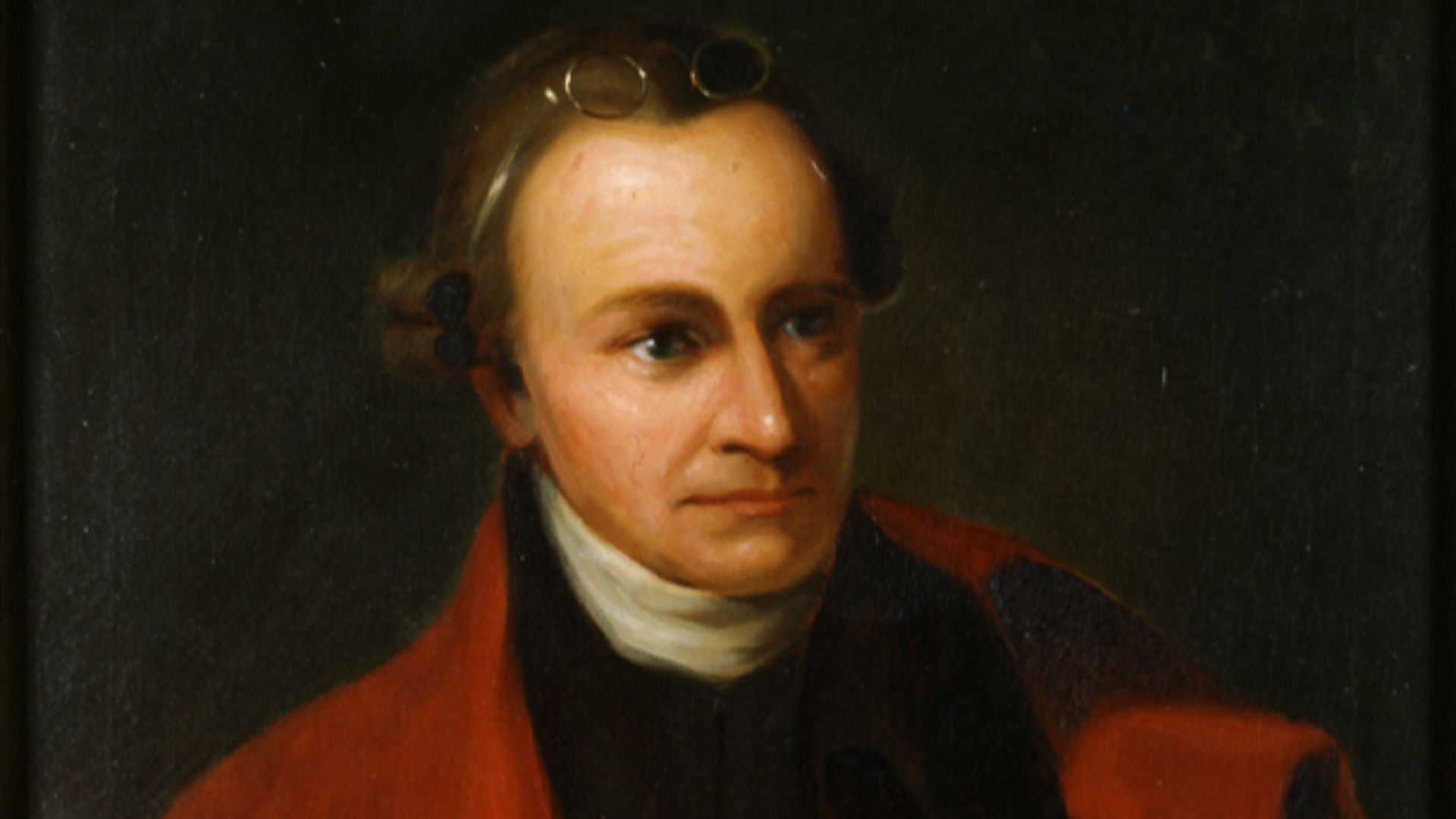 George Bagby Matthews (1857 - 1943), after Thomas Sully (1783-1872) on Wikimedia
6. “The Ends Justify the Means” — Niccolò Machiavelli
Machiavelli never wrote this exact sentence. His ideas in The Prince are more descriptive than prescriptive. He analyzed political power rather than encouraging moral shortcuts.
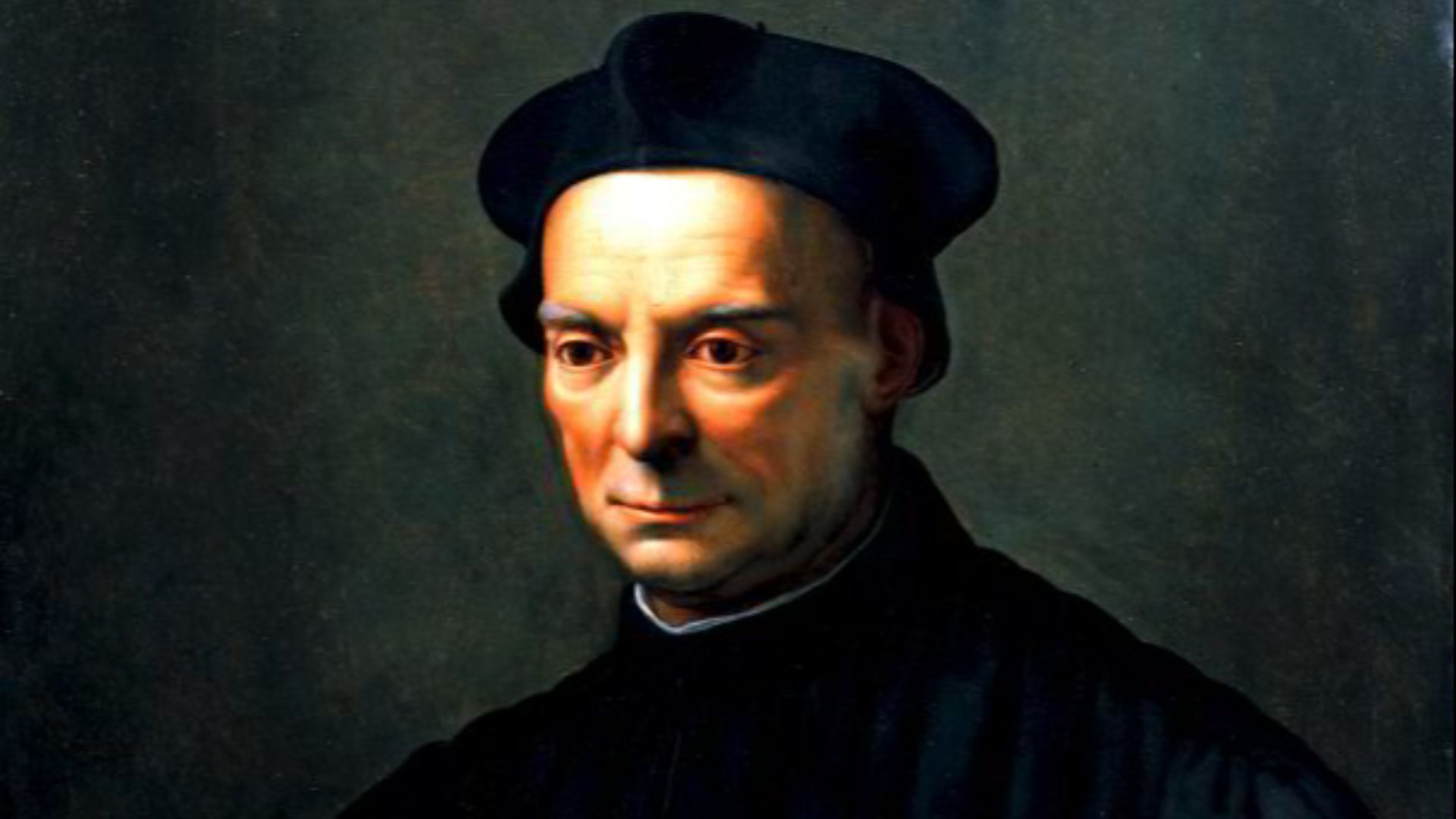 Ridolfo del Ghirlandaio on Wikimedia
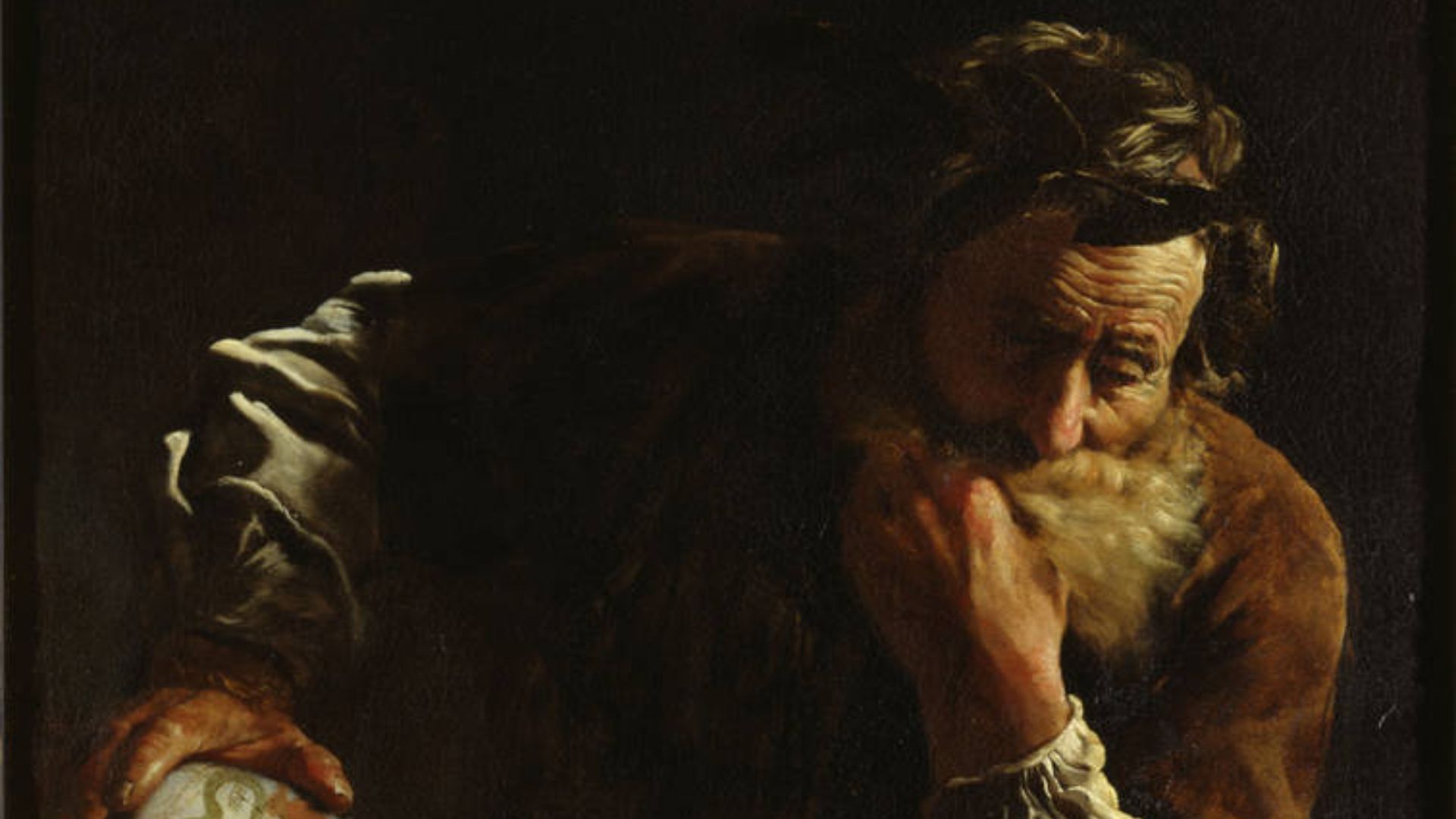
7. “Eureka!” — Archimedes
The word is tied to a dramatic moment of discovery. The story comes from later accounts, not Archimedes himself. It symbolizes sudden insight, even if the bathtub sprint may be exaggerated.
8. “Et Tu, Brute?” — Julius Caesar
This phrase comes from Shakespeare, not a historical record. Ancient sources suggest Caesar may have said nothing at all in his last moments. The line endures because it captures betrayal so vividly.
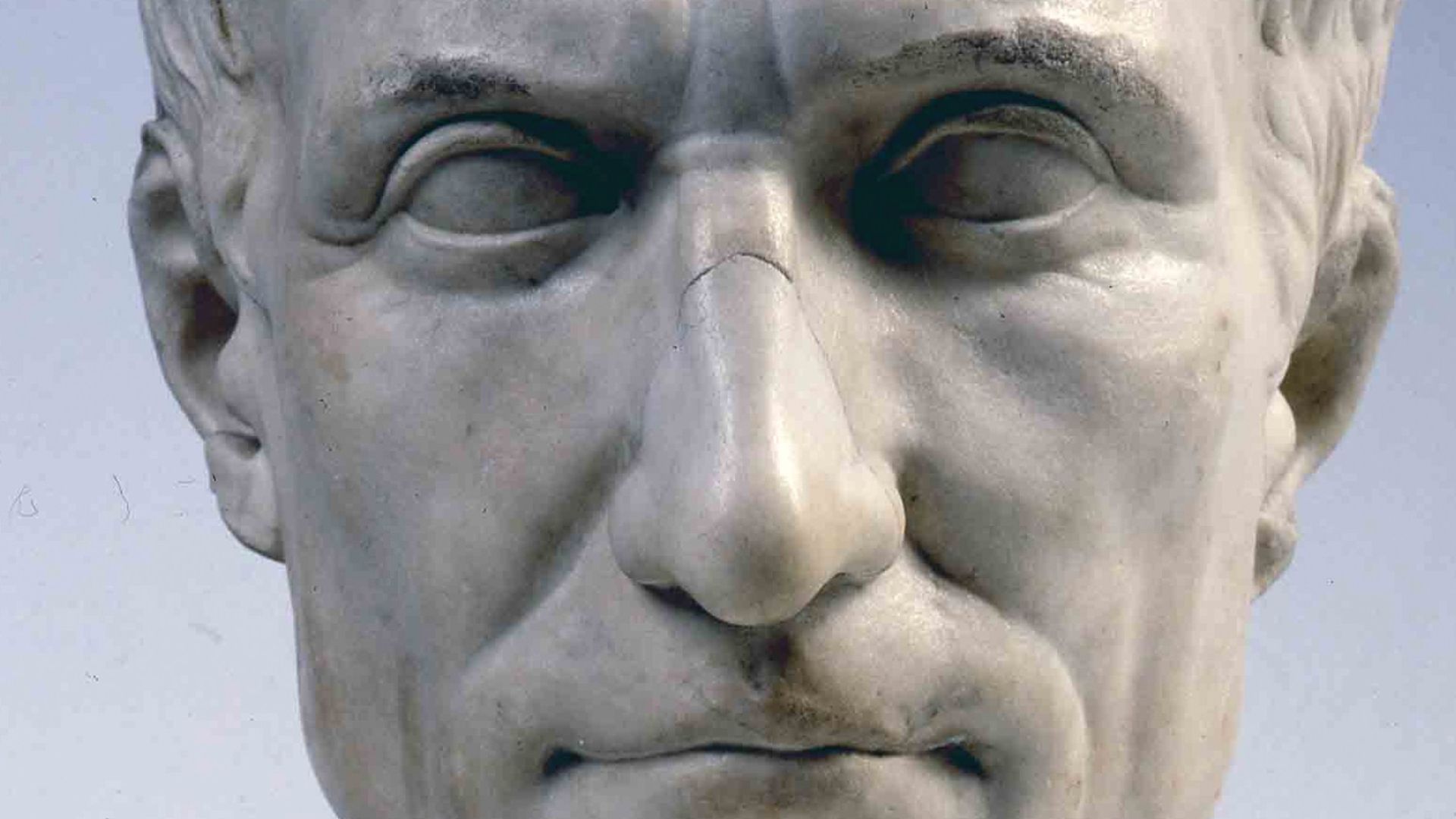 Unknown authorUnknown author on Wikimedia
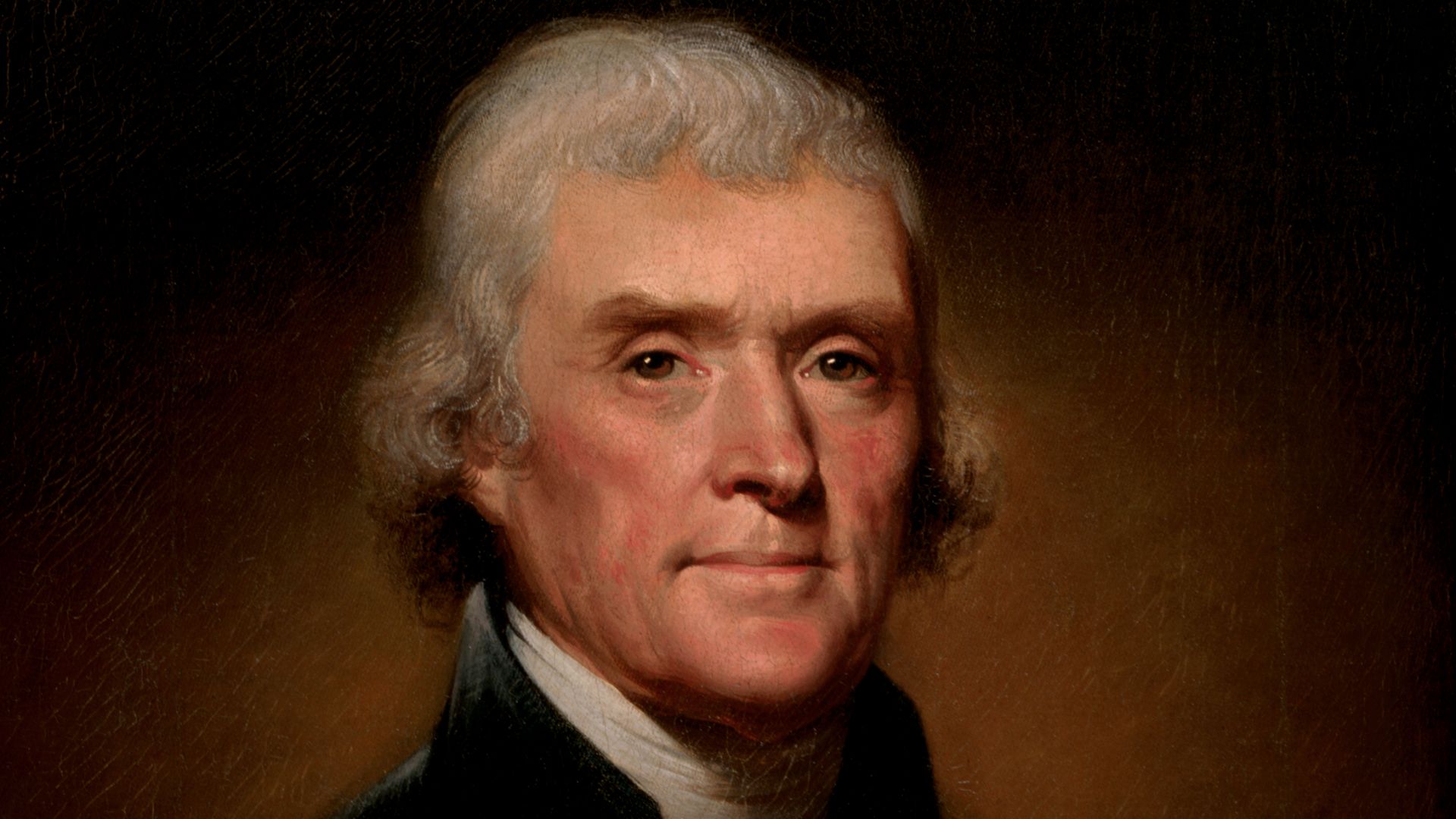
9. “Walking Is the Best Possible Exercise” — Thomas Jefferson
Jefferson praised walking often. He was writing specifically about daily habits and health, not making a universal medical claim. The quote fits his personal lifestyle more than public advice.
10. “A House Divided Against Itself Cannot Stand” — Abraham Lincoln
Lincoln borrowed this phrase from the Bible. He wasn’t predicting immediate collapse but warning of long-term instability. The speech focused on slavery’s expansion, not national doom. It was meant to force moral clarity rather than provoke fear.
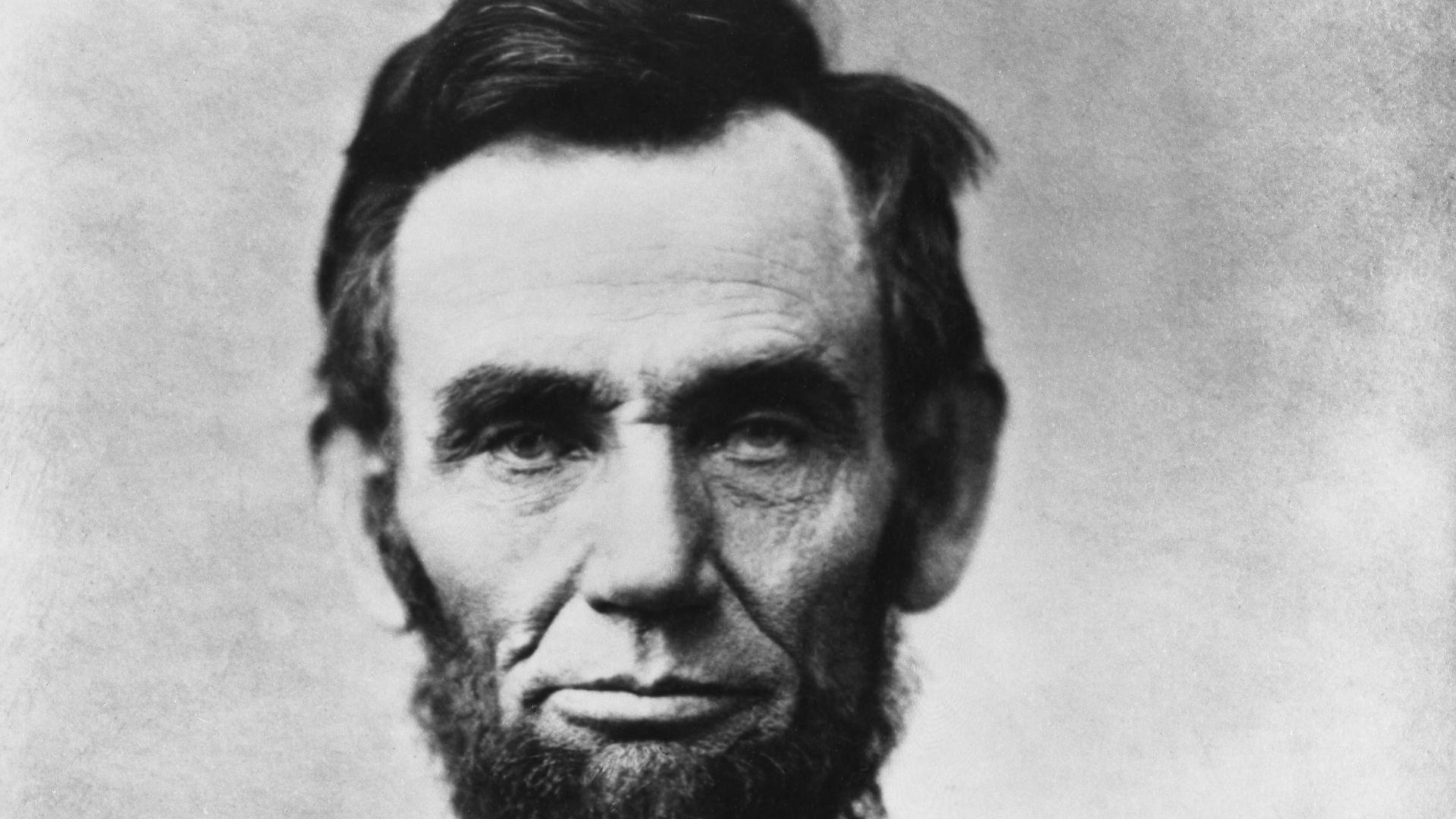 Alexander Gardner on Wikimedia
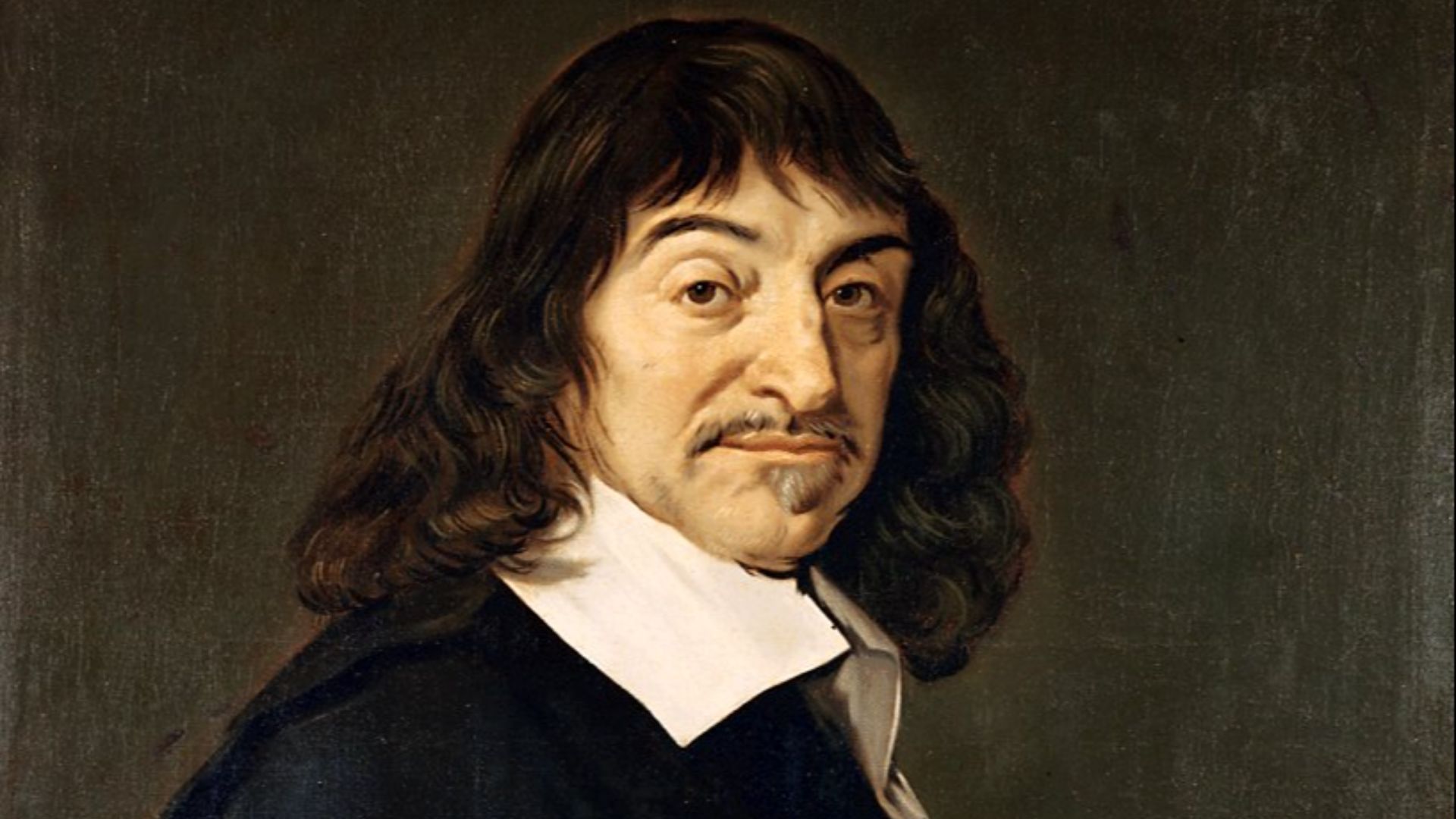
11. “I Think, Therefore I Am” — René Descartes
This line is usually treated as a motivational slogan. Descartes was actually addressing radical doubt and the foundations of knowledge. It was part of a philosophical method, not self-affirmation. Understanding that context makes the quote far less casual and far more precise.
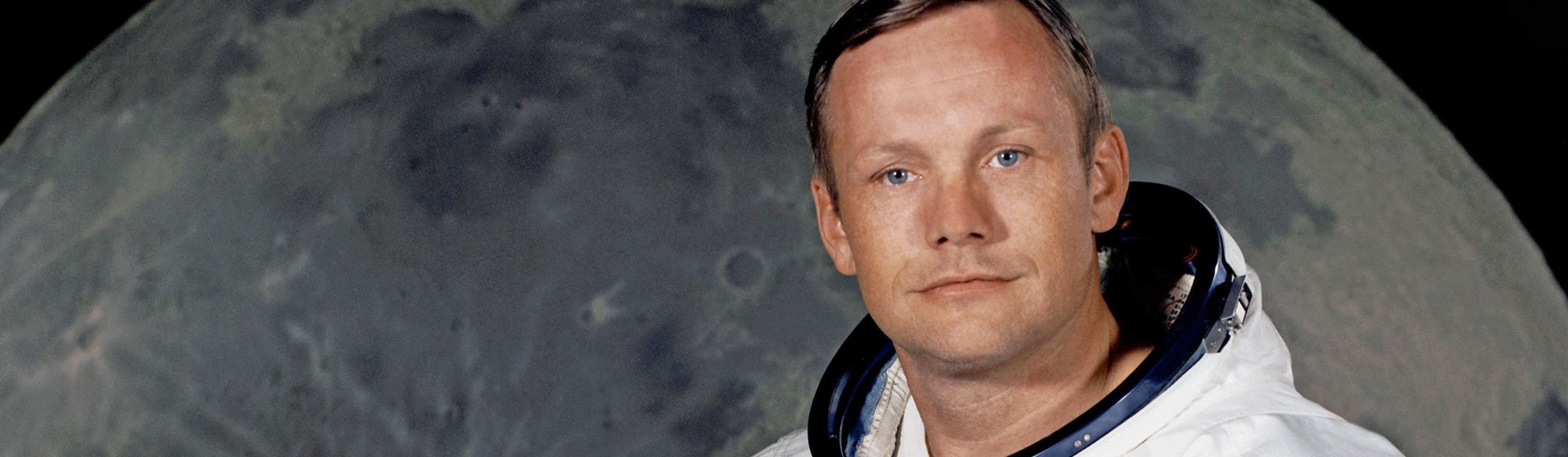
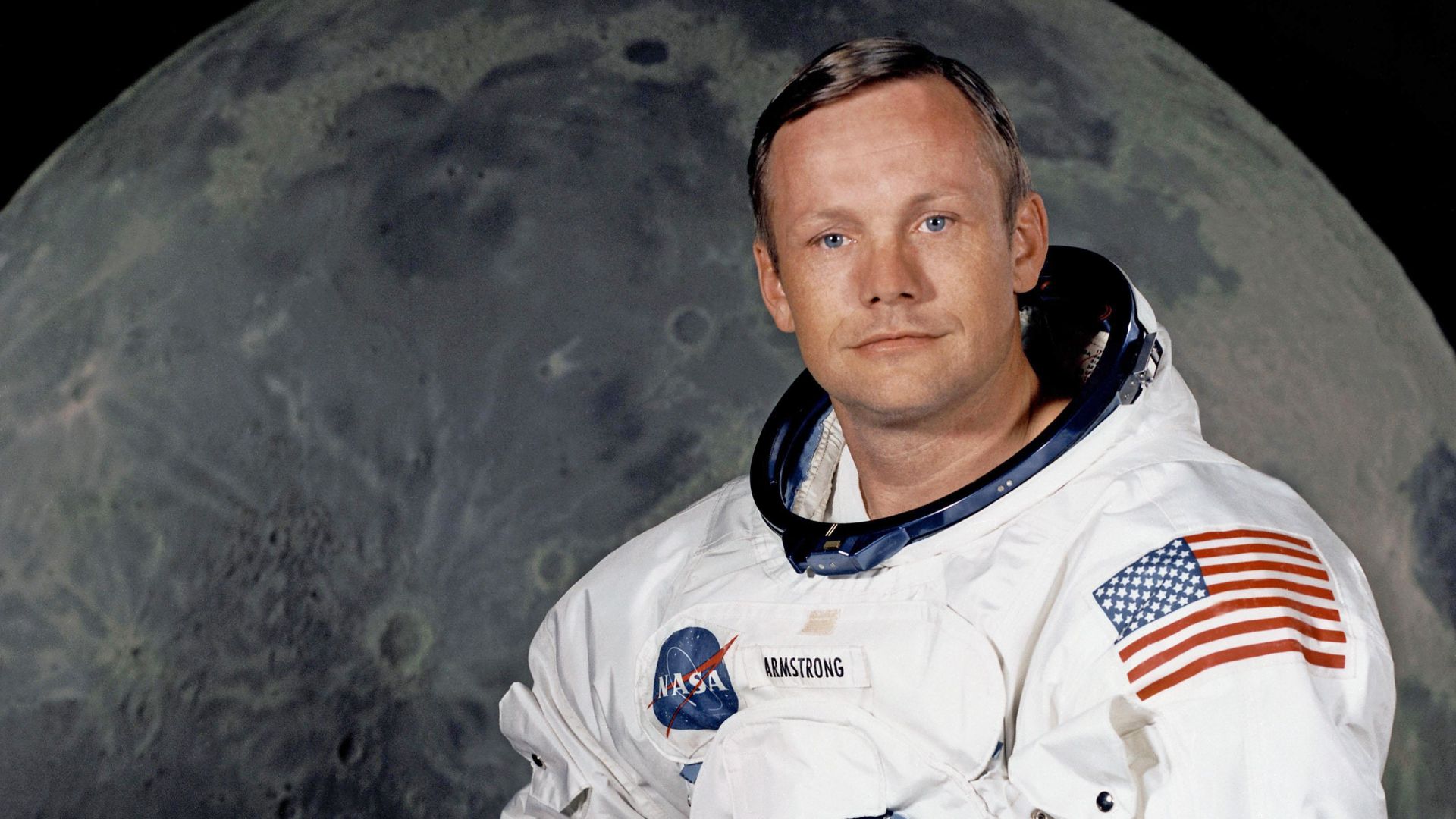
12. “That’s One Small Step for Man” — Neil Armstrong
Armstrong intended to say “a man,” not “man.” The missing article changed the meaning slightly. Audio analysis later suggested the word may have been spoken but lost in transmission. The quote still marks a careful scientific achievement, not a poetic accident.
 Unknown authorUnknown author on Wikimedia
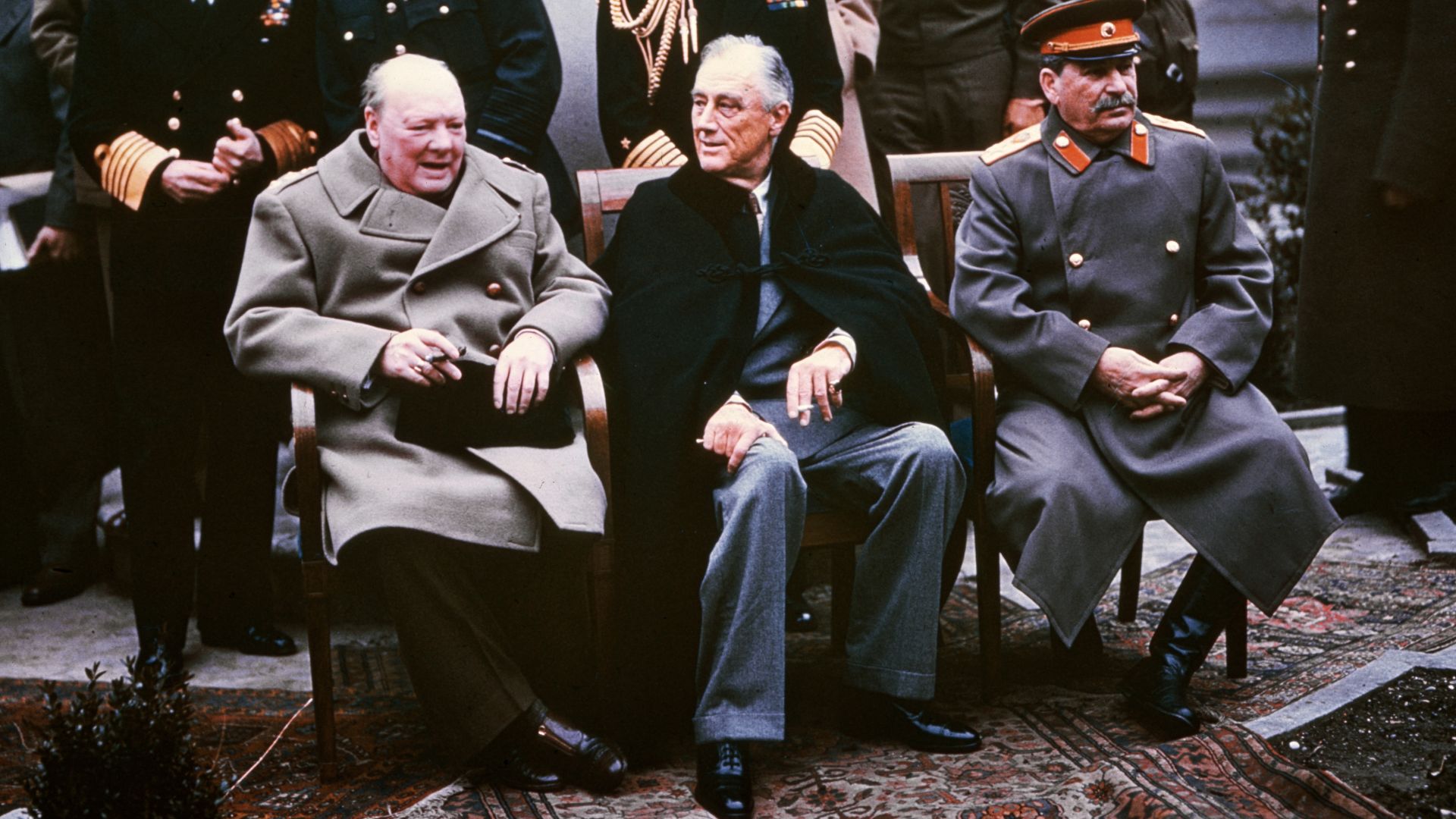
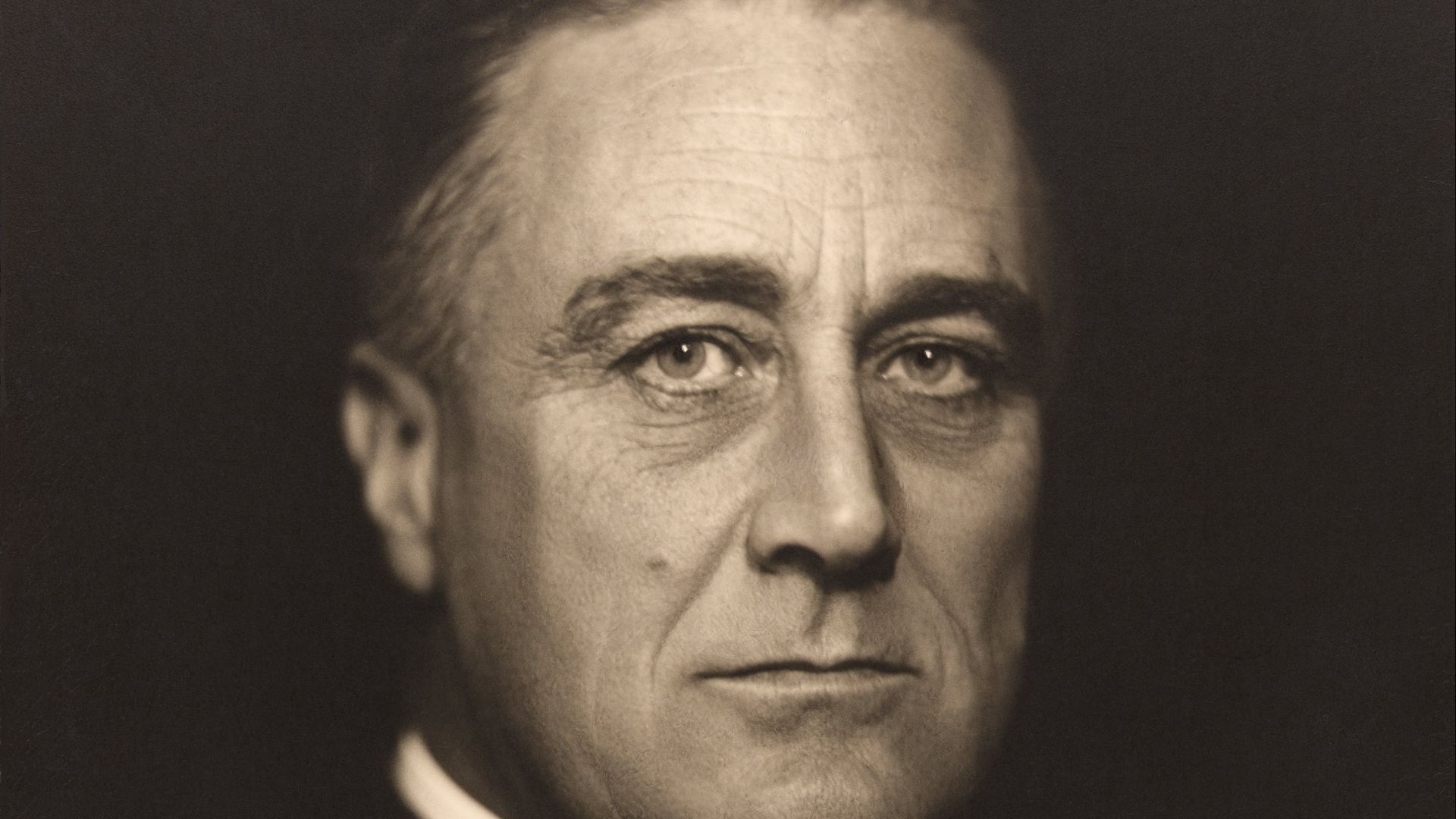
13. “The Only Thing We Have to Fear Is Fear Itself” — Franklin D. Roosevelt
This is often quoted as generic optimism. Roosevelt was speaking specifically about panic during the Great Depression. He wasn’t dismissing real problems, just warning against paralysis. The line was meant to steady a frightened nation during economic collapse.
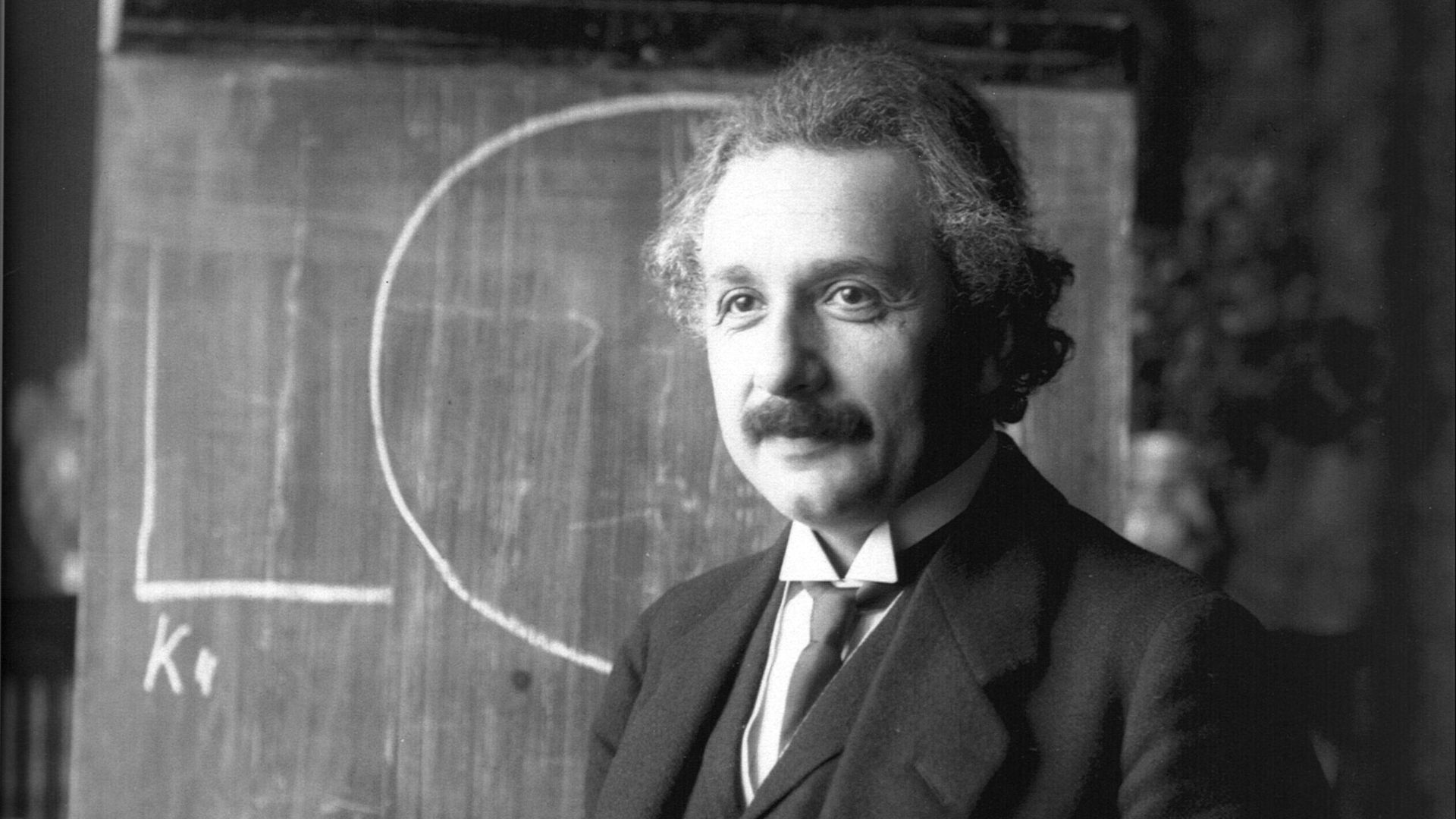
14. “Science Without Religion Is Lame” — Albert Einstein
This quote is frequently used to argue that Einstein was religious. He was actually speaking metaphorically about ethics and wonder. Einstein rejected organized religion while valuing moral responsibility. Without context, the quote flattens his nuanced philosophical views.
 Ferdinand Schmutzer on Wikimedia
15. “Go West, Young Man” — Horace Greeley
The quote is commonly used as a source of encouragement. Greeley was advising economic opportunity, not romantic adventure. He later criticized unchecked westward expansion. His views evolved as the consequences of expansion became clearer.
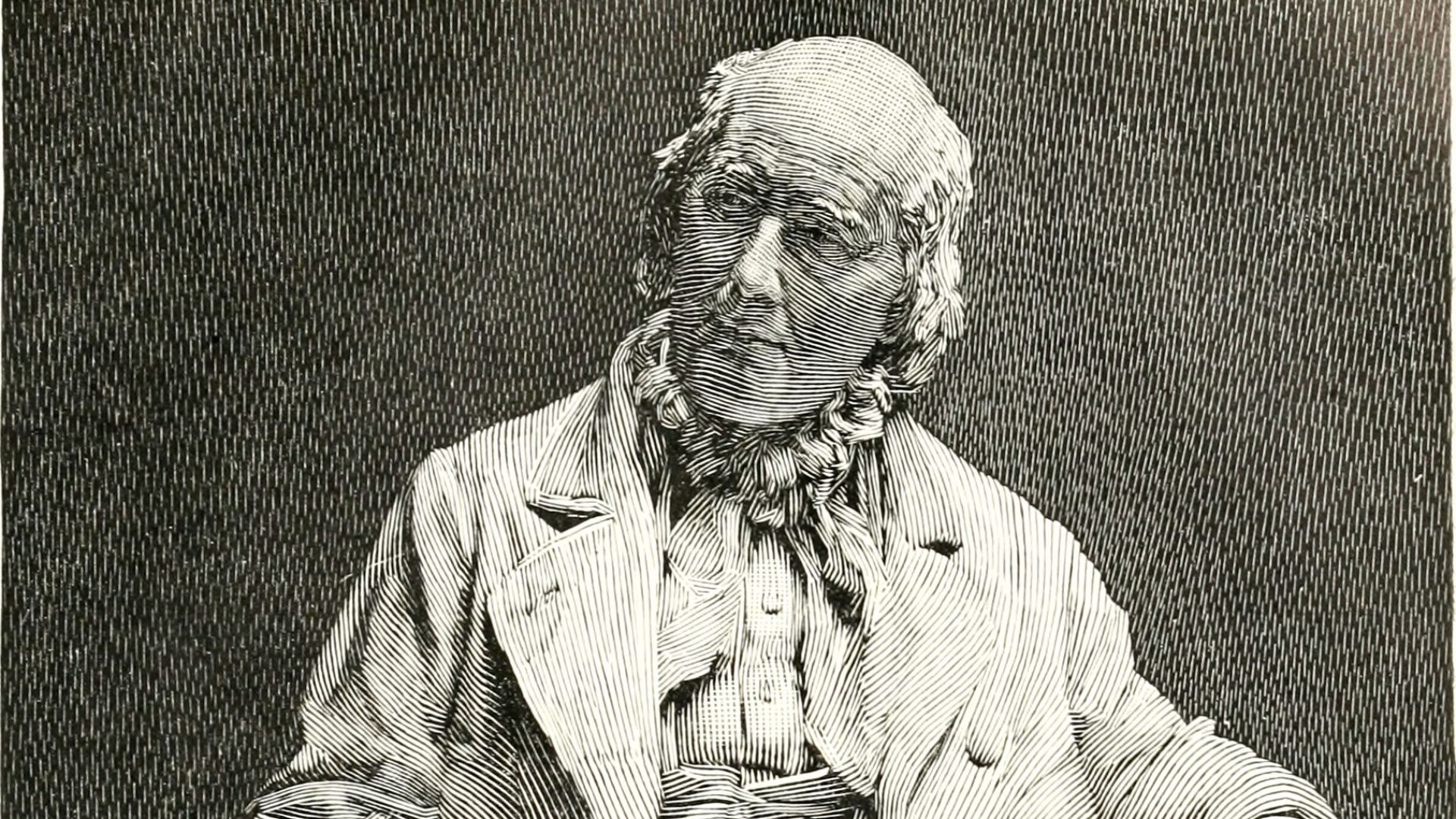 Internet Archive Book Images on Wikimedia
16. “Speak Softly and Carry a Big Stick” — Theodore Roosevelt
This line is often reduced to aggression. Roosevelt was advocating cautious diplomacy backed by strength. He believed force should be a last resort. The quote reflects balance more than bravado.
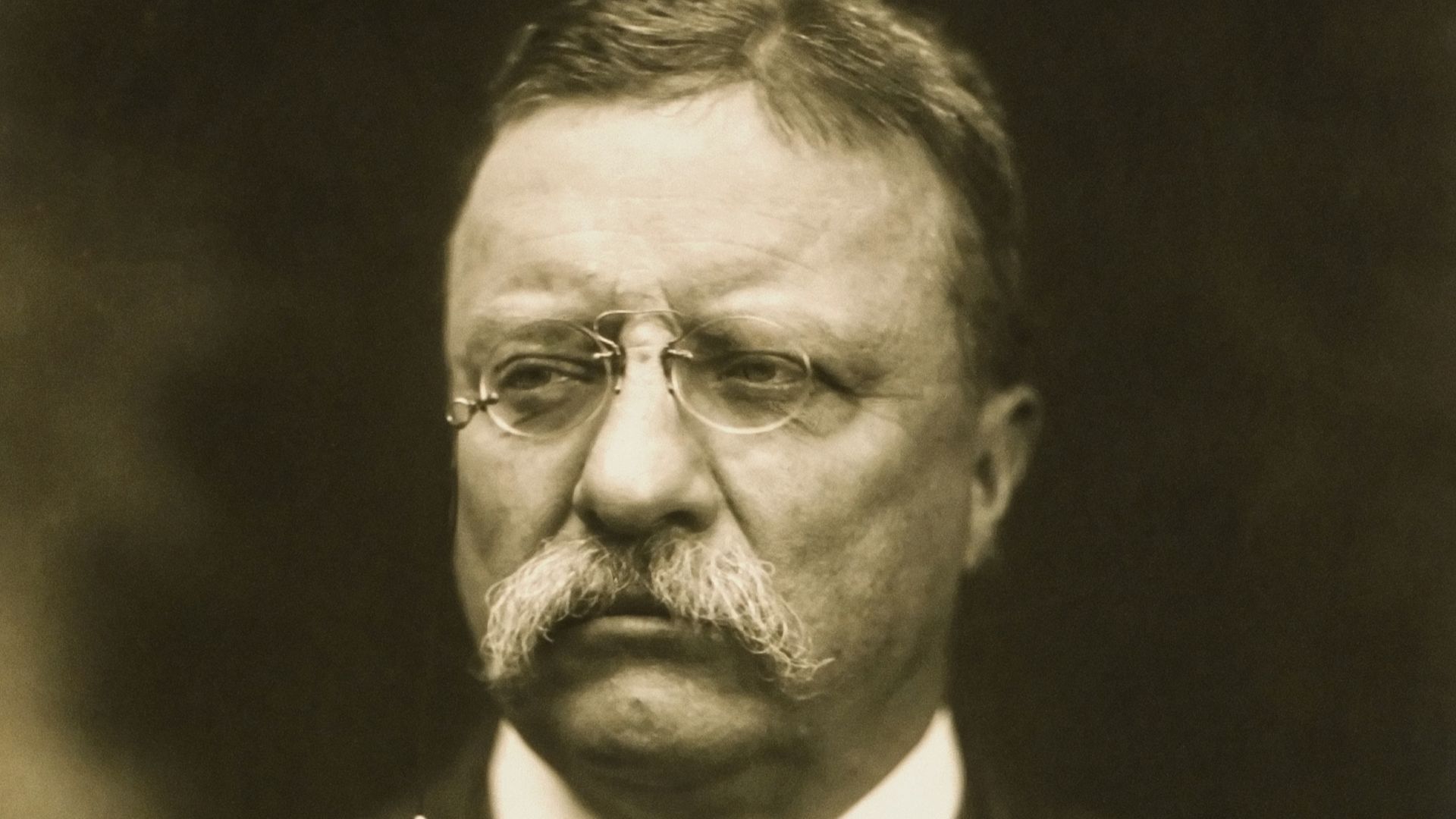 Pach Brothers (photography studio) on Wikimedia
17. “We Are What We Repeatedly Do” — Aristotle
Aristotle never wrote this sentence. It comes from a modern summary of his ideas on habit and virtue. While accurate in spirit, it’s not a direct quote. Knowing that distinction helps preserve historical accuracy.
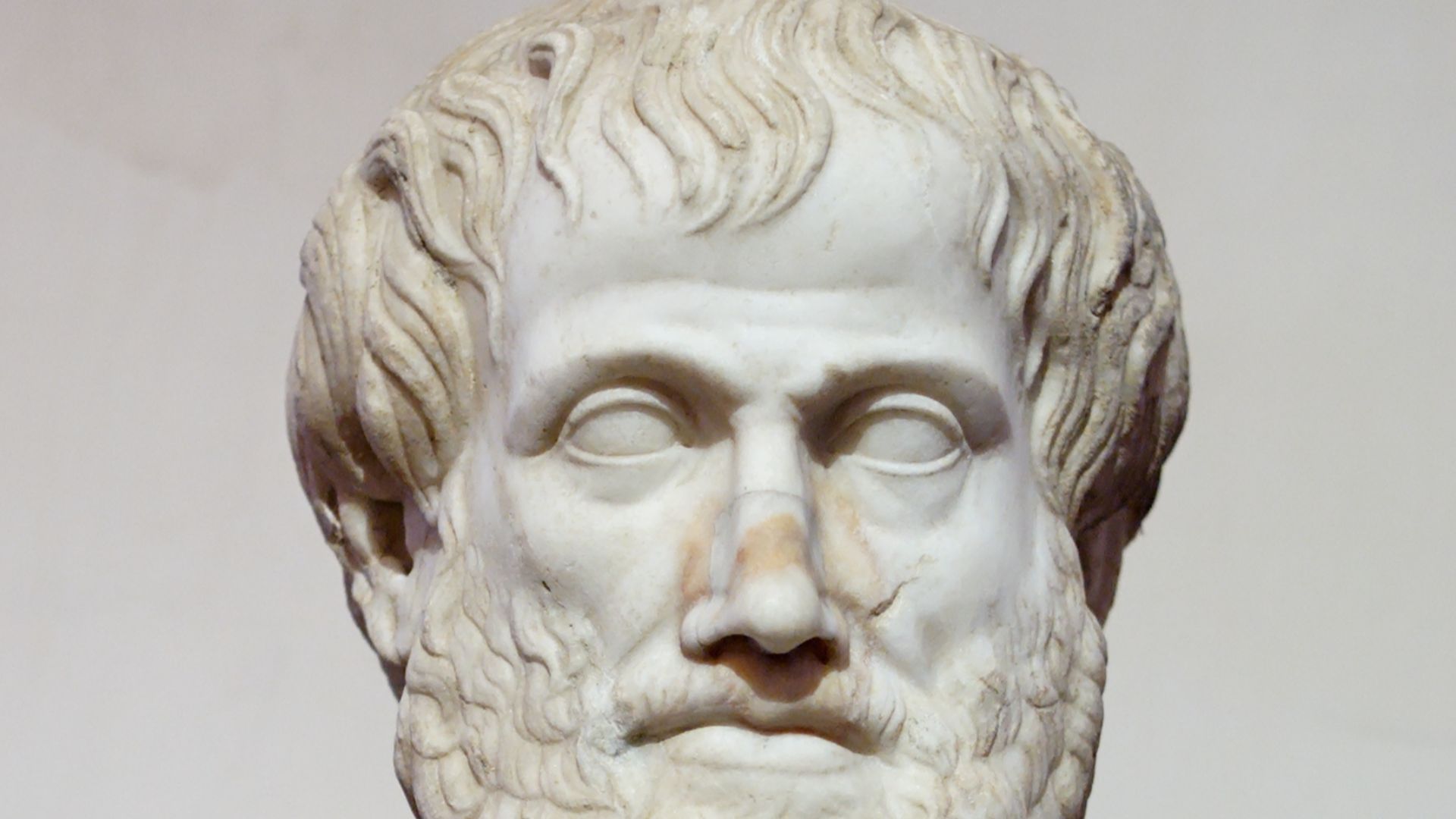
18. “If You Are Not a Liberal at 25…” — Often Attributed to Churchill
There’s no reliable evidence that Churchill ever said this. Variations existed long before his lifetime. The quote is more folklore than fact.
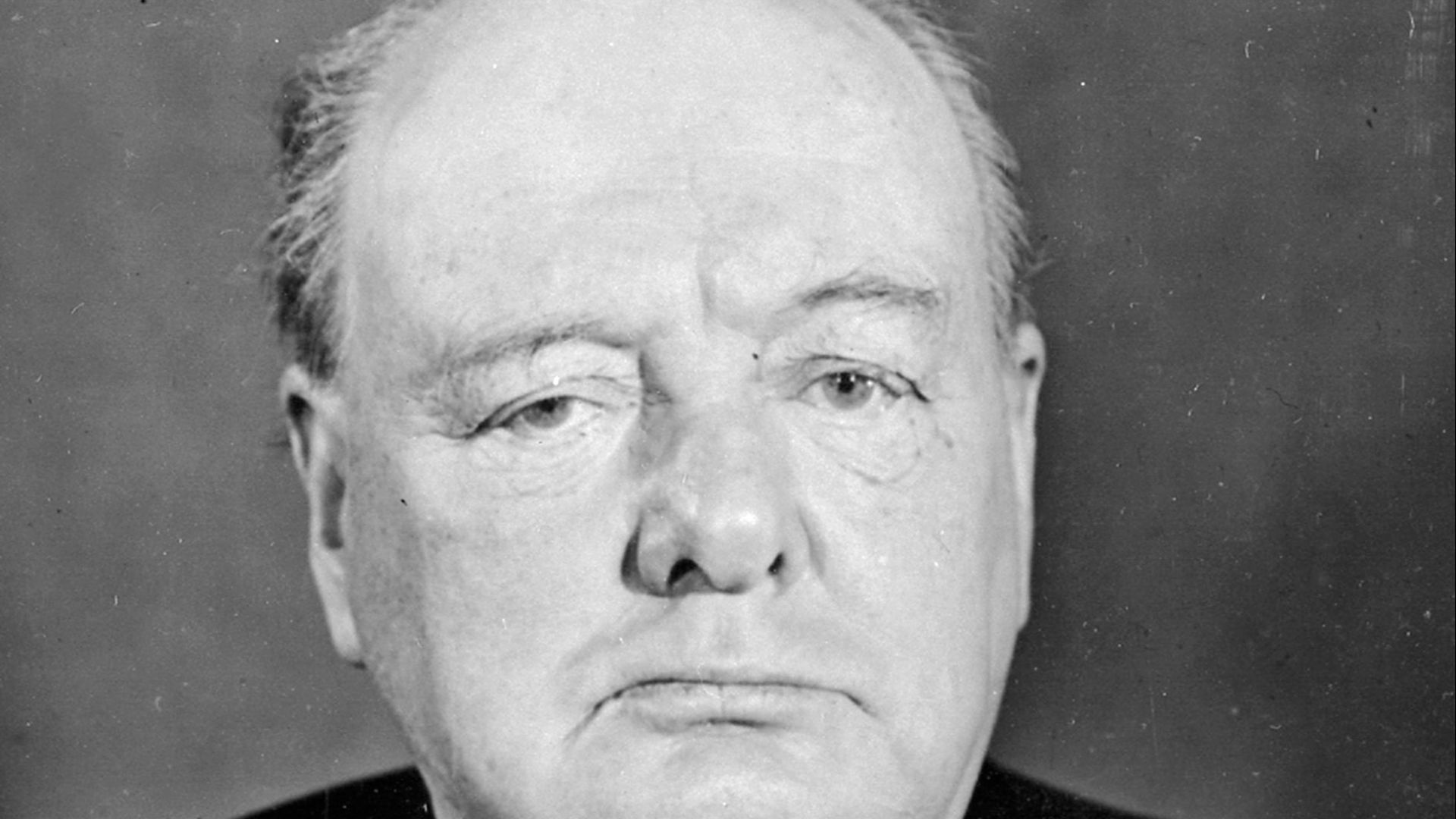 Central Office of Information on Wikimedia
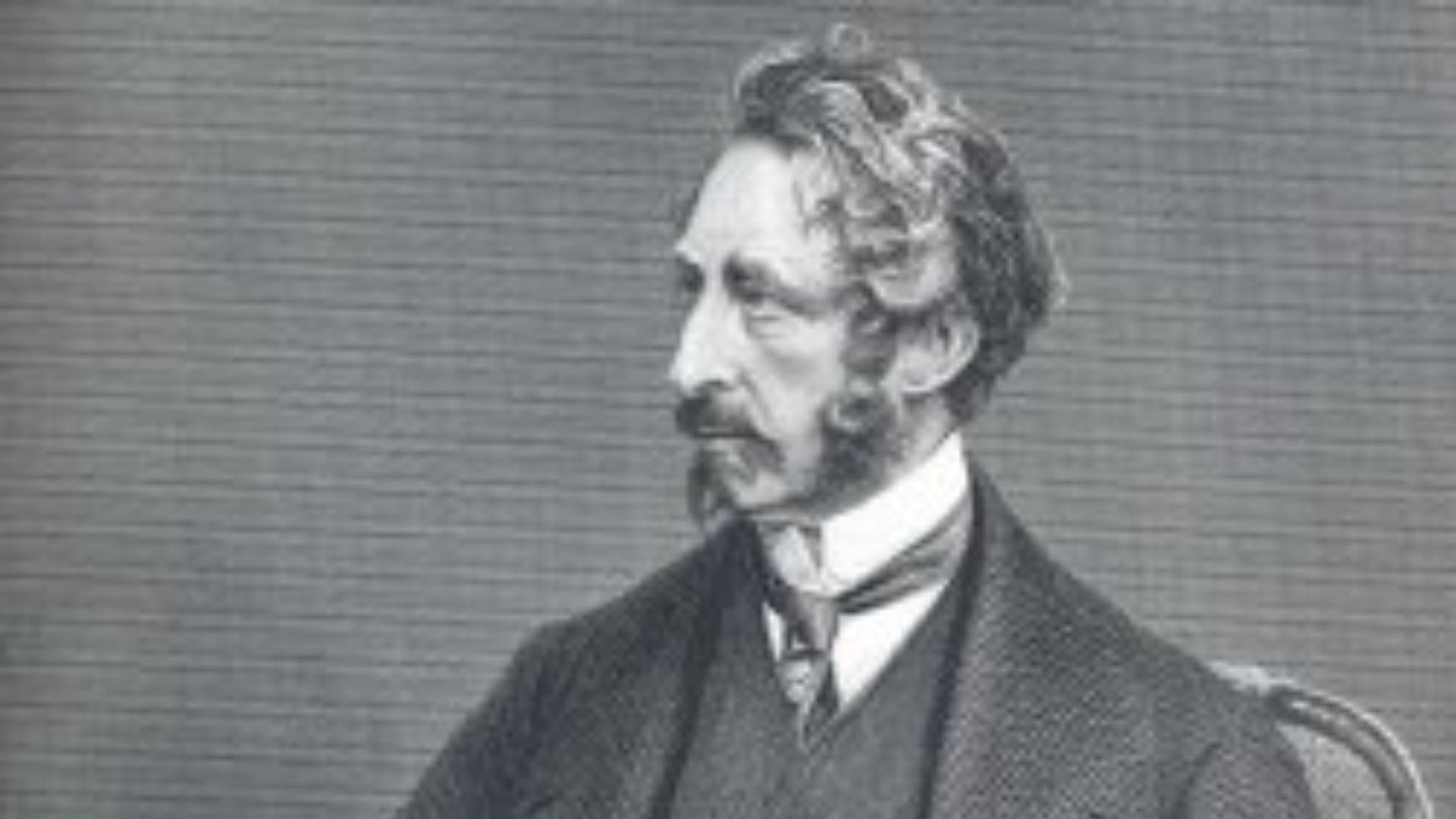
19. “The Pen Is Mightier Than the Sword” — Edward Bulwer-Lytton
This line comes from a 19th-century play. Bulwer-Lytton was emphasizing influence and persuasion, but the phrase works because it captures how power often operates indirectly.
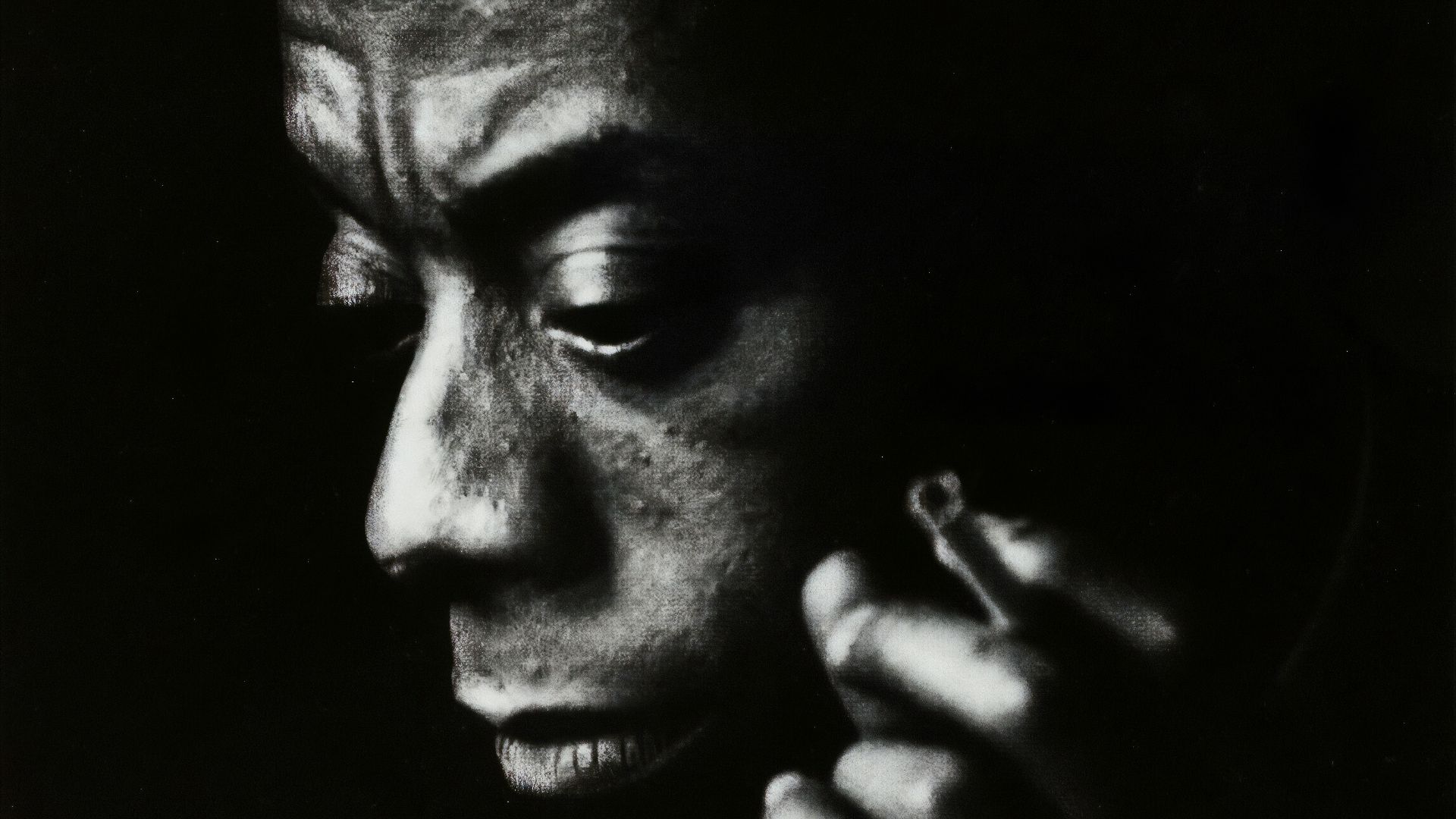
20. “Not Everything That Is Faced Can Be Changed” — James Baldwin
This quote is often shortened or flattened. Baldwin was writing about moral courage and responsibility, emphasizing awareness before action.
KEEP ON READING
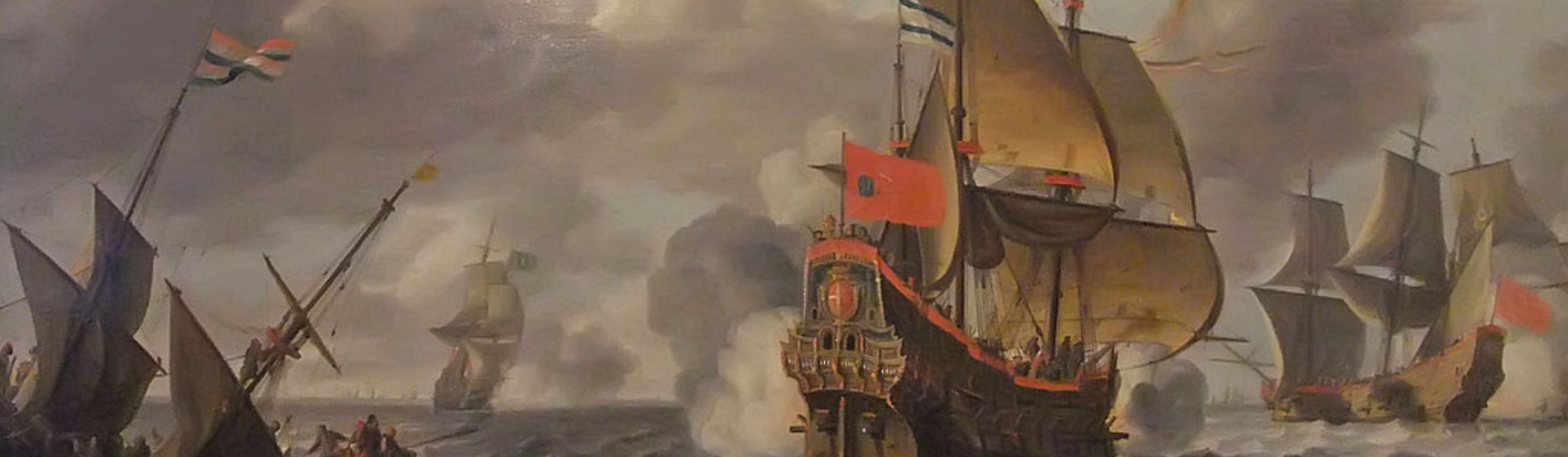
The story of Ching Shih, the Woman Who Became the…
Unknown author on WikimediaFew figures in history are as feared…
By Emilie Richardson-Dupuis Dec 29, 2025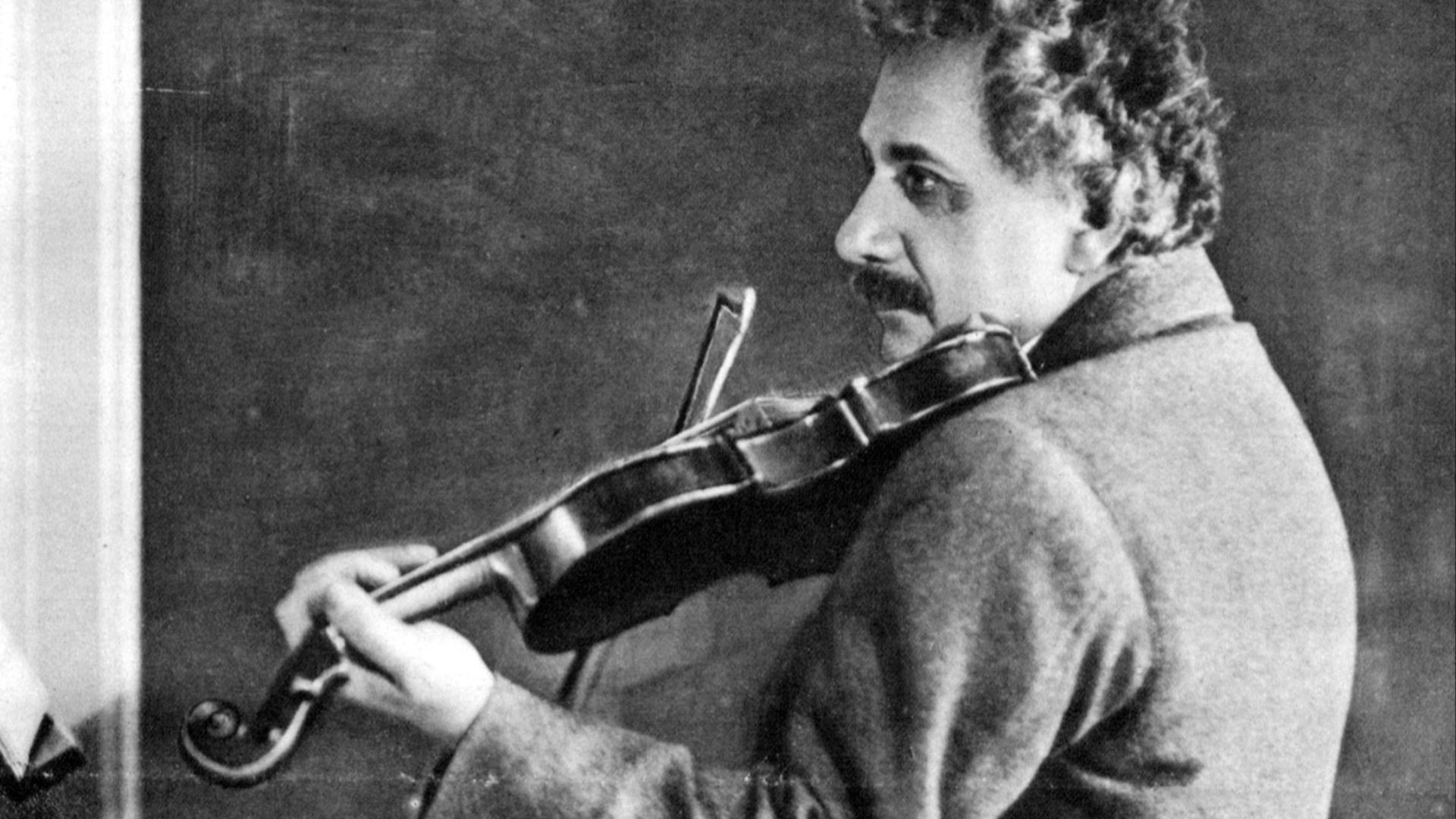
Einstein's Violin Just Sold At An Auction—And It Earned More…
A Visionary's Violin. Wanda von Debschitz-Kunowski on WikimediaWhen you hear…
By Ashley Bast Nov 3, 2025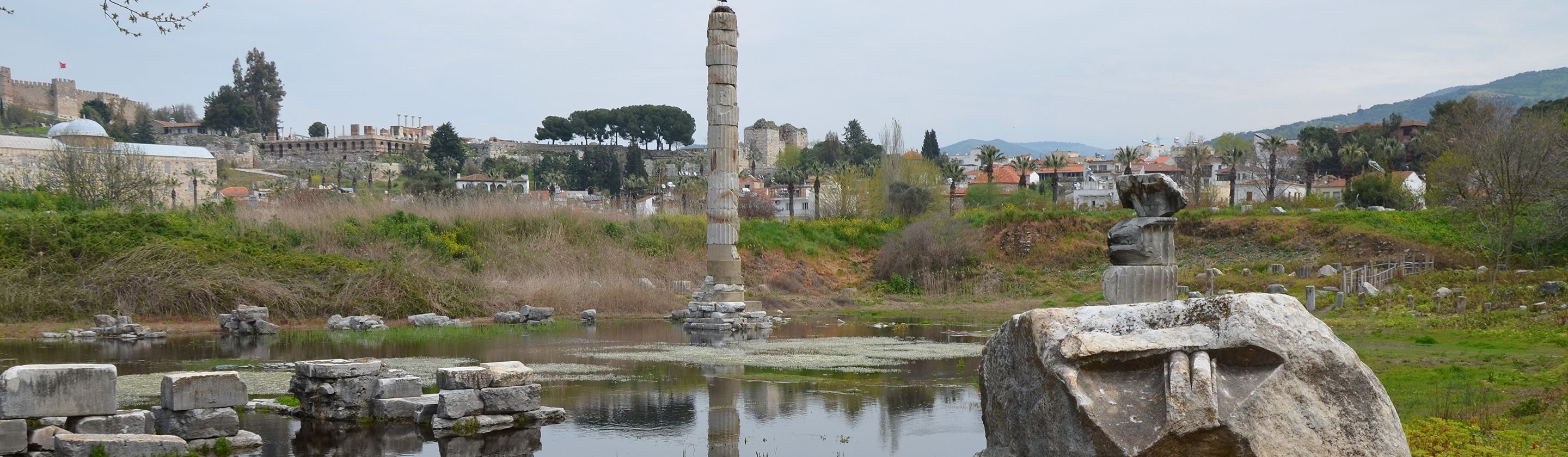
This Infamous Ancient Greek Burned Down An Ancient Wonder Just…
History remembers kings and conquerors, but sometimes, it also remembers…
By David Davidovic Nov 12, 2025
The Mysterious "Sea People" Who Collapsed Civilization
3,200 years ago, Bronze Age civilization in the Mediterranean suddenly…
By Robbie Woods Mar 18, 2025
The Man Who Sold the Eiffel Tower (Twice)
Page from a 1935 Philadelphia newspaper on WikimediaYou have likely…
By Sara Springsteen Jun 23, 2026
20 Soldiers Who Defied Expectations
Changing the Rules of the Battlefield. You’ve probably heard plenty…
By Annie Byrd Feb 10, 2026