

Tools Built To Crush, Pierce, And Finish The Job Up Close
Medieval battle gear wasn’t designed to look heroic from twenty feet away. It was built to solve immediate problems, usually with limited materials, a lot of hand labor, and a blunt understanding of what bodies can and can’t survive. When modern museums put these pieces under clean lighting, it’s easy to forget how they felt in motion: hot, restrictive, heavy in the wrong places, and constantly rubbing where skin is thin. Even the intelligent designs often come with trade-offs that sound tolerable until you picture them on a wet field, with mud pulling at your feet and your hearing dampened by metal. Here are twenty real pieces of medieval battle gear that make the practical reality of fighting back then feel very, very close.
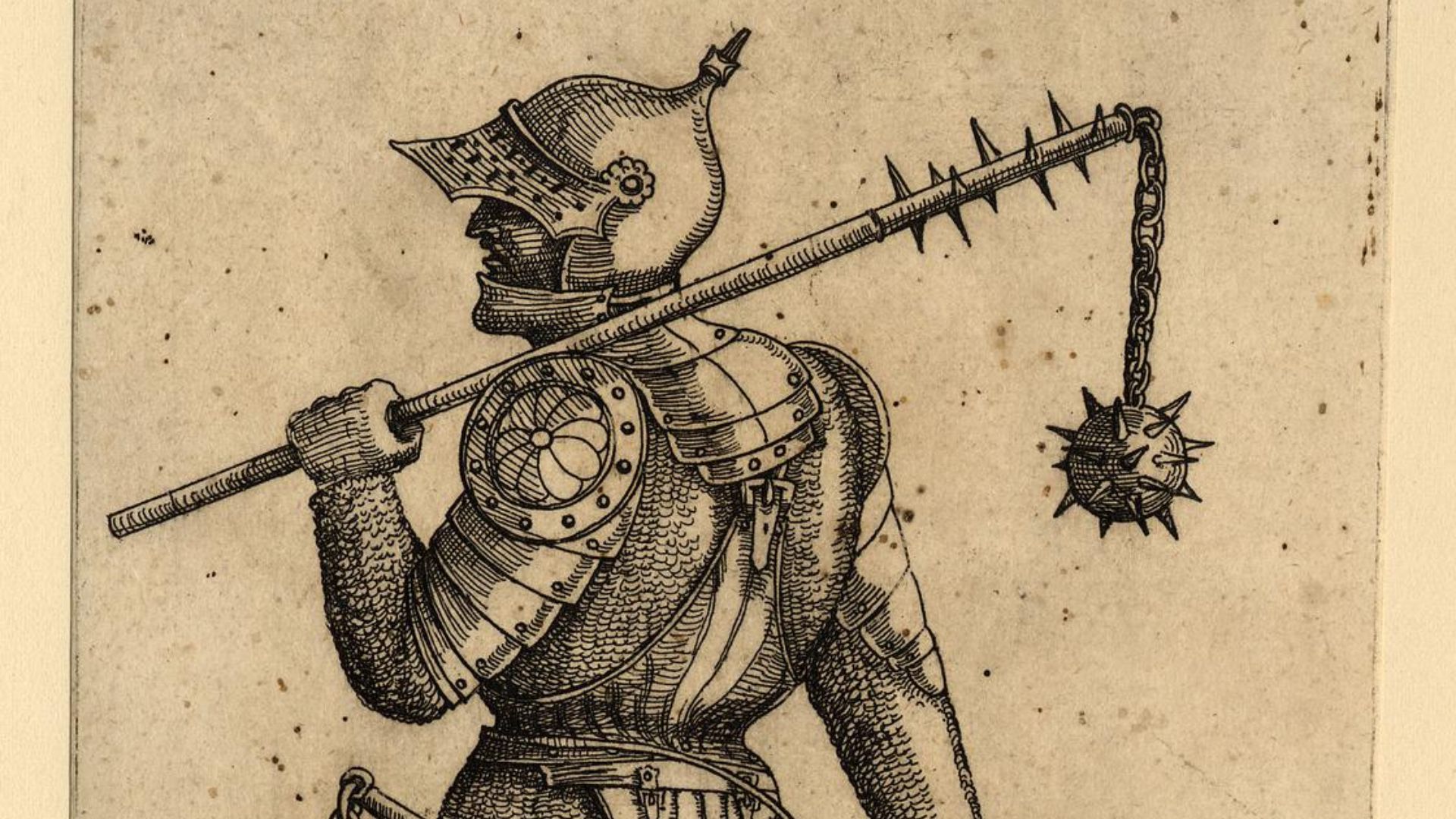 Print made by: Hans Burgkmair the Younger on Wikimedia
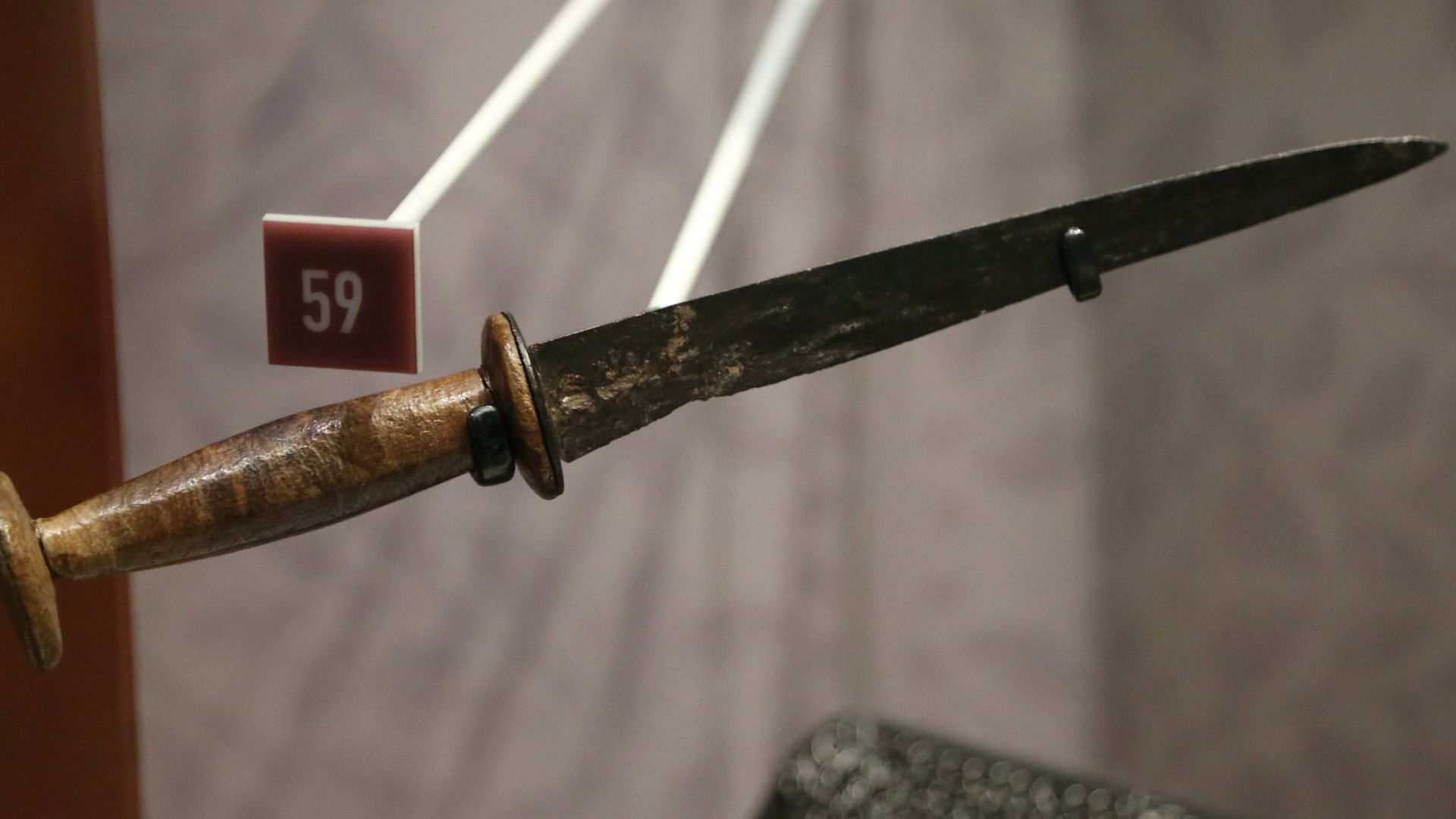
1. Rondel Dagger
The rondel dagger was designed for extremely close combat, especially against armored opponents. Its stiff, narrow blade could be driven into gaps in plate, like under the arm or through the visor. It wasn’t a battlefield flourish, it was a finishing weapon.
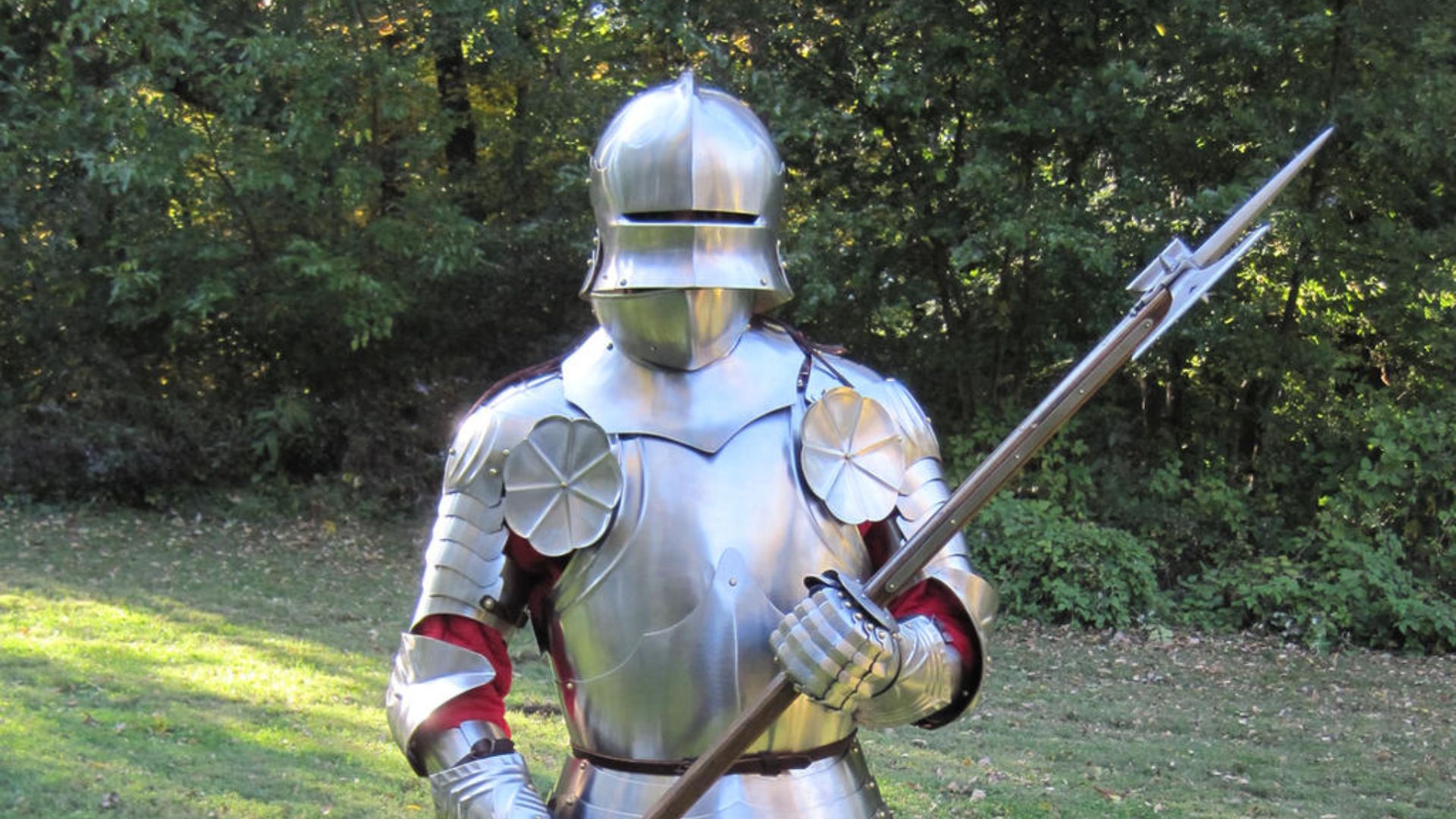
2. Poleaxe
The poleaxe was built specifically to deal with armored knights at close range. It combined an axe blade, a hammer face, and a spike, giving the user multiple ways to strike depending on what they were facing. It was practical, brutal, and very common in late medieval combat.
3. War Hammer
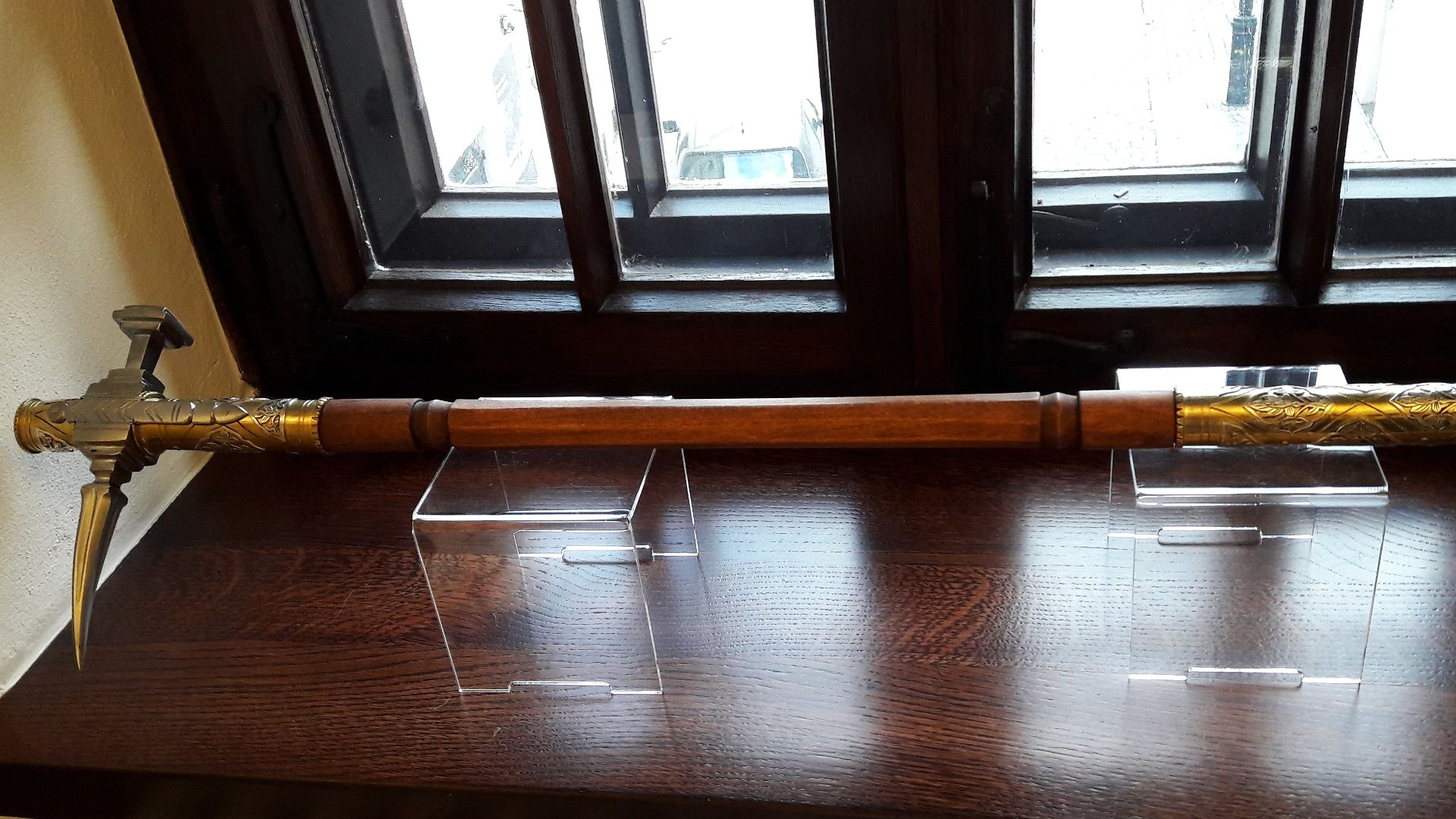
War hammers existed because swords stopped being enough once plate armor became widespread. The concentrated force of the hammer head could break bones through armor even without cutting. Many versions also included spikes for puncturing.
 Anonymous (Poland)Unknown author on Wikimedia
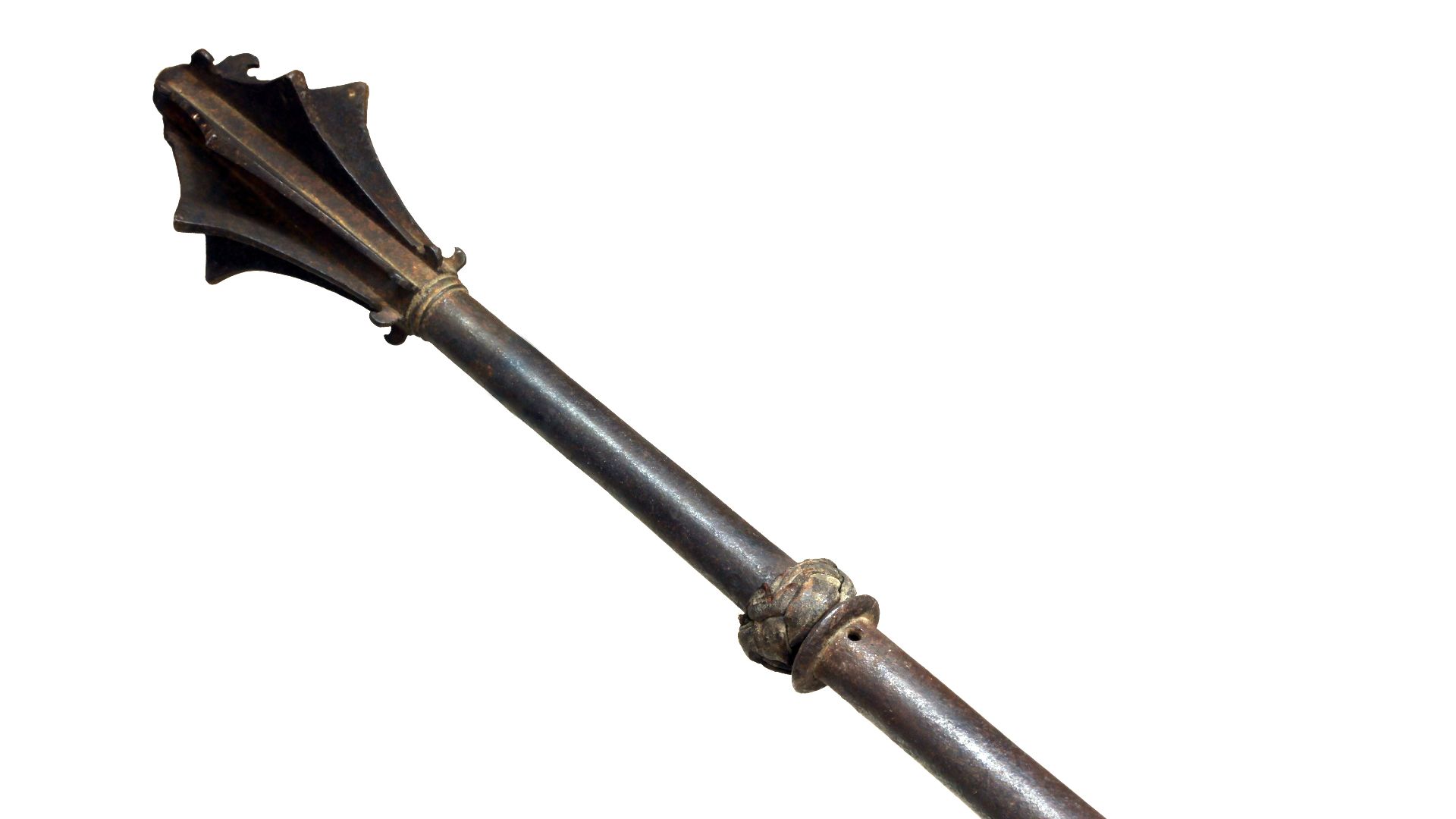
4. Flanged Mace
A flanged mace took a simple club idea and optimized it for damage. The metal flanges helped concentrate impact and could crush armor plates inward. It was straightforward, heavy, and designed for trauma.
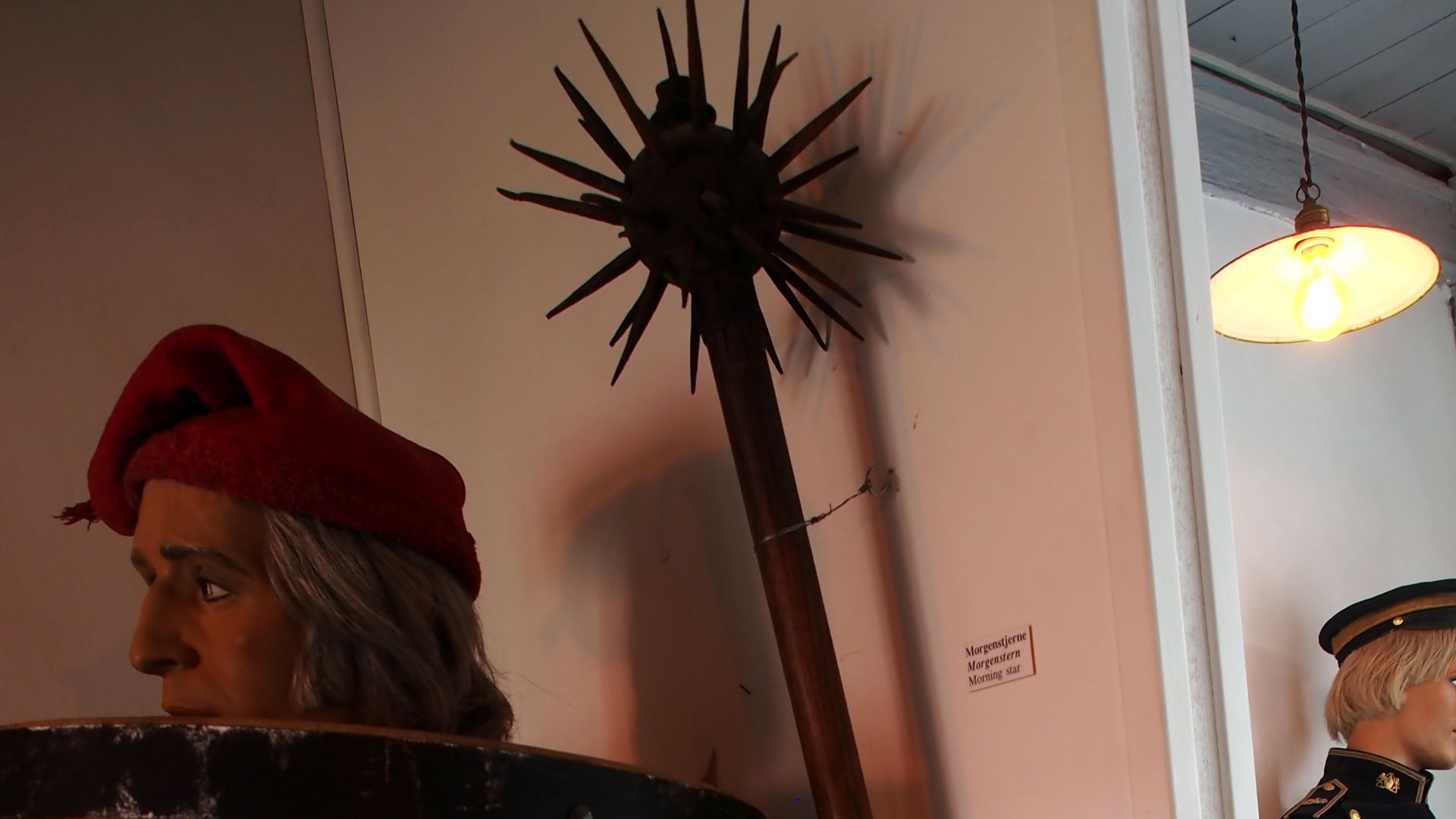
5. Morning Star
The morning star added spikes to a bludgeoning weapon, making it useful against both unarmored and armored targets. It could tear flesh, damage helmets, and create wounds that were difficult to treat. It was meant to intimidate as much as injure.
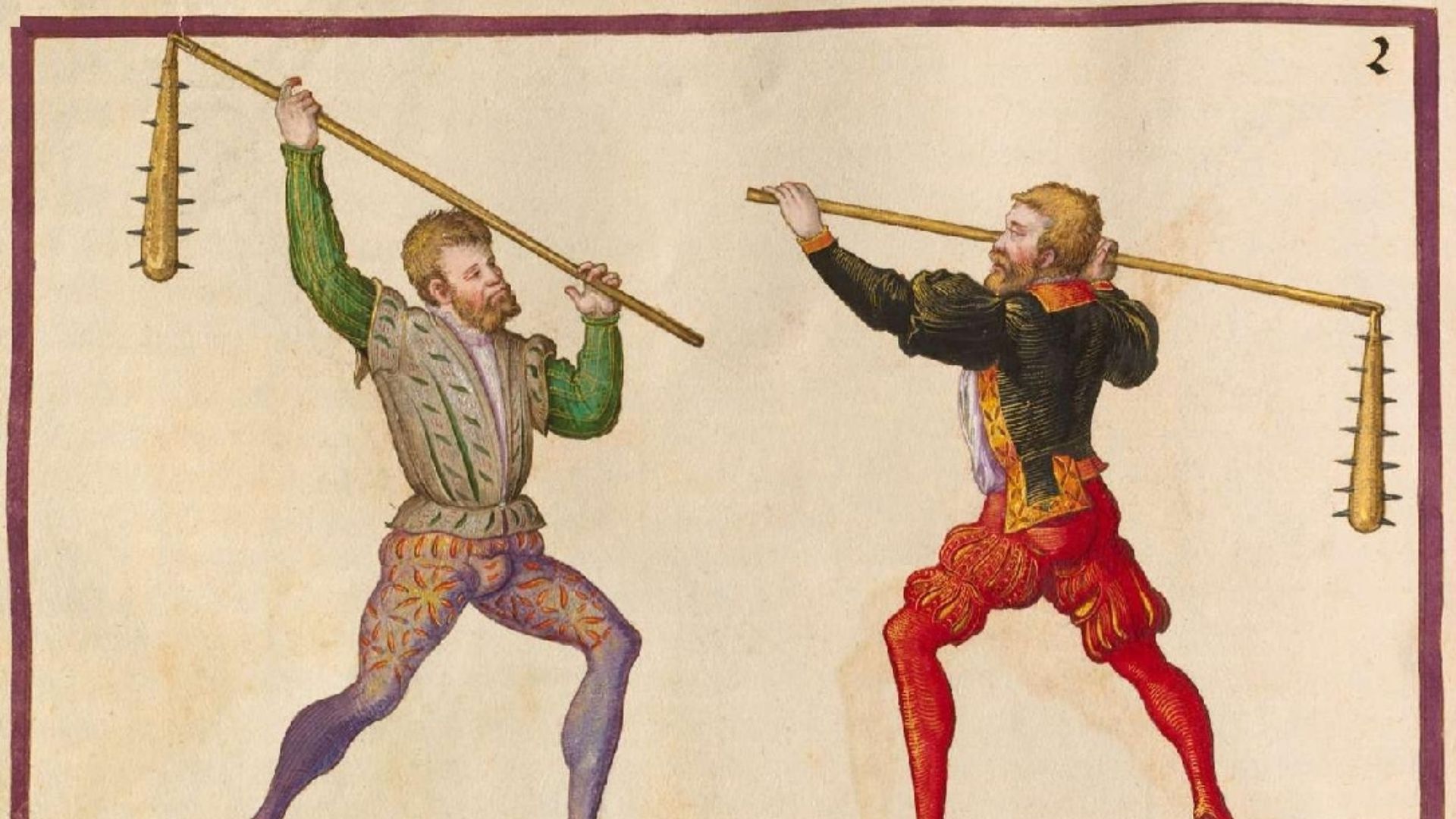
6. Spiked Flail
The flail is one of the most visually unsettling medieval weapons, with a swinging spiked head meant to bypass shields. It was harder to control than a mace, which made it dangerous for everyone nearby. Its purpose was chaos at close range.
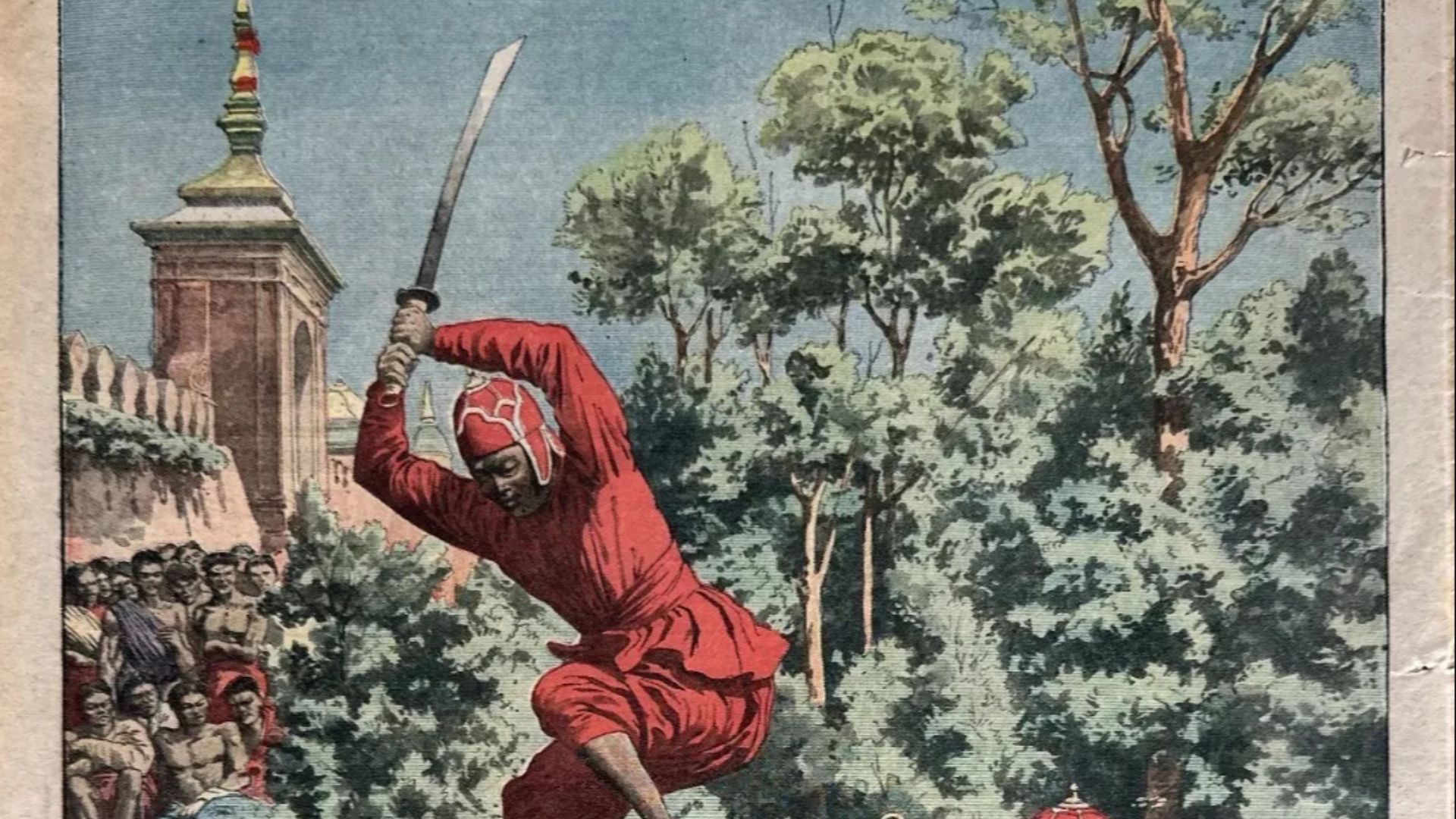
7. Execution Sword
Large two-handed swords were sometimes used in war, but execution swords carry a different kind of weight. They were built for clean, powerful strikes rather than fencing. Even surviving examples feel more like instruments than weapons.
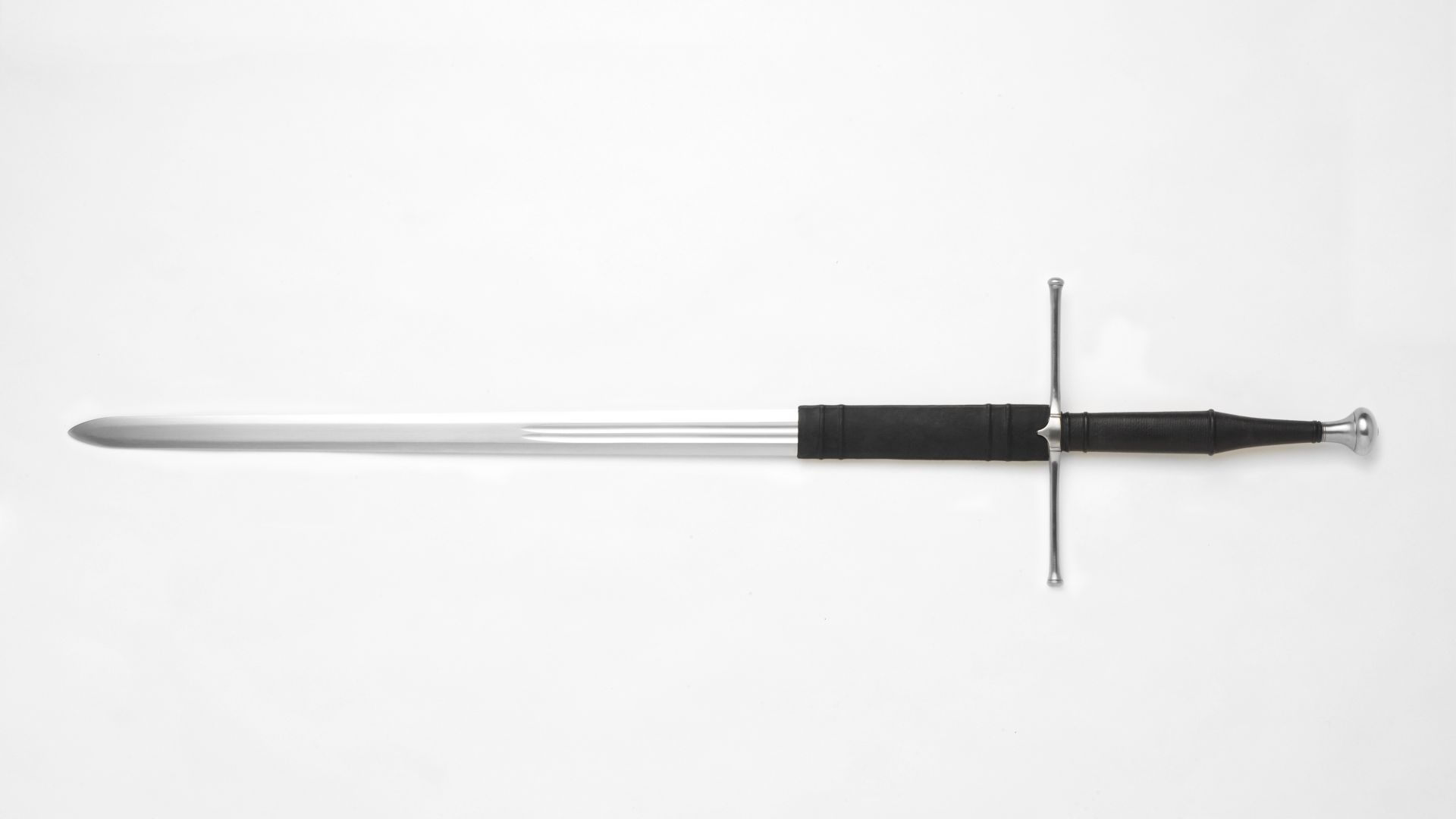
8. Zweihänder
The zweihänder was enormous, requiring strength and space to use effectively. It could disrupt pike formations and dominate crowded fights. Its size alone made it feel less like a sidearm and more like battlefield machinery.
 Søren Niedziella from Denmark on Wikimedia
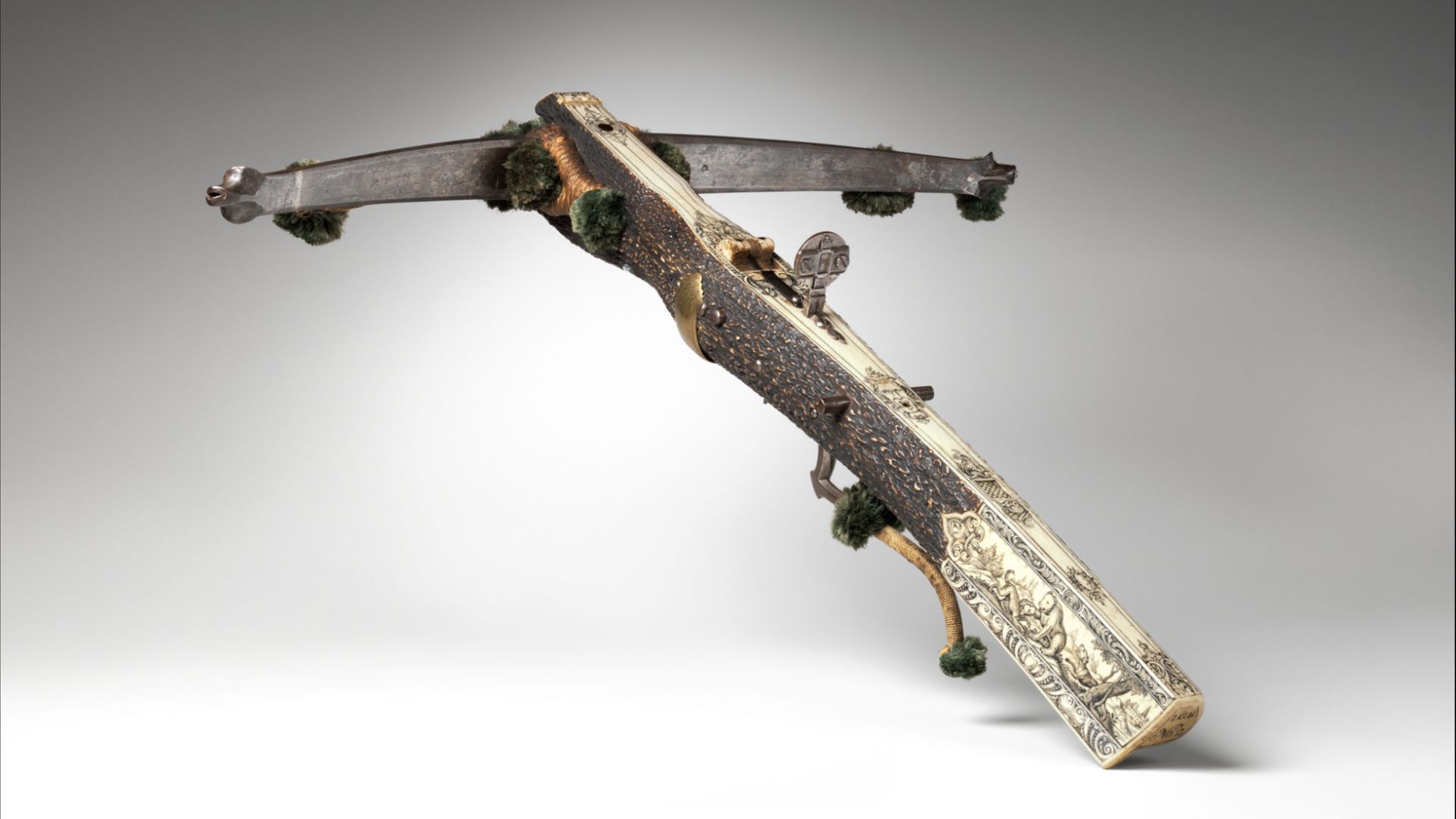
9. Crossbow With Cranequin
Crossbows were powerful enough to penetrate armor at range, which is why they were feared. Some required cranequins, mechanical winches, just to draw them back. They turned killing into something mechanical and repeatable.
 Johann Gottfried Hänisch the Elder on Wikimedia
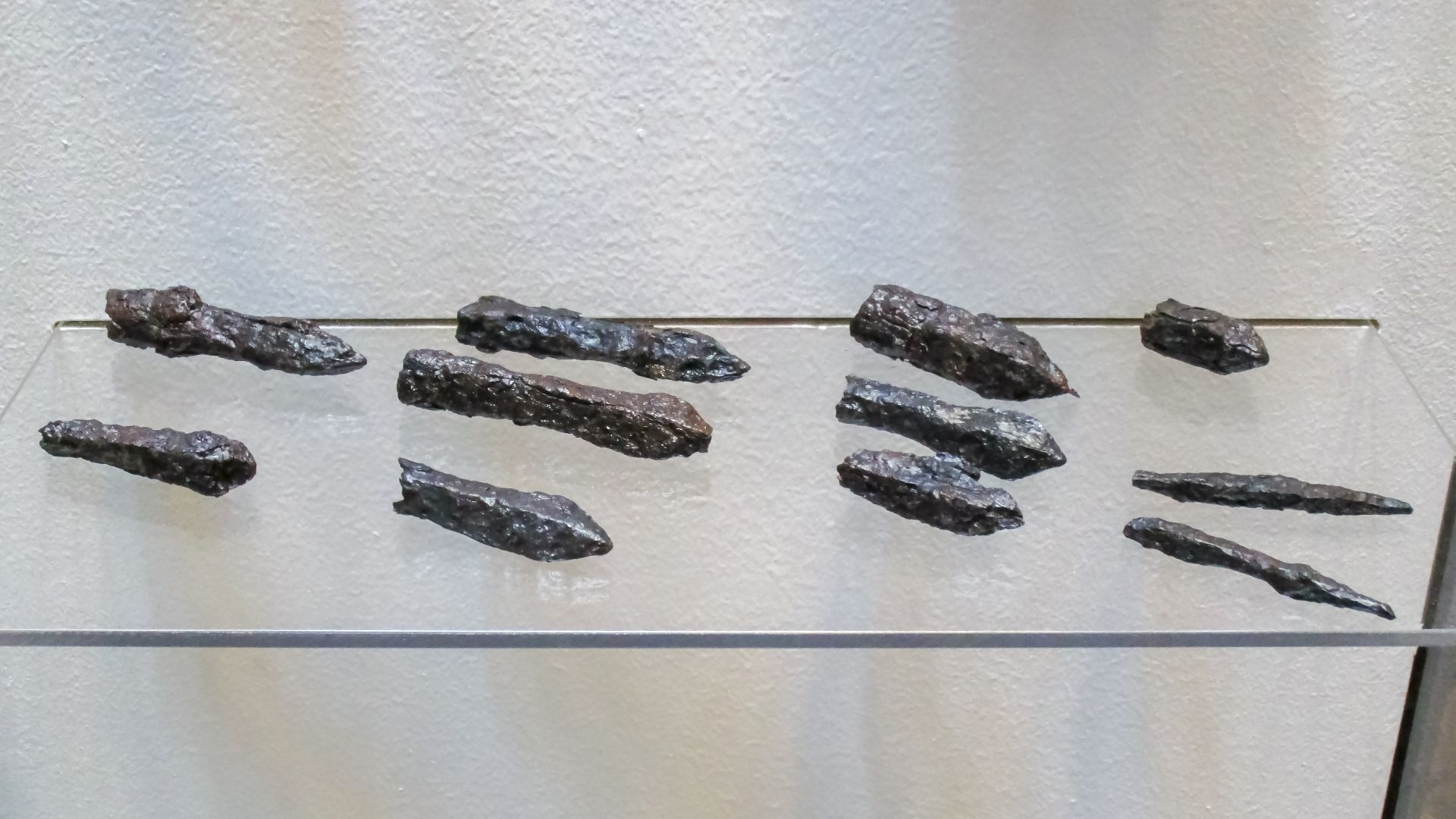
10. Heavy Longbow Arrows (Bodkins)
The English longbow is famous partly because of the arrows designed for armor penetration. Bodkin points were narrow and stiff, meant to punch through mail and weak spots. Massed volleys made them especially terrifying.
11. Halberd
The halberd combined spear, axe, and hook into one pole weapon. It could stab, chop, or pull riders off horses. It was versatile in the most dangerous way, built for crowded, close fighting.
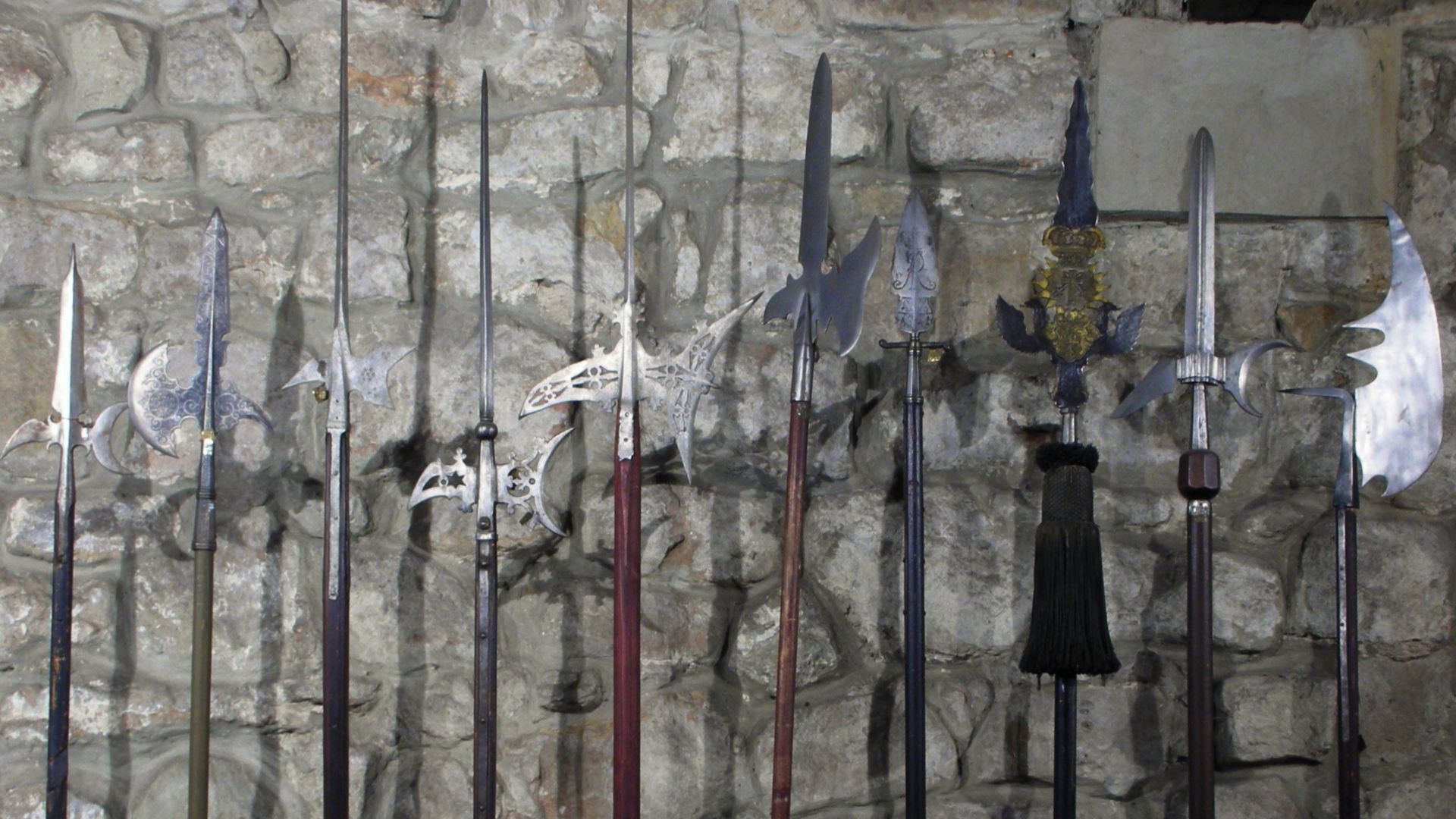 Lestat (Jan Mehlich) on Wikimedia
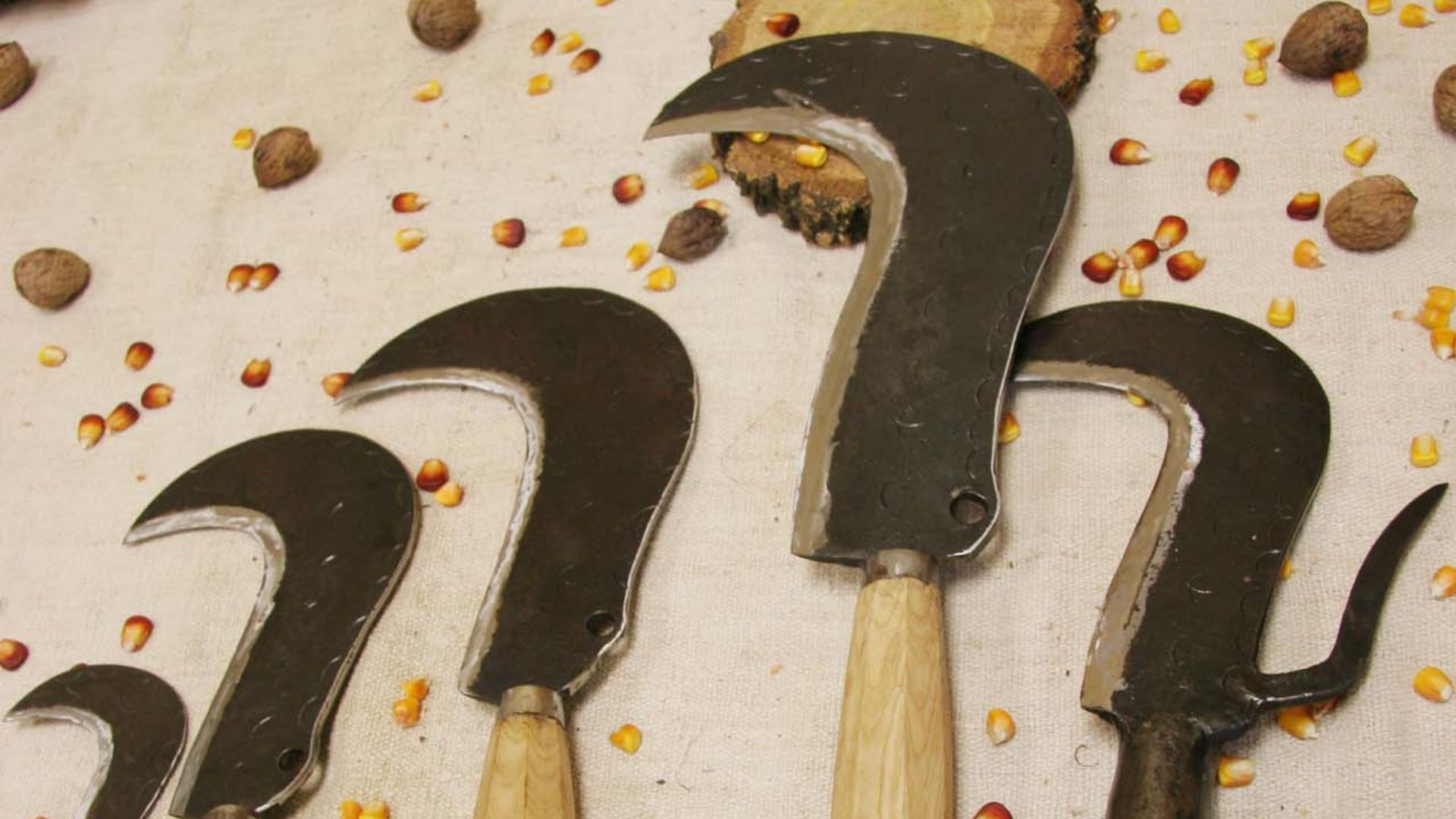
12. Billhook
Originally an agricultural tool, the billhook became a battlefield weapon because it worked. The hooked blade could grab armor, pull shields aside, or drag someone down. It was simple, cheap, and effective.
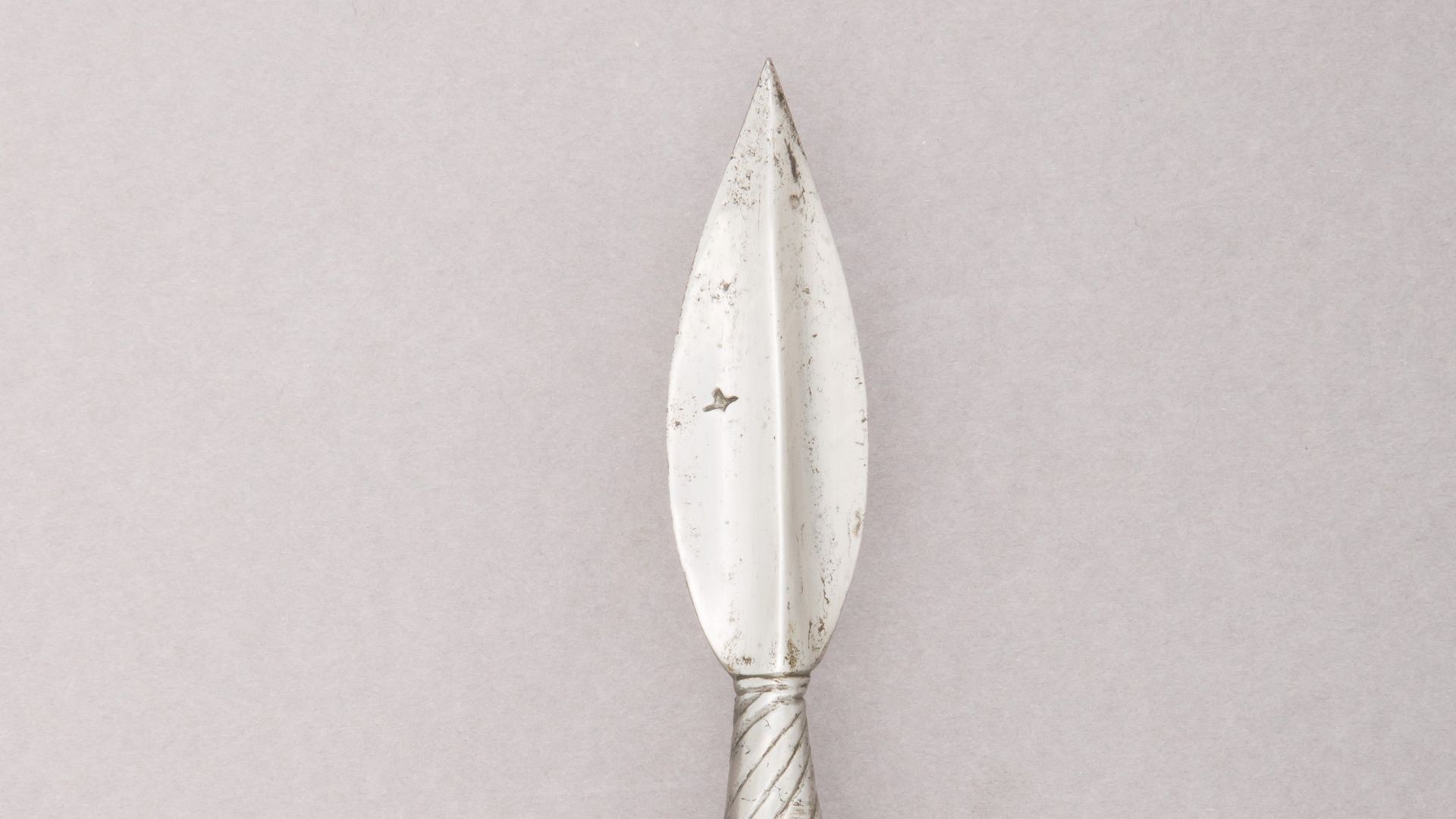
13. Pike
A pike was less about individual combat and more about formation killing. Long rows of spear points made cavalry charges suicidal. The nightmare comes from how impersonal and unavoidable it was.
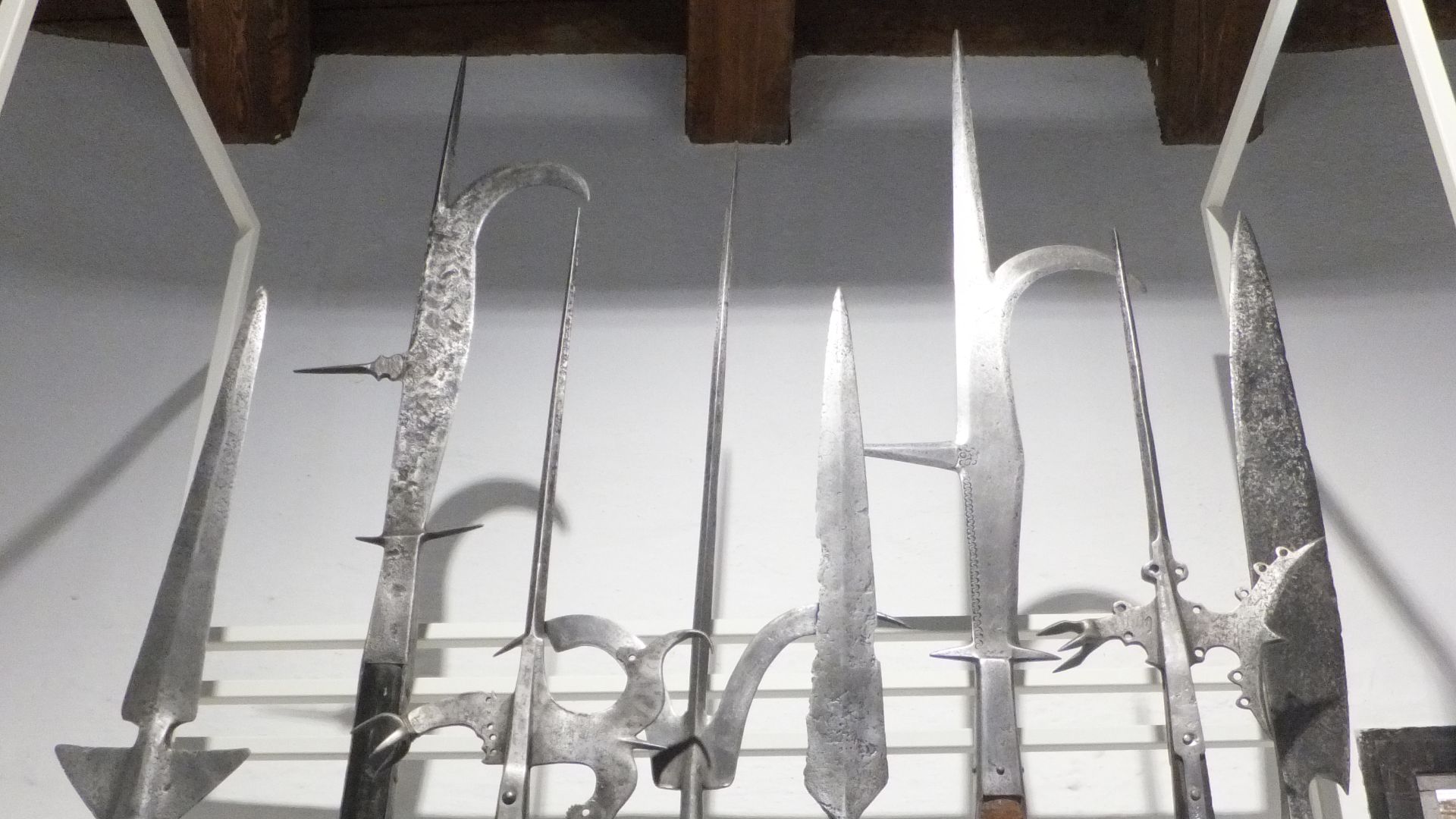
14. Guisarme
The guisarme was another hooked polearm meant for pulling and controlling bodies, not just striking. It reflects how medieval combat often involved dragging opponents down into the mud. Its design is bluntly functional.
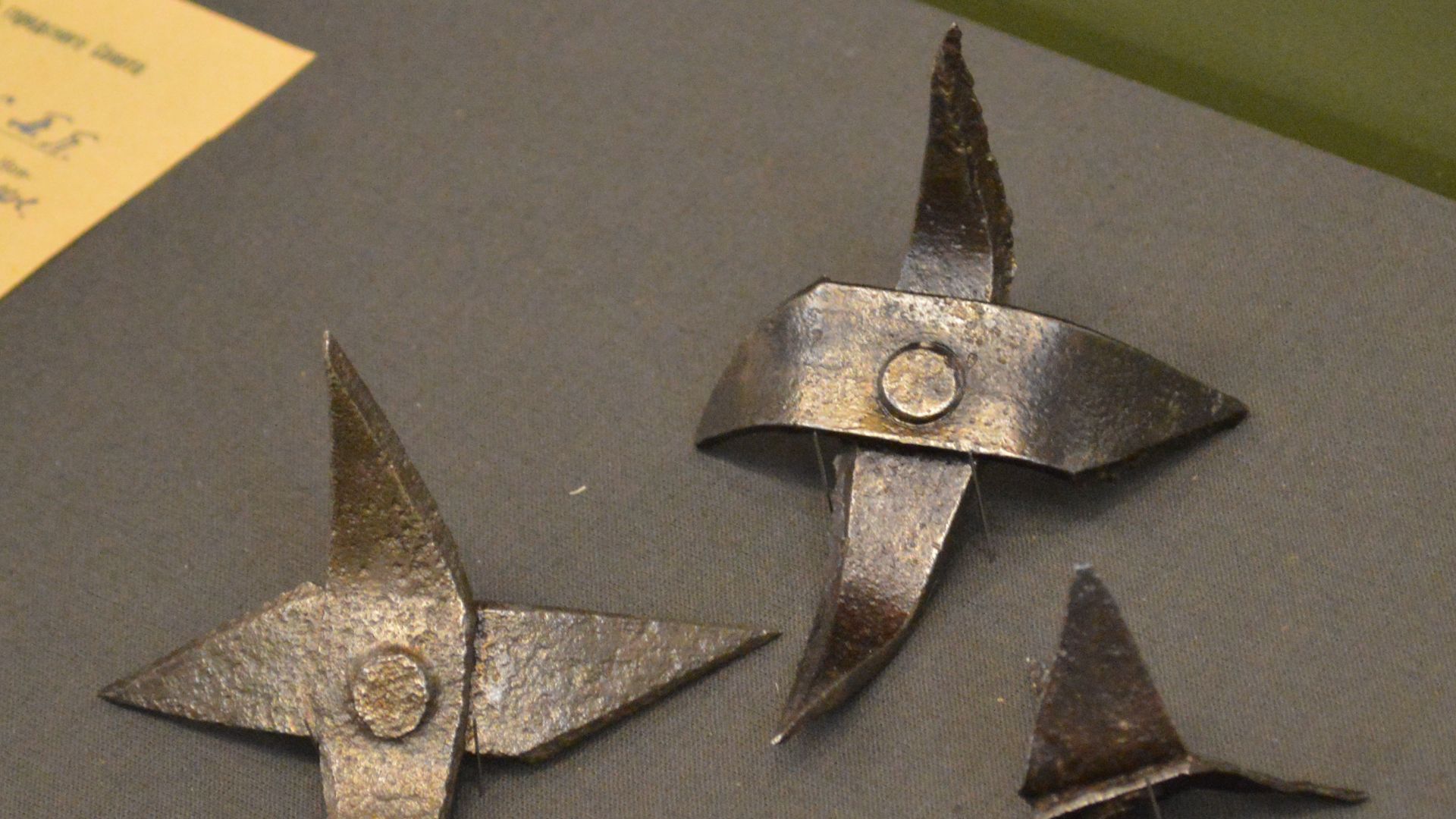
15. Caltrops
Caltrops weren’t swung or fired, just scattered. They were designed so one spike always faced upward, ready to cripple horses or soldiers. They turned the ground itself into a weapon.
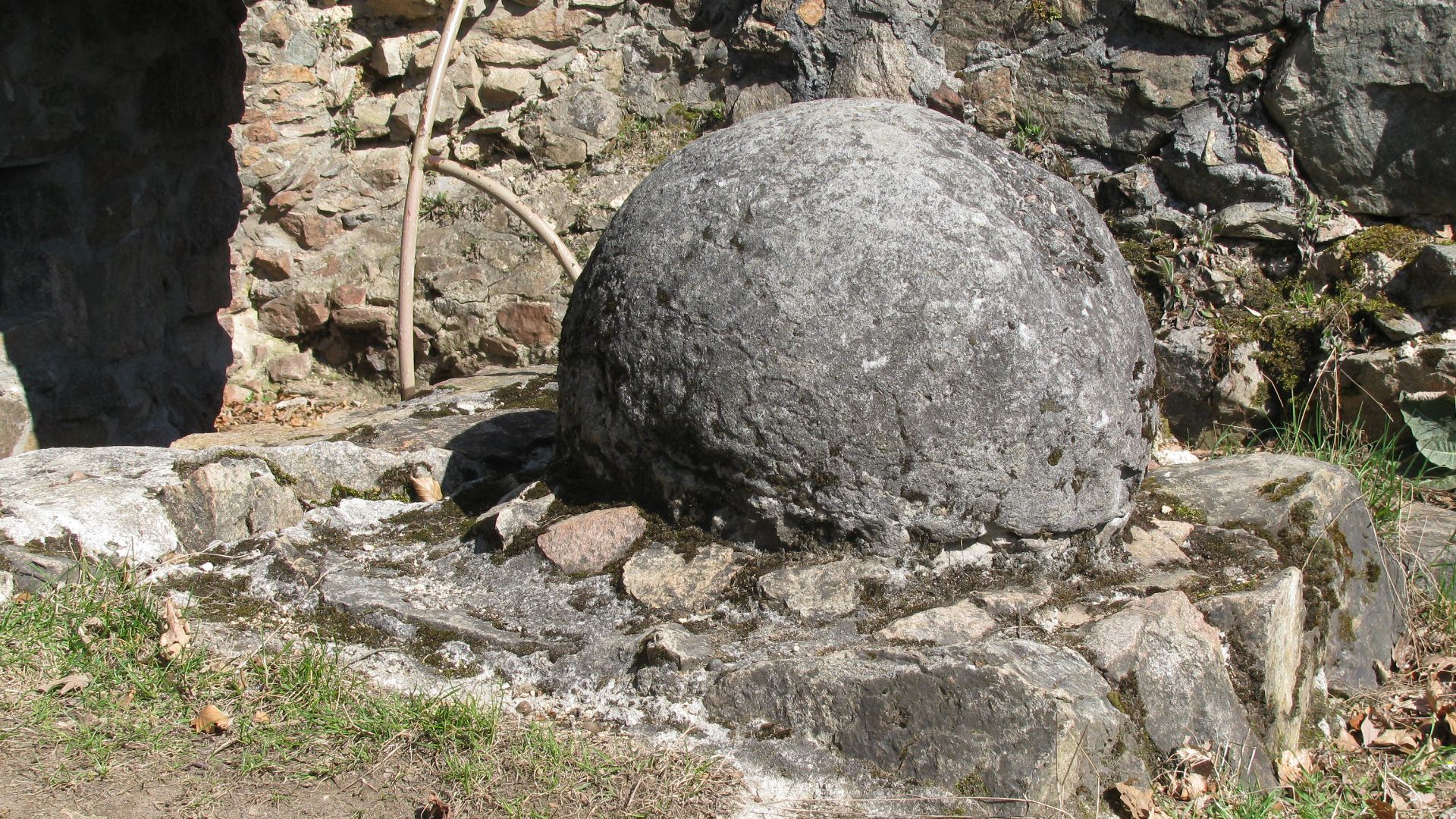
16. Siege Trebuchet Ammunition
Trebuchets weren’t subtle. The stones they launched could crush walls, bodies, and entire groups at once. Medieval siege warfare meant living under the possibility of sudden, massive impact.
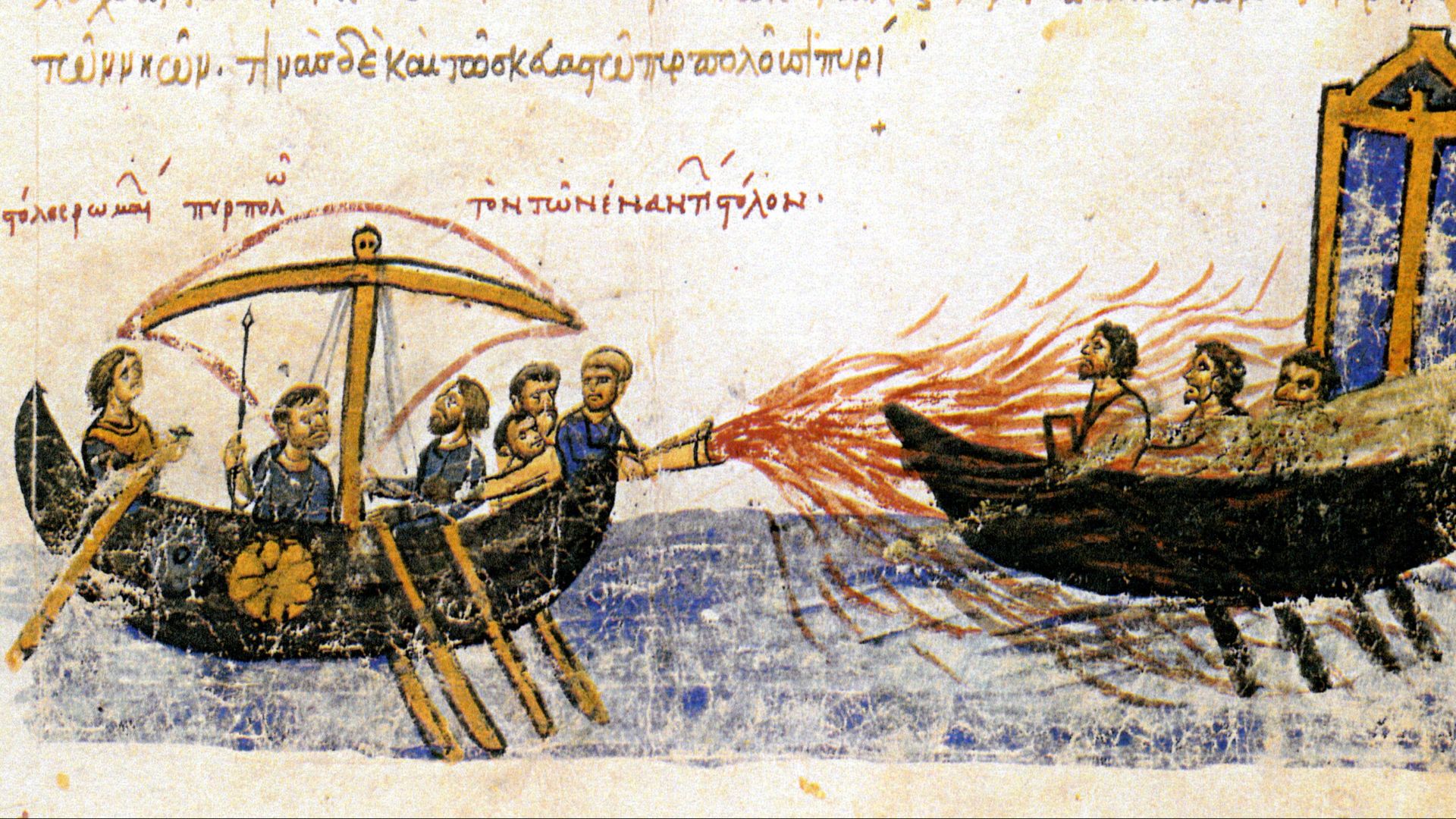
17. Greek Fire Devices
Greek fire was an incendiary weapon used especially in Byzantine warfare, famous for burning even on water. The exact formula is still unknown, which adds to its legend. Medieval fire weapons were terrifying because they were hard to stop once ignited.
 Unknown authorUnknown author on Wikimedia
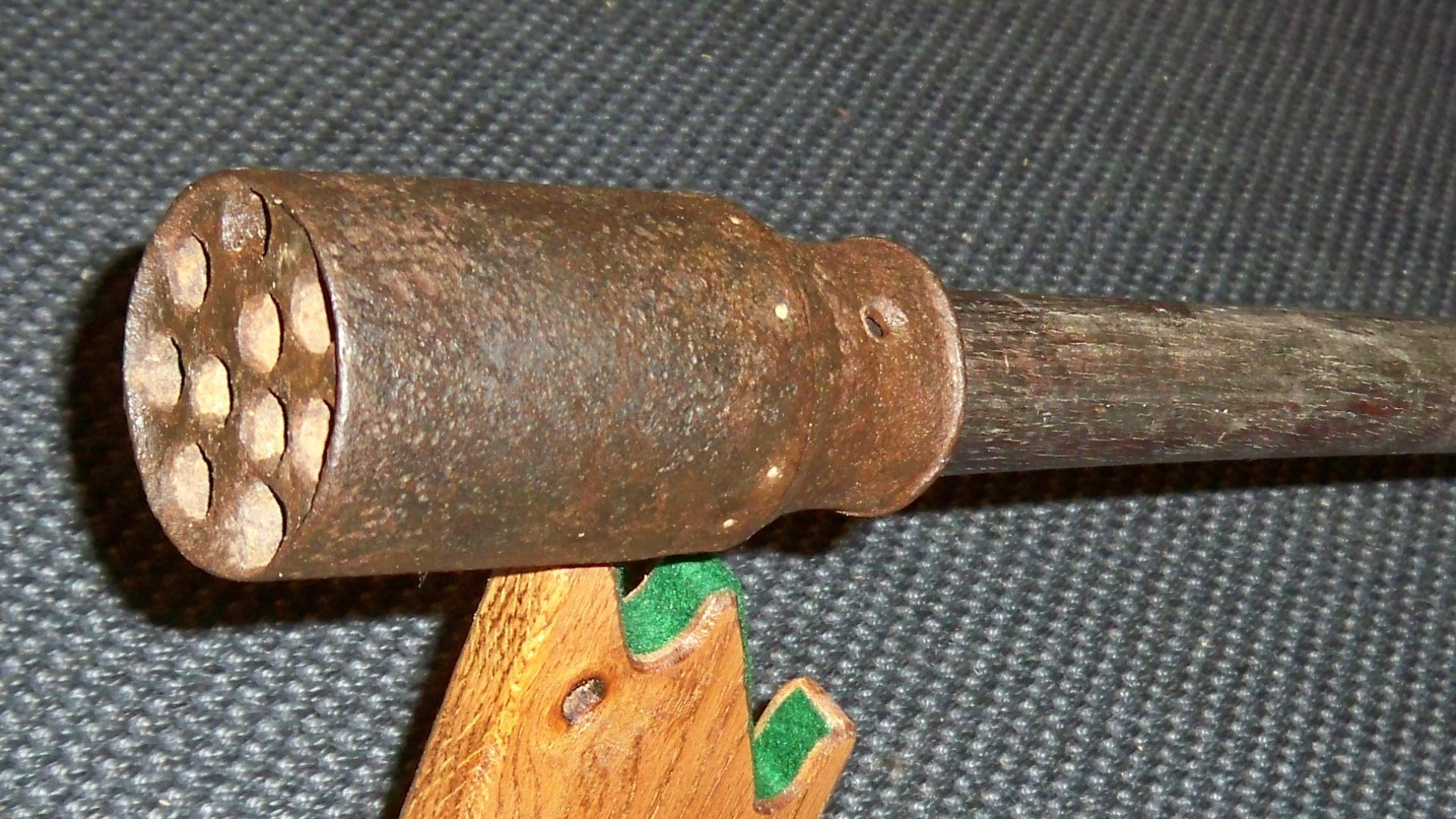
18. Hand Cannon
Early firearms were crude, loud, and unpredictable, but they changed warfare permanently. Even if inaccurate, the force and fear they introduced mattered. They were the beginning of gunpowder nightmares in Europe.
 Samuraiantiqueworld on Wikimedia
19. Spiked Pavise Support Weapons
The pavise itself was defensive, but it existed because missile weapons were so deadly. Crossbowmen hid behind these shields while reloading, turning battles into slow, lethal exchanges. The weaponry demanded architecture.
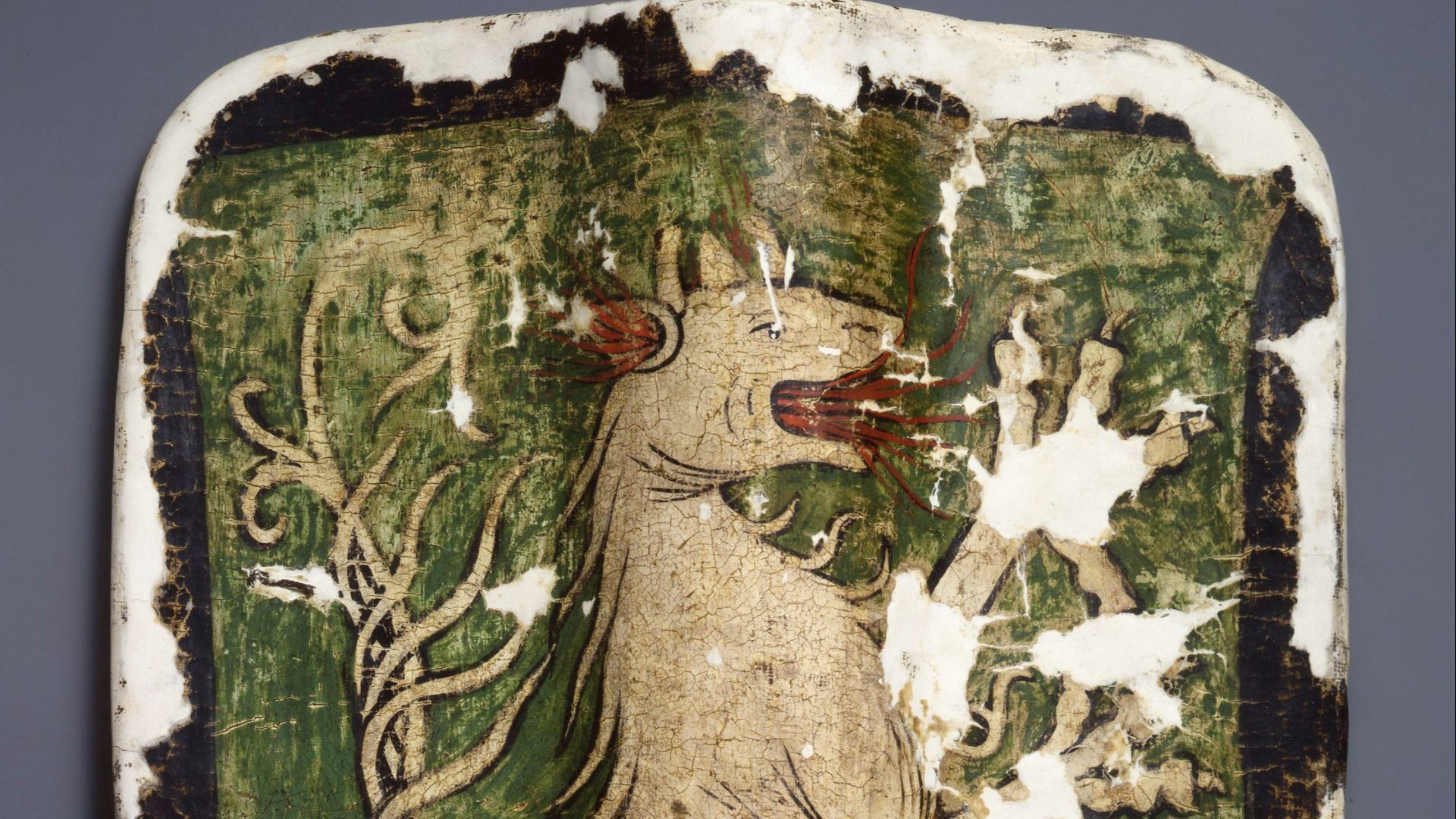
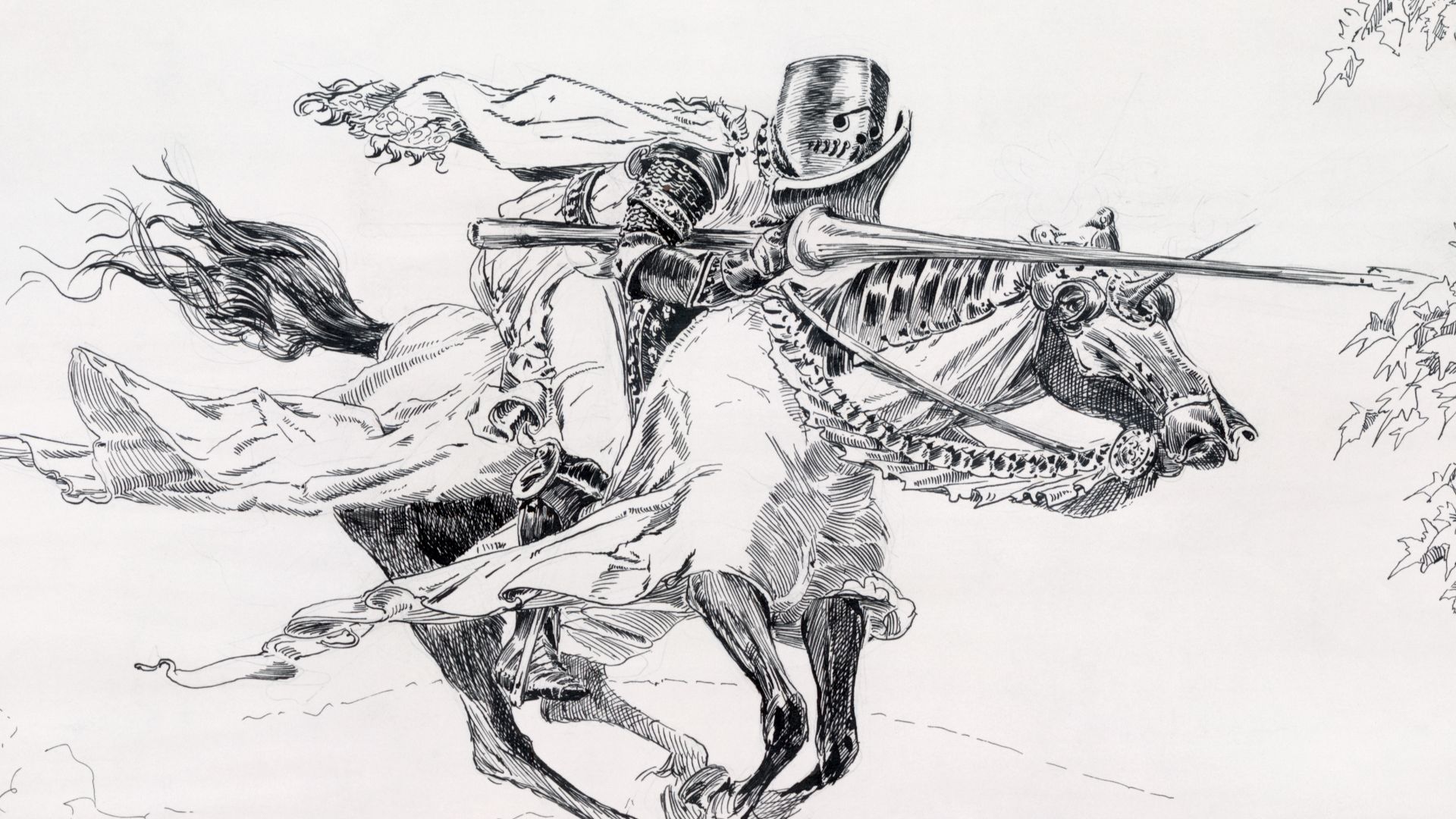
20. Horseman’s Lance
The lance was built for one purpose: high-speed impact. A cavalry charge with leveled lances could break bodies instantly. Medieval warfare often depended on that kind of force delivered without warning.
KEEP ON READING

20 Weirdest Historical Objects in Museums
Check Out the Pickled Heart of a Saint. Museums carry…
By Rob Shapiro Oct 1, 2025
20 Scariest Missing Persons Cases in History
Eerie Disappearances. There's something uniquely unsettling about a person who…
By Christy Chan May 1, 2026
20 Greatest Ancient Athletes In History
Ancient Olympics. Long before modern stadiums and multimillion-dollar endorsements, athletes…
By Sara Springsteen May 1, 2026
10 Phenomenal Mythical Creatures & 10 That Are Just Plain…
Legends Both Majestic And Peculiar. Do you ever wonder why…
By Chase Wexler Oct 1, 2025
10 Presidents Who Never Served In The Military & 10…
Commanders And Civilians In Office. Power can rise from very…
By David Davidovic Sep 1, 2025
20 Wars That Could Have Ended Much Sooner Than They…
Wars That Lasted Far Too Long. Wars are often remembered…
By David Davidovic Sep 1, 2025