

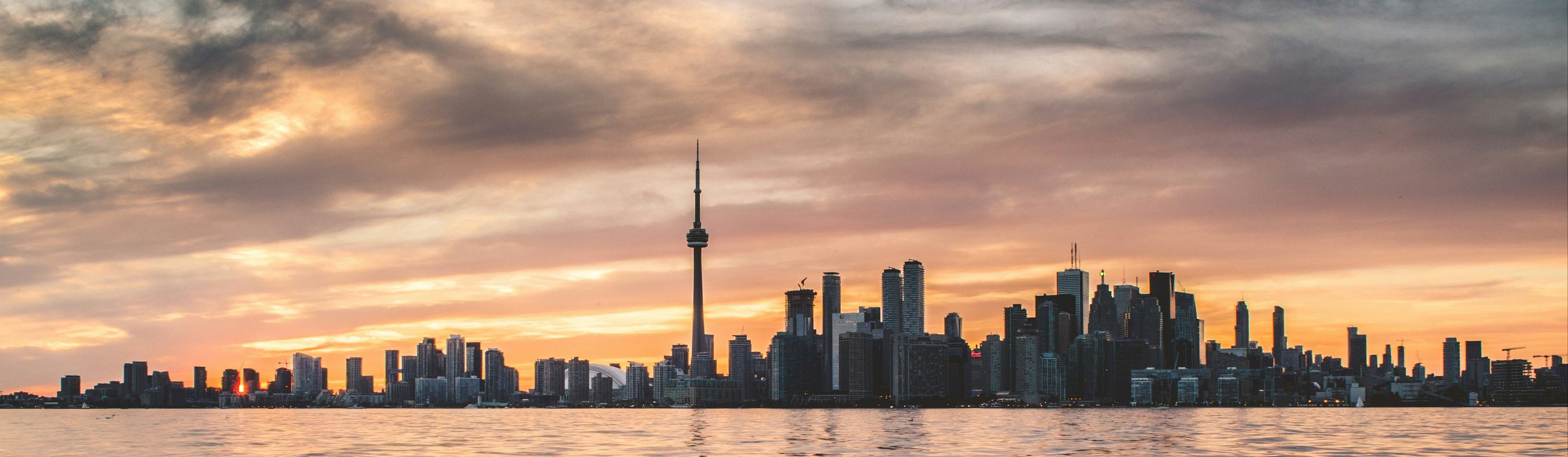
Toronto History, Built Into the Setting
Murdoch Mysteries takes place in Toronto at a pivotal moment, around the turn of the century. When watching the show, you’ll easily recognize real institutions, debates, neighborhoods, and real-life figures showing up in ways that match what people in Toronto were dealing with at the time. The stories may be fictional, but the world around them keeps circling back to how Toronto actually grew, argued, built, and modernized.
1. Station House Four
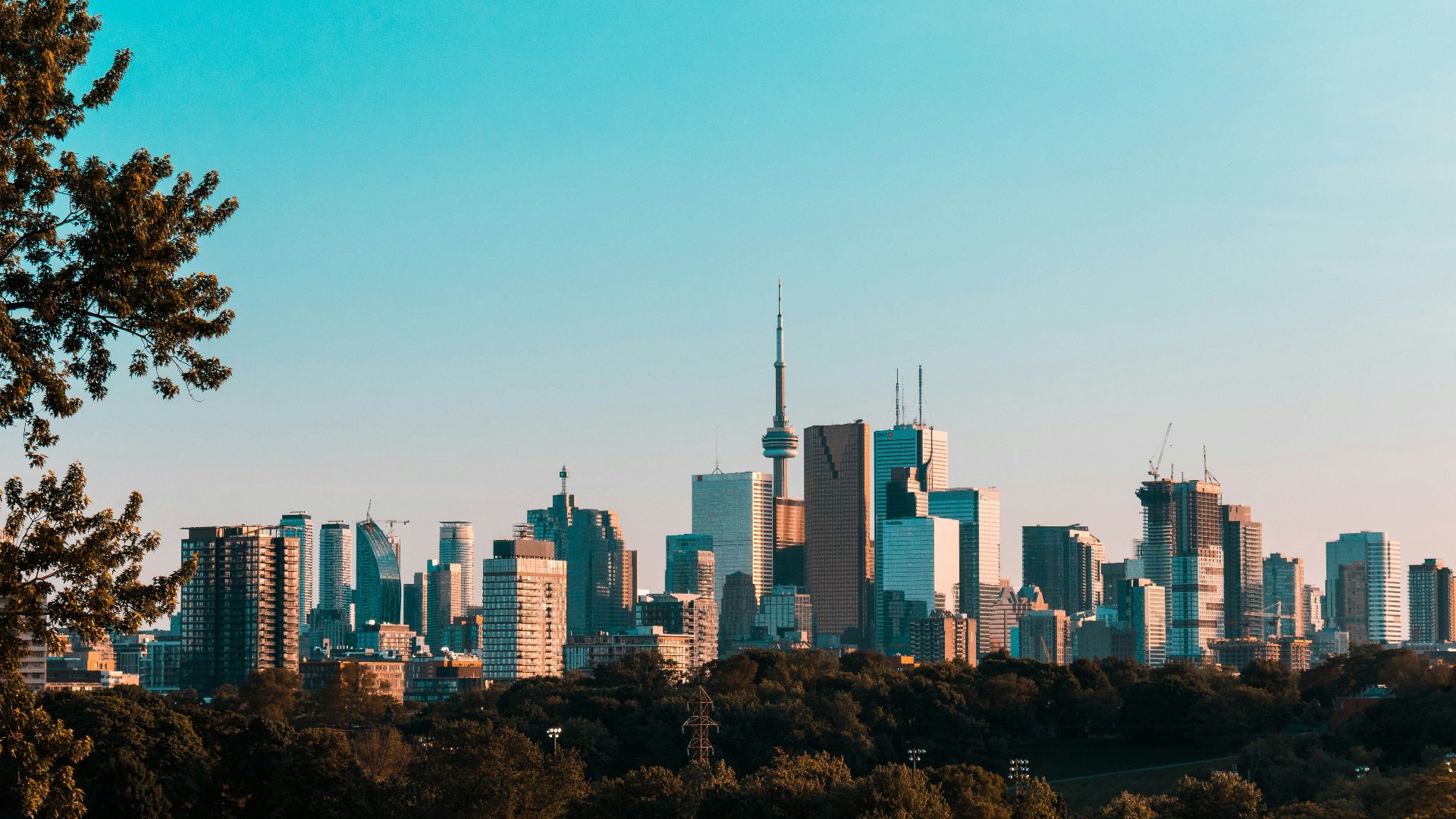
The show’s Station House Four reflects how Toronto policing was organized through numbered divisions and local stations. A real Station No. 4 operated at Parliament and Dundas, around what is known today as the neighborhood of South Cabbagetown/Regent Park.
 Enoch Leung from Canada on Wikimedia
2. John Wilson Murray
William Murdoch is often linked to the real detective John Wilson Murray, who became Ontario’s first salaried provincial detective in 1875. That reference places the series in a moment when professional detective work was taking shape instead of being improvised.
 Canadian Film Centre from Toronto, Canada on Wikimedia
3. Foot Patrol Culture
The show regularly highlights officers walking beats and learning streets by memory, which matches how early Toronto policing worked. Foot patrols were common because neighborhoods were dense, and officers had to be visible to be effective.
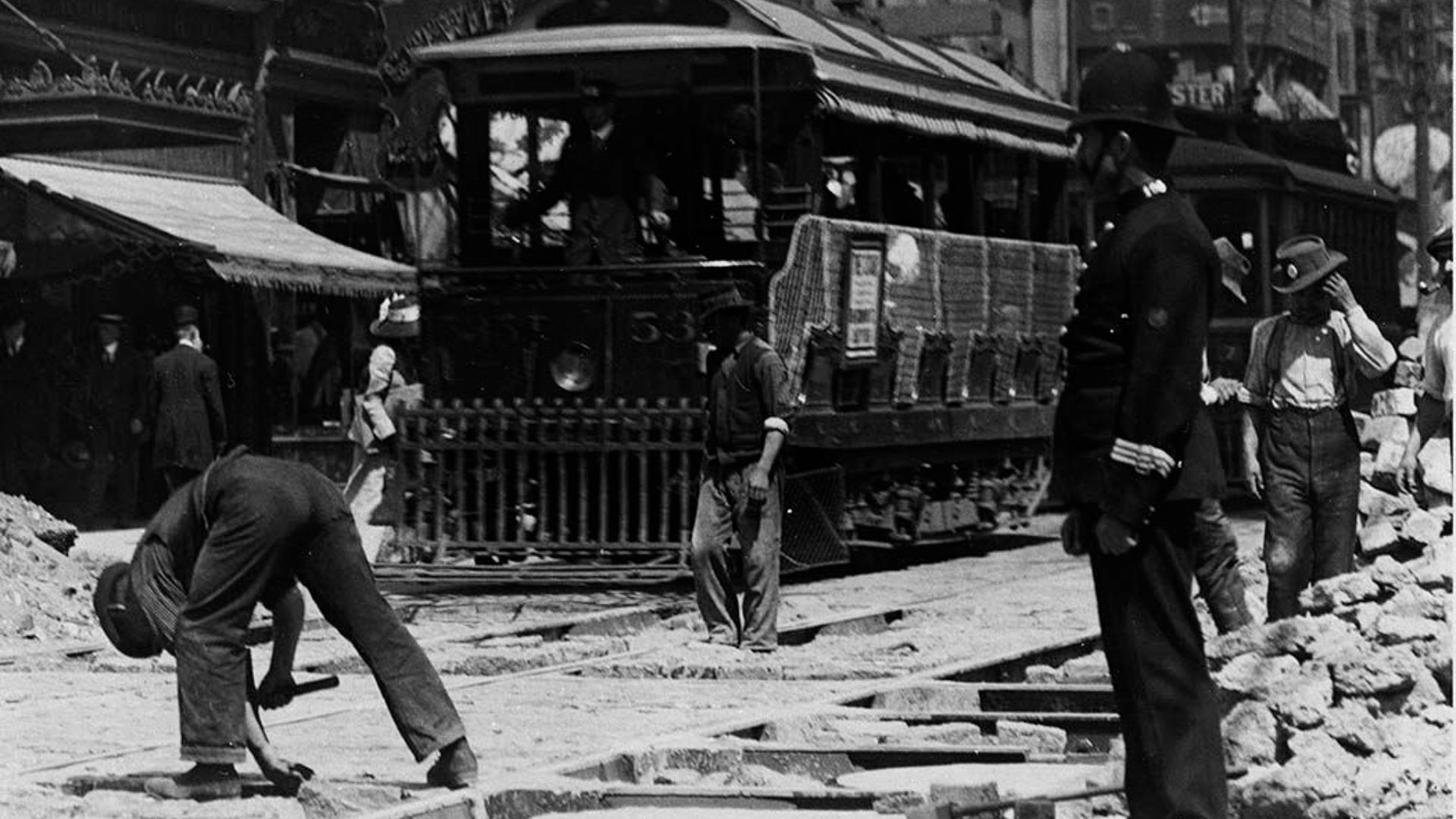 Creator:Arthur S. Goss via Toronto History from Toronto, Canada on Wikimedia
4. Bicycle Police
Bicycle patrols were a real feature of turn-of-the-century policing, and the series treats them as practical rather than flashy. Bikes let officers cover parks and long streets faster than walking, without needing a horse. It is a small detail, but it fits a city experimenting with new ways to move.
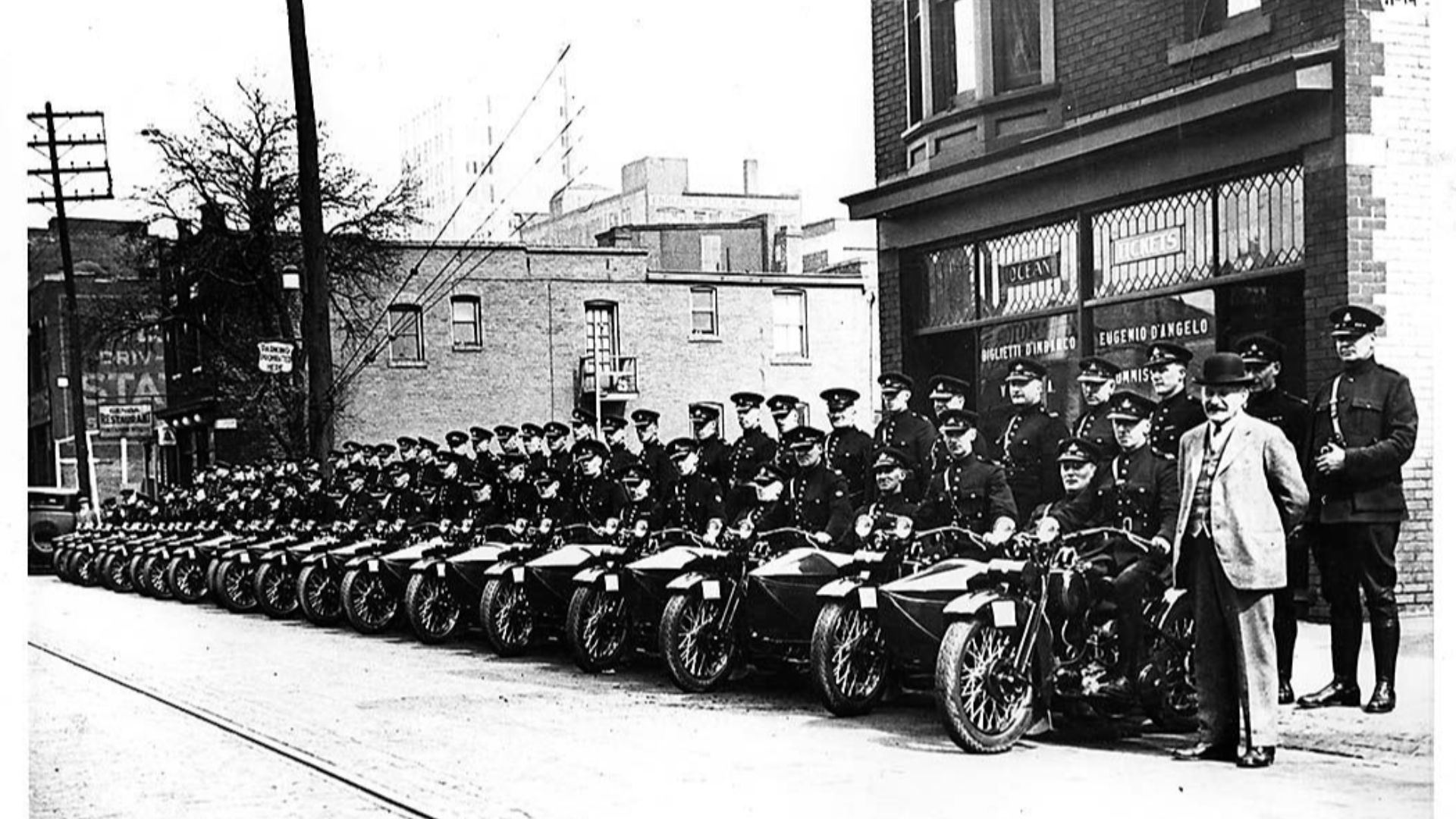 Toronto History from Toronto, Canada on Wikimedia
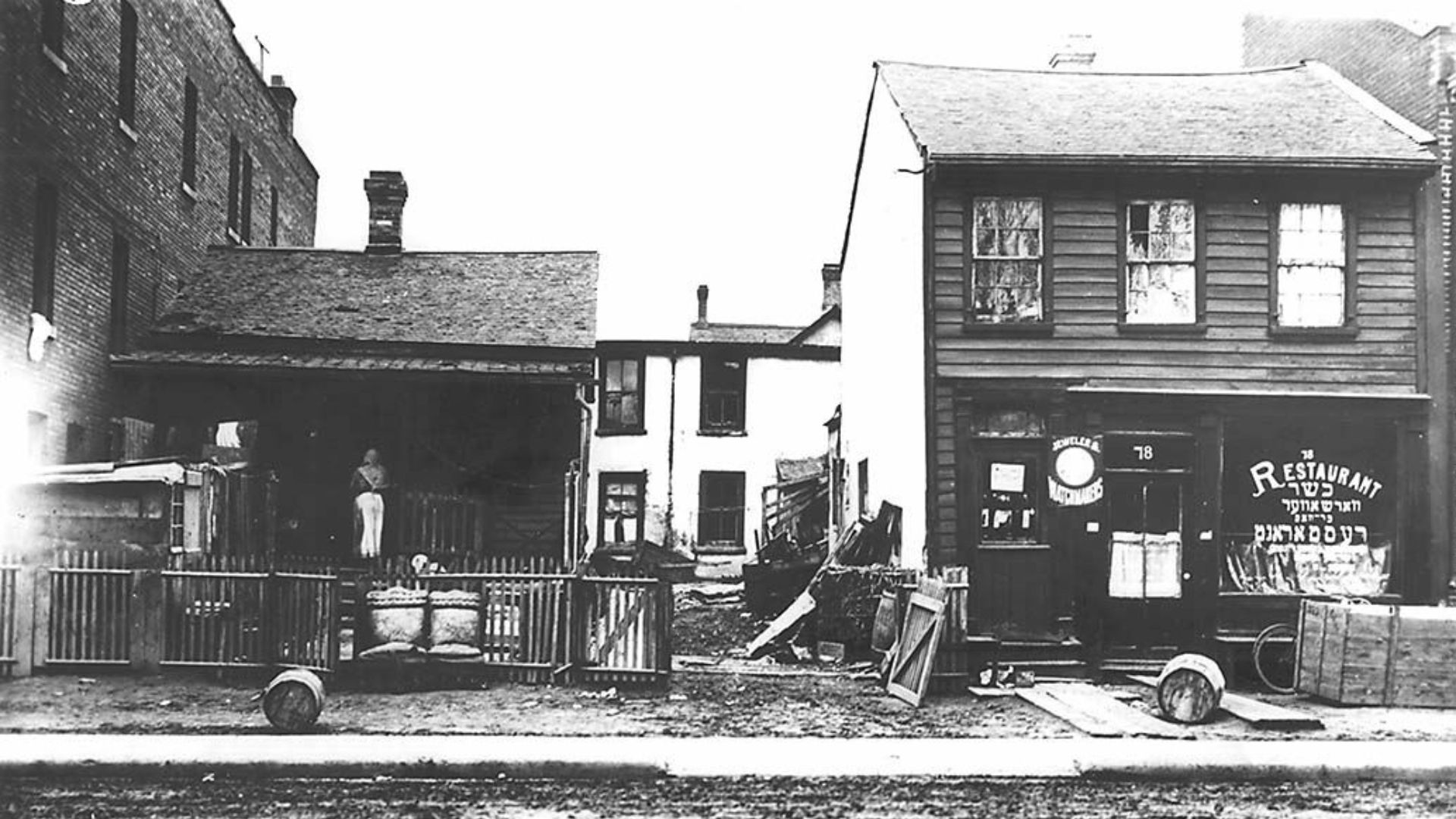
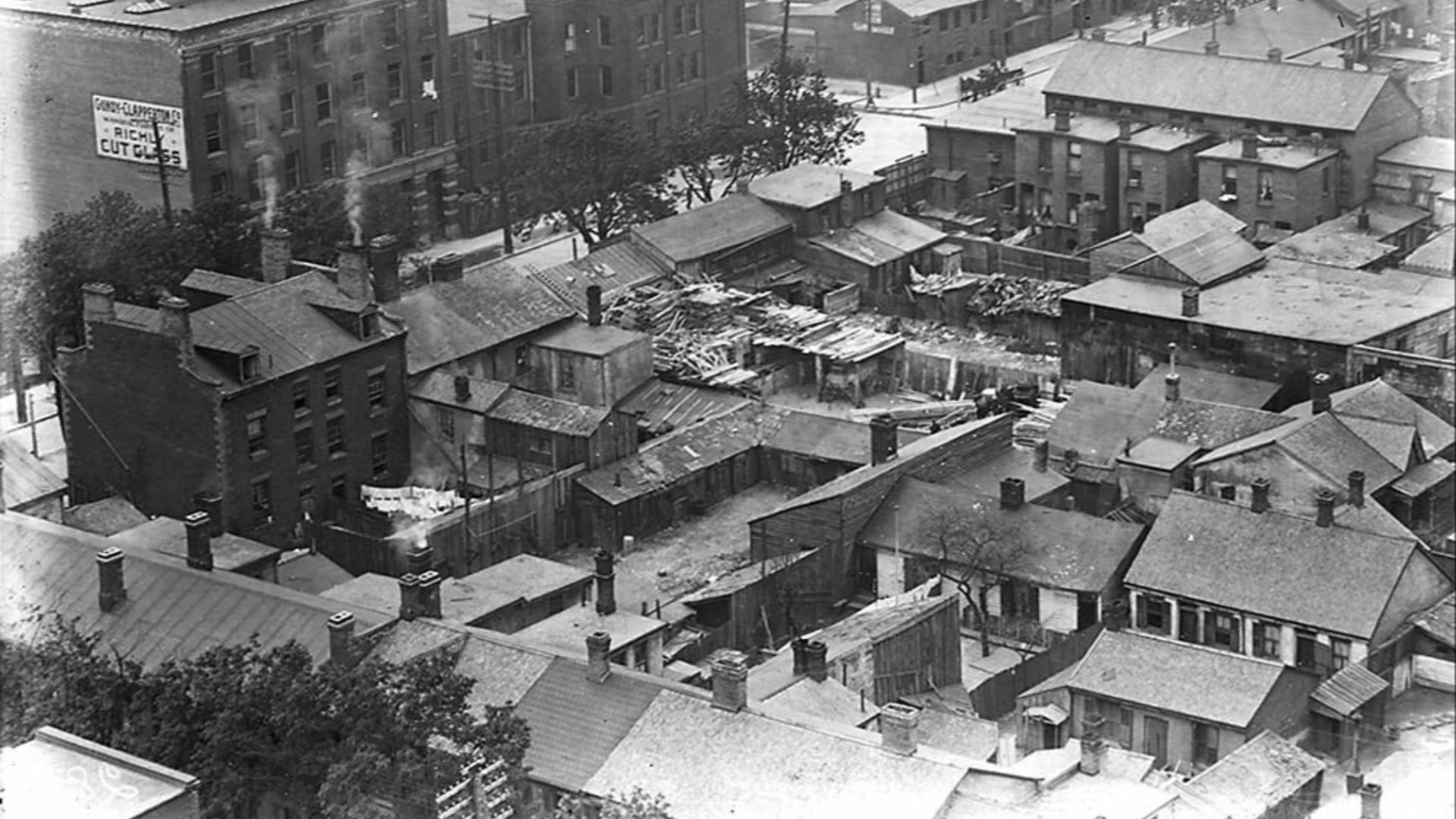
5. The Ward
When the show brings you into crowded downtown living conditions, it echoes the real Ward, also called St. John’s Ward. This area became a major landing spot for immigrants and included Jewish, Italian, and other communities, along with Toronto’s first Chinatown. The series’s use of that environment helps you understand how much of Toronto’s growth came from newcomers working and settling close to the core.
6. Early Branch Libraries
Public reading didn’t start with big modern buildings, and the show’s library references fit that reality. For example, Toronto had a branch library service running out of places like Brockton Town Hall between 1888 and 1909, showing how access expanded step by step.
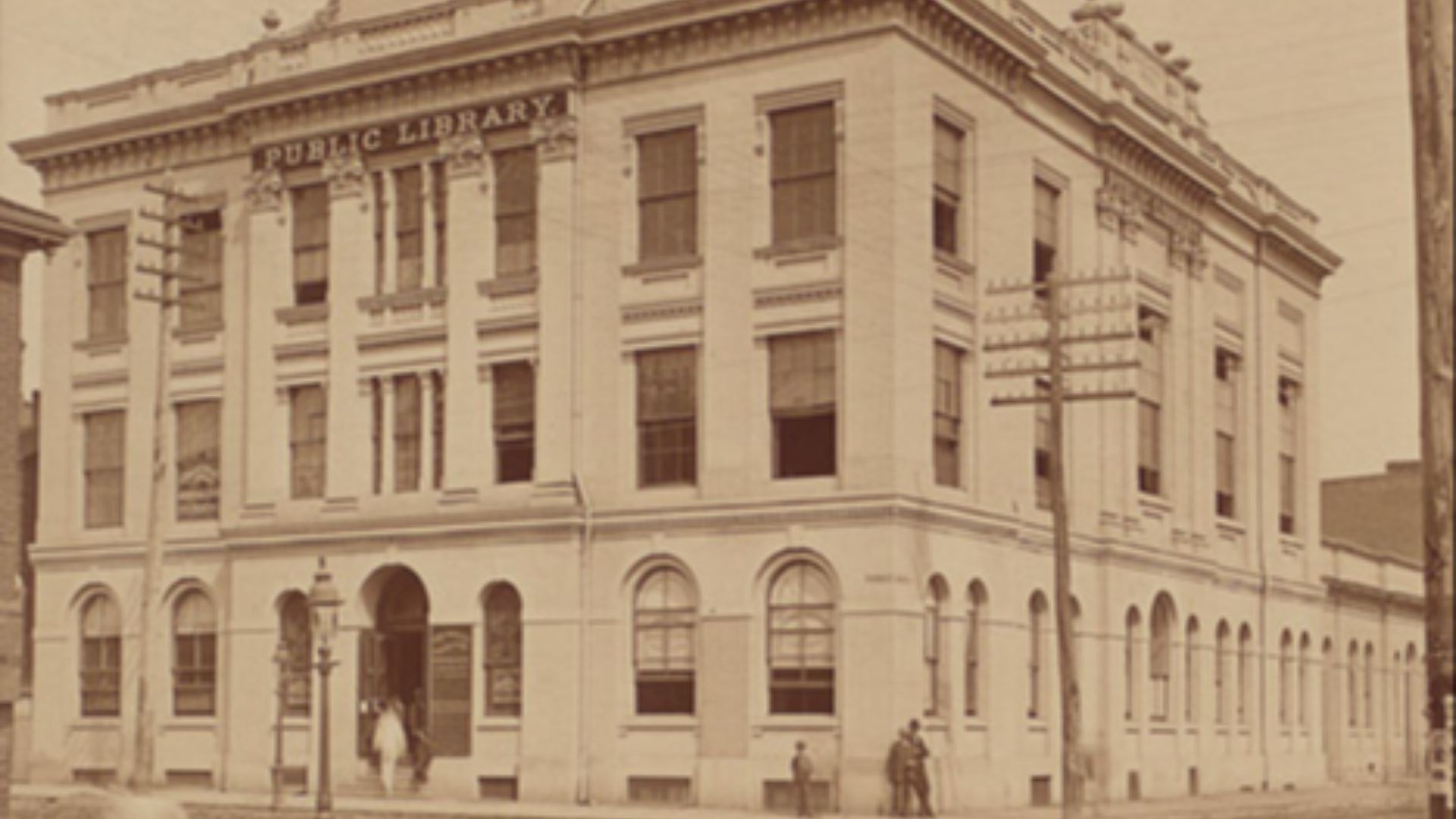 Unknown authorUnknown author on Wikimedia
7. Mechanics’ Institute Learning
Before public libraries reached everyone, Mechanics’ Institutes supported lectures, trade learning, and reading rooms. Toronto’s Mechanics’ Institute began in 1830 and later operated from a major building at Church and Adelaide in the 1880s.
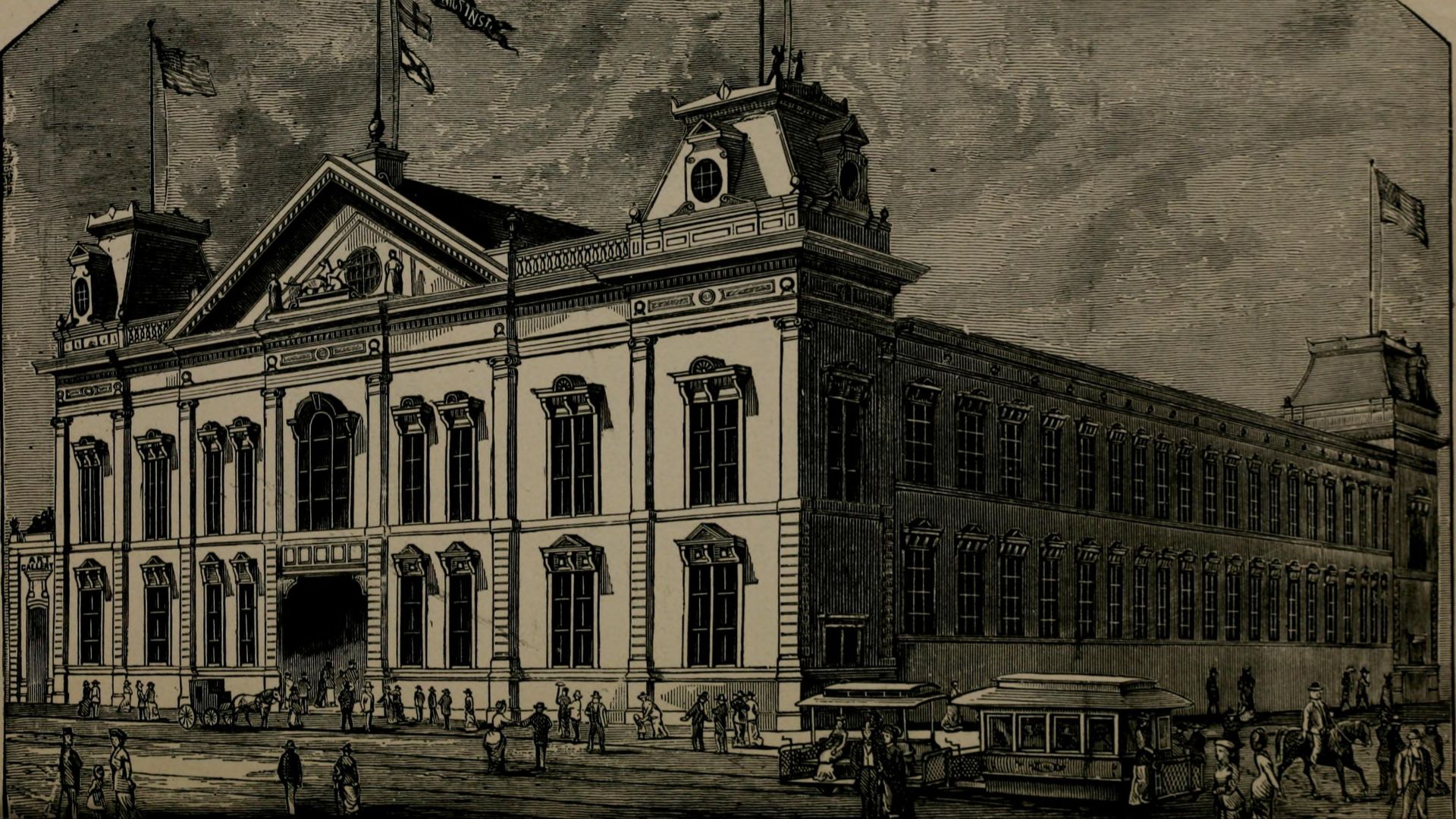 Internet Archive Book Images on Wikimedia
8. Queen Street Asylum
The series’ references to the Provincial Lunatic Asylum connect to the real institution that stood at 999 Queen Street West, opening in 1850. Large public asylums were a common approach to mental health care at the time, and they were meant to be orderly and “modern” by 19th-century standards.
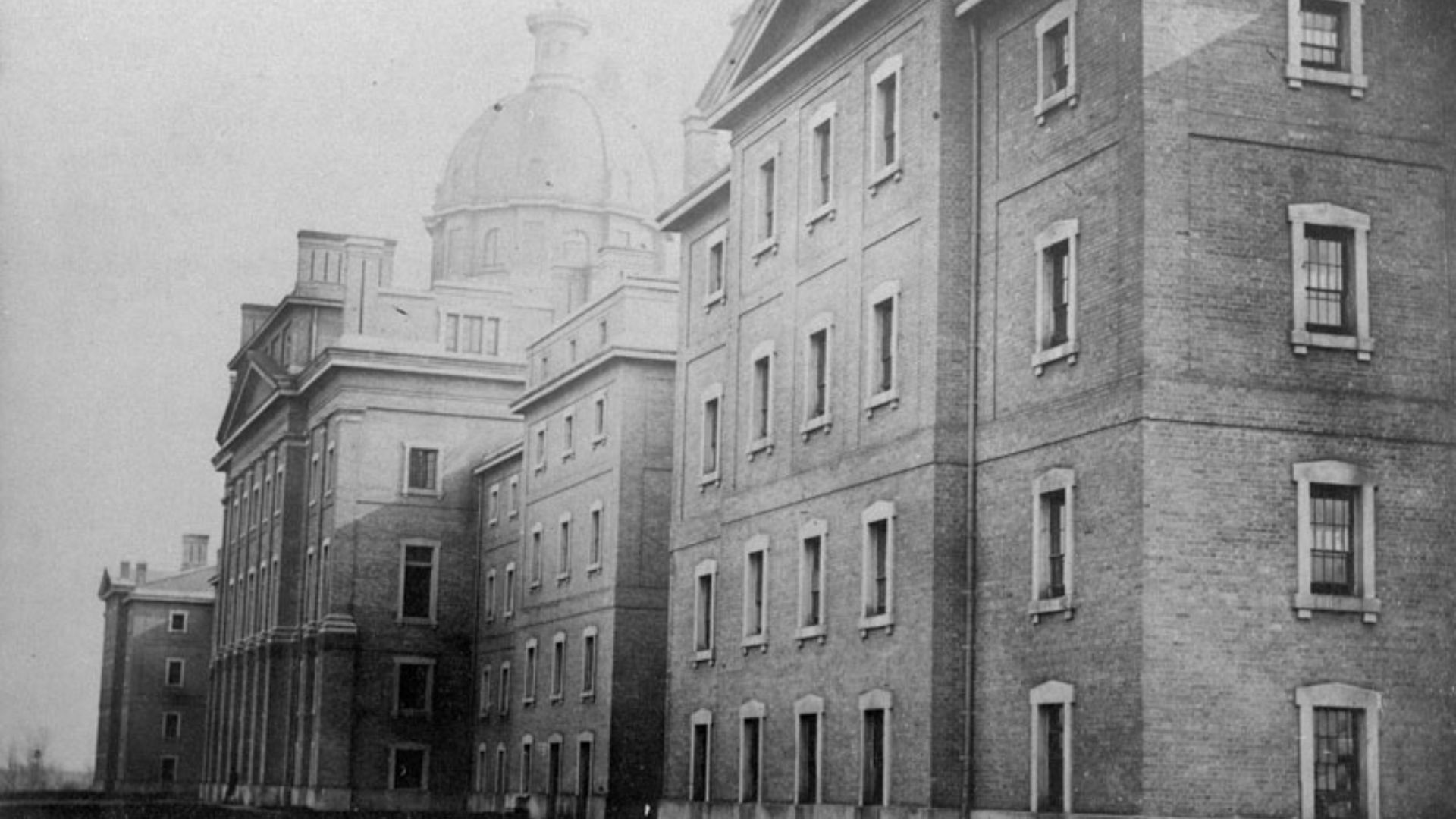 Unknown authorUnknown author on Wikimedia
9. Early SickKids
Toronto’s Hospital for Sick Children expanded into dedicated facilities in the late 1800s, including a hospital building that opened in 1892. When the series points toward pediatric care and specialized hospitals, it matches the city’s growing focus on public health. You also get a sense of how medical services were becoming more organized as Toronto’s population increased.
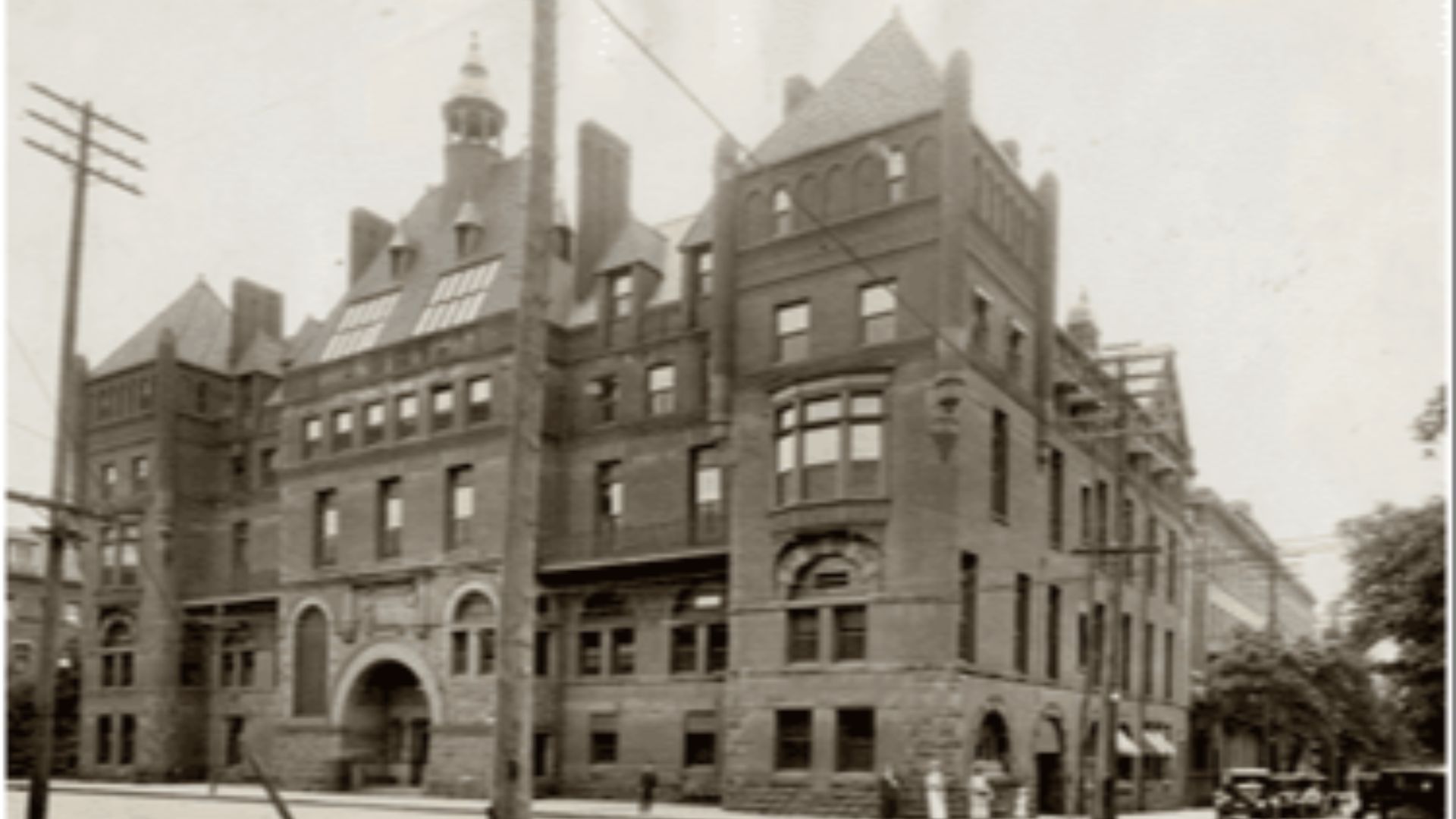 Unknown authorUnknown author on Wikimedia
10. Queen’s Hotel
The Queen’s Hotel was one of Toronto’s best-known hotels in the late 19th century, located across from the area that would become Union Station’s busy rail hub. It was a place tied to travel, business, and social status, which fits how the show uses prominent hotels as meeting points. Including it helps ground the series in a Toronto that was already thinking like a major city.
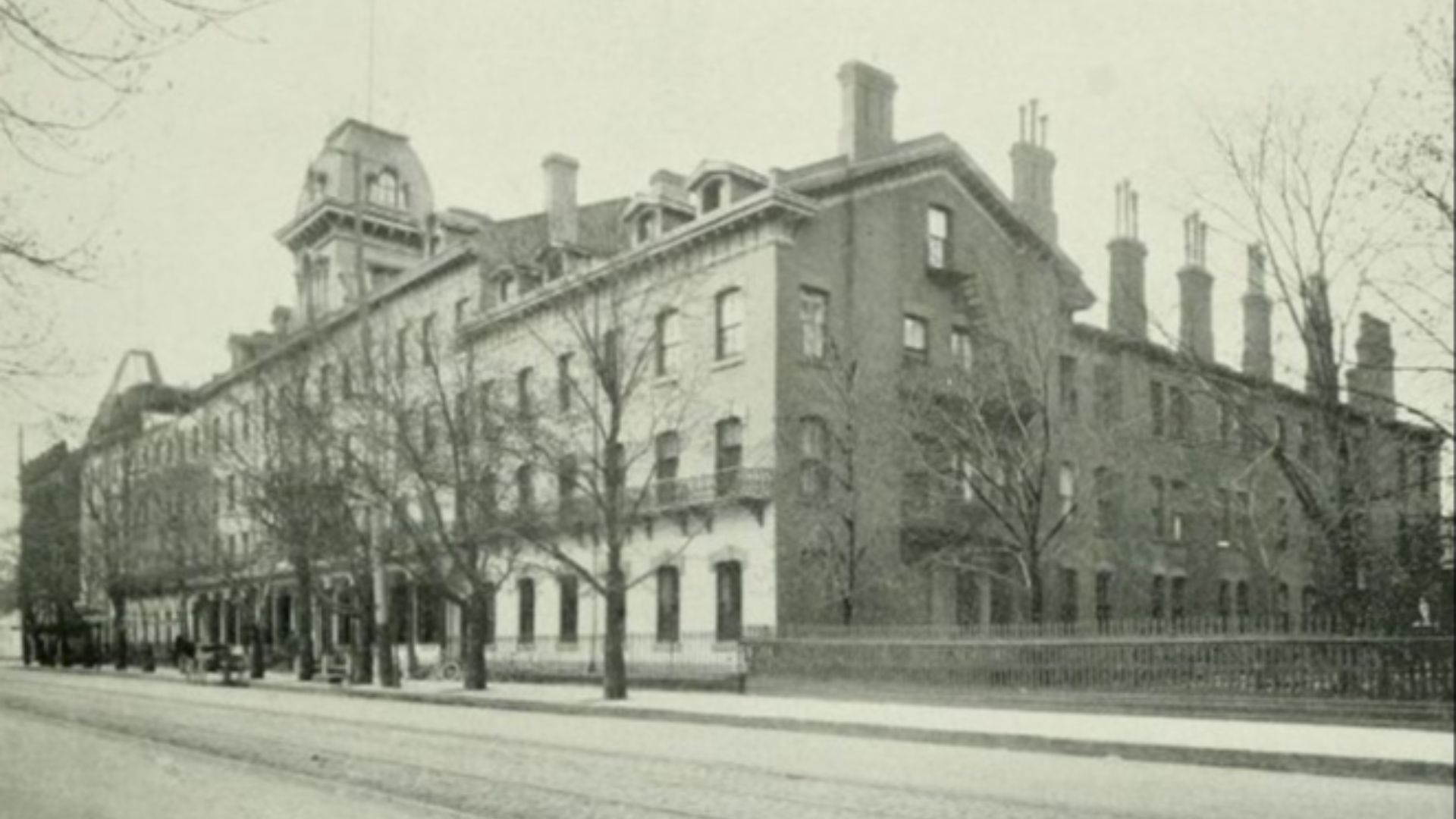 Publisher: Toronto : McLeod & Simpson on Wikimedia
11. Bishop Strachan School
Elite education shows up in the series in ways that match Toronto’s real private schooling culture. Bishop Strachan School opened in 1867 and educated girls in a setting shaped by strict expectations and social rules. When those standards appear in storylines, they reflect the real pressures placed on young women in wealthy circles.
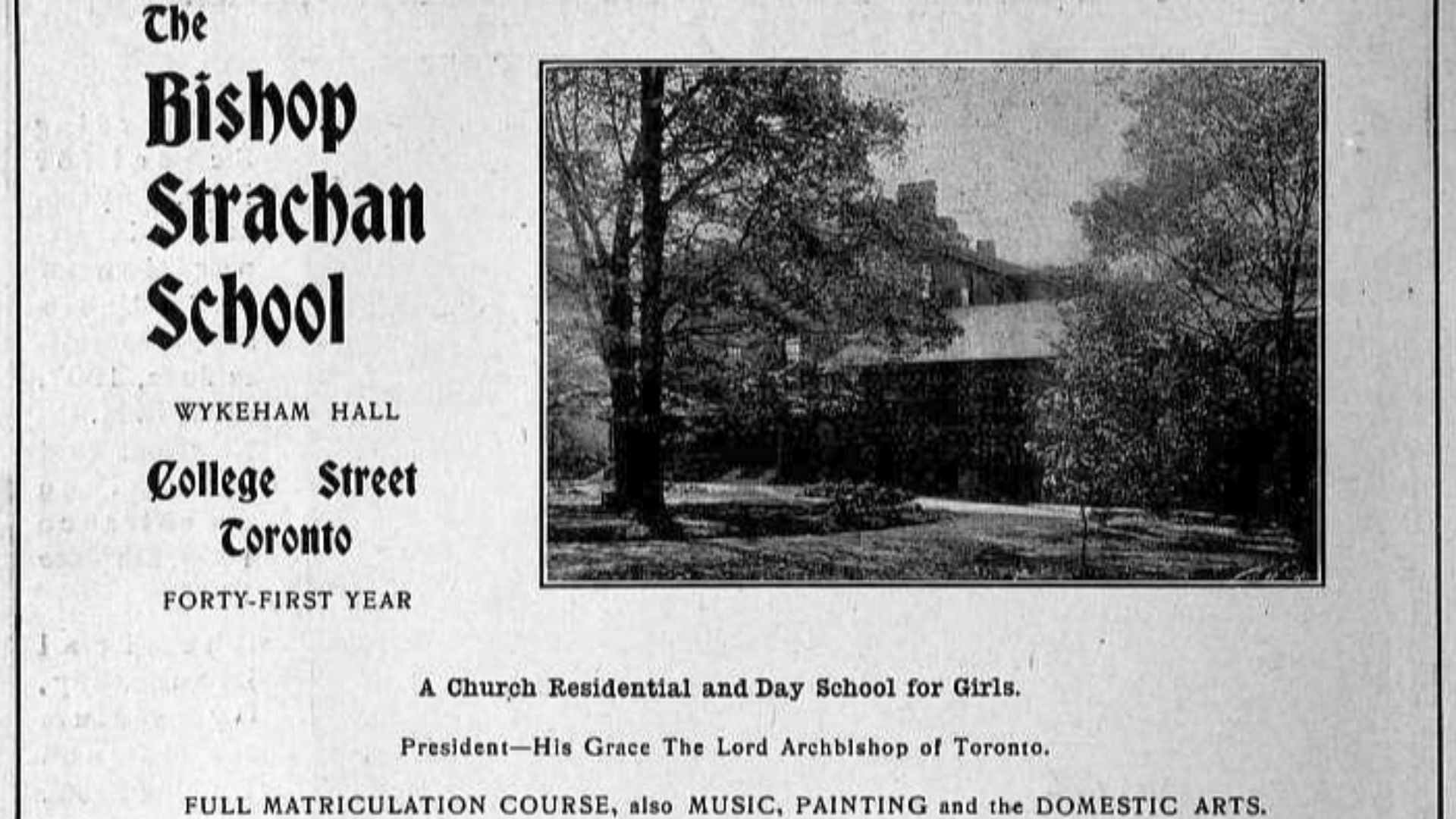 Unknown authorUnknown author on Wikimedia
12. Royal Alexandra Theatre
The Royal Alexandra Theatre opened in 1907, and the show treats that kind of venue as a sign that Toronto’s cultural scene was expanding. Live theater mattered because it was entertainment, social life, and public conversation all at once. You can see how the city’s identity was shifting beyond churches and commerce into arts and nightlife.
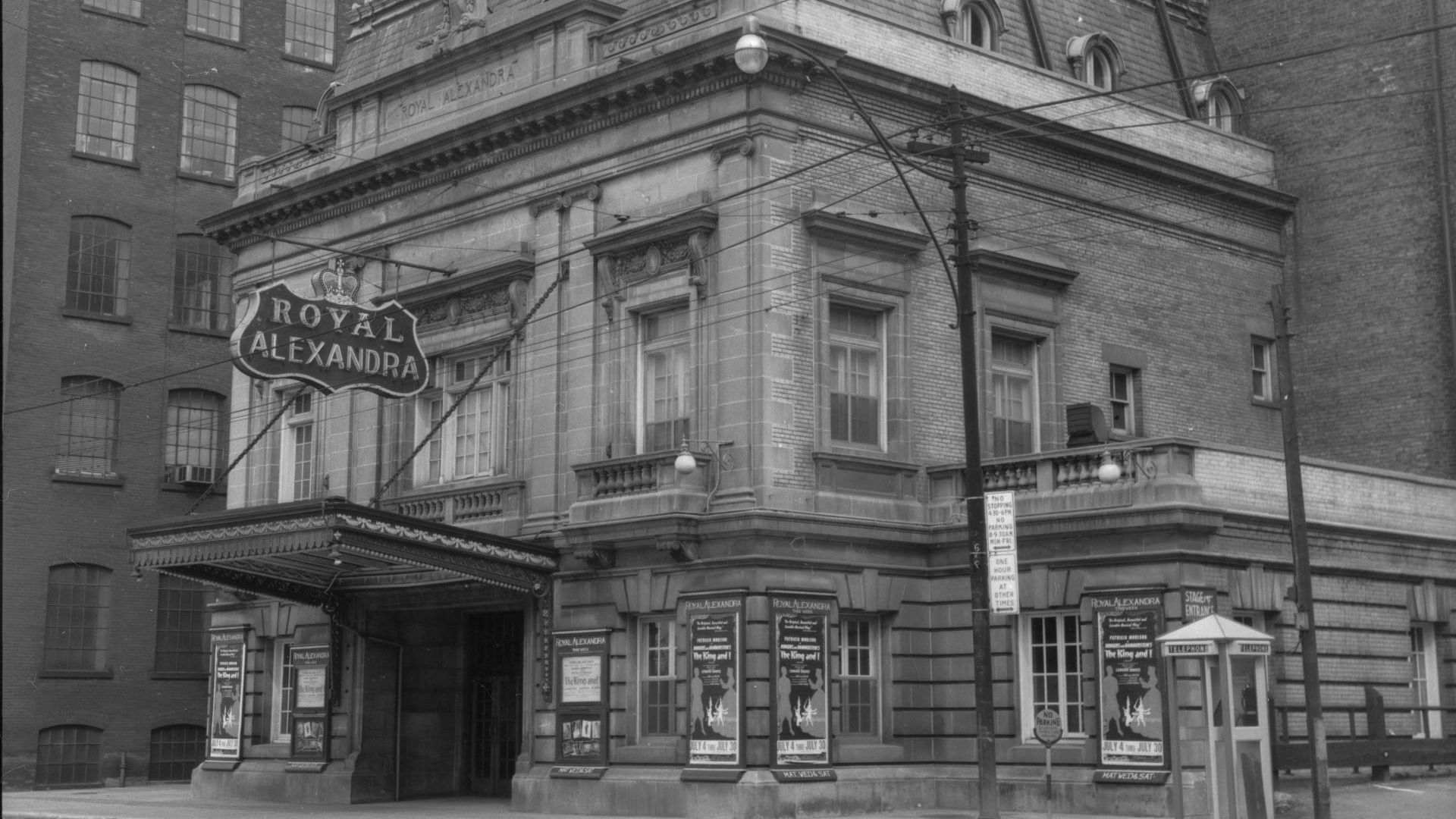 James Victor Salmon on Wikimedia
13. Eaton’s Retail Shift
Eaton’s began in Toronto in 1869 and helped popularize fixed prices and large-scale department store shopping. The series uses Eaton’s as a reference point because it was a real symbol of changing consumer life and downtown work.
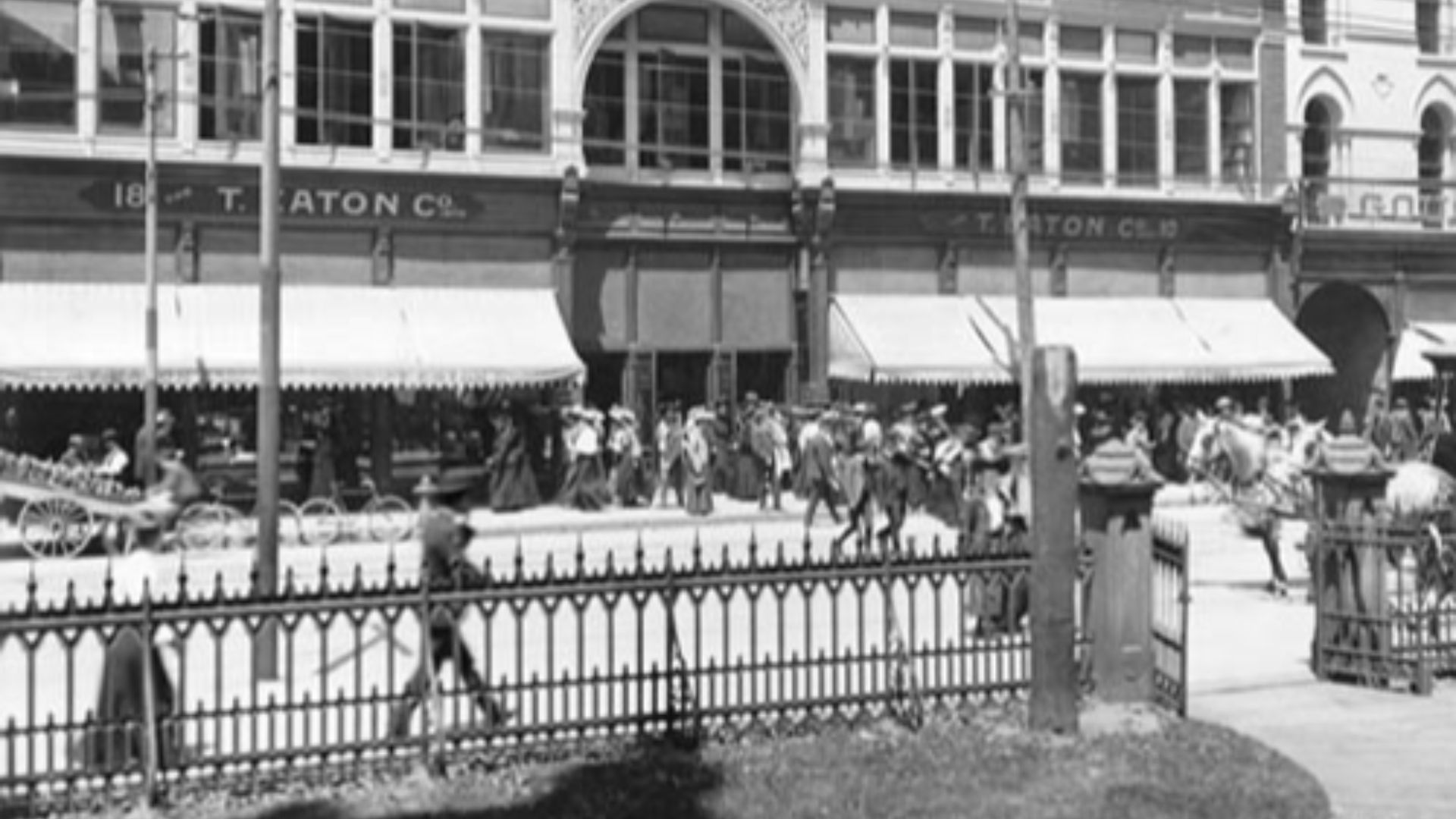 Unknown authorUnknown author on Wikimedia
14. Junction Temperance
The Junction’s “dry” reputation reflects real local-option temperance politics, especially in the early 1900s. Communities debated alcohol as a public issue tied to family life, safety, and morality, and those arguments often played out through local votes.
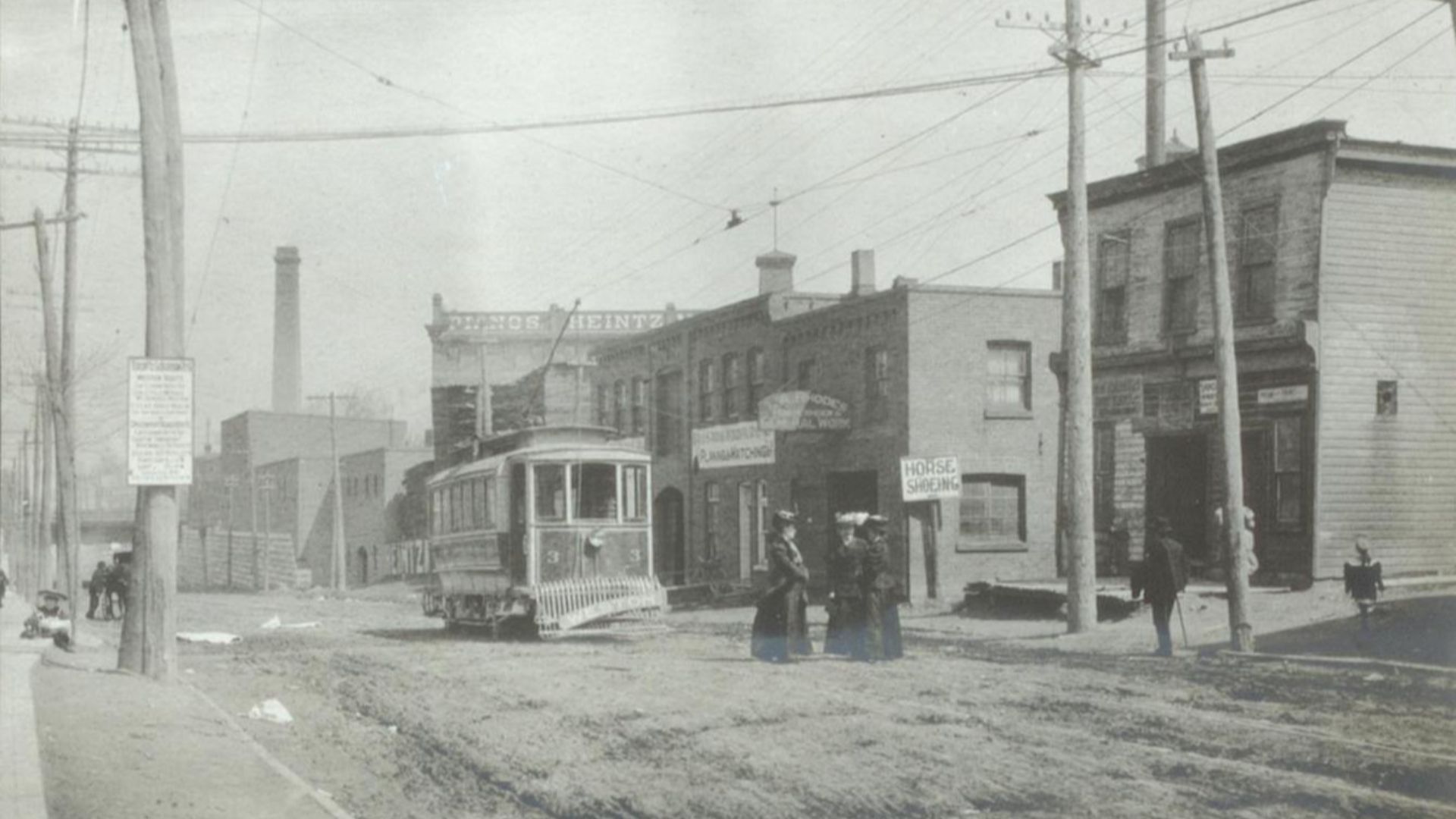 Tyrrell, Joseph Burr (1858-1957) on Wikimedia
15. Ward-Based Politics
City government in Toronto was deeply tied to ward politics, with aldermen and local campaigns influencing public decisions. The series treats politics as practical and sometimes self-interested, which is historically believable.
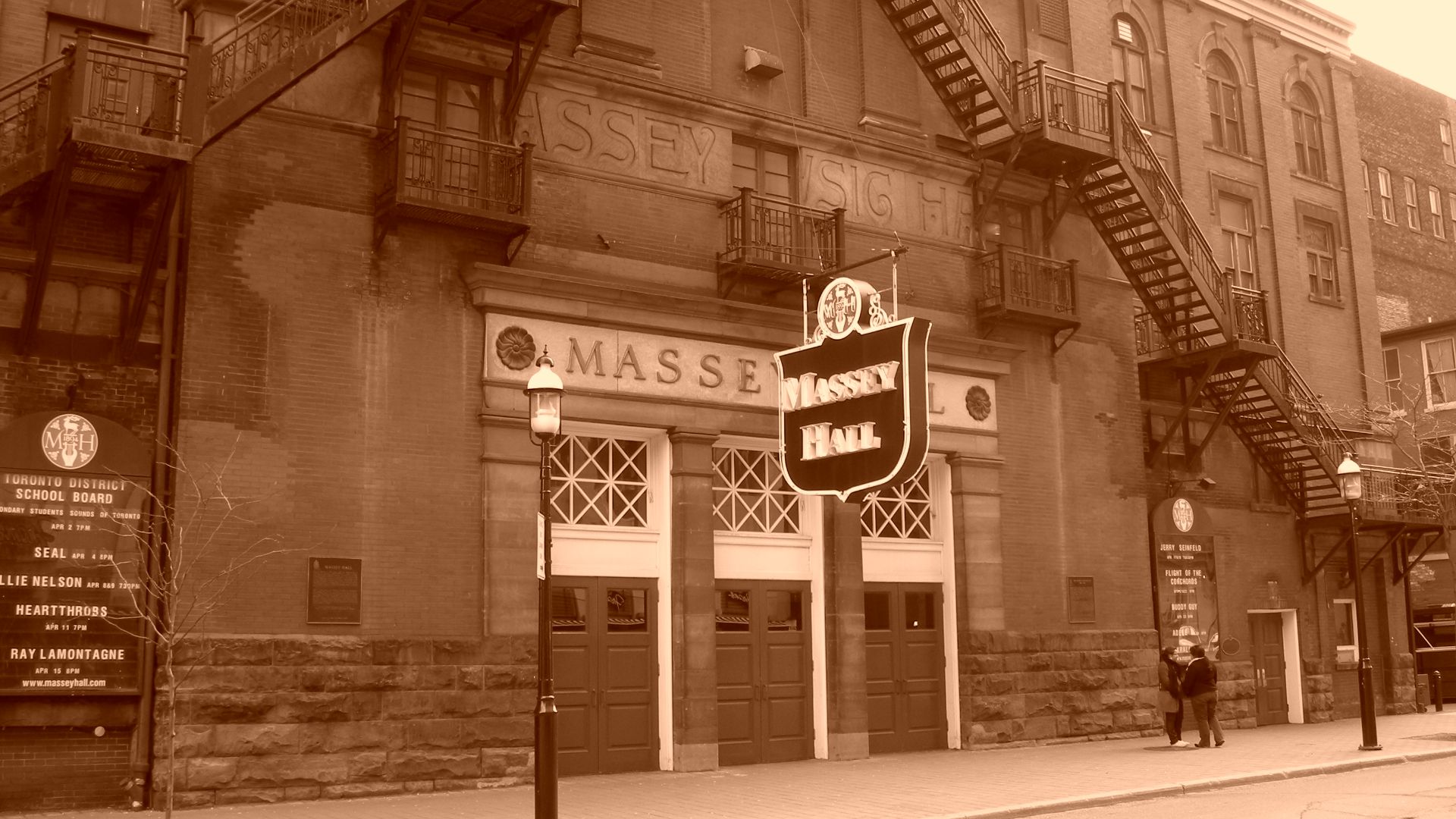
16. Massey Hall Lectures
Massey Hall opened in 1894 and quickly became a major venue for speeches and public events, not just music. High-profile speakers, including well-known writers, drew crowds who wanted information and entertainment on the same night. The show’s lecture scenes reflect a Toronto where public talks were a real part of city culture.
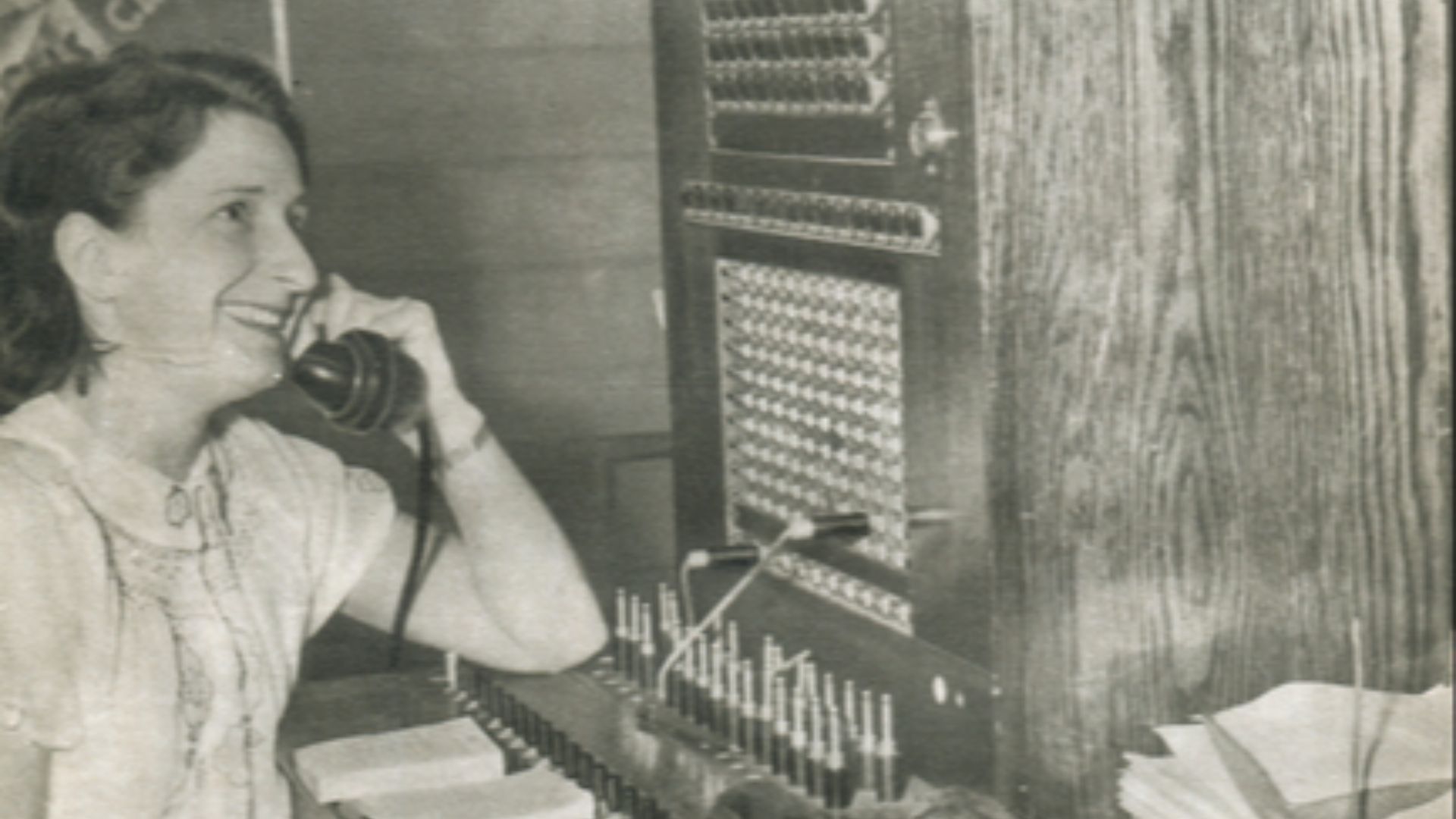
17. Switchboards and Early Calls
Telephone switchboards changed communication by connecting strangers, businesses, and officials faster than ever. The series leans into how that technology affected privacy, rumors, and investigations, which fits the period’s anxieties.
 Ballarat Heritage Services on Wikimedia
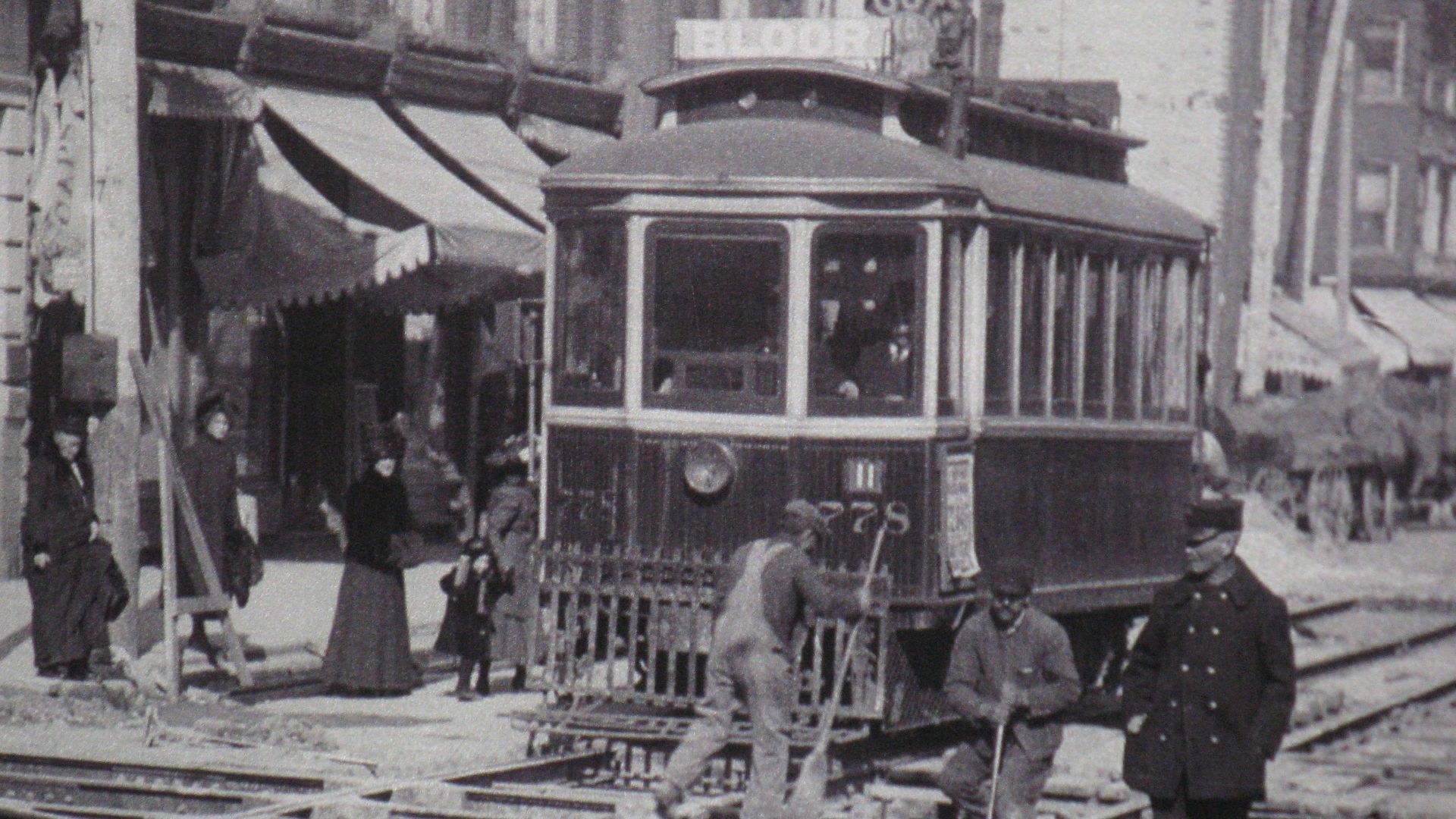
18. Streetcar Life
Streetcars shaped Toronto’s daily movement, and the series uses them as crowded public spaces where class and conflict mixed. The Toronto Railway Company operated streetcar service from 1891 to 1921, which matches the show’s heavy streetcar presence.
 Unknown authorUnknown author on Wikimedia
19. Great Fire of 1904
Toronto’s Great Fire on April 19, 1904, destroyed at least 98 buildings across about 20 acres in the city’s industrial core. When the series references the fire or treats downtown as a place that can be disrupted overnight, it is pointing to a real civic trauma. Rebuilding after disasters was part of how Toronto became more regulated and more modern.
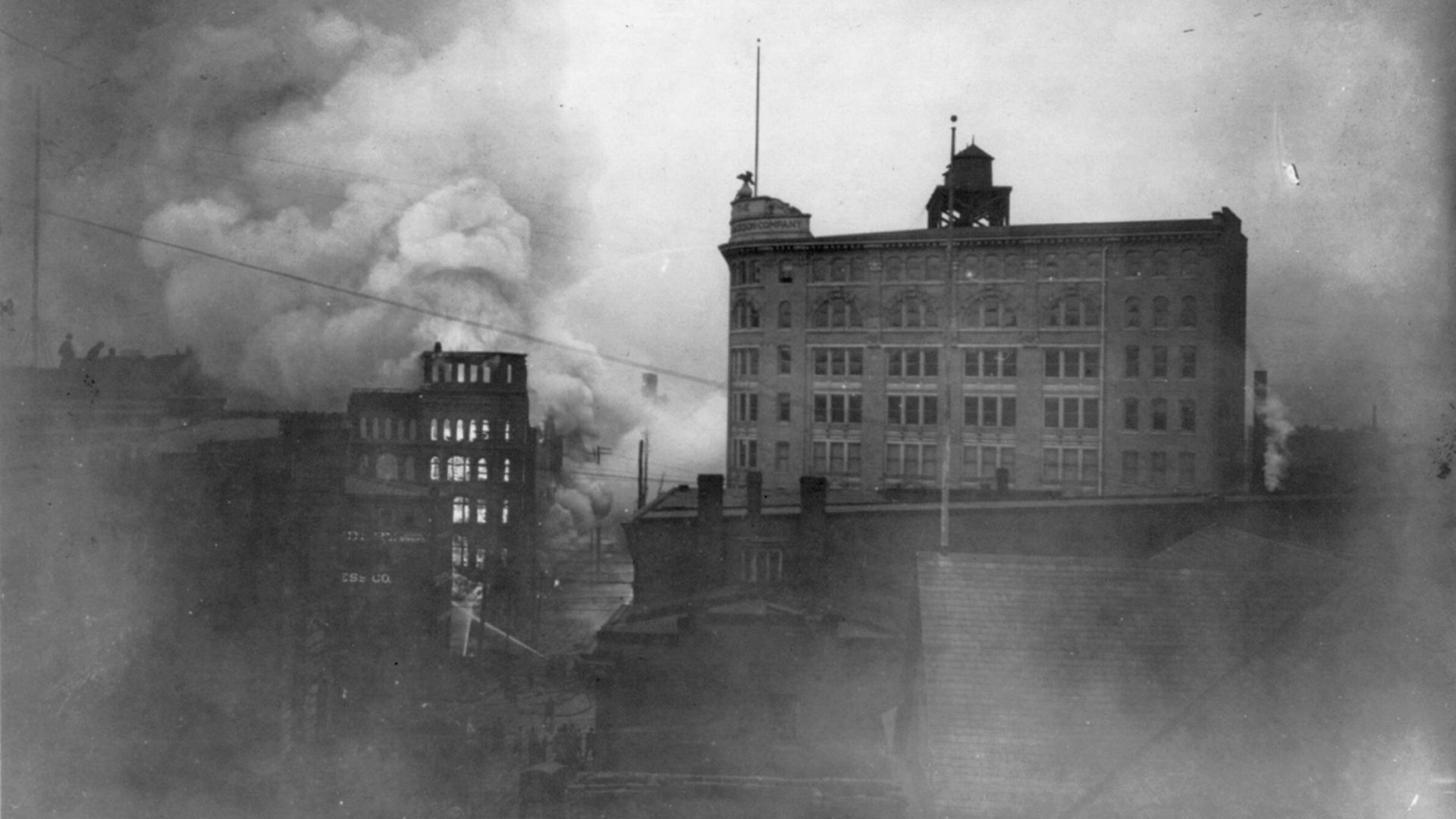 Photo copyrighted by Joseph E. Henry. on Wikimedia
20. Orange Day Tensions
Orange Day parades reflect the Orange Order’s influence in Ontario and the real religious and political tension between Protestants and Irish Catholics. The series uses that public event to show how identity and suspicion could shape policing and public reaction. Even when the plots are fictional, the social strain behind them matches what Toronto residents actually experienced.
KEEP ON READING
10 Greatest Quarterbacks Of All Time & 10 That Are…
Do You Disagree?. Few topics in sports generate as much…
By Farva Ivkovic Dec 2, 2025
The story of Ching Shih, the Woman Who Became the…
Unknown author on WikimediaFew figures in history are as feared…
By Emilie Richardson-Dupuis Dec 29, 2025
20 Shakespearean Words, Translated For A Modern Audience
What’s In A Word?. Shakespeare was a wordsmith of the…
By Breanna Schnurr Dec 17, 2025
20 Inspiring Stories From Native American History
Incredible Stories Of Resilience And Endurance. Many of us didn't…
By Ashley Bast Dec 17, 2025
You Think You Have Problems? These Royal Families Were Cursed
Boasson and Eggler St. Petersburg Nevsky 24. on WikimediaHeavy is…
By Ashley Bast Dec 5, 2025
MH370: The Plane That Can't Be Found
Anna Zvereva from Tallinn, Estonia on WikimediaEleven years after Malaysia…
By Christy Chan Dec 10, 2025